
1. Derrick Rose And The Season That Felt Inevitable
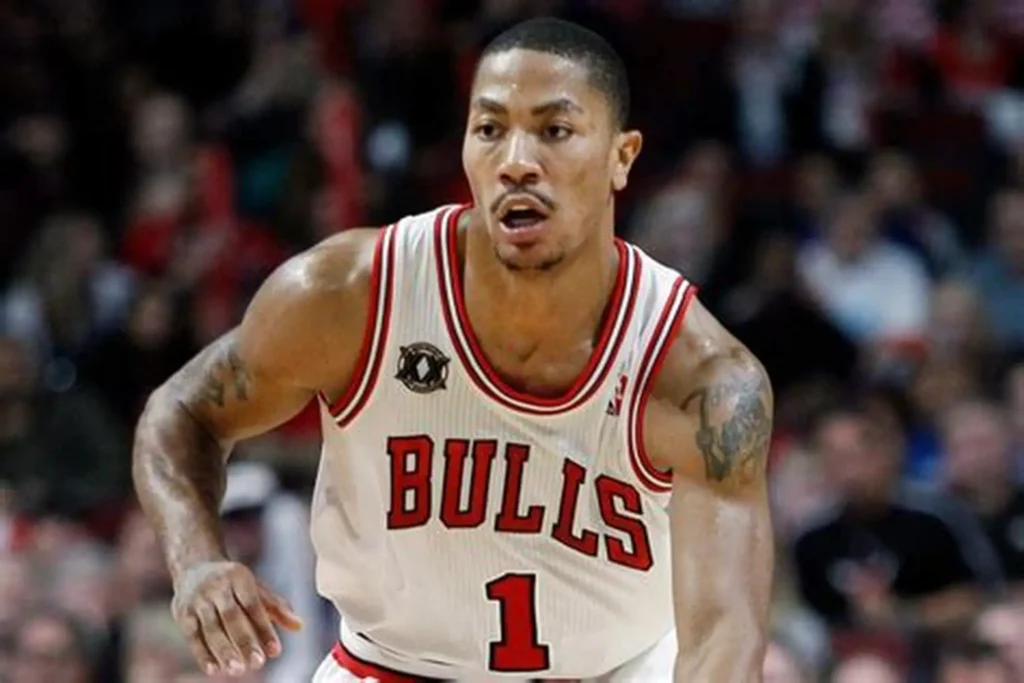
Every conversation about athletes who almost became legends seems to drift here naturally, because so many people remember exactly where they were when Derrick Rose took over the league. He moved with a kind of fearlessness that felt joyful, like the game was finally fun again. That MVP season did not feel like hype. It felt earned. Chicago believed again, fans leaned forward, and the idea of a long reign felt reasonable rather than hopeful. You did not watch him wondering if he was special. You watched wondering how far it would go.
Then the injuries came and nothing stayed simple. Each return carried belief, each setback chipped away at it. Rose adapted quietly, learning patience instead of speed, resilience instead of dominance. He built a respectable second act that earned admiration across the league. Still, that early version lingers in memory, not as tragedy, but as possibility. His story sets the tone for this list because it reminds us how close greatness can feel before circumstances change the direction entirely.
2. Bo Jackson And A Body That Would Not Cooperate
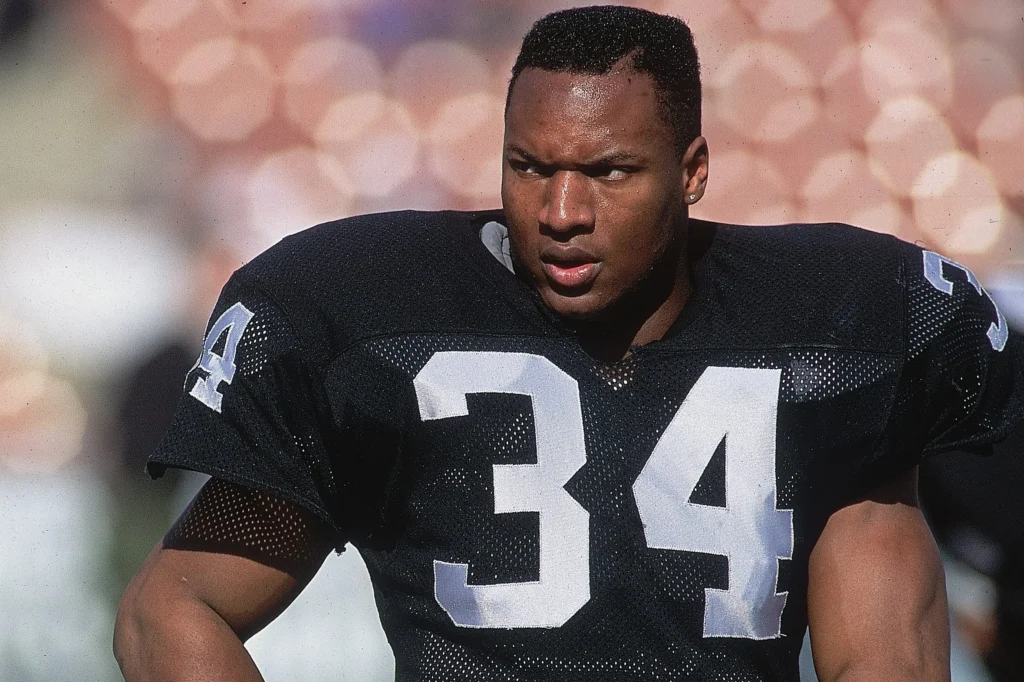
Bo Jackson never needed long explanations. You could watch him for a few seconds and understand why people spoke with disbelief. He ran through professional defenders like they were caught off guard by his existence, then casually stepped onto a baseball field and did that too. Playing two sports at that level did not feel like ambition. It felt natural. The legend was already forming in real time, without planning or promotion.
Then one injury changed everything. A damaged hip ended his football career and permanently altered his athletic future. Jackson tried to continue in baseball, and he did with flashes of power and presence, but the force that defined him was gone. What remains is not frustration, but awe. Fans still speak about him with certainty, not speculation. He is remembered not for what he failed to do, but for how obvious greatness looked before time stepped in and closed the door early.
3. Tracy McGrady And The Talent That Needed Timing
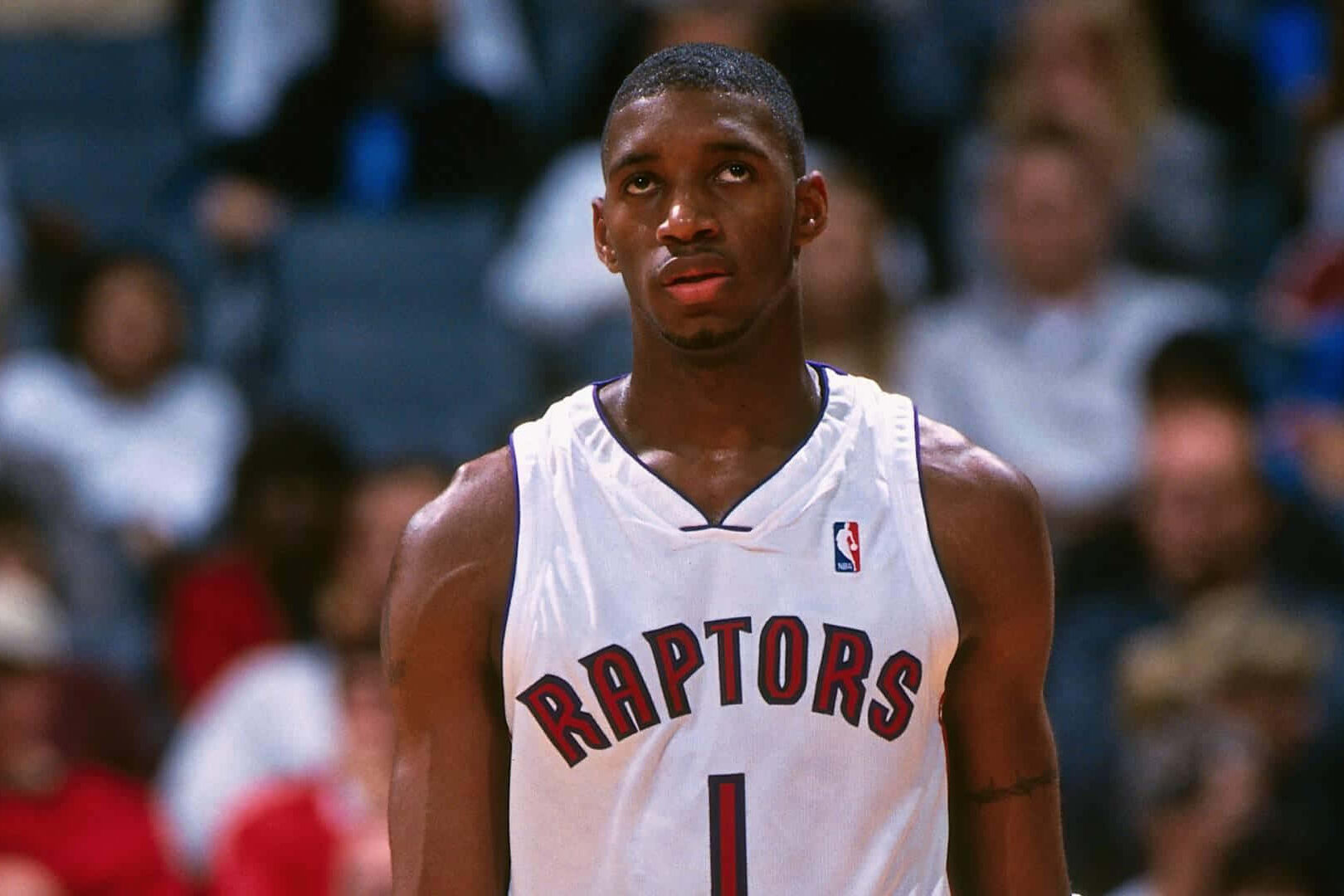
There was a stretch when watching Tracy McGrady felt effortless. Scoring came easily, movement felt smooth, and confidence never looked forced. He played like someone who expected success rather than chased it. Fans believed championships would come eventually because players like that usually find their moment. Even without titles, his individual brilliance kept hope alive.
But injuries followed him closely, especially when his teams finally looked ready. Seasons ended early. Playoff runs stalled. By the time opportunities arrived, his body rarely matched the moment. Over time, the story shifted from future greatness to unfinished business. McGrady is remembered with respect, not criticism. His career feels like something interrupted rather than wasted. When people talk about him now, there is often a pause, like they are remembering how exciting it felt before reality stepped in and changed the conversation quietly.
4. Mario Balotelli And The Gift That Would Not Settle
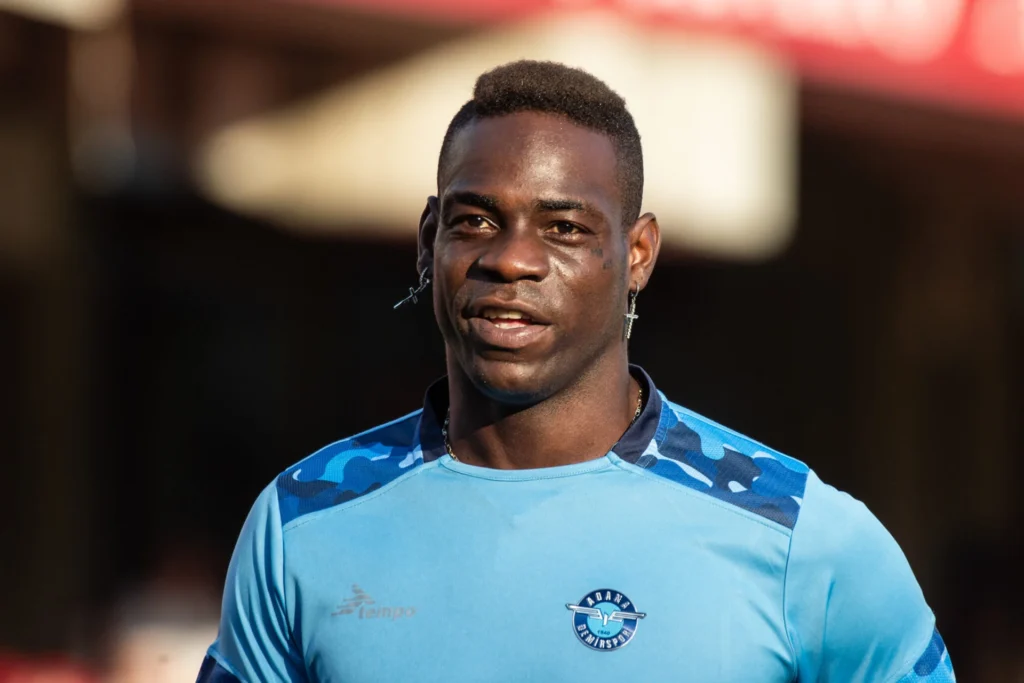
Watching Mario Balotelli early in his career felt like spotting something rare before it learned how to behave. He had strength, touch, confidence, and a knack for the spectacular. On certain nights, he looked untouchable, like the game slowed down just for him. Coaches spoke about his ability with certainty, and fans waited for maturity to catch up. It felt less like a gamble and more like patience was the missing piece.
But football demands rhythm, trust, and repetition. Balotelli’s career moved in fragments. Big goals appeared, then long silences followed. Transfers came often, each one carrying fresh hope that never fully settled. Discipline issues and fractured relationships interrupted momentum again and again. Even his best moments felt separate from one another rather than connected. The legend never formed, not because the talent disappeared, but because the environment never stayed steady long enough. His story reads like a reminder that ability needs grounding before it can grow into something permanent.
5. Grant Hill And The Career That Had To Change Shape
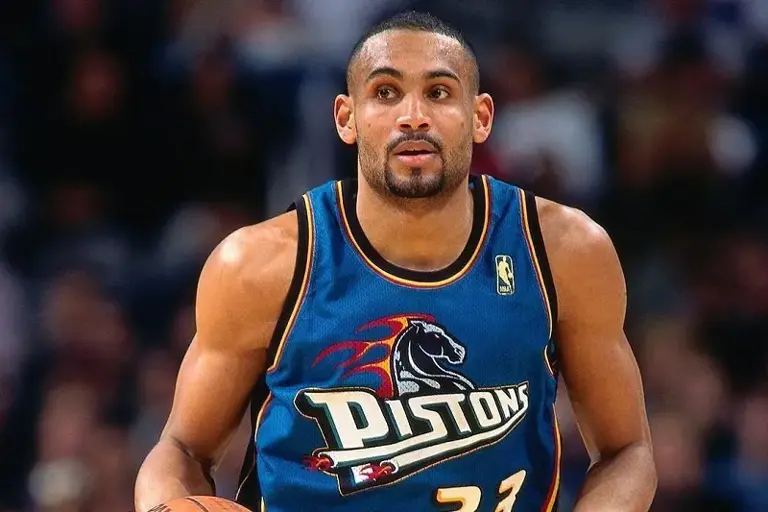
Grant Hill entered the league with a calm authority that made greatness feel inevitable. He could score, pass, defend, and lead without forcing attention. Comparisons followed naturally because his game carried balance and intelligence. Early seasons hinted at dominance built on longevity rather than flash. It felt like the beginning of something that would last a very long time.
Then injuries altered everything. Lingering ankle issues stole momentum and reshaped expectations. Hill adjusted instead of resisting, transforming into a steady veteran presence who contributed in quieter ways. His career became one of adaptation rather than ascension. That is what makes his story linger. He succeeded, just not in the form people imagined. Fans respect the professionalism and resilience, while still remembering the player who once looked ready to define an era. His legacy sits gently between what was promised and what endured.
6. Reggie Bush And The Shift From College Magic

Reggie Bush entered the professional game carrying a reputation that felt impossible to ignore. His college years were filled with speed, creativity, and moments that looked unreal even on replay. Fans expected that electricity to transfer immediately. He looked lighter, faster, and more inventive than everyone around him, and that memory followed him into the league. Early flashes suggested something special was coming. Touches drew attention. Defenses hesitated. It felt like the beginning of a career built on highlights and constant motion. People spoke about him as a future centerpiece rather than just another talented rookie with enormous expectations attached.
But the professional game asked for structure, patience, and repetition. Bush remained productive, versatile, and useful, yet rarely overwhelming. Defenses closed space faster. Roles narrowed. Coaches asked him to adapt rather than dominate. He did, and that adaptability kept him employed for years. Still, the version people imagined never fully appeared. His career became solid instead of seismic. Looking back, it feels less like disappointment and more like recalibration. Bush succeeded, just not in the way those early highlights made people believe. That quiet gap between expectation and reality is what defines his place here in this conversation today now.
7. Andy Roddick And The Era That Blocked The Door
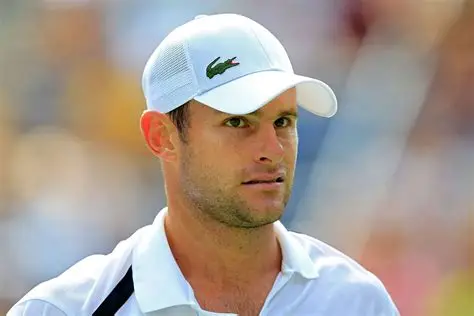
Andy Roddick arrived at the top of tennis with power, confidence, and belief. His serve felt like a weapon that could shorten matches and intimidate opponents. Winning a Grand Slam early reinforced the idea that more would follow. American fans leaned in, ready to watch a long run unfold. Roddick carried himself like someone prepared for the moment, not overwhelmed by it. Each season brought deep runs and steady results. Nothing felt rushed. It felt like a career building brick by brick toward something lasting.
Then history intervened quietly. Roddick’s prime aligned with one of the most dominant stretches the sport has ever seen. Finals often ended the same way. He competed, pushed, and adjusted, but the ceiling remained stubborn. His career became defined by who stood across the net rather than his own consistency. That framing feels unfair, yet unavoidable. Roddick did nearly everything right. Timing simply placed him in an era where greatness had already claimed the space. His story reminds fans that excellence does not always come with room to reign freely.
8. Michael Vick And The Momentum That Vanished
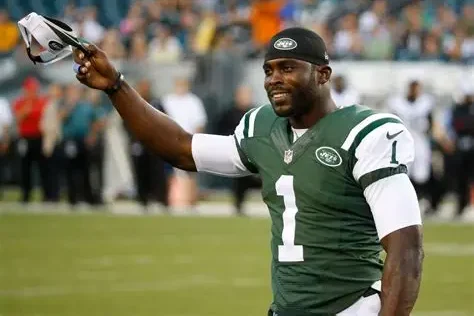
Michael Vick changed how people imagined the quarterback position. His speed rewrote playbooks and forced defenses into panic. Watching him felt unpredictable and thrilling, like structure had loosened just enough to allow creativity through. Early success suggested the league would bend around him for years. Fans believed they were watching the beginning of something transformational.
Then everything stopped. Legal issues removed Vick from the game entirely during what should have been his prime. When he returned, flashes of brilliance resurfaced, especially in Philadelphia, but the interruption had taken something permanent with it. Rhythm, trust, and time were gone. He rebuilt his career with humility and effort, earning respect rather than dominance. The legend that once felt imminent never fully formed. His story now lives between innovation and consequence, reminding people how quickly momentum can disappear and how difficult it is to regain once it slips away.
9. Oscar Pistorius And The Rise That Stopped Cold
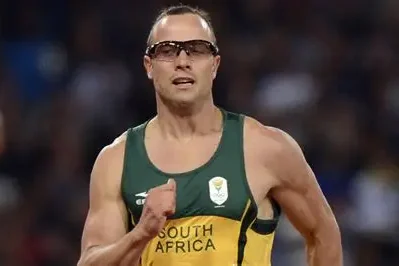
Oscar Pistorius rose into global view as more than a sprinter alone. Competing with carbon fiber blades he challenged assumptions about ability sport and inclusion worldwide. Each race carried symbolic weight and drew audiences beyond athletics. When he qualified for the Olympics it felt like history bending slightly. Fans believed a long competitive chapter was opening defined by progress and representation. His performances were not dominant in traditional terms but they mattered deeply. The expectation was not medals alone but continuity. People wanted to watch him compete season after season building legitimacy and normalcy through presence consistency and visibility thereafter.
That sense of future collapsed abruptly following his criminal conviction and imprisonment. Competition ended and the conversation shifted from sport to tragedy accountability and loss. Pistorius is now remembered through tension rather than achievement. His athletic promise became inseparable from what followed off the track. There was no gradual decline no late career reflection. The story stopped. He remains an almost legend because the sporting journey never reached maturity. His case reminds readers that legacy is shaped by choices as much as performance and that visibility amplifies both triumph and failure long after cheering fades from public memory forever lingering.
10. DeMarcus Cousins And The Prime That Never Settled
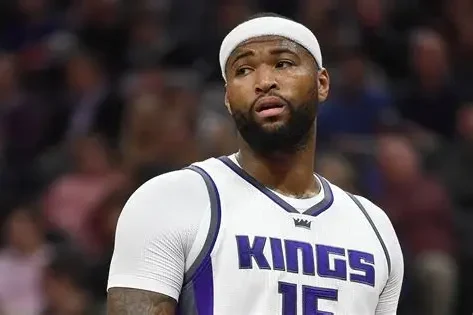
DeMarcus Cousins entered the league with skill rarely seen in a center. He could score rebound pass and stretch defenses with ease. Early seasons in Sacramento showed dominance mixed with frustration. Fans believed the right environment would unlock something historic. At his peak Cousins overwhelmed matchups through strength footwork and vision. All star selections followed and expectations grew steadily. The assumption was that health and stability would eventually align. When that happened many believed championships and recognition would follow placing him firmly among the era defining big men during his prime years ahead quietly with confidence optimism intact for fans.
That alignment never fully arrived. Injuries struck at the worst moments starting with a torn Achilles that altered his movement permanently. Team changes followed each offering less continuity. Cousins adapted accepted reduced roles and continued contributing but the dominance faded. His career became defined by recovery rather than growth. He remains an almost legend because the talent was obvious and the window felt real. His story reflects how fragile prime years can be and how quickly perception changes when health intervenes before fulfillment arrives leaving fans wondering what sustained greatness looked like without constant setbacks ever occurring during peak seasons.
11. Penny Hardaway And The Career That Slowed Too Early
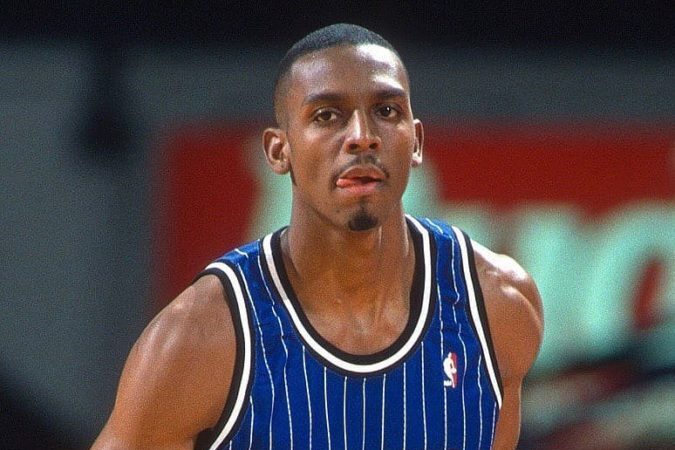
Penny Hardaway entered the league looking like the future arrived ahead of schedule. He was tall, fluid, creative, and confident without forcing it. Playing alongside Shaquille O’Neal only amplified how natural everything felt. Finals appearances came early, and signature moments followed. Fans believed they were watching the beginning of a long run built on versatility and calm leadership. Penny did not play like a star chasing status. He played like someone already comfortable there.
Then injuries changed the rhythm. Knee problems lingered, speed faded, and explosiveness softened. He adjusted, stayed productive, and remained respected, but the league moved forward without waiting. Younger guards emerged, faster and healthier. Hardaway’s career never collapsed, it simply slowed. Looking back, it feels like a story paused before reaching its loudest chapter. His name still carries admiration, but also a quiet understanding. Some careers do not fall short because of effort or talent. They fall short because time refuses to cooperate long enough to let greatness finish forming fully.
12. Deron Williams And The Peak That Would Not Hold
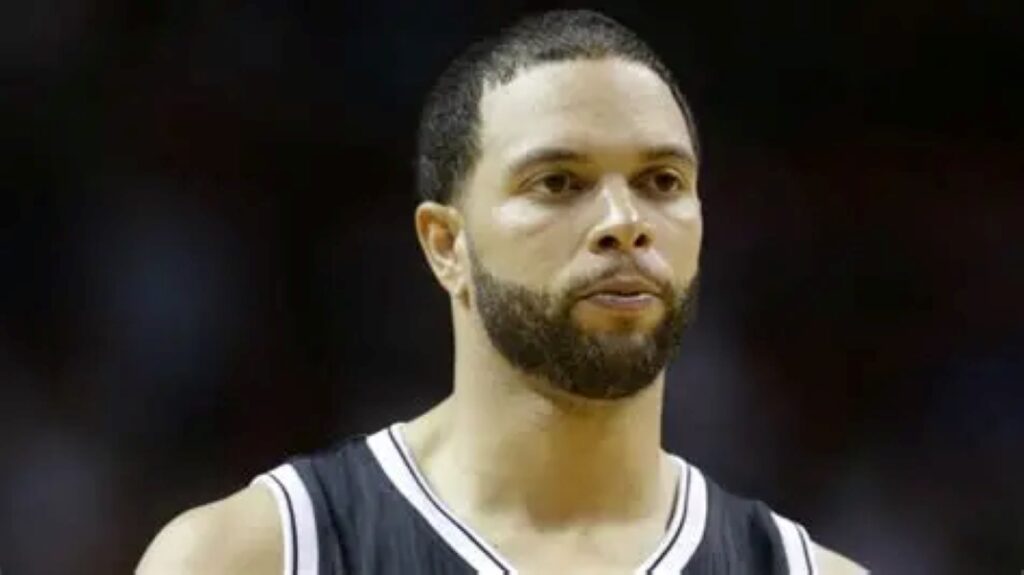
Deron Williams once stood at the center of a serious debate about the league’s best point guard. He was strong, controlled, and unbothered by pressure. Leading Utah with composure, he made the game feel manageable. Everything pointed toward sustained dominance. His prime felt steady rather than flashy, and that reliability earned trust.
But momentum faded quietly. Injuries crept in. Conditioning became a question. Team changes disrupted continuity. Williams remained capable, yet the sharpness dulled. By the time he reached bigger markets, the edge that defined him had softened. His decline surprised people because it lacked drama. It simply happened. Looking back, his career feels like one that peaked cleanly, then slipped out of focus. He did not fail to become a legend loudly. He drifted away from it while expectations stayed behind, waiting for something that never quite returned.
13. Fernando Torres And The Confidence That Left First

Fernando Torres once made scoring feel automatic. During his peak years, especially at Liverpool, his pace and movement unsettled defenders before the ball even arrived. Goals came in important moments, and fans trusted him without hesitation. He played with certainty, the kind that makes difficult chances look routine. It felt like the start of a long stretch at the very top, not a brief chapter. Supporters believed his best years were still ahead, and nothing about his performances suggested otherwise.
Then injuries interrupted rhythm, and confidence followed quietly. A major transfer brought attention but also pressure, and the sharpness faded. Chances still appeared, yet belief no longer traveled with him. Torres continued working, pressing, and contributing, but the ease never fully returned. His career collected trophies, but the individual dominance belonged to an earlier version. When people talk about him now, they often separate his career into before and after. His story shows how quickly belief can shift, and how difficult it is to recover once certainty leaves before ability truly does.
14. Sebastian Deisler And The Talent Lost To Struggle

Sebastian Deisler was once viewed as one of Germany’s most gifted young players early on. Technically smooth and tactically intelligent, he played with a calm awareness that felt older than his age. Coaches trusted him quickly, and expectations followed without force. His movement was thoughtful, his passing deliberate, and his confidence quiet rather than loud. Supporters believed they were watching a long future forming naturally, built on patience instead of spectacle. Nothing about his early performances felt rushed. It felt measured, promising, and sustainable, like a career unfolding carefully over time, with space to breathe and grow steadily without panic.
But injuries arrived repeatedly, interrupting rhythm and confidence. Alongside the physical setbacks, mental health struggles grew, making each return heavier than the last. Time away from the game replaced momentum, and pressure replaced joy. Eventually, Deisler chose to step away entirely, prioritizing wellbeing over expectation. His story is remembered gently, not as a failure, but as an honest decision. He remains an almost legend because the promise was real and visible. His career reminds us that talent lives inside a human being, vulnerable to more than injury. Sometimes walking away is not weakness. It is survival, and that truth endures.
15. Jahvid Best And The Speed That Could Not Stay
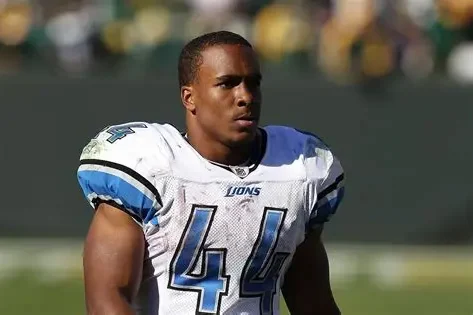
Jahvid Best entered the league with speed that changed games instantly. When he touched the ball, defenders hesitated, knowing one wrong step could open the field. His acceleration felt effortless, and early performances hinted at a career built on excitement and momentum. Fans leaned forward when he lined up, expecting something unexpected. Coaches saw potential for long term impact, not just flashes. Everything about his style suggested growth, confidence, and durability. It felt like the beginning of something that would stretch comfortably over years, not a brief window defined by urgency or fear of what might come next naturally, calmly.
Then concussions changed the conversation. Repeated head injuries forced questions that talent could not answer. Each return carried risk, and eventually the risks outweighed the future. Best made the difficult decision to step away while still young, choosing health over hope. His career ended quietly, without closure or celebration. What remains are moments, bursts of speed, and memories of what could have been. Fans remember the feeling more than the numbers. His story reminds us that greatness sometimes means knowing when to stop, even when ability is still present. That understanding lingers, shaping how his name is spoken with care.
16. Brandon Roy And The Prime That Could Not Last
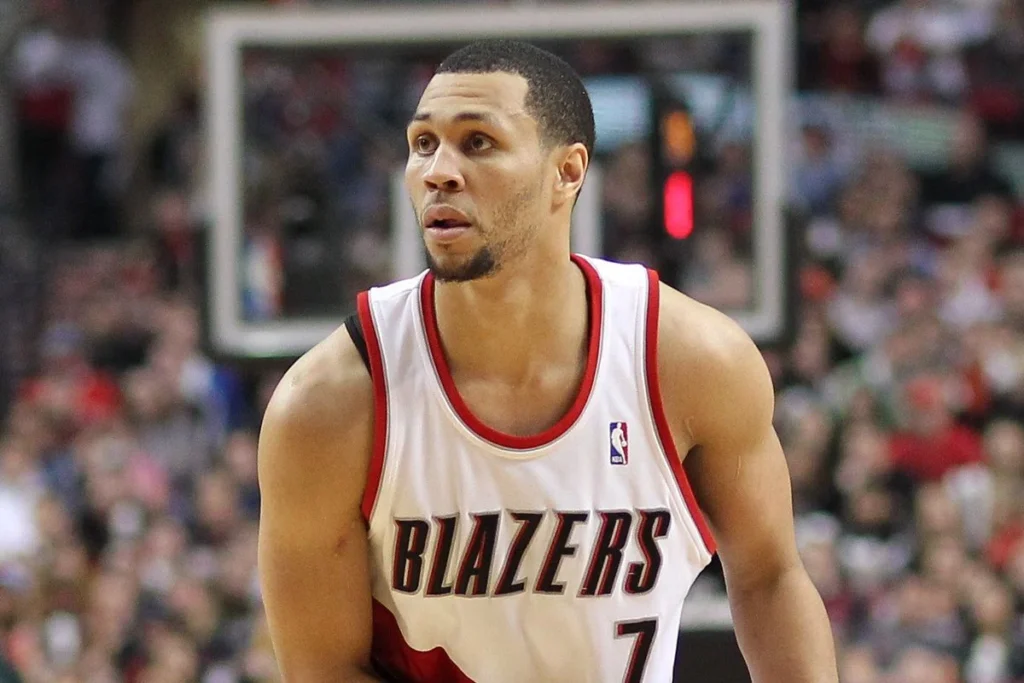
Brandon Roy looked like the kind of player teams build around quietly and confidently. He was smooth, intelligent, and dependable in big moments. Late game situations felt calmer when the ball was in his hands. Fans believed Portland had finally found a leader who could carry them forward for years. Roy did not rely on flash. He relied on control, timing, and trust. Everything about his game suggested longevity rather than urgency, and that made his rise feel stable and reassuring to watch.
Then his knees began to fail him. Chronic issues limited his ability to move freely, and each season became a battle against his own body. Roy fought through pain, adjusted his game, and delivered memorable moments despite the setbacks. Still, the window closed faster than anyone expected. His career ended early, leaving behind the sense of something interrupted rather than fulfilled. Roy is remembered fondly because the promise was real and visible. His story reminds fans that intelligence and heart cannot always overcome physical limits, no matter how strong the will.
17. Vince Young And The Weight Of Early Glory
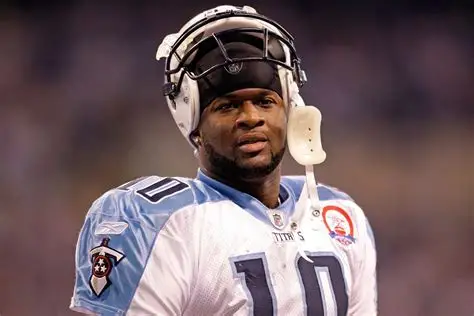
Vince Young entered the professional game carrying one of the most celebrated college legacies in recent memory. His championship run created belief before he ever took an NFL snap. Early success reinforced the idea that he was built for big moments. Wins came quickly, confidence followed, and fans assumed growth would arrive naturally. Young played with emotion and instinct, leaning into moments rather than shrinking from them. Everything suggested a long future shaped by leadership and steady development at the highest level.
But structure never fully settled around him. Coaching changes disrupted progress, and expectations grew heavier as results became uneven. Confidence wavered, injuries lingered, and trust eroded quietly. Young still produced flashes that reminded fans why belief came so easily at first. Yet the consistency required for greatness never arrived. His career faded unevenly rather than collapsing outright. Looking back, he remains an almost legend because the promise felt earned. His story reflects how early glory can lift an athlete quickly, but sustaining it requires stability that talent alone cannot always provide.
18. Juan Martin Del Potro and the Body That Rebelled
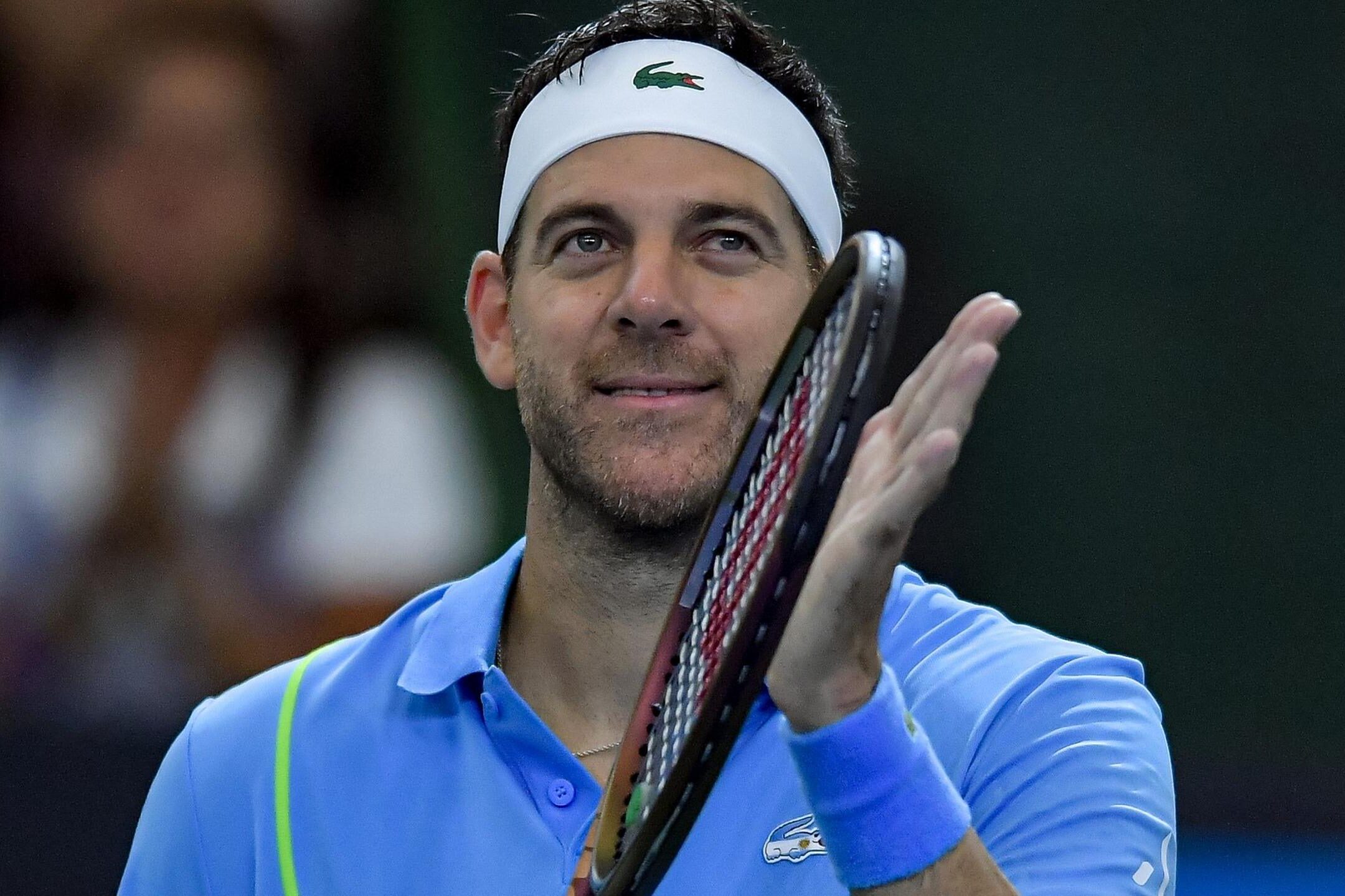
Juan Martin del Potro announced himself with power and calm that felt rare for his age. Winning a Grand Slam placed him firmly among the sport’s elite and suggested a long stay at the top. His forehand overwhelmed opponents, and his presence felt composed rather than rushed. Fans believed they were watching the beginning of a defining career shaped by strength and consistency across seasons.
Then injuries disrupted everything. Wrist problems robbed him of his greatest weapon and forced repeated recoveries. Each comeback carried hope and caution in equal measure. Del Potro returned more than once, earning admiration even without sustained dominance. His career became a cycle of interruption and resilience. He is remembered not for failing to reach greatness, but for how high he climbed despite constant setbacks. His almost legend status comes from knowing how different history might look if his body had allowed him the time he clearly earned.
19. Ricky Williams And A Career That Took Detours
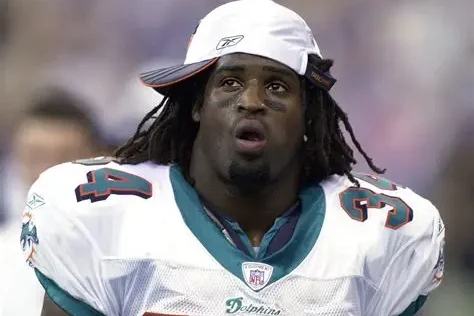
Ricky Williams ran with vision and balance that separated him from most backs of his era. When focused, he controlled games through patience and power rather than speed alone. Early production suggested a career built for longevity and historic totals. Fans expected steady progression toward elite status season after season. His running style felt calm, deliberate, and reliable, rarely wasted motion or effort. Coaches trusted him to carry pressure situations without panic, and his presence often steadied entire offenses during important moments. Everything pointed toward a long impactful run defined by consistency, health, and patience rather than spectacle alone then.
Instead his career followed an unconventional rhythm. Suspensions, retirements, and personal struggles interrupted momentum repeatedly. Williams stepped away from football more than once, then returned with flashes of his former dominance. Productivity remained, but continuity never settled. His journey challenged traditional expectations of success, discipline, and commitment within professional sports. He did not lack talent, vision, or impact. He lacked alignment with the structure the league demanded over time. He remains an almost legend because his ability was undeniable, yet his path moved differently. His story reminds fans that greatness requires presence, repetition, and stability as much as skill itself.
20. Yao Ming And The Weight Of Expectations
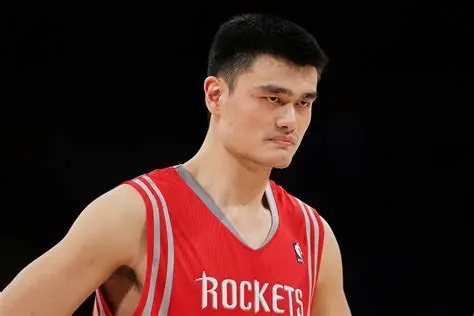
Yao Ming entered the league carrying global attention unlike anything basketball had seen before. His size, skill, and composure translated immediately. He earned respect through effort and intelligence, not spectacle. Fans believed he could anchor a contender for many years while expanding the league’s reach worldwide. Each season felt significant because his presence represented something larger than wins or losses. He played with restraint, patience, and professionalism that resonated across cultures and generations. Teams prepared carefully for him knowing his influence extended beyond the court and into the identity of the sport itself at that moment in time globally then.
But injuries accumulated steadily. Foot problems limited availability and shortened seasons. Yao remained effective when healthy, but his body could not withstand the workload placed upon it. Recovery cycles became familiar, and expectations adjusted downward. His career ended earlier than hoped, leaving admiration mixed with restraint. He is remembered as a pioneer and a star whose peak never fully settled. Yao’s story shows how expectations can be earned and overwhelming at once. Without durability, even the most gifted athletes face limits. His legacy rests in what he achieved and what the game briefly looked like when everything aligned for him.
21. Kaka And The Peak That Passed Too Quickly
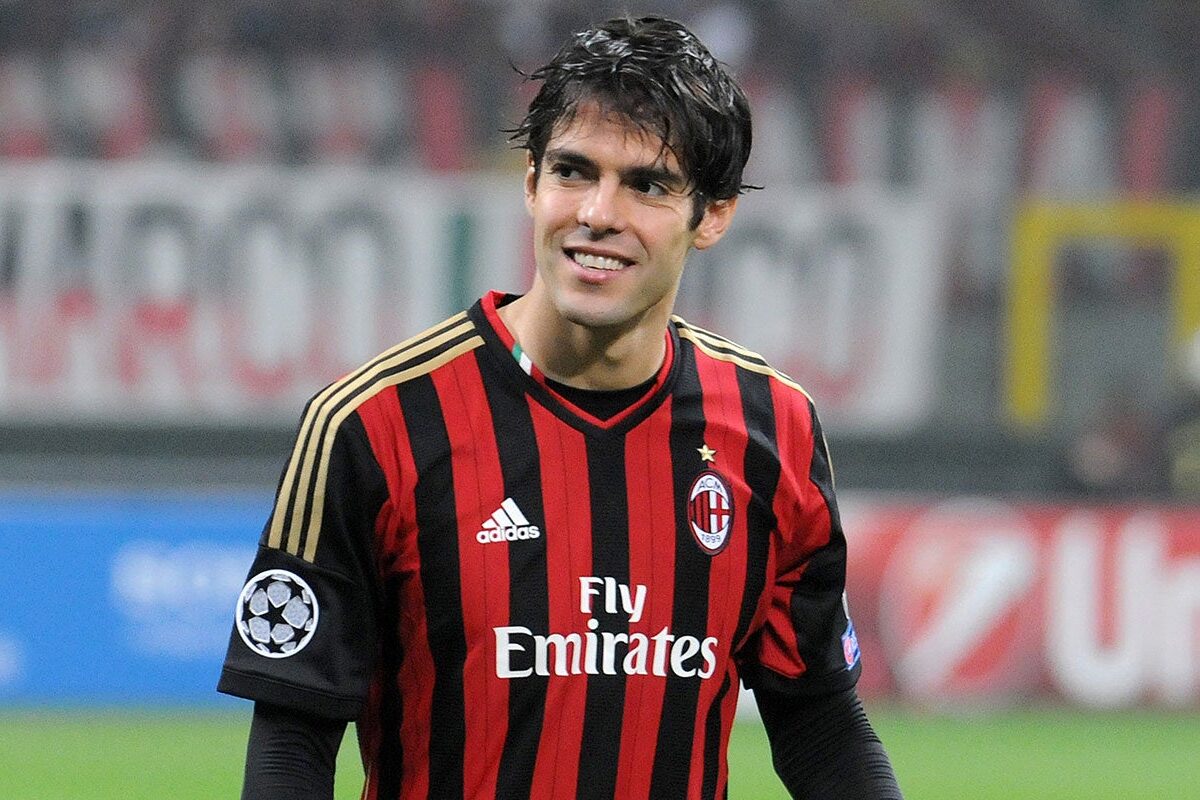
Kaka once played football with a lightness that made brilliance feel natural. At his peak, he glided past defenders, controlled matches, and carried teams without looking strained. Winning the Ballon d’Or felt like a milestone rather than a surprise. Fans believed his best years were just beginning, not already unfolding. Everything about his movement suggested longevity and joy. He looked free, confident, and untouchable in full stride. Supporters imagined a decade built on elegance, influence, and quiet authority at the highest level of the sport.
Then injuries disrupted that rhythm. Muscle problems slowed him, and repeated setbacks interrupted momentum. A move meant to elevate his career instead exposed physical limitations. Kaka remained respected and professional, but the sharpness faded. His career continued with dignity, though the dominance belonged to an earlier chapter. He is remembered as an almost legend because his peak felt too brief for how high it reached. His story reminds fans that brilliance does not always linger, even when talent and character remain fully intact.
22. Andrew Luck And The Career Left Early
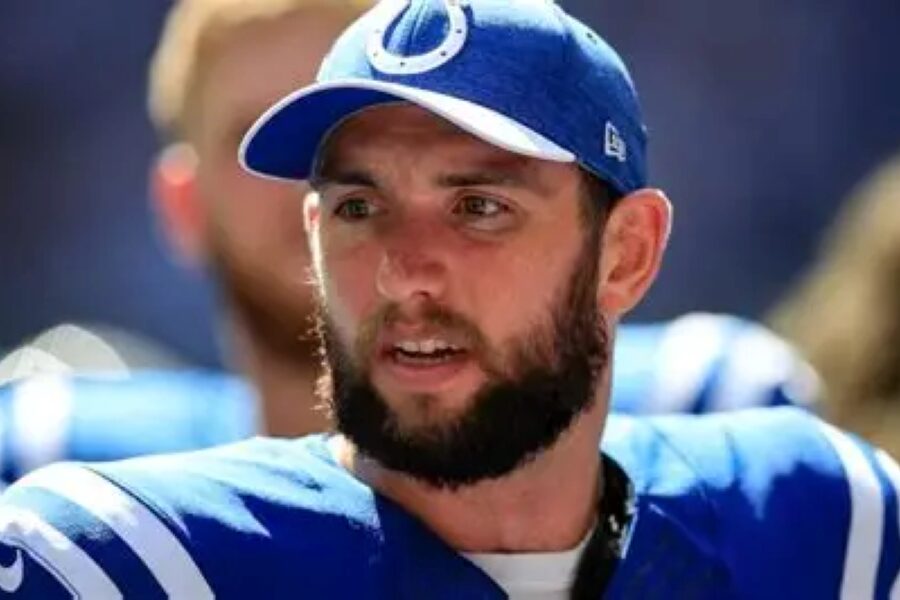
Andrew Luck arrived with intelligence, poise, and leadership that felt rare. From the beginning, he looked like a quarterback built to carry a franchise for years. Wins followed quickly, and expectations rose without resistance. Luck played with toughness and clarity, absorbing pressure while elevating those around him. Fans trusted him instinctively, believing stability had finally arrived.
But constant physical punishment took its toll. Injuries accumulated, recovery blurred into preparation, and joy quietly eroded. Despite success, the cost became heavier each season. Luck chose to step away while still capable, prioritizing health over legacy. The decision surprised many, yet earned respect. His career remains one of the clearest examples of an almost legend defined by choice rather than decline. Luck showed that stepping away does not erase greatness. It reframes it. His story lingers because it asks what success is worth when the body begins to demand more than the game gives back.
23. Derrick Coleman And The Dominance That Drifted
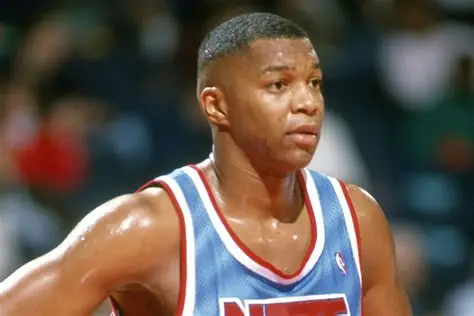
Derrick Coleman entered the league with size and confidence that overwhelmed opponents immediately. He scored with ease, rebounded with force, and carried himself like someone who expected success. Winning Rookie of the Year only confirmed what fans already believed. Everything pointed toward a career built on sustained dominance and leadership. His physical tools were undeniable, and his early production suggested he would become one of the defining big men of his generation. Coaches trusted him to anchor offenses, and teammates relied on his presence. The foundation for greatness felt firmly in place during those early seasons.
But consistency never fully settled. Conditioning became an issue, and motivation wavered. While the talent remained, the urgency faded. Team changes followed, and roles shifted away from centerpiece to contributor. Coleman continued to produce solid numbers, but the edge dulled. His career became a series of strong stretches rather than a clear legacy. He is remembered as an almost legend because the ceiling was obvious to anyone watching. His story reminds fans that talent opens doors, but discipline decides how long those doors stay open before opportunity quietly moves on.
24. Abou Diaby And The Midfielder Who Never Settled
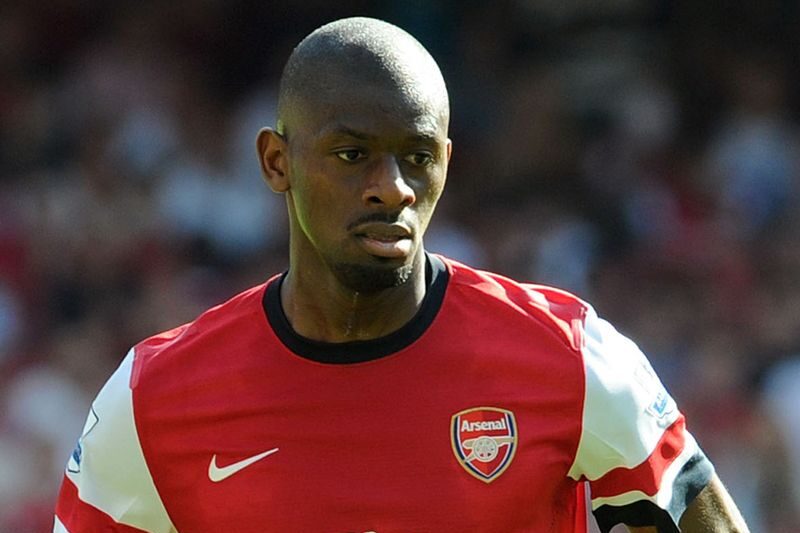
Abou Diaby looked like a complete midfielder when healthy. He combined strength, balance, and intelligence in a way that made the game slow down around him. Coaches trusted him with responsibility, and teammates leaned on his composure. Fans believed he could anchor elite teams for years. His presence brought control and calm, and his performances hinted at a career built on influence rather than flair. Nothing about his ability felt unfinished. The belief was not hope. It was observation based on what he showed consistently when available to play.
But injuries shaped his career more than matches did. Long absences replaced momentum, and recovery became routine. Each return brought optimism that quickly turned to frustration. Diaby played in fragments, never long enough to establish rhythm or trust continuity. His story is remembered with sympathy rather than disappointment. He remains an almost legend because everyone saw what was possible. His career reminds fans how fragile football can be when health never allows talent the uninterrupted time it needs to truly settle and grow fully.
25. Nomar Garciaparra And The Moment That Shifted
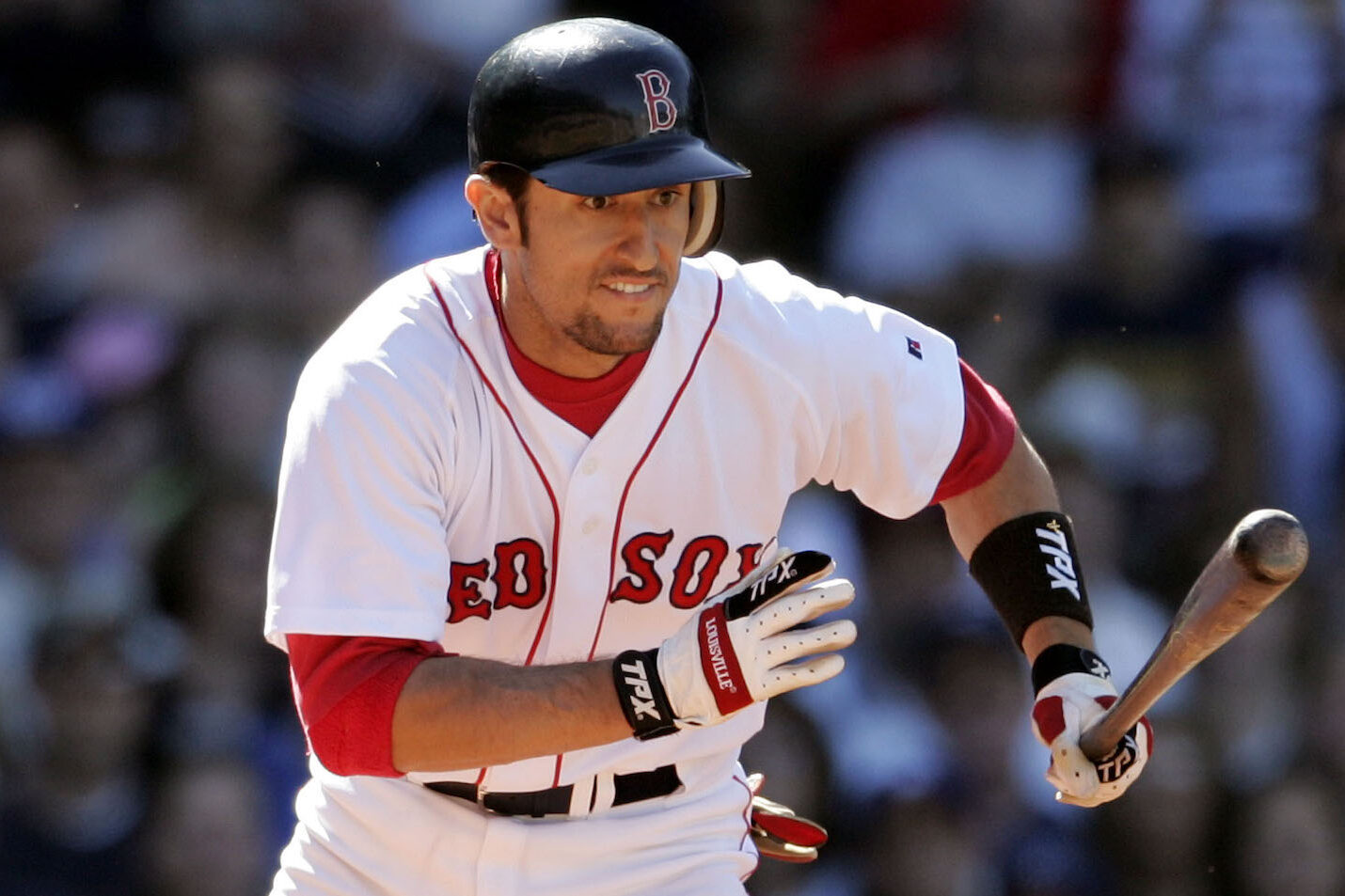
Nomar Garciaparra once defined consistency at the plate. His batting titles, focus, and intensity made him the center of his team’s identity. Fans believed records and championships would follow naturally. Everything about his approach suggested durability and control. He played with urgency and precision, rarely looking rushed. Early success felt sustainable, not streaky. Supporters expected a long stretch of dominance built on reliability rather than spectacle. Nomar represented stability in an era that valued it deeply.
Then injuries intervened. Wrist problems slowed his swing, and recovery disrupted rhythm. A mid career trade changed his environment and sense of belonging. Though he remained productive afterward, the dominance belonged to earlier seasons. Garciaparra’s career did not collapse. It shifted quietly. He is remembered as an almost legend because timing altered his path more than performance did. His story reminds fans how quickly careers pivot on moments beyond talent. Sometimes greatness is not lost. It is redirected before it fully settles into history.
26. Rose Lavelle And The Brilliance Interrupted
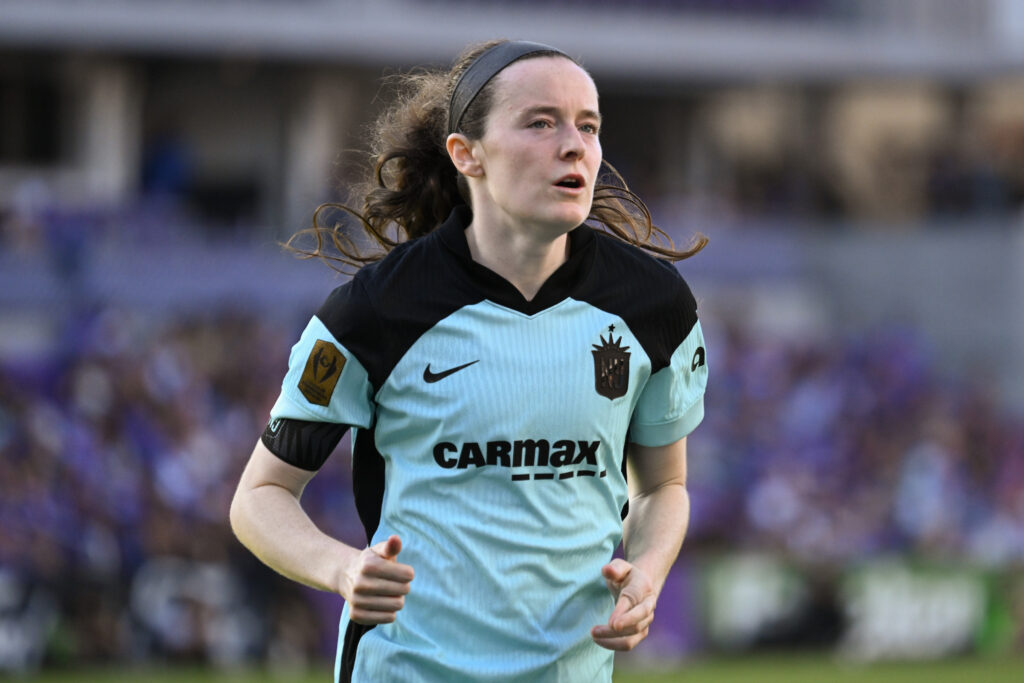
Rose Lavelle plays the game with creativity that feels instinctive rather than rehearsed. When healthy, she glides through pressure, finds space others miss, and lifts the tempo around her. Big tournament moments showed how special she could be, and fans believed a long dominant stretch was coming. Her vision and touch made her central to every plan, and teammates trusted her ability to change matches quietly.
But injuries disrupted that rhythm repeatedly. Long absences replaced continuity, and minutes became carefully managed. Lavelle remained impactful whenever she returned, yet rarely stayed long enough to build momentum across seasons. Her career feels defined by moments rather than stretches. She remains an almost legend because everyone sees the ceiling clearly. Her story reminds fans that brilliance needs availability to truly settle into history, no matter how undeniable the talent appears.
27. Dwight Howard And The Peak That Shifted
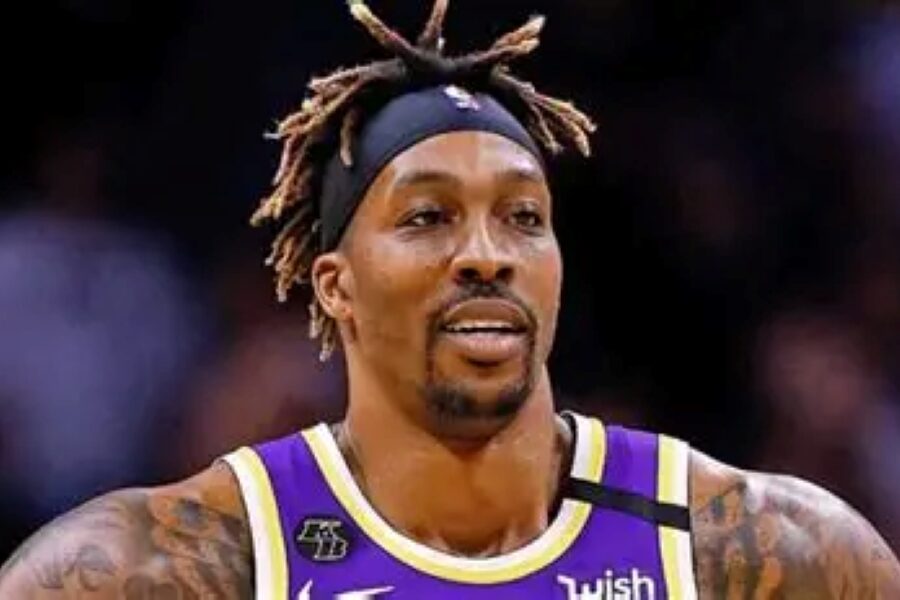
At his peak Dwight Howard controlled the paint with strength timing and relentless energy. Defensive awards piled up and deep playoff runs felt routine during his early seasons. Opponents adjusted entire game plans around his presence alone. Fans believed championships would follow naturally because dominance like that usually leads somewhere permanent. He anchored teams through rebounding rim protection and physical authority that never felt subtle. Night after night his impact was visible even without scoring. The league treated him as a cornerstone and the future seemed wide open ahead of him then for seasons many believed defined the era clearly.
Then the game changed and so did his place within it. Injuries arrived expectations shifted and relationships with teams grew strained. As styles evolved speed spacing and versatility replaced old priorities. Howard adapted and remained useful but the dominance faded. He collected moments rather than eras. His career lasted longer than critics expected yet never returned to that early certainty. He became remembered for adaptation rather than rule. Dwight Howard remains an almost legend because his peak promised permanence. His story shows how quickly basketball moves and how greatness must keep moving too in changing eras and shifting expectations constantly.
28. Marcelo And The Defender Who Burned Bright
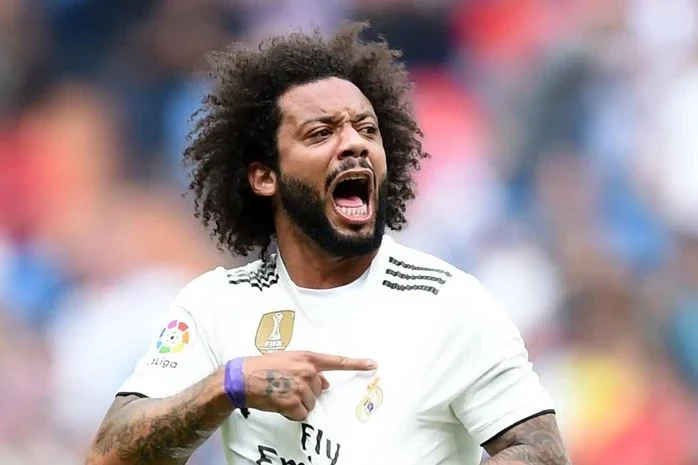
Marcelo played football with imagination that felt rare for his position. From the left side he created chances dictated rhythm and joined attacks with confidence. Fans watched him redefine what a fullback could be. His technical skill and joy on the ball made matches feel lighter. Teammates trusted his instincts and opponents struggled to contain his movement. At his best he controlled games without needing to dominate physically. Supporters believed his influence would last for many seasons because his style felt timeless and expressive rather than dependent on speed alone or strength.
Time eventually asked different questions. As pace faded defensive gaps became harder to hide. Marcelo adapted but the brilliance arrived in shorter stretches. Younger players brought balance that the modern game demanded. He remained respected and celebrated yet no longer central. His career did not collapse. It transitioned quietly. Marcelo fits this list because his peak felt unforgettable yet brief. He reminds fans that creativity can elevate a career quickly but sustaining it requires a body that keeps pace. His legacy lives in moments of beauty rather than an extended reign at the very top.
29. Gilbert Arenas And The Rise That Stalled
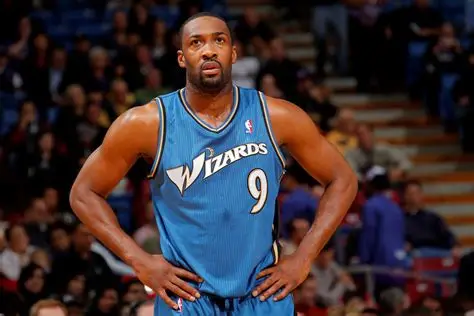
Gilbert Arenas once played with fearless confidence that electrified arenas. Scoring came from everywhere and often without warning. Fans felt they were watching a star invent himself in real time. His shot making and bravado turned ordinary games into events. Defenses reacted late and crowds leaned forward. Everything about his rise felt fast convincing and unscripted. People believed superstardom had arrived without needing refinement. He looked comfortable carrying attention and responsibility together night after night across the league.
Then injuries interrupted rhythm and controversy followed. Rehabilitation replaced momentum and trust eroded slowly. When Arenas returned the freedom that defined his peak no longer flowed naturally. His game became careful rather than explosive. Teams hesitated and opportunities narrowed. He never fully reclaimed the version fans remembered. Arenas remains an almost legend because the rise felt real and earned. His story shows how quickly momentum can disappear when health and circumstance collide. It reminds fans that brilliance often depends on timing staying friendly long enough to grow into something lasting before interruption changes the narrative entirely.
30. Alex Smith And The Career That Became Something Else
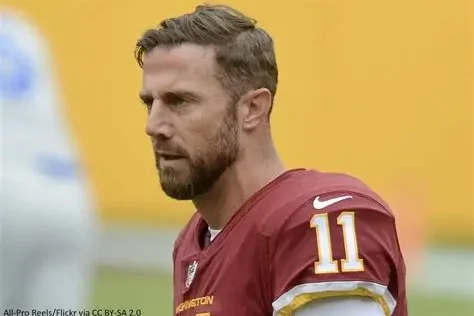
Alex Smith entered the league surrounded by expectation and instability. Early seasons tested patience more than ability. Coaching changes disrupted development and confidence followed. Over time Smith steadied himself becoming reliable thoughtful and trusted. He learned how to manage games and lead quietly. Fans began to see progress and believed his best chapter was finally arriving. The idea of long term success no longer felt unrealistic. It felt earned through resilience and steady improvement rather than instant dominance.
Then injury reshaped everything. Recovery became survival and return became courage. Smith fought his way back earning admiration beyond statistics. The conversation shifted from potential to perseverance. He returned but the career changed shape permanently. His story closes this list gently because almost legends are not always defined by failure. Sometimes they are defined by endurance. If these stories felt familiar it is because sports history lives in near moments as much as trophies. Share these names talk about them and keep revisiting what almost became greatness because those stories matter just as much.


