
1. Reindeer And the Feeling of Winter
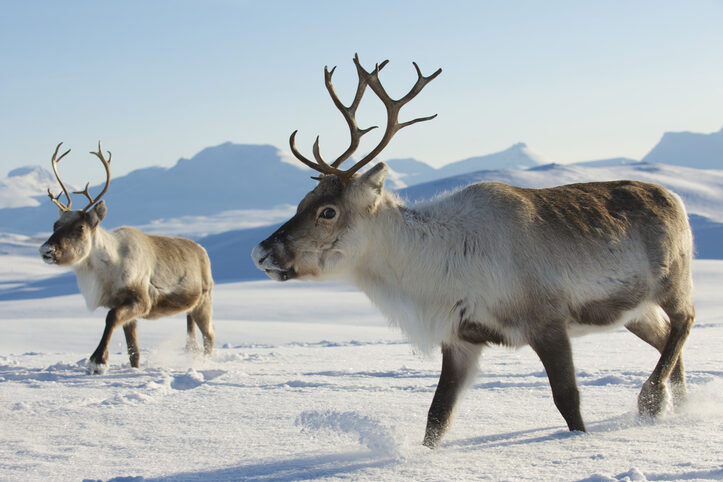
Some animals quietly shape how the holidays feel, even when we never stop to question why they belong there. Reindeer are one of those creatures. Their thick fur and wide hooves help them move easily across icy ground, making winter feel like home rather than a challenge. Watching reindeer travel together feels calm and steady, like a tradition unfolding without words. They endure long migrations during cold months, guided by instinct and memory. Reindeer remind you that winter is not something to escape. It is something to move through gently, carrying familiarity, patience, and a quiet sense of belonging.
2. Polar Bears at Home in the Cold
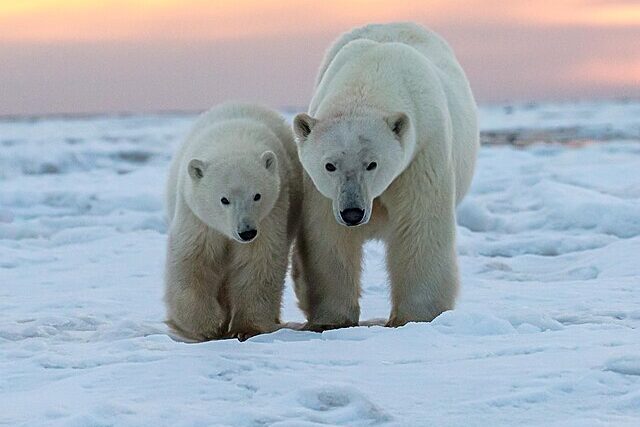
Polar bears live where winter never really loosens its grip, which makes their connection to the season feel natural. Their thick white fur blends into frozen landscapes, giving them a quiet confidence rather than flash. Watching a polar bear move across ice feels slow but intentional. Nothing is rushed. They wait patiently for food, conserving energy through long stretches of cold. Polar bears show how life can be shaped around winter instead of disrupted by it. Their presence makes cold environments feel steady rather than harsh. They quietly remind you that endurance can be calm, grounded, and deeply rooted.
3. Snowy Owls and Quiet Evenings
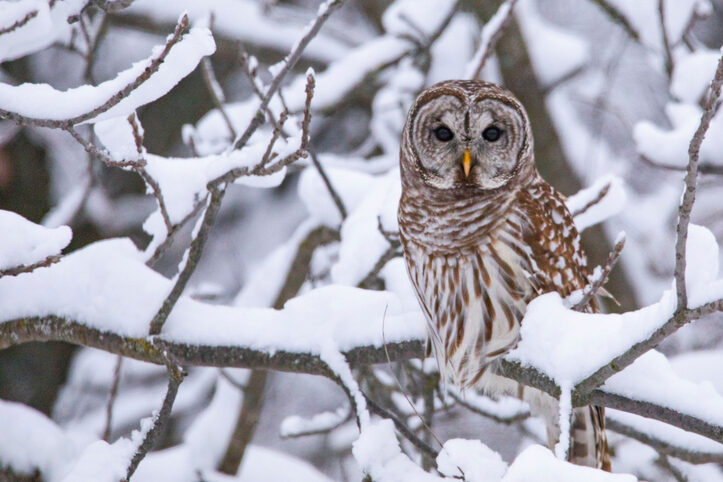
Snowy owls feel like winter nights brought to life. Their pale feathers melt into snowy fields, making them appear when you least expect it. Watching one glide through cold air feels silent and focused, as if the season itself is holding its breath. These owls hunt during daylight in winter, adapting to long hours of dim light. Their stillness feels comforting rather than lonely. Snowy owls bring a sense of pause that fits the slower rhythm many people crave during the holidays. They remind you that quiet moments can feel full, meaningful, and deeply present.
4. Arctic Foxes Changing with Snow
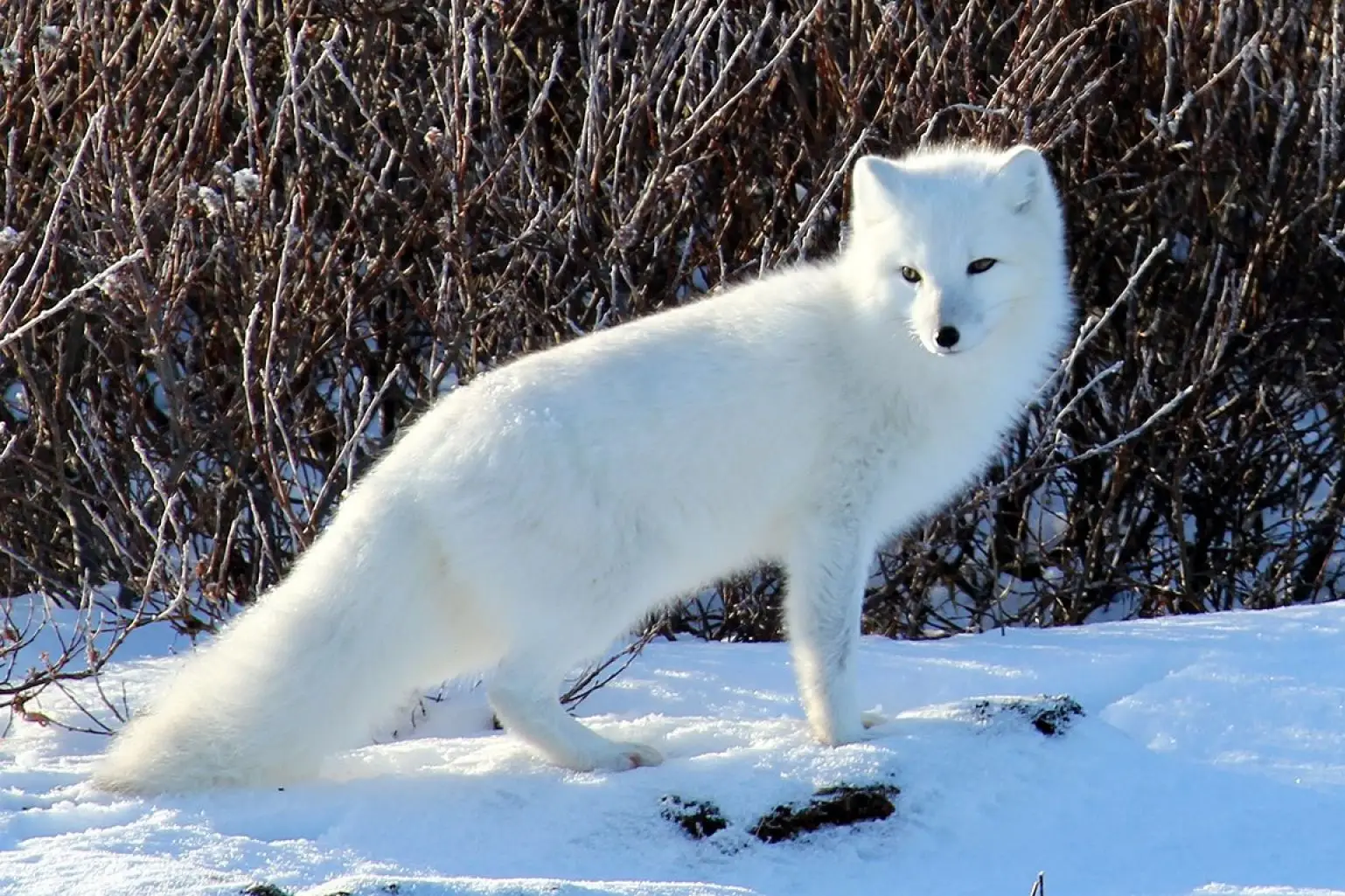
Arctic foxes feel like gentle proof that winter invites transformation. As temperatures drop, their fur turns white, allowing them to blend seamlessly into snowy surroundings. Watching that shift feels subtle and almost magical. Their compact bodies and thick tails protect them from bitter winds and freezing nights. Arctic foxes survive by adapting rather than resisting change. That flexibility feels familiar during the holidays, when routines soften and expectations shift. They move lightly across snow, conserving energy while staying alert. Arctic foxes remind you that survival does not always mean standing out. Sometimes it means learning when to quietly belong.
5. Penguins Finding Warmth Together
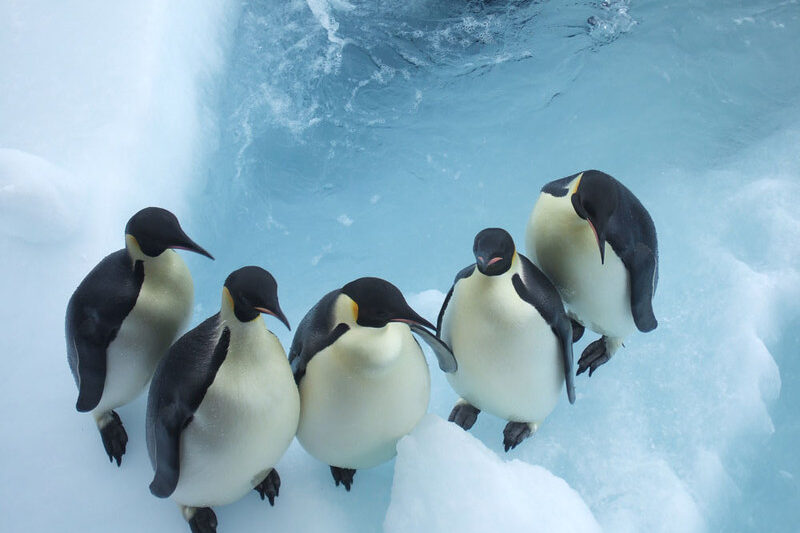
Penguins feel festive because they thrive where cold dominates. Their upright stance and group behavior make them seem social and welcoming. Watching penguins huddle together against icy winds feels familiar, like people gathering close during winter evenings. They rely on shared movement and cooperation to survive extreme temperatures. Penguins do not face winter alone. They rotate positions so everyone gets warmth. That quiet teamwork feels deeply seasonal. Penguins remind you that comfort does not always come from warmth itself. Sometimes it comes from closeness, shared effort, and choosing to stand together when conditions feel overwhelming.
6. Robins Staying Through the Cold
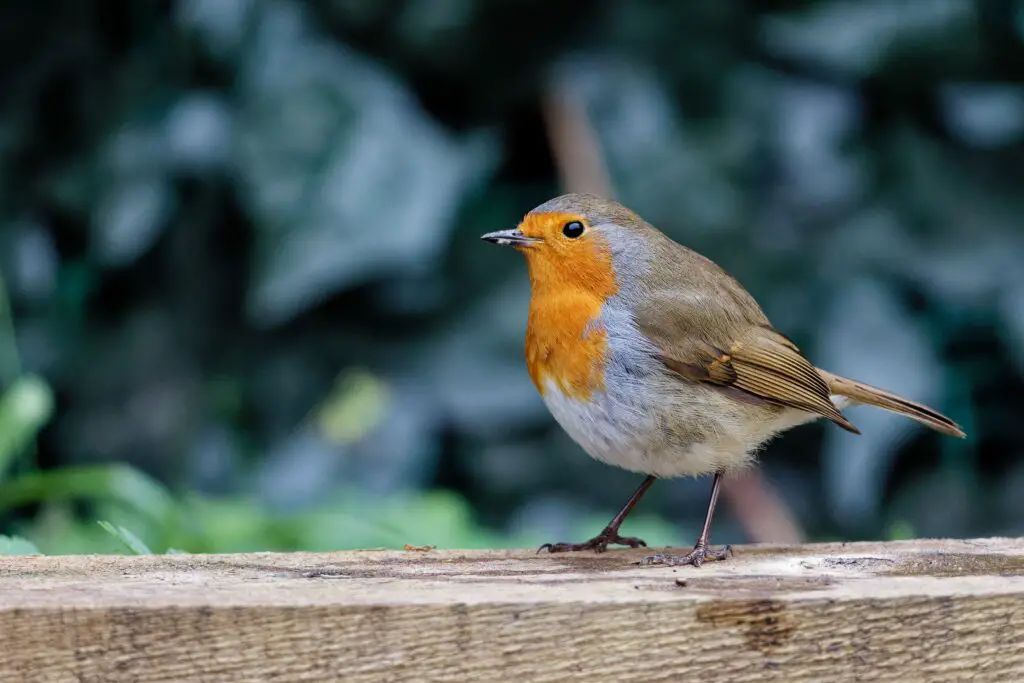
Robins quietly mark seasonal shifts, which makes their presence in winter feel special. While many think of them as spring birds, some robins remain active through colder months. Seeing one against bare branches feels reassuring, like a small promise tucked into the landscape. They adapt their diet and routines, finding berries and insects when snow limits choices. Robins remind you that winter does not erase life. It reshapes it. Their presence during the holidays feels gentle and grounding. They show that endurance can be soft and observant, existing quietly without demanding attention or celebration.
7. Caribou Following Old Paths
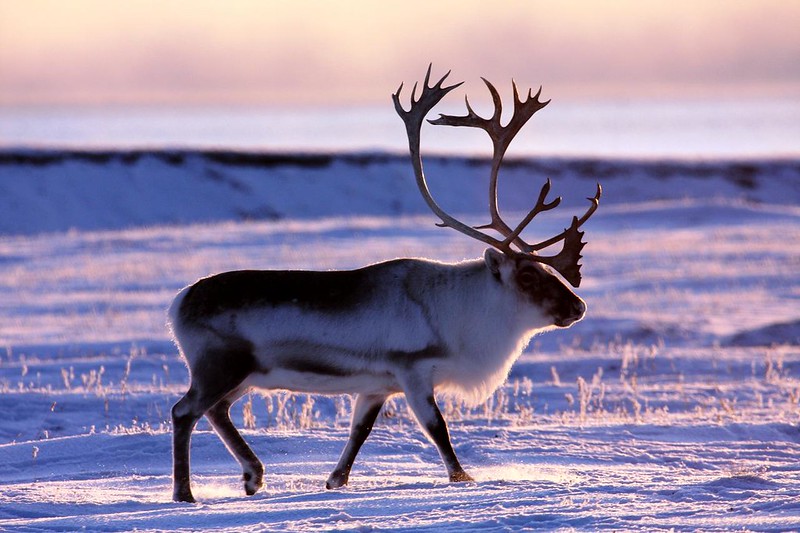
Caribou feel like winter travelers guided by memory. Their migrations stretch across frozen ground, following routes shaped by generations before them. Watching caribou move together feels steady and intentional, like tradition in motion. Their large hooves help them dig through snow to reach food hidden below. Winter sets their rhythm rather than stopping them. Caribou reflect the comfort of returning paths, even when conditions feel difficult. During the holidays, they remind you that moving forward often depends on remembering where you came from. They turn cold landscapes into living stories passed along quietly.
8. Moose Standing Firm in Snow
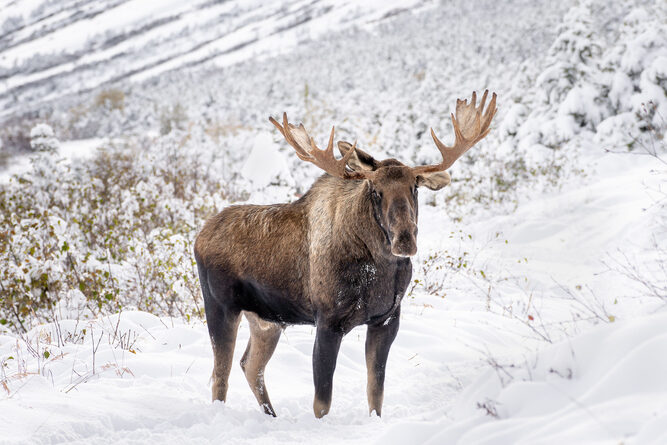
Moose bring a grounded calm to winter landscapes. Their towering frames and thick coats allow them to move through deep snow without urgency. Watching a moose walk through a frozen forest feels slow and deliberate, like nothing needs to be hurried. They survive on bark and twigs when plants disappear, adjusting their habits to the season. Moose do not fight winter. They accept it. Their presence during colder months feels reassuring. They remind you that strength does not always look loud. Sometimes it looks steady, patient, and rooted firmly in place, even when everything else feels stripped back.
9. Seals Resting on Ice
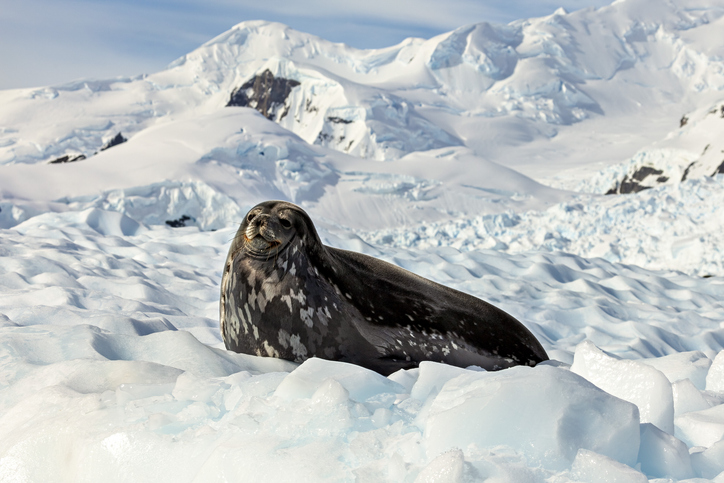
Seals feel surprisingly relaxed in winter settings. They haul themselves onto icy shores, resting between swims in freezing water. Watching seals lounge on ice feels calm, almost playful. Their thick layers of blubber protect them from the cold, allowing long periods of rest without discomfort. Seals move easily between water and land, adjusting without drama. During the holidays, they reflect balance. Movement followed by rest. Effort followed by pause. Seals remind you that survival includes knowing when to stop and breathe. Even the coldest environments can hold moments of ease and quiet recovery.
10. Wolves Sharing Winter Silence

Wolves feel inseparable from winter forests, where sound carries differently and movement feels intentional. Their thick fur and strong legs allow them to travel long distances through snow. Watching a wolf pack move together feels coordinated and calm, like trust in motion. Wolves rely on cooperation to survive cold months, communicating without excess. That shared understanding feels seasonal. During the holidays, wolves symbolize loyalty and connection. They remind you that strength often comes from community. Winter does not isolate them. It sharpens their bonds, turning silence into purpose and survival into something shared.
11. Snowshoe Hares Blending In
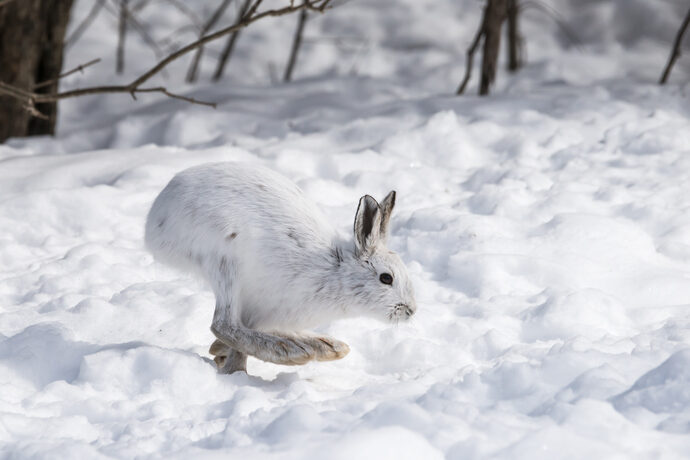
Snowshoe hares feel like winter’s quiet observers. As snow arrives, their fur turns white, helping them disappear into the landscape. Watching a hare pause in stillness feels intentional, like instinct guiding every choice. Their large feet allow them to move easily across snow without sinking. Hares rely on awareness rather than force. That subtle strategy fits winter well. During the holidays, they remind you that survival does not always mean pushing forward. Sometimes it means knowing when to stay still, blend in, and wait. Winter becomes a space of careful timing rather than constant motion.
12. Deer Moving Gently Through Cold
Deer feel naturally woven into winter scenery. Their soft steps and alert movements make them seem both cautious and calm. Watching deer forage in snow feels peaceful, like the landscape itself is breathing slowly. They rely on memory to find food when options are limited. Deer embody gentleness paired with quiet resilience. During the holidays, they represent moving carefully through change. Their presence reminds you to stay aware of your surroundings without rushing. Deer do not hurry winter along. They navigate it thoughtfully, showing that grace can exist even when conditions feel stripped down and uncertain.
13. Swans Floating Through Winter Water
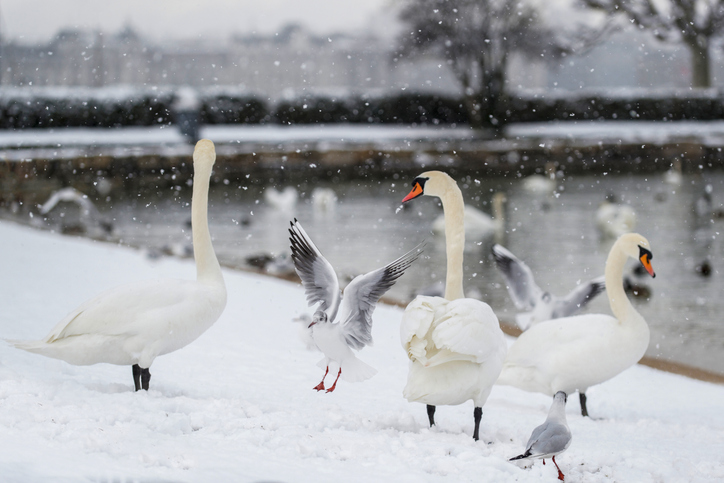
Swans bring elegance into winter without effort. Their thick feathers insulate them against cold, allowing them to glide smoothly through icy water. Watching a swan move during winter feels calming, like time itself has slowed. They stay near open water, adjusting rather than leaving completely. That choice feels intentional and steady. During the holidays, swans symbolize quiet beauty that does not fade with hardship. They remind you that grace adapts. Winter does not erase softness. It reshapes it. Swans make cold environments feel gentle, offering moments of reflection rather than urgency or resistance.
14. Bison Pushing Through Snow
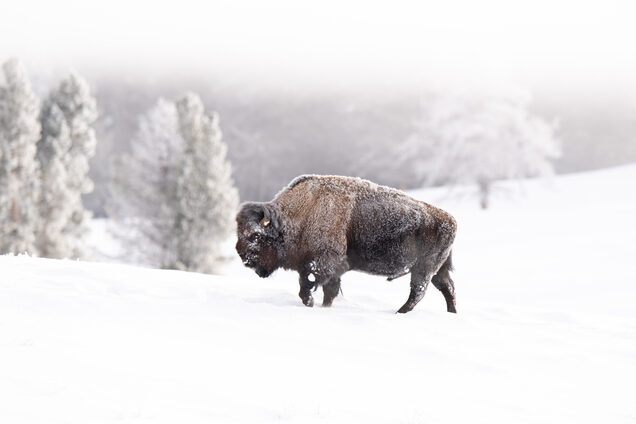
Bison feel built for winter in an unspoken way. Their massive bodies and thick coats allow them to face heavy snowfall without hesitation. Watching bison move through snowdrifts feels steady and determined, not aggressive. They use their heads to clear snow and reach food beneath. Bison meet winter directly, without avoidance. During the holidays, they symbolize persistence and self-reliance. Their presence reminds you that endurance does not need recognition. It simply continues. Bison show how strength can be quiet, routine, and deeply rooted, even when conditions feel heavy and unyielding.
15. Wolverines Thriving in Snow
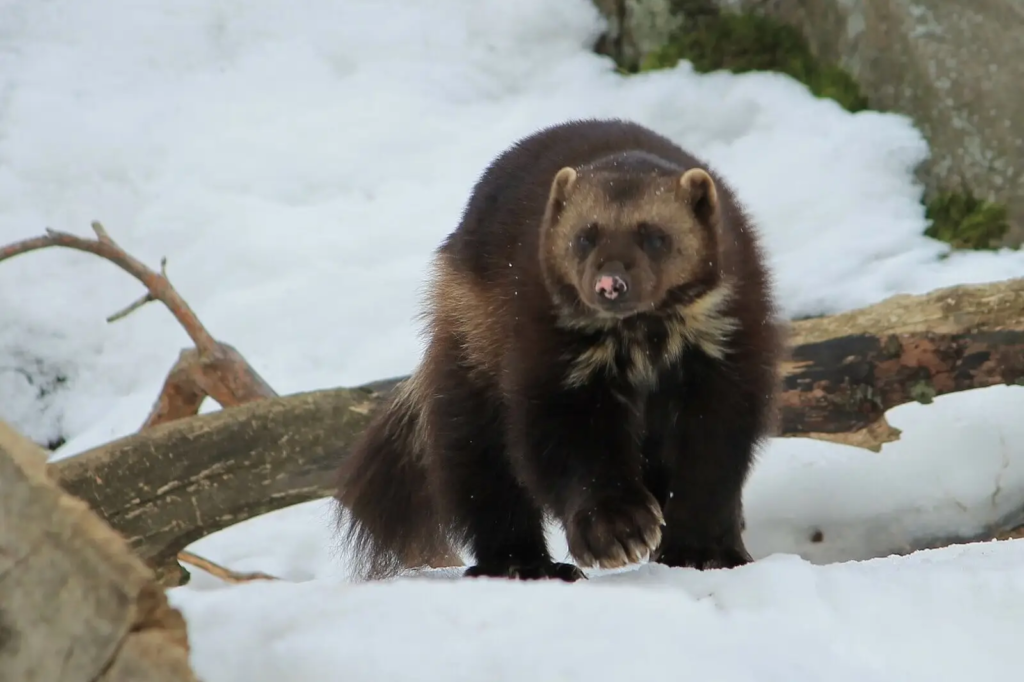
Wolverines are built for winter in a way that feels almost unfair. Thick fur, wide paws, and relentless energy allow them to roam deep snow without slowing down. Watching a wolverine move through frozen terrain feels confident and unapologetic. They travel long distances in cold conditions, searching for food with focus and determination. Winter does not shrink their world. It expands it. Wolverines remind you that strength can be solitary without being lonely. Their presence turns frozen landscapes into places of opportunity, showing that some animals do not simply endure winter. They fully thrive within it.
16. Snow Geese Brightening Winter Skies
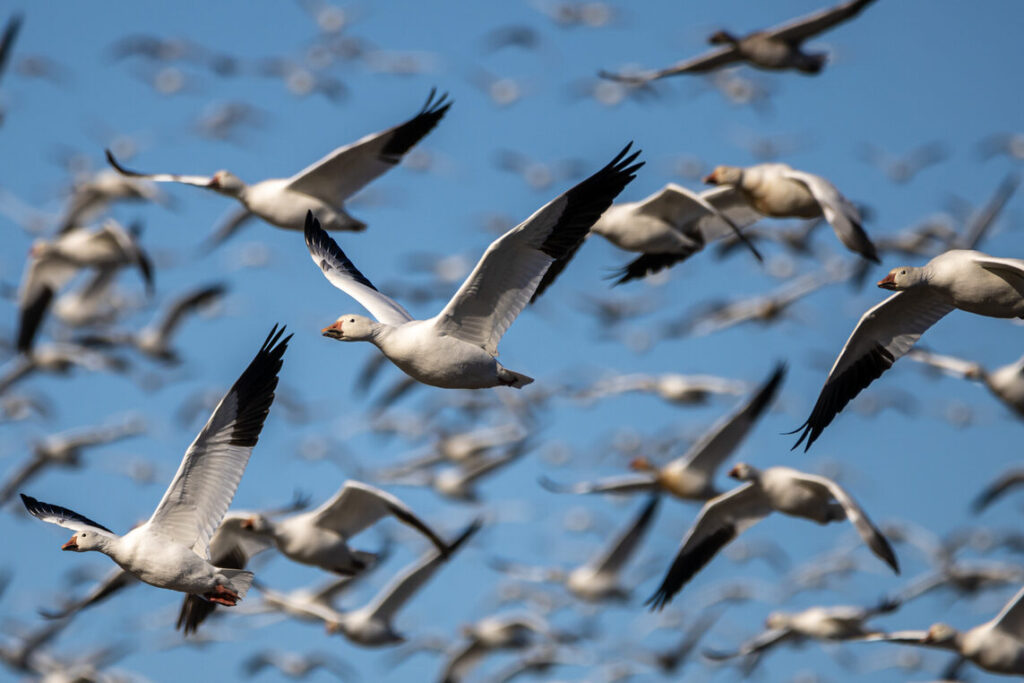
Some animals seem designed to make winter feel lighter, and snow geese fit that feeling well. Their white feathers brighten frozen fields, making movement visible against dull skies. Watching flocks rise together feels rhythmic and reassuring. Snow geese travel long distances, relying on shared direction and timing to survive cold seasons. Winter does not stop their movement. It shapes it. They feed, rest, and travel with purpose, conserving energy when needed. Snow geese remind you that winter can still feel alive and connected. Even in quiet landscapes, their presence brings motion, continuity, and the sense that seasons keep unfolding gently.
17. Red Foxes Moving Through Frost
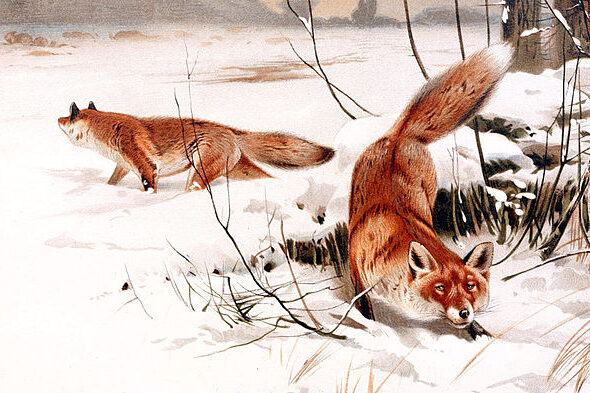
Winter forests feel fuller when red foxes appear, slipping quietly between snow covered trees. Their bright fur stands out against white ground, turning movement into something easy to follow. Watching a fox pause and listen feels thoughtful rather than rushed. Red foxes adapt their hunting methods during colder months, relying on patience and sharp awareness. Winter asks them to listen more closely. They respond with focus. Foxes remind you that cleverness often matters more than strength. During the holidays, their presence feels playful yet calm. They show how alertness and flexibility can turn cold spaces into familiar ground for everyone.
18. Long Eared Owls Watching the Night
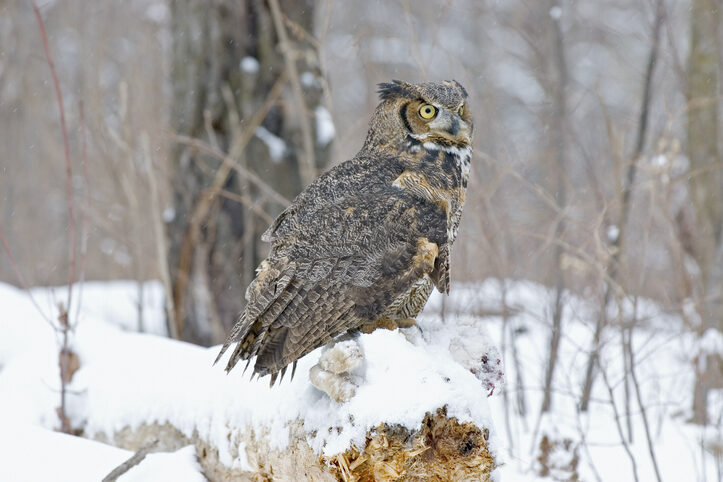
Some animals make winter feel slower, and owls with long ears fit that mood. Their silent flight and steady gaze match cold evenings perfectly. Watching an owl settle on a branch feels like time pausing briefly. These owls hunt carefully in winter, adjusting routines to scarce food and longer nights. They rely on sound more than sight, listening closely beneath snow. Owls remind you that stillness can be powerful. During the holidays, their presence feels reflective. They show how paying attention, waiting patiently, and trusting instinct can turn quiet moments into meaningful ones for many people each year quietly again.
19. Otters Playing Through the Cold
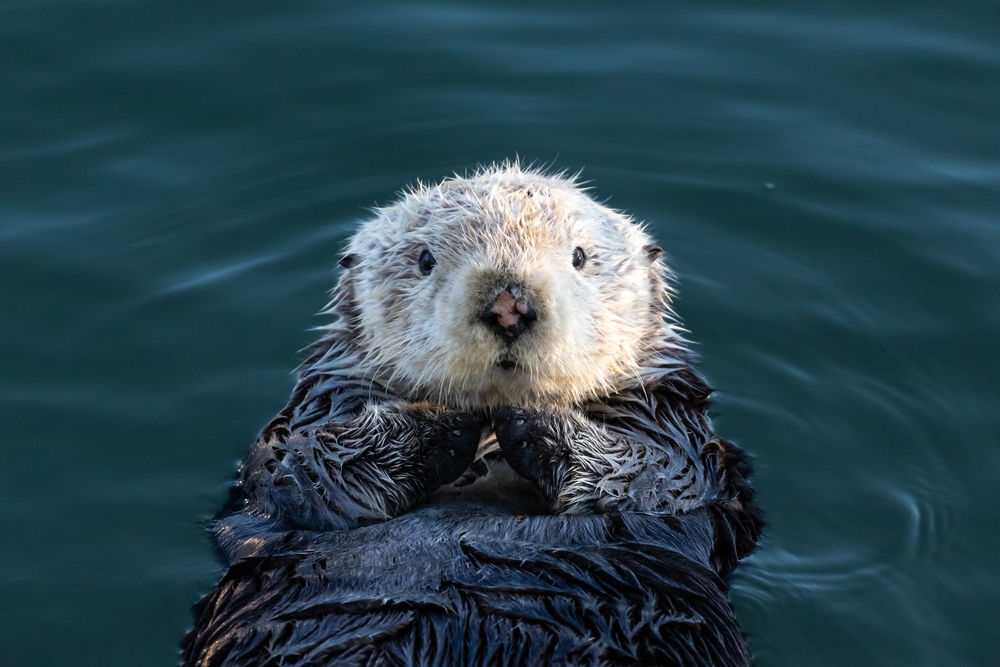
Otters bring unexpected joy to winter scenes, slipping through icy water with ease. Their thick fur traps warmth, allowing playful movement even in cold conditions. Watching otters float and spin feels lighthearted against a serious landscape. They hunt and rest in winter without losing curiosity. Otters remind you that survival does not cancel joy. During colder months, their energy feels refreshing. They show how adaptability and play can exist together. In the holiday season, otters quietly suggest that laughter, movement, and connection still belong, even when temperatures drop and days feel shorter for families watching nearby together now quietly always.
20. Ptarmigan Blending into Snow

Ptarmigan feel like winter secrets hiding in plain sight. Their feathers change color with the season, turning white as snow deepens. Watching one move feels like spotting motion within stillness. Ptarmigan survive cold months by conserving energy and choosing shelter wisely. Winter shapes every decision they make. They remind you that blending in can be smart, not timid. During the holidays, their presence feels subtle but reassuring. Ptarmigan show how survival sometimes means knowing when to move and when to disappear into the background peacefully while winter landscapes remain quiet and watchful around them during long cold seasons again gently.
21. Mallard Ducks on Quiet Water
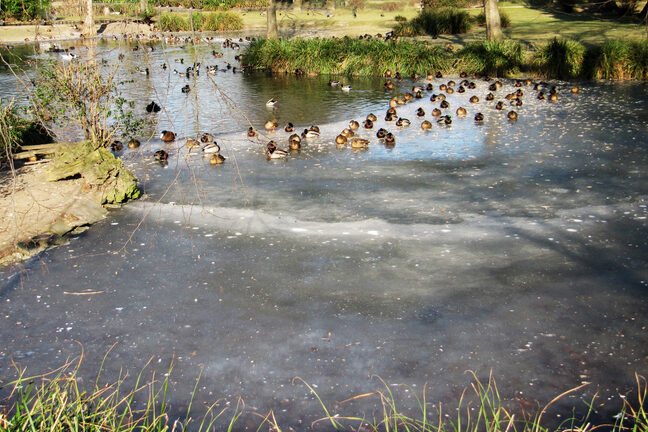
Winter ponds feel calmer when mallard ducks gather along their edges. Their familiar shapes bring comfort to cold mornings. Watching ducks paddle slowly feels grounding, like routine continuing without effort. Mallards adapt well to winter, feeding where water stays open. They rely on group awareness and steady habits. Ducks remind you that familiarity can bring warmth. During the holidays, their presence feels home like. They show how ordinary moments still matter, even when the season changes everything else around you quietly, reminding families traditions continue softly year after year through winter days and shared spaces together always nearby calmly too.
22. Cardinals Standing Out in Winter
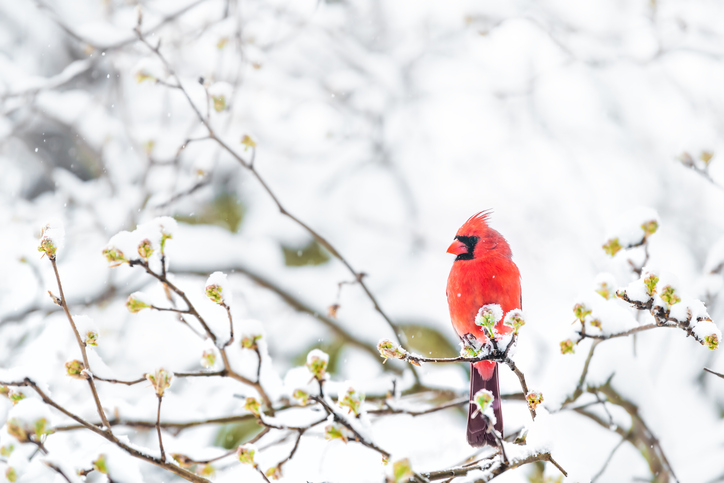
Cardinals feel especially visible during winter, their red feathers bright against snow. Seeing one perched nearby feels like a small gift. Cardinals remain active through cold months, adjusting diets and routines carefully. They visit feeders and sheltered branches, staying close to familiar spaces. Cardinals remind you that color and life persist even in quiet seasons. During the holidays, they feel symbolic without trying. Their presence brings warmth through contrast. Cardinals show how standing out gently can lift a scene, offering reassurance when landscapes feel muted and still during winter walks shared with loved ones nearby often quietly today always present.
23. Beavers Preparing for Cold
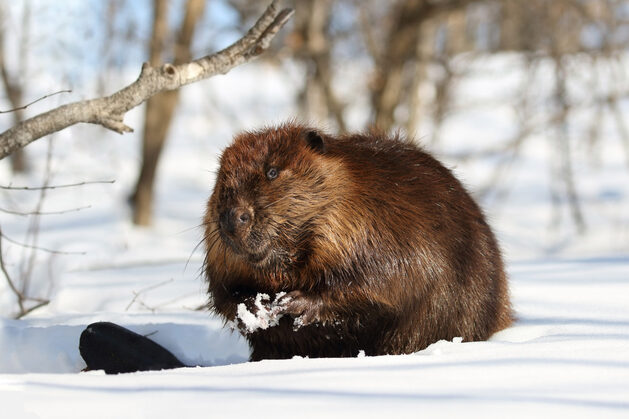
Winter rivers feel alive when beavers remain nearby. Their steady work continues even as temperatures drop. Watching beavers adjust dams and shelters feels methodical and calm. They prepare carefully, storing food and reinforcing structures before deep cold arrives. Beavers remind you that preparation matters. During the holidays, their habits feel relatable. Planning ahead brings comfort. Beavers show how effort made earlier creates ease later. Their presence in winter landscapes suggests that patience and foresight can soften even long cold seasons for families facing seasonal changes together year after year with quiet confidence and steady hope always nearby calmly again today.
24. Sea Lions Resting by the Shore
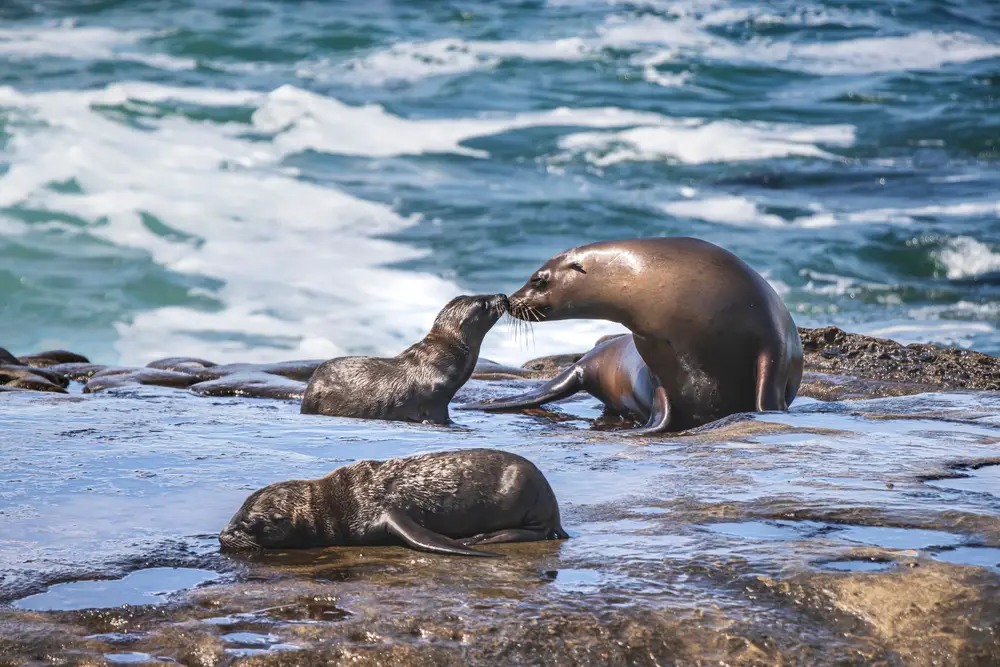
Winter beaches feel quieter when sea lions rest along the shore. Their bulky forms and relaxed posture make cold air feel less harsh. Watching sea lions stretch and settle feels unbothered by the season. They rely on thick bodies and group closeness to manage low temperatures. Sea lions remind you that rest is part of survival. During the holidays, their ease feels comforting. They show how slowing down and staying close can help weather colder months without urgency or resistance while families learn patience warmth and togetherness through winter days quietly shared calmly nearby always returning again each season too.
25. Ravens Flying Through Gray Skies
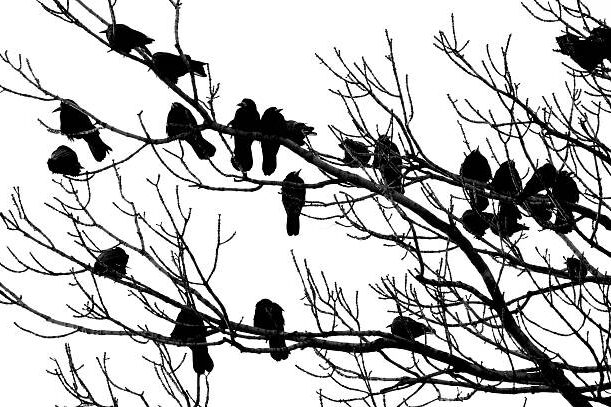
Winter skies feel more dynamic when ravens appear overhead. Their dark feathers contrast sharply with pale clouds and snow. Watching ravens glide and call feels ancient, like echoes from older times. Ravens remain active through winter, using intelligence to find food and shelter. They adapt quickly, solving problems with awareness. Ravens remind you that wit matters. During the holidays, their presence feels thoughtful. They show how observation and memory help navigate difficult seasons with confidence and quiet curiosity for those paying attention to lessons hidden in nature during winter moments shared slowly together quietly now always nearby calmly again today.
26. Mountain Goats on Icy Ridges
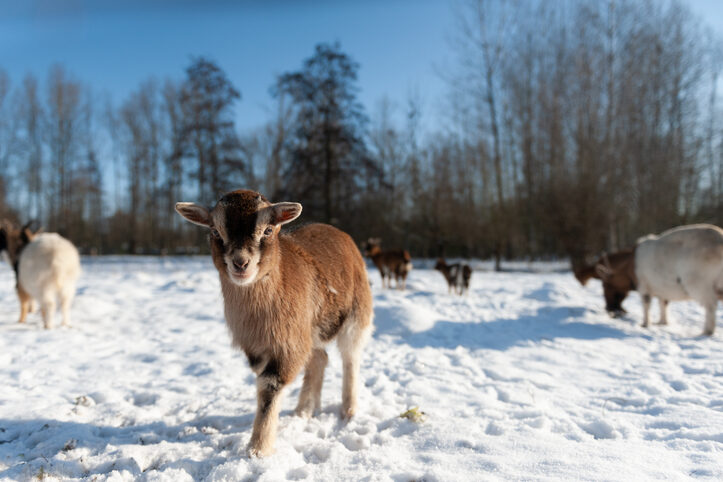
Winter hills feel less empty when mountain goats appear along ridges. Their sure footing on icy rock looks almost effortless. Watching a goat climb feels steady rather than risky. Mountain goats survive winter by choosing careful paths and conserving energy. They move with confidence built from experience. Goats remind you that balance matters. During the holidays, their presence feels grounding. They show how patience and attention can carry you safely through difficult terrain without panic or rush, reminding families progress happens step by step in cold seasons while trust grows quietly over time together always nearby calmly again today now.
27. Coyotes Calling at Night
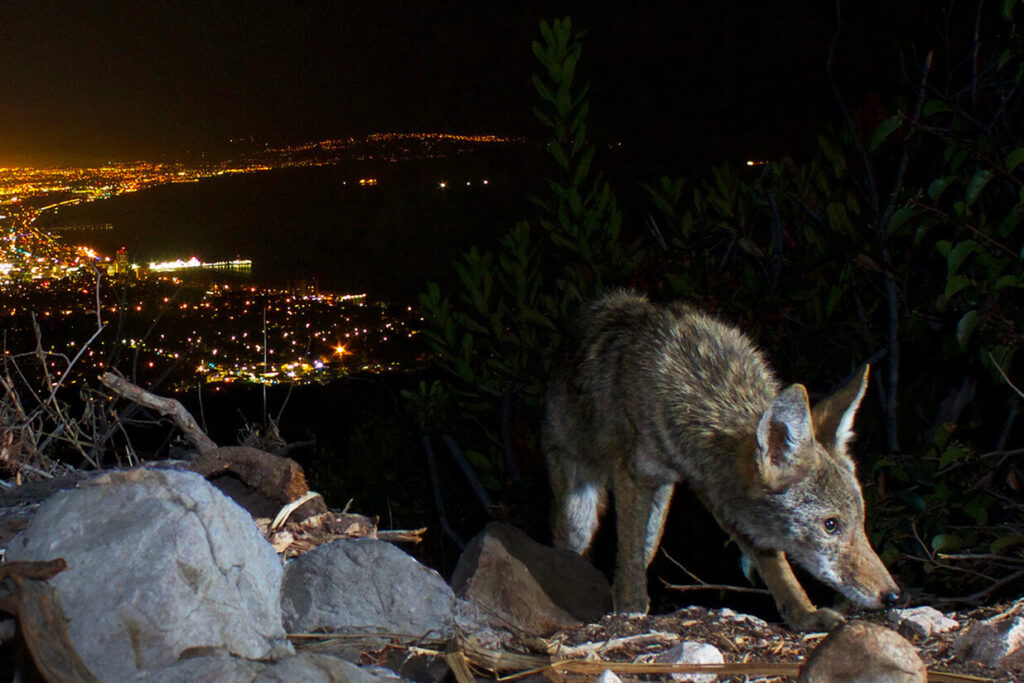
Winter nights feel less still when coyotes call in the distance. Their voices carry across frozen land, adding movement to silence. Watching a coyote pause and listen feels alert and cautious. Coyotes adapt easily to winter, adjusting diets and travel patterns. They rely on awareness and flexibility. Coyotes remind you that survival often means adjusting expectations. During the holidays, their presence feels observant rather than threatening. They show how learning to adapt can turn unfamiliar seasons into manageable ones for those facing change and uncertainty together each year during winter moments quietly shared calmly nearby always returning again today now.
28. Sheep Standing Close Together
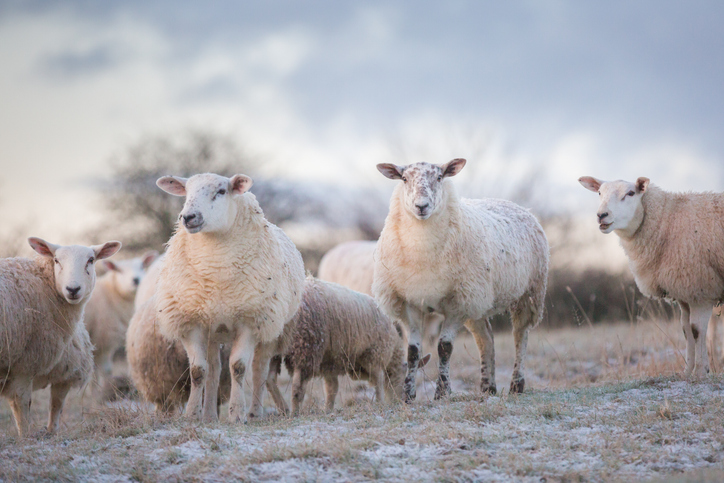
Winter fields feel softer when sheep gather closely together. Their thick wool protects them from cold winds and frost. Watching sheep stand calmly feels peaceful and unhurried. They rely on closeness and routine to manage winter conditions. Sheep remind you that comfort can be simple. During the holidays, their presence feels familiar and safe. They show how warmth can come from staying near what you know. Sheep quietly turn cold landscapes into spaces of calm reassurance for families seeking steadiness during long seasonal changes together through winter days quietly shared nearby always gently returning again now calmly too today here.
29. Lynx Moving with Precision
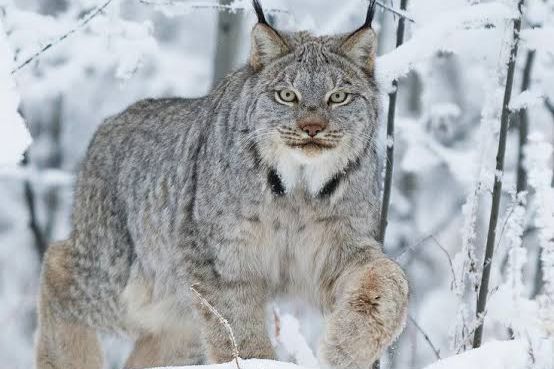
Winter forests feel more alive when lynx move silently through snow. Their large paws allow smooth travel across deep drifts. Watching a lynx hunt feels focused and patient. Lynx rely on quiet movement and sharp senses during cold months. They adapt without excess effort. Lynx remind you that precision matters. During the holidays, their presence feels intentional and calm. They show how moving carefully and observing closely can make even harsh seasons feel navigable for those learning patience awareness and restraint through winter living with quiet focus nearby always returning again calmly together now today softly shared moments here too.
30. Snow Leopards in Frozen Mountains
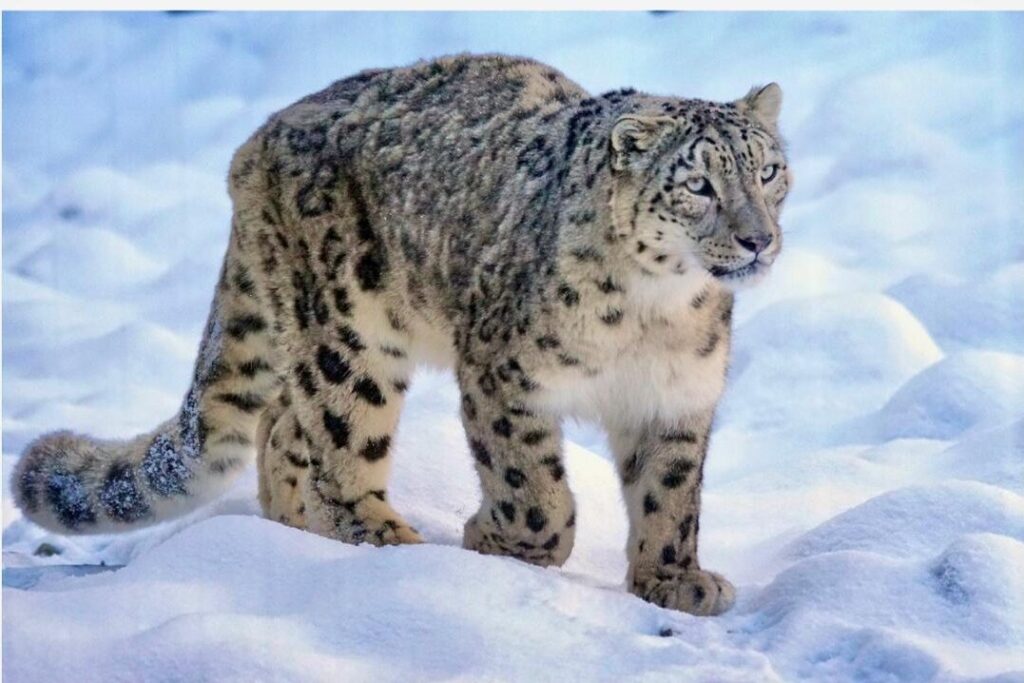
Snow leopards feel made for winter mountains, blending into icy cliffs with ease. Their thick fur and powerful limbs allow them to navigate steep, frozen terrain without hesitation. Watching a snow leopard move feels quiet and deliberate, like winter itself choosing its path. They hunt patiently in cold conditions, relying on balance and timing rather than speed. Winter sharpens their instincts instead of limiting them. Snow leopards remind you that strength can be graceful. Their presence turns harsh alpine landscapes into places of control and calm, showing how adaptation and patience allow life to flourish even where cold seems overwhelming.


