
1. Wolves
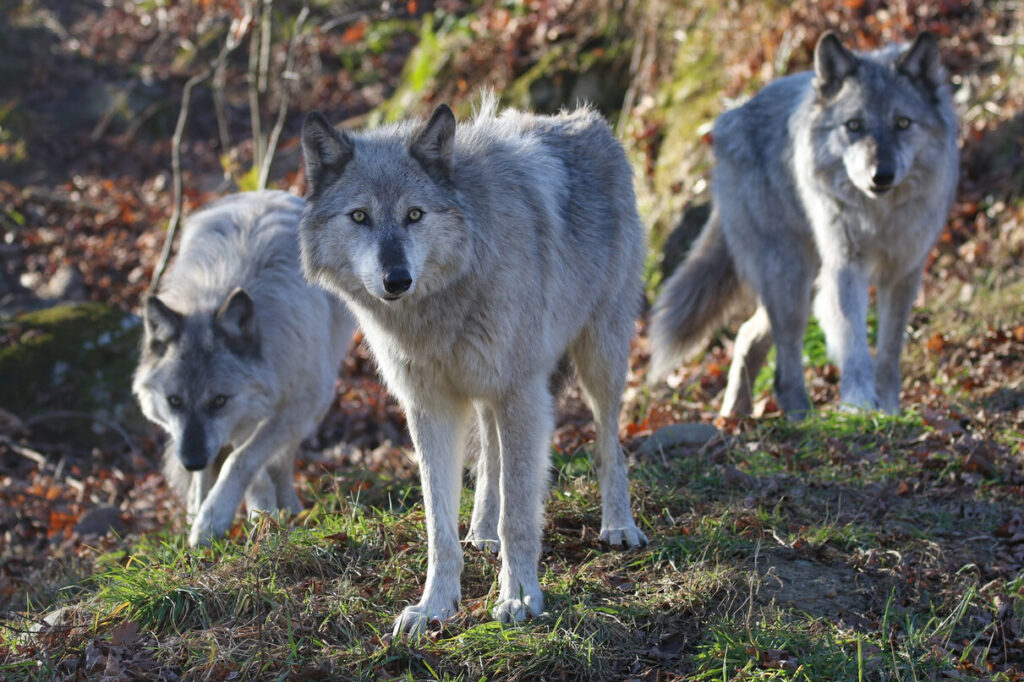
For years, Yellowstone felt quieter than it should have, and people sensed something missing even if they could not name it. When wolves returned after decades away, the land responded almost immediately. Elk changed their grazing habits, riverbanks recovered, and trees began growing again. Visitors started noticing birds, beavers, and fish returning too. Wolves did not fix everything, but they helped restore balance. Rangers often say the park feels more complete now. Seeing wolves move through familiar valleys reminds us that nature remembers its original rhythm and heals when given time.
2. Beavers
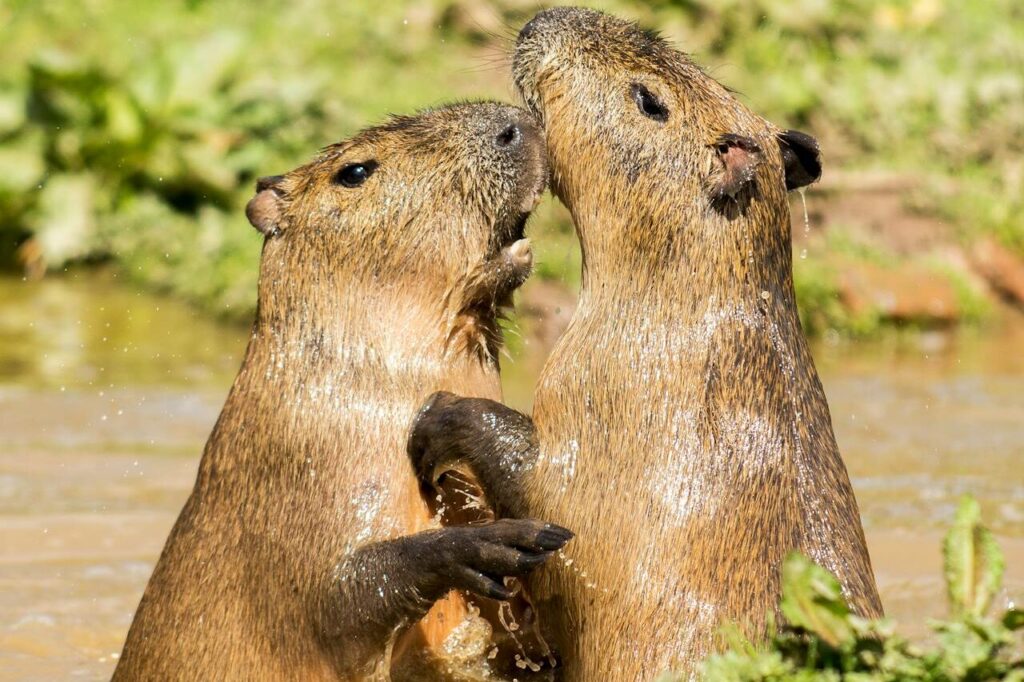
Beavers were gone from Britain for centuries, leaving rivers straighter, faster, and less alive. Their return has been quiet but powerful. As beavers settled into streams again, they built dams that slowed water, reduced flooding, and created wetlands. Fish, birds, and insects followed. Some locals were skeptical at first, unsure about changes to farmland. Over time, many noticed cleaner water and healthier land. Watching beavers work feels almost old fashioned, like nature using tools it never forgot. Their presence shows how one animal can reshape an entire landscape.
3. Iberian Lynx

The Iberian lynx once seemed like a fading memory, rarely seen and nearly lost. Through careful protection and habitat recovery, these shy cats are returning to parts of Spain and Portugal. Rabbit populations improved, roads became safer, and forests grew quieter. Locals speak softly about spotting tracks or glimpsing one at dusk. It feels personal, like sharing a secret with the land. The lynx moves cautiously, as if testing whether it is truly welcome. Each sighting carries hope and shows what patience and steady conservation can achieve.
4. Bison
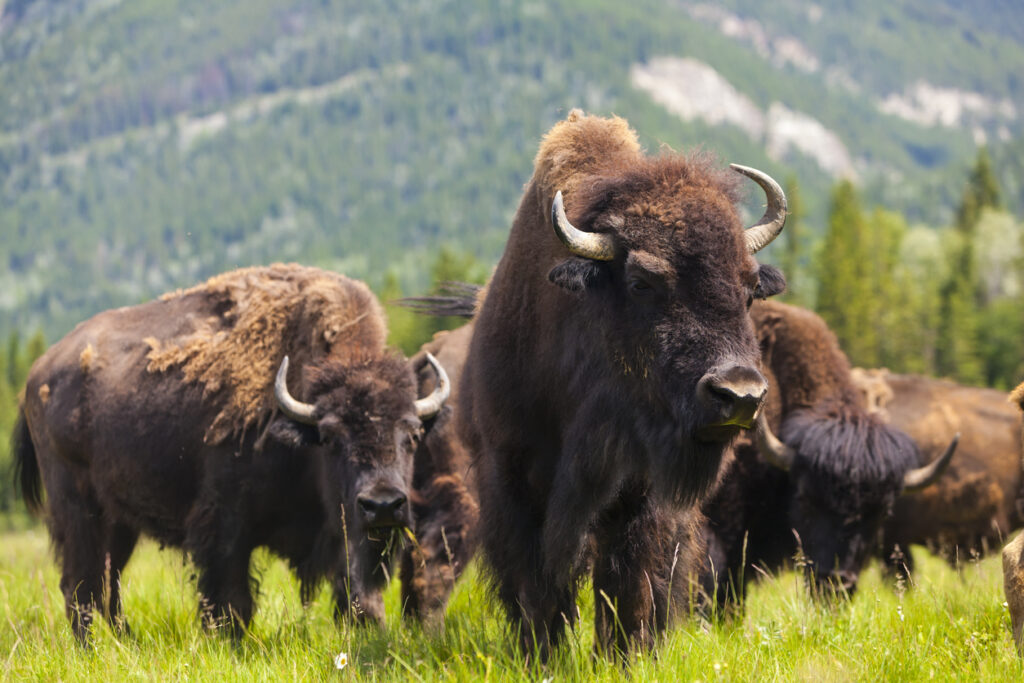
Bison once covered the plains in numbers that shaped the land itself. After nearly disappearing, small herds are returning to grasslands where they once roamed freely. As they graze, they fertilize soil and create space for native plants. Birds and insects follow. Indigenous communities often describe the return as deeply emotional, reconnecting culture and land. Seeing bison move slowly across open fields feels grounding. They do not rush. Their presence reminds us that landscapes are living systems shaped by animals as much as climate and history.
5. Sea Otters
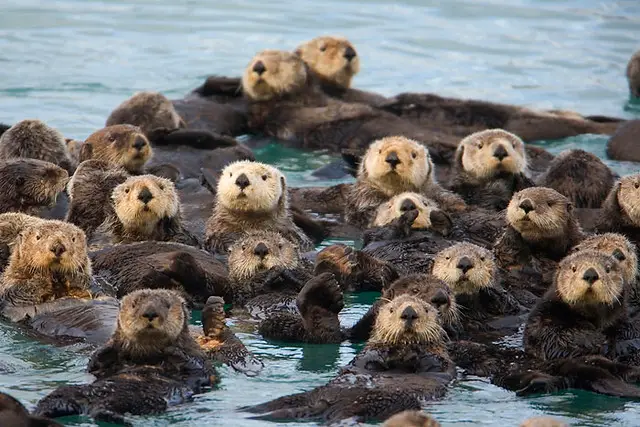
When sea otters vanished from many coastal areas, kelp forests suffered quietly. Urchins multiplied, and underwater life thinned. As otters returned, balance followed. By feeding on urchins, they allowed kelp to grow again, providing shelter for fish and absorbing carbon. Divers noticed changes before anyone else. The water felt fuller and richer. Watching otters float calmly near shores where they were once absent feels reassuring. Their return proves that even gentle animals can hold ecosystems together through simple, everyday behaviors repeated over time.
6. Elephants
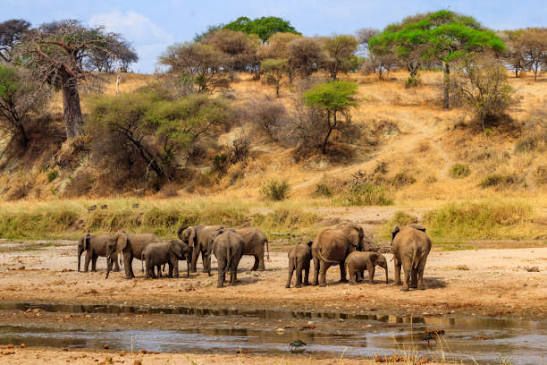
In parts of Africa, elephants are slowly returning to migration routes abandoned decades ago. Protected corridors now allow them to move between feeding grounds again. Older matriarchs often lead the way, guiding herds along paths remembered through generations. Communities nearby adjust, learning coexistence rather than conflict. Seeing elephants walk familiar routes feels almost ceremonial. Trees bend, soil shifts, and seeds spread. Their movement shapes the land itself. These journeys remind us that memory does not belong only to people but lives within animals too.
7. Bald Eagles
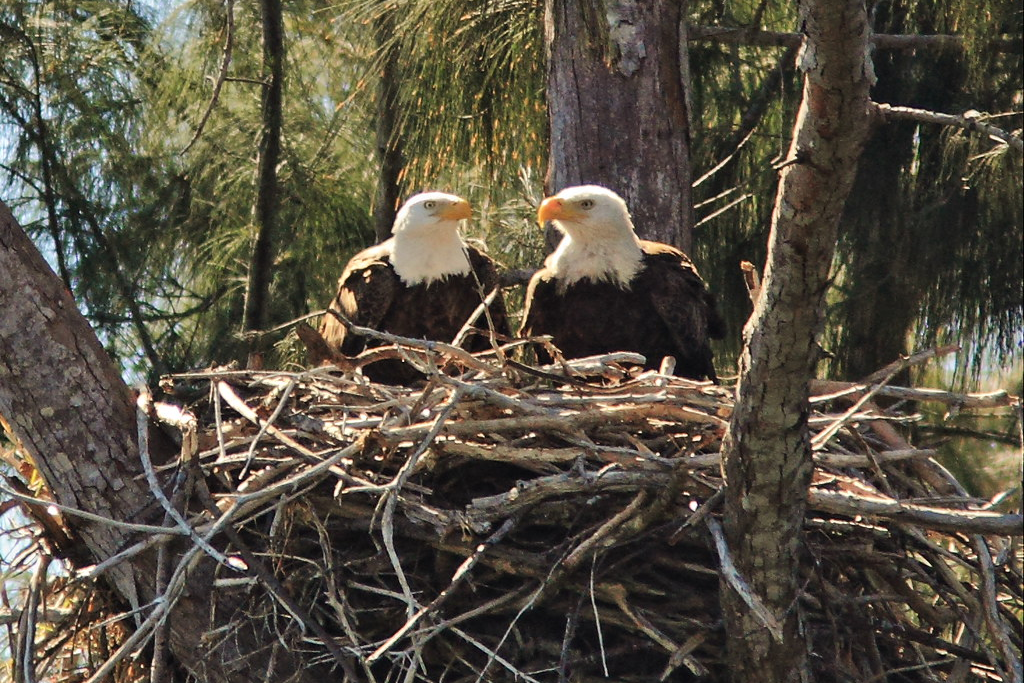
There was a time when spotting a bald eagle felt rare and uncertain. Pollution and pesticides pushed them away from rivers they once ruled. As waters cleaned up and protections strengthened, eagles returned. They nested near lakes, fished along riverbanks, and raised chicks in familiar places. Families now point them out during quiet walks. Their presence feels comforting rather than surprising. Seeing an eagle perched above a river signals health, patience, and recovery, proving that steady care can bring wildlife back into everyday life.
8. Tigers
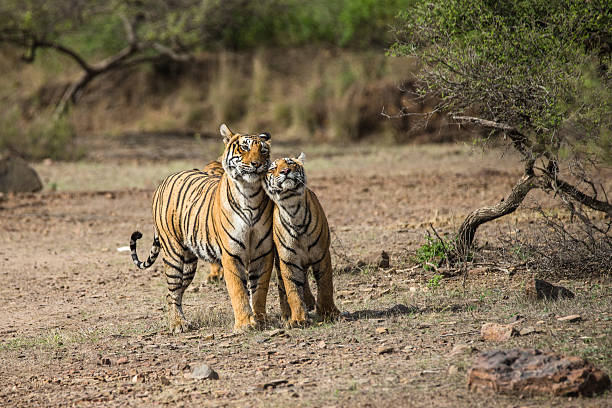
In many Indian forests, silence once replaced the presence of tigers. With stronger protections and community involvement, these powerful cats are reclaiming territory. Villagers speak carefully about their return, balancing respect and caution. Forests feel more alive, prey populations stabilize, and ecosystems regain structure. Rangers say when tigers return, everything else follows. Footprints near old paths tell quiet stories of recovery. The tiger does not announce itself. It simply exists, reminding us that conservation works best when people and wildlife learn to share space.
9. Manatees
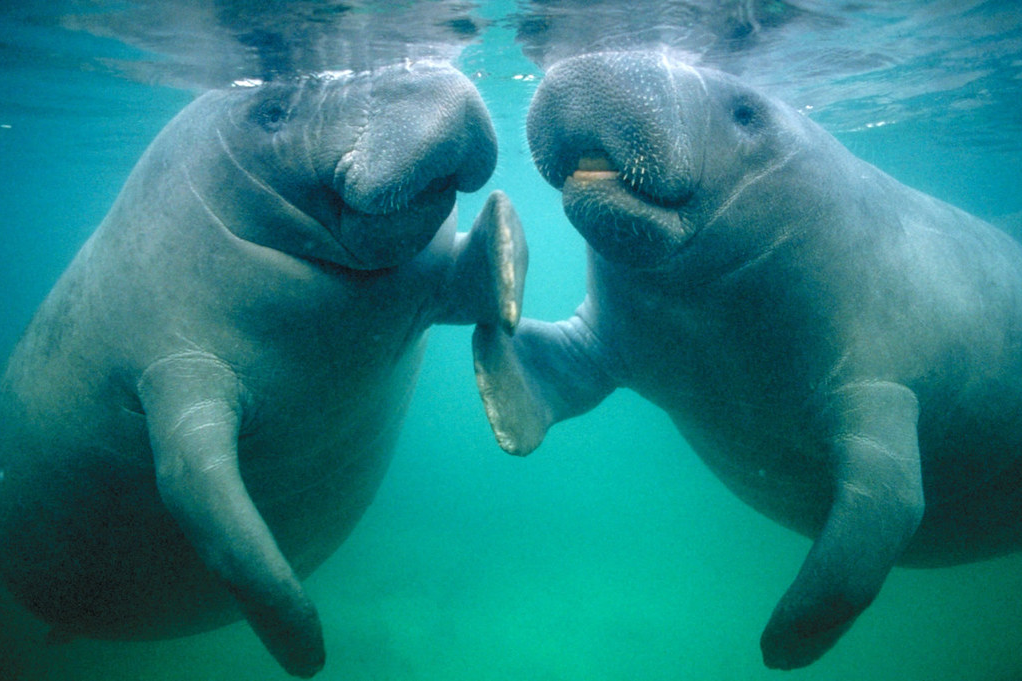
Manatees move slowly, and so does their recovery. In coastal areas once crowded with boats and pollution, better protections are helping them return. Warmer waters and healthier seagrass beds invite them back. Locals spot rounded shapes beneath docks and feel a sense of calm. Manatees signal clean water and thoughtful coexistence. Their presence suggests progress without noise. They do not demand attention. They reward care. Watching them glide through familiar channels feels like a quiet thank you from ecosystems healing at their own pace.
10. Cranes

Cranes have always symbolized patience and return. In restored wetlands across Europe and Asia, they are landing again after decades away. Their calls echo across marshes that once felt empty. Farmers pause. Birdwatchers listen. Wetlands respond with renewed life. Insects, plants, and fish thrive. Cranes do not rush their return. They test the land carefully. Seeing them settle into familiar resting spots feels like a conversation resumed. Their presence shows that when habitats are protected, migration patterns can heal naturally.
11. Mountain Goats
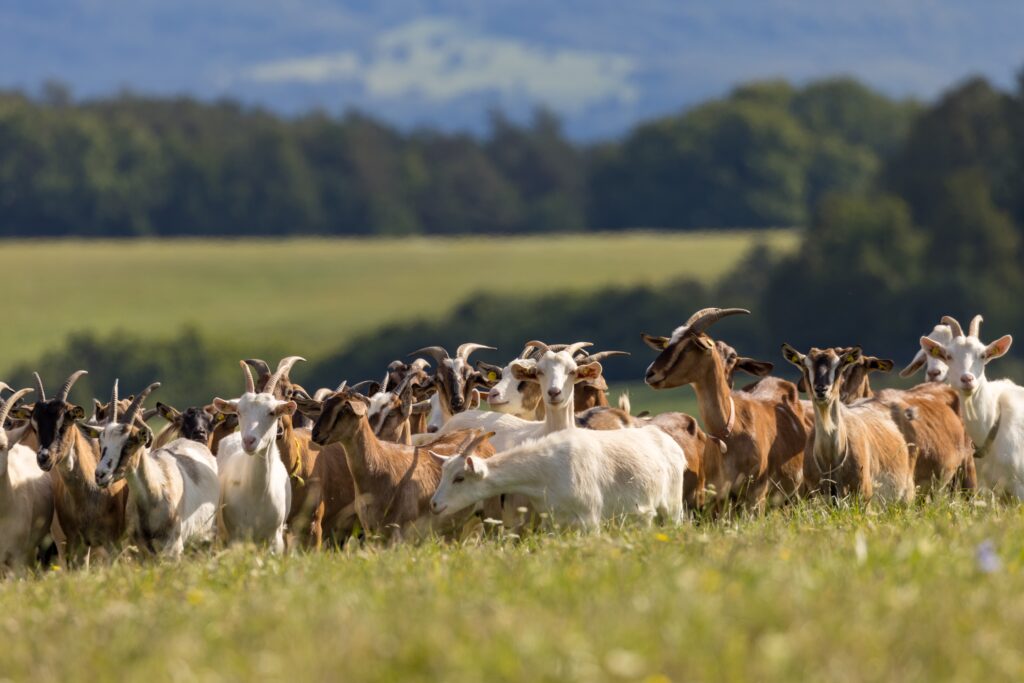
Mountain goats are returning to alpine areas where hunting and disturbance once pushed them away. Protected parks now offer space for these steady climbers to thrive. They shape fragile ecosystems by grazing carefully and preventing overgrowth. Hikers spotting them on cliffs feel awe rather than fear. The goats move with confidence, as if they never truly left. Their return shows how quickly nature responds when pressure eases. High places feel alive again, reminding us that some animals belong exactly where they stand.
12. Alligators
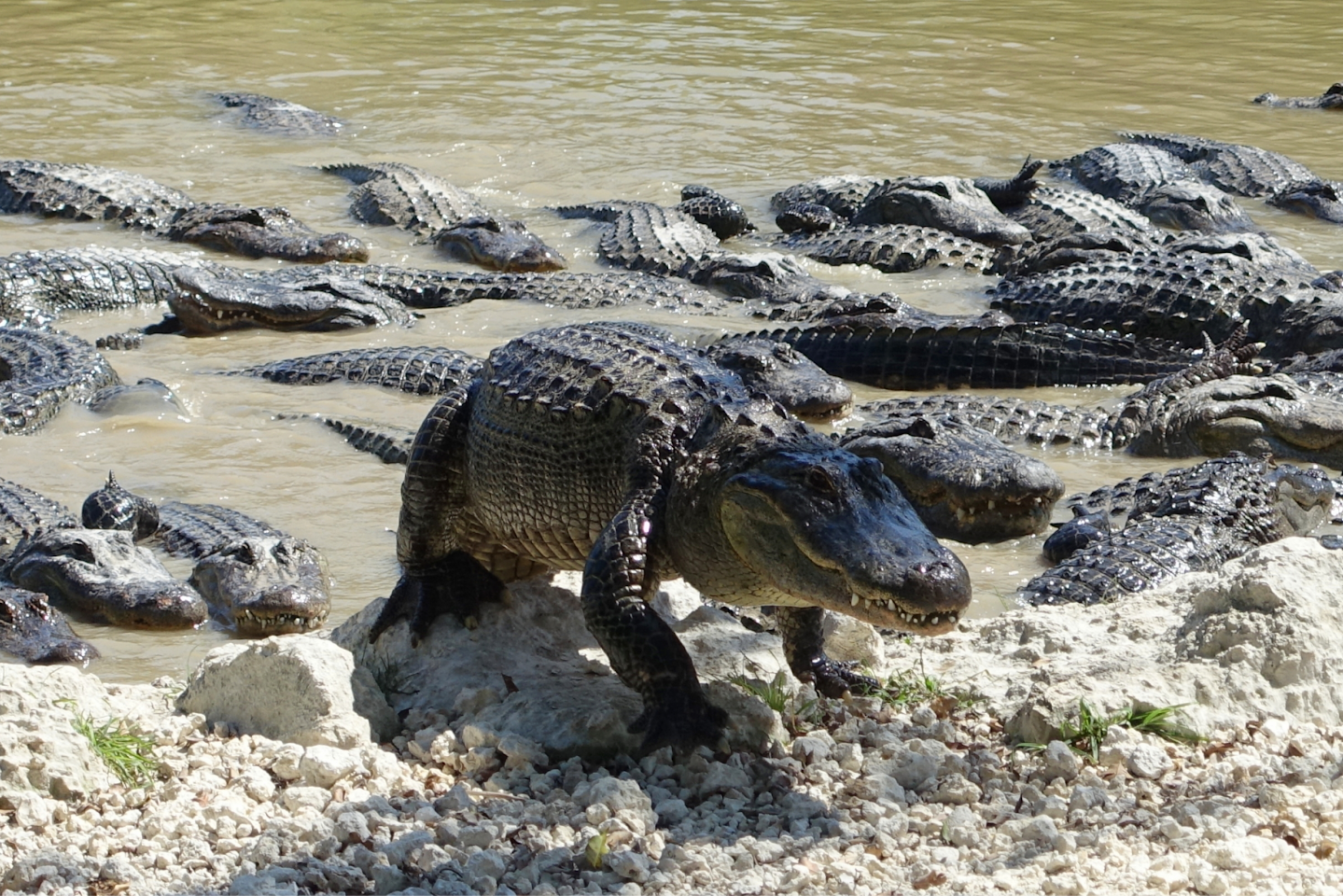
Alligators once disappeared from many Southern wetlands, leaving ecosystems altered. As protections took hold, they returned quietly. Their presence helps shape water systems by creating deep pools that support life during dry seasons. Birds, fish, and amphibians benefit. Locals learn to share space again, adjusting habits rather than fearing change. Seeing an alligator bask along a familiar bank feels natural, like something clicking back into place. Their return proves that even misunderstood animals play vital roles in healthy environments.
13. Condors
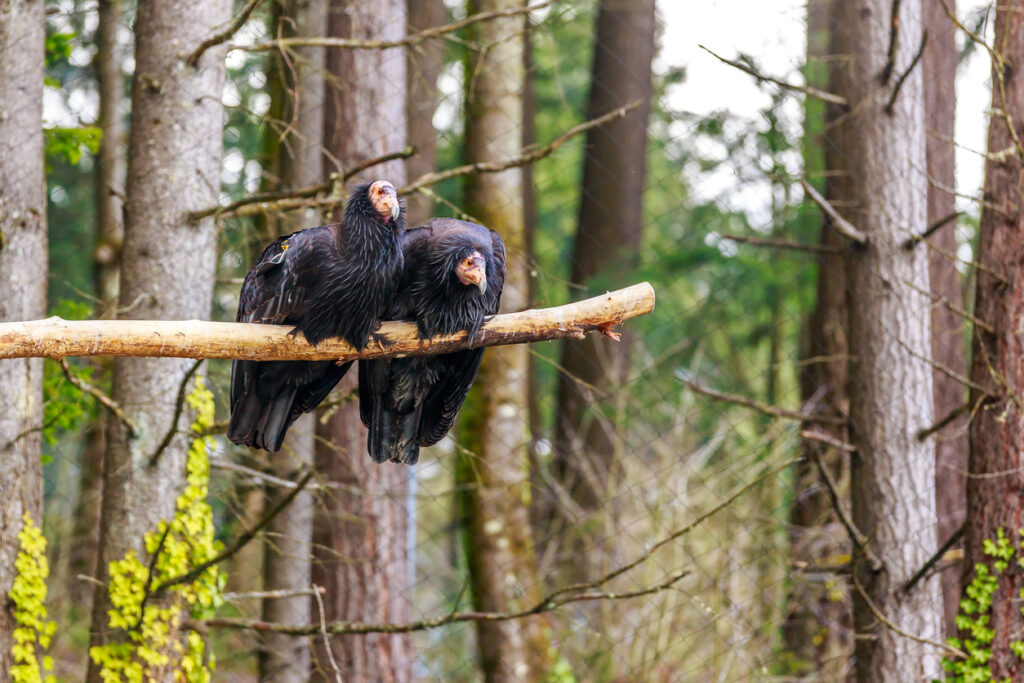
Condors once vanished from much of their historic range, leaving skies emptier than before. Careful breeding and release programs helped them return to familiar cliffs and canyons. Their wide wings cast slow shadows over landscapes they had not touched in decades. These birds clean ecosystems by consuming remains others cannot. Spotting one overhead feels rare and meaningful. Their flight reminds us that recovery takes effort and patience. The condor’s return shows that long term care can bring even fragile species back.
14. Salmon
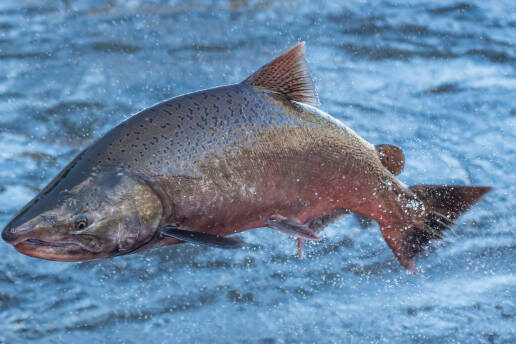
In rivers once blocked and polluted, salmon are finding their way back. Dam removals and cleaner water opened paths closed for generations. As salmon return, they carry nutrients inland, feeding forests and wildlife. Locals watch rivers change during spawning season and feel connected to cycles older than memory. The sight of salmon leaping upstream feels hopeful rather than dramatic. It shows that flow matters. When barriers are removed, life follows. Their return reconnects oceans and mountains through persistence and movement.
15. Jaguars
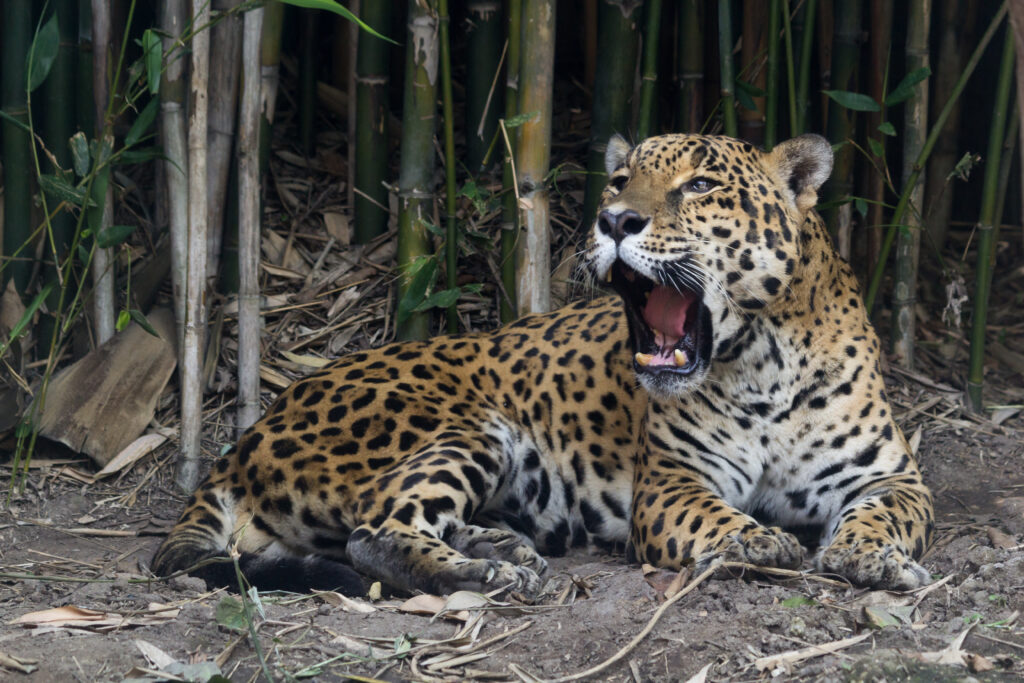
Jaguars are returning to border regions where they once thrived, moving silently through deserts and mountains. Trail cameras capture proof more often than people do. Their presence signals connected habitats and healthy prey. Conservation groups work across boundaries to protect movement corridors. Locals speak of sightings with wonder rather than alarm. Jaguars do not announce their return. They simply exist. Knowing they walk familiar land again feels hopeful and suggests that wild spaces can reconnect when nature is given room.
16. Grizzly Bears
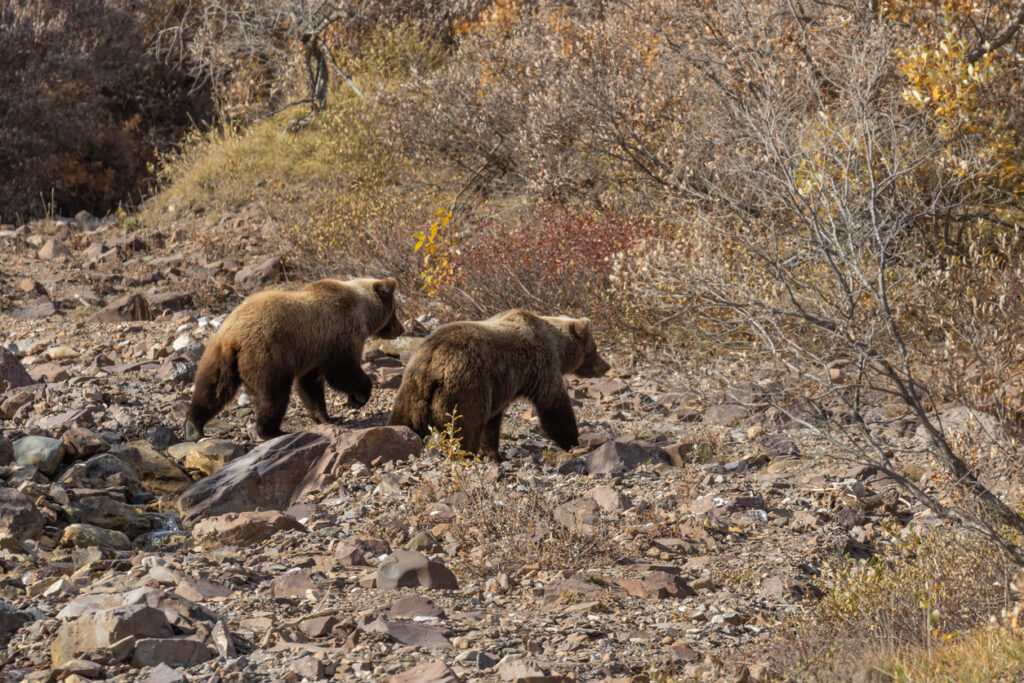
Grizzly bears are slowly reclaiming parts of their former range after decades of pressure and fear. As protections increased and habitats recovered, bears began appearing in areas they once avoided. Locals notice tracks near rivers and forests that had felt empty for years. Coexistence takes learning, but many communities now use better storage and safety practices. Seeing grizzlies return signals healthier ecosystems with enough food and space to support large predators. Their presence reminds us that wilderness is not frozen in the past. It can return when patience replaces panic and boundaries are respected on both sides.
17. Sea Turtles

Sea turtles are returning to nesting beaches they abandoned long ago due to development and disturbance. Conservation efforts have protected shorelines, reduced lighting, and limited harmful activity. Slowly, turtles began crawling ashore again under moonlit skies. Locals wake to find tracks etched into sand like quiet signatures. Hatchlings follow instinct toward the sea, repeating journeys older than memory. Their return feels gentle yet powerful. Each nest represents resilience and trust in the land. Watching turtles reclaim familiar beaches reminds us that when humans step back just enough, nature often steps forward on its own.
18. Prairie Dogs
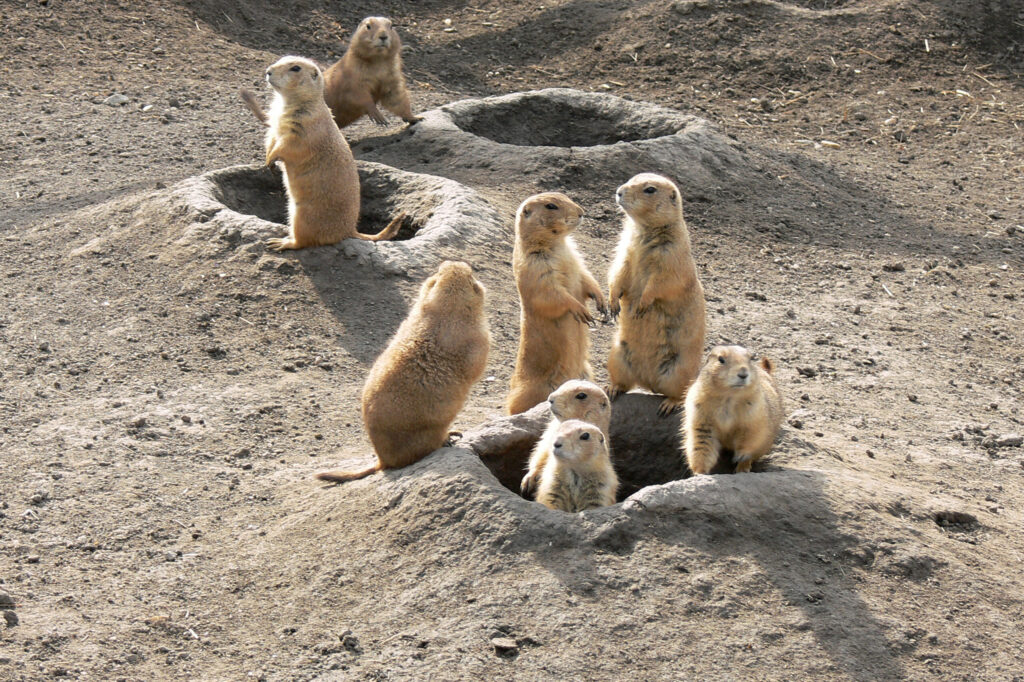
Prairie dogs once covered grasslands in dense colonies before being pushed out by farming and development. In protected areas, they are returning and reshaping the land. Their burrows aerate soil, improve plant growth, and provide homes for other species. Hawks circle above, foxes follow, and grasses respond. Communities near reserves learn their value rather than seeing them as pests. Seeing prairie dogs pop up again feels lively and hopeful. Their chatter brings sound back to open spaces. Their return shows that even small animals can have outsized roles in restoring balance to landscapes.
19. Moose
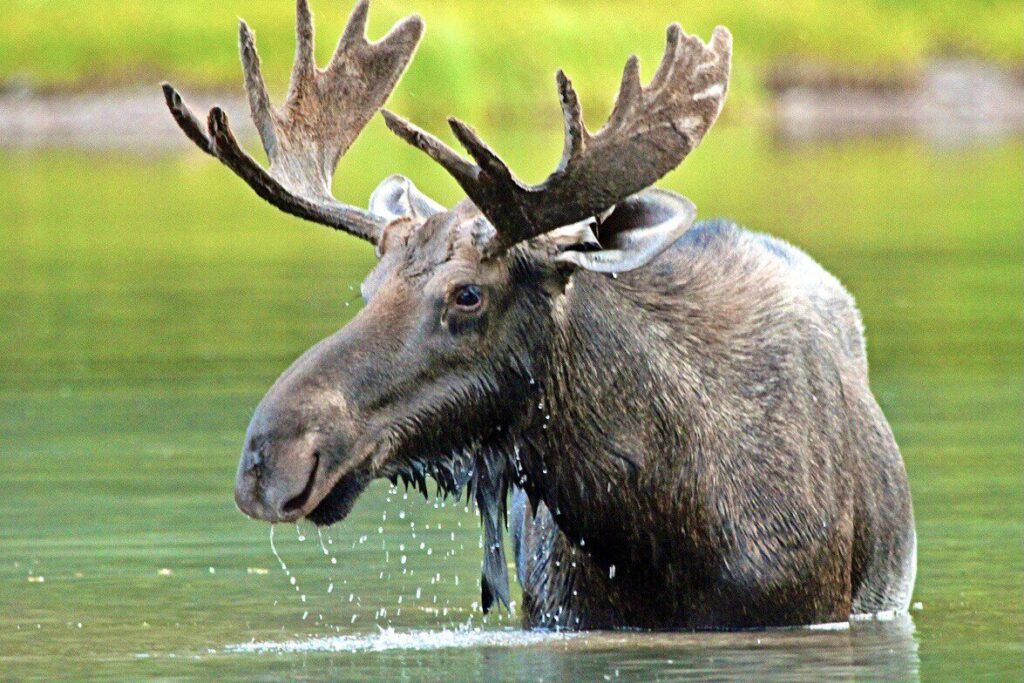
Moose are returning to forests and wetlands where hunting and habitat loss once drove them away. Cooler temperatures and better protections have helped stabilize populations in some regions. Locals notice tracks near lakes and quiet crossings at dawn. Moose shape forests by browsing selectively, opening space for new growth. Their calm presence feels grounding, almost reassuring. Seeing a moose wade through familiar waters reminds people that recovery does not always roar. Sometimes it moves slowly, deliberately, and confidently. Their return suggests that when pressure eases, wildlife often knows exactly where it belongs.
20. Red Kites
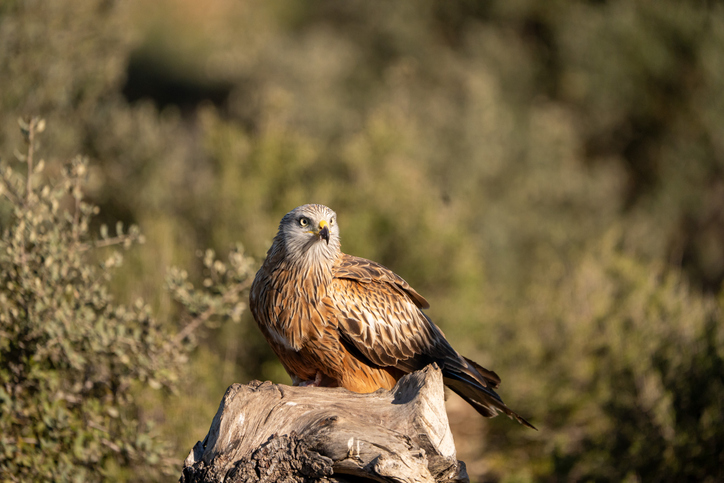
Red kites once disappeared from much of their range due to poisoning and persecution. Careful reintroduction efforts allowed them to return to skies they once ruled. Their forked tails and graceful flight are now familiar sights again. Farmers and residents pause to watch them circle above fields and villages. Red kites help clean landscapes by feeding on remains others leave behind. Their presence signals balance rather than threat. Seeing them glide overhead feels like witnessing a long awaited reunion between sky and land, one that patience and protection quietly made possible.
21. Ospreys
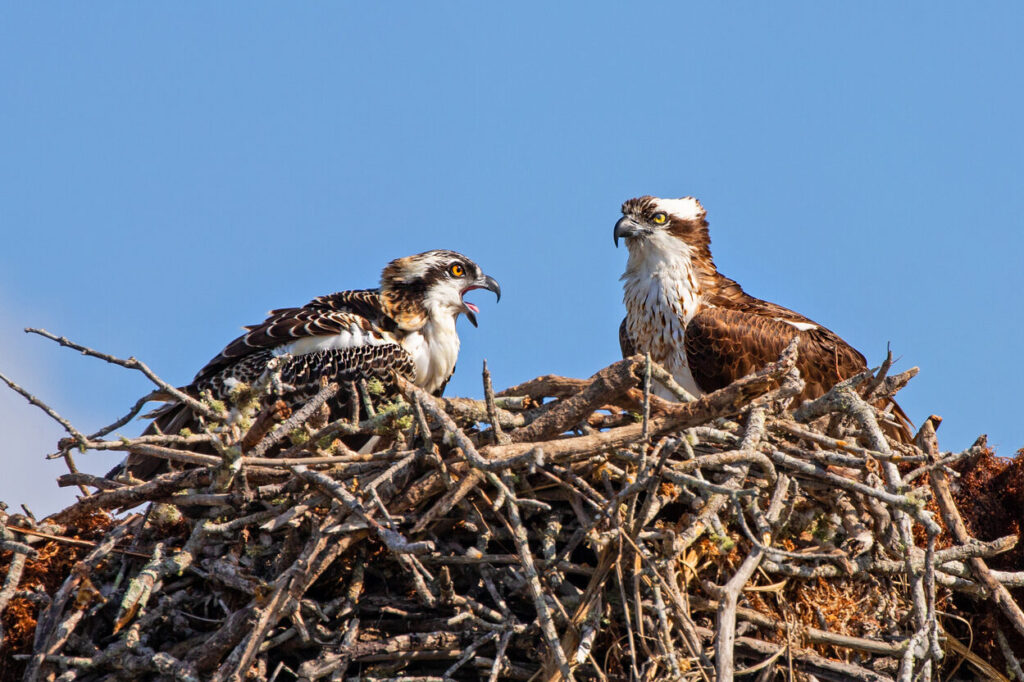
Ospreys are returning to rivers and coastlines where pollution once pushed them away. Cleaner waters and stronger protections allowed fish populations to recover. Nesting platforms now dot shorelines, inviting ospreys back. Locals watch them dive with precision, emerging with fish in their talons. Their calls echo across familiar waters again. Ospreys feel approachable, close to everyday life. Their return reassures communities that rivers are healing. Watching them raise chicks near towns and bridges reminds people that wildlife recovery does not always require distance, only respect and care.
22. Wolverines
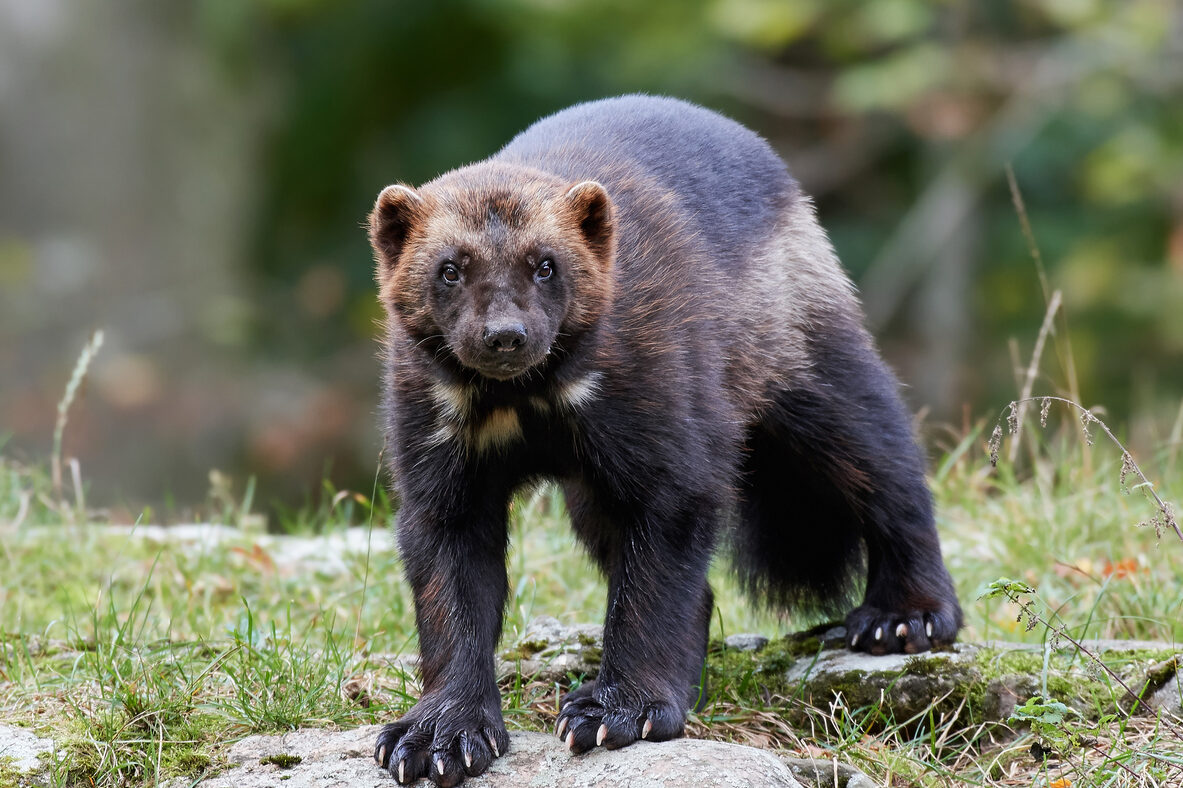
Wolverines are reappearing in cold mountain regions where they were once rare or absent. These solitary animals need space, snow, and quiet. As protected areas expand, they find room again. Trail cameras capture fleeting images that excite scientists and locals alike. Wolverines help ecosystems by cleaning remains and controlling smaller populations. Their return feels almost secretive, known more by signs than sightings. Knowing they roam familiar peaks again suggests that even the most elusive species can return when landscapes are allowed to remain wild and connected.
23. Flamingos
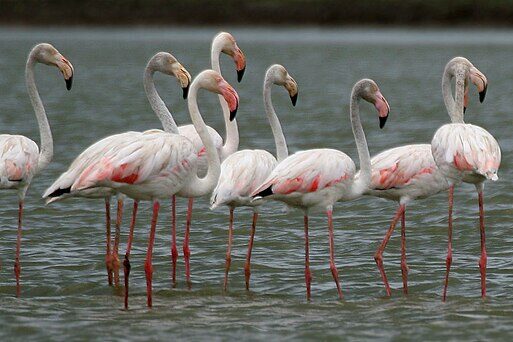
Flamingos are returning to wetlands and lakes they abandoned due to pollution and water loss. Restored water levels and cleaner habitats brought them back in striking numbers. Their pink clusters transform quiet shores into living paintings. Locals gather to watch, surprised by their sudden presence. Flamingos feed on algae and small organisms, helping maintain balance. Their return feels joyful rather than fragile. Seeing them wade through shallow waters reminds people that beauty often follows restoration. When habitats recover, color, movement, and life usually follow close behind.
24. Musk Oxen
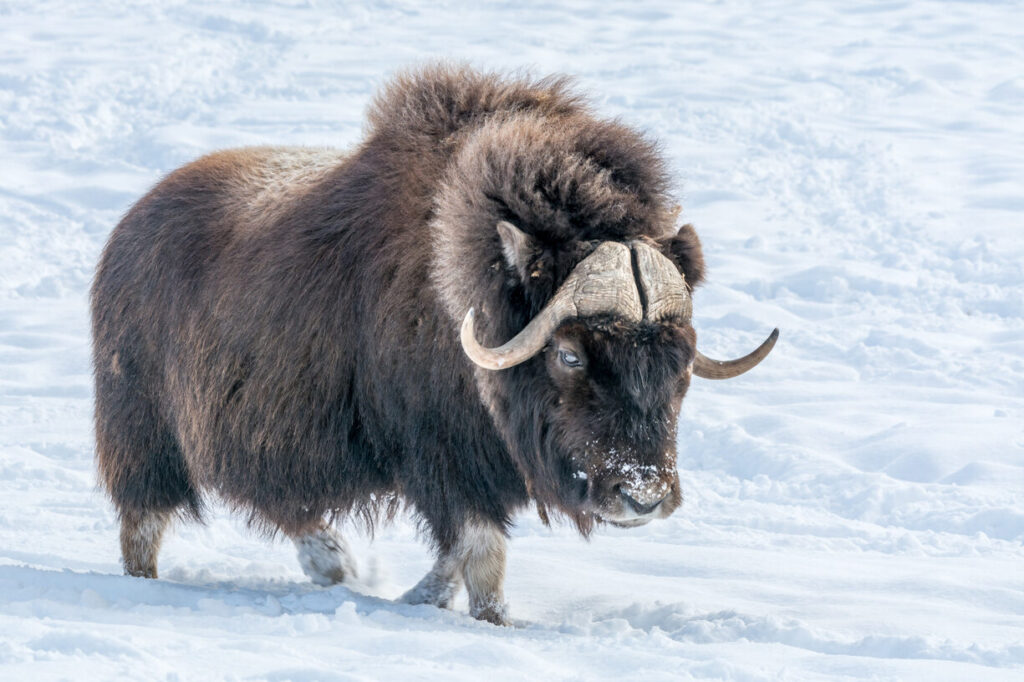
Musk oxen are reclaiming Arctic regions where climate shifts and hunting once reduced their numbers. Conservation efforts allowed small populations to stabilize and expand. These ancient animals move slowly across tundra, shaping plant growth and supporting ecosystems. Their thick coats and steady presence feel timeless. Locals respect their resilience and quiet strength. Seeing musk oxen return to familiar ground feels like history continuing rather than repeating. Their survival reminds us that some species endure by adapting patiently, holding space through harsh conditions until balance slowly finds its way back.
25. Coyotes
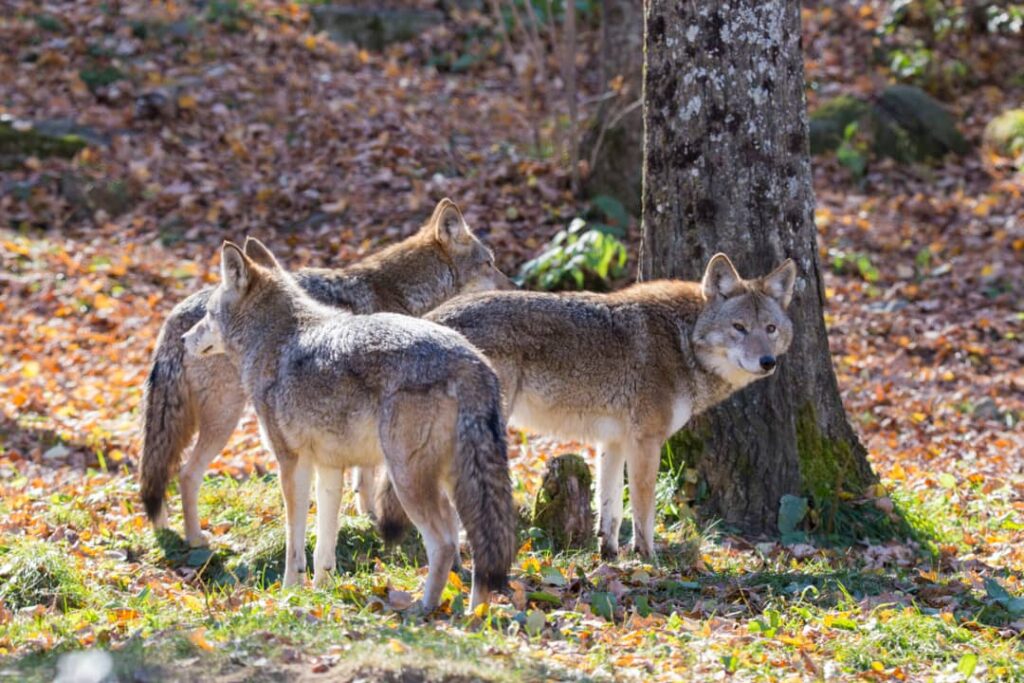
Coyotes are returning to landscapes where they were once heavily controlled or removed. As ecosystems shift, coyotes fill roles that keep populations balanced. They adapt easily, moving between wild and semi urban spaces. Communities learn coexistence through awareness rather than fear. Coyotes help control rodents and maintain healthy food webs. Hearing their calls at night feels unsettling to some, comforting to others. Their return reminds people that nature adapts quickly. When top predators are absent, flexible species step in, restoring balance in ways that are often misunderstood but essential.
26. Puffins
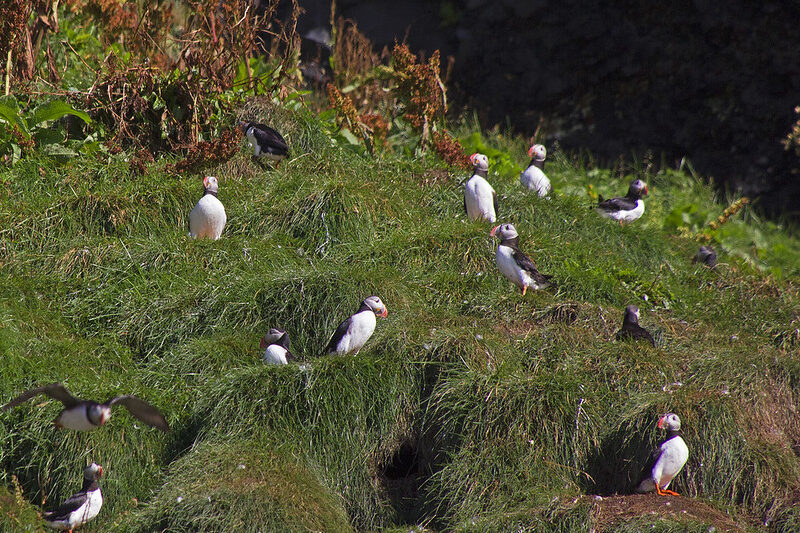
Puffins are returning to coastal nesting sites once disrupted by overfishing and human activity. Conservation efforts protected breeding areas and improved food availability. Slowly, puffins began arriving again each season. Their colorful beaks and clumsy movements draw smiles from watchers. Beneath the charm lies resilience. Puffins depend on healthy oceans and stable conditions. Their return signals improvement beneath the waves. Seeing them gather on rocky cliffs feels hopeful. It shows that protecting small spaces can support entire life cycles, bringing birds back to places they remember instinctively.
27. Antelope
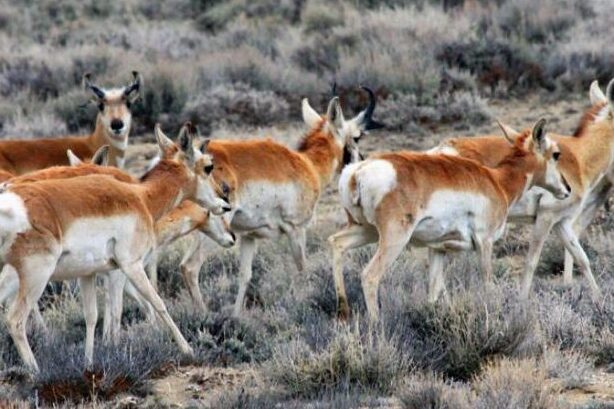
Antelope are reclaiming grasslands where fences and hunting once blocked movement. Conservation corridors reopened migration routes, allowing herds to move freely again. Their presence supports predators and plant diversity. Locals notice changes in vegetation and wildlife patterns. Watching antelope run across open land feels like motion restored. Their speed and grace reflect landscapes meant for movement. Their return reminds people that barriers often harm more than protect. When land opens up, life flows more naturally, reconnecting patterns that were interrupted but never forgotten.
28. Snow Leopards
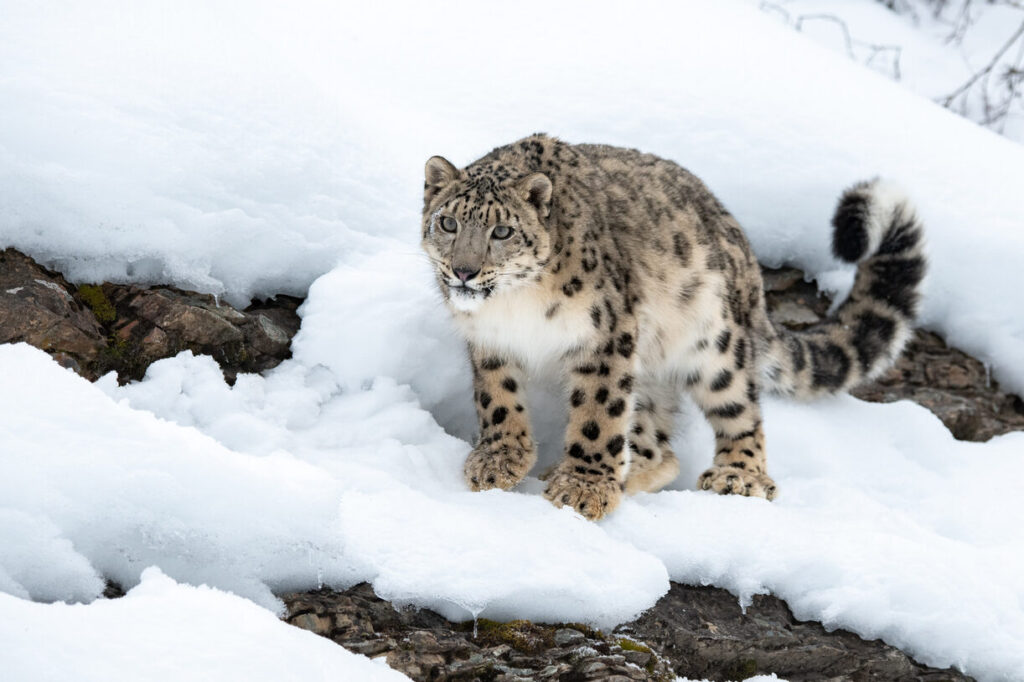
Snow leopards are slowly returning to mountain ranges where conflict once pushed them away. Conservation programs worked with herders to reduce losses and protect habitat. Quiet signs appear first, tracks in snow, blurred images on cameras. Their presence signals healthy prey and intact terrain. Snow leopards remain unseen by most, yet their return carries meaning. Knowing they move through familiar peaks again feels respectful rather than dramatic. Their survival depends on trust between people and land, built patiently over time.
29. Sturgeons
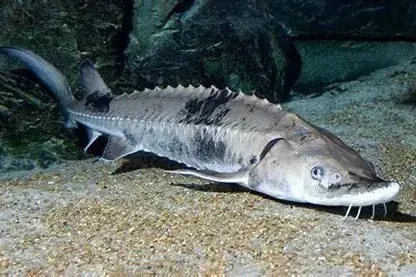
Sturgeons are returning to rivers where overfishing and dams once nearly erased them. Improved protections and habitat restoration reopened spawning routes. These ancient fish move slowly, carrying histories longer than written records. Anglers and researchers spot them again in waters long emptied. Their return feels like a reminder from the past. Rivers seem fuller with their presence. Sturgeons connect generations of ecosystems, linking old rhythms with new care. Watching them reappear suggests that even long-lived species can recover when allowed space and safety to complete their cycles.
30. Leopards
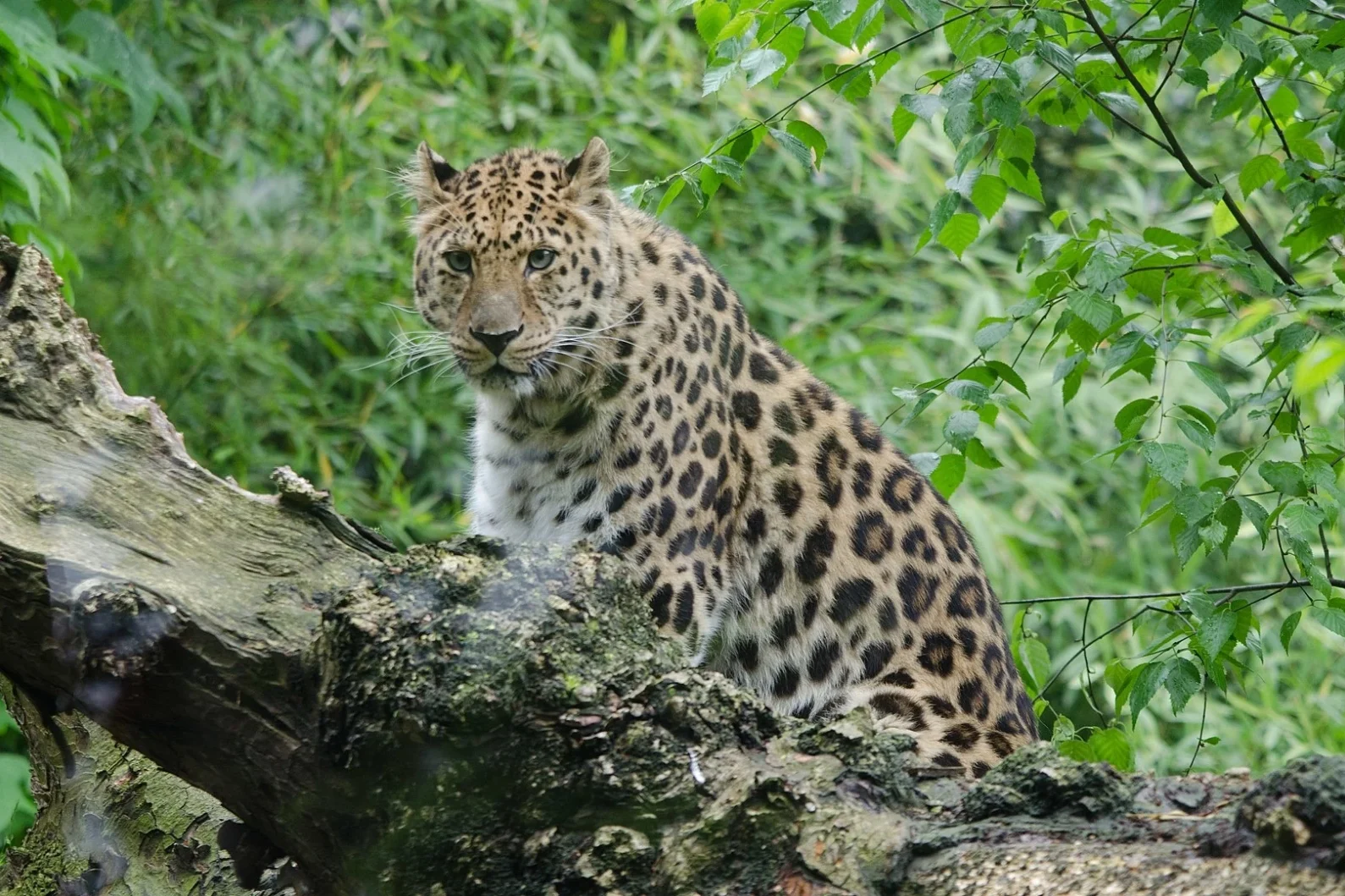
Leopards are quietly returning to landscapes they once avoided due to human pressure. As forests recover and prey returns, leopards follow. Their adaptability allows them to move through edges between wild and settled areas. Locals share sightings with curiosity rather than fear. Leopards balance ecosystems by controlling prey populations. Their presence feels like a closing circle. Seeing them return suggests that coexistence is possible when awareness grows. The land feels whole again, not because everything is perfect, but because life is slowly finding its way back.


