
1. Caribou Heading East
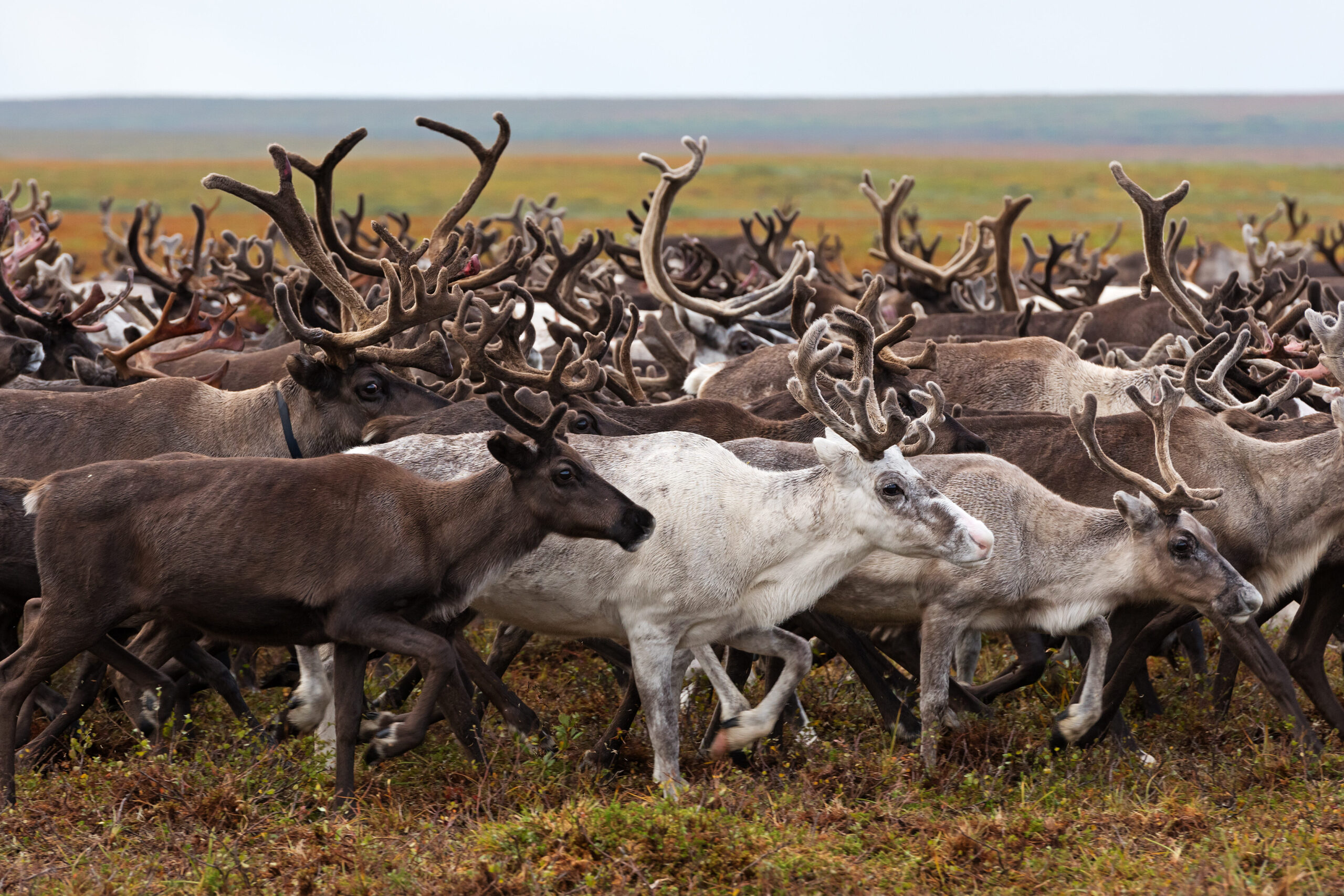
Animal migration has long followed familiar paths shaped by seasons, instincts, and geography. For generations, caribou herds followed predictable north–south routes across Arctic and sub-Arctic landscapes. In recent years, biologists have documented several herds shifting eastward instead. Satellite tracking and long-term studies suggest warming temperatures, altered vegetation growth, and changing snow conditions are influencing these decisions. Earlier spring thaws affect when plants emerge, while unstable ice and river crossings make older routes riskier. Industrial development, including roads and pipelines, has also disrupted traditional paths. Rather than abandoning migration altogether, caribou appear to be experimenting with new corridors that offer safer passage and better grazing. These changes are closely monitored because caribou migration supports entire ecosystems and many northern communities.
2. Whales Near Busy Shores
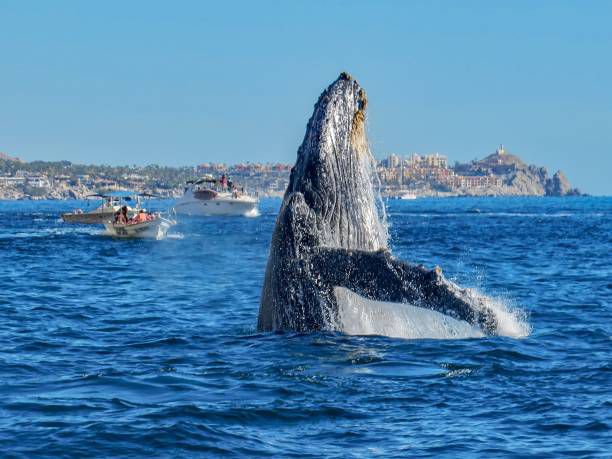
Large whales once traveled far offshore along deep-water migration routes. Increasingly, species like humpbacks and gray whales are appearing closer to coastlines and shipping lanes. Researchers link this shift to changes in ocean temperatures and prey distribution, especially krill and small fish moving nearer to shore. In some regions, recovery from past whaling has also increased whale populations, leading them to explore new feeding areas. While coastal routes can offer abundant food, they also bring risks from vessel strikes, fishing gear, and noise pollution. Scientists now rely on satellite tags and acoustic monitoring to track these movements and reduce human–whale conflicts.
3. Birds Skipping Stopovers
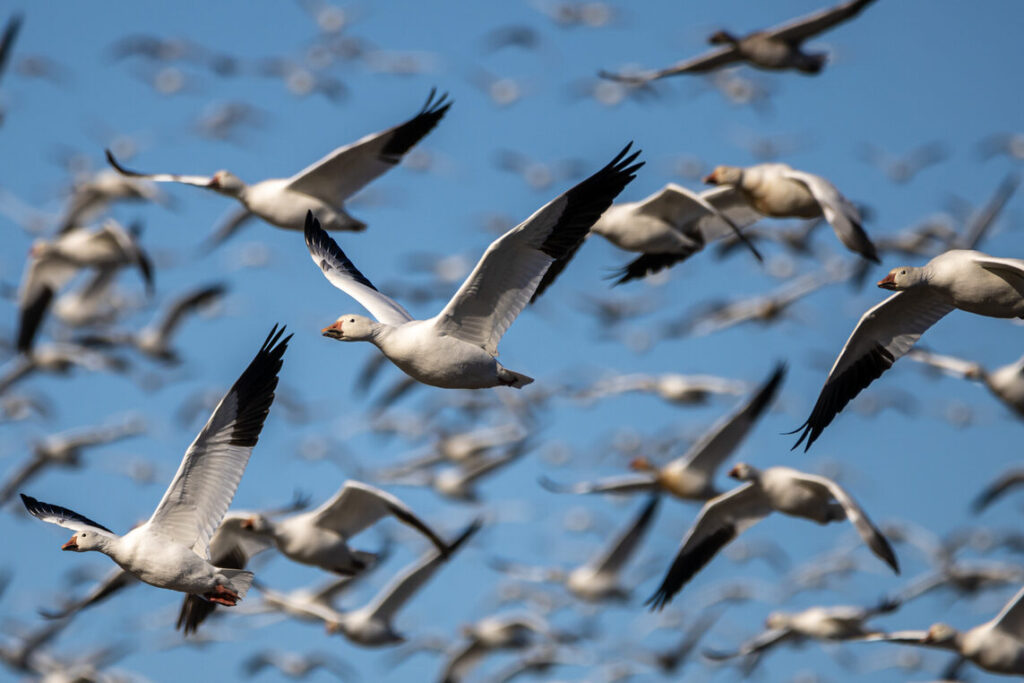
Many migratory birds traditionally relied on specific wetlands and coastal sites to rest and refuel during long journeys. Studies across Europe, Asia, and the Americas show some species now bypassing these classic stopovers altogether. Habitat loss, wetland drainage, and declining insect populations have made certain resting points less reliable. In response, birds are flying longer non-stop distances or choosing entirely different routes where food is more predictable. Satellite tracking of shorebirds and songbirds has confirmed these shifts over the past two decades. While impressive, skipping stopovers places greater physical demands on birds and increases the consequences of bad weather or food shortages along the way.
4. Elephants Crossing Farmland
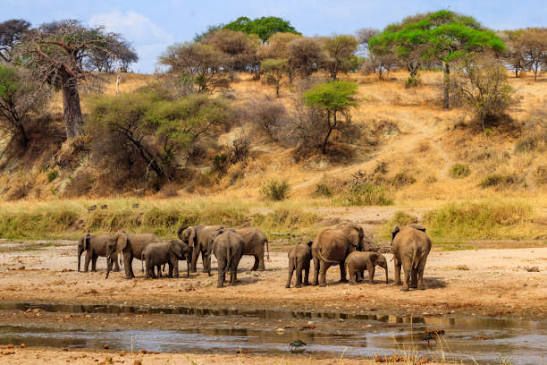
African elephants are increasingly moving through agricultural areas instead of sticking to historic wildlife corridors. Drought, shrinking water sources, and expanding human settlements have altered the landscape they depend on. GPS tracking shows some herds adopting new seasonal routes that pass through farms in search of food and water. Crops like maize and sugarcane are calorie-rich and attractive, even though these paths bring elephants into conflict with people. Conservation groups now work with local communities to create safer corridors and early-warning systems. These new routes highlight both elephant adaptability and the urgent need for coexistence strategies.
5. Fish Swimming North
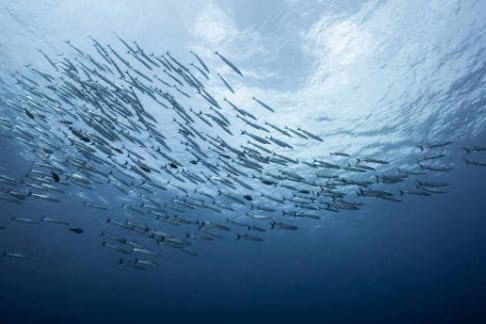
Marine scientists have recorded numerous fish species gradually shifting their ranges toward cooler northern waters. Long-term surveys show that species once common in temperate zones are appearing farther north than ever before. Rising ocean temperatures affect where fish can survive, spawn, and find food. Commercial fisheries have noticed these changes firsthand, with traditional fishing grounds producing different catches than they did decades ago. This movement isn’t random; it closely follows temperature bands and plankton availability. While fish are adapting, the changes disrupt ecosystems and fishing economies that developed around older migration patterns.
6. Monarchs Choosing Detours

Monarch butterflies are famous for their multi-generation migration, but researchers have observed growing variation in their routes. Some populations now overwinter in new locations or take less direct paths during migration. Climate shifts affect milkweed growth, the plant monarch caterpillars rely on, altering where breeding can occur. Extreme weather events also push butterflies off traditional routes. Tagging programs and citizen science projects have helped document these detours across North America. While monarchs remain resilient, scientists warn that continued habitat loss and climate instability could make successful migration increasingly difficult.
7. Bats Using Cities
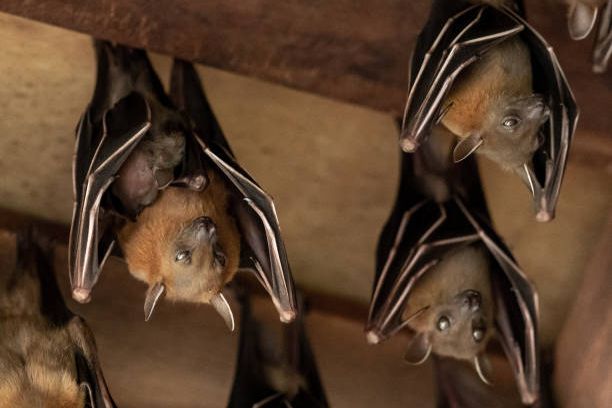
Some migratory bat species are now incorporating cities into their seasonal movements. Warmer urban temperatures, artificial lighting, and abundant insects create unexpected advantages. Studies show bats using bridges, buildings, and even parking structures as temporary roosts during migration. These new routes differ significantly from historic forest-based paths. While cities offer food and shelter, they also introduce hazards such as wind turbines, glass collisions, and human disturbance. Researchers use acoustic detectors to monitor bat activity and better understand how urban environments are reshaping their migrations.
8. Penguins Alter Feeding Paths

Penguins are not long-distance migrants in the traditional sense, but many species make regular seasonal journeys to feeding grounds. Recent tracking studies reveal that some penguins are traveling farther or in different directions than before to find sufficient food. Changes in sea ice, water temperature, and fish distribution are key factors. In some regions, penguins must swim longer distances, increasing energy demands and affecting breeding success. These altered paths offer scientists valuable insight into ocean health, as penguins respond quickly to environmental changes in marine ecosystems.
9. Deer Avoiding Snow

Deer migrations are becoming less predictable as snowfall patterns change. In areas where winters are shorter or snow is patchy, some deer delay migration or choose alternative routes entirely. GPS collar data shows herds adjusting movements year by year based on snow depth and food availability. Human development, including highways and housing, further complicates traditional paths. These changes affect predator–prey relationships and vegetation growth. Wildlife managers now rely on updated migration maps to plan conservation efforts and reduce vehicle collisions during peak movement periods.
10. Sea Turtles Rerouted
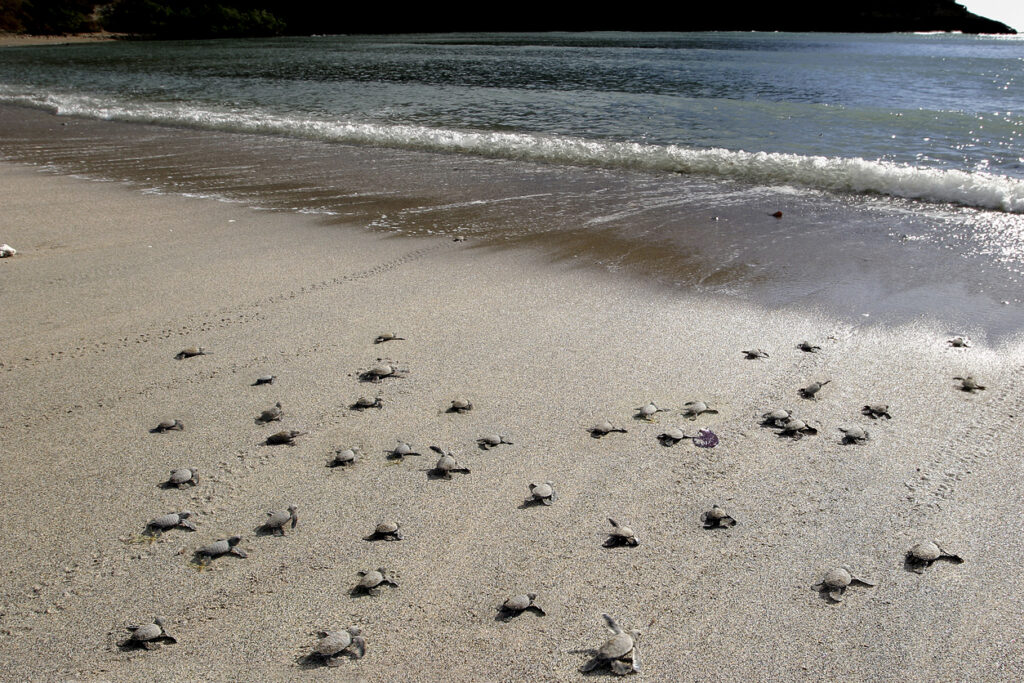
Sea turtles rely heavily on ocean currents during their long migrations, but shifting currents are changing where they travel. Satellite tracking has revealed altered routes for species like loggerheads and greens, sometimes leading them into unfamiliar waters. Climate-driven changes in ocean circulation and temperature influence where turtles find food and suitable nesting beaches. These rerouted paths can increase encounters with fishing gear and pollution. Conservationists use this data to adjust protection zones and fishing regulations, recognizing that turtle migration maps are no longer fixed.
11. Moose Moving Higher
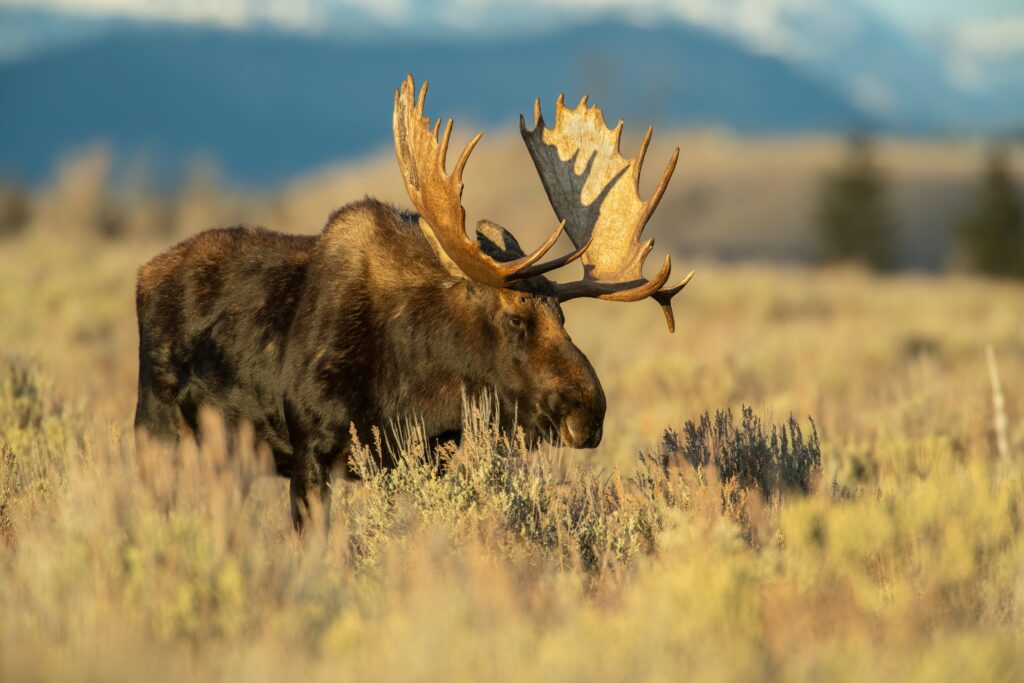
Moose have traditionally migrated between lowland feeding areas and forested winter habitats, but researchers are now observing them moving into higher elevations. Rising temperatures make lower areas less comfortable, increasing heat stress and parasite survival, especially winter ticks. Higher, cooler terrain offers relief and sometimes better forage during warmer months. GPS collar studies in North America show moose spending more time at altitude than in previous decades. While this adjustment helps them cope with warming conditions, it can also limit access to traditional food sources and bring them closer to human recreation zones. These uphill shifts illustrate how even large, cold-adapted mammals are subtly redrawing their migration maps.
12. Sharks Entering Cooler Seas
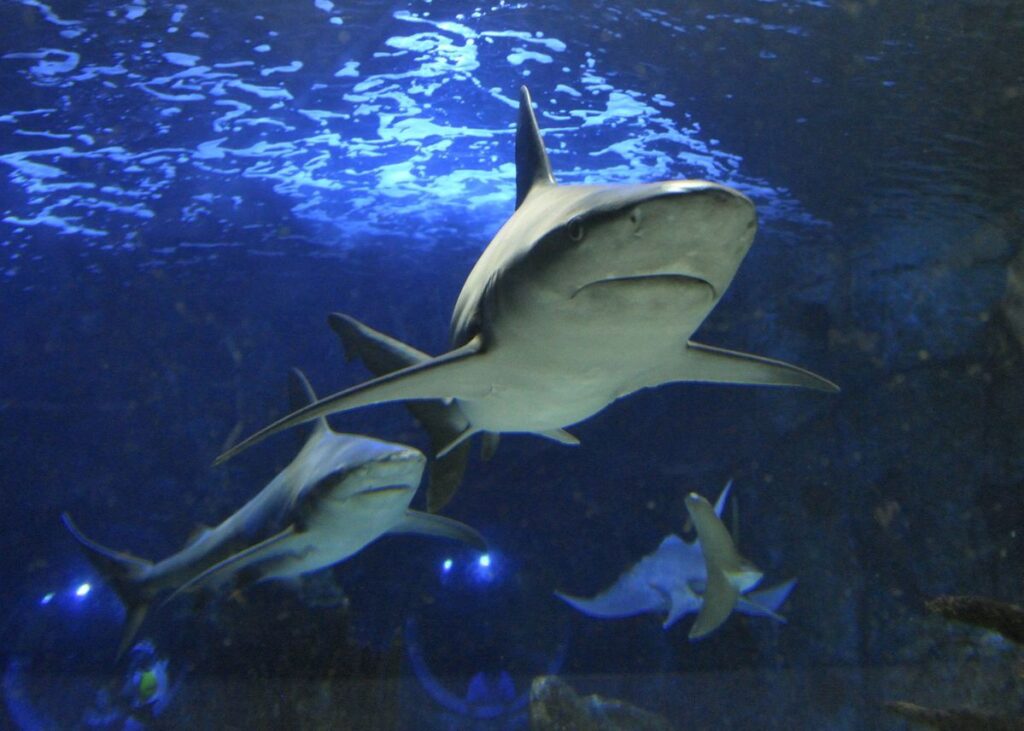
Long-term tagging programs have revealed that several shark species are venturing into cooler waters once considered outside their normal range. As ocean temperatures rise, prey species shift location, and sharks follow. Sightings of large sharks farther north have increased in recent years, supported by satellite tracking data. These new routes are not signs of aggressive expansion but natural responses to changing food availability. However, they affect coastal ecosystems and human activities, including fisheries and beach management. Scientists emphasize that these movements highlight sharks’ sensitivity to ocean conditions rather than sudden behavioral change.
13. Reindeer Altering Arctic Paths
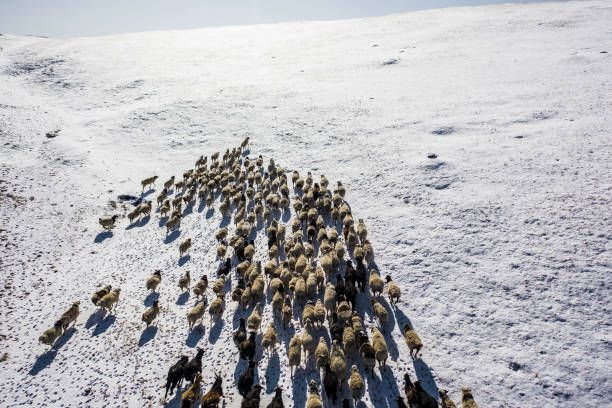
Arctic reindeer migrations have become increasingly fragmented as climate patterns shift. Warmer winters bring more freeze-thaw cycles, creating hard ice layers that block access to ground vegetation. In response, some herds are abandoning long-used routes and exploring new grazing areas. Satellite imagery and tracking data confirm these adjustments across parts of Scandinavia and Russia. Infrastructure such as roads and energy projects further complicate movement choices. While reindeer are adapting, these altered paths affect predators, plant growth, and Indigenous herding traditions that rely on predictable seasonal movements.
14. Salmon Taking Side Rivers
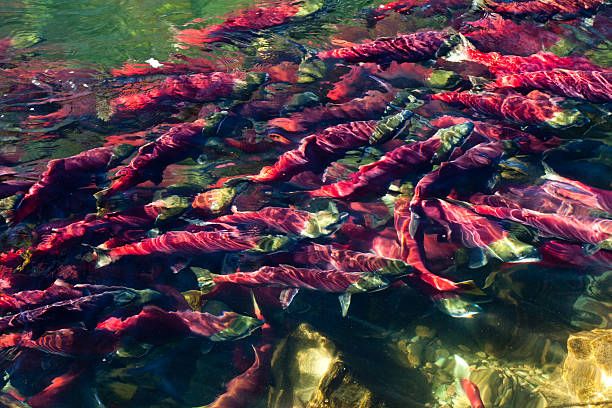
Salmon are famous for returning to their natal rivers, but scientists now observe some populations favoring side channels and smaller tributaries. Rising water temperatures and altered river flows make main channels less suitable during spawning seasons. Dams and water extraction also influence route selection, pushing fish toward cooler, less disturbed streams. These side routes can offer better oxygen levels and gravel beds for eggs. While this flexibility supports survival, it challenges fisheries management and conservation plans built around historical spawning maps.
15. Wildebeest Route Adjustments
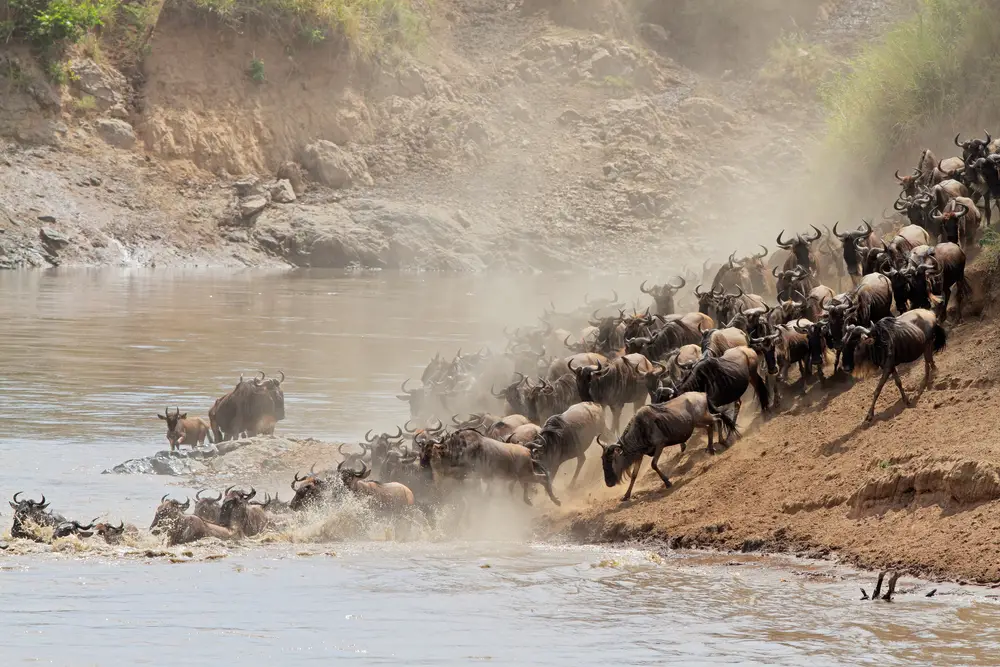
The great wildebeest migration remains one of the world’s most famous wildlife events, yet even this massive movement is showing subtle changes. Variations in rainfall patterns affect grass growth, prompting herds to adjust timing and direction. Studies using aerial surveys and GPS collars show altered crossing points and grazing loops compared to past decades. Human land use near traditional corridors also influences herd behavior. While the migration continues, its evolving routes reflect how sensitive large-scale animal movements are to climate and landscape changes.
16. Seals Using New Ice
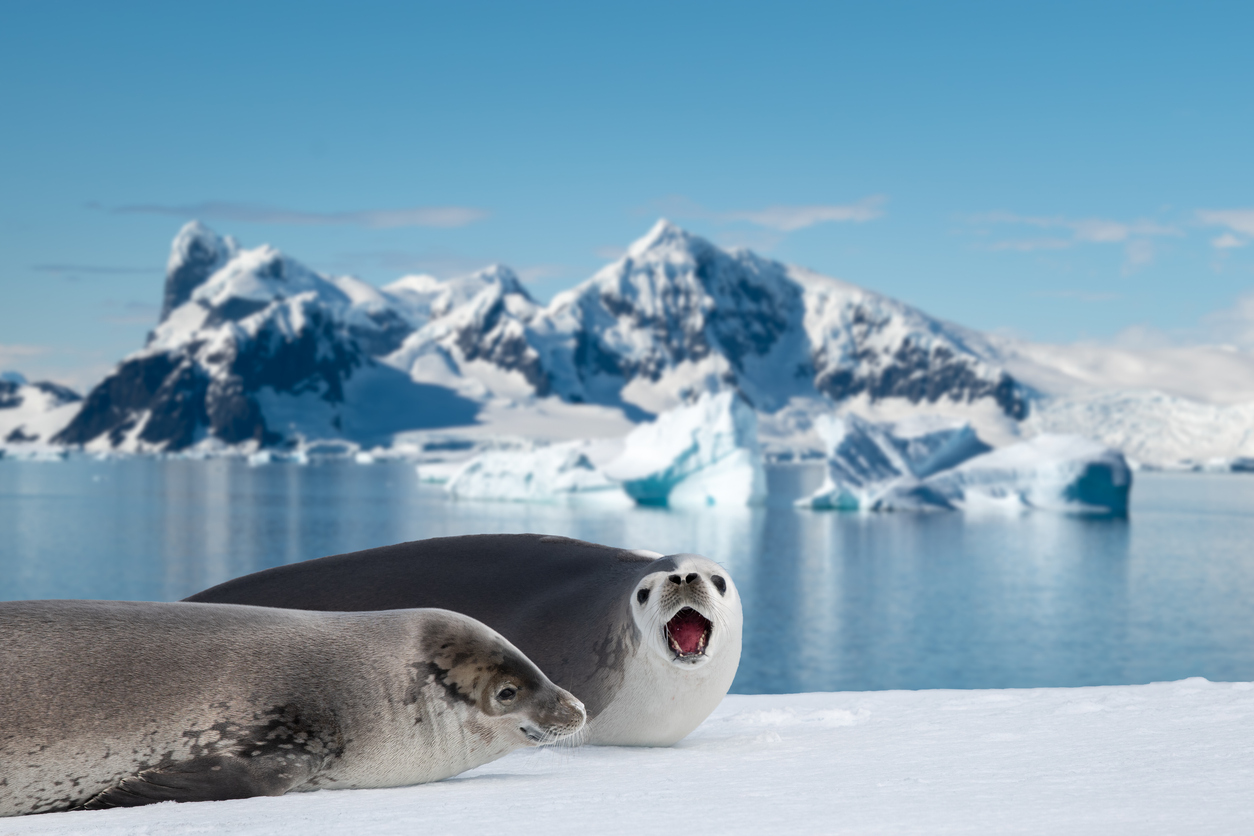
Seal species that rely on sea ice for resting and breeding are adapting to rapid ice loss. Researchers have documented seals traveling farther or using different ice formations than previously recorded. Thinner, more fragmented ice forces them to adjust haul-out sites and feeding routes. Satellite tracking shows increased movement between ice patches, raising energy demands. These changes affect breeding success and pup survival. Seal migrations now offer scientists some of the clearest biological indicators of how fast polar environments are transforming.
17. Frogs Following Moisture
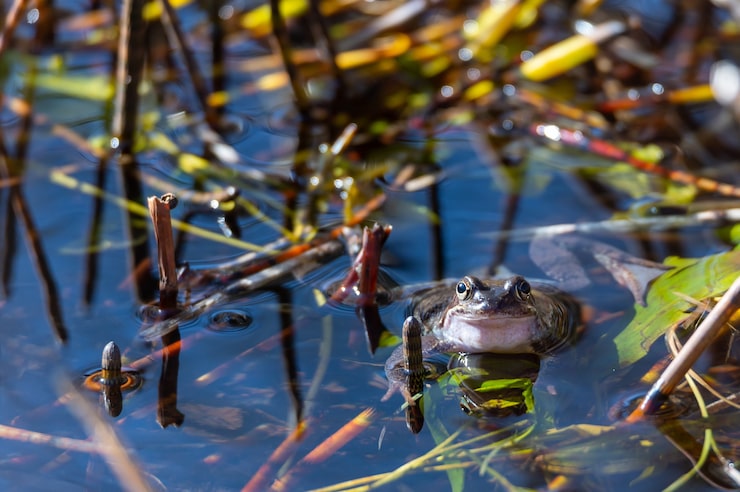
Many frog species migrate short distances to breeding ponds, guided by rainfall and moisture. Shifts in precipitation patterns are changing when and where these migrations occur. In some regions, frogs arrive earlier, later, or choose alternative wetlands entirely. Long-term ecological studies show that drying ponds and unpredictable rains force amphibians to adapt quickly or fail to reproduce. These altered routes can increase road crossings and exposure to predators. Because frogs are sensitive to environmental change, their movements provide early warnings about ecosystem health.
18. Butterflies Heading Urban

Beyond monarchs, other butterfly species are incorporating urban spaces into their migration and dispersal routes. City gardens, parks, and roadside plantings provide nectar sources where rural habitats have declined. Observational studies and citizen science data show increased butterfly activity along urban corridors. While cities were once considered barriers, they now function as stepping stones for some species. This shift highlights how human-altered landscapes can unintentionally shape migration patterns, for better or worse.
19. Antelope Skirting Roads
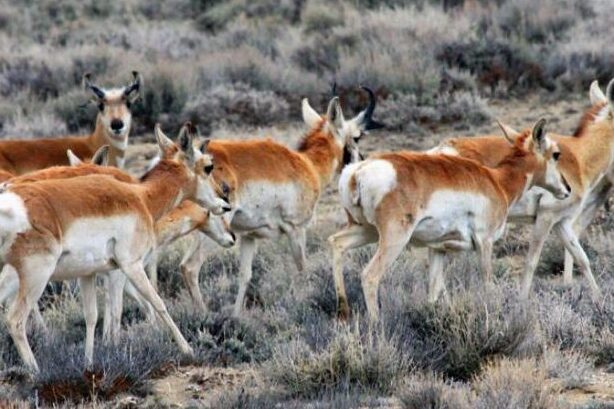
Antelope migrations across grasslands are increasingly shaped by roads and fencing. GPS tracking shows herds detouring around highways and settlements, sometimes adding significant distance to seasonal movements. These route changes reduce collision risks but increase energy use and stress. Conservation planners now work to identify and protect alternative corridors that animals naturally adopt. The evolving paths demonstrate how infrastructure quietly but profoundly influences wildlife movement across open landscapes.
20. Birds Flying Higher
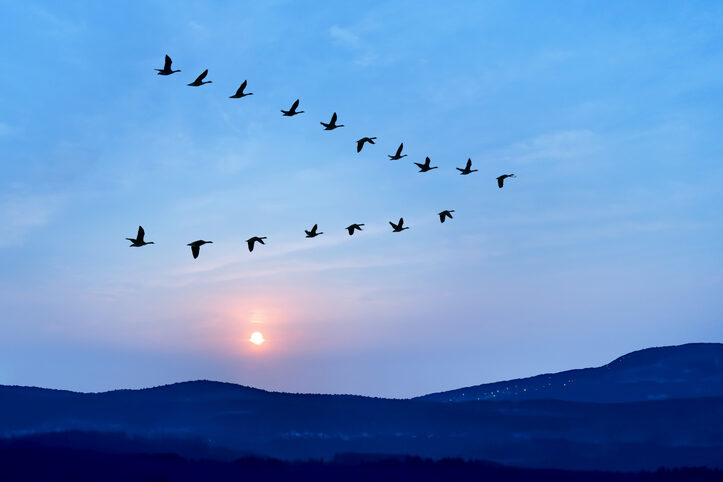
Advances in tracking technology reveal that some migratory birds are flying at higher altitudes than previously recorded. Changes in wind patterns and temperature gradients influence flight efficiency, pushing birds to adjust elevation rather than direction alone. High-altitude routes can reduce energy costs when conditions are favorable, but they also expose birds to extreme weather. These vertical shifts add another layer to our understanding of how migration routes are changing in a warming world.
21. Crabs Marching Inland
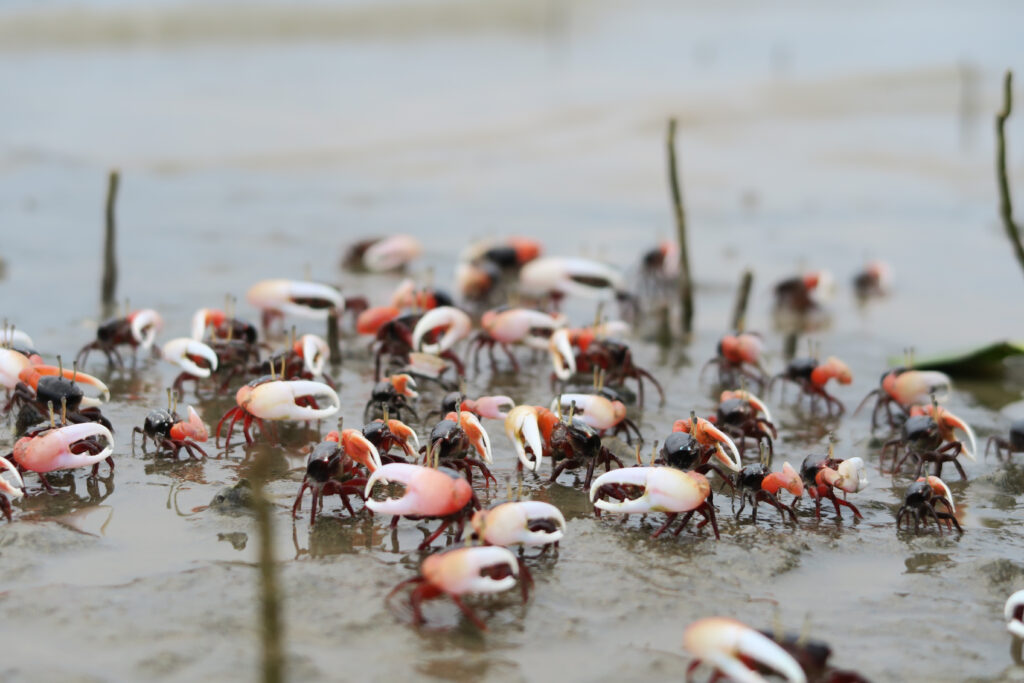
Certain crab species known for coastal migrations are being observed traveling farther inland than in past records. Changes in rainfall timing, habitat disturbance, and shoreline development influence these movements. In some regions, crabs now cross roads and urban areas during breeding migrations, drawing public attention and scientific study. These inland routes may offer safer breeding conditions but also increase mortality risks. Their movements underscore how even small animals adjust migration behavior in response to environmental pressure.
22. Foxes Using Rail Lines
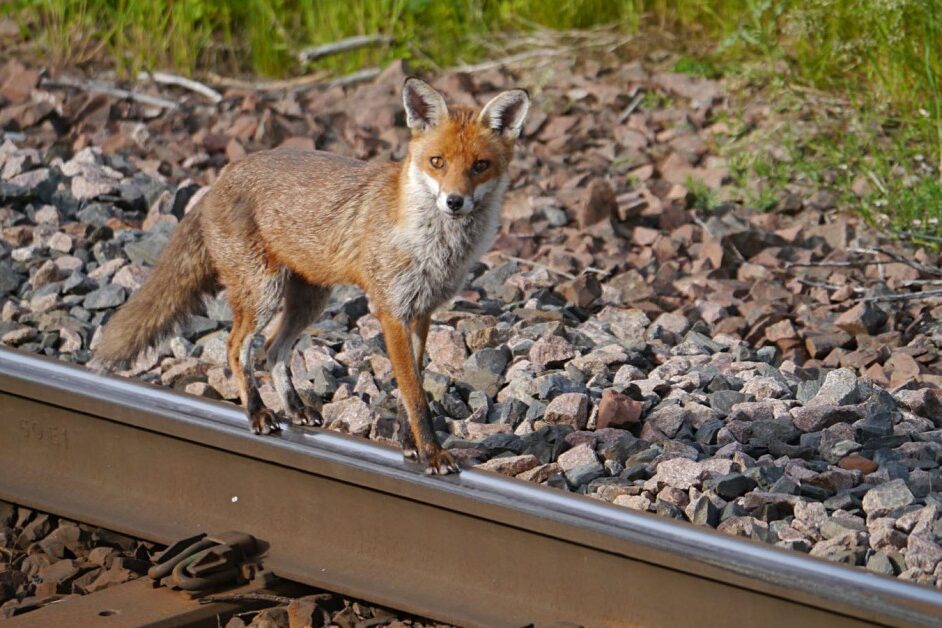
In several regions, researchers have observed foxes incorporating railway lines into their seasonal movements. Rail corridors cut through forests, farmland, and cities, creating long, uninterrupted paths that are easier to navigate than fragmented habitats. GPS collar studies show foxes traveling along tracks to reach feeding areas or new territories, especially at night when train traffic is low. These routes offer predictable movement corridors but also introduce risks from trains and human activity. The shift reflects how adaptable mid-sized mammals are to infrastructure-heavy landscapes, using linear features as substitutes for natural migration corridors that have been reduced or broken apart.
23. Manatees Seeking Warm Springs
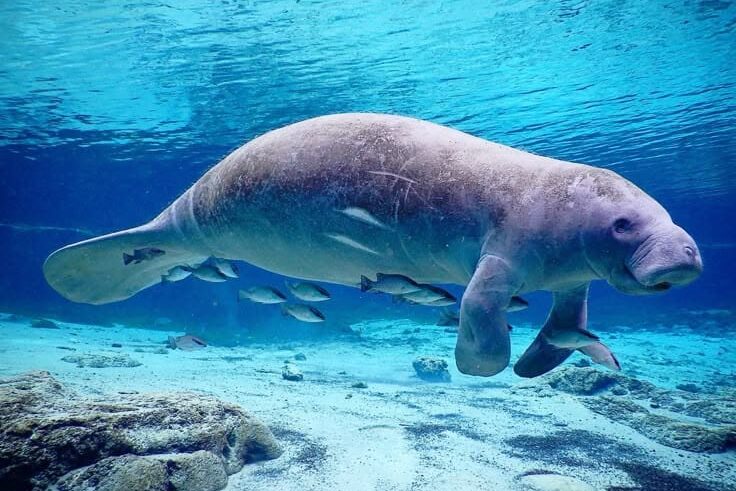
Manatees depend on warm water to survive colder months, and changing coastal conditions are influencing where they migrate. As power plants close and warm-water outflows disappear, manatees increasingly rely on natural freshwater springs. Tracking data shows altered winter routes as individuals travel farther inland than before. These springs provide stable temperatures but can become crowded, raising concerns about food availability and human disturbance. Wildlife agencies now focus protection efforts on these new migration destinations, recognizing that manatee movements are closely tied to both climate and infrastructure changes.
24. Wolves Crossing Frozen Lakes
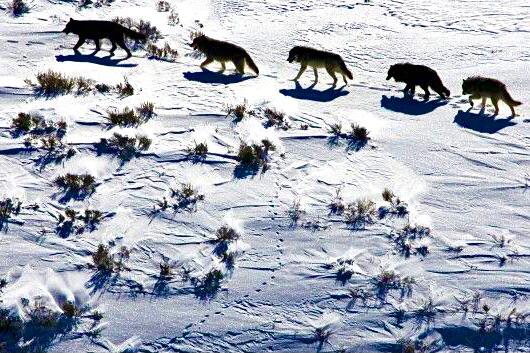
In northern regions, wolves have been documented using frozen lakes as seasonal travel routes. Ice-covered surfaces allow faster movement and access to prey that might otherwise be difficult to reach. However, warming winters shorten the period when lakes remain safely frozen. GPS tracking has revealed wolves adjusting timing and routes year to year based on ice stability. These shifting paths influence hunting success and territory range. The behavior highlights how predators respond dynamically to changing winter conditions, balancing opportunity against risk.
25. Insects Riding Wind Currents
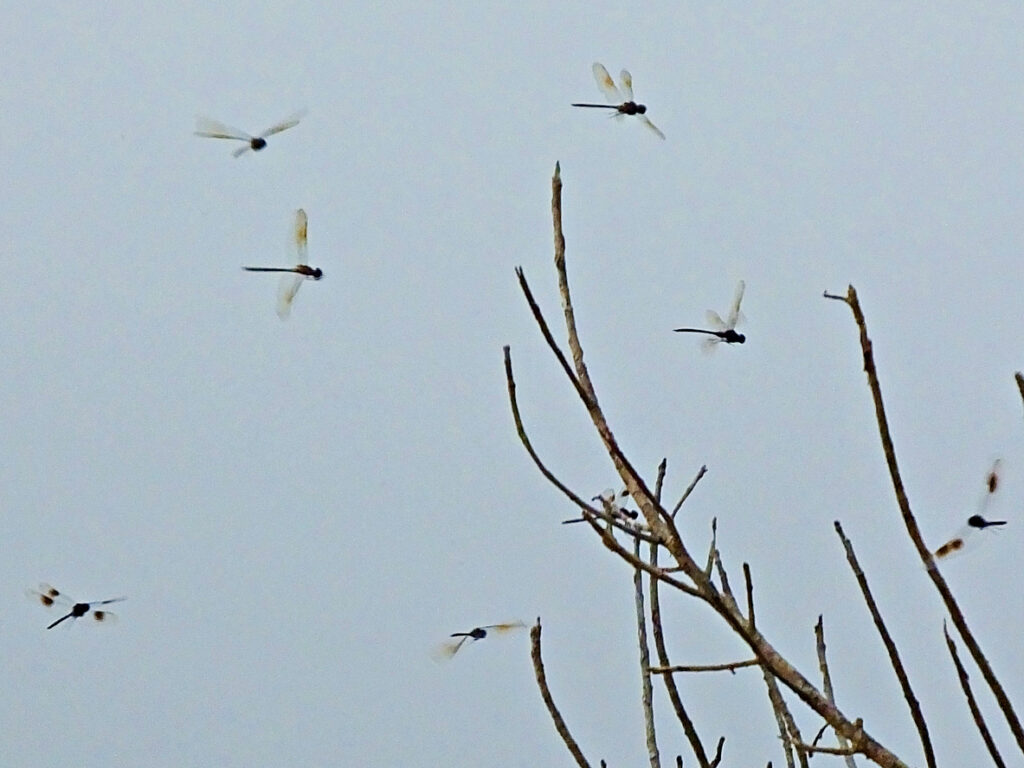
Some migratory insects are altering routes by relying more heavily on high-altitude wind currents. Dragonflies, moths, and butterflies have been tracked traveling long distances with favorable winds, sometimes arriving in unexpected regions. Climate-driven changes in atmospheric circulation affect when and where these currents form. Radar studies and field observations confirm shifts in arrival times and destinations. While wind-assisted travel conserves energy, it also reduces control over precise landing areas. These changes reshape pollination patterns and local insect populations.
26. Camels Shifting Desert Paths
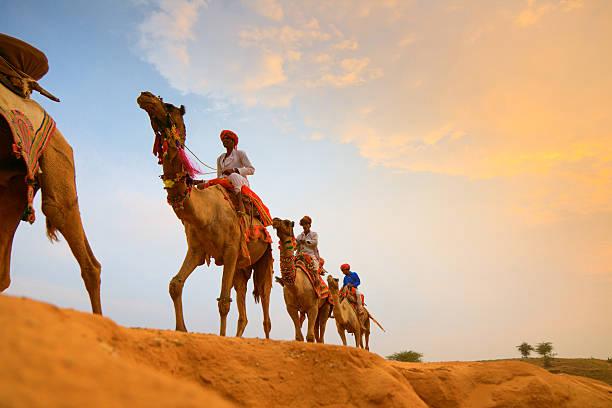
In arid regions, camels have traditionally followed seasonal routes tied to water availability. Increasing drought frequency and altered rainfall patterns are pushing herds to explore new paths. Satellite tracking and field studies show camels traveling longer distances between water sources and avoiding areas that dry up earlier than before. These shifts affect grazing pressure and interactions with human settlements. The changes illustrate how animals adapted to extreme environments still must adjust when long-standing environmental rhythms begin to shift.
27. Otters Expanding River Networks
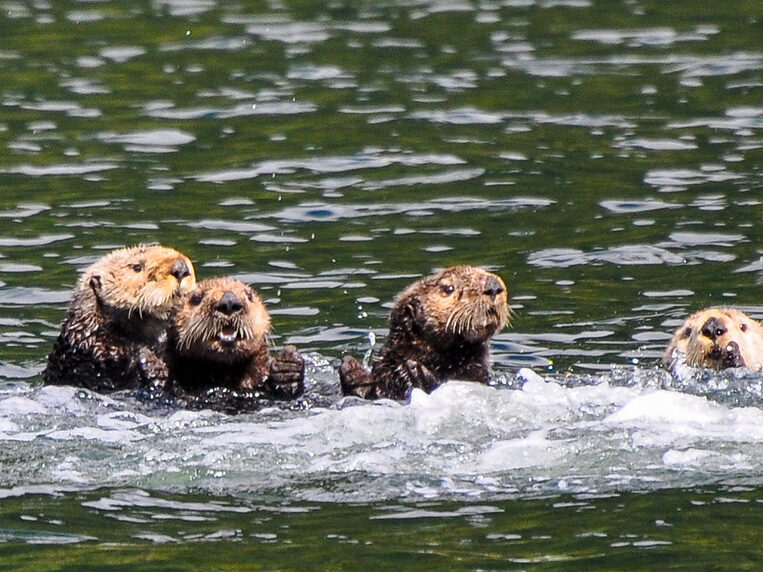
Otters are increasingly moving between connected river systems rather than remaining within traditional home ranges. Improved water quality in some regions has reopened routes once too polluted to use. At the same time, habitat disturbance pushes otters to explore alternative waterways. Tracking studies show individuals using canals, drainage systems, and floodplains as migration links. These expanded routes help populations rebound but also bring otters into closer contact with human activity. Their movements reflect both successful conservation efforts and ongoing environmental pressures.
28. Lizards Tracking Shade
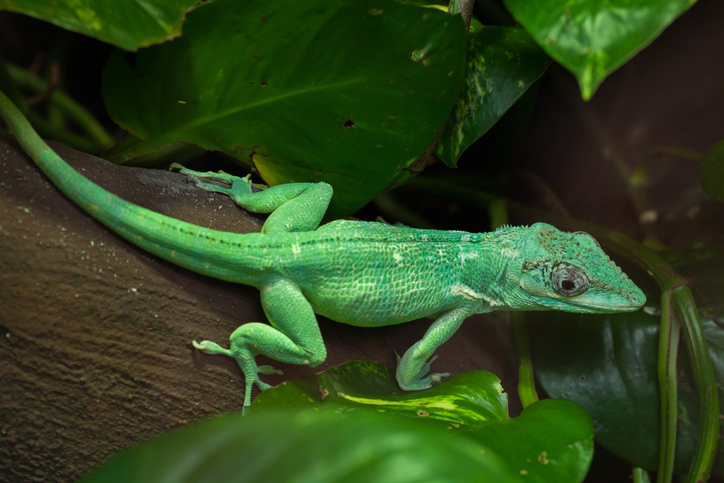
In hotter regions, some lizard species are subtly changing their seasonal movement patterns to stay within tolerable temperature ranges. Rather than migrating long distances, they are adjusting routes to follow shaded areas, denser vegetation, or cooler microhabitats. Field studies show lizards appearing in places where they were previously uncommon, including higher elevations or areas with more ground cover. Rising surface temperatures make open terrain increasingly dangerous, forcing these reptiles to rethink daily and seasonal movement paths. Though less visible than large animal migrations, these shifts matter because reptiles play key roles in insect control and food webs, and their movements closely reflect environmental stress.
29. Carps Invading New Rivers
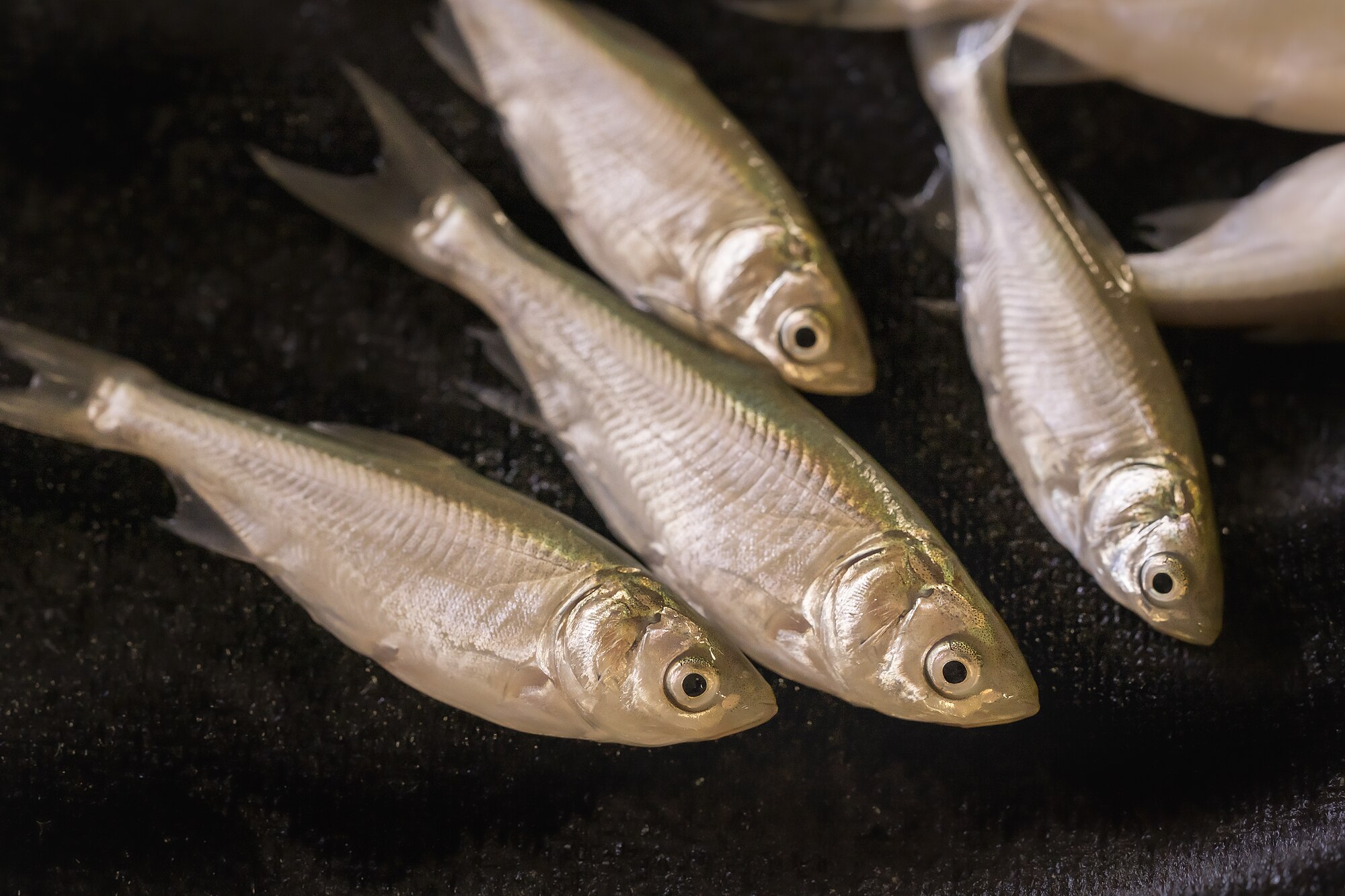
Several carp species are expanding into new river systems, using flood events and altered waterways to access unfamiliar routes. Changes in river management, including canals and modified flow patterns, have made connections between watersheds easier. Researchers track these movements through environmental DNA and tagging programs, confirming that carp are traveling farther and faster than before. These migrations affect native fish populations by competing for food and spawning space. The altered routes highlight how human-engineered waterways can unintentionally reshape animal movement, with long-term ecological consequences that require active monitoring and management.
30. Mountain Goats Seeking Snow
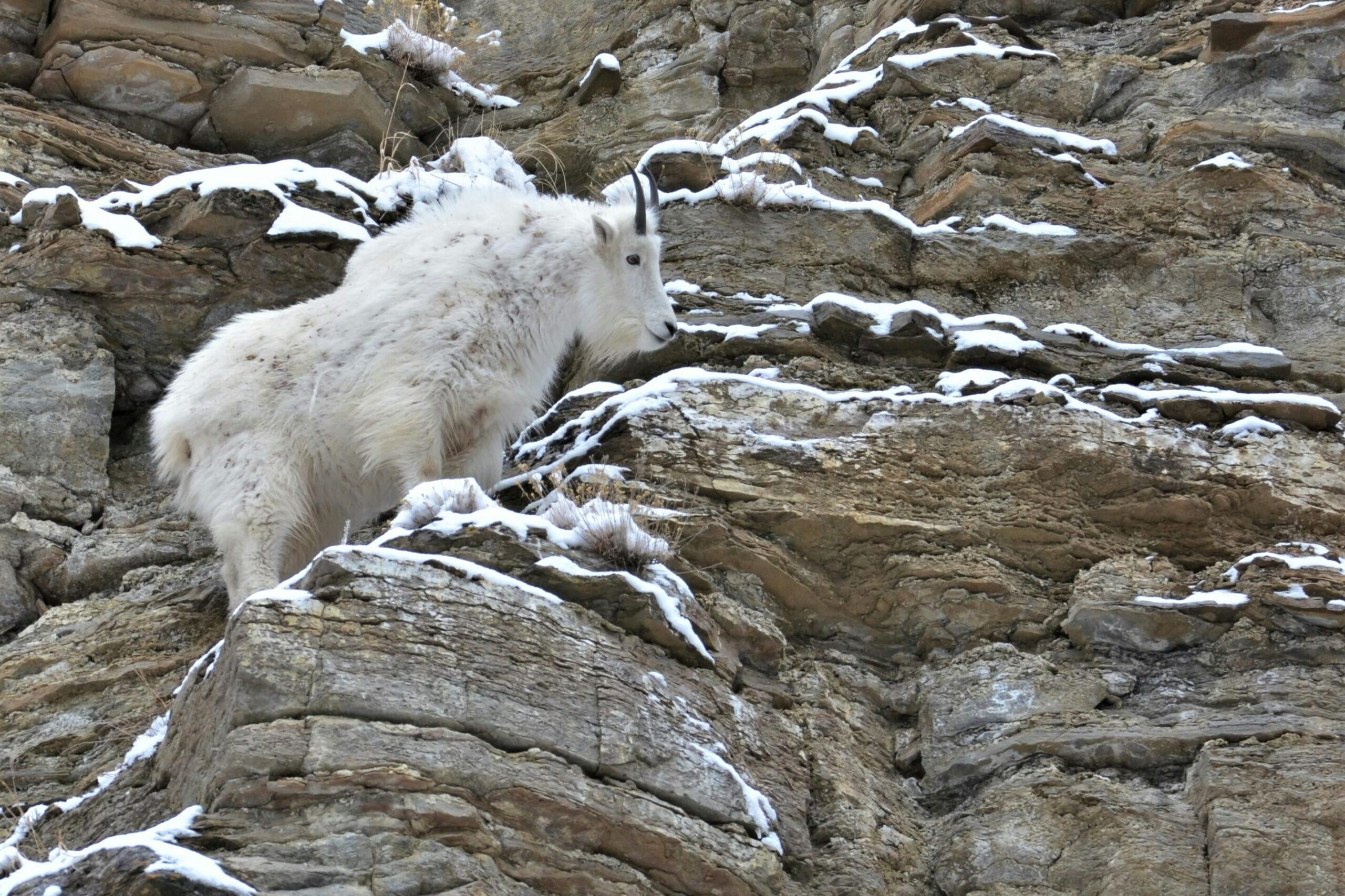
Mountain goats rely on cold environments to regulate body temperature and avoid parasites, but shrinking snowpack is changing how they move through alpine terrain. Researchers have observed goats spending more time at extreme elevations and adjusting seasonal routes to remain near lingering snowfields. GPS collar data shows shifts in timing and location compared to historical records. While higher ground offers cooler conditions, it can limit forage availability and increase exposure to steep, hazardous terrain. These movements underscore how even animals perfectly adapted to mountains must continually adjust as climate patterns reshape the landscapes they depend on.
Animal migrations have never been static, but today’s shifts are happening faster and across more species than ever before.
Like this story? Add your thoughts in the comments, thank you.


