
1. Lassie: The Noble Rough Collie
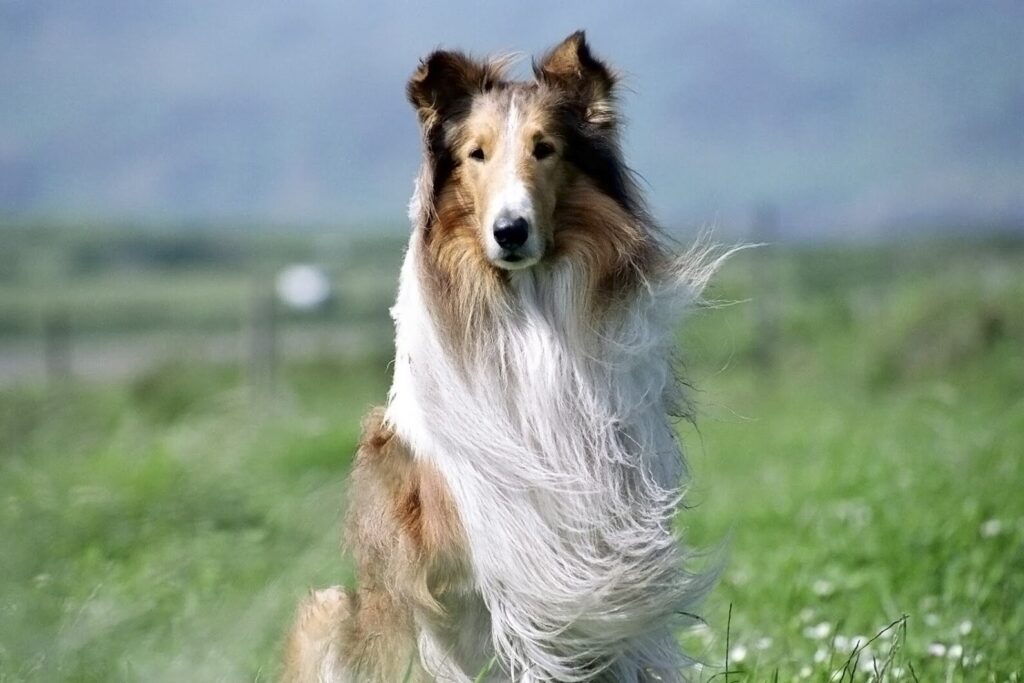
These classic cinematic and television companions became instant icons, fundamentally changing how the public saw their entire breed and often causing surges in their popularityThe phenomenal and enduring success of the character Lassie, who first appeared in a 1938 short story and later dominated film and television for decades, instantly redefined the Rough Collie breed. Prior to her fame, the breed was known, but Lassie’s portrayal as an impossibly intelligent, courageous, and fiercely loyal family protector launched the Collie into global superstardom. The first feature film, Lassie Come Home (1943), starring a male dog named Pal, led to a surge in American Kennel Club registrations, increasing by an estimated 40% in the two years following its release. Lassie’s heroic yet gentle nature permanently cemented the image of the Rough Collie as the quintessential, dependable family dog, a perception that remains strong today and is often simply referred to as a “Lassie dog.”
2. Toto: The Feisty Cairn Terrier
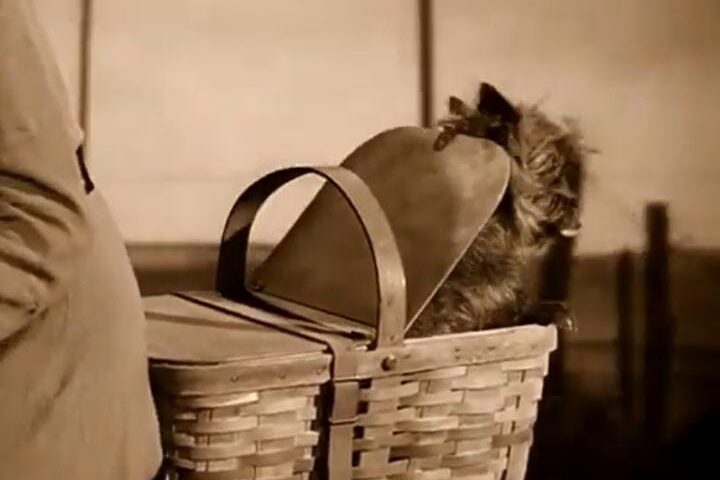
When Dorothy Gale’s loyal sidekick Toto first trotted across the screen in The Wizard of Oz (1939), the Cairn Terrier was relatively unknown to the American public. Terry, the female dog who played Toto, was an experienced animal actor, but her performance in this iconic film elevated her breed from obscurity to recognized star. The movie showcased the Cairn Terrier’s small size, scruffy-yet-adorable appearance, and spirited, adventurous personality. Toto’s unwavering devotion to Dorothy, even in the face of witches and wizards, demonstrated the breed’s courageous and plucky temperament. This exposure was instrumental in popularizing the Cairn Terrier as a desirable, spirited companion dog in the following decades.
3. Rin Tin Tin: The Heroic German Shepherd
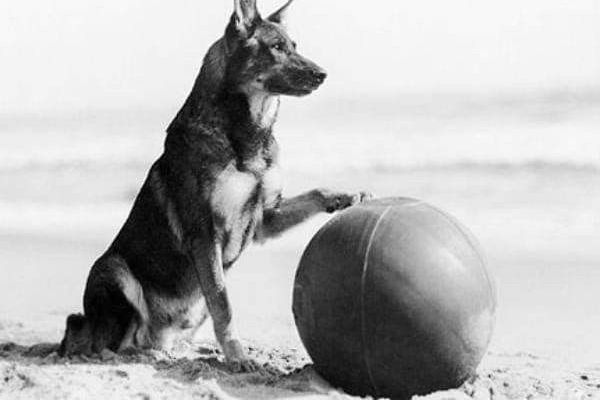
Rin Tin Tin, a male German Shepherd Dog rescued from a World War I battlefield in France, became one of the biggest silent film stars of the 1920s and 1930s. He starred in over two dozen films and was credited with saving the film studio Warner Bros. from bankruptcy. This canine superstar’s roles consistently portrayed him as a brave, intelligent, and noble hero, often saving the day or a distressed human. His enormous popularity fundamentally shifted the public perception of the German Shepherd. Once viewed primarily as a working dog or a war dog, Rin Tin Tin’s heroic persona highlighted the breed’s loyalty and versatility, making the German Shepherd one of the most popular breeds in America for decades to come, a testament to its on-screen representation of bravery and steadfast partnership.
4. Beethoven: The Gentle Saint Bernard
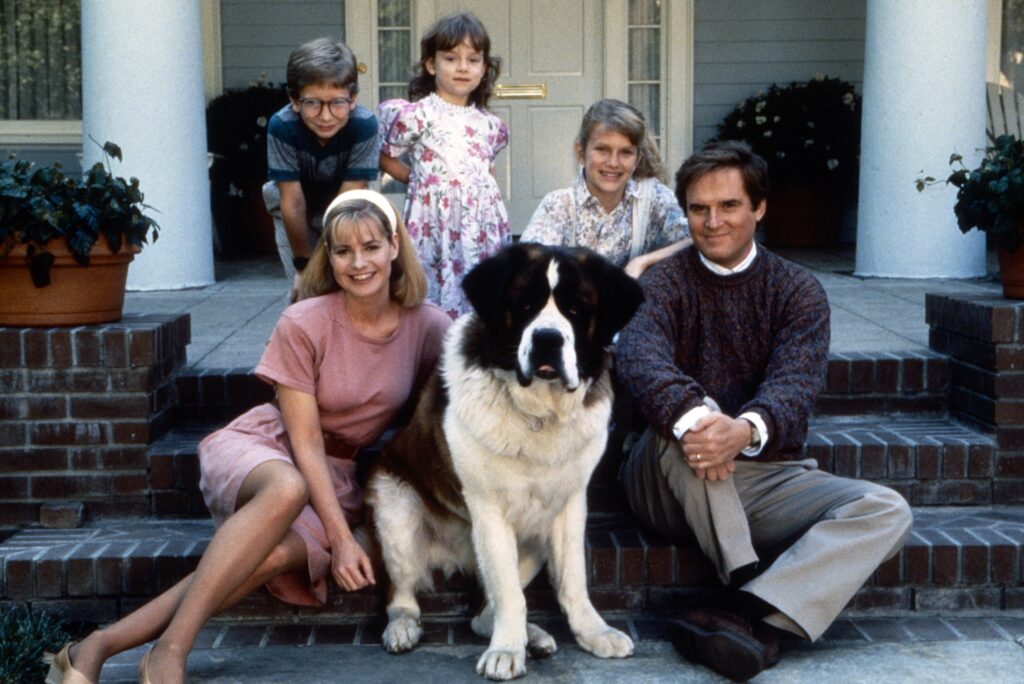
The 1992 family comedy Beethoven introduced audiences to a lovable, mischievous, and massive Saint Bernard, who was depicted as a friendly but slobbery family member. Before the movie, the Saint Bernard was often stereotyped as either a mountain rescue hero, due to its history in the Alps, or a potentially intimidating giant. Beethoven softened this image by focusing on the dog’s gentle, patient, and humorous side, making him a symbol of unconditional family love, despite his propensity for comical destruction. The film sparked a significant temporary demand for the breed, changing the public’s view toward this giant dog by emphasizing its potential as a calm, gentle companion rather than purely a working animal.
5. Old Yeller: The Loyal Mixed Breed
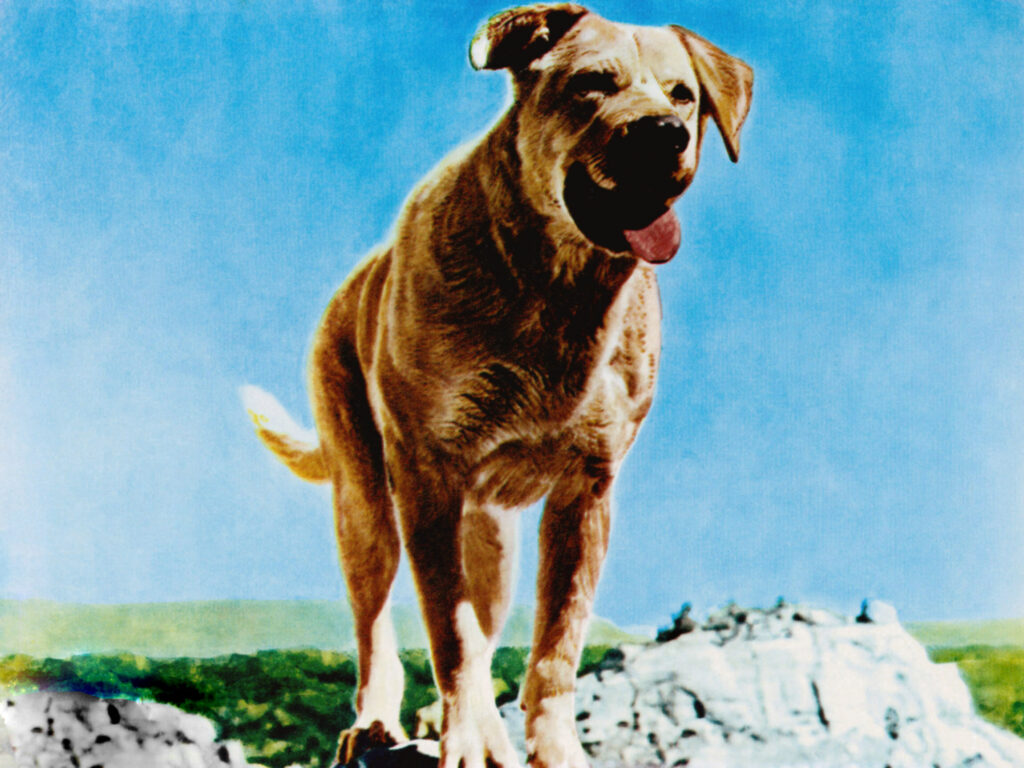
The 1957 Disney film Old Yeller, adapted from a novel, cemented the image of a simple, rugged, and profoundly loyal dog into the American consciousness. The dog who played Old Yeller was a yellow Mastiff/Labrador Retriever mix named Spike, but the character was generally portrayed as a faithful mixed-breed dog, or “cur dog.” The tragic, heartfelt story powerfully showcased the dog’s bravery, protectiveness, and deep bond with his human family. This portrayal, focusing on the dog’s character rather than its pedigree, elevated the status of the common mixed-breed or mutt. Old Yeller helped foster the perception that loyalty, courage, and unconditional love are not exclusive to purebreds but are universal canine traits, encouraging adoption of mixed-breed dogs.
6. Asta: The Clever Wire Fox Terrier
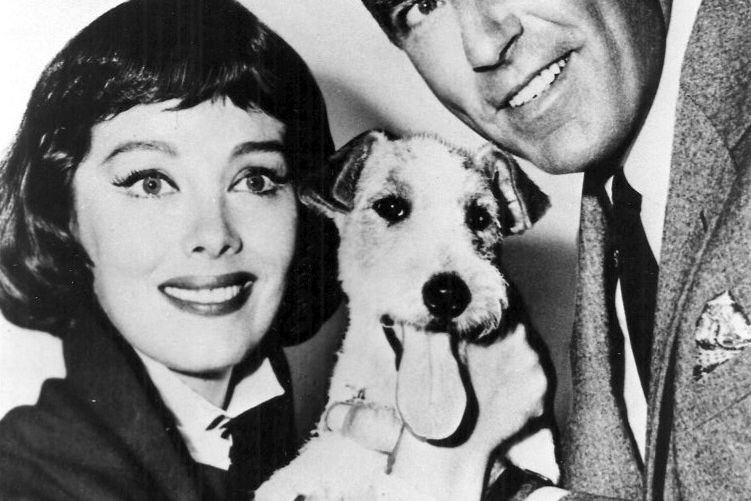
The delightful antics of Asta in The Thin Man film series (beginning in 1934) gave a tremendous boost to the Wire Fox Terrier’s popularity, positioning it as the ultimate witty and high-society companion. The dog who played Asta, named Skippy, was a major star in his own right, often stealing scenes with his perfectly timed expressions. Unlike the novel’s Schnauzer, the film’s choice of a Wire Fox Terrier highlighted the breed’s sharp intelligence, boundless energy, and spirited, mischievous nature. Asta was portrayed not merely as a pet, but as an indispensable member of the detective duo Nick and Nora Charles, whose instincts were often crucial to solving the case. This representation made the Wire Fox Terrier the fashionable, must-have breed for a generation of movie-goers.
7. Benji: The Adorable Shelter Dog
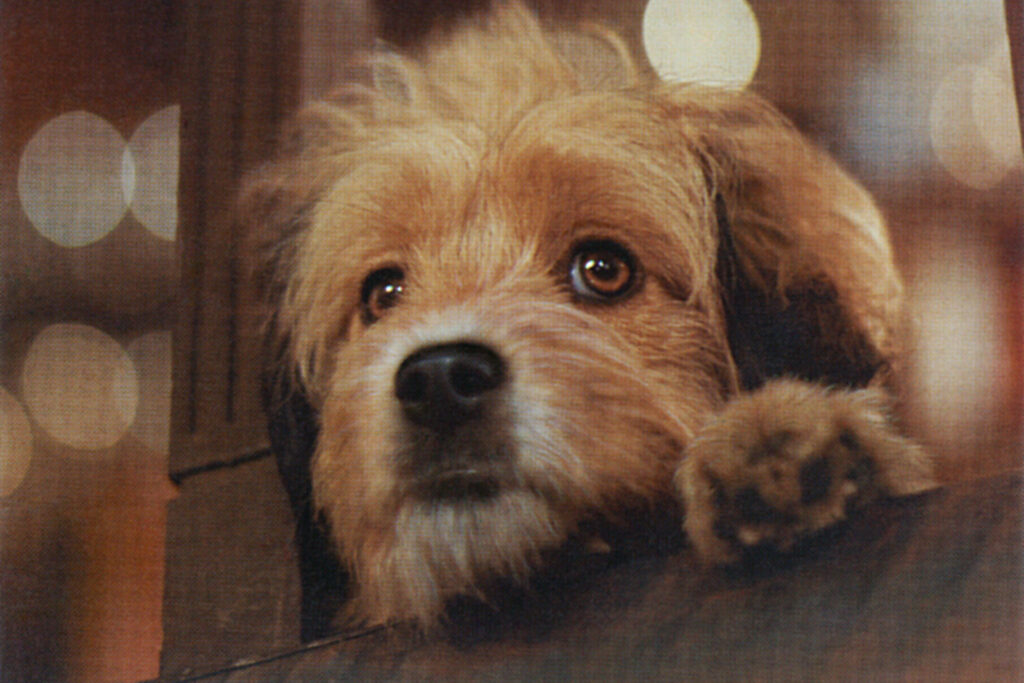
The 1974 film Benji created an overnight sensation around its star, a small, lovable mixed-breed dog who was a stray hero. The original dog, Higgins, was a rescue dog adopted from a California shelter, a fact that profoundly influenced the public. Benji’s enduring popularity across multiple films emphasized that wonderful, talented, and affectionate companions can be found outside of purebred kennels. Following the film’s release, the American Humane Society reported a significant increase in dog adoptions from shelters nationwide, directly attributable to the movie’s message. Benji became the affectionate face of the common “mutt,” inspiring countless families to choose shelter dogs, fundamentally altering the perception of rescue animals.
8. Buddy: The Athletic Golden Retriever
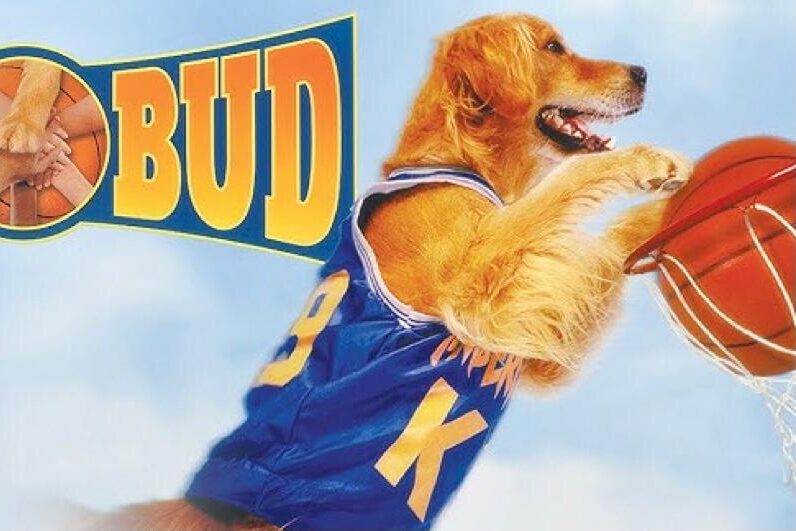
The 1997 film Air Bud and its sequels introduced the world to Buddy, an extraordinarily talented Golden Retriever who could play various sports, most notably basketball. While Golden Retrievers were already a popular family dog, Buddy’s performance dramatically elevated the public’s perception of their trainability, athleticism, and versatility. The film reinforced the breed’s characteristic gentle and patient nature, while showcasing an intelligence that went beyond simple obedience. This portrayal helped solidify the Golden Retriever’s reputation as the perfect all-around dog, loyal family pet, skilled performance competitor, and intelligent best friend, leading to even greater demand for the breed across the globe.
9. Tramp: The Streetwise Mixed Schnauzer
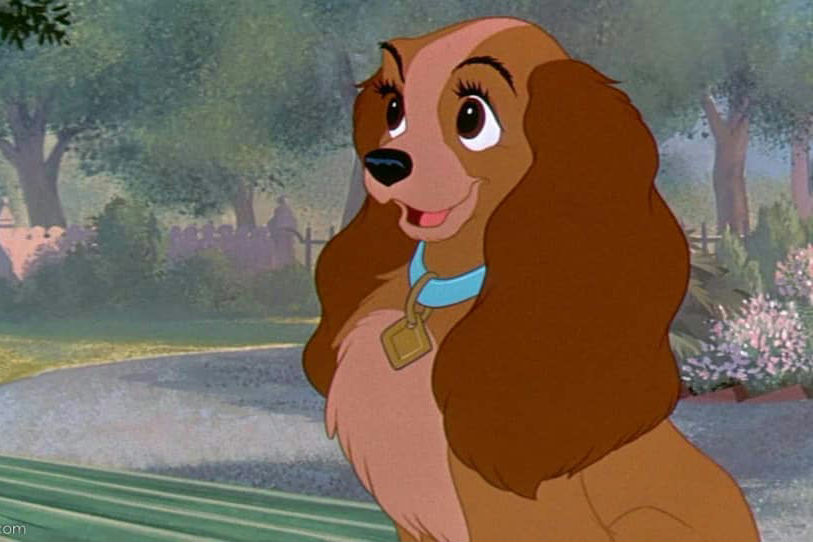
Though an animated character from Disney’s Lady and the Tramp (1955), Tramp’s charismatic, street-smart personality made a significant impact on how people viewed independent, mixed-breed dogs. Tramp, thought to be a Schnauzer mix, was depicted as a free-spirited rogue with a heart of gold, representing the cleverness and resilience of the unpedigreed canine. His character contrasted with the prim and proper purebred cocker spaniel, Lady, highlighting the mixed-breed’s resourcefulness and freedom. The film offered a romanticized view of the “pound dog” as a loyal and capable hero, reinforcing the value found in dogs of mixed heritage and furthering the appeal of the shaggy, terrier-like companion.
10. Max: The Vigilant German Shepherd (Again)
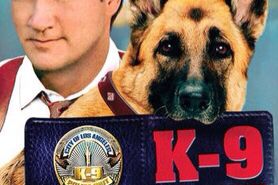
The 1989 film K-9 and the 1990 film Turner & Hooch highlighted the working potential of two different breeds, but in very distinct ways that shaped modern views. While Turner & Hooch popularized the Dogue de Bordeaux (see entry 11), K-9 centered on Jerry Lee, a highly effective, tough-as-nails German Shepherd police dog. His character, Max, perfectly showcased the breed’s intelligence, formidable work ethic, and ability to form an intense, protective bond with a single handler. The film’s focus on Max as a skilled professional reinforced the German Shepherd’s status as a top-tier service and protection dog, a modern hero whose temperament makes them ideal for demanding roles in law enforcement and military service.
11. Hooch: The Lovable Dogue de Bordeaux
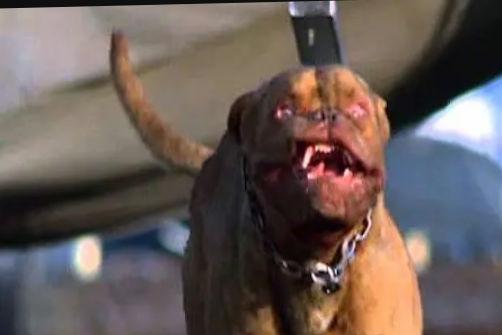
Before the release of the 1989 film Turner & Hooch, the Dogue de Bordeaux, or French Mastiff, was a relatively rare and largely unknown breed outside of France. Hooch, played by a dog named Beasley, was portrayed as a massive, powerful, incredibly slobbery, yet ultimately affectionate and fiercely loyal family protector. The film single-handedly brought the breed into the international spotlight, showcasing the Dogue de Bordeaux’s protective instincts, patient temperament with family, and surprisingly comical personality. While the movie popularized the breed, it also educated the public about their size and drooling habits, leading to a more realistic understanding of this gentle giant.
12. Pongo and Perdita: The Fashionable Dalmatians
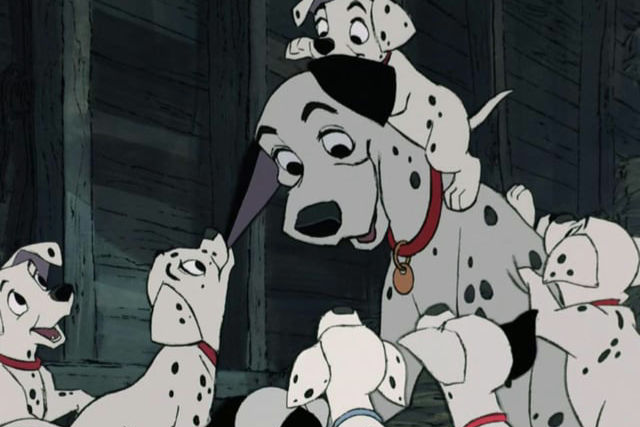
While not a single dog, the animated stars of Disney’s 101 Dalmatians (1961 and the 1996 live-action remake) caused an explosive surge in the popularity of the Dalmatian breed, particularly in the mid-1990s. The film depicted the Dalmatians as charming, heroic, and distinctly fashionable dogs, known for their unique spotted coats and strong protective instincts over their large family. This cinematic spotlight led to a “Dalmatian craze,” where demand for the breed skyrocketed. However, this popularity also brought challenges, as many new owners were unprepared for the breed’s high energy, need for exercise, and occasional stubbornness, demonstrating the intense, dual-edged effect films can have on breed adoption.
13. Wishbone: The Intellectual Jack Russell Terrier
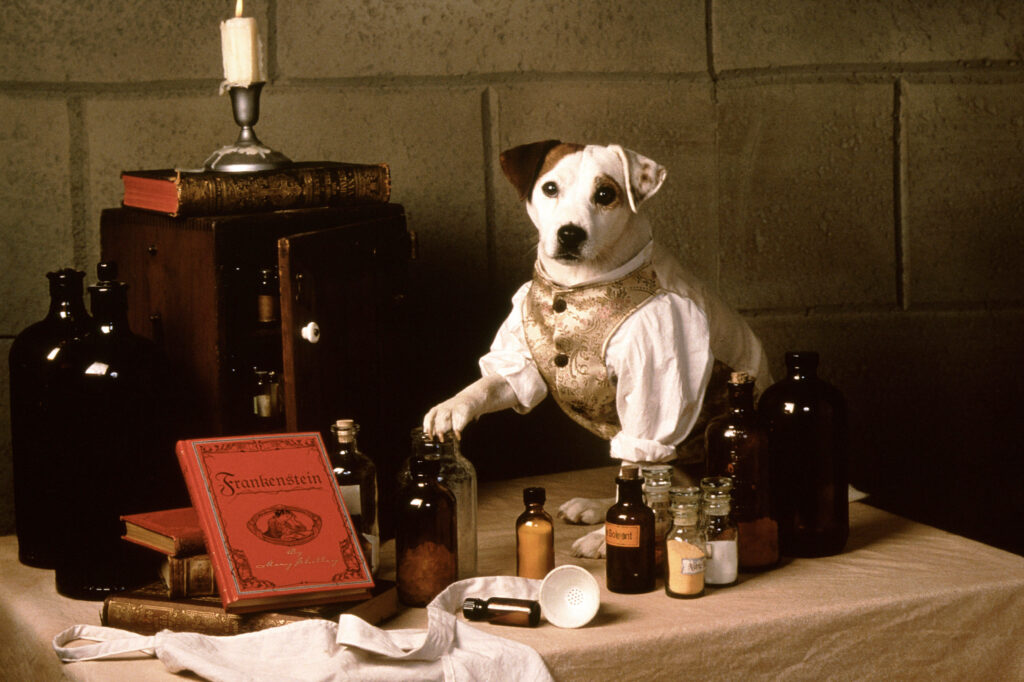
The 1995-1997 PBS children’s series Wishbone starred a charismatic Jack Russell Terrier who imagined himself as the lead character in classic literature. The show was a huge hit, and the star, named Soccer, exemplified the breed’s remarkable intelligence, high trainability, and seemingly inexhaustible energy. Before Wishbone, the Jack Russell Terrier was often seen primarily as a working terrier or a small, hyperactive dog. The series repositioned the breed as a brilliant, versatile, and devoted companion capable of complex performance, making it a desirable choice for active families and those seeking a dog with a big personality in a small package.
14. Spike: The Comical Bulldog
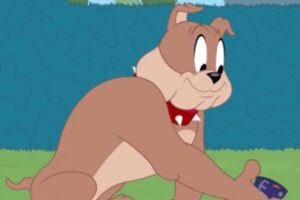
While primarily a supporting character in the Tom and Jerry animated shorts that began in the 1940s, Spike the Bulldog played a key role in changing the perception of the breed from a fierce fighting dog to a lovable, if short-tempered, family protector. Spike was depicted as devoted to his son, Tyke, and fiercely protective of those he cared for, but easily manipulated by Tom. This characterization emphasized the Bulldog’s inherent gentle nature and patient tolerance, while still acknowledging its strong, imposing appearance. His comedic portrayal helped popularize the Bulldog’s drooling, lumbering charm, contributing to its enduring appeal as a gentle companion dog.
15. Air Mail (Pal): The Versatile Mixed-Breed
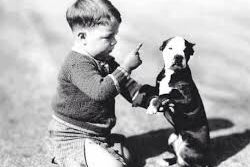
The original canine star of the Pete the Pup shorts (often called “Petey”) in the 1920s Our Gang (The Little Rascals) comedy series was a Pit Bull Terrier mix named Pal. Petey’s recognizable ring around his eye became iconic, but more importantly, his character was portrayed as a reliable, ever-present member of the children’s group. His unflappable nature, patience with children, and willingness to participate in all their schemes helped counter the negative, fighting-dog stigma that began to be attached to the Pit Bull type. Petey became a trusted, sweet-tempered companion on screen, advocating for the gentle nature of a mixed-breed dog of his type.
16. Eddie: The Sarcastic Jack Russell Terrier (Again)
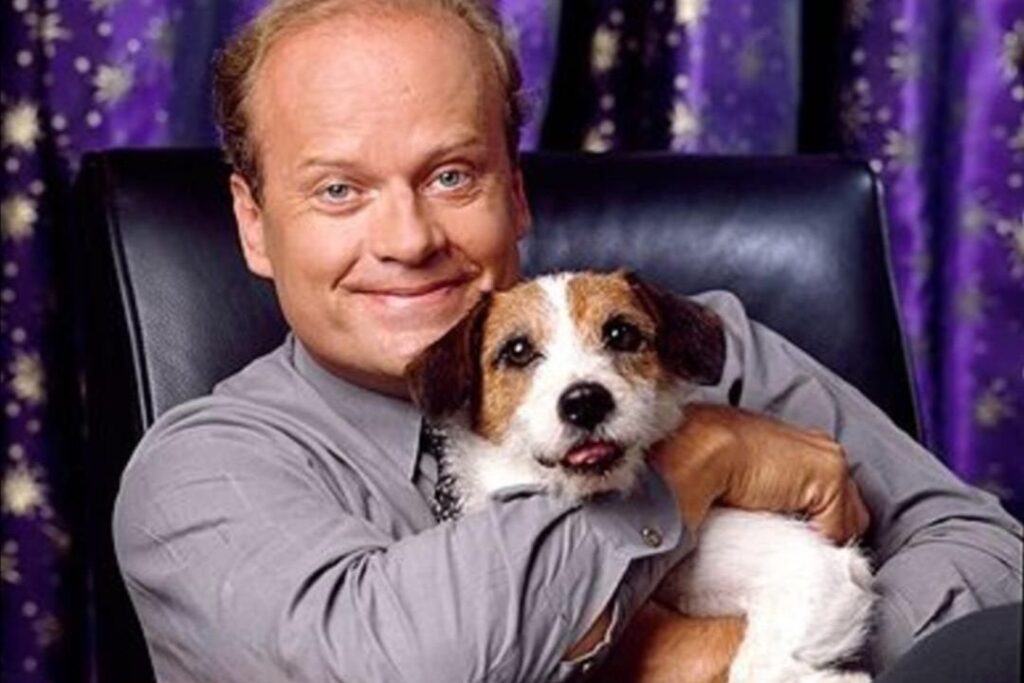
The television sitcom Frasier (1993-2004) featured a prominent Jack Russell Terrier named Eddie, played by a dog named Moose and later his son, Enzo. Eddie was a master of the “stare,” often conveying more emotion than the human actors with a single, knowing look. Unlike the heroic or literary roles of other terriers, Eddie’s character was used for subtle, comedic antagonism, primarily toward Frasier. This modern, sophisticated portrayal showcased the Jack Russell Terrier’s intelligence and ability to be a highly expressive, independent, and slightly mischievous house dog, further cementing the breed’s reputation as a dog with a big, engaging personality.
17. Astro: The Loyal Great Dane of the Future
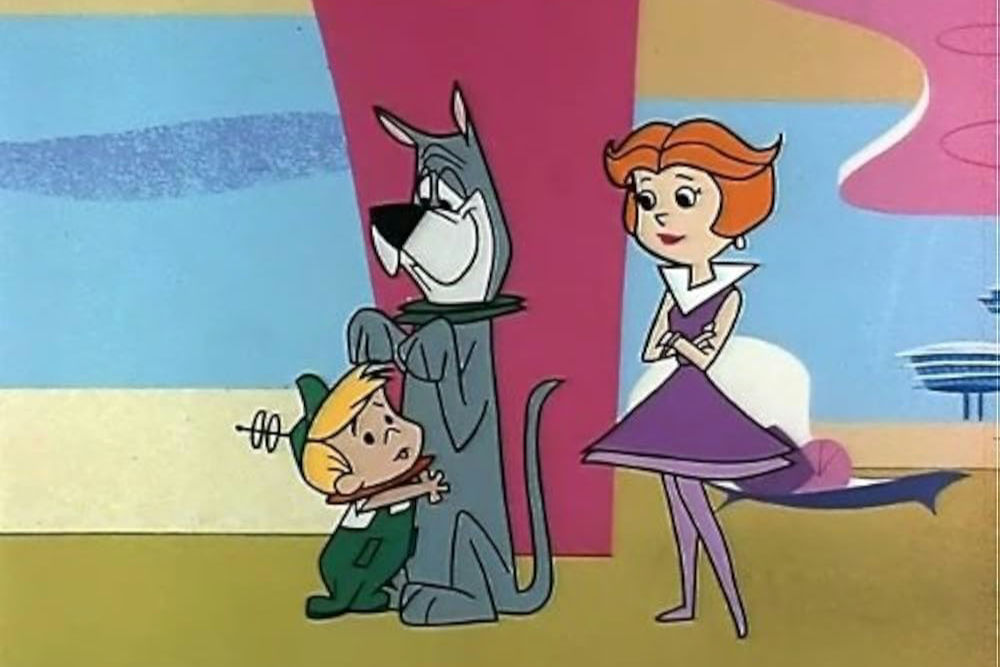
Astro, the family dog from the classic animated series The Jetsons (beginning in 1962), became one of the most beloved cartoon Great Danes alongside Scooby-Doo. Astro’s character showcased the breed’s imposing size combined with a deeply affectionate and goofy personality. He was famously protective of his human companion, Elroy, and fiercely loyal to his owner, George, often expressing his thoughts in a distinctive, R-laden, broken English. Astro’s portrayal in the futuristic setting, emphasizing his loving nature, clumsiness, and strong familial bond, helped solidify the public perception of the Great Dane as a true “gentle giant”—a loyal and somewhat silly friend, despite its massive stature.
18. Shiloh: The Beagles of Appalachia
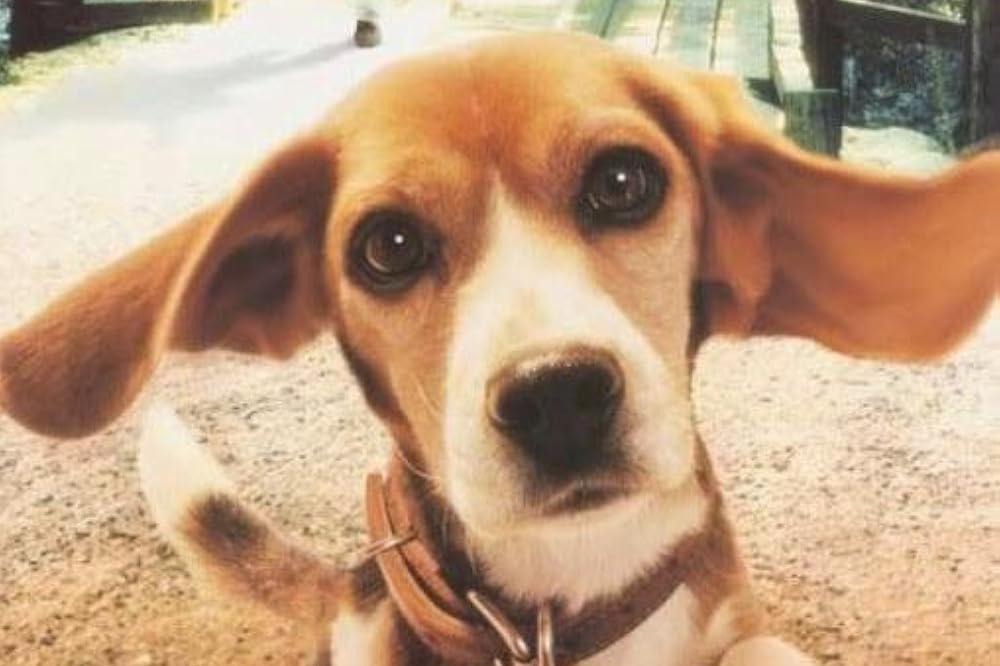
The films based on the Shiloh book series, beginning in 1996, featured a Beagle who was abused and later rescued by a boy. The film served as a powerful emotional vehicle, showcasing the Beagle’s gentle, sensitive nature, but also raising profound awareness about animal cruelty and the value of rescue. While Beagles were popular before the movie, Shiloh focused the public’s attention on their emotional depth and vulnerability. The film reinforced the public’s perception of Beagles as sweet-natured, loyal, and highly affectionate dogs, while also inspiring a wave of advocacy for animal welfare and rescue efforts.
19. Frank: The Talking Pug
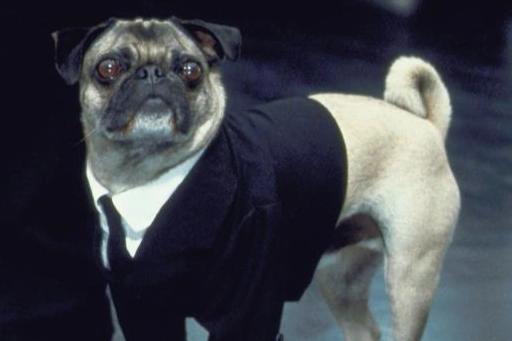
In the Men in Black film franchise, starting in 1997, the character of Frank the Pug, a wise-cracking, suit-wearing alien in disguise, became an instant icon. The use of a Pug for such a sophisticated and humorous role leveraged the breed’s inherently unique, expressive, and slightly ridiculous facial features. Before this, Pugs were recognized but perhaps not widely popular. Frank’s popularity showcased the breed’s charm, comedic timing, and portable size, leading to a noticeable spike in Pug ownership. The character forever associated the Pug with a quirky, charming, and highly expressive personality, making the breed a fashionable choice for a new generation.
20. Martha: The Talking Labrador
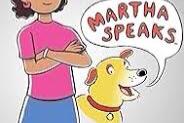
The children’s book and subsequent PBS animated series Martha Speaks (2008-2014) featured a Labrador named Martha who gained the ability to speak after eating alphabet soup. While animated, the choice of a Labrador as the vehicle for the show’s massive vocabulary showcased the public’s underlying belief in the breed’s deep intelligence and gentle nature. Martha was portrayed as curious, thoughtful, and communicative, reinforcing the idea of a Labrador as a ‘thinking dog’ despite its size. The series used the dog’s lovable personality and perceived wisdom to deliver educational content, further endearing the Labrador to families.
21. Scooby-Doo: The Fearful Great Dane
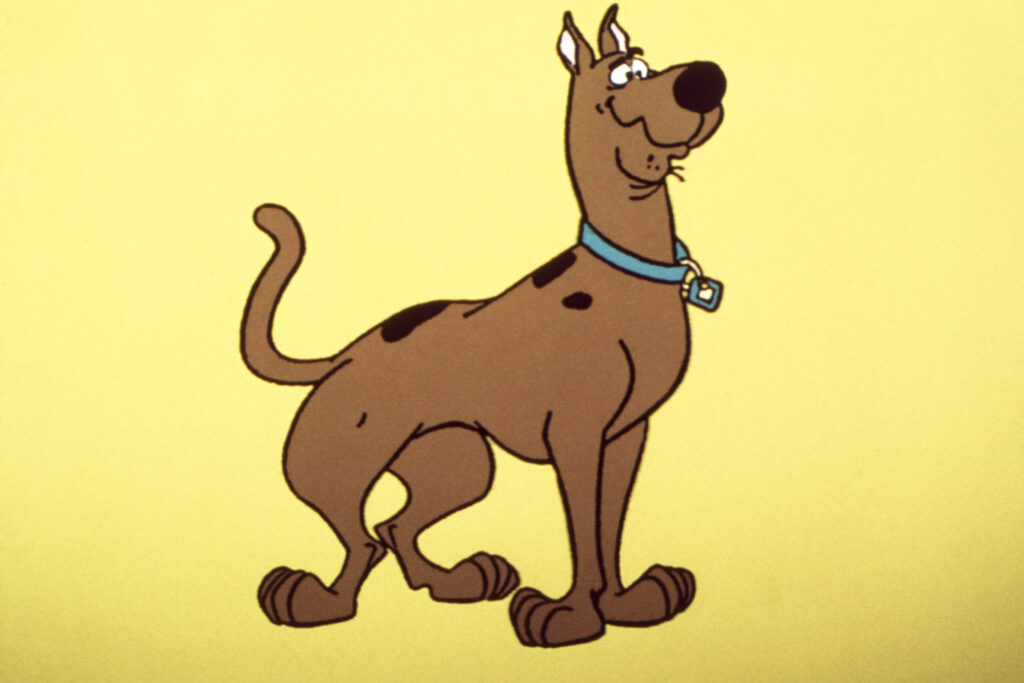
The long-running animated franchise Scooby-Doo (beginning in 1969) features a Great Dane whose primary characteristic is his lovable cowardice and insatiable appetite. This paradoxical portrayal, a massive dog who is often the most frightened, gave a humorous twist to the Great Dane’s reputation as a powerful protector. Scooby’s character, while cartoonish, emphasized the breed’s goofy, clumsy, and emotionally expressive nature, showing that even the largest dogs can be playful and sensitive. The character became synonymous with loyalty, friendship, and a good heart, adding layers to the public’s perception of the Great Dane as a gentle soul.
22. Marley: The Mischievous Labrador Retriever
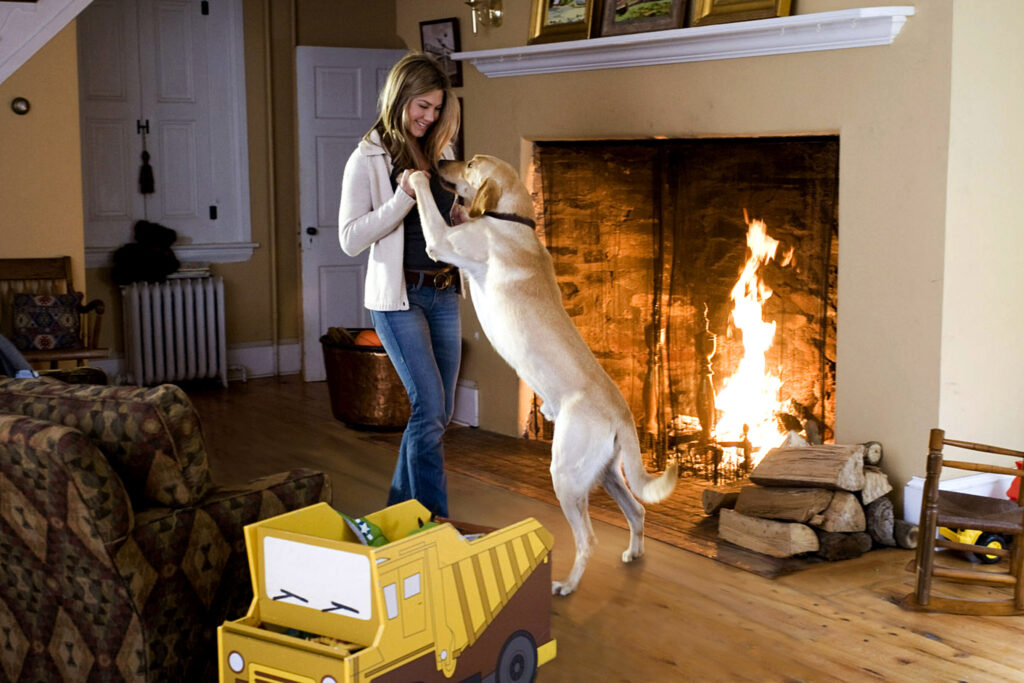
The memoir and subsequent film Marley & Me (2008) presented a brutally honest and affectionate portrait of a “world’s worst dog,” a Yellow Labrador Retriever named Marley. While Labrador Retrievers were already America’s most popular breed, the film was significant for its realistic depiction of a dog’s demanding puppy and adolescent phases. Marley’s hilarious and chaotic destructive behavior, coupled with his ultimate role as an irreplaceable family member, humanized the breed’s energy levels. The film educated the public that Labradors, while sweet, require significant training and patience, offering a more complete and cautionary perception alongside their known family loyalty.
23. Miss Coco Puffs: The Chic Chihuahua
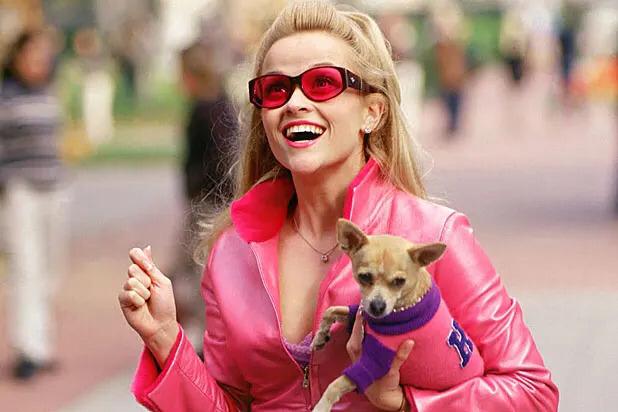
The character of Bruiser Woods’ dog, Miss Coco Puffs (often referred to as Bruiser), in the 2001 film Legally Blonde and its sequels, provided a massive surge in the popularity of the Chihuahua. Bruiser, a tiny, stylishly dressed dog, was portrayed as a pampered but intelligent and devoted companion to his owner, Elle Woods. This cinematic portrayal helped solidify the perception of the Chihuahua as the ultimate “accessory dog,” emphasizing their portability, big personality in a small package, and suitability for city life. The film gave the breed an enduring association with fashion and sassy charm.
24. Cujo: The Misunderstood Saint Bernard
The 1983 horror film Cujo, based on the Stephen King novel, featured a massive Saint Bernard who becomes rabid and turns into a killer. While this film is an extreme example, it served as a cautionary, though fictional, contrast to the gentle image of the Saint Bernard established by previous media. Its impact, though negative, was significant: it momentarily instilled fear and caution in the public’s mind regarding large, powerful dogs and the devastating effects of disease. The film demonstrated how media can, for a time, frighten audiences into reconsidering a breed, even one typically associated with gentleness and rescue.
25. Verdel: The Loyal Brussels Griffon
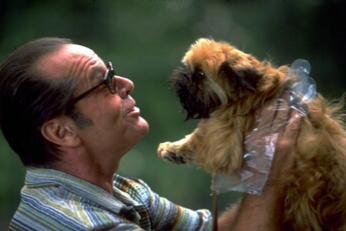
The 1997 romantic comedy As Good as It Gets featured a small, scruffy Brussels Griffon named Verdell (played by a dog named Jill), the beloved companion of the main character’s neighbor. The tiny dog’s kidnapping becomes a pivotal point in the plot, triggering the main character’s emotional thawing. Prior to the film, the Brussels Griffon was an extremely rare and relatively unknown breed in the United States. The movie showcased the breed’s expressive, almost human-like face and its intense, heartwarming loyalty, making it an overnight curiosity and leading to a significant spike in interest from niche dog enthusiasts seeking a unique, charming companion.
26. Mr. Smith: The Adorable Schnauzer
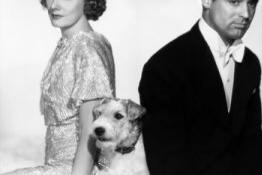
In the classic 1937 comedy The Awful Truth, the dog Mr. Smith, a Wire Fox Terrier (though the role was based on a Schnauzer in the original Thin Man books), was the subject of a hilarious custody battle. The dog’s charming, often mischievous demeanor and role as a beloved “child” in a dissolving marriage showcased the Schnauzer-type dog’s intelligence and ability to connect deeply with both owners. The dog’s scene-stealing performance and central role emphasized the emotional importance of a companion animal in a family dynamic, subtly contributing to the popularity of the distinctive, bearded terrier types.
27. Cleo: The Goofy Basset Hound
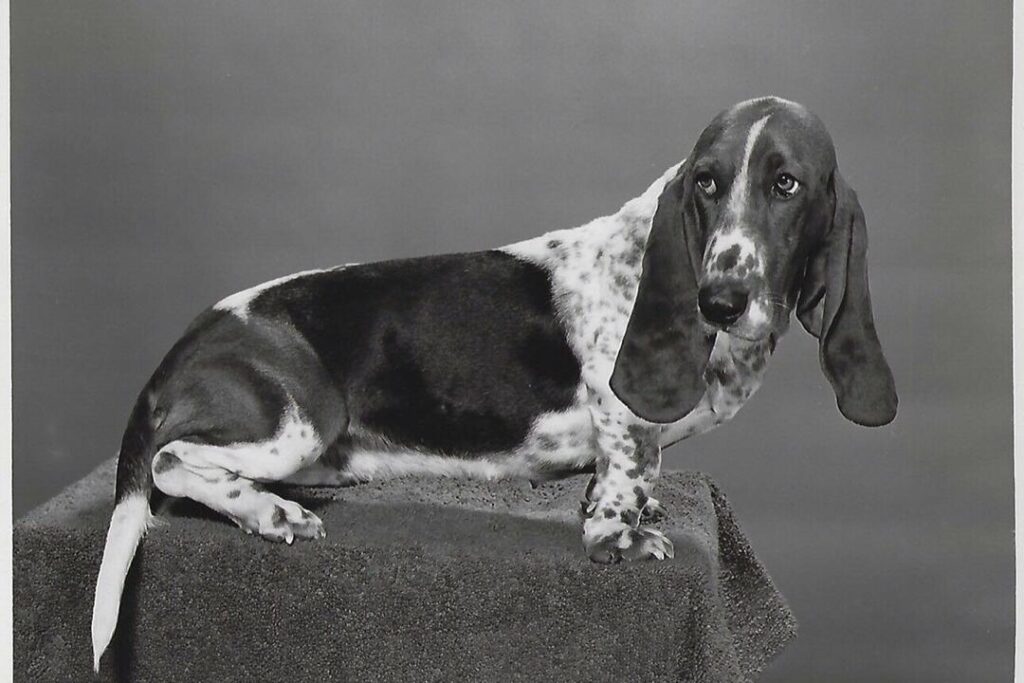
The 1950s television series The People’s Choice featured a talking Basset Hound named Cleo, voiced by an actress who provided her inner, sarcastic commentary. Cleo’s character highlighted the Basset Hound’s most distinctive traits: its long, soulful ears, its mournful expression, and its low, lumbering gait. Her “talking” added a comical layer of wit to her physical goofiness. The show emphasized the Basset Hound’s laid-back, humorous, and highly expressive nature, cementing the breed’s image as the lovable, slightly lazy, and eternally soulful companion dog in popular culture.
28. Uggie: The Talented Jack Russell Terrier (Contemporary Classic)
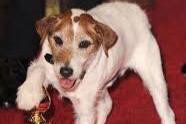
Uggie, the Jack Russell Terrier who starred in the critically acclaimed silent film The Artist (2011), became a global sensation and a symbol of animal talent in Hollywood. His portrayal of the main character’s loyal companion, who performed complex tricks and conveyed deep emotion without dialogue, was a powerful testament to the breed’s high intelligence and trainability. Uggie’s fame reinforced the modern perception of the Jack Russell Terrier as a sophisticated, versatile, and highly capable performance dog, further fueling their popularity as a clever and energetic companion.
29. Sandy: The Shaggy Cairn/Norfolk Terrier Mix
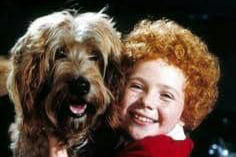
The original dog who played Sandy in the Broadway musical and 1982 film Annie was a mixed-breed dog, often considered a Cairn or Norfolk Terrier mix, who was adopted from a shelter just before his debut. Sandy’s role as Annie’s fiercely loyal, shaggy companion made him a symbol of unconditional love and the perfect “underdog” success story. His appearance and character championed the cause of mixed-breed dogs and promoted the idea that the best companions are often found in shelters, emphasizing heart and loyalty over pedigree.
30. Duke: The Dependable Beverly Hillbilly
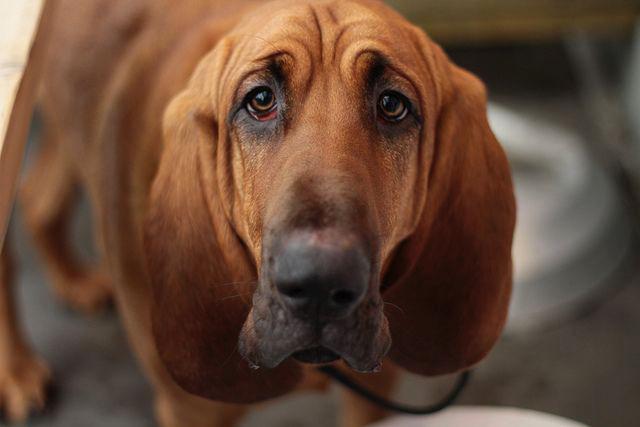
The hound dog Duke, belonging to Jethro Bodine in The Beverly Hillbillies (1962-1971), was a consistent presence in the Clampett family’s journey from the Ozarks to California. Duke, a generic hound type, was portrayed as loyal and low-key, often observing the eccentricities of the humans around him. His dependable nature, contrasting with the chaotic lives of the Clampetts, reinforced the image of the simple, humble hound as an essential, grounding presence in a family’s life, popularizing the idea of the calm, southern hound as a good-natured companion.
Their legacy continues to remind us that every dog, regardless of its pedigree, has a story to tell. Like this story? Add your thoughts in the comments, thank you.
This story 30 Animal Companions in Classic Films and TV was first published on Daily FETCH


