
1. Cell Phones

Some of the most ordinary objects around us have surprisingly unusual pasts. The first mobile phones were designed almost entirely for voice communication and were used mainly by business executives, emergency responders, and government officials. Early models in the 1970s and 1980s were bulky, expensive, and limited to making calls over unreliable networks. Over time, advances in digital technology transformed phones into compact, multifunctional devices. Today, smartphones serve as cameras, navigation tools, wallets, entertainment centers, and workstations. Many people now make fewer voice calls than ever, relying instead on messaging apps, video calls, and social media. The phone’s original purpose as a portable telephone has shifted into something much broader.
2. Wristwatches

Wristwatches were first worn primarily for practical timekeeping, especially by soldiers and pilots who needed hands-free access to the time. Before that, pocket watches were more common and considered more formal. As wristwatches became widespread in the 20th century, they turned into everyday necessities for punctuality. However, the rise of smartphones reduced their importance as time-telling tools. In response, watches evolved again. Modern smartwatches now track heart rate, steps, sleep patterns, and even receive messages and calls. Many people wear watches today less to know the time and more for fitness monitoring, convenience, or style. What began as a simple mechanical device for measuring hours and minutes has shifted into a wearable computer focused on health, connectivity, and personal expression.
3. Plastic Water Bottles

Plastic bottles were originally developed as lightweight, disposable containers for short-term beverage storage. Their appeal was convenience: buy a drink, consume it, and throw the bottle away. Over time, concerns about environmental impact and plastic waste changed how people viewed them. Today, many plastic bottles are designed to be reused, refilled, and carried daily. Reusable water bottles have become common accessories for work, school, and exercise, often marketed for hydration tracking and sustainability. While disposable bottles still exist, their role has expanded from single-use packaging to personal hydration tools meant to reduce waste. This shift reflects changing attitudes toward environmental responsibility and has transformed a throwaway item into something people intentionally keep and reuse.
4. Backpacks

Backpacks were originally designed for military use, allowing soldiers to carry supplies while keeping their hands free. The design prioritized durability and weight distribution over comfort or appearance. Over time, backpacks moved into civilian life, becoming popular among hikers, students, and travelers. Today, they are everyday items used to carry laptops, gym clothes, groceries, and personal belongings. Modern backpacks often include padded laptop sleeves, charging ports, and ergonomic straps. Their purpose has shifted from survival and utility in harsh conditions to convenience and organization in daily routines. What was once specialized military gear is now a standard accessory seen on public transport, campuses, and offices around the world.
5. Sunglasses
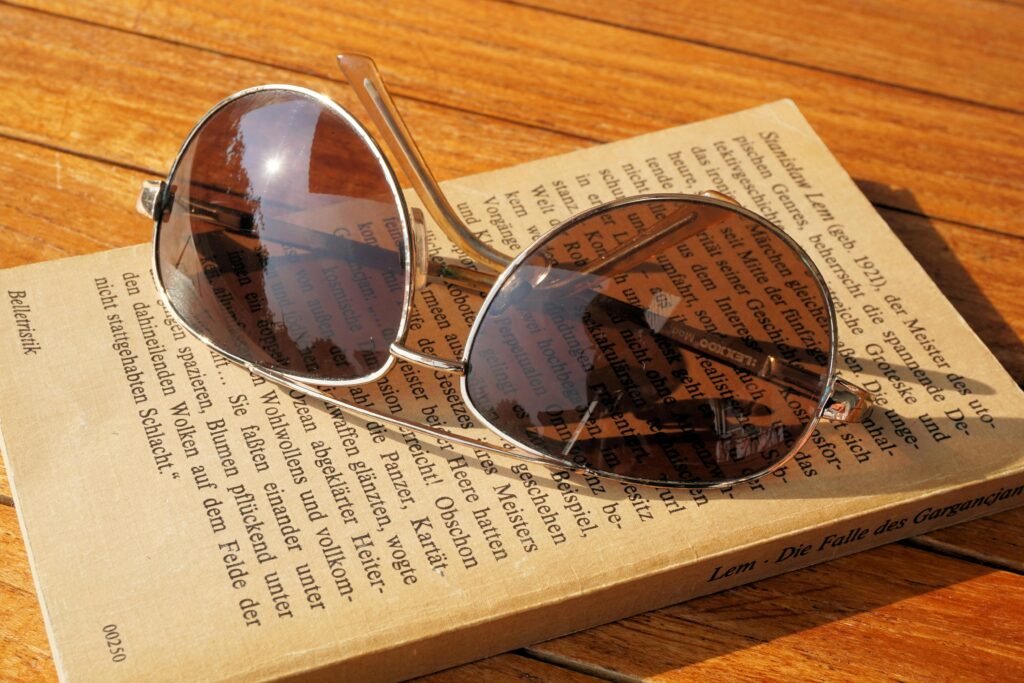
Sunglasses were not originally fashion accessories. Early versions, including Inuit snow goggles made from bone or wood, were designed to protect eyes from intense sunlight reflected off snow. Later tinted glasses were used medically to reduce eye strain or sensitivity to light. Over time, sunglasses became widely available and took on a new role as a style statement. Today, people wear them not only for eye protection but also as fashion items and even social signals. While they still block harmful ultraviolet rays, many pairs are chosen primarily for their design, brand, or image. The shift from protective gear to everyday fashion accessory highlights how function and appearance can merge over time.
6. Keys
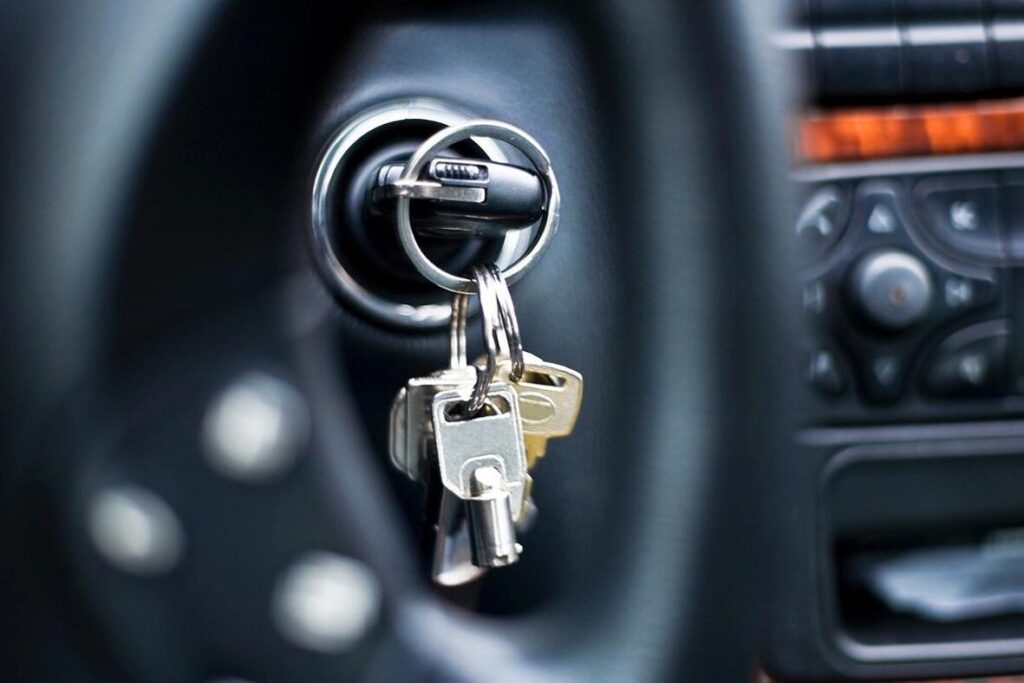
Keys were originally simple mechanical tools designed to open locks and secure physical spaces. Early keys, often made of iron or bronze, were large and symbolic of authority or ownership. For centuries, their sole purpose was to provide access by physically aligning metal components inside a lock. Today, keys have evolved far beyond that role. Many modern “keys” no longer resemble keys at all, taking the form of electronic fobs, cards, or smartphone apps. Car keys now unlock doors remotely, start engines, and even adjust seat settings. Hotel rooms, offices, and homes increasingly rely on digital access rather than metal keys. While physical keys still exist, their role has shifted from purely mechanical security to part of a broader digital access system that emphasizes convenience, automation, and personalization.
7. Cameras
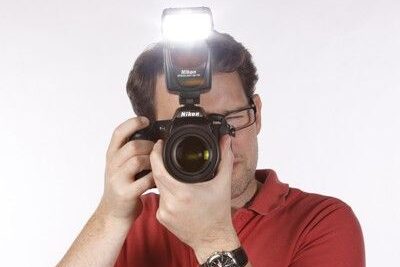
Cameras were originally specialized devices used by professionals to document events, portraits, and landscapes. Early photography required bulky equipment, chemical processing, and technical expertise, limiting its use to studios and trained operators. Over time, film cameras became more accessible, but photography was still intentional and occasional. Today, cameras are embedded into smartphones and used constantly for communication rather than documentation alone. Photos now serve as social updates, receipts, notes, and memories shared instantly online. Many people take hundreds of photos without ever printing them. The camera’s purpose has shifted from preserving rare moments to supporting daily communication, self-expression, and digital identity in real time.
8. Notebooks

Notebooks were originally essential tools for recording information, calculations, and observations before digital storage existed. Students, professionals, and writers relied on them for permanent records of work and ideas. With the rise of computers, tablets, and smartphones, note-taking moved largely into digital spaces. As a result, notebooks have taken on a new role. Today, they are often used for personal journaling, mindfulness, planning, or creative expression rather than strict record-keeping. Bullet journals, gratitude logs, and sketch notebooks are now common. While notebooks still hold practical value, their modern purpose often centers on reflection and mental organization rather than necessity.
9. Alarm Clocks
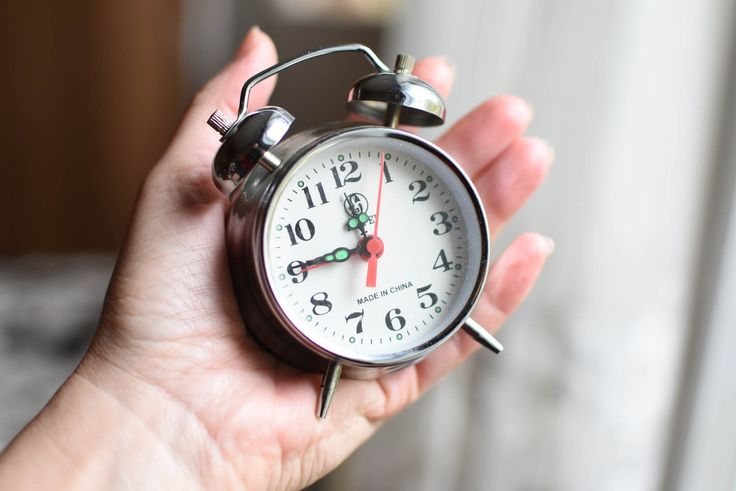
Alarm clocks were created for a single, clear purpose: waking people at a specific time. Mechanical alarm clocks became household staples, especially during the industrial era when punctuality was critical for work schedules. Today, dedicated alarm clocks are far less common. Smartphones have absorbed their function, offering customizable alarms, sleep tracking, and gradual wake-up features. Many people no longer own a standalone alarm clock at all. Instead, waking up is part of a broader digital routine involving notifications, reminders, and daily planning. The alarm clock’s role has shifted from a single-purpose device to a background feature within larger personal technology systems.
10. Televisions
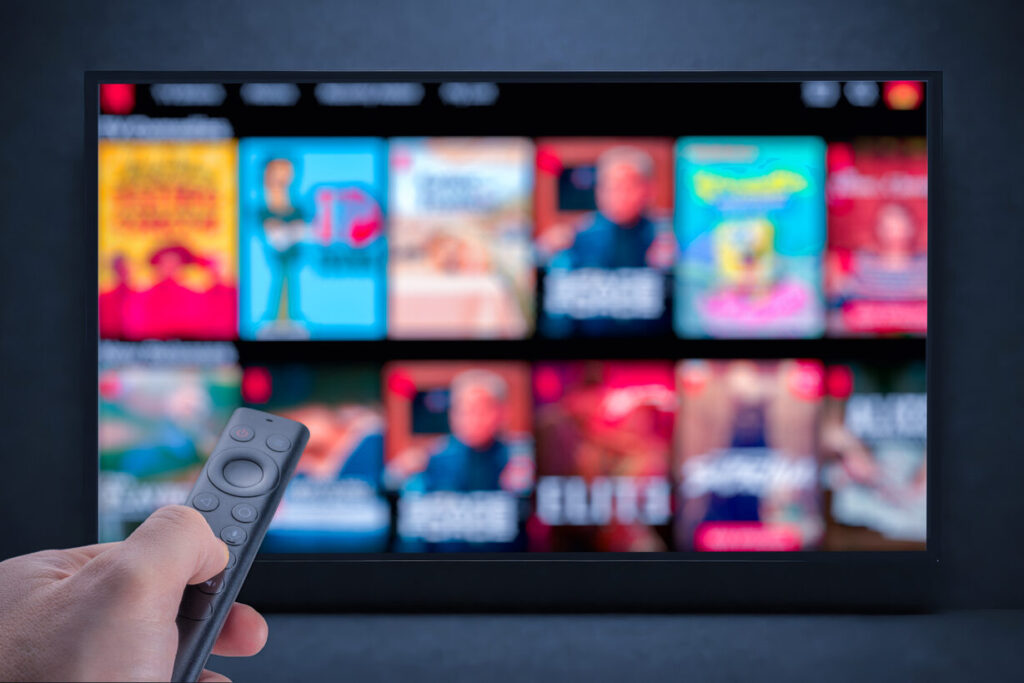
Televisions were originally designed to broadcast scheduled programming to mass audiences. Families gathered around a single screen to watch news, sports, and entertainment at fixed times. Viewers had little control over what aired or when. Today, televisions serve a very different role. Modern smart TVs are platforms for streaming services, gaming, internet browsing, and screen sharing. Traditional broadcast schedules matter far less, as viewers choose what to watch on demand. For many households, the TV is no longer just for watching shows but acts as a central entertainment hub connected to multiple digital services. Its purpose has shifted from passive viewing to personalized, interactive media consumption.
11. Maps
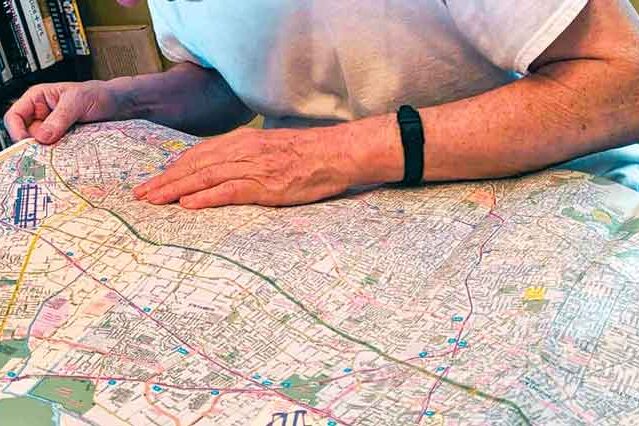
Paper maps were once essential for navigation, especially during travel. Drivers and travelers relied on folded road maps and atlases to plan routes and find destinations. Using them required spatial awareness and advance preparation. Today, physical maps are rarely used for navigation. GPS apps provide real-time directions, traffic updates, and alternate routes instantly. As a result, maps have shifted from practical tools to decorative, educational, or nostalgic objects. Many people now display old maps as wall art or use them for historical reference. The map’s primary function has moved from guiding movement to representing places symbolically or digitally.
12. Wallets

Wallets were originally designed to hold physical money, identification, and important paper documents. For decades, carrying cash and cards was essential for daily transactions. Today, digital payment systems have changed how wallets are used. Many people now rely on smartphones for payments, boarding passes, and identification, reducing the need for bulky wallets. Some carry slimmer versions, while others use phone cases with card slots. The wallet’s role has shifted from a primary financial tool to a backup accessory. Its importance has diminished as digital alternatives take over everyday transactions.
13. Newspapers
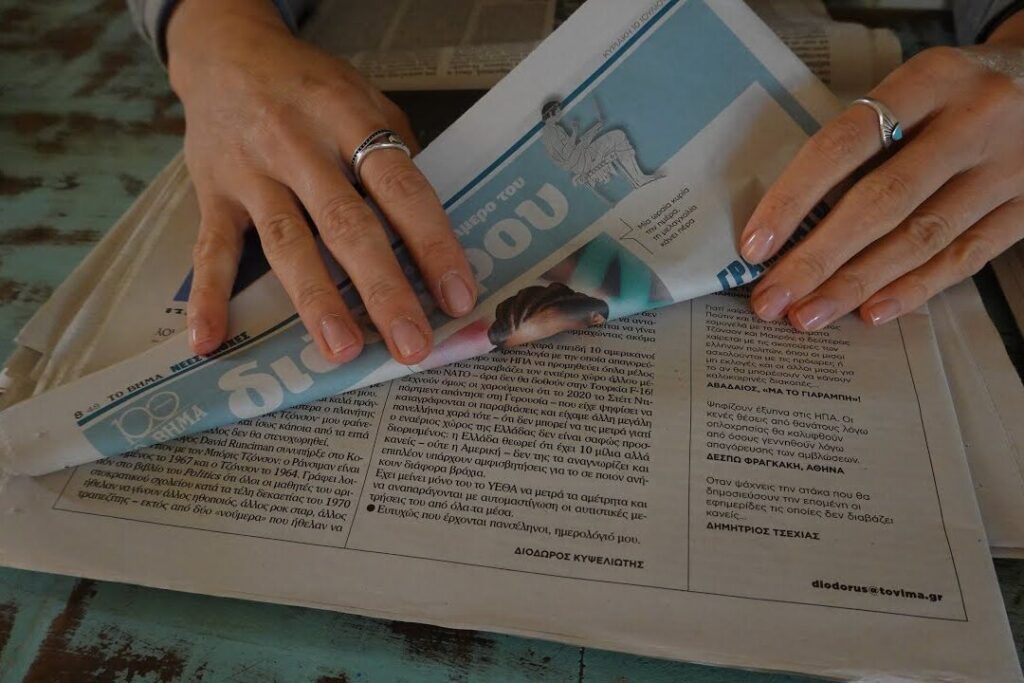
Newspapers were once the main source of daily information, delivering news, opinions, and advertisements to households each morning. People relied on them to stay informed about local and global events. With the rise of the internet, news consumption became instant and continuous. Today, printed newspapers are often read for habit, nostalgia, or in-depth weekend features rather than breaking news. Their purpose has shifted from timely information delivery to thoughtful analysis, opinion pieces, and leisure reading. Many newspapers now exist primarily as digital platforms, with print editions playing a secondary role.
14. Doorbells
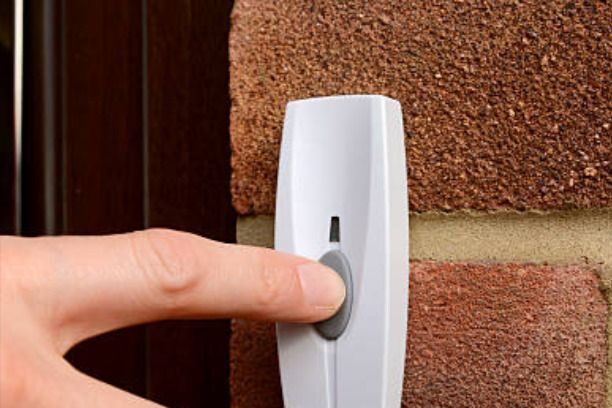
Doorbells were originally simple signaling devices designed to alert homeowners to visitors. Pressing a button rang a bell inside the house, serving a straightforward communication function. Today, smart doorbells have transformed this role. Modern versions include cameras, microphones, motion sensors, and mobile notifications. They allow homeowners to see, speak to, and monitor visitors remotely. Doorbells are now part of home security systems rather than just greeting tools. Their purpose has expanded from announcing presence to providing surveillance, safety, and remote control over home access.
15. Flashlights

Flashlights were originally emergency tools used during power outages or in dark environments. Households kept them stored for occasional use. Today, flashlights are built into smartphones and used far more casually. People now use them daily to find items, take photos in low light, or navigate dark spaces briefly. While standalone flashlights still exist for specialized tasks, their everyday role has shifted from emergency preparedness to convenience. Light access is now immediate and constant, making illumination an everyday function rather than a rare necessity.
16. Calculators
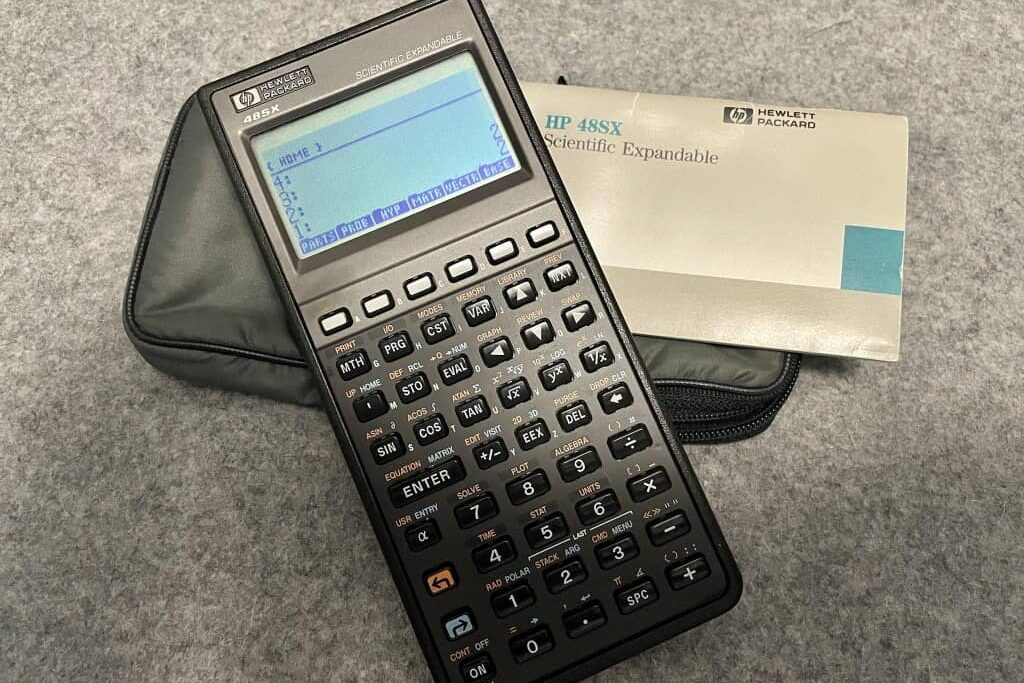
Calculators were once essential standalone devices used for basic arithmetic in schools, offices, and scientific work. Early electronic calculators replaced manual calculation tools and were prized for speed and accuracy. For students and professionals alike, owning a calculator was a necessity. Today, their role has changed significantly. Calculators are now built into smartphones, computers, and smartwatches, making separate devices largely optional for everyday use. Physical calculators are still common in classrooms and specialized fields, but for most people, calculation is just a background function within larger digital systems. The calculator’s purpose has shifted from a primary problem-solving tool to a convenient, embedded feature accessed only when needed.
17. Pens
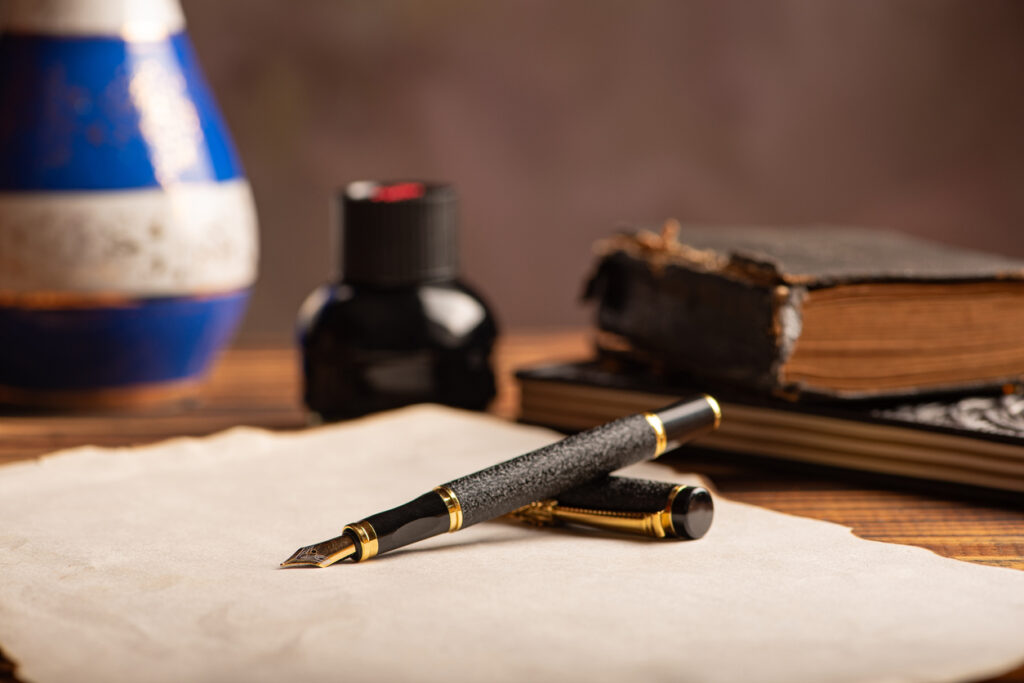
Pens were originally designed as essential writing tools for communication, record-keeping, and education. For centuries, handwritten documents were the primary way to share information. As digital communication expanded, the need for constant handwriting declined. Today, pens are often used less for long writing and more for quick notes, signatures, or personal expression. At the same time, the concept of the pen has evolved into styluses used on tablets and phones for digital writing and drawing. The pen’s role has shifted from a dominant communication tool to a hybrid symbol of creativity, formality, and digital interaction.
18. Mirrors
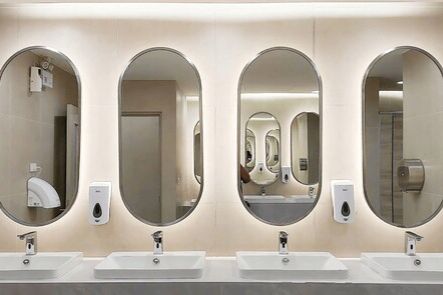
Mirrors were originally practical household tools used to check appearance for grooming and dress. Their purpose was straightforward: reflection for personal care. Today, mirrors serve an additional social and digital function. Many people now use mirrors to take photos or videos, especially for social media content. Mirrors are often positioned and designed with lighting specifically for selfies rather than grooming alone. While they still help people get ready, their role has expanded into self-presentation and online identity. The mirror has shifted from a private utility to a tool connected to public image and digital expression.
19. Calendars
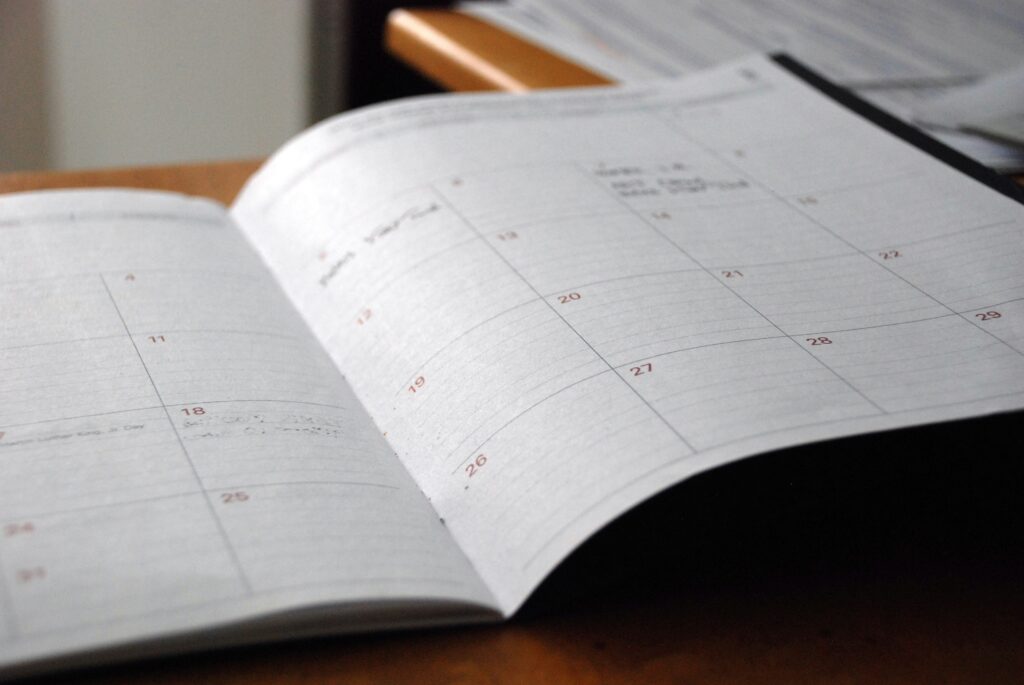
Calendars were once essential for tracking dates, appointments, and events in daily life. Wall calendars and planners helped households and workplaces stay organized. Today, digital calendars handle reminders, scheduling, and alerts automatically. Physical calendars now often serve decorative or sentimental purposes rather than functional ones. Many people still hang calendars for aesthetics, photography, or tradition, while relying on phones for actual planning. The calendar’s purpose has shifted from active time management to visual reference and personal enjoyment, reflecting how digital tools have absorbed practical scheduling tasks.
20. Headphones

Headphones were originally designed to listen privately to radios and later music players. Their main purpose was personal audio without disturbing others. Today, headphones serve multiple roles beyond listening to music. They are used for phone calls, remote work meetings, gaming, noise cancellation, and even focus management in public spaces. Wireless earbuds have become everyday accessories worn even without audio playing, signaling availability or concentration. The function of headphones has expanded from sound delivery to communication, productivity, and social signaling in modern life.
21. Shoes

Shoes were originally designed purely for foot protection against rough terrain and weather. Function and durability mattered far more than appearance. Over time, shoes became markers of social status, occupation, and identity. Today, many shoes are worn primarily for style rather than protection. Sneakers, once intended for sports, are now everyday fashion items. Some shoes prioritize aesthetics over comfort or practicality. The purpose of shoes has shifted from necessity to self-expression, blending utility with branding, trends, and cultural meaning.
22. Trash Cans

Trash cans were originally simple containers meant to collect waste and keep spaces clean. Their role was purely functional. Today, trash cans have taken on a more complex purpose. Many households now separate waste into recycling, compost, and landfill bins. Smart trash cans even monitor usage or reduce odors automatically. Rather than just holding garbage, modern waste bins reflect environmental awareness and sustainability practices. The trash can’s role has shifted from basic disposal to responsible waste management and environmental participation.
23. Glass Jars

Glass jars were originally designed for food storage and preservation. They kept items fresh and protected from contamination. Today, many glass jars are reused long after their original contents are gone. People use them for storage, decoration, organization, or crafts. Some even turn them into drinking glasses or candle holders. The jar’s purpose has expanded from single-use storage to reusable household versatility, reflecting a shift toward creativity and sustainability in everyday life.
24. Bicycles
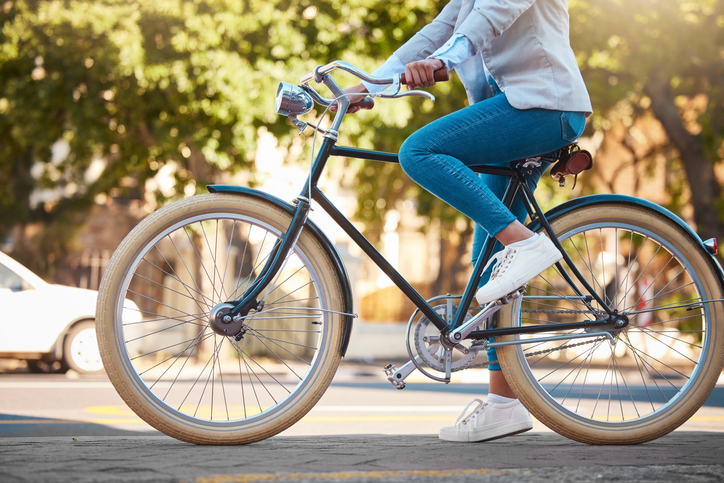
Bicycles were originally practical transportation tools, especially before cars became widespread. They allowed people to travel efficiently over short distances. Today, while bicycles are still used for commuting, many are ridden primarily for exercise, recreation, or leisure. Cycling has become associated with fitness and lifestyle rather than necessity. Electric bikes have further shifted the purpose by making cycling accessible to more people. The bicycle’s role has moved from essential transport to health, enjoyment, and sustainable mobility.
25. Mailboxes

Mailboxes were originally designed to receive handwritten letters, postcards, and official documents. For decades, daily mail delivery was a primary way people communicated, paid bills, and stayed connected. Today, personal letters are far less common. Instead, mailboxes are often used mainly for package deliveries from online shopping. Many households receive more parcels than letters in a given week. As digital communication replaced traditional correspondence, the mailbox’s role shifted from a communication hub to a logistics drop point. While it still symbolizes connection, its everyday function now reflects modern shopping habits rather than personal letter writing.
26. Desks
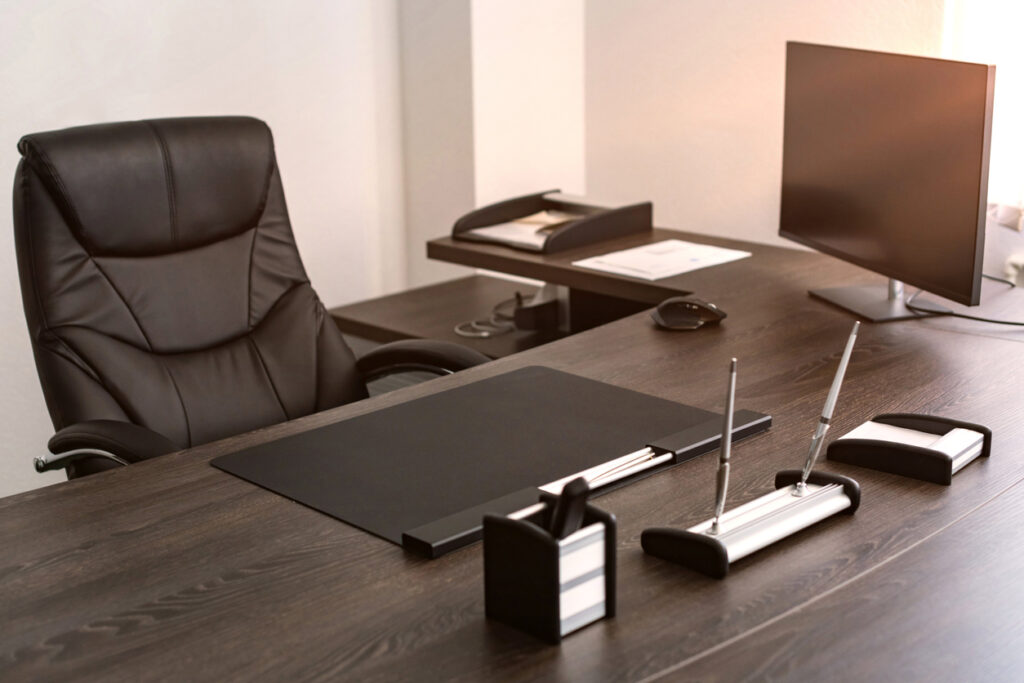
Desks were originally work surfaces for paperwork, writing, and administrative tasks. Offices relied on desks to organize documents and manage manual workflows. Today, desks often serve as digital command centers rather than paper-based workstations. Laptops, monitors, and charging cables now dominate desk space. Many desks are also used for remote work, gaming, studying, or creative hobbies. In some homes, desks double as dining tables or personal organization areas. The desk’s purpose has expanded from a single-use office fixture to a flexible, multipurpose surface adapted to modern lifestyles.
27. Shopping Carts
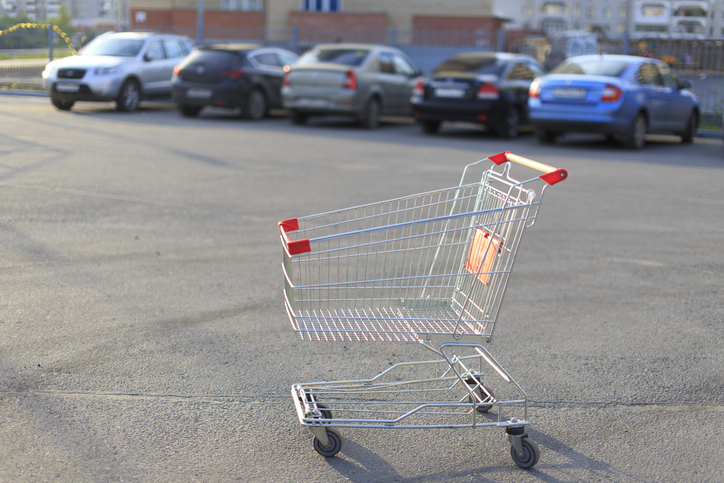
Shopping carts were originally designed to help customers carry goods while walking through physical stores. They made in-person shopping easier and encouraged buying more items. Today, the concept of the shopping cart has expanded beyond physical stores. Digital shopping carts now exist on websites and apps, holding virtual items until checkout. For many people, “adding to cart” happens more often online than in stores. While physical carts are still common, their role has been mirrored and partially replaced by digital equivalents that support online purchasing habits.
28. Photo Albums
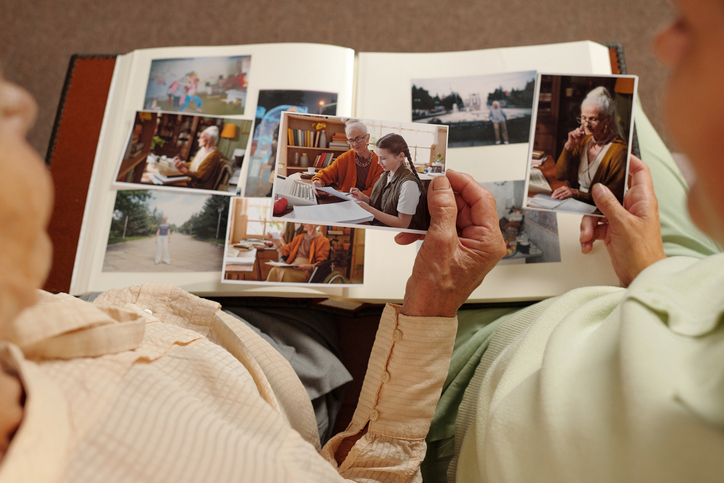
Photo albums were once cherished household items used to preserve family memories. Printed photographs were carefully arranged and revisited over time. Today, most photos are stored digitally on phones and cloud services. Physical photo albums are now created less frequently and often reserved for special occasions like weddings or anniversaries. Their purpose has shifted from everyday memory storage to sentimental keepsakes. While digital galleries offer convenience, traditional albums now represent intentional memory preservation rather than routine documentation.
Everyday objects often fade into the background of our lives, yet many carry surprising stories of transformation.
Like this story? Add your thoughts in the comments, thank you.


