
1. Snowbirds
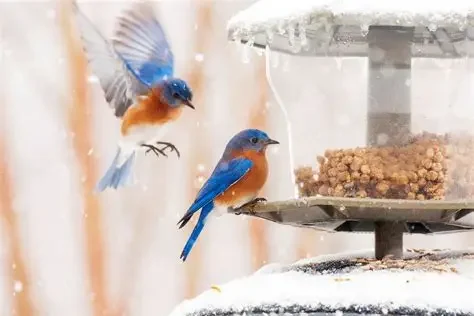
Winter always announces itself quietly, and for many of us, it starts with birds gathering closer to home. Snowbirds appear at feeders and windowsills, turning cold mornings into shared routines. Chickadees, finches, and sparrows flutter in and out, quick and alert, as if they understand the season’s urgency. Watching them becomes part of daily life, a pause between tasks, a reminder that winter brings neighbors closer. Their small movements add warmth to otherwise still days. As the holidays approach, these birds make winter feel lived in rather than lonely, setting the tone for a season shaped by presence and gentle persistence.
2. Squirrels

After the birds settle in, squirrels take center stage with their busy winter routines. They race across yards, climb bare trees, and dig through frozen ground like every moment counts. Their urgency feels familiar, especially during holiday preparations. Squirrels seem to know winter rewards those who prepare early. They pause, look around, then continue, carrying acorns or scraps to hidden places. Watching them feels oddly comforting, like seeing determination in motion. They remind us that winter is not just about slowing down, but also about doing what needs to be done before the cold fully settles in around us.
3. Deer

As winter deepens, deer begin appearing closer to roads and backyards. Without leaves for cover, their movements feel more visible and more intimate. You might spot one standing still near a tree line, breath visible, ears alert. These moments often cause people to slow down instinctively. Deer carry a quiet calm that fits winter perfectly. They move carefully, choosing safety over speed. Seeing them reminds us that winter asks for attention and patience. Their presence feels like a gentle nudge to move thoughtfully, especially during busy holiday weeks when rushing feels easier than slowing down.
4. Pigeons
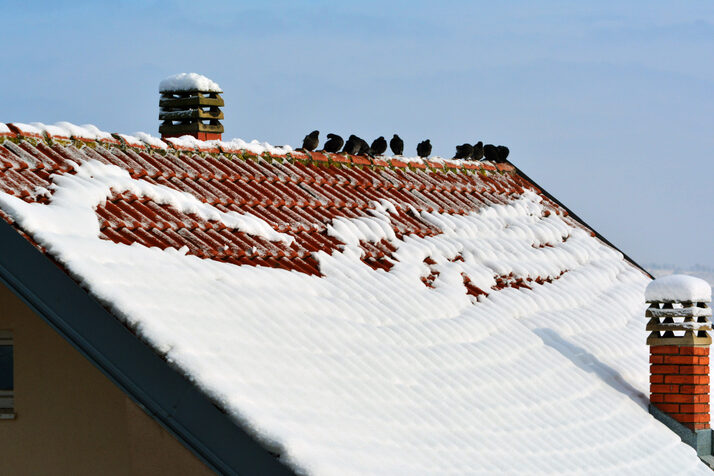
Pigeons never really leave, but winter changes how we notice them. They puff up their feathers and gather closely on ledges and sidewalks, sharing warmth without fuss. You see them near cafés, bus stops, and city corners, steady and familiar. Their survival feels practical and unremarkable, which somehow makes it more admirable. Pigeons adapt quietly, enduring cold days without demanding attention. They remind us that winter living does not always need to be graceful or dramatic. Sometimes it is just about staying close, conserving energy, and showing up every day even when conditions are far from ideal.
5. Rabbits
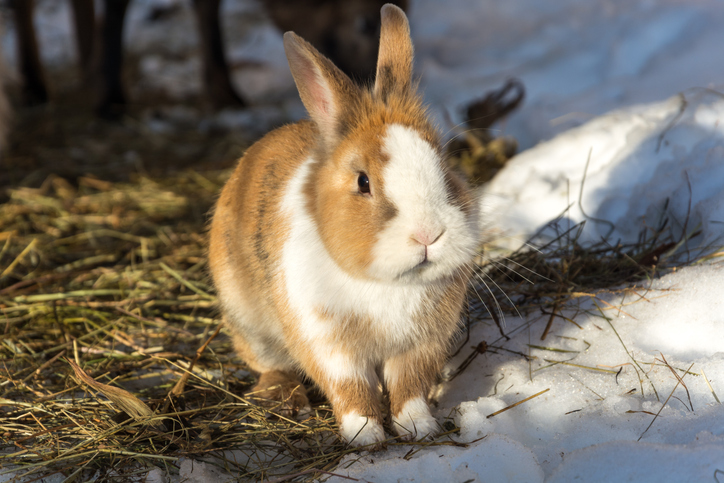
With tall grass gone, rabbits become easier to spot in winter. They appear along fences, under shrubs, or near porches, small and alert against pale ground. Their tracks tell stories overnight, quiet paths through snow. Spotting one feels like a gentle surprise. Rabbits freeze when noticed, blending into stillness before hopping away. They move through winter carefully, choosing caution over speed. Their presence adds softness to the season, reminding us that winter can be fragile as well as strong. Rabbits quietly teach us that awareness and patience matter when the world feels colder and more exposed.
6. Foxes
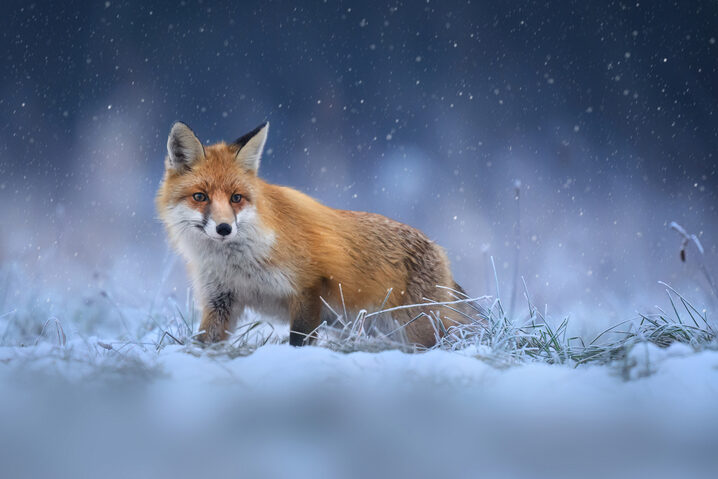
Foxes seem made for winter evenings. As daylight fades, they move through fields and quiet neighborhoods with calm confidence. Their thick coats glow against snow, and their steps feel measured and intentional. Spotting a fox often feels special, not because it is rare, but because it feels perfectly timed. People tend to stop and watch, holding the moment quietly. Foxes embody balance, alert but unhurried, cautious but curious. In a season filled with reflection, they remind us to trust instincts and appreciate brief encounters. Winter feels richer when shared with such thoughtful, passing presences.
7. Owls

Winter reveals owls that other seasons keep hidden. With leaves gone, they sit quietly in open branches, still and watchful. Their presence feels secretive, even when clearly visible. Hearing an owl call on a cold night adds depth to winter darkness. They seem to belong to long evenings and early sunsets. Owls invite reflection, reminding us that silence can be meaningful. They do not rush or waste energy. Watching an owl encourages patience and observation, qualities winter naturally asks of us. Their calm vigilance mirrors the slower pace many people settle into as the year draws toward its close.
8. Raccoons
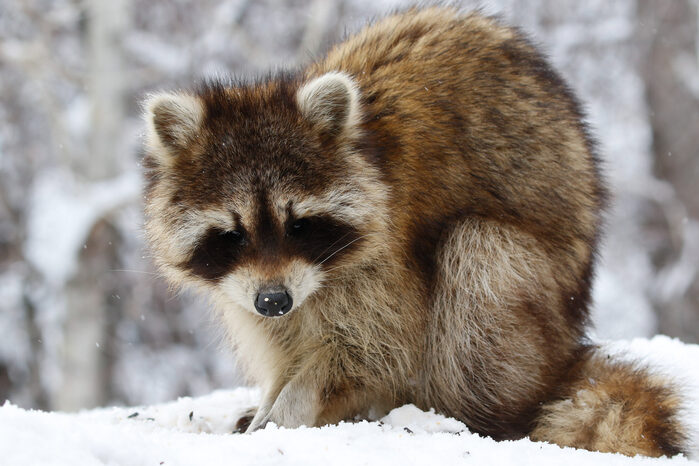
Raccoons do not disappear in winter, they simply adapt. Cold weather often pushes them closer to homes where food is easier to find. You might see one near a trash bin or shed, moving carefully but confidently. Their thick fur and clever hands make them resourceful survivors. Raccoons reflect the practical side of winter, adjusting routines without complaint. They remind us that flexibility matters when conditions change. While they are not always welcome guests, their determination is undeniable. Watching them move through winter nights feels like a lesson in making do and finding solutions quietly.
9. Cardinals
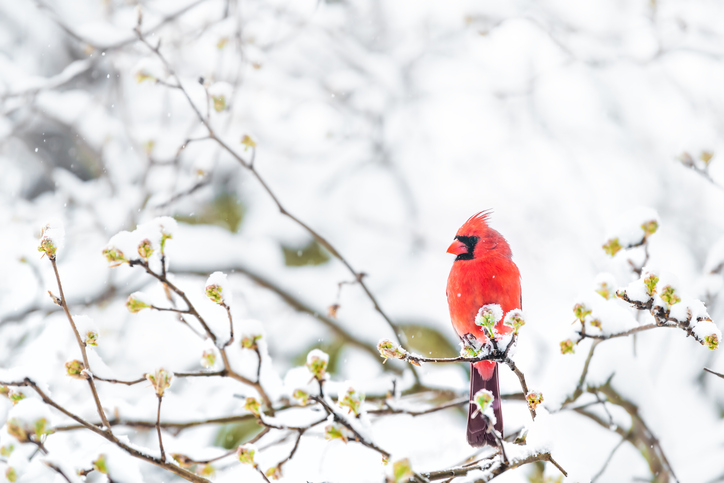
Few winter sights feel as striking as a cardinal against snow. Their red feathers brighten pale landscapes, drawing attention instantly. Many people pause when they see one, as if the moment carries comfort. Cardinals become more visible in winter, singing through cold air and settling near feeders. They bring warmth without heat, color without noise. In darker months, their presence feels reassuring. Cardinals remind us that beauty does not disappear in winter. It simply becomes more noticeable. They offer small moments of joy during ordinary days, making winter mornings feel lighter and more hopeful without trying too hard.
10. Ducks
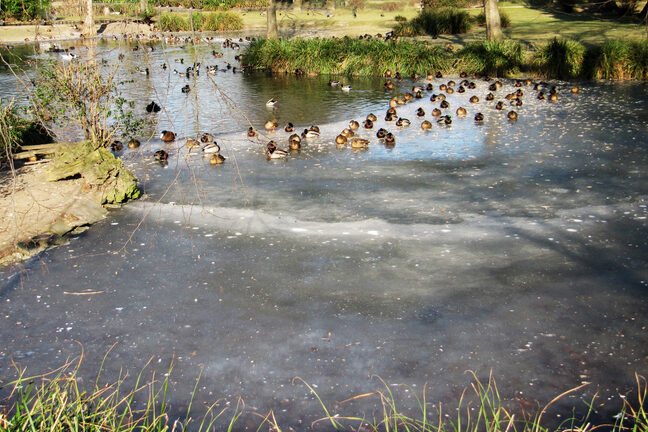
Ducks appear unbothered by winter, floating calmly on icy ponds while everything else feels still. They paddle slowly, resting together, conserving energy. Watching them can feel peaceful, especially on quiet mornings. Ducks seem to understand that winter does not require constant movement. Their calm routines continue despite the cold. They remind us that slowing down can be a strength. In the middle of busy holiday schedules, ducks offer a gentle reminder to move at a steady pace. Winter feels less overwhelming when we allow ourselves moments of quiet drifting, just like they do.
11. Horses
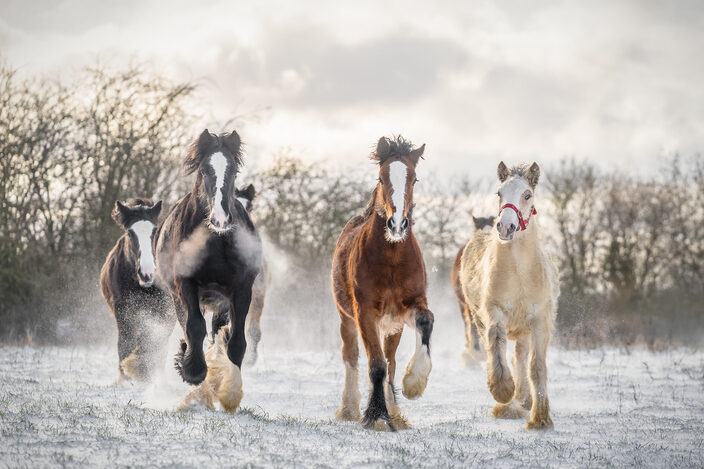
Horses look especially striking in winter fields, standing quietly with thickened coats and steady postures. Steam rises from their breath as they move slowly through frost. There is calm strength in their presence. Horses seem to understand winter as a time for patience rather than urgency. Their routines continue, just at a gentler pace. Watching them feels grounding. They remind us that strength does not always look fast or loud. Sometimes it is quiet endurance. Winter feels less demanding when we allow ourselves to move with steady purpose instead of rushing against the season.
12. Crows
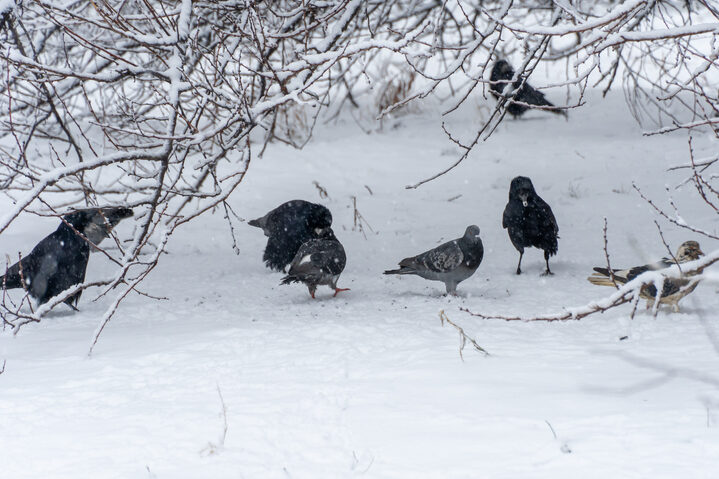
Crows become more noticeable in winter, gathering in groups on bare branches. Their intelligence feels amplified against quiet skies. They watch human activity closely, adapting easily to changes in the environment. Crows find food, shelter, and opportunity even in cold conditions. Their presence adds depth to winter landscapes. They remind us that awareness and adaptability matter. Winter does not defeat those who observe and adjust. Crows seem to understand cycles, knowing this season will pass. Watching them encourages patience and perspective, reminding us that winter is part of a larger rhythm rather than an ending.
13. Sheep
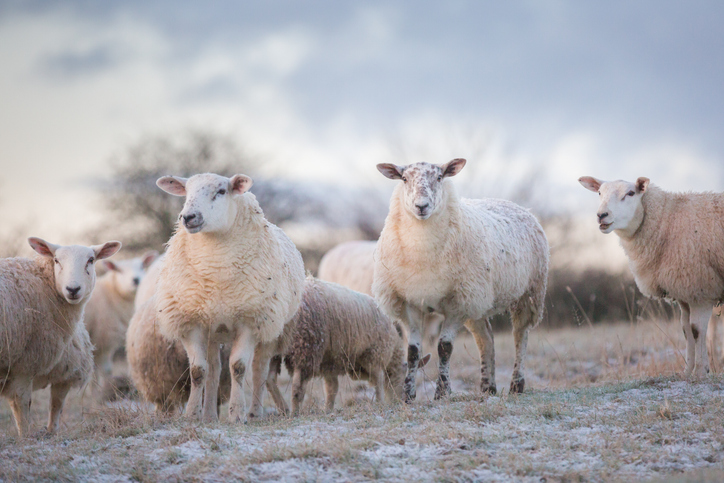
Sheep appear perfectly prepared for winter, standing in open fields with thick wool coats that shield them from cold. Snow often rests on their backs without bothering them. They move slowly, staying close together, grazing calmly. Their presence feels peaceful and reassuring. Sheep remind us that preparation can be quiet and natural. They carry what they need without excess. Watching them encourages trust in what already exists. Winter does not always demand more effort, sometimes it asks us to rely on what we have built over time. Sheep reflect the comfort of readiness and gentle endurance.
14. Goats
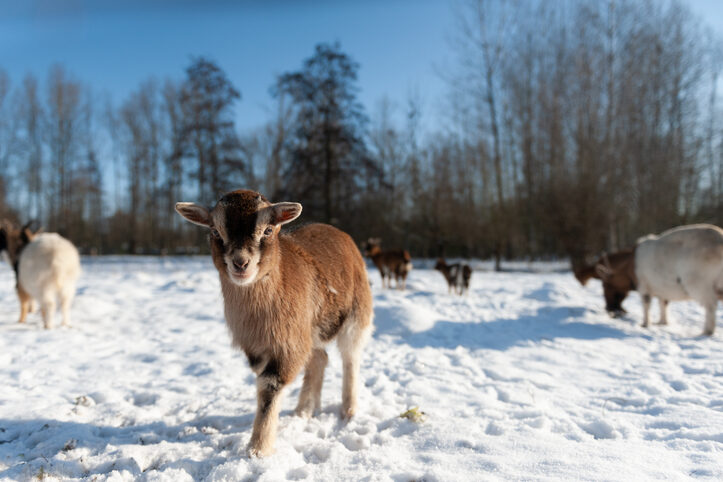
Goats handle winter with a quiet confidence that feels reassuring. You often see them standing firm on hillsides or icy ground, balanced and alert. They move carefully but without fear, trusting their footing even when conditions look challenging. Goats do not rush winter, and they do not fight it either. They simply adjust and continue. Watching them feels like a reminder that progress does not always mean speed. Sometimes it means steadiness. In a season that can feel uncertain, goats show us how to stay grounded, move thoughtfully, and trust ourselves through colder, slower days.
15. Moose
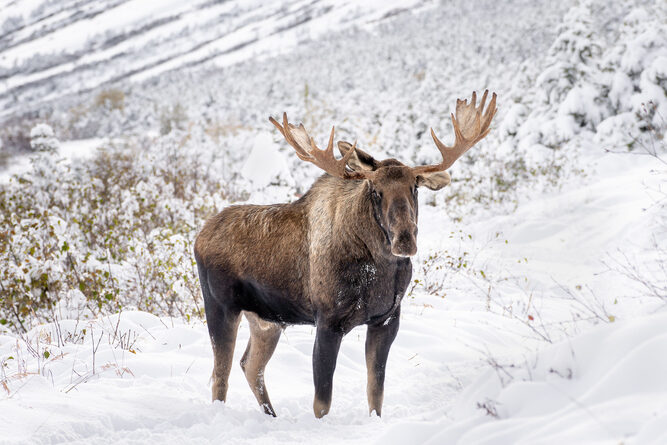
Winter often brings moose closer to roads and open spaces. Their size alone commands attention, causing people to slow down and observe carefully. Moose move through snow with ease, built for cold landscapes and deep drifts. Seeing one feels powerful and humbling at the same time. They remind us that winter belongs to nature as much as it belongs to us. These encounters encourage patience and respect, especially during busy travel seasons. Moose do not hurry, and they do not yield easily. Their presence teaches us to pause, notice, and share space thoughtfully during winter’s slower rhythm.
16. Elk
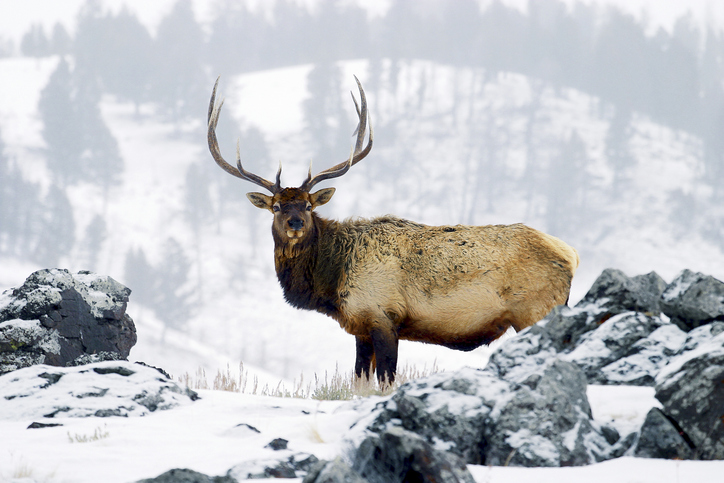
Elk gather more visibly in winter, traveling in groups across open valleys and snowy fields. Their movements feel purposeful and calm, shaped by shared instinct. Watching them move together highlights the importance of community during harsh seasons. They stay close, protect one another, and conserve energy. Elk remind us that winter survival often depends on cooperation. Their presence feels grounding, especially during the holidays when togetherness matters most. Seeing elk move as one encourages reflection on how shared strength helps everyone endure. Winter feels less heavy when carried collectively, and elk embody that quiet truth beautifully.
17. Seals
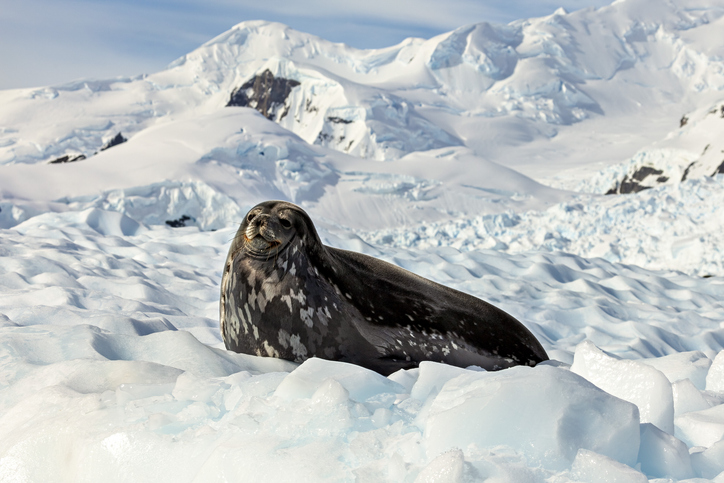
In colder months, seals become familiar sights along icy coastlines. They rest calmly on shorelines or float quietly in frigid water, appearing completely at ease. Their comfort in cold environments feels almost surprising. Seals move only when necessary, conserving energy and trusting their bodies. Watching them feels peaceful and grounding. They remind us that rest is not laziness but survival. Winter often asks us to slow down, and seals seem to understand that instinctively. Their calm presence encourages acceptance of the season, showing that ease can exist even in cold, challenging conditions.
18. Penguins
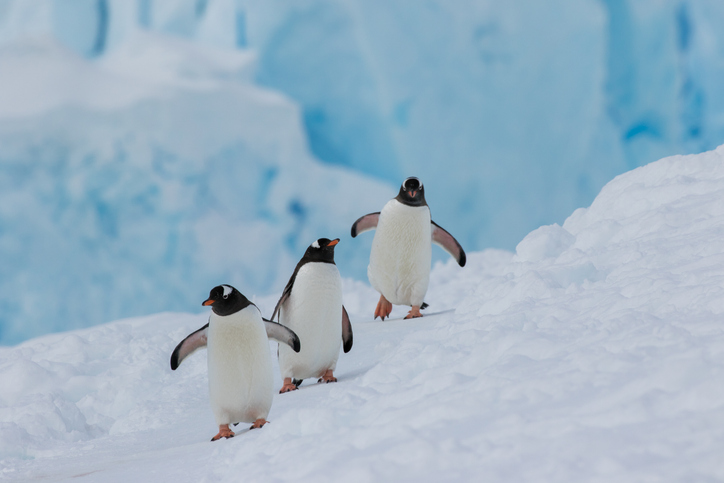
Even if we never see penguins in person, winter brings them everywhere else. They appear in decorations, stories, and holiday screens, becoming symbols of cold weather charm. Penguins represent resilience and cooperation, surviving harsh climates by staying close together. Their popularity during winter feels natural. They mirror how people gather for warmth, connection, and shared moments during colder months. Penguins remind us that winter is easier when faced together. Their presence in seasonal imagery reflects our desire for togetherness, comfort, and humor during long nights and chilly days filled with familiar traditions.
19. Reindeer
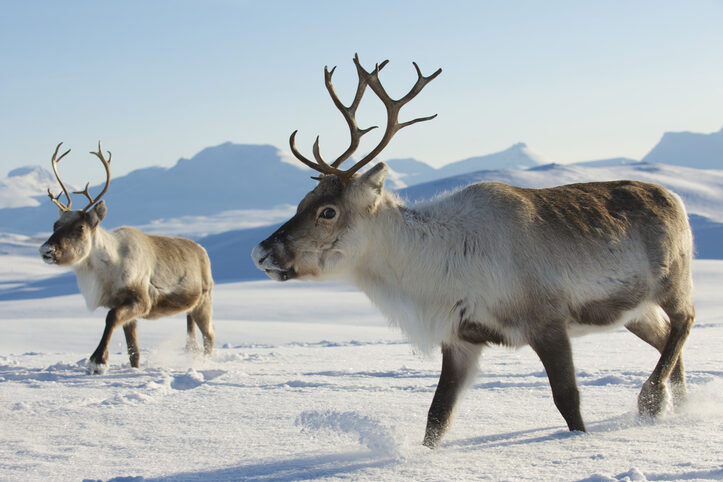
Reindeer may not walk through our neighborhoods, but winter makes them feel close through stories and traditions. They appear in songs, decorations, and childhood memories tied to the holidays. Reindeer connect winter to imagination, blending nature with celebration. Their presence feels comforting and familiar, even symbolic. They remind us that winter is not only about weather, but about shared stories passed down over time. Reindeer represent movement, hope, and tradition during the darkest months. They quietly anchor festive moments, reminding us how storytelling helps carry warmth and meaning through the coldest parts of the year.
20. Polar Bears
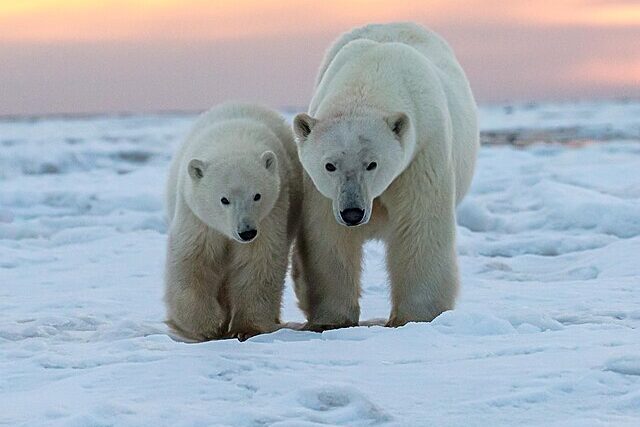
Polar bears often appear in winter imagery, symbolizing survival in extreme cold. Though far away, their presence in stories and visuals connects us to distant icy worlds. Polar bears remind us of balance, strength, and adaptation. Winter brings their image forward, encouraging reflection on resilience and respect for nature. They move through frozen landscapes with patience and purpose. Thinking about polar bears during winter expands our sense of the season beyond our immediate surroundings. They quietly remind us that winter exists in many forms, each demanding care, awareness, and understanding from those who share the planet.
21. Swans
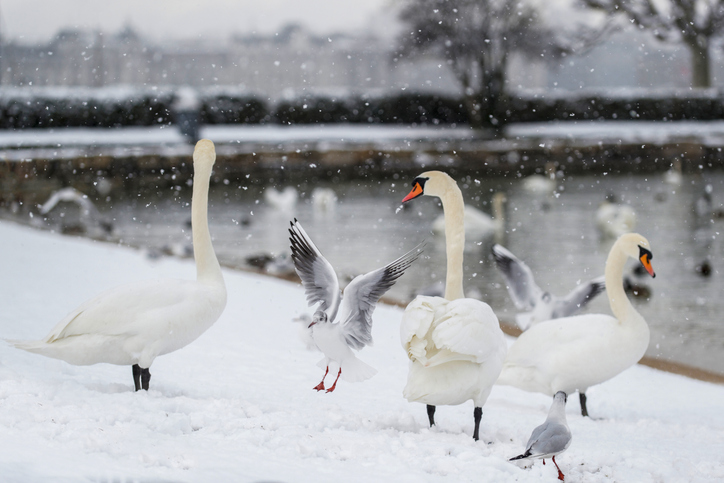
Swans look especially graceful in winter, gliding across cold water with slow, steady movements. Their white feathers blend softly into snowy surroundings, creating calm scenes that feel timeless. Watching swans feels soothing, like winter itself has paused. They move together without hurry, unbothered by icy conditions. Swans remind us that elegance does not disappear in harsh seasons. It adapts. Their presence encourages stillness and appreciation during busy winter days. Swans show us that moving gently through winter can be powerful, offering quiet beauty without effort or urgency.
22. Geese
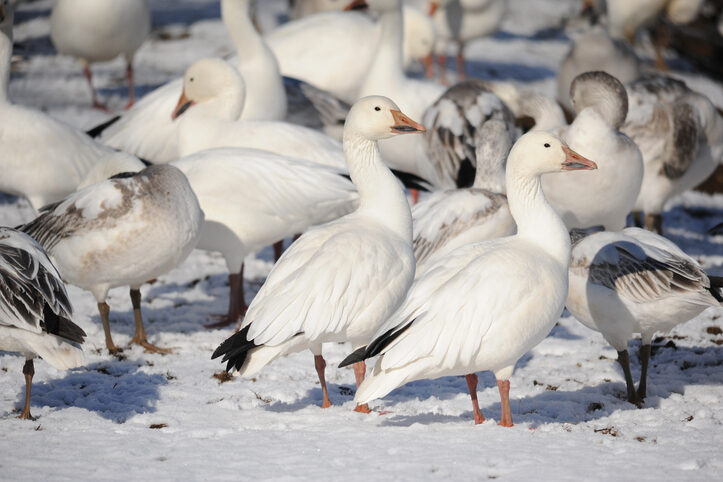
The sound of geese overhead is a familiar winter signal. Their calls echo through cold skies as they fly in formation, moving with purpose. Watching them reminds us of seasonal cycles and transitions. Geese know when to move and when to rest, guided by instinct rather than pressure. Their winter flights feel intentional and calm. They remind us that change is natural and necessary. Winter, like migration, is part of a larger journey. Geese encourage trust in timing, patience during movement, and confidence that each season serves its purpose before giving way to the next.
23. Alpacas
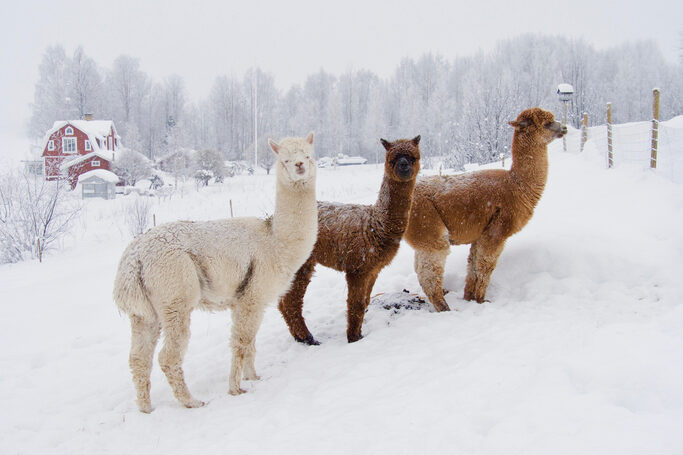
Alpacas appear especially cozy in winter, their thick coats offering natural protection against cold air. Seeing them in snowy fields feels comforting, almost reassuring. They move calmly, unbothered by frost, trusting the warmth they carry. Alpacas remind us that preparation does not have to be complicated. Sometimes it is simply about having what you need when the season arrives. Their quiet presence reflects ease rather than struggle. Watching them encourages us to trust our own layers, routines, and support systems, reminding us that winter is easier when we feel properly equipped.
24. Cattle
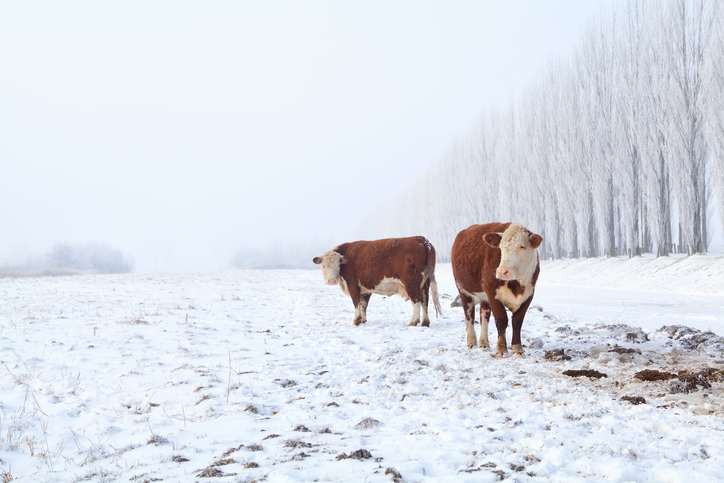
Cattle stand quietly in winter fields, sturdy and unhurried. Their calm presence feels grounding, especially in rural landscapes blanketed by frost. They move less and rest more, conserving energy as the cold settles in. Cattle remind us that winter does not demand constant action. Sometimes endurance looks like patience. Their steady behavior reflects acceptance rather than resistance. Watching them encourages a slower pace, reminding us that waiting can be productive. Winter often asks for restraint and care, and cattle embody that lesson gently, showing how stillness can be a form of strength.
25. Bison
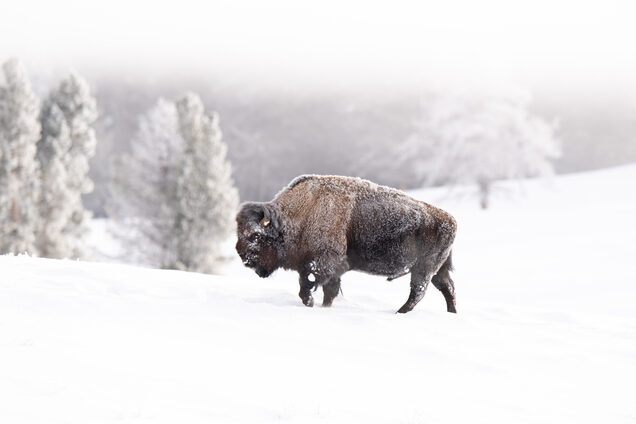
Bison are built for winter, moving through snowstorms with steady determination. Their strength feels ancient, rooted in survival across generations. Winter images often show them pushing forward against wind and snow, unshaken. Bison remind us that resilience does not always look graceful. Sometimes it looks stubborn and steady. They face winter head on without panic. Watching them encourages courage during difficult seasons. Bison show us that progress can happen even when conditions are harsh. Winter does not stop movement, it reshapes it, and bison move forward with quiet resolve.
26. Chickens
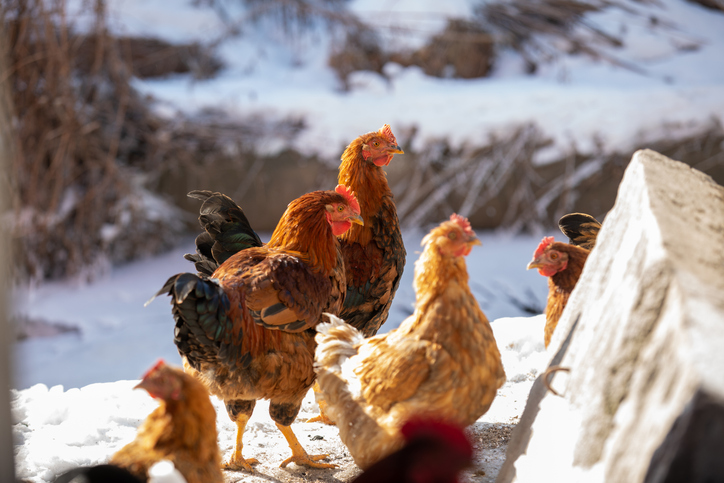
Backyard chickens remain present in winter, huddling together for warmth. Their feathers puff up as they step carefully across frozen ground. Chickens rely on closeness and routine to get through colder days. Watching them feels homely and familiar, especially in quiet mornings. They remind us that small adjustments make a difference. Staying close, conserving energy, and maintaining routine can carry us through winter. Chickens do not overcomplicate survival. Their presence encourages simplicity and consistency, showing that winter living does not require perfection, just attentiveness and shared warmth.
27. Fish
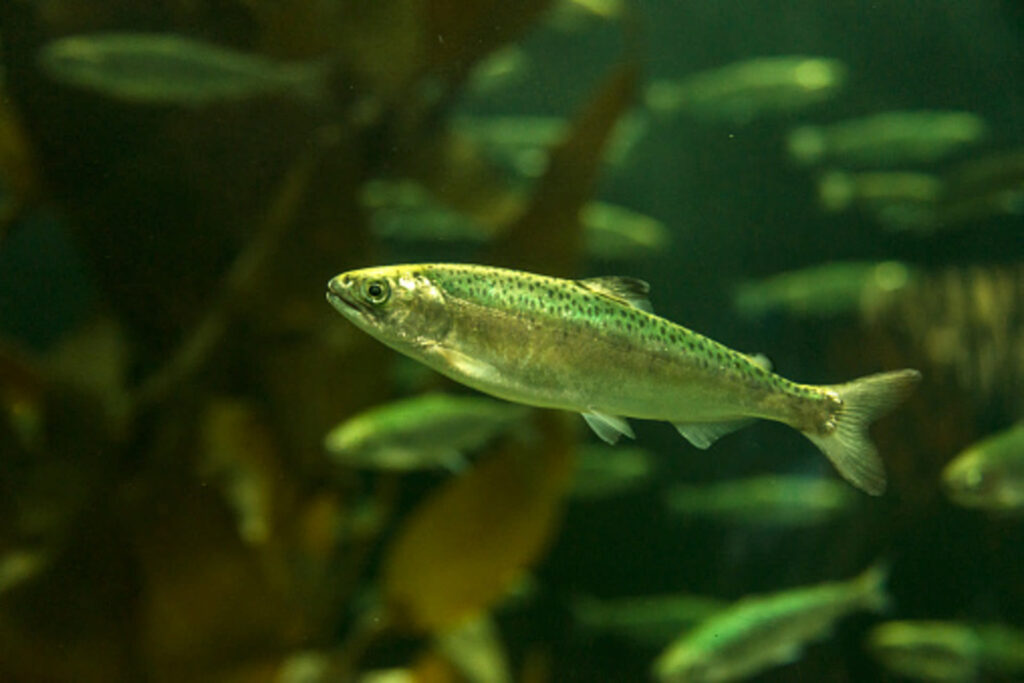
Though hidden from view, fish remain active beneath frozen lakes and ponds. Winter covers their movement, but life continues quietly below the surface. This unseen activity feels symbolic. Stillness above does not mean absence below. Fish remind us that growth and motion can happen without visibility. Winter often works this way, appearing slow while deeper processes continue. Thinking about fish beneath the ice encourages patience and trust. Just because progress is hidden does not mean it has stopped. Winter teaches us to respect what we cannot always see.
28. Arctic Hares
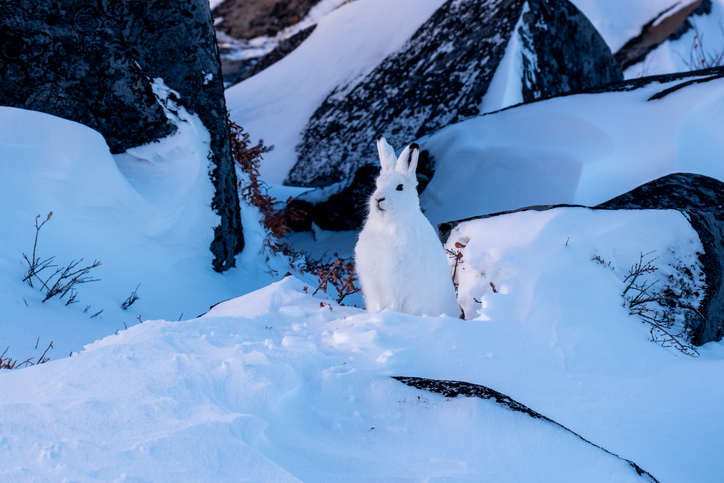
Arctic hares seem to blend perfectly into winter landscapes, their white coats disappearing against snow covered ground. Seeing one feels like spotting movement inside stillness. They move quickly when needed, but most of the time they stay low and alert, conserving energy. Arctic hares survive winter through awareness and adaptation rather than force. They rely on sharp senses, strong legs, and patience. Watching them reminds us that winter rewards those who listen closely to their surroundings. Arctic hares do not fight the cold, they adjust to it, showing how quiet flexibility can carry life through the hardest season successfully together.


