
1. The Intern Everyone Suddenly Knew
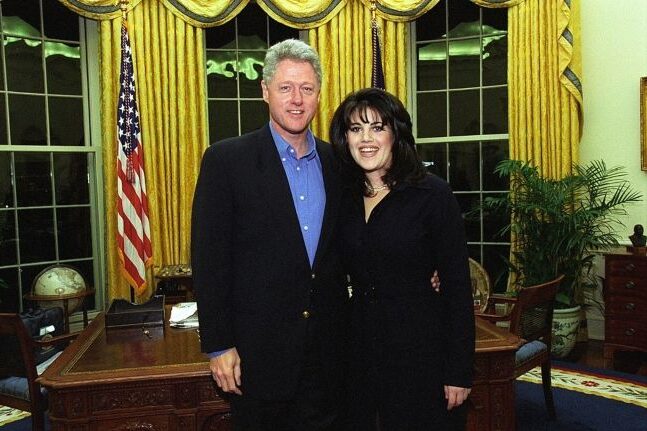
At the time, it felt like the whole country learned a stranger’s name overnight. This story begins the way many public pile ons do, with a private situation becoming a national obsession before anyone fully understood the human cost. Monica Lewinsky was a young White House intern when her relationship with President Bill Clinton exploded into headlines in the late 1990s. Overnight, she became shorthand for scandal, jokes, and moral arguments that played out on television screens and late night stages. People debated her choices as if she were a character, not a person waking up to cameras, criticism, and strangers deciding who she was. For many readers, this was the first time it became clear how fast the news cycle could flatten someone’s identity.
What followed stayed with her long after the headlines cooled. Lewinsky disappeared from public life for years, carrying the weight of being known for one thing she never controlled the narrative around. When she eventually reemerged, she spoke openly about shame, survival, and reclaiming her voice in a culture that rarely grants forgiveness. Her later advocacy against public shaming reframed the story for many who had grown older and more reflective themselves. Looking back now, her experience feels like an early warning about how cruel attention can be, and how long its echo lasts when the cameras move on but the name never quite does.
2. The Man With The Sweater
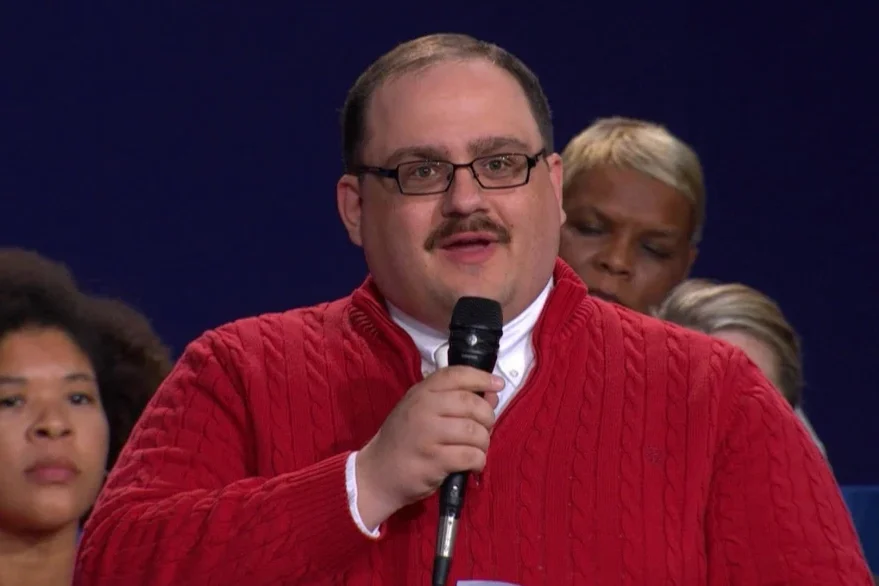
Some people stumble into the spotlight without meaning to, and Ken Bone is a perfect example of how randomness works in modern media. During the 2016 US presidential debate, he stood up to ask a question about energy policy, wearing a red sweater that quickly became more famous than the question itself. Within hours, social media crowned him America’s wholesome everyman. Memes multiplied, interviews followed, and strangers projected kindness and decency onto a man they had just met through a screen. For a brief moment, he represented a calmer version of public discourse people desperately wanted to believe still existed.
That moment did not last long. As internet fame often does, the affection turned into scrutiny, then mockery, then fatigue. Old online comments were dug up, enthusiasm cooled, and Bone found himself managing attention he never asked for. He later spoke about how overwhelming it felt to become a symbol instead of a person. His story remains a reminder that viral fame rarely comes with instructions or protection. One day you are asking a civic question, the next you are a reference point for an entire election cycle you never intended to carry.
3. The Neighbor With The Video
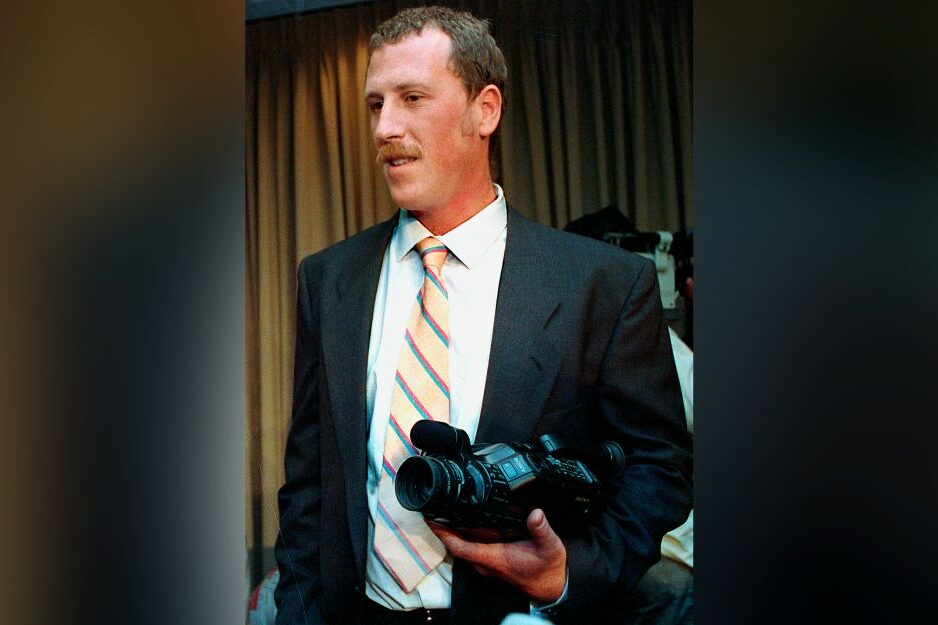
Sometimes history shifts because someone presses record, and George Holliday did exactly that without knowing how much it would matter. In 1991, he filmed Los Angeles police officers beating Rodney King from his apartment balcony. The footage was shocking, raw, and impossible to ignore. When it aired on television, it forced millions of Americans to confront police brutality in a way that written reports never had. Holliday became known as the man behind the tape, even though he never set out to become a public figure or activist.
The attention that followed was complicated. While many praised his courage, others blamed him for the unrest that followed, including the Los Angeles riots after the officers were acquitted. Holliday struggled with being attached to an event far bigger than himself, one that sparked conversations and anger across the country. His experience highlights how witnesses can become characters in a national story, carrying praise and blame in equal measure. Long after the video became historical evidence, his name remained tied to a moment that changed how America talked about policing and accountability.
4. The Whistle That Changed Sports
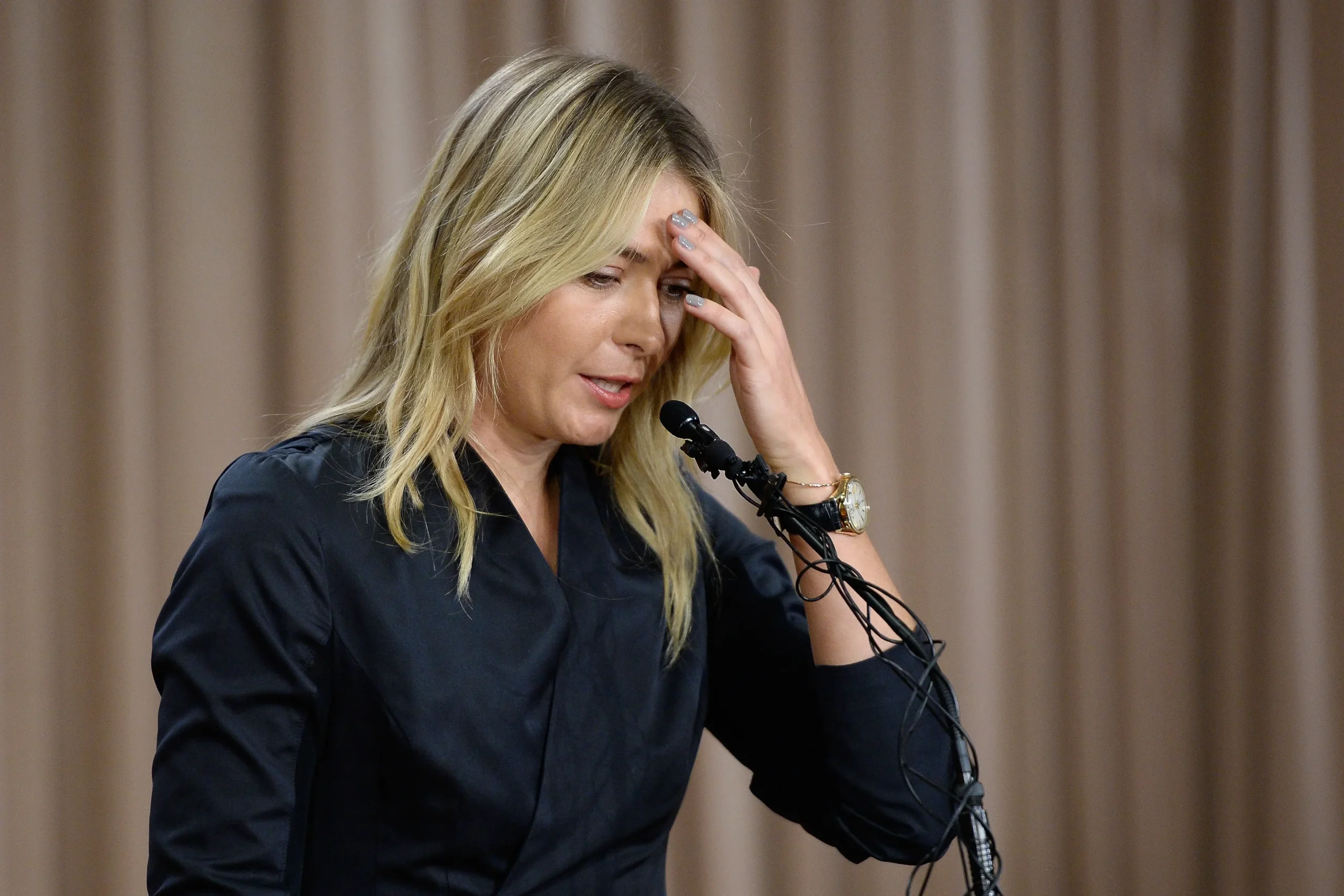
For years, Maria Sharapova was known for dominance, endorsements, and a carefully polished public image. Then, in 2016, she announced she had failed a drug test after using a substance newly banned by tennis authorities. The confession was immediate and public, and so was the reaction. Fans felt disappointed, critics felt vindicated, and the sports world debated intent versus responsibility. Sharapova became the face of a doping conversation that often leaves little room for nuance once headlines take over.
Her suspension sidelined her career and altered how she was perceived, regardless of her return to competition. What made her case linger was how it blurred lines between error and ethics in elite sports. She accepted consequences, spoke about oversight, and attempted a comeback under a changed spotlight. Even now, her name carries an asterisk in public memory, proof of how one announcement can permanently reshape a legacy. Her story sits at the intersection of excellence and expectation, reminding audiences how unforgiving sports narratives can be once perfection cracks.
5. The Passenger Who Would Not Sit

In 2017, a routine flight turned into an international headline when video showed Dr. David Dao being forcibly removed from a United Airlines plane. The footage spread rapidly, sparking outrage, boycotts, and debates about corporate power and passenger rights. Dao became the unwilling symbol of how badly customer service could go wrong, his bloodied face replayed across screens as viewers reacted in real time.
For Dao, the aftermath was quiet and deeply personal. He avoided public commentary, reached a settlement, and returned to private life while the airline rewrote policies and issued apologies. His story resonates because it showed how ordinary people can become rallying points for larger frustrations. Many travelers saw themselves in that seat, vulnerable to decisions made without compassion. The incident remains a reference point whenever airline policies are questioned, and Dao’s brief, painful visibility reshaped how companies think about accountability in the age of smartphones.
6. The Student At The Center Of It All
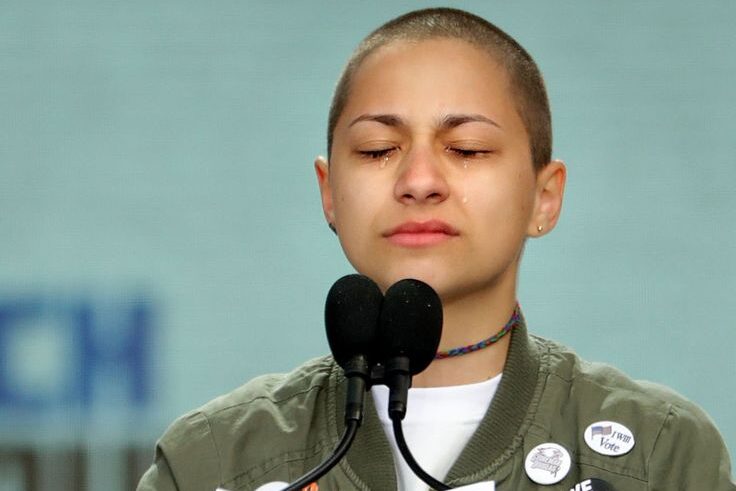
Emma González was a high school student when a mass shooting at her school changed her life and the national conversation around gun violence. Her speech at a rally shortly after the tragedy was raw, emotional, and unforgettable. She spoke as someone grieving, not performing, and millions listened. Almost overnight, she became a leading voice in a movement, praised for courage and criticized for speaking at all.
The attention was relentless. González faced online harassment, conspiracy theories, and constant scrutiny, all while still processing trauma. She continued advocating, co founding youth led organizations and urging voters to pay attention. Her story illustrates how young people can be pushed into leadership roles by circumstance, not ambition. While she never asked to be that person in the news, her presence shifted expectations around youth activism. She remains a reminder that public figures are often born from moments of crisis, not personal choice.
7. The CEO With The Statement

When the Deepwater Horizon oil spill devastated the Gulf of Mexico in 2010, Tony Hayward became the face of BP’s response. His comments during interviews, particularly remarks about wanting his life back, struck many as tone deaf while communities suffered. In moments of crisis, words matter, and his did more damage than he likely imagined. Hayward quickly transformed from executive to example of how not to communicate during disaster.
Public anger grew as oil spread and livelihoods vanished. Hayward eventually stepped down, but his name stayed linked to corporate missteps and human disconnect. His experience shows how leaders can become symbols, not just decision makers, during national emergencies. Even years later, his story surfaces in discussions about crisis management. It stands as a lesson in empathy, timing, and the permanent record created when microphones are always on.
8. The Athlete Who Took A Knee
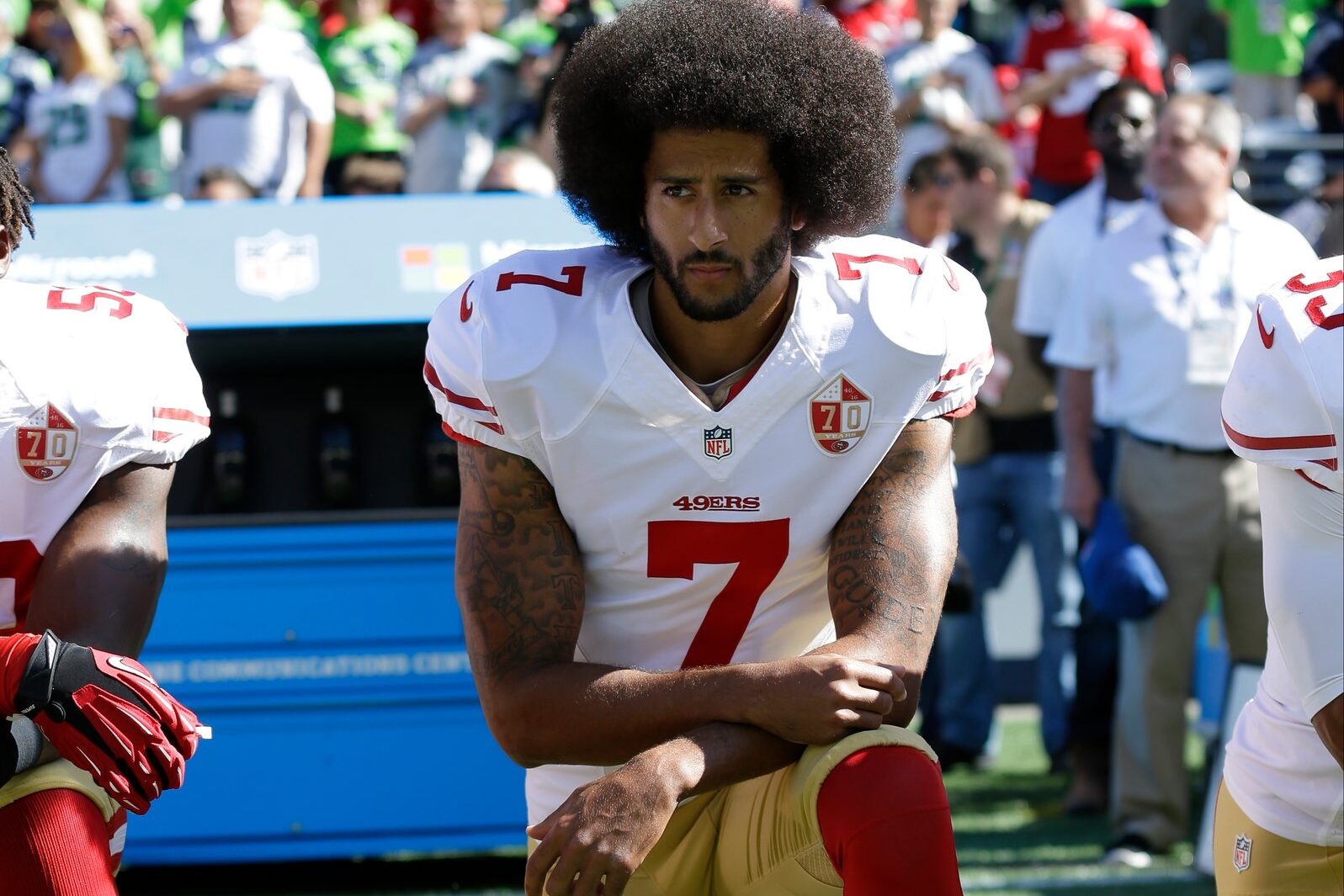
Colin Kaepernick was already a known NFL quarterback when he chose to kneel during the national anthem to protest racial injustice. What followed was swift and polarizing. Supporters saw courage and conscience, critics saw disrespect, and the debate spilled far beyond sports. Kaepernick became a lightning rod for conversations many Americans were already struggling to have.
The personal cost was high. He did not return to the NFL, even as his protest reshaped league policies and public awareness. Over time, his stance influenced athletes across sports and countries. Kaepernick’s story reflects how taking a visible stand can redefine a career, sometimes closing doors while opening others. He remains a cultural reference point, not just for what he did on the field, but for the moment he decided silence was no longer an option.
9. The Scientist In The Briefing Room
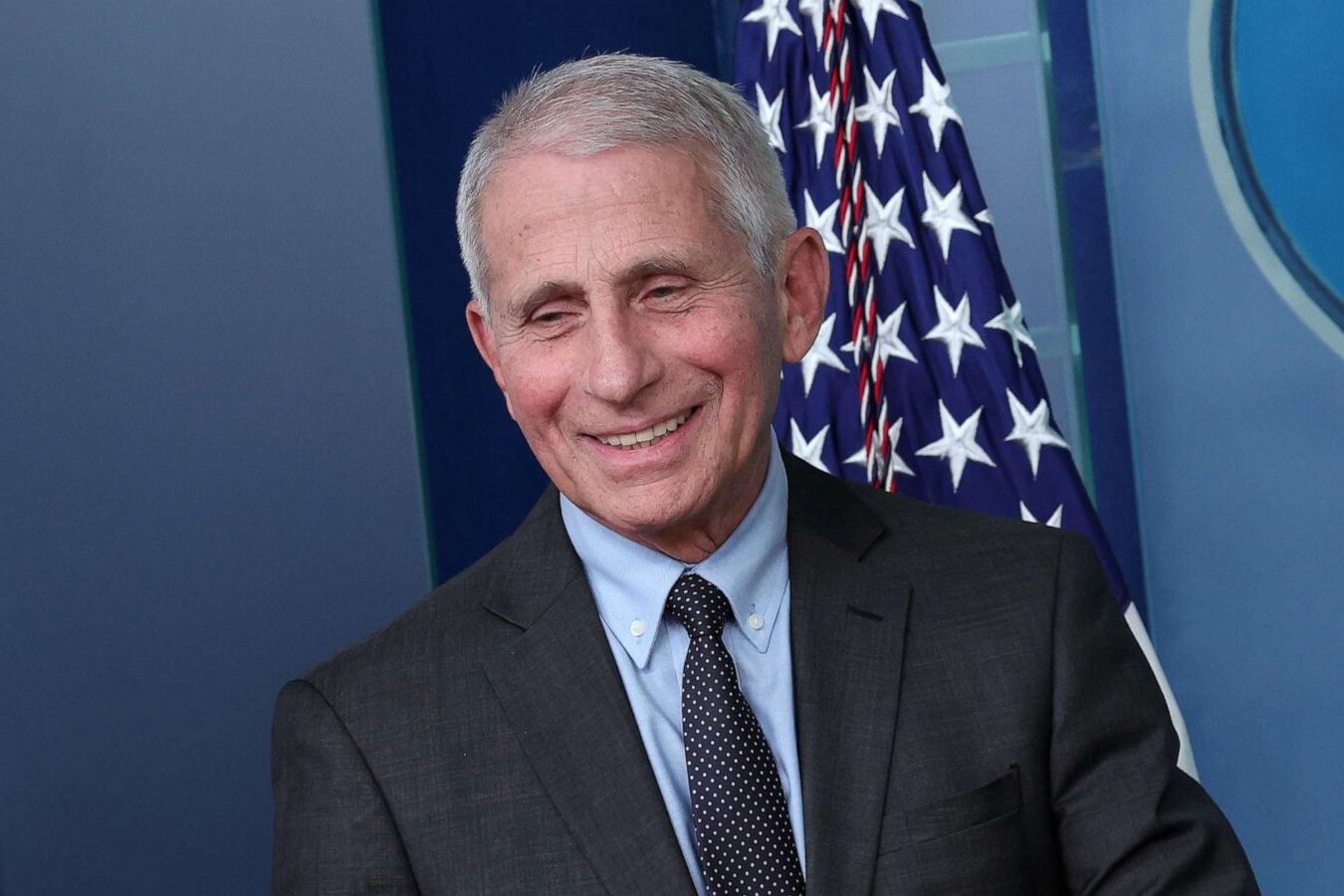
Dr. Anthony Fauci had spent decades working quietly in public health before the COVID 19 pandemic pushed him into daily briefings and prime time visibility. Suddenly, he was everywhere, explaining evolving science to a frightened public. For many, he became a trusted guide. For others, a target of anger and misinformation. Few scientists are prepared for celebrity, especially when lives and politics collide.
Fauci navigated praise and hostility while emphasizing uncertainty and data, often in an environment that demanded certainty. His experience highlights how expertise can be both valued and attacked when fear runs high. Long after the emergency phase passed, his role remained debated. Yet his presence during that period underscored the human side of science communication, where clarity, patience, and resilience are tested under relentless pressure.
10. The Teen With The Silent Stare

In 2019, a short video clip showed teenager Nicholas Sandmann standing face to face with a Native American elder during a protest in Washington. The image spread quickly, framed by assumptions that fueled outrage across social media. Sandmann became a symbol before context emerged, his expression interpreted as hostility by millions who had never met him.
As longer footage surfaced, the narrative shifted, and legal actions followed. Sandmann spoke about the shock of being judged globally while still a minor. His story serves as a quiet warning about how quickly conclusions form online and how slowly corrections travel. It also closes this list with a broader reflection. Many of the people above did not seek attention, yet they carry it forever. As readers, pausing before judgment might be the simplest way to resist turning the next person into that person. If this list stirred recognition, share it, sit with it, and read the next headline a little more gently.
11. The Governor Who Spoke Too Soon
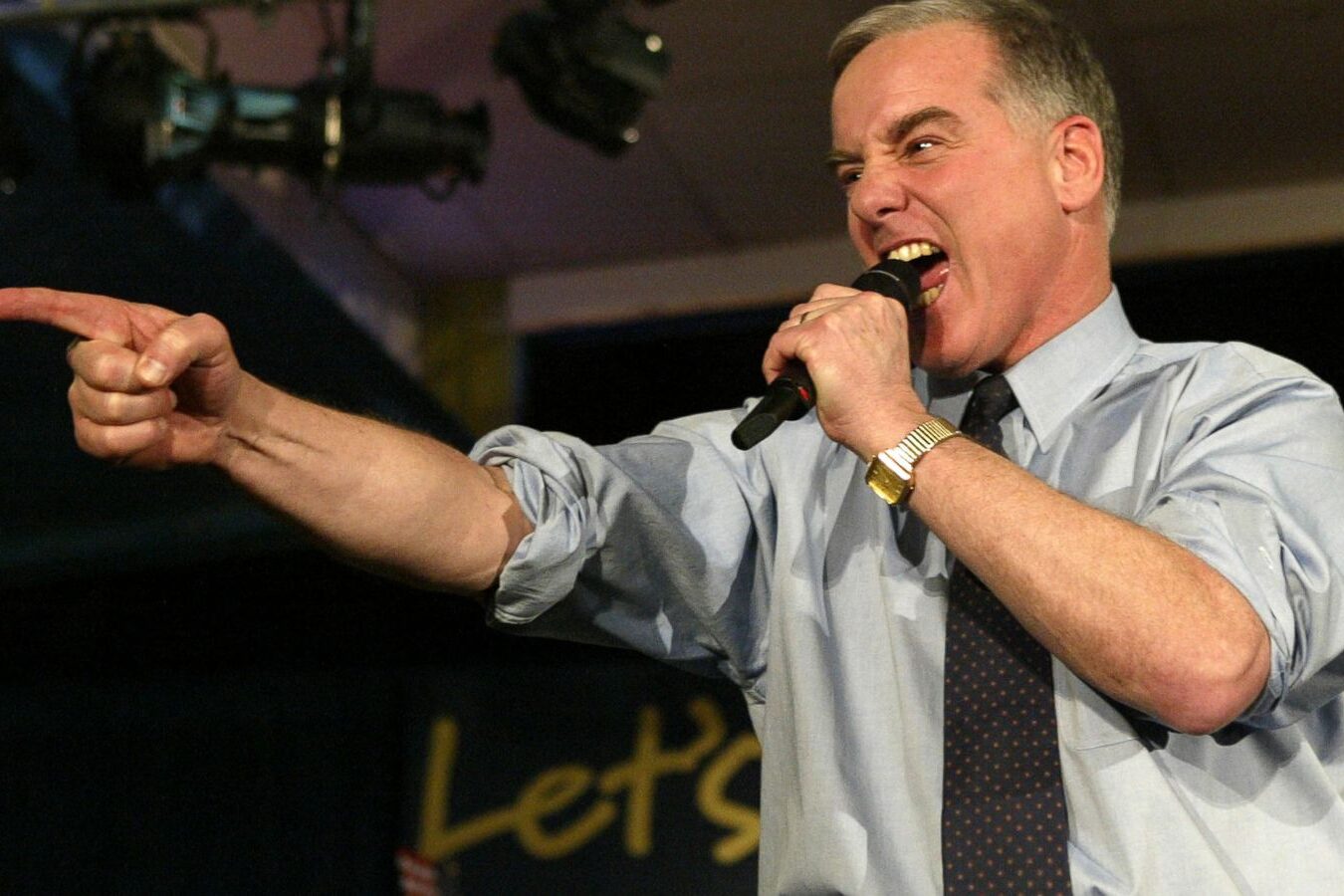
By the time most people heard Howard Dean’s name, it was attached to a single moment that played on repeat. During the 2004 Democratic primaries, Dean delivered an energetic rally speech that ended with a loud, unguarded yell. In the room, it felt like momentum. On television, it looked strange, exaggerated, and easy to mock. News networks looped the clip endlessly, stripping away context and replacing policy discussions with laughter. Almost overnight, Dean became the candidate people referenced when talking about losing composure, even though his campaign had been serious and competitive up to that point. It was one of the earliest examples of how media repetition could shrink a complex person into a punchline before viewers even realized it was happening.
The fallout was swift and permanent. Donors pulled back, poll numbers dipped, and Dean’s campaign never recovered. Years later, he reflected on how surreal it felt to watch one soundbite undo months of work. His story still circulates in political circles as a cautionary tale about optics in the television age. Looking back now, the moment feels almost harmless compared to modern scandals, but its impact was real. Dean did not disappear from public service, yet that single clip followed him like a shadow, reminding candidates that perception often matters more than intention.
12. The Actor Who Slapped The Stage
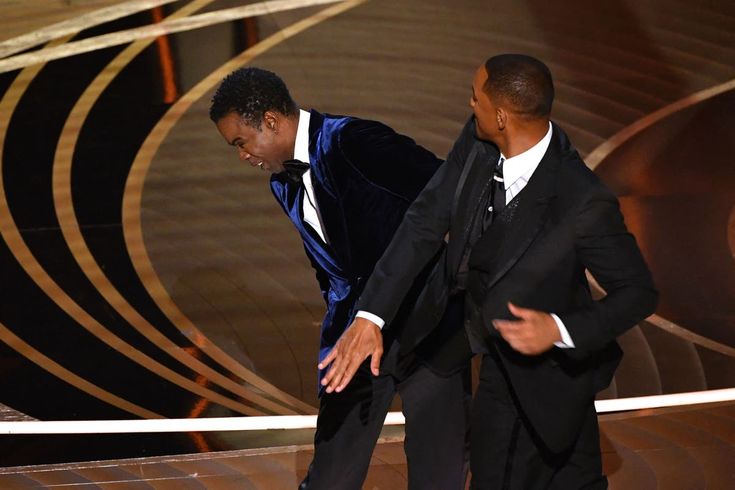
Will Smith had spent decades building a reputation as reliable, charismatic, and carefully managed. Then, during the 2022 Academy Awards, he walked onto the stage and slapped comedian Chris Rock after a joke about his wife. The moment stunned viewers around the world. Within minutes, celebration turned into shock, and Smith became the center of debates about violence, respect, and pressure. His career, once defined by consistency, was suddenly reduced to a single action replayed endlessly across screens.
The aftermath was complicated and deeply public. Smith apologized, resigned from the Academy, and stepped away from projects as opinions hardened. Some saw accountability, others saw hypocrisy, and many felt conflicted. His story resonated because it revealed how even polished public figures can crack under emotional weight. The incident did not erase his body of work, but it permanently altered how audiences see him. It stands as a reminder that fame does not shield anyone from human reactions, and that recovery from public mistakes happens slowly, if at all.
13. The CEO Who Missed The Moment
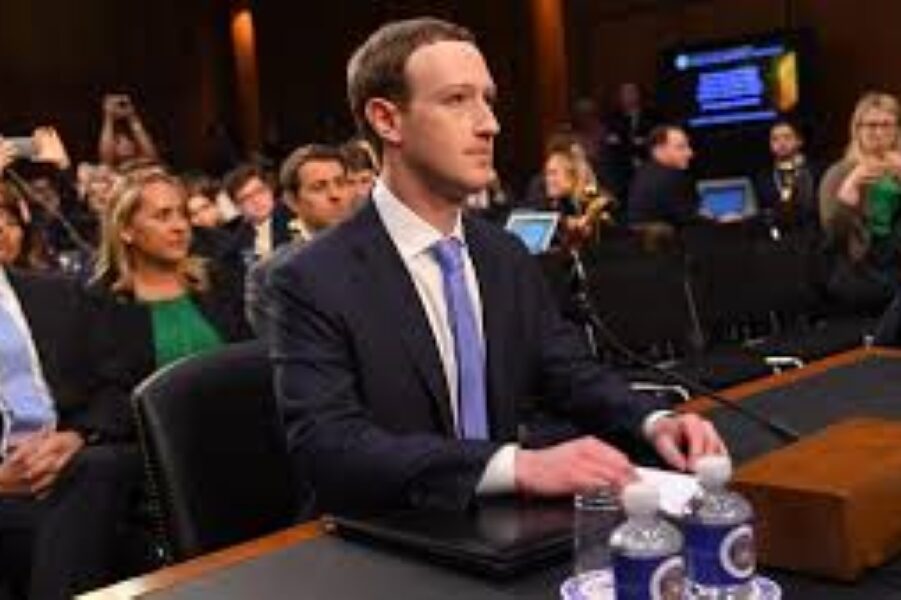
Mark Zuckerberg was already one of the most recognizable executives in the world when Facebook faced repeated scrutiny over data privacy. During congressional hearings, his stiff delivery and scripted answers became memes, overshadowing the seriousness of the issues at hand. Viewers focused on posture, expressions, and phrasing, turning oversight into spectacle. Zuckerberg became the face of Big Tech accountability, whether he welcomed that role or not.
While policy changes followed, public trust remained fragile. Zuckerberg’s experience illustrates how leaders can lose control of narratives when communication feels disconnected. His story lingers because it marked a shift in how tech companies are questioned, not as innovators, but as power holders. Even now, images from those hearings resurface whenever platform ethics are discussed. It reminds audiences that leadership today requires more than innovation. It requires visible understanding of impact, especially when billions of users are watching.
14. The Neighbor With The Doorbell Camera

A walk through Central Park became international news when Amy Cooper was recorded calling police during a dispute with a bird watcher. The video spread rapidly, framed as a clear example of racial bias. Within hours, Cooper lost her job and became a symbol of privilege weaponized through authority. Public reaction was swift, decisive, and unforgiving.
Later discussions added nuance, but the initial narrative had already settled. Cooper’s story demonstrates how video can freeze moments in ways that leave little room for growth or explanation. It also sparked necessary conversations about race, fear, and power. Still, her experience raises questions about proportional consequences and public judgment. The incident remains a reference point whenever similar videos emerge. It asks whether accountability and permanence must always come together, or if society can learn without destroying.
15. The Student Who Asked The Question

Public forums often invite participation, but not all questions are received equally. In a widely shared clip, Ashley Judd challenged political leaders with emotional intensity that divided viewers. Some praised her passion, others dismissed her tone. The moment became less about the question and more about her delivery, a familiar pattern for outspoken figures.
The reaction highlighted how quickly conversations shift from substance to style. Judd continued her advocacy, but that clip followed her, resurfacing whenever discourse around activism flared. Her story fits a broader pattern where those who speak up become defined by a single moment rather than sustained effort. It reminds audiences that courage and criticism often arrive together, especially when public platforms magnify every word.
16. The Comedian Who Crossed A Line
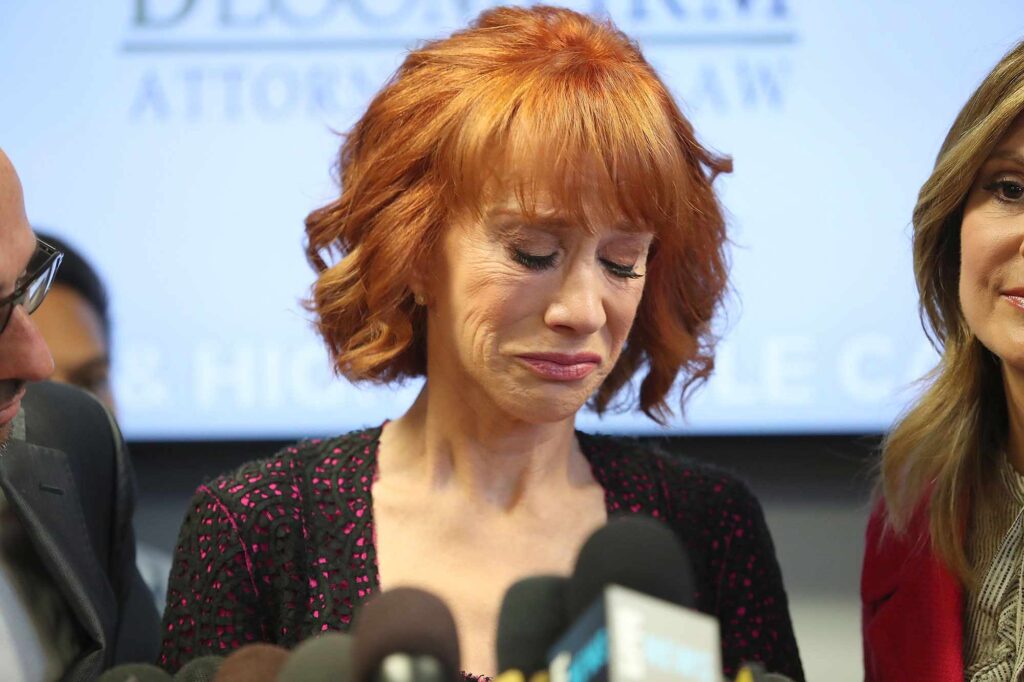
Kathy Griffin built a career on provocation, but one photo changed how the public viewed her. When she posed holding a prop resembling a severed head of President Donald Trump, backlash was immediate and fierce. Networks cut ties, tours were canceled, and condemnation came from all sides. Griffin became a warning example about satire limits in a polarized climate.
She later described the aftermath as isolating and frightening, including investigations and threats. Her experience underscores how intent does not always protect against consequence. While some defended artistic expression, others felt the image crossed an irreversible boundary. The story lingers because it sits at the uneasy intersection of comedy, politics, and responsibility. It shows how quickly shock can eclipse years of work.
17. The Judge With The Gavel
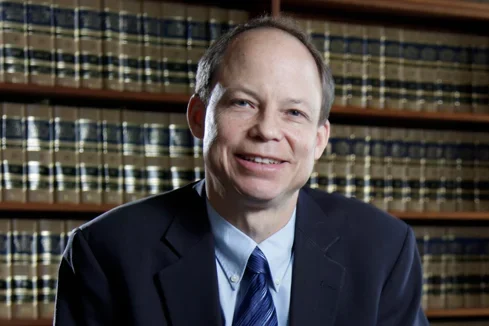
Judge Aaron Persky became nationally known after sentencing Brock Turner to six months in jail for sexual assault. Many viewed the punishment as lenient, sparking outrage and protests. Persky’s name quickly became associated with judicial bias and failure, regardless of broader legal context. He was no longer just a judge, but a symbol of systemic injustice.
Public pressure mounted, leading to his recall in an unprecedented move. Persky later spoke about the experience as deeply painful, though critics felt accountability was overdue. His story illustrates how legal decisions can ignite cultural reckoning. It also shows how public trust in institutions hinges on perception as much as process. Even years later, his case is referenced in discussions about sentencing reform and judicial responsibility.
18. The Actress Who Spoke At The Wrong Time

At first, it felt like another celebrity sharing an opinion online, something audiences had grown used to scrolling past. Gina Carano had built a fan base through action roles and a strong physical presence on screen, and many people followed her casually rather than closely. Then a series of social media posts began circulating, drawing criticism for their tone and historical comparisons. What started as debate quickly hardened into backlash, with screenshots spreading faster than explanations. Carano became known less for her performances and more for what she represented in a polarized cultural moment. For many watching, it felt like another reminder that online spaces no longer separate personal views from professional identity, especially when visibility is high.
The consequences arrived quickly. She was dropped from future projects, statements were issued, and public opinion split sharply. Supporters framed her as unfairly punished, while critics saw accountability finally catching up. Carano herself spoke about feeling misunderstood and sidelined. Her story fits into a growing pattern where public figures discover that platforms amplify everything, not just the parts they intend. Long after the posts faded from timelines, her name remained attached to the controversy. It became one more example of how quickly a career can pivot when expression, interpretation, and audience collide without pause.
19. The Kid In The Viral Photo

Some people become famous before they even understand what fame is. Sammy Griner was just a toddler when his clenched fist beach photo became the Success Kid meme, spreading across the internet as a symbol of small victories. At the time, it was harmless, even joyful. His face represented winning moments, shared millions of times by strangers who had no idea who he was. For years, his image floated through online culture without much thought given to the real child behind it.
As Sammy grew older, the meme followed him in unexpected ways. His family later shared how that accidental fame helped during a medical fundraiser, giving the story a more grounded meaning. Still, growing up with a globally recognized face carried its own strangeness. His experience reminds readers that even lighthearted internet fame can shape a life in quiet ways. Being that person does not always come from scandal. Sometimes it comes from a single second that resonated with millions, long before the subject had a say in it.
20. The Politician With The Laugh
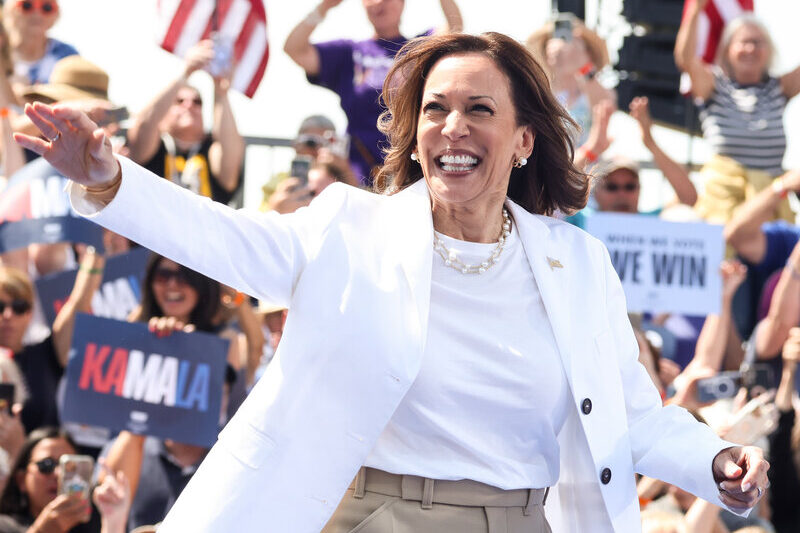
Kamala Harris had already made history multiple times before becoming vice president, but public attention often zeroed in on something far smaller. Her laughter, captured in clips and repeated endlessly, became fodder for commentary that said more about viewers than policy. Supporters saw warmth and confidence. Critics framed it as evasive or awkward. Harris became an example of how women in power are scrutinized differently, with mannerisms dissected as closely as decisions.
Over time, the focus shifted back toward substance, though the jokes never fully disappeared. Harris addressed serious issues while carrying the added burden of constant personal analysis. Her story reflects how being that person in the news does not always stem from wrongdoing. Sometimes it comes from existing in a role where visibility invites projection. The laughter clips remain a footnote, but they reveal how easily narratives form around surface details. In politics, presence alone can turn someone into a talking point, whether they invite it or not.
21. The Athlete Who Stepped Back
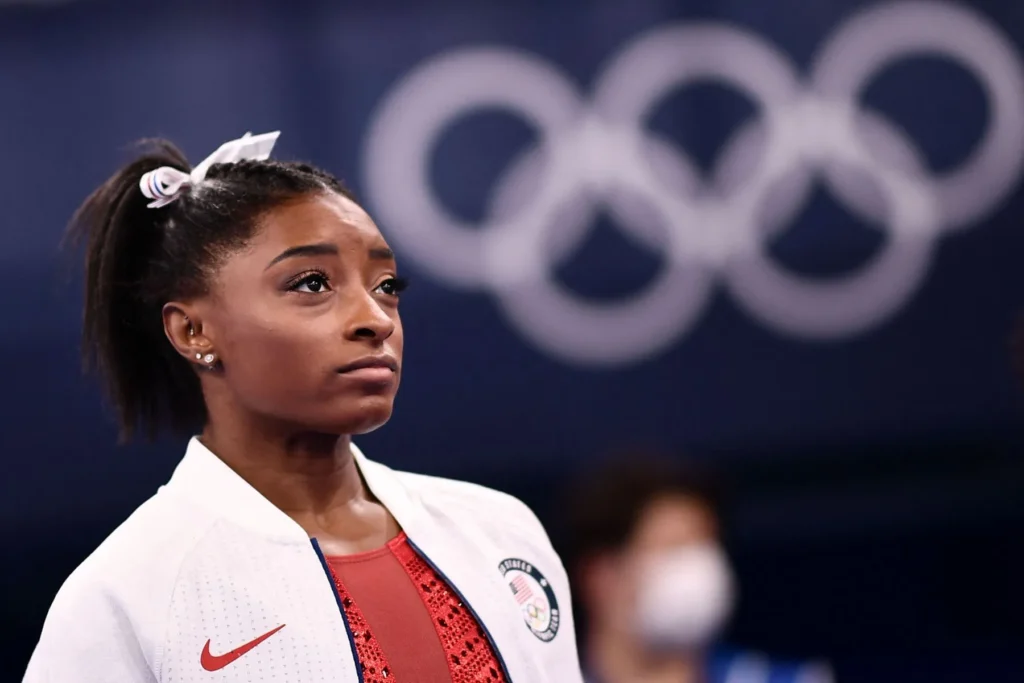
When Simone Biles withdrew from several events at the Tokyo Olympics, the reaction was instant and emotional. Many people were confused, some were disappointed, and others felt protective right away. For years, Biles had been the standard, the gymnast who made impossible routines look calm and controlled. Watching her pause felt unfamiliar, especially in a culture that celebrates pushing through pain. Headlines moved fast, framing her decision as either weakness or bravery depending on who was speaking. In that moment, Biles became more than an athlete. She became a mirror for how people understand pressure, expectation, and success.
What followed changed the conversation more than the medals ever could. Biles explained the mental disorientation she experienced and spoke plainly about safety, fear, and self trust. Many athletes quietly nodded along, recognizing feelings they had never been encouraged to name. While criticism lingered, so did relief for people who finally felt seen. Biles returned later, competing on her own terms, and the world watched differently. Her story settled into something quieter and more lasting. Strength no longer meant ignoring limits. It meant knowing them, respecting them, and choosing yourself even when millions are watching.
22. The Man In The Horns
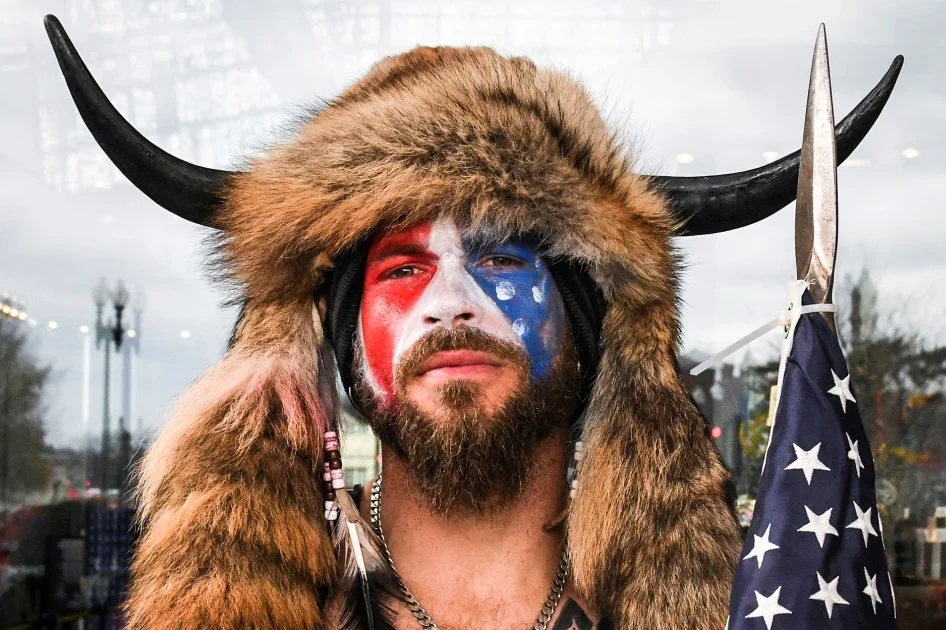
Among the many images from January sixth, one stood out instantly. A man wearing horns and face paint walked through the Capitol as if he belonged there. Jacob Chansley became recognizable before most people knew his name. His appearance traveled faster than explanations, turning him into a symbol almost overnight. For many viewers, he represented confusion, anger, and disbelief all rolled into one image. Conversations focused on how he looked rather than why he was there, and his presence simplified a complex event into something easier to point at.
As time passed, the story deepened. Legal proceedings followed, and more details emerged about belief systems, mental health, and radical influence. Chansley became less of a spectacle and more of a case study. Still, the image never fully loosened its grip. It continued to resurface whenever that day was discussed. His experience shows how visuals can overtake meaning, freezing people in a single frame. Once someone becomes that image, it is difficult to move beyond it. Context arrives slowly, if at all, and first impressions often refuse to leave.
23. The Anchor People Trusted
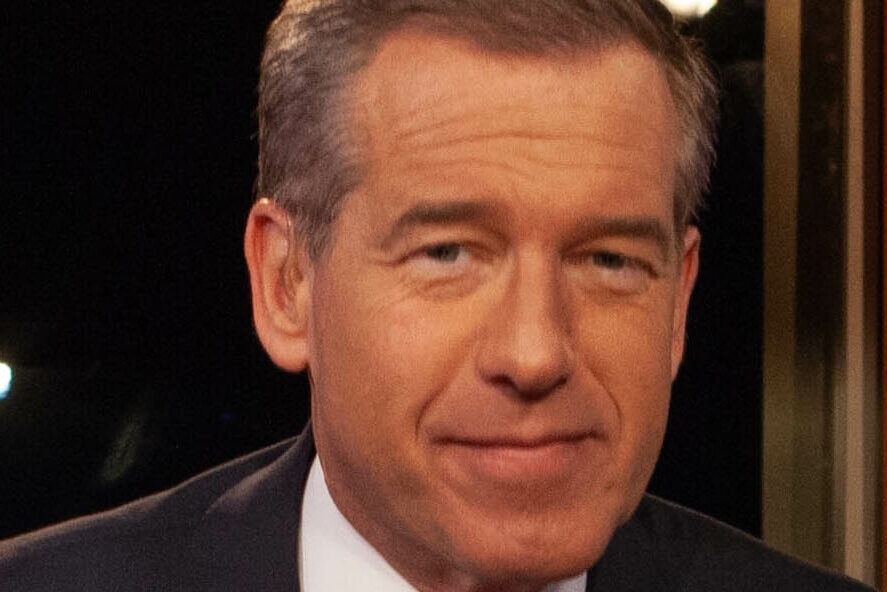
Brian Williams spent years as a familiar voice, delivering the news with calm authority night after night. Viewers trusted him without much thought, which is often the highest compliment in journalism. That trust cracked when stories he shared about his own experiences were found to be inaccurate. The shift was jarring. What once felt reassuring suddenly felt uncertain. Williams became associated with embellishment, a word that followed him more loudly than his decades of reporting.
The response was swift and public. He stepped away, later returning in a different role, carrying a more cautious presence. Williams acknowledged mistakes, but the recalibration never fully erased the moment. His story remains a reminder that credibility is fragile, especially when built over time. One misstep can outweigh years of consistency in public memory. For audiences, it reinforced the importance of truth over familiarity. For journalists, it quietly reset expectations. Once you become that person, even quietly rebuilding still happens under a shadow that never fully lifts.
24. The Royal Who Walked Away
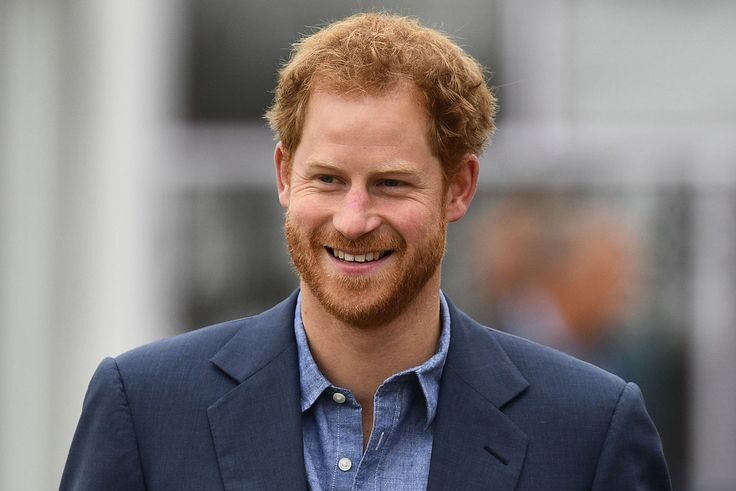
Prince Harry grew up surrounded by cameras, but choosing distance from royal life brought a different kind of attention. His interviews about mental health, grief, and family tension sparked global debate. Some listeners heard honesty and relief. Others heard disloyalty. Harry became a symbol of breaking tradition, carrying centuries of expectation in modern headlines. Every word was analyzed, not just for meaning, but for tone and implication.
What made his story resonate was its familiarity beneath the ceremony. Many people recognized the struggle between personal well being and inherited obligation. Harry’s visibility magnified choices others make quietly. Becoming that person meant standing at the center of conversations about legacy, boundaries, and self preservation. His story continues without a clear ending, unfolding slowly rather than dramatically. It reminds readers that leaving is rarely simple, especially when the world expects permanence. Sometimes stepping away creates more noise than staying ever did.
25. The Defendant Everyone Knew

Casey Anthony became known to the public long before her trial concluded. Media coverage was relentless, emotional, and constant. Viewers were fed details daily, often framed with certainty before facts were settled. By the time the verdict arrived, opinions were deeply formed. Anthony was no longer just a defendant. She had become a symbol of suspicion and outrage, frozen in public judgment regardless of outcome.
Her acquittal did not quiet the story. Instead, it intensified disbelief and mistrust, extending her presence in cultural memory. Years later, her name still surfaces when discussing media influence and courtroom spectacle. Anthony’s experience shows how public trials can outgrow legal boundaries, creating parallel verdicts in living rooms across the country. Once someone becomes that person, resolution does not bring relief. It simply marks the point where the story stops changing and the perception stays exactly where it landed.
26. The Founder Everyone Believed

Elizabeth Holmes was once spoken about with the kind of excitement reserved for rare success stories. Young, confident, and articulate, she promised to change health care with a device that could run dozens of tests from a single drop of blood. Investors listened, media praised, and her company Theranos became shorthand for innovation. For a long time, belief filled the gaps where proof should have lived. Holmes appeared composed, steady, and convincing, and many people wanted her vision to be true. When doubts began to surface, they were brushed aside as resistance to change. She had already become that person, the face of bold progress, and questioning her felt like questioning the future itself.
As investigations unfolded, the story shifted in tone and weight. Courtrooms replaced conferences, and testimony revealed how much confidence had masked uncertainty. Holmes became a lesson rather than a leader, her name now tied to caution instead of promise. What lingered was not just disappointment, but reflection. How easily ambition can be mistaken for ability, and how much trust can rest on image alone. Her story endures because it forced many to reconsider how success is measured. Once belief collapses, it does not disappear quietly. It reshapes memory, reframes history, and leaves a name permanently changed by what it once represented.
27. The Woman Who Tweeted Before Boarding
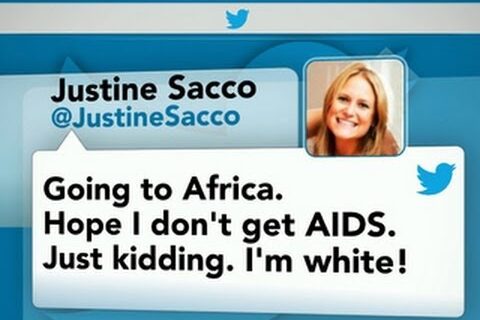
Justine Sacco was a communications executive with a modest online presence when she sent a tweet before boarding a flight to South Africa in 2013. The message was meant as dark humor, but it landed badly, especially without tone or context. While her phone was off during the long flight, the tweet spread rapidly, shared and dissected by thousands who interpreted it as cruel and ignorant. By the time she landed, her name was trending worldwide. People waited online for her plane to touch down, turning her offline hours into a spectacle. In a matter of moments, Sacco became known not for her career or character, but for a single sentence frozen in screenshots.
The consequences were immediate and lasting. She lost her job, withdrew from public life, and became an early example of how unforgiving internet culture could be. Sacco later spoke about the isolation, shame, and difficulty of rebuilding after being publicly reduced to one moment. Her story still circulates whenever conversations about online outrage and proportional response arise. It resonates because it happened before many people understood the permanence of digital speech. Sacco did not become that person through power or influence, but through timing and amplification. Her experience reminds readers that mistakes now travel faster than understanding, and once a narrative settles online, it rarely makes room for the full human story behind it.


