
1. The Alpha Roll
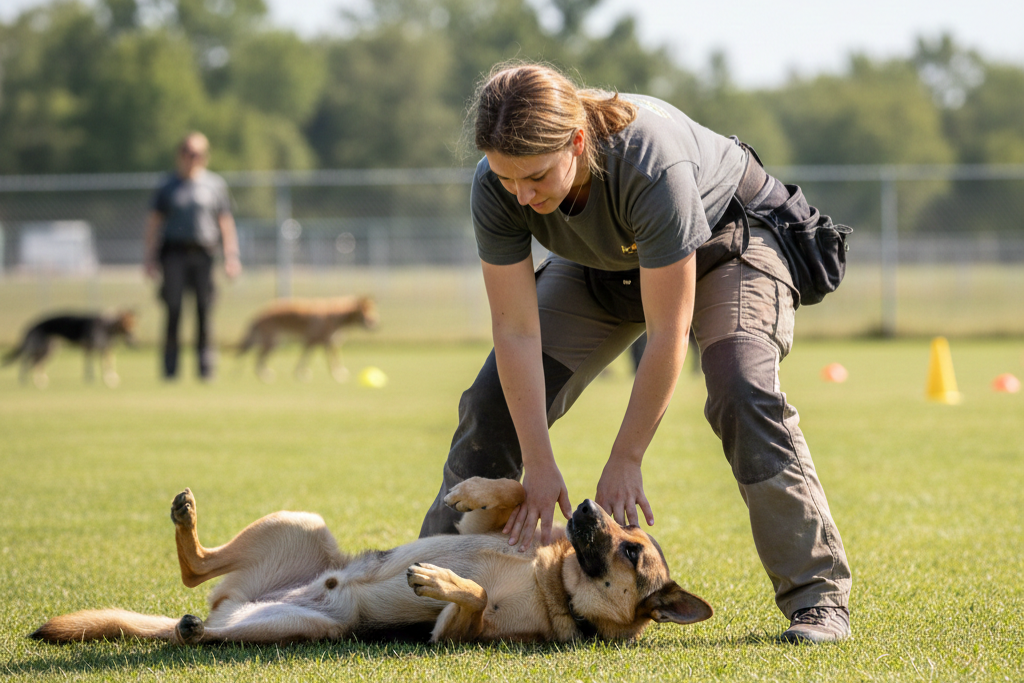
Today, we look back at some common practices from the past that are now recognized as detrimental to a dog’s well-being and would be considered unacceptable by modern ethical standards. The “Alpha Roll” was a staple of dominance-based training, popularized by a misunderstanding of how wolves establish hierarchy. Trainers would forcefully flip a dog onto its back, holding it down by the neck or chest until it stopped struggling, supposedly to assert the human’s “alpha” status. This method aimed to mimic the submission ritual observed in captive wolves, based on the debunked theory that dogs are constantly trying to dominate their human families. This confrontational approach can be terrifying and painful for a dog. It shatters the dog’s trust in its owner, can induce fear-based aggression as the dog attempts to defend itself, and completely fails to teach the dog the desired behavior.
2. Physical Hitting or Striking
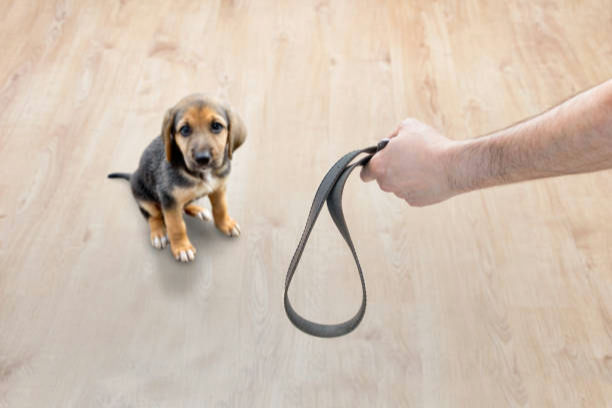
In generations past, physical punishment, which could range from a sharp tap to outright hitting with hands or objects like dowels or newspapers, was a common way to correct undesirable behaviors. This was seen as a quick way to stop a dog from chewing, digging, or eliminating indoors. The underlying idea was that the pain or discomfort would immediately suppress the action. However, research clearly shows that hitting does not teach the dog what to do; it only teaches them to fear the owner’s hands and unpredictability. Such punishment damages the human-animal bond and can lead to a dog becoming hand-shy, anxious, or defensively aggressive, a far cry from the trusted companion we aim for today.
3. Hanging for Aggression

One of the most extreme and cruel dominance-based methods was known as “hanging” or “airplaning,” where a dog exhibiting aggression would be lifted off the ground by its choke collar, effectively choking and suspending it until it nearly passed out or submitted. This horrifying practice was rooted in the idea of total physical control to “break” the dog’s spirit and assert absolute authority. Aside from the extreme psychological trauma inflicted, this method poses a severe and immediate physical danger, risking tracheal collapse, laryngeal damage, and potentially cutting off blood flow to the brain. Today, any method that deliberately restricts a dog’s breathing or causes loss of consciousness would result in criminal animal cruelty charges.
4. Leash Jerks and Choke Chains

The “leash jerk,” often called a “leash correction,” involved a sudden, forceful, sharp tug on a choke chain or slip-chain collar when a dog performed an unwanted action, such as pulling on the leash or failing to sit. Popularized in the mid-20th century, this was the standard for obedience training, believing the quick pain was necessary for compliance. The standard instruction was often “Command! Jerk!” However, scientific evidence confirms these metal choke chains and the harsh jerks can cause serious physical harm, including damage to the trachea, esophagus, and thyroid gland, and even injury to the neck’s delicate vertebrae and nerves. Modern, humane training advocates for equipment like front-clip harnesses and positive reinforcement to teach a dog to walk politely on a leash.
5. Throw Chains or “Correction” Tools
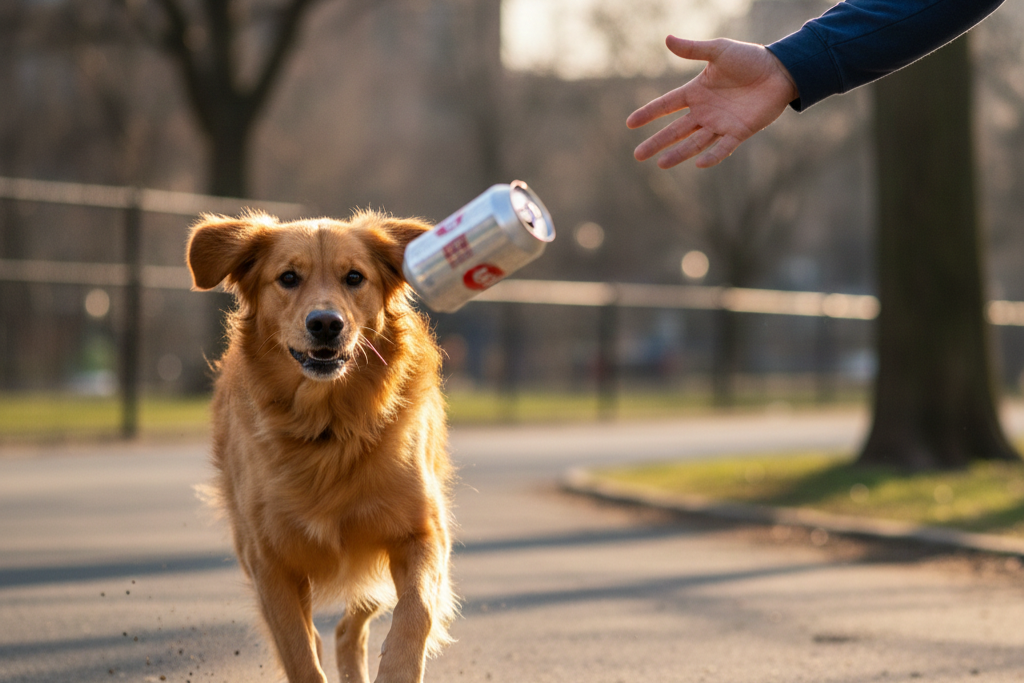
Throw chains, shaker cans (cans filled with coins), and similar devices were historically used as a remote form of punishment. The sudden, startling noise produced by throwing the chain or shaking the can near the dog was intended to interrupt an unwanted behavior, like barking or chewing, and associate the action with a frightening, aversive consequence. While not involving direct physical contact from the owner, the method works by instilling fear and anxiety. It often fails because the dog does not learn why the scary noise occurred, only that the environment, or sometimes the owner themselves, is unpredictable and unsafe. This can lead to generalized anxiety, fear of specific objects, or a complete shutdown of behavior, none of which is conducive to effective learning or a trusting relationship.
6. Isolation or Sensory Deprivation

In the past, one common “correction” for behaviors like excessive barking, house-soiling, or destructive chewing was isolation in a small, dark, or barren room, kennel, or crate for prolonged periods. The belief was that depriving the dog of social interaction and stimulation would serve as a powerful punishment, eventually extinguishing the unwanted behavior. However, dogs are highly social animals, and isolation is often perceived as terrifying abandonment, leading to immense stress and anxiety rather than learning. For certain behaviors, like separation anxiety, this practice can drastically worsen the underlying issue. Modern science emphasizes that punishment should never be the primary training tool and that appropriate enrichment and consistent, positive interaction are essential for a dog’s mental health.
7. Force-Feeding or Water Deprivation
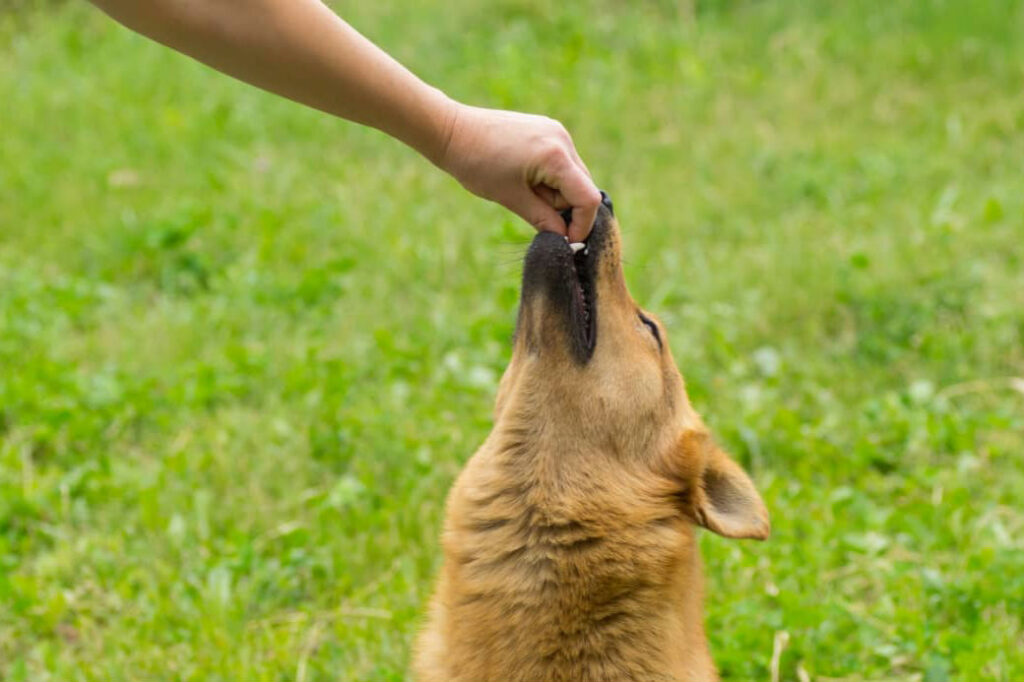
While often not an institutionalized method, a cruel practice sometimes employed to address issues like food guarding or simply as a form of dominance was force-feeding or, in extreme cases, water deprivation as punishment. In force-feeding, the dog might be made to consume a bitter substance or have food shoved into its mouth, intended to teach a lesson or assert control during mealtimes. The deprivation of water was an appalling abuse of trust and a life-threatening form of punishment for misbehavior. These methods inflict profound trauma, cause physical distress, and completely destroy the dog’s association of humans with safety and sustenance, leading to severe behavioral fallout like aggression, panic, and chronic fear.
8. Rubbing a Dog’s Nose in Waste
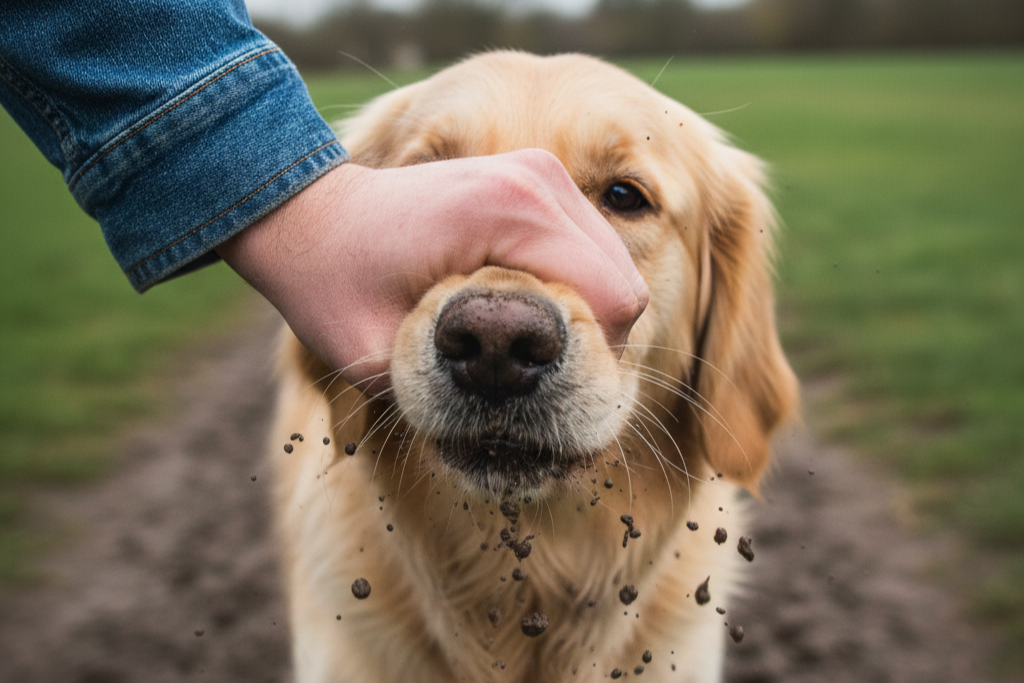
Perhaps one of the most widely known and misunderstood relics of old-school house-training was the practice of rubbing a dog’s nose in its accident when it eliminated indoors. The belief was that the smell itself would teach the dog that the act was wrong and that the mess was unpleasant. In reality, a dog does not connect the punishment, which occurs minutes or hours after the act, with the behavior itself. All this technique accomplishes is teaching the dog to fear the owner’s reaction and to hide the act of eliminating, often leading the dog to sneak away to soil in less obvious places. Modern training focuses on consistency, positive reinforcement for appropriate outdoor elimination, and managing the dog’s environment to prevent accidents.
9. Using a Muzzle as Punishment
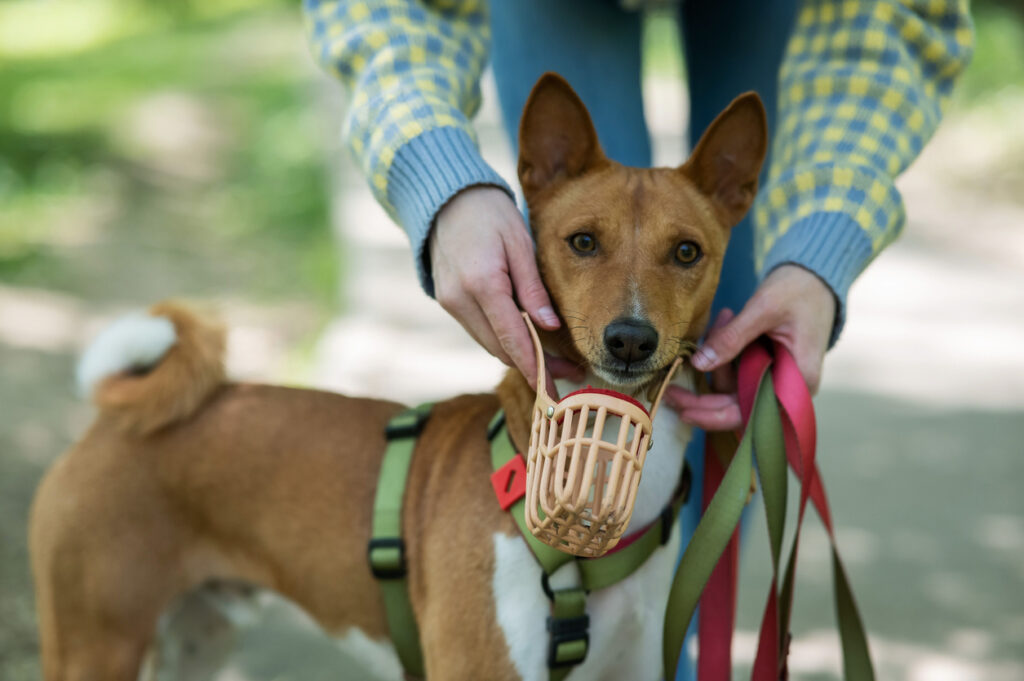
Muzzles are invaluable safety tools when managed correctly, but in the past, they were occasionally misused as a form of punishment or physical restraint to stop barking, chewing, or even whimpering. Instead of being used to safely manage a bite risk, a muzzle might be tightly fitted and left on a dog for a prolonged period as a consequence for unwanted noise or destruction. Improper use of a muzzle, especially for extended periods, is incredibly stressful and can lead to overheating if the dog cannot pant effectively, making it a dangerous and abusive practice. A muzzle is a management tool, not a training solution or punishment, and its misuse for disciplinary reasons is now universally condemned.
10. The “Shake” or Scruff Grab

The “shake” or scruff grab involved grasping a dog by the loose skin on its neck and shaking it forcefully, sometimes accompanied by a shout or glare, to correct a perceived mistake. This was based on the mistaken idea that a mother dog corrects a puppy this way, or that mimicking a dominant move by an aggressor would stop a bad habit. While a mother dog may use a gentle nip or carry a puppy by the scruff, a human’s forceful shake is violent, terrifying, and can cause whiplash or physical injury to the dog’s delicate neck structure. This aggressive confrontation is guaranteed to undermine trust and can easily trigger a defensive fear response or aggression from the dog.
11. Electric (Shock) Collars with High Voltage
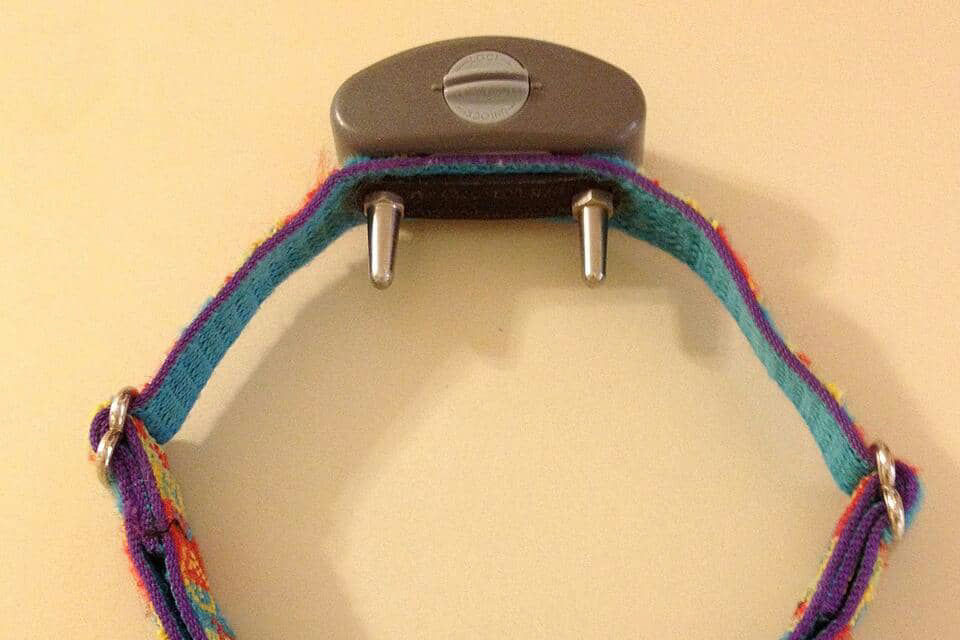
Early electric, or “shock,” collars were developed starting in the 1960s, often with crude technology that delivered inconsistent and very high-intensity electrical shocks. These collars, sometimes the size of a small radio, were initially marketed to hunting and working dog handlers to stop dangerous behaviors like chasing livestock from a distance. Unlike modern electronic collars which offer highly refined, low-level stimulation, these older devices were capable of causing extreme pain and physical burns. The use of such high-voltage, unpredictable shocks as a primary training tool relied purely on suppressing behavior through fear and immense discomfort, a method that is now banned outright in many countries due to its severe welfare implications.
12. Prong Collars for Puppies

Prong collars, which feature blunt metal points that pinch the skin around a dog’s neck when tension is applied, were, and sometimes still are, used to correct pulling, even on very young puppies. The philosophy was to introduce an immediate, aversive consequence (pain/discomfort) to discourage pulling before the behavior became a habit. However, subjecting a puppy’s delicate neck, developing spine, and trust to this level of intimidation is now considered wholly unacceptable. It associates the owner, the leash, and the outside world with pain, potentially leading to long-term fear, reactivity, and aggression in a crucial developmental stage. Modern, force-free trainers use front-clip harnesses and positive reinforcement to teach loose-leash walking, building confidence instead of fear.
13. Harsh Scolding and Yelling

While not always a physical intervention, the practice of harsh scolding and yelling at a dog for minutes on end was a common, emotionally abusive technique used to “dominate” or “shame” a dog for a mistake. The owner’s goal was to communicate extreme disapproval through loud, aggressive vocal tones and threatening body language. However, a dog processes human language primarily through tone and body cues, and an angry outburst does not clarify the error. Instead, it creates intense stress, confuses the dog, and teaches it to fear the human’s unpredictable temper. Research now confirms that dogs trained with frequent scolding exhibit higher levels of fear and stress-related behaviors compared to those trained with positive reinforcement.
14. The “Punishment” Squirt Bottle

The use of a water squirt bottle as a deterrent for unwanted behaviors like barking, jumping, or counter-surfing was once widespread. The sudden, unpleasant spray of water to the face was intended to startle and interrupt the dog, linking the action with a mild punishment. While seemingly less harsh than physical correction, this method still works on fear and aversion. Crucially, the dog often doesn’t associate the spray with the specific behavior, but rather with the presence of the owner or the bottle itself. This can lead to the dog performing the unwanted behavior when the owner is absent or even developing a fear of water or the person holding the bottle. Effective modern training focuses on teaching an acceptable alternative behavior.
15. Forcing a Dog to Hold an Object (Force Fetch)
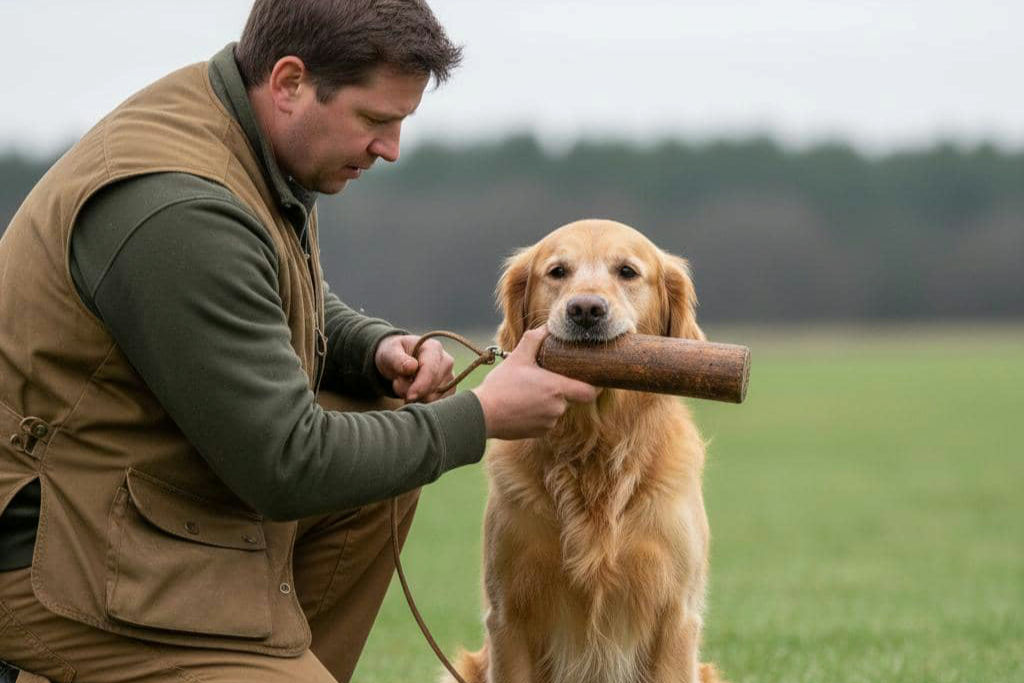
“Force Fetch” is a controversial method historically used in retriever training to ensure a dog holds and brings back a bird or dummy consistently and gently. This technique often involves applying escalating pressure, which could include pinching the dog’s paw, ears, or mouth, or even using a small electric collar pulse, until the dog takes and holds the object to stop the pain. This method is based on compulsion and negative reinforcement (removing pain when the task is performed). While highly effective at achieving the technical task, it sacrifices the dog’s joy and willingness. Modern, humane retrieval training uses positive shaping and reward to teach the dog to happily and voluntarily pick up and deliver objects, strengthening the bond, not compromising it.
16. Using the “Dominance Down”

The “Dominance Down” or “Forced Submission” was a technique where the owner would physically force the dog onto its side or back and hold it there, supposedly until the dog showed a sign of submission. This was a direct application of the outdated dominance theory, asserting the human’s superior social rank. Trainers believed this was a necessary step to establish control over an “unruly” or “dominant” dog. In reality, forcing a dog into this vulnerable and unnatural position creates immense fear, anxiety, and a feeling of being trapped. Far from building respect, it teaches the dog to fear the handler and can easily trigger a defensive bite from a dog who feels their life is being threatened.
17. The Citronella Bark Collar

While sometimes still available, the use of citronella spray collars as a primary training device to stop barking is a highly controversial and largely rejected aversive method. These collars are triggered by the sound of the dog’s bark and immediately release a sudden, unpleasant burst of citronella spray near the dog’s face. The intent is to stop the barking through an aversive stimulus (the startling spray and strong odor). The problems are numerous: the collar can be triggered inappropriately by other sounds, it punishes a natural canine vocalization, and it can cause the dog to associate the spray with something else in the environment, leading to fear or phobias, rather than teaching quiet manners.
18. Holding the Dog’s Mouth Closed
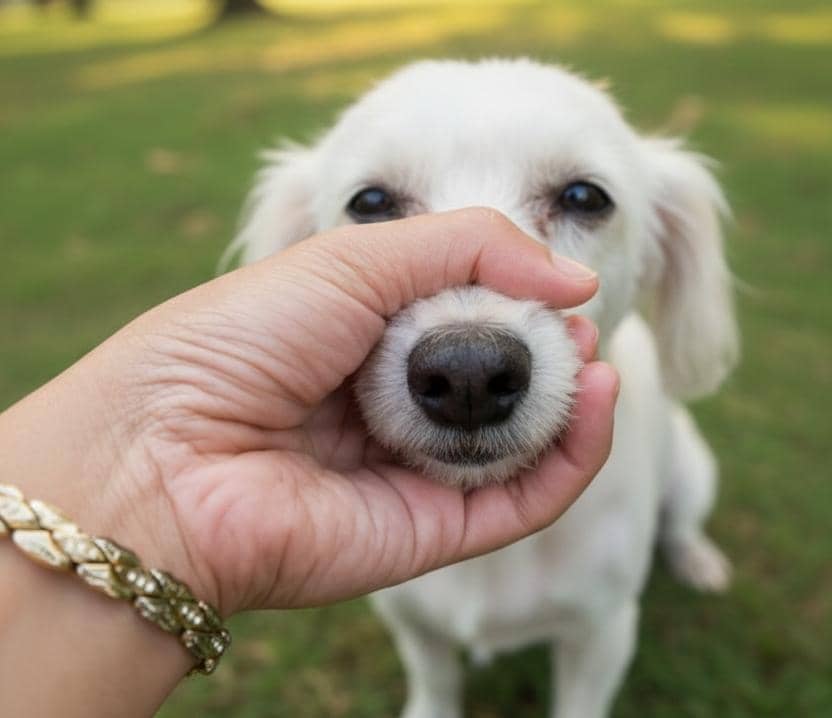
To “correct” barking, mouthing, or nipping, a common past practice was to forcibly clamp the dog’s mouth closed while issuing a sharp verbal command like “No!” or “Quiet!” This was intended to physically suppress the unwanted action and communicate that using the mouth was unacceptable. This technique is counterproductive and dangerous for several reasons. It teaches the dog to struggle against being handled, damages trust, and most importantly, it suppresses the dog’s warning signals. A dog that learns it is not allowed to growl or air-snap might skip those crucial warnings and go straight to a defensive bite when stressed, making this a practice that significantly escalates risk.
19. Pinching or Poking for Compliance

As a form of physical compulsion, trainers would sometimes pinch, poke, or jab the dog in sensitive areas, such as the soft skin of the flank, the ear, or between the toes, to force it into a desired position, like a sit or a down. This use of targeted pain or intense discomfort was intended to apply pressure that was only released when the dog complied, a form of negative reinforcement. This practice teaches the dog to associate the handler’s touch and manipulation with discomfort, creating resistance to handling and physical examination. It is a crude and unnecessary method that undermines the cooperative nature of training, which should be based on reward and guidance, not coercion.
20. Depriving the Dog of Sleep

While often not an explicit part of a training manual, some extreme, force-based trainers practiced sleep deprivation to “soften” or “break” a particularly stubborn dog, making it more compliant and less resistant to physical corrections. By constantly interrupting the dog’s rest, the trainer would induce a state of exhaustion, reducing the dog’s ability to resist commands or react defensively. Sleep is fundamental for cognitive function and emotional regulation in all mammals. Deliberately depriving a dog of rest is an act of cruelty that causes profound psychological distress, memory and learning impairment, and extreme vulnerability, making it an unacceptable welfare violation.
21. The Stare-Down or Eye Contact Challenge
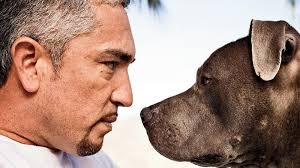
Direct, prolonged staring into a dog’s eyes was a core component of dominance training, believed to be the human asserting superior rank, mirroring a challenge between wolves. The idea was that the dog should immediately break eye contact to show submission. However, in canine communication, a direct, hard stare is perceived as an intense threat or a precursor to aggression. Forcing this confrontation simply terrifies the dog and escalates its stress level. If the dog is fearful or insecure, this challenge can trigger a defensive, fear-based bite. Respectful communication involves soft, averted gazes and building a positive association with looking at the handler.
22. Using Bitters or Hot Sauce on Objects

To deter chewing on furniture or specific objects, some trainers recommended coating the item in extremely bitter or spicy substances like bitter apple spray, quinine, or even hot sauce. The dog would approach, taste the foul substance, and supposedly be deterred forever. While non-toxic, the extreme unpleasantness of some substances, especially capsaicin (hot sauce), can cause intense oral pain, gastrointestinal upset, or inflammation. Furthermore, this method often fails because the dog simply learns to chew only when the owner is absent or when the item hasn’t been recently treated, failing to address the underlying motivation for chewing.
23. Using Food as a Booby Trap
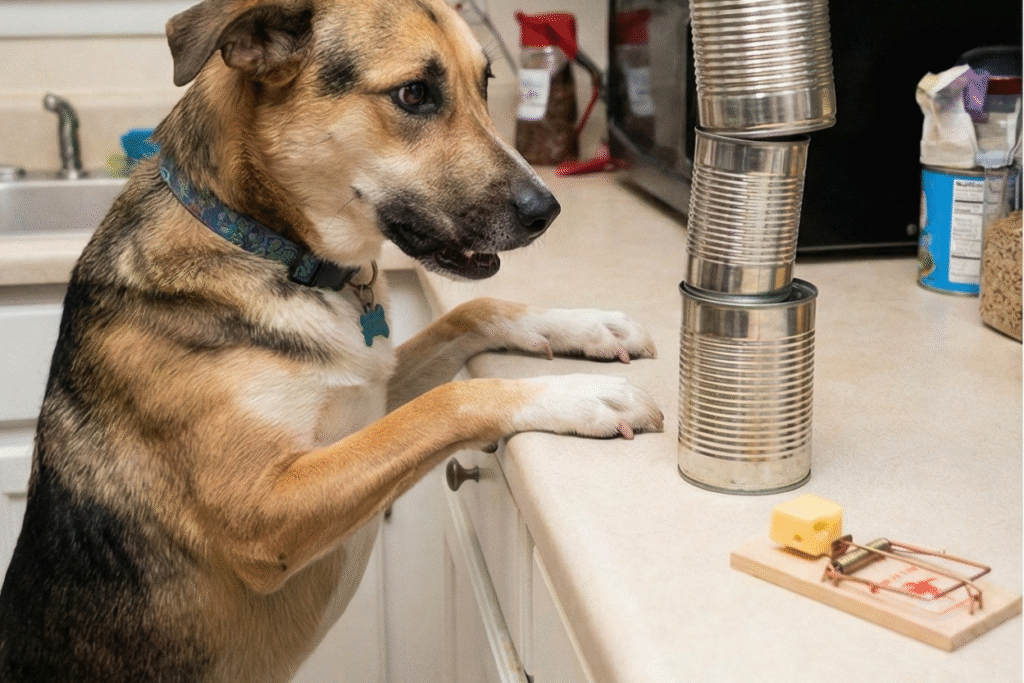
A technique used to deter counter-surfing or stealing was to create a “booby trap” using food. This often involved stacking cans or placing a harmless mousetrap near an enticing piece of food so that the act of taking the food would trigger a loud, startling noise, or cause an object to fall near the dog. This relies on the dog being startled when the owner is absent. The problems are two-fold: the unpredictable, sudden trauma can cause anxiety and fear about the kitchen environment in general, and the dog often becomes very clever at circumventing the trap without stopping the behavior overall. Modern solutions manage the environment and reward keeping “four on the floor.”
24. Forcing the Dog to Stay in Uncomfortable Positions

In certain old-school obedience or competitive show training, a dog might be forced to remain in an uncomfortable or difficult physical position for an excessive amount of time. This physical compulsion, sustained through repeated physical adjustments or painful corrections, was thought to build incredible “stay” duration and physical endurance. This over-reliance on physical manipulation and compulsion sacrifices the dog’s comfort and willingness. Prolonged, forced physical stacking or position-holding can be physically stressful and painful, resulting in a dog that performs out of fear of correction rather than motivation or enjoyment of the task.
25. “Shaming” with Costumes or Signs

Though often presented in a humorous light on social media, the practice of “shaming” a dog by placing it in an uncomfortable costume, forcing it to hold a sign detailing its “crime,” or simply parading it around is a form of emotional manipulation and punishment. Dogs do not possess the moral framework to feel “shame” for actions like chewing or house-soiling. While the dog doesn’t understand the written message, it absolutely understands the human’s negative, disapproving body language, the forced posture, and the general stress of being manipulated. This is an exercise in human frustration relief, not effective dog training, and it creates unnecessary distress for the animal.
26. Complete Food Bowl Control (Aversive Feeding)

To prevent “food guarding” or resource aggression, an old-school, counter-intuitive technique was aversive food bowl manipulation. This involved a handler deliberately kicking the bowl, jiggling it, reaching in to take food away, or making startling noises while the dog was eating. The logic was to desensitize the dog by showing it the human could control the resource. However, this often achieves the opposite effect: it teaches the dog that the human is a threat to its food, making the dog highly anxious and more likely to guard its resources aggressively when the human approaches. Modern methods focus on teaching the dog that a human approaching the bowl means better things are coming (positive association).
27. Using Painful Tools for Nail Trimming or Grooming
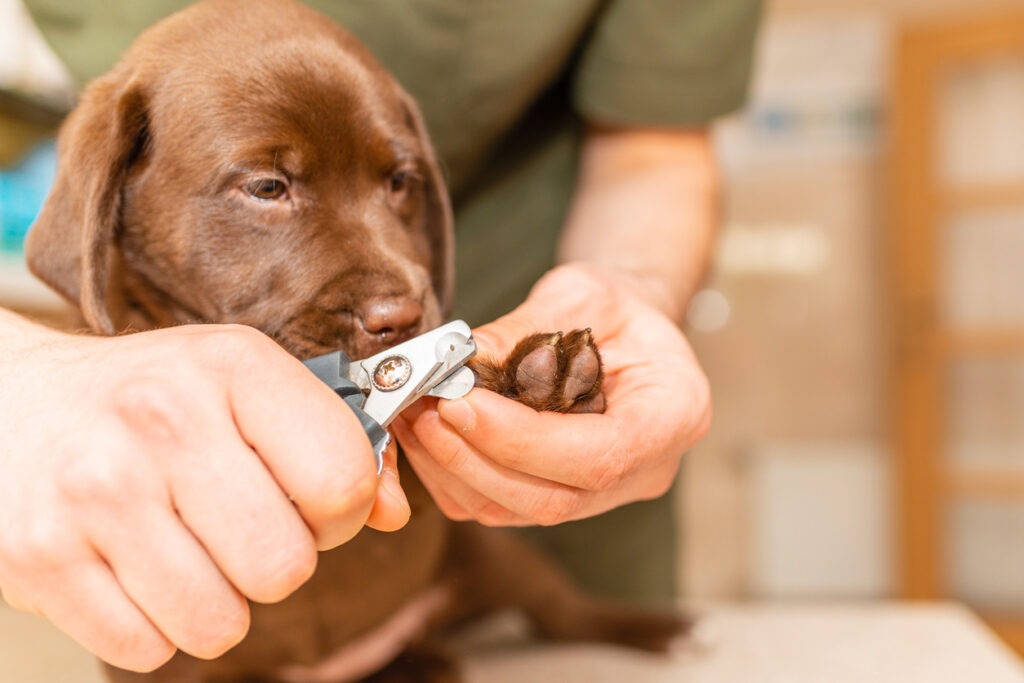
Historically, for dogs resistant to grooming tasks like nail trims, the solution was often forced and painful restraint until the job was done, sometimes involving tools that were poorly maintained or used without skill, resulting in painful “quicks.” This approach, driven by the belief that the owner must dominate the dog to achieve compliance, creates a profound and lasting phobia of grooming, the clippers, and the handlers themselves. Modern, humane grooming involves careful, gradual desensitization to the tools, positive reinforcement for calmness, and often cooperative care training, ensuring the dog consents to the process and associates it with positive rewards.
Our dogs are not wolves trying to dominate us; they are sensitive companions who learn best through trust, guidance, and positive motivation. The shift from compulsion to cooperation is a victory for canine welfare and a celebration of the enriching relationship we share with our best friends.
This story 27 Dog Training Methods That Were Common in the Past, And Would Be Outlawed Today was first published on Daily FETCH


