
1. Gretchen Mol (The Mind of the Married Man)
Sometimes a television performance arrives quietly and still leaves a lasting impression, and that was the case when Gretchen Mol appeared in HBO’s The Mind of the Married Man in 2001. The series lasted only one season, but it felt like the start of something much bigger. Mol’s presence was confident and grounded, the kind that made viewers assume she would become a permanent fixture on prestige television. For a brief moment, she represented a certain promise of early 2000s TV, when subtle performances still carried weight. When the show ended, audiences expected her career to accelerate, but instead, her visibility softened. That shift created the impression that she had disappeared, even though she never truly stopped working.
Rather than chasing constant attention, Mol chose a slower, more selective path. She moved between film, theater, and later television roles that allowed her to avoid repetition. Over time, her career became less about momentum and more about intention. Looking back, that one season now feels like an opening chapter rather than a missed opportunity. It reminds viewers that success does not always move in a straight line and that sometimes longevity looks quieter than we expect.
2. Milo Ventimiglia (The Bedford Diaries)
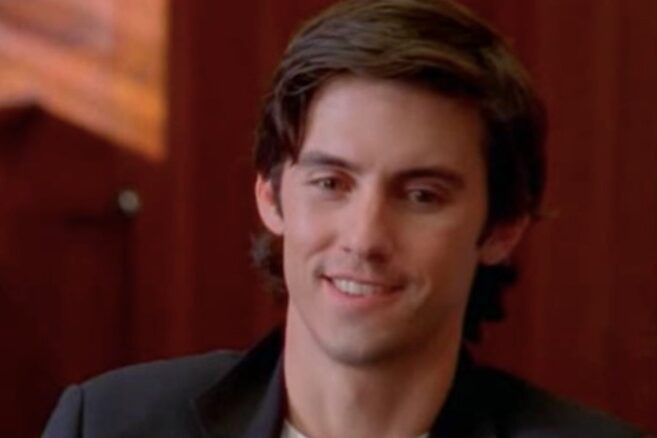
Milo Ventimiglia stepped into early television visibility with The Bedford Diaries, a WB drama that premiered in 2006 and ended after just one season. The show aimed to capture young adulthood with intimacy and realism, and Ventimiglia’s performance stood out for its quiet confidence. At the time, he was still far from being a household name, and the series positioned him as a potential breakout. When the show was canceled, however, that momentum disappeared almost overnight. For viewers who watched it live, he became one of those familiar faces who seemed poised for more but suddenly vanished from the network conversation. The cancellation left little room for follow up, and his presence faded along with the show itself.
After The Bedford Diaries ended, Ventimiglia spent years moving through smaller roles and guest appearances without immediate mainstream attention. He worked steadily but without the spotlight many expected after his early lead. That period now feels like a quiet stretch that tested patience rather than talent. Looking back, the one season run captures a moment before persistence paid off. It reflects how early promise does not always translate quickly, and how disappearing from view can sometimes be part of a longer journey rather than the end of it.
3. Shiri Appleby and the Version of Fame That Changed

Shiri Appleby became a familiar face almost overnight when Roswell premiered, especially during its first season on The WB. That initial run carried a quiet emotional tone that connected deeply with viewers, and Appleby’s performance anchored the show with sincerity. For many fans, that first season remains the purest version of Roswell, before network changes altered its direction. Appleby’s portrayal made her feel relatable and grounded, someone audiences trusted to carry the story forward. When the show evolved and eventually moved networks, the sense of momentum around her career softened as well.
Instead of leaning into the expectations created by early fame, Appleby took a more measured path. She continued acting but avoided repeating the same role, choosing projects that allowed her to grow beyond the image formed during that first season. Over time, she transitioned into more mature roles and eventually directing, reshaping how audiences saw her. That early one season spotlight now feels like a formative chapter rather than a peak. It reminds viewers how quickly early success can define perception, even when the story keeps quietly moving forward.
4. Jay Mohr and a Sitcom That Arrived Early
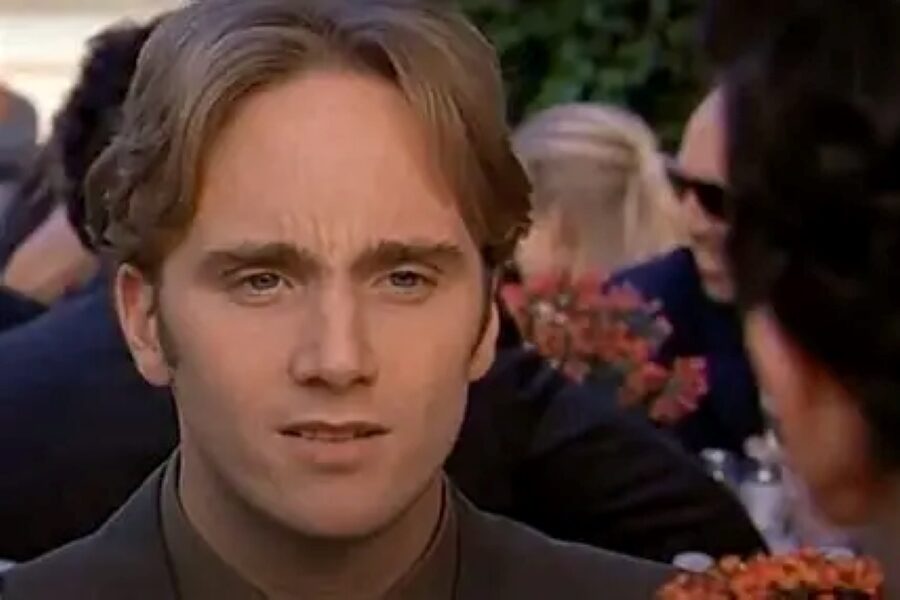
Jay Mohr’s lead role in Action placed him at the center of a sharp Hollywood satire that premiered in 1999. The show offered an unusually candid look at the entertainment industry, blending comedy with discomfort in a way network television rarely embraced at the time. Although Action developed a loyal following, it struggled to find broad appeal and lasted only one season. Mohr’s performance balanced humor with vulnerability, making the character feel more human than caricature. Still, the show’s tone placed it slightly out of step with mainstream expectations.
After Action ended, Mohr did not return immediately to another sitcom lead. Instead, he shifted toward stand up comedy, radio, and hosting roles where his voice felt more fully his own. Looking back, that one season feels like a creative risk that television was not yet ready to sustain. For viewers who revisit it now, Action reads as a cult favorite that aged better than its ratings suggested. Mohr’s brief run as a TV lead stands as an example of timing shaping outcomes as much as talent ever does.
5. Amy Smart and a Sudden Network Exit

Amy Smart stepped into a leading role on CBS with Smith, a crime drama that premiered with strong expectations and a notable cast. The show aimed to blend character driven storytelling with procedural elements, positioning Smart as a central emotional force. Despite that setup, Smith struggled to gain traction and ended after one season. For viewers, the cancellation felt abrupt, especially given how confidently the series launched. Smart’s performance suggested she was ready for sustained television work, making the show’s disappearance feel more confusing than deserved.
Rather than immediately pursuing another network lead, Smart adjusted her focus. She returned to film projects and supporting television roles that allowed her to stay visible without being overexposed. That one season now feels like a moment when opportunity appeared and vanished almost simultaneously. It reflects the fragile nature of network television, where even capable performances cannot always overcome shifting priorities. Looking back, Smith reads less as a failure and more as a reminder that success often depends on factors far beyond the actor standing at the center of the frame.
6. Eddie Cibrian and a Spotlight That Burned Quickly
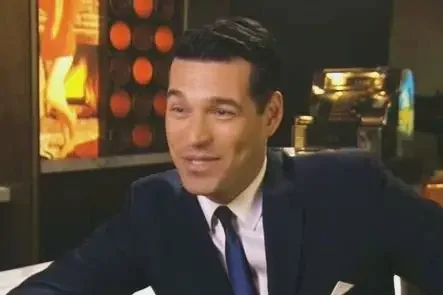
Eddie Cibrian took on a high profile role in The Playboy Club, a period drama that premiered in 2011 with heavy promotion. The series drew immediate attention, not only for its setting but for the conversations surrounding it. Despite solid production values, the show struggled to hold viewers and was canceled after one season. Cibrian found himself at the center of a project where public debate often overshadowed the performances themselves. For audiences, it became difficult to separate the show from the reaction it provoked.
After the cancellation, Cibrian stepped back from leading network roles. He continued working steadily but avoided another project that carried the same level of scrutiny. That one season now feels like an example of how cultural timing can shape a show’s fate regardless of effort. Looking back, his experience reflects how visibility can sometimes complicate rather than elevate a career. The quick rise and fall of The Playboy Club remains a reminder that not every risk pays off, even when the ambition is clear.
7. Sarah Polley and a Brief Television Chapter

Pasadena introduced Sarah Polley as a thoughtful dramatic lead in 2001, presenting her as someone capable of carrying complex emotional material. The series aimed for depth and nuance, but it struggled to find a consistent audience and ended after one season. Polley’s performance was subtle and controlled, standing out even as the show failed to gain momentum. At the time, it seemed like the beginning of a longer television career that never quite unfolded.
Instead, Polley shifted away from television entirely, focusing on film and eventually directing. Her career evolved in a direction that valued creative control over visibility. Looking back, Pasadena now feels like a transitional moment rather than a lost opportunity. It captured Polley at a point where she was still exploring where she fit within the industry. That single season reads as a quiet turning point, one that led her away from television fame and toward shaping stories from behind the camera.
8. Sprague Grayden (Jericho)

Sprague Grayden gained noticeable television visibility when she joined Jericho during its early run, appearing prominently during the show’s initial season on CBS. The series blended small town drama with post-apocalyptic tension and quickly built a loyal audience. Grayden’s performance stood out for its emotional clarity, and viewers assumed the exposure would lead to larger, longer-lasting television opportunities. However, Jericho’s uncertain future and eventual cancellation disrupted that momentum. As the show’s focus shifted and its run ended, Grayden’s visibility faded with it, leaving her early prominence tied closely to that brief moment in network television.
After Jericho, Grayden continued working steadily, appearing in guest roles and smaller projects across television and film. Despite her consistent presence, she never returned to a comparable level of mainstream attention or headlined another major network series. Over time, her career settled into quieter, reliable work rather than renewed spotlight. Looking back, her early season role on Jericho feels like a moment when opportunity appeared clearly and then passed just as quickly. It fits the pattern of a one-season television presence that felt significant at the time but gradually slipped out of public conversation.
9. Paula Marshall and the Reality of Sitcom Life
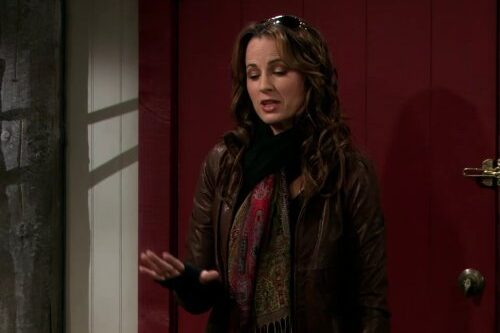
Paula Marshall led Gary Unmarried as its emotional center, grounding the sitcom with warmth and relatability. The show premiered with optimism but struggled to distinguish itself within a crowded comedy landscape. After one season, it quietly disappeared, despite Marshall’s steady performance. For viewers, the cancellation highlighted how quickly sitcoms can come and go, often without clear explanation.
Marshall continued working in television, though she stepped away from leading roles. Her one season as a sitcom lead now feels like a snapshot of how unpredictable comedy success can be. Looking back, her experience reflects the reality that even likable characters and capable performances do not guarantee longevity. Gary Unmarried remains a reminder of how network decisions often move faster than audience attachment.
10. Jaime Ray Newman (Eastwick)

Jaime Ray Newman stepped into a major network spotlight with Eastwick, an ABC supernatural drama that premiered in 2009. The series positioned her as one of its central leads, blending fantasy elements with small town intrigue. Early episodes generated curiosity, and Newman’s performance suggested the kind of confidence expected from a long running network presence. Despite its high profile cast and strong promotion, Eastwick struggled to hold viewers and was canceled after one season. The abrupt ending cut short what looked like a potential television breakthrough, leaving Newman closely associated with a show that disappeared almost as quickly as it arrived.
After Eastwick ended, Newman continued acting steadily, appearing in guest roles and supporting parts across television. However, she never returned to a comparable level of mainstream attention as a series lead. Over time, her career settled into consistent but quieter work, without the visibility that often follows a successful network debut. Looking back, Eastwick remains the clearest example of her time at the center of a television series. It fits the pattern of a one season spotlight that promised more than it ultimately delivered.
11. Scott Speedman and an Unsteady First Step

Scott Speedman’s early television career included a lead role that offered promise but little stability. The series aimed to introduce him as a reliable dramatic presence, yet it struggled to build momentum and ended after one season. Speedman’s performance suggested potential, but without time to grow, the character never fully settled. When the show disappeared, it left his trajectory uncertain, forcing him back into auditions without a clear identity in the television landscape.
Instead of pushing for immediate redemption, Speedman continued refining his approach. He accepted roles that emphasized subtlety and restraint, eventually finding projects better suited to his style. That early one season effort now feels instructional rather than disappointing. It taught patience during a period when quick success felt unlikely. Looking back, the experience reads as an early lesson in endurance. Sometimes the first attempt is not meant to last, only to prepare you for what comes next.
12. Eric Close and a Lead Role That Never Settled
Eric Close stepped into a network drama designed to grow slowly, positioning him as a dependable lead meant to anchor the story over time. The series introduced him as calm, capable, and emotionally steady, the kind of presence meant to build trust with viewers. Early episodes suggested a gradual burn rather than instant payoff, but television schedules rarely allow patience. Ratings struggled, and the show ended after one season, disappearing before the characters could fully take shape. For audiences, the cancellation felt quiet rather than dramatic, leaving little space for the role to linger in memory. Close delivered consistency, but the platform never found its footing long enough to reward it.
After the show ended, Close continued working without fanfare, appearing in supporting roles that valued reliability over attention. His career shifted into a steady rhythm built on longevity rather than spotlight. Looking back, that one season lead now feels less like a failure and more like a missed connection. It reflects how television often moves faster than character driven storytelling can keep up with. Sometimes solid work exists briefly, then slips away, not because it lacked quality, but because the moment passed before it had time to settle.
13. Laura Leighton and a Moment That Passed Too Quickly

Laura Leighton entered a leading television role that seemed poised to mark a new chapter in her career. The series introduced her with confidence, allowing her to carry the emotional center of the story with ease and familiarity. Her performance felt natural and assured, suggesting the kind of stability networks often hope for. Despite that promise, the show struggled to gain traction and ended after one season. The cancellation arrived before the audience could fully invest, making the role feel like something glimpsed briefly rather than explored. For viewers, it was surprising how quickly the momentum faded.
Leighton did not disappear after that experience. Instead, she continued working steadily, later returning to television with renewed perspective and control. That early one season effort now reads as groundwork rather than disappointment. It helped shape the confidence she carried into later roles that benefited from patience and timing. Looking back, the experience highlights how opportunity does not always arrive at the right moment. Sometimes a role is right, but the environment is not. Those moments still matter, even when they pass faster than expected.
14. Odette Annable (Red Band Society)

Odette Annable became a familiar television presence when she joined Red Band Society, a Fox drama that premiered in 2014 and centered on young patients navigating life inside a hospital. Annable played a key adult lead, grounding the emotional tone of the series and carrying significant narrative weight. The show earned early praise for its heart and ambition, but ratings never stabilized, and it was canceled after one season. When the series ended, Annable’s visibility as a television lead faded with it, leaving the role as a brief moment of mainstream attention that never fully developed.
After Red Band Society, Annable continued working steadily in television, appearing in guest roles and short arcs rather than returning to a similar leading position. While she remained active, she did not regain the level of attention that came with her one season network role. Looking back, Red Band Society stands as the project most closely associated with her time in the spotlight. It reflects how even strong performances can quietly fade when a show fails to survive its first year.
15. Michael Raymond-James (Terriers)
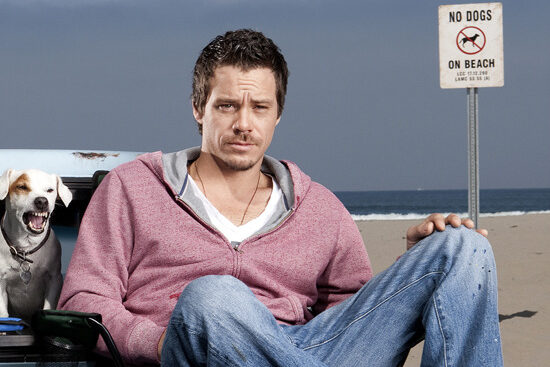
Michael Raymond-James earned widespread praise for his performance on Terriers, an FX drama that aired in 2010 and quickly developed a devoted following. The show stood out for its sharp writing and character driven storytelling, and Raymond-James’s work was often singled out as a highlight. Despite critical support, Terriers struggled to attract a large audience and was canceled after just one season. Its early ending stalled what many believed could have been a breakout television moment for its cast.
Following the cancellation, Raymond-James continued working consistently in television and film, but without another role that matched the visibility or impact of Terriers. He appeared in supporting parts rather than returning as a network or cable lead. Over time, his name became closely tied to that single season performance, often mentioned in discussions about shows that ended too soon. Terriers remains a defining chapter in his career, fitting squarely into the category of a one season spotlight that never fully returned.
16. Josh Hamilton (Rubicon)
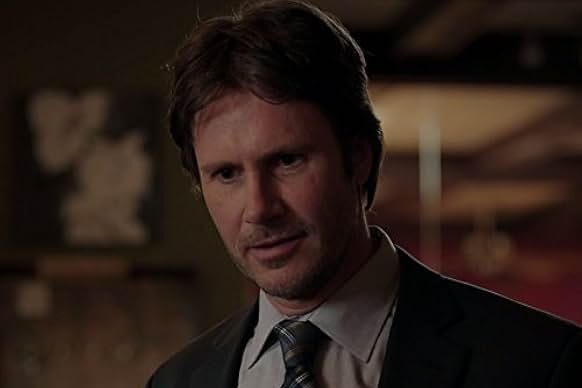
Josh Hamilton led Rubicon, an AMC drama that aired in 2010 and aimed for a thoughtful, slow burning approach to political intrigue. The show was praised for its intelligence and restraint, and Hamilton’s understated performance anchored its tone. Despite critical appreciation, Rubicon struggled to connect with a broad audience and was canceled after one season. Its quiet nature made it easy to overlook, even as it gained respect from viewers who valued its subtle storytelling.
After Rubicon ended, Hamilton continued working steadily in acting, particularly in film and stage projects. However, he never returned to a similar level of television visibility as a series lead. Rubicon remains the closest he came to sustained mainstream attention on television, often cited as a show that deserved more time. In hindsight, his experience reflects how even strong performances can fade quickly when a series fails to survive, leaving a single season as the lasting public memory.
17. Alexa Davalos (Angel)
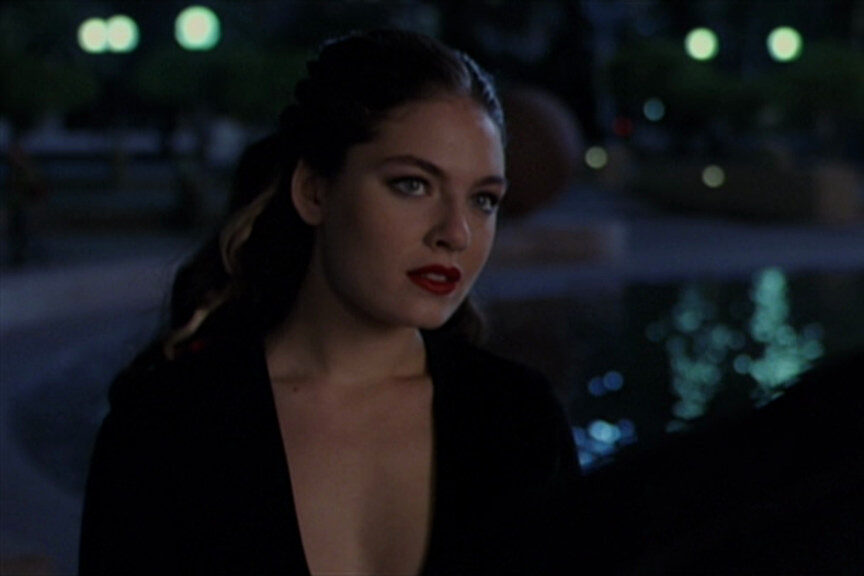
Alexa Davalos gained significant television visibility when she joined Angel during its final season. Her role was positioned as important and emotionally central, and many viewers assumed it would lead directly into long term mainstream success. Instead, the series ended immediately after that season, cutting off any chance for her television momentum to grow. The timing meant that her most prominent exposure arrived just as the platform disappeared, leaving her associated with a show that concluded before it could propel her forward. For many viewers, her presence on Angel felt like the beginning of something that never had the chance to fully form.
After Angel ended, Davalos continued acting steadily, appearing in films and television projects without returning to the same level of widespread attention. She worked consistently but largely outside the center of pop culture conversation. Over time, her career settled into a quieter rhythm, defined more by reliability than visibility. Looking back, her one season prominence on Angel stands as the moment when audiences expected much more than ultimately followed, making her a clear example of a television spotlight that faded rather than expanded.
18. Patrick Fugit (Outcast)
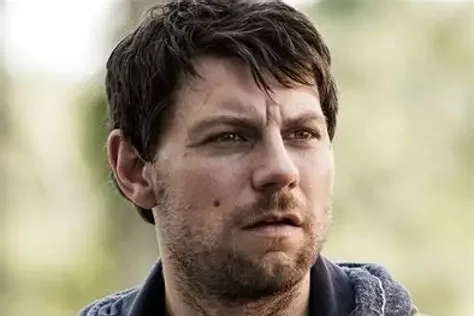
Patrick Fugit led Outcast, a Cinemax horror drama that premiered with intrigue and a built in audience. The series positioned him as its emotional anchor, placing significant responsibility on his performance. Despite early interest, Outcast struggled to maintain momentum and was canceled after one season on the network. The abrupt ending stalled what many believed could have been a defining television role for Fugit, especially given his established recognition earlier in his career. For viewers, the cancellation made the show feel unfinished, and his presence faded alongside it.
After Outcast ended, Fugit continued working in acting but without returning to a comparable level of mainstream visibility. His subsequent projects kept him active but largely outside headline attention. Over time, Outcast became the role most frequently referenced when discussing his television career. Looking back, the series represents a one season moment where opportunity appeared briefly and then vanished, leaving behind a sense of unrealized potential rather than a lasting television legacy.
19. Dylan McDermott (Big Shots)
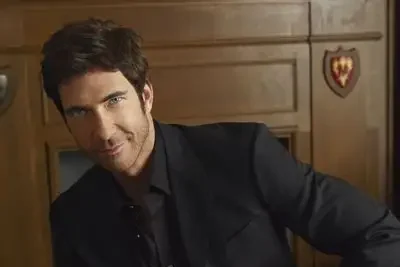
Dylan McDermott headlined Big Shots, an ABC drama that premiered in 2007 with heavy promotion and high expectations. The show aimed to position him as a central network lead once again, building on his earlier recognition. Despite that push, Big Shots failed to connect with audiences and was canceled after one season. The quick ending surprised many viewers who expected the series to last longer based on its marketing and cast. Instead, McDermott’s return to network television ended almost as soon as it began.
Following the cancellation, McDermott continued acting consistently, though his career shifted away from being a primary network lead. He appeared in ensemble and supporting roles rather than anchoring long running series. Over time, Big Shots became a footnote rather than a turning point. Looking back, it stands as an example of how even familiar faces can struggle to reclaim the spotlight through television, making his one season return a brief and fading moment.
20. Sarah Jones (Alcatraz)

Sarah Jones became a key face on Fox’s Alcatraz, a mystery drama that premiered with strong curiosity and an intriguing premise. The show positioned her as a central lead, giving her significant screen time and narrative importance. Despite early buzz, Alcatraz struggled to maintain viewership and was canceled after one season. The abrupt ending cut short what many assumed would be a longer run, leaving Jones closely associated with a series that disappeared quickly.
After Alcatraz ended, Jones continued working steadily in television and film, though she did not return to a similar level of network prominence. Her career moved forward without another lead role that matched the visibility of Alcatraz. Looking back, that single season remains the moment most viewers connect her name with. It represents a clear case of a television lead whose spotlight dimmed almost immediately after arriving.
21. Jason O’Mara (Life on Mars US)
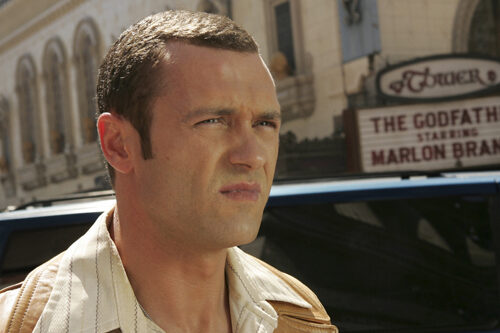
Jason O’Mara starred as the lead in the US adaptation of Life on Mars, which aired on ABC for one season. The show attempted to translate a popular concept for American audiences, placing O’Mara at its center. Despite the ambition behind it, the series struggled with tone and ratings and was canceled after one season. When it ended, O’Mara’s visibility as a network lead faded quickly along with the show itself.
Afterward, O’Mara continued working, particularly in voice roles and supporting television appearances. However, he did not regain the same level of mainstream exposure he briefly held during Life on Mars. Over time, his career settled into steady but quieter work. Looking back, the show stands as his most prominent television lead, fitting the pattern of a one season role that never translated into lasting spotlight.
22. Chad Lindberg (October Road)
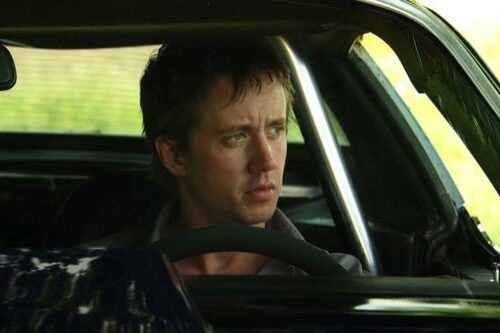
Chad Lindberg appeared in October Road, an ABC drama that premiered in 2007 and lasted only one season. The series focused on personal history and second chances, offering Lindberg notable visibility at the time. Despite its emotional focus, the show struggled to attract a consistent audience and was canceled. Its short run left little opportunity for Lindberg’s role to evolve into something more enduring.
After October Road ended, Lindberg continued acting but without returning to a comparable level of network attention. His subsequent work remained largely outside mainstream television conversation. Looking back, October Road stands as the clearest example of his time in the spotlight. It represents a one season appearance that arrived with promise and faded quietly, leaving behind a brief but distinct television moment.
23. Jay Hernandez (Gang Related)
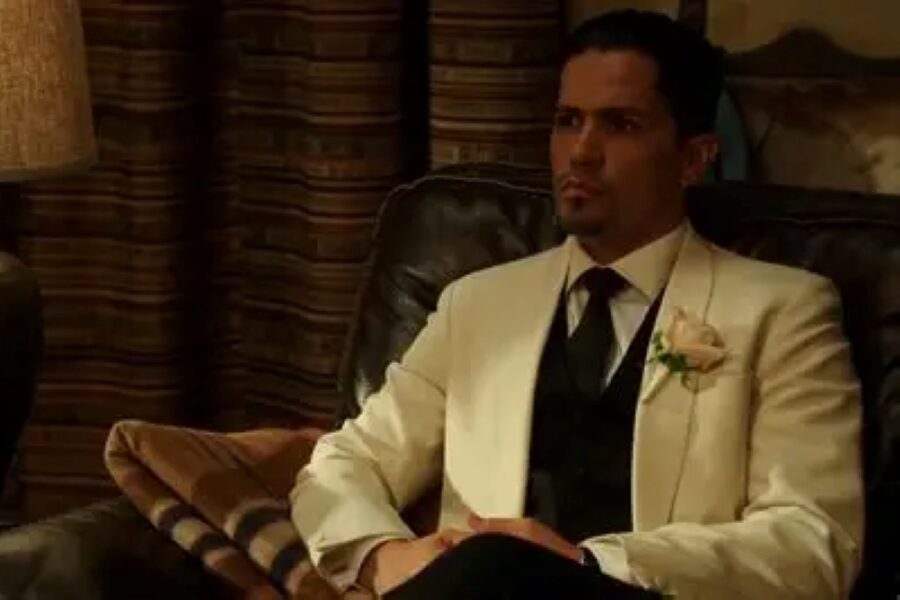
Jay Hernandez took on a major network lead with Gang Related, a Fox crime drama that premiered in 2014. The series positioned him as the emotional and narrative center, portraying a conflicted character meant to anchor a long running story. Early episodes suggested ambition and scale, but ratings failed to stabilize, and the show was canceled after one season. The quick ending stalled what appeared to be a significant step forward in Hernandez’s television career, cutting off his momentum almost as soon as it began.
Following the cancellation, Hernandez continued working steadily, appearing in film and television projects without returning to a comparable network lead role. His visibility shifted away from mainstream television attention, and Gang Related became the role most associated with his brief time as a series centerpiece. Looking back, the show represents a one season spotlight that never expanded, illustrating how quickly network television can move on even when an actor is positioned for long term success.
24. Meaghan Rath (The Assistants)

Meaghan Rath gained early television attention through The Assistants, a series that aired for one season and focused on the lives of young professionals navigating work and ambition. Rath played a central role, giving her consistent screen time and visibility during the show’s run. While the series found a niche audience, it failed to grow beyond its initial scope and ended after that single season. The cancellation limited Rath’s exposure at a point when her career appeared ready to take a larger step forward.
After the show ended, Rath continued acting steadily, taking on various roles across television without returning to a similar level of mainstream recognition. Her career developed quietly rather than explosively, with The Assistants remaining the project most closely tied to her early visibility. Looking back, that one season stands as a moment when attention briefly arrived and then receded, fitting the pattern of a television lead whose spotlight never fully returned.
25. Nicholas Gonzalez (Off the Map)

Nicholas Gonzalez appeared in Off the Map, an ABC medical drama that premiered in 2011 and ended after one season. The series aimed to blend emotional storytelling with exotic settings, positioning Gonzalez as a prominent member of its core cast. Early interest suggested potential longevity, but the show struggled to maintain ratings and was canceled before its characters could fully develop. The abrupt ending left Gonzalez’s television momentum unresolved, tying his most visible network exposure to a short lived project.
After Off the Map, Gonzalez continued working in television, often in guest and supporting roles. However, he did not return to the level of prominence he briefly held during the show’s run. Over time, Off the Map became the clearest marker of his time in the spotlight. Looking back, it serves as a straightforward example of a one season television role that arrived with promise and faded quietly from mainstream view.
26. Gary Cole (Midnight Caller follow up leads)

Gary Cole achieved recognition earlier in his career, but several later attempts to anchor network television failed to gain lasting traction. After Midnight Caller, he took on lead roles in projects that ended quickly, including one season series that struggled to connect with audiences. These shows positioned him as a central figure, yet none managed to restore sustained mainstream visibility. Each cancellation reinforced how difficult it can be to reclaim a long term spotlight once network momentum is lost.
Following those short lived efforts, Cole transitioned into character roles that emphasized reliability over prominence. He remained respected and consistently employed, but largely outside the center of television conversation. Looking back, his one season lead attempts highlight how even established actors can experience fading visibility. They stand as examples of how television success can narrow, leaving behind brief moments of attention rather than lasting dominance.


