
1. Breakfast Is the Start of Everything

Growing up, we heard plenty of simple rules about staying healthy and many of them shaped how we moved through each day. Breakfast often stood at the center of those lessons and we were told it decided everything about our energy and focus. As adults, we realize the truth is softer than the old rule suggested. Breakfast can be helpful when your body welcomes it, but it is not a requirement for everyone. Some people wake up hungry and others need slow mornings. What matters most is choosing the rhythm that feels natural and supportive.
2. Milk Makes Bones Stronger

Many of us grew up with glasses of milk at dinner because it was praised as the secret to strong bones. While milk does contain helpful nutrients, it is not the only path to bone health. Foods like greens, nuts and balanced meals support the body in their own quiet ways. What matters most is consistency, movement and overall nourishment. As we grow older, it becomes clearer that health is rarely tied to one single food. It is more about the gentle combination of choices we make every day and how well they work for our bodies.
3. Cleaning Your Plate Shows Respect

Childhood dinners often came with the rule that leaving food behind meant wasting blessings. We did not always understand fullness because we were taught to respect the effort that produced each meal. As adults, learning to stop eating when satisfied feels like a new freedom. There is nothing disrespectful about listening to your body. Leftovers can be saved and portions can be adjusted without guilt. Eating becomes more peaceful when we stop forcing ourselves to finish everything and start honoring what feels right. It turns out that respect includes caring for your own wellbeing too.
4. Cold Weather Causes Colds

Many of us remember parents insisting we wear heavy clothes outside because they believed cold air created illness. It felt reasonable at the time, but growing older teaches us that sickness usually comes from germs, not temperature. Dressing warmly still matters because comfort matters, yet catching a cold has more to do with exposure than wind. Realizing this takes away some of that old fear we carried about stepping outside unprepared. It becomes easier to separate comfort advice from health myths and appreciate how our bodies respond to different environments without unnecessary worry.
5. Low Fat Foods Are Always Better

For a long time, anything labeled low fat seemed healthier by default. Many households stocked snacks that removed fat but added sugar or fillers that did not actually help the body. With time, we learned that healthy fats support our minds, hormones and long term balance. Foods like nuts, olive oil and avocados bring steady energy without the fear we once attached to them. Instead of avoiding fat entirely, embracing good sources feels more natural and sustainable. It shows how health advice shifts as we understand our bodies better and trust more balanced habits.
6. Carrots Improve Vision Instantly

As kids, we believed carrots were magical orange sticks that could sharpen our eyesight overnight. While they do support eye health, they do not transform vision in dramatic ways. They simply offer nutrients the body already uses. Once we understand that genetics, environment and habits shape vision more than one food, we stop expecting miracles from vegetables. Carrots remain great snacks, just not instant solutions. Learning this is a gentle reminder that many things we believed in childhood hold a small truth wrapped in a bigger misunderstanding. It makes growing older feel surprisingly grounding.
7. Sleeping Too Long Is Laziness

Many of us heard that staying in bed a little longer meant we were not motivated. As adults, we learn that rest is one of the most valuable parts of health. Sleep supports memory, mood and physical repair. It is not laziness to recharge. Some days require extra rest and honoring that does not make anyone weak. Oversleeping daily might signal an issue but normal rest needs vary. Understanding this removes the old shame that came with wanting a slow morning. Rest becomes a gentle form of care we no longer need to apologize for.
8. Sugar Makes Kids Hyperactive

Birthdays and holidays made it easy to believe sugar created chaos, especially when children ran around filled with excitement. As we grow older, we see that excitement often comes from the environment, not the dessert. Sugar may cause quick energy shifts but it is not responsible for wild behavior. This understanding makes treats feel less dramatic and more balanced. Enjoying them occasionally becomes part of everyday life without guilt or fear. It is comforting to realize that many things we were told came from assumptions rather than facts. Growing out of those beliefs feels freeing.
9. Germs Should Be Avoided Completely

We grew up hearing that dirt was dangerous and anything unclean should be avoided at all costs. With time, we learn that small exposures help the body build resilience. Playing outside, interacting with pets or touching natural surfaces supports the immune system in simple ways. Cleanliness still matters, especially in shared spaces, but avoiding all germs is neither possible nor necessary. This more relaxed understanding helps us embrace experiences without constant fear of contamination. Life becomes richer when we appreciate balance instead of extreme caution. The world feels less threatening when we trust our bodies more.
10. Cracking Knuckles Causes Joint Problems

This advice echoed through childhood like a warning bell designed to stop a harmless habit. Cracking knuckles may be annoying to others, but it does not damage the joints the way we were told. The sound comes from pressure changes, not harm. Knowing this releases the guilt many of us felt for doing something that simply relieved tension. Small myths like this show how easily fear shaped our behavior when we were younger. Growing older lets us separate habits that need correction from ones that simply need understanding. It makes everyday life feel more honest.
11. You Must Drink Eight Glasses of Water Daily

Many of us counted glasses of water like a rulebook requirement. While hydration is essential, the body’s needs vary from person to person. Some days require more, some less, depending on weather, movement and meals. Paying attention to thirst feels more natural than strict numbers. Drinking water regularly still matters, but forcing specific amounts does not always fit real life. Understanding this adds ease to our routines and removes unnecessary pressure. Staying hydrated becomes a personal rhythm instead of a checklist. It reminds us that health rarely fits one formula.
12. Vitamins Replace Real Food

Growing up, we often believed a vitamin could solve every nutritional gap and keep us perfectly healthy. With time, we discover that vitamins support us best when used alongside balanced meals, not in place of them. Real foods offer textures, fibers and natural compounds that supplements cannot fully replicate. This simple truth helps us appreciate meals more and rely less on shortcuts. While vitamins have their place, they do not carry the magic we once imagined. Learning this encourages us to enjoy nourishing foods with more intention and less pressure.
13. Eating Late at Night Causes Weight Gain

This idea lived in many homes, leading to quiet kitchens after a certain hour. Now we understand that timing does not cause weight gain on its own. What matters more is what and how much we eat, along with sleep and daily habits. Some people thrive with early dinners while others work late and eat later. Both can be healthy. Honoring hunger without fear makes eating feel calmer. It removes old rules that created tension around food. As we let go of these beliefs, we begin forming habits that fit our real lives better.
14. Stretching Before Exercise Prevents Injury

Childhood sports often began with long stretches that were meant to protect our muscles. As adults, we learn that stretching cold muscles does not offer the support we believed it did. Warming up with movement prepares the body more effectively. Stretching still matters but fits better after exercise when the body is ready. Understanding the difference helps us build safer routines without rigid expectations. It reminds us that small adjustments can transform familiar habits. Growing older becomes less about correcting the past and more about embracing what truly works.
15. Push Through Pain to Get Stronger

We were taught that stopping during discomfort made us weak, so many of us forced our bodies through pain. Today, we understand that pain is a signal, not a challenge. Ignoring it can lead to real injuries. Strength grows through steady effort, not suffering. Respecting the body’s limits leads to better results and fewer setbacks. This shift in perspective feels refreshing because it replaces pressure with care. Listening to pain becomes a form of strength rather than avoidance. It teaches us that endurance should support growth, not harm.
16. Avoid the Sun Entirely

Sunlight was sometimes treated like a threat rather than something the body benefits from in small amounts. As adults, we discover that sunshine supports mood and provides important nutrients when enjoyed responsibly. The key is balance, not avoidance. Using sunscreen, seeking shade and paying attention to timing helps us enjoy the outdoors without fear. This more flexible approach makes life feel warmer and more open. It shows how advice changes as understanding grows. Learning to enjoy sunlight with confidence is a simple reminder that nature offers comfort when approached thoughtfully.
17. Healthy Food Is Always Bland

Many of us believed that healthy meals lacked flavor because early versions of them were plain and repetitive. With time, we discover that herbs, spices and thoughtful preparation bring meals to life. Healthy food can be rich, colorful and exciting when approached with creativity. This realization turns eating into an enjoyable experience rather than a task. It encourages us to explore new ingredients and discover what nourishment truly feels like. Healthy eating becomes less about rules and more about pleasure. It transforms the belief that wellness must be restrictive into something far more joyful.
18. Ignore Your Body to Stay Strong

We often heard that strength meant hiding discomfort and pushing through emotional or physical strain. Growing older teaches us that strength also involves awareness and honesty. Ignoring the body leads to stress and imbalance, while listening creates space for healing. This shift allows us to treat ourselves with more kindness. It reminds us that paying attention is not weakness but wisdom. Caring for our bodies becomes an ongoing conversation rather than a silent battle. It brings clarity to the idea that true strength grows from understanding, not resistance.
19. Sweating Means You Are Not Fit

Many people believed that sweating showed a lack of fitness, especially during workouts or daily tasks. In truth, sweating is simply the body’s natural cooling system. Some individuals sweat more because of genetics or temperature, not because they are out of shape. Understanding this removes old insecurities and helps us appreciate how well the body manages heat. It shifts the focus from appearance to actual wellbeing. Sweating becomes a sign that the body is doing its job rather than proof of weakness. This outlook makes staying active feel more comfortable and less self conscious.
20. Missing One Workout Ruins Progress

There was a time when skipping a workout felt like losing everything we had built. Now we know that rest supports progress rather than erasing it. Muscles recover and grow during downtime, and taking a break prevents burnout. Consistency matters more than perfection. A single day off gives the body space to rebuild. Learning this creates a healthier relationship with movement. It becomes easier to enjoy exercise without pressure or guilt. Progress grows from balance, not relentless effort. This understanding helps movement feel sustainable and supportive rather than stressful.
21. Healthy People Never Feel Tired
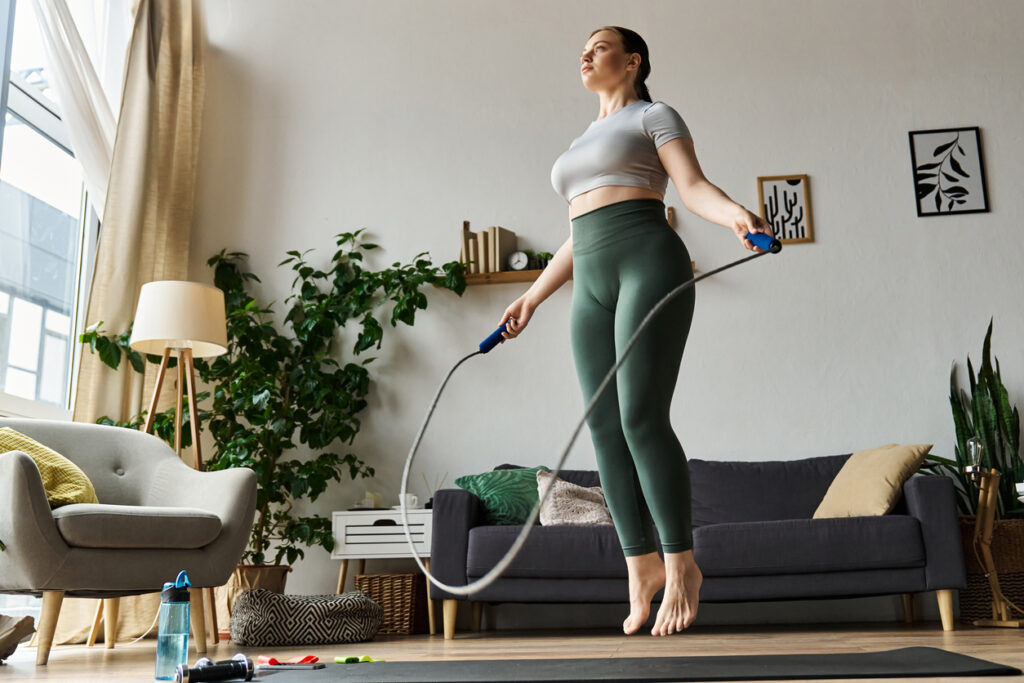
Many of us thought that being tired meant we were doing something wrong or failing to take care of ourselves. As adults, we realize that fatigue is a natural part of life influenced by workload, emotions and rest patterns. Feeling tired does not mean you are unhealthy. It simply means your body needs a pause. Understanding this allows us to approach rest without judgment. It brings a sense of peace that was missing when we tried to hide exhaustion. Tiredness becomes a guide instead of a flaw, helping us care for ourselves with intention.
22. You Should Always Finish What You Start

Growing up, quitting was seen as giving up even when something no longer felt right. With more experience, we understand that stepping away can be an act of clarity, not failure. Changing direction protects our wellbeing and opens space for better fits. Finishing everything is not always the healthiest path. Knowing when to stop is just as important as knowing when to begin. This more flexible perspective encourages thoughtful choices rather than forced persistence. It becomes easier to value growth over strict rules. Life feels lighter when we release pressure to continue things that no longer serve us.
23. Vegetables Are Only for Dieters

Many of us associated vegetables with diets or restrictions rather than everyday enjoyment. As we grow older, we learn that vegetables support energy, digestion and overall comfort in simple ways. They fit naturally into meals without feeling like punishment. Preparing them with spices, sauces or creative methods makes them enjoyable rather than routine. Vegetables become part of a balanced lifestyle instead of symbols of dieting. This shift helps us appreciate their flavor and benefits without pressure. Eating healthier feels easier when it comes from choice rather than rules or expectations.
24. Holding Your Stomach in Improves Posture

Photos, events and childhood habits made many people believe that sucking in the stomach created better posture. Over time, we learn that constant tension can strain muscles and limit natural breathing. Real posture comes from alignment and steady movement, not holding the stomach tight. Releasing that pressure feels freeing. It reminds us that ease supports the body more than forced control. True confidence grows from comfort, not stiffness. This small realization helps us treat our bodies with more patience and honesty. Letting the stomach relax teaches us that strength is gentle and grounded.
25. Getting Older Means Slowing Down Completely

We once believed that aging required stepping back from activities and accepting a slower pace. Growing older reveals a different story. Many people stay active, curious and engaged for decades when they choose movement that feels good. Aging becomes less about decline and more about steady adjustment. It shows us that life continues to bloom in new ways at every stage. This final reminder ties all the earlier advice together, encouraging us to choose habits that support who we are becoming. Growing older simply asks us to stay present, patient and willing to care for ourselves fully.
This story 25 Pieces of “Healthy Advice” We Heard Growing Up… And the Real Story Now was first published on Daily FETCH


