
1. Roscoe “Fatty” Arbuckle
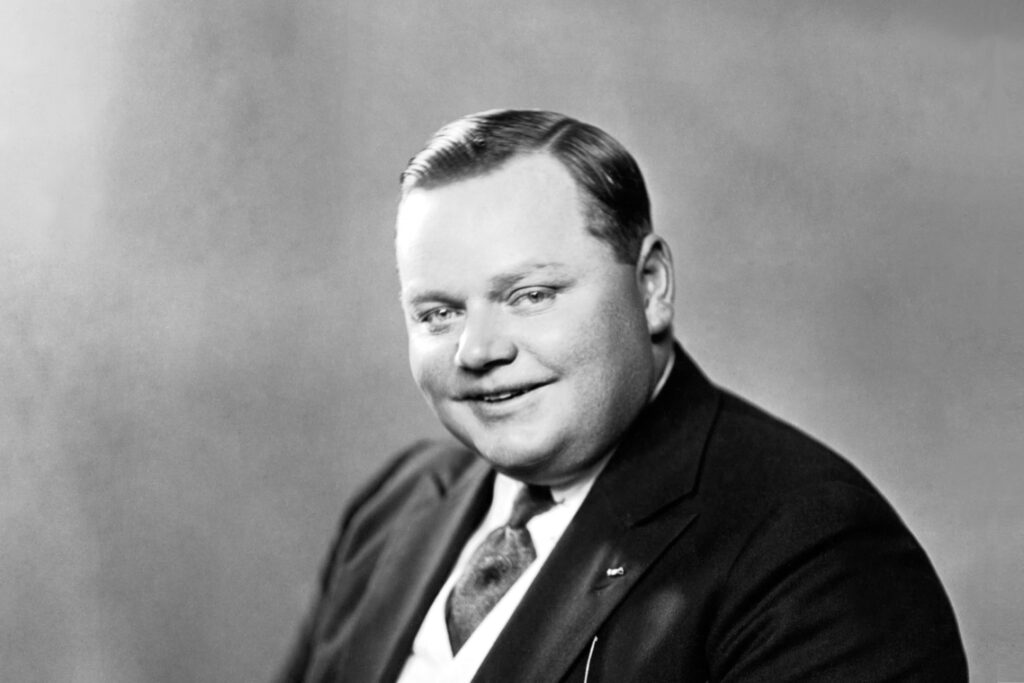
Old Hollywood always looked polished in studio portraits, yet behind the bright lights lived nervous publicists, ambitious actors, and reporters chasing whispers about romance and misconduct. Roscoe Arbuckle learned this painfully in 1921 when a friendly hotel gathering ended with actress Virginia Rappe suddenly falling gravely ill. Her later death triggered accusations, a police investigation, and relentless newspaper coverage that painted Arbuckle as the living symbol of reckless movie excess. He maintained calm public statements, insisted on innocence, and prepared for trial while studio executives feared the scandal could damage the young film industry and frighten audiences across America at the time nationwide.
He faced three highly publicized trials as newspapers printed dramatic testimony and moral commentary each morning. Supporters waited outside courtrooms, while critics insisted Hollywood needed reform to survive public outrage. After long deliberations, the final jury cleared Arbuckle completely and issued a written apology stating he suffered grave injustice from speculation and hysteria. Despite this legal victory, theater owners hesitated to screen his films, advertisers stayed cautious, and his once dominant starring career slipped into minor directing work. The episode quietly taught studio leaders that managing scandal stories mattered almost as much as producing successful films for ticket buying audiences everywhere.
2. Charlie Chaplin
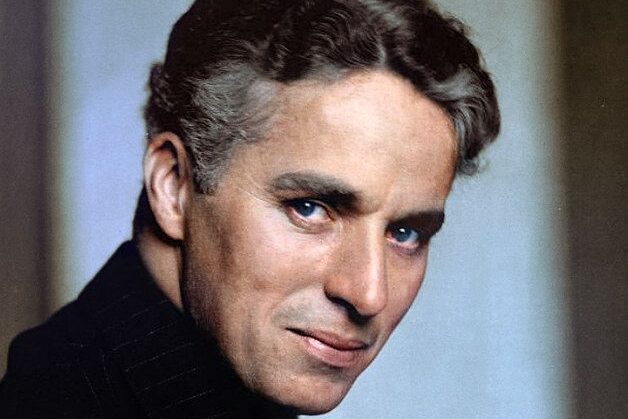
Charlie Chaplin built a global reputation as the gentle Little Tramp, yet his personal relationships often unsettled the same public that adored his films. His earlier marriages to very young women had already drawn criticism, but the real storm arrived during the Joan Barry paternity lawsuit in the 1940s. Barry accused Chaplin of fathering her child, and the case quickly became front page material across American newspapers. Chaplin firmly denied responsibility, explaining to reporters that he believed the claims were false and opportunistic while preparing his legal defense under intense media scrutiny and growing public curiosity nationwide.
Blood testing later suggested he was not the biological father, yet the court still ordered financial support under California law at that time. The contradiction confused many fans and fueled endless radio discussion and editorials about morality, celebrity responsibility, and private behavior. Chaplin continued directing and acting with creative brilliance, though the warmth of his public image never felt quite as simple afterward. The lawsuit showed how even a beloved entertainer could lose control of his narrative once personal life entered the courtroom, reminding studios that audiences often struggled to separate the comforting screen character from the complicated human being behind it.
3. Errol Flynn
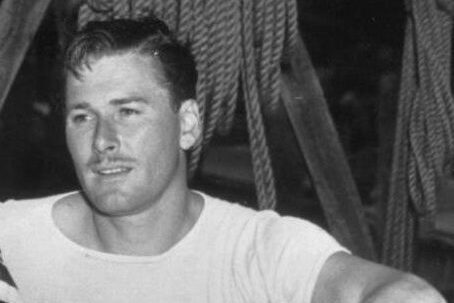
Errol Flynn already carried a reputation for fast living when accusations from two teenage girls pushed him into a sensational 1942 criminal trial. The courtroom filled daily with reporters, photographers, curious fans, and industry observers who sensed the verdict might shape Hollywood’s public standing. Flynn denied the allegations from the beginning and appeared confident, greeting cameras and maintaining the same adventurous charm audiences knew from his films. Studios quietly paused projects but watched closely, understanding that Flynn’s global popularity meant the case could either destroy or unexpectedly reinforce his daring screen persona for audiences everywhere.
After weeks of testimony, the jury acquitted Flynn, and cheering supporters greeted the announcement outside the courthouse steps. Still, the trial permanently linked his name with scandal, and gossip writers never allowed the story to fade completely. Flynn returned to acting and continued drawing crowds, yet his offscreen lifestyle became part of his public mythology. The episode revealed how celebrity loyalty often worked in complicated ways, with fans capable of both defending their favorite star and remaining endlessly fascinated by the same risky behavior that placed him in court in the first place.
4. Ingrid Bergman
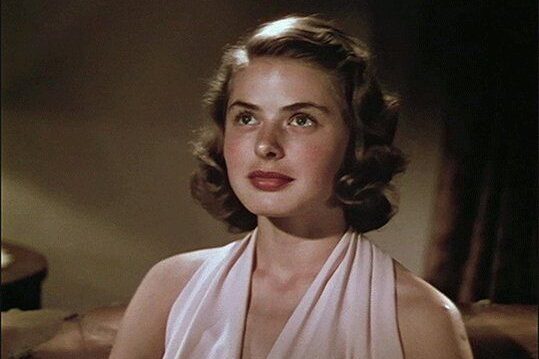
Ingrid Bergman once symbolized sincerity and quiet dignity for American moviegoers, which made news of her relationship with Italian director Roberto Rossellini feel like a cultural earthquake. While filming abroad, Bergman fell deeply in love, became pregnant, and chose to leave her marriage. The announcement spread quickly through newspapers, church groups, and political speeches, with critics arguing that a beloved actress had betrayed the moral example expected from public figures. Bergman spoke simply in interviews, explaining that she followed her heart and hoped audiences might understand her personal decision despite the growing storm.
Instead, American studios distanced themselves, theaters hesitated, and for several years she worked primarily in European productions while public anger slowly cooled. Time eventually reshaped the narrative, and her extraordinary acting talent opened the door to a celebrated Hollywood return. Looking back, the episode shows how strongly mid century audiences linked female stars with idealized virtue. Bergman’s experience revealed how personal love, when lived under global attention, could transform from private happiness into national debate almost overnight, leaving even the most respected performers temporarily stranded between artistic success and public disapproval.
5. Cary Grant
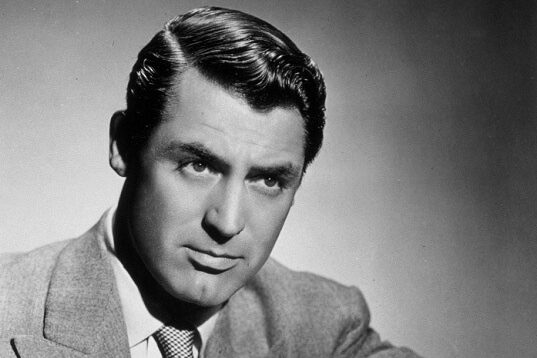
Cary Grant perfected the image of effortless sophistication, yet persistent rumors about his personal life followed him through much of the 1930s and 1940s. His close friendship and shared home with fellow actor Randolph Scott sparked endless speculation in gossip columns eager for provocative stories. Reporters repeatedly asked Grant for explanations, but he usually responded with light humor and graceful deflection, refusing to feed the headlines with emotional denials. Studio publicity teams quietly arranged public outings with actresses and carefully photographed social events, hoping reassuring images would calm speculation and preserve the romantic leading man persona audiences loved.
Nothing explosive ever reached courtrooms or official investigations, yet the whisper campaign lingered for decades in entertainment writing. Grant handled the situation with remarkable calm professionalism, focusing on performances and letting charm carry him through interviews. Audiences largely continued embracing his films, perhaps preferring the confident screen figure to any uncertain private rumor. His experience illustrates how Old Hollywood scandals were not always explosive events. Sometimes the story was simply the constant hum of speculation, showing how fame itself could turn ordinary friendships and private living arrangements into lifelong public conversation.
6. Joan Crawford
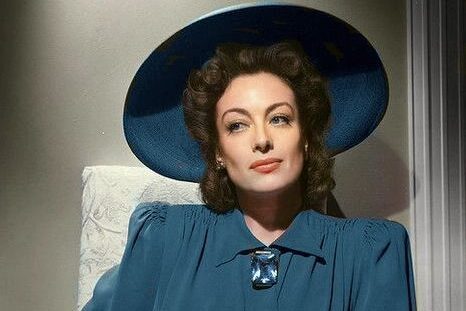
Joan Crawford projected fierce determination on screen, and her personal life sometimes carried the same intensity into public view. During her troubled marriage to actor Franchot Tone, reports of jealousy, emotional clashes, and suspected affairs slowly reached gossip columnists. When divorce proceedings began, courtroom filings and witness statements offered magazines a steady stream of dramatic personal detail. Readers followed the coverage almost like serialized fiction, fascinated by the contrast between Crawford’s polished studio portraits and the messy domestic conflicts being described in legal language and whispered Hollywood conversations circulating widely.
Crawford rarely answered specific allegations publicly, choosing instead to appear composed at premieres and focus relentlessly on new film roles. That strategy worked. While the divorce generated headlines, her professional reputation for discipline and star power remained strong enough to carry her forward. The episode reflected a growing shift in Hollywood media culture, where private marital disputes could become nationwide entertainment. It also showed how some stars survived scandal not by fighting every rumor, but by continuing to deliver performances that reminded audiences exactly why they admired them in the first place.
7. Clark Gable
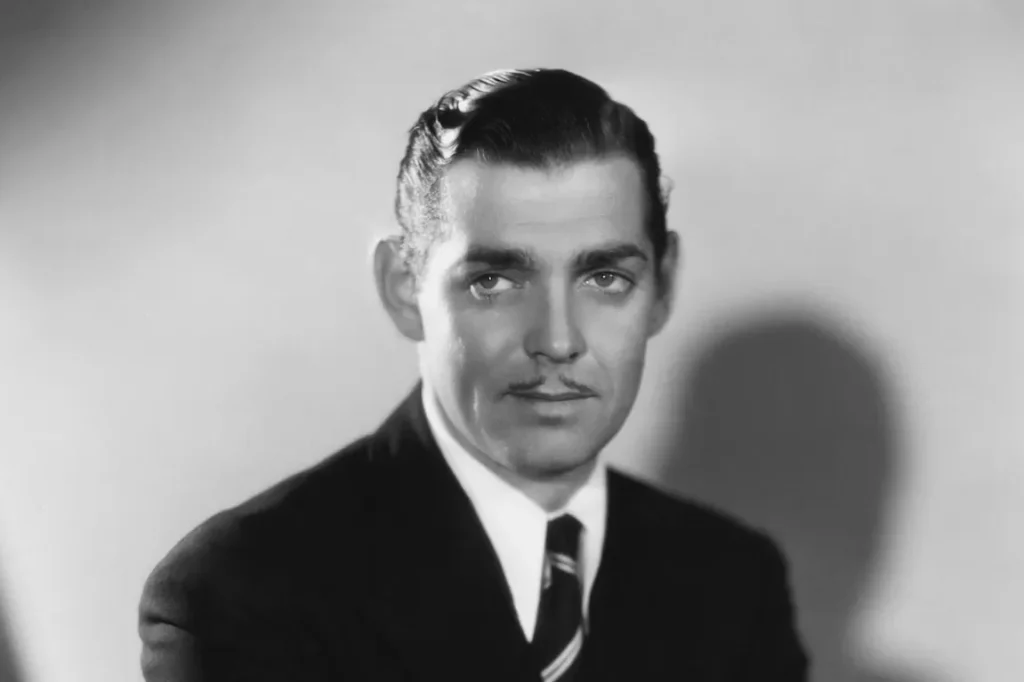
Before Clark Gable fully settled into his status as Hollywood’s ultimate romantic leading man, early rumors about paternity claims threatened to complicate his rising career. One lawsuit from a former acquaintance alleged he had fathered a child, creating uncomfortable press attention just as studios were investing heavily in his image. Gable denied the accusation and avoided emotional public commentary, while MGM publicity staff worked carefully behind the scenes to limit coverage and protect the emerging star’s appeal to female audiences across the country and international markets watching American films closely.
Although the claim never permanently damaged his career, it revealed how fragile studio plans could feel when personal allegations surfaced. Years later, confirmation of his earlier relationship with Loretta Young and their secret child further reinforced how carefully Hollywood once concealed sensitive matters. Gable continued dominating the screen, yet his story shows that even the most confident cinematic heroes sometimes depended on powerful publicity machines working tirelessly in the background to keep complicated private realities from reshaping the public fantasy audiences paid to believe.
8. Mae West
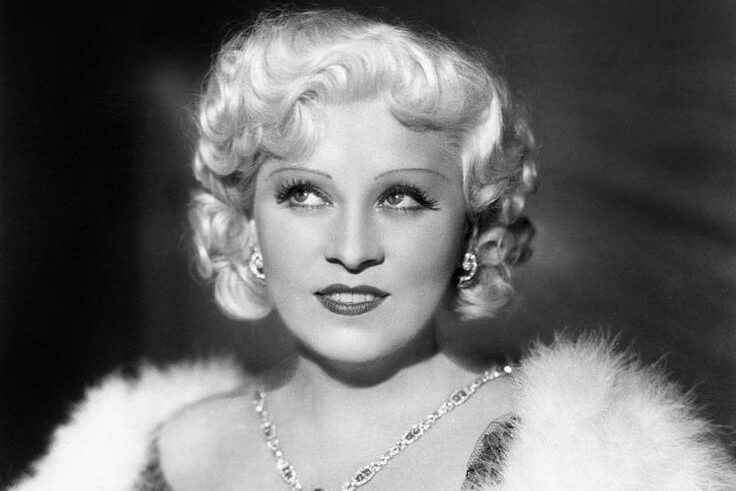
Long before Mae West conquered Hollywood film screens, she was already provoking controversy on the New York stage. Her 1927 Broadway play titled Sex attracted huge audiences but also angered moral reform groups who claimed the production encouraged indecency. Authorities eventually arrested West and several cast members on obscenity charges, sending her briefly to jail. Instead of destroying her career, the case turned her into a national talking point, with curious theatergoers rushing to see the performer bold enough to challenge social boundaries so openly in dialogue and character portrayal.
West later joked that the experience helped her career, explaining in interviews that public outrage often worked like free advertising. When she moved into films, studios monitored her scripts closely, yet her confident delivery and playful humor made her one of the era’s most distinctive stars. The incident showed Hollywood executives something important. Audiences were not only attracted to safe glamour. They were also deeply curious about performers who pushed against social expectations, proving that controversy, handled with wit and confidence, could sometimes build a legend rather than destroy one.
9. Spencer Tracy
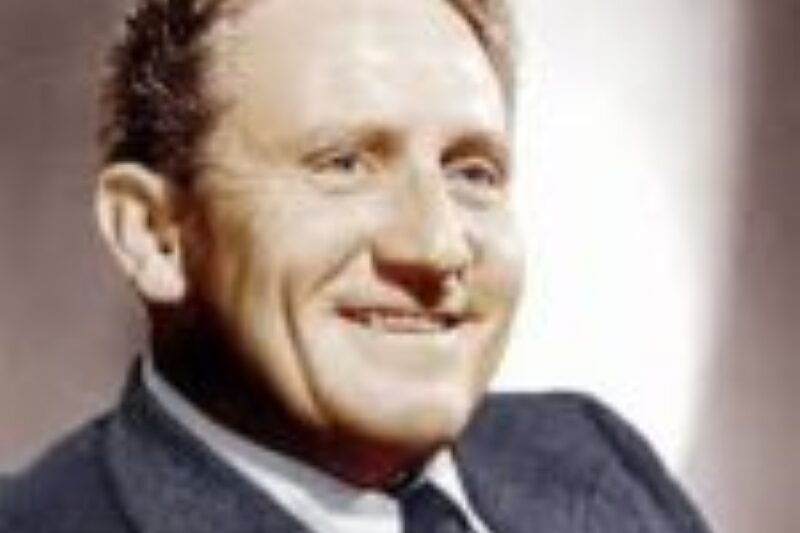
Spencer Tracy carried the reputation of a disciplined, serious actor, respected by directors and loved by audiences who trusted his steady screen presence. Behind that calm image, his personal life held a complicated truth. Tracy remained legally married while forming a deep and lasting romantic relationship with Katharine Hepburn. Because his Catholic beliefs discouraged divorce and studios feared public backlash, the relationship unfolded quietly, with careful scheduling, separate public appearances, and almost no official confirmation. Industry insiders understood the situation, yet publicity departments worked constantly to keep the story respectful and contained within professional circles.
Their connection lasted for decades and shaped both of their careers in subtle emotional ways. Hepburn later spoke gently about their bond, acknowledging they simply loved each other and accepted the limitations surrounding them. Fans eventually recognized the depth of their partnership through their onscreen chemistry, even if the full truth stayed mostly private during Tracy’s lifetime. The situation reflected how Old Hollywood often handled personal relationships through silence rather than scandal, showing that sometimes the biggest romantic stories were not loud courtroom dramas but quiet lifelong attachments lived carefully under the watchful eyes of studio contracts.
10. Lana Turner
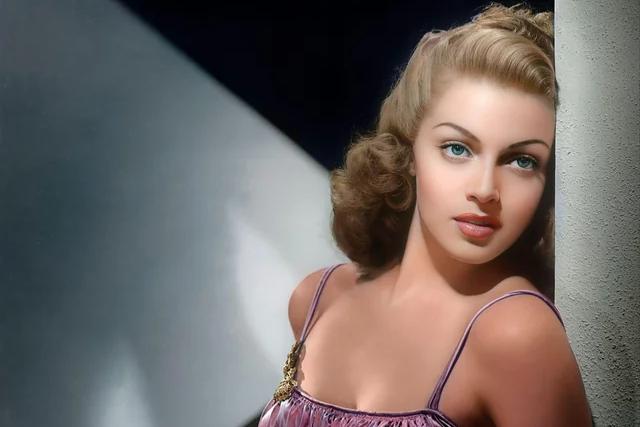
Lana Turner’s glamorous screen life collided with personal tragedy in 1958 when her relationship with Johnny Stompanato became the focus of a shocking national investigation. Their romance had already been described in gossip columns as volatile and emotionally intense. During a heated domestic confrontation at Turner’s home, her teenage daughter Cheryl stabbed Stompanato while trying to protect her mother. The death triggered a major public inquest that exposed intimate details of Turner’s private life, her fears, and the instability of the relationship that had been unfolding behind the scenes.
The court ultimately ruled the killing justifiable, accepting the explanation of self defense within the household. Still, newspapers reported every emotional detail, transforming Turner’s personal trauma into daily national headlines. She later returned to acting successfully, though the event permanently shaped how the public viewed her personal story. The case showed how quickly a private romantic relationship could become a public legal spectacle, reminding Hollywood that even carefully managed stars could suddenly face intense exposure once police investigations, family testimony, and press curiosity combined into one unstoppable national story.
11. Marilyn Monroe
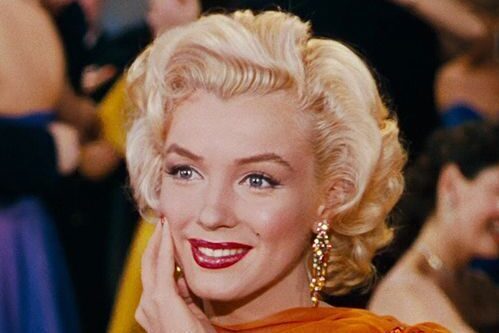
Marilyn Monroe lived under a level of romantic scrutiny few stars ever experienced, with journalists analyzing every friendship, marriage, and rumored meeting. Her marriages to Joe DiMaggio and Arthur Miller already placed her at the center of public fascination, yet speculation intensified when gossip linked her socially to influential political figures. Reports suggested private gatherings and confidential phone calls, though many details remained debated. Monroe herself often responded with humor or gentle deflection, trying to keep attention focused on her film work rather than the endless curiosity surrounding her personal relationships.
The constant speculation reflected something larger than any single rumor. Monroe’s public image blended vulnerability, beauty, and power in ways that made audiences feel protective yet endlessly curious. Studios attempted to manage coverage, but her global fame meant stories traveled instantly through newspapers and radio discussions. Even today, historians continue debating how much truth existed within those reports. Her experience illustrates how celebrity sexuality in the late studio era had become a permanent media engine, capable of turning even casual social encounters into long lasting public mythology that followed a performer far beyond the film screen.
12. Elizabeth Taylor
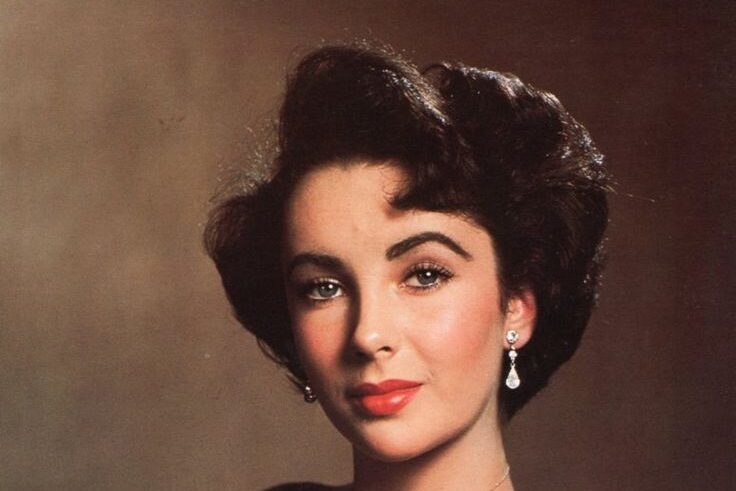
Elizabeth Taylor’s romantic life frequently filled headlines, but the relationship that created one of Hollywood’s most emotional scandals involved singer Eddie Fisher. Fisher was married to Debbie Reynolds, who was not only America’s sweetheart but also Taylor’s close friend. When Fisher left Reynolds and married Taylor, public sympathy strongly favored Reynolds, and magazines portrayed the situation as a painful betrayal. Taylor rarely apologized publicly, instead focusing on her work and maintaining that relationships were deeply personal matters beyond public judgment.
The controversy intensified later when Taylor began her famous relationship with Richard Burton during the filming of Cleopatra while both were still married to other partners. Religious commentators, columnists, and international newspapers debated the morality of the romance, yet audiences continued filling theaters to watch her films. Taylor’s story demonstrated something Hollywood executives never fully solved. Public outrage over private relationships did not always translate into financial punishment. Sometimes viewers disapproved personally yet remained fascinated professionally, proving that star power, emotional authenticity, and undeniable screen presence could outweigh even the loudest romantic scandals.
13. Humphrey Bogart
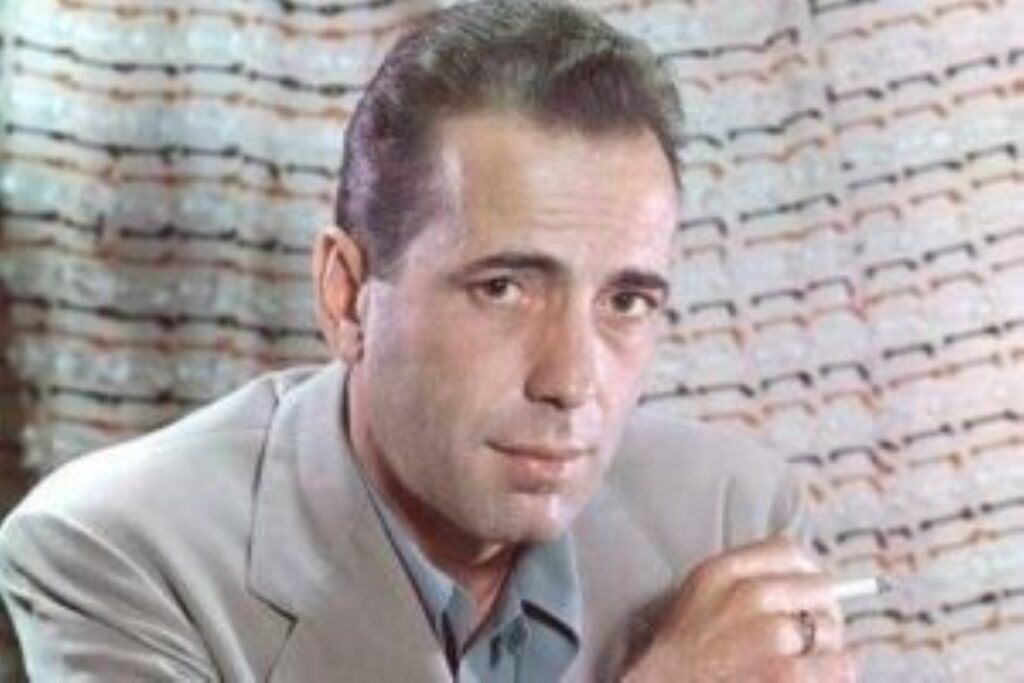
Before Humphrey Bogart became one half of Hollywood’s beloved partnership with Lauren Bacall, his earlier marriages involved emotional strain, heavy drinking, and public divorce filings that exposed personal conflict. Court documents referenced arguments, separations, and difficult domestic circumstances that gossip writers summarized into blunt headlines. While none of these disputes formed a single explosive scandal, the accumulation created a reputation for turbulent relationships that followed Bogart through the early years of his career in supporting roles.
Everything shifted when he met Bacall during filming. Their relationship felt steady, affectionate, and professionally supportive, quickly reshaping public perception. Audiences embraced the romance, and earlier marital drama faded into background biography rather than defining scandal. Bogart’s story highlights how Hollywood often allowed reinvention once the right personal narrative appeared. A stable partnership combined with career success could quietly replace years of negative publicity, showing that in the studio era, public memory was sometimes shorter than expected when audiences found a love story they genuinely wanted to believe.
14. Rita Hayworth
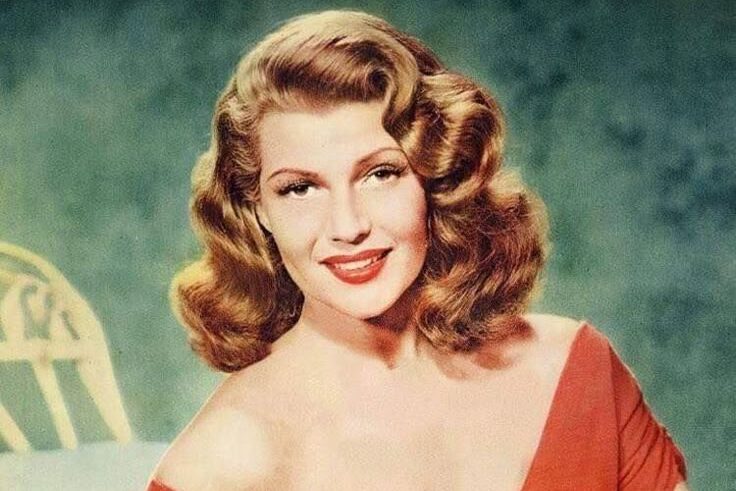
Rita Hayworth’s marriage to Prince Aly Khan blended Hollywood glamour with international aristocracy, instantly attracting worldwide attention. At first, magazines celebrated the union as a romantic fairy tale linking cinema and royalty. Soon, however, reports of extravagant parties, rumored affairs, and growing emotional distance began circulating through European and American press coverage. The constant attention made ordinary married life nearly impossible, with photographers tracking travel schedules and social appearances while columnists speculated endlessly about jealousy, expectations, and cultural differences shaping the strained relationship.
When the marriage ended, newspapers framed the separation as proof that even the most dazzling celebrity unions faced very human pressures. Hayworth rarely shared detailed complaints, instead returning to film work and focusing on raising her daughter. The episode became less about scandalous accusation and more about the emotional exhaustion of living permanently under global observation. Her experience shows how some Old Hollywood controversies developed not from one shocking incident but from relentless public scrutiny slowly magnifying every private disagreement until the relationship itself could no longer survive the spotlight.
15. Frank Sinatra
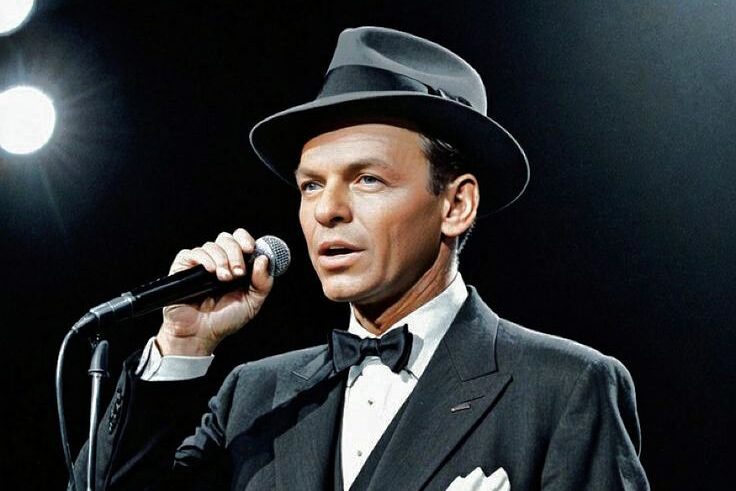
Frank Sinatra’s romance with Ava Gardner began while he was still married to Nancy Sinatra, turning the relationship into front page national drama almost immediately. Fan magazines reported emotional confrontations, separation rumors, and insider commentary that framed the romance as both passionate and destructive. Sinatra’s career was already facing professional uncertainty, and the scandal added further pressure as industry executives worried about his public image and commercial reliability. Gardner’s bold personality and independence only intensified public fascination with the unfolding love story.
Sinatra eventually divorced and married Gardner, yet their marriage proved turbulent, filled with emotional intensity, distance from film commitments, and repeated reconciliation attempts. Despite the instability, the relationship remained one of Hollywood’s most talked about romantic chapters. Sinatra later rebuilt his career through music and acting success, showing how professional achievement could gradually soften public judgment about personal decisions. Their story illustrates how audiences often remain captivated by authentic emotional relationships, even when those relationships begin in controversy and unfold under relentless media attention.
16. Greta Garbo
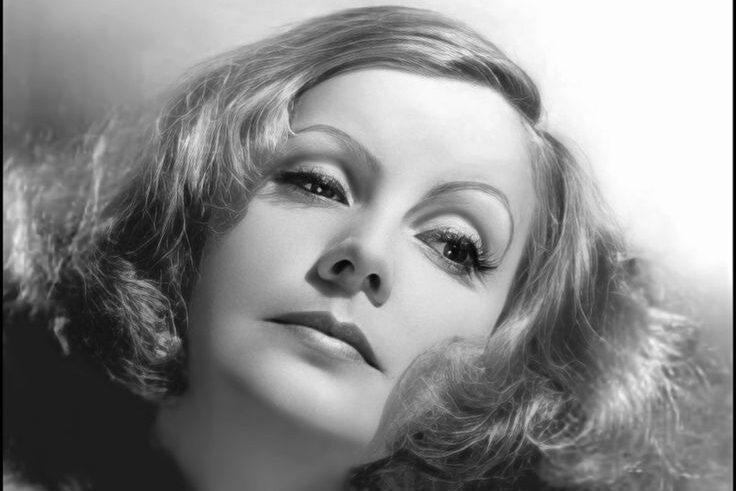
Greta Garbo’s mystique came partly from her extraordinary acting presence and partly from her deep commitment to privacy. Unlike many stars who attended social events and gave frequent interviews, Garbo avoided publicity whenever possible. This silence only encouraged gossip writers to speculate endlessly about her romantic relationships, friendships, and possible secret companions. Because she rarely confirmed or denied anything, even ordinary social outings could spark weeks of speculation in entertainment columns eager for dramatic narratives about the famously reserved actress.
Garbo eventually stepped away from Hollywood earlier than many expected, choosing a quiet private life that only deepened the mystery surrounding her personal history. Without public explanations, rumors continued circulating for decades, often contradicting one another. Her story reveals how, in Old Hollywood, secrecy itself could become a form of scandal. The absence of information sometimes fascinated audiences more than confirmed drama, showing that a performer’s refusal to share personal details could generate as much attention as the loudest romantic headline in the industry.
17. Tyrone Power
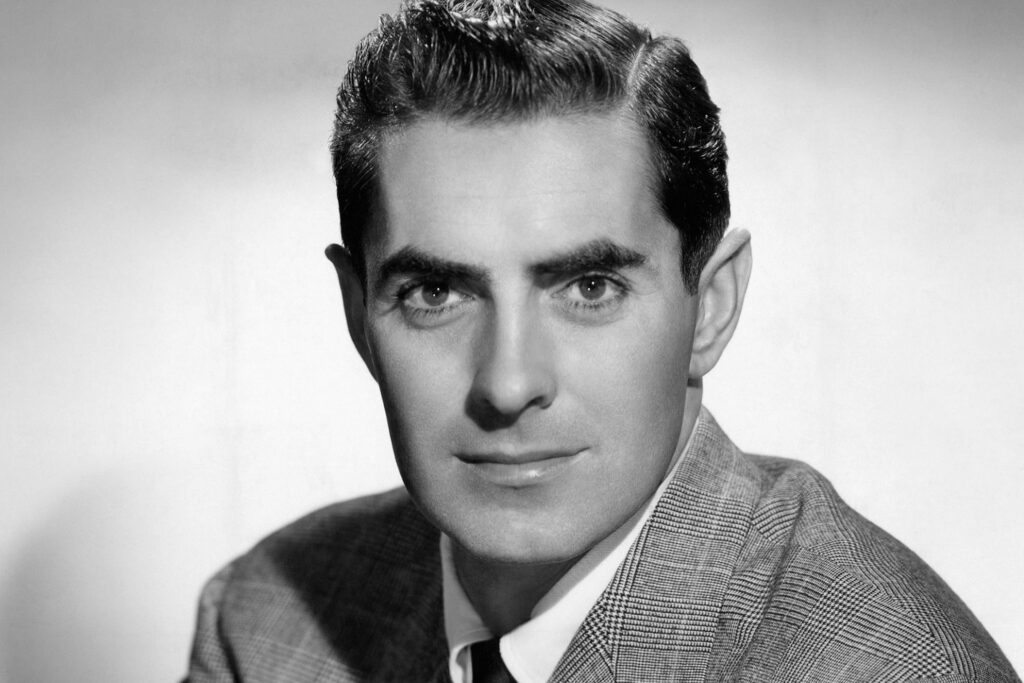
Tyrone Power’s polished image as a heroic leading man made his marital separation from actress Annabella especially surprising to fans who associated him with dependable romance. When their divorce proceedings began, official statements cited incompatibility and long professional absences, yet gossip writers quickly interpreted those phrases as signals of deeper romantic conflict and possible affairs. Entertainment columns followed the process closely, describing the situation as another reminder that screen perfection rarely matched private domestic reality in the demanding Hollywood lifestyle.
Power handled the situation cautiously, avoiding emotional interviews and focusing on film commitments that kept his professional reputation stable. The restrained response helped prevent the story from expanding into a prolonged scandal, though the rumors lingered in fan magazines for years. His experience demonstrates how mid century studios had become increasingly skilled at managing controversy through careful messaging, limited public statements, and steady film releases. Sometimes the most effective scandal control involved simply continuing normal work until public curiosity gradually shifted toward the next headline.
18. Jean Harlow
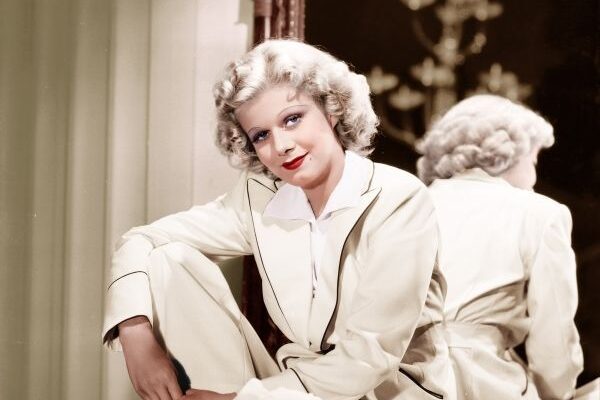
Jean Harlow’s brief marriage to producer Paul Bern ended suddenly when Bern died from a gunshot wound in 1932, launching immediate national speculation. Police ruled the death a suicide, yet gossip columns quickly suggested hidden marital problems, private emotional struggles, and possible romantic complications. Because Harlow was already one of MGM’s brightest rising stars, the studio moved rapidly to stabilize her image and limit sensational reporting that might damage both her career and the studio’s carefully managed publicity strategy.
Harlow continued filming and maintained her professional momentum, though the tragedy remained permanently linked to her personal biography. Historians later noted how the mixture of genuine grief and speculative reporting created a narrative difficult to separate from fact. Her experience illustrates how Old Hollywood scandals often blended real human loss with exaggerated storytelling, producing public memories shaped as much by rumor and dramatic headlines as by verified events. Even successful career recovery could not fully erase the emotional shadow created by such a sudden and widely discussed personal tragedy.
19. Laurence Olivier
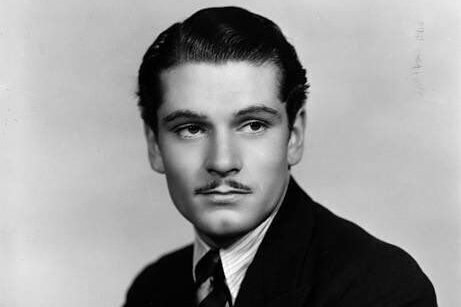
When Laurence Olivier and Vivien Leigh fell in love, both were already married, turning their relationship into a widely discussed international controversy. Theatre communities, film studios, and newspaper readers followed the developing romance closely as divorce proceedings slowly unfolded. Commentators debated whether their artistic partnership justified the personal upheaval surrounding their union, while fans watched with a mixture of admiration and moral uncertainty about the circumstances shaping their new relationship.
Once married, however, their extraordinary performances together gradually shifted public focus toward their artistic achievements rather than the earlier controversy. Productions featuring the pair drew enthusiastic audiences, and the narrative transformed from scandal to legendary creative partnership. Their story reflects how public opinion often evolves once time passes and professional excellence dominates headlines. What begins as romantic controversy can eventually become cultural history, demonstrating how sustained artistic success sometimes rewrites the emotional tone of even the most scrutinized beginnings.
20. Judy Garland
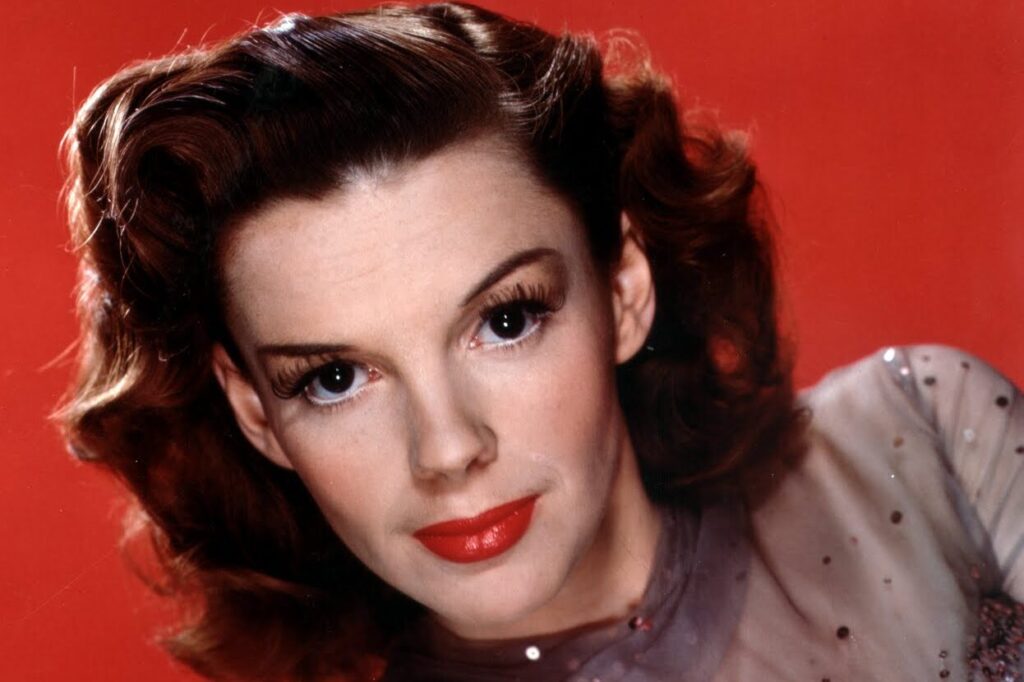
Judy Garland grew up almost entirely inside the MGM studio system, where executives closely monitored her schedule, health, friendships, and romantic relationships. Publicists worried constantly that unsuitable partnerships or emotional instability might damage her wholesome public image. As Garland entered adulthood, her marriages, separations, and rumored affairs repeatedly surfaced in entertainment coverage, often revealing how little personal freedom she truly possessed while working under strict studio supervision and contractual expectations shaping nearly every private decision.
Garland later spoke openly about the emotional strain created by that level of control, explaining how difficult it felt to balance genuine personal relationships with professional image requirements. Divorce filings and custody disputes occasionally exposed painful details the studio once tried to suppress. Her story highlights how some Old Hollywood scandals were not simply about individual actions but about the immense pressure placed on young performers living inside a system that treated their personal lives as carefully managed extensions of their marketable screen identity.
21. Marlene Dietrich
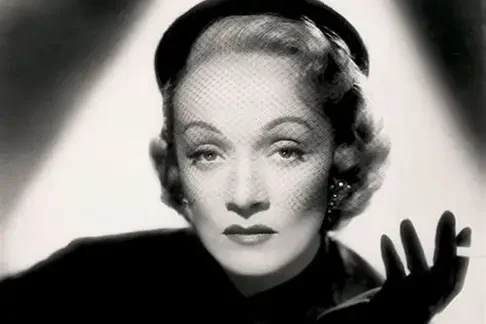
Marlene Dietrich built her Hollywood image around elegance, confidence, and a calm refusal to live by ordinary expectations. Throughout the 1930s and 1940s, gossip columns frequently discussed her romantic relationships, noting that her companions included both powerful men and influential women. While many studios would have panicked, Dietrich handled the attention with controlled composure, rarely offering explanations and instead presenting herself as a sophisticated European artist uninterested in public moral approval. Her independence unsettled conservative commentators but fascinated audiences who sensed she lived exactly as boldly as the characters she portrayed.
Rather than hiding from the rumors, Dietrich quietly absorbed them into her public mystique. Photographers captured her tailored suits, confident posture, and effortless charm, reinforcing the sense that she defined her own personal rules. Over time, what might have destroyed another career became part of her enduring legend. Her story shows how some Old Hollywood figures survived controversy not through denial or apology, but through unwavering self possession that convinced audiences to accept the mystery rather than demand complete personal transparency.
22. Bette Davis
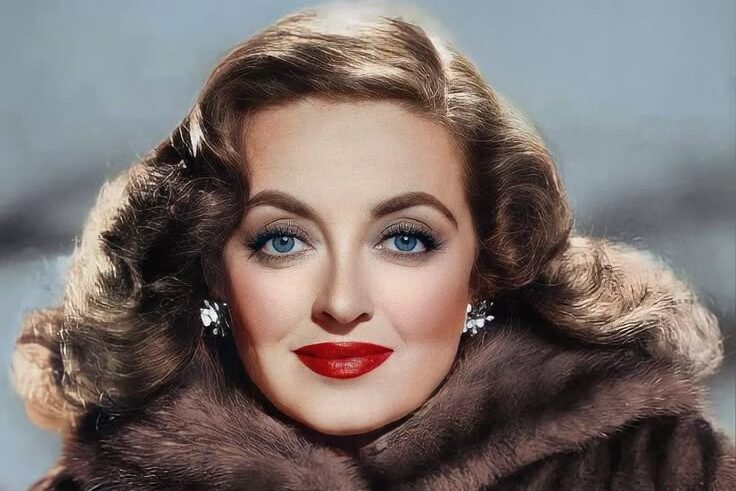
Bette Davis carried a reputation for fierce determination, and that same intensity often appeared in her personal relationships. Several of her marriages ended in divorce proceedings that included accusations of infidelity, emotional conflict, and exhausting domestic arguments. Court hearings generated steady newspaper coverage, with reporters describing heated testimony and complicated financial disputes that contrasted sharply with the poised professionalism Davis displayed during film promotions and studio appearances.
Davis rarely attempted to soften her personality for public approval. Instead, she spoke openly about independence and the difficulty of balancing demanding film schedules with marriage expectations. Audiences gradually accepted that her strong will was not just an onscreen trait but a genuine part of her identity. Interestingly, the controversies never weakened her career. If anything, they reinforced her reputation as a formidable performer unwilling to pretend perfection. Her experience suggests that by the 1940s, some viewers were beginning to respect female stars who showed resilience through personal turmoil rather than presenting an unrealistic image of flawless domestic stability.
23. Montgomery Clift
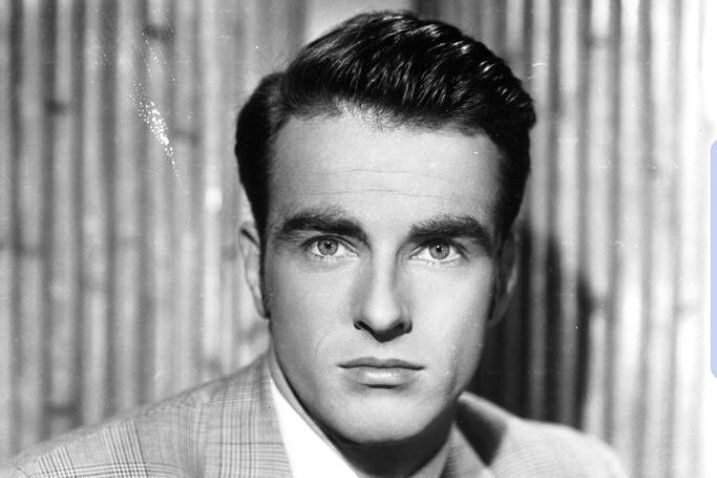
Montgomery Clift emerged as one of Hollywood’s most emotionally intense actors, known for deeply sensitive performances that felt unusually personal. Behind the scenes, studio executives worried constantly about protecting his public image, especially as rumors circulated about relationships that did not match the conventional romantic narratives expected at the time. Publicists arranged social appearances and carefully framed press interviews, hoping to maintain a traditional leading man persona that would keep audiences comfortable and box office returns steady.
Clift himself rarely discussed personal matters, focusing almost entirely on acting craft and professional preparation. Friends later described the emotional pressure created by living under constant observation while feeling unable to speak honestly about private relationships. Though no major public trial or explosive scandal occurred, the persistent need for secrecy created a quieter kind of controversy shaped by silence rather than headlines. His story reflects how Old Hollywood sometimes treated personal identity itself as something that required careful management, revealing how exhausting the gap between public image and private reality could become for sensitive performers.
24. Rock Hudson
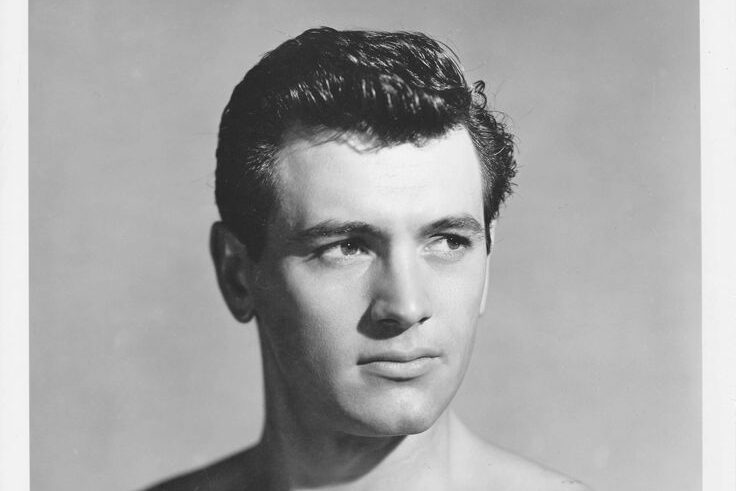
Rock Hudson became one of the most beloved romantic leading men of the 1950s, starring in popular films that relied heavily on his trustworthy charm and traditional masculine appeal. Behind the scenes, however, studio executives feared that persistent rumors about his private relationships could threaten that carefully constructed image. In response, Hudson entered a brief marriage with Phyllis Gates, widely interpreted by insiders as an effort to reassure the public and silence speculation surrounding his personal life.
The arrangement protected his career at the time, allowing him to continue starring in successful romantic films while maintaining the illusion audiences expected. For years, the strategy worked, and Hudson remained one of Hollywood’s most bankable stars. Only decades later did broader discussions reveal how much effort had gone into preserving that public narrative. His experience illustrates how deeply the studio system depended on managing personal stories, showing that sometimes the real scandal was not what the public knew, but the enormous coordinated effort required to keep certain truths permanently out of view.
25. Tallulah Bankhead
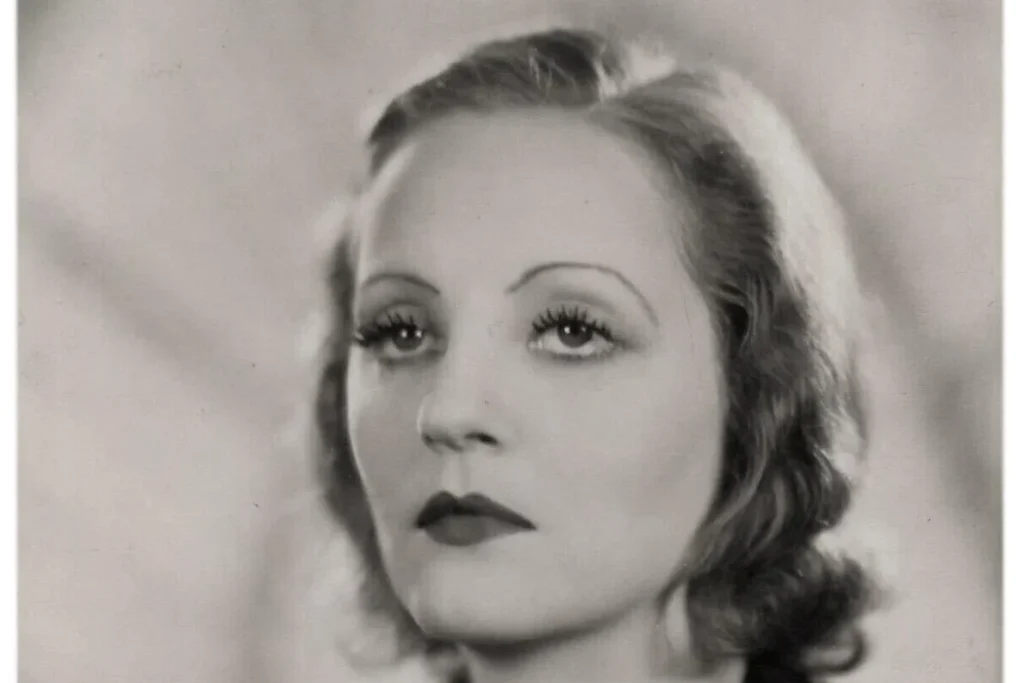
Tallulah Bankhead never pretended to live quietly, and her bold personality made her one of the most talked about figures in both Hollywood and Broadway circles. Known for sharp wit, heavy partying, and openly flirtatious behavior, Bankhead moved through elite social groups where gossip traveled quickly. Reporters frequently linked her to numerous romantic relationships and late night gatherings, and her refusal to deny stories only fueled the fascination. Rather than presenting a carefully polished studio image, she leaned into her outspoken reputation, speaking freely in interviews and treating scandal as something almost amusing rather than career threatening.
That fearless approach helped her maintain a loyal following even when conservative commentators criticized her lifestyle. Directors valued her commanding stage presence, and audiences admired the sense that she was completely authentic in public and private. Bankhead’s story shows a slightly different side of Old Hollywood scandal culture. Instead of hiding from rumors or allowing studios to control her narrative, she treated attention as part of the performance itself. In doing so, she quietly proved that sometimes confidence and humor could protect a career just as effectively as silence or careful publicity management.


