
1. The Skateboard

It is funny how some stories start quietly, and this one begins with surfers looking for something to do when the ocean went flat. The skateboard was not meant to be deep or defining. It was just wood and wheels, something playful and temporary. But over time, it pulled people together. Skaters shared streets, clothes, music, and a sense of seeing the world differently. What felt like a toy slowly became identity, routine, and community. By the time anyone noticed, skateboarding was no longer an object. It was a way of moving, thinking, and belonging that kept rolling forward.
2. Photocopier
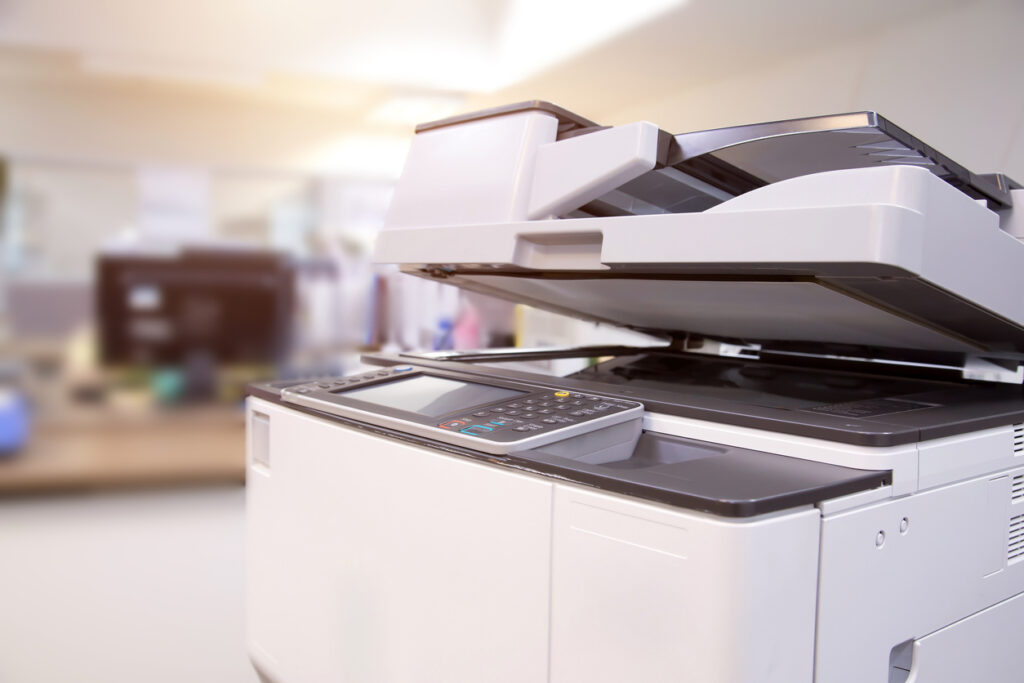
The photocopier lived in offices and schools, humming without much attention. Then people with ideas found it. Zines were born from stapled pages and late night copying sessions. Writers, punks, artists, and activists finally had a way to speak without asking permission. Each copied page felt personal, rough, and honest. Readers felt like they were holding a secret passed hand to hand. What started as office equipment turned into a tool for connection. Entire communities formed around shared thoughts, shared frustration, and shared creativity. The machine did not change, but what people did with it changed everything.
3. Spray Paint

Spray paint was designed to be fast and convenient, nothing more. But once it touched brick walls and train cars, it started speaking louder than words. Graffiti writers used it to leave marks, names, and stories behind. Cities tried to erase it, yet it kept returning, growing into its own language. Writers found each other through symbols and style, building respect and rivalry. What looked like vandalism to some felt like visibility to others. A simple can helped create a culture rooted in expression, presence, and the need to be seen where no one was looking.
4. Walkman
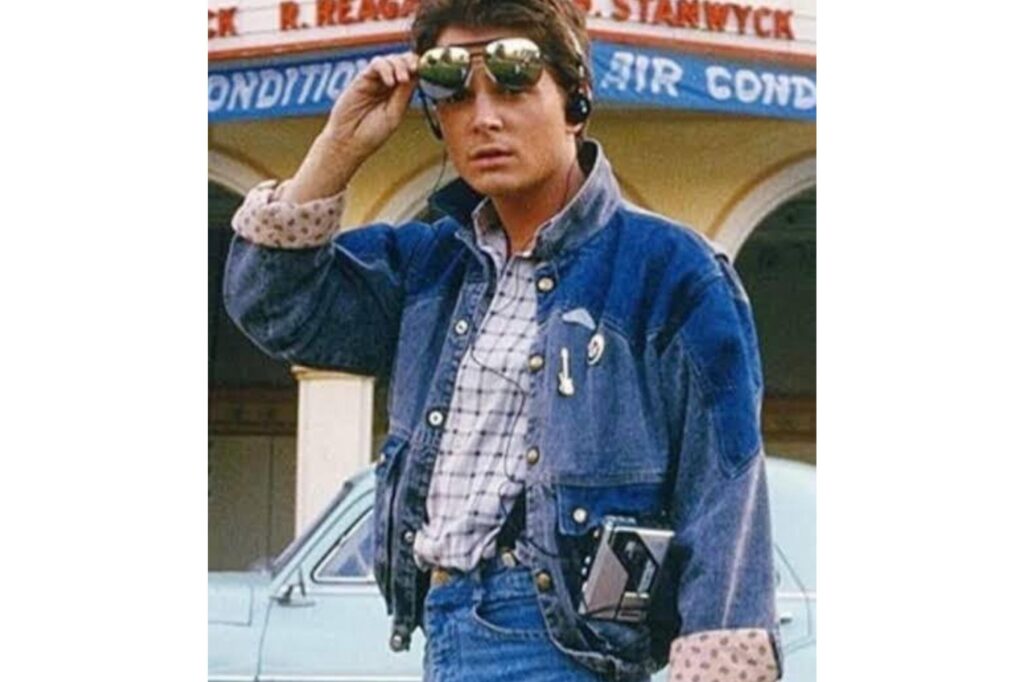
When the Walkman arrived, it promised portable music. What it delivered was something more personal. People could finally carry sound with them, turning ordinary walks into emotional journeys. Headphones became shields, soundtracks, and comfort. Strangers stood side by side while living inside different songs. This small device quietly changed public spaces and private moments. It created a culture where listening was intimate and chosen. Long before playlists were shared online, people were already building relationships with music that followed them everywhere, shaping moods, memories, and movement through daily life.
5. Electric Guitar
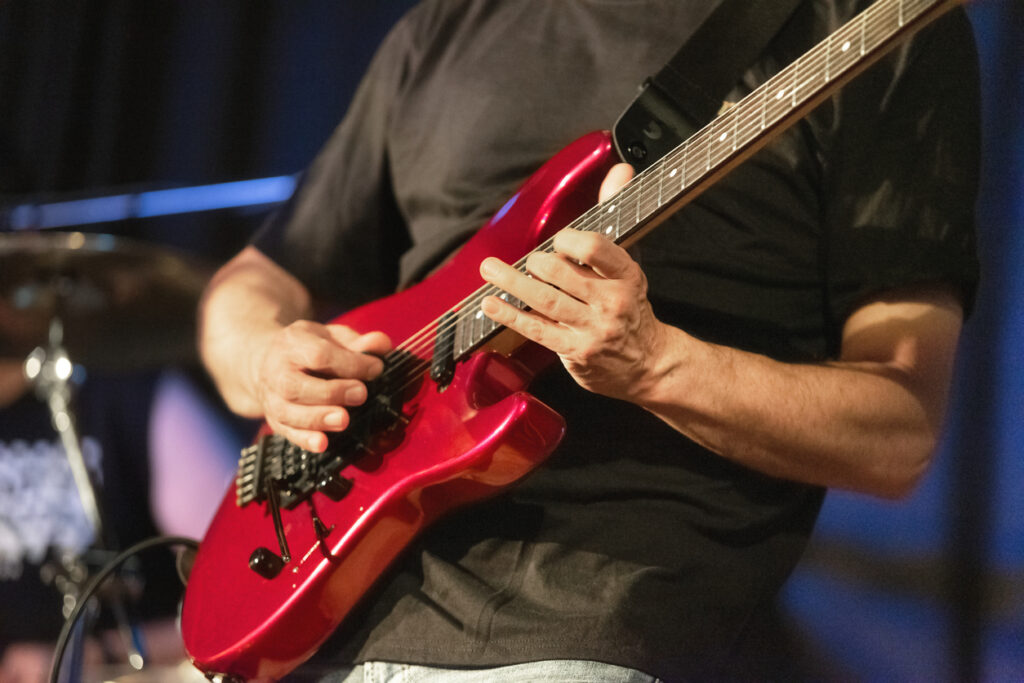
The electric guitar was built to be heard in louder rooms. No one planned for it to shape generations. As it grew louder, it grew bolder. Young musicians used it to push back, express anger, joy, and curiosity. Bands formed, styles emerged, and stages became places of shared release. Fans copied the clothes, the hair, the attitude. The guitar became more than an instrument. It was a signal. It told you who someone listened to and how they saw the world. A technical solution turned into a cultural heartbeat that still echoes today.
6. Safety Pins
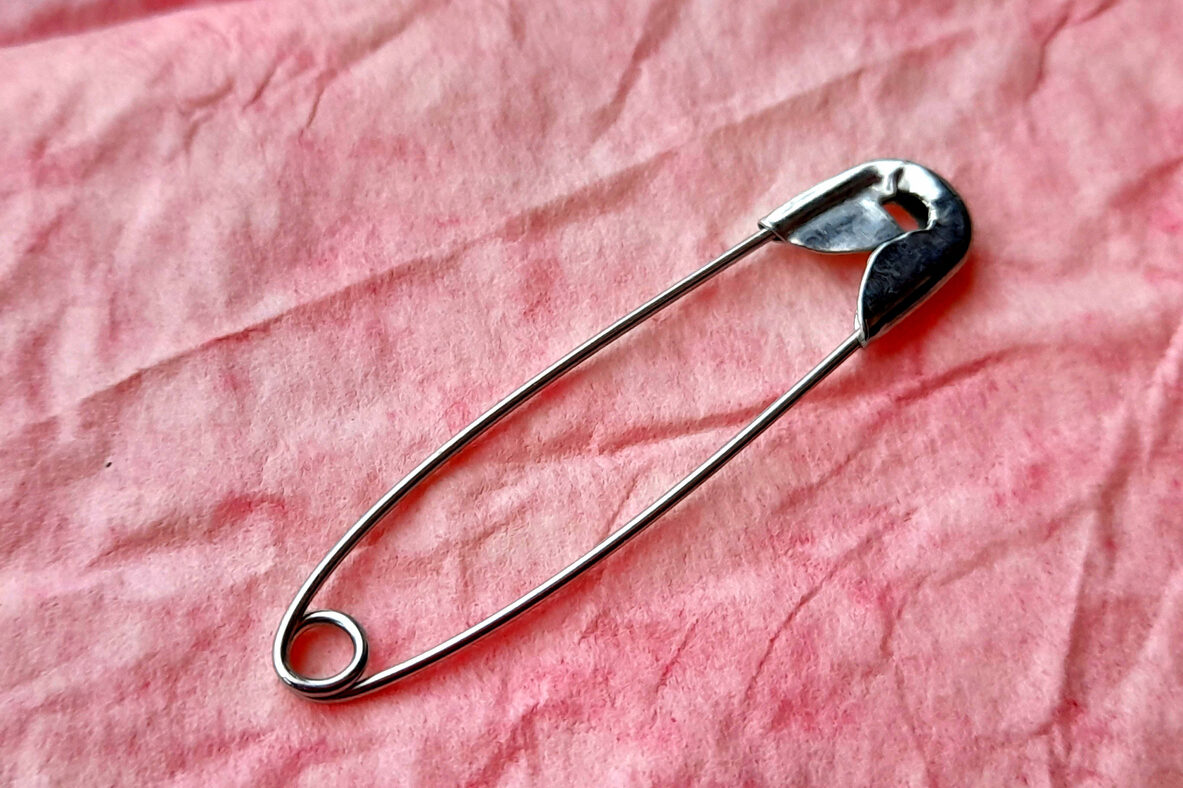
The safety pin existed to fix small problems, a torn hem or a loose strap. Then punk culture claimed it. Worn on jackets, ears, and bags, it stopped being invisible. It said something without shouting. It spoke of making do, rejecting polish, and wearing honesty on the outside. People recognized each other through these small details. What was once hidden inside fabric became a symbol of survival and self expression. A humble piece of metal helped stitch together a culture built on attitude, resourcefulness, and the refusal to fit neatly into expectations.
7. Synthesizer
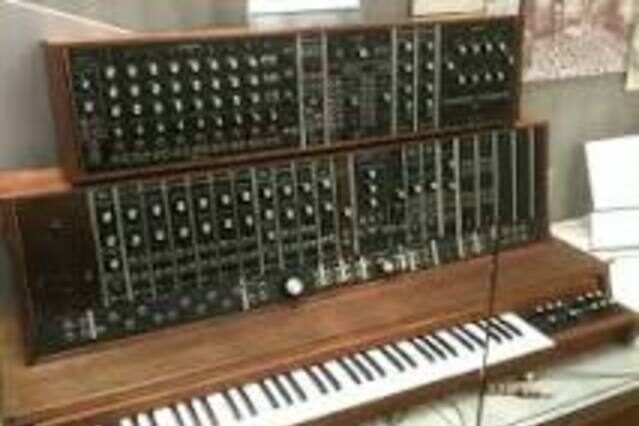
Early synthesizers were awkward and unfamiliar, filled with knobs and wires. Musicians explored them out of curiosity. The sounds they created felt new, strange, and exciting. Clubs filled with rhythms that did not rely on traditional instruments. Dancers found freedom in repetition and pulse. Electronic music scenes formed around shared nights and shared energy. These machines helped people imagine futures through sound. What started as technical experimentation became community, ritual, and movement. The synthesizer did not just change music. It created spaces where people gathered to feel connected through rhythm and shared experience.
8.Bicycle

The bicycle promised affordable transportation, but it delivered something deeper. Riding gave people independence, especially in crowded cities. Cyclists formed communities around freedom, fitness, and environmental care. Bike lanes became meeting points. Rides turned into conversations. Some rode for work, others for peace of mind. The bicycle quietly shaped urban culture and personal identity. It taught balance, patience, and resilience. What looked like a simple frame and two wheels became a lifestyle choice. For many, riding was not just about getting somewhere. It was about feeling present while moving through the world.
9. Polaroid Camera
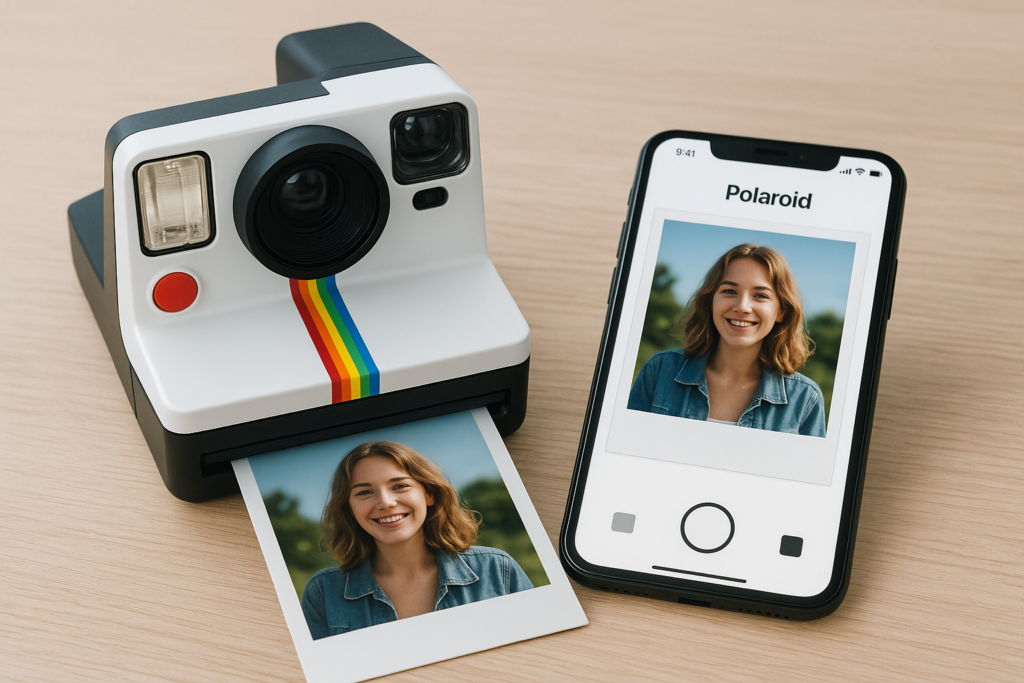
Polaroid cameras removed waiting from photography. The image appeared almost immediately, imperfect and honest. Artists and everyday people fell in love with that magic. Photos felt personal, like shared secrets. People gathered to watch pictures develop, laughing at surprises and flaws. This instant process built a culture that valued authenticity over perfection. Long before digital sharing, people were already craving immediacy. The Polaroid created a way to document life as it happened, encouraging creativity and vulnerability. It reminded people that memories did not need polishing to matter or feel meaningful.
10. Arcade Machine
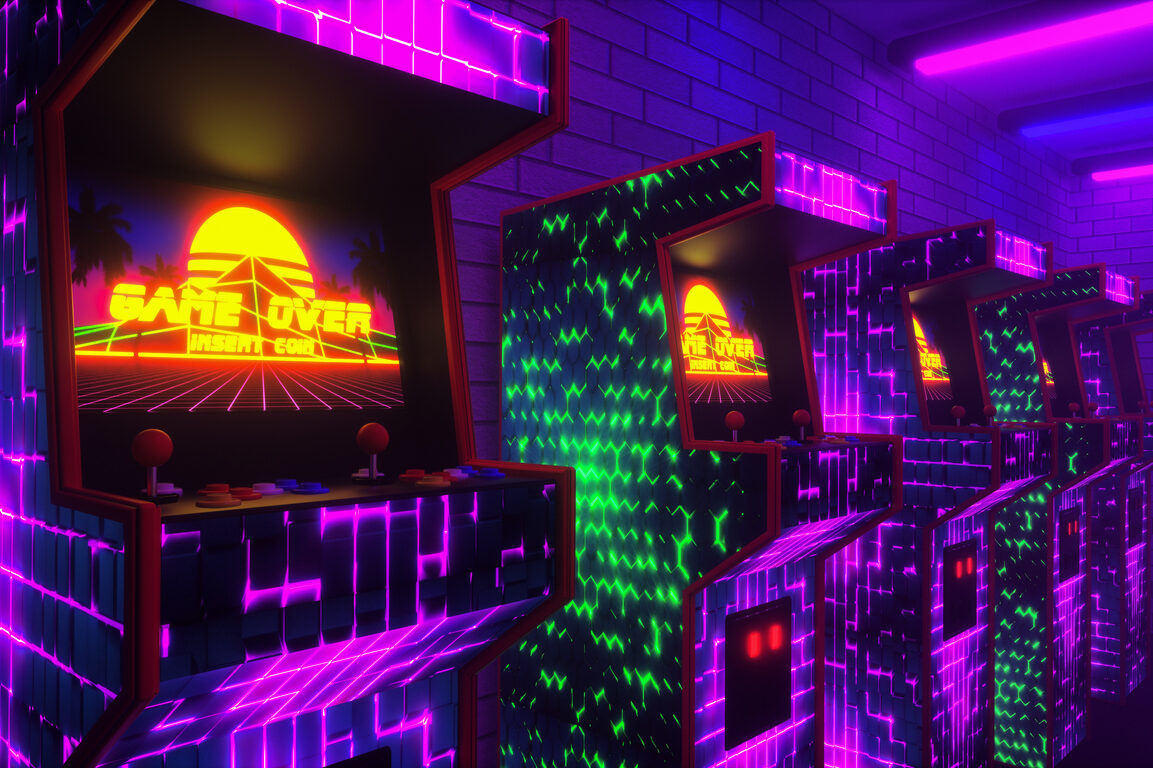
Arcade machines were designed to entertain briefly, then take another coin. Instead, they became social spaces. Players gathered to compete, learn tricks, and cheer each other on. High scores meant recognition. Friendships formed between rounds. These rooms hummed with excitement and shared focus. Before online gaming, arcades taught people how to play together. They created early gaming culture rooted in presence and community. The machines did not change, but the people around them did. What started as simple entertainment grew into a shared experience that shaped how games connected people.
11. Espresso Machine
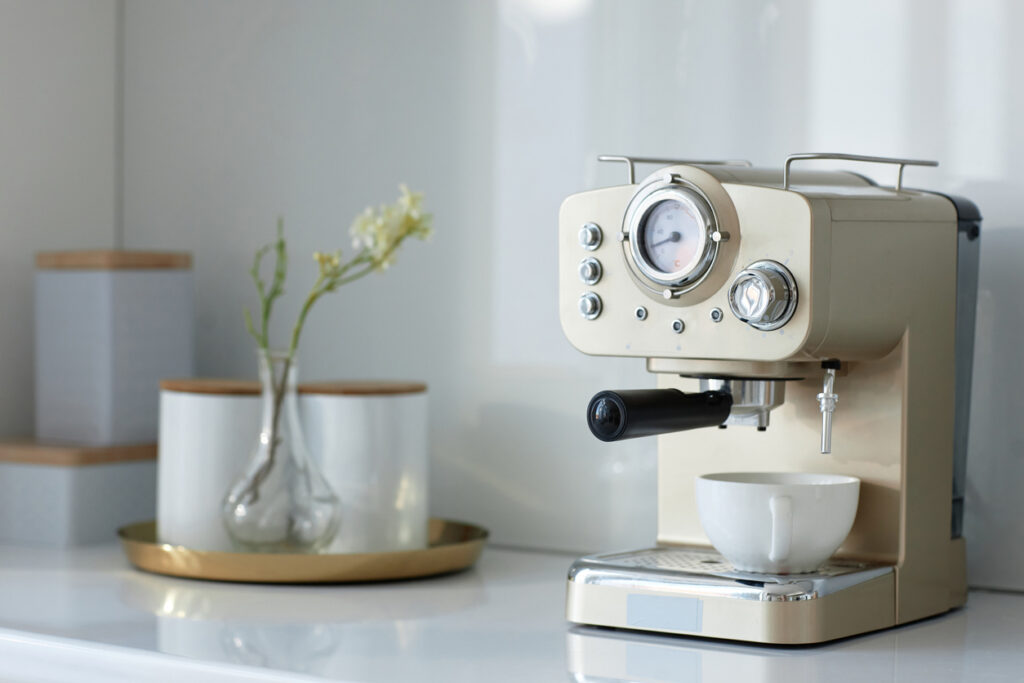
Espresso machines were built for speed and consistency. Over time, they helped slow people down. Cafes became places to meet, think, and pause. Coffee culture grew around taste, conversation, and routine. Baristas became craftspeople. Regulars became familiar faces. The act of ordering coffee turned into ritual. What began as a mechanical process created human connection. These machines helped shape spaces where ideas flowed and friendships formed. Coffee stopped being just a drink. It became an excuse to sit together, even briefly, and share moments in busy lives.
12. Sewing Machine
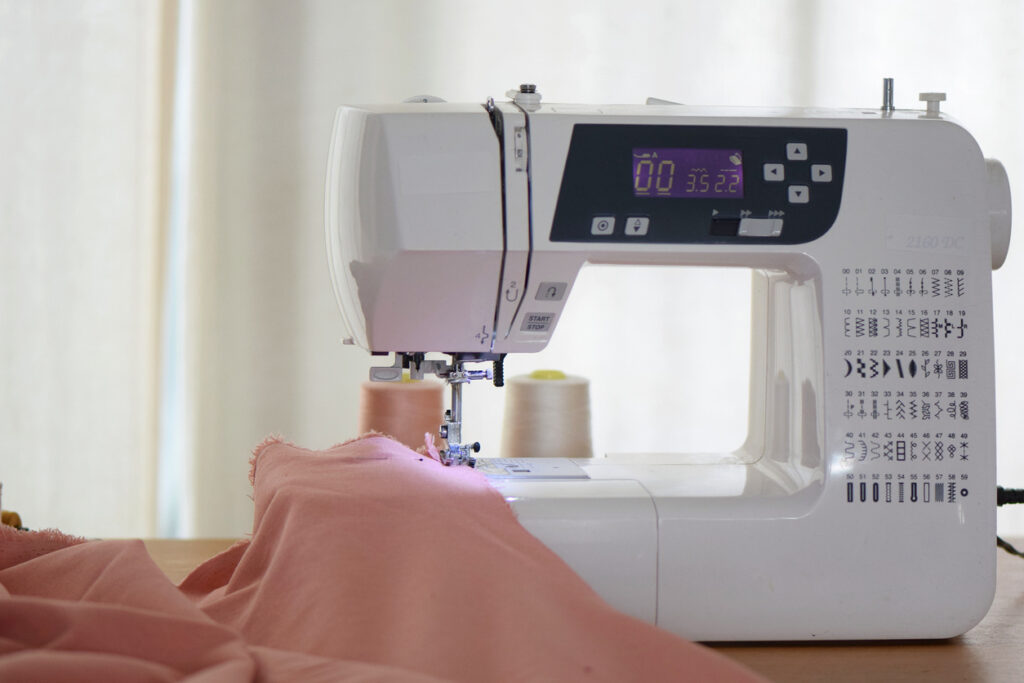
Sewing machines were meant to make clothing production faster. They also gave people power. Individuals learned to repair, customize, and create their own garments. Clothes became expressions rather than purchases. Communities formed around thrift, reuse, and creativity. People shared patterns, tips, and pride in handmade work. This machine helped build a culture that valued care and intention. Making something yourself felt meaningful. What once belonged only to factories returned to homes. The sewing machine quietly supported a movement where clothing told stories of patience, resourcefulness, and personal identity.
13. Fountain Pen
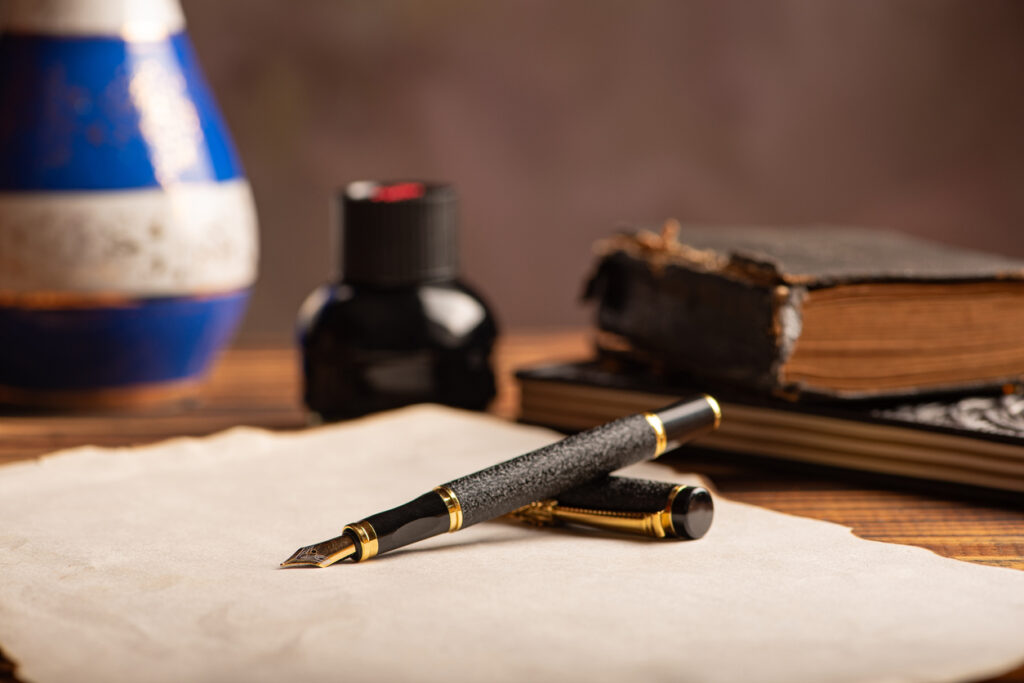
Fountain pens promised smoother writing, but they also demanded attention. Writers slowed down, choosing words carefully. Ink colors and paper textures mattered. Communities formed around stationery, journaling, and thoughtful communication. Writing became a ritual instead of a rush. These pens encouraged presence and reflection. In a fast world, they offered pause. What looked old fashioned felt grounding. The fountain pen helped shape a culture that values intention, beauty, and patience. It reminded people that how something is written can matter as much as what is being said.
14. Pager
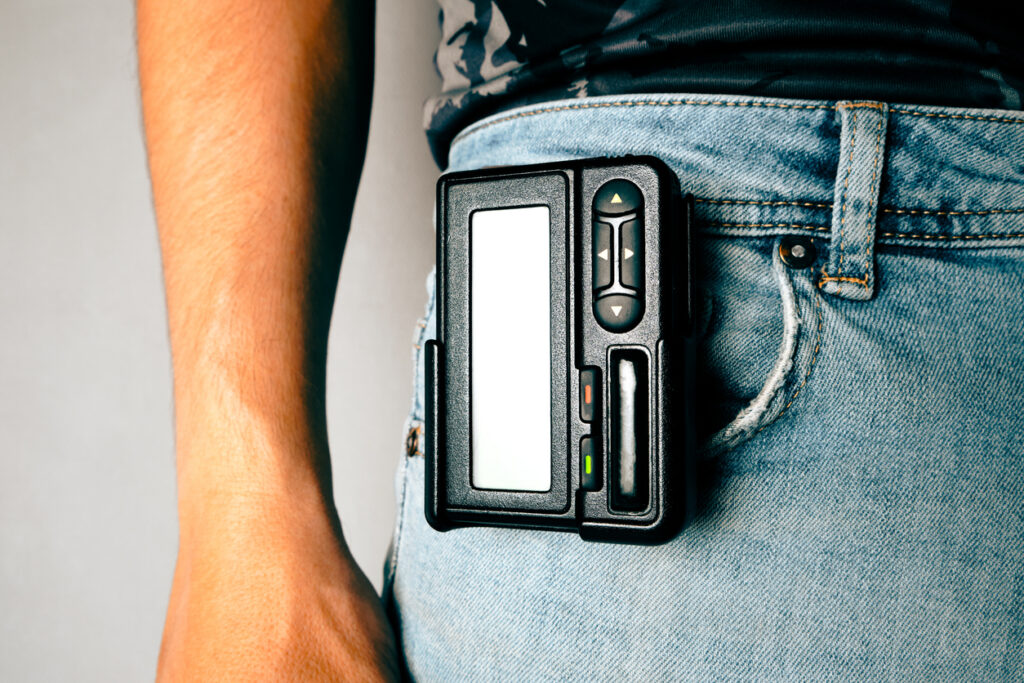
Pagers were designed for urgent communication, especially in professional settings. Unexpectedly, they found their way into everyday life. Teenagers and workers developed codes, meanings, and rhythms around short messages. A beep could mean excitement, stress, or belonging. People stayed connected without constant conversation. This early device taught users how to live with delayed responses and anticipation. It shaped habits that later technologies expanded. What seemed temporary created early digital culture patterns. The pager showed how even limited tools can change social behavior when people adapt them creatively.
15. GoPro Camera
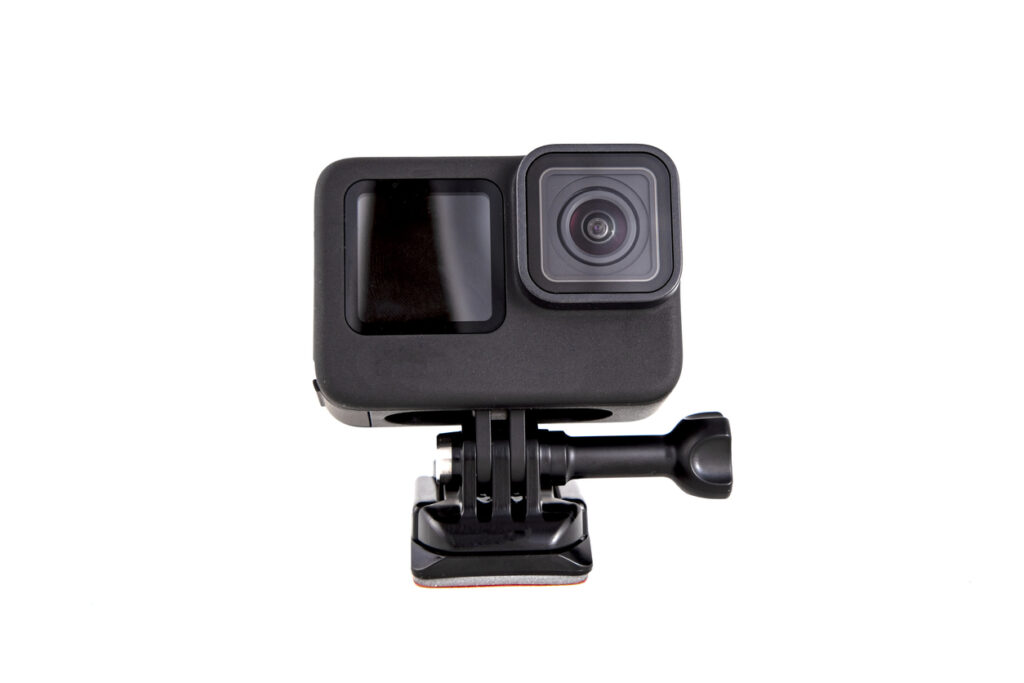
GoPro cameras were built to survive rough conditions. Adventurers used them to share their worlds. Surfing, hiking, and climbing suddenly felt accessible through first person views. Communities formed around shared footage and encouragement. Ordinary people became storytellers. The camera helped shift how experiences were documented and shared. It was no longer about perfect shots but about being there. This invention supported a culture that values action, authenticity, and exploration. Watching someone else’s adventure inspired others to try. A small camera helped turn personal moments into collective inspiration.
16. Microwave Oven
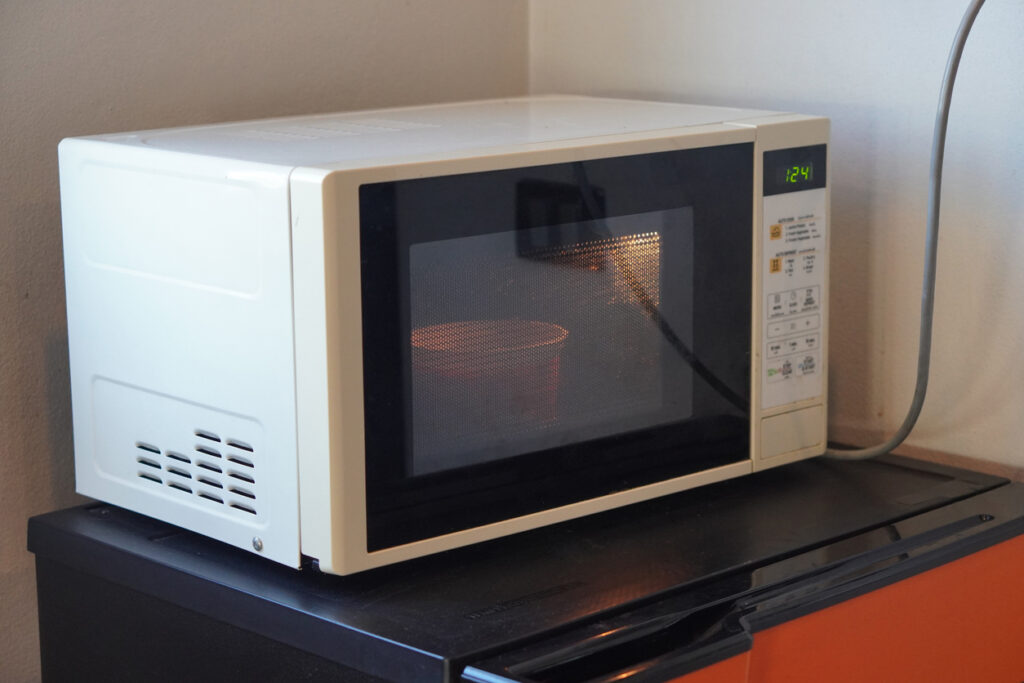
Microwaves promised quick meals. They changed routines and expectations around food. Late nights, shared apartments, and busy schedules found relief in this appliance. Convenience became a lifestyle. People adapted recipes, habits, and social norms around speed. While it simplified cooking, it also shaped how people gathered and ate. The microwave quietly influenced daily rhythms. It reflected changing work patterns and family structures. What was once a novelty became essential. This machine helped create a culture where flexibility mattered, and meals adapted to life rather than the other way around.
17. Arduino Board
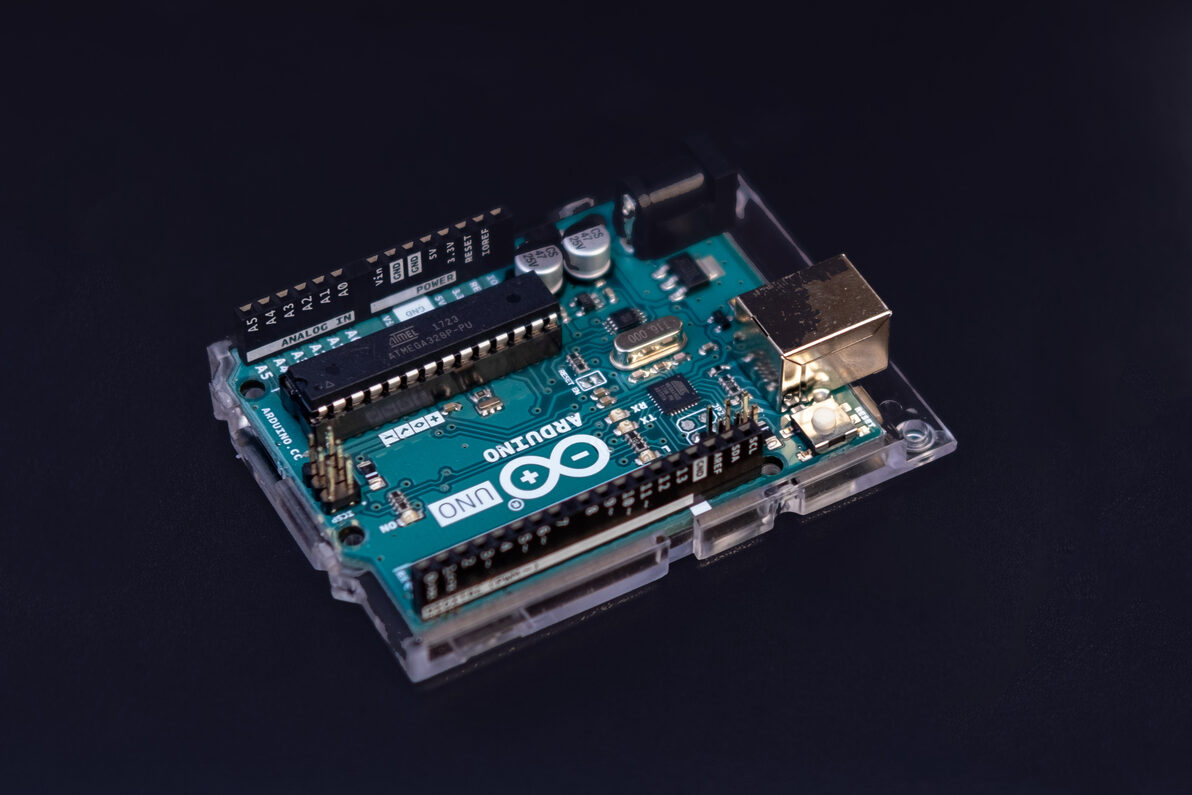
Arduino boards were created for simple prototyping. Curious minds turned them into learning tools. Makers shared projects, mistakes, and solutions openly. Communities formed around experimentation and teaching. Technology felt less intimidating and more playful. People built lights, sensors, and ideas together. This small board helped create a culture that values curiosity over perfection. Learning became collaborative. What once required formal training became accessible. The Arduino showed how open tools can bring people together, encouraging creativity and problem solving through shared exploration and hands on discovery.
18. BMX Bike
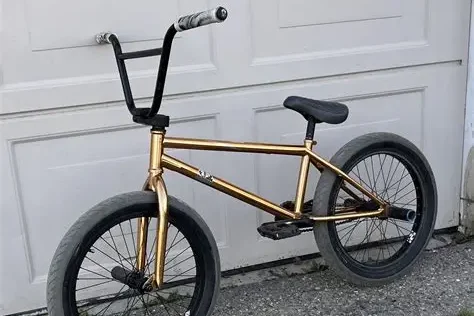
BMX bikes were inspired by racing but found their home on streets and dirt tracks. Riders practiced tricks, fell, tried again, and shared progress. Community formed around resilience and creativity. Style mattered as much as skill. Watching someone land a trick felt personal. These bikes shaped a culture built on movement and persistence. They offered freedom in small spaces. What began as imitation grew into identity. BMX showed how a simple design could support expression, confidence, and connection through shared effort and the joy of mastering something challenging together.
19. Post it Note
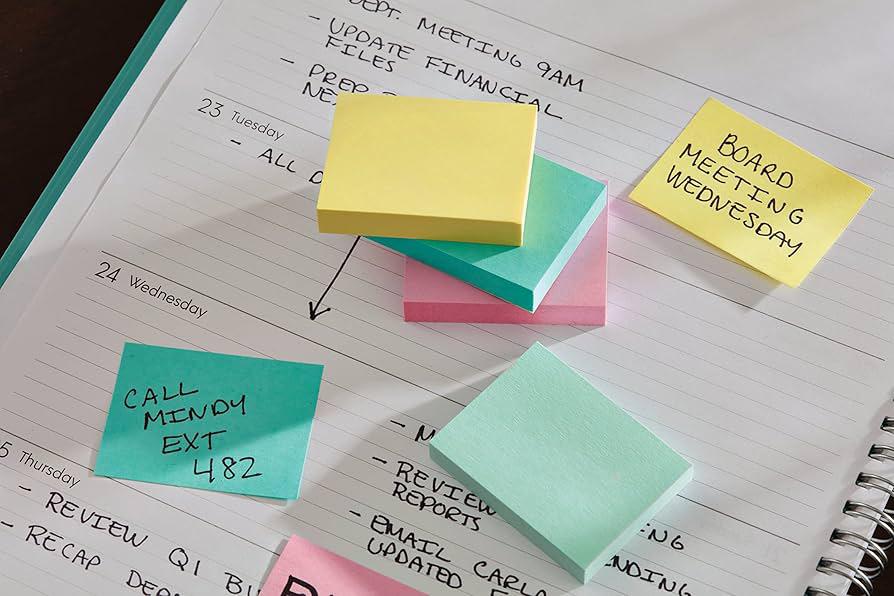
Post it notes were a happy accident, meant to stick lightly and remove easily. People quickly found new uses. Walls filled with ideas, plans, and reminders. Teams gathered around colors and movement. Creativity felt visible and shared. These small squares helped shape collaborative thinking culture. They made ideas flexible instead of fixed. Brainstorming became physical. What looked simple encouraged openness and play. The Post it note quietly changed how people work together, turning thoughts into something you could move, rearrange, and improve without fear or pressure.
20. Turntable
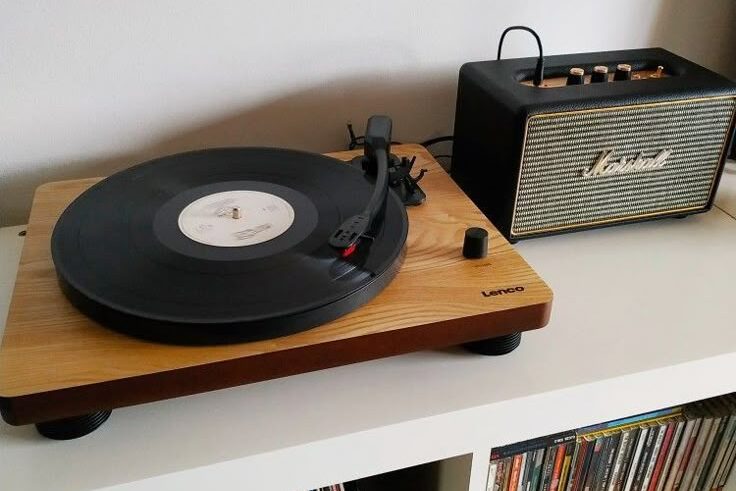
Turntables were designed for listening. DJs discovered they could do more. Scratching, mixing, and looping transformed records into instruments. Parties turned into performances. Hip hop culture grew around sound, movement, and storytelling. DJs became creators, not just players. This shift built communities centered on rhythm and innovation. What was once passive became active. The turntable helped redefine music participation. It showed how tools can gain new meaning when curiosity meets creativity, and how culture often grows from people reimagining what something is supposed to do.
21. Linux Operating System

Linux began as a personal project, not a movement. Developers around the world joined in, sharing code freely. Collaboration became the point. A culture of openness and problem solving grew. People contributed because they believed in building together. This system showed that technology could be communal rather than controlled. It shaped identities rooted in learning and contribution. Linux helped form a subculture that values transparency and shared effort. What started quietly became foundational, proving that community can be built around trust, curiosity, and the joy of improving something together.
22. Typewriter

Typewriters standardized writing but also gave it texture. The sound of keys created focus. Writers formed habits and rituals around the machine. Mistakes required intention to fix. This shaped a culture that respected process. Writing felt physical and deliberate. Many found comfort in the rhythm. The typewriter became a companion. What seemed mechanical supported creativity. It influenced how people thought and worked. Even after newer tools arrived, the identity of being a writer often remained tied to the discipline and presence that the typewriter encouraged through its limitations.
23. Velcro Fastener

Velcro was invented for astronauts, but it found everyday uses quickly. People appreciated its simplicity. Clothing, shoes, and bags became easier to use. Accessibility improved for children and adults alike. Functional fashion communities embraced it. Velcro supported independence and practicality. It showed how design could care for different needs. What looked ordinary helped people feel capable. This fastener quietly shaped a culture that values usability over appearance. It reminded designers and users that small changes can have meaningful impact on daily life and personal comfort.
24. Skate Shoe

Skate shoes were designed for grip and durability. Skaters wore them daily. Style followed function. Colors, shapes, and brands became signals of belonging. Sneaker culture grew around stories and personal meaning. People lined up, traded, and talked. Shoes became memory holders. What began as equipment turned into expression. These shoes helped form identities that mixed sport, art, and lifestyle. They showed how everyday objects can become symbols. Wearing them was not just practical. It was a quiet way of saying where you stood and who you connected with.
25. Smartphone

Smartphones combined many tools into one device. Slowly, they shaped how people live, communicate, and gather. Communities formed around apps, shared moments, and constant connection. Life became portable. This invention pulled together many of the habits created before it, music, photos, writing, games, and conversation. It reflected how people adapt tools into culture. Looking back, it feels natural. Looking closer, it feels intentional. These inventions remind us that culture often grows quietly.
This story 25 Inventions That Accidentally Created Entire Subcultures was first published on Daily FETCH


