
1. The Fork’s Royal Rebellion
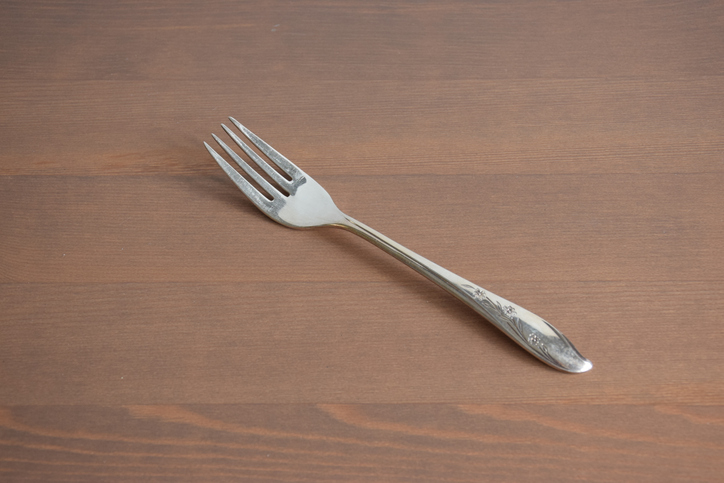
Sometimes everyday things have stories that feel almost too strange to be true, and the fork is a good place to begin because its past blends curiosity with controversy. Long ago, people were so unsure about forks that some even argued they were unnecessary and preferred eating with their hands. Over time, the fork slowly moved from something questioned to something treasured, especially among the wealthy who saw it as a sign of refinement. As cultures blended and tables changed, the tool became a quiet part of daily life, showing how easily new habits can settle into comfort.
2. The Toothbrush’s Bristle Beginning
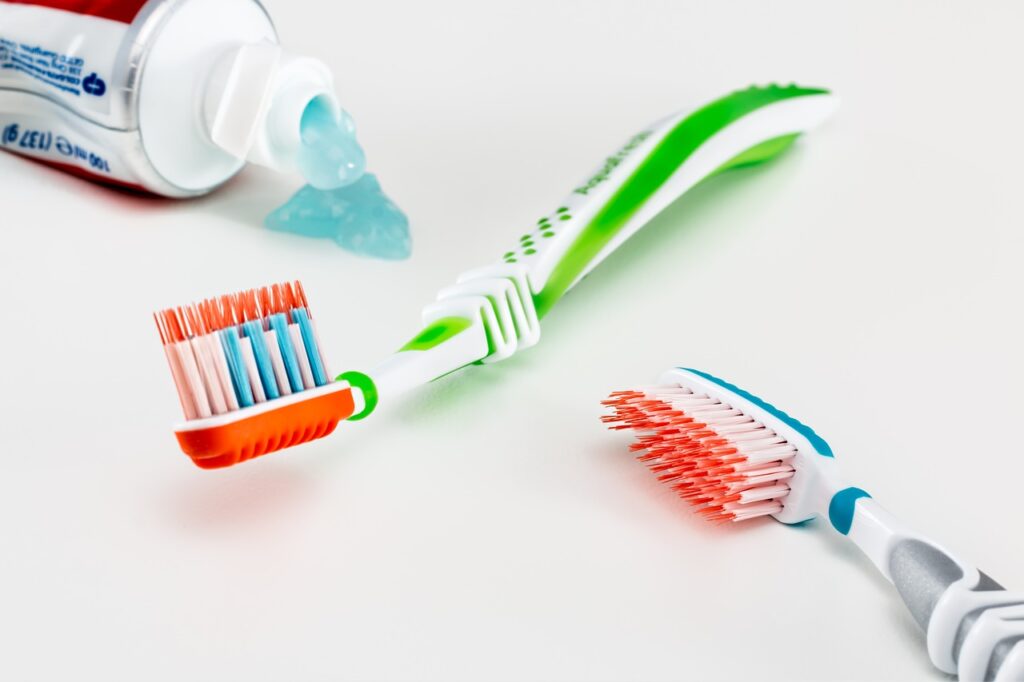
It feels natural to brush our teeth every morning, yet the toothbrush began with a surprisingly rough design. Early versions used stiff animal hairs tied to bamboo or bone, which were far from gentle. People kept improving them until softer bristles made brushing easier and far more comfortable. The idea traveled across continents, slowly shaping how people cared for their teeth. What began as a basic tool made from whatever was available eventually became an everyday essential that supports good hygiene. It is interesting how a small object can change so much while remaining part of a simple daily ritual.
3. The Umbrella’s Noble Purpose
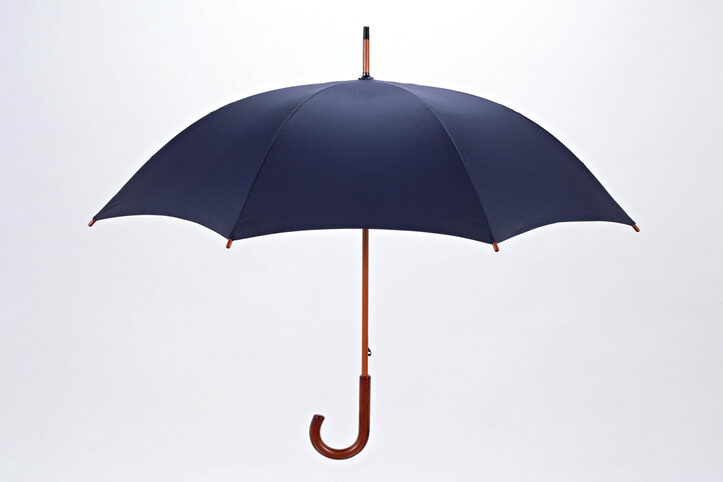
An umbrella seems like a simple way to stay dry, but its earliest purpose was connected to status and respect rather than weather. In ancient times, umbrellas shaded important figures from the sun and signaled authority in public spaces. People gradually discovered they could also keep off the rain, which encouraged makers to create sturdier designs. As the idea spread to different regions, umbrellas transformed from symbols of privilege into practical tools that anyone could carry. Now they sit quietly in bags, cars, and doorways, ready to help whenever clouds gather, showing how traditions can shift into everyday habits.
4. The Pencil’s Accidental Evolution
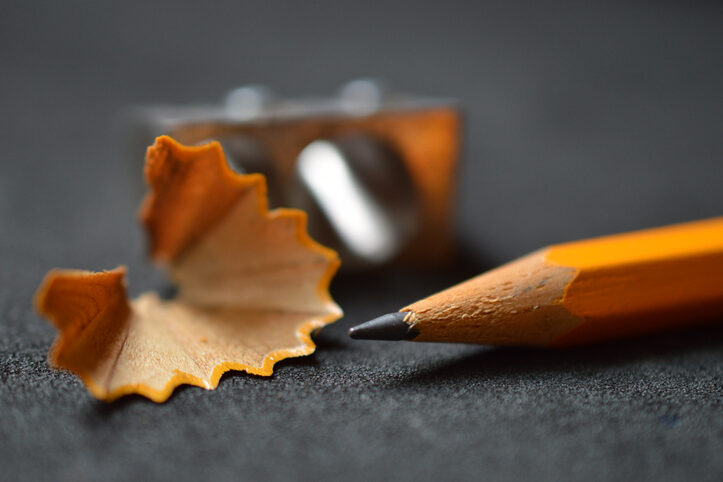
A pencil feels like one of the simplest tools we use, yet its origin comes from a mistake that turned into something useful. When early makers found a large deposit of graphite, they believed it was a type of lead that created dark marks on surfaces. People wrapped the material in string before eventually placing it inside wooden casings to make writing easier. The design kept evolving, shaping how students, artists, and writers captured their ideas. Today, the pencil remains familiar and comforting, proving that an object can stay meaningful even as the world around it changes.
5. The Tea Bag’s Happy Mistake
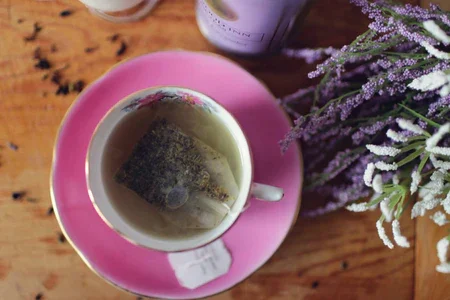
Brewing tea with a bag feels effortless today, but the idea began when merchants sent samples wrapped in small pouches and customers dipped them directly into hot water. The convenience surprised both buyers and sellers and encouraged a new way of enjoying tea. The simple discovery led to designs meant specifically for steeping, transforming how people prepared their favorite blends. Over time, tea bags became staples in homes, offices, and cafés. It is a reminder that sometimes simple mistakes can create traditions that feel warm and familiar, becoming part of daily routines without people even noticing the shift.
6. The Zipper’s Rocky Start
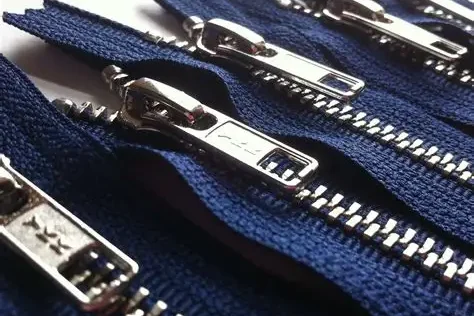
Pulling a zipper up or down feels so natural that it is easy to forget it once struggled to gain acceptance. Early versions often jammed or broke, which made people cautious about trusting them. Designers kept experimenting until they created a smoother and stronger mechanism that changed how clothing and bags were made. Once the improved version arrived, the zipper spread quickly and replaced many older fastening methods. Today it feels like a quiet helper that keeps belongings secure and outfits comfortable, showing how persistence can turn an uncertain invention into an everyday necessity that makes life simpler.
7. The Eraser’s Crumb Beginning
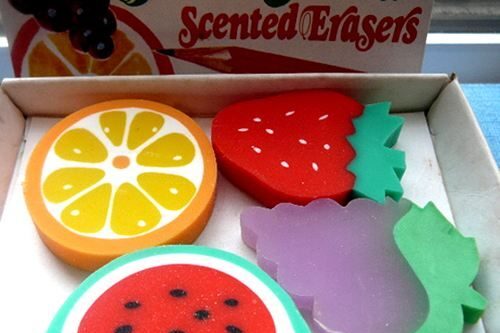
It seems obvious to use an eraser to fix mistakes, but the earliest versions were not rubber at all. People used small pieces of bread to remove pencil marks before discovering that natural rubber worked better and lasted longer. The switch made correcting notes easier and more dependable, especially for students and artists who needed clean pages. As designs improved, erasers became softer, smoother, and more effective. Now they sit at the ends of pencils or in small colorful shapes, ready to tidy up any slip. It is comforting how something simple continues to make learning feel less stressful.
8. The Microwave’s Surprising Spark
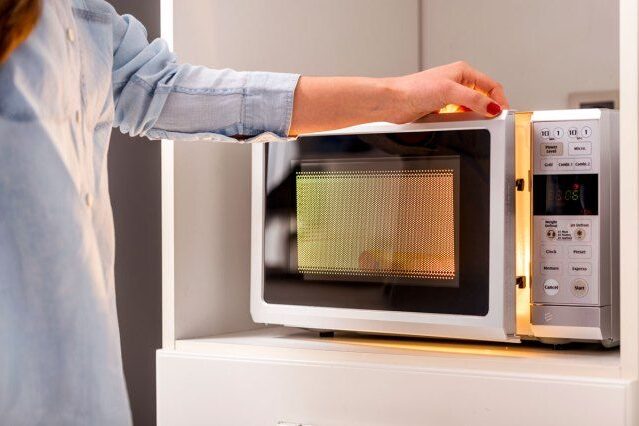
Using a microwave to warm food feels almost automatic, yet its beginning came from an unexpected moment. A scientist handling radar equipment noticed a chocolate bar melting in his pocket and realized that the waves produced enough heat to cook food. This discovery inspired the first microwave ovens, which were enormous and expensive before becoming smaller and more affordable. Soon they appeared in homes around the world and changed how people prepared meals. Now the microwave quietly supports busy schedules and quick cravings, proving that small surprises can shape the way entire households function and enjoy their daily routines.
9. The Post It’s Pocket Sized Idea
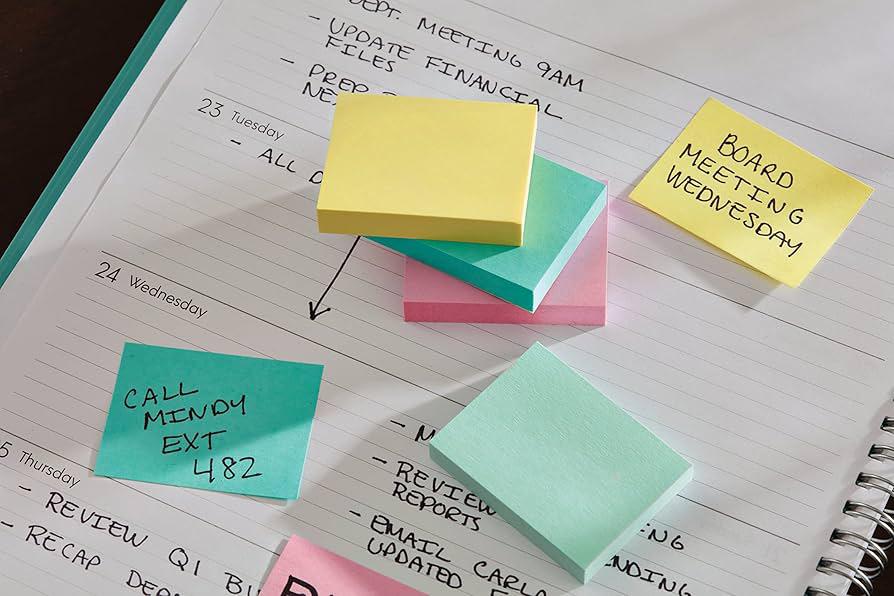
Post It notes may seem ordinary now, but their story began with someone who simply wanted a small way to capture passing thoughts before they disappeared. Instead of writing on scraps that got lost, the idea was to create a tiny square that could travel from place to place and still stay visible. The gentle stickiness made it easy to move reminders without leaving marks, turning quick thoughts into little anchors throughout the day. Today these notes help shape routines, organize projects, and spark creativity, all from a simple intention to make remembering feel lighter and more human.
10. The Frisbee’s Pie Tin Past
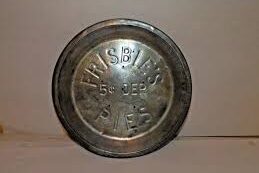
Throwing a Frisbee around feels fun and carefree, yet it began when students playfully tossed empty pie tins made by a local bakery. The tins glided surprisingly well and sparked interest in creating a safer and lighter version. Designers eventually shaped plastic discs that flew farther and felt smoother to catch. The new toy quickly spread through parks, beaches, and schoolyards because of its simple joy. What started from an everyday container turned into a symbol of leisure and community, showing how ordinary objects can inspire moments of connection when people look at them with curiosity and playfulness.
11. The Alarm Clock’s Human Beginning
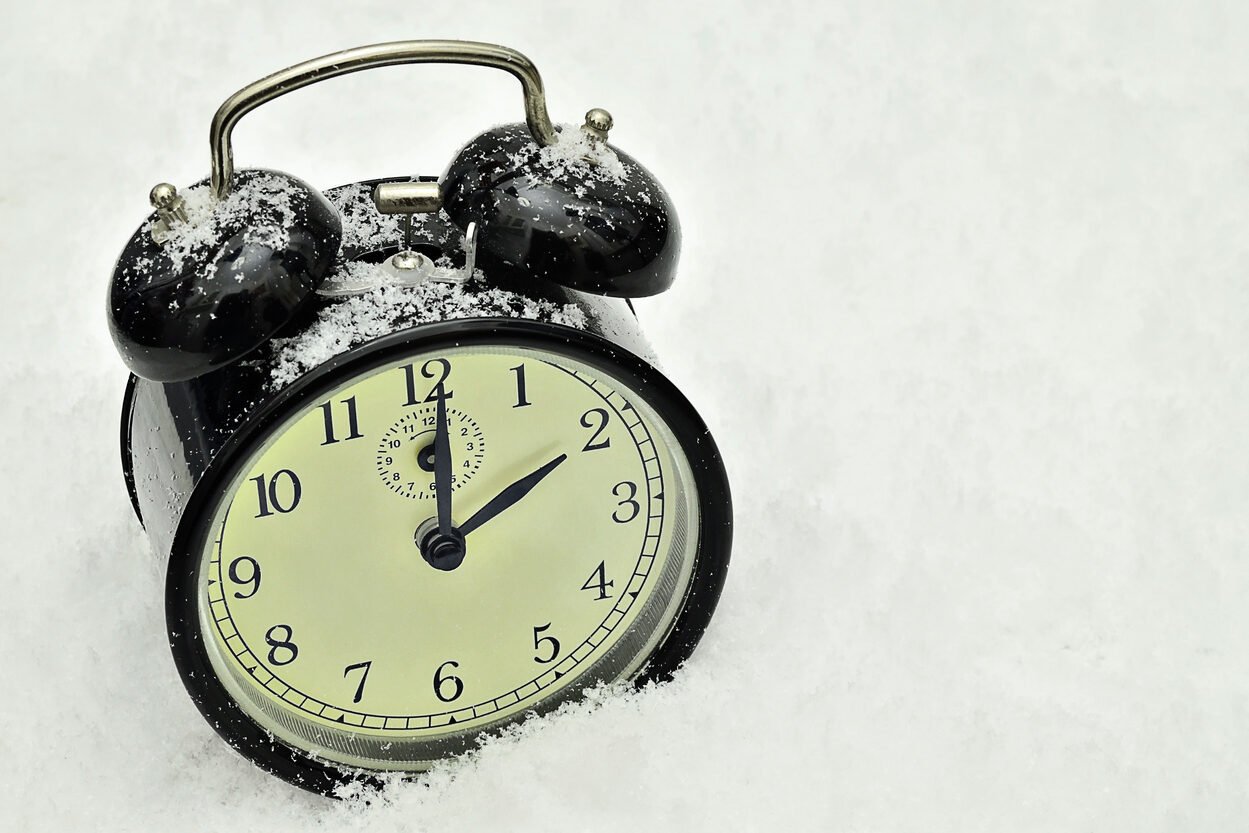
Waking up to a ringing alarm feels routine, but before clocks became common, people relied on workers who traveled through neighborhoods tapping on windows to wake others on time. These individuals used sticks or small stones to signal their clients and helped entire communities stay punctual. As technology spread, mechanical alarms replaced the need for human wake up calls and offered more independence. The shift helped shape morning routines around the world. Today the alarm clock sits quietly by the bed or inside a phone, guiding people into their day and reflecting how shared practices slowly become personal habits.
12. The Toilet Paper’s Modern Journey
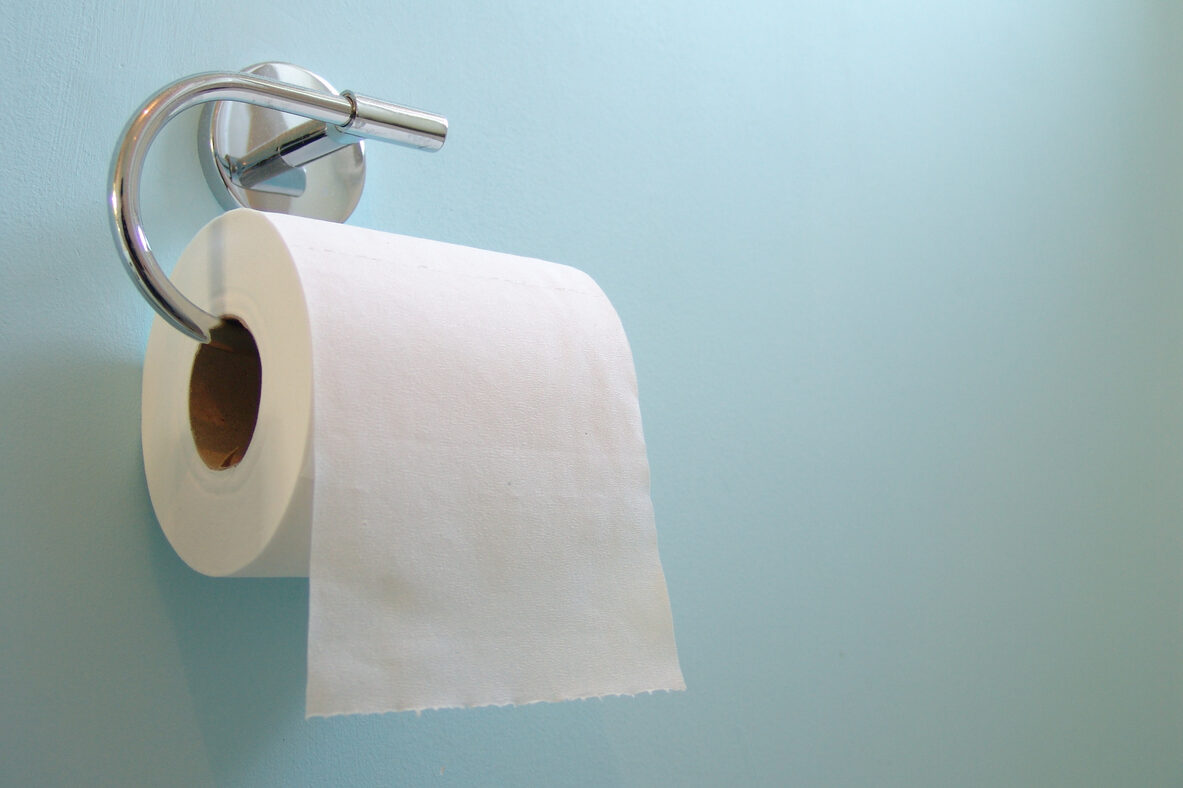
Toilet paper feels like one of the most ordinary items in any home, yet it reached its familiar form only recently compared to many other tools. People once used natural materials before companies began creating soft and absorbent rolls designed for comfort and cleanliness. Early buyers were hesitant because the topic felt sensitive, but with time the product became widely accepted and improved in quality. Today it is such a basic part of everyday life that most people barely think about it until they run out. It shows how comfort often becomes normal once society grows used to new ideas.
13. The Lightbulb’s Collective Creation
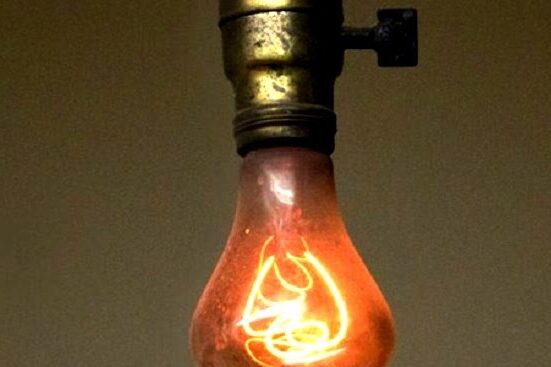
Turning on a light switch feels almost magical in its simplicity, yet the lightbulb was shaped by many inventors working across different years. Some designed early electric lamps while others improved the materials to make them glow longer and brighter. These gradual refinements eventually created a bulb that could illuminate homes safely and reliably. The invention changed nighttime routines and expanded productivity by allowing people to read, work, and socialize after dark. Today the lightbulb keeps evolving with new technologies while still serving the same basic purpose, showing how progress often builds through shared ideas rather than single moments.
14. The Chair’s Shift from Status
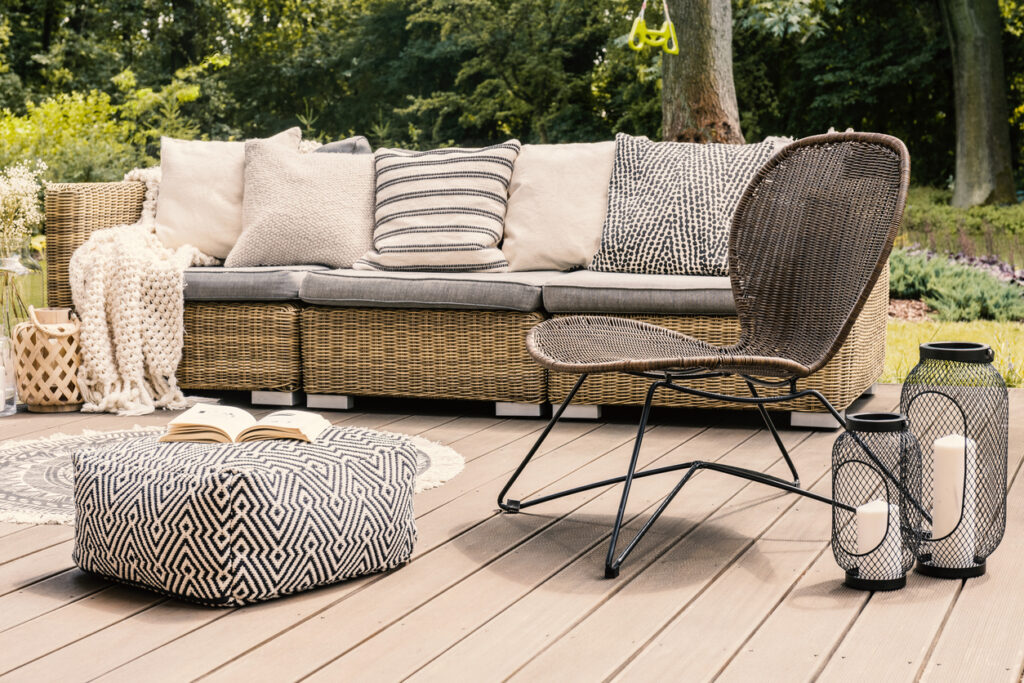
Sitting on a chair is something people rarely think about, but in ancient civilizations chairs were reserved for individuals with authority. Common people sat on the ground or on simple stools while leaders used elevated seats that represented influence and respect. Over centuries, chairs slowly became everyday furniture as craftsmanship spread and homes grew more structured. The shift turned a symbol of power into a universal comfort found in kitchens, offices, and classrooms. Now chairs support conversations, meals, and learning, reminding us that ordinary items often began with meanings very different from the roles they serve today.
15. The Paperclip’s Clever Shape
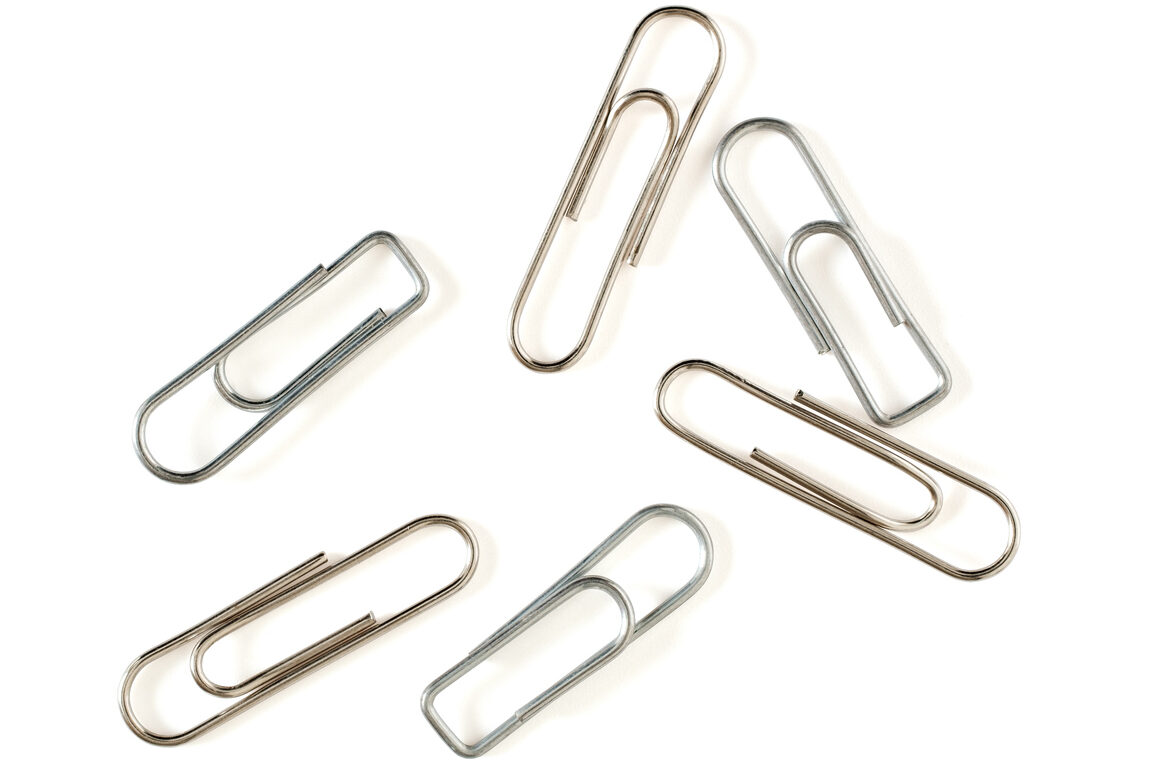
A paperclip seems almost too simple to have a history, but its design was a small triumph of practicality. The familiar double loop shape provided just enough tension to hold papers together without tearing them, and people quickly appreciated its gentle efficiency. Although many variations existed, the classic form became the favorite because it balanced strength with ease of use. Over time, the paperclip became a quiet office companion found in drawers, notebooks, and pockets. Its success shows that great design does not always need complexity, only a thoughtful approach that respects how people interact with everyday tasks.
16. The Matchstick’s Fiery Discovery
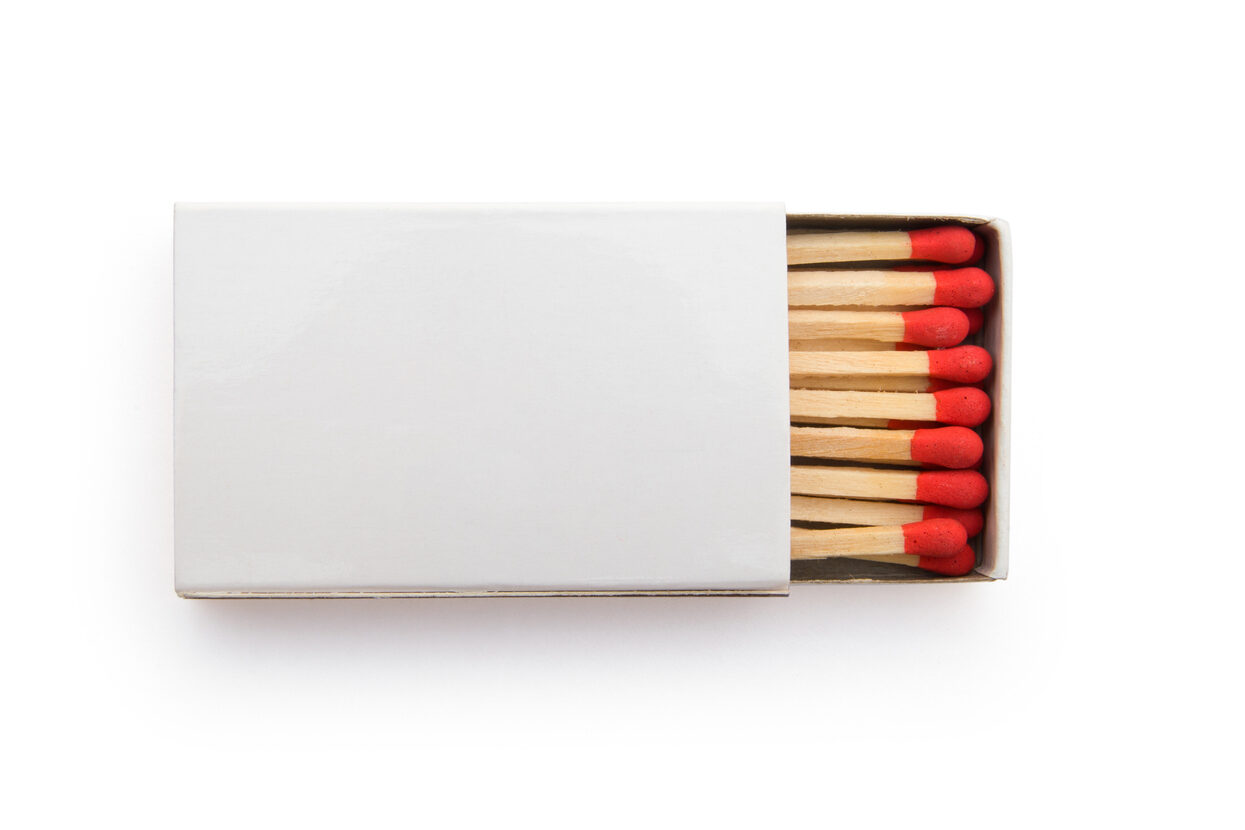
Lighting a match feels quick and familiar, yet the first friction match came from a surprising accident when a chemist noticed a chemical mixture ignited after being scraped. The discovery opened the door to portable fire, making daily life much easier for cooking, heating, and lighting. Early matchsticks had strong smells and inconsistent performance, but improvements led to safer and more reliable versions. Eventually they became household staples carried in pockets and kept near stoves. Now matches feel simple compared to other tools, but their creation marked an important step in giving people convenient control over fire in everyday moments.
17. The Guitar Pick’s Natural Beginning
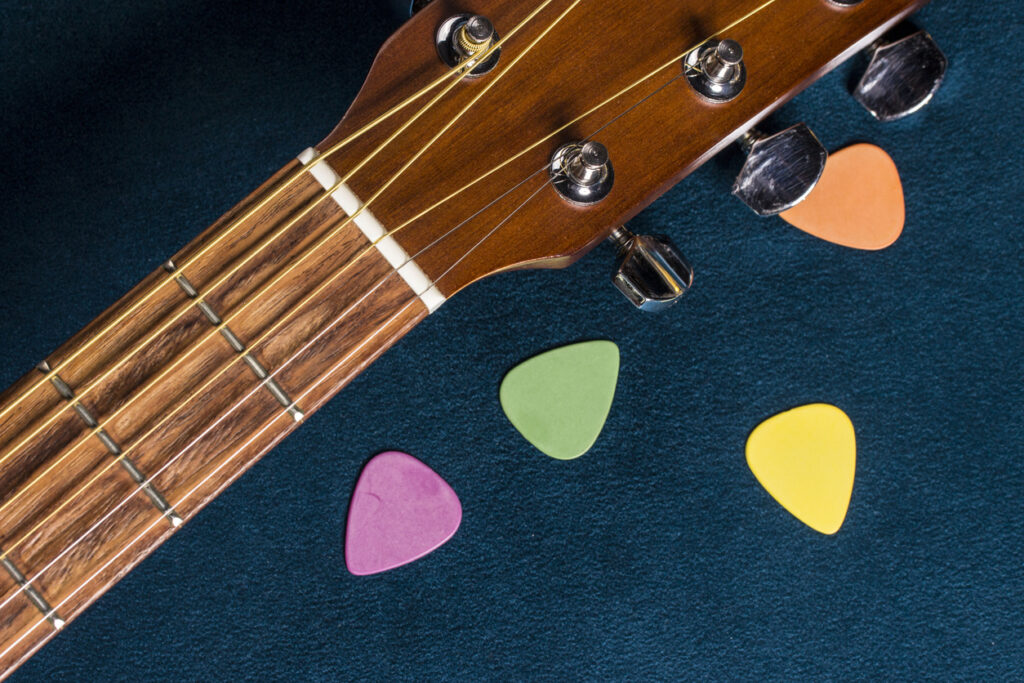
Guitar picks seem like small accessories, but early musicians used materials like bone, stone, and even turtle shells to create the right sound. These natural picks offered strength and flexibility but were difficult to produce consistently and raised concerns about sustainability. As music evolved, makers experimented with plastics that allowed players to enjoy similar tones without relying on fragile or limited resources. The modern pick became lightweight, accessible, and available in many shapes. Now it sits inside instrument cases and pockets everywhere, supporting creative expression and showing how simple tools can evolve alongside the people who use them.
18. The Sunglasses’ Protective Past
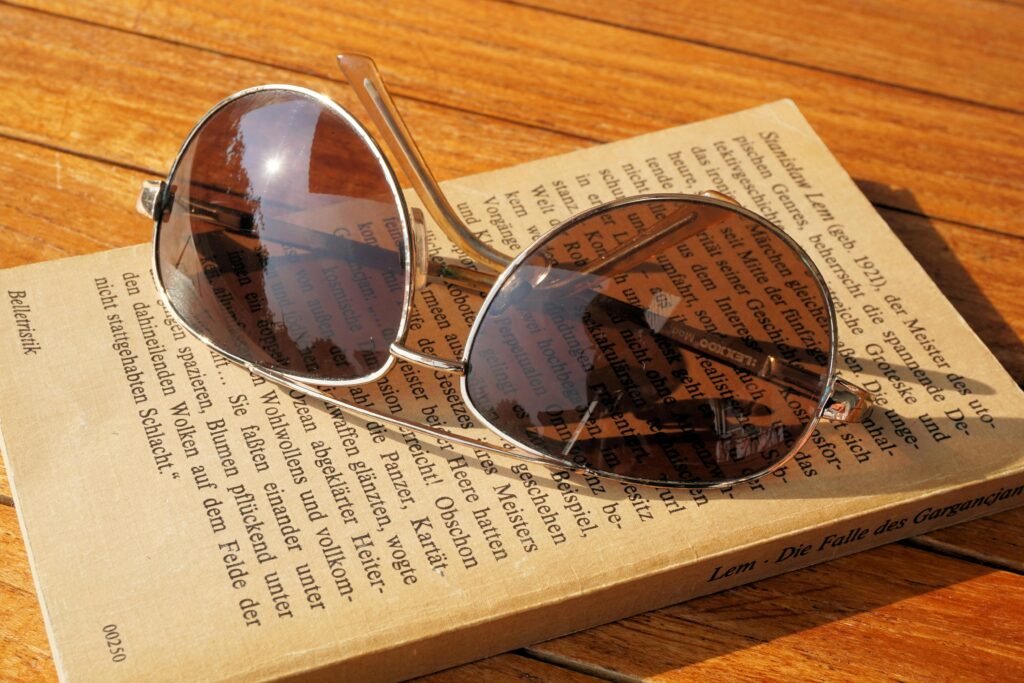
Sunglasses feel stylish today, yet their earliest versions were designed purely for protection. Ancient northern communities created narrow lenses from carved materials to shield their eyes from harsh sunlight reflecting off snow. Later, judges in certain regions used tinted glasses to hide their facial expressions during court proceedings. As time passed, makers explored ways to filter harmful rays while still offering clear vision. The modern sunglass eventually blended function with fashion, becoming a staple during travel, outdoor activities, and sunny days. It is interesting how a tool created for survival gradually transformed into an accessory that expresses personality.
19. The Wallet’s Journey Through Time
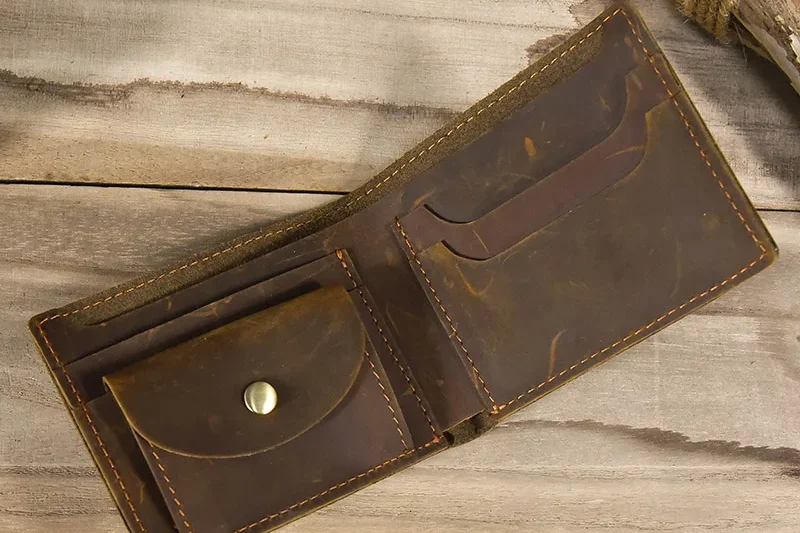
A wallet feels like a simple place to store money and cards, yet its earliest version was a small pouch tied around the waist to hold coins, herbs, and small valuables during travel. When paper money became more common, wallets flattened into folded designs that fit comfortably in pockets. People continued adjusting the shape to hold identification, receipts, and everyday essentials. Now wallets come in countless styles, each reflecting personal needs. The evolution shows how objects adapt as societies change, quietly supporting the ways people move through their routines while keeping important items secure and organized.
20. The Soap Bar’s Simple Origins
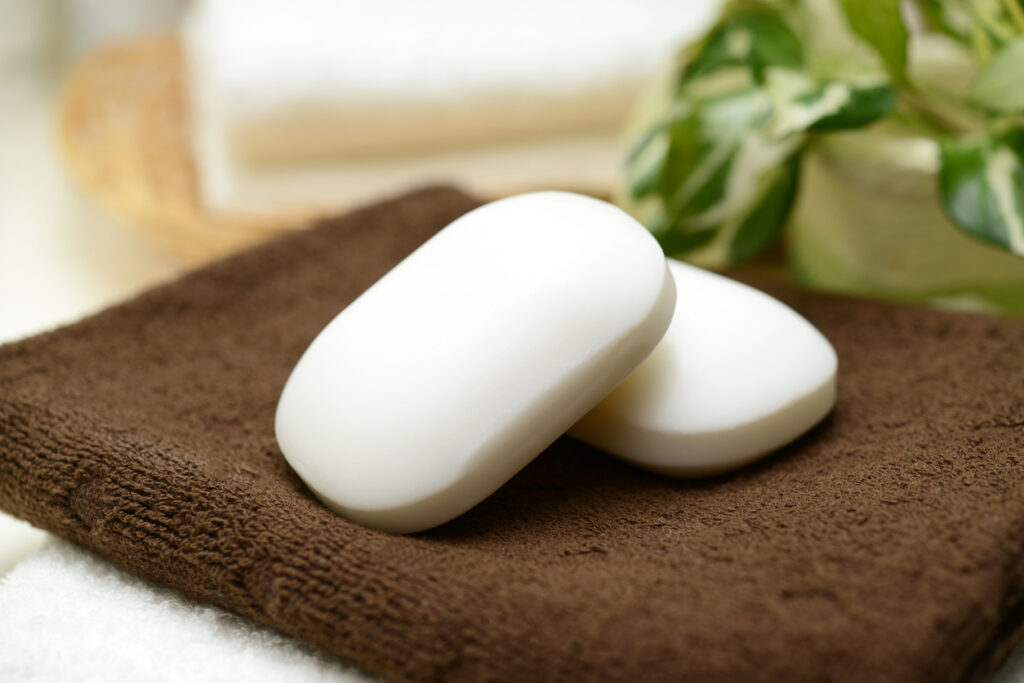
Using a bar of soap feels ordinary, but its beginning came from a mixture of melted fats and ashes created near cooking fires long ago. People noticed that the substance helped clean skin and fabrics, which encouraged them to refine the recipe. Over centuries, soap makers added scents, colors, and smoother textures that made bathing more enjoyable. The bar slowly became part of everyday hygiene and a comforting presence in homes. It is interesting that something so basic can feel like a small luxury, offering both cleanliness and a calming moment in daily routines that often feel rushed.
21. The Keyboard’s Unchanging Layout
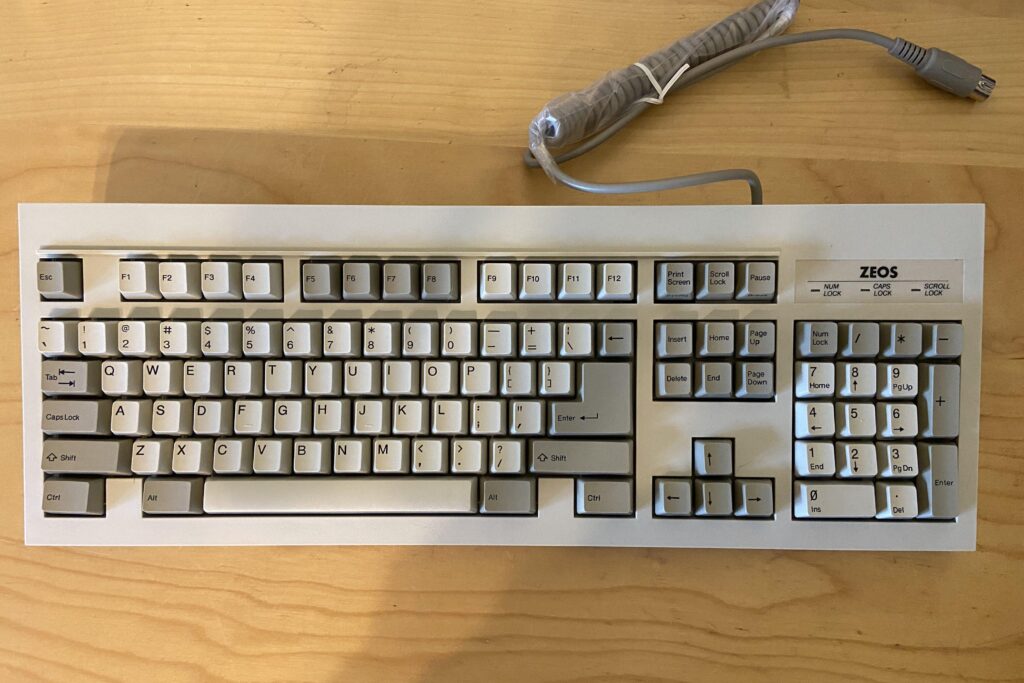
Typing on a keyboard may seem straightforward, but the familiar arrangement of letters was created to slow down quick typists using early machines that jammed easily. The spacing helped prevent mechanical parts from clashing, and people grew accustomed to the layout. Even after computers replaced typewriters, the design stayed because everyone already knew how to use it. The keyboard became a constant companion for work, communication, and creativity. It is interesting how something originally built for a limitation became a lasting standard, reminding us that convenience often grows from routine rather than design alone.
22. The Straw’s Ancient Sip
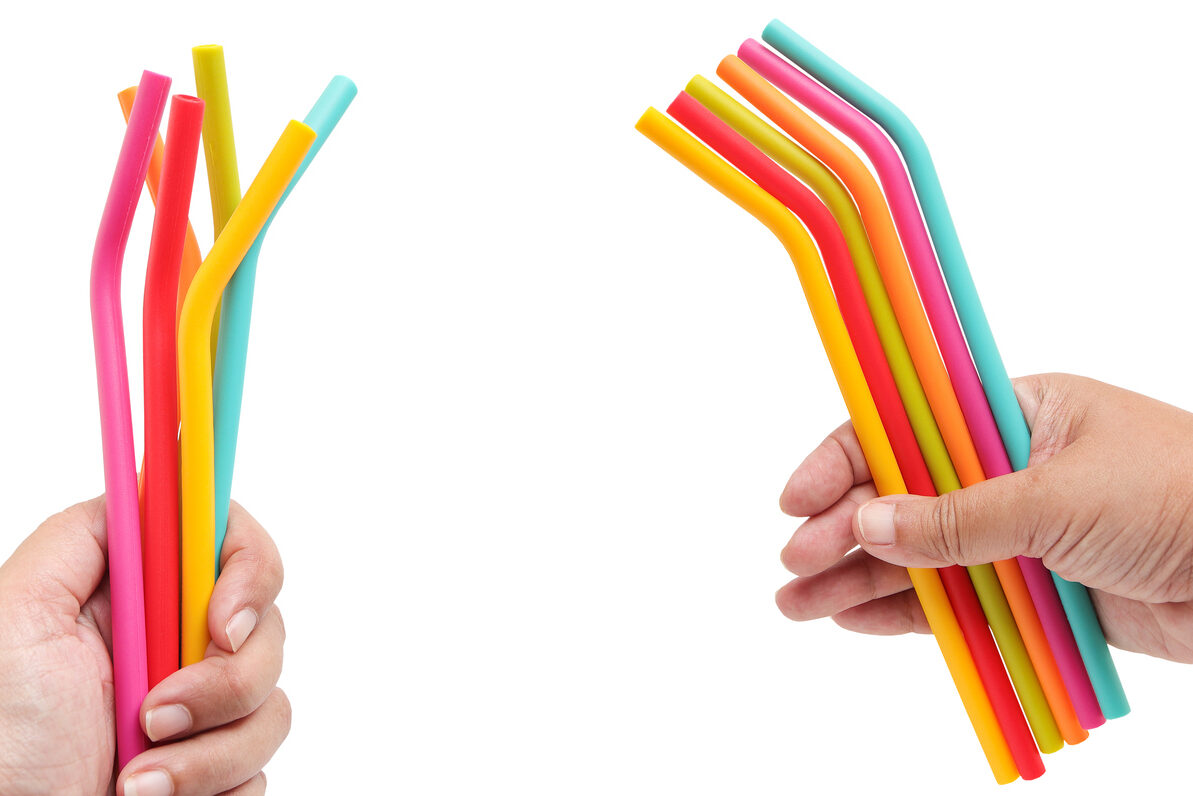
Drinking through a straw might feel youthful or modern, but people used the idea thousands of years ago to enjoy beverages without disturbing sediment at the bottom. Early straws made from metals or plant stems helped drinkers avoid the gritty parts of certain brews. As materials advanced, manufacturers created paper and plastic versions that appeared in restaurants and homes everywhere. Recently, people have returned to reusable options to reduce waste, showing how old ideas can take new shapes when values shift. The straw continues to evolve, providing a simple way to enjoy drinks while reflecting changing habits and concerns.
23. The Backpack’s Practical Roots
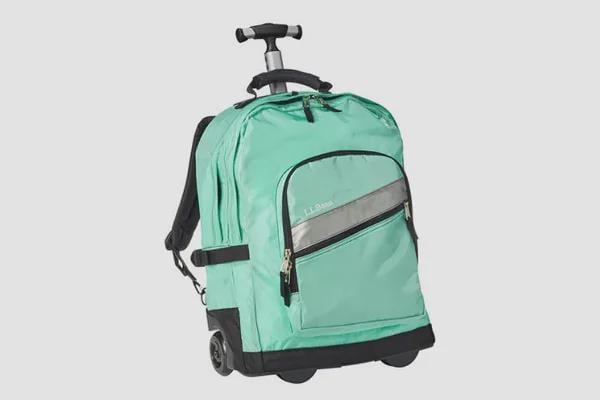
A backpack feels like a simple place to carry daily necessities, but its earliest purpose supported long journeys across rough landscapes. Early explorers used wooden frames and sturdy fabric to hold tools and supplies during travel. As time passed and cities grew, students and workers adopted softer versions that balanced weight comfortably on the shoulders. The design kept improving with zippers, pockets, and adjustable straps. Today, backpacks accompany people to school, work, and weekend trips, proving that a tool created for difficult terrains can easily adapt to everyday life while keeping essentials close and hands free.
24. The Cutting Board’s Kitchen Companion
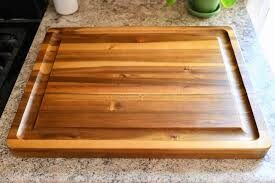
A cutting board seems like a natural part of cooking, yet its earliest form came from simple stones used to prepare food. As people began working with wood, boards became smoother, lighter, and easier to handle. They helped protect surfaces and allowed cooks to chop ingredients with more control. Over time, different materials such as plastic and bamboo joined the mix, each offering its own benefits in hygiene and durability. The cutting board grew into a loyal kitchen companion, supporting meals from simple snacks to family gatherings and showing how basic tools can quietly shape daily traditions.
25. The Doorbell’s Friendly Signal
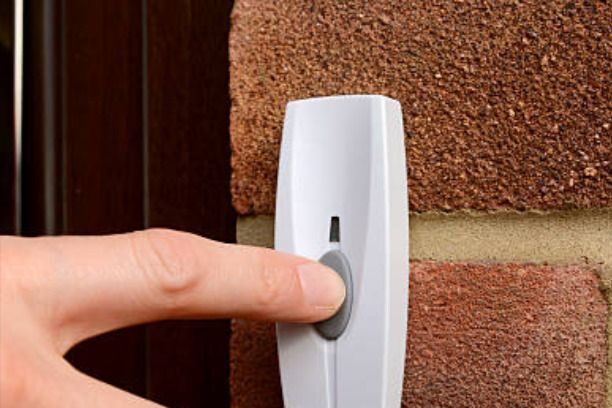
A doorbell feels like a small part of a home, yet its roots come from simple knocking devices that required visitors to signal loudly for attention. Early mechanical bells provided a clearer sound before electricity transformed the idea into the push buttons people use today. As designs improved, doorbells became both practical and welcoming, helping households stay connected with guests and deliveries. Modern versions even allow people to see who is outside from afar. It is nice how something created for convenience gently evolved into a familiar greeting that blends function with a sense of home and hospitality.
This story 25 Everyday Objects With Origins Stranger Than Fiction was first published on Daily FETCH


