
1. Andrew Luck: Choosing Health Over the Huddle
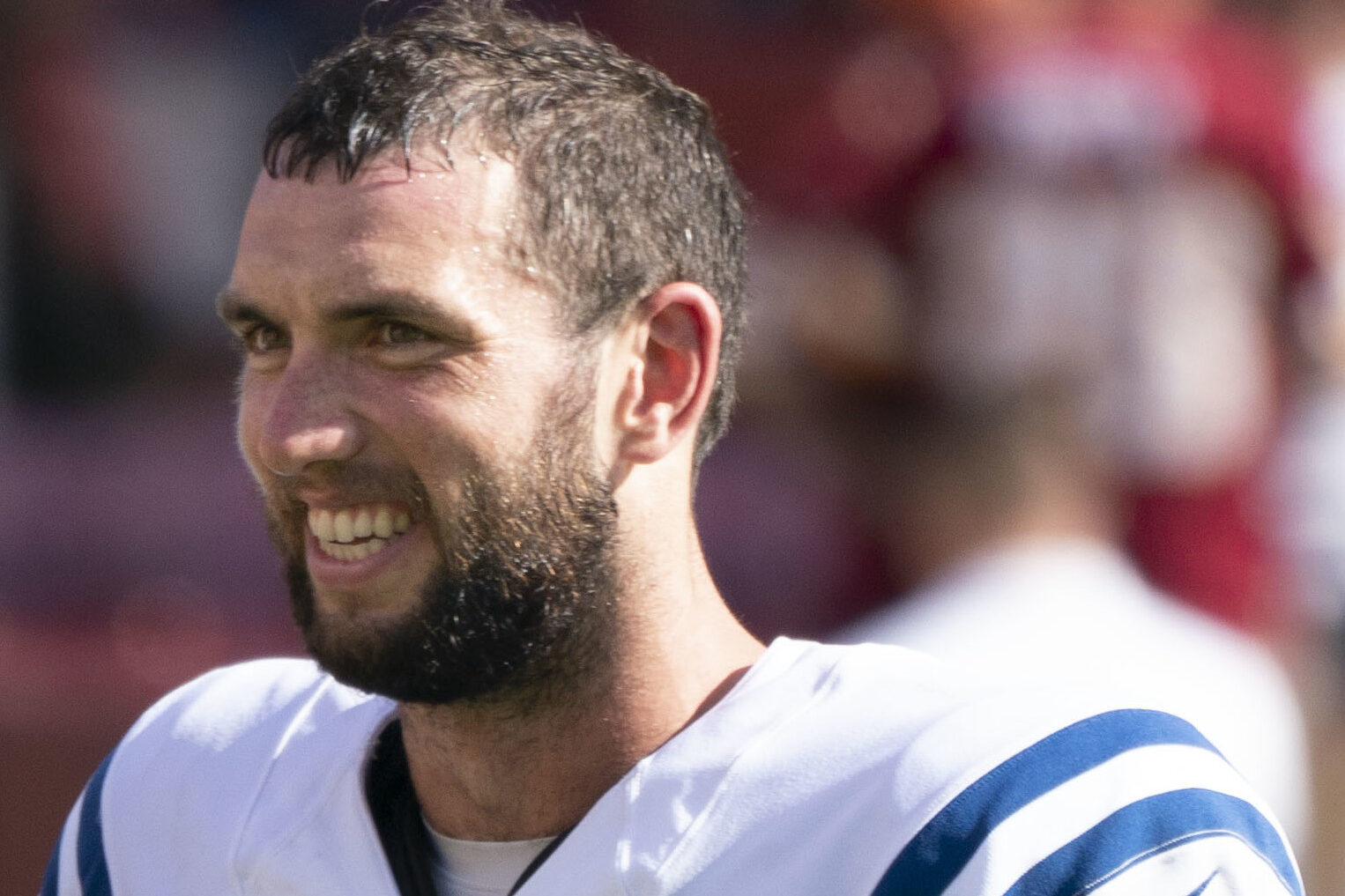
When Andrew Luck stunned the football world in 2019, he was still one of the NFL’s brightest quarterbacks. At just 29, the Indianapolis Colts star had signed a massive contract, yet years of injuries, surgeries, and relentless rehab had drained him. He admitted, “I’ve been stuck in this process,” explaining that the cycle of pain and recovery left him mentally exhausted. Fans expected championships; Luck wanted peace. His retirement speech, delivered through tears, showed a rare vulnerability in a league built on toughness. He walked away not because he lacked talent, but because he needed space to breathe and heal.
Since leaving, Luck has kept a low profile, spending time traveling, reading, and focusing on family. Reports from friends suggest he rediscovered simple routines that football once crowded out. Though rumors of a comeback occasionally surface, he appears content with life beyond the spotlight. His choice also sparked wider conversations about athlete mental health and long term wellbeing, reminding teams and supporters that contracts cannot replace health. In stepping away at his peak, he quietly reframed success as something measured not only in trophies, but in honest self awareness. Today, he seems comfortable letting the game move on.
2. Michael Phelps: From Gold Medals to Giving Back
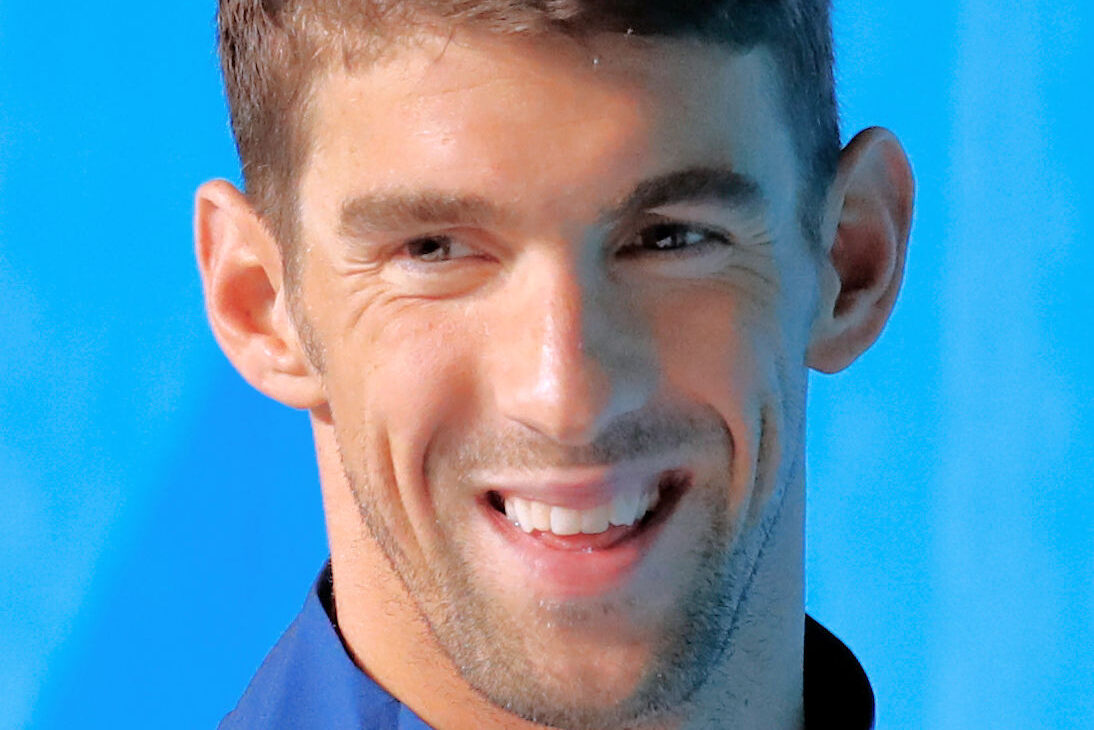
When you think of swimming greatness, Michael Phelps immediately comes to mind. With 23 Olympic gold medals, he dominated the pool for over a decade and earned millions in endorsements. But after the 2016 Rio Olympics, Phelps realized that constant competition had come at a personal cost. He openly discussed struggles with depression and anxiety, saying, “I was living for the next race, and I forgot to live for myself.” Despite having the world at his feet, he understood that stepping back was necessary to save his mental health and rebuild his life outside the pool.
Post-retirement, Phelps has shifted focus to advocacy, particularly around mental health and water safety. He founded the Michael Phelps Foundation to promote swimming, healthy living, and awareness for mental wellbeing. Phelps also enjoys family life, traveling, and even dabbling in business ventures, proving that life after sports can still be vibrant. His openness about mental health has helped normalize the conversation for athletes everywhere. Phelps’ story reminds fans that even the most decorated athletes are human, and sometimes walking away is the bravest choice of all, creating room to inspire in new ways outside the spotlight.
3. Brett Favre: Stepping Off the Field
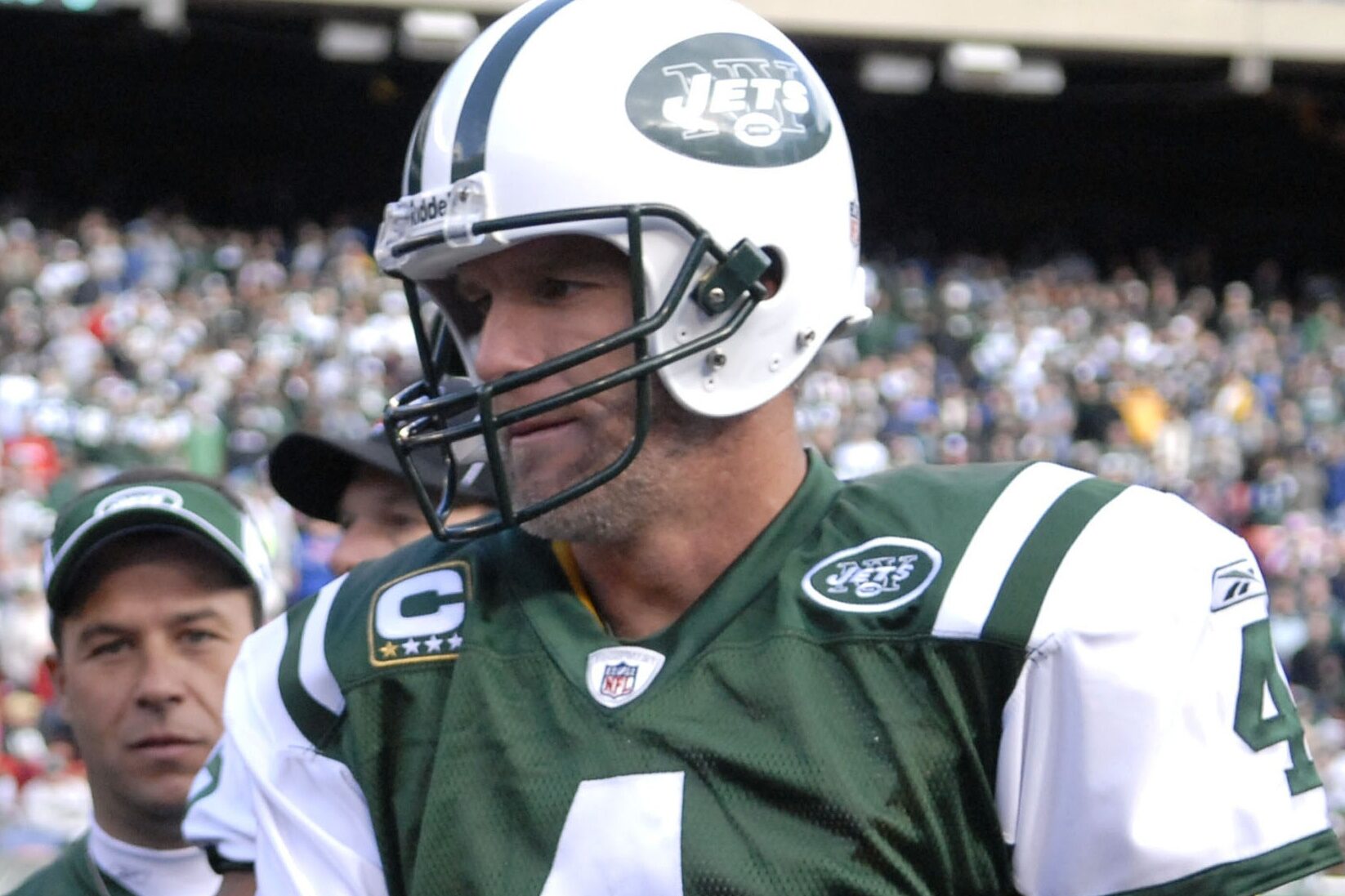
Brett Favre is a name synonymous with toughness and longevity in the NFL. He played for over 20 seasons, throwing countless touchdowns and becoming an icon of grit. Yet even legends can feel the pull of a life beyond the game. Favre’s final retirement came after a famously indecisive period where he announced it multiple times, each followed by a surprising comeback. Fans loved the drama, but Favre’s body and family were sending a clear message. “I needed to be there for my kids and my health,” he reflected later, showing that sometimes love and self care outweigh accolades.
Since leaving football, Favre has remained connected to the sport through philanthropy, mentorship, and occasional commentary, but he also enjoys quieter routines. He spends time with family, supports local initiatives in Mississippi, and explores personal hobbies that the grind of NFL life left little room for. Favre’s story is a reminder that even the most celebrated careers must eventually yield to human needs. In walking away, he embraced a slower, more personal pace, proving that retirement isn’t an end but a chance to focus on what truly matters beyond the roar of the crowd.
4. Shaun White: Trading Halfpipes for Horizons
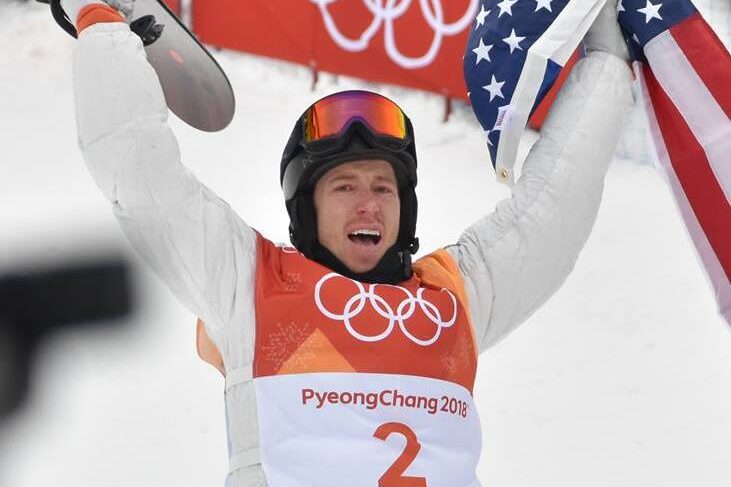
Shaun White conquered the world of snowboarding, collecting Olympic gold medals and sponsorship deals that most could only dream of. Known as the “Flying Tomato” for his fiery hair and fearless style, White dominated the halfpipe scene for over a decade. Yet in 2022, he announced he would step away from competitive snowboarding, explaining that chasing medals no longer brought joy. “At some point, you need to think about your life beyond the next medal,” he said, reflecting a clarity that comes with experience. It was a graceful exit, signaling that even peak athletes can prioritize passion and personal growth over fame and fortune.
Post-competition, White has focused on creative endeavors, including music, skateboarding, and philanthropy. He has also explored mentoring young athletes, sharing lessons about balance, discipline, and mental health. By stepping away while still celebrated, he retains his legacy and opens doors to new ventures, showing fans that success is not confined to medals alone. His story gently reminds us that true fulfillment often lies in curiosity, exploration, and the courage to pivot away from the expected path.
5. Rob Gronkowski: From Touchdowns to TV Cameras

Rob Gronkowski was the life of the New England Patriots’s offense, known for his playful personality and unstoppable hands. Yet after multiple Super Bowl wins, Gronk made the decision to retire at the height of his powers, citing the physical toll football had taken on his body. “I want to enjoy life while I can, not just after it’s over,” he said, acknowledging that constant injuries and recovery cycles were not sustainable. It was a rare move for a star still in his prime, emphasizing the importance of personal choice over public expectation.
Since leaving the field, Gronkowski has embraced media opportunities, acting, and business ventures. He also dedicates time to charity work and family, enjoying moments that the gridiron never allowed. Fans admire him not only for his plays but for stepping off the stage while still celebrated, highlighting that success includes knowing when to pause. Gronkowski’s journey reassures other athletes that walking away can open exciting chapters beyond fame and show that life after sports can be rich, playful, and deeply rewarding.
6. Tony Romo: Sidelines, But Still in the Game
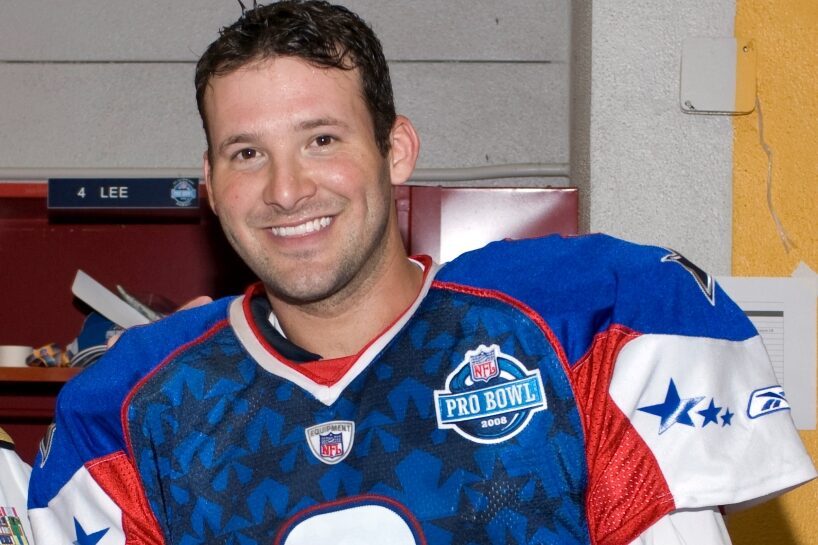
Tony Romo spent years dazzling fans as the Dallas Cowboys’s quarterback, known for precision passes and clutch performances. When he retired in 2017, it surprised some, but Romo felt the pull toward family life and new challenges outside the relentless NFL schedule. “It was about life, not football,” he later explained. Choosing peace over contracts, he made the tough decision to step away from a career many would have killed to keep, showing that sometimes, quiet reflection outweighs the roar of stadiums.
Today, Romo has thrived as a broadcaster, offering insights that only someone who’s played at the highest level could provide. He has found a fulfilling rhythm, balancing professional engagement with family priorities and personal growth. Romo’s story resonates because it highlights the value of flexibility and self awareness. By leaving football on his own terms, he continues to influence the sport, proving that retirement does not equate to irrelevance, but instead opens new doors for contribution, creativity, and meaningful connection.
7. Zion Williamson: A Pause to Rebuild
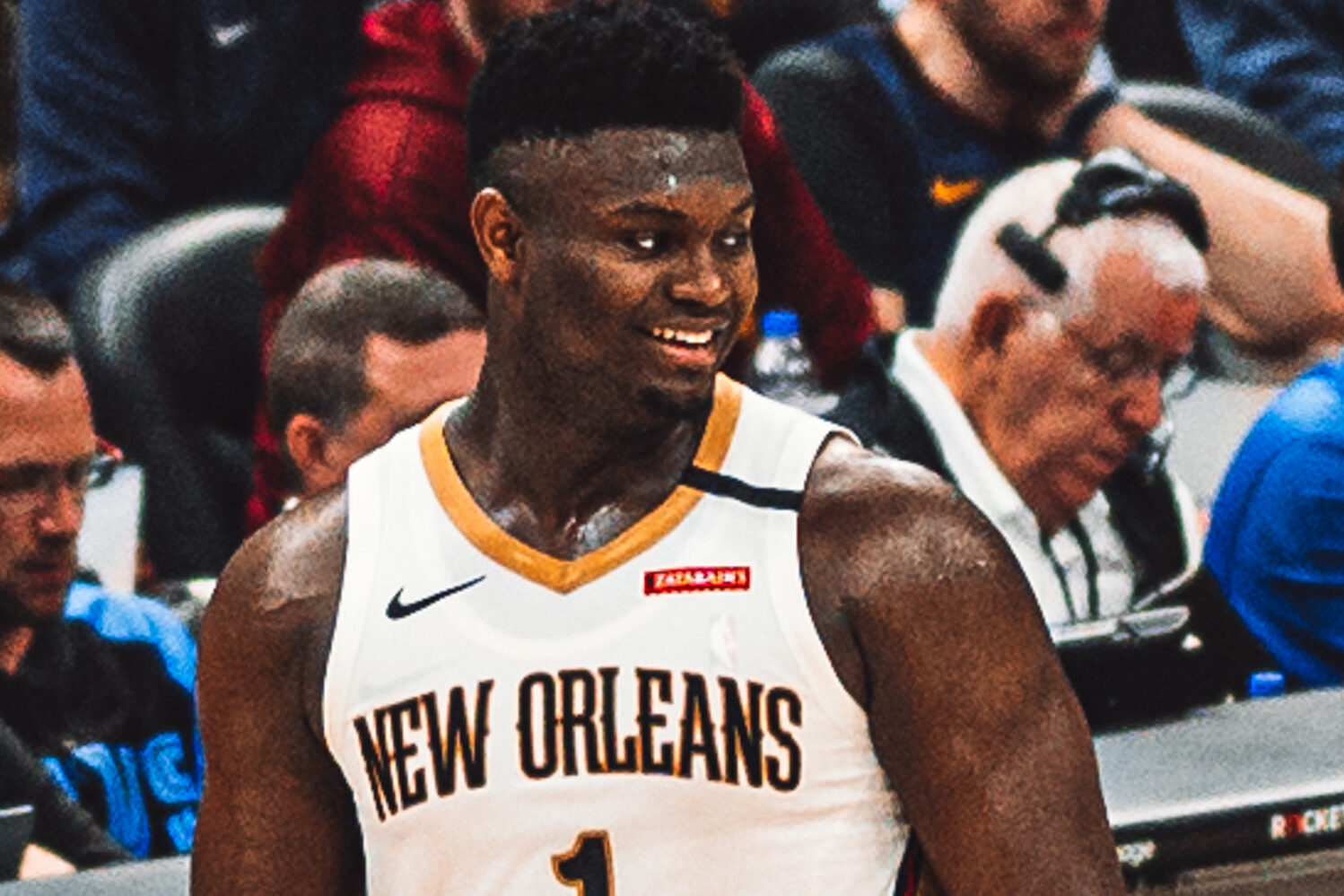
Even young athletes face crossroads, and Zion Williamson’s career illustrates this perfectly. Drafted as a prodigy for the New Orleans Pelicans, Zion had a lucrative contract and sky-high expectations. Yet early injuries forced him to reconsider how to sustain his body and career. He took extended pauses to focus on physical therapy and long term health, prioritizing durability over immediate fame. His honesty about needing time off earned respect and opened conversations about long-term planning in high-stakes sports.
During these breaks, Williamson has focused on personal wellness, skill development, and philanthropy, showing fans that even superstars must respect their limits. His approach challenges the notion that young talent must rush toward glory at any cost. Zion’s journey reminds everyone that pacing oneself, listening to the body, and investing in long-term wellbeing can ultimately preserve both career and joy. For aspiring athletes, his story is a lesson in patience, resilience, and understanding that stepping back can sometimes be the boldest move of all.
8. Derek Jeter: Leaving the Diamond Behind
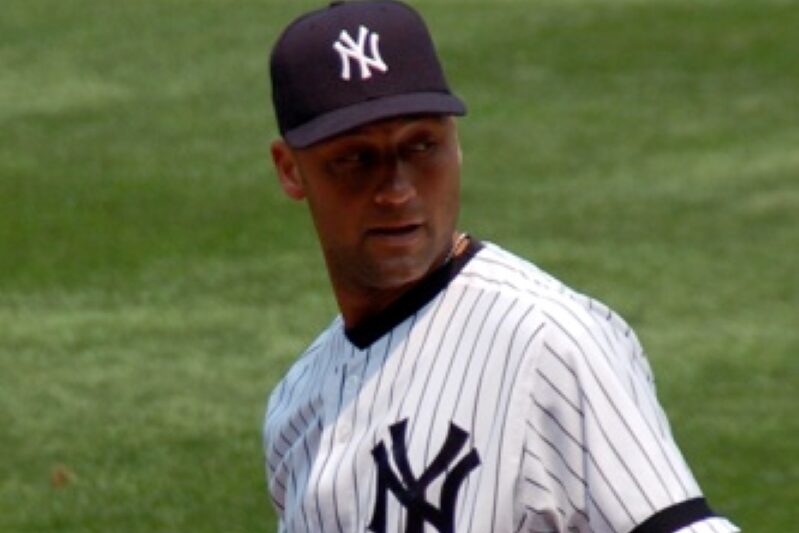
Derek Jeter spent two decades as the heart of the New York Yankees, a leader both on and off the field. Known for his calm demeanor and clutch hits, he carried the weight of fan expectations while building one of the most iconic careers in baseball history. Yet in 2014, Jeter retired, citing a desire to embrace life beyond daily practice and the constant spotlight. “It was time to focus on family and explore new ventures,” he explained, showing that even legends need to find balance between duty and personal growth.
Since retiring, Jeter has pursued business ventures, philanthropy, and leadership roles, including team ownership opportunities. He remains a mentor to young athletes, emphasizing professionalism, discipline, and humility. Fans appreciate that his retirement wasn’t dramatic or forced; it was deliberate, reflecting self-awareness and foresight. Jeter’s story illustrates that leaving on your terms can preserve legacy while opening doors to new passions. By stepping away while still celebrated, he demonstrates that true fulfillment comes from evolving, not clinging to titles, and that the end of one chapter often signals the start of another equally meaningful journey.
9. Jennie Finch: Trading Fastballs for Family Life

Jennie Finch dominated softball, representing the United States in multiple Olympics and securing gold with her pitching mastery. Despite offers to continue professionally and endorsements that brought financial security, Finch stepped away at the height of her career to focus on her growing family. She openly shared that balancing travel, training, and motherhood became impossible, noting, “I wanted to be present for my kids, and that meant stepping off the field.” Her decision highlighted that success isn’t just measured in trophies or money, but also in meaningful presence.
Since retiring, Finch has built a life centered on family, coaching, and advocacy for women’s sports. She hosts softball camps, shares her story to inspire young athletes, and occasionally provides commentary for national broadcasts. By prioritizing family while still contributing to the sport, Finch shows that walking away doesn’t erase impact; it reshapes it. Her choice resonates with anyone navigating career and personal responsibilities, proving that sometimes stepping back allows for deeper influence and satisfaction than chasing accolades ever could.
10. Calvin Johnson: Making the Exit Early
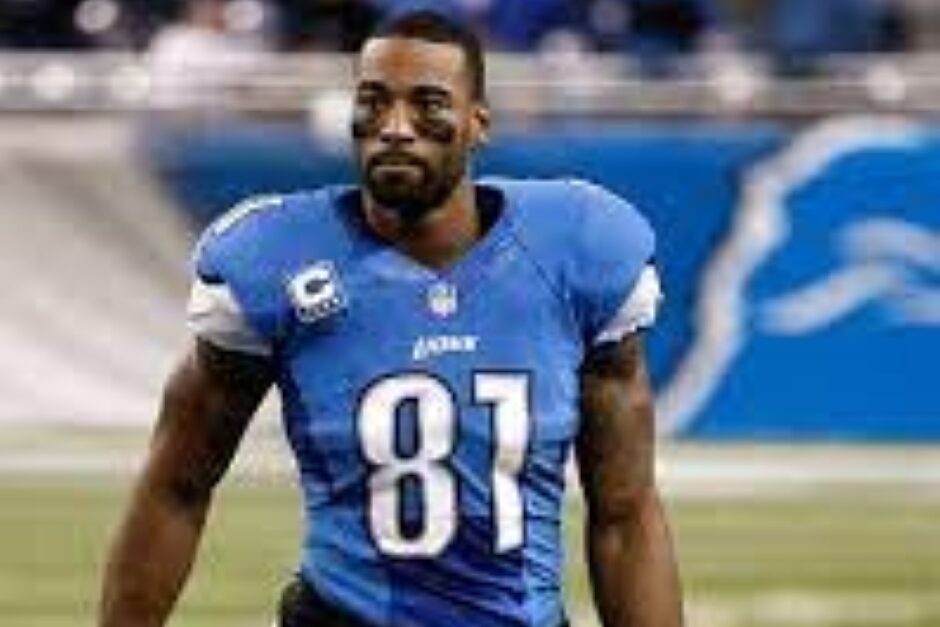
Calvin Johnson, nicknamed “Megatron” for his size and skill, was one of the NFL’s most dominant receivers with the Detroit Lions. Despite record-breaking seasons and lucrative contracts, he stunned fans in 2016 by retiring at just 30. Chronic injuries and the cumulative toll of professional football played a major role, and Johnson admitted, “I didn’t want to risk long-term health for more money or fame.” His decision was a quiet but powerful statement about valuing life and wellness above public expectation.
Since stepping away, Johnson has enjoyed life out of the media spotlight, spending time with family and exploring business ventures. He occasionally mentors young athletes, sharing lessons on preparation, discipline, and listening to your body. Johnson’s retirement reinforces the idea that legacy isn’t only built on records and accolades but also on the wisdom to know when to step away. His journey highlights a balance many athletes seek: preserving the love for the sport while protecting personal health and future happiness.
11. Tony Hawk: Beyond the Skatepark
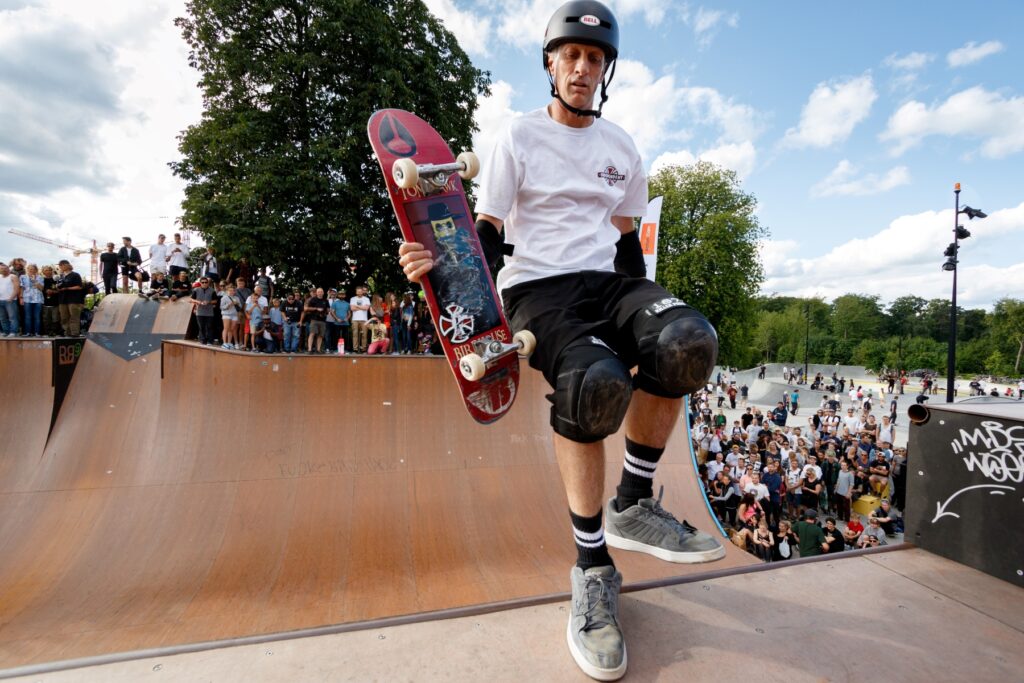
Tony Hawk is a name that transcends sports, defining modern skateboarding and popularizing it globally. With endorsements, video games, and competitions, he had every reason to continue performing, yet Hawk chose a different route. In his 40s, he began stepping back from competitions, focusing on business ventures, philanthropy, and family. Hawk said, “Skateboarding gave me everything, but I needed to grow in other ways too.” His decision highlighted the value of evolving beyond a single identity, even when that identity is world-renowned.
Today, Hawk runs the Tony Hawk Foundation, designs skateparks, and nurtures the next generation of skaters. He also enjoys media appearances and personal projects, proving that passion can be expressed in multiple forms. Hawk’s story shows that retiring from competition doesn’t mean retiring from influence; it’s about finding new avenues to inspire, create, and lead. His life reminds us that walking away from the spotlight can bring clarity, purpose, and fulfillment in unexpected ways.
12. Mia Hamm: Trading Cleats for a Cause
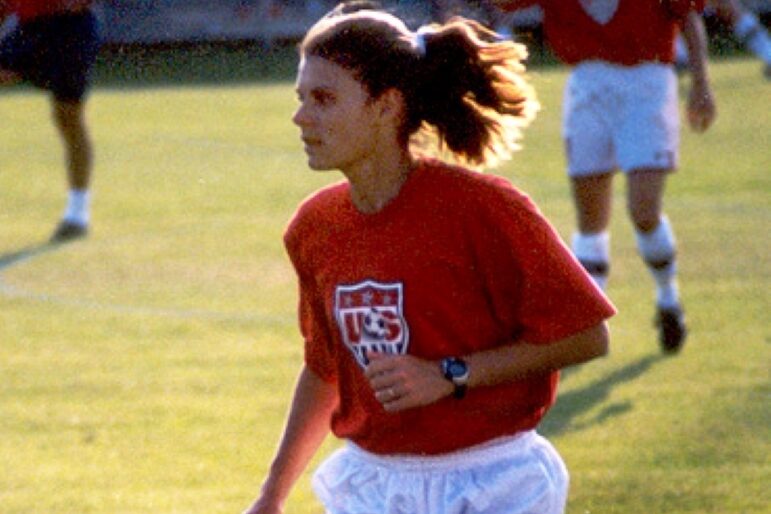
Mia Hamm is one of the most recognizable figures in women’s soccer, leading the United States to multiple World Cup victories and Olympic gold medals. Despite lucrative endorsements and the chance to play professionally for years, Hamm retired in 2004 to focus on family and philanthropy. She reflected, “Soccer gave me everything, but it was time to explore life outside the game.” Her choice resonated widely, especially among women balancing ambition and personal priorities.
Since retiring, Hamm has remained active in promoting women’s sports, co-owning a professional soccer team, and mentoring young athletes. Her foundation supports youth development and equality in sports, demonstrating that leaving a career doesn’t mean leaving a legacy. Hamm’s story is inspiring because it shows the courage to step away while continuing to make a difference. She proves that true influence often comes from purpose-driven decisions, and sometimes the most meaningful victories happen off the field.
13. Chris Borland: Walking Away for Health
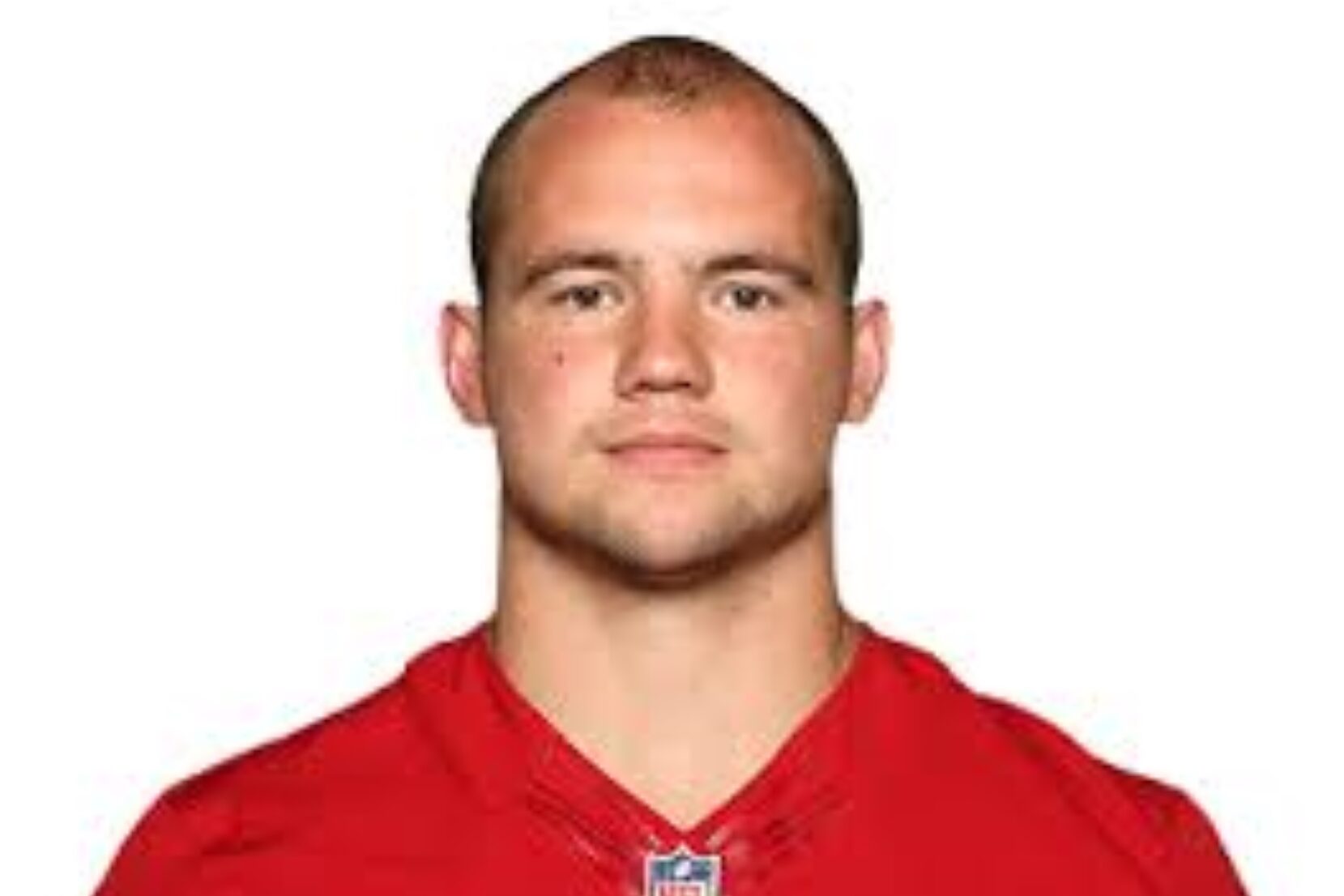
Chris Borland was a rising star with the San Francisco 49ers, expected to have a long, lucrative career. Yet after just one season in 2014, Borland made headlines by retiring at 24. Chronic concerns about head injuries and the long-term impact of football prompted his decision. “I want to live a full life,” Borland explained, emphasizing that even a promising career isn’t worth sacrificing health. His choice sparked discussions across the NFL about player safety and the risks of concussions, showing how personal decisions can ripple outward.
Since leaving the field, Borland has pursued education, speaking engagements, and philanthropy. He advocates for concussion awareness and safer sports practices, turning his short professional career into a platform for lasting change. Fans and peers alike respect his courage to step away so early, proving that redefining success is sometimes more important than chasing fame. Borland’s story is a reminder that health and longevity are victories in their own right, and walking away can allow someone to impact the world in ways that extend far beyond sports achievements.
14. Ronda Rousey: From the Cage to Hollywood
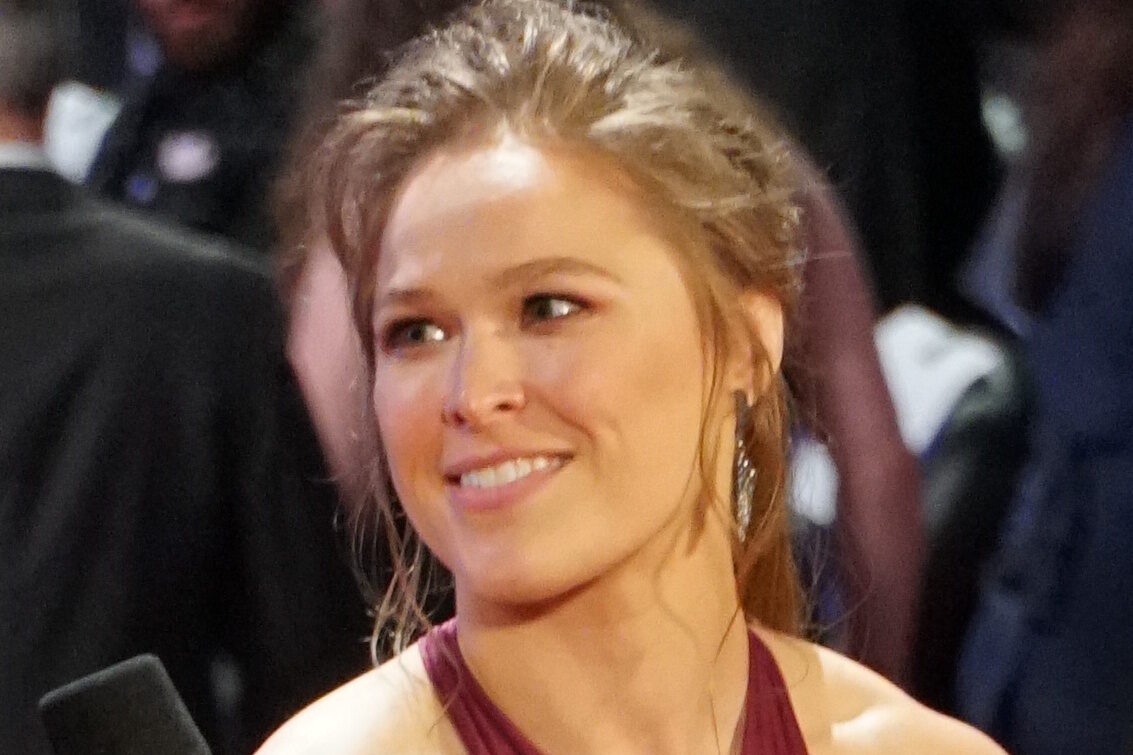
Ronda Rousey conquered mixed martial arts, becoming the UFC’s first female bantamweight champion and a global superstar. Her victories brought endorsements and millions, yet after consecutive losses and injuries, Rousey walked away from fighting. “I needed to redefine myself outside the cage,” she admitted, acknowledging that mental and physical health sometimes demand a pivot. Fans were shocked, but she made it clear that walking away wasn’t quitting it was choosing a new path.
Since leaving MMA, Rousey has pursued acting, professional wrestling, and advocacy. She appears in movies, WWE events, and uses her platform to inspire young athletes, especially women. Her transition highlights how stepping away can open creative opportunities while preserving personal health. Rousey’s story encourages athletes to embrace change, showing that life after peak competition can be just as thrilling and fulfilling, blending passion with reinvention and personal growth.
15. Kevin Love: Mental Health Matters
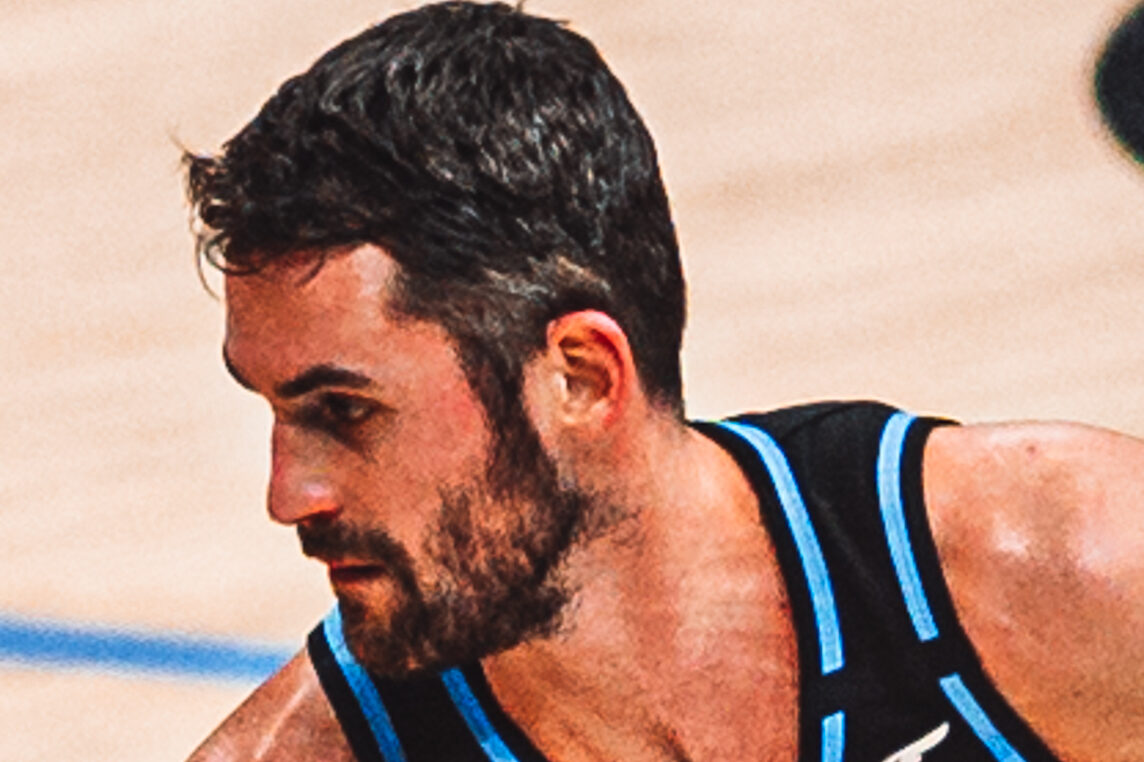
Kevin Love has been a star in the Cleveland Cavaliers for years, winning an NBA Championship and earning a high-profile career. Yet Love has been vocal about struggles with anxiety and depression, taking breaks when necessary to focus on mental wellbeing. “I realized that being honest about my struggles was more important than staying on the court at all costs,” he shared. His decision highlighted a shift in sports culture where mental health is finally recognized alongside physical performance.
Love continues to play professionally but balances his career with advocacy. He promotes mental health awareness, mentors young athletes, and speaks publicly about the importance of emotional care. By prioritizing wellbeing, Love shows that stepping back doesn’t equal failure; it’s an investment in longevity, happiness, and impact. His example resonates widely, emphasizing that even in high-pressure careers, listening to yourself is not just acceptable, it’s essential
16. Abby Wambach: Scoring Goals Beyond the Field
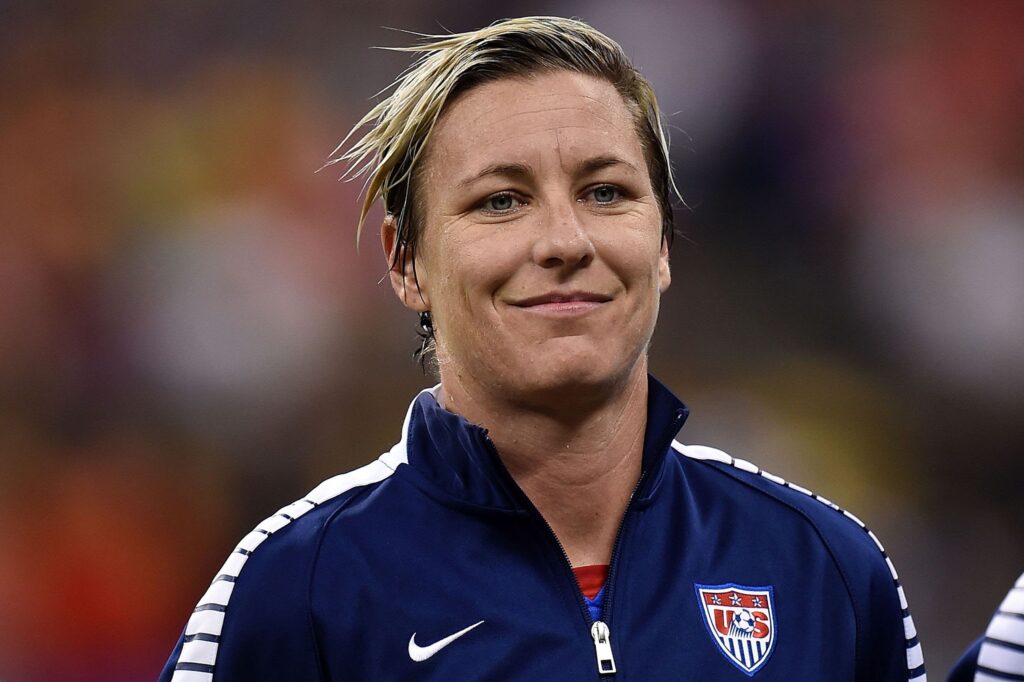
Abby Wambach led the United States women’s national soccer team with a legendary career, winning Olympic gold and World Cup titles. Despite lucrative opportunities to continue professionally, Wambach retired in 2015 to focus on family and advocacy. She reflected, “Soccer gave me purpose, but there’s a world outside the pitch I wanted to explore.” Her decision resonated because it wasn’t about giving up it was about redirecting passion toward new forms of leadership.
Post-retirement, Wambach has become an author, activist, and motivational speaker, championing women’s sports, equality, and leadership. Her foundation works to empower girls and young women, ensuring her impact continues beyond goals and victories. By walking away on her own terms, Wambach shows that leaving a high-profile career can create space for broader influence, proving that success isn’t only measured in trophies but in the lasting difference you make.
17. Barry Sanders: Silence at the Summit
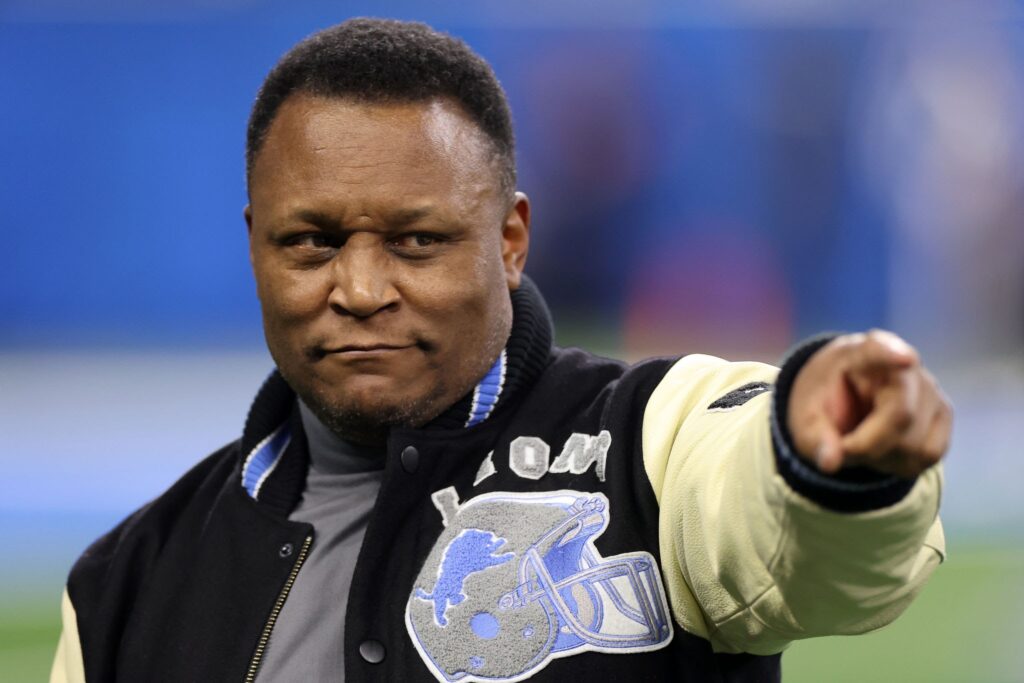
Barry Sanders retired from the Detroit Lions in 1999, still at his athletic peak, shocking fans and sports commentators alike. With one of the most electrifying running styles in history, he walked away from a lucrative career without explanation beyond personal contentment. “I just felt it was time,” Sanders said simply. He prioritized family and a quiet life, showing that sometimes personal satisfaction outweighs fame, money, and records.
Since retiring, Sanders has lived largely out of the spotlight, enjoying personal hobbies, supporting charitable work, and occasionally attending events honoring his career. His decision remains one of the most famous examples of leaving at the top, inspiring others to consider the value of life outside the game. Sanders’ story quietly proves that legacy is not only defined by records, but also by the wisdom to step back and savor life beyond applause.
18. Sachin Tendulkar: Walking Off the Pitch
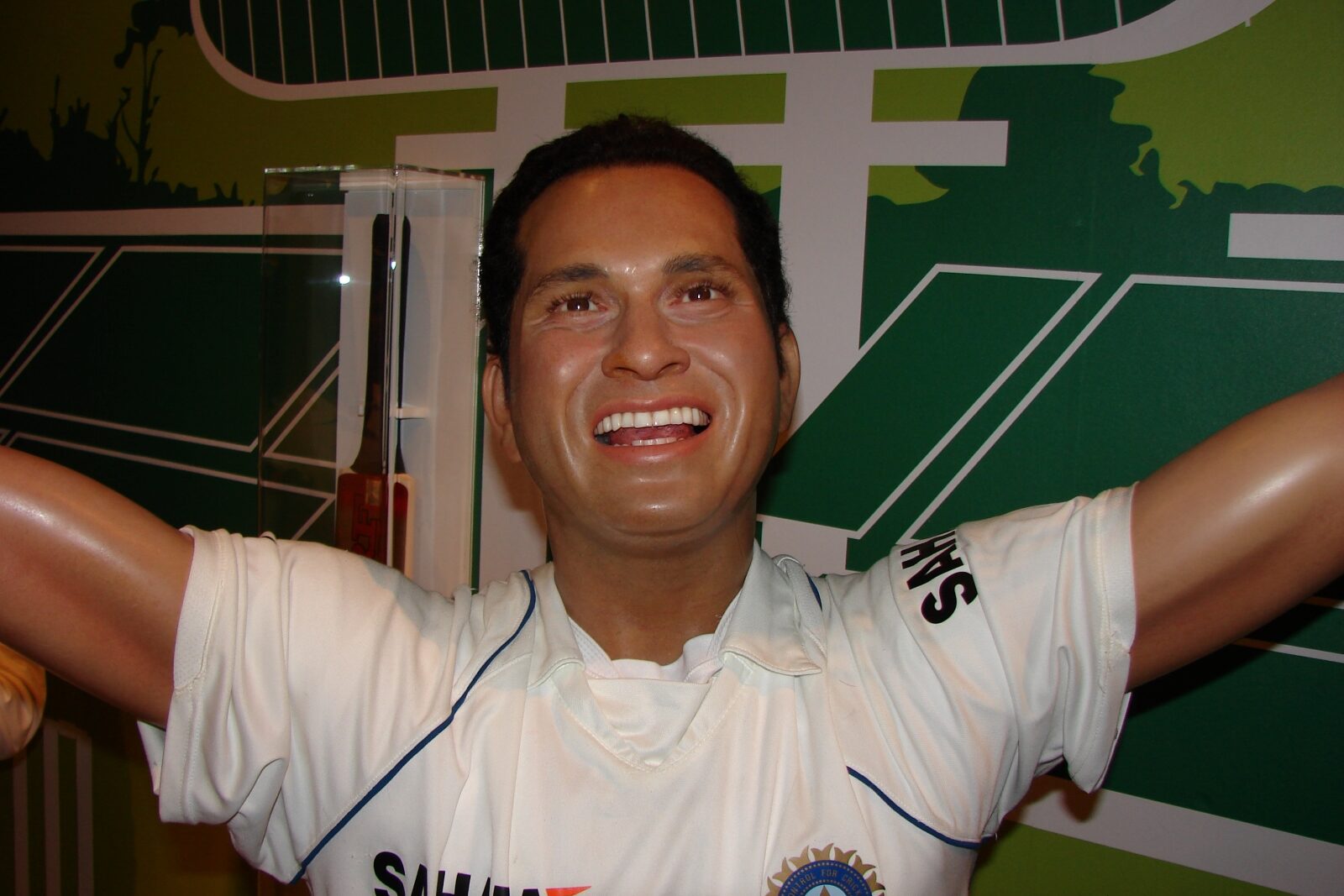
Sachin Tendulkar, often called the “God of Cricket,” had a career spanning over two decades, representing India with unmatched consistency and record-breaking performances. Despite lucrative contracts and global fame, Tendulkar retired in 2013, choosing to step away on his own terms. He shared, “I felt it was time to pass the baton and let the next generation play their part.” For Tendulkar, leaving wasn’t about lacking love for cricket but about recognizing when to exit gracefully, preserving joy and dignity.
Since retirement, he has embraced philanthropy, mentorship, and ambassador roles, remaining active in cricket without the strain of constant competition. Tendulkar focuses on youth development, social initiatives, and promoting sports as a tool for empowerment. His story resonates because it highlights balance knowing when to step back while still contributing meaningfully. For fans, Tendulkar’s decision was bittersweet but inspiring, showing that even legends can walk away from lucrative careers to make space for growth, both personally and for the game itself.
19. Pat Tillman: Trading Football for Service
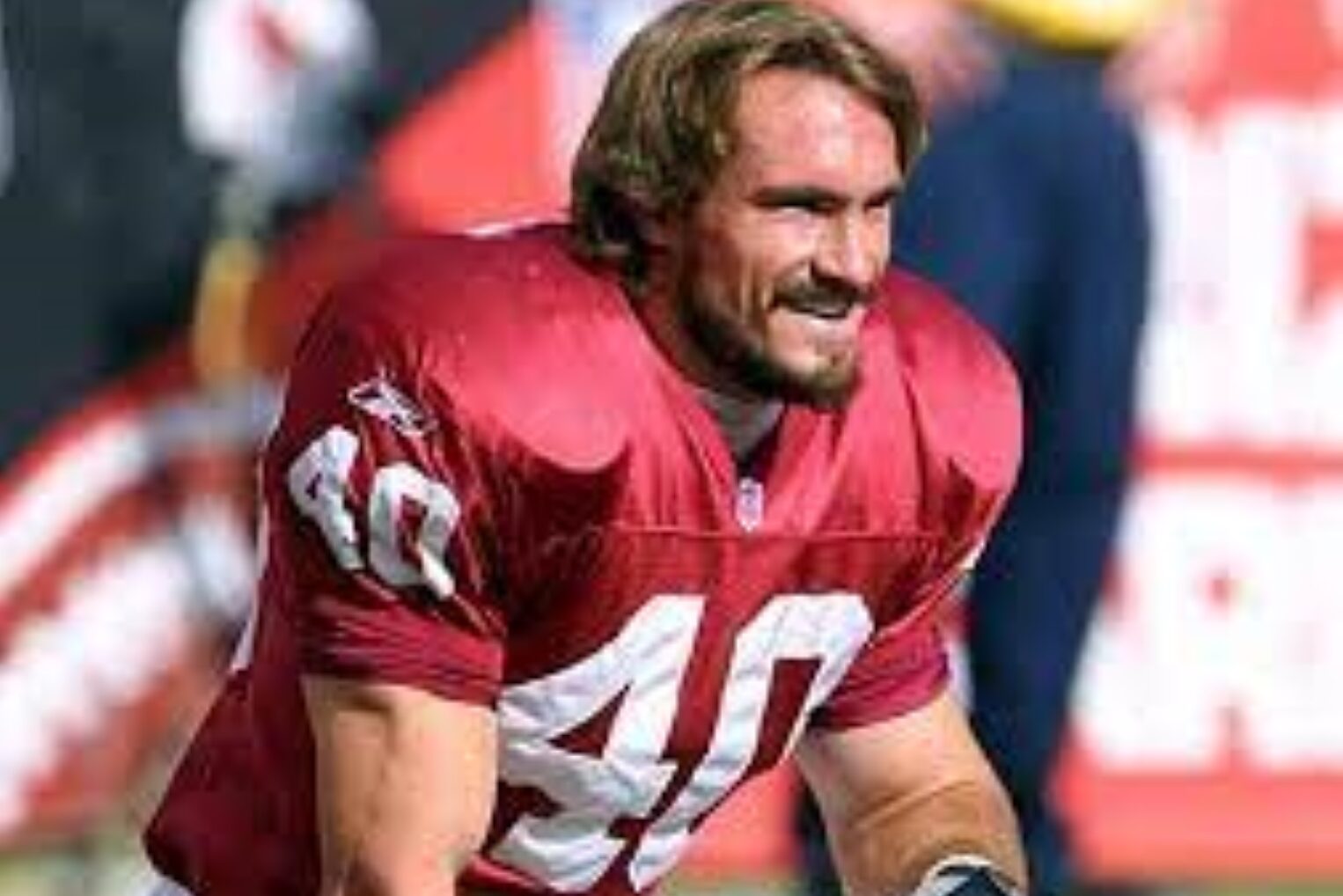
Pat Tillman’s story is unique and deeply moving. A standout Arizona Cardinals player, Tillman walked away from a multi-million-dollar NFL contract to enlist in the U.S. Army after 9/11. “I felt a duty to serve my country,” he explained, demonstrating that some callings outweigh wealth and fame. His decision stunned the sports world and left a lasting impression on fans and teammates alike.
Tillman’s military service tragically ended in 2004 in Afghanistan, but his legacy continues to inspire. The Pat Tillman Foundation supports military veterans and their families, keeping his spirit alive. His journey shows that walking away from a lucrative career can be a deliberate, principled choice, rooted in values and purpose. Tillman reminds us that sometimes, the bravest decisions aren’t about sports or money, they’re about aligning life with a higher mission.
20. Ian Thorpe: Diving into New Waters
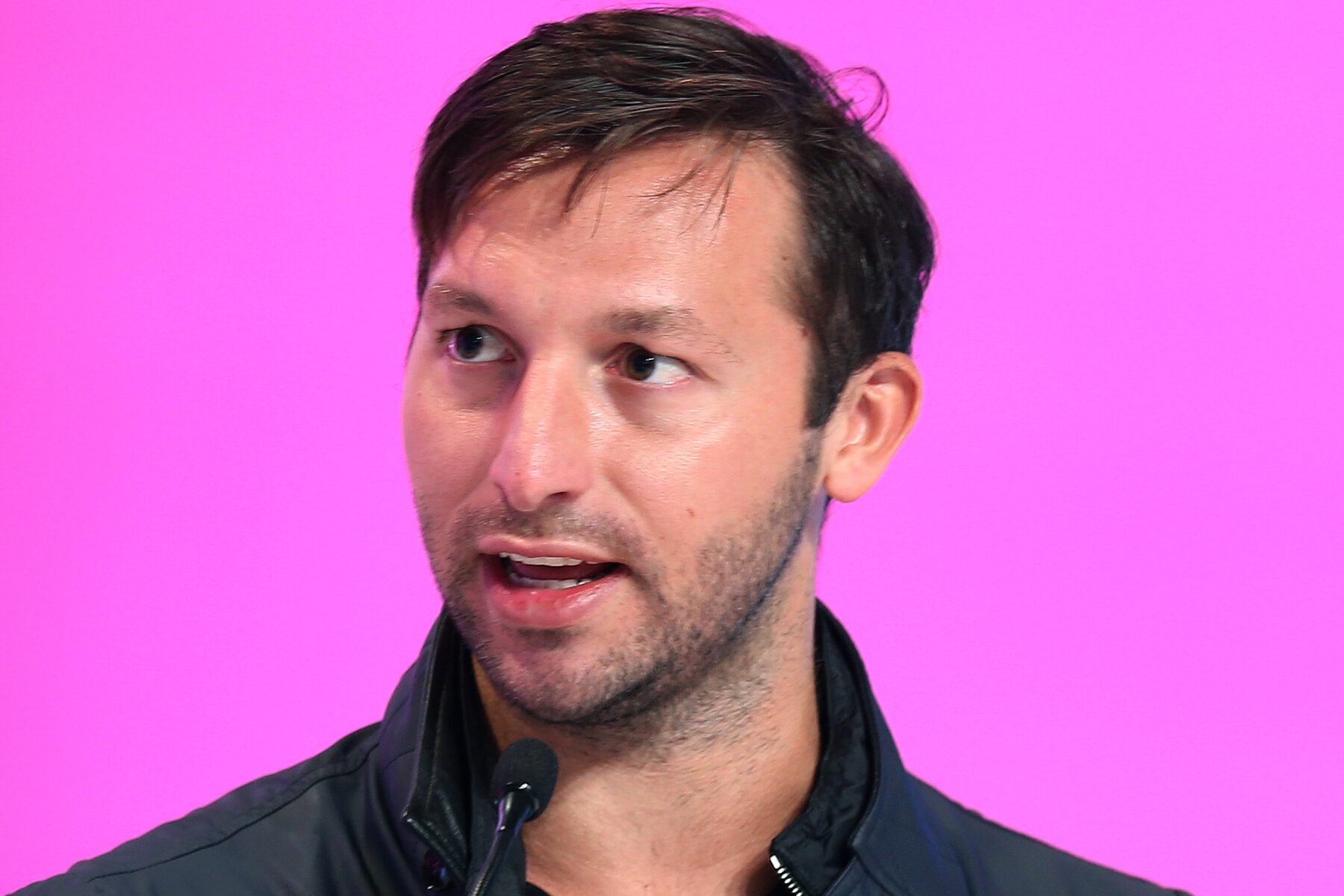
Ian Thorpe, the Australian swimming prodigy, won multiple Olympic gold medals and earned millions in endorsements during his career. Yet after competing in the 2008 Beijing Olympics, Thorpe stepped back, citing physical and mental exhaustion. “I needed time to find balance,” he admitted, showing that even champions need space to heal. Fans were surprised, but his decision underlined a key lesson: personal health often trumps fame and fortune.
Since retiring, Thorpe has pursued media work, charity projects, and advocacy, particularly for mental health and LGBTQ+ issues. He has also made selective appearances in swimming events, emphasizing mentorship and inspiration rather than competition. Thorpe’s story reminds fans that walking away can lead to new avenues of influence and fulfillment, proving that stepping back does not mean stepping out of impact. He continues to inspire through purpose and personal growth, beyond medals and headlines.
21. Bo Jackson: Two Sports, One Choice
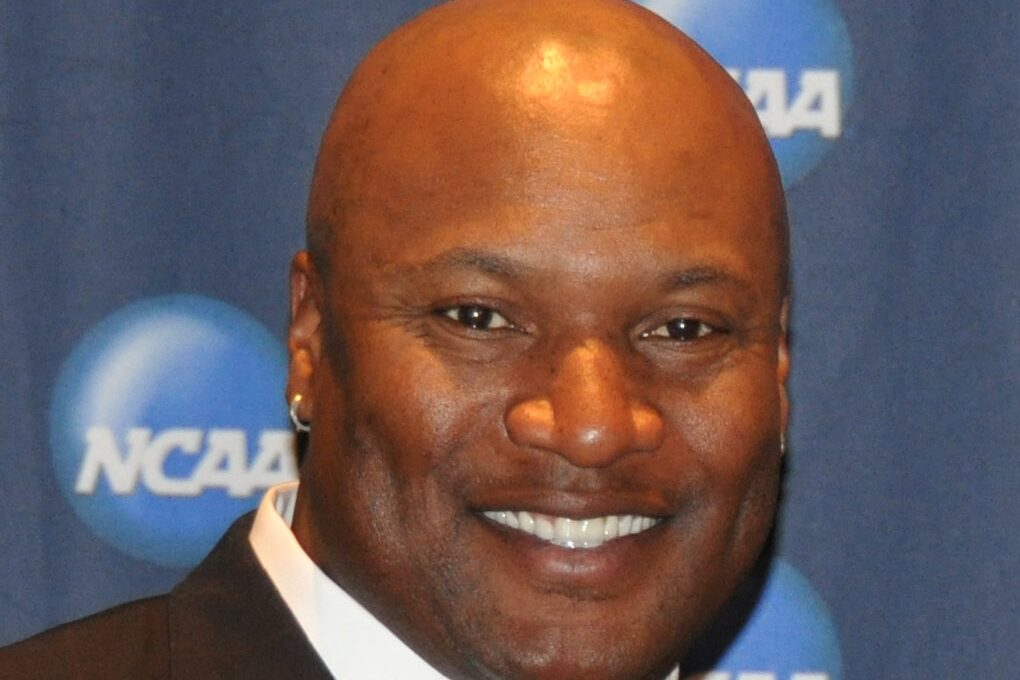
Bo Jackson dazzled fans in both the NFL and MLB, a rare dual-sport star. Yet after a hip injury, Jackson retired from professional sports early, realizing that continuing could cause lasting harm. “I wanted to enjoy life beyond pain,” he explained. His decision highlighted that even exceptional talent is subject to human limits, and sometimes stepping back is the smartest move.
Post-retirement, Jackson has embraced business ventures, acting cameos, and philanthropy, focusing on opportunities that do not compromise health. He also inspires athletes with his story, showing that brilliance doesn’t require sacrificing wellbeing. Jackson’s journey demonstrates that walking away can preserve both legacy and personal happiness, reminding fans that life after sports can be just as meaningful as time in the spotlight.
22. Kerri Walsh Jennings: Serving Beyond the Sand
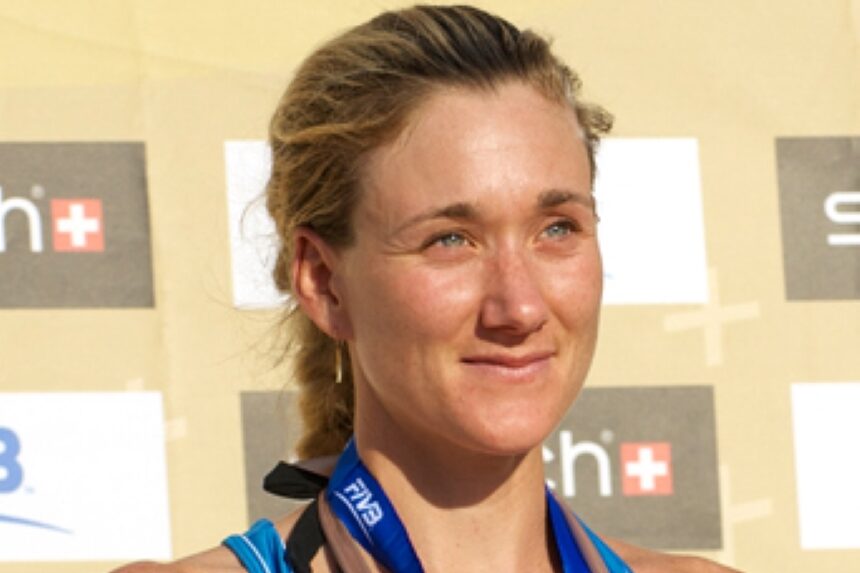
Kerri Walsh Jennings dominated beach volleyball, winning three consecutive Olympic gold medals for the United States. Despite her superstar status and endorsements, she retired from professional competition to focus on family and coaching. Walsh Jennings reflected, “I wanted to pass on knowledge while being present for my kids,” showing that personal priorities can outweigh even the highest achievements.
Since retiring, she has coached, advocated for youth sports, and appeared in motivational programs. Her work ensures that her influence extends beyond personal competition, shaping the next generation. Walsh Jennings’ story reminds fans that walking away does not diminish accomplishments; it amplifies them through mentorship and purpose-driven living. Her path illustrates that retirement can open doors to impact that competition alone cannot achieve.
23. Simone Biles: Flipping Priorities

Simone Biles redefined gymnastics, winning multiple Olympic golds and dominating competitions with unmatched skill. Yet at the 2020 Tokyo Olympics, Biles made headlines for prioritizing mental health over medals, withdrawing from several events. “I have to focus on my mental health and not just my medals,” she said, making a courageous choice that resonated worldwide. Her decision highlighted that even the most decorated athletes must listen to their minds and bodies, showing that walking away can sometimes be the strongest move.
Since Tokyo, Biles has engaged in advocacy, mentoring, and media projects, continuing to inspire young athletes while maintaining balance and wellness. She demonstrates that stepping back is not failure, it’s wisdom. Biles’ journey reinforces the idea that even at the pinnacle of success, personal well-being can and should come first. Her example is changing how the world views sports, showing that life after and sometimes during competition can be just as meaningful as standing on the podium.
24. Usain Bolt: Sprinting Toward New Ventures
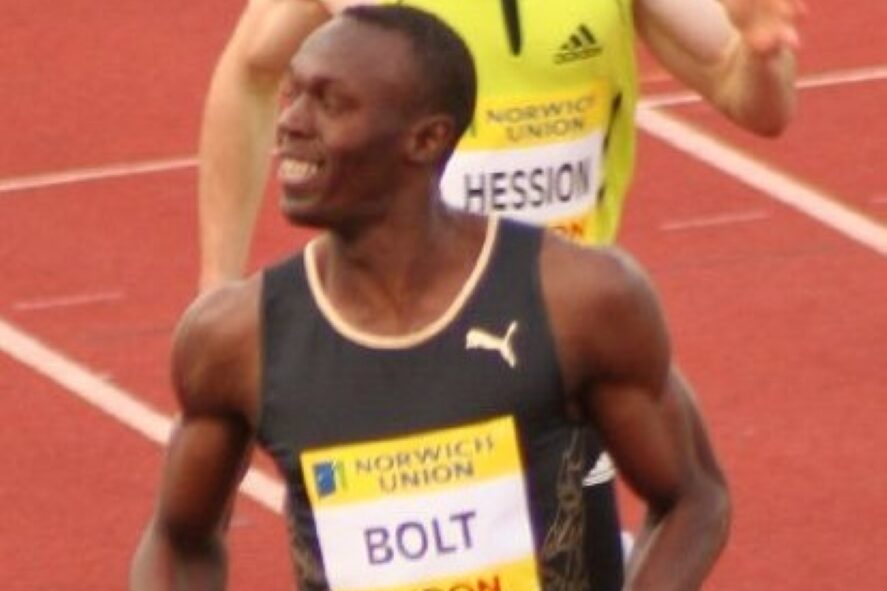
Usain Bolt left the track in 2017, retiring as the fastest man alive and an icon of athletics. Despite sponsorships and global fame, Bolt felt it was time to explore life beyond sprinting. “I’ve achieved all I wanted on the track,” he said, eager to pursue business, music, and personal passions. Bolt’s choice reflected the idea that leaving on your terms allows you to control the story of your own life, not just your career.
Post-retirement, Bolt has launched ventures in sports management, hospitality, and entertainment while promoting athletics in his home country of Jamaica. He also mentors young sprinters, ensuring his legacy extends beyond personal records. Bolt’s story exemplifies the joy of exploring new challenges, showing that retirement can be a fresh start, full of creativity, influence, and fulfillment beyond the fame of competition. His life reminds us that walking away doesn’t close doors; it opens them.
25. Michael Jordan: Stepping Away at the Summit
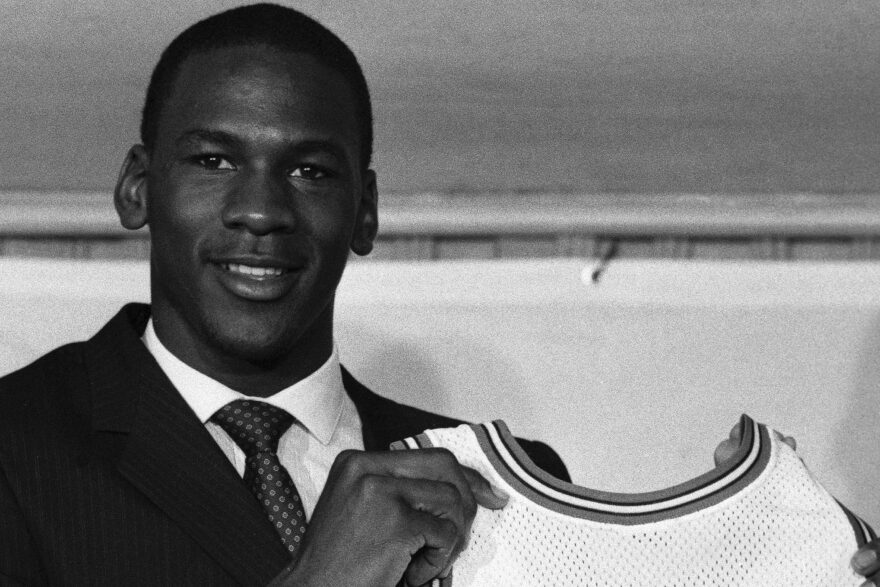
Michael Jordan, often considered the greatest basketball player of all time, retired multiple times from the Chicago Bulls at the peak of his powers. Each retirement was met with shock and speculation, yet Jordan valued personal focus and family alongside his legendary career. “I needed to do what felt right for me,” he explained, showing that even the highest achievers must prioritize their own path over expectation or fortune.
Since retiring, Jordan has become a successful businessman, team owner, and philanthropist, proving that life after sports can be as impactful as life on the court. His story closes this list with a reminder that walking away is not about losing, it’s about choosing fulfillment, balance, and purpose. From Andrew Luck to Jordan, these athletes illustrate that true success is measured not just in contracts, trophies, or headlines, but in courage, self-awareness, and the ability to create a meaningful life beyond the game.


