
The Hidden Price Of “Cheap”
When you are out shopping, it is almost a reflex to grab the item with the lowest price tag. It feels like the responsible thing to do for your bank account, but experts have been warning us for years that this is often a trap. In his 2014 book Cheaponomics, sociologist Michael Carolan pointed out that bargain goods usually hide their true costs behind poor durability and environmental harm. When a product is made poorly, you aren’t really saving money; you are just delaying a much larger payment that comes when that item inevitably fails and needs to be replaced.
This cycle is what economists call a “false economy.” It is the frustrating reality of buying a pair of shoes that falls apart in three months or a kitchen gadget that dies the day the warranty expires. These small, seemingly harmless purchases quietly add up, turning a few saved dollars today into hundreds of dollars wasted over the next few years. By learning to spot these “cheap traps,” you can start making smarter decisions that prioritize quality and long-term value over a temporary bargain.
Fast Fashion Clothing

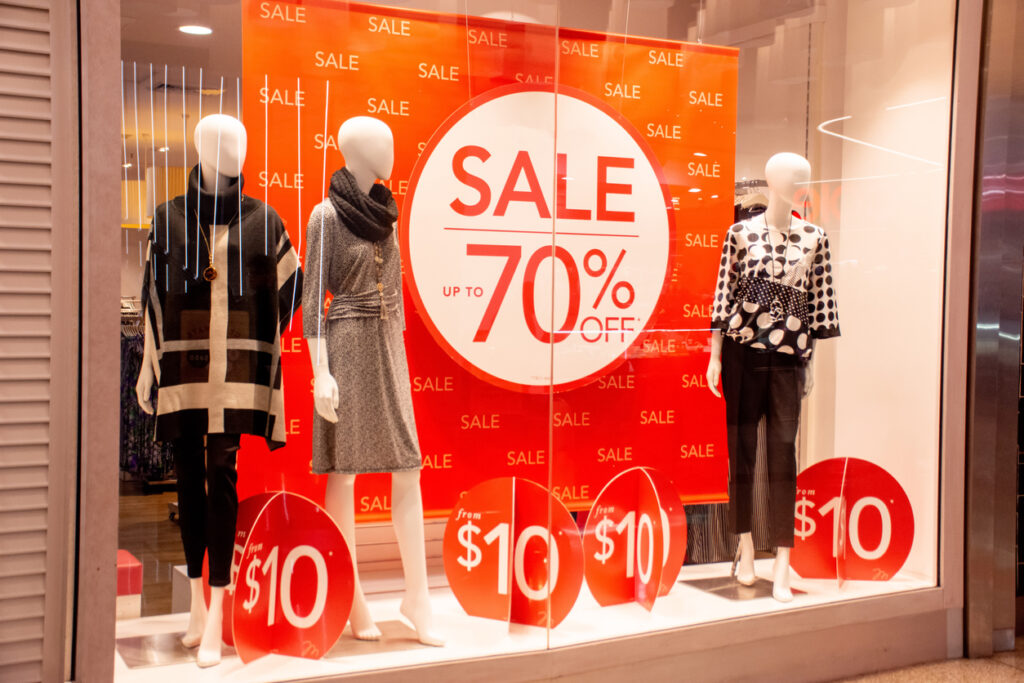
Fast fashion has completely changed how we shop since its massive boom in the early 2000s, offering high-trend styles for the price of a sandwich. Brands churn out thousands of new designs every month using cheap synthetic fibers like polyester, which is essentially plastic. While a ten-dollar shirt feels like a steal at the register, the “cost per wear” tells a different story. After just a few cycles in the washing machine, the seams often begin to fray, the fabric pills, and the original shape disappears, leaving you with a rag.
Because these garments are designed for speed rather than stamina, they rarely last more than a single season. This forces you back into the store to buy replacements, eventually spending far more than you would have on one high-quality cotton or wool piece. Beyond the financial drain, the environmental impact is staggering, with millions of tons of textile waste hitting landfills every year. Investing in well-made staples might feel more expensive upfront, but it is much kinder to both your wallet and the planet in the long run.
Cheap Shoes

Footwear is perhaps the most classic example of a purchase where cutting corners leads to higher costs. Budget shoes are typically held together with glue rather than sturdy stitching, and they use thin synthetic materials that offer zero breathability. While they might look great on the shelf, the structural integrity usually fails within months. Once the sole starts to peel away or the interior cushioning collapses, the shoes become uncomfortable and eventually unwearable, forcing you to buy another pair much sooner than you planned.
The hidden costs of cheap shoes also extend to your physical health. Podiatrists frequently warn that poorly constructed footwear lacks the arch support and shock absorption needed to protect your body. Over time, wearing flat, flimsy shoes can lead to chronic foot pain, knee strain, and even back issues. The cost of a single physical therapy session or a set of custom orthotics can easily dwarf the savings you made on that bargain pair of sneakers. Buying quality, repairable shoes is an investment in your comfort and your long-term health.
Budget Perfumes

Perfume is a luxury item where the lowest price point is often a total illusion. Inexpensive fragrances usually contain very low concentrations of actual fragrance oils and are bulked out with high amounts of alcohol and water. While the bottle itself is cheap, the scent typically evaporates within an hour or two. This forces you to spray yourself multiple times throughout the day just to keep the aroma alive, which means you’ll burn through the entire bottle in a fraction of the time it takes to finish a premium version.
On the other hand, higher-end scents labeled as “Eau de Parfum” or “Parfum” are much more concentrated and stable. Because the ingredients are higher quality, a single spray can last all day, meaning a bottle that costs twice as much might actually last four times longer. When you break it down by the cost per application, the luxury option often ends up being the more economical choice. Plus, premium blends maintain their intended scent profile, whereas cheap formulas can quickly turn “sour” or smell like chemicals after sitting on your shelf.
Discount Skin Care

While there are plenty of great affordable beauty brands, choosing the absolute cheapest skincare products can be a risky gamble for your face. Many rock-bottom budget items rely on harsh fillers, synthetic fragrances, and unstable preservatives to keep manufacturing costs down. Dermatologists often see patients suffering from “contact dermatitis” or severe breakouts caused by these low-quality ingredients. If a cheap cleanser ruins your skin barrier, you may end up spending a fortune on specialized dermatological consultations and prescription creams to fix the damage.
True value in skincare comes from balanced formulas and ingredients that have been properly tested for efficacy. A well-formulated moisturizer might have a higher sticker price, but it often requires a much smaller amount to be effective and provides better long-term results. Instead of buying five different “bargain” serums that do nothing for your complexion, investing in one reliable product recommended by professionals saves you both money and frustration. In the world of skincare, it is much cheaper to maintain healthy skin than it is to repair a chemical reaction.
Kids’ Clothing Excess

It is a common habit for parents to buy cheap children’s clothes because “they’re just going to grow out of them anyway.” While the logic seems sound, it often leads to a cycle of over-purchasing that drains the family budget. Because the items are so inexpensive, it is easy to walk out of a store with ten shirts instead of two. However, kids grow so rapidly that many of these low-cost items are only worn once or twice before they are too small, meaning you’ve essentially thrown money away on volume rather than utility.
A more cost-effective strategy is to focus on a smaller number of durable, high-quality pieces that can survive the playground and multiple washes. Well-made children’s clothes also have a much higher resale value and can be passed down to younger siblings or friends, which isn’t an option for fast-fashion items that fall apart after three trips to the park. By shifting the focus from “how much can I get for $50” to “what does my child actually need,” families can significantly reduce their yearly spending on wardrobes that are outgrown in weeks.
Non-Stick Cookware
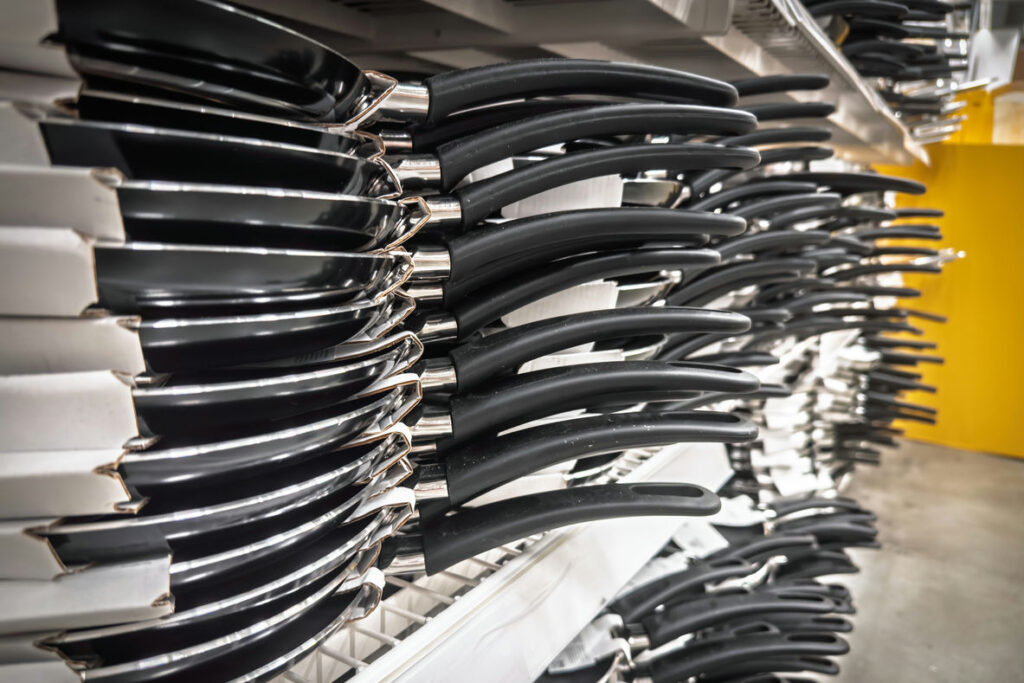
Non-stick pans are a staple in American kitchens, but they are notorious for being “disposable” if you buy the budget versions. The thin, low-quality coatings on cheap pans are highly susceptible to scratching, flaking, and bubbling, even if you are careful with them. Once that non-stick surface is compromised, the pan becomes useless and potentially unsafe, leading most people to toss it in the trash and buy a new one every twelve to eighteen months. Over a decade, you could easily spend hundreds of dollars on a rotating door of cheap pans.
In contrast, investing in a piece of heirloom-quality cookware like a cast iron skillet or a stainless steel pan can save you a fortune. These items are virtually indestructible and, in the case of cast iron, actually get better with age. While a high-end pan might cost $100 compared to a $15 budget option, it will likely last for forty years or more. When you do the math, the “expensive” pan costs you pennies per year, while the “cheap” non-stick habit becomes a recurring expense that never ends.
Plastic Kitchen Tools
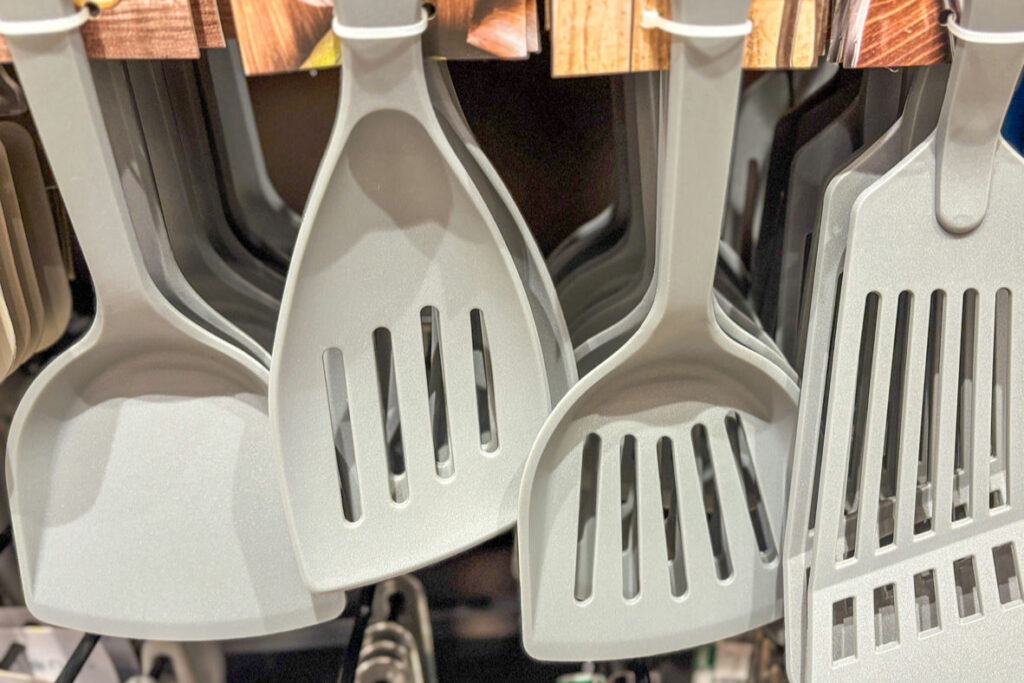
Plastic spatulas, spoons, and cutting boards are tempting because they usually cost less than five dollars at big-box retailers. However, plastic is a relatively weak material when it comes to the high heat and heavy use of a busy kitchen. Plastic tools frequently melt, warp, or stain, and plastic cutting boards are notorious for developing deep grooves that can harbor dangerous bacteria. Once a plastic tool is damaged, it cannot be repaired, meaning it goes straight to the landfill and you head back to the store.
Switching to durable materials like stainless steel, high-quality silicone, or sustainably sourced wood is a much better financial move. A single wooden spoon or a heavy-duty metal spatula can last for decades, surviving thousands of dishwasher cycles without losing its shape. While the initial cost might be double or triple that of the plastic version, the longevity of these tools means you won’t have to think about buying replacements for years. It is a simple way to reduce household waste while keeping more money in your pocket over time.
Cheap Small Appliances
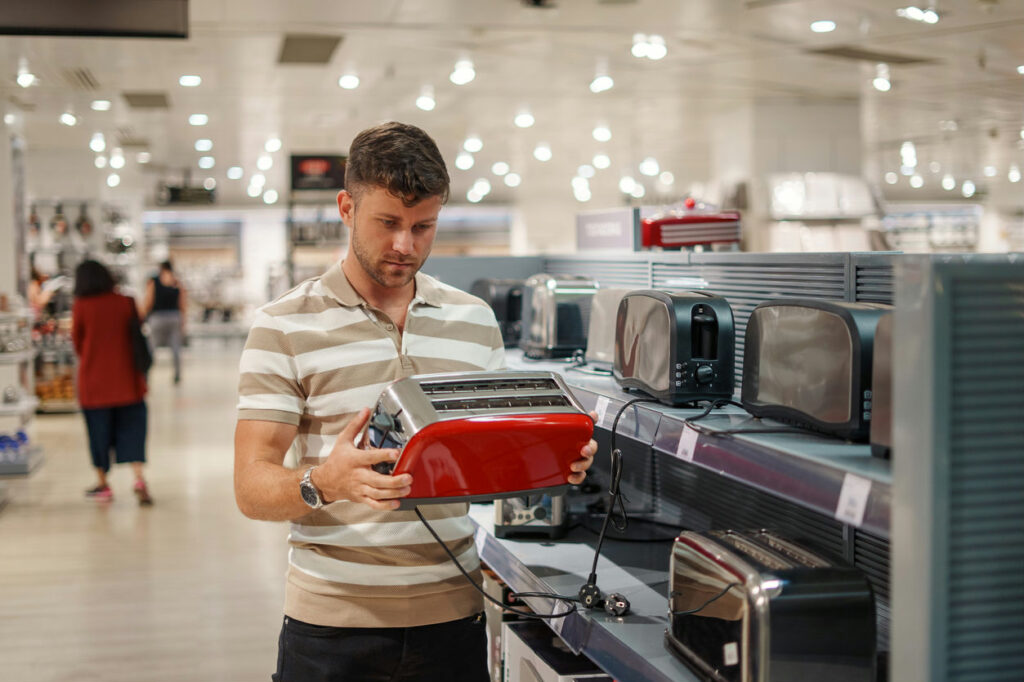
The era of the “disposable appliance” really took hold in the early 2000s, as manufacturers began prioritizing low prices over repairability. Today, budget toasters, kettles, and coffee makers are often built with sealed plastic housings and thin internal wiring that is designed to fail. If a tiny thermal fuse blows in a twenty-dollar toaster, it is usually impossible to fix, forcing you to throw the entire machine away. This creates a cycle of constant replacement that quietly drains your bank account twenty or thirty dollars at a time.
If you look at the total cost over five or ten years, buying a mid-range appliance with a solid warranty and replaceable parts is almost always the cheaper path. High-quality brands often design their products to be serviced, meaning a simple repair can extend the life of the machine for another decade. By avoiding the temptation of the rock-bottom price at the appliance aisle, you save yourself the recurring cost of replacements and the headache of a coffee maker that dies right when you need it most.
Disposable Dinnerware

The convenience of paper plates and plastic cups is hard to argue with, especially during a busy work week or a holiday party. However, relying on disposables for everyday meals is a massive financial leak that many households overlook. If you are spending five or ten dollars a week on paper products, you are effectively burning over $500 a year on items that are designed to be thrown away after twenty minutes of use. That is money that could be better spent elsewhere.
Investing in a basic set of ceramic dishes and glass cups is a one-time expense that can last for the rest of your life. Even if you factor in the cost of water and electricity for the dishwasher, the savings are astronomical compared to the recurring cost of buying packs of paper plates every month. Beyond the financial benefits, cutting out disposables significantly reduces your household’s plastic and paper waste. Switching to reusables is one of the easiest ways to give yourself an immediate “raise” by eliminating a completely unnecessary recurring expense.
Particle Board Furniture
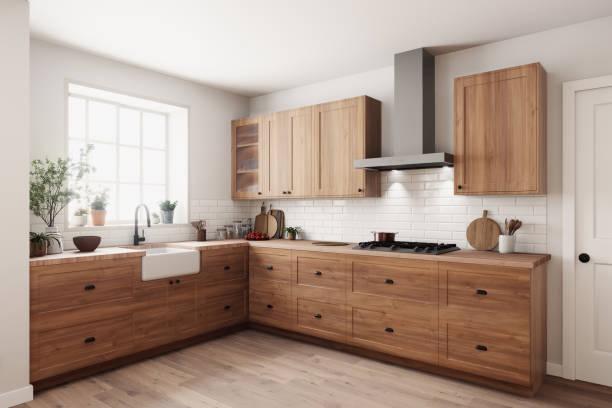
Flat-pack furniture made from particle board became the standard for many American homes in the late 1990s and early 2000s. It is marketed as an affordable way to furnish a first apartment, but it is rarely a long-term bargain. Particle board is essentially sawdust held together with glue, which makes it extremely vulnerable to moisture and physical stress. If you spill a glass of water or live in a humid environment, the wood can swell and crumble, and once the “veneer” peels off, there is no way to fix it.
The real cost of this furniture becomes clear the moment you try to move. Because the material is so fragile, taking it apart and putting it back together often strips the screw holes, leaving the piece wobbly or completely unusable. Many people find themselves buying a new dresser or bookshelf every time they change apartments. In contrast, a piece of solid wood furniture, even if bought secondhand, can last for fifty years or more. Investing in quality once prevents you from paying a “moving tax” on disposable furniture every few years.
Standard Light Bulbs
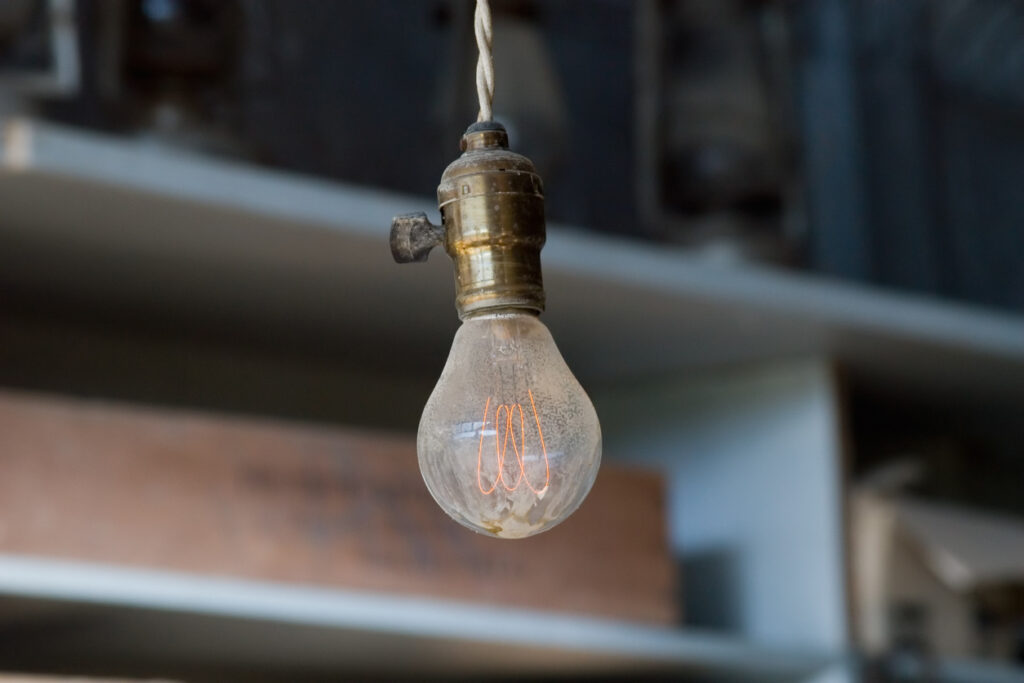
For nearly a century, traditional incandescent light bulbs were the go-to choice because they cost less than a dollar. However, these bulbs are incredibly inefficient, converting about 90% of their energy into heat instead of light. Because they burn so hot, the filaments snap easily, giving them a short lifespan of only about 1,000 hours. This means a typical household has to replace bulbs several times a year, turning a cheap purchase into a constant recurring errand and expense.
Switching to LED bulbs is one of the easiest ways to stop a “cheap” habit from draining your wallet. While an LED might cost three or four dollars upfront, it uses roughly 75% less energy and can last up to 25,000 hours, that is nearly 25 years of normal use. According to energy experts, replacing just five of your home’s most frequently used bulbs with LEDs can save you about $75 a year on electricity. The initial price difference is paid back in energy savings within just a few months, making old-fashioned bulbs a total false economy.
Overused Dish Soap

Concentrated dish soap is a modern marvel designed to cut through grease with just a tiny drop. In theory, a single bottle should last a household for several months, providing excellent value for the price. However, many people fall into a psychological trap where they continue to use the same large amount of soap they were used to with older, thinner formulas. By over-pouring, you are essentially washing money down the drain every time you do the dishes, causing you to buy replacements twice as often.
This habit of overconsumption is exactly what manufacturers count on to keep sales high. When you use more soap than necessary, the bottle empties in weeks rather than months, doubling or tripling your annual spending on cleaning supplies. To get the actual value out of your purchase, you have to break the habit of “more is better.” By using the recommended small amount, you ensure the product lives up to its economical promise. Otherwise, that “concentrated” value becomes an expensive mistake caused by simple force of habit.
Pre-Packaged Meals

The rise of “grab-and-go” meals has made life easier for busy workers, but it comes with a massive hidden markup. Frozen dinners, pre-cut vegetables, and boxed meal kits often cost three to four times more than the raw ingredients used to make them. For example, a pre-packaged salad bowl might cost eight dollars, while buying a head of lettuce and a few toppings could yield four salads for the same price. Over a year, a heavy reliance on convenience food can cost a family thousands of extra dollars.
Beyond the price of the food itself, you are also paying for the plastic packaging and the industrial processing. Cooking from scratch, even just a few nights a week, is one of the most effective ways to slash your monthly expenses. By preparing basic staples like rice, beans, and proteins in bulk, you can create “homemade convenience” that is healthier and far more affordable. When you look at your grocery receipt, it becomes clear that you aren’t just paying for food, you are paying a high premium for the few minutes the factory saved you.
Bottled Water Habit
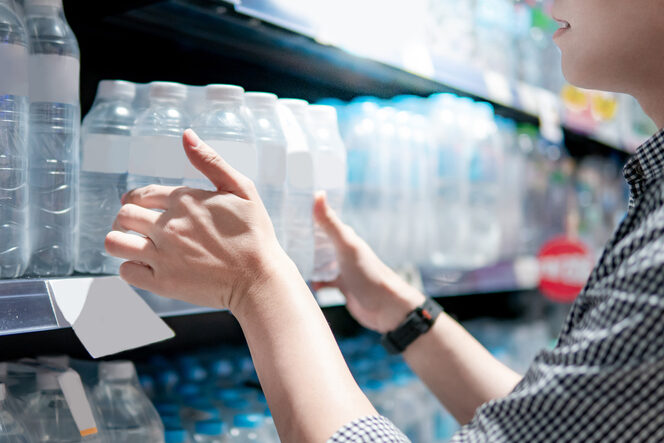
Buying bottled water is one of the most expensive ways to stay hydrated in the United States. A single bottle at a gas station can cost two dollars, which seems minor at the moment. However, if you drink two bottles a day, you are spending over $1,400 a year on something that is essentially free at home. Even bulk packs from big-box stores are a significant markup when compared to the cost of municipal tap water, which usually costs less than a penny per gallon.
There is also the hidden cost of environmental waste and health. Millions of plastic water bottles end up in the ocean every year, and recent studies have raised concerns about microplastics leaching into the water you drink. Investing in a high-quality reusable stainless steel bottle and a simple home water filter is a much smarter move. This one-time purchase pays for itself in just a few weeks. By ditching the bottled water habit, you save hundreds of dollars annually and help reduce the massive plastic footprint left by the bottled water industry.
Bulk Buying Mistakes

The “warehouse club” model has convinced millions of shoppers that buying in bulk is the ultimate money-saving hack. While it is true that buying large quantities of toilet paper or dry pasta can save you money, bulk buying often becomes a trap for perishable items. If you buy a massive tub of spinach or a giant jar of sauce because it’s a “good deal” but end up throwing half of it away because it expired, you haven’t saved a cent. In fact, you’ve actually paid more for the food you actually ate.
Another hidden risk is the lack of unit price comparison. Sometimes, a standard-sized item at a regular grocery store is actually cheaper per ounce when it is on sale than the bulk version at a warehouse club. Shoppers often assume the bigger box is always the better deal and stop checking the math. To avoid this trap, you must stay disciplined and only buy bulk for items you are 100% certain you will use before they spoil. Otherwise, the “savings” are just an illusion that leads to more household waste and higher grocery bills.
Misleading Multi-Buy Deals
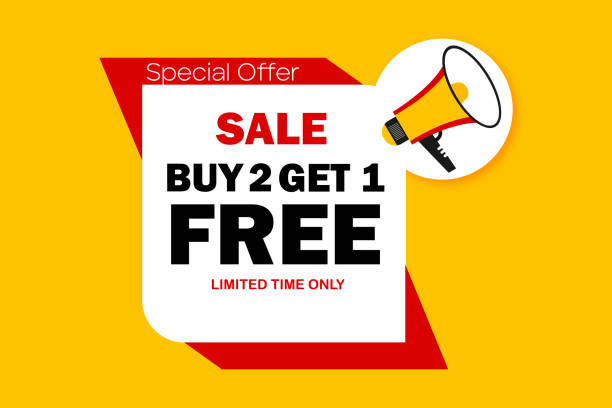
We have all seen the “10 for $10” or “Buy 2, Get 1 Free” signs at the supermarket. These promotions are carefully designed to trigger a “fear of missing out” in shoppers, making them feel like they must buy the maximum amount to get the discount. In reality, most stores will give you the same discounted price even if you only buy one item. By falling for the marketing, you end up stocking your pantry with things you don’t need, which leads to cluttered cabinets and eventually, wasted food that hits its expiration date.
Psychologically, these deals encourage you to spend more than you originally planned. If you went into the store for one jar of peanut butter but walked out with four because of a “deal,” you’ve increased your immediate spending by 300%. Over a year of grocery trips, these small “extra” purchases can add up to hundreds of dollars in unnecessary spending. The smartest way to shop is to ignore the bright yellow signs and stick to your list. Buy only what you need today, and don’t let the supermarket’s sales tactics dictate your budget.
Cheap Processed Food

In the short term, a box of instant noodles or a frozen pizza is much cheaper than a bag of fresh vegetables and lean protein. This makes processed foods an easy choice for people trying to stick to a tight budget. However, these “cheap” calories are often loaded with sodium, sugar, and unhealthy fats that lack essential nutrients. While you save five dollars at the checkout today, you may be setting yourself up for thousands of dollars in medical bills later in life due to diet-related health issues.
Chronic conditions like high blood pressure, type 2 diabetes, and heart disease are closely linked to a diet high in ultra-processed foods. The cost of daily medications, doctor visits, and missed work can be a massive financial burden that far outweighs the savings from buying cheap groceries. Think of nutritious food as a form of “preventive maintenance” for your body. Investing in whole foods like grains, beans, and fresh produce is one of the best long-term financial decisions you can make for your future self.
Low-End Smartphones
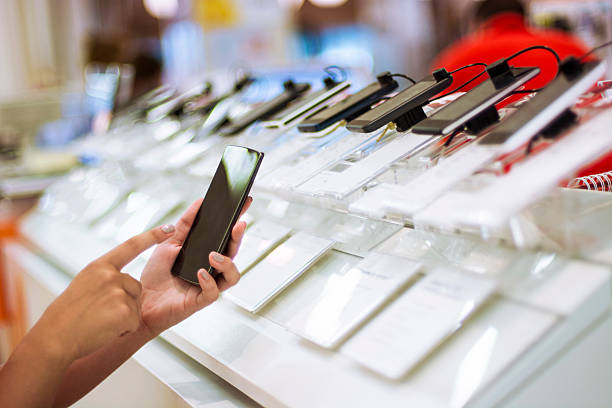
The market for budget smartphones has exploded, with many models available for under $150. While these phones work fine out of the box, they are often built with outdated processors and very limited storage. Within a year, the device usually begins to slow down as apps become more demanding and the battery starts to degrade. Because these phones aren’t built to be repaired, a simple cracked screen or a failing charging port often means the entire phone has to be replaced, leading to a “disposable tech” cycle.
If you have to buy a new $150 phone every two years, you are actually spending more over time than if you had bought a solid mid-range phone for $400 that lasts for five years. Higher-quality devices receive software updates for much longer and are built with more durable materials that can survive a few drops. By spending a little more upfront, you get a much better daily experience and avoid the frustration of a phone that freezes every time you try to open a map or take a photo.
Cheap Laptops

Laptop computers follow the same logic as smartphones. Many “entry-level” laptops are sold with only 4GB of RAM and slow hard drives, which makes them feel sluggish the moment you open more than three browser tabs. These budget machines are often made of flimsy plastic that can crack at the hinges, and their internal components are usually soldered in place, meaning you can’t upgrade the memory or storage to make the computer last longer. You end up stuck with a machine that feels obsolete in just twenty-four months.
A more economical approach is to look for a “mid-range” laptop with at least 8GB or 16GB of RAM and a solid-state drive (SSD). These machines might cost a couple hundred dollars more, but they can easily remain fast and reliable for five or six years. When you calculate the cost of the laptop per year of use, the “expensive” model is almost always the cheaper choice. Buying a laptop that can grow with your needs saves you from the constant cycle of buying, struggling with, and replacing underpowered hardware.
Forgotten Subscriptions

The shift to “subscription-based” living is one of the biggest hidden drains on modern bank accounts. Whether it is a streaming service, a fitness app, or a “club” for monthly coffee deliveries, these small $9.99 charges feel insignificant on their own. However, many people forget to cancel services they no longer use, allowing the companies to bill them month after month for years. A single unused ten-dollar subscription is a $120 annual loss; five of them could be costing you $600 a year for literally nothing in return.
Financial experts recommend doing a “subscription audit” every few months by looking closely at your credit card statements. It is incredibly common to find “ghost” subscriptions for apps you haven’t opened in six months or trial memberships that you forgot to cancel. These companies rely on your forgetfulness to stay profitable. By spending ten minutes a month managing your digital life, you can reclaim hundreds of dollars that would otherwise be wasted on services you don’t even enjoy anymore.
Cheap Printer Paper
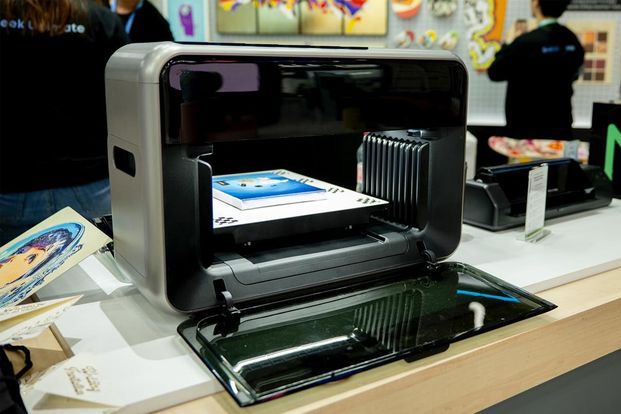
Buying printer paper in small packs from a local drugstore or convenience shop is a classic “unit price” trap. Because the total price is low, maybe just three or four dollars, it feels like a bargain. However, these small packs often contain only 100 sheets, meaning you are paying a massive premium per page compared to buying a standard 500-sheet ream. If you are a student or someone who works from home, these small extra costs quietly inflate your office supply budget over the course of a year.
Low-quality, ultra-cheap paper can also cause physical problems for your printer. Thin paper is much more likely to jam, and paper with a “dusty” finish can clog the internal rollers over time, leading to expensive repairs or the need for a new printer. Investing in a larger box of high-quality, 20lb or 24lb paper not only gives you a better per-page price but also protects your hardware. In the world of office supplies, buying in the correct volume and quality is the only way to keep your real costs down.
Ultra-Cheap Used Cars

Seeing a used car listed for under $2,000 can be very tempting, especially if you need a vehicle urgently. However, “beaters” in this price range often come with mechanical issues that the seller is eager to pass on to someone else. It is very common for a cheap car to need a $1,500 transmission repair or an expensive engine overhaul just weeks after you buy it. Suddenly, your “cheap” transportation has cost you as much as a much newer, more reliable vehicle would have in the first place.
According to data from 2025, the average cost to own and operate a vehicle in the U.S. has risen to over $11,000 annually when you factor in repairs and insurance. An older, high-mileage car will always demand more in maintenance, and if that car breaks down and causes you to miss work, the financial damage grows even further. For most drivers, it is more economical to save for a slightly more expensive car with a documented service history. A reliable car that stays on the road is always cheaper than a bargain car that spends all its time at the mechanic.
Cheap Tools
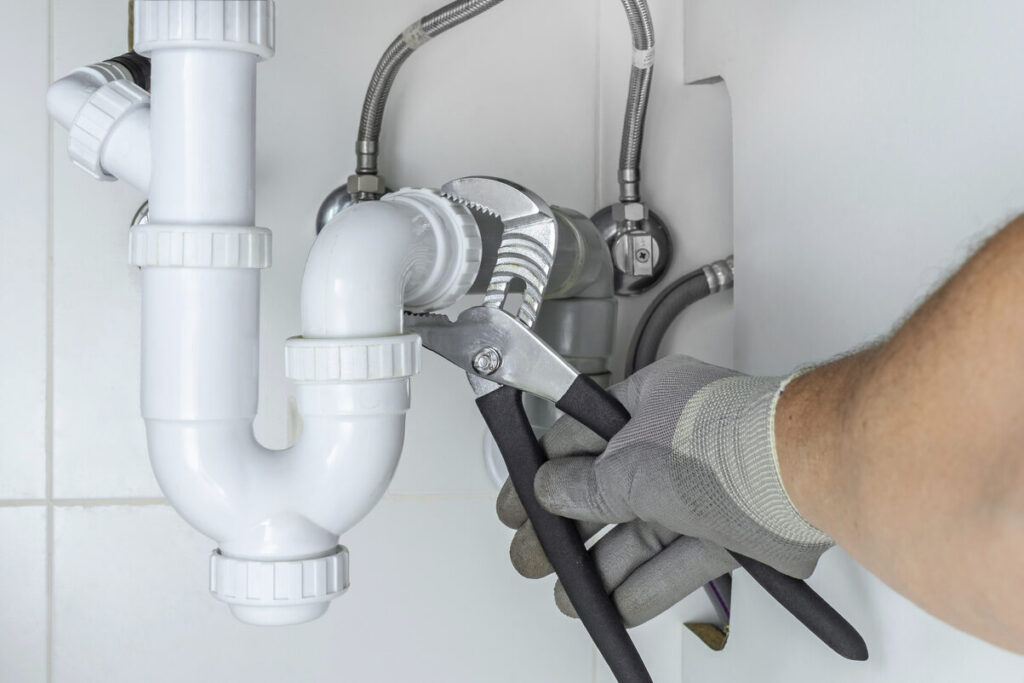
Whether you are fixing a leaky faucet or building a bookshelf, using cheap tools is a recipe for frustration and extra expense. Bargain-bin tools are often made from soft alloys that can easily strip a screw or snap under pressure. When a cheap wrench slips and rounds off a bolt, what was supposed to be a five-minute fix turns into a two-hour ordeal that might require professional help. You end up spending more money on replacement parts and “extractor” kits than you saved on the tool itself.
Professional-grade tools are more expensive because they are built with hardened steel and ergonomic designs that prevent slips and breaks. A good set of screwdrivers or a high-quality hammer can literally last a lifetime and be passed down to your children. Many experts suggest a “buy it once” philosophy for tools: buy the best you can afford, and you will never have to buy it again. In the long run, having a small collection of reliable tools is much cheaper than constantly replacing a drawer full of broken, low-quality junk.
DIY Legal Or Tax Work

With so many websites offering “free” legal forms and “simple” tax filing, it is tempting to handle complex paperwork yourself to save on professional fees. For very basic situations, this can work fine. However, if you have a complicated tax situation, a small business, or need a specific legal contract, the DIY approach can be incredibly expensive. A single mistake on a tax return can trigger an IRS audit and thousands of dollars in penalties, and a poorly worded contract can leave you unprotected in a lawsuit.
Think of a professional’s fee as insurance against future disasters. A qualified CPA can often find deductions that save you more money than their fee costs, and a lawyer ensures that your interests are fully protected from the start. Correcting a legal or financial mistake after it has happened is almost always ten times more expensive than getting it right the first time. Sometimes, the most “expensive” move you can make is trying to save a few hundred dollars on professional advice when the stakes are high.


