
1. Everyday Staples as Lures
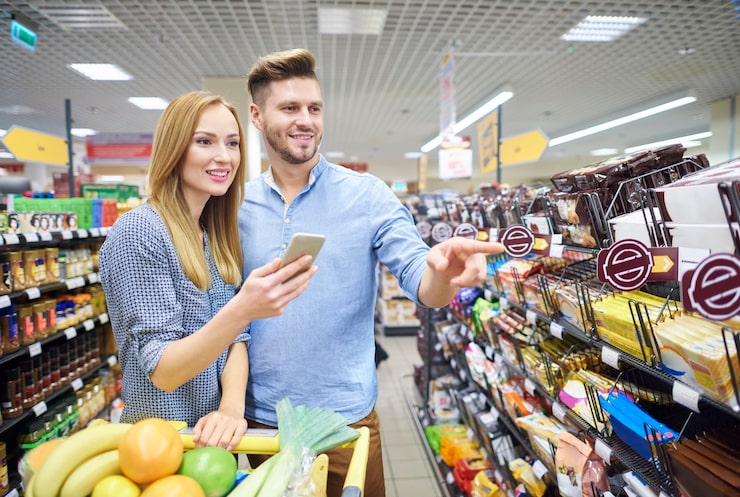
Grocery shopping seems simple, but behind the aisles, supermarkets quietly use layout, psychology, and marketing to steer your choices. Once you know their tricks, you can shop smarter. Many grocery chains price basic items, milk, eggs, bananas, inexpensively to draw customers in. This “loss-leader” tactic isn’t really about profit on those goods. Instead, it’s a way to get you through the doors and walking around the store. Once inside, you’re more likely to pick up higher-margin items, add-ons, or indulgences you didn’t plan on buying. By the time you reach the checkout, your basket is much fuller than you intended, and that cheap banana served its purpose.
2. Eye-Level = Buy-Level
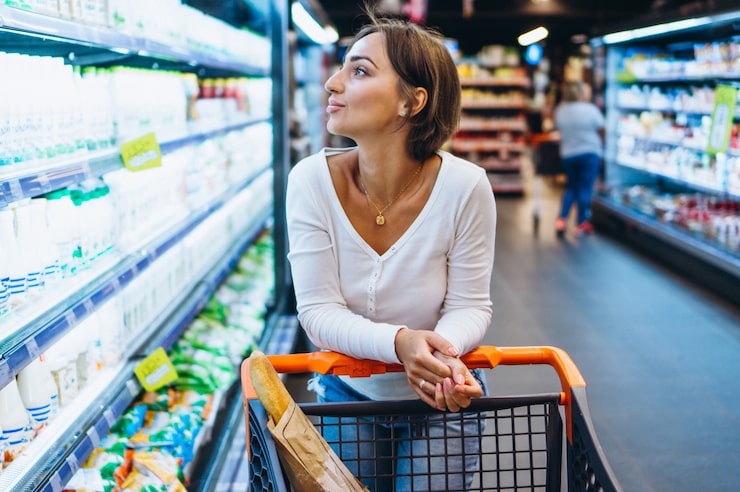
Products placed at adult eye-level, roughly 4 to 5 feet off the ground, get far more attention than items on low or high shelves. Retailers exploit this by putting high-margin or high-profit items where it’s easiest to see and grab them.
Conversely, cheaper or store-brand items are often relegated to lower or higher shelves, where they’re less likely to draw your eye. Knowing this, you can make a conscious effort to scan beyond eye-level and avoid paying extra just because something is in your direct line of sight.
3. Labyrinth Layout for Maximum Spending
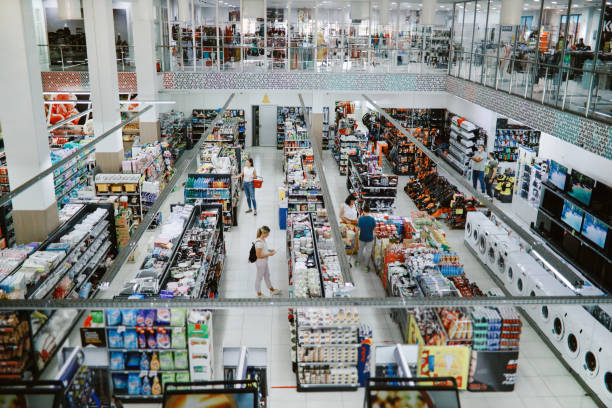
Grocery stores are rarely laid out randomly. Staples like produce, bakery, dairy and meat are often placed around the outer perimeter, while household and processed goods take up the central aisles. By putting essentials at the edges and frequently used items scattered far apart, supermarkets force shoppers to walk through multiple aisles, exposing them to dozens of tempting products. That extra walking and exposure often translates into extra, unplanned purchases.
4. Endcaps and Checkout Temptations
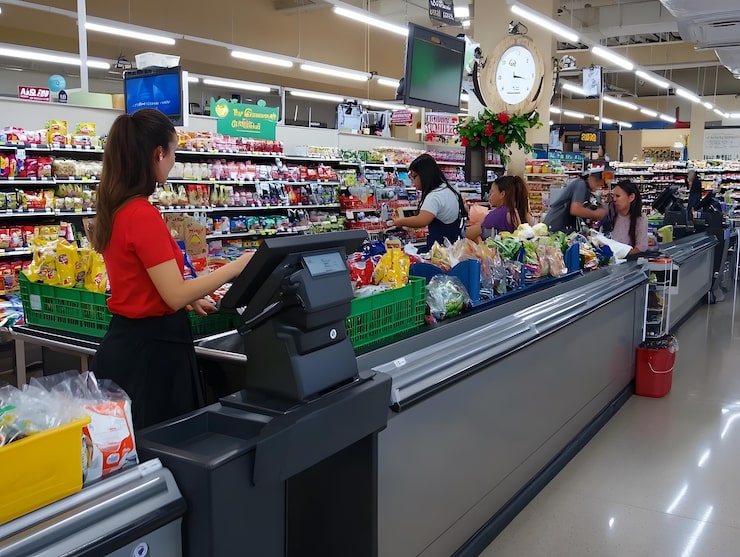
Those eye-catching displays at the ends of aisles (endcaps) and near checkout counters aren’t random, they’re strategically placed to tempt you. Stores often use them to feature high-margin or promotional items meant to catch your attention as you pass by. At checkout, small snacks, candies, or magazines capitalize on impulse, especially if you’re tired or hungry. It’s a classic “one more item” trick: even if you came in for a few essentials, you may leave with far more than planned.
5. The Slow Shopping Trap
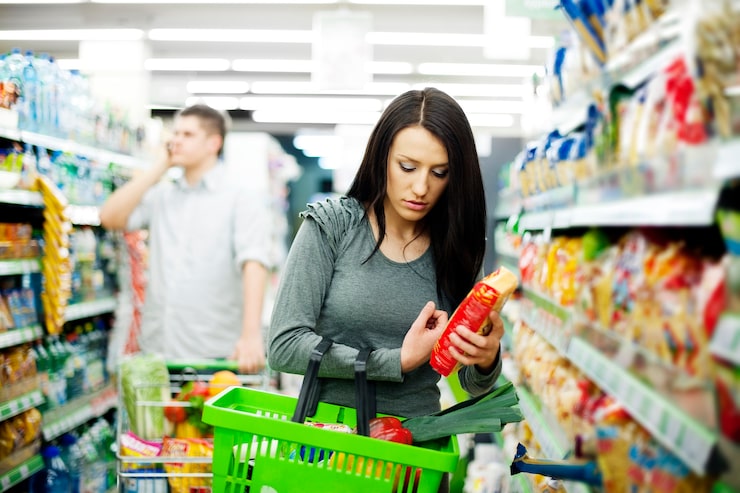
Supermarkets often subtly encourage shoppers to move slowly, through store layout, ambient cues, even music, so that shoppers spend more time inside browsing. The longer you linger, the more mental energy you expend, and the more your decision-making shifts from careful budgeting to impulse buying. Before you know it, that quick trip for milk and bread can morph into a full weekend shop.
6. Oversized Carts Encourage Bigger Buys
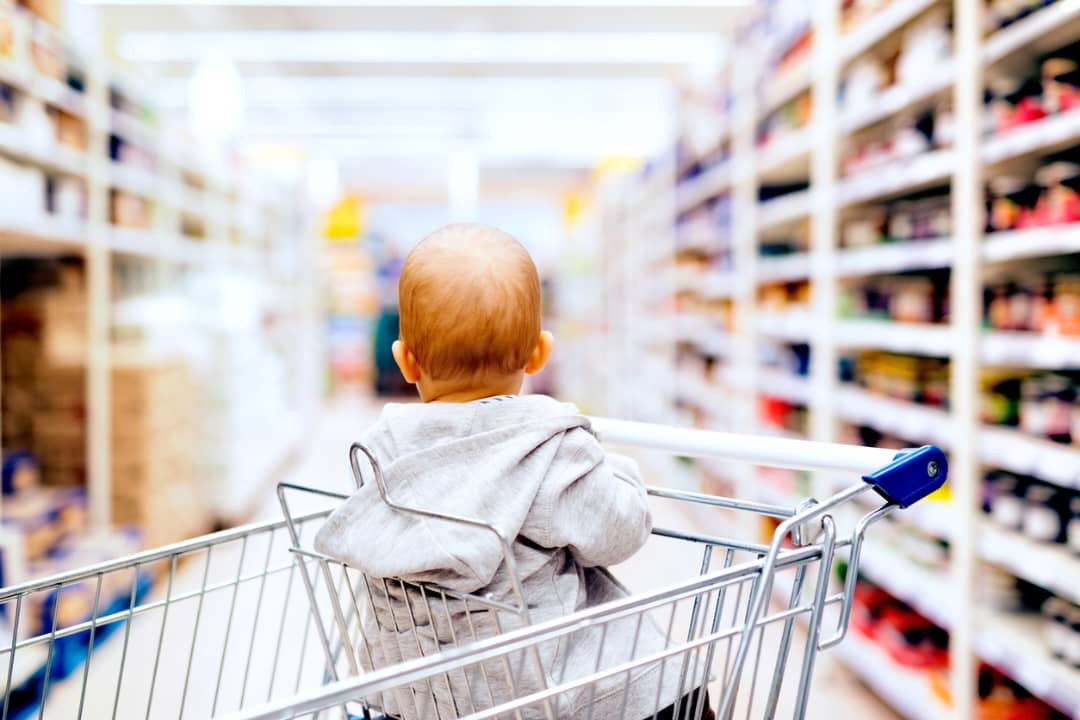
One of the simplest tricks in modern retail is the size of the shopping cart. Over the past few decades, grocery carts have doubled in capacity, and research shows that when carts get bigger, shoppers buy significantly more. Stores know that an emptier-looking cart subtly pushes you to “fill the space,” even if you only came in for a few items. A larger cart also makes your purchase volume feel smaller, reducing the psychological friction of adding one more snack or household item. If you want to avoid unnecessary spending, opt for a basket whenever possible or stick to a written list, those small shifts help counter this quiet but powerful nudge.
7. Fresh Scents That Trigger Appetite
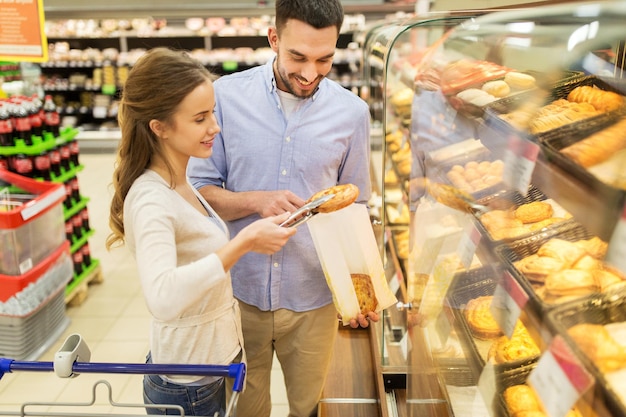
Many grocery chains place their bakery near the entrance so shoppers are greeted with the warm smell of baked goods. That inviting scent isn’t just pleasant, it’s deliberate psychology. Studies show that the smell of fresh bread or pastries increases appetite and encourages shoppers to buy more food than planned. The aroma creates a comforting, “homey” feeling that lowers resistance to impulse purchases. Some stores even pipe scents artificially to maintain consistency throughout the day. While it feels harmless, scent is one of the strongest memory and mood triggers, making it a subtle but effective tool for nudging you toward extra treats or premium baked items.
8. Produce Misting That Enhances Appearance
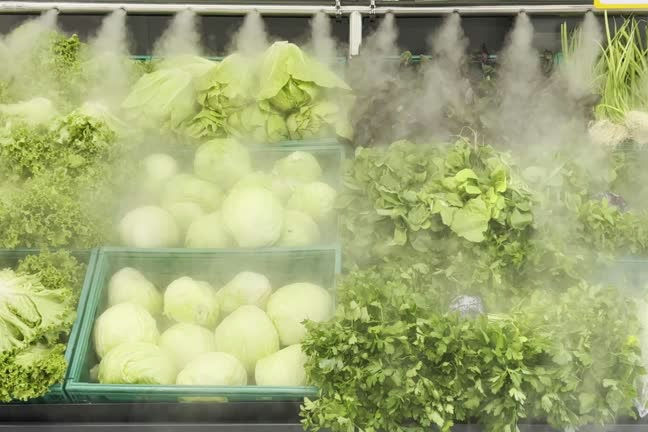
The fine mist sprayed over lettuce, herbs, and greens might seem like it keeps produce fresh, but the primary purpose is visual appeal. Misting makes vegetables glisten under store lighting, creating the impression of crispness and farm-fresh quality. However, for some items, excess moisture can actually lead to faster spoilage, and the added water weight may slightly increase cost at checkout for produce sold by the pound. Stores use the mist strategically to make the section look vibrant and abundant, encouraging shoppers to trust the quality and choose more. Checking produce carefully and drying items before bagging can help ensure you get exactly what you’re paying for.
9. Music That Shapes Your Shopping Pace
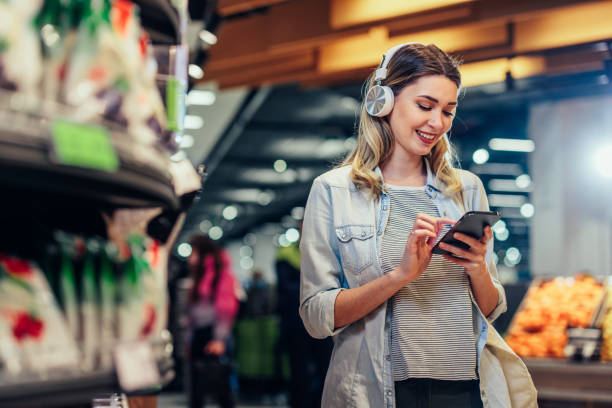
Background music in supermarkets isn’t chosen at random, its tempo and tone are carefully curated to influence how fast you move. Soft, slow music encourages shoppers to slow down, linger, and browse, which reliably leads to higher spending. Some chains even adjust playlists by time of day: slower tracks during quieter hours to boost wandering and slightly faster tempos during rush periods to keep foot traffic manageable. Studies in retail psychology have shown that slower music can increase total spending without shoppers realizing why. If you want to stay focused, shopping with your own earbuds and upbeat music can help counter this effect.
10. Loyalty Pricing That Isn’t Always a Deal
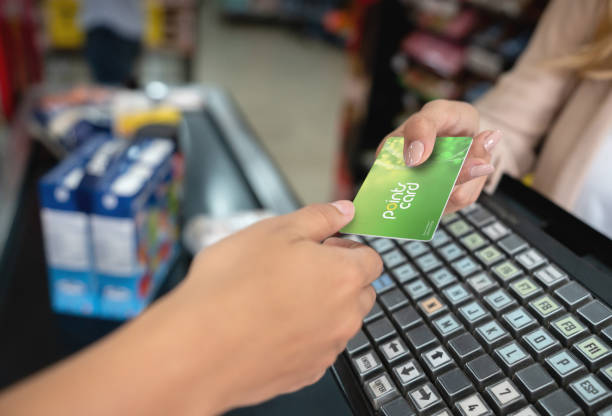
Loyalty cards promise discounts, but many stores use them to steer shoppers toward higher spending and gather purchasing data. While some deals are legitimate savings, others are “member specials” created by raising the base price so the discount appears more dramatic. Since loyalty programs track buying habits, grocery chains can tailor promotions that encourage you to purchase more of what you already buy, or nudge you toward pricier alternatives. These programs also help chains understand which products move fastest and which ones need targeted discounts to increase sales. If you want true savings, compare unit prices and avoid assuming the loyalty tag is automatically the best value.
11. Bright Lighting That Makes Food Look Fresher
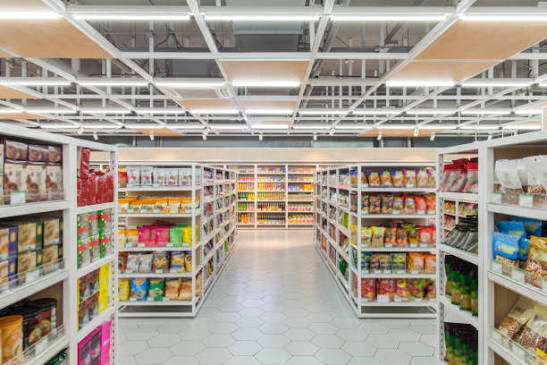
Grocery chains use specialized, high-CRI lighting to make produce, meats, and baked goods appear more vibrant and appealing. These lights enhance reds, greens, and yellows, creating the impression of premium freshness even when items are nearing their natural shelf life. In meat sections, pink-enhancing bulbs can make cuts appear redder, while produce lighting boosts color intensity to draw the eye. This lighting is carefully positioned to eliminate shadows and highlight sheen, often increasing the chance that shoppers choose visually “fresh-looking” items over cheaper or equally good alternatives. Being mindful of lighting tricks and comparing textures, firmness, and natural color helps you make better, more informed choices.
12. Limited-Time Tags That Create False Urgency
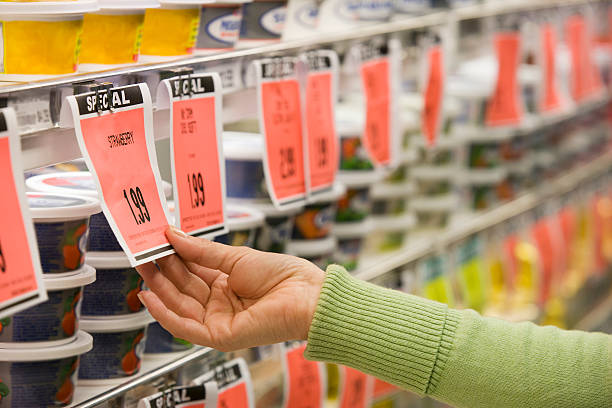
Those bold yellow or red “limited time” tags are designed to trigger urgency, even when the sale may last weeks or repeats often. Grocery chains know shoppers react quickly to the idea of scarcity, especially if an item is something they buy regularly. In many cases, the discount is small or the base price was increased beforehand, creating the illusion of a deeper deal. Limited-time messaging also encourages stocking up, which boosts sales volume even when shoppers don’t actually need extras. Checking the unit price, watching for sale cycles, and resisting the emotional pull of red tags can keep your cart cost under control.
13. Higher Prices at Eye-Level for Kids
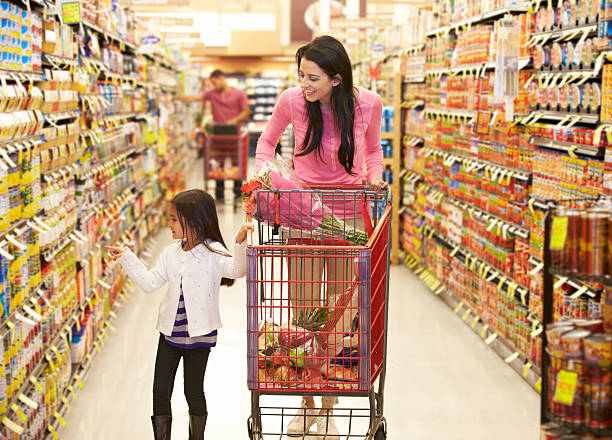
Kid-focused products, cereals, fruit snacks, colorful treats, are often placed at a child’s eye level, not an adult’s. This arrangement increases “pester power,” the retail term for kids requesting items they see and want. Bright mascots, cartoon characters, and bold packaging are designed to catch a child’s eye from a lower shelf height. Stores place these products where young shoppers can easily spot and grab them, increasing impulse purchases for families. Meanwhile, healthier or generic alternatives sit higher up. Parents who want to avoid unplanned buys can keep children near the cart, shop solo when possible, or stick to a pre-agreed list to reduce surprises.
14. Meat Packaging That Adds Extra Weight
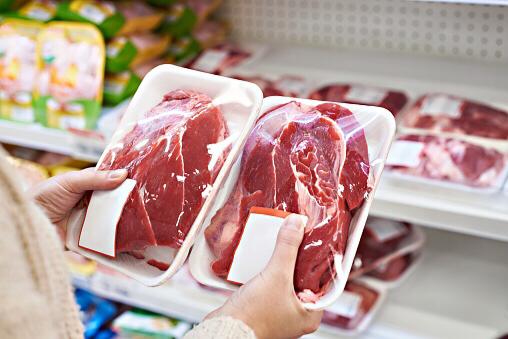
Fresh meat packages often include absorbent pads designed to soak up moisture and make the product look cleaner and fresher. While the pads serve a functional purpose, excess moisture can also slightly affect weight when sold by the pound. Some stores even add extra liquid to packaged poultry to enhance appearance and tenderness, a practice often labeled as “enhanced,” though many shoppers overlook the wording. This added solution raises both the price and the perception of quality. Examining labels for terms like “added broth,” checking package weights, and choosing cuts wrapped butcher-style can help ensure you pay for meat, not excess water.
15. Precut Produce Marked Up Heavily
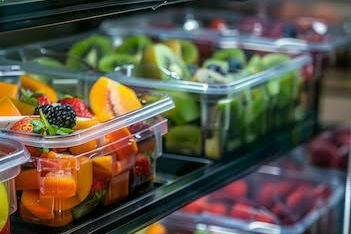
Convenience comes at a cost, and nowhere is that clearer than in precut fruits and vegetables. Items like sliced pineapple, chopped onions, or mixed fruit cups can cost several times more per pound than their whole counterparts. Grocery chains price these items high because shoppers pay for saved time, and because the margins are excellent. Precut produce also has a shorter shelf life but looks appealing due to packaging and lighting. While these options are handy for busy days, buying whole produce and cutting it at home can significantly reduce your grocery bill. Checking unit prices is the easiest way to spot these markups.
16. Free Samples That Increase Spending
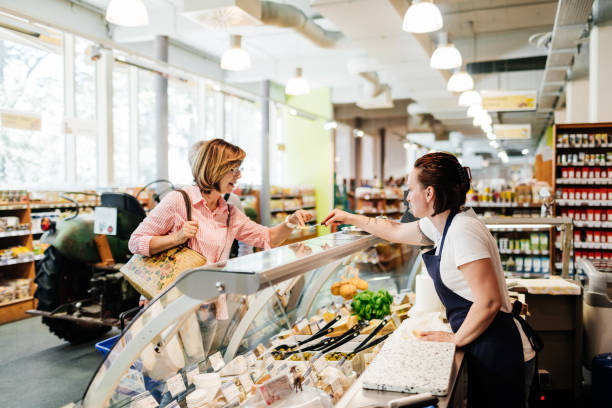
Free samples might feel like friendly gestures, but they’re powerful marketing tools designed to influence your buying behavior. Studies show that tasting a product significantly increases the likelihood of purchasing it, even if you had no intention of buying something new. The sampling stations also slow foot traffic, encouraging you to linger longer in the store, and lingering leads to higher spending. Many stores partner with brands to feature new or high-margin products, making samples a promotional tactic rather than a simple courtesy. If you want to stay mindful, enjoy the sample but pause before adding the item to your cart to ensure you truly want it.
17. Seasonal Aisles That Trigger Impulse Buys
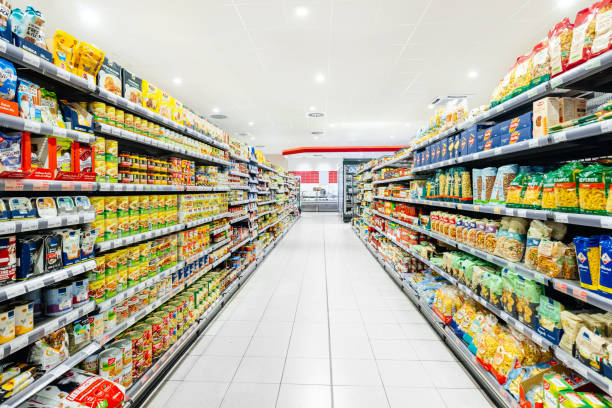
Seasonal aisles, whether filled with holiday treats, summer grilling gear, or back-to-school essentials, are intentionally designed to tap into emotion and nostalgia. These displays often appear weeks or months before the actual season begins, giving shoppers more time to make impulse purchases tied to excitement or anticipation. Products placed here tend to have high profit margins, and the themed displays encourage shoppers to buy bundles or extras they didn’t plan on. The festive colors, large signage, and curated setups all work together to create a sense of celebration that nudges shoppers to spend more. Browsing with intention helps reduce unnecessary seasonal splurges.
18. Narrow Aisles That Slow You Down
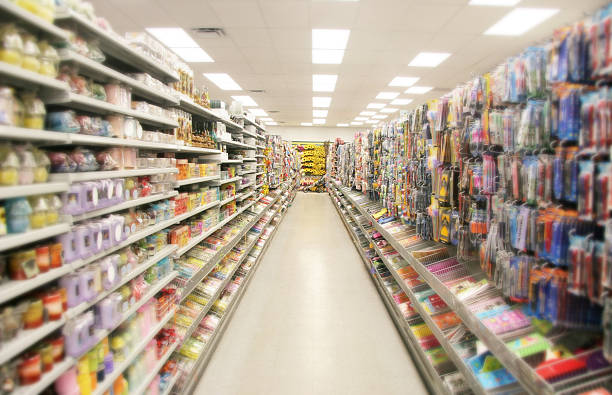
Some stores intentionally design aisles to be slightly narrower, causing shoppers to move more slowly and interact closely with merchandise. When movement slows, shoppers’ eyes naturally scan shelves longer, increasing the chance of noticing and picking up additional items. Narrow aisles also create subtle bottlenecks, forcing you to pause and browse while waiting for others to pass. This extended exposure to products is a well-known retail technique for boosting basket size. While there’s nothing wrong with taking your time, knowing the tactic can help you stay focused on your list instead of wandering into impulse territory.
19. Placing Essentials Far Apart
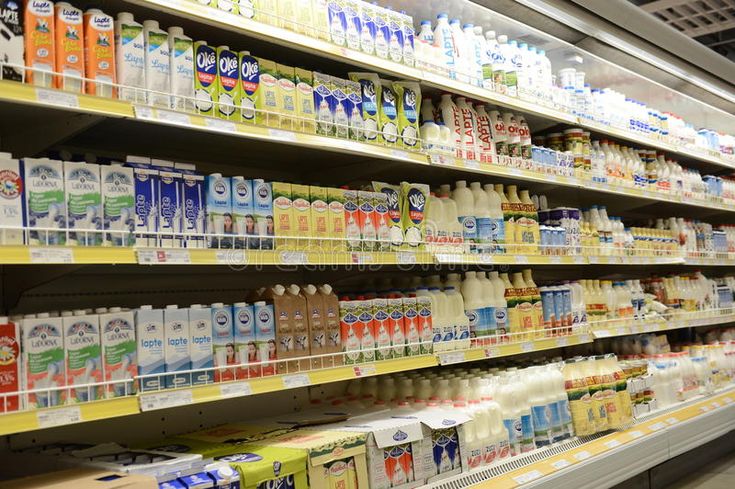
Milk in the back, bread on the far side, produce near the entrance, this layout isn’t accidental. Grocery chains scatter staple items in distant corners of the store so shoppers must walk through multiple aisles to reach them. The more aisles you walk, the more products you see, and the greater the likelihood of extra purchases. This tactic quietly increases exposure to high-margin goods while masking the fact that you’re making a longer trip than necessary. If you want to stay efficient, stick to your list and consider shopping the outer perimeter first, where many essentials are located.
20. Bulk Deals That Aren’t Always Cheaper
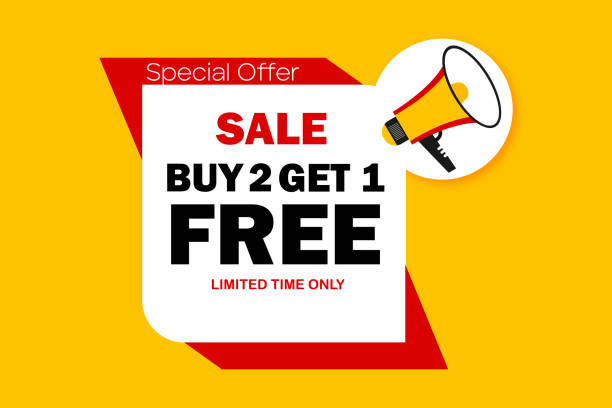
Bulk deals like “buy two, get one free” or large family-size packages often look like cost savers, but they’re not always the best value. Some bulk items have inflated base prices, meaning the discount isn’t as strong as it appears. Other items might spoil before you can use them, leading to waste rather than savings. Grocery stores also use bulk packaging to encourage shoppers to buy more than needed, increasing sales volume. Comparing unit prices is the most reliable way to determine whether a bulk offer truly benefits your budget, and in many cases, smaller packages win out.
21. Store Brands Placed Beside Premium Brands
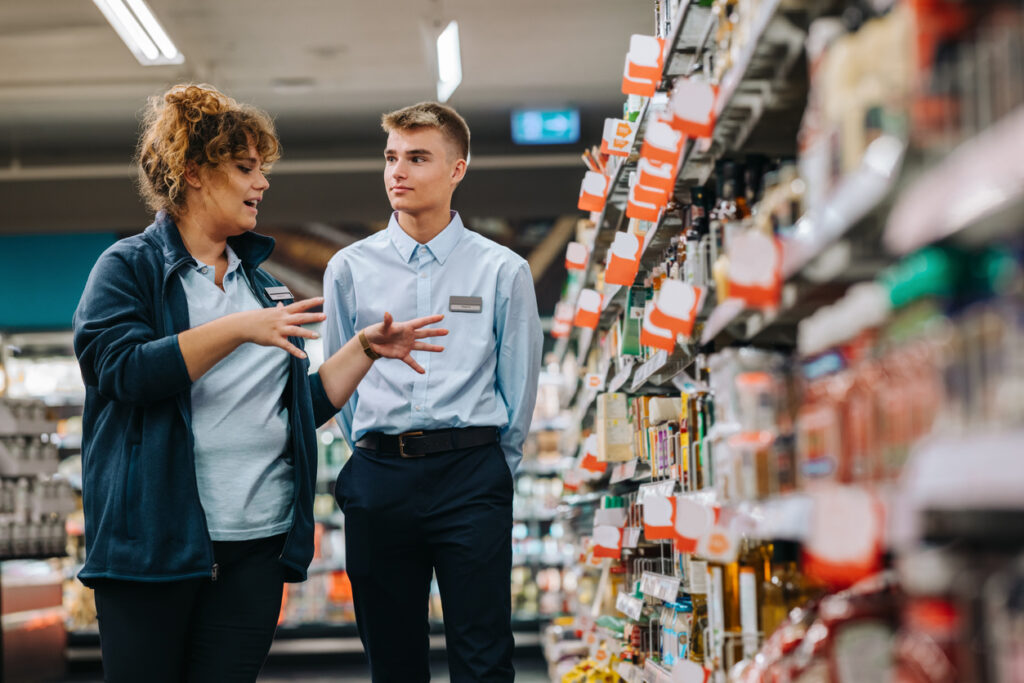
Grocery chains often position their store-brand products directly beside well-known national brands. This placement encourages easy comparison but also taps into a subtle psychological effect: when shoppers see a cheaper alternative right next to a premium item, many assume the quality must be similar. While store brands can indeed offer great value, this layout is carefully chosen because it nudges shoppers to buy one or the other without leaving the aisle to compare options. As a result, you’re more likely to choose between the two highlighted items instead of hunting for an even better deal elsewhere on the shelf.
22. Rotating Product Placement to Keep You Searching
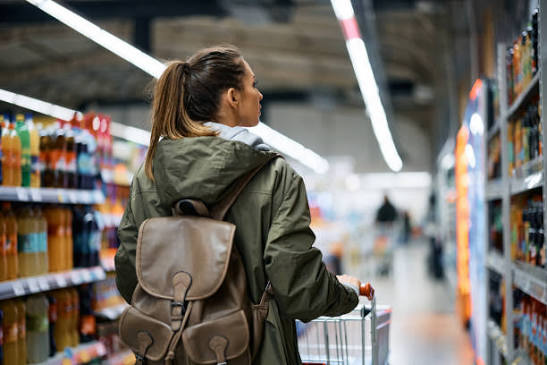
If it feels like your grocery store moves items around more than necessary, you’re not imagining it. Many stores regularly “reset” aisles by shifting where products are located. These changes force shoppers to search again for familiar items, which increases time spent browsing and boosts exposure to new or higher-margin products. Even minor adjustments, moving a popular product one shelf higher or lower, can influence what shoppers notice first. This strategy subtly disrupts your routine, making it more likely you’ll pick up something extra along the way. Keeping a flexible mindset and checking overhead aisle signs can help reduce frustration and overspending.
23. Eye-Catching Packaging Designed to Stand Out
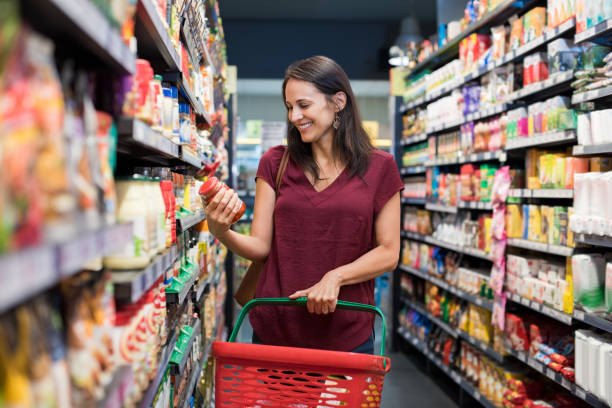
Across the store, packaging plays a huge role in influencing purchases. Brands spend heavily on design elements like bold colors, glossy finishes, large fonts, and appealing images because these features grab attention instantly. Grocery chains place the most visually striking products on shelves where they’ll stand out among similar items. Even when the actual ingredients or value aren’t the best, attractive packaging can create an impression of higher quality or better taste. By taking a moment to read labels and compare unit prices rather than relying on visual appeal alone, shoppers can avoid paying extra for style over substance.
24. “Healthy” Labels That Can Mislead Shoppers
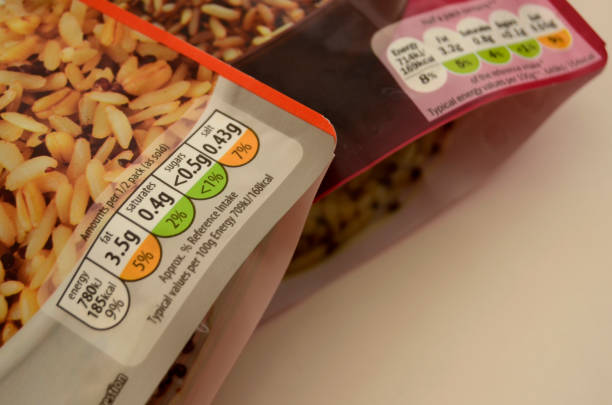
Labels like “natural,” “light,” “multigrain,” or “made with real fruit” can make a product seem healthier than it actually is. Many of these terms aren’t strictly regulated, allowing brands to highlight minor ingredients or processing choices that create a health halo. Grocery chains place these products prominently because they appeal to shoppers who want better options but may not read the full nutrition panel. In reality, some “healthy” items can still be high in sugar, sodium, or additives. Checking ingredient lists and nutrition facts remains the best way to verify whether a product truly meets your health goals.
Grocery shopping should feel simple, but stores expertly shape our behavior through design, psychology, and clever marketing. When you understand these subtle tricks, you regain control of your choices, and your budget. With awareness and a little intention, every trip becomes easier, smarter, and far more satisfying.
This story 24 Shopping Tricks Grocery Chains Hope You Never Learn was first published on Daily FETCH


