
1. “May the Force Be With You”
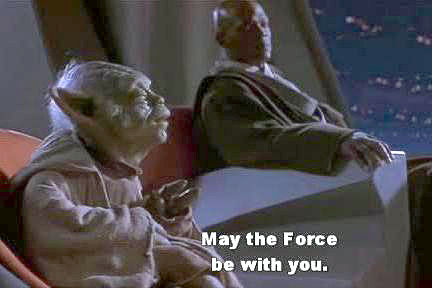
This phrase is widely treated as a casual good-luck wish thanks to its constant use in Star Wars and its sequels. In reality, within the story’s universe, the Force is not a vague symbol of encouragement. It is a defined spiritual energy field with strict rules, training, and moral consequences. Movies simplified the phrase into a cheerful send-off, removing its deeper philosophical meaning rooted in discipline, balance, and responsibility. Fans often quote it without realizing it originally implied faith in a powerful, binding cosmic force rather than optimism alone. Over decades of pop culture repetition, the line became shorthand for positivity instead of a statement tied to belief, ethics, and control within the narrative’s mythology.
2. “If You Build It, He Will Come”
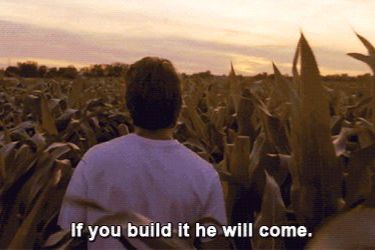
Thanks to Field of Dreams, this phrase is commonly used to suggest that success will naturally follow effort. In the film, however, the line is far more specific and mysterious. It refers to one individual and a deeply personal emotional journey, not guaranteed public attention or commercial reward. Movies transformed the line into motivational shorthand for business, creativity, and ambition, stripping away its original context of faith, loss, and reconciliation. The misunderstanding lies in assuming effort alone attracts results, while the film itself emphasizes trust, uncertainty, and emotional risk rather than practical success formulas.
3. “Elementary, My Dear Watson”
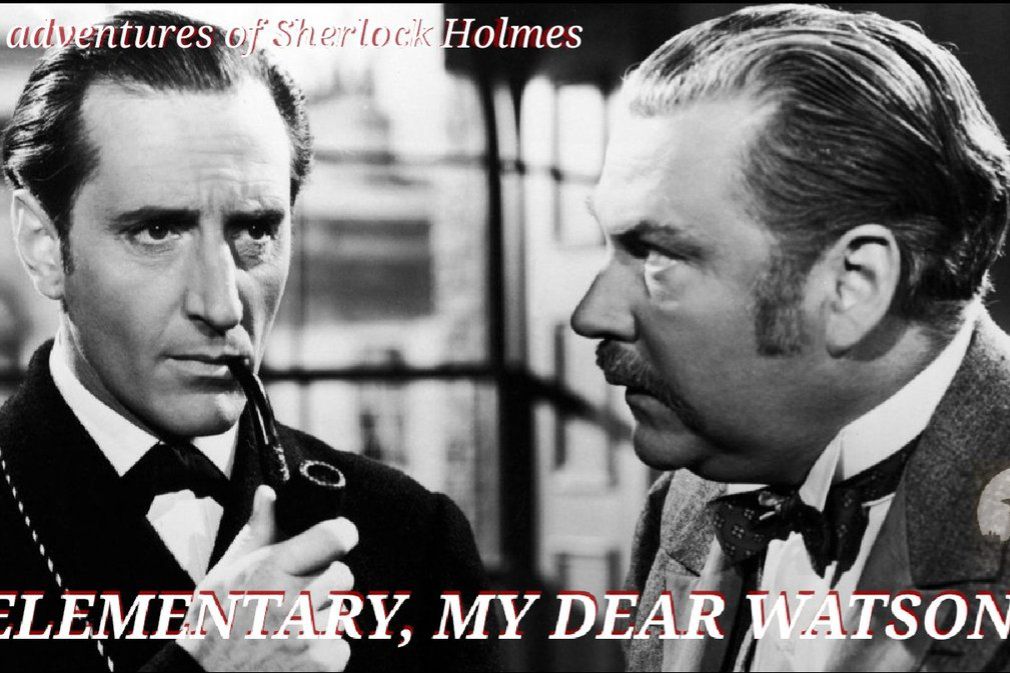
This line is universally associated with Sherlock Holmes, largely due to classic film adaptations starring Basil Rathbone. Surprisingly, the phrase never appears in any original Sherlock Holmes story written by Arthur Conan Doyle. Movies blended separate elements of Holmes’s dialogue into a catchy line that felt authentic and memorable. Over time, it replaced the detective’s actual speech patterns in public memory. The phrase now symbolizes obvious deduction, even though Holmes’s original dialogue was more precise and less theatrical. Film repetition cemented the misquote so deeply that many people assume it is canon, when it is purely a cinematic invention.
4. “Life Is Like a Box of Chocolates”
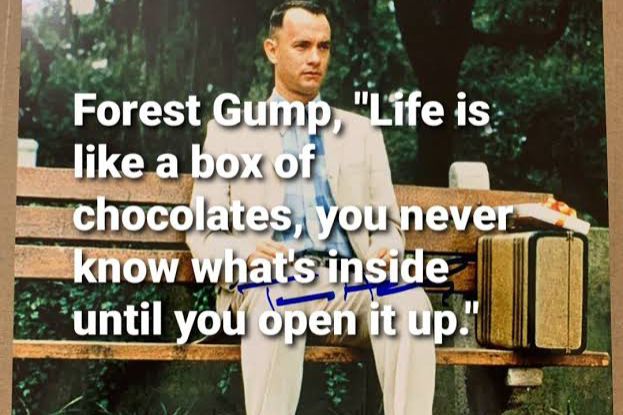
Popularized by Forrest Gump, this phrase is often quoted incorrectly. The actual line is spoken in past tense, reflecting personal experience rather than general wisdom. Movies and pop culture shortened it into a present-tense proverb, turning a reflective memory into universal advice. The shift subtly changes the meaning, removing its emotional weight and context. What was originally a character recalling lessons learned through hardship became a lighthearted saying about unpredictability. This small grammatical change shows how films can reshape language into simpler, more reusable forms, even when meaning is altered.
5. “Houston, We Have a Problem”
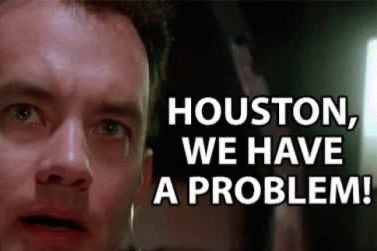
The movie Apollo 13 made this phrase famous, but the real astronauts never said it this way. During the actual Apollo 13 mission, the crew calmly reported, “Houston, we’ve had a problem here.” The movie simplified the wording to sound more immediate and dramatic. As a result, the phrase is now used casually to describe any inconvenience or mistake. The original statement, however, reflected professionalism and composure during a life-threatening emergency. Cinema turned a precise technical report into a catchphrase for everyday trouble.
6. “I’ll Be Back”
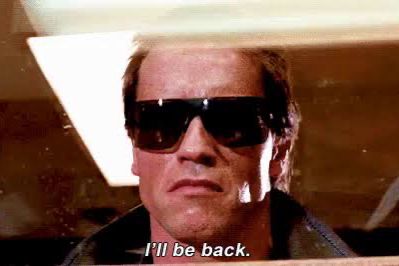
Thanks to The Terminator, this line is often delivered jokingly as a promise to return. In the film, however, it is a literal threat. The character’s emotionless tone and immediate violent follow-through were meant to signal danger, not humor. Over time, repeated use in comedies, advertisements, and casual speech stripped the line of its menace. Movies turned a chilling moment into a playful farewell, showing how repetition and parody can completely reverse a phrase’s original intent.
7. “You Can’t Handle the Truth”
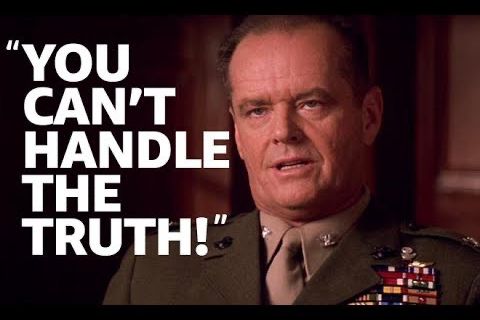
This line from A Few Good Men is often used to dismiss opposing viewpoints. In context, the phrase was not about intellectual weakness but moral responsibility. The character delivering the line was defending unethical actions under the belief that they served a greater good. Movies transformed the quote into a generic insult, removing its ethical complexity. Instead of prompting reflection, it became a punchline used to shut down debate. The misunderstanding shows how film dialogue can lose nuance once removed from its moral setting.
8. “Just Keep Swimming”
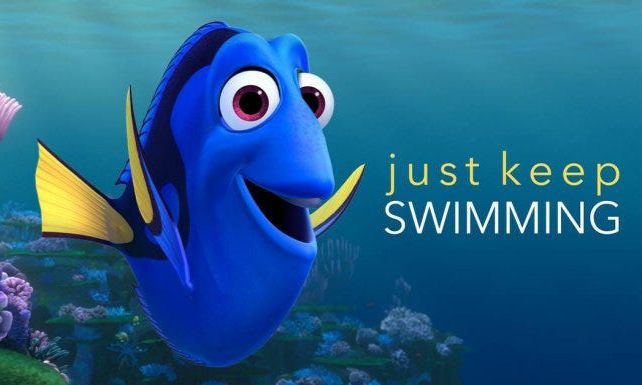
Popularized by Finding Nemo, this phrase is widely used as a motivational reminder to push forward. In the film, it was originally a coping mechanism used by a forgetful character to manage anxiety and fear. Movies turned it into a universal message about perseverance, often ignoring its emotional context. While uplifting, the phrase wasn’t meant as advice for productivity or success but as comfort during moments of distress. Its cinematic popularity reshaped a character’s personal mantra into a general life slogan.
9. “There’s No Place Like Home”
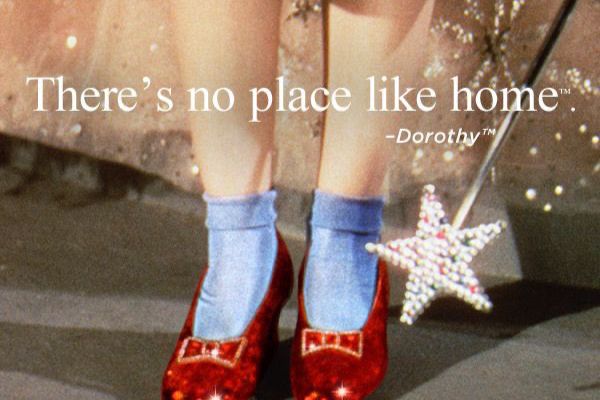
Made famous by The Wizard of Oz, this phrase is often used nostalgically to praise comfort and familiarity. In the movie, however, the line represents personal growth through hardship rather than rejection of adventure. The character learns to value home only after experiencing danger and self-discovery. Movies simplified the phrase into sentimental shorthand, overlooking its deeper message about maturity and appreciation. What began as a lesson earned through struggle became a cozy expression used without its emotional journey.
10. “Carpe Diem”
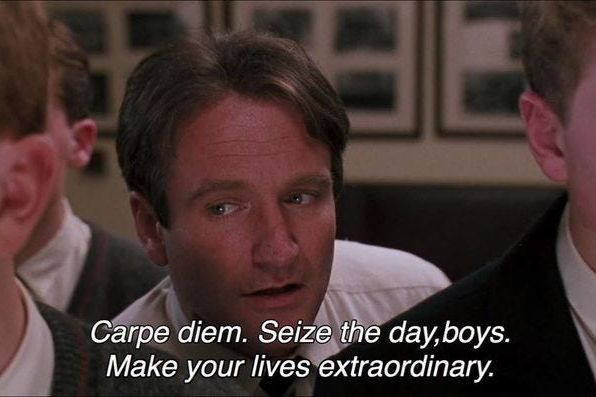
After Dead Poets Society, “Carpe Diem” became synonymous with impulsive living. In reality, the original Latin phrase meant mindful appreciation of the present, not reckless behavior. Movies framed it as a call to defy authority and ignore consequences, simplifying a nuanced philosophical idea. The misunderstanding persists because cinematic storytelling favors emotional impact over precision. As a result, a thoughtful expression about balance and awareness is often interpreted as encouragement to act without restraint.
11. “Play It Again, Sam”

This phrase is one of the most famous movie misquotes, people say “Play it again, Sam” when referring to Casablanca, but the line never appears exactly that way in the film. What the movie actually contains are variations: Ilsa asks Sam to “play it” and Rick later tells Sam, “You played it for her, you can play it for me.” Over decades of parody and shorthand, the smoother line took hold as a cultural shorthand for asking someone to repeat something emotionally resonant. The misunderstanding is harmless and even affectionate, but it’s a clear example of how repetition and parody can harden a phrase that the original film never quite offered.
12. “I’m Gonna Make Him an Offer He Can’t Refuse”
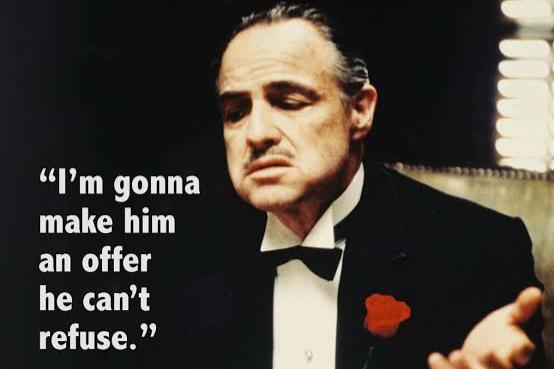
This line from The Godfather is often quoted as a glamorous statement of persuasive power in business or politics, but in context it’s chilling: it was a threat backed by violence. Movies and popular usage have smoothed the hard edges, turning a coercive Mafia ultimatum into a jokey way to promise a great deal. The cinematic fame of the line made it portable, people now use it to brag about negotiation skill, missing the original implication of intimidation, not cleverness. The change shows how film can sanitize morally fraught dialogue into punchy metaphors that lose their ethical weight.
13. “Here’s Looking at You, Kid”
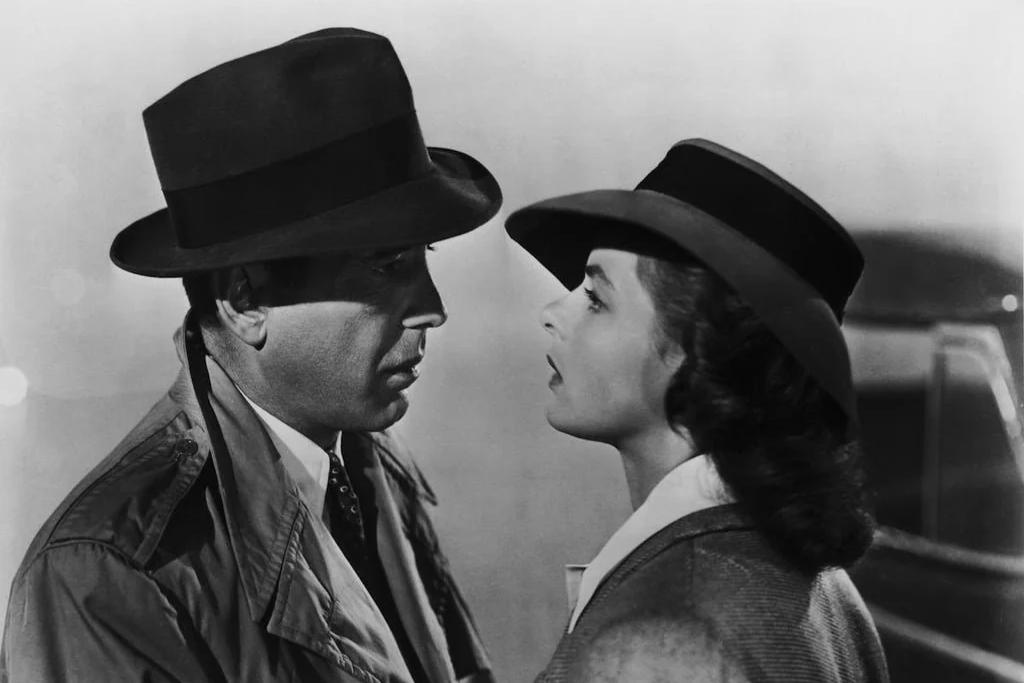
This affectionate line from Casablanca is often quoted as a breezy toast or flirtatious sign-off, but in the film it’s layered with melancholy and sacrifice. Rick says it several times as a private, wistful refrain that marks tender memories rather than casual charm. Repeated public quoting flattened the line into a light-hearted compliment, removing its cinematic context of lost love and bittersweet resignation. The shift matters because it turns a moment of complex feeling into a disposable quip, a neat lesson in how repeated cinematic use can strip lines of their emotional history.
14. “You’re Gonna Need a Bigger Boat”
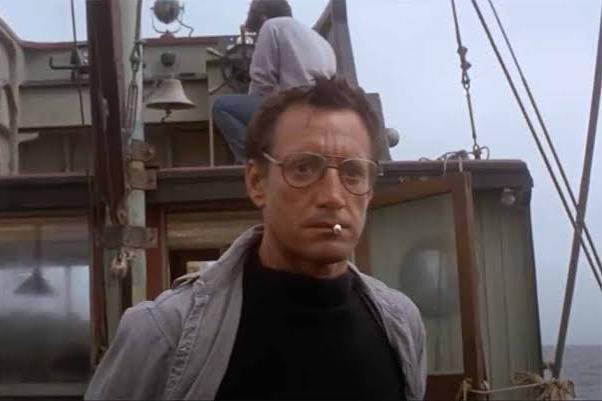
From Jaws, this line usually pops up when someone wants to say a problem is bigger than expected, and it’s used jokingly all the time. In the movie the line is casual, delivered during a moment of stunned realization that highlights the actual danger at sea. Over time the quip has become shorthand for any situation where planning underestimated scale, weddings, projects, moves, and lost some of the original film’s fear and suspense. Movies teach us to borrow vivid, compact lines, and this one’s popularity shows how a practical, tense moment on screen becomes a comedic shorthand in everyday speech.
15. “Say Hello to My Little Friend”
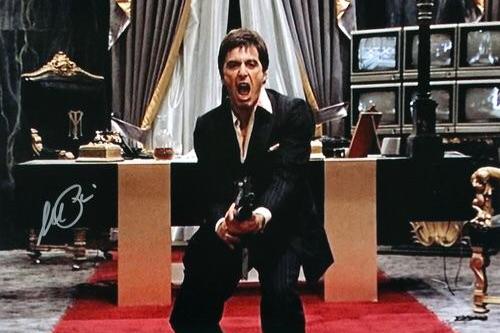
This line from Scarface is now used to introduce something big or dramatic, a new product, a climax, even a joke. But in the film it’s a hyperbolic, violent bravado spoken at a breaking point, meant to shock and undercut the character’s desperation. Repeated in pop culture, advertisement, and parody, the phrase lost its original context of tragic excess and became an over-the-top punchline. The cinematic moment, meant as a final, frenzied act, slowly became a meme for theatrical reveal; that transformation demonstrates how audiences can reframe powerful scenes into lighter cultural currency.
16. “Frankly, My Dear, I Don’t Give a Damn”
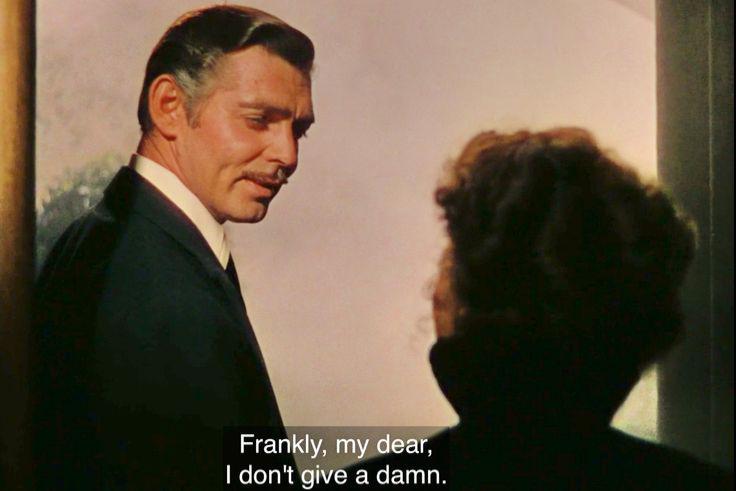
This famous farewell from Gone with the Wind is often used to signal blunt indifference, and in many casual settings it’s spoken as a comedic shrug. In the movie, however, the line is a hard-won emotional break, a character’s decisive cut after years of conflict and failed attachment. Cinema made the phrase iconic, but repeated quoting outside the film frequently ignores its narrative weight: an anguished, adult decision, not a glib dismissal. It’s a reminder that snappy lines in dramatic scenes can be flattened into social shorthand that misses the character growth behind them.
17. “Bond. James Bond.”
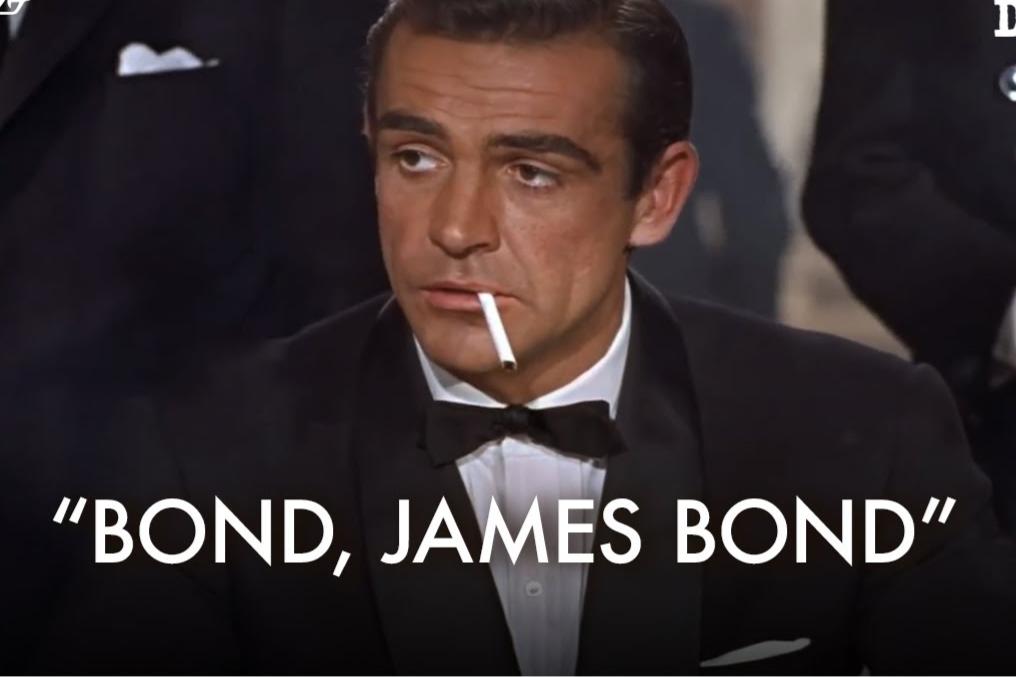
The double-name introduction is now a global pop-culture signature, a cool, confident way to introduce oneself, but it’s also a stylized character beat specific to spy fiction. In the films it underscores Bond’s persona: calculated, performative, and theatrically self-aware. Outside of that world, people use it to signal suave identity or comedic effect, often divorced from the original irony and complexity of a character who is as much performance as person. Movies taught the world a memorable intro, but widespread imitation simplifies a character trait into a one-line identity gimmick.
18. “Nobody Puts Baby in a Corner”
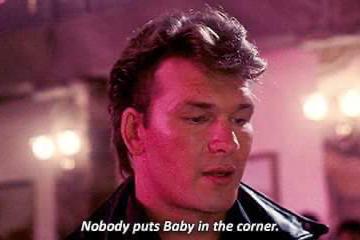
From Dirty Dancing, this line has become a rhetorical stand against sidelining someone, a bold declaration of support. In context, though, the line’s power comes from a tender, romantic climax and a public reclaiming of dignity within a particular relationship and social moment. Popular use strips away the personal stakes and the scene’s emotional crescendo, turning it into a generalized rallying cry that’s often used as playful encouragement at parties or in social media. Film’s knack for memorable lines means they travel fast, but sometimes at the cost of nuance.
19. “I’m King of the World!”
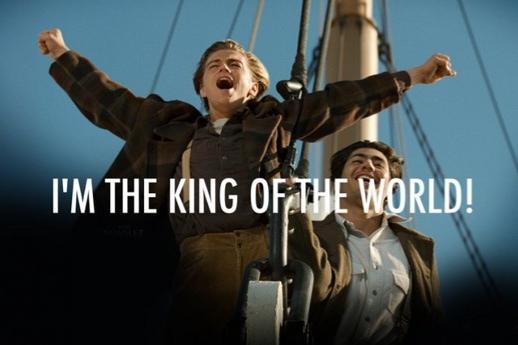
Jack’s exuberant cry on the bow of the Titanic became an instant cultural emblem of triumphant freedom, and people often quote it to celebrate exhilarating moments. Within the film, the line captures youthful bravado and a fleeting sense of invulnerability right before catastrophe, so it’s bittersweet when you remember the story’s arc. Movies turned it into unabashed exultation separate from context, a caption for photos, triumphal tweets, or personal victory posts, and in doing so flattened the original scene’s foreshadowing and emotional fragility.
20. “I’ll Have What She’s Having”
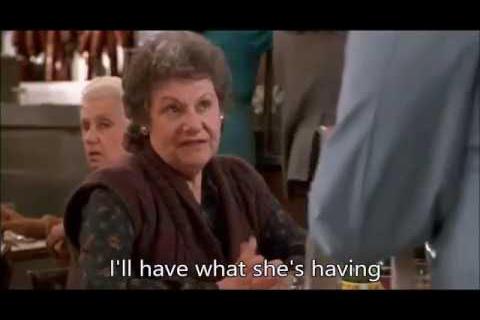
This line from When Harry Met Sally is often used to express sudden desire to mimic someone else’s visible pleasure or success. In the film it’s a punchline delivered at a diner after an emphatic demonstration of authentic expression, and it lands as comic punctuation to a larger conversation about relationships. Popular quoting turns it into a light, flirtatious way to say “I want that too,” which is accurate enough but missing the wit and social commentary that make the original moment work. The phrase’s durability shows how a perfectly timed line can detach from its setup and become a self-contained joke.
21. “Go Ahead, Make My Day”
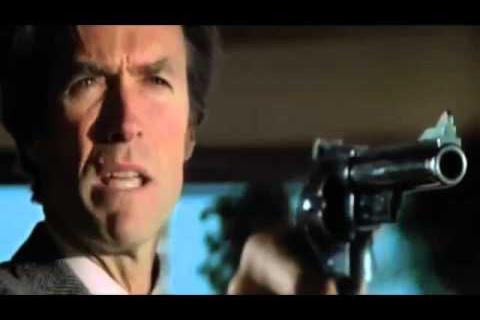
This line, made famous by Dirty Harry, is often quoted as a cocky invitation or humorous challenge. In its original context, however, it is a calculated intimidation tactic delivered by a police officer attempting to provoke a suspect into making a legally actionable move. Movies turned the line into a casual expression of confidence, stripping away its procedural and ethical implications. Outside the film, it’s commonly used jokingly to signal bravado, but the original scene is about authority, escalation, and legal boundaries. The transformation shows how film dialogue associated with power can become playful shorthand once removed from its tense narrative setting.
22. “We’ll Always Have Paris”
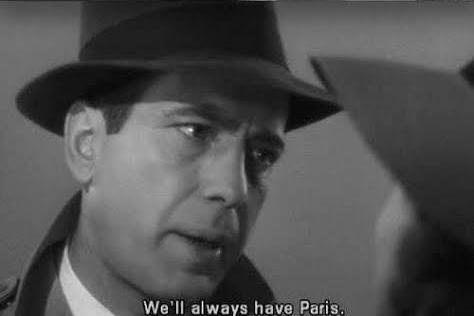
This line from Casablanca is widely interpreted as a romantic reassurance suggesting love lasts forever. In the film, though, it’s more about accepting loss while preserving memory. The characters acknowledge that their shared past cannot continue, but it still holds meaning. Popular usage softened the phrase into a comforting sentiment about enduring romance, overlooking its original role as a graceful goodbye. Movies helped the line endure, but repetition blurred its bittersweet acceptance into something more optimistic than intended. It’s a classic case of how emotional complexity can be simplified into nostalgia through cultural repetition.
23. “They May Take Our Lives, but They’ll Never Take Our Freedom”
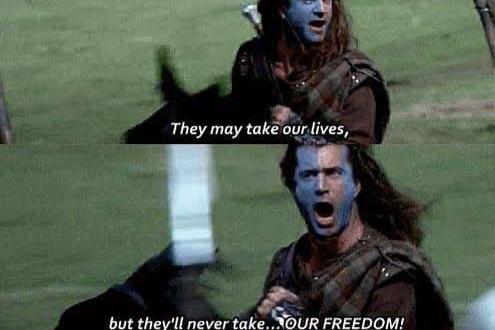
This rallying cry from Braveheart is often quoted as a universal declaration of liberty and resistance. Historically, however, the speech is a fictionalized dramatization rather than a direct reflection of recorded medieval rhetoric. Movies amplified its emotional power, turning it into a timeless slogan for freedom movements and personal motivation alike. While inspiring, the line’s cinematic origin means it reflects modern storytelling values more than historical reality. Its widespread use shows how films can create phrases that feel ancient and authoritative, even when they are shaped primarily for dramatic effect rather than factual accuracy.
24. “You Talking to Me?”
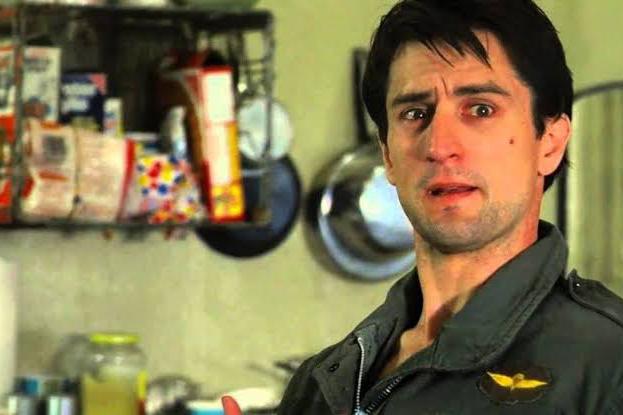
This line from Taxi Driver is often quoted playfully to signal mock confrontation or confidence. In the movie, however, it reflects deep isolation and psychological instability. The character practices aggression in front of a mirror, revealing insecurity rather than dominance. Over time, the line became a pop-culture shorthand for swagger, losing its unsettling undertones. Films sometimes turn moments of vulnerability into symbols of strength when taken out of context. This shift highlights how audiences can reinterpret troubled characters through repetition, transforming introspective scenes into casual expressions with very different meanings.


