
1. Snow Leopard Mid Leap
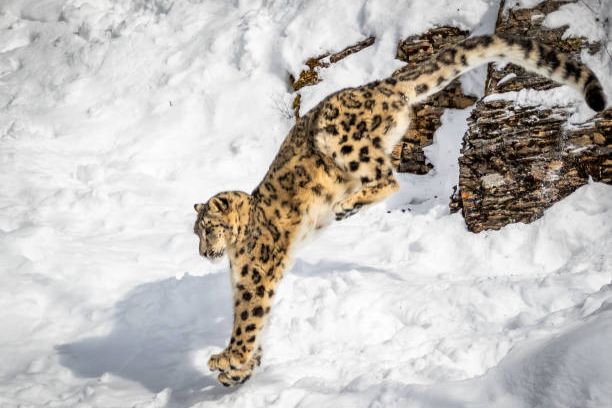
This past season, photographers around the world captured extraordinary animal behaviors, unexpected encounters, and fleeting scenes that offered rare glimpses into the wild. A rare photograph captured a snow leopard suspended mid-leap across a rocky Himalayan slope, a sight few humans ever see. Known for their elusive nature and solitary habits, snow leopards inhabit remote, high-altitude regions across Central and South Asia. Photographers often spend weeks without a single sighting. This image stood out because it froze a split second of motion that usually vanishes before the eye can process it. The animal’s powerful hind legs, extended tail for balance, and intense focus reflect the physical adaptations that allow it to survive in harsh alpine terrain.
2. Albino Alligator Sighting
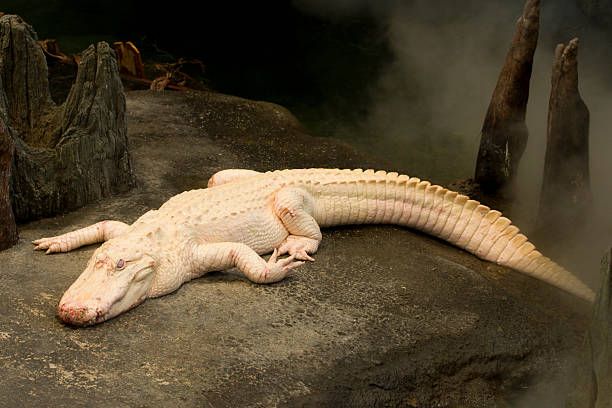
An unusually clear photograph of an albino alligator resting on a rock drew widespread attention this season. Albinism is extremely rare in wild reptiles, caused by a genetic condition that limits pigmentation. While captive albino alligators are occasionally seen in zoos, sightings in natural habitats are uncommon due to reduced camouflage and higher vulnerability to predators. The pale scales contrasted sharply against dark swamp water, making the image both striking and scientifically valuable. Biologists noted that such sightings offer insight into survival challenges faced by albino animals in the wild. The photo circulated widely online, highlighting how rare genetic traits can briefly surface in unpredictable ways.
3. Orcas Coordinated Hunt
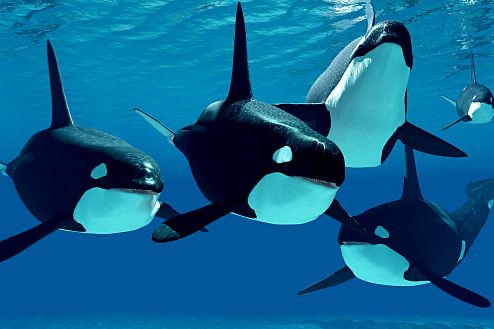
A dramatic overhead image showed a pod of orcas executing a tightly synchronized hunting maneuver. The photograph documented multiple whales working together to corral prey, a behavior that has been studied but rarely captured so clearly in one frame. Orcas are known for their intelligence and complex social structures, with different populations developing unique hunting techniques passed down through generations. This particular scene illustrated how communication and coordination play critical roles in their success. Marine researchers emphasized that images like this help visualize behaviors often described only in academic studies. The photo reinforced the orca’s reputation as one of the ocean’s most skilled cooperative hunters.
4. Fox Meets Badger
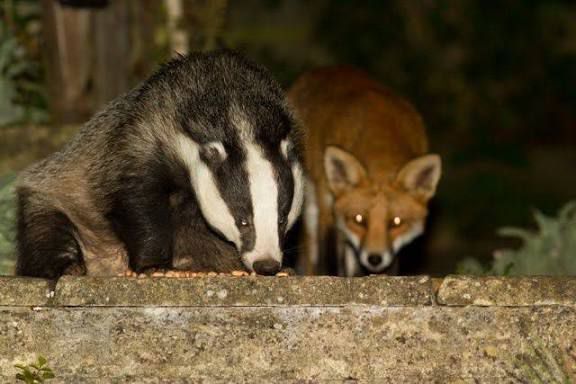
A nighttime photograph captured a fox and a badger traveling side by side, an interaction that surprised many viewers. Though rare, such partnerships have been documented in parts of Europe, where foxes benefit from the badger’s digging ability while badgers take advantage of the fox’s sharp senses. This image stood out because it clearly showed the two animals moving together calmly, rather than in conflict. Wildlife biologists have long noted these temporary alliances, but visual evidence is limited. The photo added credibility to earlier observations and sparked renewed interest in cross-species cooperation. It served as a reminder that animal relationships can be more flexible than commonly assumed.
5. Eagles Fishing Through Ice

An exceptional photograph showed two eagles breaking through thin ice to seize a fish beneath the surface. While eagles are known for their fishing skills, this particular behavior is rarely documented visually. The image revealed the bird’s precision timing and strength as it struck at exactly the right moment. Taken during late winter, the scene illustrated how predators adapt their techniques to seasonal conditions. Ornithologists noted that such photos help illustrate the full range of hunting strategies used by raptors. The frozen water, scattered ice fragments, and outstretched talons created a striking composition that highlighted both the difficulty and effectiveness of the hunt.
6. Newborn Giraffe Standing
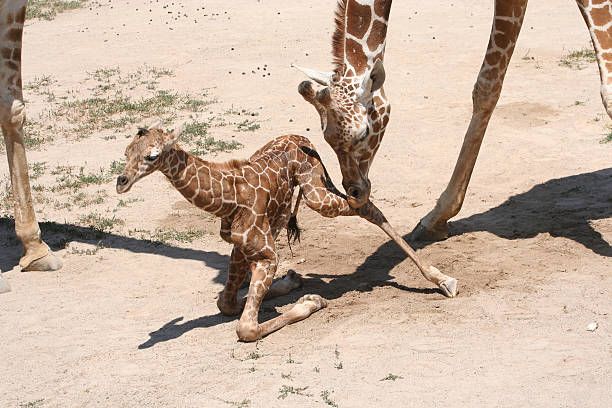
A widely shared image captured a newborn giraffe attempting to stand just minutes after birth on the African savanna. Giraffe calves must rise quickly to avoid predators, often standing within an hour of being born. This photograph documented that vulnerable early moment, with the calf’s legs still unsteady beneath its towering mother. Wildlife experts emphasize that early mobility is critical to survival, making these first attempts especially significant. The image resonated with viewers because it combined fragility and resilience in a single frame. Such photos help illustrate the demanding conditions young animals face immediately upon entering the world.
7. Octopus Color Shift
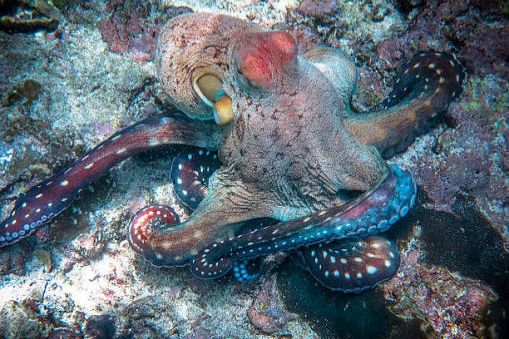
An underwater photograph froze the exact moment an octopus shifted its color and texture to blend into surrounding coral. Octopuses possess specialized skin cells that allow rapid changes in appearance for camouflage and communication. While this ability is well documented, capturing it mid-transition is rare. The image showed multiple colors and patterns visible at once, revealing the complexity of the process. Marine biologists highlighted how such photographs offer valuable visual evidence for understanding cephalopod behavior. The shot also drew attention for its artistic quality, with the octopus appearing almost painted against the reef, emphasizing nature’s ability to combine function and beauty seamlessly.
8. Wolves Crossing Ice
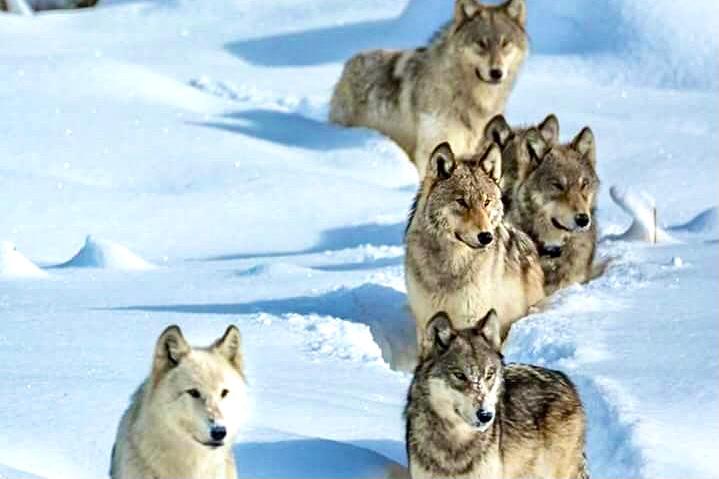
A powerful photograph showed a wolf pack carefully crossing a frozen lake during winter migration. The image illustrated both the risks and cooperation involved in pack movement across unstable terrain. Wolves rely on group coordination to navigate harsh environments, and ice crossings can be particularly dangerous. Researchers studying wolf behavior noted that such images provide context for understanding seasonal movement patterns. The stark contrast between dark fur and pale ice added visual impact, while the spacing between individuals revealed instinctive risk management. The photo served as a reminder of how survival often depends on collective decision-making in extreme conditions.
9. Rare Black Penguin
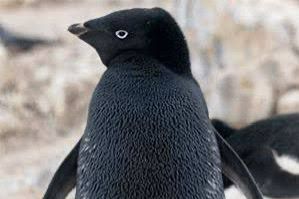
A rare melanistic penguin was photographed standing among a colony of normally colored birds, creating a striking visual contrast. Melanism, the opposite of albinism, results in unusually dark pigmentation and is seldom observed in penguins. Scientists estimate that such individuals occur in only a tiny fraction of the population. The image gained attention because it clearly documented this genetic variation in a wild setting. Researchers noted that while melanism does not necessarily hinder survival, it can affect heat absorption and camouflage. The photograph offered a valuable addition to existing records of rare genetic traits in seabirds.
10. Deer Frozen Mid Jump
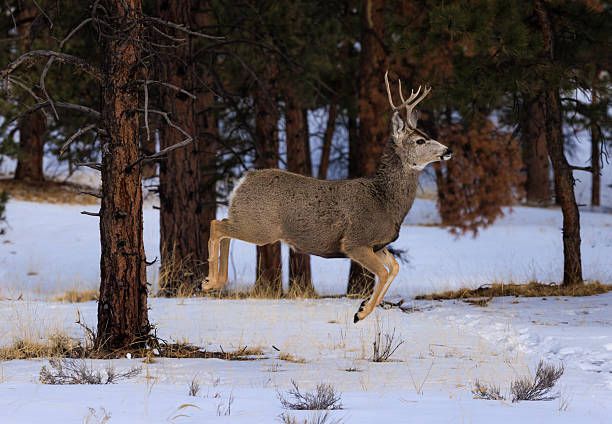
A perfectly timed photograph captured a deer suspended mid-jump as it cleared a fence at dusk. The image highlighted the animal’s agility and strength, qualities essential for escaping predators and navigating fragmented habitats. Wildlife photographers often aim for such shots, but the exact timing makes them difficult to achieve. The blurred background contrasted with the sharply focused deer, emphasizing motion and tension. Ecologists noted that images like this also reflect how animals adapt to landscapes altered by human structures. Beyond its visual appeal, the photo subtly underscored the ongoing interaction between wildlife movement and changing environments.
11. Whale Breaching Beside Boat
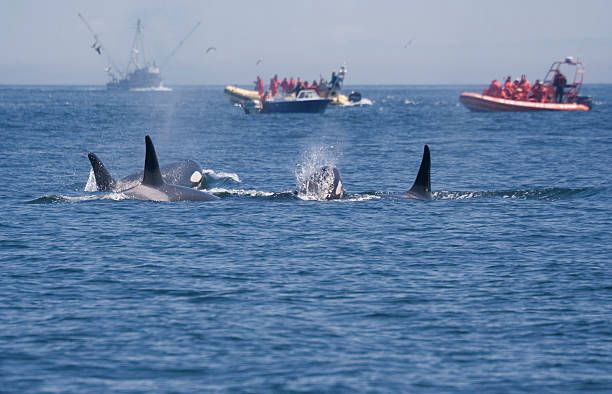
A striking photograph this season captured a whale breaching astonishingly close to a small research vessel, emphasizing both the animal’s immense size and precise awareness of its surroundings. While whale breaches are not uncommon, proximity to boats at this scale is rarely photographed so clearly. Marine biologists note that such moments often occur during feeding or social displays, not aggression. The image drew attention for showing how these massive mammals can surface gracefully without colliding with nearby objects. Experts emphasized that responsible boating practices and regulated distances are essential to ensure encounters like this remain safe. The photograph offered a rare perspective on coexistence between humans and ocean giants.
12. Lynx Emerging Snowstorm
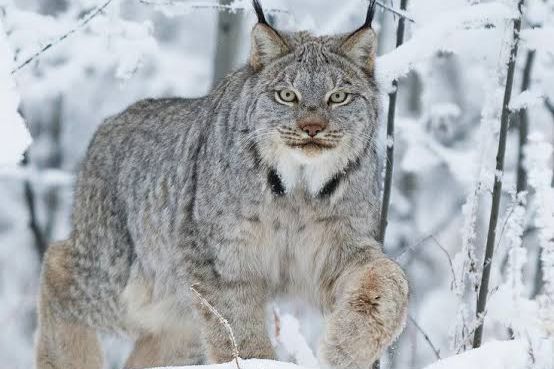
A photograph taken during a heavy snowstorm showed a lynx stepping quietly from dense forest cover, its fur dusted with fresh snow. Lynx are notoriously difficult to spot due to their solitary habits and natural camouflage. This image stood out for capturing the animal in active movement rather than still concealment. Wildlife researchers noted that winter storms often push predators to move during daylight hours, increasing the chances of rare sightings. The lynx’s large paws, adapted for snow travel, were clearly visible, reinforcing known adaptations discussed in scientific literature. The photo provided a vivid illustration of survival in extreme winter conditions.
13. Seal Pup First Swim
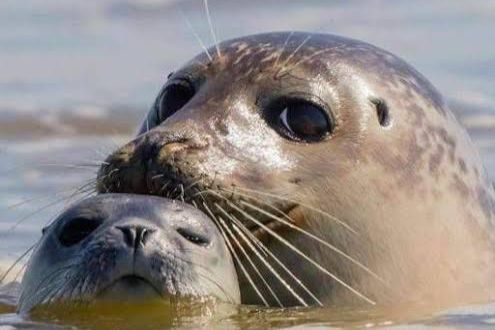
An emotional photograph documented a seal pup entering open water for the first time under the watchful presence of its mother. Seal pups must quickly learn to swim and dive to survive, often within days of birth. The image captured the hesitation and instinctive movement that mark this transition. Marine biologists explain that early swimming lessons are critical for feeding and predator avoidance. This particular photo resonated widely because it showed a vulnerable developmental stage rarely seen so clearly. Beyond its appeal, the image served as a reminder of how quickly young marine mammals must adapt to demanding environments.
14. Flamingos Perfect Formation
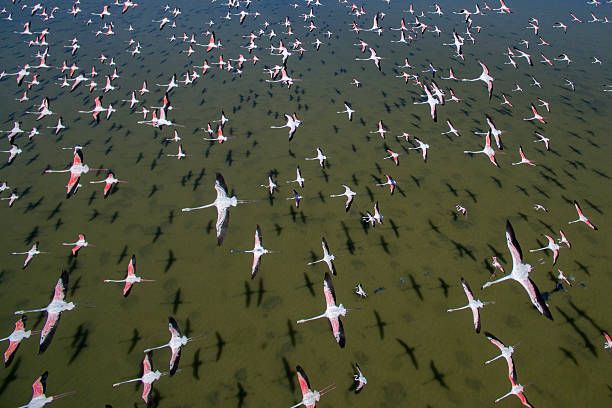
Aerial photography captured a flock of flamingos flying in near-perfect formation over shallow wetlands. While flocking behavior is common, the symmetry and clarity of this image made it exceptional. Scientists note that synchronized flight helps conserve energy and maintain group cohesion during migration. The photo highlighted how individual movements align into a coordinated whole, something often discussed in ornithological studies but difficult to visualize. The contrast between pink plumage and blue water added to the image’s impact. It offered both scientific insight and aesthetic appeal, reinforcing why flamingos remain one of the most visually captivating bird species.
15. Bear Catching Salmon

A dramatic image froze the instant a bear snatched a salmon mid-leap during spawning season. While bears fishing for salmon is well documented, capturing the exact moment of contact requires precise timing. The photograph illustrated the importance of salmon runs for bear nutrition, especially before hibernation. Ecologists emphasize that these events are critical to entire ecosystems, as leftover fish nutrients enrich surrounding forests. The image gained traction for showing raw efficiency rather than aggression. It visually reinforced long-established ecological relationships that are increasingly threatened by habitat disruption and climate-related changes to river systems.
16. Chameleon Tongue Strike
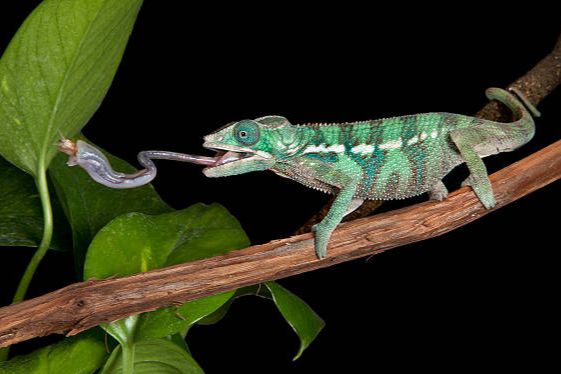
A high-speed photograph captured a chameleon’s tongue fully extended as it struck prey, revealing a process invisible to the naked eye. Chameleon tongues can reach lengths exceeding their body size and move with remarkable acceleration. This image stood out because it clearly showed the tongue’s suction-cup tip and muscular structure. Biologists often reference this mechanism as one of the most specialized feeding adaptations among reptiles. The photograph offered a rare educational view, combining scientific relevance with visual clarity. It also demonstrated how modern camera technology continues to reveal details of animal behavior once limited to laboratory observation.
17. Moose Crossing Highway

A compelling photograph showed a moose calmly crossing a rural highway while traffic stood still in the distance. Moose-vehicle encounters are a serious safety concern in many regions, making this image both striking and instructive. Wildlife officials noted that seasonal movement often brings large animals into contact with roads, especially during migration or mating periods. The photo gained attention for highlighting the scale of the animal compared to surrounding infrastructure. Beyond visual impact, it underscored ongoing efforts to design wildlife crossings and warning systems. The image served as a quiet reminder of shared landscapes and the need for coexistence.
18. Bat Emerging Cave
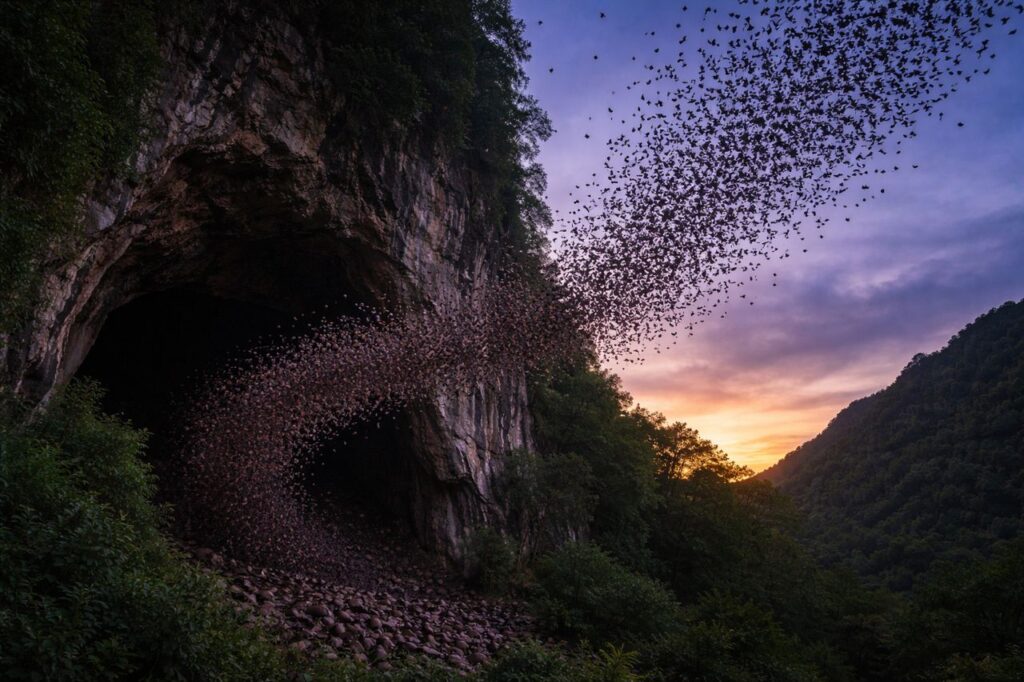
An image taken at dusk captured thousands of bats pouring from a cave entrance in a dense spiral formation. While bat emergences are known phenomena, photographing them with this level of detail is challenging due to low light and rapid movement. Scientists study these events to understand population health and insect control patterns. The photograph illustrated how bats rely on timing and group behavior to reduce predation risk. It also highlighted their ecological importance, as a single colony can consume vast numbers of insects nightly. The image offered a rare blend of scale, motion, and environmental significance.
19. Tiger Swimming River
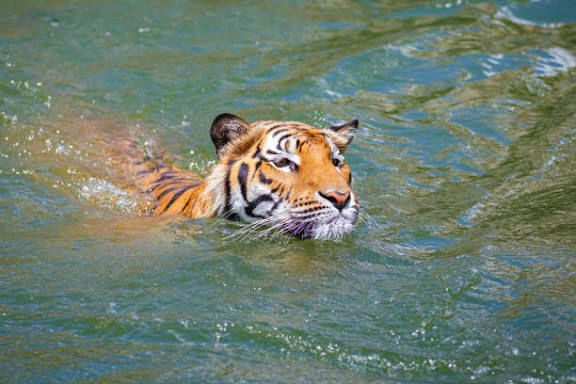
A rare photograph showed a tiger swimming across a wide river, a behavior not commonly associated with big cats. Unlike many felines, tigers are strong swimmers and frequently cross water to patrol territory or hunt. The image captured the animal mid-stroke, with only its head and stripes visible above the surface. Conservationists noted that such photos help challenge misconceptions about tiger behavior. The image also drew attention to habitat fragmentation, as rivers increasingly intersect with human development. It provided a powerful reminder of the adaptability required for survival in changing environments.
20. Owl Silent Flight
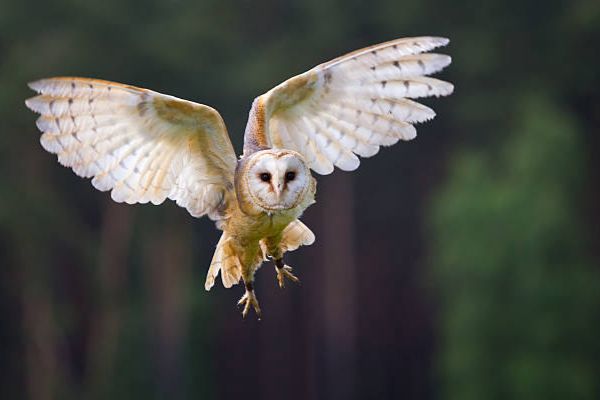
A night photograph captured an owl gliding silently toward its prey, wings fully spread yet motionless in appearance. Owls possess specialized feather structures that reduce sound, allowing near-silent flight. This image stood out for visually conveying a concept often explained through diagrams or text. Ornithologists highlighted how such adaptations give owls a hunting advantage in low-light conditions. The photograph’s clarity revealed feather edges and spacing rarely seen in action shots. It offered a compelling look at evolutionary design, combining scientific accuracy with a moment of natural elegance.
21. Manatee Mother Calf
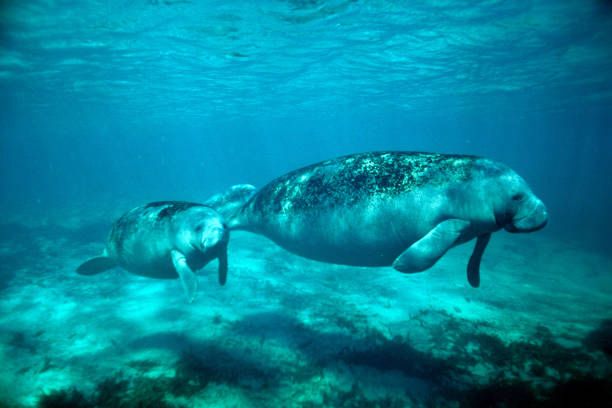
A tender photograph this season showed a manatee calf swimming closely alongside its mother in shallow coastal waters. Manatees are known for their strong maternal bonds, with calves relying on their mothers for up to two years for guidance, protection, and feeding habits. The image stood out for capturing this quiet dependency in clear, natural light. Conservation groups noted that such moments are increasingly photographed as manatees spend more time near shorelines, where warm waters and vegetation are accessible. The photo also highlighted ongoing concerns about boat strikes and habitat loss. Beyond its emotional appeal, the image reinforced the importance of protected waterways for vulnerable marine mammals.
22. Leopard Night Stare
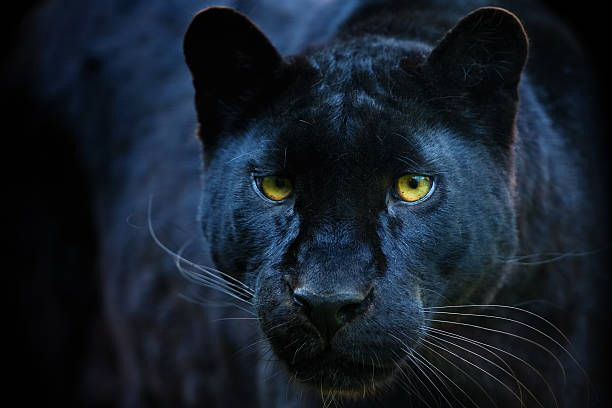
A nighttime photograph captured a leopard pausing mid-step, its reflective eyes glowing against the darkness. Leopards are highly nocturnal predators, relying on exceptional night vision and stealth to hunt. This image was notable for freezing a moment that typically goes unseen, as leopards actively avoid human presence. Wildlife experts explained that the eye shine results from a reflective layer behind the retina, enhancing low-light vision. The photograph gained attention for its clarity despite challenging conditions. It provided a rare visual reminder of how much predator activity occurs after dark, beyond the reach of ordinary observation.
23. Sea Turtle Hatchlings

A powerful image documented dozens of sea turtle hatchlings making their first journey from nest to ocean. This brief window of time is among the most dangerous stages of a sea turtle’s life, with predators and environmental obstacles posing constant threats. Conservationists emphasized that only a small fraction of hatchlings survive to adulthood. The photograph captured both movement and vulnerability, highlighting why protected nesting beaches are critical. Taken during peak hatching season, the image also reflected global conservation efforts aimed at monitoring nests and reducing artificial light. It offered a hopeful yet realistic view of nature’s most fragile beginnings.
24. Praying Mantis Strike
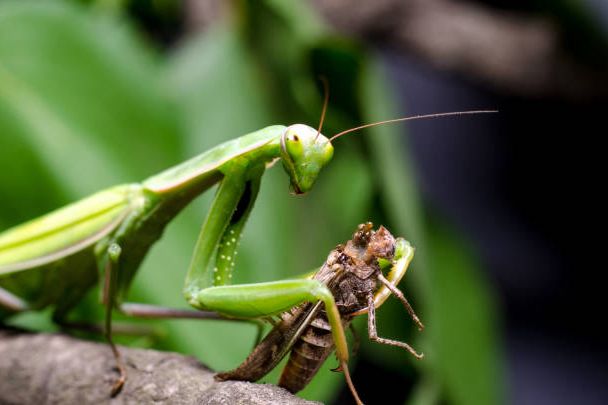
A close-up photograph froze the exact moment a praying mantis struck its prey with lightning speed. Mantises are ambush predators, relying on camouflage and rapid reflexes rather than pursuit. This image was remarkable for capturing the precise extension of the forelegs, a motion that lasts only fractions of a second. Entomologists often cite mantis strikes as examples of highly efficient predatory behavior among insects. The photograph provided rare visual clarity of a mechanism usually described in slow-motion studies. It concluded the collection by showing that even the smallest creatures can produce some of nature’s most extraordinary moments.
These images, taken together, reveal how much of the natural world still unfolds in brief, unpredictable flashes that reward patience, respect, and careful observation.
Like this story? Add your thoughts in the comments, thank you.


