
1. The Village Donkey
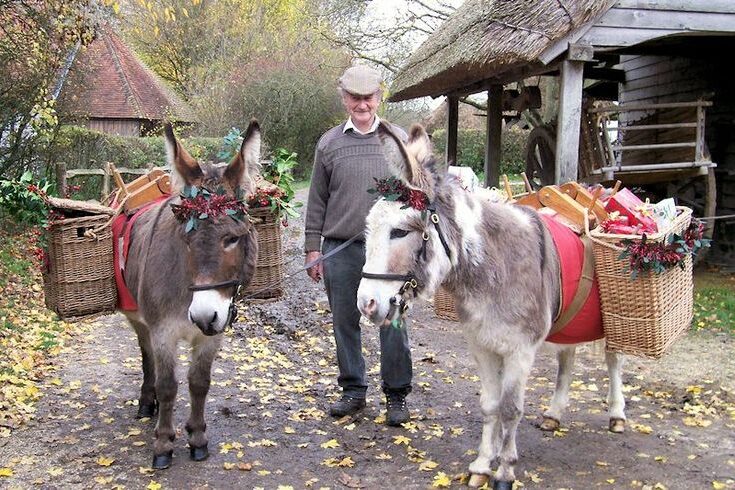
It is funny how certain animals used to shape our days without us even noticing and the humble village donkey was one of them because its steady footsteps and gentle presence felt like part of the morning air itself. People saw donkeys everywhere carrying small loads, waiting beside markets, or strolling calmly past familiar paths like quiet companions to everyday life. As machinery replaced simple routines, their familiar bray slowly faded from ordinary streets. Thinking back, many remember them with a soft smile because the donkey’s presence felt reassuring in a way that is hard to find in today’s faster world.
2. The Neighborhood Goat
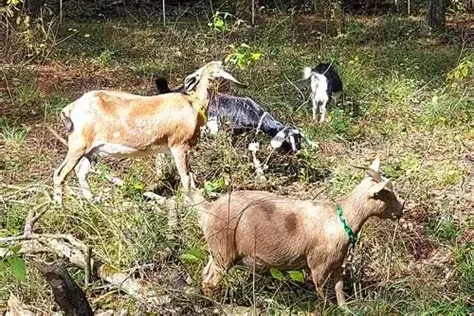
There was a time when goats wandered freely through open neighborhoods nibbling anything green and bringing a playful sort of life to the morning. Their stubborn charm made them feel like tiny characters in the story of each community because they always managed to appear where something was happening. Families valued them for milk and simple companionship, but as fenced homes and quiet streets replaced old open spaces, goats slowly disappeared from everyday scenes. Even now when someone spots a wandering goat, it brings a familiar warmth that reminds people of how life once felt lighter and far more connected.
3. The Friendly Milk Cow
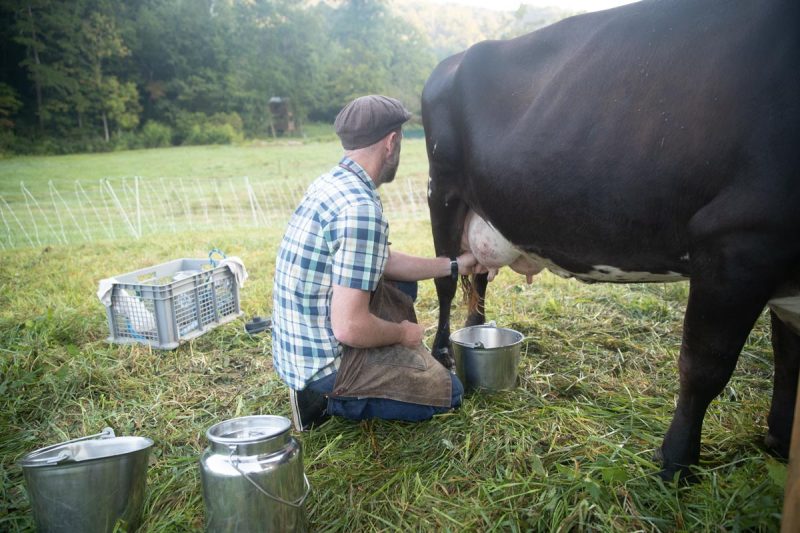
People often forget that many homes once had a cow grazing lazily behind the house offering fresh milk and a calm rhythm to the day. The soft sound of chewing grass, the routine of morning milking, and the shared feeling of responsibility made cows feel like members of the family. As commercial dairies grew, backyard cows gradually disappeared and the closeness people felt to their food faded with them. Thinking about it now, the gentle presence of a cow feels almost nostalgic because it carried a kind of peace that blended naturally into daily life without needing attention.
4. The Ever Present Farm Horse
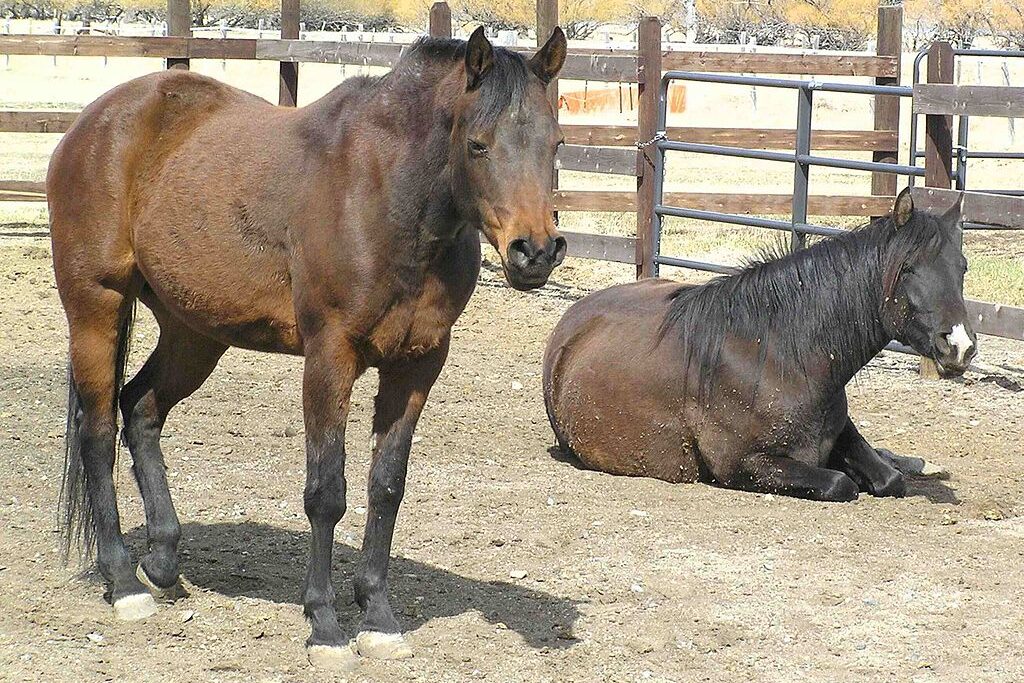
Horses once stood at the center of everyday work guiding plows, pulling wagons, and carrying people from one familiar place to another with steady confidence. Their strength shaped entire communities because everything from planting seasons to travel depended on them. As engines slowly replaced muscle and roads changed how people moved, horses stepped into quieter roles and eventually drifted out of everyday routines. Even now when someone sees a horse grazing peacefully it stirs a memory of a slower world where work followed natural rhythms. Their absence reminds us how differently life moved when patience shaped our days.
5. The Giggly Guinea Fowl
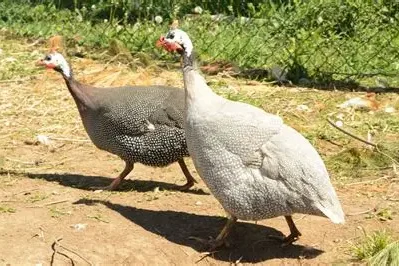
Guinea fowls used to roam freely across yards and dusty paths announcing themselves with loud cheerful calls that felt like tiny celebrations tucked into the day. Families loved them because they kept insects away and added a lively presence to the home even if their noise sometimes surprised everyone. With modern housing layouts and cleaner city plans their place in daily life slowly faded. People who remember them often smile because guinea fowls walked like they were performing on a tiny stage. Today they appear mostly on farms but their spirited energy still brings back warm memories of simpler mornings.
6. The Busy Honeybee
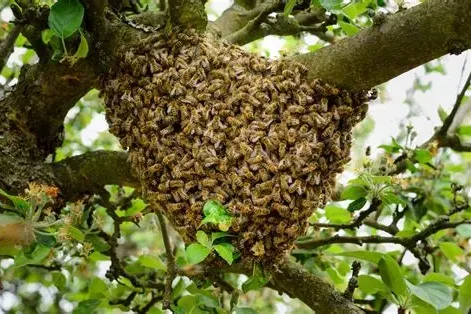
There was a time when the quiet hum of honeybees filled gardens and small home orchards because hives sat proudly in backyards as part of ordinary life. People harvested honey together learning patience as they worked slowly around the buzzing air. As chemicals increased and green spaces thinned out bees began to disappear and the natural sweetness of their presence faded too. Even now when someone sees a bee drifting from flower to flower it feels like a small gift because it brings back memories of thriving gardens. Their gentle work once shaped daily living in ways people never fully realized.
7. The Wandering Geese
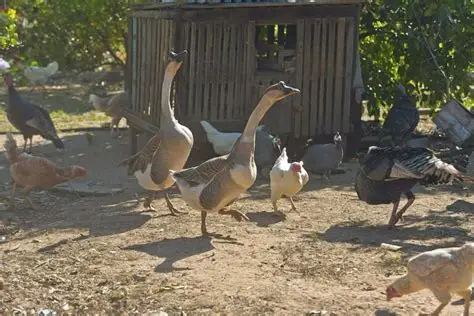
Geese once wandered boldly through open yards and village ponds leaving trails of soft honks that blended naturally into the sounds of early life. Families kept them for meat or feathers but many simply enjoyed their confident strut as they crossed paths like unbothered neighbors. With crowded cities and strict rules replacing old open layouts geese gradually stepped out of common spaces. People who remember them recall how geese made every place feel alive because their movements carried a certain charm. Seeing them now in reserves feels different because their presence once belonged in everyday gatherings without feeling out of place.
8. The Street Cat Colony
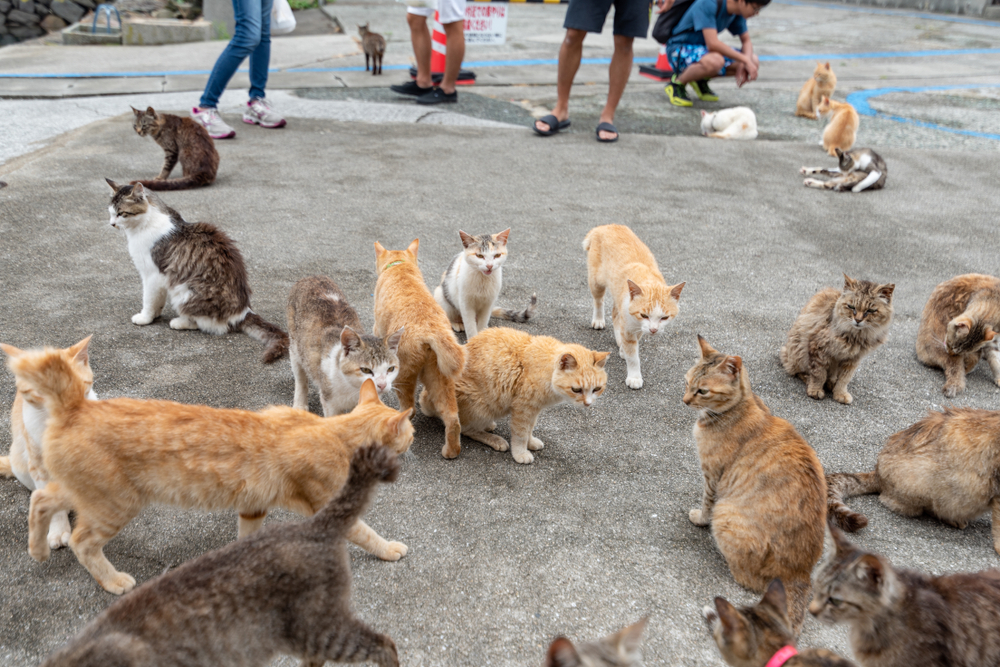
Street cats once formed little communities of their own weaving through markets and settling under warm corners where people left food without saying much. They were part of the rhythm of the street moving with a quiet confidence that made them feel familiar even without belonging to anyone. As cities grew stricter and animal control increased those easy colonies slowly disappeared. People who grew up seeing them remember how one cat always became the unofficial favorite of the neighborhood. Their presence added a gentle sense of companionship that made ordinary days feel a bit softer and more connected to life.
9. The Local Draft Ox
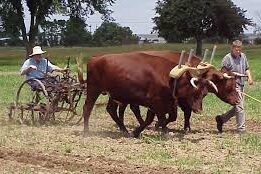
Oxen once worked patiently beside families pulling heavy loads and shaping the rhythm of daily labor with their slow dependable strength. Their presence made farms feel grounded because everything from soil turning to transport depended on their steady pace. As machines arrived and farming changed these calm workers quietly faded from common life leaving behind memories of peaceful fields and shared effort. People who recall them often describe a sense of trust because an ox never rushed but always finished the task. Their absence shows how much daily routines shifted when technology replaced the gentle pace they once set.
10. The Schoolyard Rabbit
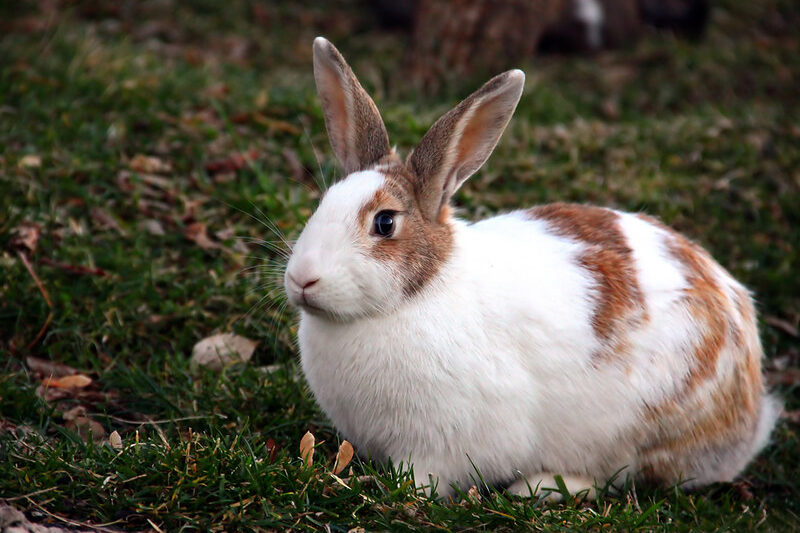
There was a time when rabbits hopped freely around schoolyards and home gardens offering children a friendly sense of wonder as they learned to care for small living things. Their soft movements and curious sniffing made even ordinary days feel special. Families kept them without much fuss but as homes tightened and schedules grew busier rabbits slowly disappeared from the spaces where they once brought quiet joy. People remember how a single rabbit could brighten a morning by simply nibbling a leaf. Their gentle nature made them part of simple lessons about kindness and patience that shaped early memories.
11. The Nightly Owl Visitor

Owls once perched calmly on rooftops and nearby branches filling quiet evenings with soft calls that blended naturally into the night. They controlled pests and offered a comforting sign that the world was settling into rest. As bright lights spread and forests thinned these familiar nighttime visitors faded from sight. People who remember their presence often describe how an owl’s call felt like a peaceful reminder that some parts of nature stayed steady. Seeing one today feels rare because everyday life moved away from the stillness where owls once thrived. Their quiet company shaped nights in simple reassuring ways.
12. The Backyard Tortoise
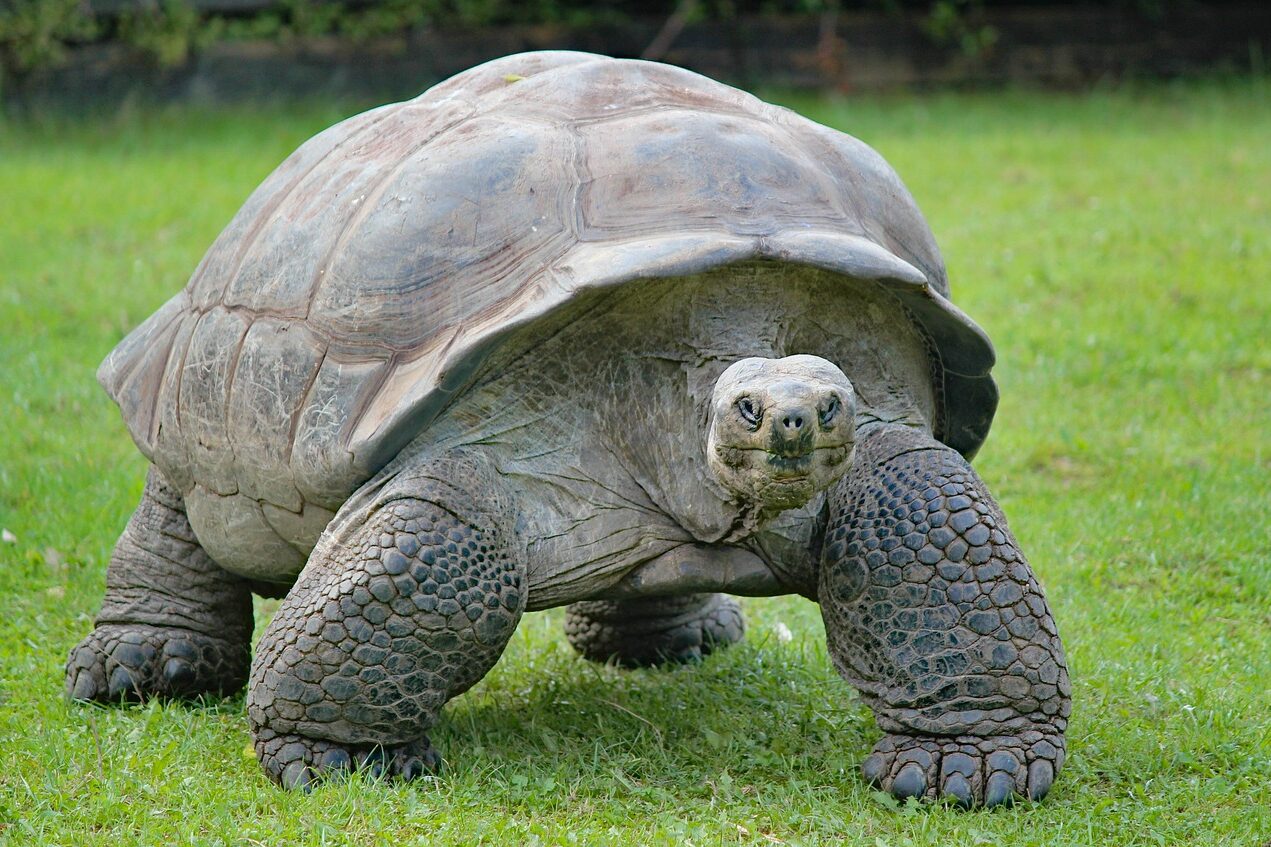
Tortoises used to wander slowly across open yards making unhurried paths through grass and fallen leaves as families watched them with gentle curiosity. Their steady movements taught patience without effort because they carried a calm quiet presence into every corner they explored. As roads expanded and natural spaces shrank tortoises faded from the casual moments that once made them familiar neighbors. People who remember them often talk about how a slow moving shell could brighten a sunny afternoon. Their disappearance shows how much simple outdoor encounters changed when modern boundaries replaced the open spaces tortoises needed.
13. The Marketplace Pig
Pigs once walked confidently near home compounds and lively markets cleaning scraps and contributing quietly to the flow of everyday life. Families relied on them not just for food but also for the way they helped manage waste naturally. With new sanitation rules and modern housing designs pigs slowly left the neighborhoods where they once roamed freely. People who remember them talk about their curious nature and surprising intelligence. Their presence added a practical rhythm to daily routines that no longer exists. Today pigs remain important but their everyday closeness to human life has become something of a distant memory.
14. The Chirping House Sparrow
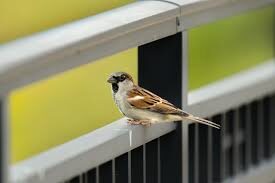
House sparrows once filled streets and doorsteps with cheerful chatter fluttering from ledges to rooftops like tiny companions to morning routines. They lived comfortably alongside people eating crumbs and nesting in little corners that made them part of daily scenes. As food sources changed and urban landscapes shifted their familiar flutter slowly faded. People who remember them often describe how their lively chirps made quiet mornings feel welcoming. Although sparrows still exist their earlier abundance is gone leaving a silence that feels noticeable to those who grew up seeing them everywhere. Their absence hints at changing rhythms of everyday life.
15. The Familiar Village Duck
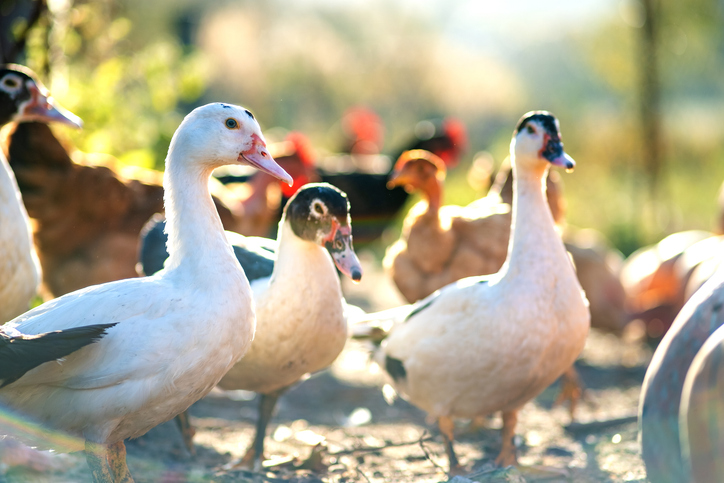
Ducks once wandered freely around ponds and small waterways waddling through neighborhoods with a calm confidence that children loved to follow. Families kept them for eggs or simple company but their presence also added charm to village life. As drainage systems improved and urban structures replaced natural water spaces ducks gradually stepped back from daily scenes. People who remember them talk about the joy of watching a duck lead its young across familiar paths. Their gentle nature made ordinary days feel peaceful. Seeing ducks now requires a visit to parks where their presence feels more contained than before.
16. The Gentle Pack Mule
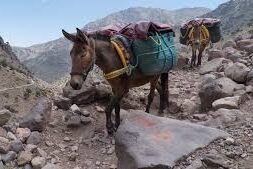
Mules once carried supplies across steep paths and rugged roads moving with quiet endurance that made them trusted companions for long journeys. Their steady pace supported families who depended on them for travel and trade. As transportation improved and vehicles replaced footpaths mules slowly drifted from everyday life. People who recall them describe how their calm strength shaped entire routines. Even now spotting a mule feels like stepping back into a world where patience guided movement. Their gradual disappearance reflects how roads and routes transformed the pace of human life leaving little space for slow dependable helpers.
17. The Early Morning Rooster
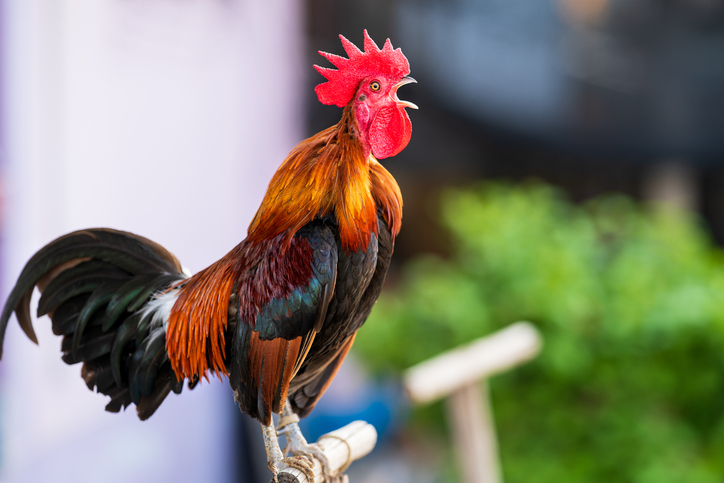
Roosters once signaled the start of each day crowing confidently before dawn and waking entire households with a sound that felt both familiar and reassuring. Even families without chickens heard them from nearby homes because their calls traveled easily across open spaces. As noise rules increased and cities expanded roosters slowly disappeared from neighborhood mornings. People who remember them often say their crow felt like a natural invitation to begin the day. Now alarms have taken their place but lack the warm connection roosters brought. Their absence highlights how daily routines shifted away from the natural cues that once guided life.
18. The Street Smart Dog
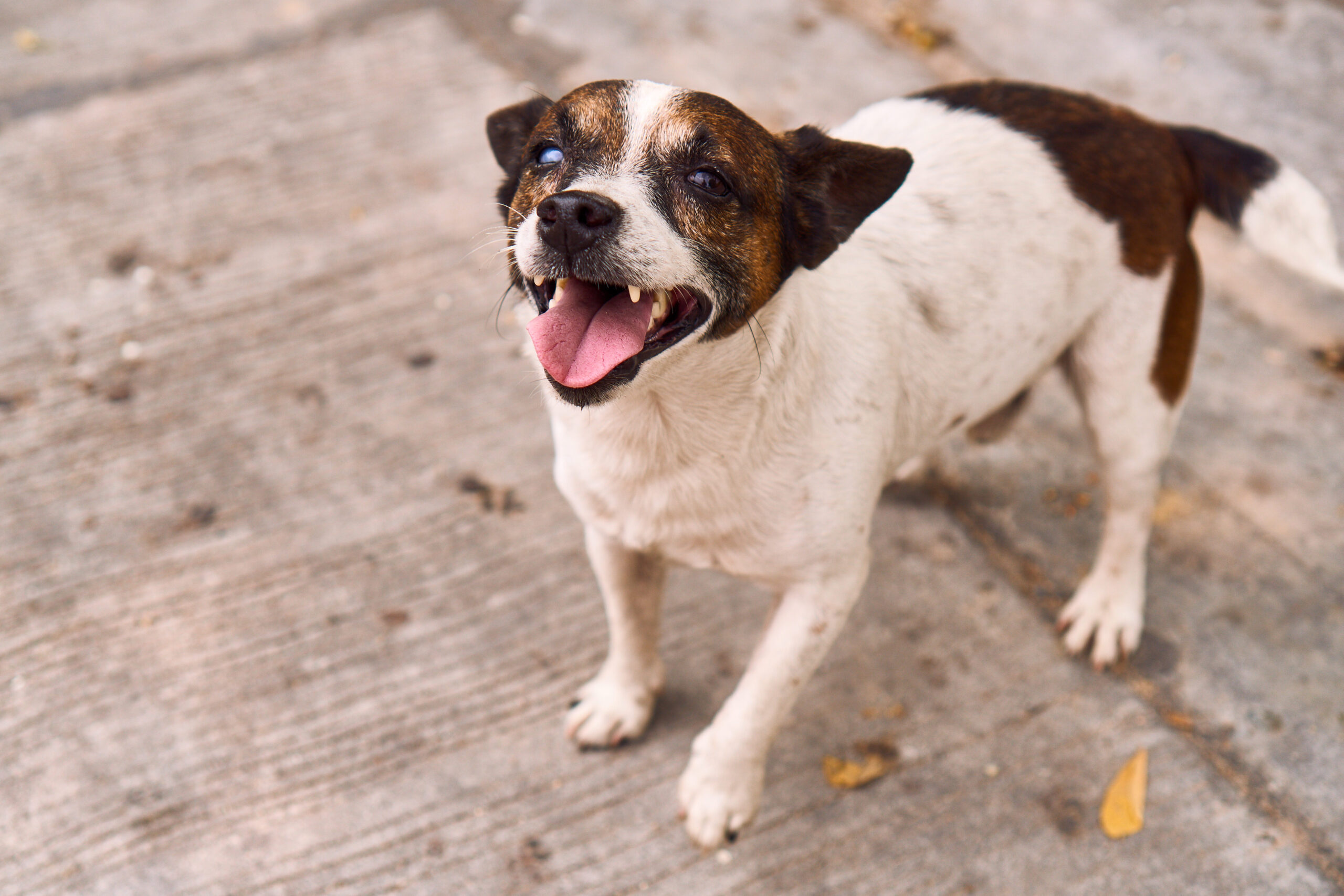
Neighborhood dogs once roamed freely greeting familiar faces and weaving through daily activities like unofficial members of every household. People fed them casually and trusted them to watch over streets without needing formal ownership. As animal control strengthened and fenced homes became common these friendly wanderers slowly faded from public spaces. People who remember them talk about a single dog everyone cared for without claiming. Their presence added warmth to shared outdoor life. Today most dogs live indoors which brings comfort but removes the sense of community companionship that once grew naturally from their everyday freedom.
19. The Bus Stop Pigeon
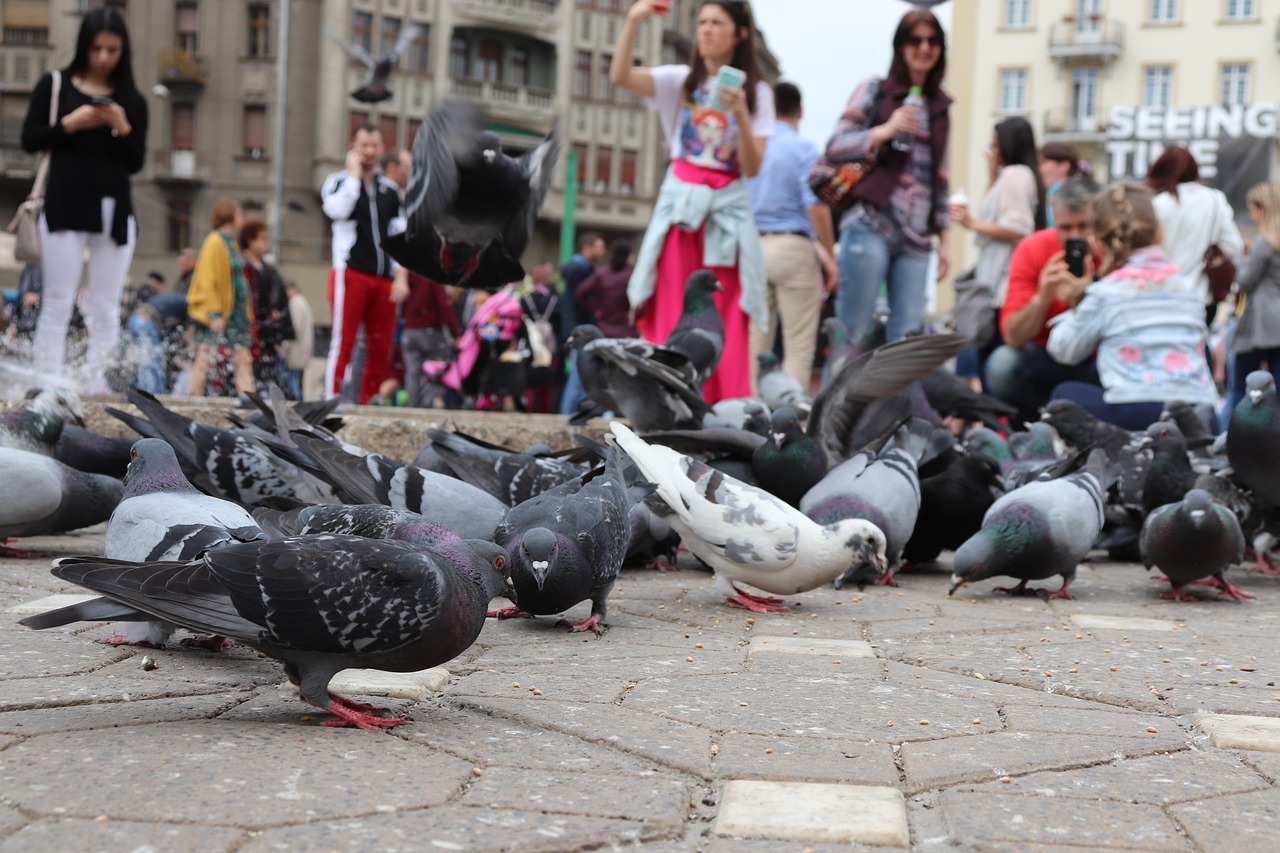
Pigeons once crowded bus stops and open stations filling the air with soft coos and fluttering wings that made public spaces feel lively. They moved confidently around people picking at crumbs and resting on railings like part of the daily commute. As cities installed bird barriers and redesigned public areas pigeons slowly reduced in number. People who remember their abundance describe how their gentle presence softened busy mornings. Seeing fewer of them today makes some spaces feel quieter than expected. Their gradual disappearance reflects how modern structures changed the small shared interactions that once colored everyday travel.
20. The Helpful Barn Cat
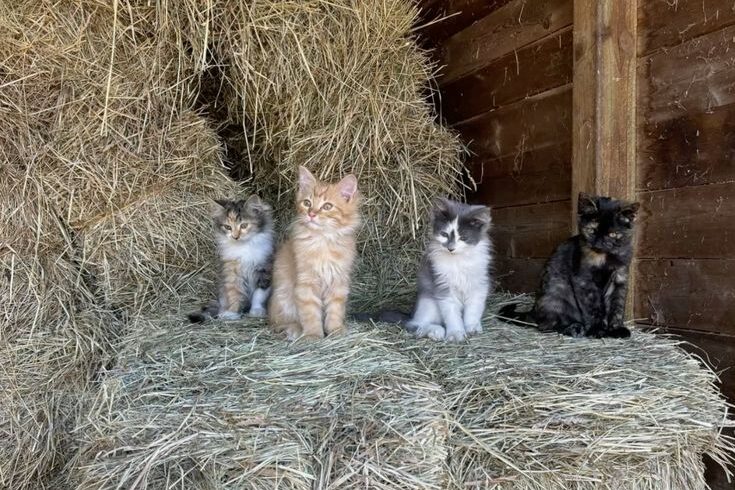
Barn cats once guarded stored grains and farm corners with sharp instincts keeping mice and pests under control long before commercial products existed. Families relied on them as silent workers offering food and shelter in return. As modern pest solutions appeared and old barns disappeared these independent companions slowly faded from common routines. People who grew up around them recall how a barn felt incomplete without a watchful cat slipping through shadows. Their presence added a sense of balance to rural life. Today they exist mostly in stories because the spaces they loved changed more than the animals themselves.
21. The Trotting Pony
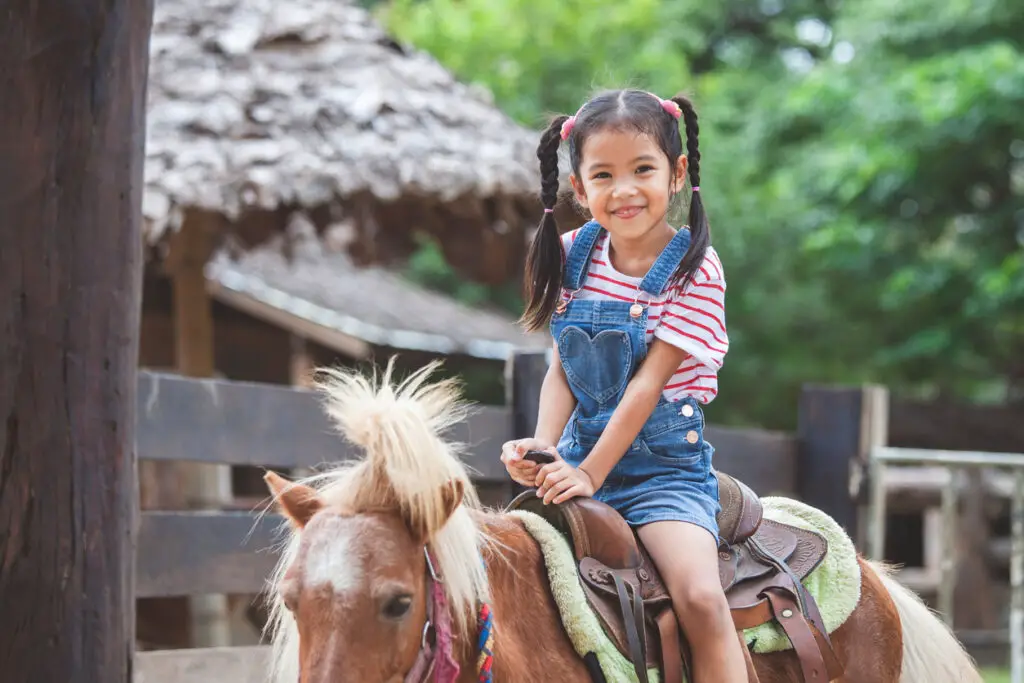
Ponies once carried children to school and helped families move small loads along familiar paths creating memories that felt woven into everyday living. Their steady steps made mornings feel brighter and added gentle excitement to simple routines. As roads modernized and transportation changed ponies gradually left the daily roles they once held. People who remember them talk about how their ponies knew common routes better than the children who rode them. Seeing ponies now feels special because their presence once belonged to ordinary moments. Their disappearance reflects how communities shifted away from slower travel that shaped early connections.
22. The Roadside Sheep
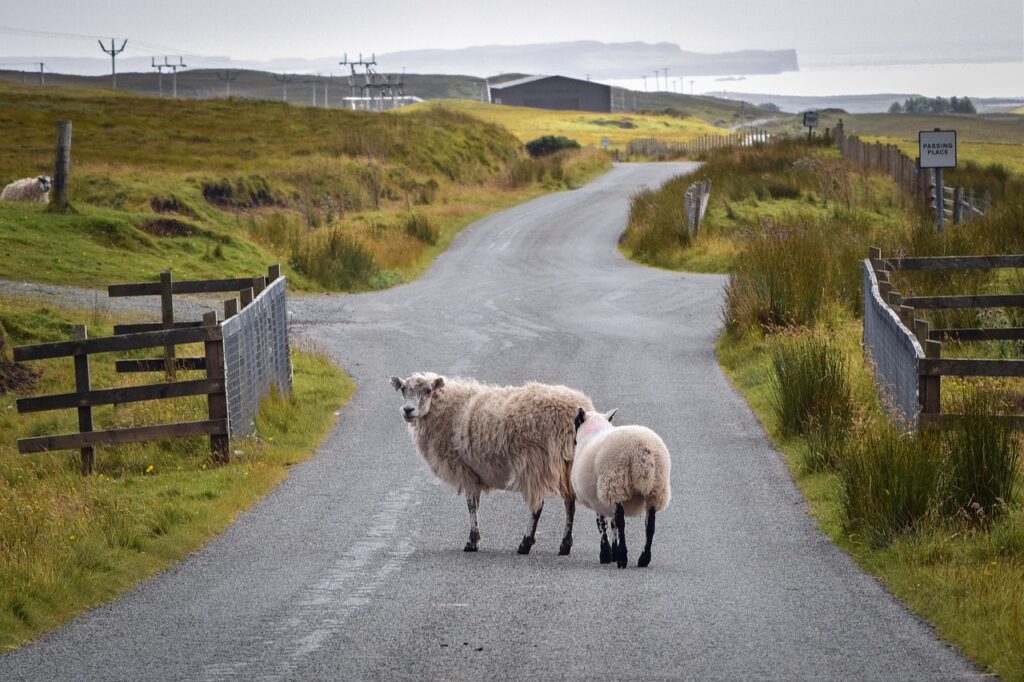
Sheep once wandered calmly along open village paths grazing near homes and moving in small gentle groups that felt like part of the neighborhood itself. Their soft bleats blended into everyday life because people saw them during morning chores afternoon walks and quiet evenings. As fenced estates expanded and free grazing areas disappeared sheep slowly retreated from public spaces. People who remember them often talk about how seeing a sheep by the roadside felt comforting and familiar. Today sheep mostly stay on farms and their quiet presence no longer drifts through daily routines the way it once did so naturally.
23. The Forest Hedgehog
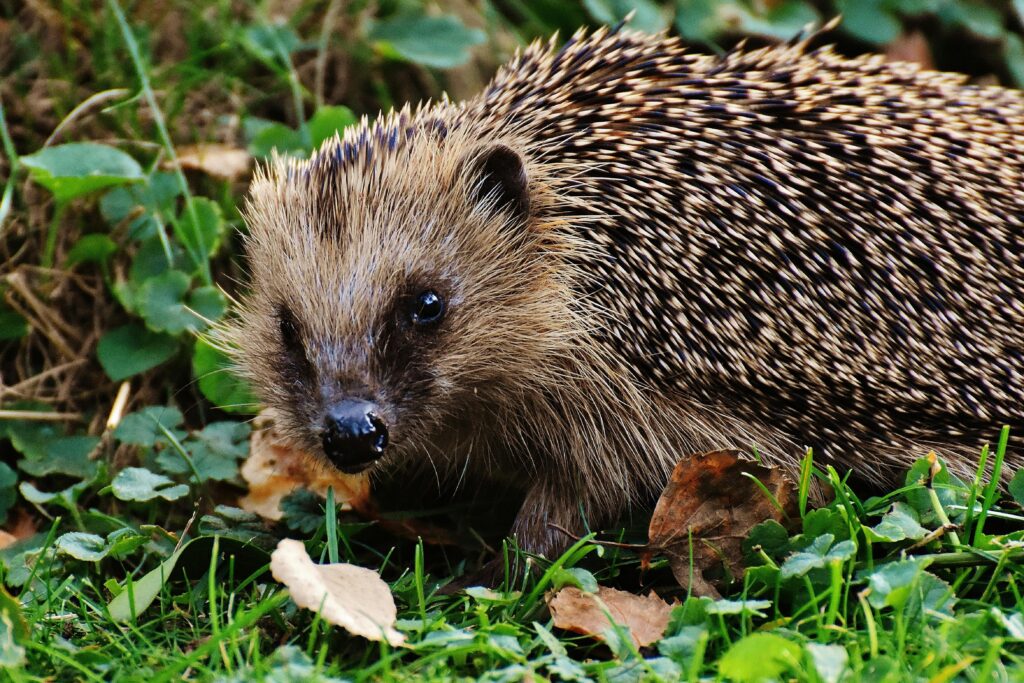
Hedgehogs once appeared in gardens and small forest edges rustling softly through leaves as they searched for insects with shy curiosity. Families saw them often enough to feel familiar with their slow gentle movement. As pesticides spread and natural spaces shrank hedgehogs slowly disappeared from areas where they once thrived. People who remember them talk about the quiet thrill of spotting one near a porch or garden corner. Their presence made nights feel alive in a subtle comforting way. Today seeing a hedgehog feels rare because the landscapes they relied on changed quietly over time.
24. The Familiar Field Mouse
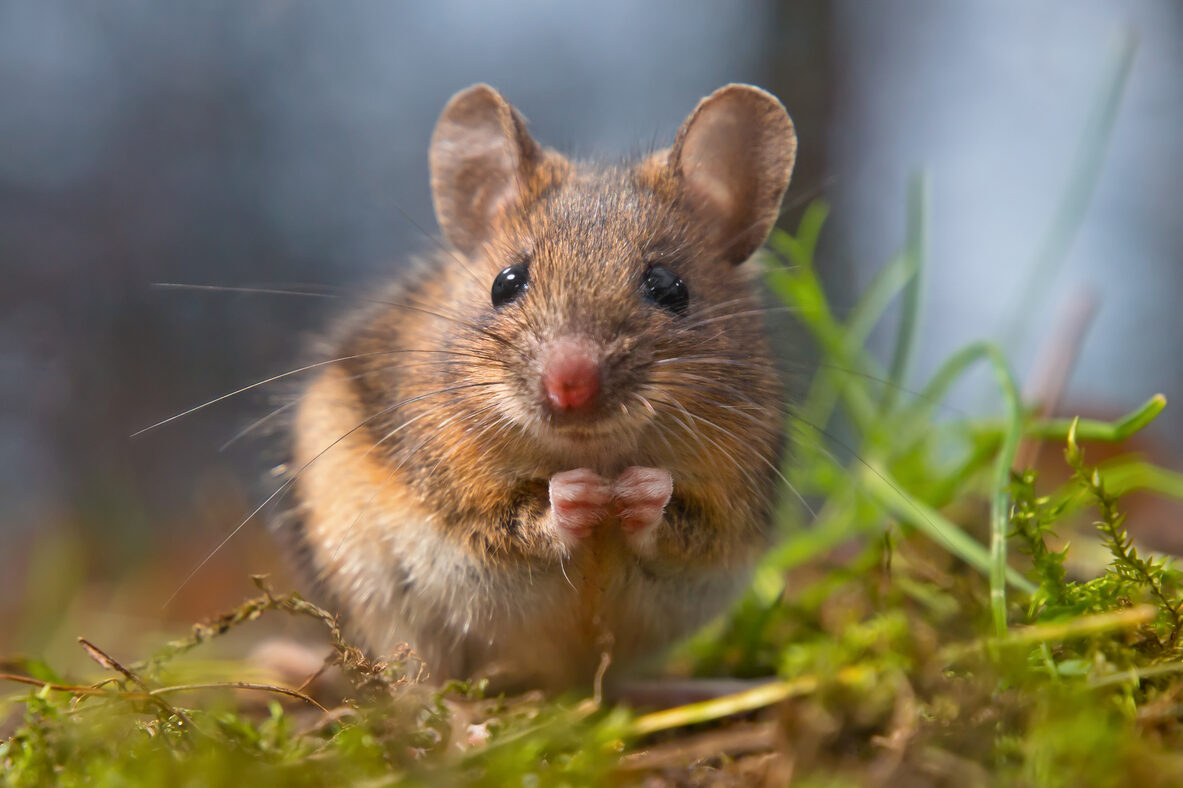
Field mice once darted through gardens and quiet corners of open yards adding tiny movements that made the outdoors feel lively and close to nature. Families often spotted them during early mornings or calm evenings as they searched for seeds and scraps with quick curious motions. As cleaner housing plans appeared and natural groundcover disappeared field mice quietly faded from daily sight. People who remember them talk about how their sudden scurry always brought a small spark of life to ordinary days. Their gentle retreat from familiar spaces softly closes this list reminding us to notice the small creatures that still remain.
This story 24 Animals That Were Once Common in Everyday Life and Slowly Disappeared was first published on Daily FETCH


