
1. The Paint Can Problem Solver
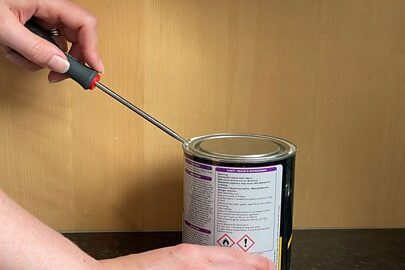
You know that quiet moment when a small project is calling and everything feels ready except the paint can refuses to open, and that is where this list really begins. A flat head screwdriver can gently pry open paint cans without damaging the lid if used carefully. Slide it under the rim and twist slowly, moving around the edge until it loosens evenly. This simple trick saves time and keeps paint usable for later touch ups. It sets the tone for seeing familiar tools differently and realizing how often simple solutions are already within reach.
2. Mixing Paint Without the Mess
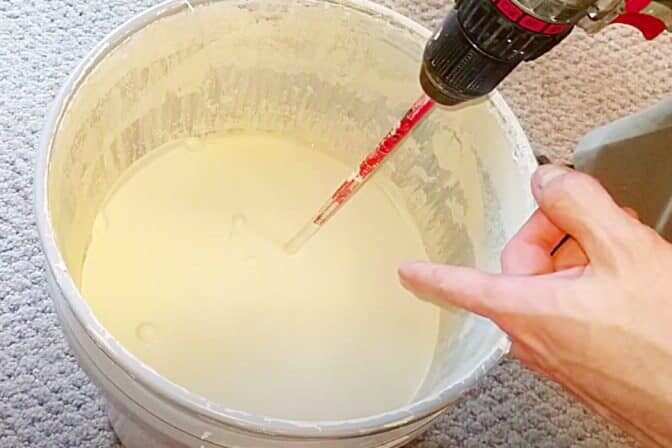
When paint has been sitting for a while, stirring it properly matters more than we admit. A power drill can help mix paint smoothly when paired with a sturdy attachment or clean metal rod. Secure it tightly and mix slowly to avoid splashing. The result is evenly blended paint that applies better and dries more consistently. This method saves your arms from endless stirring and cuts preparation time. Once you try it, you start seeing your drill as more than just a hole making tool. It becomes part of your preparation routine without any extra purchases.
3. Taming Tangled Cords
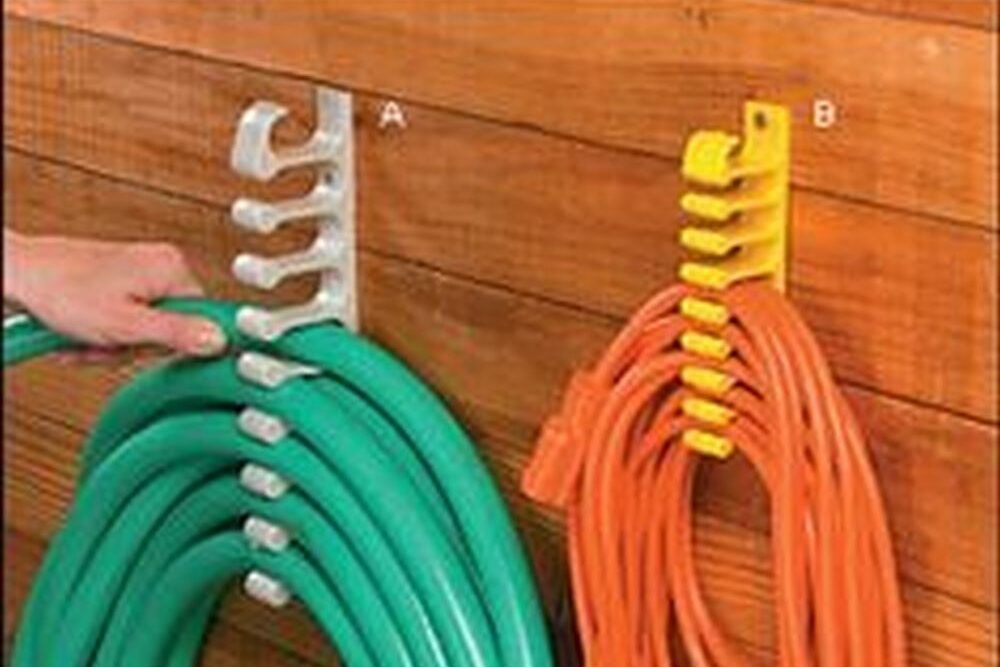
Loose cords have a way of turning calm spaces into cluttered ones. A basic clamp can keep extension cords, charging cables, or hoses neatly bundled and easy to find. Clip them together and hang them on a shelf edge, hook, or peg. This prevents knots and saves time when you need them again. It is a small change that makes your workspace feel organized without effort. When cords stop fighting you, projects feel less stressful. This simple habit often sticks because it works quietly in the background, keeping things in order without asking for attention.
4. Straight Lines Without Extra Tools
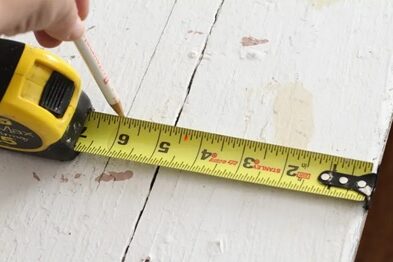
Sometimes you need a straight line quickly and cannot find a ruler or level. A measuring tape can step in as a reliable guide. Extend it, lock it firmly, and use the sturdy edge to draw clean lines for marking cuts or placements. The metal hook helps anchor it when working alone. This trick works well for short measurements and quick layouts. It feels efficient and surprisingly accurate. Once you use it a few times, you stop reaching for extra tools. It becomes one of those quiet habits that improve accuracy without slowing you down.
5. The Stripped Screw Saver
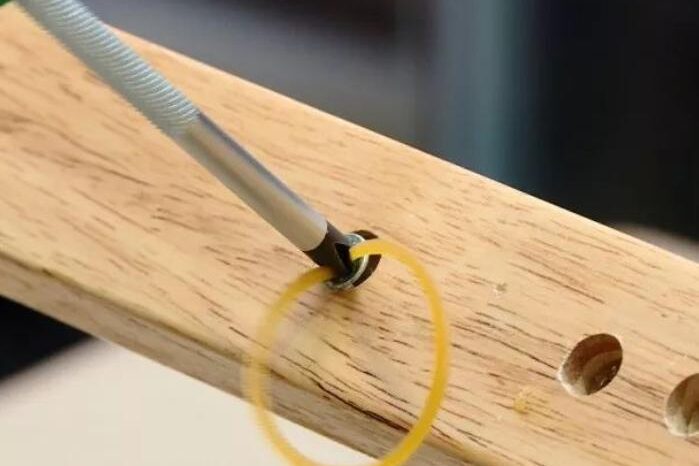
Few things test patience like a stripped screw that refuses to move. Before giving up, place a rubber band over the screw head and press your screwdriver firmly into it. The rubber creates extra grip that helps the tool catch. Turn slowly and steadily. This trick often works when nothing else does. It feels almost too simple, yet it saves time and frustration. Once it works for you, it becomes unforgettable. It is the kind of solution you share casually with others, knowing it will rescue someone else from the same small but stubborn problem.
6. Reaching Tight Sanding Spots
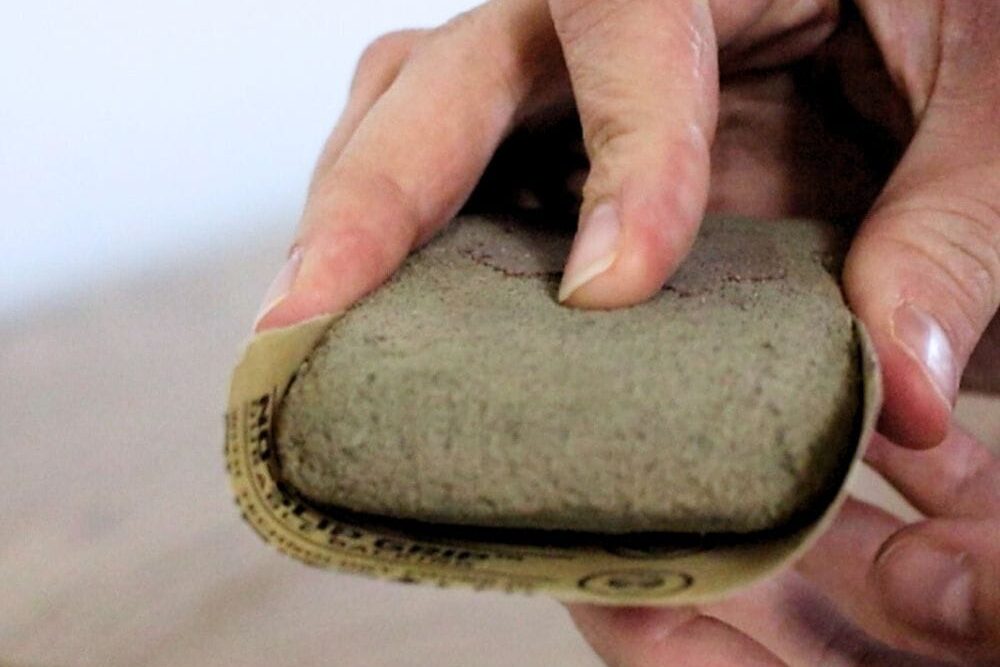
Sanding small corners and narrow edges can be frustrating with bulky tools. Wrapping sandpaper around a wood file gives you better control in tight spaces. It allows you to smooth grooves, edges, and detailed areas more evenly. This approach helps finishing work look cleaner and more intentional. It also reduces hand fatigue because the file provides structure and grip. Using tools together like this feels practical and thoughtful. Instead of forcing one tool to do everything, you let them support each other. The result is smoother surfaces and a calmer workflow that feels more manageable.
7. A Gentle Tap Alternative
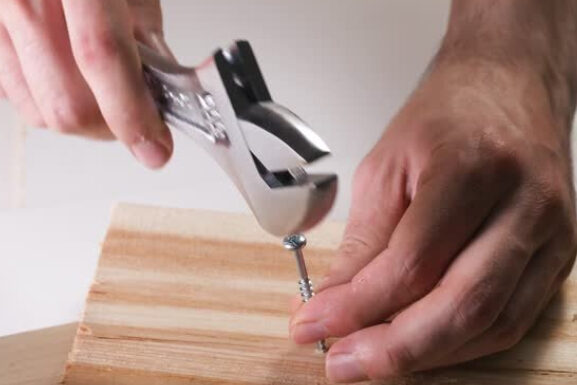
There are moments when a hammer feels too heavy handed. An adjustable wrench can help with light tapping tasks when care matters. Wrapping tape around the handle protects surfaces from marks. This works well for fitting parts into place or making small adjustments. It is not about replacing proper tools but about handling delicate situations thoughtfully. Knowing when to use less force often leads to better results. This small shift in approach builds confidence over time. You start trusting your judgment more and rushing less, which usually improves how projects turn out in the end.
8. Marking Made Easier
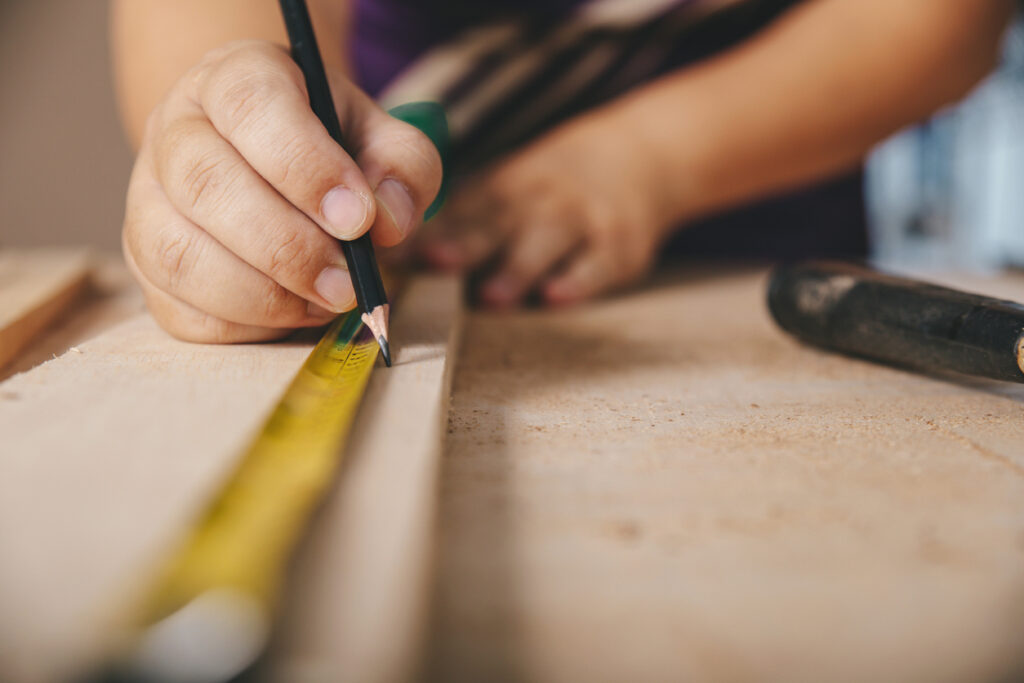
Marking measurements cleanly can be harder than expected, especially when working alone. The edge of a tape measure can guide your pencil for straight and consistent marks. Lock the tape in place and trace along it carefully. This reduces guesswork and helps lines stay aligned. It feels reliable and steady. Small habits like this help projects look more polished without extra effort. Over time, accuracy becomes less stressful and more natural. You begin to notice how simple adjustments improve results, making everyday tasks feel smoother and more intentional without adding complexity to your routine.
9. Finding Lost Screws
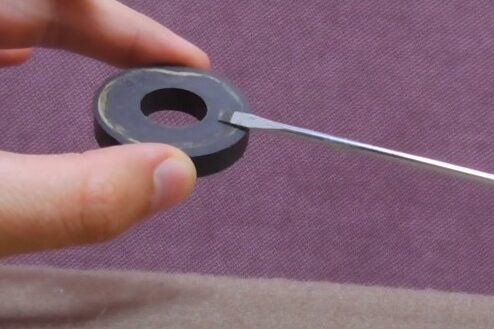
Dropping screws into tight spaces happens to everyone. Rubbing a magnet along your screwdriver can magnetize the tip and help retrieve fallen screws. It also keeps screws attached while guiding them into place. This saves time and spares you from crawling around floors or shaking furniture. Once you try it, you may start magnetizing tools automatically. It feels like a quiet upgrade that costs nothing. Small tricks like this reduce frustration and keep momentum going. When tasks flow smoothly, you enjoy the process more and finish feeling less worn out than expected.
10. Screwdriver as Paint Scraper
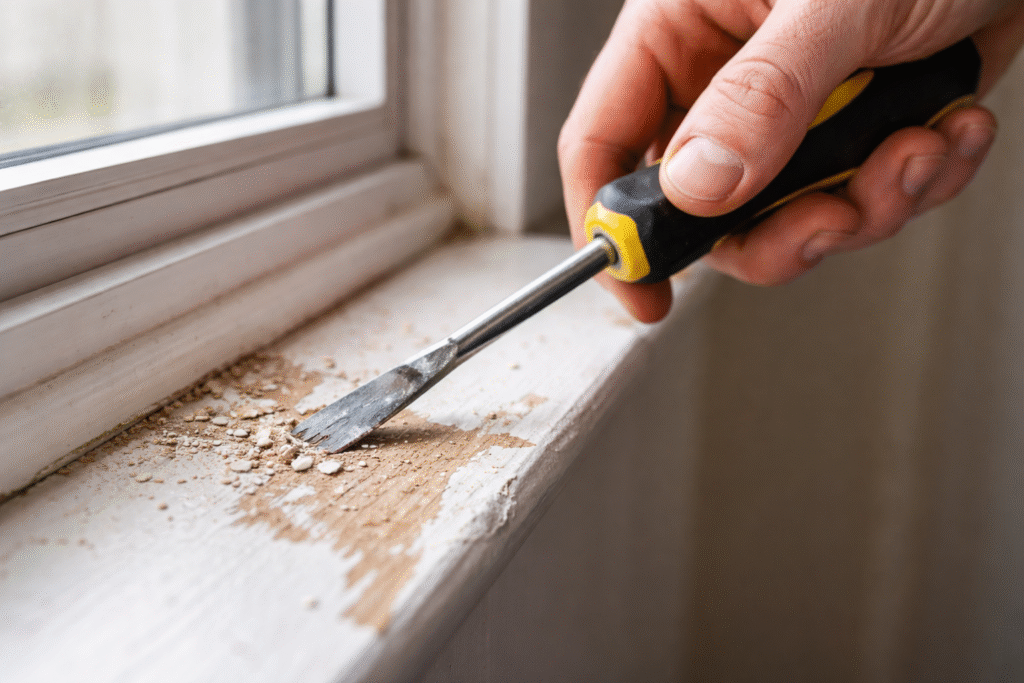
Dried paint drips and rough edges show up when you least expect them. A flat head screwdriver can work as a simple paint scraper for small areas that need cleaning. Hold it at a shallow angle and gently scrape away dried paint from windowsills, tiles, or tool handles. This works best for touch ups rather than large surfaces. It helps tidy details before repainting or finishing a project. Using a familiar tool this way feels practical and controlled. It also saves time when grabbing a scraper feels unnecessary. Small cleanups like this quietly improve the final look.
11. Leveling With Paint Sticks
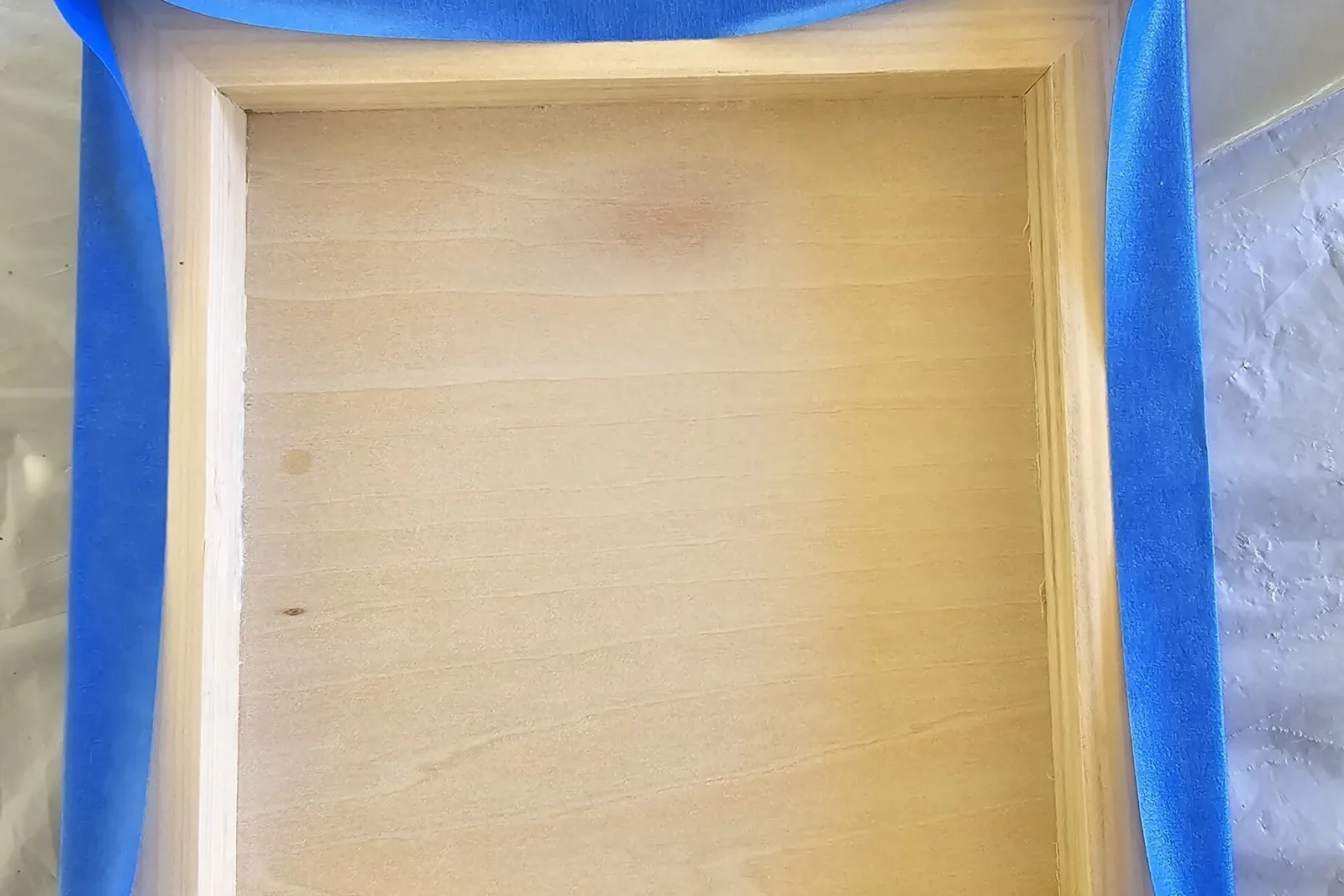
Extra paint sticks often sit unused after projects end. Taping several together creates a longer straight edge or spacer for basic leveling tasks. This works well for hanging frames or checking alignment. It may not replace professional tools, but it handles everyday needs well. Using something simple like this feels practical and resourceful. It also reduces waste by giving leftovers a second purpose. Once you notice how helpful this can be, you may stop throwing them away. Small acts of reuse often make projects feel more thoughtful and satisfying overall.
12. Reaching High Dust
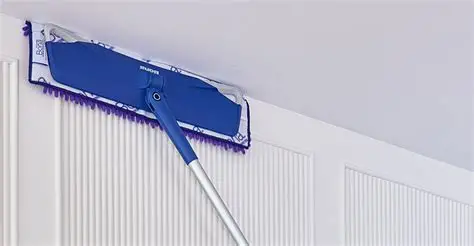
Cleaning high corners and ceilings can feel intimidating. A floor mop or sweeper with a microfiber cloth attached can reach vents, corners, and ceilings easily. This removes dust without ladders or strain. It works well for regular upkeep rather than deep cleaning days. Once you realize this option exists, you may stop avoiding high spots altogether. It makes cleaning feel lighter and more approachable. Simple changes like this help maintain spaces consistently. When maintenance feels easier, it happens more often, and the home quietly stays cleaner without extra effort.
13. Small Plant Trims
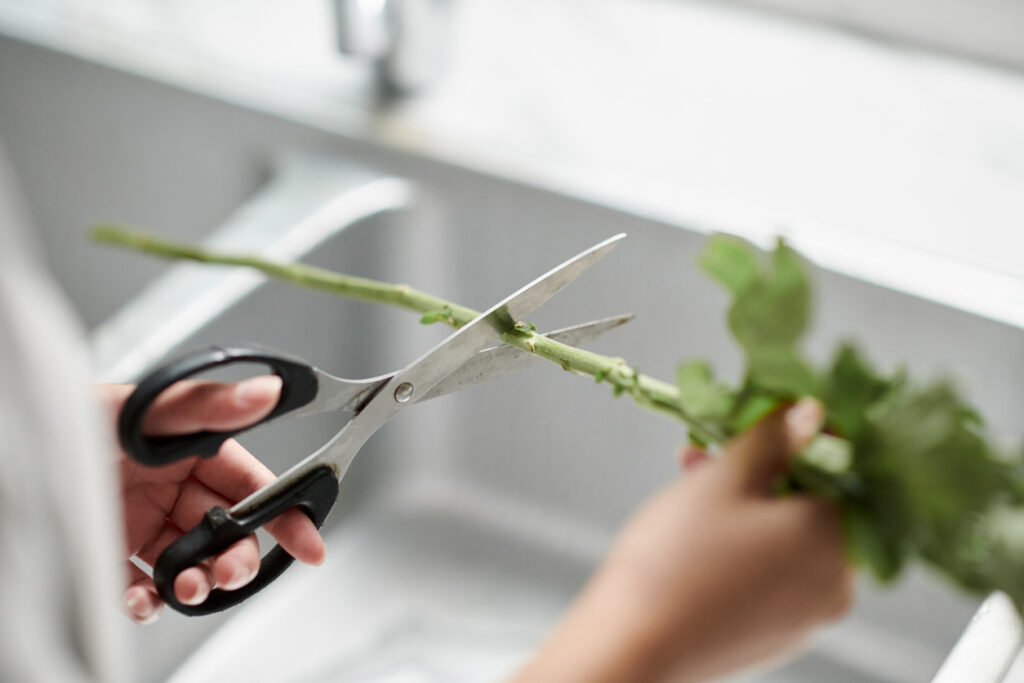
Indoor plants often need gentle trimming rather than heavy pruning. Household scissors can handle small cuts on thin stems and leaves. Keeping them clean prevents damage to plants. This approach makes plant care feel manageable and relaxed. You do not need full gardening tools for simple maintenance. Using what is nearby encourages consistency. When plant care feels easy, you tend to do it more often. Over time, this leads to healthier plants and a calmer routine. It is another reminder that simplicity often supports growth better than complicated setups ever could.
14. Protecting Surfaces While Hammering
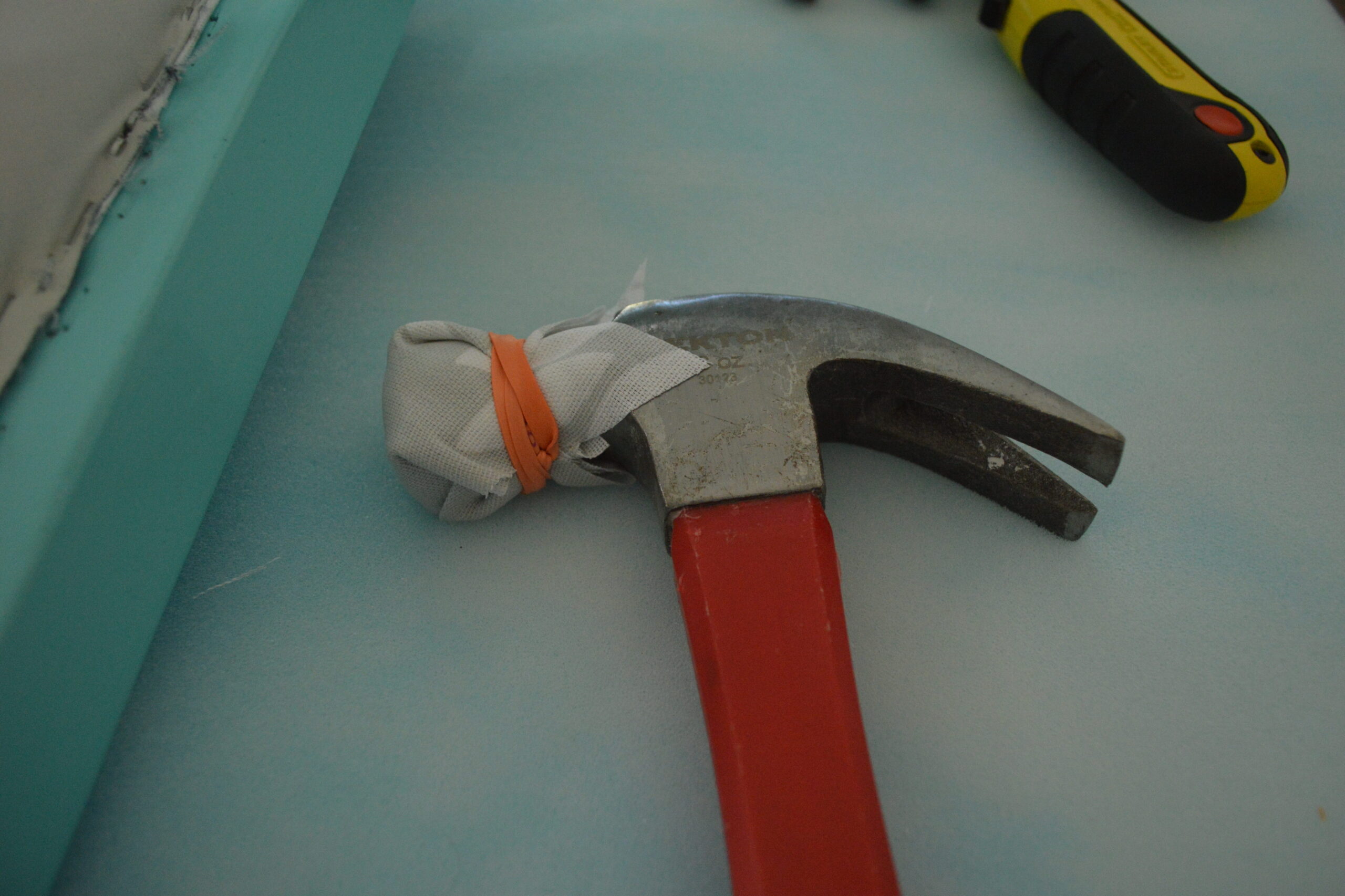
When working near finished surfaces, protection matters. Adding tape to a hammer head cushions impact and prevents dents or marks. This works well during furniture assembly or light repairs. It allows you to work confidently without worrying about damage. Small protective steps like this often save repair time later. It encourages slower, more intentional movements. Careful habits tend to produce cleaner results. Over time, this mindset becomes part of how you approach projects, helping you balance progress with preservation in a way that feels thoughtful and responsible.
15. Detail Cleaning Helper
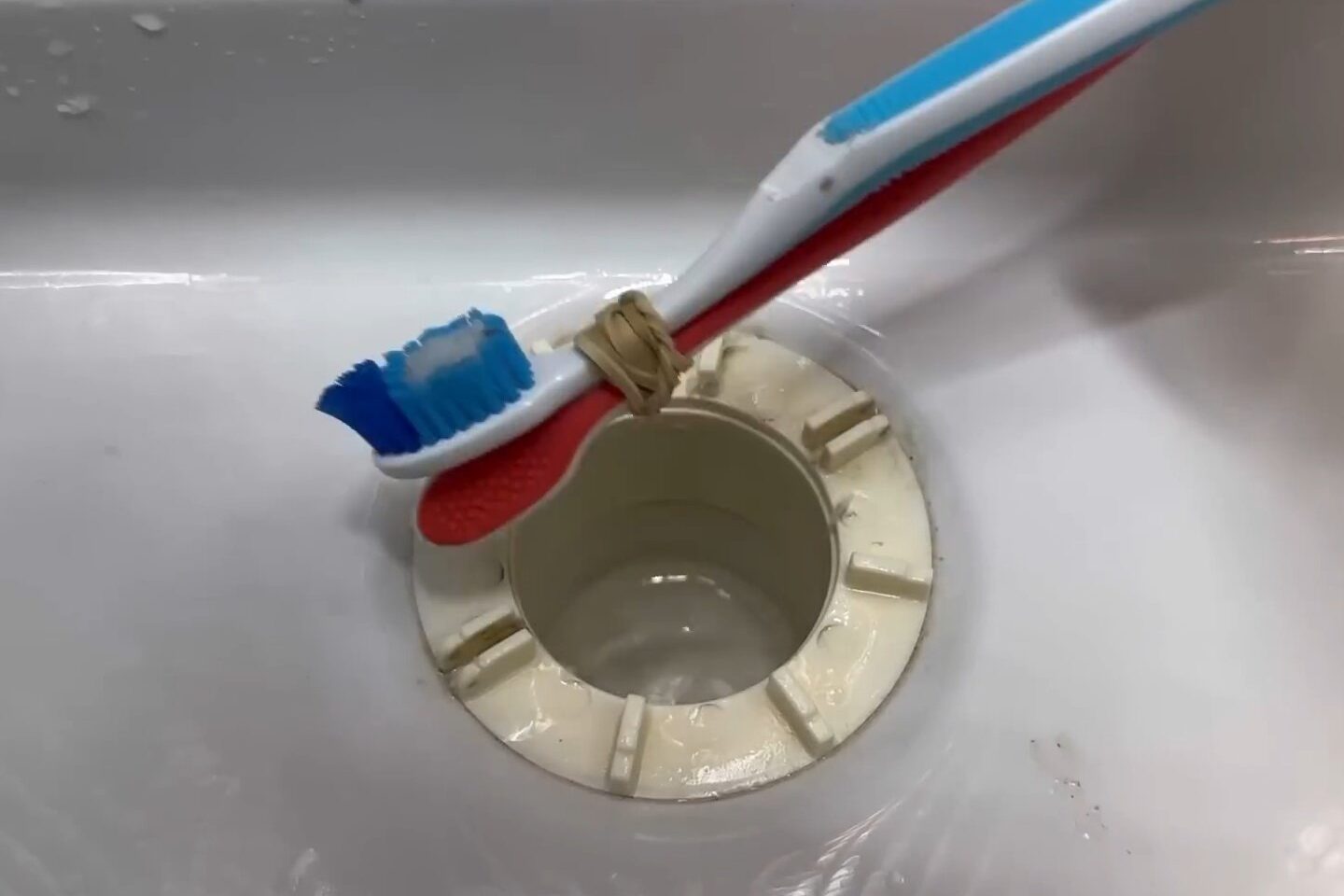
Old toothbrushes are excellent for cleaning tight spaces. They reach into grooves, hinges, and tool crevices where cloths cannot. Keeping one in your toolkit makes maintenance easier and more thorough. Dirt buildup affects performance, and regular cleaning helps tools last longer. This simple reuse feels practical and efficient. It also encourages care for the things you already own. When tools are clean, they work better and feel nicer to use. Small habits like this quietly extend the life of everyday items without adding cost or effort.
16. Allen Wrench Page Holder
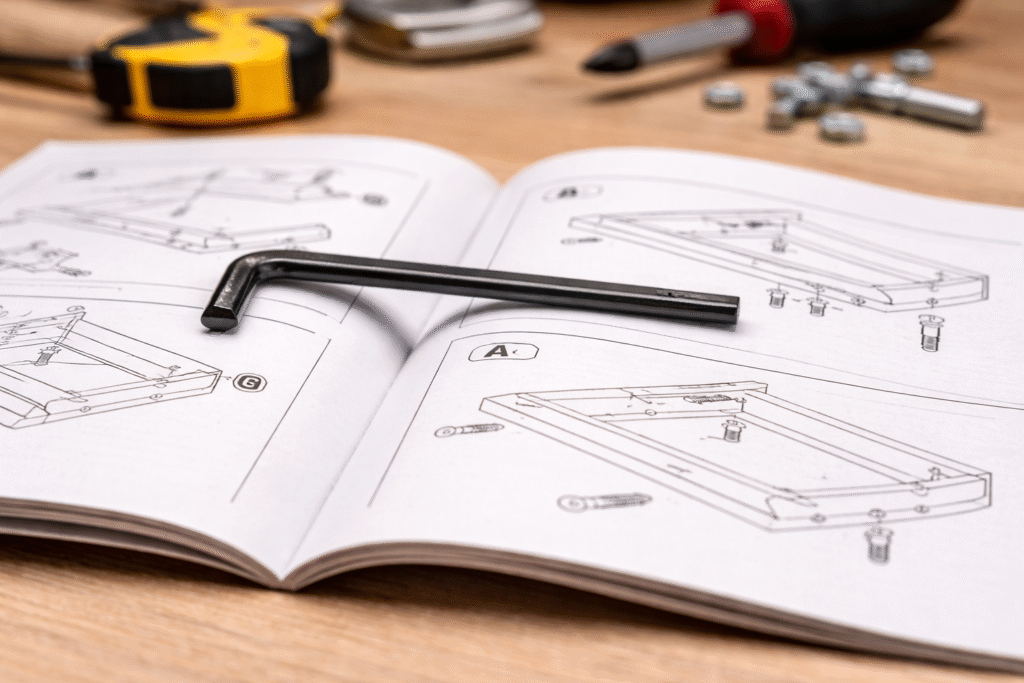
Instruction manuals have a habit of closing just when you need them most. An Allen wrench can quietly solve that by acting as a sturdy page holder while you work. Lay it across the open pages and it stays put without damaging paper. It also doubles as a short straight edge for quick checks and markings. This small convenience keeps your hands free and your focus steady. Over time, little helpers like this reduce frustration and help projects move along smoothly. It is another reminder that tools often serve more than one purpose when you pay attention.
17. Spacing Shelves Evenly
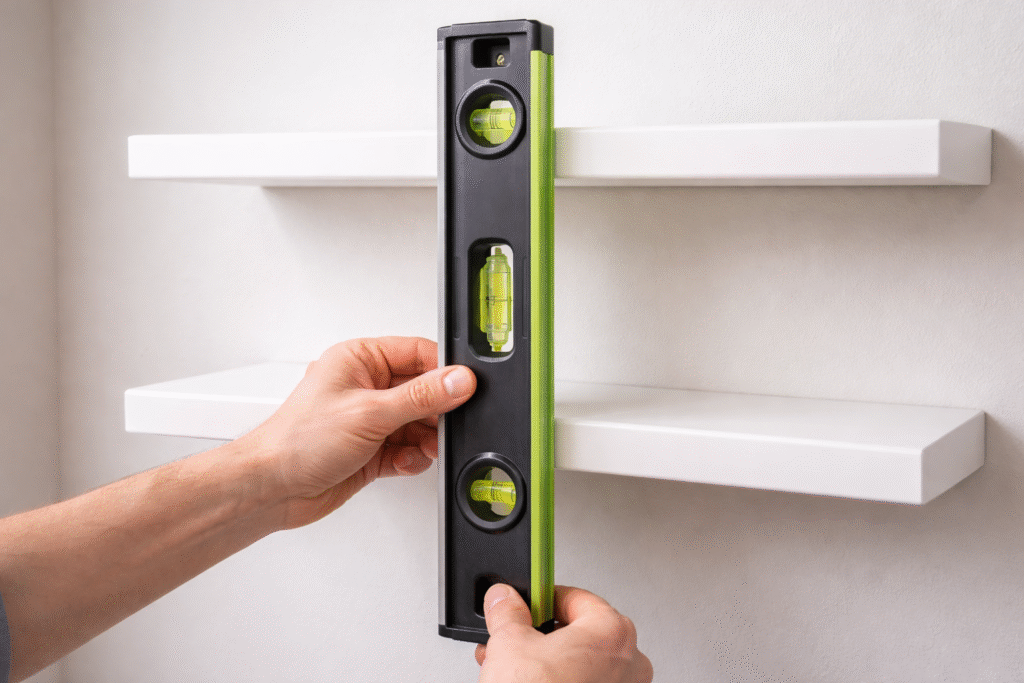
Spacing shelves evenly can be tricky when eyeballing it. A level can act as a spacer to keep distances consistent between shelves or wall décor. Place it where the gap should be and mark around it. This approach removes guesswork and creates balance. Even spacing makes rooms feel calmer and more intentional. It also saves time correcting mistakes later. Once you use this trick, you may find yourself reaching for your level more often during setup stages. Consistency often makes the biggest visual difference in simple home projects.
18. Holding Tiny Parts Safely
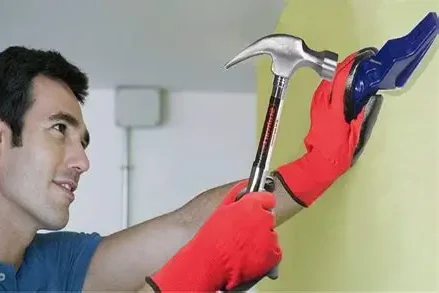
Small nails and screws can be difficult to grip without slipping. Pliers help by holding them steady while you position them. This protects your fingers and improves accuracy. It is especially helpful when working in tight spaces or awkward angles. Feeling safer allows you to focus on precision instead of rushing. Over time, habits like this build confidence. You start trusting your movements more and making fewer mistakes. Simple adjustments like using pliers for holding rather than forcing fingers can quietly improve both safety and results.
19. Cleaner Material Cuts
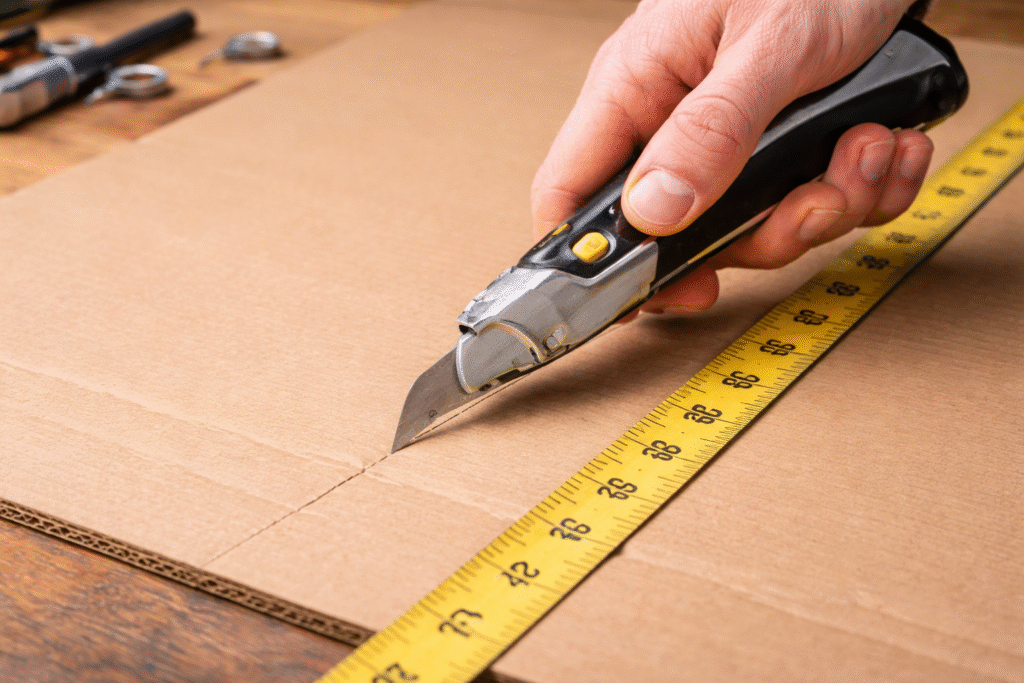
Scoring materials before cutting helps achieve cleaner edges. A utility knife can lightly score plastic, cardboard, or thin wood before finishing the cut. This reduces splintering and uneven edges. It also makes cuts feel more controlled. Taking this extra step may seem small, but it often saves time fixing mistakes later. Clean cuts improve how finished projects look and feel. Once you notice the difference, you start slowing down intentionally. Careful preparation often leads to better outcomes without requiring advanced tools or extra effort.
20. Holding Nuts in Place
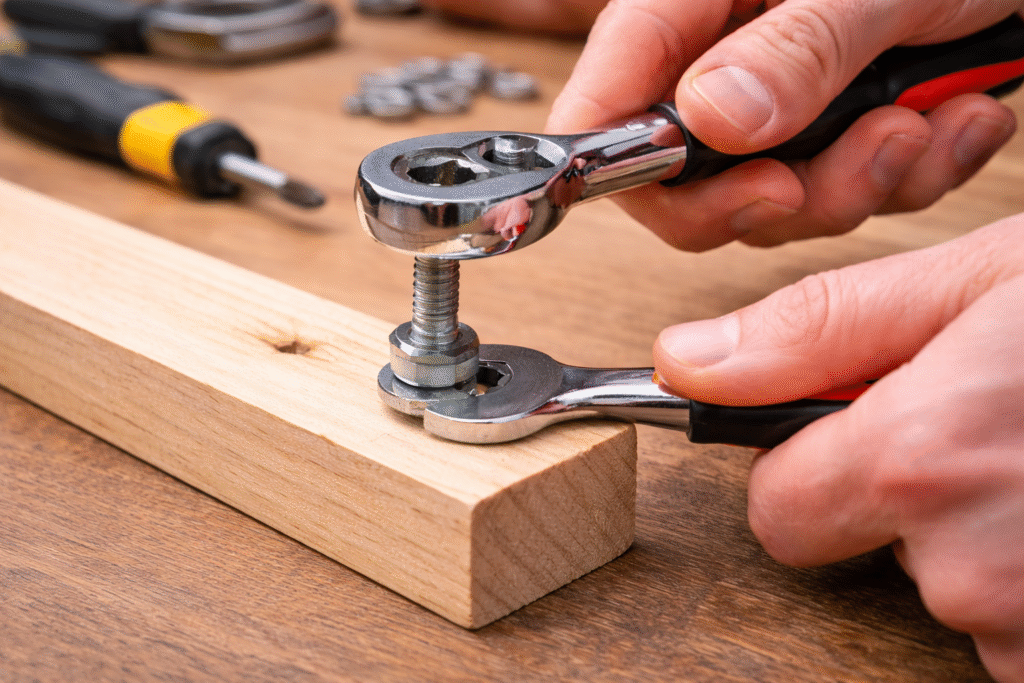
Threading bolts in tight spaces becomes frustrating when nuts refuse to stay put. A deep socket can hold the nut securely while you guide it into position. This keeps it steady until the threads catch properly. It saves time and prevents dropped parts that disappear easily. This trick works well in awkward or hidden areas where hands cannot reach comfortably. Once learned, it becomes automatic. Small efficiencies like this maintain momentum and reduce irritation. When tasks flow without interruption, projects feel lighter and more enjoyable from beginning to end.
21. Temporary Clamping With Tape
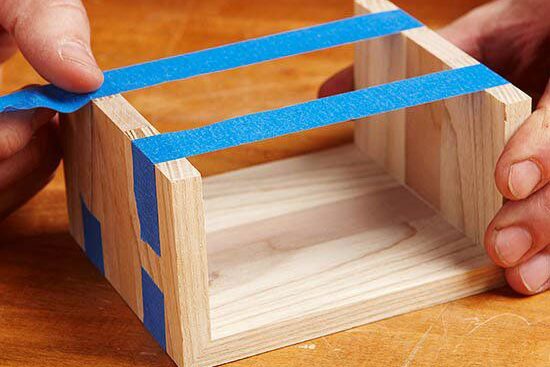
Painter’s tape can serve as a gentle clamp for small glued items. Stretch it snugly across pieces to hold them aligned while drying. This works well for light materials and quick repairs. Tape keeps parts steady without leaving marks or residue. It also removes the need for extra clamps during simple tasks. Solutions like this make projects feel less complicated. When tools adapt to your needs, work becomes more approachable. Small tricks that simplify steps often encourage you to finish tasks instead of postponing them for later.
22. Stirring Small Paint Batches
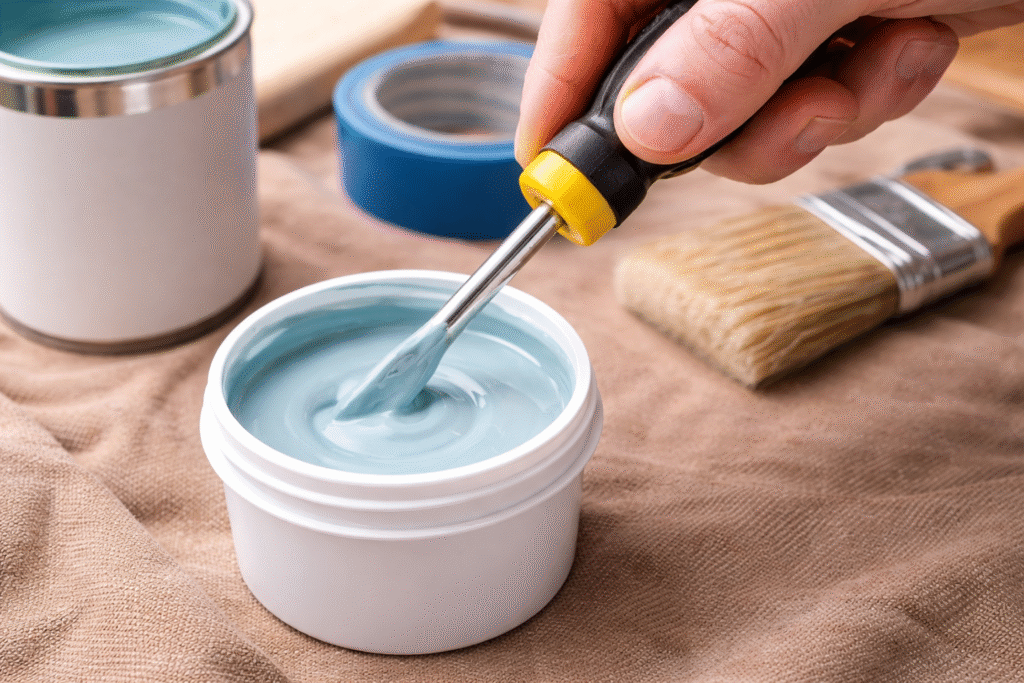
For small paint or stain jobs, a screwdriver works well as a mixing tool. Stir thoroughly to blend pigments evenly before application. Proper mixing improves consistency and finish quality. This method is quick, simple, and effective without needing special equipment. Using what is already nearby keeps momentum going during projects. Preparation matters more than people realize. When paint is mixed well, results look smoother and more intentional. Once this becomes a habit, it naturally fits into your routine and quietly improves outcomes without drawing attention.
23. Cutting Guide Helper
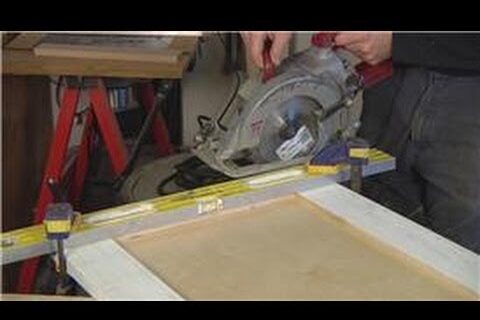
Using a level as a cutting guide helps keep lines straight when trimming thin materials. Hold it firmly and run your blade along the edge. This adds stability and reduces uneven cuts. It works well for quick tasks without setting up complex guides. Straight edges make finished pieces look cleaner and more polished. Simple guidance tools often make the biggest difference. As cuts improve, confidence grows. You begin trusting your ability to achieve neat results using basic tools already within reach at home.
This story 23 Unexpected Uses for Tools You Already Have was first published on Daily FETCH


