
1. Watching the Length of Shadows

It is interesting how people once looked to the ground to understand the day, and that gentle habit sets the tone for everything that follows. They watched how shadows stretched long in the morning, tightened during midday and grew again when evening approached. It felt simple, almost calming, because the sun offered clues without needing to be perfect. You learned to read the world without rushing it. This way of predicting time shows how deeply connected people were to their surroundings and how natural it felt to follow the sun rather than a ticking device.
2. Tracking the Sun’s Path

People trusted the steady rise and fall of the sun to guide their hours. Its early climb meant the day was opening and its slow drop signaled that work should begin to settle. The sun acted like a quiet companion that never failed to show up. Watching its direction helped travelers, farmers and families stay oriented. It was a shared understanding that did not need numbers or tools. The sky itself offered a rhythm that shaped decisions, reminding everyone that time once felt more like a gentle movement than something to measure tightly.
3. Listening for the Rooster

In many communities, the rooster served as the morning alarm long before technology arrived. Its crow carried through farms and small towns, signaling that daylight was breaking. People grew familiar with its timing even when it shifted slightly. The rooster followed natural cues, which made its call feel honest and dependable. It nudged families into their routines and brought a sense of order to early hours. This simple sound connected everyone to the start of a new day without the sharp interruption we get from modern alarms, creating a softer beginning that people easily trusted.
4. Using Morning Dew

People once checked for dew to understand where they stood in the morning. Fresh dew meant the day was still young, while its disappearance suggested the sun had been warming the earth for a while. Farmers relied on this gentle indicator as they prepared for early work. Dew appeared consistently enough to serve as a natural marker, offering a quiet signal that did not need explanation. It helped people tune into their environment, noticing small details that shaped their routines. It is comforting to imagine how something as delicate as moisture helped guide the start of each day.
5. Reading the Stars

Before artificial lights brightened the night, people looked to the stars for guidance. They learned how constellations shifted as hours passed and used these patterns to judge the time. Sailors depended heavily on star positions during long journeys, trusting the sky more than anything on earth. Families sitting outdoors could tell how deep into the night they were simply by recognizing where certain stars had moved. It created a close relationship with the sky, turning each night into a quiet map. Time felt less mechanical and more like a shared dance between people and the universe.
6. Following the Moon

The moon helped people understand both long cycles and nightly rhythms. A bright and high moon suggested early evening, while a lower one hinted that the night was moving along. Its phases shaped how communities planned gatherings, travel and work. Farmers watched it carefully because moonlight could guide them when tasks continued after sunset. The moon’s presence felt reliable, offering both light and a sense of timing without needing precision. It gave the night a gentle structure that people trusted, reminding them that even darkness carried signs if they cared enough to look upward.
7. Listening for Church Bells

Church bells once served as the most public form of timekeeping. Their sound traveled across towns, announcing morning prayers, midday pauses and evening closings. People relied on the ringing to coordinate work, meals and gatherings without needing personal clocks. The bells gave entire communities a shared rhythm, allowing everyone to move through the day with collective understanding. Travelers passing through could also sense the time simply by listening. It created a bond between sound and routine that shaped daily life. The steady ringing felt familiar and comforting, guiding people gently through each part of the day.
8. Watching Candle Clocks Burn
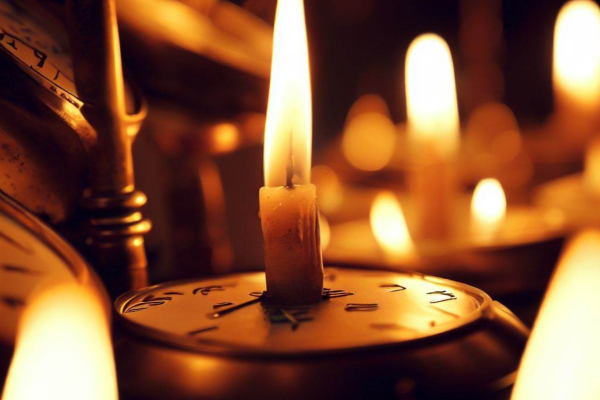
Candle clocks offered a simple way to track time indoors. People marked candles with lines or symbols, watching each section melt to indicate passing hours. Some candles even included small objects that dropped when the wax reached them. This slow burning process felt calm and predictable. It allowed households to time activities without rushing. The warm light added comfort while also serving a purpose. Candle clocks demonstrated how people blended practicality with everyday living, creating tools that fit naturally into their routines. Time was measured gently, giving tasks a peaceful rhythm instead of demanding strict precision.
9. Measuring Sand in Hourglasses

Hourglasses gave people a clear visual of time slipping by. When the glass flipped, sand flowed steadily from one chamber to the other. It created a sense of focus because nothing could speed it up or slow it down. Families used hourglasses for cooking, games and work, trusting the even movement of tiny grains. The quiet fall of sand felt soothing and dependable. It helped people stay aware of time without feeling pressured. Hourglasses turned the passing of minutes into something you could watch and understand easily, making time feel more physical and less abstract.
10. Using Water Clocks

Water clocks worked by allowing water to drip at a controlled pace into a marked container. As the level rose, people could estimate how much time had passed. These devices were used in temples, courts and sometimes during night duties when sunlight was not available. The gentle dripping sound created a steady rhythm that people learned to trust. Water clocks showed that innovation did not always need complexity. They offered a calm and consistent way to keep track of hours, using one of nature’s simplest movements to help communities stay organized in their daily activities.
11. Watching Animal Patterns

People often paid attention to animals whose routines hinted at the time. Birds began feeding at familiar hours, cows returned to barns predictably and insects changed their sounds as daylight shifted. These natural rhythms gave families and workers subtle clues about the day. Observing animals did not require effort because people lived close enough to notice patterns naturally. It reflected a time when humans and nature worked side by side, relying on each other in quiet ways. Animals acted as soft indicators, reminding communities that time could be felt and seen without measuring devices or strict schedules.
12. Using Meals as Markers

Before structured schedules existed, families used meals to guide their day. Breakfast signaled that morning had settled in, midday meals marked the sun’s peak and evening food suggested that work should begin winding down. These shared moments created a natural rhythm that helped people navigate time together. The sounds and smells of cooking often served as reminders for children and workers returning home. Meals brought communities into sync without any written timetable. This approach made time feel communal and warm, tying daily routines to nourishment and connection rather than numbers on a clock.
13. Watching the Weather

People once relied on the sky to hint at how the day was passing. Morning light felt crisp and clear, afternoons often carried fuller warmth and evenings softened with cooler air. Clouds, wind and brightness offered clues that helped them move through tasks with a sense of timing. Shadows grew longer as the day aged, giving people quiet reminders without needing to check anything. Paying attention to weather patterns kept communities connected to their surroundings. It encouraged a thoughtful awareness that made time feel natural rather than calculated, creating a calm partnership between people and the elements.
14. Listening to Marketplace Rhythms
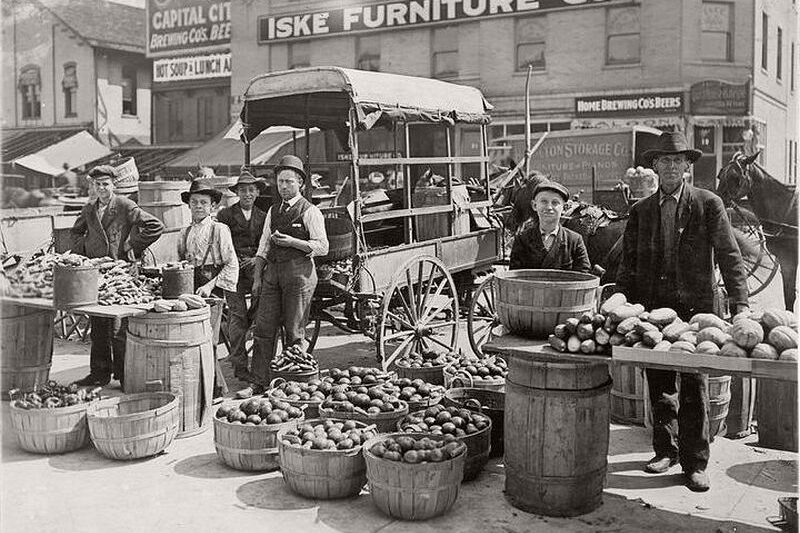
Markets created their own timing long before schedules were formalized. Vendors arrived early, crowds thickened through the morning and the pace slowed as midday settled in. By late afternoon, shopkeepers packed their goods and the noise faded. People understood these rhythms instinctively, using them to guide errands and decisions. You did not need to ask the time when the marketplace itself acted as a living clock. Its sounds and movements offered reliable cues. This made time feel like something shared by the entire community, woven into daily life through activity and atmosphere rather than numbers.
15. Checking the Position of Birds
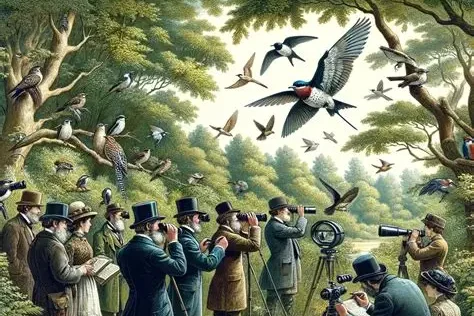
Birds followed predictable routines that people learned to observe. Seabirds left shorelines early in the morning and returned later in the day, while smaller birds became more active at certain hours. Farmers watched these patterns naturally because they spent their days outdoors. The behavior of birds helped people sense when daylight was fading or when morning was truly underway. This awareness grew from simple observation, not formal study. It tied people closer to nature and offered a gentle reminder that the world announces time in its own quiet way if we pay attention.
16. Following the Tide

Communities near the coast used tides as a dependable way to understand time. High tide and low tide followed consistent cycles that shaped fishing, travel and daily chores. Fishermen planned work around the rising water in the morning and its retreat later in the day. The ocean moved with steady reliability, offering a natural schedule that required no tools. People trusted the tide because it rarely surprised them. Its rhythm became part of life, teaching patience and awareness. Time felt anchored to the sea, flowing with each shift of water against the shore.
17. Using the Growth of Shadows Indoors
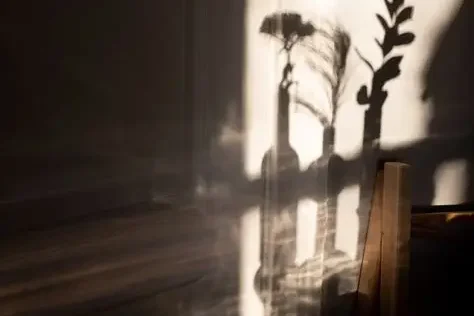
Sunlight entering a home told families how the day was progressing. A beam stretching across the floor in a familiar pattern helped them understand whether morning was nearly over or afternoon had begun. Because routines stayed consistent, these indoor shadows acted like quiet guides. People did not need precise timing when their days followed predictable tasks. The movement of light created a sense of order and connection to the outside world. It showed that time could be understood gently through observation rather than strict measurement, blending daily life with the rhythm of natural light.
18. Listening for the Town Crier
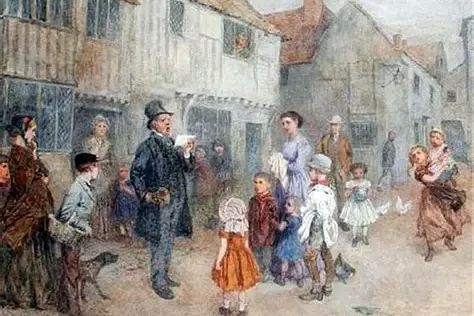
The town crier walked through streets announcing news, warnings and often the hour. His voice echoed across neighborhoods, giving people a shared sense of time without needing personal devices. Daily life fell into rhythm with his rounds. Hearing him pass by signaled moments to begin chores, attend gatherings or prepare for evening. The crier became a human marker of time, offering clarity in places where clocks were rare. His presence helped communities move together with awareness and structure. It is interesting to imagine relying on a voice instead of a glowing screen to feel oriented.
19. Observing Plant Behavior
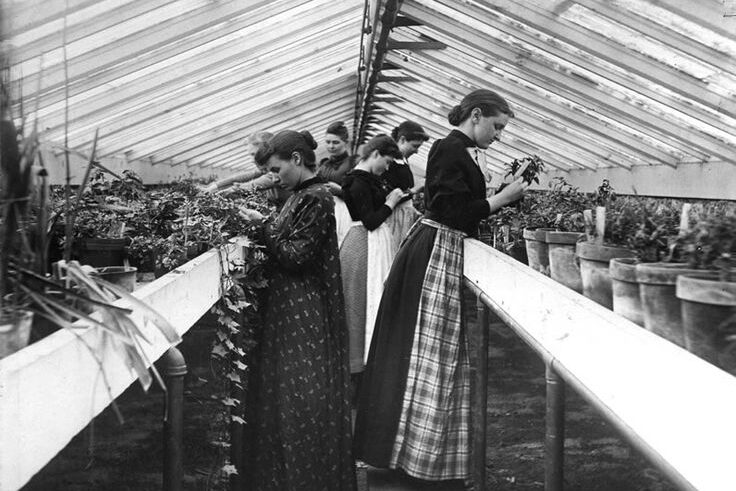
Some plants opened and closed their flowers at certain hours, and people learned to read these patterns naturally. Morning glories welcomed the day early, while other flowers folded later as evening approached. Farmers especially understood these cues because they worked closely with crops. These living timekeepers offered quiet signals that felt trustworthy and consistent. Plants revealed the flow of the day without needing attention or adjustment. They simply responded to light and temperature, allowing people to sense time through gentle observation. It added a soft harmony between nature and daily routines.
20. Feeling Temperature Changes

People once understood time through the natural rise and fall of temperature. Early mornings carried a cool freshness, afternoons warmed noticeably and evenings slowly introduced a gentle chill. Those who worked outdoors learned to sense these shifts instinctively. It helped them decide when to begin tasks, take breaks or return home. Temperature acted as a silent companion that guided the rhythm of the day. This method required presence and awareness, not tools or precision. It connected people to their environment in a way that felt grounding, reminding them that time could be felt as much as measured.
21. Watching the Slow Fall of Daylight

People ended their days by noticing how light softened across the sky. The gradual dimming told them when to finish chores and gather indoors. Evening unfolded gently, allowing families to settle without hurry. This slow change tied every other method together, reminding people that time did not always need precision to feel meaningful. Light alone guided them toward rest. In many ways, paying attention to the sky offered a peaceful conclusion to the day. If you enjoy learning about these simple rhythms, stay connected for more stories that bring the past into easy conversation with today.


