
1. Starting With What You Already Have
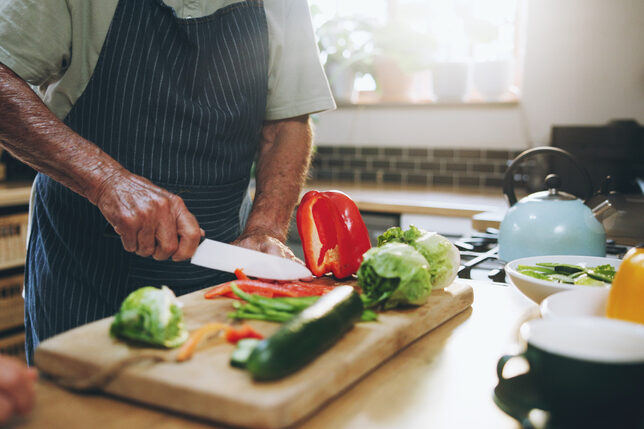
Sometimes it felt like our grandparents were gently teaching without ever saying much. They believed meals started with what was already in the kitchen and they acted like that rule explained itself. They would open the pantry, glance around with quiet confidence and say something simple like we already have enough for a good meal. It made food feel intentional and grounded. This little habit shaped the rhythm of their cooking and gave everyone a sense of comfort. Even now many of us still begin meals the same way without realizing we learned it from them.
2. Slowing Down for the First Bite
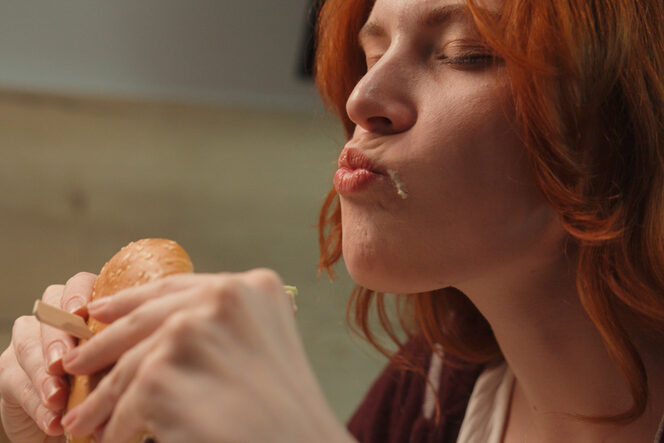
Grandparents liked when you took the first bite slowly and they watched with a soft smile as if that tiny moment mattered. They often told us not to rush because food deserved attention. That gentle pause created a sense of gratitude without needing an explanation. Their kitchens taught us that tasting was as important as cooking and the first bite carried the message of the whole meal. It created a calmness that wrapped around the table. Even today we sometimes pause before eating and it feels natural because they quietly planted that habit in us long ago.
3. Washing Produce Even When Clean
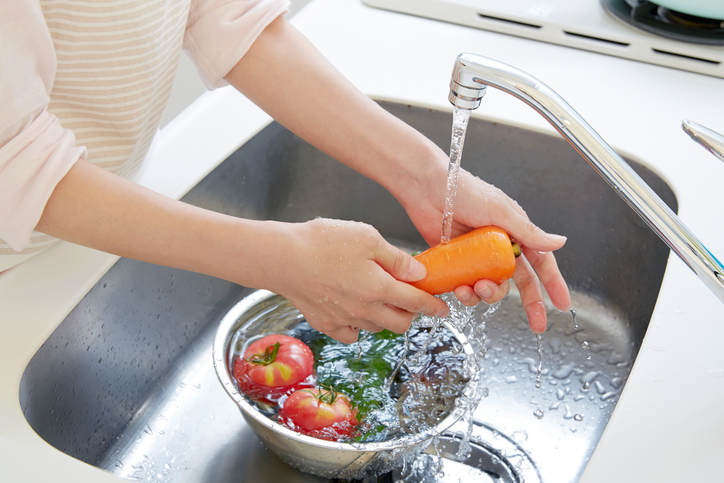
They washed every fruit and vegetable no matter how spotless it looked. When asked why they simply said it is better to be sure. It was never dramatic just practical and steady. Watching them scrub tomatoes or rinse lettuce made the kitchen feel like a place of care. It taught us that food deserved time and gentleness before it ever reached the pot. There was something comforting about their thoroughness even if we did not fully understand it then. Now most of us still wash everything by instinct because their simple rule became a natural part of daily cooking.
4. Keeping One Small Secret Ingredient
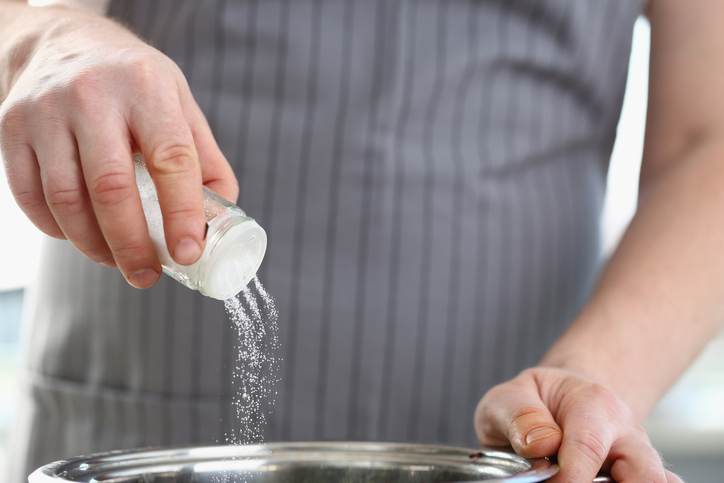
Grandparents always had one small ingredient they used quietly whether it was a pinch of sugar or a drop of something unexpected. They would smile when asked and simply say it gives it something special. They were not trying to hide anything but they liked the mystery of it. Their cooking felt personal because of that unseen touch. Meals tasted warmer when they cooked and their little secret made the kitchen feel magical. Now many of us add a tiny extra something too never explaining it because we learned that a good meal sometimes needs one quiet hidden flourish.
5. Saving Bones for Later Use
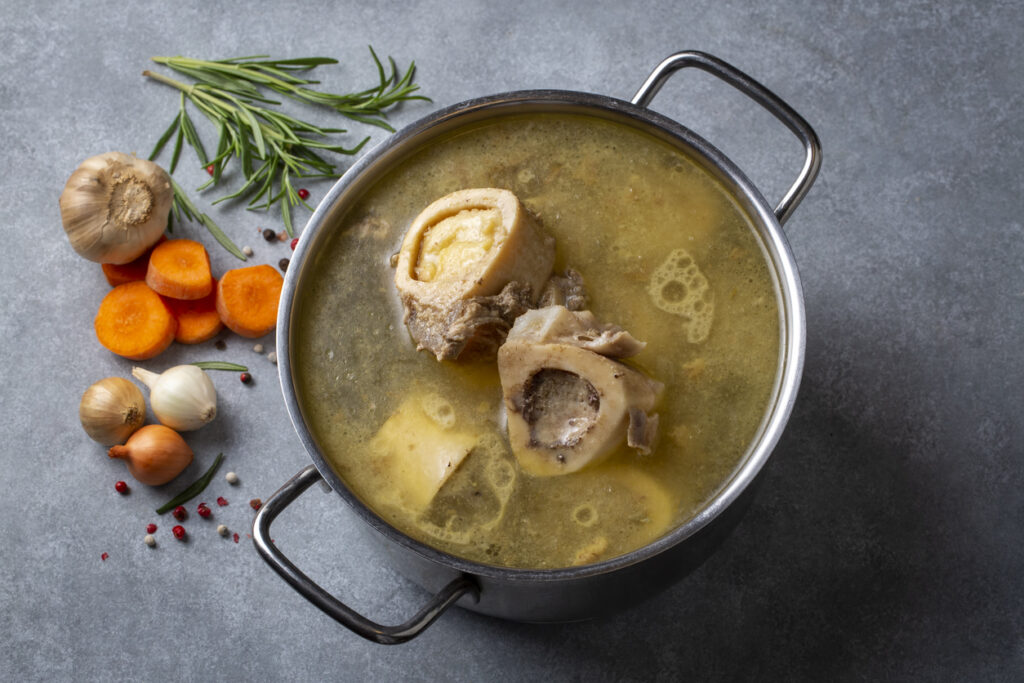
They saved bones like precious tools and we never heard long explanations. They would say bones still have work to do then tuck them into the freezer or a small bag beside the stove. Those bones became broths soups and stews that tasted deeper than anything store bought. Their habit taught us that food had more to give than we realized. It also showed how resourceful they were without being preachy. Even today saving bones feels natural because their quiet rule made it part of how many families learned to stretch meals and draw comfort from simple ingredients.
6. Keeping the Stove Warm on Cold Days
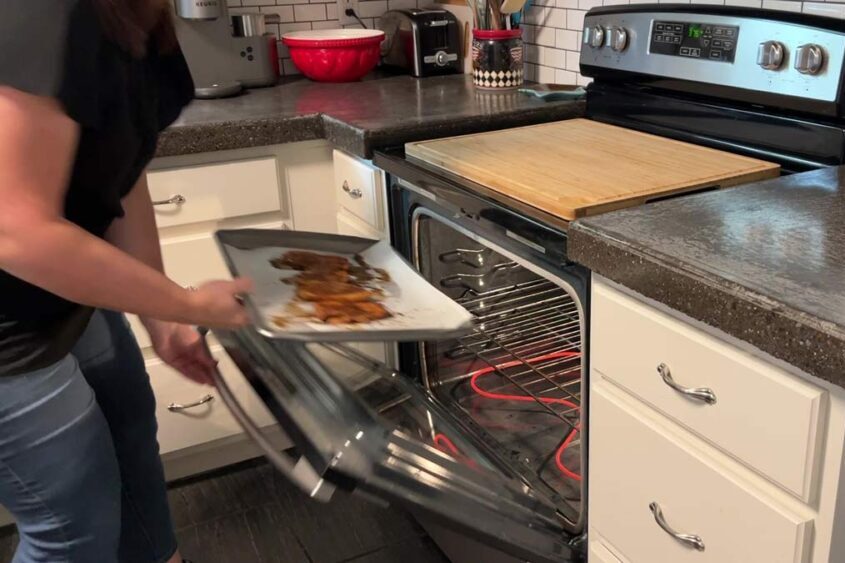
When the weather turned cold the stove seemed to work overtime in grandparents kitchens. Something was always simmering or baking and the house felt warmer because of it. They never explained the ritual but simply said cooking makes the home feel good. That gentle idea created a cozy rhythm during winter. It made everyone gather closer and linger a little longer. Their warmth came through the meals they made and the steady fire they kept going. Now on cold days many of us cook more too carrying on their tradition without thinking because it still brings comfort and familiarity.
7. Adding a Little Salt at the Start
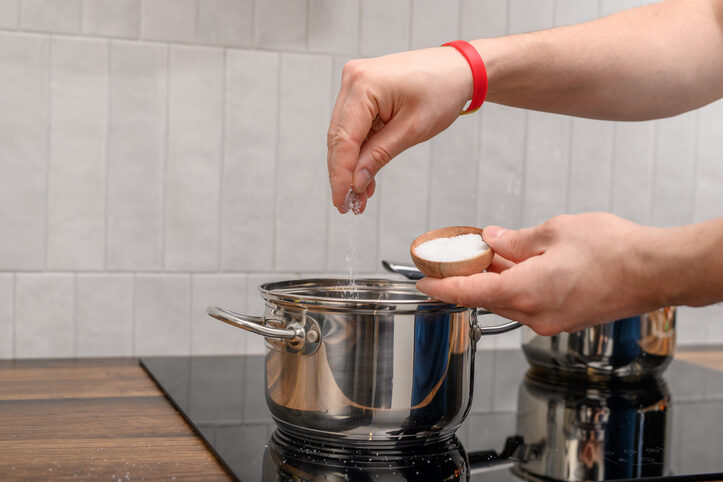
Grandparents sprinkled a little salt into pots before real cooking even began. They would say it helps the food wake up though the meaning was never fully explained. It was more intuition than science and it shaped the flavor of everything that followed. That early seasoning became part of their quiet rhythm and it taught us confidence in simple decisions. Without lengthy instructions we learned that small beginnings matter in the kitchen. Today many cooks still add salt early out of habit and it feels right because it came from generations who understood flavor in their own steady way.
8. Using Older Produce First
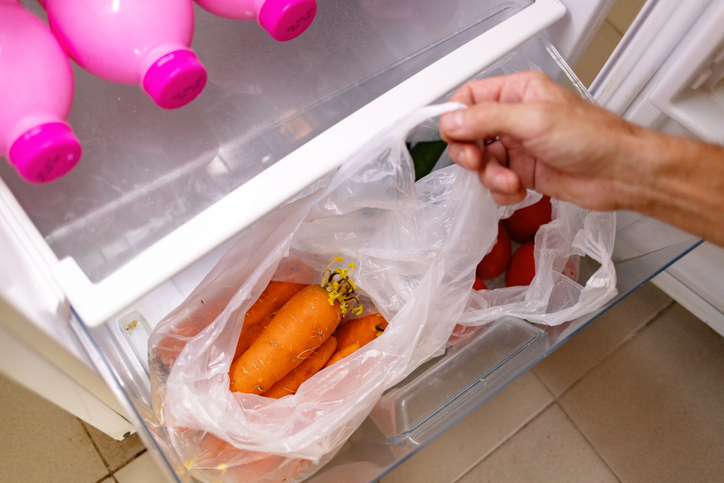
They rotated food naturally always choosing what needed attention before anything new. They said everything has its turn and kept their kitchens running smoothly. Watching them handle ingredients with respect taught us not to waste what we already had. Their kitchens felt orderly but never strict and the rule seemed woven into daily routines. It encouraged creativity because older produce inspired different meals. Even now many of us reach for what is oldest first instinctively following a lesson they never formally taught. Their simple rule offered practicality and care bundled together shaping the way we manage our homes today.
9. Stirring Slowly and With Intention
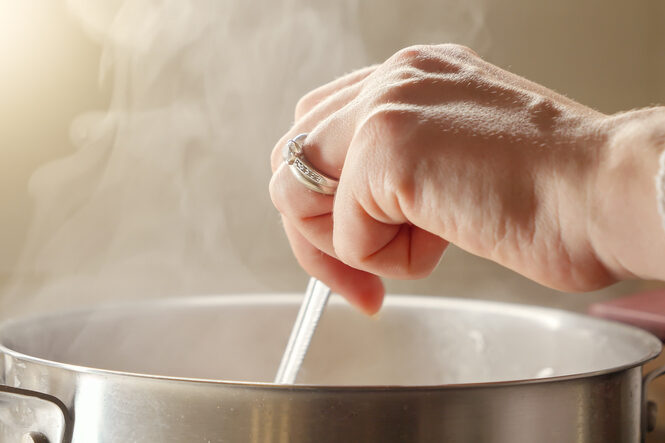
Grandparents stirred food like it was part of a gentle ritual. They moved the spoon with calm steady motions and said rushing changes the outcome. They believed meals responded better to patience than speed. Watching them made the kitchen feel peaceful and their presence softened the rhythm of cooking. Their way of stirring taught us to respect the process and trust the slow unfolding of flavors. Without official rules they guided us toward cooking with ease rather than urgency. Even now slow stirring feels natural because somewhere inside we remember how they made food feel alive and cared for.
10. Saving Cooking Drippings for Flavor

They kept jars of drippings near the stove and used them whenever something needed extra richness. When asked why they simply said it gives real flavor. That one phrase carried a lifetime of cooking wisdom. Those jars turned ordinary dishes into memorable ones and connected meals across days. Their frugality was not strictness but art. They understood how flavors built themselves over time. Many of us still save drippings without fully knowing why because the habit was passed down quietly. Their way of cooking made nothing feel wasted and everything felt like it had the chance to shine.
11. Letting Dough Rest Longer Than Required
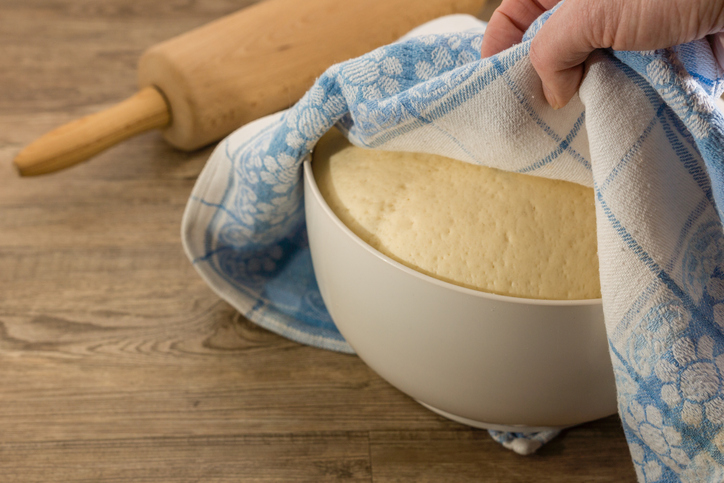
Grandparents trusted their hands more than instructions when it came to dough. They would look at it feel it and say it is not ready yet even if the timer had already rung. That extra rest always seemed to make the bread softer and the pastries better. Their sense of timing came from experience and patience. It taught us that food speaks in its own way and following intuition can sometimes be more accurate than written steps. We still let dough rest longer than recipes say because their steady approach created baked goods that felt comforting and filled with care.
12. Buying Staple Foods in Bulk

They stocked up on rice beans flour and other staples like it was the most natural thing to do. They said it keeps the home steady and rarely ran out of essentials. Their full pantries made the house feel secure and ready for anything. It was not about storing too much but about being prepared without fuss. Their habit rubbed off on many of us who now keep shelves of basic ingredients for the same comforting reason. Their practicality shaped our idea of a well kept kitchen reminding us that small thoughtful habits create a gentle sense of stability.
13. Giving Old Bread a Second Life
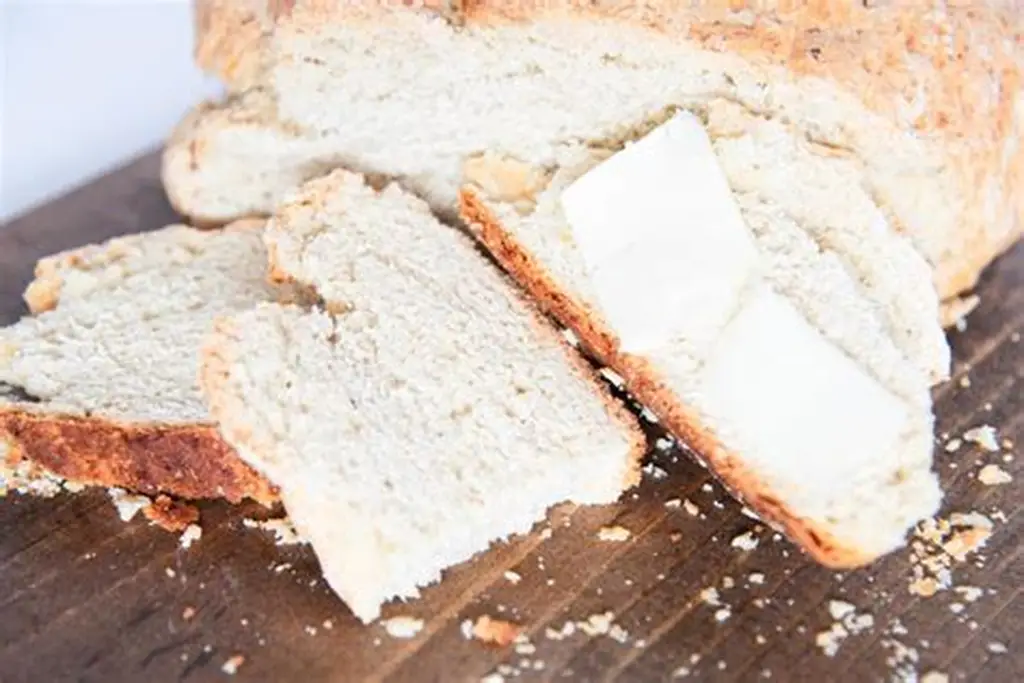
Old bread was never tossed in grandparents homes. They turned it into toast breadcrumbs stuffing or simple puddings. They would smile and say bread still has more to give. Their creativity transformed what others might discard into something deeply comforting. It showed us how ingredients could stretch further and meals could become more meaningful with small imaginative touches. That practice taught resourcefulness without making it feel like sacrifice. Even today many of us repurpose old bread because the memory of their quiet kitchen magic lingers reminding us that food has endless ways of nourishing when given another chance.
14. Tasting Before Fixing Anything

They always tasted food before adjusting seasoning and taught us to trust our senses first. They said you must know what something needs before adding more. This simple rule made cooking feel personal rather than mechanical. It encouraged us to pause listen to flavor and make choices gently. Their approach shaped confidence in the kitchen without overwhelming instructions. It also reminded us that cooking is a conversation between ingredients and instinct. Today that thoughtful pause before adding anything still guides many home cooks showing how their gentle wisdom subtly shaped the way we understand and appreciate food.
15. Treating Leftovers Like New Meals
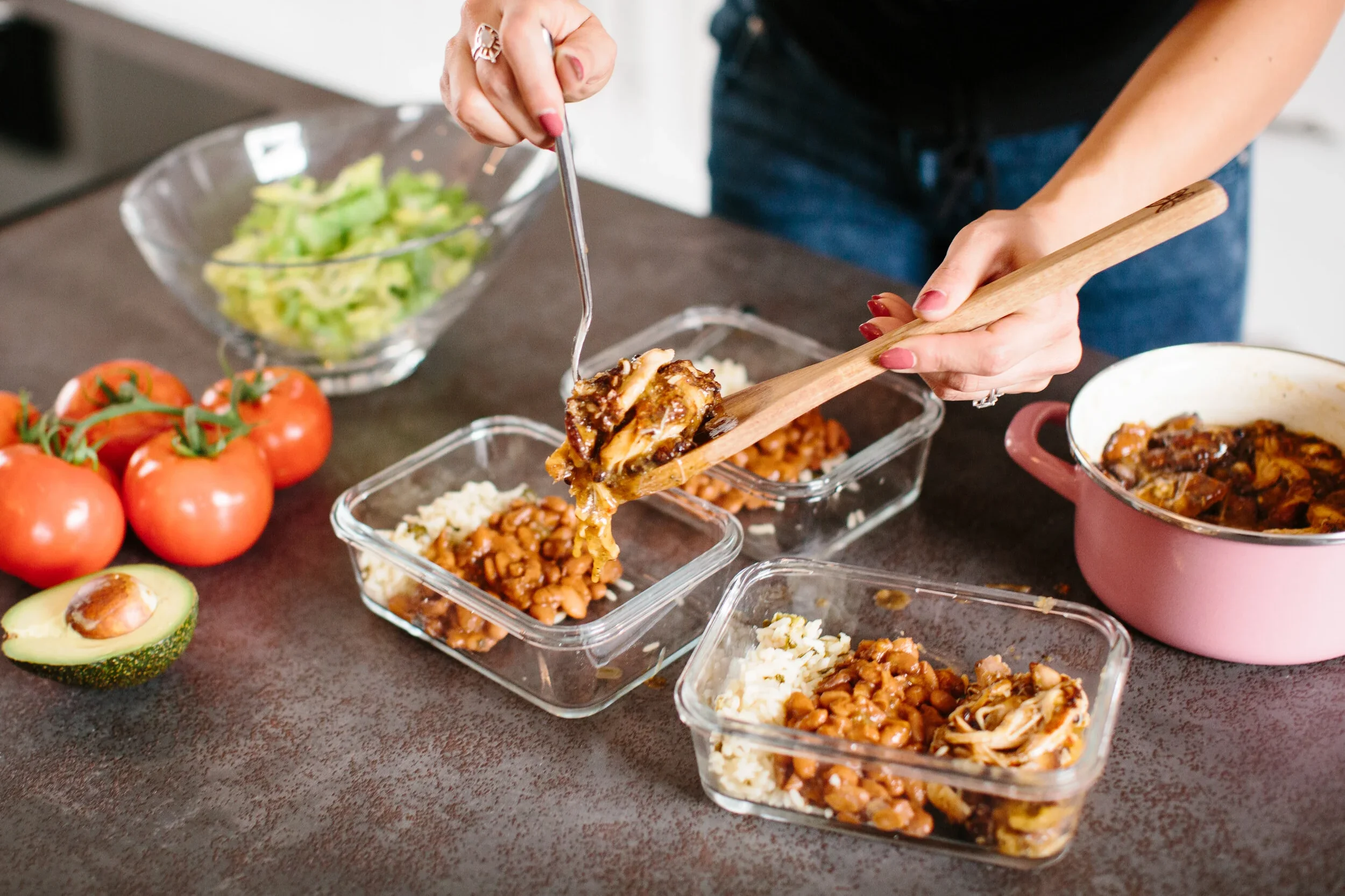
Grandparents valued leftovers and treated them with the same warmth as fresh dishes. They often said food changes overnight sometimes becoming even better. Leftovers in their kitchens felt like gifts from yesterday rather than afterthoughts. They reused and reimagined dishes in ways that felt comforting and clever. Their respect for every bite taught us gratitude and steadiness without any dramatic lessons. Now many of us enjoy leftovers naturally because we absorbed their calm appreciation for food that still had more to offer. Their quiet rule made ordinary meals stretch into something meaningful carried gently into our routines today.
16. Sitting Down to Eat Every Meal

They believed food should be eaten sitting down never rushed or grabbed on the go. Whenever someone tried to eat while standing grandparents would gently insist on sitting saying it helps you enjoy the meal. It was their way of creating presence without needing fancy explanations. Meals lasted longer and conversations unfolded more easily. Their table became a place of grounding. Even now people feel unsettled eating while moving without knowing why. That small discomfort comes from their influence teaching us that meals deserve a moment of calm reminding us to slow down and savor simple daily nourishment.
17. Sweetening Only When Truly Needed

Grandparents added sugar sparingly believing flavors should shine on their own. They often said let it taste like itself first. Their desserts were balanced and their everyday meals never felt overwhelmed. This gentle restraint taught us that sweetness should enhance rather than hide what is already there. Without strict instructions we learned to respect the natural taste of ingredients. Many of us still sweeten lightly today following their quiet example. Their rule showed us that simple thoughtful choices often create the best results and that real flavor comes from letting food express itself with only a little help.
18. Warming Plates Before Serving
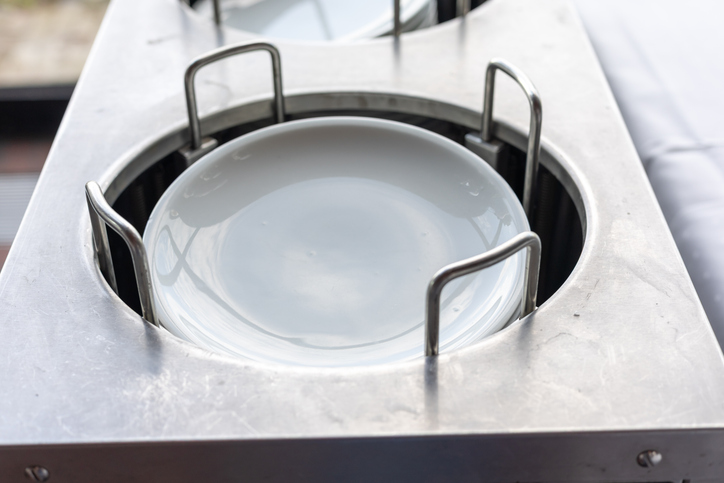
They sometimes warmed plates before serving meals offering a small thoughtful gesture that made food feel cared for. They would say warm food belongs on a warm plate and never needed to explain further. That tiny habit made dinners more enjoyable because the heat lingered longer and conversations stretched comfortably. It felt like hospitality wrapped in a simple action. The tradition carried a sense of gentleness and attentiveness. Even today warming plates feels like a loving touch that echoes their quiet kindness proving that the smallest details can shape the feeling of an entire meal without calling attention to themselves.
19. Keeping Something Growing Nearby

Grandparents liked having at least one plant herb or vegetable growing even if space was limited. They said it reminds you where food comes from. That little touch of life brightened their kitchens and made meals feel connected to nature. Watching them tend to a pot of mint or a small tomato plant taught us the joy of growing something simple. It made flavors feel fresher and moments feel grounded. Many of us still keep a small plant in the kitchen because it carries the same warm energy they loved. Their quiet habit showed how growth brings comfort to daily life.
20. Adding Water Before Food Gets Too Thick
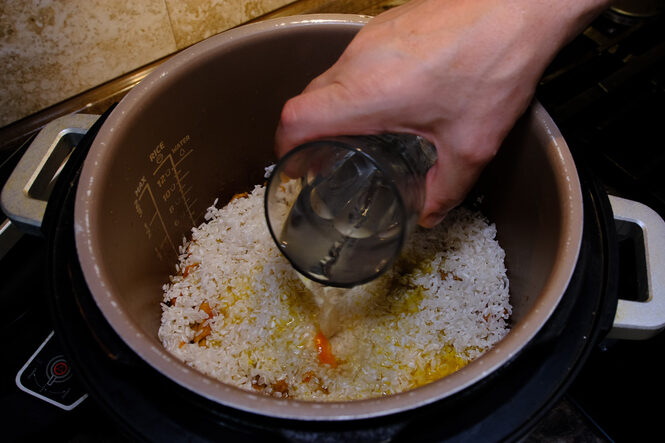
They would gently add water to dishes before they thickened too much saying it is easier to loosen early than fix later. The rule seemed simple yet wise. It taught us to watch food closely and respond before problems grew. Their timing came from experience not strict recipes. This small habit kept meals balanced and allowed flavors to develop without heaviness. Now many of us naturally add water at just the right moment without knowing the idea came from them. Their attentiveness shaped our instincts quietly showing that cooking is less about control and more about gentle guidance.
21. Eating With the Seasons
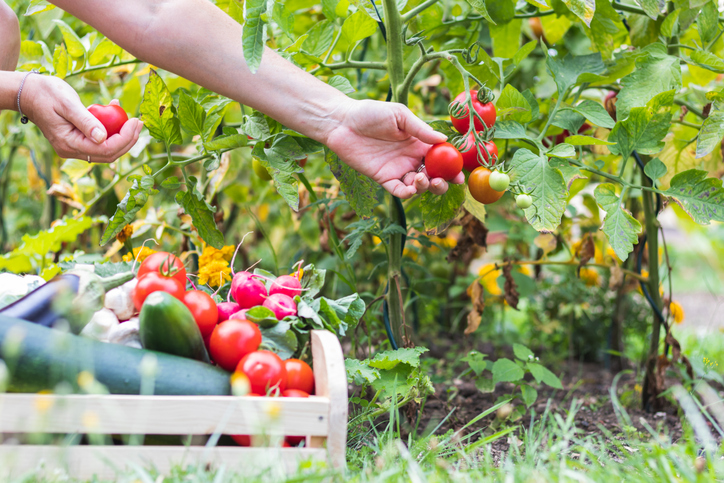
Grandparents naturally followed the seasons choosing fruits and vegetables when they were at their best. They said food tastes better when it is meant for that time of year. This simple belief made each season feel special and meals taste brighter. Without calling it a lifestyle they practiced seasonal eating long before it became popular. It taught us patience waiting for certain flavors to return. Many of us still feel a sense of excitement when seasonal foods appear because their quiet tradition remains alive in memory. Their respect for timing made meals feel both natural and deeply satisfying.
22. Using the Ends and Edges of Everything
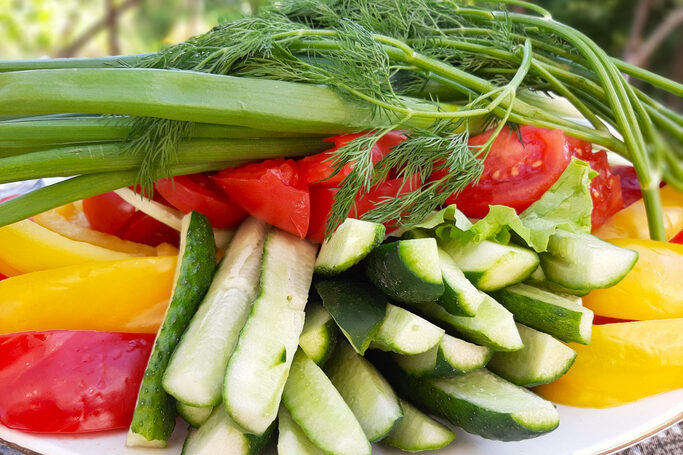
They saved vegetable ends cheese rinds and bread corners believing everything had a purpose. They added these bits into soups broths and sauces creating flavors richer than expected. Their resourcefulness felt creative rather than frugal. Watching them turn scraps into something delicious taught us that cooking is not about perfect pieces but thoughtful use of what you have. This habit shaped our sense of responsibility in the kitchen. Even now many homes still save small pieces of food because that quiet tradition lingers reminding us that value often hides in overlooked places waiting to be discovered.
23. Sharing Food Even When There Is Little
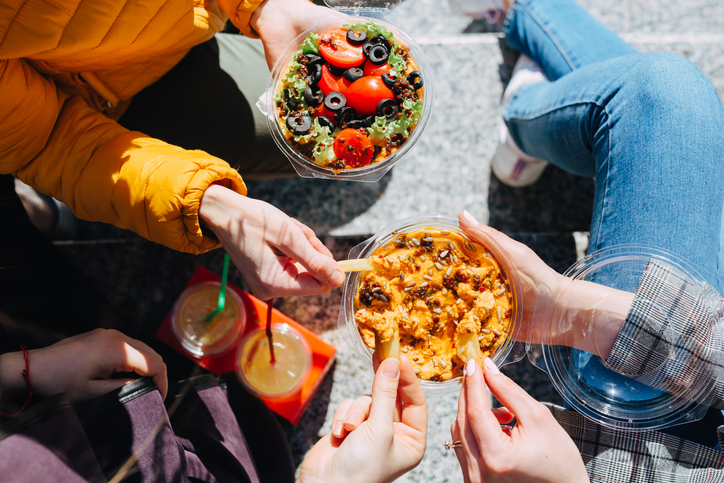
Grandparents shared food freely regardless of how much they had. They said there is always enough for one more plate and they meant it. Their generosity turned simple meals into gatherings that felt bigger and warmer than the food itself. This rule carried the message that meals are meant to connect not separate. It softly concludes all their other habits showing that their kitchen wisdom was really about caring for people. Even today when we offer someone food without thinking we echo their spirit. Their kindness continues through us and invites others to enjoy the same gentle warmth.
This story 23 Food Rules Grandparents Followed Without Explaining was first published on Daily FETCH


