
1. Goldfish Memory

Growing up, many of us carried around small pockets of animal stories that felt too familiar to question, and one of the most common was the idea that goldfish could only remember things for a few seconds. It sounded cute and believable, so it stuck with us for years. But the truth is far more interesting because goldfish actually have a much stronger memory than we imagined. They recognize patterns, feeding times, and even simple routines. Thinking about this now makes you realize how easily childhood myths slipped into our understanding, shaping how we viewed the natural world.
2. Baby Birds And Human Scent
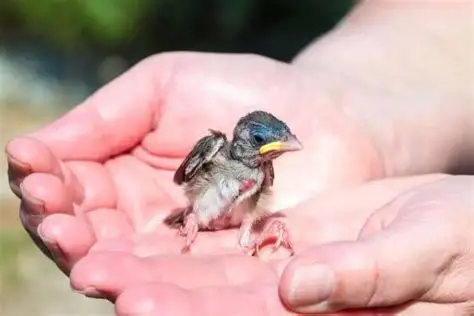
Thinking back, it is funny how many of us repeated the warning that touching a baby bird would make its mother reject it. It sounded caring and cautious, so we accepted it without question. The truth is that most birds do not have a strong sense of smell, so they cannot detect human scent the way we imagined. Mothers do not abandon their babies simply because a child picked one up gently. The real concern was always about keeping them safe from harm, not scent. Childhood made the idea feel serious even if it was never really true at all.
3. Blind As A Bat
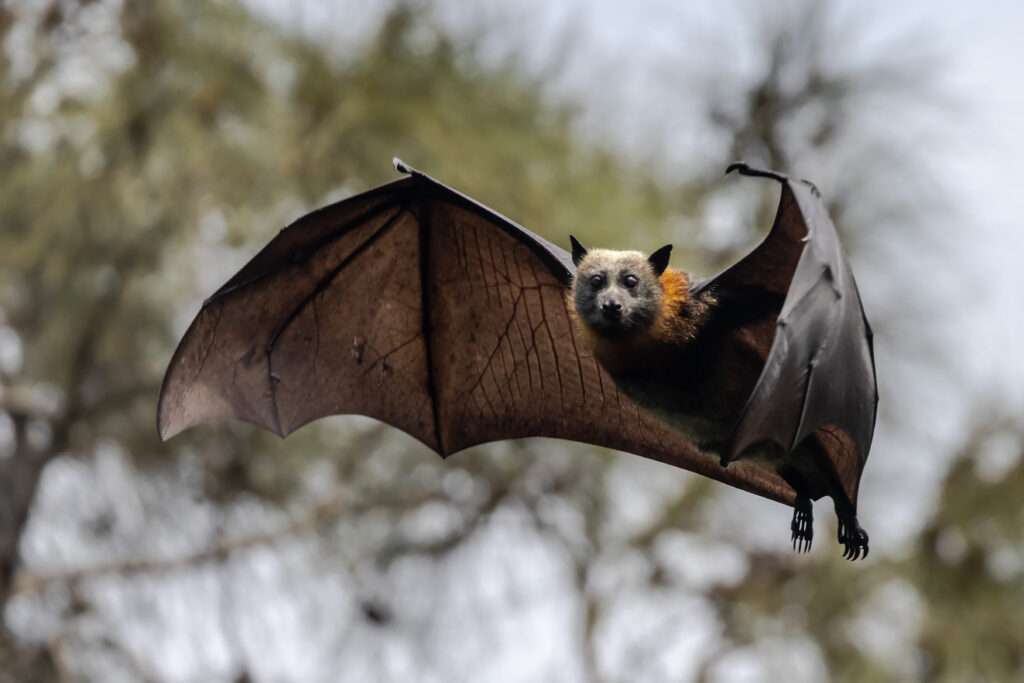
A lot of us grew up hearing that bats were totally blind, which created a mysterious picture of them navigating the night by sound alone. It was something adults said casually, and we believed it because it fit the dark and spooky stories surrounding them. But bats can actually see quite well, and some species even have impressive low light vision that helps them move with ease. They also use sound to guide themselves, making them even more fascinating. Childhood myths made bats seem helpless in the dark when, in reality, they were always fully aware of their surroundings.
4. Camel Humps And Water
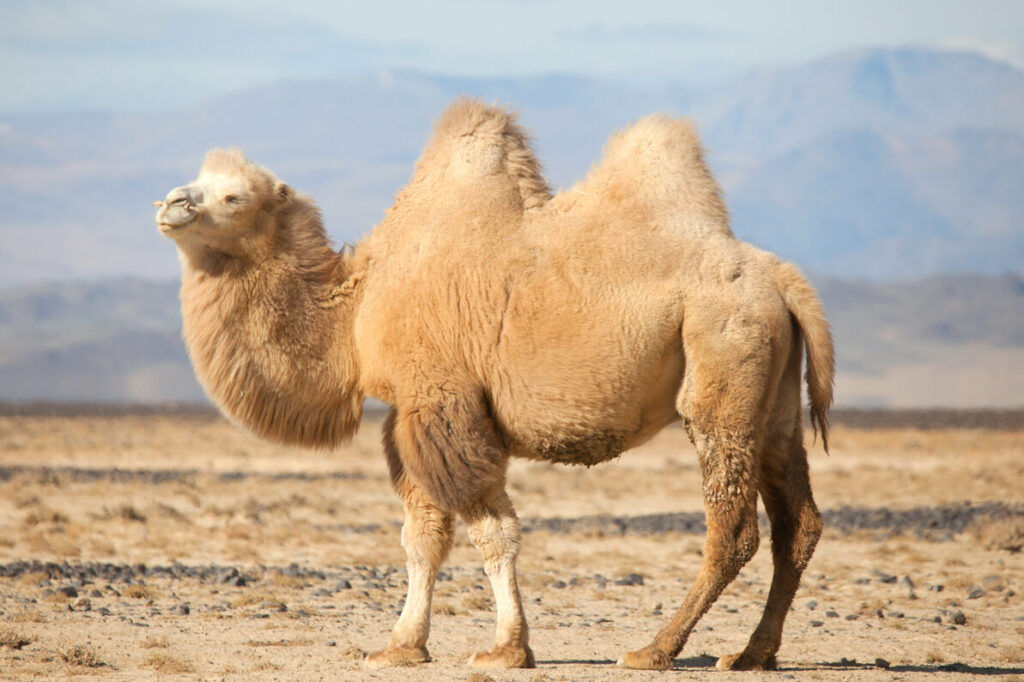
As kids, we imagined camels carrying big water tanks on their backs, and the thought made them seem like magical desert creatures with built in storage. It felt so logical that we never questioned it. But camel humps actually store fat, not water, and that fat helps them survive long periods without food. Their bodies conserve water well, which is what allows them to handle harsh desert conditions. The truth is more practical than the myth, yet the childhood version had a special charm. Learning the real explanation now feels like finally growing into the bigger story.
5. Daddy Longlegs Danger
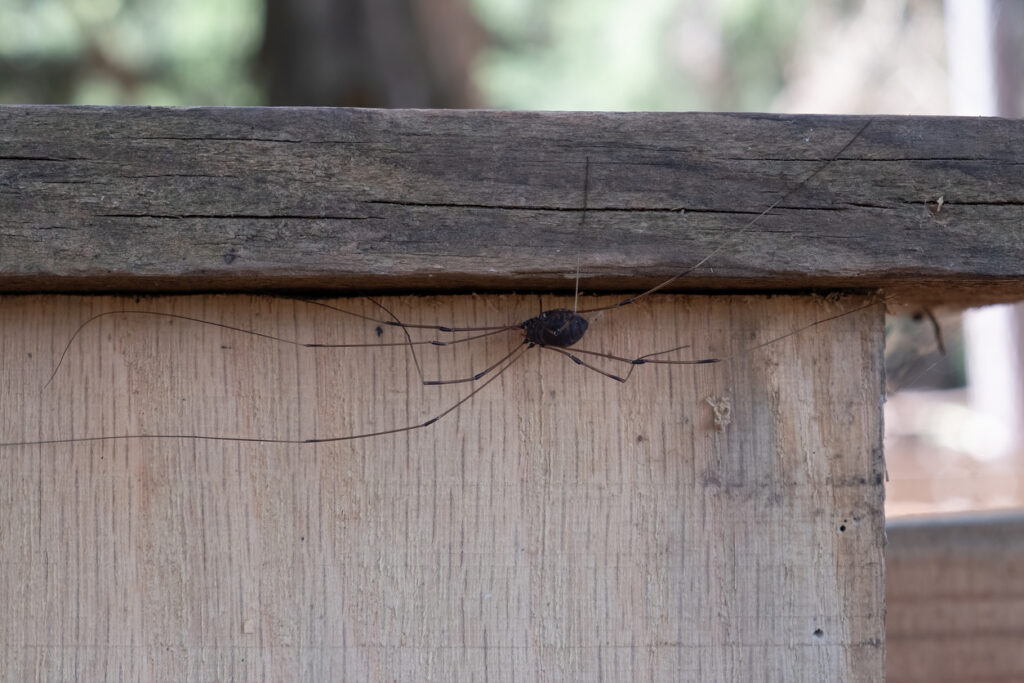
Playground whispers once claimed that daddy longlegs were extremely poisonous but could not bite humans, turning them into quiet little mysteries on the wall. The idea spread fast because it felt both frightening and harmless at the same time. In reality, daddy longlegs are not dangerous to people, and many of them are not even true spiders. They simply move around minding their business, fragile and gentle in their own way. It is interesting how childhood shaped them into something far more dramatic. The truth is simple, yet the memory of the myth still sticks to many of us.
6. Bulls And The Color Red
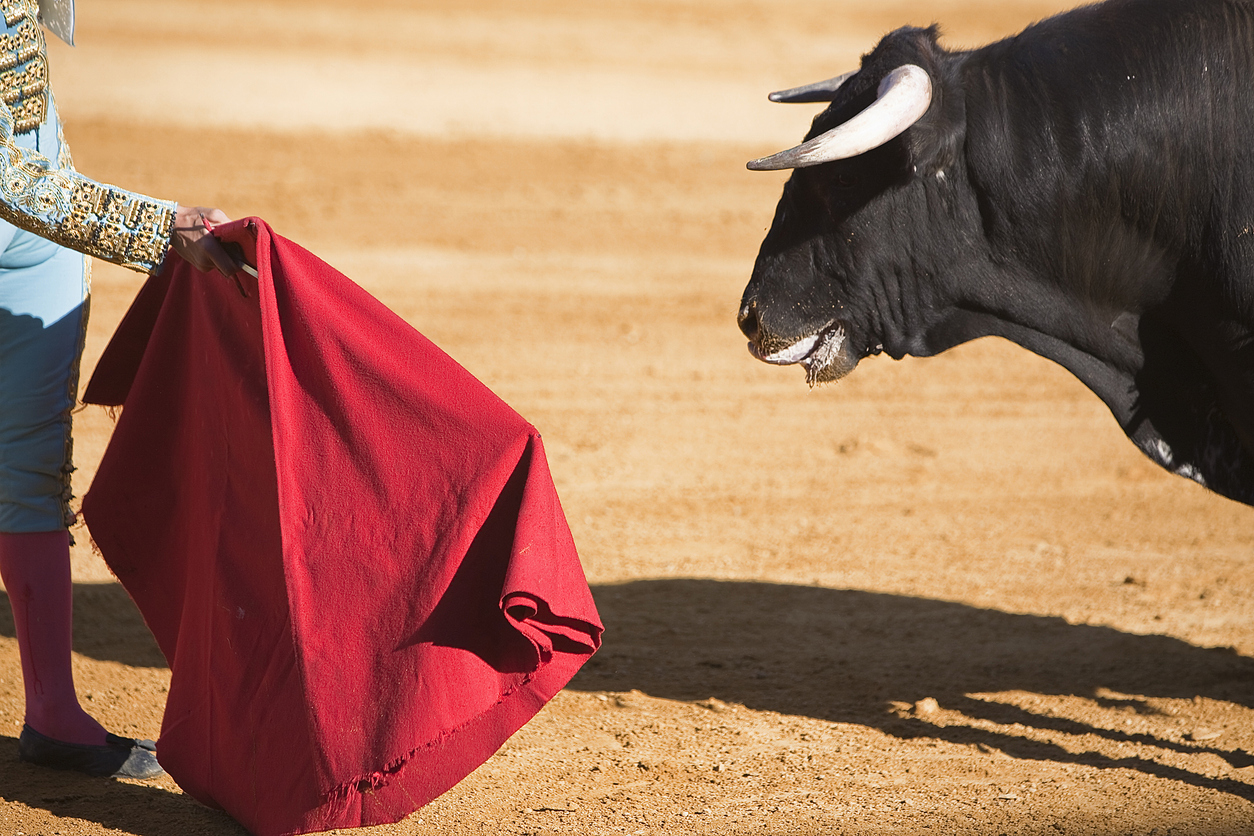
Many of us pictured bulls getting angry at anything red because stories and cartoons repeated it like it was fact. It created a bold and exciting image that made bullring scenes feel intense and fiery. But bulls do not react to the color red at all. They respond to motion, not shade, and the bright cloth is only part of a performance created for people to watch. It is funny how easily we accepted the idea simply because it looked convincing. Childhood made it feel true, but growing up helps us see how simple the real explanation is.
7. Ostriches Hiding Their Heads
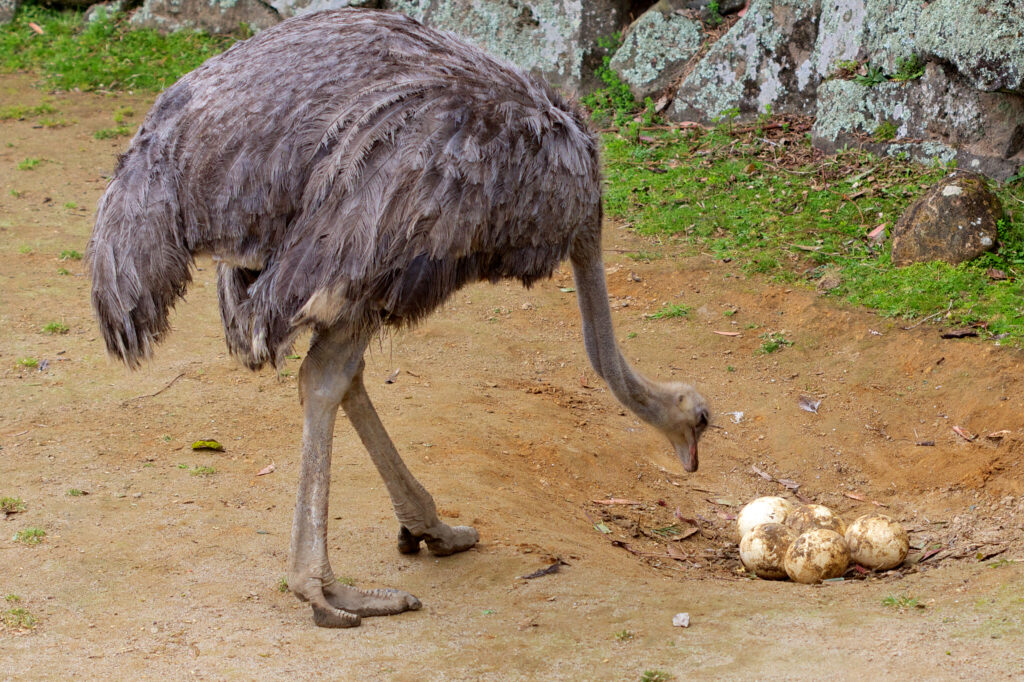
One of the more amusing childhood beliefs was that ostriches buried their heads in the sand whenever they were frightened. It was a picture painted by cartoons, and it settled into our minds like truth. But ostriches never hide their heads because they would not be able to breathe that way. Instead, they lower their heads to the ground when caring for eggs or resting, which from far away looks like they are hiding. It shows how easily a small misunderstanding becomes a lasting myth. Sometimes childhood imagination takes a simple behavior and turns it into a whole story.
8. Chameleons Matching Any Background
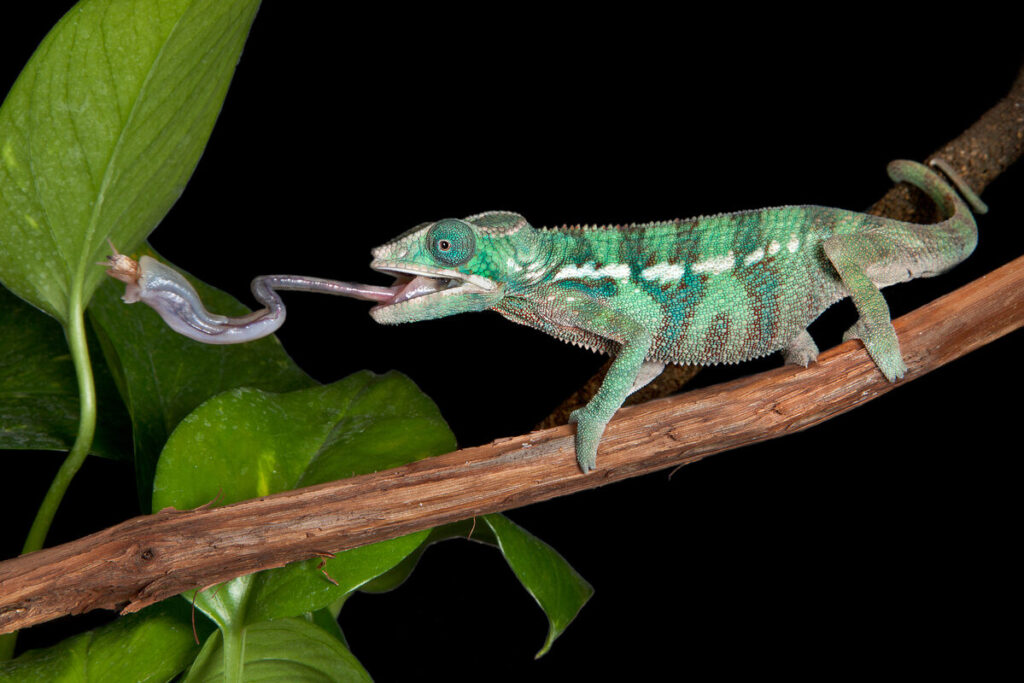
We once imagined chameleons as magical little creatures that could match any color around them as if they were nature’s perfect disguise artists. It made them feel almost like characters from a storybook. But chameleons actually change color for communication, temperature control, and mood rather than copying every surface they touch. They are expressive animals with signals built into their skin, not background mimics like we believed. Childhood stories made them sound like color changing miracles, yet their real abilities are just as fascinating. It reminds us how often myths mix with wonder when we are young.
9. Elephants Afraid Of Mice
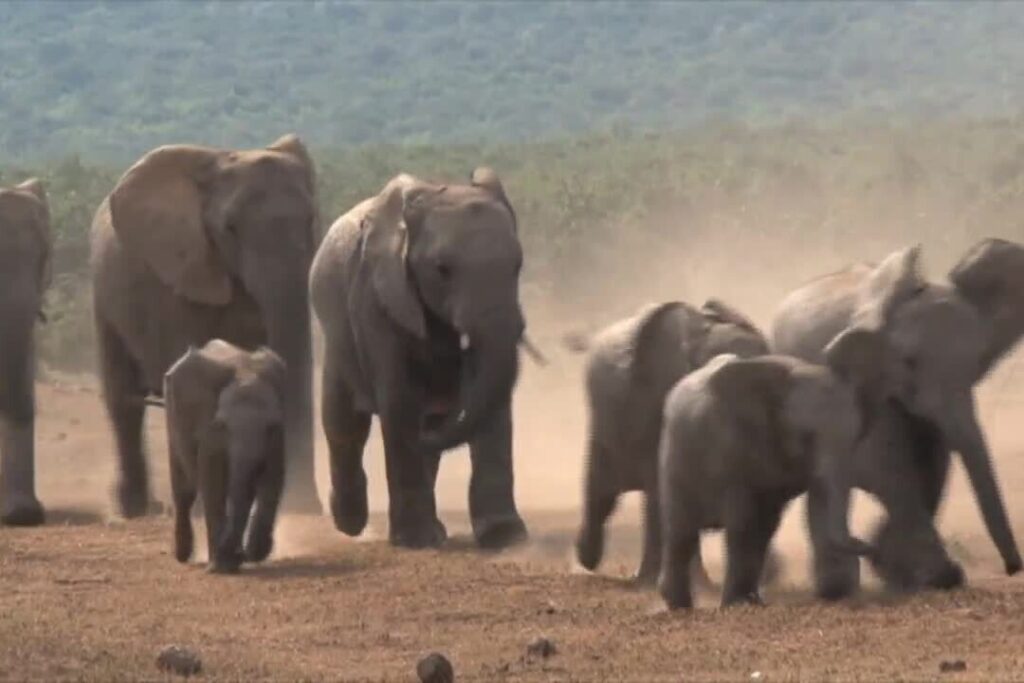
The image of giant elephants trembling at the sight of a tiny mouse was something many of us found funny and unforgettable. It showed up in cartoons and stories, and because it made us laugh, we absorbed it as truth. But elephants are not naturally afraid of mice. They may react to sudden movements, but it has nothing to do with size or fear of small creatures. They are thoughtful animals that respond to surprises like many others. The myth lasted because it was amusing, not because it was real. Childhood often helped silly ideas feel believable.
10. Porcupines Shooting Quills
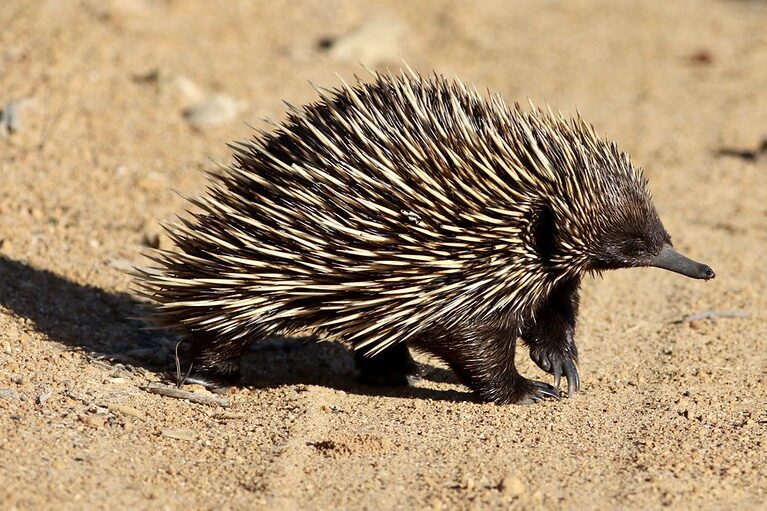
A lot of kids once believed porcupines could shoot their quills across distances like tiny arrows, making them seem more intimidating than they really are. The thought made us cautious whenever we saw pictures of them. But porcupines cannot fire their quills. The quills only come off when touched, acting as a natural defense rather than a long range weapon. The idea probably came from seeing animals with quills stuck all over them, making it look like they were attacked from afar. Childhood gave porcupines dramatic abilities they never had, but the real version is interesting on its own.
11. Frogs Giving People Warts
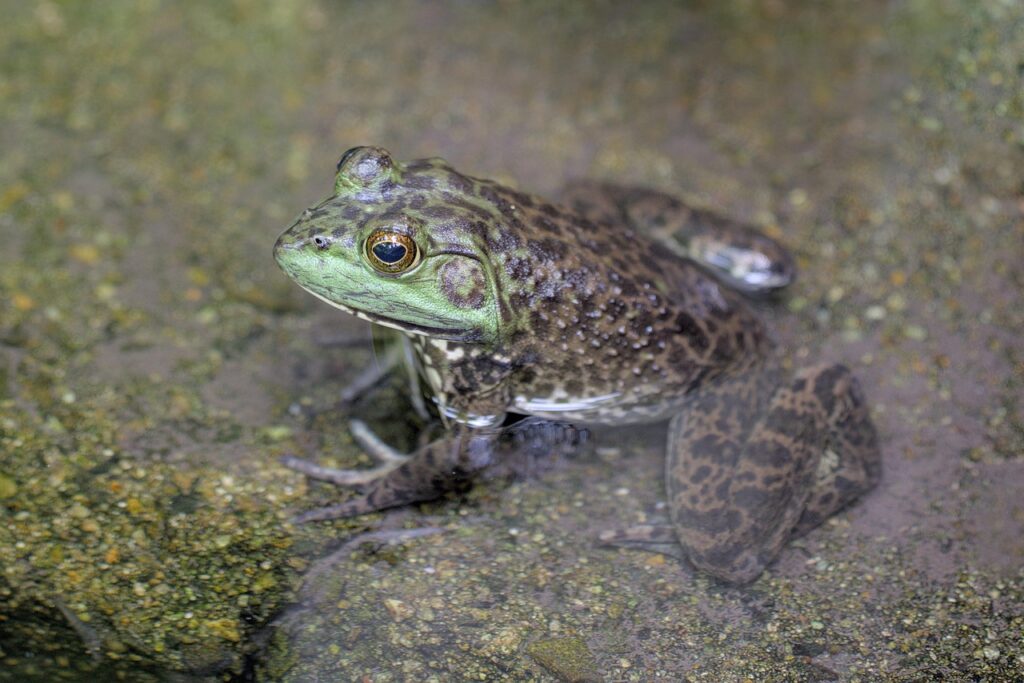
Many of us remember being told not to touch frogs or toads or we would end up with warts. It was such a common warning that it shaped how we interacted with anything slimy outdoors. But frogs do not cause warts. Their bumps are completely natural and unrelated to the viruses that cause skin growths in humans. The myth lingered because it kept kids from handling animals roughly, even if the reason was wrong. Looking back, it shows how some childhood advice had good intentions behind it. The truth is far simpler, and frogs deserve a fairer reputation.
12. Bees Always Die After Stinging
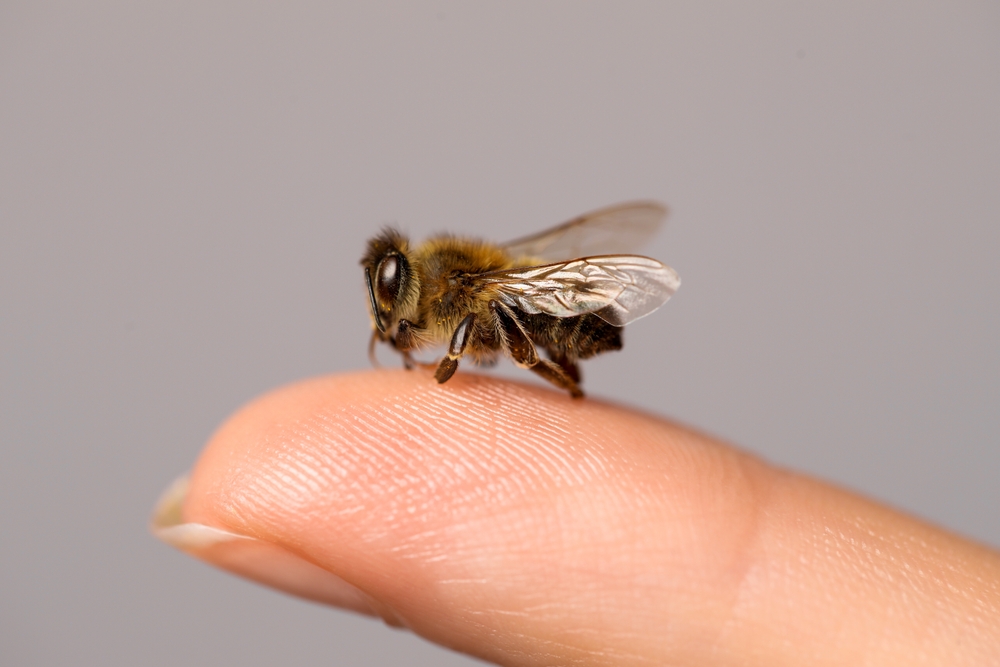
As kids, we learned that a bee’s sting was its final act, making every sting feel heavy and dramatic. But only honeybees die after stinging because their stingers get stuck. Other bees can sting more than once without harm. The simplified version of the story stuck with us because it sounded noble and sad, almost like a sacrifice. Learning the truth now gives a fuller picture of how bees live and defend themselves. Childhood often gave us the shortest explanation, not the complete one. Understanding this now helps us see bees with more clarity and appreciation.
13. Penguins Only Living In Cold Places
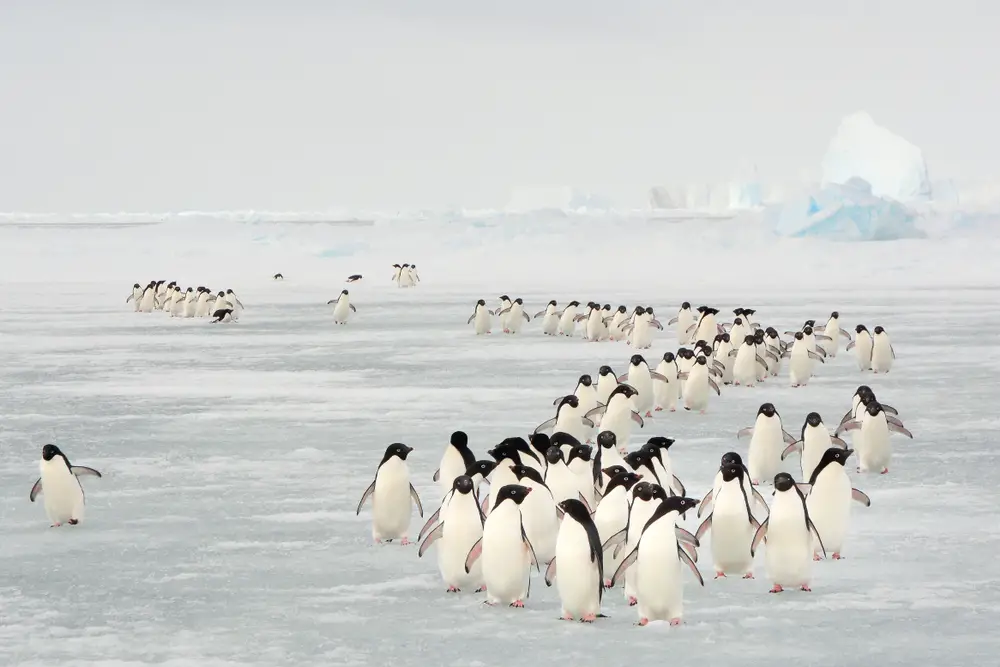
Cartoons and holiday books filled our minds with images of penguins waddling through snow and ice, so it was natural to believe they only lived in freezing places. But many penguin species live in warm climates, including islands and coastal regions far from cold. Childhood taught us a simple version of their world because it was easy to visualize. The real story is broader and more interesting, showing how adaptable penguins can be. It is a reminder that early ideas often leave out important details. Growing up helps us fill in the missing pieces and see the bigger picture.
14. Humans Being The Only Tool Users

There was a time when many of us believed humans were the only creatures smart enough to use tools. It felt like a defining detail that made our species special. But animals like birds, primates, and even sea creatures have been seen using tools in different ways. Childhood stories gave humans a unique place in the world without mentioning how creative animals can be. Learning otherwise does not make humans less impressive. It just broadens our appreciation of how clever the natural world is. Sometimes growing up means discovering how much was left out of the lessons we learned.
15. Worms Turning Into Two Worms
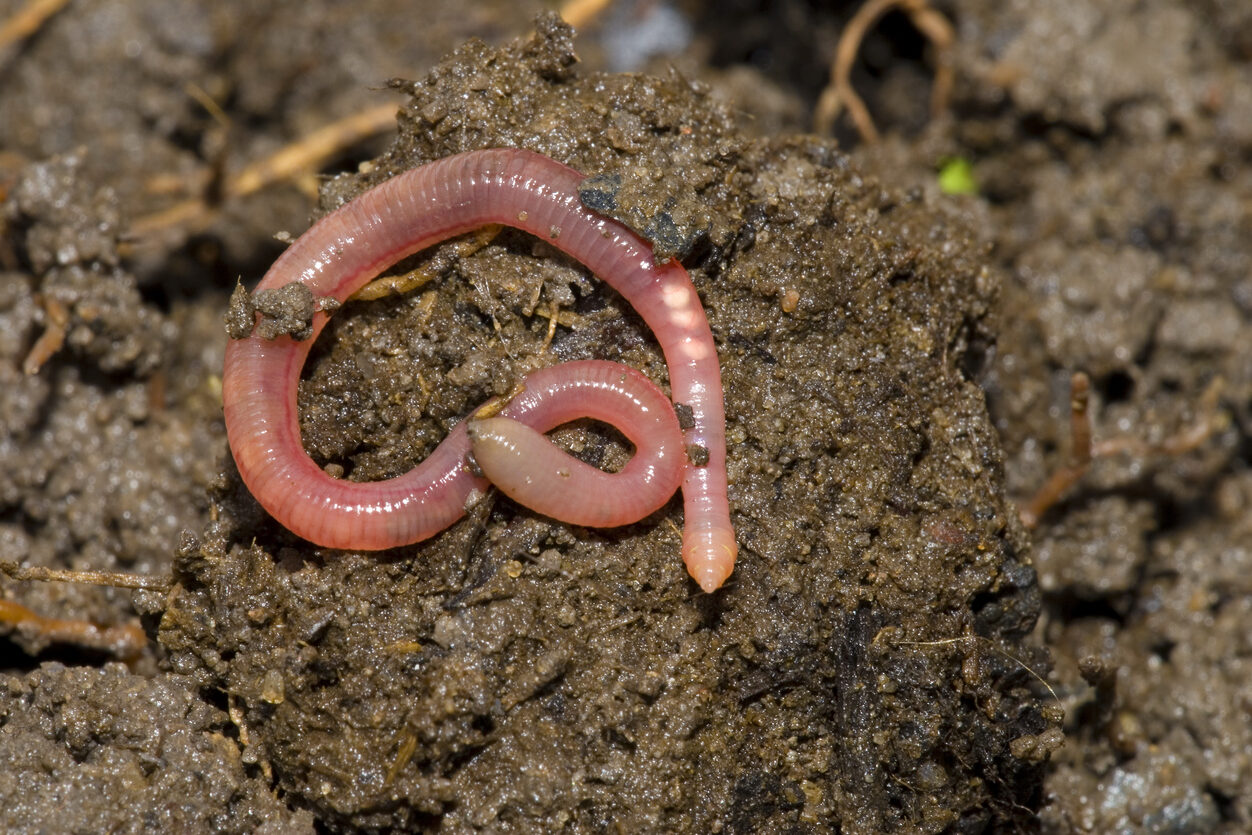
One strange but memorable childhood belief was that cutting a worm in half created two new worms. It sounded magical and slightly unsettling, and many kids repeated it without thinking twice. But most worms do not survive being cut. Only certain species can regenerate, and even then, it is not as simple as two new worms appearing. The myth spread because the pieces sometimes moved afterward, giving the illusion of life. Childhood often turned simple observations into extraordinary stories. The truth might be less dramatic, but it still reminds us how nature works in ways we misunderstood long ago.
16. Sharks Smelling Blood From Miles Away

As children, we heard dramatic stories that sharks could detect a single drop of blood from miles away, making them seem almost supernatural. It added to the mystery and fear surrounding the ocean. But sharks sense blood well only within a reasonable distance, not across impossibly long stretches of water. The childhood version stuck because it sounded thrilling and intense. Reality is less exaggerated but still fascinating. Sharks are powerful creatures, just not magical ones. It shows how much childhood stories loved heightening danger, even when the truth was already interesting enough.
17. Owls Being The Wisest Animals
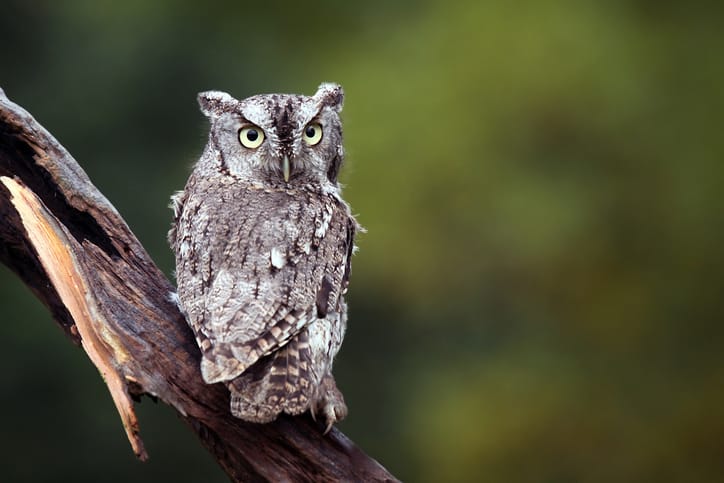
Owls appeared in stories as thoughtful and wise creatures that watched over the night with quiet understanding. Many kids accepted that image and believed owls were naturally smarter than other animals. But while owls are skilled hunters, their problem solving abilities are not especially advanced compared to other birds. The myth survived because their big eyes and calm posture made them seem thoughtful. Childhood gave personality to animals in ways that blended imagination with fact. Real owls might not be wise in the way we imagined, but they remain remarkable creatures with their own strengths.
18. Snakes Chasing People On Purpose
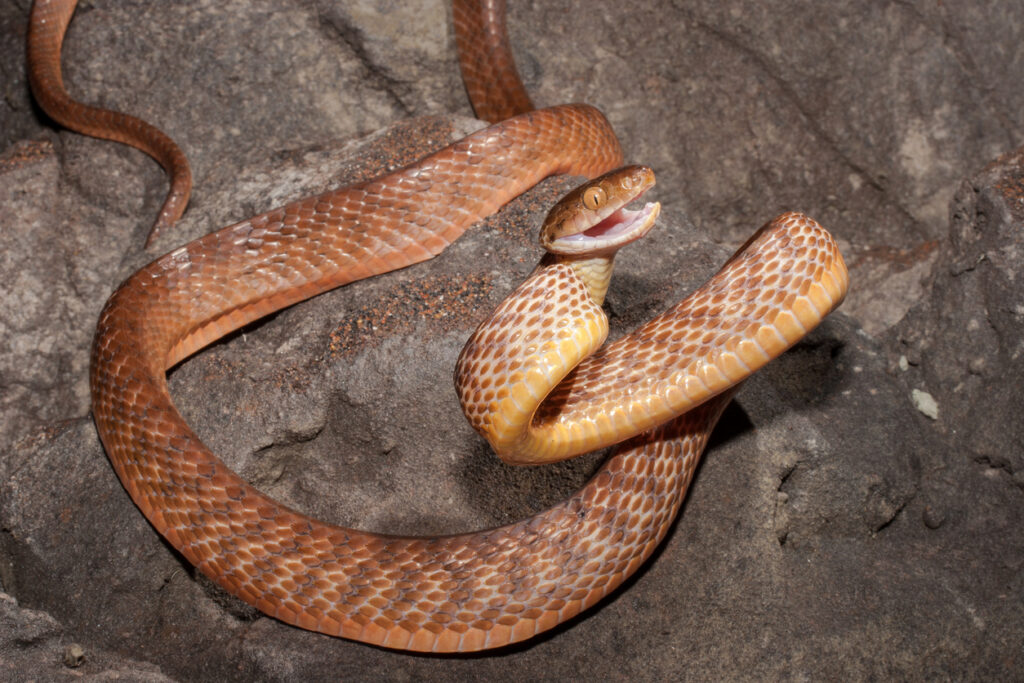
Growing up, it was common to hear thrilling stories about snakes chasing people, and those tales made outdoor play feel risky and exciting. But snakes do not chase humans. They move toward safety, and sometimes that direction happens to match the path of the person nearby. The misconception grew because fear makes moments feel bigger and more dramatic. Snakes simply want to protect themselves or escape danger. Understanding this changes the tone of childhood stories that once felt frightening. It helps us see snakes as cautious animals, not enemies, and brings a calmer perspective to an old myth.
19. Cows Predicting Rain By Lying Down
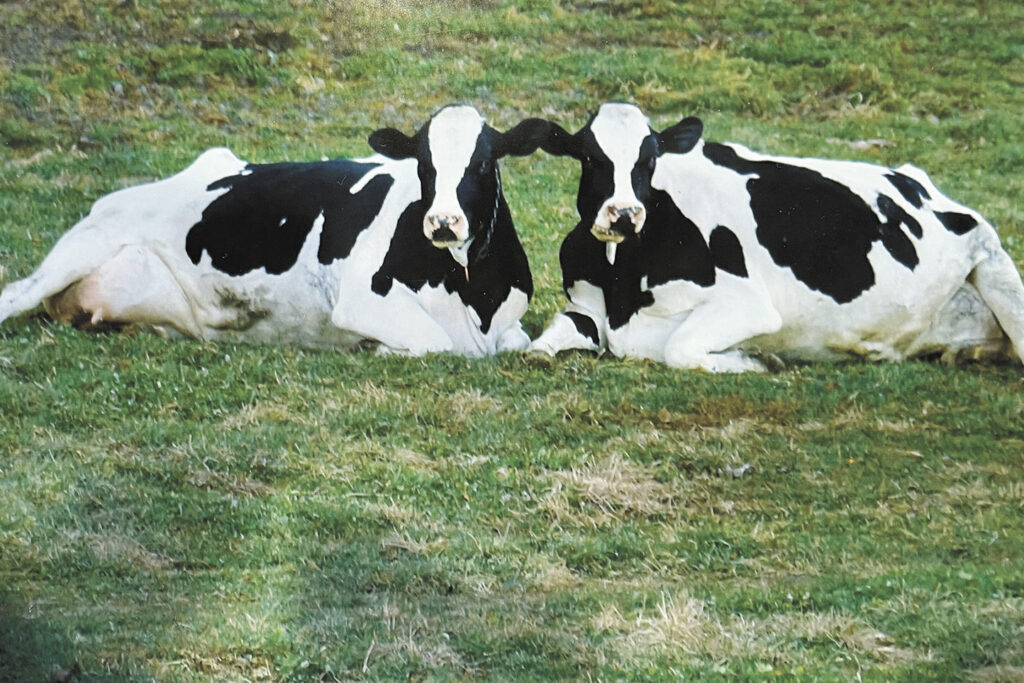
Many of us once believed cows lying in a field meant rain was coming soon. It was a charming idea that tied animals to nature in a special way. But cows lie down for many reasons, from resting to digesting or simply feeling comfortable. The weather has little to do with it. Childhood imaginings often made animals seem more connected to secrets of the world than they really were. Even if the myth was never accurate, it added a sweet touch to long drives through the countryside. The truth is simpler, but the memory remains gentle.
20. Crocodiles Crying When They Eat
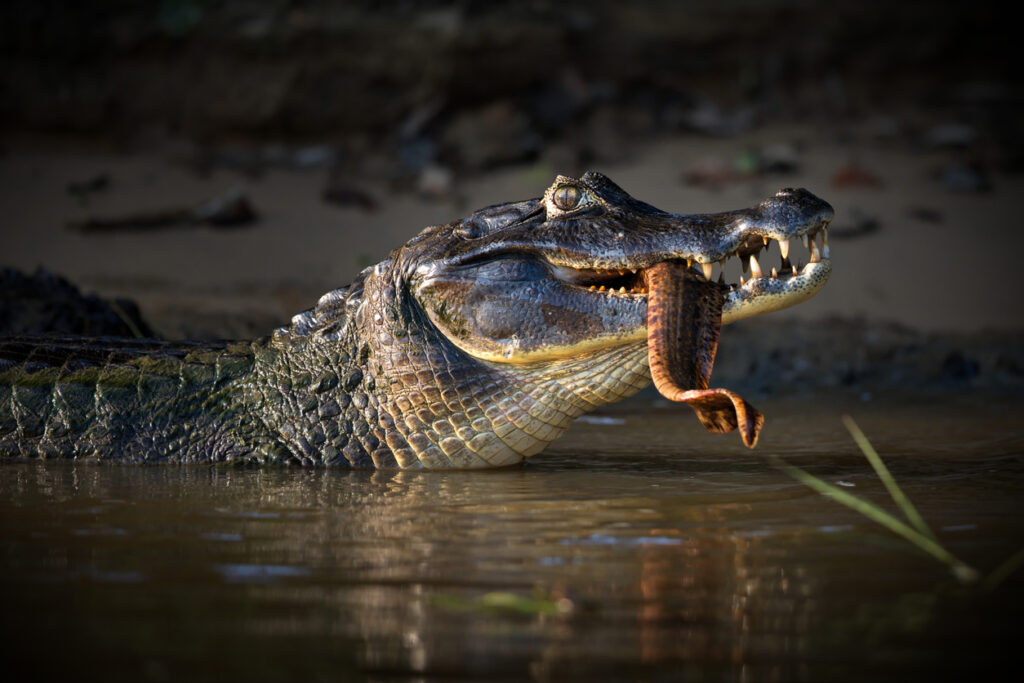
The old saying about crocodile tears made some kids believe these animals cried emotionally while eating. It created a strange mix of fear and sympathy. But crocodiles do not cry from emotion. The tears that appear while they eat are caused by pressure around their eyes, not feelings. Childhood often left out the scientific explanation, leaving us with interpretations that sounded dramatic and meaningful. Learning the truth now does not erase the memory of the myth, but it does help us understand nature more clearly. Even the fiercest animals have simple biological reactions behind mysterious appearances.
21. Dogs Seeing Only Black And White

Children often heard that dogs lived in a world without color, seeing only black and white. It made their view of the world seem dull and limited. But dogs do see color, just not as widely as humans. They mostly perceive blues and yellows. The myth lasted because it was easy to explain and repeat, and it shaped how we imagined life through a dog’s eyes. Knowing the truth now feels refreshing and brings their world to life in a new way. Childhood simplified many things, but growing up lets us appreciate the real details that make animals unique.
22. Fish Not Feeling Pain
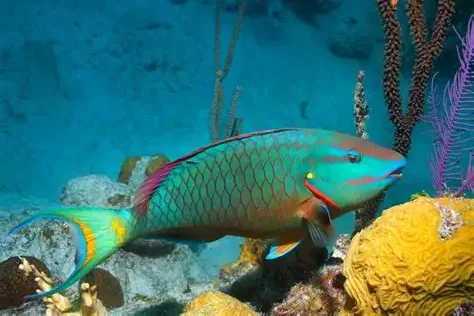
For years, kids were told that fish could not feel pain, and it made activities like fishing seem harmless. The idea stuck because it removed emotional weight from things we saw adults do. But fish do sense discomfort and respond to harmful situations in meaningful ways. This does not erase childhood memories, but it helps us understand their world with more empathy. The myth survived because it made things easier to accept, not because it reflected reality. Growing up invites a more thoughtful view, reminding us that even simple creatures have experiences we should respect and consider.
23. Ducks Having No Echo

The funny claim that a duck’s quack does not echo spread quickly because it sounded quirky and unusual. Many kids repeated it without ever testing it, and it became one of those odd facts we carried around for years. But duck sounds echo like any other sound when conditions are right. The myth survived mostly because it was amusing, not because it had any truth behind it. Looking back, it is one of those childhood ideas that feels harmless and playful. It gently closes the chapter on how many things we accepted as truth before learning to question.
This story 23 Childhood Animal “Facts” We Grew Up Believing That Weren’t Actually True was first published on Daily FETCH


