
Paul Hennessy (8 Simple Rules)
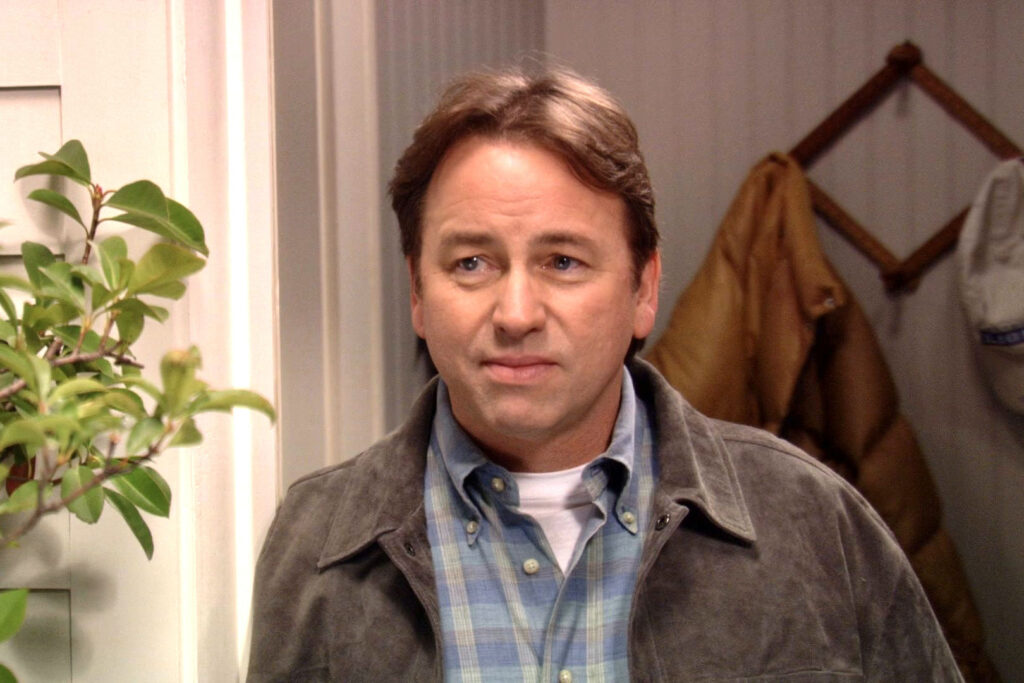
When reality interrupted the script, many hit series have chosen to write a character’s passing into the show’s plot, giving both the cast and the viewers a chance to process their grief together. In September 2003, the sitcom 8 Simple Rules for Dating My Teenage Daughter was in the middle of filming its second season when tragedy struck. Iconic actor John Ritter, known for his physical comedy and warmth, suddenly collapsed on set. While initially thought to be a heart attack, doctors later discovered he suffered from an aortic dissection. Ritter passed away at age 54 on September 11, 2003, leaving Hollywood and fans in total shock. Production was halted immediately as the network and cast mourned the man who was widely considered the emotional soul of the production.
Instead of ignoring the tragedy, the writers chose to address it with raw sincerity. The show returned with a special hour-long episode where the Hennessy family learns that Paul died suddenly while out buying milk. The usual laugh track was silenced, replaced by a heavy, realistic portrayal of a family in mourning. Katey Sagal’s performance was particularly heartbreaking, as she led the younger cast through a storyline that mirrored their real-life pain. Although the series continued for another season, the atmosphere was forever altered. Today, it remains one of the most honest depictions of family loss ever broadcast on network television.
Finn Hudson (Glee)
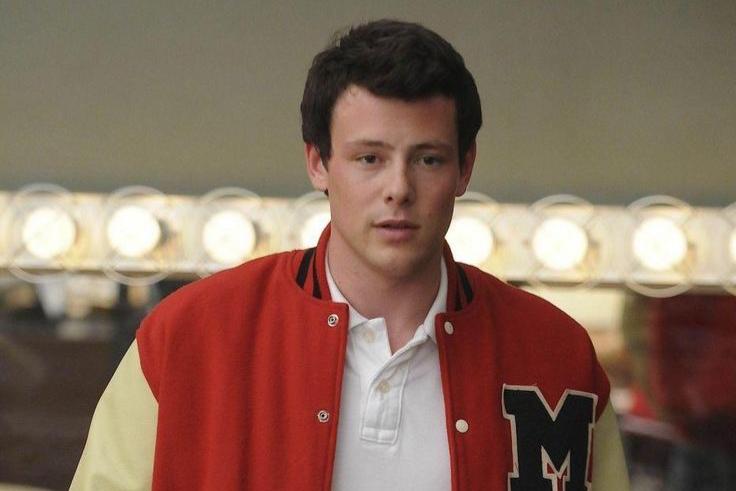
The death of Cory Monteith in July 2013 left a massive void in the cultural phenomenon Glee. Monteith, who had played the lovable star quarterback Finn Hudson since the pilot in 2009, was found dead in a Vancouver hotel room at the age of 31. His passing was attributed to a drug overdose, a struggle he had been open about with his fans in the past. Because he was the male lead of the show, production was pushed back while the creators decided how to handle the loss of a character who represented the show’s “underdog” spirit.
The tribute episode, titled “The Quarterback,” aired on October 10, 2013, and became a landmark television event. Wisely, the script never mentioned how Finn died; instead, it focused entirely on the different ways people process grief. The most poignant moment came from Lea Michele, Monteith’s off-screen partner, whose performance of “Make You Feel My Love” was a literal farewell to her late boyfriend. The episode was lauded for avoiding flashy drama and staying grounded in personal reflection. Even years later, Finn’s locker remained a fixture in the show’s background, serving as a permanent reminder of the impact he had on his friends.
Fred Andrews (Riverdale)
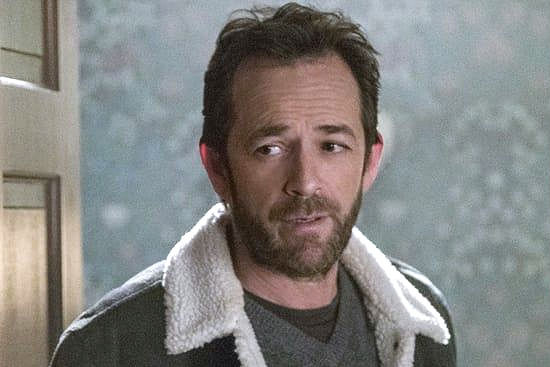
Luke Perry was a television mainstay, first rising to fame in the 1990s on Beverly Hills, 90210. In 2017, he took on the role of Fred Andrews on Riverdale, playing the moral compass in a town full of chaos. In March 2019, Perry suffered a massive stroke and passed away at age 52. The news devastated the young cast, many of whom viewed Perry as a father figure and mentor behind the scenes. The CW stopped filming for several days to allow the “Riverdale family” time to process the sudden loss of their anchor.
To honor him, the season four premiere, “In Memoriam,” revealed that Fred died a hero. He was struck by a car while stopping to help a stranded motorist on the side of the road. In a touching tribute to Perry’s career, his former 90210 co-star Shannen Doherty appeared as the woman Fred saved. The episode stripped away the show’s typical mystery and neon aesthetics for a grounded, somber look at a son losing his father. Critics praised the episode for its grace, noting that it allowed the audience to say a proper goodbye to one of the most well-liked actors in the industry.
Leo McGarry (The West Wing)
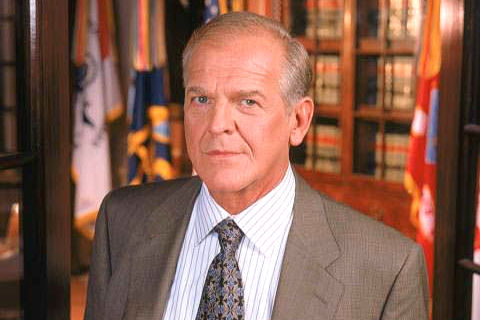
John Spencer was a powerhouse performer who played White House Chief of Staff Leo McGarry on The West Wing starting in 1999. In December 2005, while the show was in the middle of its seventh and final season, Spencer died of a heart attack at the age of 58. At the time of his death, his character was in a high-stakes storyline running for Vice President of the United States. His passing forced the writers to completely rework the final arc of one of the most celebrated political dramas in history.
The show chose to mirror reality by having Leo suffer a fatal heart attack on the night of the presidential election. The episodes that followed were deeply somber, as the fictional staff members mourned a man who had been their leader for years. During the funeral scenes, cast members later noted that very little “acting” was required because the grief was so fresh. By weaving Spencer’s death into the finale, the creators ensured his legacy was tied to the show’s themes of public service and loyalty. It was a dignified end for both the character and the dedicated actor who brought him to life.
Livia Soprano (The Sopranos)
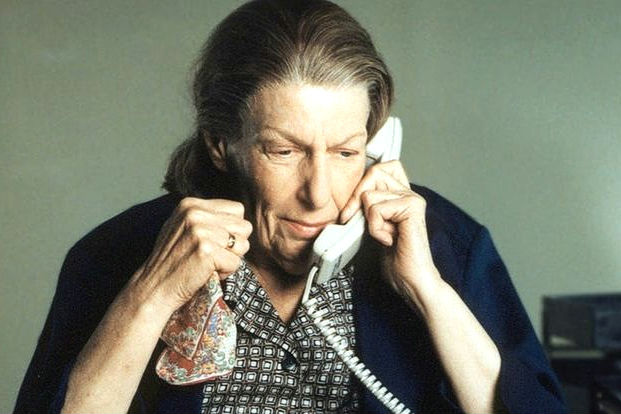
Nancy Marchand provided one of the most complex performances in prestige TV as Livia Soprano, the manipulative mother of mob boss Tony Soprano. Her character was the psychological engine of the show’s early years. Marchand had been battling lung cancer throughout the filming of the second season and eventually passed away in June 2000 at the age of 71. Her death occurred just before production was set to begin on the third season, leaving creator David Chase with a major narrative gap to fill.
Rather than hiring a new actress, the production used early digital effects and outtakes to give Tony and Livia one final, tense conversation. Shortly after, it was announced that Livia had died in her sleep from a stroke. The following episodes explored Tony’s complicated feelings, ranging from relief to deep-seated rage, proving that even in death, her influence over his mind was absolute. Fans appreciated that the show didn’t try to replace Marchand’s unique, haunting energy. Instead, her absence became a central theme of the show, driving Tony’s therapy sessions and personal breakdowns for the remainder of the series.
Mrs. Wolowitz (The Big Bang Theory)
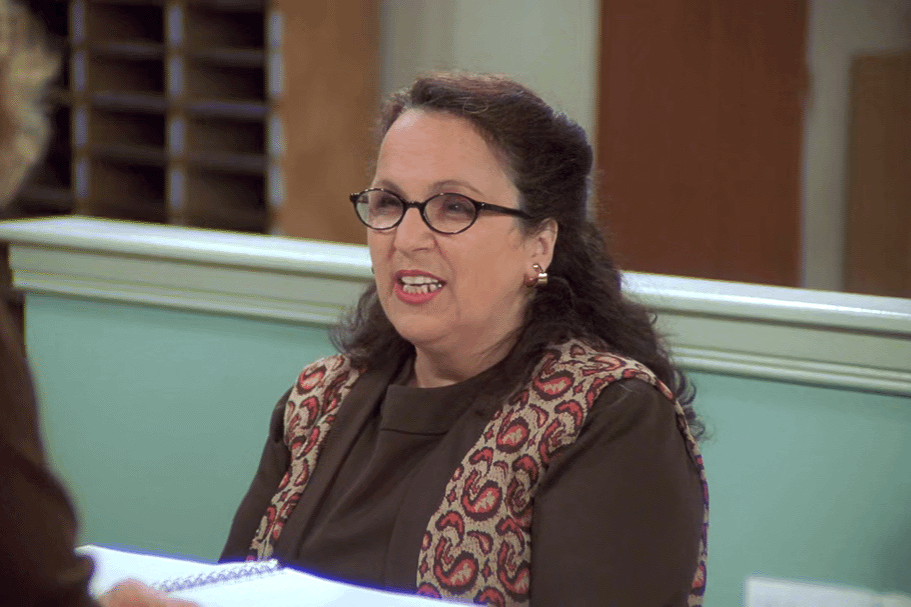
Even though she was never actually seen on camera, Carol Ann Susi’s voice was an essential part of The Big Bang Theory. As Mrs. Wolowitz, Howard’s overbearing but loving mother, her unmistakable Brooklyn yell became a running gag that fans adored. Susi voiced the character from the first season in 2007 until her death from cancer in November 2014 at the age of 62. The loss was felt deeply by the cast, who considered her a “hidden” star of the multi-camera sitcom.
The writers handled the character’s exit with a surprising amount of tenderness for a comedy. In the eighth season, Howard receives a call informing him that his mother passed away in her sleep while on vacation in Florida. The episode featured a rare moment where the main characters sat in silence, sharing a toast to the woman who had fed them for years. Simon Helberg’s performance as a grieving son was widely lauded for its emotional depth. The show never recast the voice; instead, they kept her memory alive through small tributes, like a photo of Susi pinned to the refrigerator in the main apartment set.
Mr. Hooper (Sesame Street)
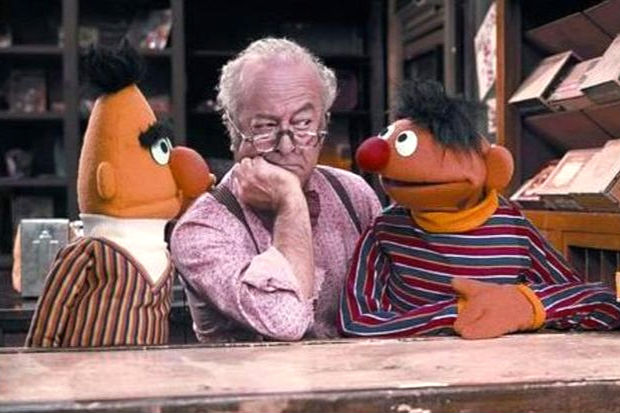
Will Lee was a founding cast member of Sesame Street, playing the kind-hearted neighborhood grocer Mr. Hooper since 1969. When Lee died of a heart attack in December 1982 at age 74, the producers were faced with a delicate task: explaining death to an audience of toddlers. There was a suggestion to say he moved away, but the creators felt that would be dishonest to the children who watched the show. They decided to use the tragedy as a teaching moment about the permanence of loss.
In the famous 1983 episode “Farewell, Mr. Hooper,” Big Bird tries to give the grocer a drawing, only to be told by the adults that Mr. Hooper has died. The scene is legendary for its simplicity and honesty; the adults explain that while he won’t be coming back, his love and the memories they shared remain. Child psychologists still point to this episode as a gold standard for explaining difficult concepts to children. By treating the young audience with respect, Sesame Street turned a real-life loss into a profound lesson in empathy that has resonated for over forty years.
Coach Pantusso (Cheers)
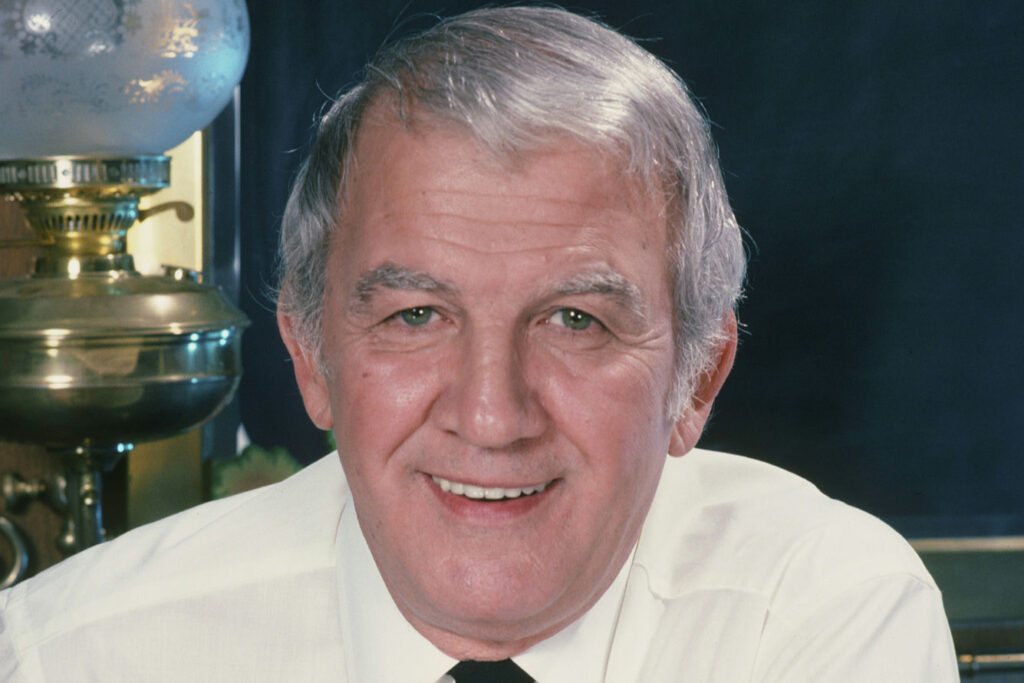
Nicholas Colasanto played Ernie “Coach” Pantusso, the lovable, slightly confused bartender on Cheers starting in 1982. Colasanto was a beloved figure on set, but his health began to decline during the third season. He passed away from a heart attack in February 1985 at the age of 61. Because he was such a vital part of the show’s chemistry, the producers knew they couldn’t just ignore his chair at the bar. They chose to address the loss at the start of the following season.
In the season four premiere, the characters acknowledge that Coach has passed away. A small, framed photo of an Apache-style shield (which Colasanto had in his dressing room) was placed on the set as a permanent tribute. While Woody Harrelson was brought in as the new bartender, Woody Boyd, the writers made sure he was a friend of Coach’s rather than a direct replacement. This allowed the show to move forward while still honoring the man who helped build the bar’s identity. For the rest of the series, the cast would occasionally look toward Coach’s old spot, a subtle nod to their fallen friend.
Dr. Kroger (Monk)
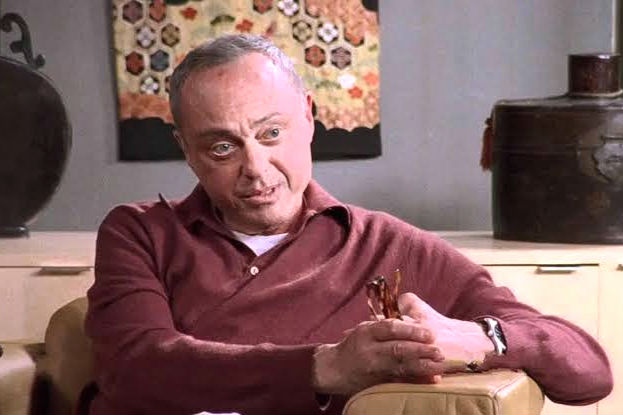
Stanley Kamel played the patient and steady Dr. Charles Kroger on the hit mystery series Monk. As Adrian Monk’s psychiatrist, he was the only person who could truly navigate the detective’s many phobias and compulsions. Kamel died unexpectedly of a heart attack in April 2008 at age 65. His death happened during the break between seasons six and seven, leaving the show’s writers with the task of explaining why the most important person in Monk’s support system was suddenly gone.
The season seven premiere revealed that Dr. Kroger had died of a heart attack, mirroring Kamel’s real-life passing. The episode focused on Monk’s extreme distress and his refusal to find a new doctor, which served as a moving tribute to the bond between the two actors. Eventually, Hector Elizondo joined the cast as a new therapist, but the show frequently referenced Dr. Kroger’s impact on Monk’s progress. By allowing the character to grieve, the show acknowledged that some people are truly irreplaceable, giving the quirky comedy a grounded moment of real-world sorrow that fans deeply appreciated.
Bill McNeal (NewsRadio)
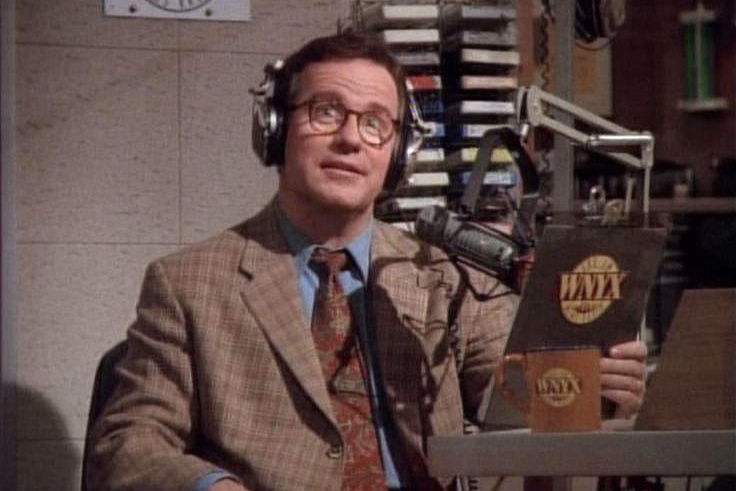
Phil Hartman was one of the most respected comedic actors of his generation, a veteran of Saturday Night Live and the voice of many Simpsons characters. In May 1998, the world was horrified to learn that Hartman had been killed by his wife in a tragic domestic incident. He was only 49 years old. At the time, he was starring as the hilariously arrogant news anchor Bill McNeal on the sitcom NewsRadio. The cast was so devastated that many struggled with the idea of returning to the set at all.
The fifth-season premiere, “Bill Moves On,” remains one of the most difficult sitcom episodes to watch. It begins with the staff returning from Bill’s funeral, having to sort through his office and read his final letters. There were no jokes in the traditional sense; instead, the actors, who were clearly crying for their real friend, shared stories about the character’s eccentricities. Jon Lovitz, a close friend of Hartman’s, eventually joined the cast to help fill the void, but the show’s energy had fundamentally shifted. Hartman’s death marked the beginning of the end for the series, proving just how much he was the heart of the ensemble.
Barry Frost (Rizzoli & Isles)
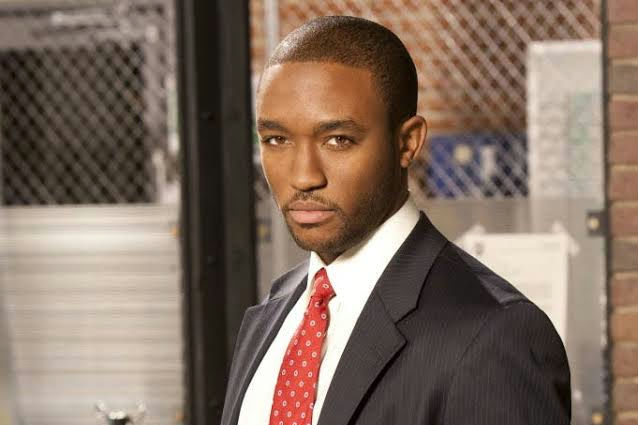
Lee Thompson Young was a rising star who captured hearts as Detective Barry Frost on the TNT police drama Rizzoli & Isles. In August 2013, during a break in production for the show’s fourth season, the 29-year-old actor tragically passed away. His death was a massive shock to the cast and crew, who had become a tight-knit family since the series debuted in 2010. The network chose to delay filming for several days to give everyone involved time to process the loss of a colleague who was known for his bright energy and professional kindness.
The writers addressed the tragedy in the season five premiere by revealing that Detective Frost had died in a car accident while traveling to visit his mother. The episode shifted away from the usual high-stakes crime-solving to focus on the raw, quiet moments of grief within the department. Angie Harmon’s character, Jane Rizzoli, struggled deeply with the suddenness of losing someone so young. The show opted for a grounded, respectful tone, reflecting how a real-world workplace reacts to an empty desk. For the remainder of the series, Frost was occasionally mentioned in conversation, ensuring his character’s memory remained a part of the show’s history.
Peter Gregory (Silicon Valley)
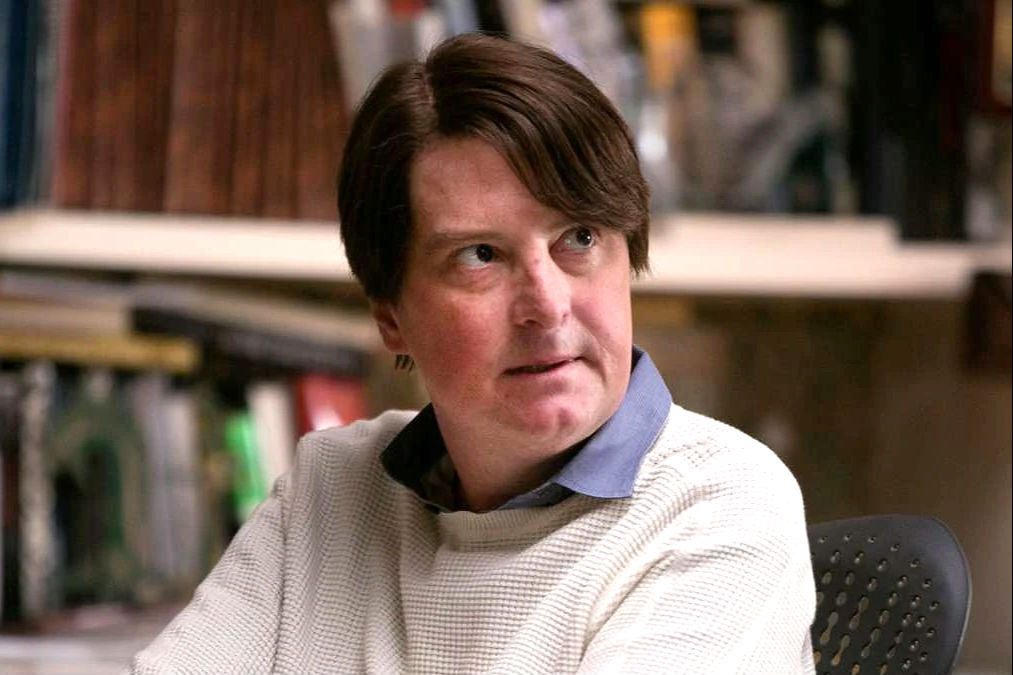
Christopher Evan Welch gave a standout performance in the first season of HBO’s Silicon Valley as the eccentric, brilliant billionaire investor Peter Gregory. His unique delivery and deadpan humor made him an instant fan favorite in 2014. Sadly, Welch passed away from lung cancer in December 2013 at the age of 48, just as the show was becoming a major hit. Because his character was so specific and his performance so distinct, the creators felt that trying to find a replacement actor would be a disservice to Welch’s talent.
When the second season premiered, the show announced that Peter Gregory had passed away suddenly while on safari in Africa. The plot then followed the chaos of his company trying to find a new leader, which stayed true to the show’s satirical take on the tech industry. Even though he was gone, his influence was felt through the “legacy” he left behind and the various quirks his employees still discussed. The creators later noted that Welch’s intelligence was impossible to replicate, so they chose to let his character’s “absence” drive the story forward instead of pretending he never existed.
Mayor Adam West (Family Guy)
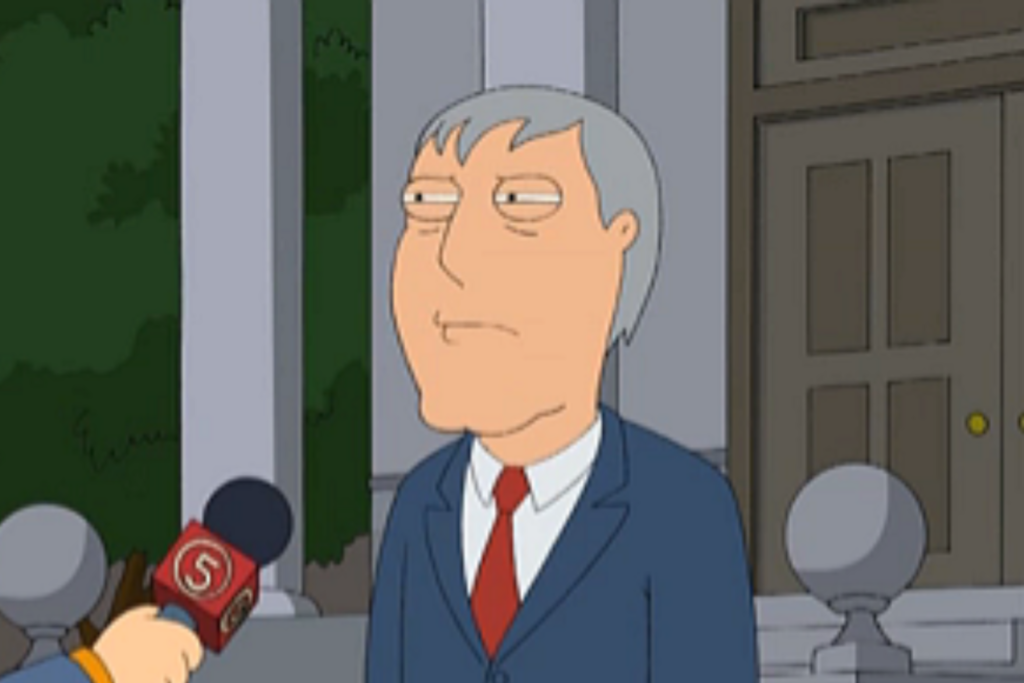
Adam West was a pop culture legend long before he joined the cast of Family Guy as a fictionalized, absurd version of himself. He voiced the eccentric Mayor of Quahog for nearly twenty years, becoming one of the animated show’s most reliable sources of comedy. In June 2017, West passed away at the age of 88 after a short battle with leukemia. While many animated shows might simply replace a voice actor or use old recordings, the producers felt that West was far too iconic to be treated as a replaceable part of the ensemble.
In the 2019 episode “Adam West High,” the show officially revealed that the Mayor had died. The town of Quahog held a public ceremony and renamed the local high school in his honor. The tribute was a perfect mix of the show’s signature irreverent humor and genuine affection for the actor. By retiring the character, the writers honored the nearly two decades of work West put into the role since his debut in 2000. It was a rare moment of sincerity for the show, acknowledging that West’s unique personality was the only reason the character worked in the first place.
Edna Krabappel (The Simpsons)
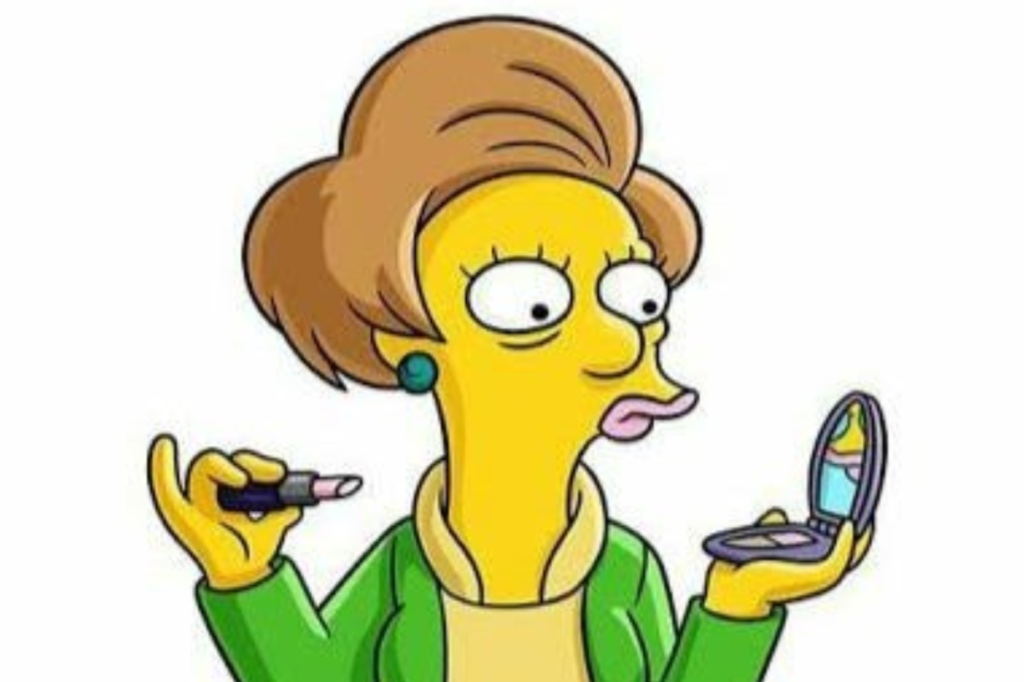
For over twenty years, Marcia Wallace provided the voice of Edna Krabappel, the cynical but deep-hearted teacher on The Simpsons. Her “Ha!” laugh and weary patience with Bart Simpson made her a staple of the show since 1990. In October 2013, Wallace passed away at the age of 70 due to complications from pneumonia. Given her long history with the series, the producers took the rare step of announcing that the character would be permanently retired from the show out of respect for Wallace’s contribution to the Springfield universe.
The show handled her exit with subtle grace. In the episode “Four Regrettings and a Funeral,” the opening chalkboard gag simply featured Bart writing, “We’ll really miss you Mrs. K.” Later, a touching scene showed Ned Flanders, who had married Edna in a later season, wearing a black armband and looking at a photo of her. It was a quiet, dignified way to acknowledge her passing without a long, drawn-out storyline. By allowing the character to “rest,” the show preserved the emotional connection fans had with Edna while paying a lasting tribute to the woman who voiced her for 23 seasons.
Owen Granger (NCIS: Los Angeles)
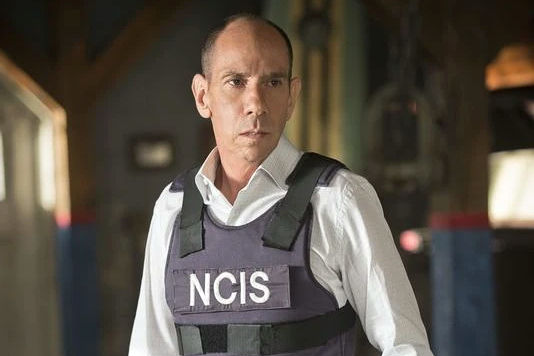
Miguel Ferrer joined the cast of NCIS: Los Angeles in 2012 as Assistant Director Owen Granger. He was the “tough love” boss who eventually became a vital protector of the team. While filming the eighth season, Ferrer was battling throat cancer, which even began to affect his voice on screen. Rather than hiding his illness, the show leaned into it, allowing Ferrer to keep working as long as he was able. He passed away in January 2017 at the age of 61, leaving behind a legacy of intense, dedicated performances.
The series wrote his illness into the plot, showing Granger becoming increasingly frail before eventually disappearing from his hospital bed to live out his final days in private. In the episode “Old Tricks,” his colleagues reflect on his loyalty and the hidden heart beneath his stern exterior. Because Ferrer had filmed scenes right up until his final weeks, the transition felt natural and respectful. The writers used his departure to explore how the team deals with the mortality of their leaders, giving fans a chance to say goodbye to a character who had become a pillar of the show’s high-stakes world.
Pops Solomon (The Goldbergs)
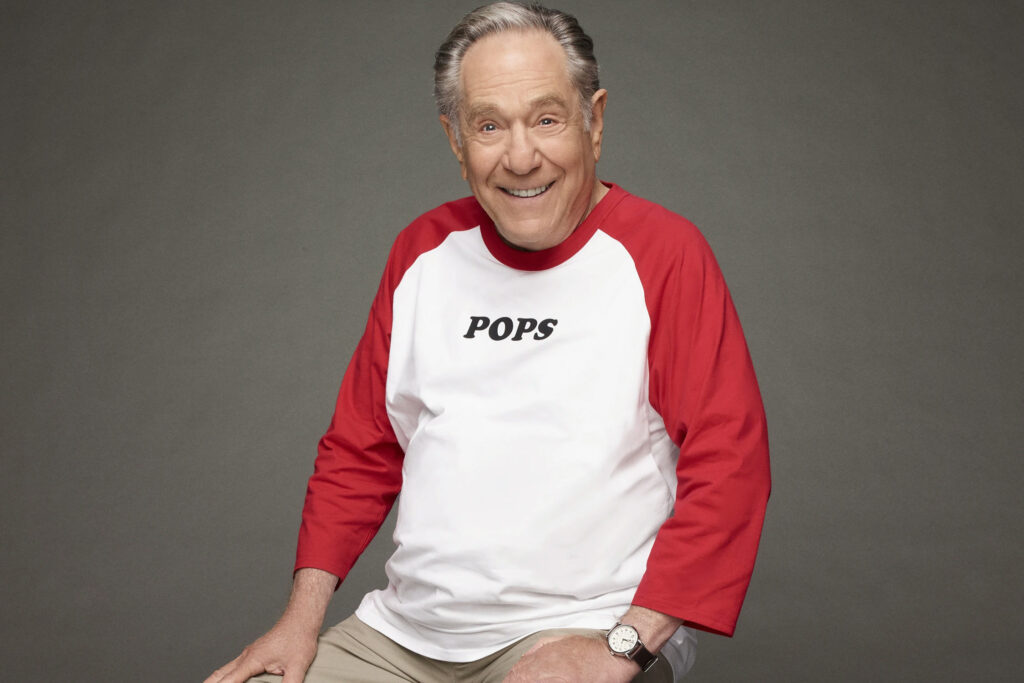
George Segal brought a legendary charm to The Goldbergs as Albert “Pops” Solomon, the cool, advice-giving grandfather. His chemistry with the young cast members was a cornerstone of the show’s nostalgic appeal. In March 2021, Segal passed away at age 87 following complications from bypass surgery. His death left a huge hole in the fictional Goldberg family, as his character was often the one who resolved the weekly conflicts with a bit of “old school” wisdom and a joke.
The ninth season opened with a beautiful tribute titled “The Goldbergs’ Excellent Adventure.” The episode revealed that Pops had passed away peacefully in his sleep, and the family spent the half-hour reminiscing about his best moments. The show used home-movie-style footage and voiceovers from the real Adam Goldberg to emphasize that the character was based on a real, beloved person. The tribute didn’t just focus on the sadness; it celebrated the joy Pops brought to the family. It was a masterclass in how a sitcom can handle the death of a senior cast member with both humor and deep, heart-wrenching respect.
Glen Carter (The Blacklist)
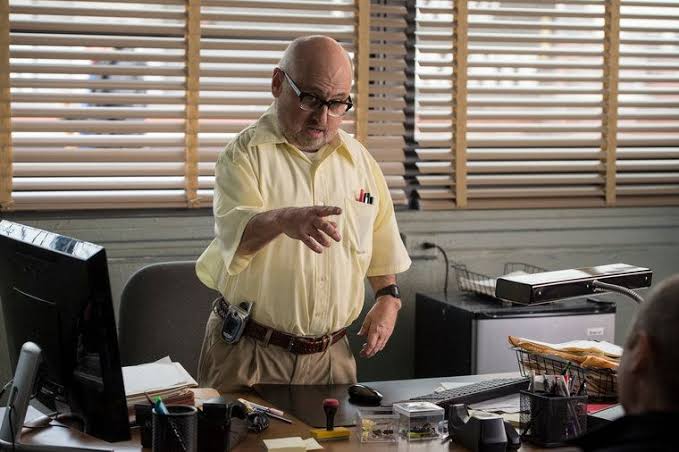
Clark Middleton played Glen Carter, the DMV employee who doubled as a highly effective, and highly annoying, information broker for Raymond Reddington. Middleton brought a unique, frantic energy to the role that made him a favorite recurring guest star. In October 2020, he passed away at the age of 63 from West Nile virus. His death was sudden, and the creators of The Blacklist felt it was important to honor his contribution to the show’s quirky underworld.
In a season eight episode, the show mirrored reality by having Glen die of the same virus. The episode centered on Reddington trying to fulfill Glen’s final, ridiculous wishes, which included a memorial at the Statue of Liberty. James Spader’s character delivered a moving eulogy that felt like it was coming from the actor himself, praising Glen’s “indomitable spirit.” The writers managed to maintain the show’s dark humor while acknowledging the genuine friendship between the characters. It was a fittingly eccentric farewell for a performer who had made a massive impact with relatively limited screen time.
Richard Gilmore (Gilmore Girls)
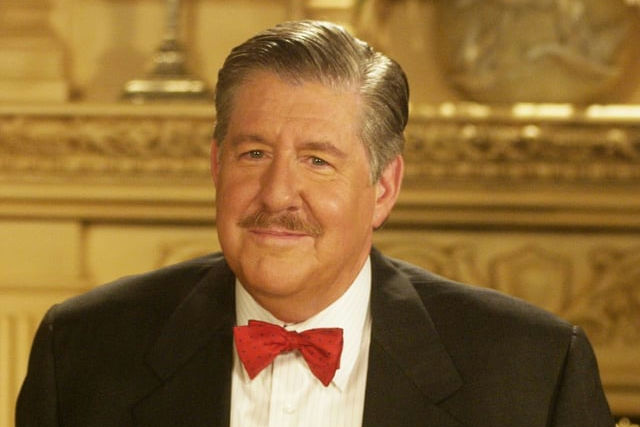
Edward Herrmann played the dignified and scholarly Richard Gilmore throughout the original seven-season run of Gilmore Girls. His portrayal of the family patriarch was central to the show’s exploration of class and generational conflict. Herrmann passed away from brain cancer in December 2014 at the age of 71. When Netflix decided to revive the series for A Year in the Life in 2016, the creator, Amy Sherman-Palladino, knew the revival had to be built around his absence.
The revival series begins several months after Richard’s funeral. The plot focuses heavily on how the three generations of Gilmore women, Emily, Lorelai, and Rory, cope with the loss of the man who anchored their lives. Emily’s storyline, in particular, was a heartbreaking look at a widow trying to find her identity after fifty years of marriage. By making Richard’s death a central plot point rather than a footnote, the show honored Herrmann’s importance to the series. The presence of his massive portrait in the Gilmore living room served as a constant, silent tribute to the actor’s enduring legacy.
Angela (Family Guy)
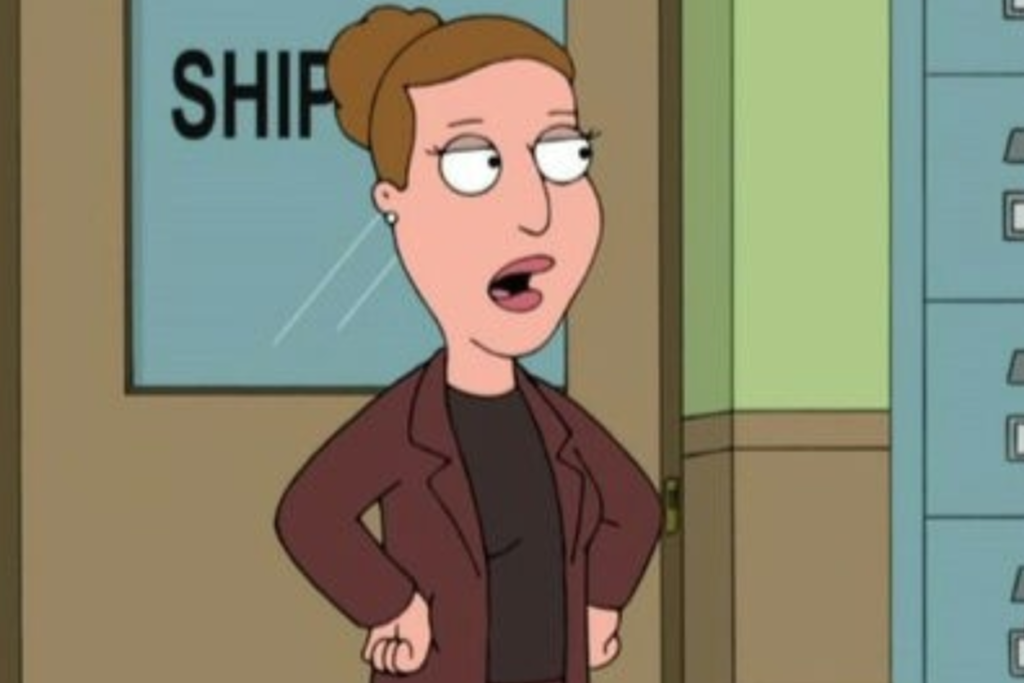
Carrie Fisher was a Hollywood icon known for her wit and honesty. While most knew her as Princess Leia, she also had a long-running role on Family Guy as Angela, the no-nonsense supervisor at the Pawtucket Brewery. Fisher voiced the character from 2005 until her untimely death in December 2016 at the age of 60. Given Fisher’s status as a beloved member of the entertainment community, the show’s writers wanted to give her character a proper send-off that reflected the actress’s real-life spirit.
In the 2018 episode “Pawtucket Pete,” Peter Griffin gives a eulogy for Angela that doubles as a tribute to Fisher herself. He mentions her sharp tongue, her bravery, and her status as a “royalty” of sorts. The speech was filled with nods to her career and her reputation for being unapologetically herself. While a new boss was eventually hired for the brewery, the episode ensured that Angela’s departure was noted as a major loss for the Quahog community. It was a rare, touching moment for a show that usually focuses on gags, showing the deep respect the creators had for Fisher.
Selma and Flo (Night Court)
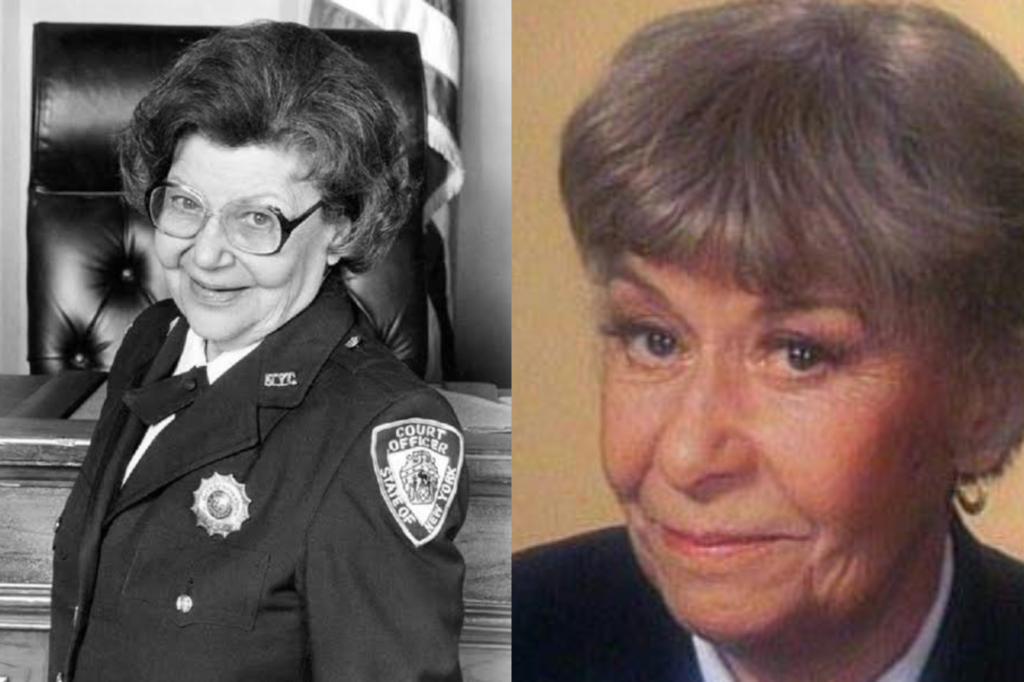
The 1980s sitcom Night Court suffered an incredibly rare and tragic double loss during its early years. First, Selma Diamond, who played the wisecracking bailiff Selma Hacker, died of lung cancer in 1985 at age 64. To fill the void, the show hired Florence Halop to play a similar character, the feisty Florence “Flo” Kleiner. However, in a shocking turn of events, Halop also passed away from lung cancer just one year later, in 1986, at the age of 63.
The show chose to address both deaths directly within the script. Judge Harry Stone and the rest of the courtroom staff took moments to mourn their friends, acknowledging that they had lost two vital members of their work family in a very short time. This grounded the show in reality, as the characters had to process repeated grief while still keeping the courtroom running. Eventually, Marsha Warfield was cast as Roz Russell, a character who finally brought some stability to the bailiff position. The show’s handling of these back-to-back tragedies remains a poignant example of how a production can persevere through immense real-world sadness.
Gramps Miller (Lassie)
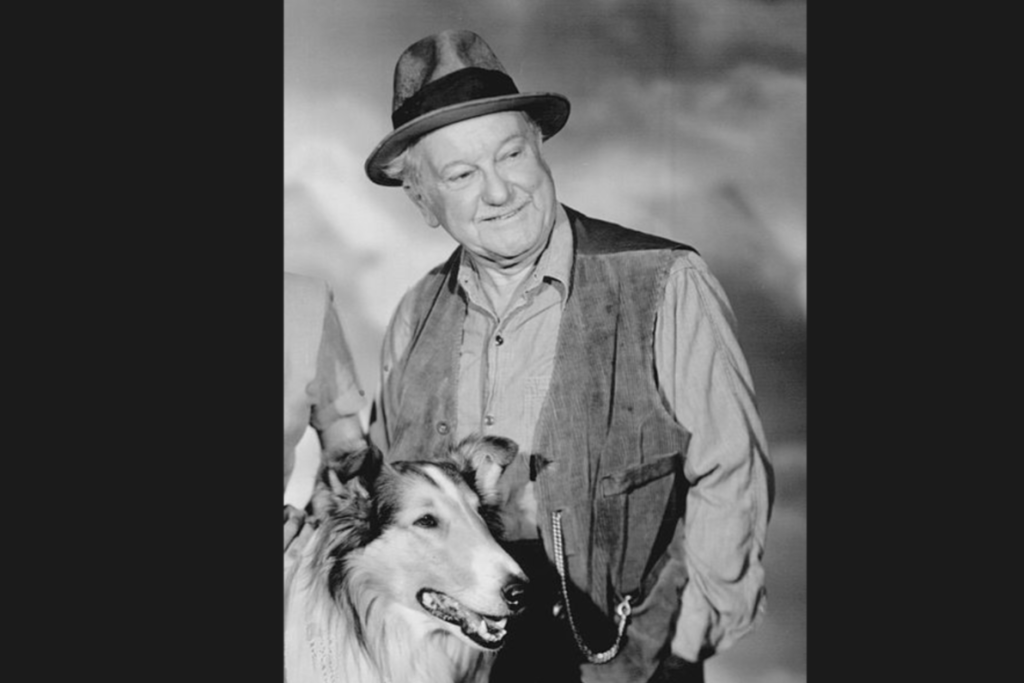
In the early days of television, death was rarely discussed openly, especially on family programs. However, when George Cleveland passed away in July 1957 at age 67, the producers of Lassie had to make a choice. Cleveland played “Gramps” Miller, the heart of the farm where Lassie lived. Since he passed away while production was ongoing, the writers decided to take the bold step of having the character die on the show, which was a significant moment for 1950s television.
The show handled the transition with a respectful, matter-of-fact tone. The Miller family eventually moved away because the farm was too much to handle without Gramps, allowing the series to introduce a new family and a new setting. This marked a major turning point for the long-running franchise, proving that the show could evolve while keeping its titular collie at the center of the action. By addressing the loss honestly, Lassie helped a generation of young viewers understand that even when people leave us, life continues and new friendships can be formed.
These moments of authenticity are what turn simple TV shows into lasting parts of our shared history, proving that the bond between an actor and their audience is something truly special.


