
The Future of Our Shared Human Experience
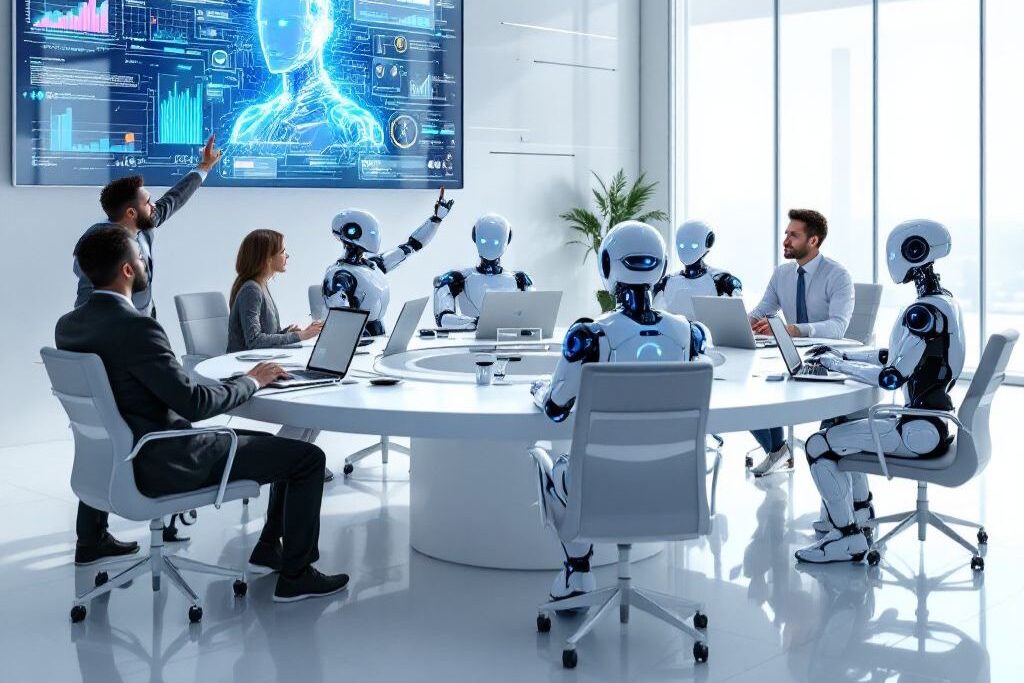
We often think of social norms as the permanent bedrock of our civilization, yet history shows they are as fluid as the technology we create. From the way we greet strangers to the expectation of a lifelong career, the unspoken rules that govern our daily interactions are currently standing on a fault line. As artificial intelligence integrates into the very fabric of our lives, we are witnessing a quiet revolution that is rewriting the human script. This transition matters because these norms are the glue holding our communities together, and their disappearance will fundamentally alter how we perceive truth, work, and even love itself.
Understanding these shifts is not about predicting a dystopian downfall but rather about preparing for a world that our grandparents would find unrecognisable. We are moving toward an era where the boundary between the digital and the physical is increasingly blurred, and where the “human touch” may soon become a luxury rather than a standard. By examining the projections of AI researchers and sociologists, we can begin to see which parts of our heritage are most at risk of fading away.
Trust In Shared Reality
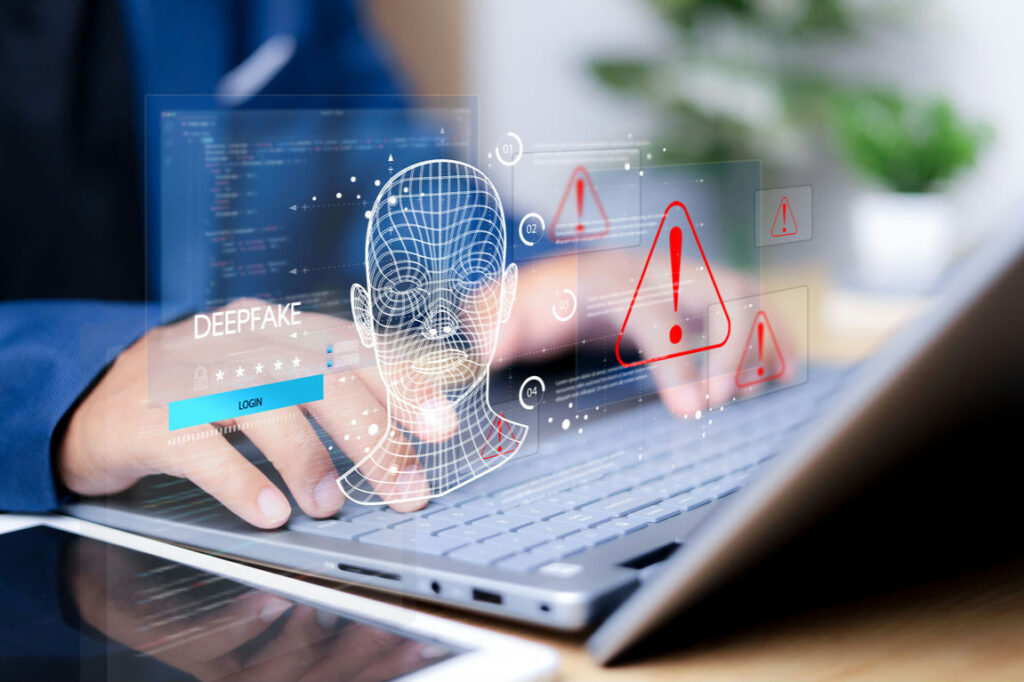
The long-held assumption that we all inhabit a world governed by the same set of objective facts is rapidly crumbling under the weight of hyper-realistic synthetic media. For decades, society relied on a collective consensus built through shared news sources and physical experiences, yet the rise of sophisticated deepfakes is creating a fractured information landscape where two people can look at the same event and see entirely different truths. This erosion of trust means that the very foundation of public discourse is being hollowed out, as it becomes nearly impossible to verify the authenticity of digital evidence without specialized tools that the average person simply does not possess.
As we move toward 2035, the social cost of this uncertainty will likely manifest as a retreat into insular digital bubbles where only “vetted” information is accepted. We are already seeing the early stages of this collapse, as the psychological toll of constant skepticism makes people more susceptible to emotional manipulation rather than logical reasoning. This shift will eventually lead to a society where the concept of a “universal truth” is viewed as a quaint relic of the pre-AI era, and where our shared reality is replaced by competing narratives that serve specific interests rather than the public good.
Believing Your Own Senses
There was once a time when “seeing is believing” served as the ultimate gold standard for human testimony and legal evidence, but that era is effectively over. With AI now capable of generating flawless audio clones and video footage that can place anyone in any situation, our biological senses are no longer reliable narrators of the world around us. This collapse of sensory trust will force a radical change in how we process information, as we can no longer rely on our eyes or ears to confirm the presence of a loved one or the validity of a political speech without secondary digital authentication.
This transition suggests that by 2050, the human brain will have to develop a permanent filter of “default skepticism” just to navigate basic daily interactions. We will likely see the emergence of cryptographic signatures for every piece of media, yet the social norm of trusting one’s own perception will have already vanished. As this norm fades, we may find ourselves increasingly alienated from our surroundings, always questioning whether the world we see through our screens is a window or a mirror.
Human Source Credibility

The implicit assumption that the book you are reading, the art you are admiring, or the email you just received was crafted by a sentient human being is a norm that is currently in its death throes. For centuries, the value of communication was tied to the effort and intent of the person behind it, but as AI agents become the primary authors of our digital world, that human connection is being severed. We are entering an age where the “human source” is no longer the default expectation, leading to a profound devaluation of intellectual and creative output as the market becomes saturated with instant, algorithmically generated content.
By the middle of this century, the discovery that a piece of work was actually created by a human might be treated with a sense of novelty or even suspicion. This shift will fundamentally change the nature of expertise and authority, as the ability to synthesize information is handed over to machines that do it faster and more efficiently than any person ever could. Consequently, the social prestige once associated with writing, coding, or analytical thinking will likely migrate toward roles that emphasize physical presence and emotional labor. Eventually, we will be forced to redefine what makes a voice “authentic” in a world where machines can mimic our every nuance.
Traditional Forty Hour Week

The concept of the forty-hour work week has governed the lives of billions since the industrial era, yet it is becoming an increasingly ill-fitting garment for the age of automation. As AI takes over the repetitive and even complex cognitive tasks that once required a full staff of human employees, the traditional “nine-to-five” structure is losing its economic justification. Companies are finding that they can achieve the same results with fewer people and less time, which is pushing us toward a future where labor is no longer the primary way we measure a person’s value or distribute wealth within a functioning society.
This shift will necessitate a total overhaul of our social safety nets and how we define “productivity” in a world where machines do the heavy lifting. We are likely to see the rise of gig-based models or universal basic income as the norm of full-time employment collapses, leading to a society where “free time” is no longer a luxury but a standard feature of life. However, this transition also brings the risk of a loss of purpose for many who have built their identities around their careers. Finding new ways to foster a sense of contribution and community will ultimately be the great challenge of the post-employment era.
Retirement At Sixty Five

For generations, the linear path of education followed by a long career and a quiet retirement at sixty-five was the ultimate goal for the working class. However, as AI disrupts the stability of white-collar professions and extends our productive lifespans through better healthcare integration, this predictable timeline is quickly becoming obsolete. The idea of “finishing” work at a specific age is being replaced by a model of lifelong learning and intermittent “micro-retirements,” as workers are forced to reinvent themselves multiple times to stay relevant alongside rapidly evolving technology.
This collapse of the traditional retirement norm means that the financial and social structures built around it, such as pension schemes and age-based benefits, will need to be entirely reimagined. We are moving toward a future where the distinction between “working years” and “golden years” is blurred, and where individuals may continue to contribute to society in various capacities well into their eighties. While this offers more flexibility, it also removes the sense of a “finish line” that many people find comforting. The societal pressure to remain “economically viable” could persist indefinitely, changing the way we view aging and leisure in the long term.
Authentic Human Craftsmanship
We are currently witnessing the beginning of a massive shift in how society values the objects and media it consumes, as the premium once placed on “human-made” goods begins to waver. In a world where AI can design a perfect chair, compose a moving symphony, or write a compelling novel in seconds, the average consumer may prioritize cost and convenience over the “soul” of human craftsmanship. While there will likely always be a niche market for the artisanal, the broad social norm that values human effort as an inherent sign of quality is expected to diminish as machine output becomes indistinguishable from the best human work.
As this trend accelerates, the very definition of “luxury” will likely shift from the quality of the product to the verified absence of AI in its creation process. We might see a future where “human-made” becomes a high-end certification, similar to organic food today, accessible only to those who can afford the inefficiency of human labor. For the rest of society, the norm will be to live in a world of algorithmically optimized perfection, where every item we own is designed for maximum efficiency rather than personal expression. This loss of the “human fingerprint” in our daily lives could lead to a subtle but persistent sense of aesthetic and emotional sterility.
Job Security In Intellectuals
Fields like law, programming, and financial analysis were long considered safe havens for those with high intellectual capacity, yet AI is proving that these “stable” careers are actually the most vulnerable to disruption. The social norm of obtaining a degree and securing a lifelong position in a prestigious firm is collapsing as AI agents become capable of handling complex legal research, writing bug-free code, and managing vast investment portfolios.
This shift will force a radical reassessment of what it means to be a “professional” and how we train the next generation of thinkers. As job security in these fields vanishes, we will likely see a move toward highly specialized human-AI collaboration, where the human’s role is relegated to ethical oversight and high-level strategy rather than the execution of tasks. The psychological impact of this change cannot be overstated, as millions of people who defined themselves by their intellectual prowess find their skills superseded by software. We are entering an era of “permanent professional pivoting,” where the only constant is the need to adapt to the next version of the algorithm.
Personal Digital Privacy
The expectation that our private thoughts, movements, and conversations remain our own is a social norm that is rapidly being sacrificed at the altar of technological convenience. To function effectively, modern AI systems require vast amounts of personal data, which has led to a world where constant surveillance is the default state of existence. As we move closer to 2050, the very concept of “privacy” may become an archaic term, understood only by those who remember a time before every heartbeat and purchase was tracked, analyzed, and used to train a predictive model.
This collapse of privacy will likely lead to a society where individuals are “pre-judged” by algorithms before they even walk into a room or apply for a loan. While this can lead to incredible personalization and efficiency, it also eliminates the social norm of the “fresh start” or the ability to keep one’s mistakes truly in the past. The loss of a private inner life could fundamentally alter the human psyche, as we begin to perform for the ever-present gaze of the algorithm rather than living for ourselves.
Needing Second Languages
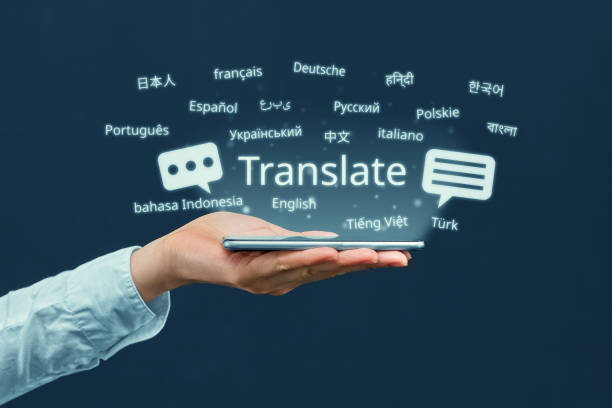
For centuries, learning a foreign language was considered the ultimate bridge between cultures and a mark of a well-rounded education, but real-time AI translation is making this norm feel increasingly optional. As ear-worn devices and mobile apps become capable of providing instantaneous, nuanced translation that accounts for slang and tone, the practical necessity of spending years mastering another tongue is evaporating. While this technology will undoubtedly bring the world closer together by removing barriers to communication, it also threatens to destroy the deep cultural understanding that only comes from learning the structure and poetry of a different language.
By the time we reach 2040, the norm of bilingualism might be replaced by a reliance on “digital intermediaries,” which could lead to a more superficial global culture. When the machine does the translating, we lose the subtle cognitive benefits and the unique perspectives that different languages offer. We may find ourselves in a world where everyone can “speak” to everyone else, but no one truly understands the cultural context of what is being said.
Linear Digital Experiences
The way we consume media is shifting from a shared, linear experience to one that is entirely personalized and generated in real-time by AI. We are moving away from the “static” social media feeds of the 2020s toward immersive, virtual environments that adapt to our specific moods and desires at any given second. This means the social norm of “watching the same show” or “using the same app” as your peers is collapsing. Everyone’s digital world becomes a unique hall of mirrors designed specifically for them by a tireless algorithm.
When our entertainment and social interactions are hyper-personalized, we lose the shared references that allow us to bond with strangers or engage in collective national conversations. We are effectively moving into private digital universes where the “other” is filtered out, and every experience is tailored to reinforce our existing preferences. While this provides endless engagement, it also risks creating a society of individuals who are more disconnected from each other than ever before, despite being constantly “online” in their own custom-made worlds.
Four Year University Path

The traditional rite of passage involving a four-year residential degree is rapidly losing its status as the singular gateway to a successful middle-class life. As the cost of higher education continues to skyrocket and the skills required for the modern workforce shift every few months, the rigid structure of a legacy university seems increasingly disconnected from reality. We are seeing a move toward AI-guided, competency-based learning modules that allow individuals to gain specific, verifiable skills in a fraction of the time, often while remaining active in the workforce or pursuing personal projects simultaneously.
By 2040, the prestige once associated with a specific university “name” will likely be eclipsed by a digital portfolio of micro-credentials that are updated in real-time by AI tutors. To reiterate properly, the norm of a concentrated period of study in one’s early twenties is being replaced by a model of continuous, bite-sized education that lasts a lifetime. This fundamentally alters how we transition from childhood into the adult world. This shift will also threaten the social networking and “soft skill” development that happens on a physical campus.
Individualised Critical Thinking
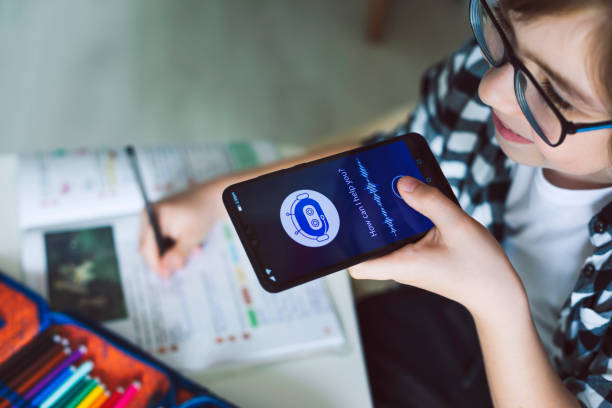
One of the most profound and perhaps unsettling shifts is the gradual outsourcing of our cognitive processes to large language models and personal AI assistants. From writing a simple email to synthesising a complex business report, the norm of grappling with a blank page and working through a problem independently is being replaced by a prompt-and-edit workflow. While this massive boost in efficiency allows us to produce more than ever before, there is a growing concern that our internal “muscles” for critical thinking and original synthesis are beginning to atrophy from lack of use.
As we become more dependent on AI to suggest what we should say, how we should feel, and what we should believe, the boundary between our own thoughts and the algorithm’s output becomes dangerously thin. This is seriously concerning because we are moving toward a future where “thinking” is no longer an individual act, but a collaborative process with a machine that has its own biases and programmed objectives. This may eventually leave us with a society of editors rather than creators.
Regular Off-line Times

The concept of being “unplugged” or completely off the grid is quickly transitioning from a common courtesy to a suspicious or even impossible act. In our current trajectory, the expectation of constant availability is becoming the absolute social baseline, as AI-integrated wearables and smart environments ensure we are always connected to the digital collective. The once-standard practice of leaving the phone at home or taking a holiday without Wi-Fi, is being viewed as an indulgence that most professionals and even families can no longer afford in a hyper-competitive, real-time world.
By the middle of the 2030s, the “always-on” state will be so deeply ingrained that a lack of a digital footprint or an immediate response will be interpreted as a sign of technical failure or a deliberate social snub. This total erosion of the boundary between our public and private time means that the restorative power of solitude is being lost to a constant stream of notifications. We are essentially forgetting how to simply “be” without being watched.
Manual Decision Making
The simple human act of making a choice, whether it is picking a restaurant, choosing a holiday destination, or deciding on a career path, is being quietly handed over to predictive algorithms. We have already become accustomed to Netflix telling us what to watch and Spotify telling us what to listen to, but this norm is expanding into the most intimate corners of our lives. AI models are now gaining more data on our preferences and physiological responses, the social norm of “trusting your gut” is being replaced by a reliance on data-driven recommendations that promise to eliminate the risk of a “bad” choice.
This shift suggests that by 2050, the very idea of making a decision without consulting an AI might seem reckless or inefficient to the average person. While this reduces the “decision fatigue” of modern life, it also strips away the learning and growth phase that comes from making mistakes or trying something unexpected. The “perfect life” curated by an algorithm may ultimately feel like a life lived by someone else entirely.
Human-Only Customer Support
The expectation that a “real person” will eventually pick up the phone to solve a problem is a social norm that is effectively on its way to extinction. These days, conversational AI becomes indifferentiable from human speech, and possesses the ability to access and process data in milliseconds. Slowly, the economic argument for human-led customer service is vanishing. We are entering an era where the default interaction for any service or support query will be with a synthetic entity, and the few remaining human agents will be reserved for the most extreme and high-value escalations, often hidden behind multiple paywalls.
While AI support can be incredibly efficient and available 24/7, it lacks the genuine empathy and moral flexibility that a human representative can provide in a crisis. The frustration of shouting “representative” into a phone will be replaced by a seamless, but ultimately hollow, interaction with a voice that sounds empathetic but has no true understanding of human suffering. We are trading the messy reality of human connection for a programmed script.
Human Agency Transfer
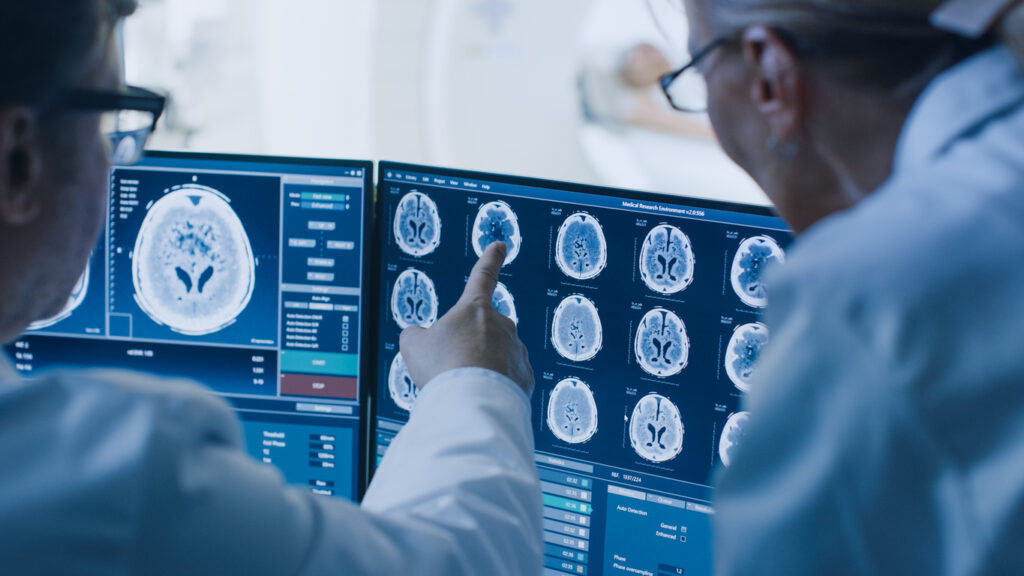
We are witnessing a subtle but significant transfer of moral and ethical responsibility from human beings to the “higher power” of the algorithm. Whether it is a judge using AI to determine sentencing or a doctor using it to diagnose a terminal illness, the norm of individual accountability is being diluted by the complexity of the systems we use. There is a growing tendency to treat algorithmic output as an objective truth that cannot be questioned. This could gravely damage the concept of integrity and accountability of individuals by claiming they were just “following the data.”
The danger is that we stop acting as moral agents and start acting as mere spectators to the decisions being made on our behalf. This collapse of human agency risks creating a society where no one is truly responsible for the systemic biases or errors that the technology may perpetuate. Reclaiming this agency will require a radical shift in how we design and interact with autonomous systems before they become our unelected masters.
Objectification Of People
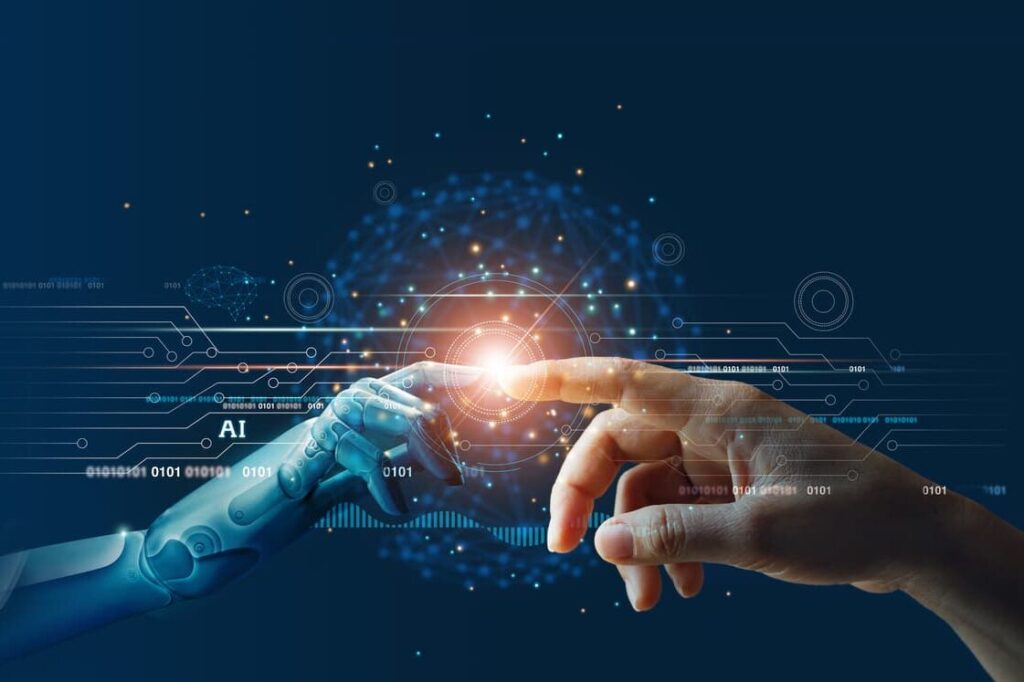
As we increasingly interact with highly efficient AI “servants” and virtual companions, there is a growing risk that this transactional mindset will spill over into our real-world relationships. The norm of treating every person as an end in themselves, with their own complex needs and emotions, is being threatened by a digital environment that prioritizes speed and utility above all else. When we become accustomed to machines that exist solely to satisfy our whims without complaint, we may subconsciously begin to expect the same level of frictionless service from the actual humans in our lives.
This trend toward the “objectification” of people could lead to a significant decline in empathy and social cohesion. If we view others primarily as instruments to help us achieve our goals or as “content” for our digital feeds, the depth of our community bonds will inevitably wither. Presently, we are seeing the early signs of this in the “main character syndrome” prevalent on social media, where the world is viewed as a backdrop for one’s own personal brand. Preventing this slide into collective narcissism will be one of the greatest psychological challenges of the AI era, as we fight to remember that people are not just data points.
Physical Presence Requirement
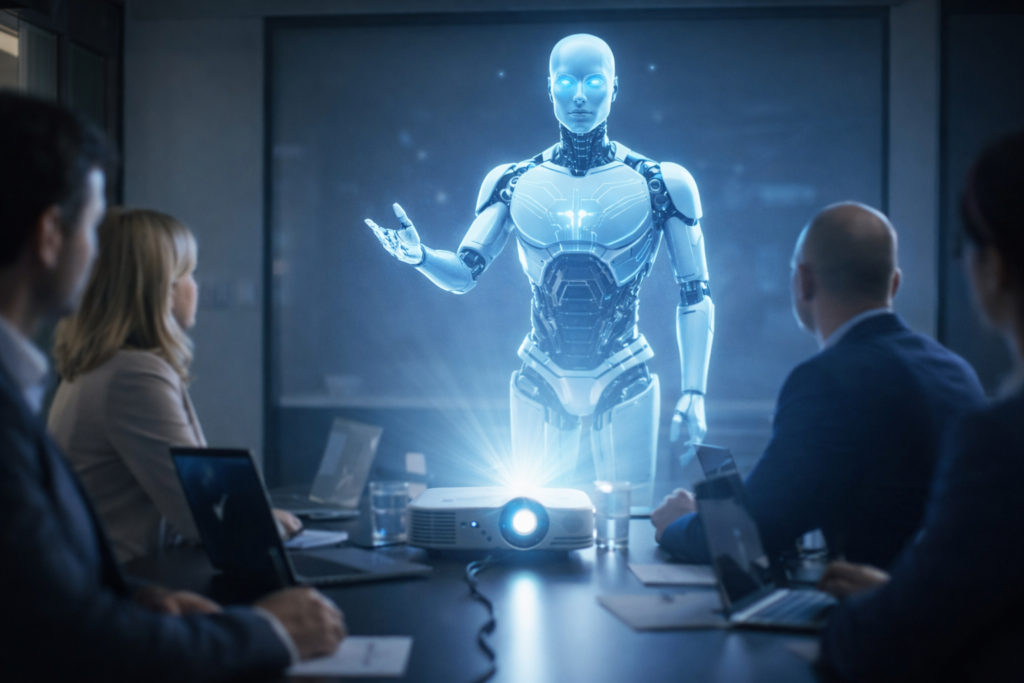
The long-standing norm that certain activities, from high-level business negotiations to intimate social gatherings, require our physical presence is being systematically dismantled. With the advent of hyper-realistic VR, holographic projections, and AI-mediated presence, the “geographic tax” of being in the same room as someone else is becoming optional. While this offers incredible freedom and reduces our carbon footprint, it also threatens to destroy our natural state. The subtle, non-verbal cues and “chemical” connections can only occur when two human bodies occupy the same physical space.
By the middle of this century, the “physical office” or even the “physical date” might be seen as a nostalgic luxury rather than a professional or social requirement. This shift toward a predominantly virtual life could lead to a profound sense of physical alienation and a decline in our connection to our local environments. We risk becoming a society of “digital ghosts,” interacting through layers of code while our physical selves remain increasingly isolated and sedentary.
Declaration Of AI Use
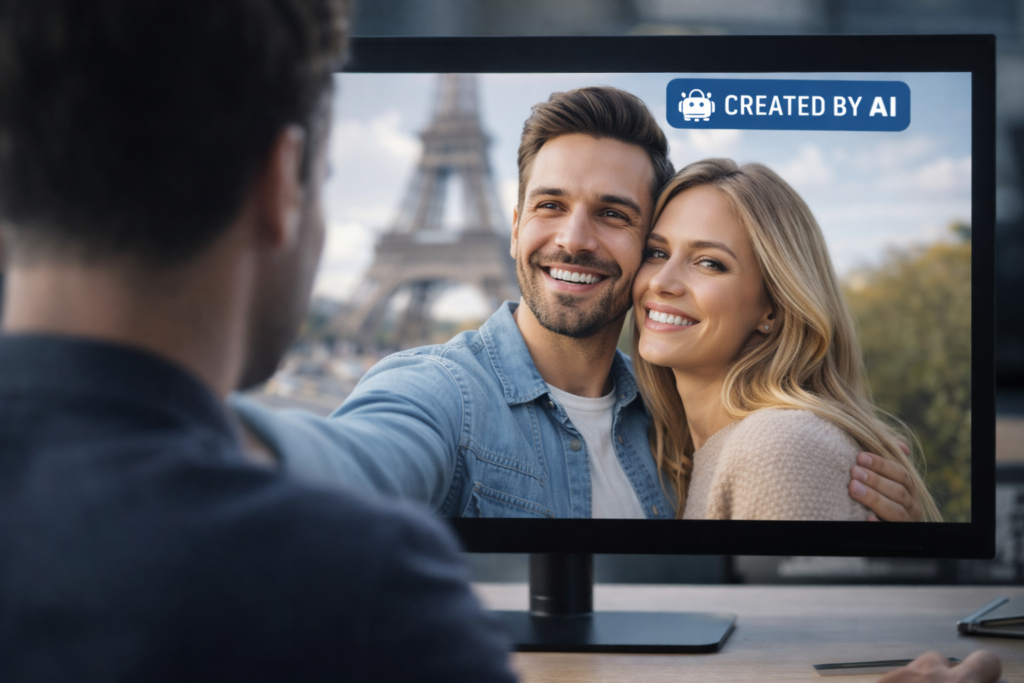
Currently, there is a strong social and often legal push to declare when a piece of content, such as a photograph or a news article, has been created or assisted by AI. However, this norm is likely to collapse simply because the use of AI will become so ubiquitous that it will be the default assumption for all human output. Much like we no longer feel the need to declare that a document was written on a computer or spell-checked by a program.
This shift toward an “AI-by-default” world will make it increasingly difficult to find or value purely “human” creations. When every image is enhanced, every sentence is polished, and every idea is researched by an algorithm, the concept of “unassisted” work will become a rare and perhaps even looked-down-upon anomaly. The loss of this distinction will further complicate our search for authenticity, as we will never truly know where the human ends and the machine begins.
Corporate Transparency Norms
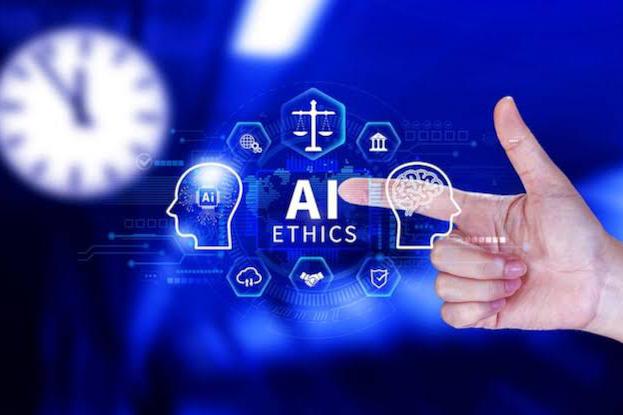
The ideal of corporate accountability and transparency is facing a significant threat as a small handful of AI giants become the “unelected dictators” of our digital reality. As the algorithms that govern our news feeds, our credit scores, and our social interactions become more complex, the ability of any government or public body to truly audit them is disappearing. The social norm that a company must be transparent about its operations is collapsing in the face of “proprietary” code that even its own creators often do not fully understand.
This trend suggests a future where the rules of society are written in code by private entities rather than in laws by elected representatives. If we cannot see how decisions are being made or hold the decision-makers accountable, the very foundation of a democratic society is at risk. We are moving toward a world where “corporate secrets” are the most powerful force on earth, and where the average citizen has no choice but to trust the benevolence of a few billionaires. Breaking this cycle will require a global effort to re-establish public oversight over the algorithms that are currently reshaping our world behind closed doors.
In the end, these reasons were not put together to discredit or undermine the use of Artificial Intelligence, It is an invitation to reflect on what we truly value before the algorithms decide the new rules of engagement for us.


