
Big Ideas That Looked Unstoppable, Until They Weren’t

The history of the technology industry is often told through the lens of its greatest triumphs, but the landscape is equally littered with the remains of ambitious ideas that simply failed to take flight. These high-profile flops serve as vital reminders that even the most well-funded corporations are not immune to the unpredictable nature of consumer habits and the relentless pace of innovation. Understanding why these products stumbled is more than just a trip down memory lane because it reveals the delicate balance between being visionary and being practical in a world that moves incredibly fast.
When we look back at these massive tech failures, we see a pattern of over-ambition and misaligned timing that shaped the modern digital world. Whether it was a piece of hardware that arrived years before the necessary infrastructure existed or a social platform that failed to understand how people actually wanted to connect, these stories offer profound lessons in humility. Exploring these twenty-two examples allows us to appreciate the risks involved in pushing boundaries and reminds us that today’s indispensable gadget could very easily have become yesterday’s forgotten footnote if the circumstances had been only slightly different.
Google Glass Failed To Launch
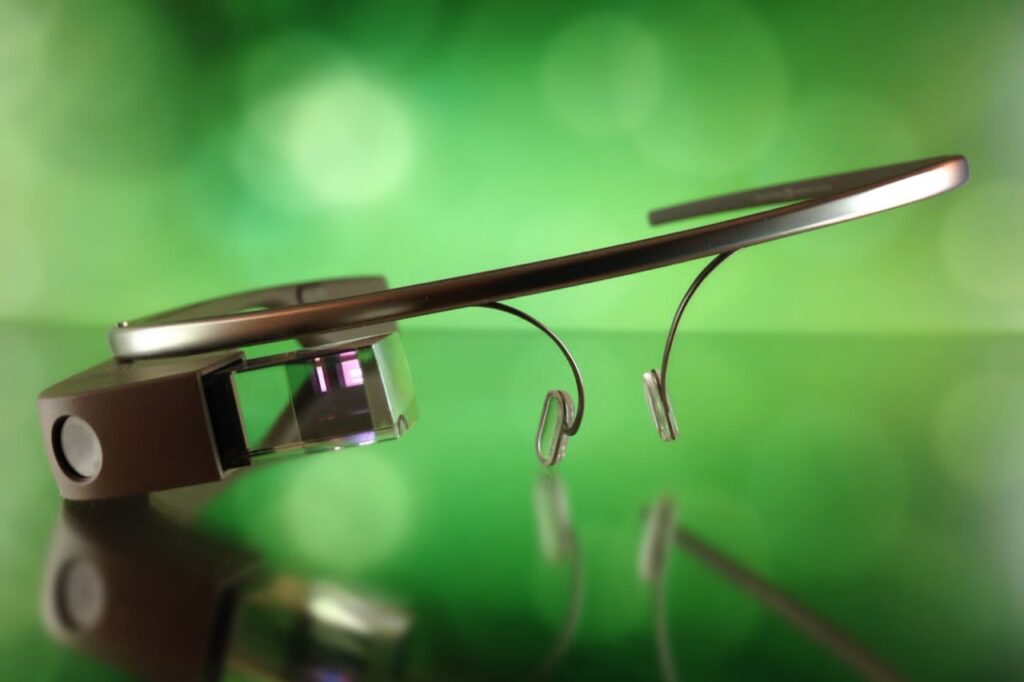
The prospect of wearable augmented reality seemed like a genuine glimpse into the future when Google first unveiled its smart glasses in 2012, yet the device quickly became a lightning rod for controversy. While the tech world was initially buzzing with excitement over the hands-free display and integrated camera, the public reaction was far less welcoming as privacy concerns began to mount almost immediately. People felt uncomfortable being recorded without their consent, and the high price tag of fifteen hundred dollars meant that the device remained an exclusive toy for the wealthy elite rather than a tool for the masses. This social friction led to the unfortunate coining of the term “Glasshole,” which effectively poisoned the brand image and made it difficult for the average person to imagine wearing the device in their everyday lives.
Despite the technical prowess behind the hardware, Google Glass struggled to find a meaningful purpose that justified its presence on a user’s face for several hours a day. The battery life was notoriously poor and the device often overheated during simple tasks, which made it feel more like an expensive prototype than a finished consumer product ready for the mainstream market. By the time Google decided to pull the plug on the consumer version in early 2015, it was clear that the world was not quite ready for such an invasive form of technology. Although the project eventually found a niche in industrial and medical settings where hands-free data is essential, its failure as a consumer fashion statement remains one of the most significant lessons in the importance of social etiquette and timing in the tech industry.
Segway Missed The Mark
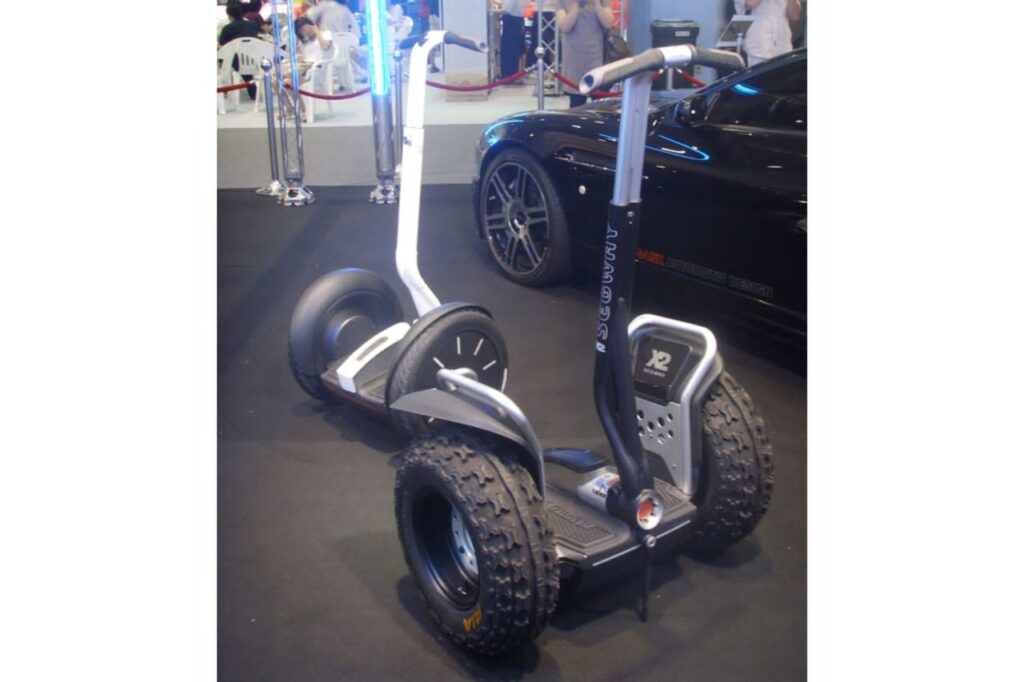
When Steve Jobs famously predicted that the Segway would be as significant as the personal computer, the world waited with bated breath for a revolution in urban transportation that never actually arrived. Launched in late 2001 with an incredible amount of secrecy and hype, the self-balancing scooter was supposed to transform the way cities were designed and how people moved through them. However, the five-thousand-dollar price tag was an enormous barrier for most commuters who could easily buy a used car for the same amount of money. Furthermore, the bulky design made it difficult to store inside apartments or offices, and the legal status of the vehicle on pavements and roads remained a confusing mess of conflicting regulations that discouraged potential buyers from taking the plunge.
The Segway also suffered from a serious image problem that proved impossible to shake off, as it quickly became associated with mall security guards and guided tourist groups rather than cool urban commuters. Instead of appearing like a sleek vehicle of the future, users often looked awkward and out of place while navigating crowded streets, which hindered its adoption among the trend-setting demographics. While the underlying gyroscopic technology was undeniably impressive and eventually paved the way for modern hoverboards and e-scooters, the original Segway itself failed to capture the public imagination in the way its creators had envisioned. It stands today as a classic example of a product that solved a problem many people didn’t feel they actually had, resulting in a niche legacy rather than the global transportation revolution that was promised.
Amazon Fire Phone Flamed Out
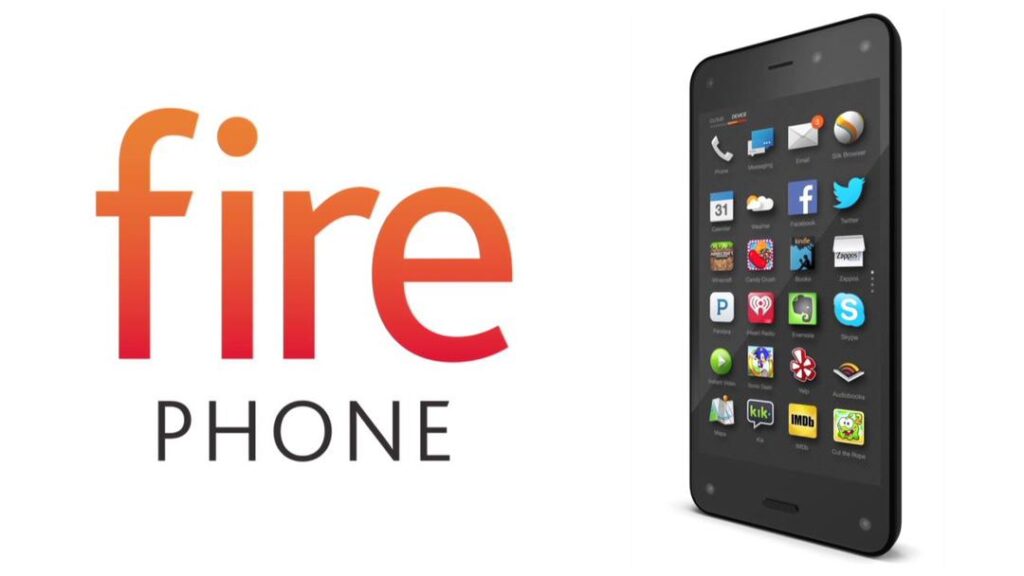
Amazon attempted to disrupt the smartphone market in 2014 with the release of the Fire Phone, but the device was met with a lukewarm reception that quickly turned into a financial disaster for the retail giant. The primary selling point was a unique 3D dynamic perspective feature that used four front-facing cameras to track the user’s head movements, yet many critics dismissed this as a mere gimmick that added little value to the daily user experience. Another major focus was the Firefly feature, which allowed users to identify products and buy them instantly on Amazon, but this made the phone feel more like a portable shopping catalogue than a versatile communication tool. Consumers were also frustrated by the lack of popular apps like YouTube and Google Maps because the device ran on a restricted version of Android.
The pricing strategy for the Fire Phone was perhaps its greatest undoing, as it launched at the same premium price point as the iPhone and the top-tier Samsung Galaxy models. This was a significant departure from Amazon’s successful Kindle strategy of offering high-quality hardware at low prices to drive digital sales, and customers were simply unwilling to take a risk on an unproven platform at such a high cost. Within just a few months, the price was slashed to ninety-nine cents on contract, and Amazon eventually took a massive one hundred and seventy million dollar write-down on unsold inventory. The failure taught the company that brand loyalty in the e-commerce space does not automatically translate to the highly competitive and personal world of mobile smartphones, leading them to pivot back to smart home devices.
New Coke Tasted Like Failure
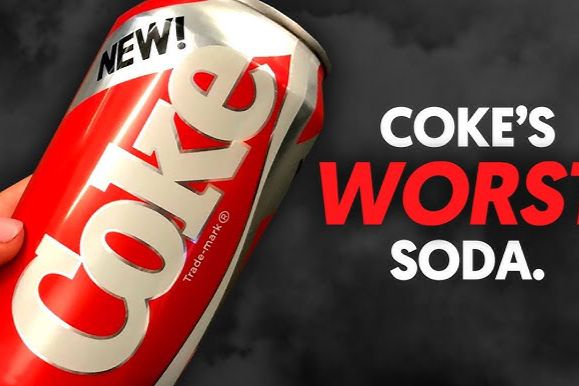
In one of the most infamous marketing blunders in history, the Coca-Cola Company decided to change its secret formula in 1985 to create a sweeter version known as New Coke. The decision was backed by extensive blind taste tests which suggested that consumers preferred the new flavour over the original and even over their main rival Pepsi. However, the company completely underestimated the deep emotional connection that the public had with the traditional brand, and the announcement sparked an immediate and passionate backlash across the United Kingdom and the United States. Thousands of angry phone calls flooded the company headquarters, and some loyalists even began hoarding cases of the original formula as if it were a precious commodity in short supply.
The outrage was so intense that it felt as though a national treasure had been stolen, and the media coverage only served to fuel the fire of public discontent. It became clear that people didn’t just drink Coca-Cola for the taste, but for the sense of nostalgia and reliability it represented in their daily lives. Just seventy-nine days after the launch of New Coke, the company was forced to perform a humiliating U-turn and reintroduce the original formula under the name Coca-Cola Classic. This rapid reversal actually ended up boosting sales in the long run, leading some conspiracy theorists to suggest the whole drama was a planned marketing stunt. Regardless of the intent, the New Coke saga remains a definitive lesson in the dangers of ignoring the psychological and emotional elements of brand loyalty.
Microsoft Zune Lost The Race
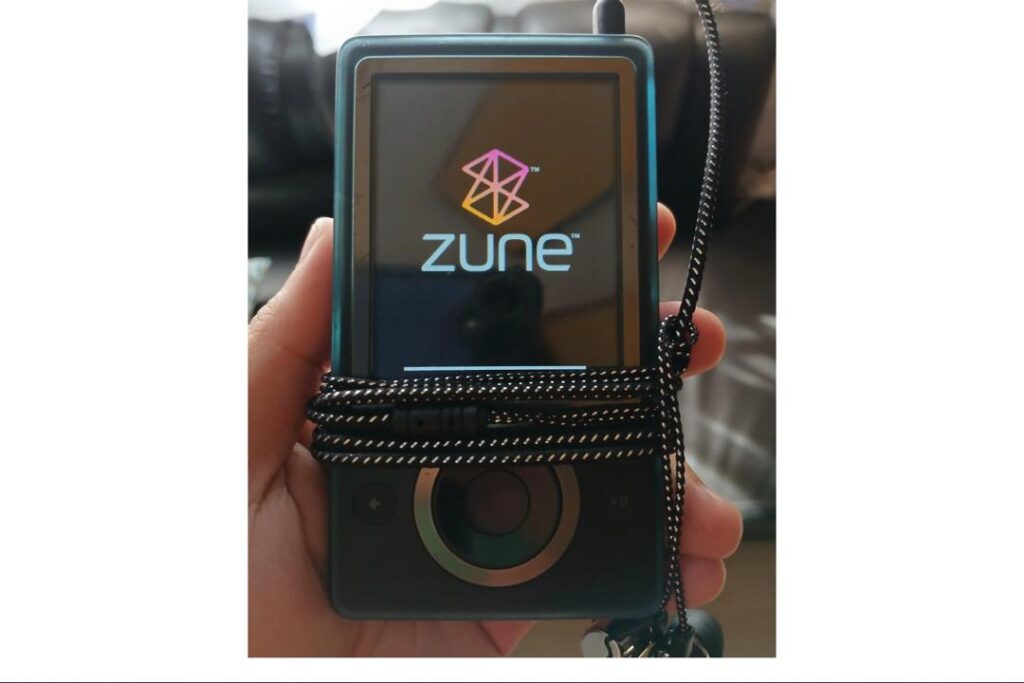
Microsoft launched the Zune in 2006 as a direct challenger to the dominant iPod, but the device arrived far too late to make a significant dent in Apple’s massive market share. While the Zune boasted several innovative features like wireless song sharing and a larger screen for video playback, it struggled to overcome the cultural momentum of the iPod brand. The initial design was often mocked for its bulky aesthetic and the choice of a brown colour scheme that failed to resonate with the fashion-conscious tech crowd of the mid-2000s. Furthermore, the Zune Marketplace software was widely considered to be inferior to the polished and user-friendly iTunes ecosystem, which made the process of managing music libraries feel like a chore for many frustrated users.
Despite Microsoft’s best efforts to improve the hardware with the sleek Zune HD in later years, the rise of smartphones began to make dedicated MP3 players obsolete anyway. The company spent hundreds of millions of dollars on marketing campaigns and partnerships, but they could never quite shake the perception that they were playing a desperate game of catch-up. The Zune was eventually discontinued in 2011, and while it still retains a small cult following today for its unique user interface and robust build quality, it is largely remembered as a symbol of Microsoft’s struggle to innovate in the consumer hardware space. The failure highlighted the reality that having good specifications is rarely enough to win when a competitor already owns the hearts and minds of the global consumer base.
Apple Newton Was Too Early
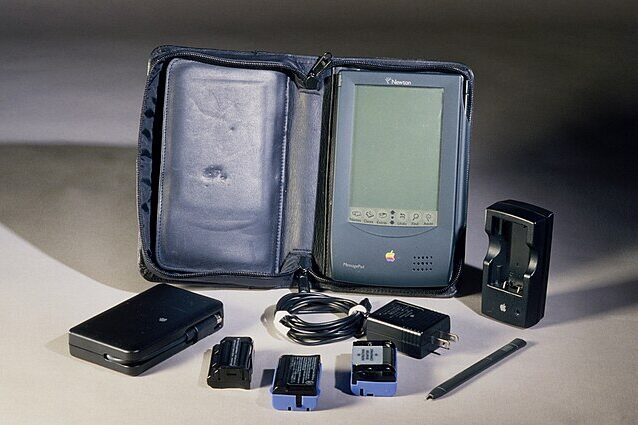
Long before the iPad became a household name, Apple ventured into the world of handheld computing with the Newton MessagePad in 1993. The device was intended to be a “Personal Digital Assistant” that could handle notes, contacts, and calendars with ease using a stylus and handwriting recognition software. Unfortunately, the early technology was not quite up to the task, and the Newton’s inability to accurately translate handwriting became a running joke in popular culture, including a famous parody on The Simpsons. The device was also quite large and expensive, making it difficult for the average professional to justify carrying it around when a simple paper notebook and a pen were far more reliable and significantly cheaper.
The Newton was a project championed by John Sculley, and when Steve Jobs returned to Apple in the late nineties, he famously cancelled the entire line to focus the company’s resources on more promising ventures. Jobs reportedly hated the stylus interface and believed that the hardware was simply too clunky for the vision he had for the future of mobile computing. Although the Newton was a commercial failure that cost the company a fortune in development, it served as an essential stepping stone for the mobile revolution. Many of the concepts introduced by the Newton, such as the idea of a mobile app ecosystem and pocket-sized productivity, were eventually perfected in the iPhone and iPad over a decade later. This shows that being a pioneer often means taking the arrows for others to follow.
Nintendo Virtual Boy Hurt Eyes
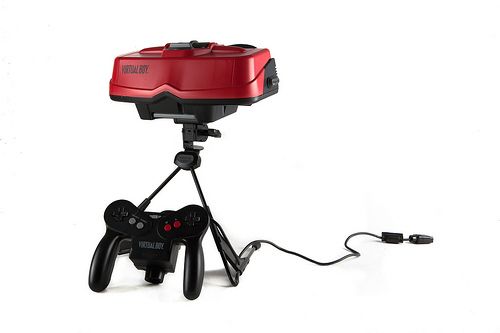
Nintendo has a long history of taking bold risks, but the Virtual Boy is widely regarded as the most disastrous experiment in the company’s storied existence. Released in 1995, it was marketed as the first portable console capable of displaying true three-dimensional graphics through a head-mounted display. However, the reality was a monochromatic red-and-black screen that was notoriously difficult on the eyes and frequently caused headaches or nausea for players after only a few minutes of use. The device was also not truly portable, as it required a stable tabletop stand to be used properly, which completely contradicted the freedom of movement that the burgeoning handheld gaming market was actually looking for at the time.
The library of games for the Virtual Boy was extremely limited, and many titles failed to take meaningful advantage of the 3D capabilities, making the hardware feel like an unnecessary burden rather than a breakthrough. Third-party developers were hesitant to support such a niche and physically uncomfortable platform, which led to a swift decline in interest from both retailers and consumers. Nintendo discontinued the product less than a year after its launch, and it remains a rare stain on their reputation for delivering high-quality entertainment experiences. The failure of the Virtual Boy served as a cautionary tale for the entire industry about the physical limitations of early virtual reality and the absolute necessity of putting user comfort at the forefront of hardware design and development.
Quibi Shortened Its Own Life

In the high-stakes world of streaming, Quibi arrived in 2020 with nearly two billion dollars in funding and a plan to revolutionise how we watch content on our phones. The platform focused on “quick bites” of high-quality video that were ten minutes or less, designed specifically for people to watch while commuting or waiting in line. However, the timing of the launch could not have been worse, as the global pandemic meant that everyone was staying at home with access to their large-screen televisions rather than looking for mobile distractions. Without the “on-the-go” moments that the service was built for, users found little reason to pay for a subscription when they could watch similar short-form content for free on TikTok or YouTube.
Beyond the unfortunate timing, Quibi suffered from several technical and strategic blunders, such as initially preventing users from taking screenshots or sharing clips on social media, which effectively killed any chance of organic viral growth. The content itself was often lavishly produced with A-list Hollywood stars, but it frequently lacked the raw and engaging personality that modern audiences crave from digital-first platforms. After only six months of operation and a massive loss of capital, the service announced it was shutting down and sold its content library to Roku. The rise and fall of Quibi proved that even the most experienced executives and massive budgets cannot force a new habit onto consumers if the platform doesn’t fit into the natural flow of their daily lives.
DeLorean DMC-12 Stalled Out
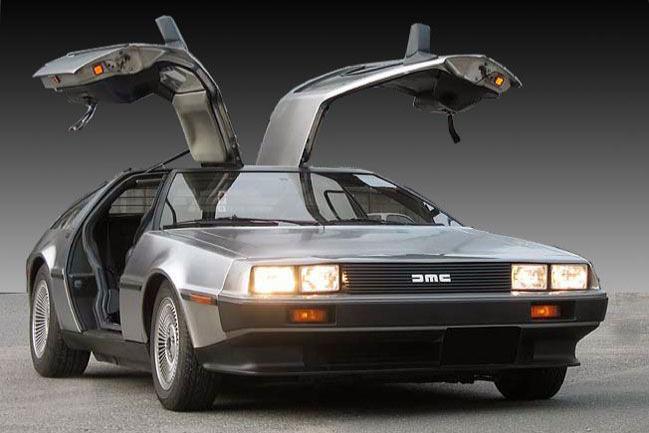
The DeLorean DMC-12 is one of the most iconic cars in cinema history thanks to the Back to the Future trilogy, but its real-world performance was a complete disaster from the start. Launched in 1981 by former General Motors executive John DeLorean, the car featured striking gull-wing doors and an unpainted stainless-steel body that looked like nothing else on the road. However, the futuristic exterior hid a sluggish engine and poor build quality that failed to live up to the premium price tag. The factory in Northern Ireland was plagued by production delays and financial troubles, and the car’s handling was frequently criticised by automotive journalists who expected a much sportier experience for their money.
The dream finally collapsed in 1982 when John DeLorean was arrested on drug trafficking charges in a desperate attempt to raise funds for his failing company, although he was later acquitted. By that point, the damage was done, and the company filed for bankruptcy after producing only about nine thousand vehicles. While the car has achieved a legendary status among collectors and film fans today, its original run was a masterclass in how style over substance can lead to a quick demise in the brutal automotive industry. The DeLorean serves as a romantic but tragic reminder that a visionary design requires a solid engineering foundation and stable financial backing to survive the harsh realities of global manufacturing and intense market competition.
Facebook Phone Home Failure
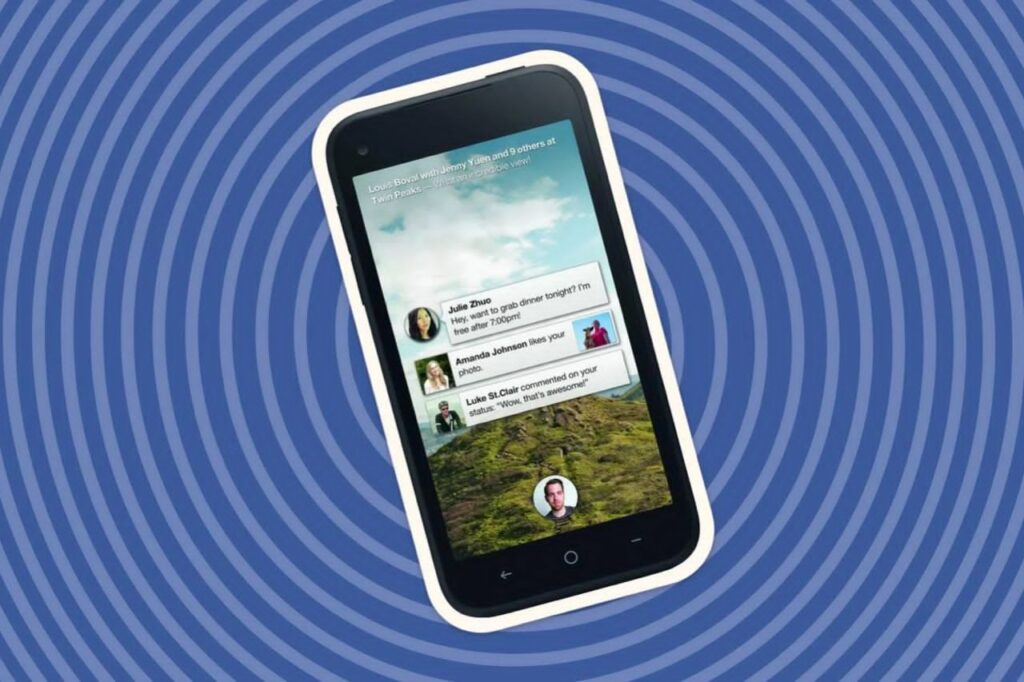
In 2013, Facebook collaborated with HTC to release the First, a smartphone that featured a deep integration of the social network known as Facebook Home. The idea was to put the social feed at the very centre of the mobile experience, replacing the traditional home screen with a constant stream of status updates and photos from friends. However, users quickly found this “people-centric” approach to be incredibly intrusive and frustrating, as it made it much harder to access basic functions like the camera or other essential apps. Most people wanted their phones to be versatile tools rather than a dedicated portal for a single social media platform, and the lack of customisation options led to a wave of negative reviews.
The HTC First saw dismal sales numbers right from the beginning, with some reports suggesting that less than fifteen thousand units were sold in the first month across the United States. Carriers were forced to drop the price from ninety-nine dollars down to just ninety-nine cents almost immediately to clear out the stagnant stock. The failure of the project demonstrated that even a dominant platform like Facebook has limits to its influence over user behaviour, especially when it comes to the personal space of a smartphone home screen. It was a humbling moment for Mark Zuckerberg’s company, proving that people value privacy and functional utility over a constant, unavoidable connection to their social circle, and they haven’t attempted a dedicated hardware phone since that time.
Samsung Galaxy Note 7 Went Up In Flames
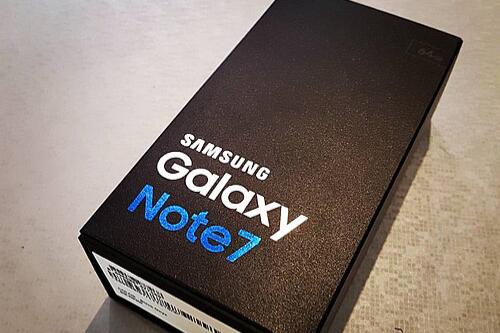
The Samsung Galaxy Note 7 was initially hailed as the best smartphone ever made when it launched in 2016, but its legacy was quickly reduced to ashes due to a catastrophic battery flaw. Shortly after its release, reports began to surface globally of devices spontaneously catching fire or exploding while charging, which prompted a massive and unprecedented worldwide recall. The situation escalated rapidly as airlines began to ban the device from flights entirely, and the sight of fireproof return boxes sent out by Samsung became a humiliating symbol of a corporate nightmare. It was eventually discovered that a design flaw in the battery casing caused internal short circuits, proving that even a market leader can be humbled by a single manufacturing oversight in the quest for thinner devices.
Samsung attempted to salvage the situation by releasing a batch of supposedly safe replacement units, but when those devices also started to smoke and catch fire, the company was forced to permanently discontinue the entire product line. This double failure cost the tech giant billions of pounds in lost revenue and caused a significant, albeit temporary, dent in their reputation for quality and safety. The ordeal served as a sobering wake-up call for the entire mobile industry regarding the volatile nature of lithium-ion batteries and the dangers of pushing hardware limits too far without rigorous safety testing. It remains a definitive case study in crisis management and the absolute necessity of prioritising consumer safety over being first to market with the latest specifications.
Juicero Was A Squeeze Too Far
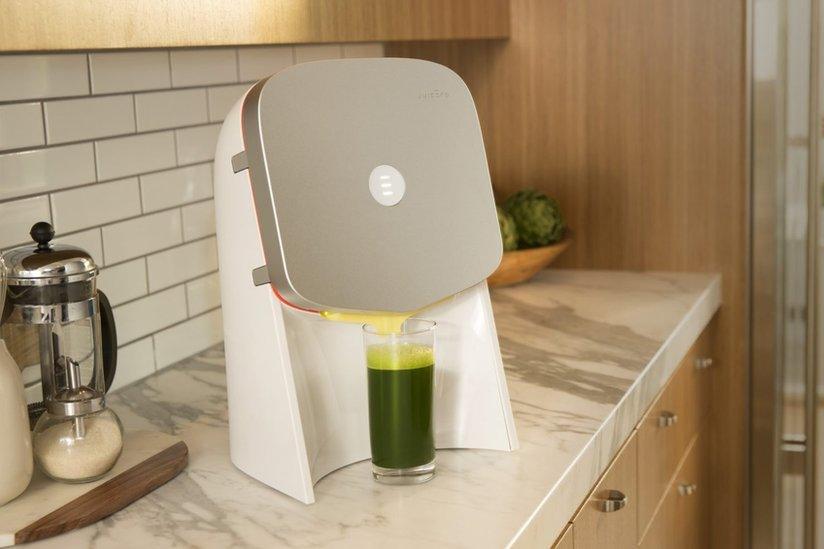
In the annals of Silicon Valley excess, few stories are as frequently mocked as the rise and fall of Juicero, the four-hundred-dollar “smart” juicer that arrived in 2016. The company raised over one hundred million dollars from high-profile investors on the promise of a machine that could apply four tons of pressure to squeeze proprietary packs of organic fruits and vegetables. The sleek, Wi-Fi-connected appliance was marketed as a revolutionary health tool, but the hype evaporated overnight when a Bloomberg report demonstrated that the juice packs could be squeezed just as effectively by hand. This revelation made the expensive, bulky machine appear entirely redundant and turned the company into a laughing stock across the technology and wellness sectors almost immediately.
The backlash was swift and brutal as consumers realised they were being asked to pay a premium price for a glorified internet-connected press that added zero actual value to the juicing process. While the company tried to defend the product by pointing out its sophisticated internal engineering and the convenience of its subscription model, the damage to the brand was irreversible. Juicero was forced to offer refunds to disgruntled customers and eventually shut down operations just sixteen months after its highly anticipated launch. The failure of Juicero stands as a hilarious yet poignant warning against “over-engineering” simple problems and serves as a reminder that venture capital funding is not always a reliable indicator of a product’s actual utility or market viability.
Google Plus Failed To Connect

Google Plus was launched in 2011 as a direct assault on Facebook’s social media dominance, but it never managed to feel like a destination where people actually wanted to hang out and share their lives. The platform introduced some clever ideas like “Circles” for categorising friends and “Hangouts” for video calls, yet the user interface was often described as cold and overly academic compared to the vibrant chaos of its competitors. Google tried to force adoption by requiring users to have a profile to comment on YouTube or use the Play Store, which only served to irritate the public and created millions of “ghost” accounts that showed no real engagement. People felt they were being coerced into a social network they hadn’t asked for, leading to a lingering resentment.
Despite the massive resources of the world’s most powerful search engine, Google Plus struggled to find its own unique identity and remained a digital desert where content went to be ignored. The company eventually began to unbundle the successful features like Photos and Hangouts into standalone apps, effectively admitting that the social backbone of the project was a failure. A series of data security vulnerabilities discovered in 2018 provided the final nail in the coffin, leading Google to shut down the consumer version of the platform for good. The story of Google Plus proves that social networks cannot be manufactured through sheer corporate will or forced integration because they require an organic sense of community and a genuine reason for people to switch their digital loyalty.
BlackBerry Storm Was A Total Washout
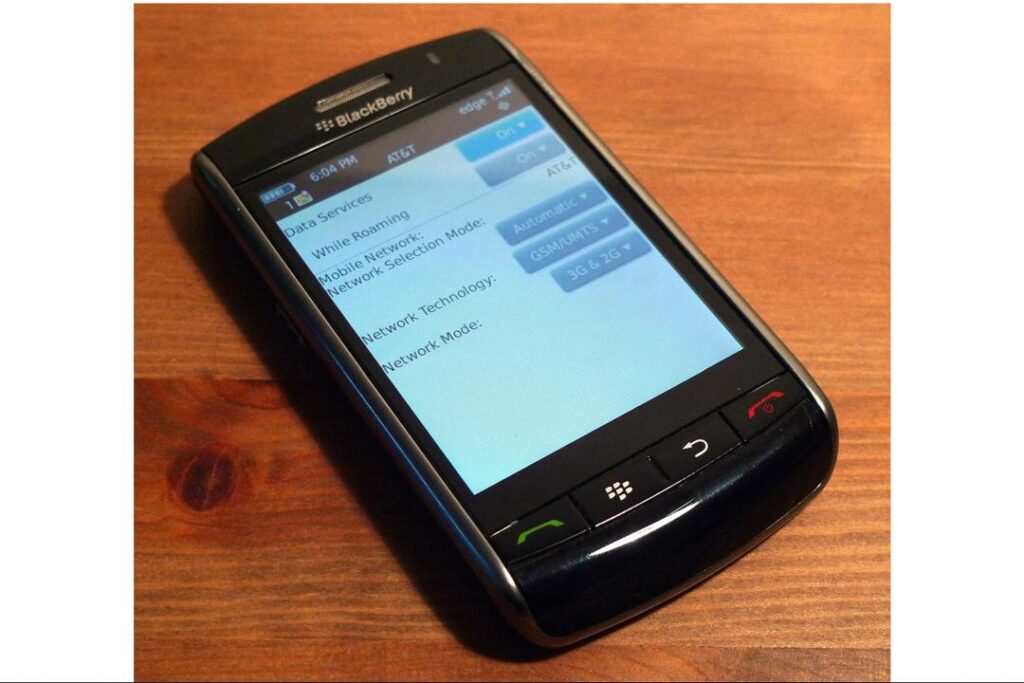
The BlackBerry Storm was the legendary Canadian company’s first attempt at a touchscreen device in 2008, designed specifically to kill the momentum of the newly released iPhone. Instead of a standard glass screen, the Storm featured a unique “clickable” display called SurePress that physically depressed when pushed to mimic the feel of a real keyboard. Unfortunately, the technology was incredibly clunky and prone to breaking, and the software was so riddled with bugs that the device would frequently freeze or reboot during simple tasks. Rather than providing the best of both worlds, the Storm ended up offering a frustrating experience that alienated long-time BlackBerry fans and failed to impress the new generation of touchscreen enthusiasts.
The launch was a genuine disaster for Verizon and BlackBerry, with some reports indicating that nearly every single unit sold was eventually returned by a disgruntled customer for a refund or replacement. The failure of the Storm marked the beginning of the end for BlackBerry’s dominance in the smartphone market, as it showed that the company was struggling to adapt its business-focused DNA to the new era of consumer-led mobile innovation. While they tried to fix the issues with a second version, the damage to the brand’s reputation for reliability was already done and buried. It remains a stark reminder that rushing a flawed product to market just to keep up with a rival can often be more damaging than taking the time to get the technology right.
MoviePass Ran Out Of Credits

MoviePass promised a cinematic revolution by offering a subscription service that allowed members to see one film every single day in cinemas for a tiny monthly fee of less than ten pounds. The service exploded in popularity in 2017 as film fans flocked to a deal that seemed almost too good to be true, and it quickly became clear that the business model was fundamentally flawed. The company was essentially paying the full price of a cinema ticket to the exhibitors while collecting only a fraction of that from the subscribers, leading to a staggering loss of money every single month. As the financial losses mounted into the hundreds of millions, the company began to implement desperate and confusing restrictions that made the app almost impossible to use.
Subscribers were suddenly faced with surge pricing, “blackout” dates for popular blockbusters, and a revolving door of changing terms and conditions that felt like a betrayal of the original promise. In one particularly chaotic moment, the service even ran out of cash and had to take an emergency loan just to keep the app functioning for a single weekend. The company eventually collapsed and filed for bankruptcy in 2019, leaving behind a legacy of burnt cash and frustrated customers who had enjoyed the ride while it lasted. Although MoviePass proved that there was a massive appetite for cinema subscriptions, its failure showed that a business cannot survive on hype alone if the underlying mathematics of the model are essentially a form of financial suicide.
Theranos Promised Magic Blood Tests
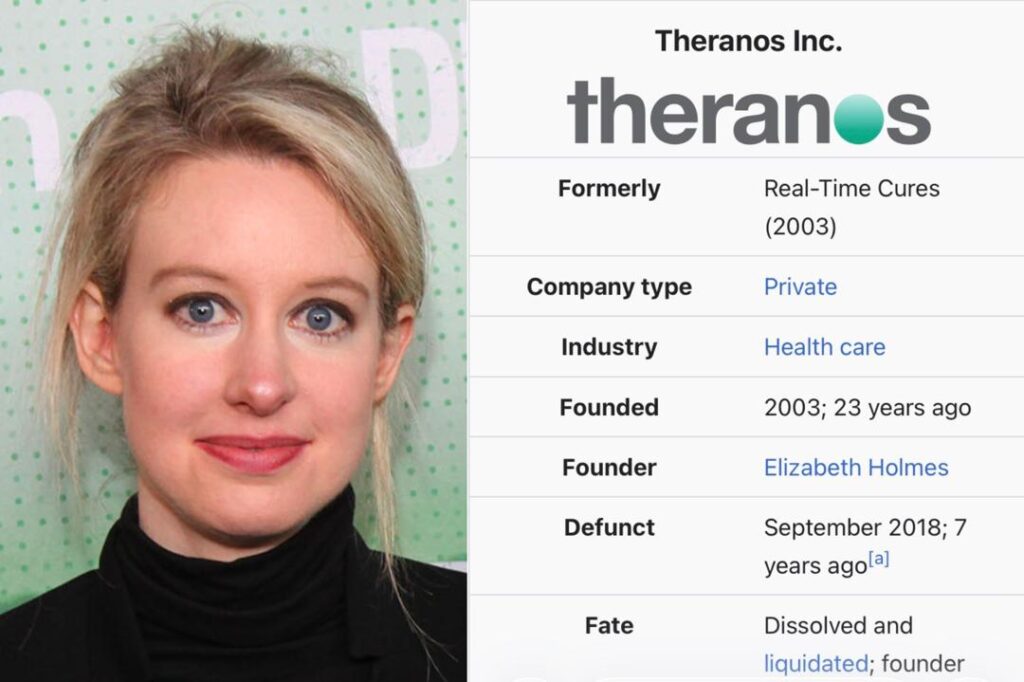
Theranos was once the darling of the tech world, valued at nine billion dollars on the revolutionary claim that it could perform hundreds of medical tests using just a single drop of blood. Its founder, Elizabeth Holmes, was hailed as the next Steve Jobs and graced the covers of every major business magazine while securing partnerships with massive retailers like Walgreens. However, the entire premise was built on a foundation of secrecy and deception, as the proprietary “Edison” machines never actually worked as advertised and were often producing dangerously inaccurate results. When a series of investigative reports revealed that the company was secretly using traditional machines from other manufacturers to process samples, the house of cards began to tumble down in spectacular fashion.
The scandal was one of the most significant in the history of Silicon Valley, leading to the total dissolution of the company and multiple criminal charges for its top executives. It exposed a dangerous culture of “fake it until you make it” that had been allowed to go unchecked by investors who were blinded by the promise of a world-changing medical breakthrough. The failure of Theranos was not just a business disaster but a profound ethical breach that put the lives of thousands of patients at risk through false medical data. Today, the story serves as a chilling cautionary tale about the need for transparency and rigorous scientific validation in the health technology sector, where the consequences of failure are far more serious than a broken gadget.
Dreamcast Ended Sega’s Hardware Days
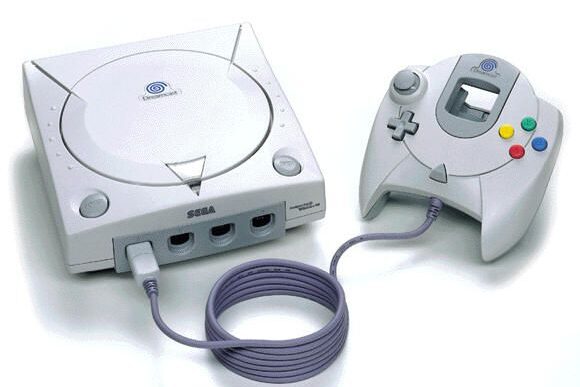
The Sega Dreamcast was a console that was arguably years ahead of its time when it launched in 1998, featuring a built-in modem for online gaming and incredible graphics that initially blew the competition away. It boasted a library of innovative and quirky titles that are still beloved by enthusiasts today, and it seemed like Sega was poised to reclaim its throne in the gaming industry. However, the company was still reeling from the failure of its previous console, the Saturn, and lacked the financial muscle to compete with the marketing juggernaut of the upcoming Sony PlayStation 2. When Sony began to promote the DVD playback capabilities of their new machine, the Dreamcast suddenly looked like a relic of the past despite its superior library of games.
Sega was unable to convince third-party developers like Electronic Arts to support the platform, which meant that popular sports titles were missing from the console’s lineup at a critical time. As sales began to dwindle and the PlayStation 2 launched to record-breaking numbers, Sega was forced to make the painful decision to discontinue the Dreamcast and exit the hardware business entirely in 2001. The console’s demise marked the end of an era and turned Sega into a software-only company, leaving fans to wonder what might have been if the timing had been slightly different. The Dreamcast remains a cult classic and a bittersweet reminder that being a pioneer with great ideas is no guarantee of survival when faced with a rival who has a better grasp of the broader entertainment market.
Pebble Got Crushed By Giants
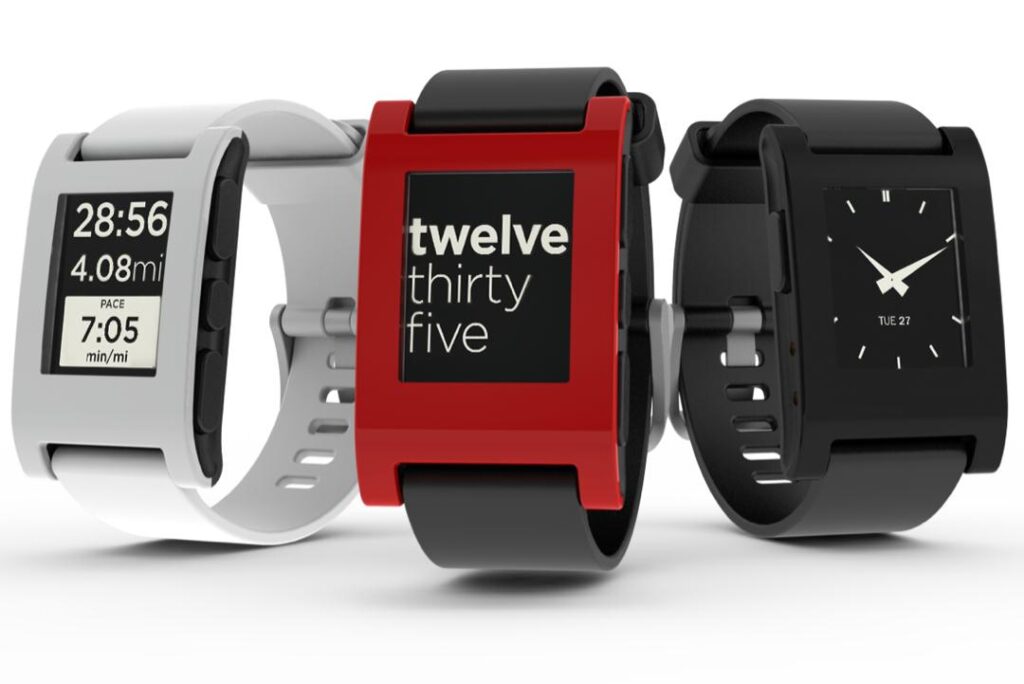
Pebble was the original smartwatch success story, having raised record-breaking amounts on Kickstarter by promising a simple, long-lasting wearable with an e-paper screen that stayed visible in direct sunlight. The company built a passionate community of developers and fans who loved the device’s week-long battery life and its focus on being a helpful companion to the smartphone rather than a replacement for it. However, the landscape changed overnight when technology giants like Apple and Samsung entered the market with their own high-powered, full-colour smartwatches. Pebble suddenly found itself squeezed between the massive marketing budgets of the titans and the rapidly evolving expectations of consumers who wanted more than just basic notifications and a monochrome display.
Despite releasing several updated versions of their hardware, Pebble struggled to find a sustainable path to profitability as the smartwatch market became increasingly crowded and expensive to compete in. The company was eventually forced to shut down in 2016 and sold its intellectual property to Fitbit for a relatively small sum, which left many of its original backers feeling disappointed and abandoned. The story of Pebble is a classic David versus Goliath tale that shows how difficult it is for a small, innovative startup to maintain its lead once the major players decide to enter the fray. While the spirit of Pebble lives on in many of the fitness trackers we use today, the brand itself serves as a reminder of the brutal reality of the consumer electronics industry.
Facebook Portal Was Always Watching
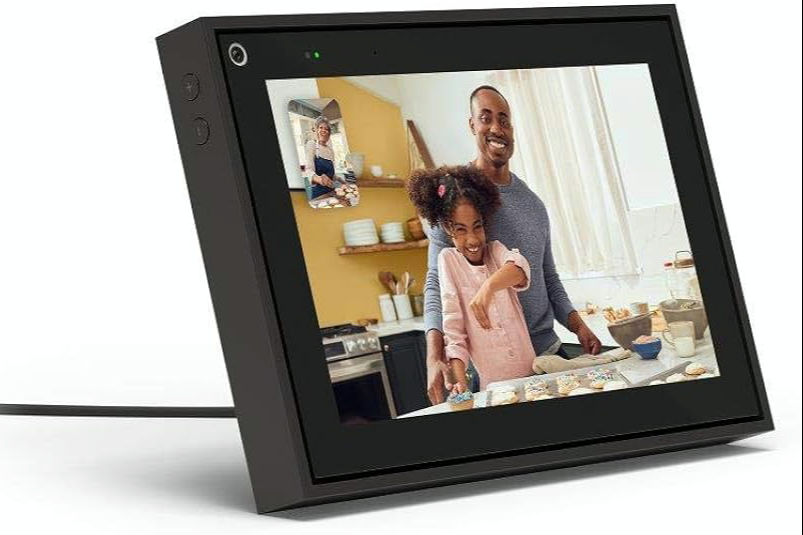
When Facebook released its Portal video-calling device in 2018, it arrived at a time when the company was embroiled in numerous privacy scandals that made consumers incredibly wary of putting a “smart” camera in their homes. The device featured a clever camera that would automatically pan and zoom to keep people in the frame as they moved around the room, which was technically impressive but felt deeply invasive to a public already concerned about data mining. Despite the company’s assurances that the camera could be physically covered and that calls were encrypted, the “creep factor” proved to be an insurmountable hurdle for many potential buyers. People simply did not trust Mark Zuckerberg’s company enough to give them a literal window into their private living spaces.
The Portal eventually found a small window of success during the global lockdowns when families were desperate for any way to feel closer to one another, but this was a temporary boost rather than a shift in long-term adoption. As the world opened back up and people returned to their normal routines, the need for a dedicated, stationary video-calling screen began to fade in favour of the versatility of tablets and smartphones. Meta, the parent company of Facebook, eventually decided to pivot the product toward business users before ultimately discontinuing the consumer version of the hardware entirely in 2022. The failure of the Portal highlighted the critical importance of brand trust and showed that even the best hardware cannot overcome a fundamental lack of confidence in a company’s respect for personal privacy.
ET The Extra Terrestrial Game
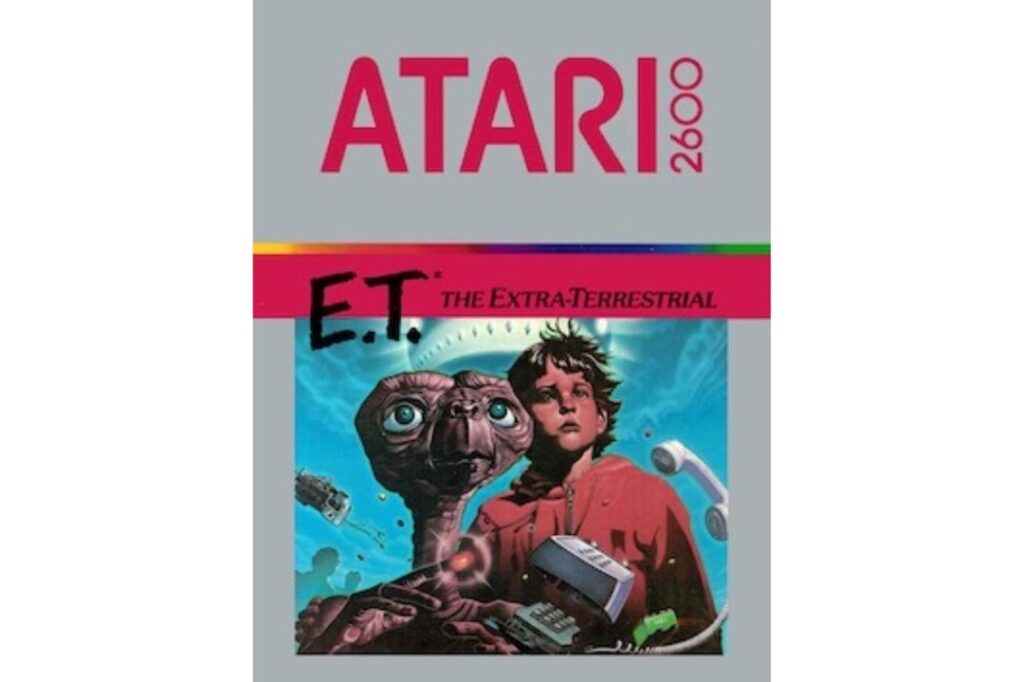
The video game adaptation of the hit film E.T. the Extra-Terrestrial is often cited as the worst game ever made and a primary cause of the North American video game crash of 1983. Atari paid a fortune for the movie rights but gave the developer only five weeks to create the game from scratch so that it would be ready for the lucrative Christmas shopping season. The resulting product was a confusing, buggy mess where the character spent most of its time falling into pits, leading to widespread frustration and disappointment among the millions of children who had received it as a gift. It was a disaster of such proportions that it nearly destroyed the reputation of the entire home gaming industry overnight.
Atari had manufactured millions more copies of the game than there were consoles in existence, expecting a massive hit, but they were instead met with mountains of unsold inventory and high return rates from angry retailers. In a move that became an urban legend for decades, the company secretly buried thousands of unsold cartridges in a New Mexico landfill to hide the extent of the failure. The legend was eventually confirmed in 2014 when a documentary team excavated the site and found the discarded games beneath the dirt. The story of E.T. remains the ultimate cautionary tale about the dangers of rushed development and the arrogance of assuming that a popular brand name can compensate for a fundamentally broken and unplayable product.
Microsoft Bob Was Too Friendly
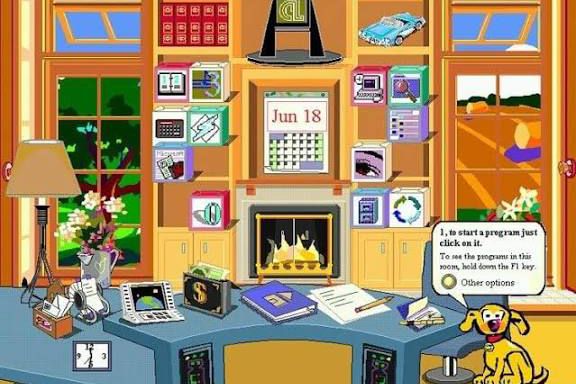
In 1995, Microsoft attempted to make the Windows operating system more accessible to novice users by introducing a “social interface” known as Microsoft Bob. The idea was to replace the traditional desktop and folders with a virtual house where different rooms represented various tasks, and an animated dog named Rover would guide you through the process. While the intention was to make computers feel less intimidating for families and children, the execution was widely perceived as patronising and incredibly slow to navigate. Most people found the cartoonish graphics to be childish and the constant “helpful” interruptions from the animated characters to be more of a hindrance than a genuine help during their daily work.
Microsoft Bob was also quite demanding on the hardware of the time, requiring more memory and processing power than the actual Windows operating system it was supposed to be simplifying. It was a commercial flop that was discontinued barely a year after its launch, and it has since become a frequent punchline in discussions about bad software design. Interestingly, the project was managed by Melinda French, who would later become Melinda Gates, and even Bill Gates has admitted that it was a case of the company trying to solve a problem that didn’t really exist for most users. The failure of Bob taught Microsoft that users generally prefer clear and efficient tools over “friendly” characters that get in the way of getting things done.
Ouya Lost The Game Early
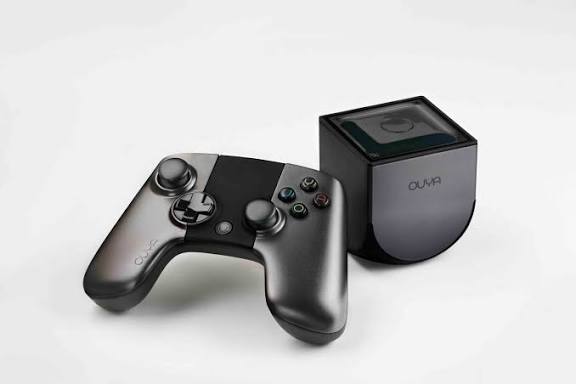
The Ouya console was one of the first major success stories of the crowdfunding era, raising over eight million dollars on Kickstarter in 2012 by promising an open-source, Android-powered gaming machine for just ninety-nine dollars. The project tapped into a desire for a “hackable” console that would allow independent developers to bring their games to the big screen without the expensive hurdles of the major manufacturers. However, when the console actually arrived, it was plagued by a cheap-feeling controller with significant lag and a library of games that felt more like basic mobile apps than proper television experiences. The “open” nature of the platform also made it a haven for piracy and low-quality clones, which discouraged major developers from investing in original content.
The hype quickly turned to disappointment as users realised that their smartphones were already more powerful and had better games than the dedicated Ouya hardware. The company struggled to secure more funding and failed to find a way to make the platform profitable, leading to its eventual acquisition and shutdown by Razer in 2015. The rise and fall of Ouya served as a reality check for the crowdfunding world, proving that a great pitch and a successful campaign are only the first steps in the incredibly difficult process of launching and sustaining a piece of hardware. It remains a symbol of the “micro-console” trend that briefly promised to disrupt the industry but ultimately failed to offer a compelling reason for anyone to put down their PlayStation or Xbox.
These spectacular failures remind us that in the world of technology, having a massive factory or a giant budget is no substitute for a product that people actually need and trust.
Like this story? Add your thoughts in the comments, thank you.


