
1. Ingrid Bergman’s Final Curtain
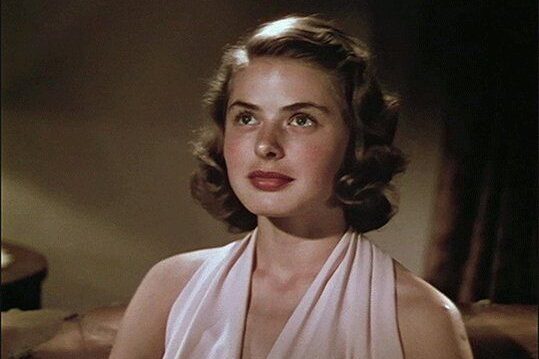
There is something quietly reflective about a life that begins and ends on the same date, and as we ease into these stories, Ingrid Bergman feels like the right place to start. Born on August 29, 1915, she left this world on August 29, 1982, her 67th birthday. Film lovers still speak of her softness in Casablanca and the quiet strength she carried on screen. She once said, “Happiness is good health and a bad memory,” and that line lingers gently when people look back at her final years. She had battled illness with dignity, still working, still creating, still showing up for her craft. There is no dramatic twist here, just a life that closed on the same page it opened. August 29 now holds both applause and farewell, stitched together in a way that feels strangely complete.
For many who grew up watching her films on late night television, Bergman was not just a star but a familiar presence. Her story had scandal, redemption, distance, and return, yet it ended with quiet symmetry. When fans mark her birthday, they are also marking her goodbye, and that double meaning carries a thoughtful stillness. It reminds us that even the brightest lights eventually dim, but they do not disappear. They simply leave a glow that lingers long after the curtain falls.
2. William Shakespeare’s Poetic Symmetry
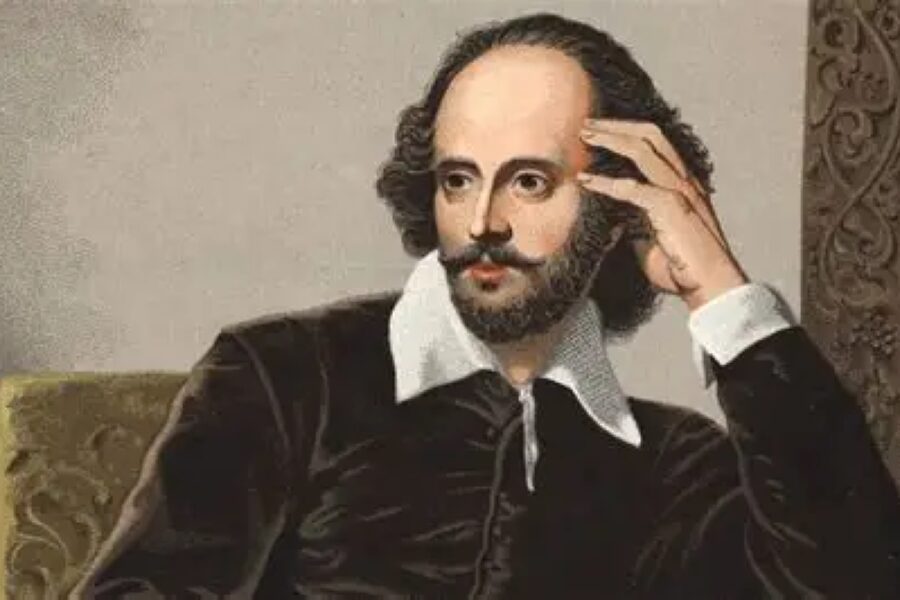
When people talk about poetic timing, William Shakespeare often comes to mind, and not just because of his words. He is traditionally believed to have been born on April 23, 1564, and he died on April 23, 1616. Historians debate small details, but the shared date has held steady for centuries. Somehow it feels fitting for a man who shaped the language of love, ambition, jealousy, and hope. He wrote in Hamlet, “The readiness is all,” and that line feels especially reflective when thinking about his passing. His plays continue to be performed across the world, crossing generations without losing their spark. The idea that his life began and ended on the same date gives his story a sense of narrative balance, almost like a well structured final act.
Readers still find themselves inside his characters, recognizing human flaws and strengths that feel surprisingly modern. April 23 now carries a layered meaning for literature lovers. It is both a celebration of his arrival and a quiet nod to his departure. That shared date does not make his life more dramatic. It simply adds a thoughtful rhythm to a legacy that was already timeless.
3. Betty Friedan’s Quiet Full Circle
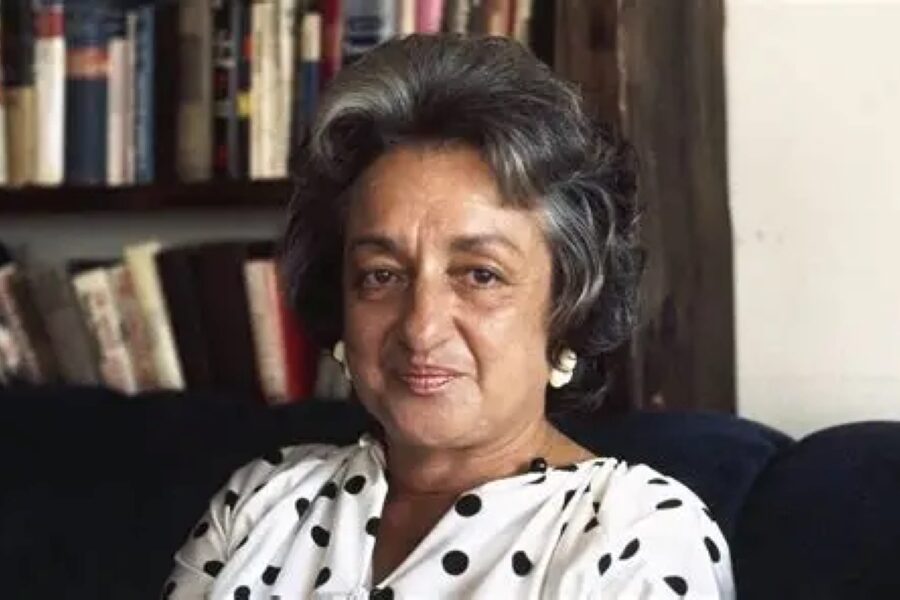
Betty Friedan was born on February 4, 1921, and she died on February 4, 2006, her 85th birthday. Her name is closely tied to The Feminine Mystique, a book that opened doors for conversations many women had been holding inside. She once wrote, “Aging is not lost youth but a new stage of opportunity and strength,” and those words feel especially resonant when thinking about how her life came full circle. Friedan spent decades challenging expectations, encouraging women to step beyond the roles society quietly assigned to them. By the time she passed, she had witnessed enormous shifts in culture and opportunity. The fact that her life ended on the same date it began feels reflective rather than startling.
February 4 now stands as both a beginning and an ending in her story. It carries the weight of ideas that continue to ripple through workplaces, homes, and classrooms. Her birthday is no longer just about celebration. It is also about remembering a woman who asked difficult questions and refused simple answers. That symmetry feels steady and thoughtful, much like her voice always was.
4. Merle Haggard’s Last Song
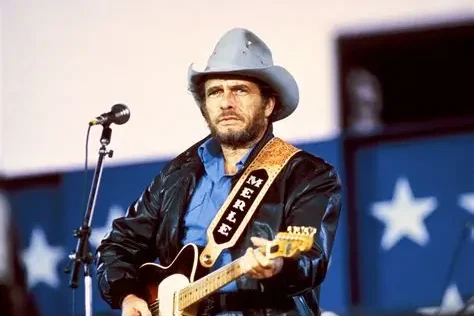
Merle Haggard came into the world on April 6, 1937, and he left it on April 6, 2016, his 79th birthday. For fans of country music, that detail still feels quietly striking. Haggard built his career on songs about everyday life, working class pride, mistakes, and second chances. He once said, “Music is what keeps me going,” and he stayed close to his craft for as long as he could. Even as his health declined, he remained connected to the stage and to his audience. When news spread that he had passed on his birthday, many listeners felt the weight of that shared date immediately. It was as if the final verse landed exactly where the first one began.
April 6 now carries a dual meaning for those who grew up with his voice in the background of their lives. It is a day of remembrance as much as celebration. There is no grand symbolism attached to it, just a simple awareness that sometimes a life circles back to its starting point. In Haggard’s case, it feels like a song that resolved naturally, without noise, without spectacle, just truth.
5. Redd Foxx’s Final Laugh
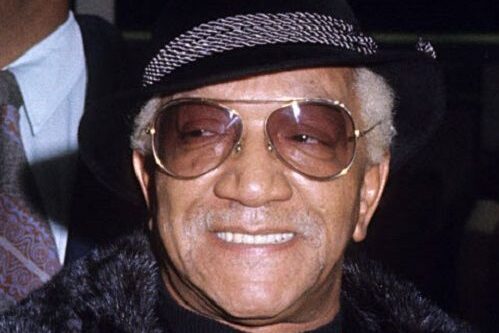
Redd Foxx was born on December 9, 1922, and he died on December 9, 1991. Known for his sharp humor and fearless delivery, he became a household name through Sanford and Son. He once joked, “Health nuts are going to feel stupid someday, lying in hospitals dying of nothing,” a line that still reflects his unapologetic wit. Foxx built his career on timing, on knowing exactly when to pause and when to punch a line. The fact that his life ended on his birthday feels almost theatrical, though it unfolded without planning. It simply happened that way. For those who admired him, December 9 now carries a quiet double meaning.
Fans still revisit his performances and laugh at jokes that feel as bold as ever. His birthday no longer stands alone as a day of celebration. It is also a moment to reflect on a man who made people laugh without softening his edges. The calendar connection does not overshadow his legacy, but it does add a small, thoughtful layer to how he is remembered.
6. Ethel Waters’ Steady Grace
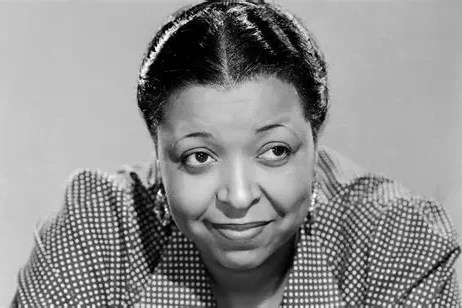
Ethel Waters was born on October 31, 1896, and she died on October 31, 1977, her 80th birthday. Her life stretched across decades of change in American entertainment, from vaudeville stages to Broadway lights and film sets. She once said, “God don’t make no junk,” a statement that reflected both faith and resilience. Waters broke barriers at a time when opportunities were limited, carving space for herself with persistence and talent. The symmetry of her birth and death date feels reflective rather than eerie. It reads like a life that completed its own circle without fanfare.
October 31 now holds two meanings in her story. It marks the day she arrived with promise and the day she quietly took her leave. For those who revisit her recordings, that shared date adds depth to the listening experience. Her voice still carries warmth, still moves with strength, and still reminds people that dignity can coexist with struggle. The calendar simply frames what her work already made clear.
7. James Cagney’s Perfect Timing

James Cagney was born on July 17, 1899, and he died on July 17, 1986. Known for his tough roles in gangster films and his surprising grace in musicals, Cagney carried an energy that felt immediate and real. He once remarked, “I never said most of the things I said,” poking gentle fun at the tough guy image that followed him. The fact that his life ended on his birthday feels almost cinematic, though it was simply a quiet coincidence. There is something balanced about it, as though the spotlight turned on and off on the same cue.
For classic film lovers, July 17 now stands as both celebration and remembrance. His performances still flicker across screens, filled with the same sharp intensity. The shared date does not make his story grander, but it does make it feel neatly framed. It reminds us that even the boldest figures step off the stage one day, sometimes on the very date they first stepped into the light.
8. Sidney Bechet’s Closing Note
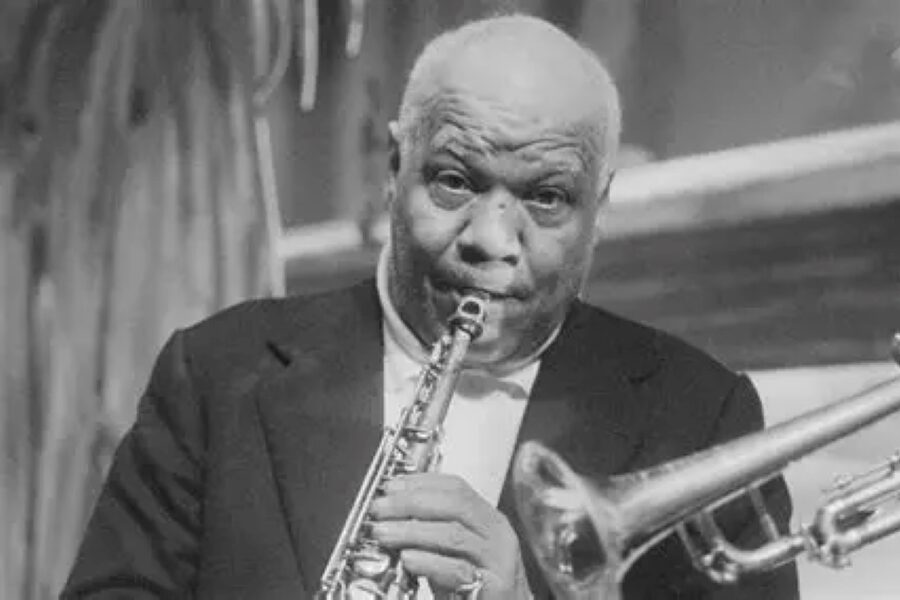
Sidney Bechet was born on May 14, 1897, and he died on May 14, 1959. A pioneer of jazz, he carried the spirit of New Orleans in his clarinet and saxophone. He once said, “You’ve got to play your melody like you mean it,” and he lived by that belief. His music traveled far beyond his hometown, influencing generations of musicians who followed. The fact that he passed away on his 62nd birthday feels quietly fitting for someone whose life was so deeply tied to rhythm.
May 14 now resonates differently for jazz enthusiasts. It is not only a birthday but also a moment of remembrance. There is no dramatic symbolism in the date itself. It simply marks the full span of a life that began and ended under the same spring sky. When listeners press play on his recordings, they are not thinking about coincidence. They are hearing a melody that still carries intention, confidence, and heart.
9. Levi P. Morton’s Long Journey
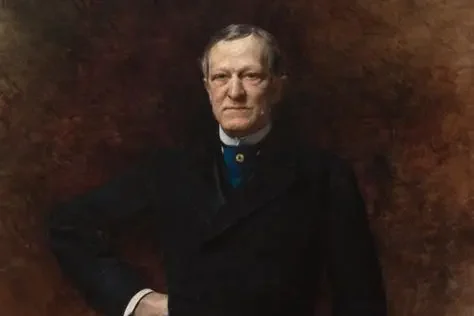
Levi P. Morton was born on May 16, 1824, and he died on May 16, 1920, his 96th birthday. Living nearly a century in a time when life expectancy was far shorter, he witnessed enormous shifts in American politics and society. Serving as Vice President under President Benjamin Harrison, he moved through public life with a reputation for steadiness rather than spectacle. There is something quietly remarkable about a man who saw so much change, from post Civil War reconstruction to the early stirrings of a new century. The shared date of his birth and death feels less dramatic and more balanced, like a long chapter that closed on its own final sentence.
May 16 now sits in the history books with a subtle symmetry attached to it. It marks the day he entered a young and evolving nation, and the day he quietly exited it decades later. His life was not defined by the coincidence of that date, yet the alignment adds a thoughtful frame to his story. It reminds us that sometimes history moves in full circles without needing to announce itself.
10. Johnny Longden’s Final Lap
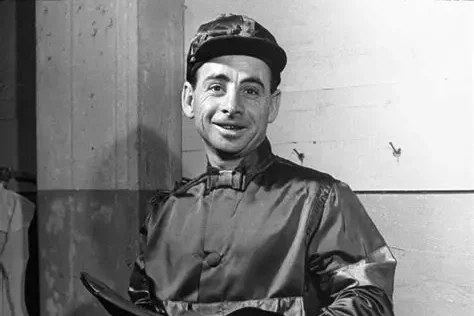
Johnny Longden was born on February 14, 1907, and he died on February 14, 2003, at the age of 96. Known as one of the greatest jockeys in horse racing history, he recorded more than 6,000 wins over a career that stretched across decades. He once said, “A good horse makes a good jockey,” a modest reflection for someone who shaped the sport. Longden’s life carried the grit of early racing circuits and the prestige of major championships. The fact that his journey ended on his birthday feels almost like a race that returned gently to its starting gate.
February 14 now carries a layered meaning for racing enthusiasts who remember his steady hands and sharp instincts. It is both a celebration of his arrival and a moment of remembrance. There is no grand symbolism attached, just the quiet awareness that his long ride began and ended under the same winter sky. His legacy continues every time hooves thunder down a track somewhere in the world.
11. Kamehameha V’s Royal Circle
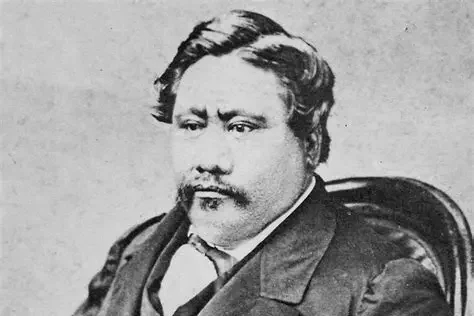
Kamehameha V was born on December 11, 1830, and he died on December 11, 1872, at the age of 42. As King of Hawaii, he worked during a period of growing foreign influence and internal change. He believed strongly in protecting the sovereignty and traditions of his kingdom, seeking stability during uncertain times. His reign was not long, but it was deliberate and firm. The shared date of his birth and death carries a solemn symmetry that feels fitting for a monarch whose identity was deeply tied to his nation.
December 11 now holds a dual place in Hawaiian history. It marks the beginning of a ruler shaped by duty and the closing of his chapter in leadership. The alignment of those dates does not overshadow his policies or decisions, but it does add a quiet rhythm to how his life is remembered. It feels like a circle drawn carefully and completed without flourish, steady and dignified to the end.
12. George M. Cohan’s Stage Goodbye
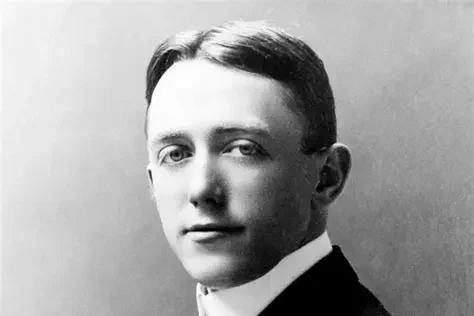
George M. Cohan was born on July 3, 1878, and he died on July 3, 1942. A performer, songwriter, and producer, he became one of Broadway’s most influential figures. Songs like “Yankee Doodle Dandy” captured patriotic spirit and theatrical charm. He once wrote, “Give my regards to Broadway,” a line that feels especially poignant when considering how closely his life was tied to the stage. The fact that he passed away on his birthday adds an almost scripted quality to his story, though it was simply life unfolding as it does.
July 3 now carries that quiet theatrical symmetry. It marks the arrival of a boy who would grow into a defining voice of American musical theater and the farewell of the same man decades later. His work still echoes in performances and revivals. The calendar alignment does not define him, but it gently frames a life lived under bright lights from opening act to final curtain.
13. Mel Ott’s Baseball Echo
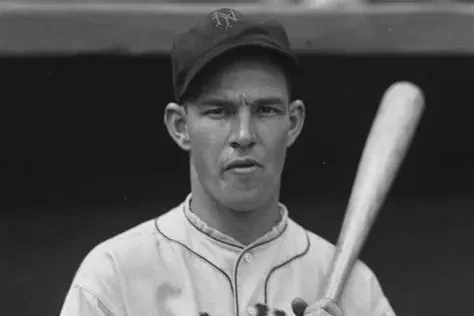
Mel Ott was born on March 2, 1909, and he died on March 2, 1958. A Hall of Fame baseball player, he became one of the most respected sluggers of his era. Known for his distinctive batting stance and powerful swing, Ott spent much of his career with the New York Giants. Baseball fans remember him not only for statistics but for consistency and leadership on the field. The shared date of his birth and death feels reflective rather than dramatic, like a season that began and ended on the same page of a schedule.
March 2 now carries that layered meaning for those who follow the sport’s history. It signals both the beginning of a young athlete’s promise and the closing of a chapter that left its mark on the game. The coincidence does not overshadow his achievements, yet it adds a thoughtful symmetry to a life spent chasing home runs and steady excellence.
14. Clarence Birdseye’s Preserved Legacy
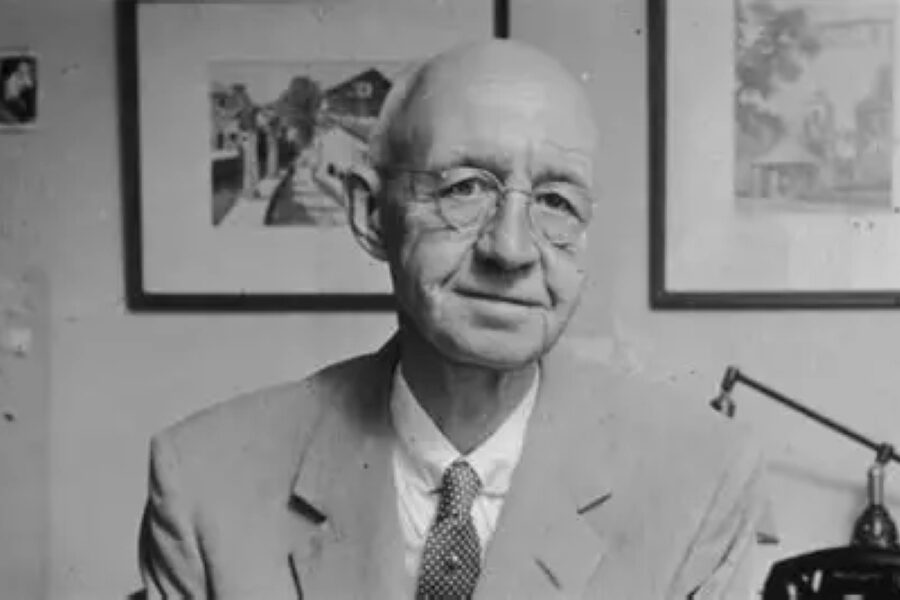
Clarence Birdseye was born on December 9, 1886, and he died on December 9, 1956, his 70th birthday. His name may not always be front of mind, but his impact sits quietly in freezers across the world. Birdseye developed modern quick freezing methods after observing how fish froze rapidly in Arctic temperatures. He believed that innovation could come from simply watching nature closely. The fact that his life ended on the same date it began feels almost fitting for someone whose work centered on preserving freshness through time. It was not theatrical or symbolic, just a simple closing of a long, industrious chapter.
December 9 now holds two meanings in business and food history. It marks the arrival of a curious mind who reshaped how families stored and consumed meals, and it also marks the day that mind grew still. The symmetry does not elevate his inventions beyond their practical brilliance, but it frames his life neatly. His influence continues in quiet, ordinary ways, every time someone reaches into a freezer without thinking twice about the science behind it.
15. William Jennings Bryan’s Fiery Circle
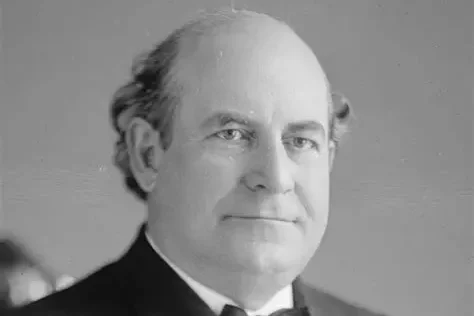
William Jennings Bryan was born on March 19, 1860, and he died on March 19, 1925, his 65th birthday. A powerful orator and three time presidential candidate, Bryan became known for speeches that stirred crowds and sparked debate. He once said, “Destiny is not a matter of chance, it is a matter of choice,” and he lived with that kind of conviction. His political career moved through fierce economic debates and cultural battles that shaped early twentieth century America. The shared date of his birth and death adds a steady symmetry to a life that was often loud and public.
March 19 now carries that double weight in political history. It marks the beginning of a voice that refused to soften and the closing of a chapter that influenced national conversations. The coincidence does not soften the controversies tied to his name, but it does frame his life with a certain completeness. For someone who believed strongly in purpose, the calendar alignment feels quietly deliberate, even if it was purely chance.
16. Countee Cullen’s Poetic Return
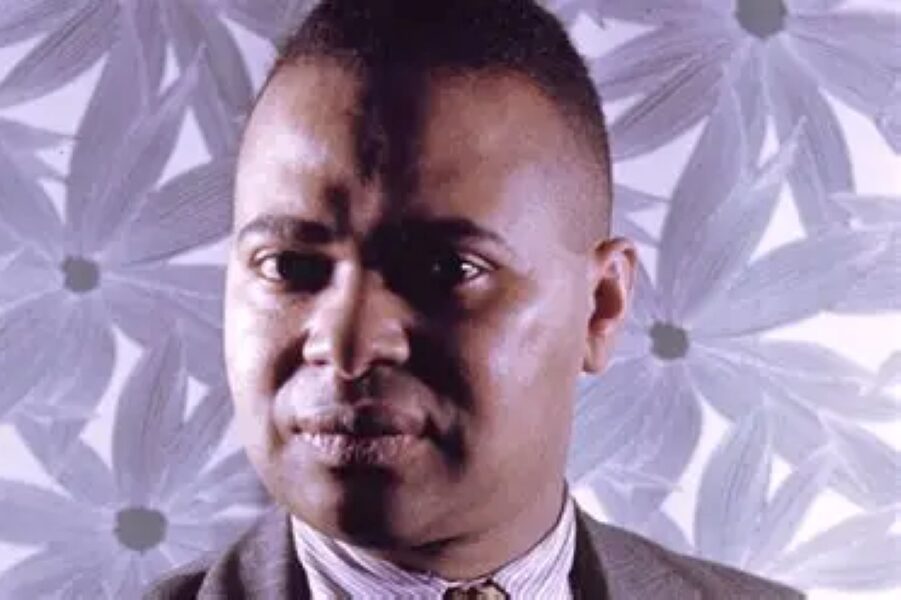
Countee Cullen was born on May 30, 1903, and he died on May 30, 1946, his 43rd birthday. As a leading figure of the Harlem Renaissance, Cullen wrote poetry that explored race, faith, and identity with grace and complexity. He once penned the line, “Yet do I marvel at this curious thing,” capturing his ability to question and reflect at the same time. His work resonated deeply during a transformative cultural moment in American history. The fact that his life ended on his birthday feels poetic without being overstated. It simply adds a quiet layer to an already lyrical story.
May 30 now stands as both his introduction to the world and his farewell from it. Readers who return to his poems often notice how timeless his questions still feel. The symmetry of his dates does not romanticize his early passing, but it frames it gently. His words continue to move across generations, circling back each time someone discovers his voice for the first time.
17. Blind Lemon Jefferson’s Blues Balance
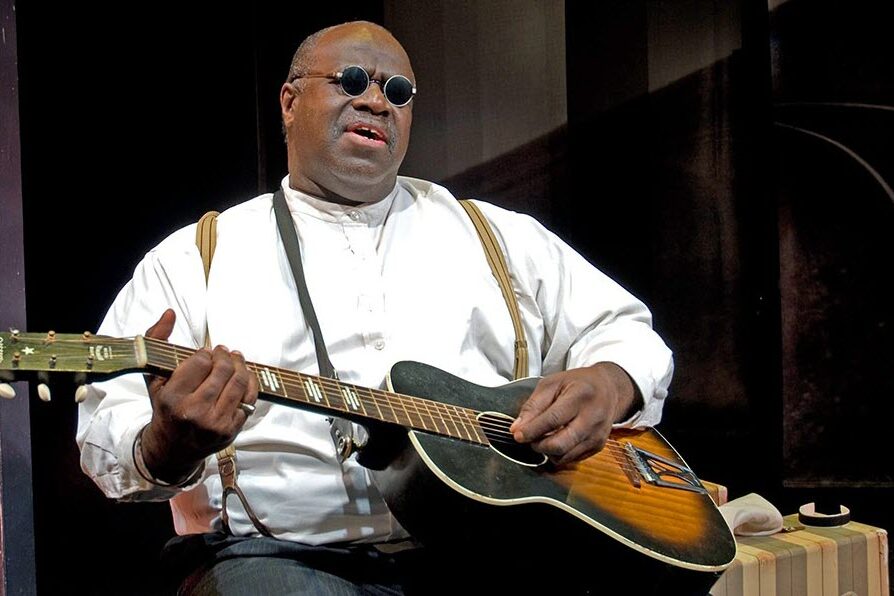
Blind Lemon Jefferson was born on September 24, 1893, and he died on September 24, 1929, his 36th birthday. A pioneering blues musician, Jefferson recorded songs that carried raw emotion and unfiltered honesty. His voice helped shape early blues traditions, influencing countless artists who followed. Though his life was brief, his recordings captured the texture of hardship and resilience in a way that felt deeply personal. The fact that his journey ended on the same date it began feels stark, almost like a song that ends on its opening note.
September 24 now holds a layered resonance for music historians and blues fans alike. It marks the birth of a sound that would ripple outward for decades and the day that sound fell silent. The symmetry does not soften the brevity of his years, but it gives his story a sense of closure that feels unexpectedly balanced. His music continues to echo long after the calendar turned its final page for him.
18. Miriam A. Ferguson’s Political Frame
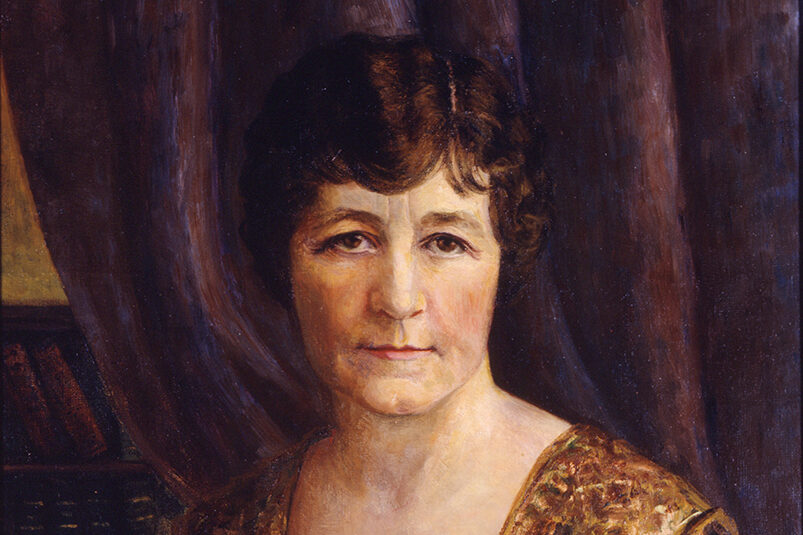
Miriam A. Ferguson was born on June 13, 1875, and she died on June 13, 1961, her 86th birthday. Known as Ma Ferguson, she became one of the first women to serve as Governor of Texas, stepping into office during a period when women in statewide leadership were still rare. Her time in politics drew strong opinions from supporters and critics alike, yet she remained firmly present in the public eye. She once displayed a sharp wit about governance and public life, revealing a personality that mixed resilience with humor. The shared date of her birth and death quietly frames a career that unfolded under constant attention.
June 13 now carries a layered meaning in Texas history. It marks the arrival of a woman who carved out space in a political world largely dominated by men and the closing of her long public chapter decades later. The calendar alignment does not soften the complexities of her leadership, but it gives her story clear bookends. Her life moved through controversy, loyalty, and determination, and it began and ended on the same summer day.
19. George Washington Carver’s Natural Cycle
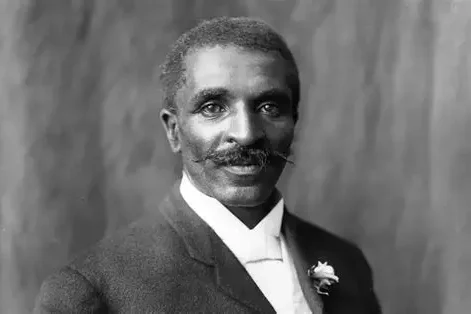
George Washington Carver was born on January 5, 1864, and he died on January 5, 1943, his 79th birthday. Rising from slavery to become one of America’s most respected agricultural scientists, Carver devoted his life to improving farming methods for struggling communities. He encouraged crop rotation, soil restoration, and practical innovation long before sustainability became common language. He once said, “When you can do the common things of life in an uncommon way, you will command the attention of the world.” The symmetry of his birth and death date feels especially fitting for a man who spent his life studying nature’s cycles.
January 5 now marks both the beginning of a curious, determined child and the farewell of a patient educator who changed American agriculture. The calendar alignment does not overshadow his achievements, but it complements them gently. A life rooted in growth, renewal, and restoration closed on the same square where it first opened, steady and complete.
20. Jean-Honoré Fragonard’s Balanced Canvas
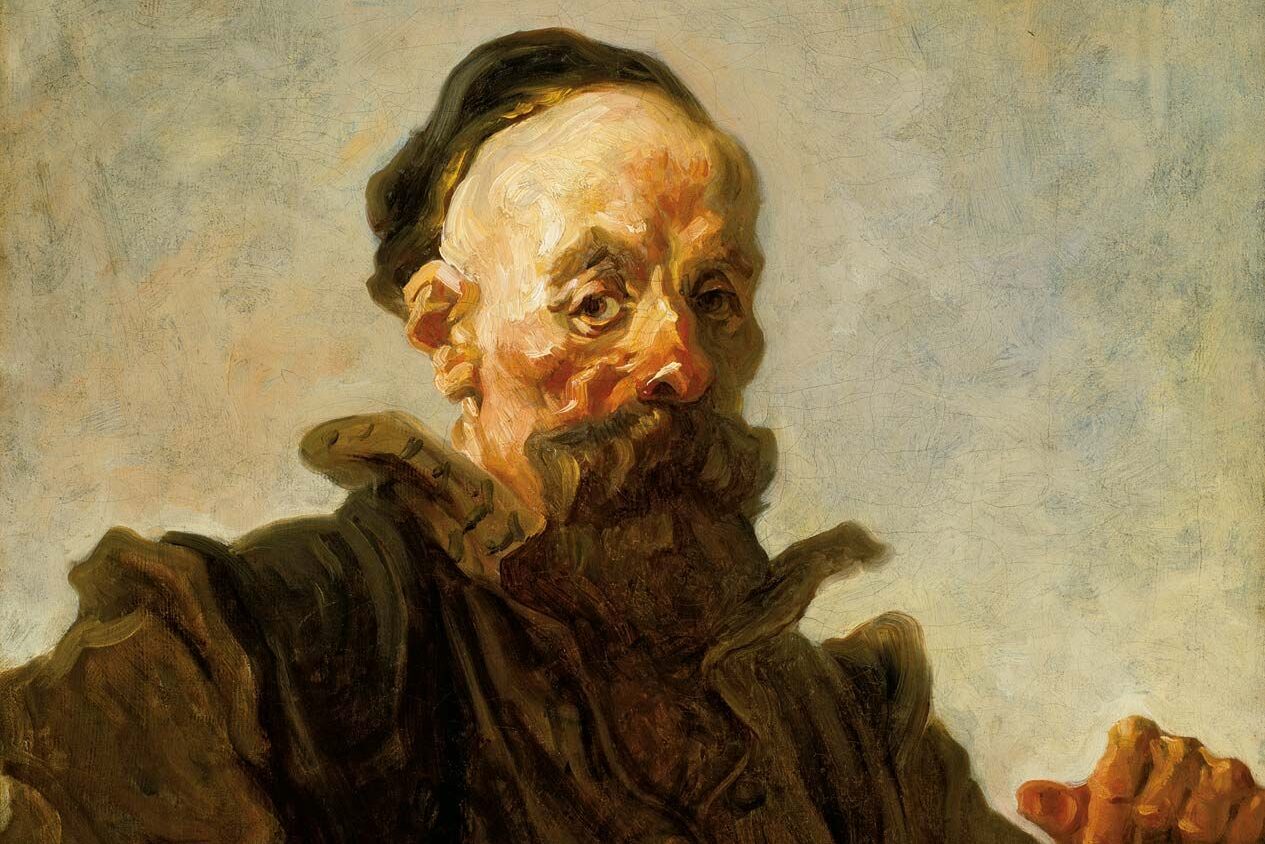
Jean-Honoré Fragonard was born on April 5, 1732, and he died on April 5, 1806, his 74th birthday. Associated with the Rococo movement, Fragonard became known for paintings filled with softness, romance, and playful elegance. His canvases captured fleeting moments, expressions, and gestures that felt almost suspended in time. Though artistic tastes shifted dramatically during his lifetime, he remained committed to his style and vision. The fact that his life ended on his birthday adds a subtle symmetry to a painter who understood composition and balance deeply.
April 5 now rests quietly in art history as both his beginning and his end. The shared date does not elevate his work beyond its beauty, but it frames his timeline with a quiet sense of closure. His paintings continue to hang in galleries, alive with color and motion. In many ways, his life mirrors his art, thoughtfully arranged and complete without needing explanation.
21. Sid Vicious’ Stark Contrast
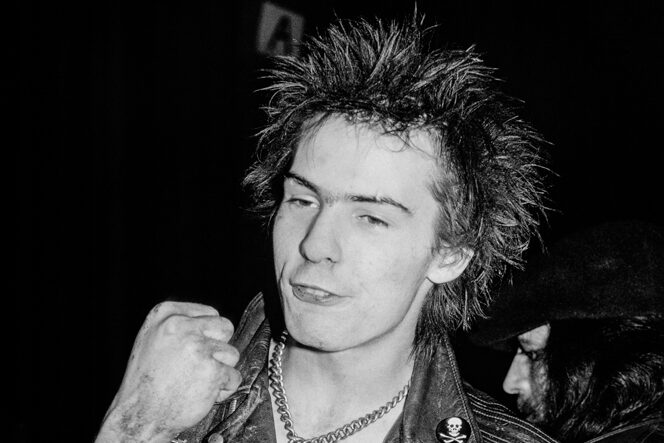
Sid Vicious was born on May 10, 1957, and though he did not die on his birthday, other artists in music history have shared that rare calendar symmetry. His life, marked by chaos and controversy, stands in contrast to the quieter full circle stories in this list. Reflecting on figures who did pass on their birthdays makes his timeline feel abrupt and unfinished. It reminds us that not every life follows a neat pattern.
In thinking about those who began and ended on the same date, we are often searching for meaning in the calendar. Sometimes it is there. Sometimes it is not. The contrast highlights how unusual true birthday passings really are. It also draws attention back to the individuals whose timelines did close that way, emphasizing how rare and quietly striking that coincidence can be.
22. Queen Ingrid’s Gentle Reflection
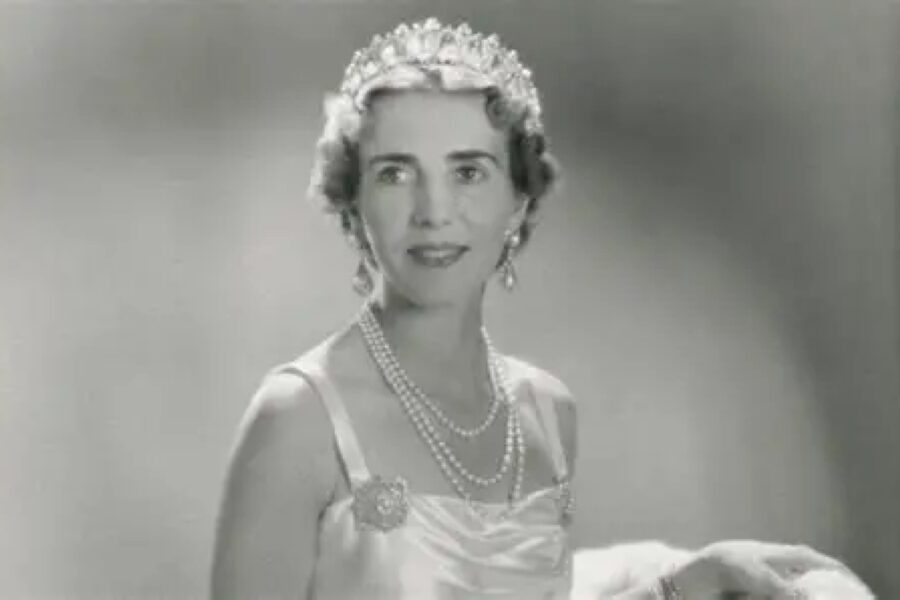
Queen Ingrid of Denmark was born on March 28, 1910, and though she did not die on her birthday, the idea of royal lives coming full circle often captures public imagination. Her decades of service and steady presence made her a respected figure in Denmark and beyond. When people reflect on monarchs who passed on their birthdays, it brings a sense of narrative balance to roles often defined by ceremony and tradition.
Looking back at those who truly shared their birth and death dates, the pattern feels less mystical and more human. It is simply the calendar turning, one square at a time. Yet when that turning lands on the very date life began, it gives us pause. As you read through these stories, consider how small details shape the way we remember people. If this reflection made you think differently about the dates on your own calendar, share it with someone who enjoys noticing life’s quiet circles and meaningful coincidences.


