
1. Star Trek Finds Its Loyal Crew

Sometimes television history looks smooth when we remember it, but the truth is that many famous shows started with uncertainty. Star Trek is a good example. When it premiered on NBC in 1966, the ratings were not strong and executives quietly wondered whether the show should continue. Science fiction was not yet a safe genre for network television, and the thoughtful storytelling felt different from most shows airing at the time. Still, a small group of viewers connected with the hopeful idea of exploring space through the crew of the Enterprise. They liked the friendships between the characters and the sense that the future could be better.
As the first season continued, that quiet appreciation slowly grew into something stronger. Fans began writing letters to NBC asking the network to keep the show on the air. The volume of support surprised executives and convinced them to give the series another chance. That decision allowed the writers and cast to keep developing their world. Although the original run lasted only three seasons, the show later found a much larger audience in reruns. Over time Star Trek became one of the most influential science fiction series ever produced, proving that sometimes a show simply needs time for viewers to truly discover it.
2. Seinfeld Slowly Builds An Audience
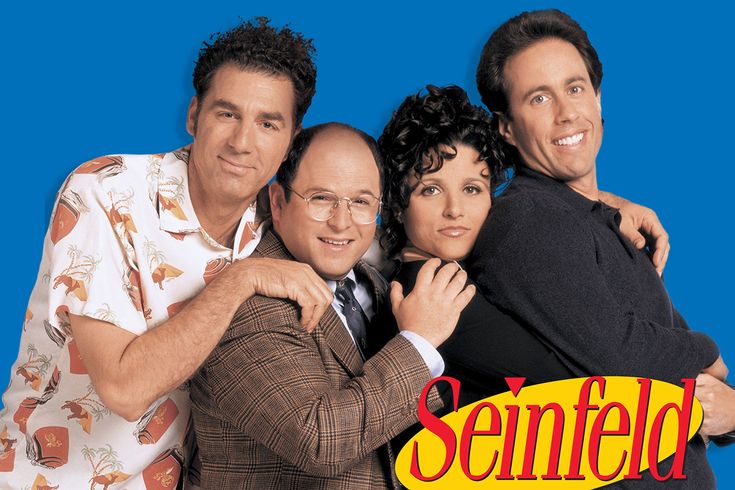
It is easy to assume Seinfeld was an instant hit, but its early days were much quieter than people remember. When the show first appeared in 1989 under the name The Seinfeld Chronicles, NBC was unsure how audiences would respond. The humor focused on everyday conversations, awkward social moments, and the little annoyances of daily life. That style felt different from the bigger sitcom comedies that dominated television at the time. Because of that uncertainty, the first season was extremely short and only included a handful of episodes while the network decided what to do next.
As more episodes aired, viewers slowly began connecting with the strange honesty of the characters. Jerry’s calm observations, George’s constant worries, Elaine’s sharp confidence, and Kramer’s unpredictable behavior created a rhythm that started to feel familiar. The show did not rush its success. Instead it grew quietly as more people discovered it through weekly broadcasts and reruns. By the early nineteen nineties the audience had expanded dramatically. What began as a small experiment about nothing gradually became one of the most influential sitcoms in television history and changed the way many comedies approached everyday storytelling.
3. The Office Almost Stayed A Short Experiment

When the American version of The Office premiered in 2005, many viewers approached it carefully because the British version already had loyal fans. Early episodes closely followed the tone of the original series. The awkward pauses, uncomfortable humor, and quiet office setting felt unusual for network television at the time. Some audiences did not know what to make of it, and the first season ended up being very short. With only a few episodes produced, it seemed possible the show might simply end before it had time to grow into something bigger.
Instead of abandoning the idea, the writers decided to reshape the show. The characters slowly became warmer and more distinct. Michael Scott began to feel less harsh and more human, which allowed viewers to laugh while still caring about him. The rest of the office staff also developed stronger personalities and relationships that audiences enjoyed following. As those changes appeared, the show found its voice. Viewers who once felt unsure began embracing the humor and the small everyday moments inside the workplace. What looked like a short experiment eventually grew into one of the most beloved workplace comedies.
4. Parks And Recreation Needed Time To Find Its Voice
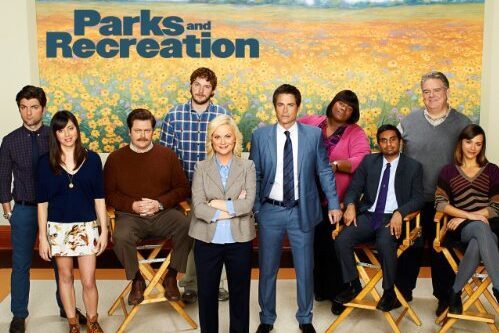
When Parks and Recreation arrived in 2009, many people immediately compared it to The Office because the shows shared creators and a similar documentary style. Early episodes leaned into that similarity, which made some viewers feel the new series did not yet have its own identity. Critics mentioned that the tone felt uncertain and the ratings during the first season were modest. For a moment it seemed possible that the show might not last very long if audiences continued to see it as simply another version of something familiar.
During the second season the writers began shaping the characters with more confidence. Leslie Knope slowly became the optimistic center of the story, someone who genuinely believed her work in local government could make people’s lives better. The supporting characters also developed clearer personalities that balanced humor with kindness. As those changes appeared, the show felt warmer and more hopeful. Viewers gradually connected with the friendships and small victories inside the parks department. What started with hesitation eventually became a comedy known for its heart and its belief that people working together can accomplish meaningful things.
5. Cheers Began Near The Bottom Of The Ratings
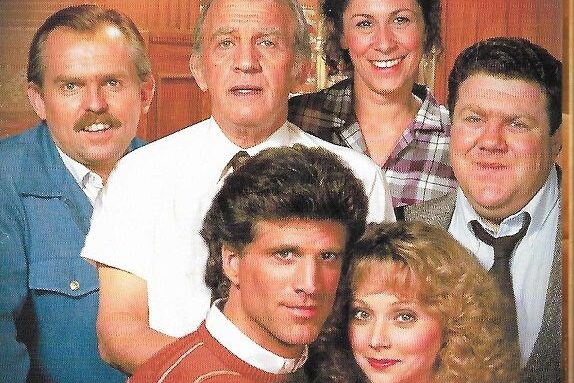
When Cheers premiered in 1982, almost nothing about its first season suggested the long success that would follow. The show centered on a small group of regulars spending time in a Boston bar, which meant much of the humor came from conversations rather than big physical comedy. During that first year the ratings were extremely low, placing the series near the bottom of television rankings. Under normal circumstances a show performing that poorly would disappear quickly without much attention.
NBC executives noticed something encouraging beneath the numbers. The cast shared a natural chemistry that made the bar feel welcoming even when the audience was still small. Ted Danson, Shelley Long, and the rest of the ensemble created characters who felt genuine and easy to watch. The network decided to keep the show for another season instead of cancelling it. That patience allowed more viewers to slowly discover the series. Word of mouth helped the audience grow, and the bar where everyone knew your name eventually became one of the most beloved settings in television comedy history.
6. MASH Survived A Difficult Start
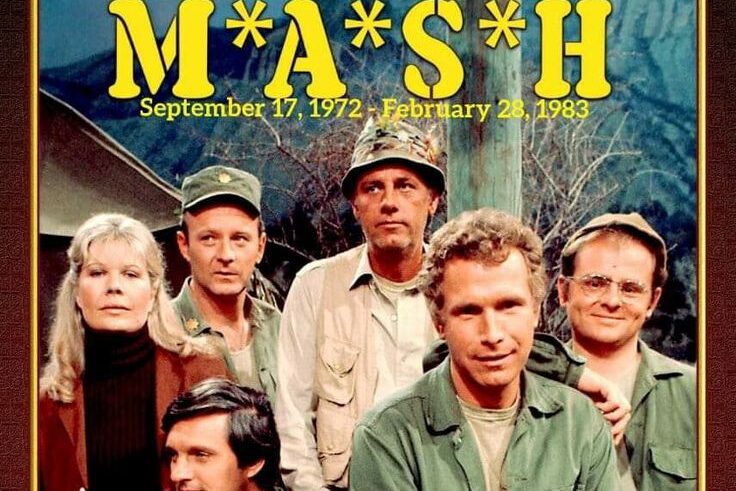
When MASH premiered in 1972, it introduced a tone that felt unusual for television. The show blended humor with thoughtful reflections about life during wartime. While the jokes were sharp, the stories often carried emotional weight that surprised viewers expecting a simple comedy. Because of that mixture, many audiences were unsure how to respond during the first season. Ratings remained fairly modest, and the network quietly questioned whether the show would find enough viewers to justify continuing.
Something interesting happened when reruns of the first season aired later in the year. People who had missed the show during its original broadcast began discovering the characters and their complicated lives. The mix of humor and humanity started to resonate with a wider audience. As more viewers connected with the stories, the show slowly gained momentum. Over time MASH grew into one of the most respected series in television history. Its ability to balance laughter with compassion allowed it to remain meaningful for more than a decade and helped shape the way television approached serious subjects.
7. Family Guy Was Cancelled Before Becoming A Hit
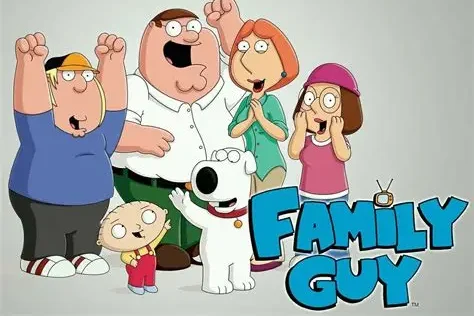
When Family Guy first premiered in 1999, it attracted attention for its fast jokes and unusual animated style. The series quickly developed a loyal fan base, but the ratings were inconsistent and the network struggled to find the best schedule for it. Because of those challenges, the show was cancelled after only a few seasons. At that moment it looked like the story had ended before the series could grow into something larger.
What happened next surprised almost everyone. Reruns of the show began airing on late night television, and the episodes started attracting strong audiences. At the same time, DVD sales of the series became extremely popular. Those numbers showed that many people enjoyed the show even though the original ratings did not fully reflect that support. Recognizing the growing demand, the network decided to revive the series. Family Guy returned to television and continued building its audience. The show eventually became one of the longest running animated comedies, proving that some series find their real popularity after their first cancellation.
8. Breaking Bad Nearly Slipped Under The Radar
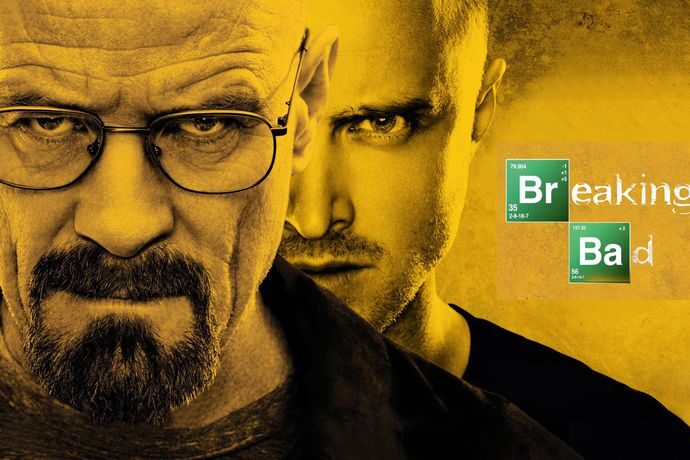
When Breaking Bad premiered in 2008, critics quickly recognized that the show offered something different from most television dramas. The story followed a chemistry teacher slowly transforming into a criminal figure, and the writing treated that transformation with careful detail. While reviewers admired the storytelling, the audience during the first season remained fairly small. At the time the network was still developing its reputation for original dramas, which meant many viewers had not yet discovered the series.
As more seasons arrived, the audience gradually expanded. Word of mouth began spreading as viewers recommended the show to friends who appreciated complex characters and long running storylines. Streaming services also helped people catch up on earlier episodes, which made it easier for new viewers to join the journey. With each season the story of Walter White grew more intense, and the show’s reputation continued rising. By its final seasons Breaking Bad had become one of the most widely discussed dramas on television. Its slow beginning is a reminder that strong storytelling sometimes needs time before a larger audience fully notices it.
9. The Simpsons Needed Patience To Grow
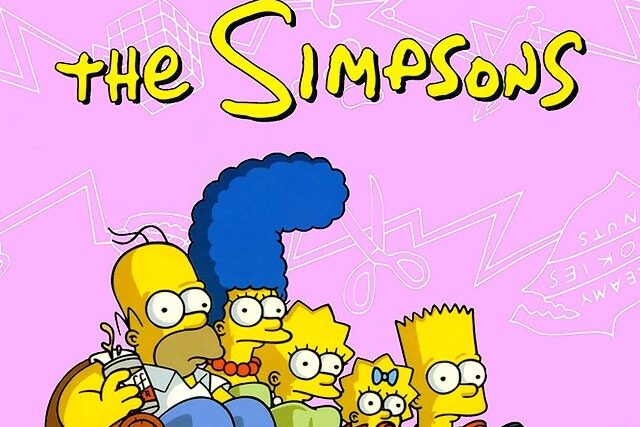
Before becoming a television institution, The Simpsons began as short animated sketches on a comedy program. Those small segments introduced audiences to the unusual family, but no one could predict whether the characters could sustain a full series. When the standalone show premiered in 1989, the idea of an animated sitcom airing during prime time still felt risky. The network watched the early episodes carefully while trying to understand how viewers would respond.
Gradually the humor and personality of the Simpson family began attracting attention. The stories mixed satire with familiar family situations, which allowed audiences to recognize parts of their own lives inside the jokes. As more people discovered the series, the show’s audience expanded quickly. The characters became widely recognizable and the writing developed a reputation for clever cultural commentary. Over the years The Simpsons grew into one of the longest running scripted series in television history. The early uncertainty surrounding the show now feels surprising considering how deeply it eventually became part of television culture.
10. The X Files Almost Became A Cult Curiosity
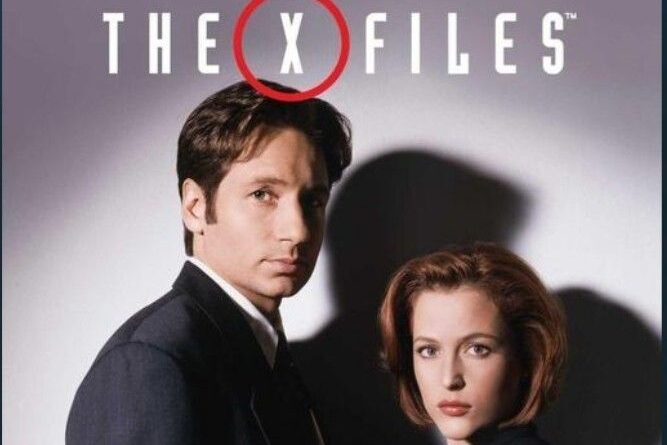
When The X Files premiered in 1993, it introduced a mixture of mystery, science fiction, and suspense that felt different from most dramas on television. The story followed two investigators exploring unexplained events, which created a tone that was both eerie and thoughtful. During its first season the audience remained fairly small, and the show initially felt like a niche program that appealed mainly to devoted fans of unusual storytelling.
The network eventually moved the series to a stronger time slot, which helped more viewers discover it. As the partnership between the two main investigators developed, audiences became invested in their search for answers. The strange cases, combined with the evolving relationship between the characters, created a story that people wanted to follow each week. With time the audience continued to grow and the show gained a strong cultural presence. What once seemed like a small cult series eventually became one of the defining science fiction dramas of the nineteen nineties.
11. Friends Needed Time To Become A Cultural Phenomenon
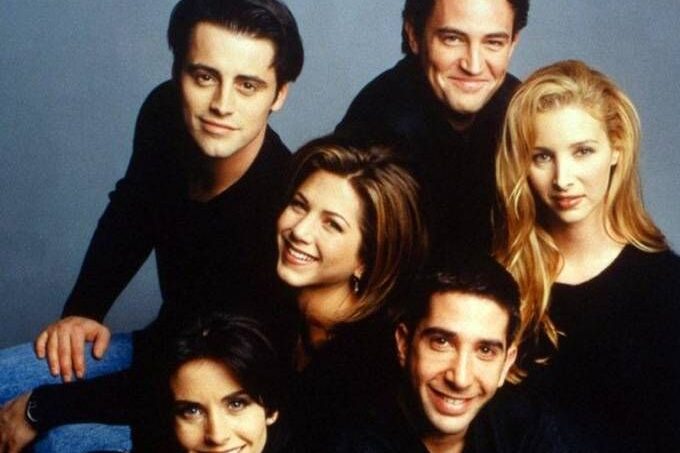
When Friends premiered in 1994, it joined a crowded lineup of television sitcoms competing for attention. The show introduced six young adults navigating work, relationships, and friendship in New York City. While the cast shared an easy chemistry from the beginning, the first episodes did not immediately dominate television ratings. The series performed reasonably well but still needed time to stand out among many other comedies airing during the same period.
As the first season continued, viewers slowly became attached to the characters and their everyday lives. The friendships between the group created a comfortable atmosphere that audiences enjoyed returning to each week. Moments of humor mixed naturally with situations that felt familiar to many viewers. That balance helped the show grow steadily rather than explode overnight. By the late nineteen nineties Friends had become one of the most recognizable sitcoms in the world. Its journey from a modest beginning to global popularity shows how audiences sometimes need time to fully embrace a show that eventually becomes part of everyday conversation.
12. Buffy The Vampire Slayer Almost Lost Its Bite

When Buffy the Vampire Slayer premiered in 1997, many viewers and critics assumed it would be a short lived teen fantasy experiment. The premise sounded strange to network executives too. A California high school student secretly fighting vampires and demons every night did not immediately inspire confidence. Early ratings were modest, and some television insiders believed the series leaned too heavily on camp and humor to survive. Yet the show quietly developed a loyal audience that recognized something special in its storytelling and characters.
By the second season, the series began to prove its staying power. Deeper character arcs, emotional storylines, and sharper writing transformed it into one of television’s most talked about cult hits. The writers balanced supernatural action with real coming of age struggles, which helped the show connect with viewers far beyond its target teen audience. Buffy Summers evolved from a quirky heroine into one of television’s most iconic characters. What once looked like a risky experiment eventually became a defining show of the late 1990s and early 2000s.
13. Friday Night Lights Nearly Lost Its Signal
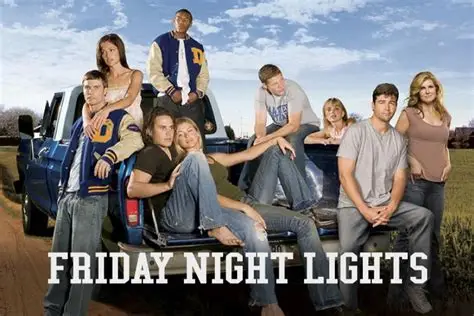
Friday Night Lights arrived in 2006 with strong critical praise but struggled to find a large television audience at first. The drama followed a Texas high school football team and the community that rallied around it, yet the ratings during its first season were far from impressive. Some industry observers feared the show might not survive beyond its early episodes, despite the emotional storytelling and grounded performances that critics admired.
Support from passionate fans and television critics helped keep the series alive. The show’s realistic depiction of small town life and personal struggles gradually attracted a devoted audience. Characters like Coach Eric Taylor and his players became deeply relatable, showing that the story was about far more than football. Over time, the series built a reputation as one of television’s most authentic dramas. Its early ratings concerns eventually faded as the show gained lasting respect and a loyal following.
14. The Big Bang Theory Needed Patience
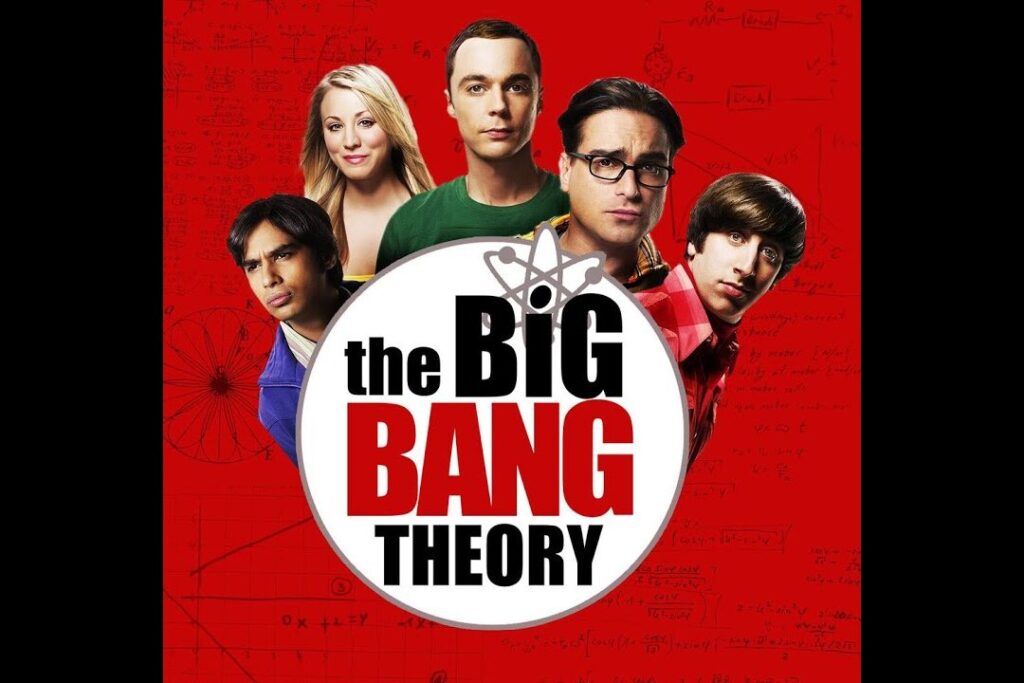
When The Big Bang Theory first arrived in 2007, it faced a surprising challenge. The original pilot episode was never aired because network executives felt it did not quite work. The creators reworked the concept, reshaped several characters, and filmed a new version before the series finally premiered. Even then, the early episodes had to convince audiences that a sitcom centered on socially awkward scientists could become widely appealing.
Gradually, the show’s unique humor began to click with viewers. The characters’ love for science, comic books, and gaming created a fresh comedic perspective that had rarely been explored on mainstream television. Sheldon Cooper’s eccentric personality quickly became a standout element of the series. As seasons progressed, the audience expanded dramatically, turning the sitcom into one of the biggest television hits of its era. The show eventually ran for twelve seasons and became a defining comedy of the 2000s and 2010s.
15. It’s Always Sunny In Philadelphia Almost Disappeared
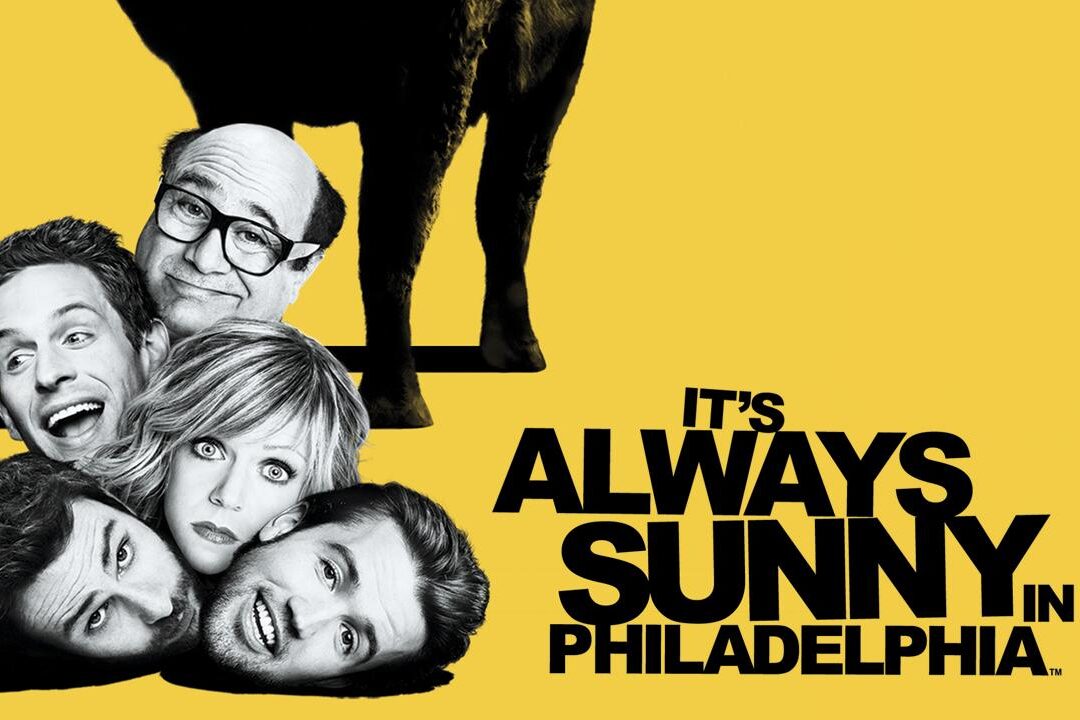
It’s Always Sunny in Philadelphia began in 2005 with a very small budget and almost no promotional support. The dark comedy followed a group of selfish friends running a struggling bar in Philadelphia, and its outrageous humor immediately set it apart from traditional sitcoms. While critics noticed its bold style, the show’s first season attracted only a limited audience, leaving its future uncertain.
The turning point came when actor Danny DeVito joined the cast in the second season. His chaotic energy matched the show’s unpredictable tone and helped bring more attention to the series. Over time, audiences began to appreciate the show’s fearless approach to comedy and its willingness to push boundaries. The characters’ terrible decisions and ridiculous schemes became a central part of the show’s identity. What started as a nearly overlooked experiment eventually grew into one of the longest running live action sitcoms in television history.
16. Schitt’s Creek Took Time To Shine
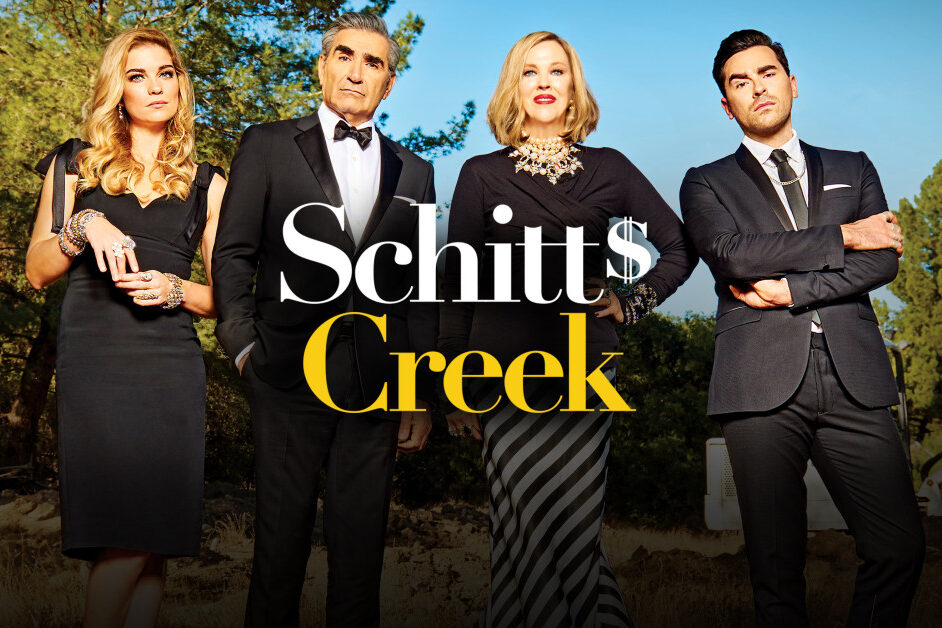
Schitt’s Creek premiered in 2015 and initially flew under the radar for many television viewers. The comedy followed a wealthy family forced to rebuild their lives in a small rural town after losing their fortune. Early reactions were polite but not overwhelming, and the show needed time to find a larger audience beyond its initial broadcast.
As more people discovered the series through streaming platforms, its charm began to spread rapidly. The characters evolved in meaningful ways, showing warmth, vulnerability, and genuine growth. Viewers connected deeply with the family’s journey from selfishness to compassion. The show’s humor remained sharp, but its heart became the true highlight. By the time the series concluded in 2020, Schitt’s Creek had transformed from a quiet beginning into an award winning cultural favorite that celebrated kindness, acceptance, and the surprising joy of second chances.
17. Mad Men Started Small Before Becoming Prestigious
When Mad Men premiered in 2007, it arrived quietly on AMC, a network that had only recently begun experimenting with original scripted shows. The drama followed advertising executives in nineteen sixties New York, focusing on ambition, identity, and the changing culture of the era. Critics admired its thoughtful storytelling and visual style, but the early audience remained fairly small. Many viewers had not yet discovered the network’s new direction, and the show initially felt like a slow moving character study rather than a mainstream television hit.
As more seasons aired, the reputation of Mad Men steadily grew. Viewers began noticing the layered performances and the careful way the series explored personal struggles inside the glamorous advertising world. Word of mouth and award recognition helped bring new attention to the show. Audiences became fascinated by Don Draper and the complicated people surrounding him. What started as a quiet debut gradually transformed into one of television’s most respected dramas. The series eventually became a symbol of prestige television and helped redefine what thoughtful storytelling on cable television could achieve.
18. The Walking Dead Faced Early Skepticism
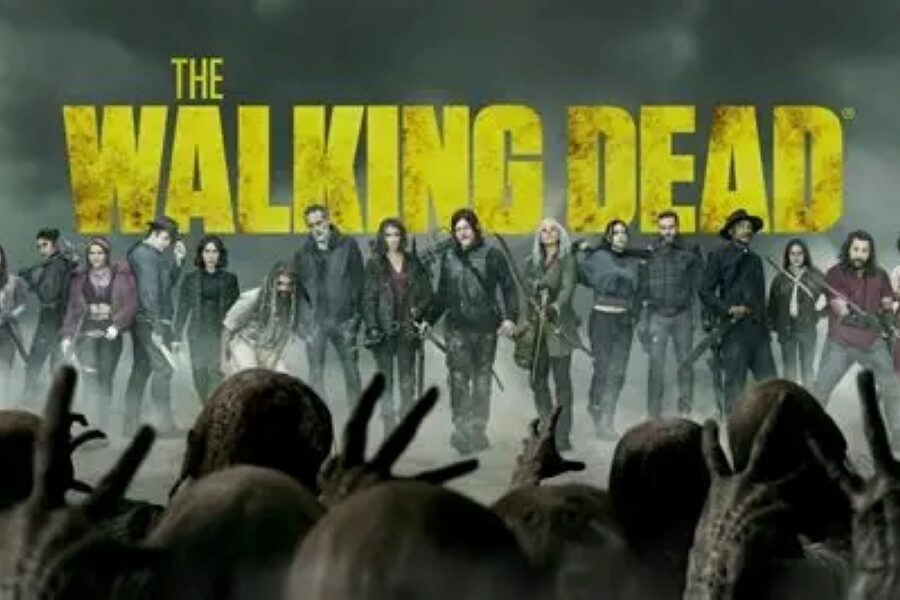
When The Walking Dead premiered in 2010, many television observers questioned whether a zombie story could sustain a long running drama series. The show introduced viewers to a world devastated by a mysterious outbreak, where survivors struggled to rebuild their lives. Although the concept sounded exciting, some critics wondered if the story might become repetitive after the initial shock of the apocalypse faded. The first season was short, and the network carefully watched how audiences responded to the intense and sometimes unsettling storyline.
What quickly became clear was that the series focused less on zombies and more on human survival. The characters faced moral decisions, leadership conflicts, and emotional losses that made the story feel deeply personal. Viewers connected with those struggles and began following the show with growing enthusiasm. As each season expanded the world and introduced new communities, the audience continued to grow. The Walking Dead eventually became one of the most watched dramas on cable television. What began with uncertainty soon developed into a cultural phenomenon that reshaped modern television storytelling.
19. All In The Family Needed Audience Adjustment
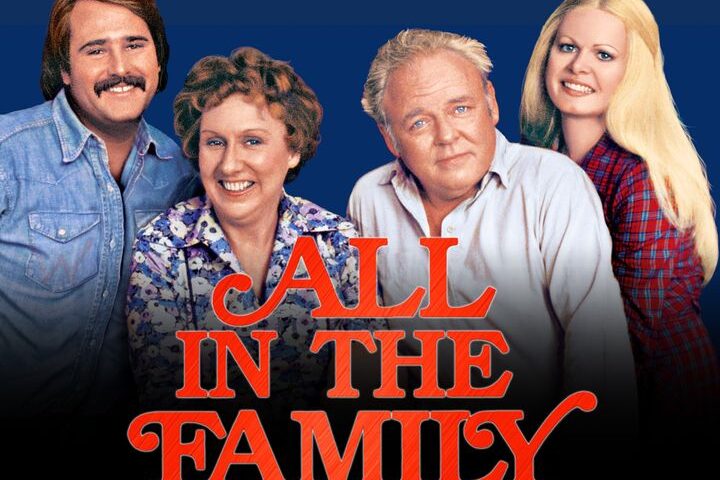
When All in the Family premiered in 1971, it brought a very different tone to television comedy. The show centered on Archie Bunker, a blunt working class father who often voiced controversial opinions about politics and social change. At first, some viewers were unsure how to respond to the bold humor and the serious issues woven into the storylines. Early reactions were mixed because the sitcom openly discussed subjects that many other programs avoided at the time.
As audiences became more familiar with the characters, the show’s deeper message began to stand out. Beneath the arguments and jokes, the series explored how families could confront social differences while still caring about each other. Viewers gradually appreciated the honesty and humor that defined the show’s voice. Over time All in the Family became one of the most influential sitcoms in television history. Its willingness to address real conversations happening in everyday households helped reshape the boundaries of television comedy and opened the door for many socially aware shows that followed.
20. The Fresh Prince Of Bel Air Took Time To Grow
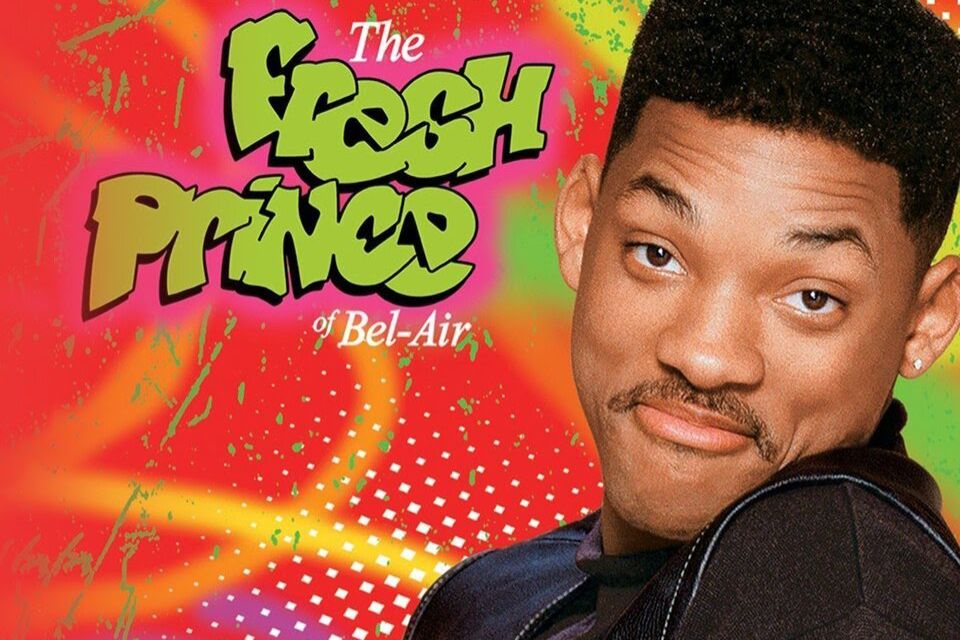
When The Fresh Prince of Bel Air debuted in 1990, the premise immediately sounded entertaining. The story followed a street smart teenager from Philadelphia who moved to live with his wealthy relatives in California after getting into trouble at home. While the show had strong comedic moments from the start, it needed time to balance humor with deeper storytelling. Early episodes focused mainly on fish out of water comedy, and the series gradually worked toward building stronger emotional connections between the characters.
As the seasons progressed, the show expanded beyond its comedic roots. The Banks family developed into a warm and memorable group whose relationships felt genuine. Storylines began exploring themes like identity, family expectations, and personal growth. Will Smith’s natural charisma helped anchor the series, while the supporting cast added heart and humor to every episode. Over time the sitcom became one of the defining comedies of the nineteen nineties. What began as a playful premise eventually evolved into a show remembered for both its laughter and its emotional honesty.
21. Law And Order Faced Early Network Doubts
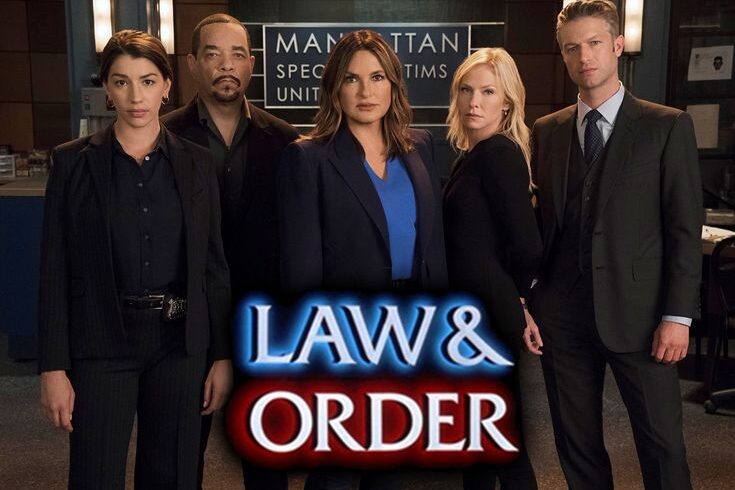
When Law and Order premiered in 1990, it introduced a structure that felt different from other crime dramas. Each episode was divided into two distinct parts. The first half focused on the police investigation of a crime, while the second half followed prosecutors handling the case in court. While this format was creative, the show’s early ratings were not especially strong, and network executives questioned whether audiences would continue watching a series with such an unusual storytelling approach.
Despite those concerns, the show slowly began building a steady audience. Viewers appreciated the realistic tone and the way each episode explored both the investigative process and the legal consequences that followed. Over time the format became one of the most recognizable structures in television drama. As new characters joined the cast and fresh cases appeared each week, the show continued growing in popularity. Law and Order eventually ran for decades and inspired several spin off series. Its early uncertainty gave way to one of the longest lasting crime franchises in television history.
22. Grey’s Anatomy Nearly Stayed A Short Drama
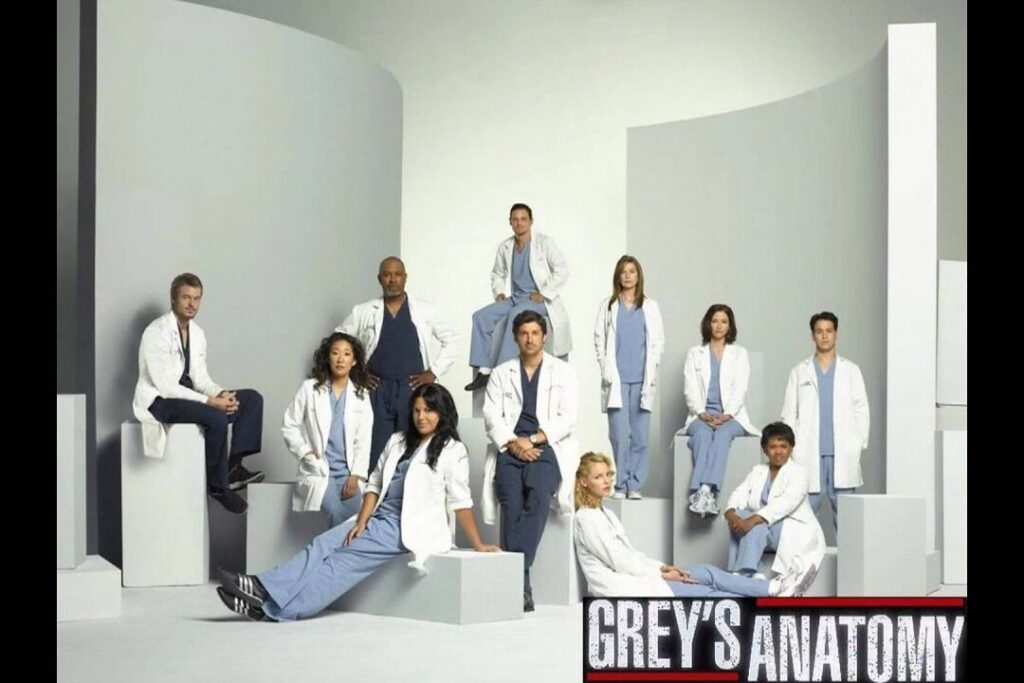
When Grey’s Anatomy premiered in 2005, it arrived as a midseason replacement rather than a major television event. Shows introduced during the middle of a season often struggled to gain attention, and many disappeared after only a few episodes. The series followed a group of young doctors learning their profession while navigating complicated personal lives. While the concept felt familiar, the storytelling quickly stood out because of its emotional honesty and strong character relationships.
As viewers became invested in the lives of the doctors at Seattle Grace Hospital, the show began attracting a larger audience. The characters faced difficult choices, heartbreak, and personal growth that kept audiences returning each week. Gradually the series expanded its reach and developed a devoted fan base. What began as a modest midseason experiment eventually grew into one of the longest running medical dramas on television. By the time the show reached later seasons, it had firmly secured its place as a lasting part of modern television history.


