
1. Purring Is Not Always Joy

If you have ever watched a cat curl up quietly and purr, it is easy to assume it is simply happy, and that makes sense because that soothing vibration feels like calm. Still, modern research shows that purring can happen when a cat is scared, nervous, hungry or even recovering from pain. So when we think the sound means joy alone, we may be missing what the cat is trying to say. This soft rumble is a tool for communication, comfort and even coping, which means understanding it better helps us read cats with more care and compassion.
2. Kneading Comes From Kitten Memory
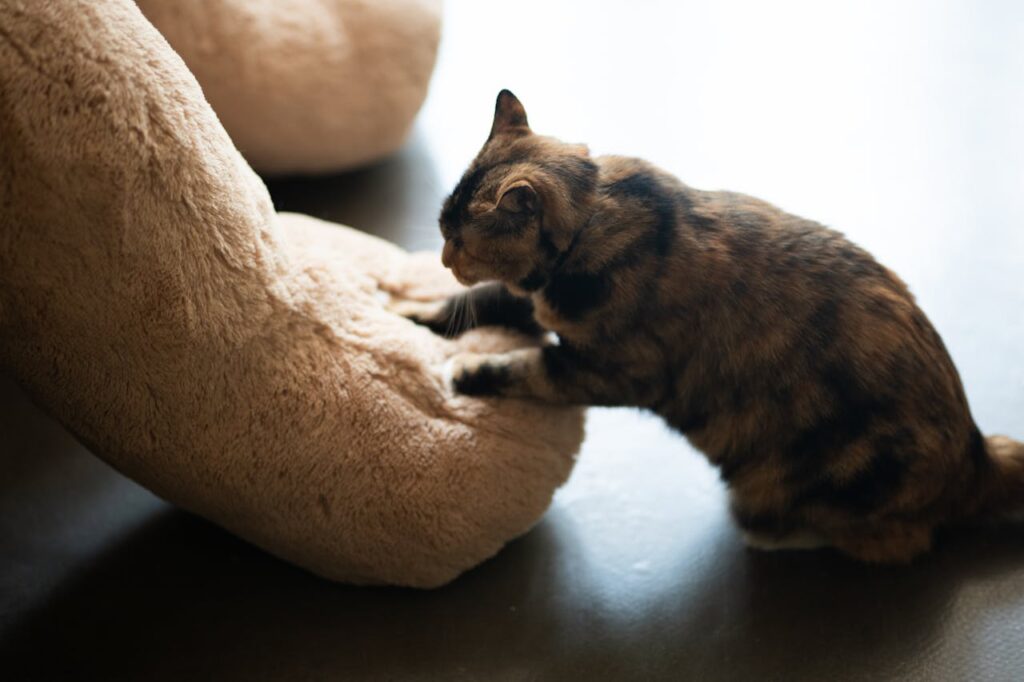
When a cat presses its paws gently on your lap like it is kneading dough, it might look playful, yet the behavior began in kittenhood when young cats pressed their mother’s belly to stimulate milk. This memory stays with them long after they grow up, which is why they still do it when they feel safe or relaxed. You may notice they knead blankets, pillows or even your favorite shirt, choosing whatever feels soft and familiar. It is both a sign of security and a leftover instinct that brings them comfort in the same way it once brought them nourishment.
3. Cats Can Knead To Claim Their Favorite Person
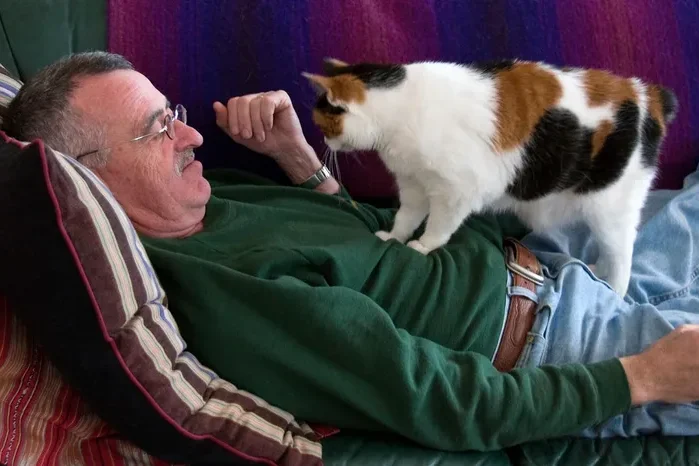
Some people see kneading as a cute habit, but it often has deeper meaning. When your cat kneads on you specifically, it is choosing you as a safe spot. Cats have scent glands in their paws, so when they press slowly into your legs or chest, they may be marking you as familiar and secure. It is their version of saying you are part of their world and not just a place to sit. This is why it feels personal when a cat picks your lap and ignores every option in the room. The gesture reveals quiet affection and ownership.
4. Purring Can Help Cats Heal Themselves
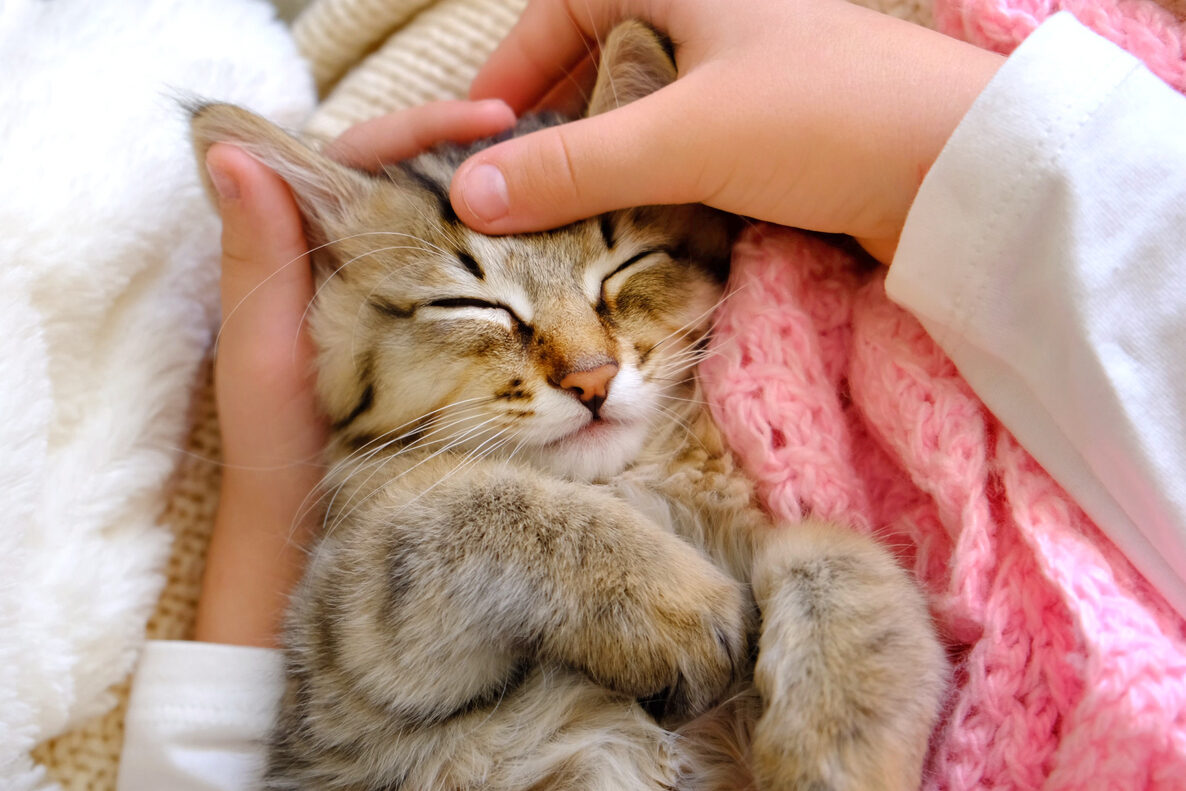
Most cat owners associate purring with happiness, yet science suggests something more fascinating. The vibration of a cat’s purr falls at a frequency that can encourage tissue repair and reduce pain in the body. This might explain why injured or ill cats continue purring even when they are not comfortable. Instead of stopping, they use it as a built in self soothing tool that speeds healing while keeping them calm. It is like their bodies created a natural therapy they can activate whenever needed. So while it sounds simply peaceful, purring might also function as a quiet form of recovery.
5. Cats Sometimes Purr To Ask For What They Want
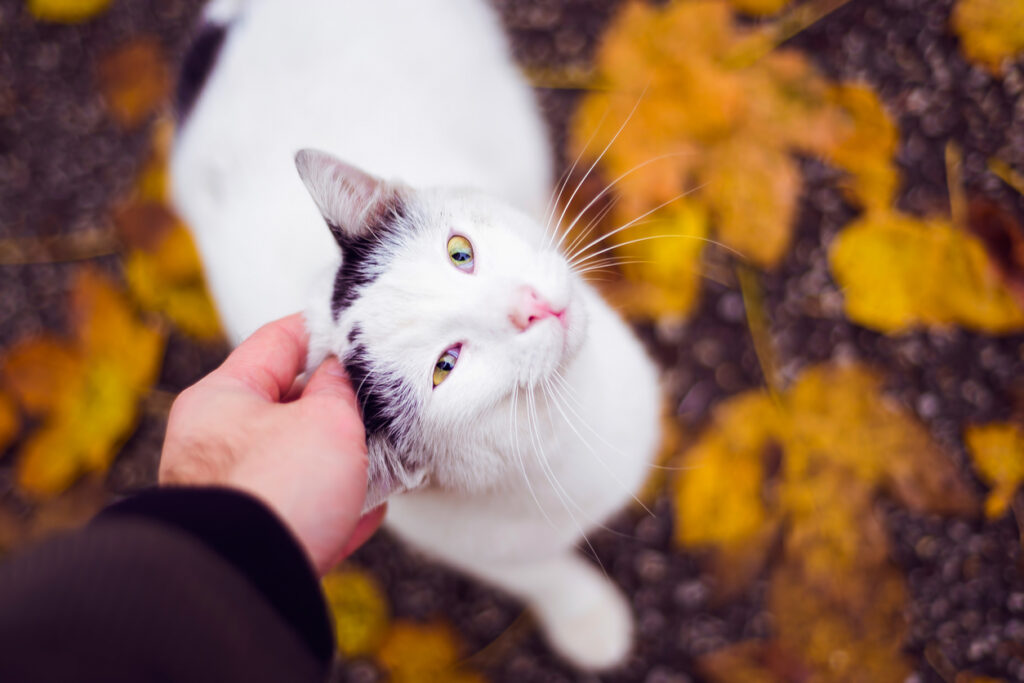
If your cat suddenly becomes vocal and purrs loudly around the kitchen or near the food bowl, it may not be expressing joy. Some cats use purring to ask for attention, food or help. This means the sound is not always tied to emotion but can become a request. You may notice they purr differently when seeking something, almost like a rhythmic call for you to respond. The more familiar you become with your cat, the easier it is to notice these variations. What first seemed random becomes a message, and learning the difference makes communication feel intentional.
6. Kneading Helps Cats Create A Comfortable Space
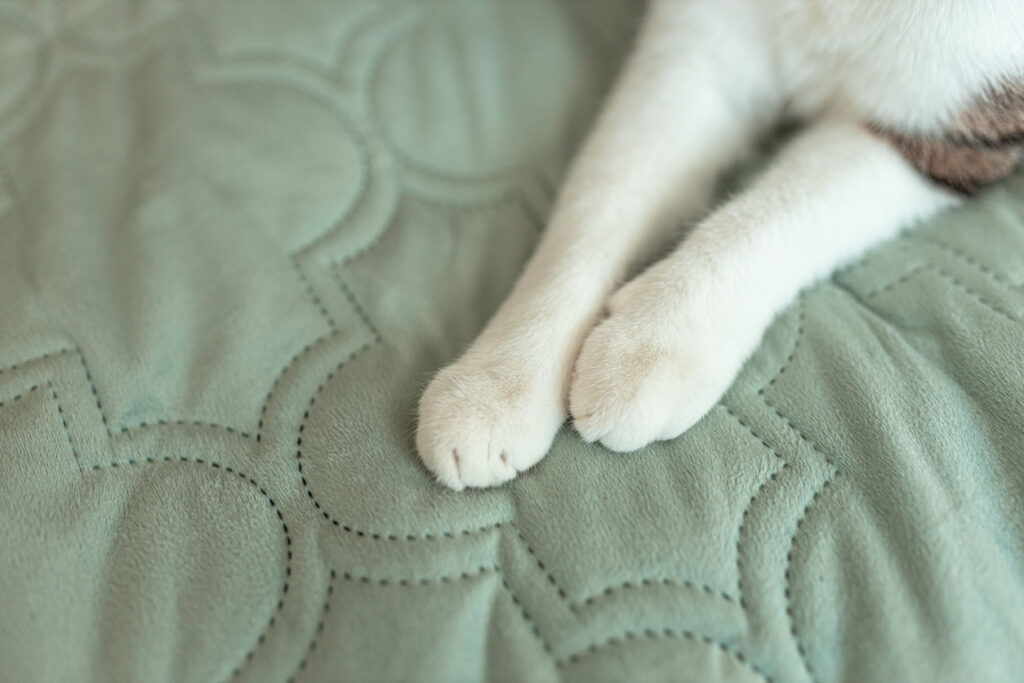
Before settling in for a nap, cats often knead blankets or cushions as if preparing the perfect spot. Experts believe this comes from wild feline ancestors that would press down grass and leaves to build a softer resting area. Even though the modern home has beds and cozy fabrics everywhere, the instinct still lingers. When your cat kneads before lying down, it is arranging its space just the way it likes it. The slow push of the paws and the focused concentration show that cats treat comfort as something they create themselves. It is their quiet way of shaping home.
7. Cats Knead To Mark Territory With Scent
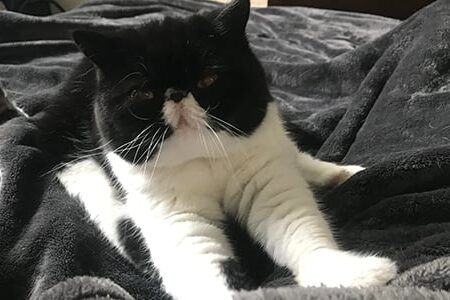
A cat’s paws have scent glands that leave behind a subtle trace. So when they knead on furniture, blankets or even your leg, it can be their way of making something feel familiar. They leave a scent only they can detect, which helps them feel safe and confident in a space. This explains why some cats repeatedly knead the same spot, claiming it as a personal comfort zone. It looks harmless and gentle, but it signals ownership. To them, marking territory is not aggression, it is reassurance, and kneading is a peaceful way to set boundaries and feel secure.
8. Purring Does Not Always Mean Calm
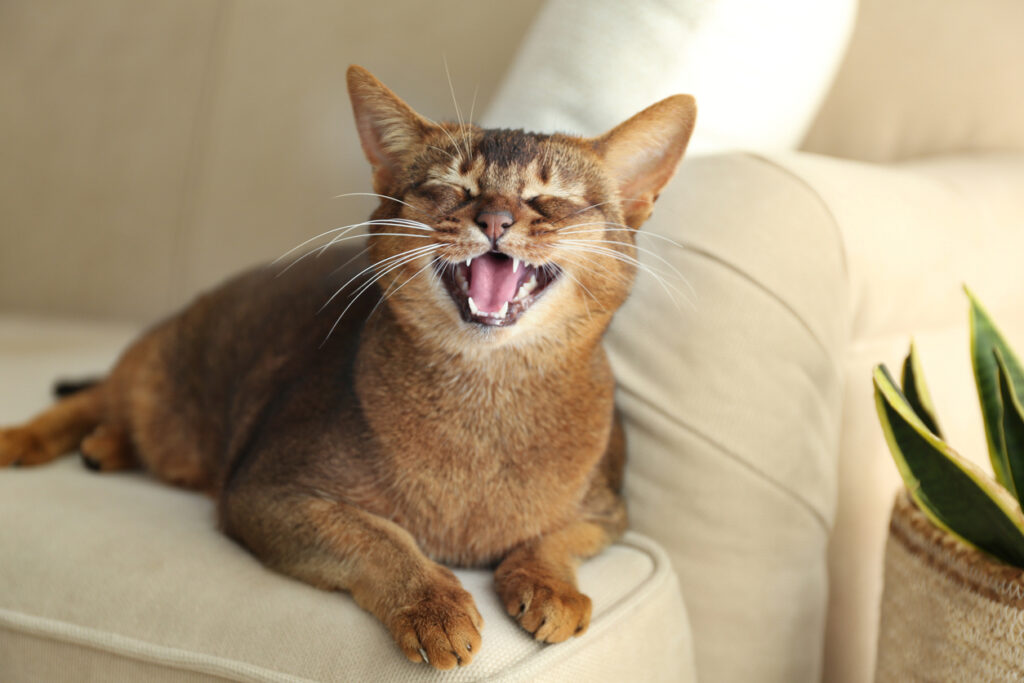
Because purring is such a soothing sound, people often think a purring cat must be relaxed. While that is sometimes true, cats can also purr when they feel uncertain or stressed. This makes purring a layered behavior that needs context. If a cat is tense, hiding, crouched low or acting uneasy, the purr may serve as self comfort rather than celebration. Learning to observe the full body language helps you understand whether the cat is at peace or coping with discomfort. Once we stop assuming purring equals happiness, we become better at responding to what a cat genuinely needs.
9. Kneading Frequency Depends On Personality
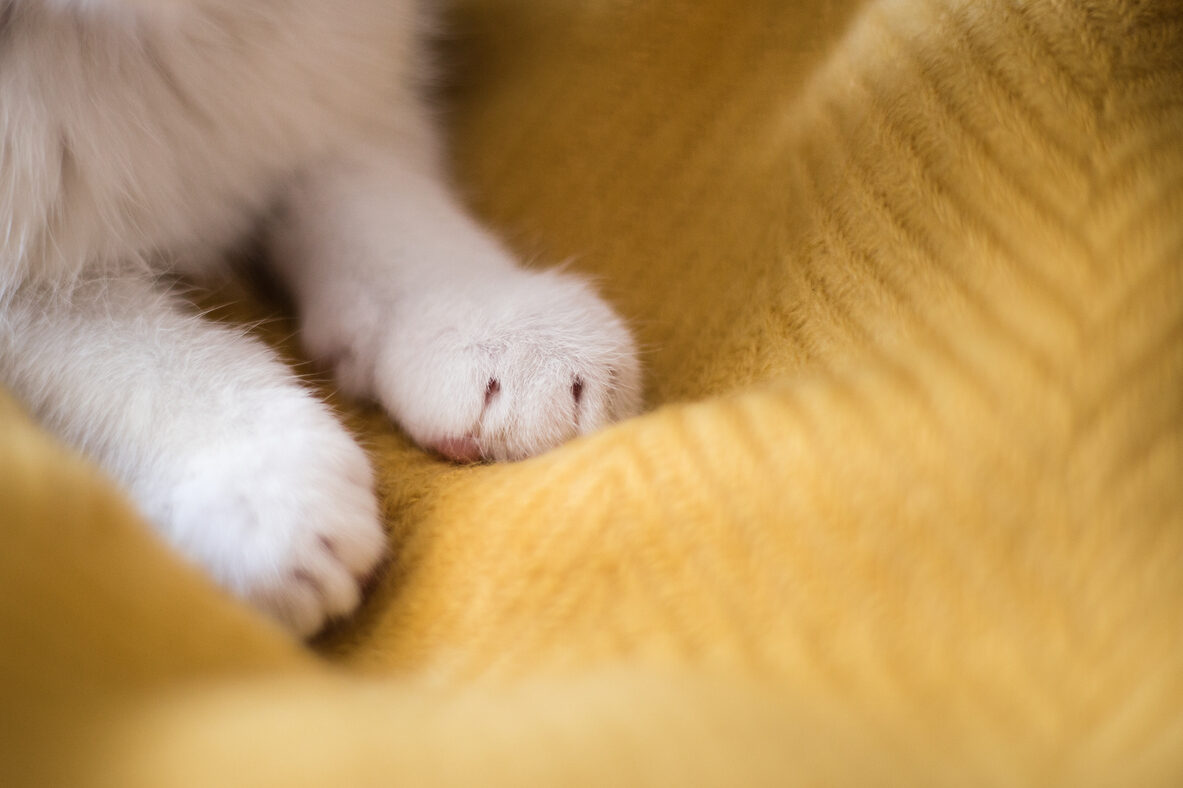
Some cats knead once in a while, and others make biscuits every day like it is a personal ritual. Instead of assuming certain types of cats knead more than others, it may come down to personality, early upbringing and how comfortable they feel in their environment. A cat raised with lots of security may knead often, while another might barely do it at all. Neither is unusual, it simply reflects their emotional style. Just as people show affection differently, cats express comfort in individual ways. Paying attention to these patterns helps you understand your cat’s unique character.
10. Purring Began As A Kitten Communication Tool
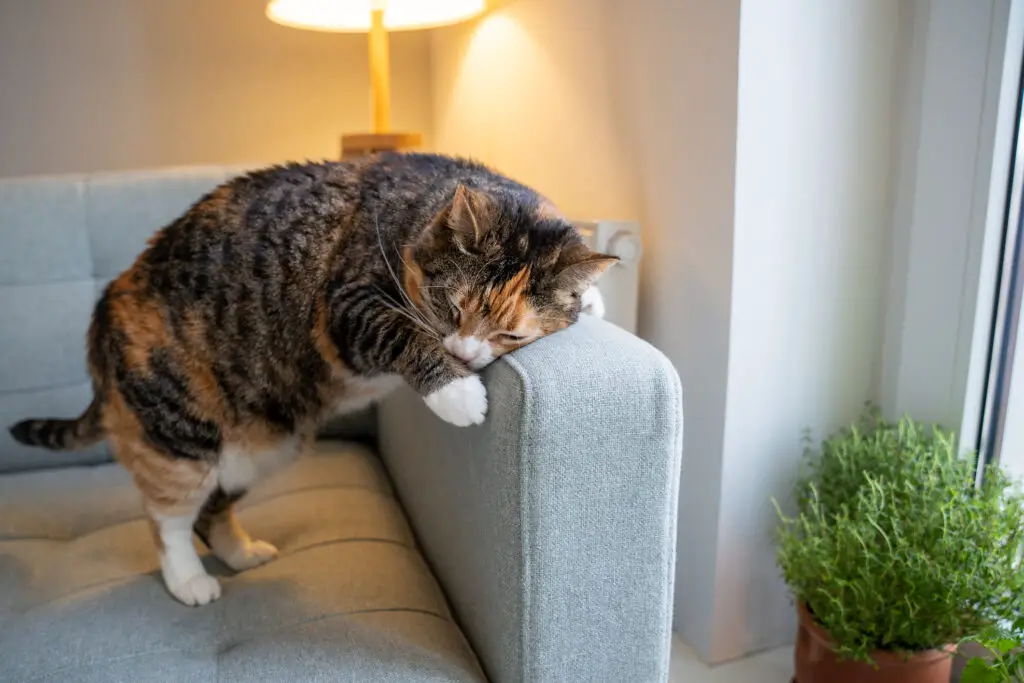
When kittens are too young to meow loudly, they use purring to signal to their mother that they are close, safe and in need of care. This early communication tool stays with them through adulthood, showing how deeply connected purring is to survival, bonding and reassurance. Even grown cats may purr to get support from humans the same way they once did from their mothers. When they lie close, look into your eyes and purr, it may be their way of saying they trust you for protection and comfort. It is less about sound and more about connection.
11. Purring Can Happen Without Intent
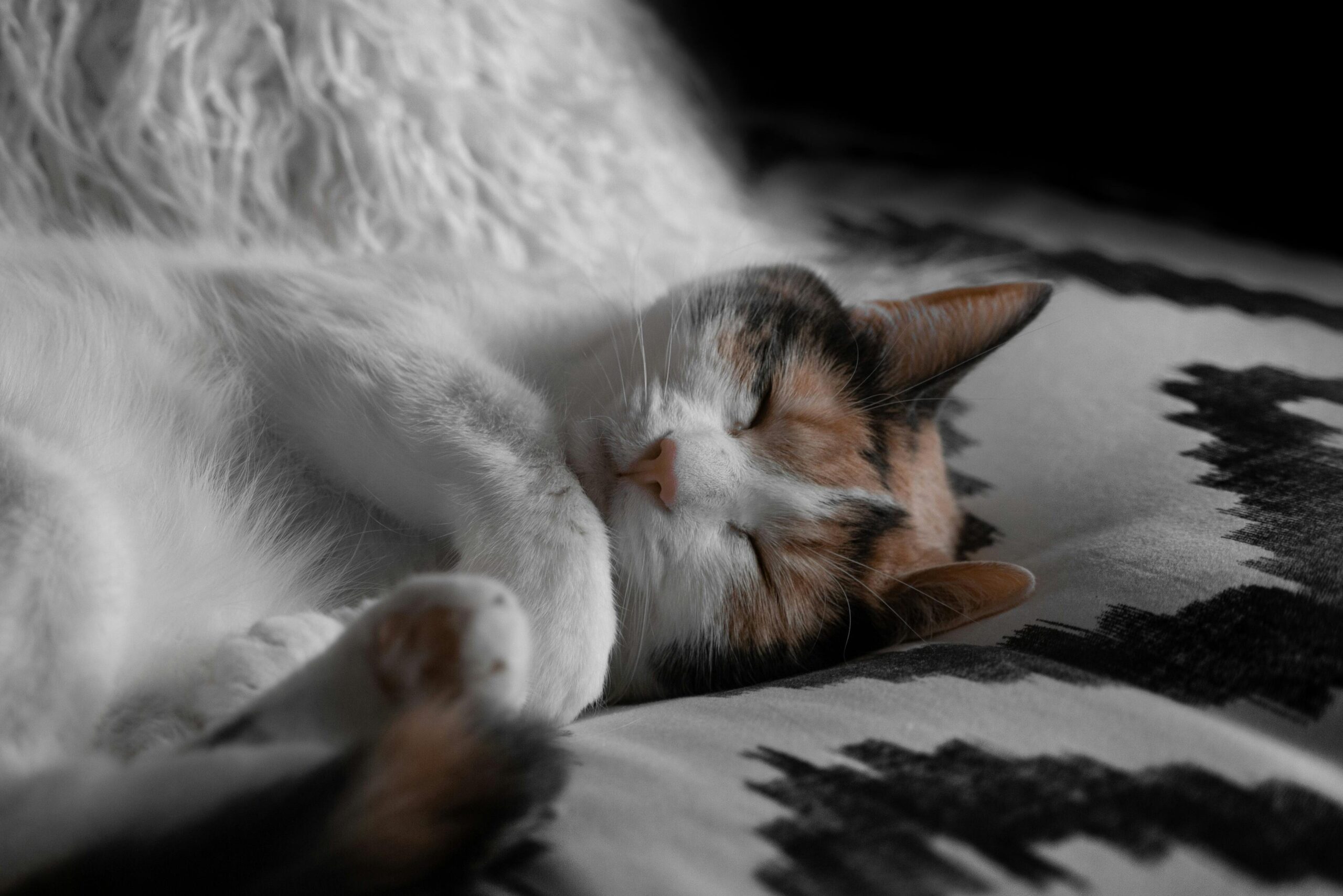
Unlike vocal sounds that require conscious effort, purring involves the movement of muscles that vibrate automatically when a cat breathes in and out. This means a cat might not be expressing a specific message every time it purrs. Just like humans sigh without meaning to communicate, cats can purr as a natural response to whatever they are experiencing. It is thoughtful to observe the situation rather than assign meaning instantly. Understanding that purring is not always a deliberate action helps us avoid misreading our cats and encourages us to learn their moods using more than one clue.
12. Kneading Before Sleep Creates A Nesting Feeling

You may notice your cat moves its paws repeatedly on your blanket before curling into a ball. That behavior comes from ancient instincts where wild cats would push grass or leaves to build a sleeping spot that felt safe. Even inside our homes, cats still follow this nesting habit because comfort requires familiar preparation. Watching them knead right before resting shows how instinct and security are linked. The moment feels quiet, but their body is performing a meaningful action. It is not random, it is preparation, and when they finally sleep, it is a sleep built by their paws.
13. Purring Can Calm Humans As Well As Cats

Many people find a cat’s purr soothing without knowing why. The low steady vibration has a relaxing effect similar to a gentle hum or quiet rhythm. When a cat rests beside you and purrs, your mind may slow down in response. The sound can soften stress and create a peaceful shared moment, turning an everyday interaction into something comforting for both sides. The cat might be self soothing, and you might benefit from the same vibration. This shared calmness is one reason cats feel therapeutic without needing to do anything dramatic. Their quiet energy becomes surprisingly helpful.
14. Kneading Can Release Built Up Energy
Sometimes cats knead not because they are sleepy or affectionate but because they feel restless. The motion can act like a stretch that relaxes their muscles or helps them release tension. If your cat kneads with more intensity or seems focused, it may be using the movement to burn off energy in a calming way. Just like a person might fidget or stretch to unwind, kneading becomes a physical reset. Watching your cat do it can reveal mood and comfort levels, reminding us that their bodies need outlets for emotion, movement and relief, even during calm moments.
15. Purring Is Part Of A Larger Language
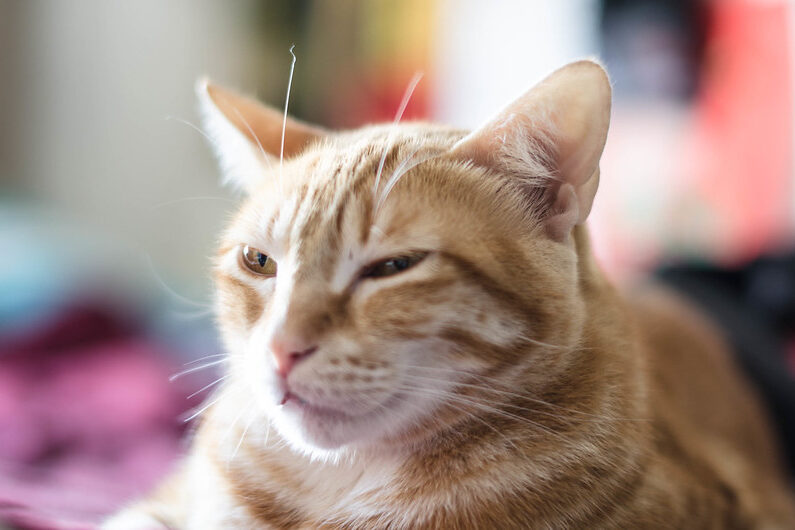
Cats rarely communicate with one single sound. Purring is one piece of a bigger communication style that includes eye movement, tail direction, posture, meows and even ear position. When you combine these signals, you begin to understand what your cat wants or feels. A purr with soft eyes and loose posture can show comfort, while a purr with wide eyes or stiff legs might indicate tension. Paying attention to the whole picture makes life with a cat more meaningful. You begin to hear them not just through sound but through presence, expression and tiny signals that speak quietly.
16. Purring Paired With Tense Body Language May Signal Worry
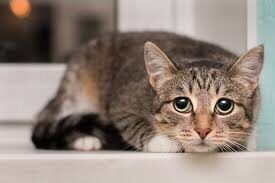
It is easy to mistake a purring cat for a happy one, but body posture matters. A cat that purrs while crouched low, with ears pulled back or tail held stiffly, may be nervous or unsure. Instead of assuming everything is fine, it is helpful to look at how relaxed or tense the body appears. Some cats use purring to settle themselves during stress, so the sound alone cannot tell the story. Watching facial expressions and posture helps reveal true emotions and creates a better understanding between you and your cat, turning care into thoughtful observation.
17. Kneading Can Be A Sign Of Deep Trust
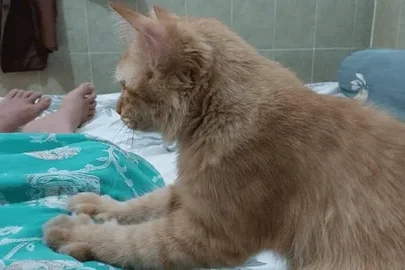
When a cat kneads on your lap, bed or chest, it may be showing more than comfort with softness. It is choosing you as a safe source of warmth and security. The act is slow, repetitive and personal, almost like a hug without arms. Though it can sometimes pinch a little when claws poke through, it is usually an affectionate choice. Cats do not knead in places they do not trust, so being selected means you feel like home to them. It is a simple gesture that reveals strong attachment, often more honest than dramatic displays of affection.
18. Excessive Kneading Can Show Discomfort
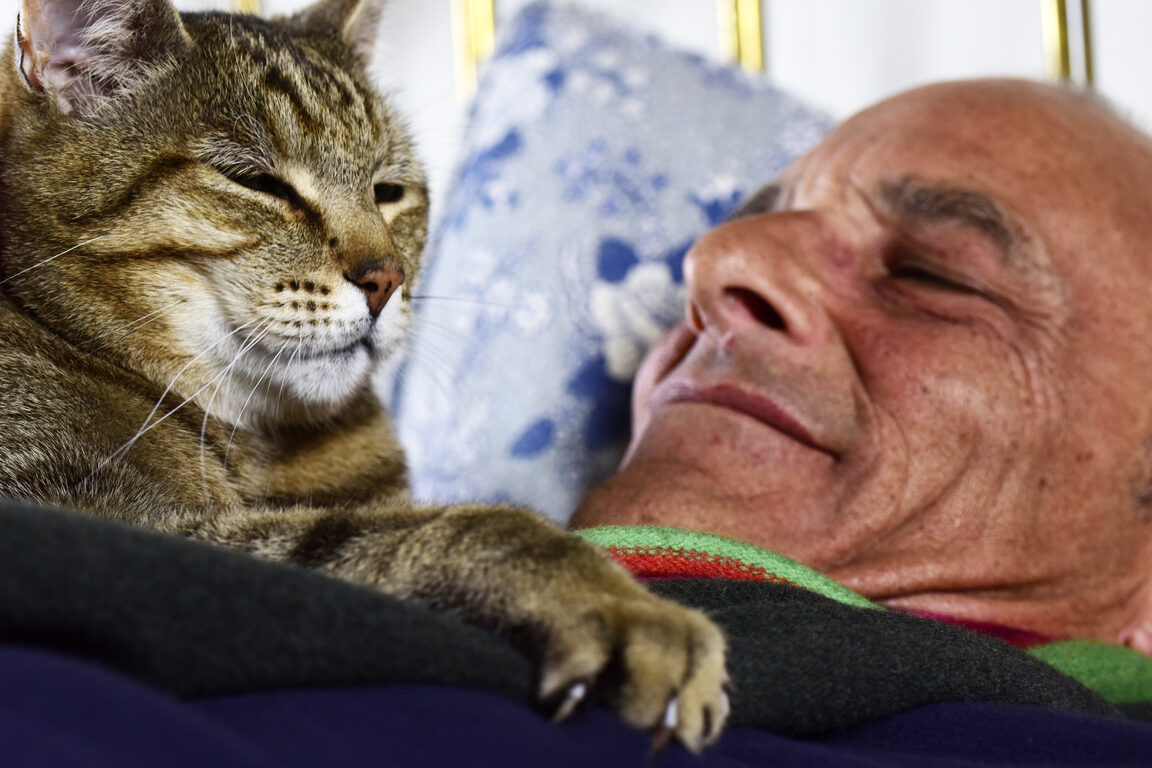
Kneading is usually harmless, but when it becomes constant or intense, it can signal anxiety or physical discomfort. Some cats use kneading to calm themselves when stressed or to cope with pain they cannot express. If kneading suddenly increases or is paired with restlessness, licking or vocalizing, it may be time to pay closer attention. This behavior does not always mean something is wrong, yet changes in habits can serve as quiet alerts. Cats do not communicate directly, so their actions can become signals when something feels off. Observing these changes supports their wellbeing in a thoughtful way.
19. Purring Can Strengthen Bonds
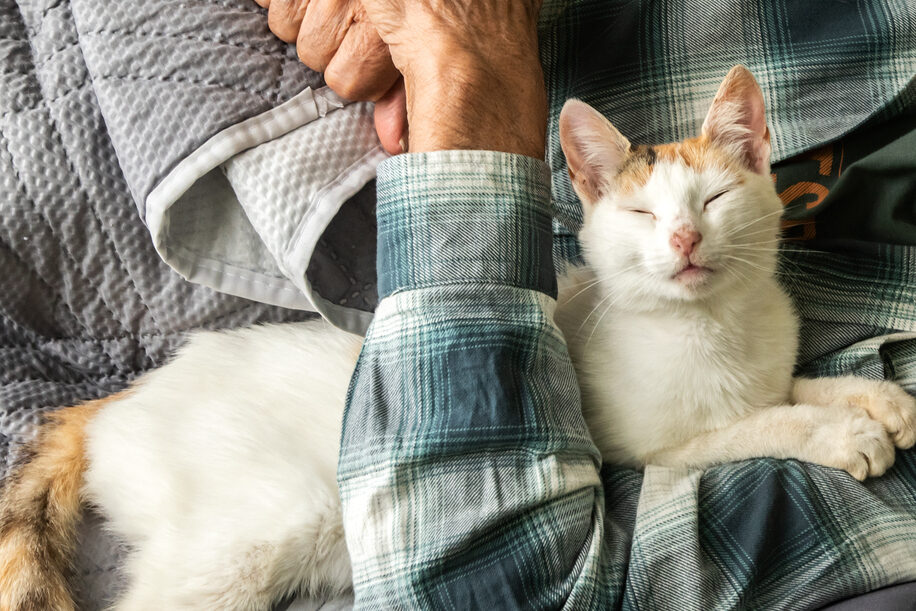
Purring is not just about how a cat feels, it also plays a role in building connection between cats and their humans. When a cat purrs while sitting with you, rubbing against your hand or resting on your lap, it can increase closeness. The sound creates a warm atmosphere that helps both sides relax. Over time, this familiar rhythm can become a shared language, turning quiet moments into shared comfort. You begin to understand your cat more clearly, and the cat feels secure trusting you. Purring becomes not just a sound but a way of strengthening relationship and routine.
20. Kneading Helps Cats Feel Ownership Of Their Space
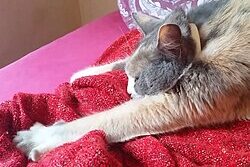
Cats value security, and they feel most confident when their environment feels like theirs. Kneading leaves their scent on places they use, helping them feel grounded and protected. When they knead your blankets, cushions or clothing, they are subtly building comfort zones. This is not possessive in a harsh way, it is gentle claiming that supports emotional balance. Owning a familiar area makes cats feel calm, and you may notice they return to the same marked spots repeatedly. The action might seem simple, yet it plays an important role in helping cats feel stable in daily life.
21. Understanding Kneading And Purring Improves Communication
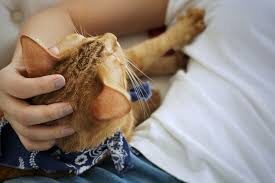
When we recognize that kneading represents comfort, scent marking and instinct, and purring expresses bonding, healing or need, our relationship with cats becomes more thoughtful. Instead of assuming simple meanings, we start reading these actions as conversation. Each behavior reveals something about wellbeing, trust or request. Learning to notice details encourages deeper awareness. It helps you respond correctly whether the cat wants space, affection, food or reassurance. Slowly, the relationship shifts from guessing to understanding, and everyday moments feel more connected than confusing. The more we pay attention, the more cats teach us how they communicate in quiet ways.
22. Cats Express Emotion With Subtlety
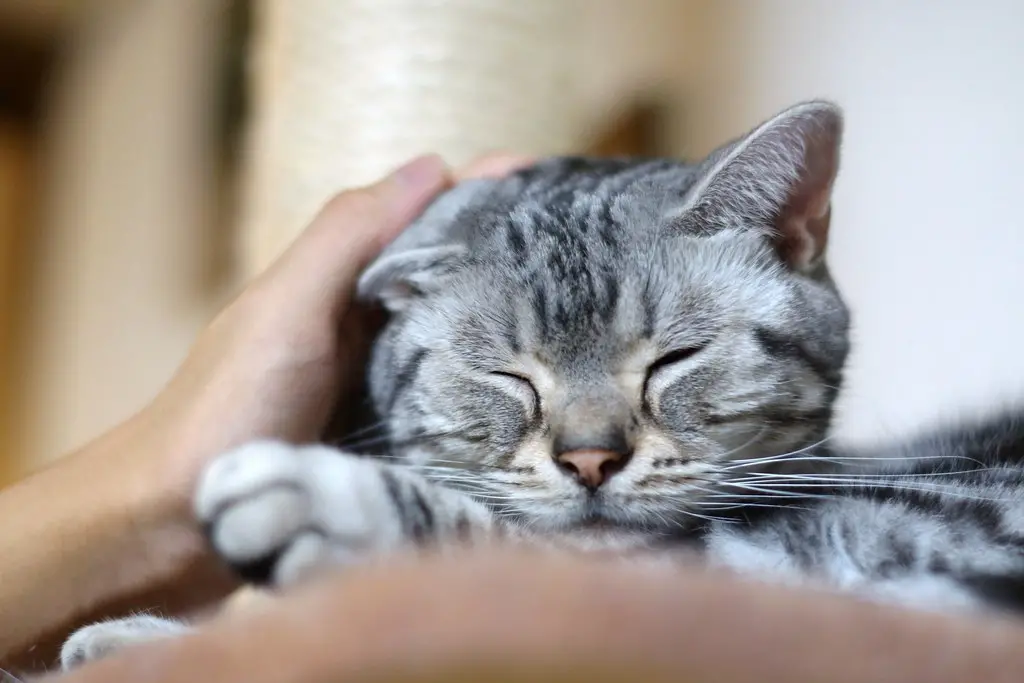
Cats rarely show feelings loudly, yet their kneading, purring and quiet movements reveal emotional depth that often goes unnoticed. Instead of thinking cats are mysterious or distant, we discover they communicate constantly in soft, layered ways. Their signals may be gentle, but they are real. By learning to interpret these behaviors, we respect who they are and how they express themselves. Cats are not silent, they simply speak through actions that require patience to understand. Observing them closely builds trust on both sides and helps us appreciate how complex and expressive they truly are.
This story 22 Cat Behaviors We Misunderstood Until Modern Science Explained Them was first published on Daily FETCH


