
1. The Real Beginning of Thanksgiving
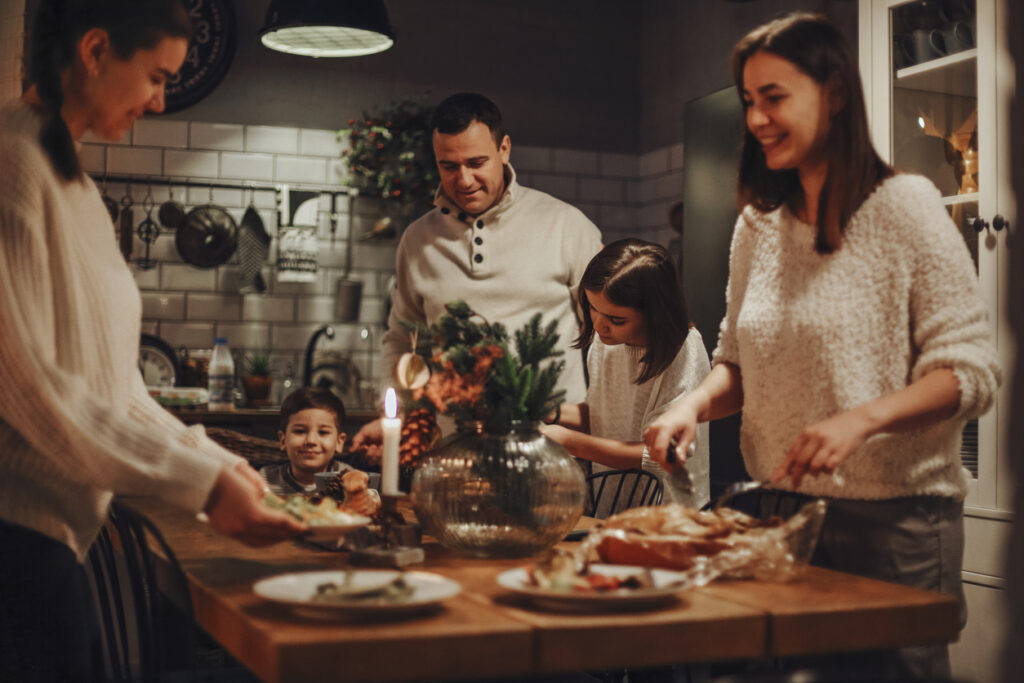
Thanksgiving brings cozy dinners, familiar smells, and stories we never really question. Many of us grew up hearing what happened at the first celebration, who attended, and what everyone ate, and we accepted those ideas without wondering if they were accurate. So it helps to look closely at what was true, what was added later, and what was simply repeated over time until it sounded right. The idea of a peaceful shared meal often ignores important details, and that is why understanding the real history matters. Learning how it actually began feels more honest.
2. Turkey Was Not the Main Dish
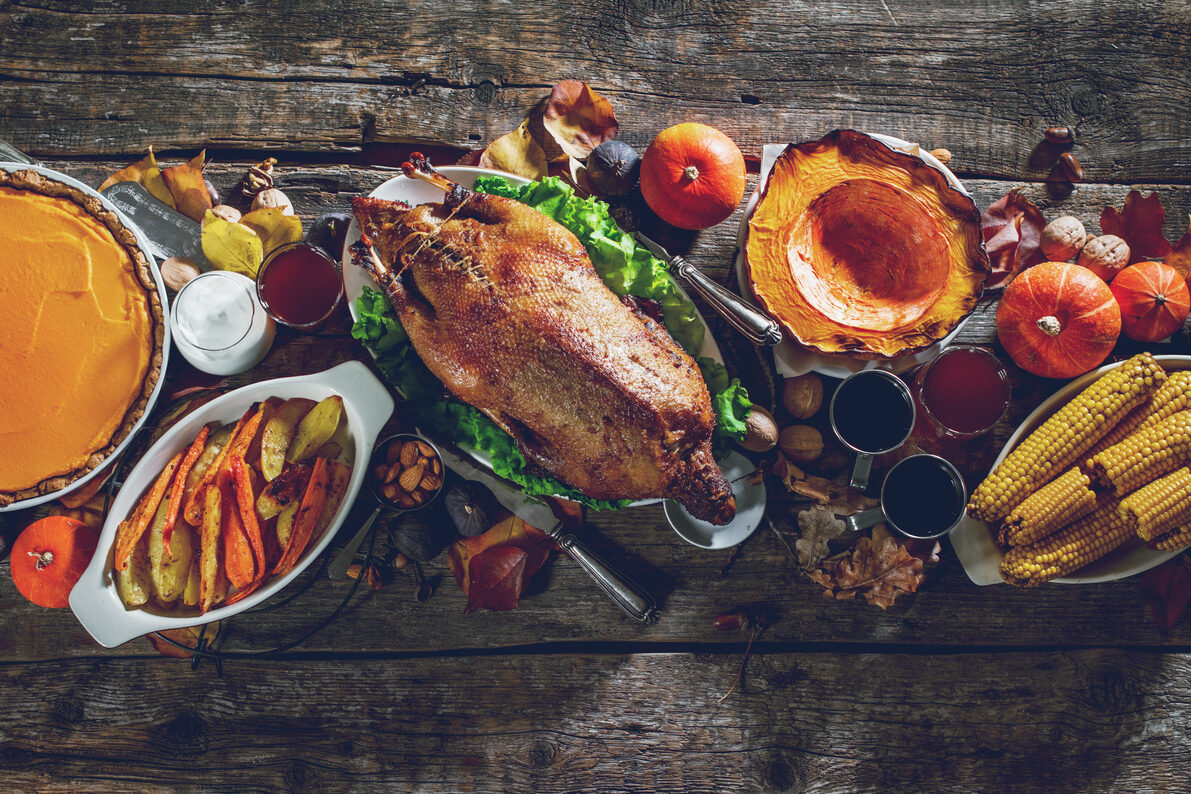
People love to picture a giant roasted turkey sitting at the center of the first Thanksgiving meal, but historical accounts suggest a completely different spread. The food likely included venison, shellfish, corn, pumpkins and wild birds prepared in simple ways that reflected what local resources provided. A turkey might have been present, but it was not treated as the star of the gathering. The tradition of always serving turkey came much later as families repeated recipes they enjoyed and found practical for feeding large groups. Over decades, turkey moved from a possible side dish to the symbol of Thanksgiving tables.
3. The First Feast Was Not a Holiday
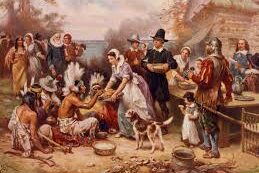
When the early settlers and the Wampanoag gathered, they were not celebrating a holiday or repeating a yearly tradition. They were sharing a meal connected to a successful harvest and survival after difficulty. At that time, no one thought of it as something that would become a yearly event or a national celebration. It was a practical moment tied to food that was available. Over time, people retold the story, gave it a label and eventually created a holiday. What began as a simple meal slowly transformed into a meaningful American tradition.
4. The Pilgrim Story Leaves Out a Lot
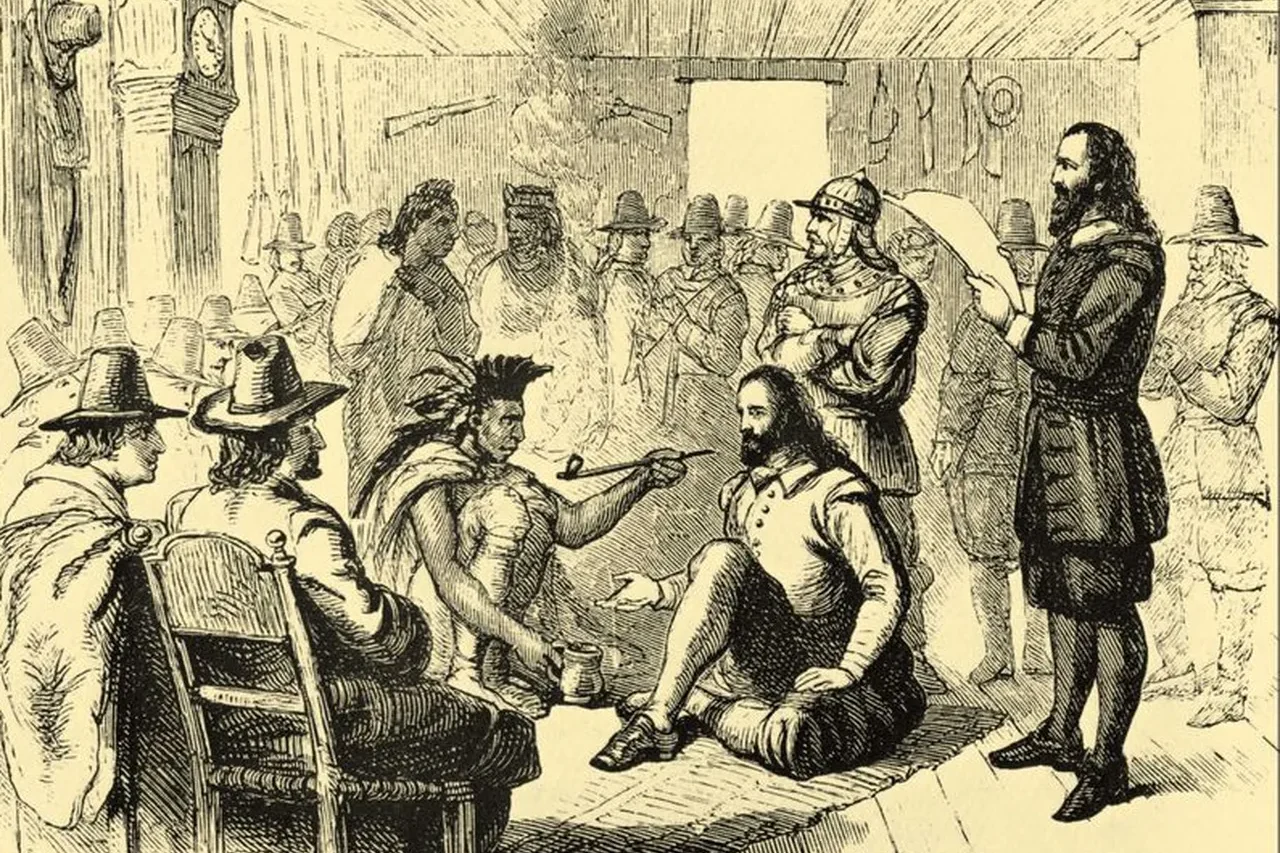
The familiar story about Pilgrims peacefully eating with Indigenous people sounds comforting, but it ignores many complexities. The relationship between settlers and Native communities involved negotiations, misunderstandings and conflicts that did not disappear after one shared meal. The popular version focuses on unity while smoothing over the difficulties Indigenous people faced afterward. Many traditions retell only what feels pleasant, skipping what makes people uncomfortable. Even though the shared meal happened, its portrayal became overly simplified. Learning the fuller story does not ruin the holiday but encourages a more respectful understanding.
5. Turkey Did Not Earn Its Name from America

It is easy to assume turkey received its name simply because it lived in the Americas, but the story is more surprising. European traders once brought a bird from Africa that passed through lands connected to Turkey, and that name stuck. Later, when Europeans saw similar birds in North America, they reused the familiar name instead of creating a new one. The word continued being repeated and became official without much questioning. So the name has more to do with trade and habit than the bird’s true homeland. A name can travel far.
6. Wild Turkeys Are Fast and Strong
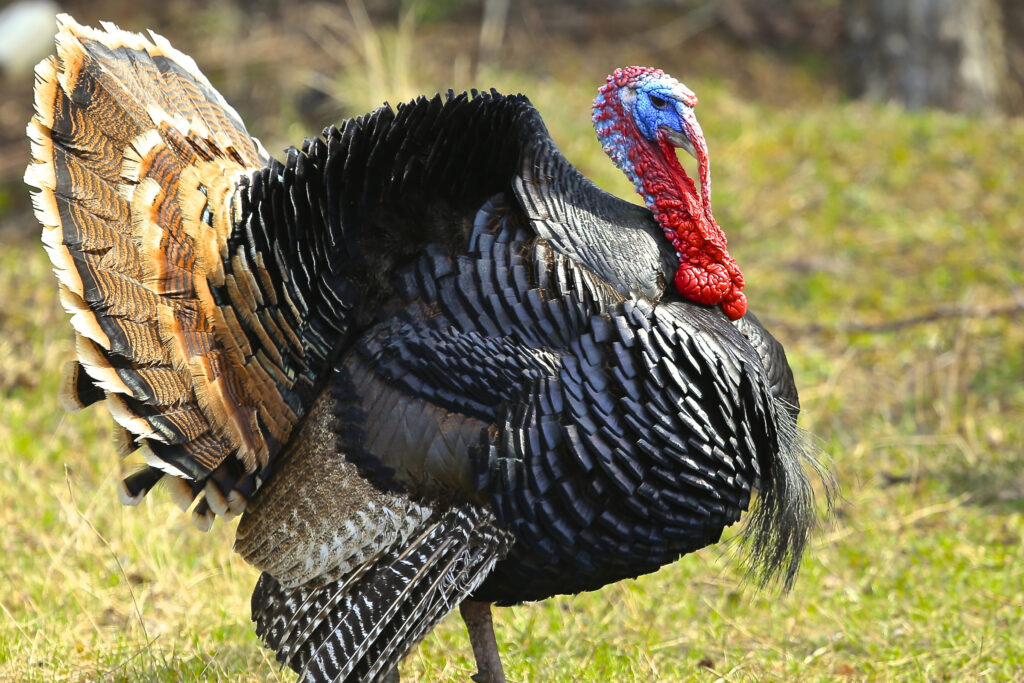
Many people only know turkey as a large bird sitting on a dinner table, but wild turkeys are surprisingly impressive. They can run quickly, fly short distances and even swim if necessary. Their feathers help them blend into forests, and their agility comes from living in natural environments where they must protect themselves. The turkey on a holiday platter looks heavy and slow, but that is mostly the result of farming methods that change the size and shape of domestic birds. Wild turkeys show a different side, reminding us that nature is often underestimated.
7. The Word Drumstick Became a Polite Choice
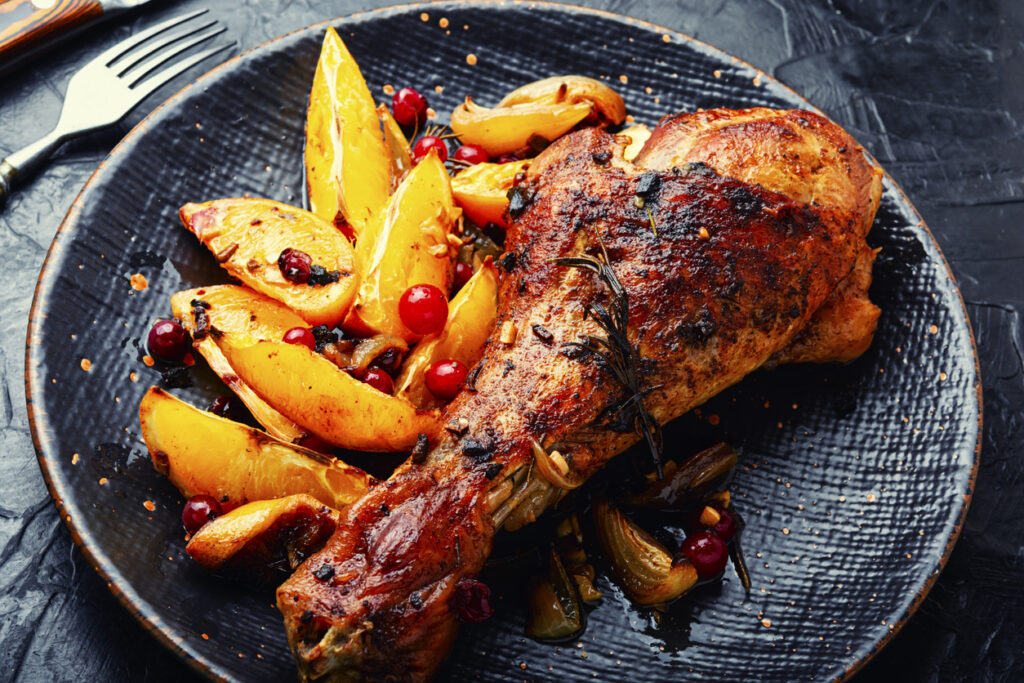
Calling certain parts of poultry by their anatomical names was once considered improper in polite society. So instead of using words that sounded too direct, people created gentler replacements. The term drumstick became popular because it seemed polite, playful and easy to say at the dinner table. It slowly replaced more literal words, especially during meals that emphasized manners and presentation. Today, people do not think twice about using it because it feels ordinary. This everyday word shows how language can shift simply to avoid discomfort, eventually becoming a common part of tradition.
8. Most Americans Choose Turkey for Thanksgiving
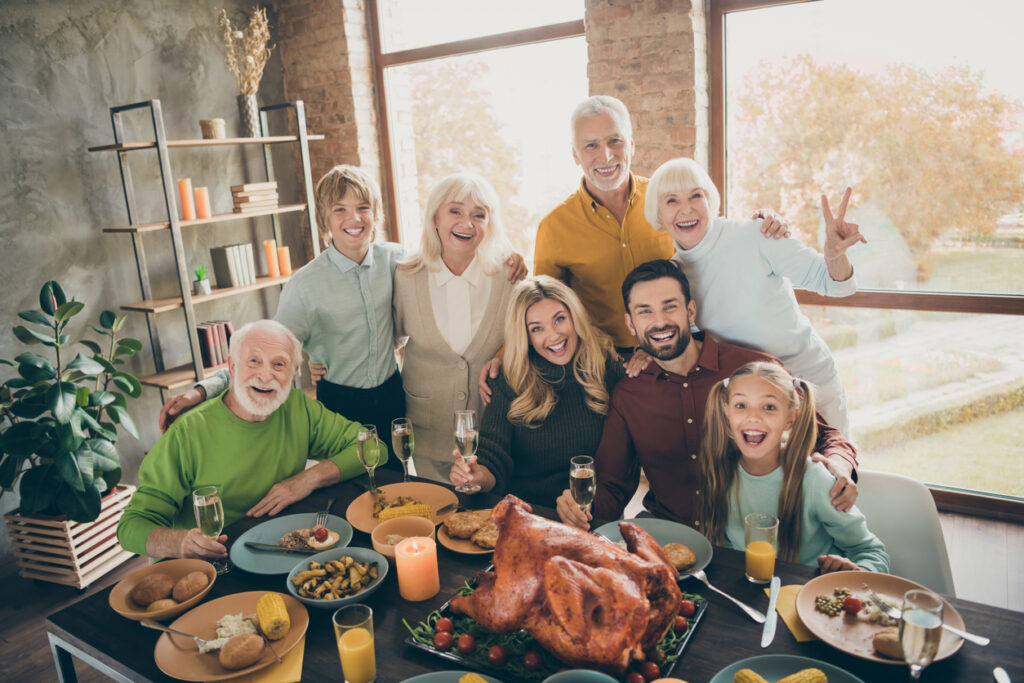
Although early celebrations did not focus on turkey, most modern households serve it as the main attraction. Families choose turkey because it feels traditional, feeds many people at once and has become a symbol of the holiday through repeated practice. Even those who prefer other meats often keep turkey on the table just to stay connected to tradition. Over time, repetition becomes routine, and routine becomes expectation. The turkey now represents more than food. It stands for memories, shared meals and the comfort of familiar traditions that return each year without needing explanation.
9. Leftover Meals Are Part of the Holiday Fun
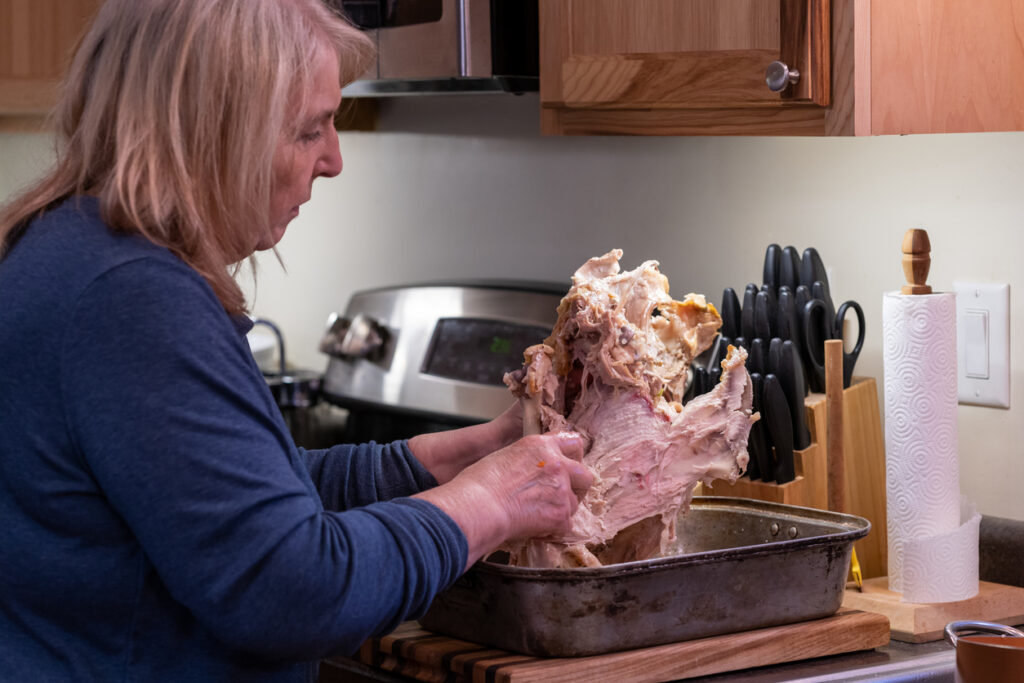
For many people, the best part of Thanksgiving happens after the big dinner is already over. Leftovers turn into creative meals that carry the celebration into the next day. Sandwiches, reheated plates, stuffed rolls and cold slices of turkey offer a sense of comfort that feels casual and enjoyable. The pressure of hosting, cooking or waiting disappears, and eating becomes relaxed. These small moments create their own traditions, reminding us that celebration does not always need formality. Leftovers show how food from one day can build another memory, even without ceremony or planning.
10. Turkey Is Not What Makes You Sleepy

People often claim that turkey causes sleepiness at Thanksgiving, pointing to tryptophan as the reason. While tryptophan does play a role in relaxation, turkey is not unusual for containing it. Many everyday foods include similar amounts. The drowsiness people feel usually comes from eating large quantities of food, mixing carbohydrates with fats and relaxing after a big meal. Those who drink wine or other beverages may feel even sleepier. The tired feeling is more about overeating than a single ingredient. Blaming the turkey is an easy explanation, but the whole plate plays a part.
11. You Would Need Too Much Turkey for Sleepiness
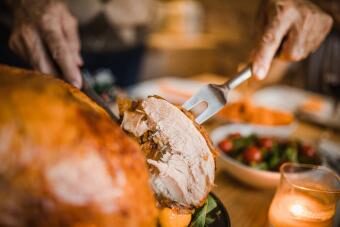
Even though turkey contains tryptophan, people would need to eat far more than a normal serving to feel noticeable effects. You would have to consume large amounts in one sitting, and even then the impact would be limited without carbohydrates and fats. The heavy meal makes the body slow down to digest food, and it takes a lot of energy to process everything at once. That is why the tired feeling sets in after dessert and extra servings. So while turkey contributes a little, it is not the main cause. The meal works together to slow you down.
12. The Food Coma Comes from the Whole Meal
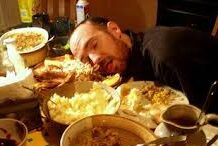
Stuffing, mashed potatoes, gravy, rolls, vegetables and dessert all join together to create that familiar post dinner slump. Foods rich in carbohydrates encourage the body to slow down, especially when paired with sugary treats and creamy dishes. Drinking sweet beverages or alcohol makes the effect stronger. After a heavy meal, the body focuses on digestion and leaves you feeling slow and relaxed. This mix of flavors, textures and fullness brings both joy and fatigue. The feeling is less about one dish and more about everything working together. Thanksgiving meals invite both comfort and rest without needing explanation.
13. Thanksgiving Was Shaped Over Time
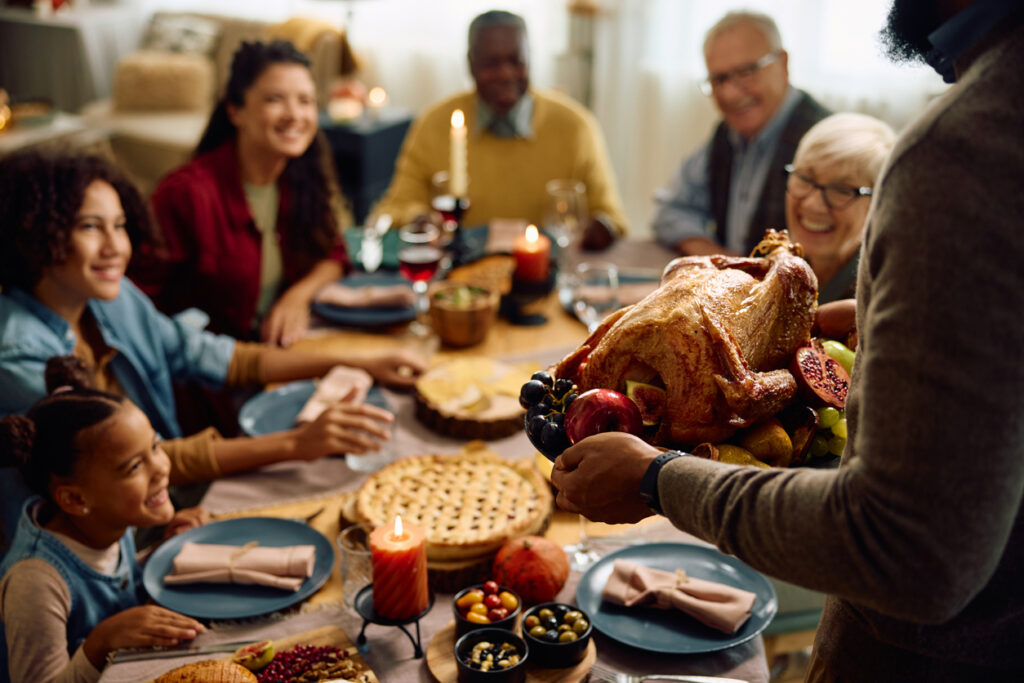
The Thanksgiving many people know today did not appear all at once. It developed from different gatherings, cultural habits and new traditions introduced over long periods. Stories were retold, foods became symbolic and leaders encouraged making it a shared national celebration. Instead of one simple beginning, it grew through repeated practice, changing families and evolving beliefs. What started as a local moment eventually became a holiday that brought people together. Its shape reflects growth rather than a single creation. Understanding how it formed makes the celebration feel more meaningful and connected to the past.
14. The Peace Story Leaves Out Real Struggle
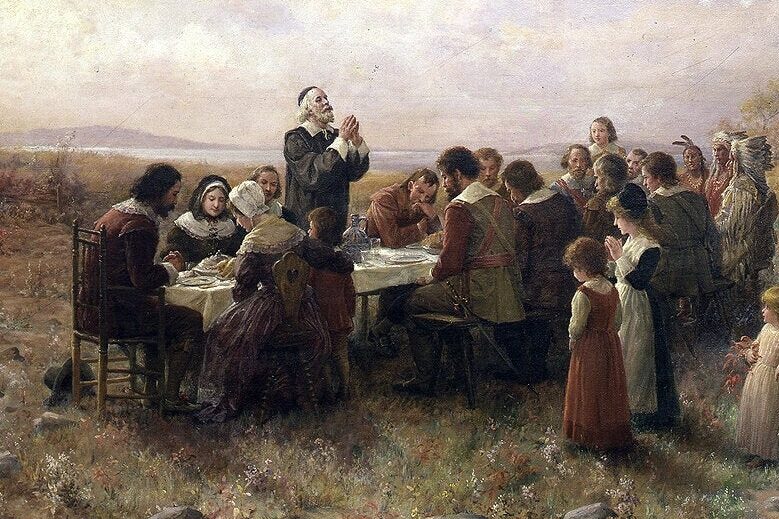
The idea of a peaceful meal between settlers and Indigenous people is only a small piece of a much larger history. The relationship included cooperation but also conflict, loss and hardship for Native communities after colonization expanded. Telling only the pleasant portion creates a comfortable but incomplete story. Many celebrations overlook the realities Indigenous people faced in the years that followed. Acknowledging the full history encourages honesty rather than guilt, and it offers space to reflect. Understanding both the meal and the consequences helps the holiday feel more respectful. Honesty brings deeper appreciation, not bitterness.
15. Turkey Became Popular Because It Fit the Moment
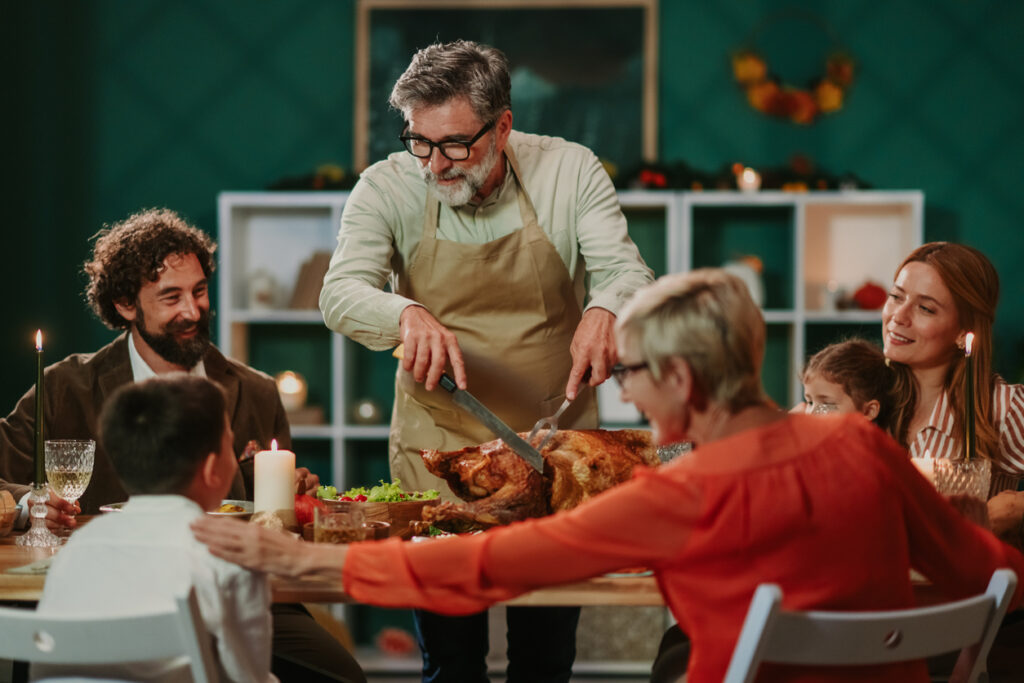
Turkey rose to holiday importance for practical reasons. It was large enough to feed many people, widely available and less expensive than other meats for families who prepared big gatherings. Over time, its convenience turned into tradition and its tradition turned into symbolism. People kept choosing turkey because it felt connected to earlier holidays, even if those holidays did not rely on it. The bird grew into a cultural icon simply by being the right choice at the right time. Repetition turned it into a symbol that people now enjoy without questioning how it happened.
16. Thanksgiving Traditions Kept Evolving
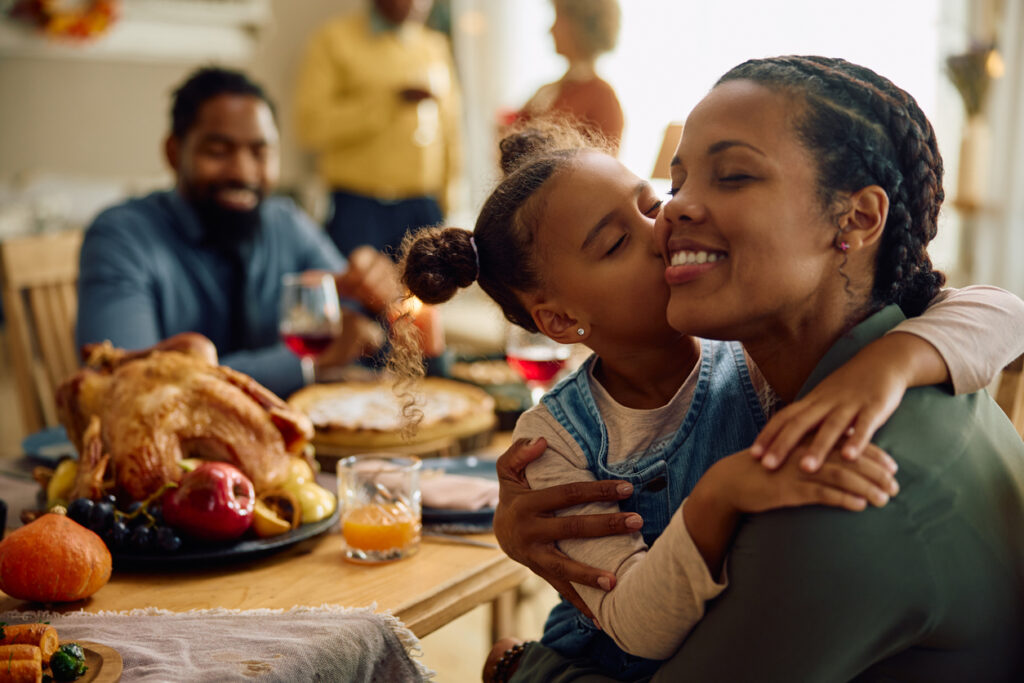
Traditions do not stand still. Thanksgiving foods, activities and decorations all changed as families adopted new habits. Some added parades, others added games, and some focused only on the meal. Immigrants brought dishes from their cultures, changing the table even more. The holiday adapted to different lifestyles and regions, shaping itself to fit the people who celebrated it. This flexibility keeps it alive rather than locked in the past. Thanksgiving continues to evolve, showing that tradition grows through participation. When people celebrate differently, they still add to the same shared story. Change is part of its charm.
17. The Thanksgiving Table Reflects Many Cultures
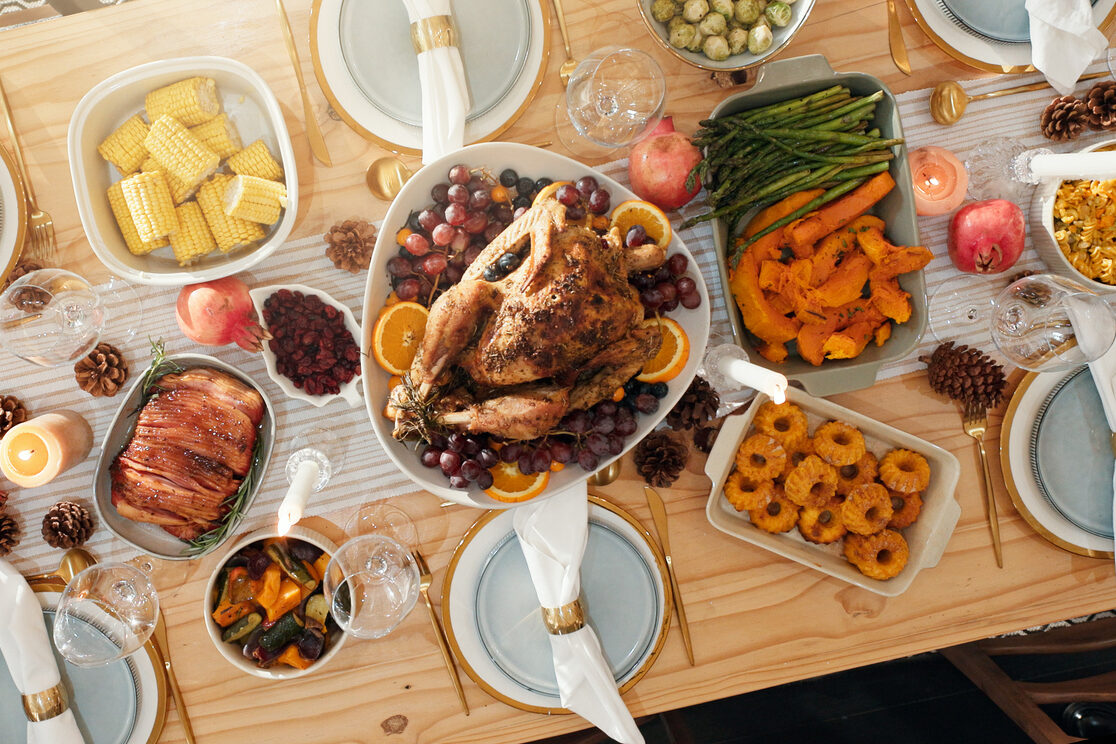
The foods served today combine influences from Indigenous agriculture, colonial practices and international cooking. Corn, pumpkins, beans and cranberries trace back to Native farming. Breads, pies and roasted meats reflect European traditions. Later immigrants contributed spices, desserts and new cooking styles. Even modern twists like macaroni dishes or seasoned varieties of turkey show how cultures interact through food. The table is a collection of voices rather than one recipe. Seeing this mix reminds us that Thanksgiving is built from many people, not one group. A shared meal becomes richer when its roots come from different histories.
18. Not Everyone Celebrates Thanksgiving the Same Way

For some communities, Thanksgiving brings joy, warmth and togetherness. For others, it represents a painful history linked to colonization and loss. Some gather with family, while others mark the day with reflection or activism. No single meaning belongs to everyone, even if the holiday is widely recognized. Respecting that range makes the celebration more thoughtful. Not everyone sees the feast as a time of unity, and that is important to acknowledge. Understanding different perspectives allows the holiday to include honesty as well as gratitude. True appreciation grows when we make room for every voice.
19. What We Eat Today Is Not What They Ate Then
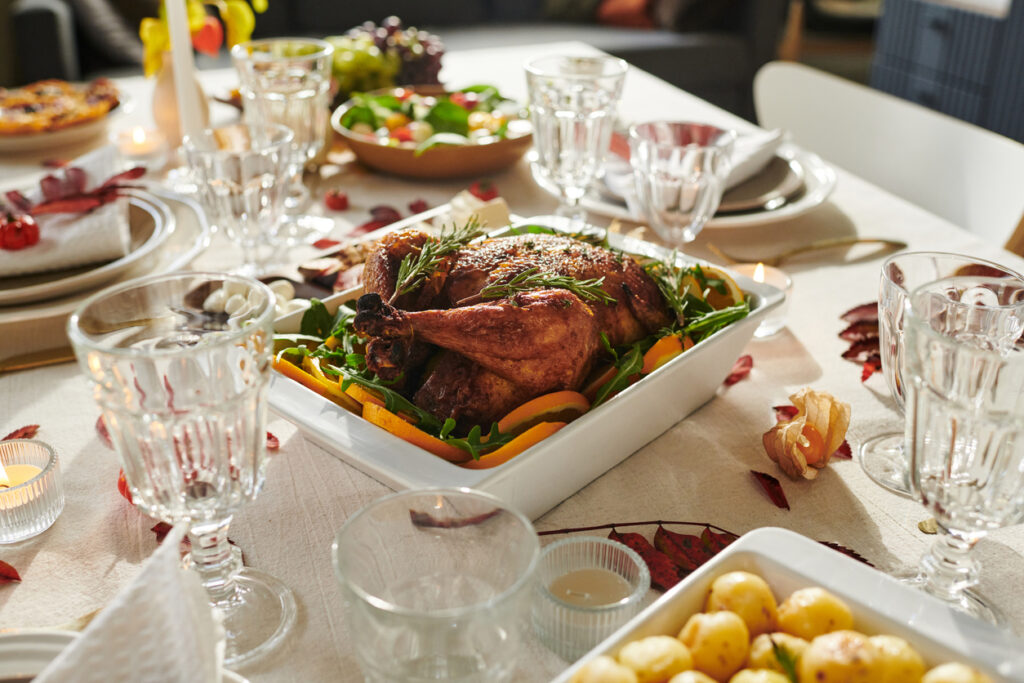
Modern Thanksgiving meals are shaped by preference, markets and convenience. Families choose dishes they love, not just foods tied to history. Grocery stores influence ingredients, and cooking shows inspire seasonal trends. The first shared meal did not include sweetened cranberry sauce, creamy potatoes or layered desserts. It relied on natural resources rather than recipes passed down through books or television. Today’s table reflects changing tastes rather than historical accuracy. The holiday meal is more about comfort than replication. Enjoying what we choose creates connection without needing to copy the past. Food adapts just like traditions do.
20. Myths Grow Because They Sound Good
Stories that feel comforting often survive longer than complicated truths. Myths about peaceful meals, sleepy turkey and perfect traditions spread because they make the holiday seem simple and cheerful. People repeat what they heard from family, teachers or media, and over time those stories replace reality. Sharing facts does not remove the beauty of the celebration. Instead it helps make the holiday feel honest, respectful and thoughtful. Myths are not harmful by themselves, but understanding their origins gives us perspective. It turns tradition into something chosen rather than assumed, making gratitude more meaningful.
21. Truth Makes Thanksgiving Feel More Real
Knowing that the holiday grew slowly, changed through influence and contains both celebration and struggle does not ruin the experience. It deepens it. Recognizing different histories helps us appreciate the food, the gathering and the meaning behind sharing a meal. Thanksgiving becomes less about perfection and more about gratitude that feels genuine. When we celebrate with awareness, we honor those who came before us, including the communities whose stories were overlooked. Truth builds connection, not conflict. It allows the holiday to grow with honesty and care, keeping its warmth while embracing understanding.
This story 21 True and False Thanksgiving Facts (Including Whether Turkey Really Makes You Tired) was first published on Daily FETCH


