
Morning Coffee

For many, the first real sign of a financial “level up” is breaking the daily coffee shop habit. That $5 to $7 latte might feel like a necessary morning hug, but over a standard work year, it can drain over $1,500 from your pocket. Once you start viewing money as a tool for freedom rather than a reward for waking up, that pricey cup becomes a lot harder to justify. Serious savers are increasingly turning to home brewing, utilizing high-quality French presses or programmable makers to get their fix.
Making coffee at home doesn’t mean you’re settling for a bad brew. In fact, with a good thermos and some quality beans, your home setup can actually beat the rushed service at a crowded counter. By the time 2026 rolled around, “pro-sumer” home coffee gear had surged in popularity as people realized that $2.00 worth of beans could replace a $10 specialty drink. The money saved isn’t just “chump change”, it’s the fuel for your emergency fund or that debt payoff goal you’ve been chasing for months.
Delivery Apps
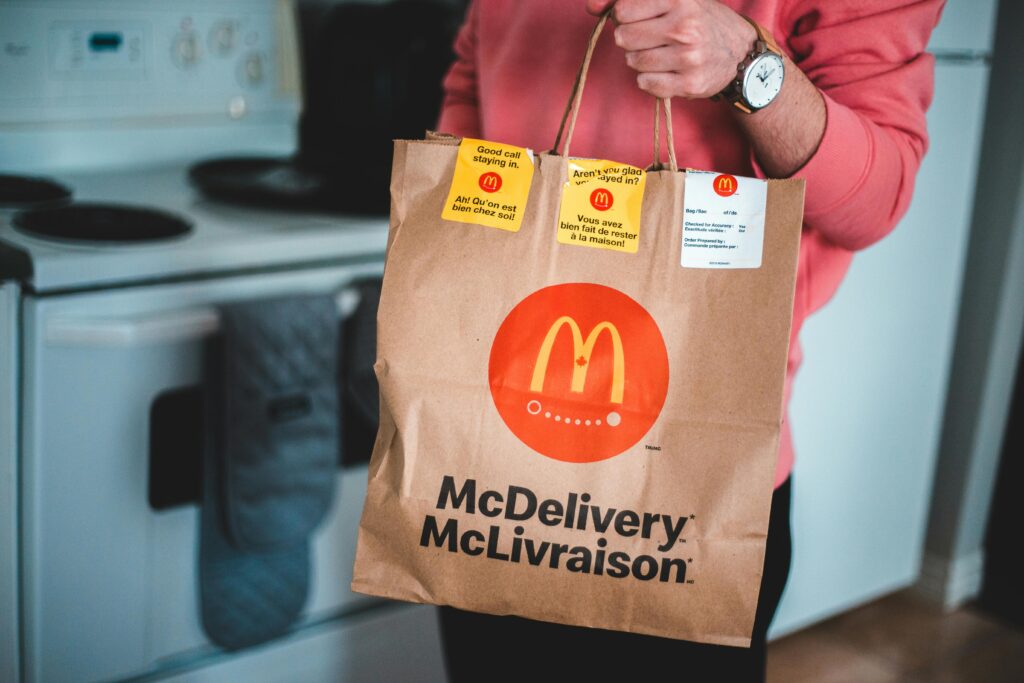
Food delivery feels like a lifesaver until you actually sit down and crunch the numbers. Between delivery fees, service charges, small-order penalties, and the expected tip, a $15 burrito can easily transform into a $30 expense. Serious savers often hit a breaking point where they realize these apps are quietly sabotaging their long-term peace of mind. While the convenience is tempting, the “convenience tax” is often as high as 40% to 50% above the actual menu price.
This change doesn’t mean you can never enjoy takeout again; it just means it stops being the default setting for a tired Tuesday night. Most disciplined budgeters switch to picking up the food themselves or mastering the art of the 15-minute home meal. Since early 2025, there has been a noticeable trend of people deleting these apps to remove the temptation of “one-tap” spending. Redirecting that “vanished” delivery money toward a grocery budget often leads to eating better and feeling a whole lot more in control of your monthly cash flow.
Work Lunches

Buying lunch every day is one of those habits that feels harmless until you see the monthly total staring back at you from a spreadsheet. At an average of $12 to $15 per meal, a month of working lunches can easily top $300. For anyone serious about saving, this is usually one of the easiest “wins” because it’s so predictable. Switching to a “brown bag” approach or bringing leftovers from the night before is a classic move that remains one of the most effective ways to shore up a budget.
The real benefit here is mental as much as it is financial. When you prep your lunch, you’re essentially doing a favor for your “future self” by removing the stress of deciding what to eat at 12:15 PM. Many savers found that by 2026, meal prepping on Sundays became a cornerstone of their routine, helping them avoid the mid-day “decision fatigue” that leads to expensive impulse buys. It’s a simple, human way to reclaim control over your time and your money, making the work week feel just a little bit smoother.
Alcohol And Soda

Soda and alcohol are often the first items to get the boot when someone starts a serious savings journey. These are classic “luxury” items that provide a temporary spark but offer very little long-term value to a household budget. A weekly six-pack or a daily soda habit can quietly eat up $50 to $100 a month without providing much nourishment. Serious savers tend to notice that these purchases are often made out of habit rather than a genuine need or desire.
Most people don’t swear off these drinks forever, but they do stop treating them as a regular part of the grocery list. By replacing soda with filtered water or home-brewed tea, you’re not just saving money, you’re likely feeling a bit better physically, too. This shift makes the times you do choose to have a drink feel more like a special occasion rather than a mindless routine. It’s all about being deliberate with your spending so that your money goes toward things that truly enhance your life.
Impulse Groceries

Impulse buys at the grocery store are incredibly sneaky because they happen while you’re already doing something productive. That “limited edition” snack or the fancy cheese that wasn’t on the list can easily add 20% to your final bill. Once you get serious about your financial goals, the shopping list becomes your best friend and your primary defense against marketing traps. Sticking to a plan is the simplest way to ensure you aren’t literally eating your savings one snack at a time.
To stay on track, many savers have started using curbside pickup or online ordering, which was a huge trend throughout 2025 and 2026. This strategy removes the temptation of wandering down the “seasonal” aisle where unplanned spending usually happens. Shopping after a full meal is another classic tip that really works to keep those “hungry” purchases at bay. Ultimately, a more disciplined approach to the grocery store leads to less food waste in your pantry and more money in your high-yield savings account.
Bottled Water
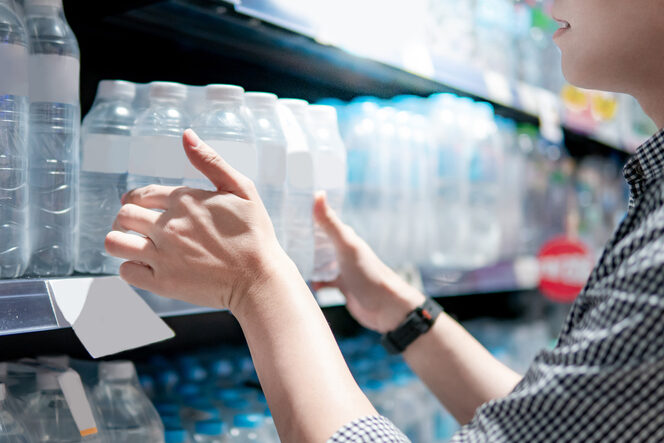
Stopping the purchase of bottled water is a “no-brainer” for anyone trying to tighten their budget. Paying for something that comes out of your tap for a fraction of a cent is a habit that quickly starts to look illogical once you’re focused on value. A single $2 bottle of water is marked up thousands of percentage points compared to municipal water. Investing in a quality refillable bottle and a basic home filter is a one-time cost that pays for itself within a few weeks.
This switch is both a practical win and a symbolic one. Carrying your own bottle sends a message to yourself that you prioritize long-term goals over temporary convenience. It’s also much better for the planet, which is a nice bonus. By mid-2026, the “reusable bottle” culture had become the standard for most budget-conscious professionals. It’s a small adjustment, but it reinforces the mindset that you don’t need to spend money every time you leave the house to stay hydrated and healthy.
Store Brands

The “magic” of expensive brand-name logos usually fades once you start comparing the ingredient lists on the back of the package. Serious savers quickly realize that the store-brand pasta, cereal, or cleaning supplies are often identical to the famous versions, just without the multi-million dollar advertising budget tacked onto the price. Making the switch to generic for your pantry staples can easily slash 25% to 30% off your total grocery bill without changing the quality of your meals.
It’s not about being “cheap”, it’s about being a savvy consumer who recognizes that you’re often just paying for a fancy box. Many households find a balance by going generic on the basics and only buying name-brand for the few items where they can truly taste a difference. Since early 2026, store brands have improved significantly in quality, making this transition easier than ever. It’s a cumulative habit that adds up to thousands of dollars in savings over the course of a year, proving that smart choices beat flashy labels every time.
Streaming Extras
It’s incredibly easy to let unused streaming subscriptions linger in the background, quietly pulling $15 or $20 a month from your account. Most of us have signed up for a service just to watch one specific show, only to forget to cancel it for six months. Serious savers treat their subscriptions like “seasonal employees”, if they aren’t working for you right now, they get let go. Consolidating your digital entertainment is one of the fastest ways to give your budget some breathing room.
A popular strategy that gained traction in 2025 is “subscription cycling.” This involves keeping only one or two services active at a time, binge-watching your favorites, and then switching to a different platform the following month. This keeps your content fresh and your bills low. When you’re in a serious saving mindset, every subscription has to earn its place on the budget. If you haven’t clicked on that app in two weeks, it’s just a bill waiting to be trimmed so that money can go toward something more meaningful.
Gym Fees

Gym memberships are often a “phantom expense”, something people pay for with the best of intentions but rarely use to their full potential. If you’re paying $60 a month but only going twice, you’re essentially paying $30 per visit. Serious savers often take a hard look at these fees and realize that neighborhood walks, home workout videos, or a simple set of dumbbells offer much better value. Saving seriously is all about making sure your actual behavior matches your spending.
For many, this isn’t about giving up on fitness; it’s about making exercise more accessible and less expensive. The rise of high-quality, free workout content online by 2026 has made it easier than ever to get a great burn in your living room. If the gym isn’t a core part of your social life or specific training needs, that monthly fee is a prime candidate for the chopping block. The best financial moves are the ones that support both your health and your bank account, and sometimes that just means putting on your running shoes and heading outside.
Phones And Gadgets
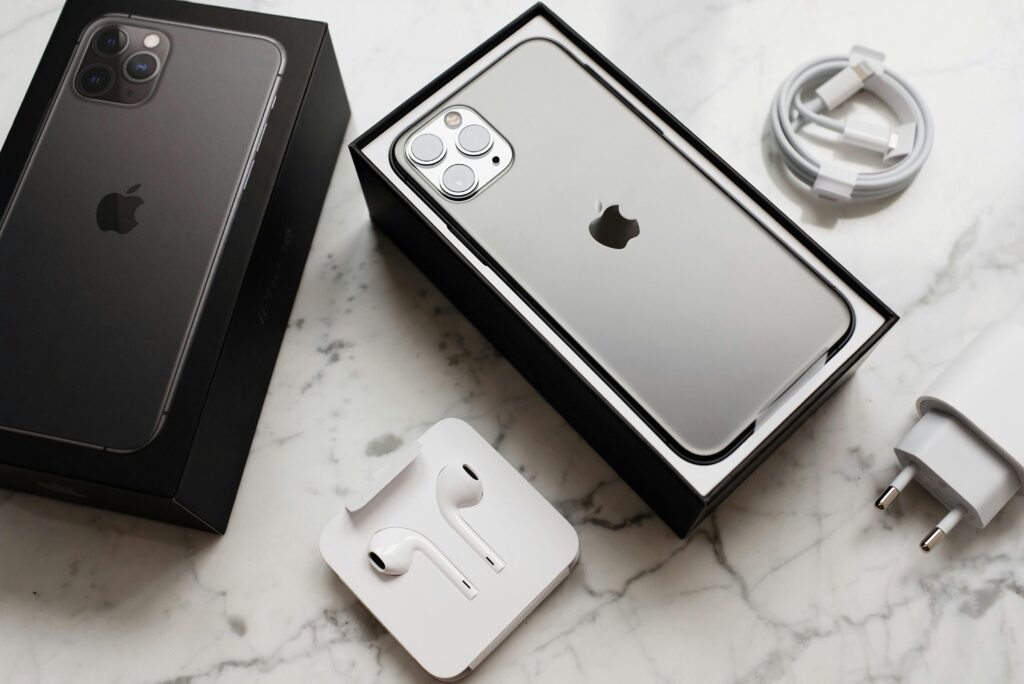
Skipping the latest tech upgrades is a hallmark of someone who has truly mastered the art of saving. While it’s tempting to grab the newest smartphone the second it hits the shelves in 2026, serious savers realize that “new” doesn’t always mean “necessary.” If your current device still makes calls, takes great photos, and runs your apps smoothly, spending $1,000 on a marginal camera upgrade starts to feel like a step backward for your long-term goals.
This habit is rooted in a shift from viewing tech as a status symbol to seeing it as a functional tool. Instead of following the annual release cycle, many disciplined budgeters are now aiming to keep their devices for four, five, or even six years. By delaying these big-ticket purchases, you aren’t just saving the initial cost; you’re also avoiding the cycle of expensive new accessories and rising insurance premiums. It’s a powerful sign of financial maturity when you can look at a flashy ad and realize that your current “old” phone is actually doing its job perfectly fine.
Cable Packages
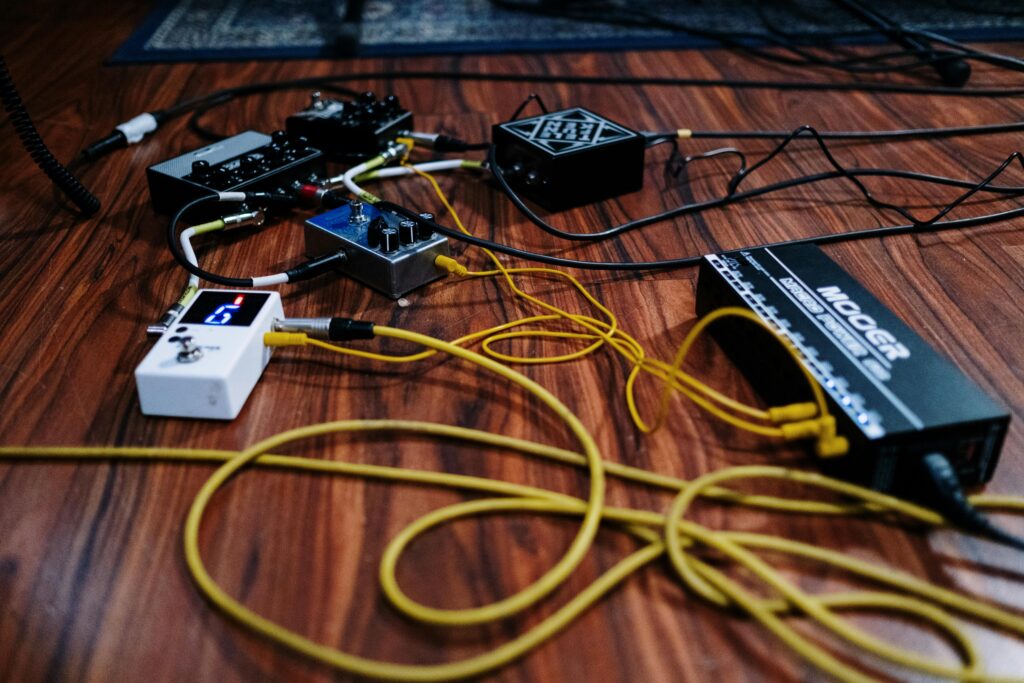
Premium cable packages are often one of the first major expenses to go when a household decides to get serious about their cash flow. With the average cable bill climbing well over $100 a month by early 2026, paying for hundreds of channels you never actually watch starts to feel like a massive budget leak. Most serious savers realize that they only tune into a handful of favorites, making the “big bundle” a very poor value proposition in the modern digital age.
The move away from traditional cable is often one of the most satisfying financial wins because the savings are immediate and significant. High-speed internet paired with a few targeted, low-cost streaming options or even a simple digital antenna can provide plenty of entertainment for a fraction of the price. This shift allows people to stop paying for “filler” content and start paying only for what they truly enjoy. It’s a practical, human-centered change that simplifies your monthly bills and puts hundreds of dollars back into your pocket every single year.
Print Subscriptions

Physical magazines and newspapers often become “clutter costs” that serious savers eventually phase out of their routines. While there’s a certain nostalgia to flipping through a glossy magazine, many of these subscriptions end up in unread stacks on the coffee table. When every dollar is being tracked and given a specific purpose, paying for a monthly delivery that you rarely have time to finish becomes much harder to justify as a “need.”
This doesn’t mean you have to stop staying informed or enjoying good journalism. Most savers in 2026 have transitioned to free digital newsletters, library apps like Libby, or subsidized digital-only versions of their favorite publications. By moving to digital or utilizing the local library, you get the same high-quality information without the recurring monthly fee or the physical waste. It’s a small, intentional adjustment that clears both your mental space and your financial path, proving that you can stay well-read without the “subscription tax.”
Physical Books

Buying a brand-new physical book for every read can become a surprisingly expensive habit for any bookworm. At $20 to $30 per hardcover, a “two-book-a-month” habit can easily drain over $600 a year. Serious savers often rediscover the magic of the public library, where they can access the same bestsellers for free. Shifting from “owning” to “borrowing” is a classic move that allows you to enjoy an endless stream of stories without cluttering your shelves or draining your bank account.
This approach is about prioritizing the experience of reading over the possession of the object. Many people still choose to buy a physical copy of a book they truly love or want to reference forever, but they borrow the “one-time reads” instead. Since 2025, digital library apps have made it even easier to borrow E-books and audiobooks directly from your phone. It’s a win-win situation that keeps your curiosity fed and your savings growing, proving that a rich intellectual life doesn’t have to come with a heavy price tag.
Fast Fashion
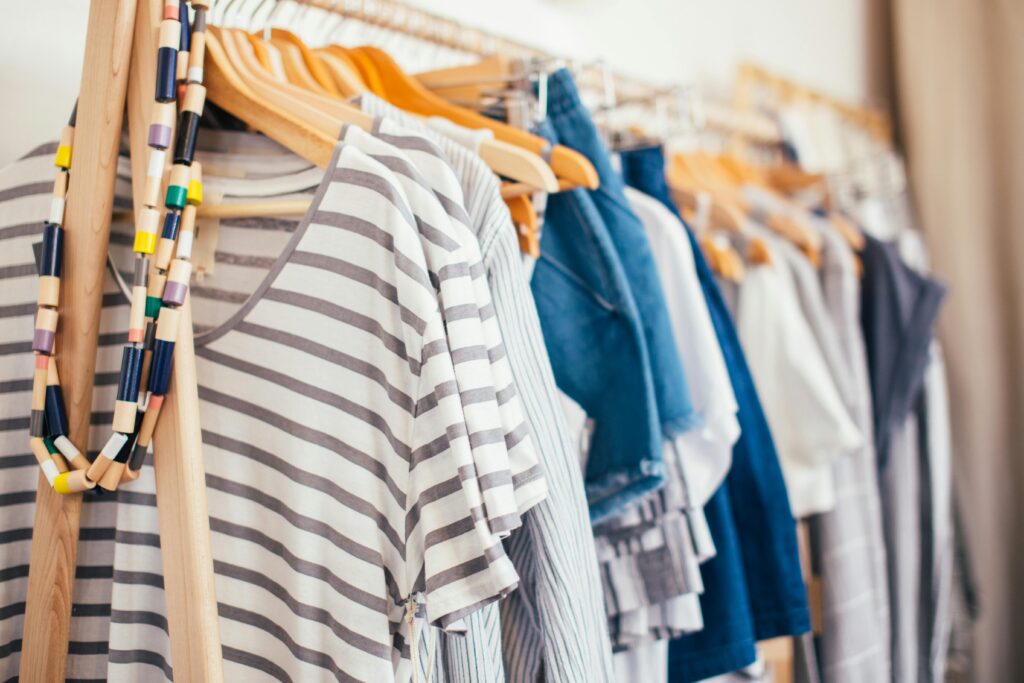
Moving away from “fast fashion” is a strategic financial move that focuses on the long-term cost of your wardrobe. While a $10 t-shirt or a $20 pair of trendy pants feels like a bargain in the moment, these items often lose their shape or fall apart after just a few washes. Serious savers realize that constantly replacing cheap clothing is actually more expensive than investing in a few high-quality, durable pieces that last for years.
This shift toward “quality over quantity” makes your daily routine much simpler and your budget more predictable. By 2026, many savvy savers have adopted a “capsule wardrobe” approach, focusing on versatile basics that never go out of style. This prevents the “nothing to wear” panic that often leads to expensive, last-minute shopping trips before an event. When you stop chasing every fleeting trend, you find that your clothes last longer, your closet feels more organized, and your bank account stays much fuller.
Occasion Outfits

The habit of buying a brand-new outfit for every wedding, party, or formal event is a major budget drain that serious savers learn to avoid. It’s easy to feel like you need something “fresh” for a big social gathering, but those clothes often end up hanging in the back of the closet for years after a single use. Choosing to re-wear a classic “hero” piece or borrowing from a friend is a much smarter way to handle special occasions without breaking the bank.
This change is incredibly freeing because it removes the “shopping stress” that often precedes a big event. By early 2026, clothing rental services and high-end thrift shops had become go-to resources for those who want to look great without the permanent investment. Most people find that their friends and family are far less concerned with what they’re wearing than with the quality of the time spent together. Focusing on the experience rather than the outfit allows you to enjoy the celebration without the “financial hangover” of an unnecessary credit card charge.
Cleaning Brands
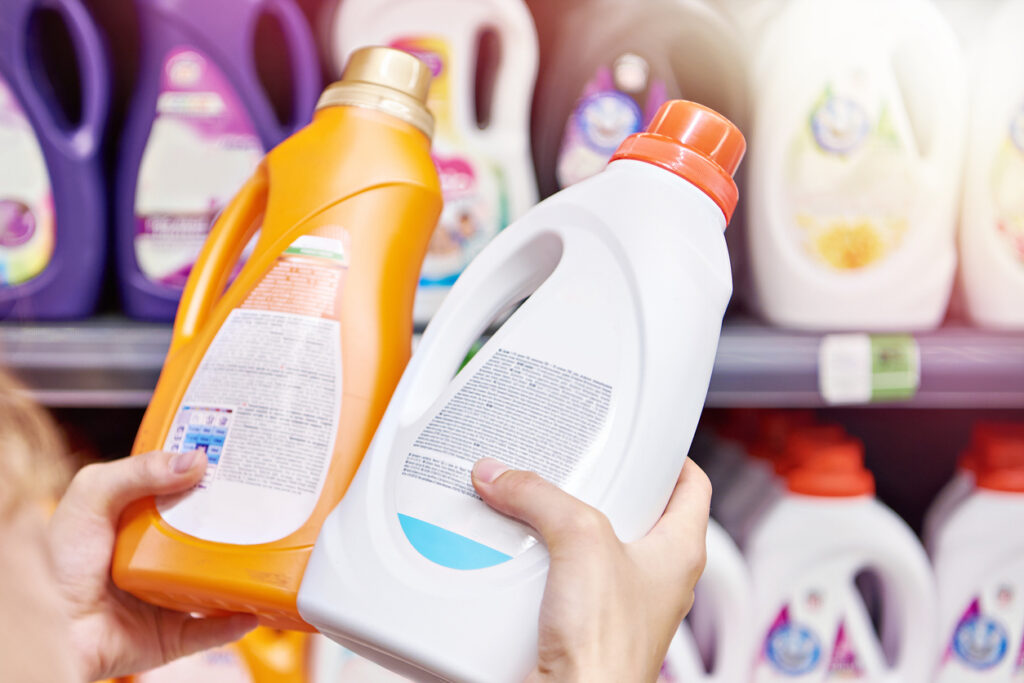
Brand-name cleaning supplies are often one of the biggest “marketing traps” in the grocery store. We’re often led to believe that we need a different specialized chemical for every surface in our homes, but serious savers know better. Many of those $7 spray bottles can be replaced by simple, effective, and much cheaper alternatives like white vinegar, baking soda, and a bit of dish soap. Making the switch to “DIY” or generic cleaners is a small change that yields big savings over time.
Simplified cleaning routines are not just cheaper; they’re often safer for your family and the environment, too. By mid-2026, the trend of using “concentrates”, where you add your own water to a small bottle of cleaner, had saved households significant amounts of money. You don’t need a cabinet overflowing with colorful plastic bottles to keep a tidy house. A few basic, versatile ingredients can handle almost any mess, proving once again that you don’t have to pay a “brand tax” to get professional-grade results in your own home.
Holiday Decor

The cycle of buying new holiday decorations every single year is a habit that many serious savers choose to break. It’s easy to get swept up in the seasonal displays at big-box stores, but those $50 and $100 “refresh” trips quickly add up. Instead of chasing the latest holiday trends, disciplined budgeters focus on building a timeless collection of decor that they truly love and can reuse for decades to come.
This shift helps turn holiday decorating into a meaningful tradition rather than a consumption-driven chore. When you stop feeling the need to “keep up with the neighbors” and their latest lawn inflatables, you can focus on the activities that actually make the season special. By late 2025, many families found that “less is more” when it came to decor, leading to a calmer home environment and a much healthier post-holiday bank statement. It’s about creating a festive atmosphere that is rooted in memories and meaning, not just a trip to the checkout counter.
Backup Buying

Buying “backups” or duplicates of items you already have is a sneaky habit that ties up your cash in things you don’t actually need yet. Whether it’s an extra pair of jeans “just in case” they go out of style or a third bottle of shampoo because it was on sale, these purchases can clutter your home and drain your wallet. Serious savers adopt a “buy it when you need it” philosophy, which keeps their money liquid and available for more important priorities.
Stockpiling can feel like you’re being prepared, but it often leads to items expiring or being forgotten in the back of a cabinet. By 2026, the shift toward “minimalist inventory” at home has helped many people realize that stores will almost always have what they need when they actually run out. This approach reduces household clutter and ensures that your money is working for you, perhaps in a high-yield savings account, rather than sitting as “dead weight” on a shelf. It’s a simple rule that leads to a much more organized and financially efficient lifestyle.
Paper Towels

Swapping disposable paper towels for reusable cloths is a classic “save money, save the planet” move that many serious savers embrace. While a roll of paper towels might only cost a few dollars, the recurring nature of the expense means a typical household can easily spend $200 a year on something that literally gets thrown away after a single use. Switching to a stack of simple microfiber or cotton rags is a one-time purchase that can last for years.
This change is surprisingly easy to make and quickly becomes a “new normal” in the kitchen. Having a dedicated basket for clean rags and a small bin for used ones makes the process seamless. By early 2026, many households had completely “unpapered” their kitchens, finding that cloth actually works better for scrubbing and soaking up spills than paper ever did. It’s a practical, human-sounding shift that reinforces the idea that you don’t need “disposable” convenience to run a clean, happy, and financially stable home.
New Cars

Buying a brand-new car is often one of the biggest financial hurdles to building real wealth, and it’s a purchase serious savers almost always reconsider. The moment you drive a 2026 model off the lot, it can lose roughly 10% to 20% of its value, essentially thousands of dollars vanishing in a single afternoon. Once someone shifts their focus toward long-term goals, they usually stop chasing that “new car smell” and start looking for reliable, late-model used vehicles that have already taken that initial hit in depreciation.
This change is about prioritizing utility and reliability over a status symbol. Many disciplined savers choose to drive their current vehicles for a decade or more, focusing on consistent maintenance rather than monthly car payments. By skipping the upgrade cycle, you’re not just saving on the purchase price; you’re also lowering your insurance premiums and registration fees. It’s a powerful feeling to realize that a well-maintained five-year-old car gets you to the same destination as a brand-new one, but with a much higher balance in your investment account.
Bank Fees
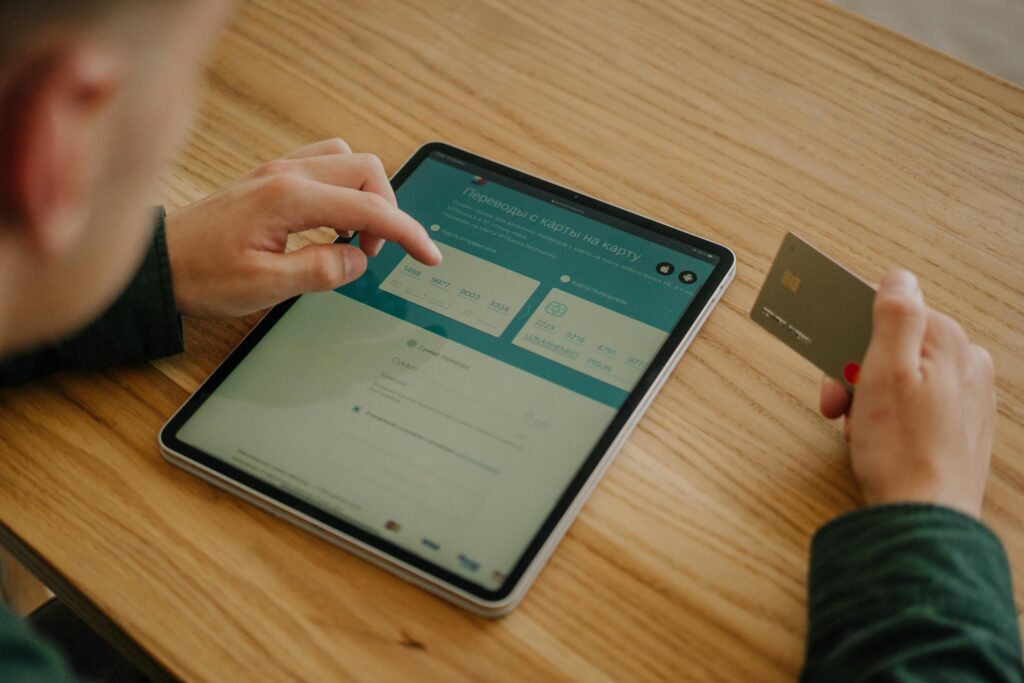
Bank and ATM fees are the “silent killers” of a budget, and they are the first thing a serious saver moves to eliminate. Whether it’s a $12 monthly maintenance charge or a $3 fee for using an out-of-network ATM, these small leaks can drain hundreds of dollars a year for literally no benefit. By early 2026, with the rise of fee-free online banks and credit unions, there’s almost no reason for a savvy consumer to pay a bank for the privilege of holding their own money.
Closing out accounts that charge fees and moving to a more consumer-friendly institution is a quick win that provides an immediate boost to your cash flow. Serious savers also get into the habit of checking their balances and setting up low-balance alerts to avoid overdraft penalties entirely. This level of attention to detail ensures that every cent of your hard-earned money is working for you, not the bank’s bottom line. It’s a simple, human way to reclaim control over your finances and ensure your path to saving remains as efficient as possible.


