
Master The Handshake Properly

The traditional handshake remains one of the most significant non-verbal cues in British and international social circles because it sets the tone for every professional or personal relationship that follows. A proper handshake should be firm but never aggressive since a bone-crushing grip can be just as off-putting as a limp, disinterested one. You should aim for a brief contact of around three seconds while maintaining steady eye contact to show that you are fully present and engaged in the moment. It is also vital to remember that in many cultures, the physical greeting is the first step in building a foundation of trust and reliability between strangers.
Since the global health events of 2020, many people have become hesitant about physical contact, yet the handshake is making a strong comeback in formal settings where clear intentions matter. If you are ever in doubt about whether a handshake is appropriate, you should wait for the senior person or the host to initiate the gesture so that you do not overstep any personal boundaries. Always ensure your right hand is free from clutter like phones or drinks before you approach someone because a flustered greeting can undermine your confidence. Taking the time to get this simple greeting right demonstrates a level of sophistication and awareness that modern society often lacks today.
Respect Personal Physical Space

Navigating the invisible boundaries of personal space is a delicate dance that requires constant observation and a genuine respect for the comfort of others in public areas. In the United Kingdom, we generally prefer a wider berth than in some other cultures, so standing at least an arm’s length away during a conversation is usually the safest bet for everyone involved. When you crowd someone in a queue or lean too close while speaking, you are inadvertently triggering their fight-or-flight response which makes a productive or pleasant interaction almost impossible. Being mindful of these boundaries shows that you value the autonomy and the mental well-being of your fellow citizens during your daily commute.
The rise of crowded urban environments has made it even more important to be conscious of how much room we occupy with our bodies and our belongings on public transport. You should avoid sprawling across multiple seats or hovering directly over seated passengers because these small intrusions can significantly increase the stress levels of those around you. If you notice someone leaning away or crossing their arms, it is a clear signal that you have entered their private zone and you should politely step back to restore the balance. Mastering the art of spatial awareness is a hallmark of a truly considerate individual who understands that everyone deserves a bit of breathing room.
Put Your Phone Away

The constant presence of smartphones has created a digital barrier between people that often prevents genuine connection from occurring during shared meals or important face-to-face meetings. It has become far too common to see groups of friends sitting in silence while they scroll through their respective feeds instead of engaging in the conversation right in front of them. When you place your phone on the dinner table, you are sending a silent message to your companions that someone else out there might be more interesting than they are. This habit can be deeply hurtful to loved ones who have set aside their precious time just to be in your company.
To practice better digital etiquette, you should keep your device in your pocket or bag and only check it if there is an urgent matter that requires your immediate attention. If you absolutely must take a call or respond to a message, you ought to excuse yourself from the table and handle the business privately so that you do not disrupt the flow of the social gathering. Research suggests that even the mere sight of a smartphone can lower the quality of a conversation because it acts as a constant distraction for the brain. By choosing to be fully present, you are offering the gift of your undivided attention which is one of the rarest commodities in the modern world.
Use Names During Introductions

Using a person’s name during an introduction is a powerful way to validate their presence and create an immediate sense of rapport that can last a lifetime. Many people forget to listen properly when they are being introduced because they are too busy worrying about what they are going to say next in the conversation. When you repeat someone’s name back to them, such as saying it is a pleasure to meet you, David, you are helping your own memory while simultaneously making them feel seen. This simple linguistic bridge can turn a cold, formal meeting into a warm and welcoming exchange that encourages further dialogue between the participants.
In professional environments, forgetting to introduce everyone in a group can lead to awkward silences and a feeling of exclusion for those who have been overlooked by the host. You should always aim to introduce the lower-ranking person to the higher-ranking person while providing a small piece of context to help kickstart a conversation between them. For instance, mentioning a shared hobby or a common professional goal can act as a wonderful icebreaker that puts everyone at ease during the initial moments. Taking the lead in introductions shows that you are a confident and considerate leader who cares about the social cohesion of your team and your social circle.
Punctuality Is Still Paramount
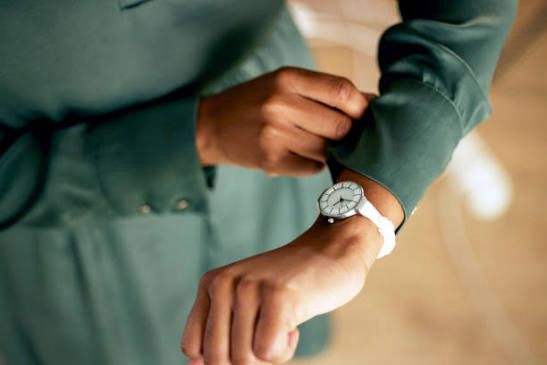
Being on time is much more than just a logistical requirement because it is a direct reflection of how much you value the time and effort of other people. When you arrive late to a meeting or a social engagement, you are essentially suggesting that your schedule is more important than the person who is waiting for you. In British culture, punctuality is often viewed as a sign of reliability and character, and being consistently late can quickly damage your personal and professional reputation. If you know that you are going to be delayed by more than five minutes, it is essential to send a courtesy message as soon as possible.
The modern world offers plenty of excuses for lateness, ranging from traffic jams to train cancellations, yet a truly polite person plans for these inevitable hiccups by leaving earlier. It is always better to arrive ten minutes early and wait in a nearby coffee shop than to rush through the door five minutes late and flustered. Punctuality allows you to enter a room with composure and grace, which ensures that you are ready to engage fully from the very first moment. By respecting the clock, you are demonstrating a high level of self-discipline and a profound respect for the social contracts that keep our busy lives organized and functional.
Hold The Door Open
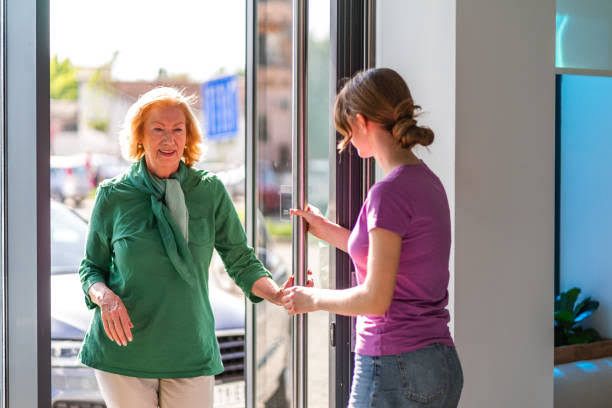
The simple act of holding a door for the person behind you is a timeless gesture of kindness that requires almost no effort but yields a huge amount of goodwill. It does not matter who you are or what your gender is because this rule is about basic human consideration rather than outdated notions of chivalry or social hierarchy. When you see someone approaching with heavy bags or a pushchair, taking those extra few seconds to assist them can make a world of difference to their day. It is a small way of acknowledging that we are all navigating the same physical world and that we can help each other out.
Interestingly, many people now forget to look behind them as they pass through doorways because they are often distracted by their music or their mobile phones. This lack of awareness can lead to doors swinging back into the faces of unsuspecting followers, which is both rude and potentially dangerous in busy public buildings. If someone holds a door for you, it is equally important to offer a quick smile or a verbal thank you to acknowledge their polite gesture. These tiny micro-interactions are the heartbeat of a civilised society, and they serve as a constant reminder that we should always be looking out for one another in our daily lives.
Chewing With Mouths Closed

Table manners are often the first thing people notice about your upbringing and your level of self-awareness during a business lunch or a romantic dinner date. Chewing with your mouth closed is a fundamental rule that many people surprisingly neglect, often because they are in a rush or they are too excited to speak. There is nothing more off-putting than seeing someone’s half-eaten food while they are trying to make a point, and it can quickly kill the appetite of everyone else at the table. It is always best to finish your mouthful completely before you start speaking so that you remain articulate and polite throughout the meal.
Beyond just the visual aspect, the sounds associated with open-mouthed chewing can be incredibly distracting and even distressing for those who suffer from sensitivities to certain noises. Taking small bites and eating slowly not only helps with digestion but also allows you to participate in the conversation without having to constantly hide your mouth with your hand. You should also avoid making loud slurping noises when drinking soup or coffee because these habits can be perceived as a lack of refinement in many social settings. By mastering the quiet and tidy consumption of food, you show that you are a disciplined individual who respects the sensory experience of your dining companions.
Lower Your Voice Volume

In our increasingly loud and chaotic world, the ability to modulate the volume of your voice is a sign of great emotional intelligence and respect for your surroundings. Whether you are talking on your phone in a quiet library or catching up with a friend in a crowded restaurant, your voice should only carry as far as it needs to. Many people are unaware of how much their private conversations can intrude upon the peace of others, especially in confined spaces like trains or buses where people cannot escape. Keeping your tone moderate and your volume low ensures that you are not becoming an unwanted source of noise pollution.
The phenomenon of the speakerphone in public places is a modern etiquette crisis that seems to be getting worse with every passing year as technology becomes more integrated. It is rarely necessary to broadcast your entire personal life to a carriage full of strangers, and doing so is often viewed as a major breach of public decorum. If you must take a call, try to keep it brief and speak at a level that is barely audible to anyone sitting more than a few feet away from you. By being the person who brings a sense of calm to a room rather than adding to the clamour, you are practicing a very sophisticated form of modern politeness.
Say Please And Thank You

It might seem incredibly basic, but the frequent and sincere use of please and thank you is the cornerstone of a polite society that values every individual’s contribution. These words act as a social lubricant that makes every transaction, from buying a newspaper to asking a colleague for a report, feel much more human and less robotic. When we forget these simple phrases, we run the risk of sounding demanding or entitled, which can create hidden resentment in those who are trying to help us. A genuine thank you can brighten someone’s mood and reinforce their desire to be helpful in the future, creating a positive feedback loop.
In the rush of our daily routines, it is easy to start treating service staff or subordinates as mere functions rather than people with their own feelings and lives. Taking a split second to look someone in the eye and say thank you for their assistance is a powerful way to acknowledge their humanity and their hard work. This habit should extend into our digital communications as well, where a quick please in an email can soften the tone of a request and make it more likely to be granted. Ultimately, these words cost us nothing to say, yet they carry a tremendous amount of social value that can significantly improve the quality of all our relationships.
Tidy Up After Yourself

Leaving a space exactly as you found it, or perhaps even a little bit better, is a profound mark of a person who takes responsibility for their own presence in the world. Whether you are using a communal kitchen at the office or sitting in a public park, you should always ensure that your rubbish is disposed of correctly and your mess is cleared away. It is incredibly unfair to expect other people to clean up after you, and doing so displays a level of entitlement that can be very damaging to your reputation. A clean environment is a shared responsibility, and your efforts contribute to the comfort and the safety of everyone else who uses the space.
In many modern workplaces, the state of the shared fridge or the coffee station can become a major source of friction between colleagues who have different standards of cleanliness. By being the person who wipes down the counter or washes their own mug immediately, you are setting a positive example and helping to maintain a harmonious atmosphere for your team. This rule also applies when you are a guest in someone’s home, where you should always offer to help with the dishes or tidy up the living area before you leave. Showing that you are mindful of your physical footprint is a clear sign of a mature and considerate adult who understands the value of community effort.
Wait For Others To Disembark

One of the most frequent breaches of modern etiquette occurs at the doors of train carriages and lift or elevator banks where people rush to board before allowing others to exit. This creates a physical bottleneck that is both inefficient and incredibly frustrating for those trying to leave the confined space in a hurry. By stepping to the side and creating a clear path for departing passengers, you are ensuring a smoother transition for everyone involved and preventing unnecessary physical contact. It is a simple rule of physics and courtesy that the space must be emptied before it can be refilled, yet it is a lesson that many hurried commuters seem to have forgotten in the rush of the city.
In a broader sense, this habit reflects a person’s ability to prioritize the collective flow over their own immediate desire to secure a seat or reach their destination. When you stand back and wait your turn, you are demonstrating a level of patience and spatial awareness that is highly respected in British society. It also sets a positive example for younger generations who are watching how adults navigate these small but significant social hurdles every single day. Taking a deep breath and waiting those extra ten seconds will not ruin your schedule, but it will certainly improve the morning for the dozens of people who are trying to get off the train.
Cover Your Coughs And Sneezes

Following the global health challenges of the last few years, the importance of respiratory etiquette has moved from a minor suggestion to a vital social responsibility for every citizen. Using the crook of your elbow or a clean tissue to catch a cough or sneeze is the only way to prevent the spread of germs in shared indoor environments. Many people still mistakenly use their bare hands, which then touch door handles, handrails, or even other people, effectively transferring bacteria to everything they encounter for the rest of the day. It is essential to remember that your personal health choices can have a direct and immediate impact on the wellbeing of the strangers standing right next to you.
If you find yourself feeling unwell, the most polite thing you can do is to stay at home or wear a face covering if you absolutely must venture out into public spaces. Carrying a small packet of tissues and a bottle of hand sanitiser has become a standard part of modern prepared living that shows you care about the community. After sneezing into a tissue, you should dispose of it immediately in a bin rather than leaving it on a table or stuffing it into a pocket where it can continue to contaminate your surroundings. These small, hygienic habits are the frontline of public health and represent a profound respect for the physical safety of your friends, family, and colleagues.
Mind Your Table Settings
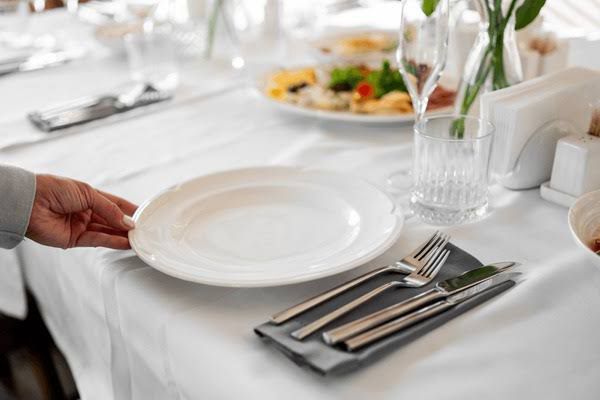
While formal dining may seem less common today, understanding the basic layout of a table is a skill that prevents confusion and ensures you do not accidentally steal your neighbour’s bread roll. The simplest way to remember the arrangement is the acronym BMW, which stands for bread, meal, and water, moving from the left side to the right side of your plate. Your bread plate will always be on the left, while your glasses and beverages will be positioned on the right, ensuring that you never have to guess which item belongs to you. This knowledge allows you to focus on the conversation at hand rather than worrying about which fork to pick up for the next course.
Furthermore, the placement of your cutlery at the end of a meal serves as a silent language that communicates with the serving staff without you having to say a single word. Placing your knife and fork parallel to each other in the centre of the plate signals that you have finished your meal and are ready for the table to be cleared. You should avoid resting used silver on the tablecloth because this can leave stains and is generally considered a lack of refinement in both casual and formal settings. By adhering to these traditional standards of dining, you contribute to a sense of order and elegance that makes the shared experience of a meal much more enjoyable for everyone.
Be Mindful Of RSVP Deadlines
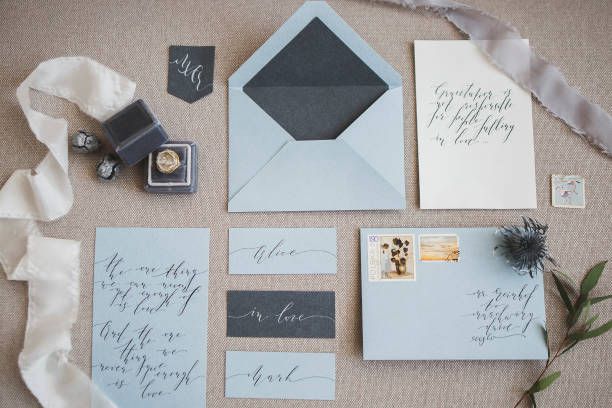
The act of responding to an invitation is a fundamental courtesy that many people treat as an optional suggestion rather than a firm requirement for social planning. Whether it is a small birthday dinner or a large-scale wedding, the host needs an accurate headcount to manage the catering and the seating arrangements effectively. When you delay your response or ignore the RSVP request entirely, you are forcing the host to chase you for an answer, which adds unnecessary stress to their already busy schedule. It is always better to give a firm no as early as possible than to leave someone hanging in a state of uncertainty for several weeks.
In the digital age, where many invitations are sent via social media or email, it is easy to assume that a lack of response is the same as a polite refusal. However, this is rarely the case, and a quick message to confirm your attendance or offer your sincere apologies is always the more respectful route to take. If your circumstances change after you have already committed to an event, you should inform the host immediately so they can adjust their plans and perhaps offer your spot to someone else. Respecting the RSVP process shows that you value the effort that goes into hosting and that you are a reliable person who keeps their social commitments.
Offer Your Seat To Others

The tradition of offering your seat on public transport to those who are elderly, pregnant, or living with a disability is a hallmark of a compassionate and observant individual. While many modern trains have designated priority seating, a truly polite person will offer their seat regardless of where they are sitting if they see someone who is struggling to stand. It is important to look up from your phone or book periodically to scan the carriage and see if there is anyone in need of assistance. This simple gesture of self-sacrifice can make a monumental difference to someone who finds the physical strain of commuting difficult or painful during a long journey.
Sometimes, people may feel embarrassed to ask for a seat, or their need may not be immediately obvious to the naked eye, such as in the case of chronic pain or early-stage pregnancy. You should offer your seat politely and without making a scene, and if the person declines, you should simply accept their answer with a smile and return to your seat. It is never about being a hero, but rather about acknowledging that we all have different physical capacities and that those of us who are able-bodied can help carry the load. By fostering a culture of looking out for one another in transit, we create a more inclusive and welcoming environment for every member of our society.
Keep Right On Escalators

In busy urban centres, the unwritten rule of standing on the right and walking on the left of an escalator is the key to maintaining a functional flow of human traffic. This system allows those who are in a hurry to pass safely on one side while those who prefer to stand can do so without blocking the entire path. When you stand in the middle or on the left with your luggage, you are effectively creating a human roadblock that can lead to frustration and even dangerous crowding during peak travel hours. It is a small but essential bit of etiquette that requires very little effort but keeps the city moving with surprising efficiency.
This rule of keeping to one side extends beyond just escalators and applies to busy pavements and hallways where people are moving in opposite directions at different speeds. By staying aware of your surroundings and making space for others to overtake you, you are demonstrating a high level of situational awareness and public consideration. It is particularly important to avoid stopping suddenly in the middle of a walkway to check your phone or a map because this can cause a pile-up of pedestrians behind you. Stepping to the side before you pause shows that you are conscious of your impact on the people around you and that you value their time as much as your own.
Introduce Newcomers To The Group

Walking into a room where everyone already knows each other can be an incredibly daunting experience, which is why the role of a good host or friend is so vital. When a newcomer joins your circle, you should immediately stop the current conversation to introduce them to the group and provide a brief bit of context about who they are. This helps to break the ice and gives the new person a starting point for engaging with the existing members without feeling like an intruder. It is a simple act of hospitality that ensures no one is left standing awkwardly on the fringes of a social gathering while everyone else chats away.
Beyond the initial introduction, you should make a conscious effort to include the newcomer in the ongoing dialogue by asking them a question or explaining an inside joke that they might not understand. Many groups inadvertently become cliquey because they forget to open up their conversations to those who are not part of the established circle of friends or colleagues. By being the person who actively welcomes outsiders and helps them feel at ease, you are demonstrating great social leadership and a genuine warmth of character. This inclusive approach not only makes the newcomer feel valued but also enriches the entire group by bringing fresh perspectives and new voices into the mix.
Use Headphones In Public
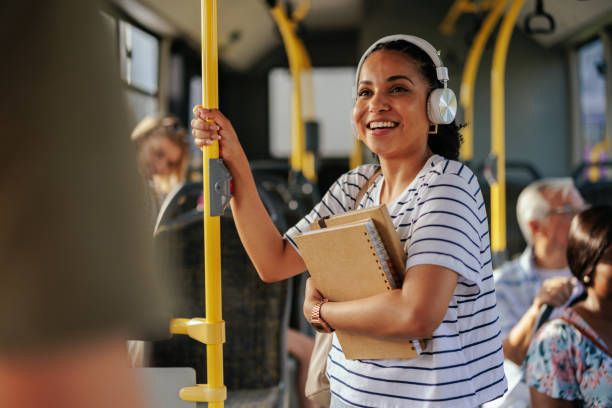
The rise of portable entertainment has unfortunately led to a surge in people playing music, videos, or games at full volume in public spaces without any regard for those around them. Using a pair of headphones is a basic requirement for anyone who wants to enjoy their media while commuting or waiting in a quiet lounge area. It is quite a selfish act to expect a captive audience of strangers to listen to your choice of entertainment, regardless of how much you might personally enjoy it. Keeping your audio private is a simple way to respect the shared acoustic environment and allow others to enjoy their own thoughts or a bit of peace.
Even when you are using headphones, you should be mindful of the volume level to ensure that the sound is not leaking out and annoying the person sitting right next to you. High-volume audio can be surprisingly intrusive in a quiet carriage, and it can also prevent you from hearing important announcements or being aware of your immediate surroundings. If you need to speak to someone while wearing headphones, it is polite to remove them entirely rather than just pulling one earbud out, as this shows that you are giving them your full attention. By keeping your digital life contained within your own ears, you are helping to maintain a sense of calm and respect in our increasingly noisy public world.
Be Gracious When Receiving Gifts

Receiving a gift is an art form in itself because it requires a level of sincerity and gratitude that transcends the actual value of the item being given to you. Even if the gift is not something you particularly like or need, you should focus your response on the kindness and the thoughtfulness of the person who chose it for you. A simple thank you and a genuine smile can make the giver feel appreciated and validated, which is the true purpose of the exchange in the first place. You should avoid making comments about the price or immediately asking if you can exchange it, as this can be deeply hurtful to someone who has put effort into the surprise.
In the days following the event, sending a handwritten thank-you note is a classic etiquette rule that has sadly fallen out of fashion in our world of instant text messages. Taking the time to pen a physical note shows a level of effort and class that is rarely seen today, and it serves as a lasting memento of your appreciation for the gesture. It only takes a few minutes to write a couple of sentences about how you plan to use the gift or how much you enjoyed the person’s company at the celebration. This small act of follow-up gratitude reinforces your relationships and marks you as a person of great character and traditional values in a fast-paced world.
Respect The Privacy Of Others

In a world where everyone seems to be constantly sharing their lives online, the ability to respect the privacy of others has become one of the most important modern manners. This means not peering at someone else’s phone screen while they are sitting next to you on the train or asking overly personal questions about a colleague’s private life. Everyone has a different threshold for what they are willing to share, and you should always wait for someone to offer information rather than prying into their personal affairs. Respecting boundaries shows that you are a person who can be trusted with sensitive information and that you value the autonomy of your peers.
This rule also applies to taking photos or videos in public places where you might inadvertently capture someone in a private or embarrassing moment. Before you post a group photo to social media, it is always a polite gesture to ask the people in the picture for their permission to share it with your wider network. Some people may have professional or personal reasons for wanting to maintain a low profile, and your digital choices should not compromise their comfort or their security. By being the person who guards the privacy of others as carefully as you guard your own, you are demonstrating a profound level of respect for the individual in our hyper-connected society.
The shift towards a world of automation and mass production has certainly made our lives easier, yet it has also made us more vulnerable to the whims of distant factories. When we rely on a single source for our essential goods, we lose the personal touch and the accountability that comes with local craftsmanship and individual care. Perhaps it is time to reflect on how our choices as consumers affect the social fabric of our communities and the manners we share.
Like this story? Add your thoughts in the comments, thank you.


