
1. Elephants
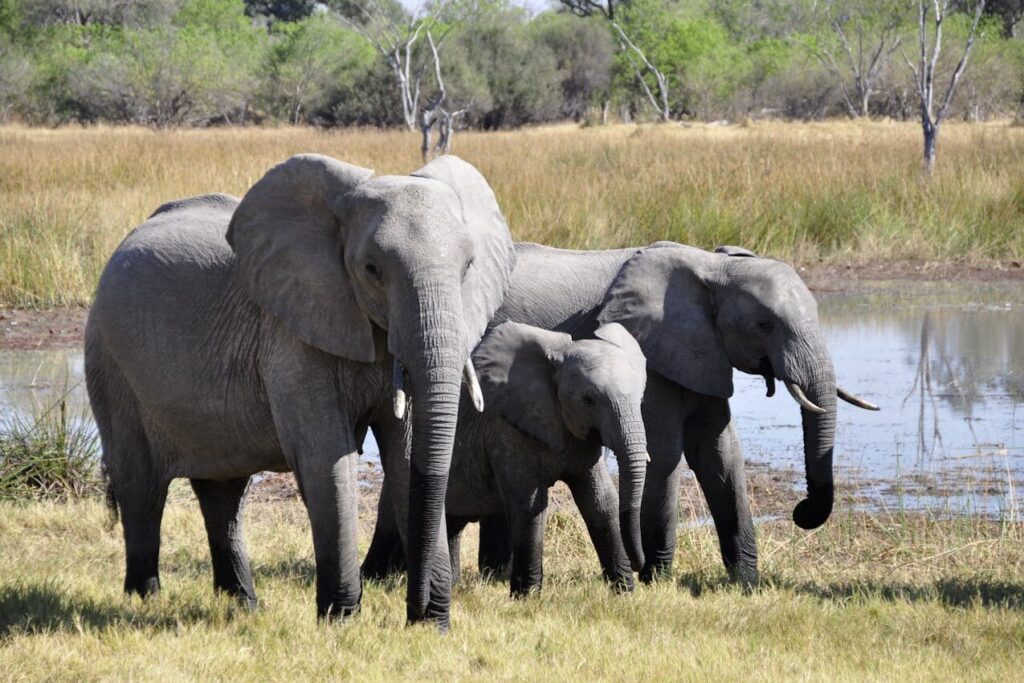
Across the world, concern for animal welfare is quietly reshaping laws in meaningful ways. Several African and Asian countries, alongside the EU and UK, are strengthening elephant protection laws in 2026 by closing remaining domestic ivory markets and tightening enforcement against illegal trade. These updates build on CITES regulations but go further by criminalizing possession and sale of ivory items regardless of age in many jurisdictions. Governments are also increasing penalties for poaching and funding cross-border monitoring programs using satellite tracking and drones. Conservation groups have pushed hard for these changes as elephant populations continue to decline due to habitat loss and illegal hunting. The 2026 measures are designed to remove loopholes that traffickers have exploited for years while supporting long-term population recovery.
2. Dogs

New dog welfare laws rolling out in 2026 across parts of Europe and North America focus on puppy smuggling, backyard breeding, and traceability. Updated regulations require microchipping before sale, stricter breeder licensing, and tougher penalties for illegal imports. In the UK and EU, these measures are linked to expanded border checks and mandatory health documentation for transported dogs. Animal welfare organizations report that demand for pets during recent years fueled unethical breeding practices, prompting governments to act. The 2026 rules aim to protect dogs from poor conditions while giving buyers more transparency about a dog’s origin and health history.
3. Cats

Cats are gaining new legal protections in 2026 through expanded microchipping and ownership accountability laws. Several countries and U.S. states are making microchipping mandatory for cats, not just dogs, to reduce abandonment and improve reunification when pets go missing. Some regions are also introducing guidelines to limit free-roaming in sensitive wildlife areas, citing studies that link outdoor cats to declines in bird populations. These laws do not ban cat ownership but encourage responsible care, spaying or neutering, and better identification. Lawmakers say the goal is balancing animal welfare with environmental protection and community concerns.
4. Chickens
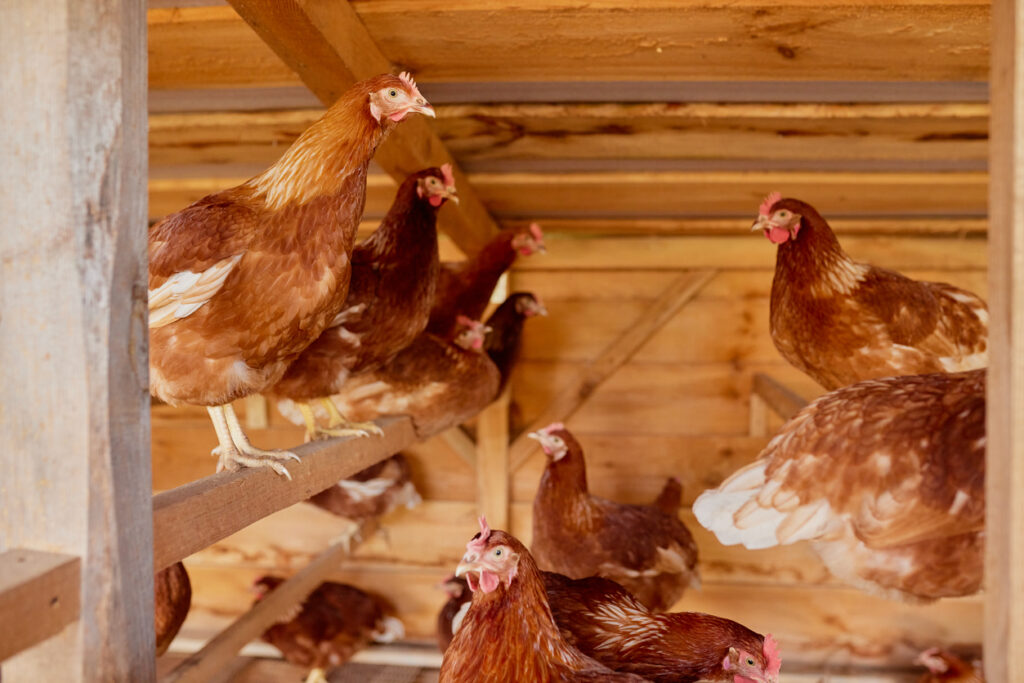
By 2026, more regions are enforcing bans on battery cages for egg-laying hens, replacing them with cage-free or enriched housing standards. These laws follow scientific findings showing that confined cages restrict natural behaviors like nesting and wing stretching. The European Union and several U.S. states have set 2026 deadlines for full compliance, with penalties for producers who fail to transition. While the changes require investment from farmers, governments are offering transition grants and technical support. Consumer demand for ethically produced eggs has been a major driver behind these reforms.
5. Pigs
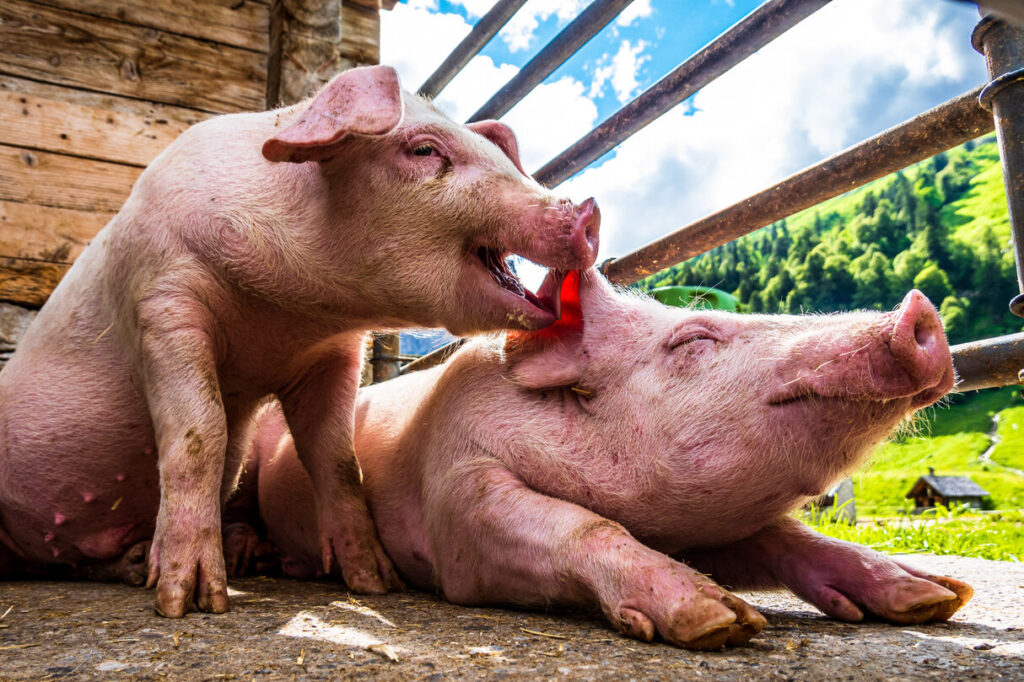
Pig welfare laws taking effect in 2026 target the use of gestation crates that severely limit movement for pregnant sows. New regulations in parts of Europe, Canada, and the United States phase out long-term confinement and require group housing or larger enclosures. Animal scientists have long warned that restrictive crates contribute to stress and injury. The updated laws reflect growing agreement that welfare-friendly systems can coexist with commercial farming. Authorities are also introducing clearer inspection standards to ensure compliance and prevent abuse.
6. Cows
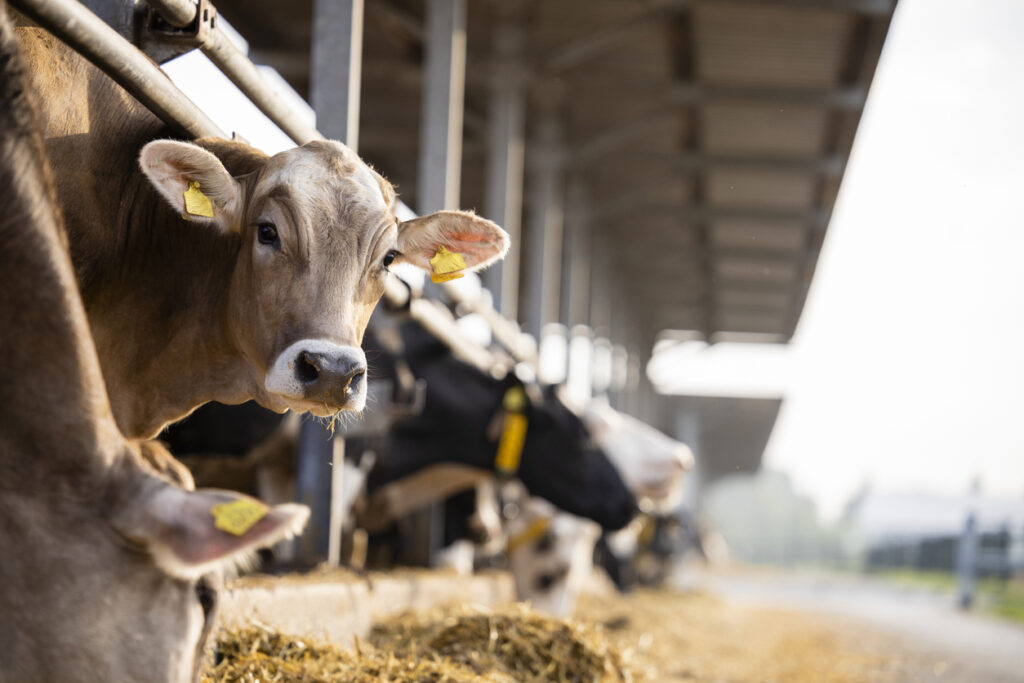
In 2026, dairy cow protections are expanding through new welfare codes that address housing, transport, and calf separation practices. Some countries are setting minimum pasture access requirements, while others are limiting transport durations to reduce stress. These updates are based on veterinary research linking welfare improvements to healthier herds. Although not outright bans, the laws create enforceable standards that farms must meet. Supporters argue that better welfare leads to more sustainable dairy production, while critics warn of increased costs. Governments see the rules as a long-term investment in ethical agriculture.
7. Horses
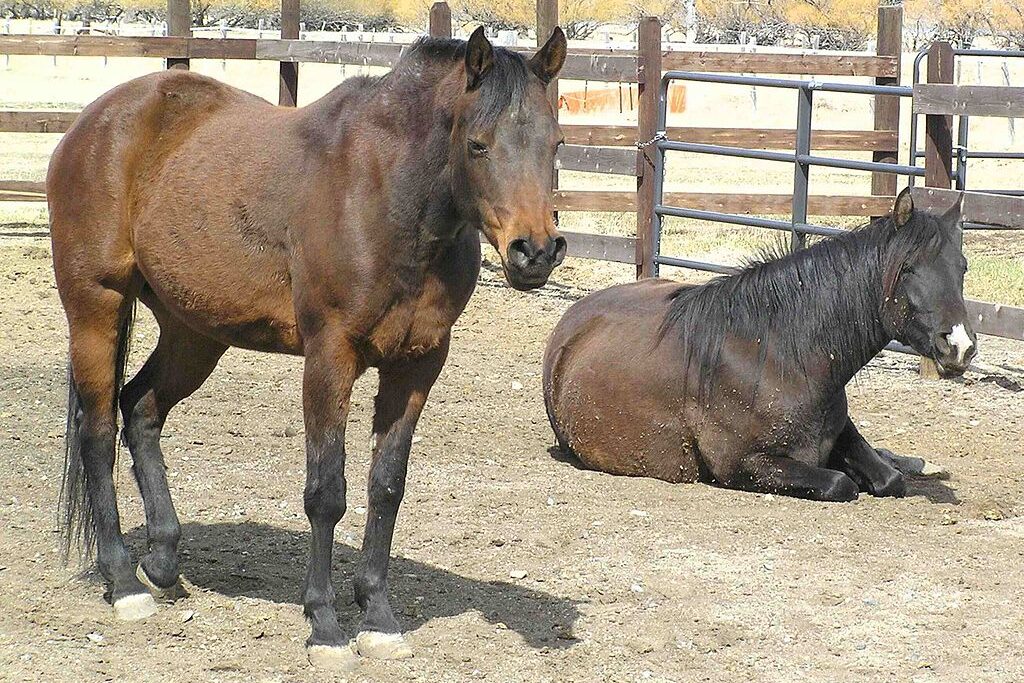
Horse protection laws in 2026 focus on transport, slaughter, and working conditions. Several regions are strengthening bans on horse slaughter for human consumption and tightening export controls. New welfare standards also limit transport times and require rest periods, food, and veterinary checks. Advocacy groups have highlighted cases of overcrowded trailers and injuries during long-distance transport. The updated laws aim to treat horses as companion and working animals rather than livestock commodities. Enforcement agencies are being given expanded inspection powers to ensure compliance.
8. Dolphins
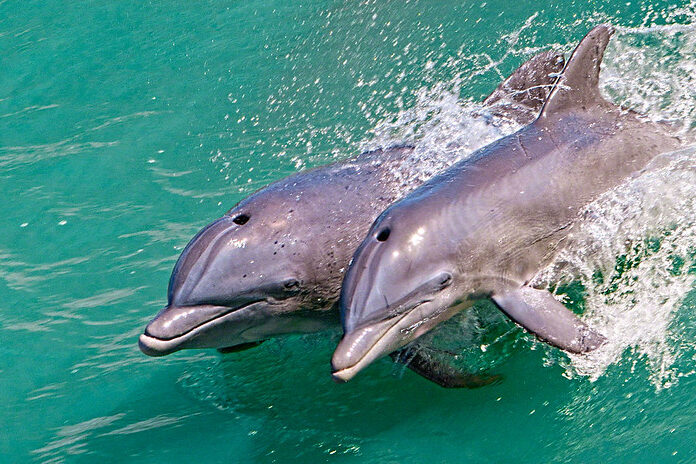
Dolphins are receiving stronger protections in 2026 as more countries restrict captivity and interactive tourism. New laws limit breeding in marine parks, ban new captures from the wild, and impose stricter welfare standards for existing facilities. Scientific research showing dolphins’ high intelligence and social complexity has influenced these decisions. Some coastal nations are also expanding protected marine zones to reduce fishing-related injuries. While tourism operators express concern, governments argue that ethical wildlife experiences and conservation-focused tourism offer sustainable alternatives.
9. Whales

Whale protection measures rolling into 2026 reinforce bans on commercial whaling and address modern threats like ship strikes and underwater noise. Countries aligned with international conservation agreements are introducing stricter shipping lane regulations and speed limits in known whale habitats. New penalties target illegal whaling and trade in whale products. These laws respond to ongoing population recovery challenges faced by species such as blue and right whales. Governments emphasize that protecting whales also supports healthier ocean ecosystems overall.
10. Octopuses
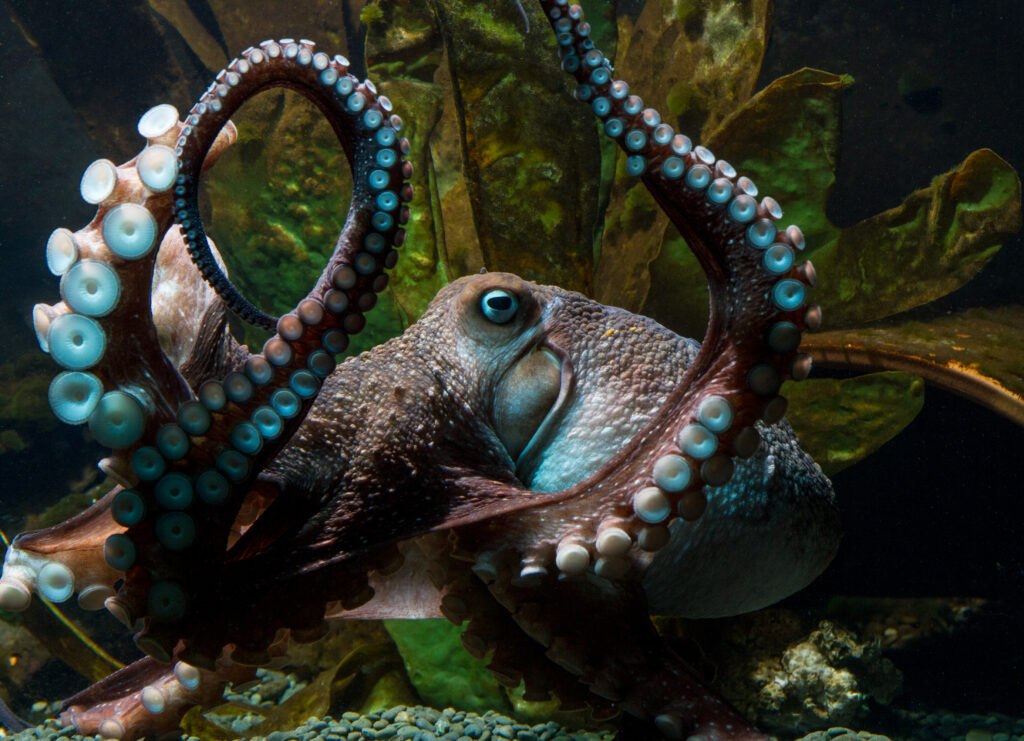
Octopuses are at the center of new 2026 laws banning or restricting commercial octopus farming in several countries. Research has shown that octopuses are highly intelligent, capable of problem-solving and experiencing stress in confined environments. Lawmakers cite animal welfare concerns and environmental risks associated with intensive farming. These protections follow earlier recognition of octopuses as sentient beings in animal welfare legislation. The 2026 rules aim to prevent the expansion of an industry seen as incompatible with humane treatment.
11. Bees
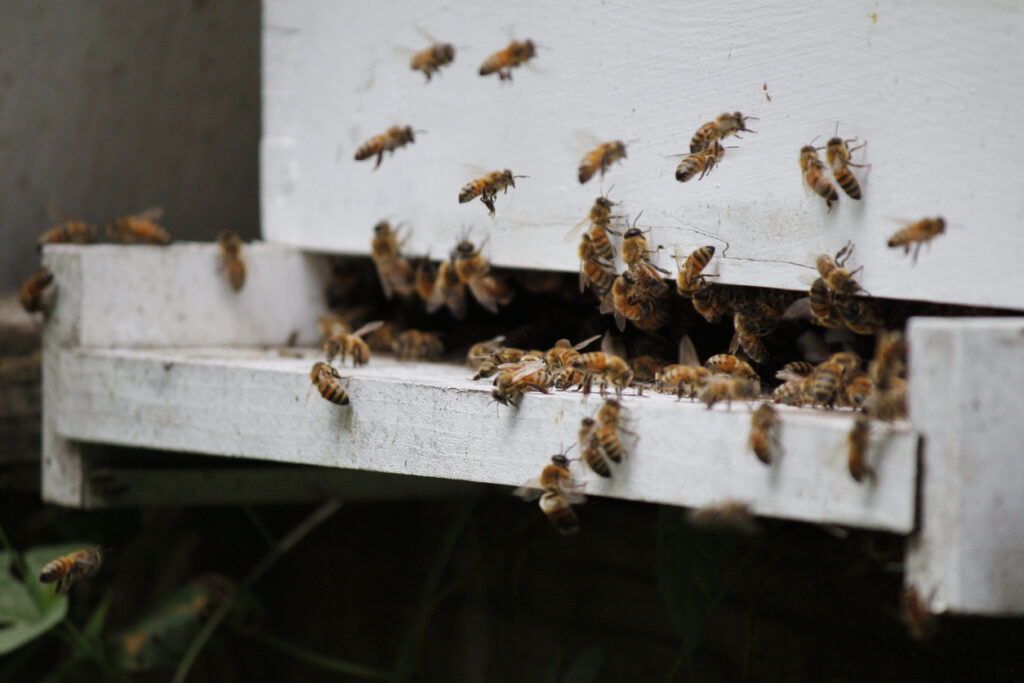
Pollinators are moving higher up the policy agenda in 2026, and new laws aim to cut neonicotinoid use, protect wildflower strips, and create pesticide-free buffer zones around key habitats. Governments in Europe and parts of North America are phasing out emergency authorizations for certain neonicotinoids, funding habitat-restoration grants for farmers, and encouraging integrated pest management practices that reduce chemical reliance. The measures pair restrictions with incentives, for example, payments to farmers who restore hedgerows and wildflower margins, because policymakers recognise that healthy bee populations are essential to food security and biodiversity. These changes follow mounting scientific evidence about pesticides’ harm to pollinators.
12. Sharks
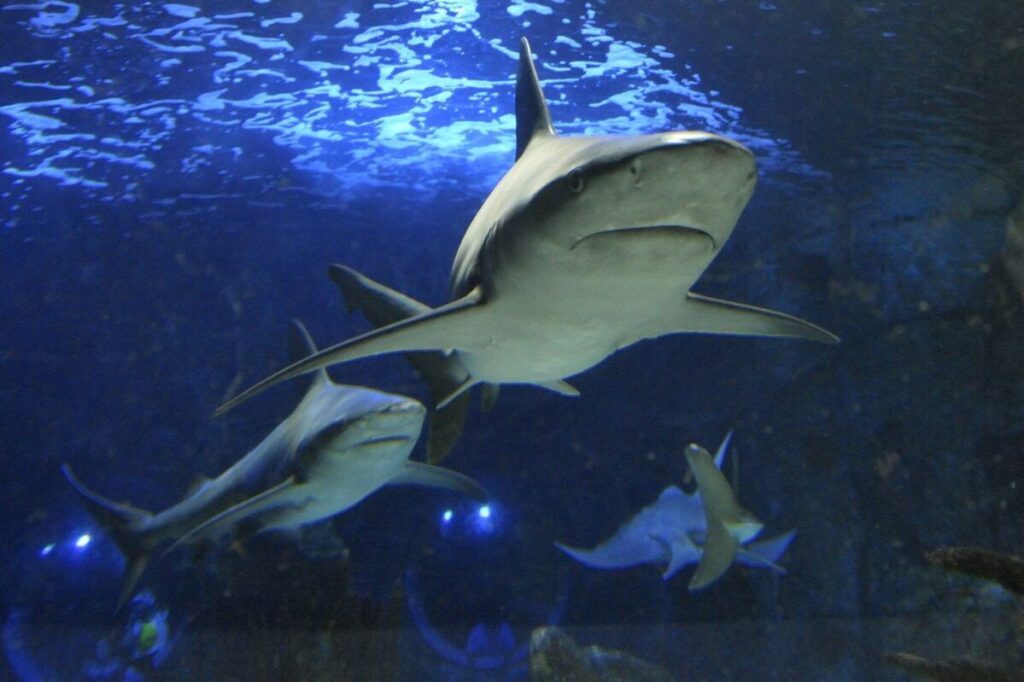
Shark protections in 2026 focus on tighter trade controls, stronger anti-finning enforcement, and expanded marine protected areas to shield critical habitats. Regional blocs and nations are introducing new customs codes and monitoring requirements for shark products, while discussions at international forums aim to uplist vulnerable species under stricter CITES protection. Several countries have adopted or updated bans on trade in detached shark fins, and coastal states are implementing no-take zones and seasonal fishing closures to reduce bycatch of endangered shark species. Conservation groups and scientists argue these legal steps are crucial to reverse declines caused by overfishing and unregulated international trade.
13. Sea turtles
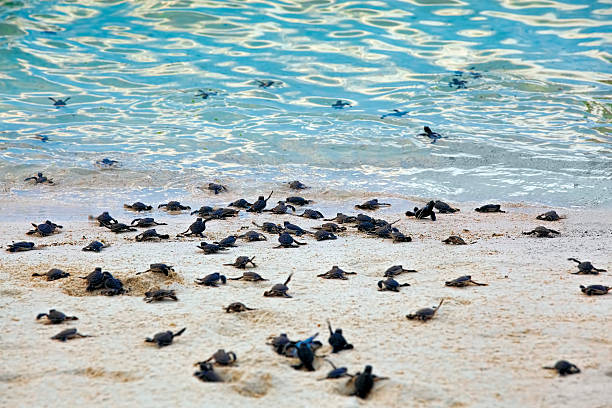
In 2026, coastal jurisdictions are expanding legal protections for nesting sea turtles by regulating beachfront lighting, restricting nighttime beach activity, and increasing penalties for nest disturbance. Laws require “dark sky” lighting practices near nesting beaches, mandate buffer zones around marked nests during breeding season, and fund nest-monitoring programs to improve hatchling survival. These measures are driven by research showing artificial light disorients hatchlings and increases mortality, and by local conservation groups documenting nest declines. Authorities also coordinate with tourism operators to balance visitor access with protection, using permits and educational outreach to reduce human impacts on nesting sites.
14. Salmon
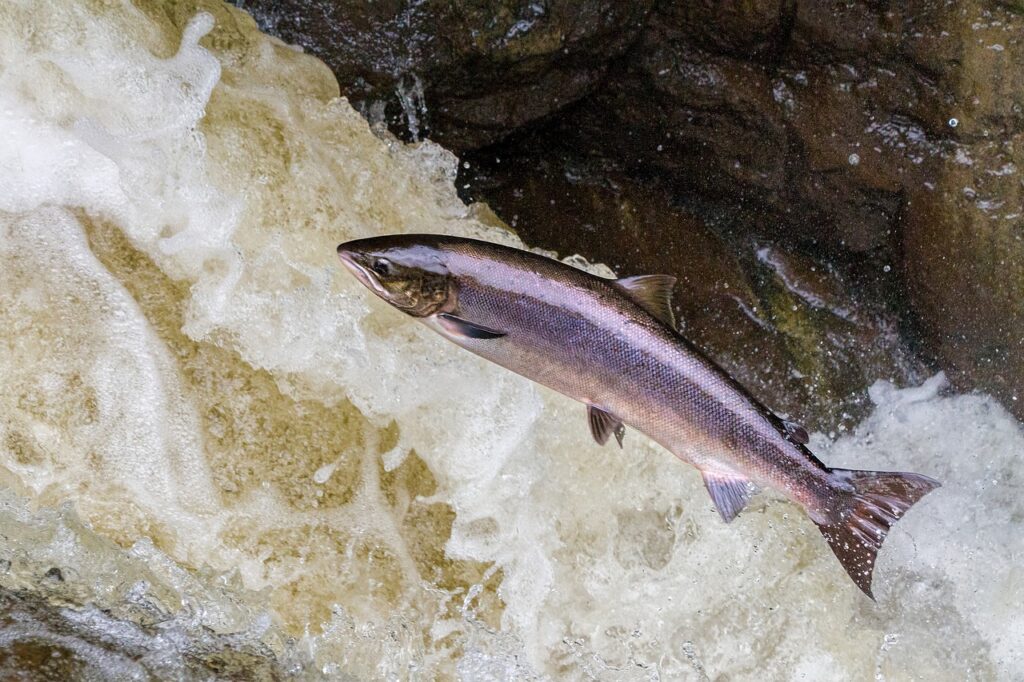
Freshwater and coastal managers are introducing 2026 rules to rebuild depleted salmon runs: reduced fishing quotas, shorter seasons, stricter catch-and-release protocols, and limits on netting in key migration corridors. Fisheries agencies in North America and Northern Europe have announced tighter bag limits and seasonal closures in response to poor returns and habitat stressors like warming waters. In addition, some governments are funding habitat restoration, improving spawning grounds and removing migration barriers, and increasing monitoring requirements for commercial fleets to prevent illegal overharvest. These combined legal and management actions aim to stabilise stocks while protecting subsistence and commercial fishers through phased implementation.
15. Parrots
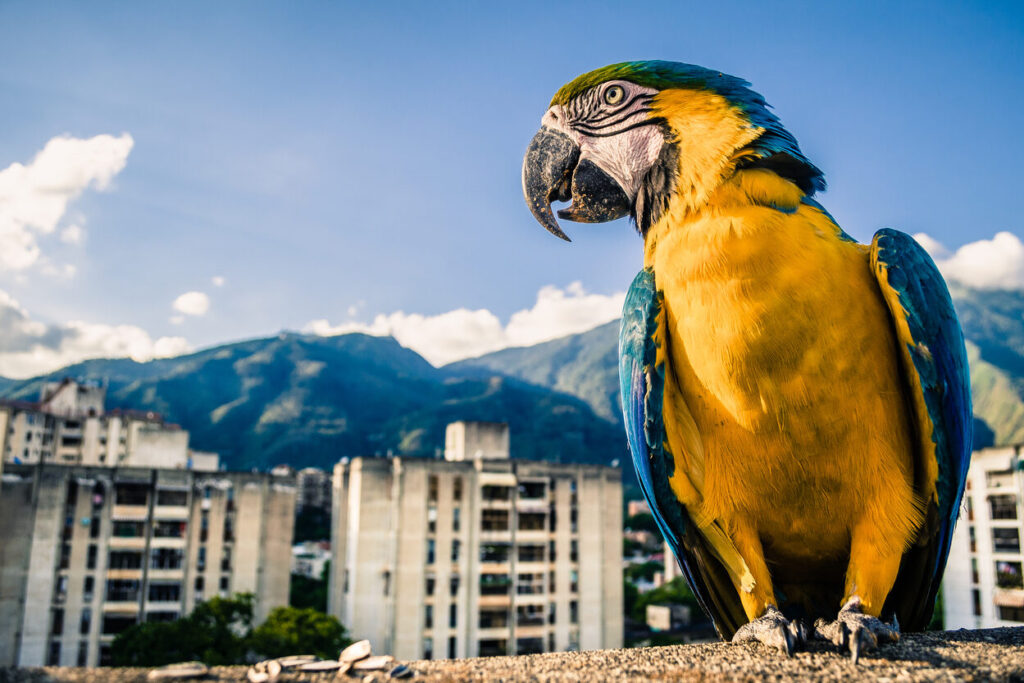
To curb illegal trade and protect wild populations, 2026 measures tighten restrictions on parrot imports, require improved documentation for captive-bred birds, and expand enforcement against smuggling networks. Some range and transit countries have moved to ban wild-capture trade in highly trafficked species and to implement stricter permitting standards under CITES. Rescue-and-release programs and stricter quarantine rules aim to reduce disease risk and improve welfare for confiscated birds. Lawmakers stress that clearer breeder registration and traceability will reduce demand for wild-caught parrots and support legal, humane captive-breeding operations where appropriate.
16. Foxes

As fur-farming phaseouts continue through 2026, several governments are enacting or enforcing bans on fox fur production and stronger rules on the sale of fur products. Countries moving to prohibit fur farming cite welfare concerns about confinement and breeding conditions; some are also restricting imports of fur derived from certain species. These legal moves are coupled with transition support for farmers to shift to alternative livelihoods, and with higher penalties for illegal fur operations. The trend reflects growing public opposition to fur and a policy preference for ending intensive fur production rather than merely regulating it.
17. Bats

New 2026 protections for bats emphasise roost preservation, stricter derogation processes for development, and enhanced monitoring of vulnerable colonies. Several jurisdictions require developers to obtain special licences before disturbing known roosts and to implement mitigation measures such as creating alternative roosting sites. Conservation agencies are rolling out time-limited derogations only under strict criteria, with mandatory surveys and post-work monitoring, to reduce accidental destruction of bat habitat. These rules are informed by evidence that roost loss and disturbance are major threats to bat populations and that careful legal safeguards can help balance development with species conservation.
18. Pangolins
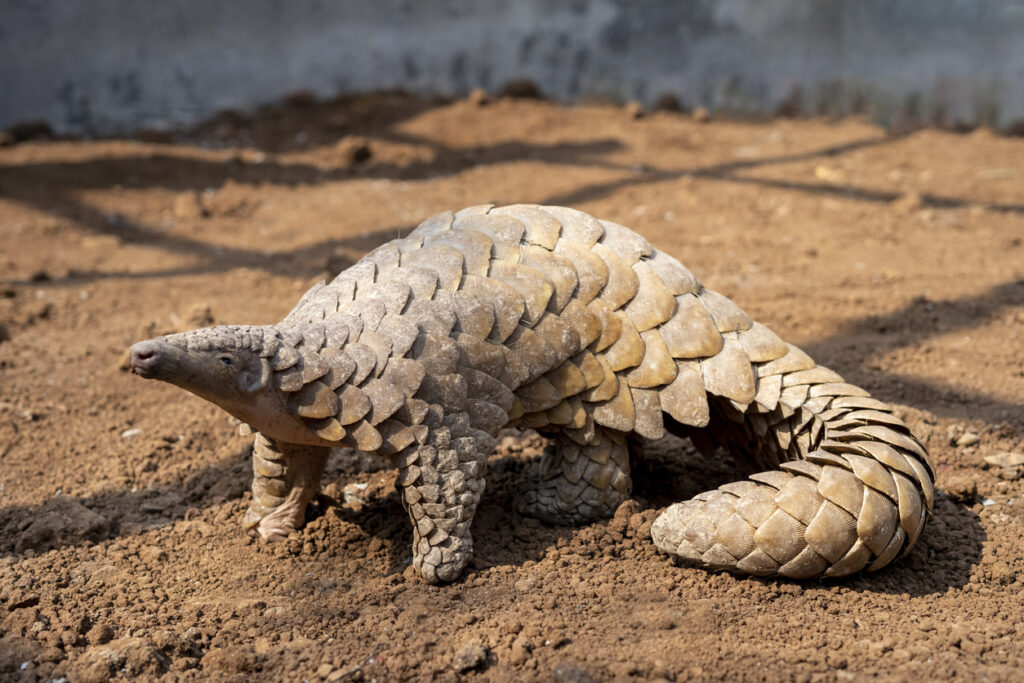
Legislation and enforcement initiatives in 2026 target the illegal pangolin trade with new national action plans, stiffer penalties, and improved cross-border cooperation. Range states and transit countries are strengthening wildlife crime units, increasing patrols, and implementing community-led conservation measures to reduce poaching incentives. Internationally, pangolin species continue to receive high priority under CITES and regional agreements, and new national laws criminalise possession and trade of pangolin parts while supporting rehabilitation of rescued animals. The legal push reflects pangolins’ status as the world’s most-trafficked mammal and seeks to cut demand through both enforcement and public-awareness campaigns.
19. Lobsters
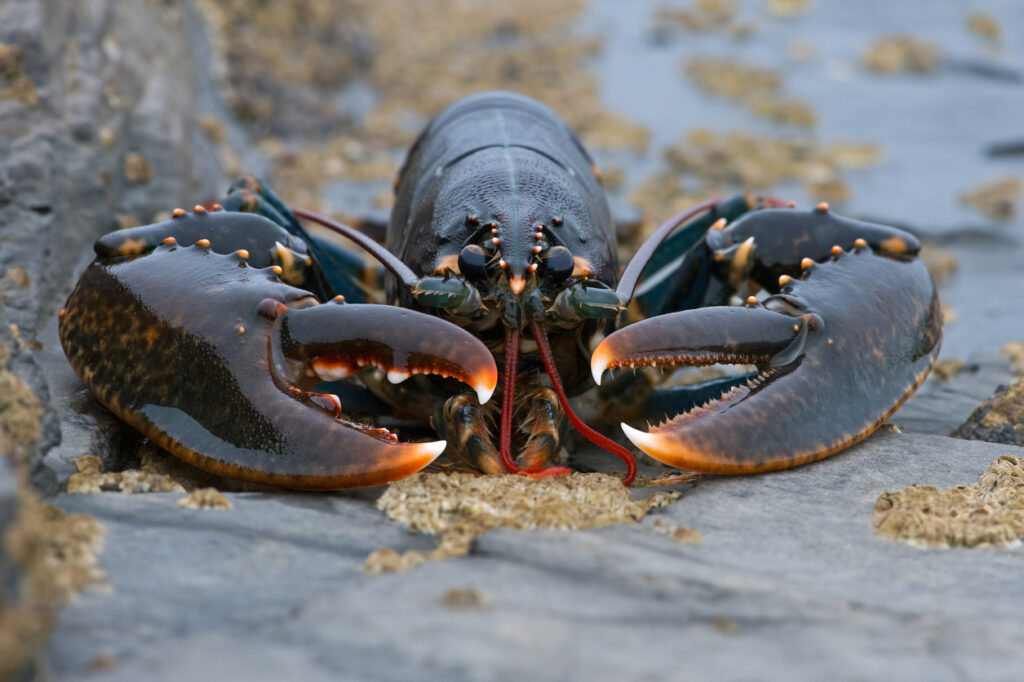
In 2026, several countries are moving to update laws around humane treatment and slaughter of crustaceans, including lobsters and crabs; recent policies ban boiling alive and promote humane stunning methods. New regulations recognise sentience in certain invertebrates and require seafood handlers to use methods like electrical stunning or rapid chilling before killing. The legal changes aim to align food-industry practices with evolving science on crustacean welfare, and governments plan guidance and inspection frameworks to ensure compliance while working with the fishing and hospitality sectors on practical implementation.
20. Rabbits
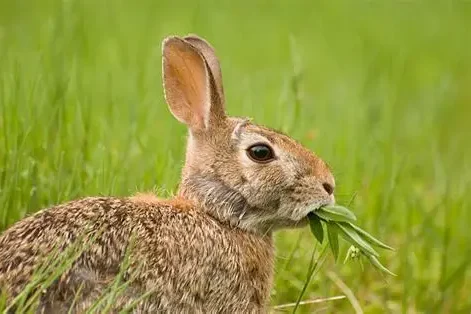
New 2026 animal-welfare rules cover pet and farmed rabbits, introducing clearer housing, socialisation, and veterinary care standards to reduce neglect and disease. Laws in some jurisdictions now require minimum enclosure sizes, mandatory social companions for social breeds, and tighter rules for commercial breeders to prevent overcrowding. For pet rabbits, traceability and microchipping initiatives are being piloted to reduce abandonment, while welfare inspections target large-scale kennels and breeders. Authorities say these measures respond to rising concerns about neglect and welfare problems in both the pet trade and intensive rabbit production.
21. Monkeys (non-human primates)

2026 laws increasingly restrict private ownership, trade, and invasive research involving non-human primates, with stricter permits for zoos and sanctuaries and bans on keeping primates as pets in several places. Regulators are tightening import rules, reinforcing CITES protections, and phasing out invasive laboratory uses where alternatives exist. Enforcement efforts focus on shutting illegal pet markets and improving welfare standards for captive primates through mandatory enrichment, veterinary care, and social grouping requirements. These legal shifts reflect rising ethical scrutiny and the recognition of primates’ complex social and cognitive needs.
Laws are moving beyond symbolic steps to measurable rules that combine enforcement, incentives, and support for affected communities.


