
1. Waiting by the Phone for a Call

Childhood once came with small, predictable rituals that quietly shaped everyday life. Many of them weren’t written rules, just shared habits everyone seemed to follow. Before mobile phones became universal, waiting by the home phone was a real childhood routine. Kids stayed close to the landline when expecting a call from a friend, relative, or classmate. Missing a call meant waiting hours or days for another chance. Many families shared one phone, so children negotiated time or asked siblings to pass along messages. Research on early telecommunications shows that landlines shaped social behavior by limiting access and encouraging patience. The rise of personal smartphones eliminated this routine almost entirely.
2. Walking to a Friend’s House Unannounced
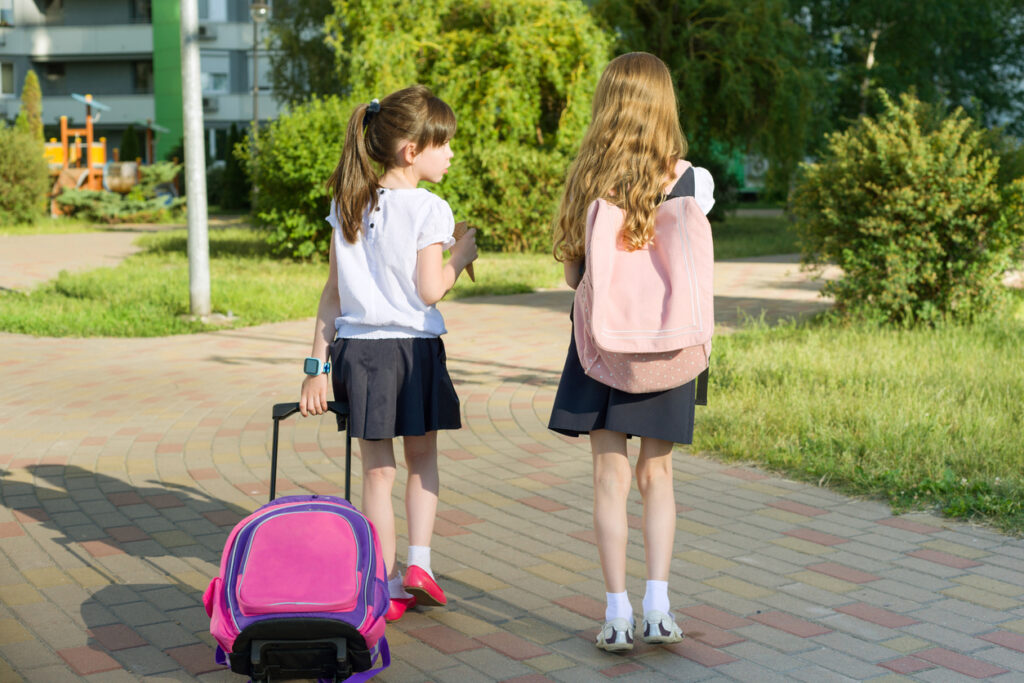
It was once normal for children to walk to a friend’s house without calling first. Knocking on the door and asking, “Can they come out?” was part of everyday social life. Studies on neighborhood play in the late 20th century show children relied heavily on proximity rather than planning. Parents generally expected kids to roam nearby streets and return by a set time. Today, safety concerns, structured schedules, and constant digital communication have changed this habit. Visits are usually arranged through texts between adults, making spontaneous drop-ins rare. What once felt casual now seems unusual, even risky, in many communities.
3. Memorizing Phone Numbers

Children once memorized phone numbers the way they memorized birthdays. Knowing home numbers, grandparents’ lines, and close friends’ contacts was essential. Educational research from the pre-smartphone era shows memory skills were reinforced by repetition and necessity. If a child forgot a number, reaching someone became difficult. Address books and notebooks were common backups. Smartphones automated this task completely, storing hundreds of contacts instantly. As a result, memorization is no longer required. Surveys on digital dependency show many adults today cannot recall even their closest contacts’ numbers. This quiet shift removed a small but meaningful mental exercise from everyday childhood routines.
4. Playing Outside Until the Streetlights Came On

For decades, streetlights acted as an unspoken curfew for children. Playing outdoors until dusk was common across many cultures, especially in urban and suburban neighborhoods. Sociological studies link this routine to increased physical activity and peer bonding. Children learned time awareness by observing their surroundings rather than checking clocks. As streetlights flickered on, kids headed home instinctively. Changes in traffic patterns, screen-based entertainment, and parental supervision norms gradually reduced this habit. Today, outdoor play is often scheduled, supervised, or replaced by indoor activities. The streetlight signal, once universally understood, has largely faded from childhood experience.
5. Writing Letters to Friends or Relatives

Letter writing was once a routine way children stayed connected, especially with distant relatives or pen pals. Schools even encouraged it to improve handwriting and communication skills. Historical education records show letter exchanges were common classroom activities. Waiting days or weeks for a reply taught patience and anticipation. The physical act of writing, sealing, and mailing made communication feel deliberate and personal. Email and instant messaging replaced this practice almost entirely. While digital messages are faster, they removed the slow rhythm that once defined long-distance communication. Today, handwritten letters are seen as special gestures rather than everyday childhood habits.
6. Sharing One Family Television Schedule
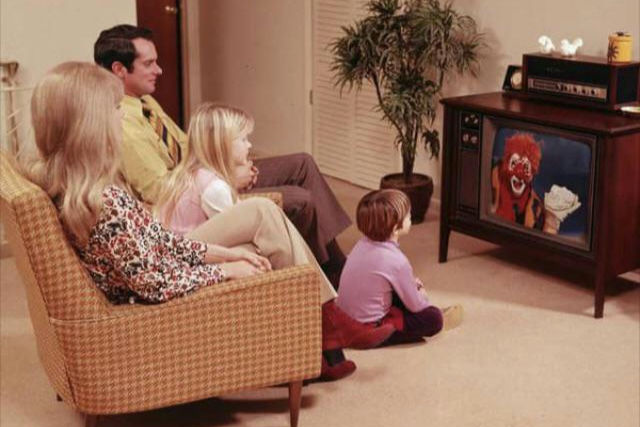
Families once gathered around a single television, and children planned their routines around fixed broadcast schedules. Saturday morning cartoons and after-school programs were cultural landmarks. Media studies confirm that shared viewing shaped collective memory and family interaction. Missing a show often meant waiting for reruns or talking about it secondhand. With streaming services and personal devices, this routine disappeared. Children now watch content on demand, often alone and on separate screens. While access increased, shared anticipation declined. The communal rhythm created by broadcast television, once central to childhood, quietly faded as entertainment became personalized.
7. Keeping a Paper Homework Planner

Paper planners were once essential school tools. Children wrote down assignments, deadlines, and reminders by hand. Educational research highlights that handwriting planners reinforced responsibility and organization skills. Forgetting to write an assignment could mean missed work and consequences. Teachers regularly checked planners, and parents relied on them to stay informed. Digital school portals and reminder apps replaced this system. Assignments now appear automatically online, reducing the need for daily manual tracking. While efficiency improved, the physical habit of writing tasks down, reviewing them nightly, and building routine accountability has largely disappeared from childhood education.
8. Listening to the Radio for Favorite Songs
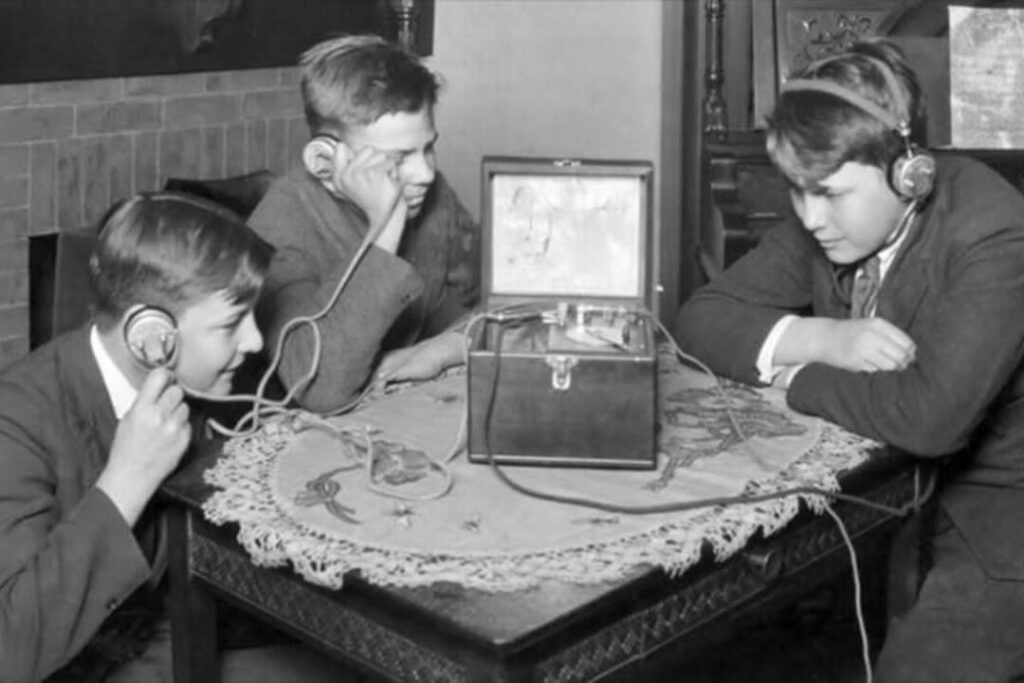
Children once waited patiently by radios to hear favorite songs. Some even recorded tracks on cassette tapes, timing the button presses carefully. Music historians note this ritual shaped listening habits and emotional attachment to songs. Radio DJs influenced taste, and surprise played a big role. Missing a song meant waiting hours or days for it to return. Streaming platforms eliminated this unpredictability. Today, children access music instantly without delay or effort. While convenience increased, the excitement of discovery and patience once built into radio listening quietly vanished from everyday childhood routines.
9. Using Encyclopedias for School Projects

Before internet access became widespread, encyclopedias were a primary research tool for children. Families often owned multi-volume sets, and libraries were essential study spaces. Academic research shows these resources encouraged browsing, note-taking, and critical reading. Children learned to navigate indexes and cross-references. Finding information required time and effort. Search engines replaced this process almost entirely. Today’s research is faster but less tactile. The routine of flipping pages, summarizing content by hand, and physically gathering sources has largely disappeared, marking a major shift in how children learn and explore information.
10. Passing Notes in Class
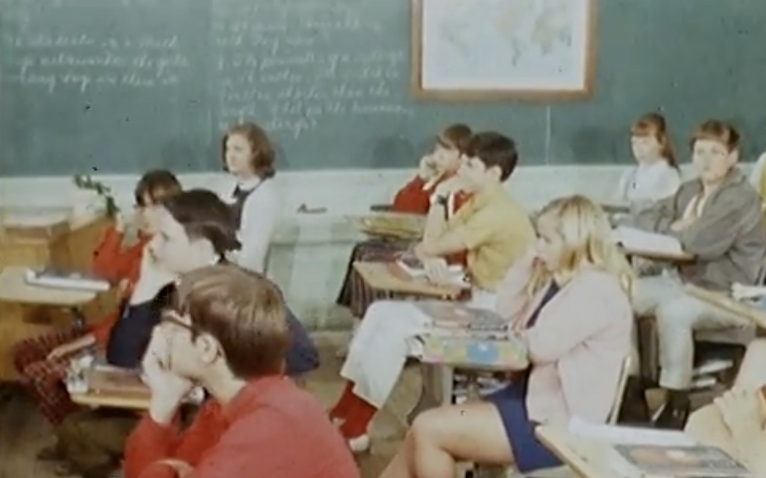
Passing handwritten notes was once a discreet social ritual in classrooms. Children folded paper into small shapes and carefully timed exchanges to avoid detection. Educational historians note this behavior reflected early peer communication skills and creativity. Notes carried jokes, secrets, and friendships across rows of desks. Strict classroom rules made the act thrilling and memorable. Smartphones and messaging apps replaced note-passing entirely. Silent digital communication removed the physical element and risk. What was once a playful, shared experience became unnecessary, leaving behind a routine that shaped social interaction in subtle but lasting ways.
11. Paper newspaper delivery routes
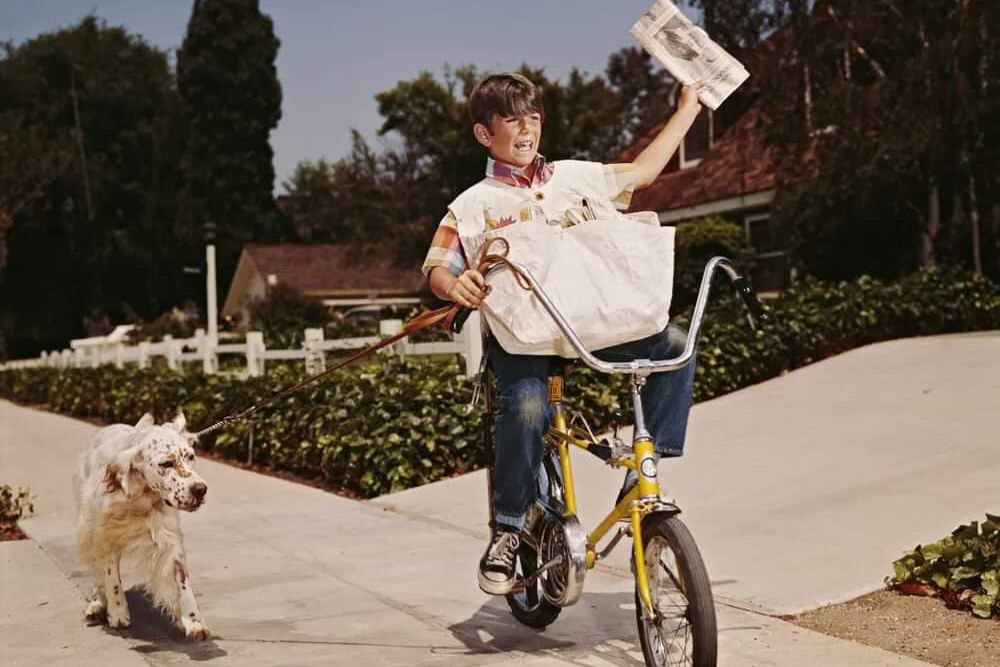
For decades, many children had morning or after-school paper routes, a steady, small-job ritual that taught punctuality, money handling, and local awareness. Delivering newspapers required mapping a route, balancing papers on a bike or in a satchel, and building community ties by waving to regular customers. The decline of print circulation and the closure or consolidation of local papers over the last two decades erased many of these routes; fewer households receive a daily paper, and delivery-based youth jobs have dwindled as publishers shrink or go digital. The routine’s disappearance removed a common way children earned pocket money and learned responsibility.
12. Renting movies at the corner video store

Going to the video rental shop was a weekend ritual: pick a title, read the back cover, pick snacks, and maybe rewind a tape before returning it. Stores like Blockbuster were social hubs where kids discovered movies, argued over picks, and learned shared tastes. The rise of mail-based rentals, then streaming, and the bankruptcy of major chains shifted this ritual into on-demand viewing. Instead of walking home with a bulky case and a sticky rental card, children now queue up an instant stream. The change made access easier but removed the tactile, communal experience of renting and returning physical films.
13. Waiting for rolls of film to be developed
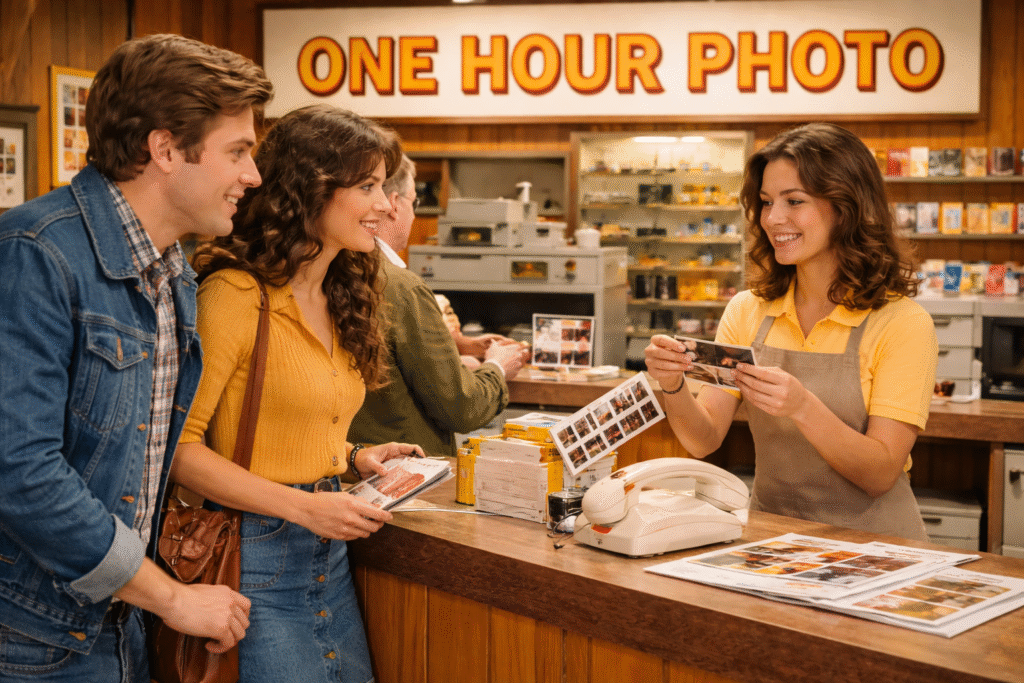
Using a film camera came with a ritual: shoot carefully because you had a limited number of exposures, then drop the roll at a lab or pharmacy and wait days to see the results. That waiting period made photographs feel special, the surprise of which shots turned out, the physical prints to pin on walls, and the habit of saving photos in albums. The digital camera and later smartphone revolutionized photography, enabling immediate review, countless shots, and instant sharing. While convenience soared, the patient ritual of mailing or dropping off film and later sorting physical prints largely vanished, changing how children experienced memory-making.
14. Taking a family atlas out to plan road trips

Family trips once began with a physical atlas spread over the kitchen table: adults tracing routes, children pointing at towns, and everyone learning geography through touch and discussion. Planning required reading map legends and estimating travel times, skills that fostered curiosity about place. The arrival of in-car GPS units and smartphone navigation replaced that ritual with voice directions and real-time rerouting. While maps remain valued by hikers and enthusiasts, the everyday habit of unfolding a paper map to plan a trip has faded, removing a tactile way many children used to learn about distance, direction, and the shape of their world.
15. Trading physical mixtapes and burned CDs

Before playlists and streaming links, creating a mixtape (or later, a burned CD) was a thoughtful ritual: curating songs, timing transitions, and handwriting track lists for friends. It required effort, recording from vinyl or the radio, dubbing, and sometimes re-recording for perfect timing, and the result was a personal gift that carried emotional meaning. As digital music libraries and streaming playlists became ubiquitous, exchange shifted to sharing links or playlists online. The physical ritual of making, packaging, and passing along a handmade tape or CD is now rare, replaced by instant, less tactile forms of musical curation.
16. Playing classic coin-operated arcade machines after school
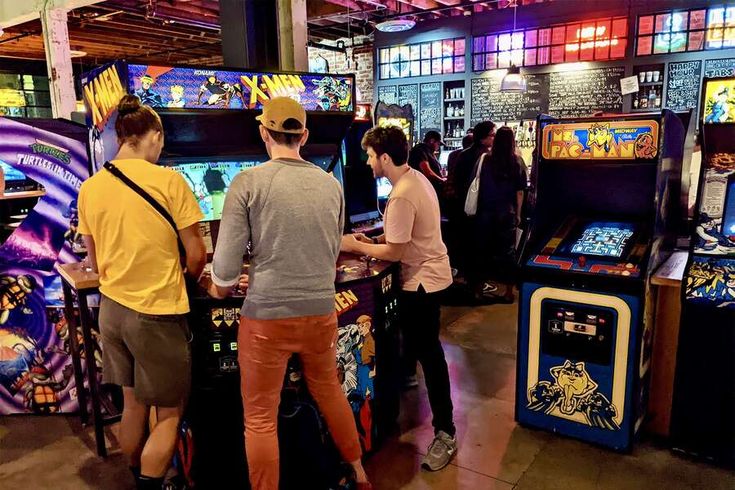
Arcade outings were a regular treat: pooling quarters, mastering a high-score, and learning cooperation or rivalry around glowing cabinets. For many children, arcades were third places, lively, noisy spots where friendships and gaming skills grew. The growth of powerful home consoles and online gaming in the 1990s and 2000s shrank that scene; many standalone arcades closed or transformed into nostalgia-centered venues. Although arcades survive in boutique or retro forms, the everyday routine of heading to a neighborhood arcade after school is much less common, replaced by online multiplayer sessions and home consoles.
17. Collecting phone cards, stickers, or trading cards from cereal boxes

A simple childhood ritual used to be tearing open snack boxes or cereal packets for included stickers, trading cards, or phone cards; these small collectibles sparked swapping sessions at school, social games, and display collections kept in shoeboxes. The physical hunt, checking packaging, trading duplicates, and organizing a collection, encouraged face-to-face interaction and negotiation skills. Marketing shifted toward digital downloads, in-app rewards, or larger branded merchandise, and many food packages no longer include tiny collectibles. The disappearance of these small, everyday treasure hunts changed the rhythm of playground trades and casual collecting for many children.
18. Using a public payphone for long-distance calls

Keeping a physical address book, Rolodex, or little black book was once a practical routine: children and teens recorded addresses, phone numbers, and birthdays by hand, updating entries as friendships changed. That practice developed neat handwriting, memory reinforcement, and a tactile sense of one’s social circle. With cloud contacts, auto-syncing, and social media profiles, contact-keeping is automated and often controlled by platforms rather than the user. The decline of handwritten address lists removed a small everyday task that combined privacy, personal organization, and the learning of social logistics.
19. Writing thank-you notes by hand

Handwritten thank-you notes were once a common childhood expectation after birthdays, holidays, or special visits. Parents encouraged children to sit down, think about the gift or gesture, and express gratitude in their own words. Etiquette research shows this practice helped children develop emotional awareness, writing skills, and social responsibility. The act of choosing words, signing a name, and mailing a card reinforced patience and appreciation. Today, quick text messages, emojis, or verbal thanks often replace written notes. While gratitude remains important, the structured routine of sitting quietly to write and send a physical thank-you has largely disappeared from everyday childhood life.
20. Checking the TV guide to plan viewing

Before on-demand television, children routinely checked printed TV guides or newspaper listings to plan their viewing. Knowing what aired and when required flipping pages, circling shows, or memorizing time slots. Media studies show this habit encouraged time awareness and shared anticipation, especially for weekly programs. Missing a show often meant waiting for a rerun. As streaming platforms removed schedules entirely, the need to plan around broadcast times vanished. Children now watch whenever they want, without external structure. The simple routine of scanning listings and organizing evenings around fixed programs quietly faded as television became fully flexible.
21. Saying goodbye at the door instead of tracking locations

For generations, parents said goodbye at the door and trusted children to return home at an agreed time. Once outside, kids were largely unreachable unless they found a phone. Sociological research links this routine to independence and problem-solving skills. Today, GPS tracking apps and constant messaging allow parents to monitor movements in real time. While these tools improve safety and reassurance, they replaced the older routine of parting at the doorway and relying on trust, time, and boundaries. The emotional moment of leaving without digital oversight, once a normal part of growing up, has become far less common.
Many childhood routines didn’t disappear because they failed. They vanished because the world quietly changed around them.
Like this story? Add your thoughts in the comments, thank you.


