
1. Creating the Like Button

The internet didn’t emerge fully formed. Many of its most iconic habits, jokes, and communities came from ordinary decisions made without any idea of what they would become. When Facebook introduced the Like button in 2009, it was meant to be a simple, low-effort way for users to respond to posts without commenting. Engineers were focused on reducing friction and encouraging engagement, not reshaping online behavior. Over time, the button became a social signal, influencing how content is created, shared, and valued across nearly every major platform. Likes evolved into a form of digital validation, affecting mental health research, influencer culture, and advertising strategies. Other platforms quickly copied the idea, turning the Like into a universal internet language. What began as a small design choice ended up defining how people measure popularity, agreement, and relevance online.
2. Leaving Comment Sections Open

Early websites allowed open comment sections to encourage discussion and community feedback. The goal was transparency and reader participation, especially for blogs and news sites. However, this decision unintentionally created a new arena for internet culture, where humor, arguments, inside jokes, and even viral moments flourished. Comment sections became places where memes were born, sarcasm thrived, and collective reactions took shape in real time. They also revealed the darker side of anonymity, leading to moderation challenges and policy changes. Still, the culture of reacting publicly to content owes much to those early open comment boxes that invited everyone to speak.
3. Allowing Anonymous Posting on Forums

Platforms like 4chan, early Reddit, and image boards allowed users to post without real names or profiles. The intention was to remove social pressure and encourage honesty. Instead, anonymity gave rise to a unique internet subculture driven by inside jokes, experimental humor, and rapid meme creation. Without personal accountability, ideas spread quickly, for better or worse. Many internet memes, slang terms, and viral formats originated in anonymous spaces before spilling into mainstream culture. This decision shaped the internet’s tone, influencing how humor, shock value, and collective identity function online today.
4. Introducing the Retweet
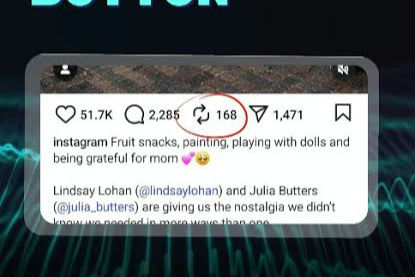
Twitter added the retweet feature to make it easier for users to share information quickly. Originally, people copied and pasted tweets manually with “RT” at the start. By formalizing the process, Twitter unknowingly created the backbone of viral content. Retweets turned individual posts into mass broadcasts within minutes, enabling breaking news, activism, jokes, and misinformation to spread globally. The feature changed how people write online, encouraging short, shareable statements designed for amplification. Retweeting became a way to signal agreement, humor, or outrage, shaping political discourse and internet trends in lasting ways.
5. Setting Character Limits on Twitter
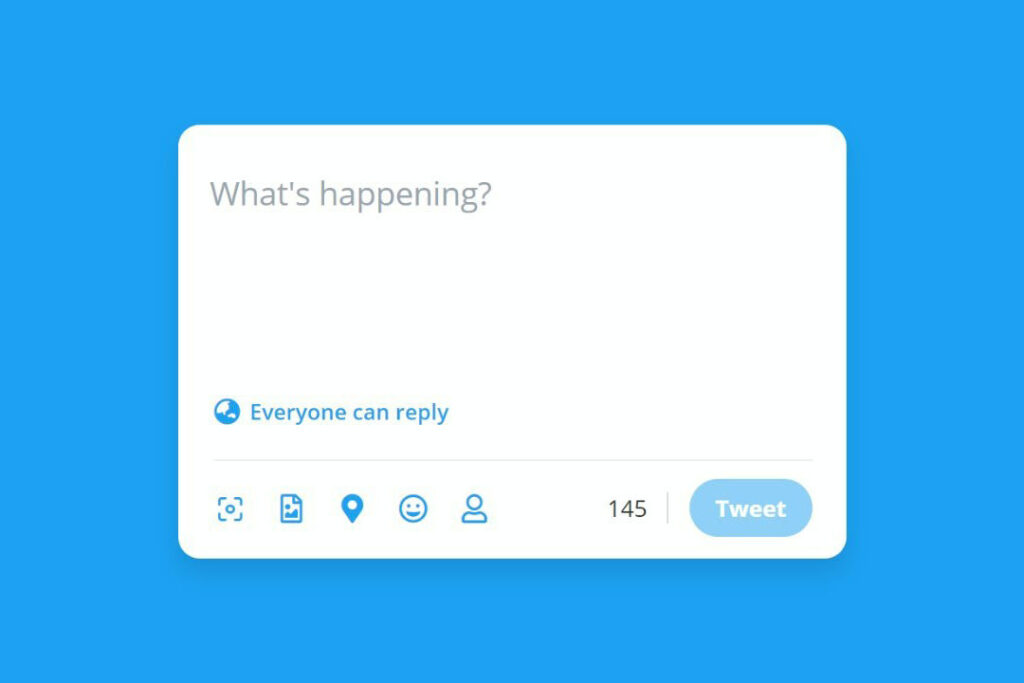
Twitter’s original 140-character limit was a technical decision based on SMS messaging constraints. Developers wanted tweets to fit within text message boundaries, not to create a new writing style. The limit forced users to be concise, witty, and creative, giving rise to a distinctive internet voice. Over time, this constraint shaped how headlines, jokes, and opinions are expressed online. Even after the limit expanded, the short-form style remained influential. The decision unintentionally trained millions of users to communicate in punchy, fast-moving fragments that now dominate digital conversations far beyond Twitter itself.
6. Letting Videos Autoplay
Autoplay videos were introduced to keep users engaged without requiring extra clicks. Platforms like Facebook and later Instagram adopted the feature to boost watch time. This design choice dramatically altered how people consume content online. Autoplay rewarded visually striking, fast-paced videos and helped launch viral clips, reaction videos, and short-form entertainment. It also shifted advertising strategies and influenced how creators structure content within the first few seconds. Over time, autoplay contributed to scrolling culture, where users passively absorb content for extended periods. What started as a convenience feature became a defining habit of modern internet use.
7. Allowing Usernames Instead of Real Names
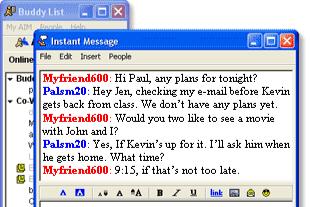
Many early platforms let users choose any username they wanted, prioritizing ease of signup and privacy. This decision allowed people to experiment with identity online, creating handles that reflected humor, interests, or anonymity. Usernames became personal brands, especially on platforms like AOL, YouTube, Twitch, and Instagram. Over time, some usernames grew more recognizable than real names, shaping influencer culture and online fame. This flexibility encouraged creativity and lowered barriers to participation, especially for young users. The choice to allow usernames helped turn the internet into a space where identity could be fluid, playful, and self-defined.
8. Adding a Share Button

Share buttons were designed to help users distribute content easily across platforms. The goal was convenience and increased traffic. Instead, they transformed how information spreads online. Sharing became a form of expression, allowing users to signal beliefs, humor, or identity without writing original content. Articles, memes, and videos could reach millions through chains of shares. This decision fueled viral culture, social movements, and online debates. It also changed how media outlets write headlines, optimizing them for emotional impact. The simple act of adding a share button helped turn the internet into a vast, interconnected echo system.
9. Keeping GIFs Lightweight and Looping
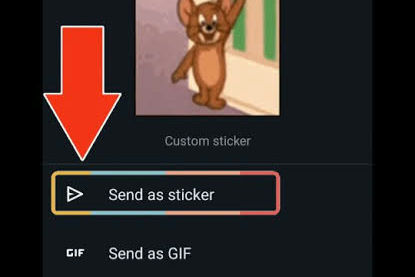
GIFs were originally a simple image format designed for low file sizes and quick loading on slow connections. Their looping nature was a technical feature, not a creative decision. Over time, users discovered that short, repeating animations were perfect for expressing emotions, reactions, and jokes. GIFs became a core language of internet communication, especially on forums, messaging apps, and social media. Their silent, looping format made them universally understandable across languages. What started as a practical file format evolved into one of the most recognizable tools for emotional expression online.
10. Allowing Hashtags to Be Clickable
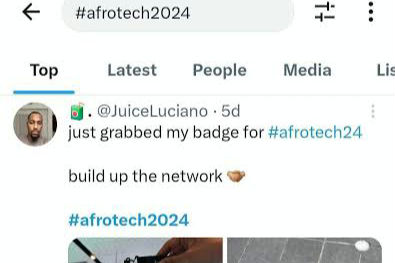
Hashtags were first suggested by users as a way to group conversations on Twitter. When platforms made them clickable, it turned a simple symbol into a powerful organizing tool. Clickable hashtags allowed trends, movements, and jokes to form around shared phrases. They helped users discover content, participate in global conversations, and amplify causes. Over time, hashtags shaped activism, marketing, and meme culture across platforms. This decision transformed scattered posts into collective moments, giving the internet a way to organize itself in real time around events, emotions, and shared interests.
11. Allowing Profile Pictures to Be Optional
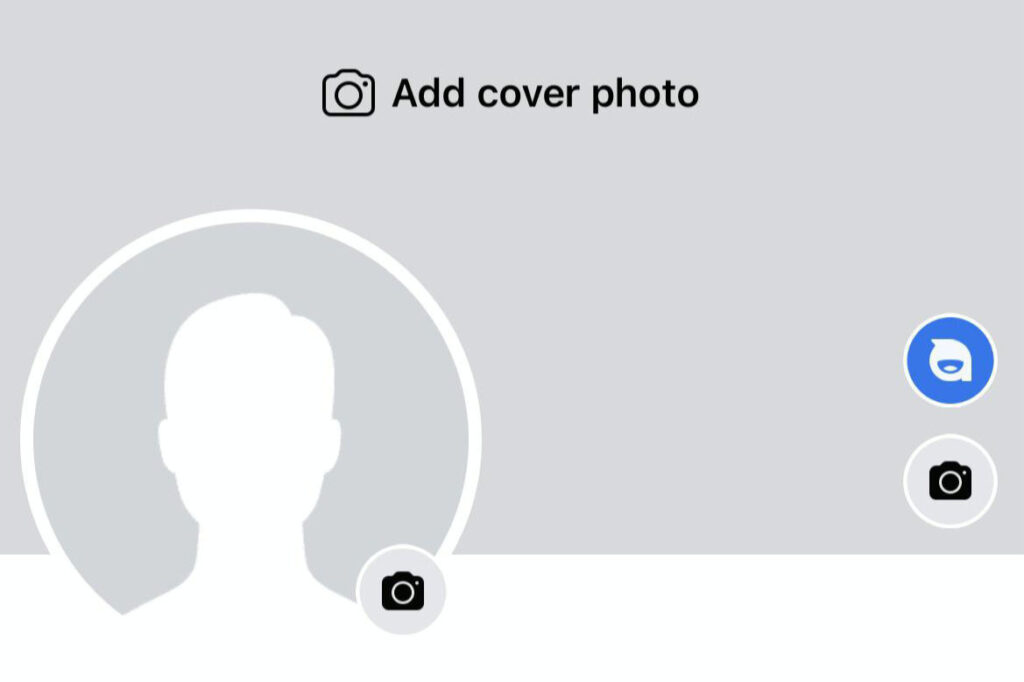
Early social platforms allowed users to skip profile photos to reduce signup friction and respect privacy. This small decision unexpectedly created a culture where avatars, symbols, celebrities, cartoons, or abstract images became stand-ins for identity. Over time, profile pictures evolved into powerful signals of personality, mood, beliefs, or group affiliation. Anonymous icons encouraged freer expression, while recognizable faces helped build trust and influence. During major events, users coordinated profile image changes to show solidarity or humor. What began as a convenience feature shaped how identity, anonymity, and belonging are visually expressed across the internet.
12. Creating a Public Follower Count
Follower counts were introduced as a transparency feature, allowing users to see how many people subscribed to an account’s updates. Developers did not intend to turn numbers into social currency. Over time, follower counts became status markers, influencing credibility, brand deals, and online authority. This decision helped give rise to influencer culture, where reach often matters more than expertise. It also shaped user behavior, encouraging growth strategies and content optimization. The visible number changed how people perceive popularity and trust online, turning social platforms into measurable hierarchies built on audience size.
13. Allowing Endless Scrolling

Infinite scroll was designed to improve user experience by removing the need to click through pages. It made browsing smoother and faster. However, it also transformed how people consume content. Endless scrolling reduced natural stopping points, encouraging longer sessions and habitual use. This design choice helped fuel meme discovery, viral content exposure, and late-night browsing culture. It also influenced how content is ranked and surfaced algorithmically. What started as a usability improvement became a defining feature of modern internet behavior, reshaping attention spans and how users interact with digital platforms.
14. Letting Users Edit Posts After Publishing

Post-editing was introduced to fix typos and improve clarity. Platforms did not anticipate how editing would become part of internet culture. Users began updating posts with clarifications, reactions, or humor, often marking edits with explanations. This practice created a shared etiquette and storytelling style unique to online spaces. Edited posts sometimes went viral for their updates alone. The feature also changed accountability and interpretation, leading platforms to add edit histories. A simple correction tool evolved into a dynamic way people communicate context, reflection, and evolving thoughts online.
15. Keeping Internet Memes Uncopyrighted

Early internet memes spread freely because they were rarely copyrighted or controlled. Platforms and creators did not enforce ownership, focusing instead on sharing and participation. This openness allowed images, phrases, and jokes to evolve collaboratively across communities. Memes became a shared creative language rather than individual property. Over time, this culture of remixing shaped humor, political commentary, and brand marketing. The lack of strict control encouraged creativity and speed, allowing memes to respond instantly to events. What began as informal sharing rules became the foundation of participatory internet culture.
16. Allowing Reaction Buttons Beyond Likes
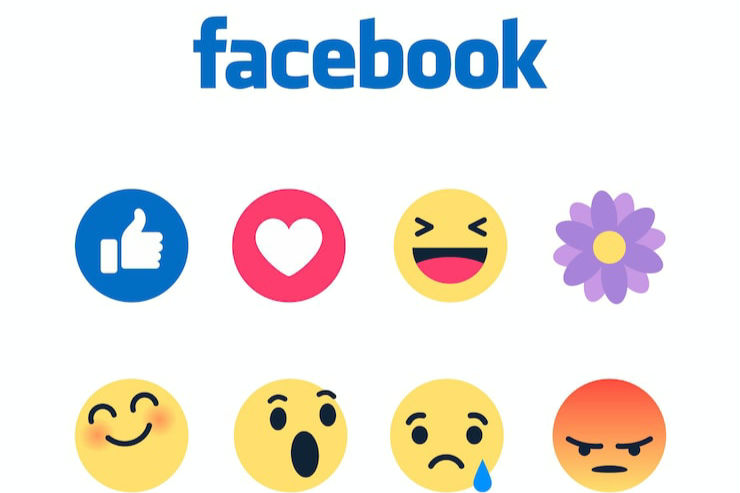
When platforms expanded beyond a single Like button to include reactions such as love, laughter, or anger, the goal was emotional nuance. This decision unintentionally turned emotional responses into measurable data. Users began choosing reactions strategically to signal mood or opinion. Reaction counts influenced content visibility and discussion tone. They also shaped how creators frame posts to provoke specific emotions. Over time, reaction buttons helped codify emotional expression online, giving users a fast, symbolic way to respond without words. This feature quietly changed how feelings are displayed and interpreted on social platforms.
17. Letting Video Platforms Show View Counts

View counts were added to indicate popularity and transparency. Platforms did not expect them to influence viewing behavior so strongly. Users began choosing what to watch based on high numbers, reinforcing viral loops. Creators optimized titles, thumbnails, and timing to increase clicks. View counts also shaped credibility, turning numbers into proof of relevance. This decision helped accelerate viral culture and reward sensational or highly shareable content. What started as simple information became a powerful psychological cue that guides attention and shapes online entertainment trends.
18. Allowing Comments on Videos
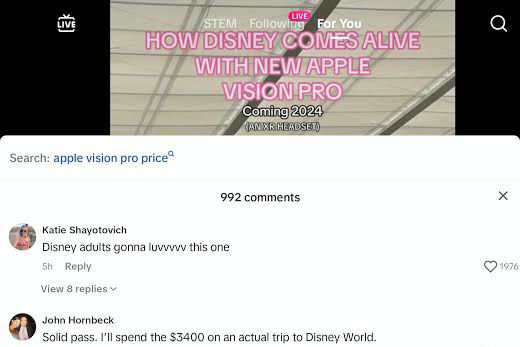
Video comment sections were introduced to foster interaction between creators and audiences. Instead, they became cultural spaces of their own. Inside jokes, repeated phrases, time-stamped reactions, and shared humor emerged beneath videos. Some comment threads became more famous than the videos themselves. This decision helped audiences feel part of a collective viewing experience, even when watching alone. Over time, video comments influenced how creators structure content, anticipating audience reactions. A simple engagement feature helped turn video platforms into interactive social environments rather than passive media libraries.
19. Making Search Results Rank by Popularity
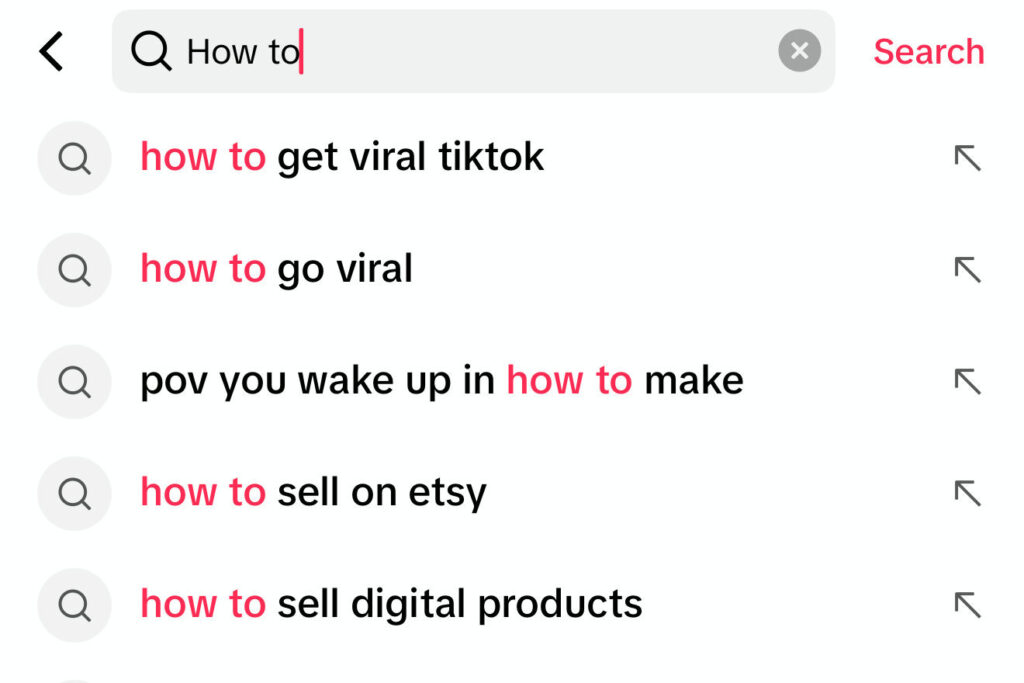
Search engines began ranking results partly by relevance and popularity to improve accuracy. This technical decision unintentionally shaped how content is created. Writers optimized headlines, keywords, and structure to rank higher, giving rise to SEO-driven writing. Popularity-based ranking reinforced dominant narratives and viral content. Over time, search visibility influenced opinions, trends, and even purchasing decisions. What started as an efficiency improvement helped determine which voices are heard online. This ranking system quietly shaped internet culture by guiding attention toward what appears most relevant or widely accepted.
20. Allowing Screenshots to Be Shared Freely
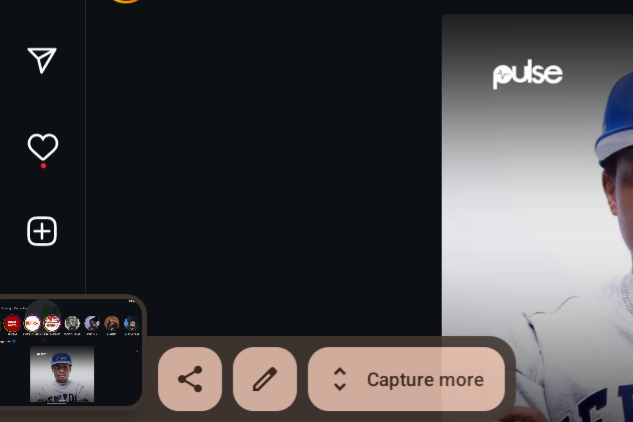
Screenshots were originally a basic operating system function for saving images. Platforms did not restrict sharing them across apps. This freedom allowed private messages, posts, and moments to be captured and circulated instantly. Screenshots became tools for humor, accountability, documentation, and storytelling. They also influenced how people communicate, knowing conversations could be preserved. Screenshot culture changed online behavior, encouraging caution or creativity depending on context. What began as a technical utility evolved into a powerful social mechanism that shapes trust, privacy, and viral moments across the internet.
21. Allowing “Typing…” Indicators in Chats

Typing indicators were added to messaging apps to reassure users that a reply was coming. Developers saw it as a small usability improvement. Instead, it introduced a new layer of social tension and interpretation. Seeing someone type and stop, then disappear, sparked speculation, jokes, and shared frustration. Screenshots of typing bubbles became memes, and the feature influenced expectations around response time. It subtly changed how people manage conversations, politeness, and urgency online. What was meant to reduce uncertainty ended up creating its own form of emotional storytelling within digital communication.
Understanding these accidental origins reveals how deeply design decisions influence everyday digital life. The internet we know today is less a grand plan and more a collection of unintended consequences that quietly changed the world.
Like this story? Add your thoughts in the comments, thank you.


