
1. The Unlucky Black Cat
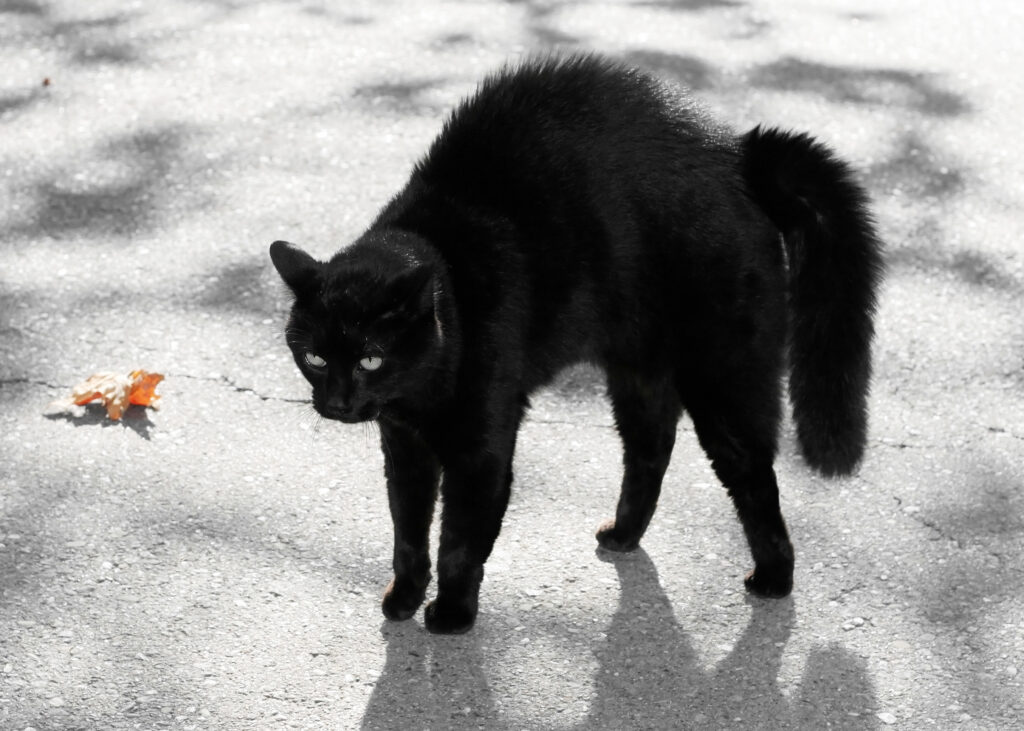
For centuries, humans have looked to the animal kingdom for signs of what the future holds, weaving a rich tapestry of folklore that still quietly guides our decisions today. While many today adore their ebony-furred companions, black cats suffered centuries of stigma due to a specific historical moment. In 1233, Pope Gregory IX issued the “Vox in Rama,” a papal decree that linked these felines to satanic rituals. This religious condemnation transformed the black cat from a helpful mouser into a symbol of witchcraft and heresy across medieval Europe, leading to mass cullings. Ironically, some historians suggest that the reduction in cat populations allowed plague-carrying rats to thrive, worsening the Black Death. However, the superstition isn’t universal; in parts of Great Britain and Japan, a black cat crossing your path is actually considered a fortunate omen, promising prosperity or a good suitor.
2. The Rabbit’s Foot Charm
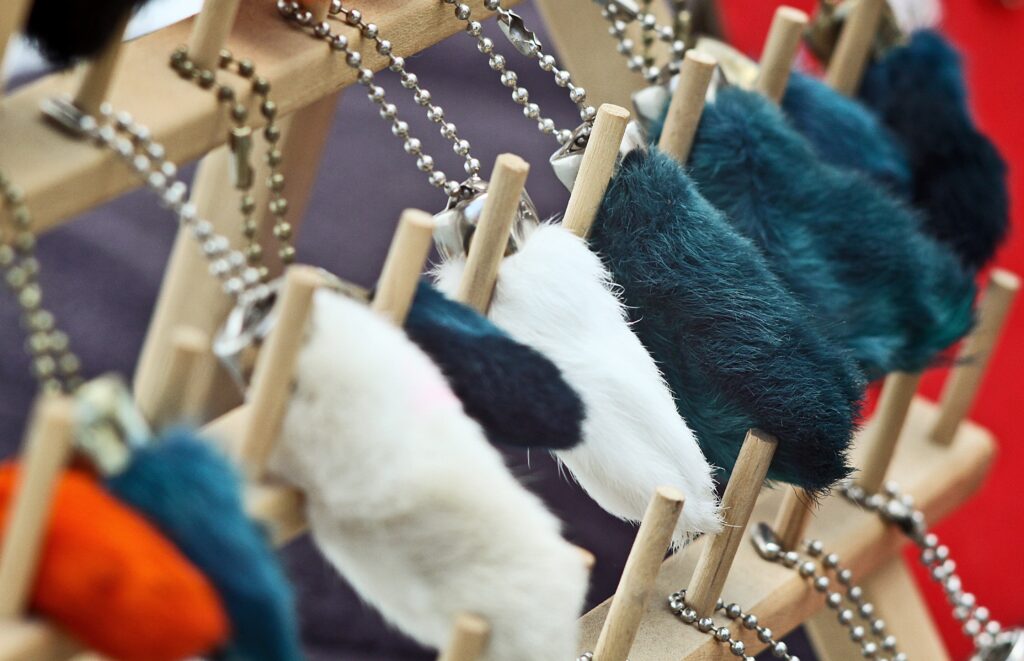
Carrying a rabbit’s foot for luck is one of the most recognizable superstitions, but its origins are surprisingly complex. The belief dates back to the Celtic tribes of 600 B.C., who revered rabbits because they lived underground, believing this allowed the animals to communicate with the spirits of the underworld. The tradition evolved significantly through American Hoodoo folklore, which added very specific rules to the charm. According to these beliefs, not just any foot would do; for the talisman to work, it often had to be the left hind foot of a rabbit, sometimes harvested in a cemetery under a full moon. This gruesome history highlights how people historically sought physical objects to give them a sense of control over their fate.
3. Counting Magpies
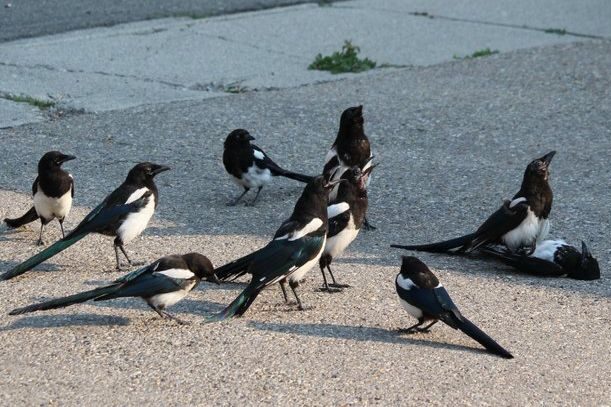
If you have ever saluted a lone bird or recited a rhyme upon seeing a flock, you are likely participating in the ancient tradition of counting magpies. This superstition stems from ornithomancy, the practice of reading omens from the behavior of birds. The famous rhyme “One for sorrow, two for joy” has existed in various forms since the late 18th century. In British folklore, seeing a single magpie was viewed as bad luck because these highly social birds usually mate for life; seeing one alone implied it had lost its partner. To negate this bad omen, people would salute the bird and say, “Good morning, Mr. Magpie, how is your lady wife?” effectively pretending the bird’s mate was nearby to restore the balance of luck.
4. Telling the Bees

One of the most poignant rural traditions is the practice of “telling the bees.” Originating in Celtic mythology and popularized in 19th-century Europe and North America, this custom required beekeepers to inform their hives of major family events, particularly deaths. It was believed that bees were messengers between the living and the dead. If a master beekeeper died and the bees were not formally told, often by draping the hive in black crepe and whispering the news, folklore dictated that the bees would either leave the hive, stop producing honey, or die of grief. This ritual underscores the deep respect agricultural communities held for bees, viewing them not just as insects, but as extended members of the family who deserved to mourn.
5. The Lucky Ladybug
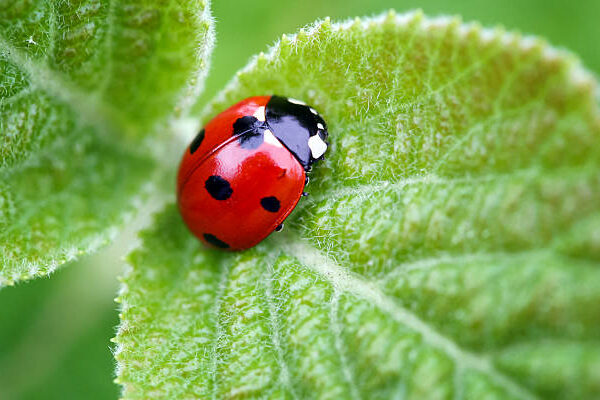
Gardeners have long welcomed ladybugs for their appetite for pests, but their reputation as a good luck charm has religious roots. In medieval Europe, when aphids began destroying crops, farmers prayed to the Virgin Mary for help. Soon after, swarms of beetles arrived to eat the pests and save the harvest. The farmers named them “Our Lady’s beetles,” which eventually evolved into “ladybugs.” The connection runs deep in iconography; early paintings of the Virgin Mary often depicted her wearing a red cloak, and the seven spots on the common European ladybug were said to represent her Seven Sorrows. Today, if a ladybug lands on you, it is still widely considered a blessing and a sign of good fortune coming your way.
6. The Groundhog’s Forecast

Every February, thousands of people tune in to see if a rodent sees its shadow, but this quirky American tradition is actually an adaptation of ancient European weather lore. German immigrants brought the custom to Pennsylvania in the 18th and 19th centuries, though in the Old Country, the animal was originally a badger or a hedgehog. The tradition is rooted in Candlemas Day, a Christian festival where clear, sunny weather was ironically seen as a sign of a prolonged winter. These early settlers believed that if the sun was out and the badger cast a shadow, six more weeks of cold would follow. Lacking badgers in their new home, they transferred the superstition to the groundhog, creating the most famous meteorological animal in modern history.
7. The Albatross and the Sailor’s Soul

For centuries, mariners have held the wandering albatross in high regard, viewing the massive seabird as a supernatural omen rather than just a distinct part of the ocean landscape. Nautical folklore suggested that these birds carried the souls of sailors who had been lost at sea, guiding living crews to safety through treacherous waters. Because of this spiritual connection, killing an albatross was considered a dire mistake that would bring terrible luck, such as the wind dying down completely and leaving the ship stranded. While Samuel Taylor Coleridge made this famous in his poem about the Ancient Mariner, he was borrowing from genuine maritime superstitions that dictated how crews interacted with wildlife during long voyages.
8. The Protected Spider
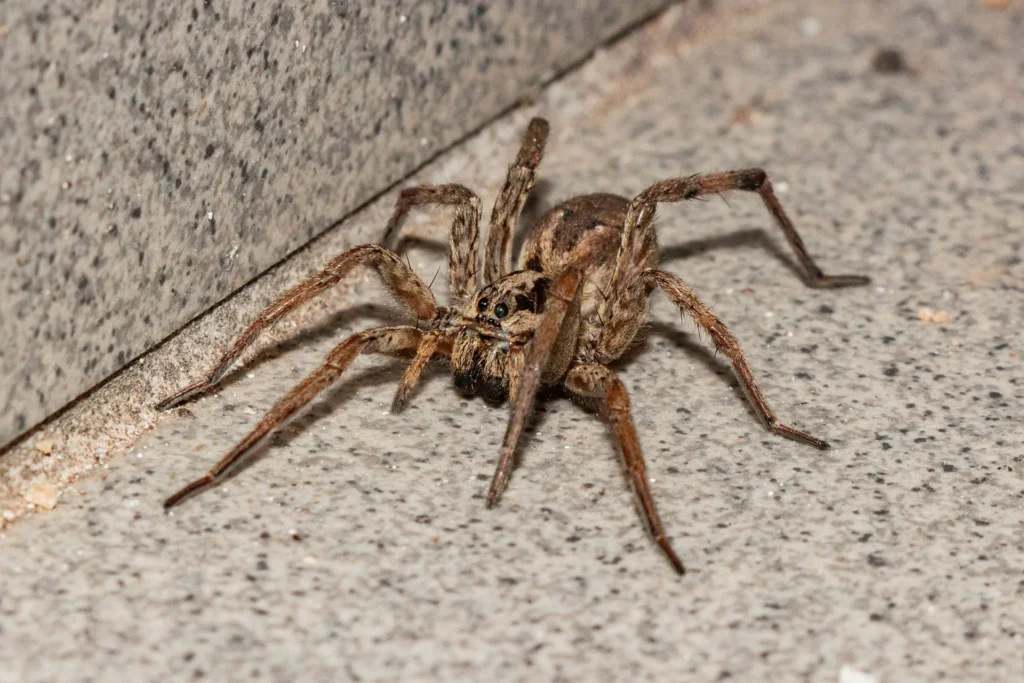
The fear of spiders is common, yet the superstition that you must never kill one is equally widespread across many cultures. This belief often stems from religious legends where a spider saves a holy figure, such as David in Judaism, Muhammad in Islam, or the Holy Family in Christianity, by spinning a web across the entrance of a cave where they were hiding. When pursuers saw the unbroken web, they assumed no one had entered recently and moved on. Because of this narrative of divine protection, killing a spider was thought to bring poverty or misfortune to your household. The old adage “If you wish to live and thrive, let the spider run alive” reflects this enduring respect for the arachnid’s life-saving history.
9. The Ravens of the Tower

In the heart of London, a specific animal superstition is treated as a matter of national security. Legend holds that if the six resident ravens ever leave the Tower of London, the crown will fall and Britain with it. This belief gained official traction during the reign of King Charles II in the 17th century. Even when his Astronomer Royal complained that the birds were interfering with his observations, the King refused to remove them, citing the prophecy. Instead, he granted the ravens royal protection. To this day, the Yeoman Warders, or Beefeaters, carefully tend to the birds, trimming their flight feathers just enough to keep them close, ensuring the superstition, and the kingdom, remains intact.
10. Breaking the Wishbone

The contest of snapping a turkey or chicken bone after dinner dates back well beyond modern holidays to the ancient Etruscans of Italy. They believed birds were oracles that could predict the future. When a chicken was killed, the collarbone, considered sacred, was left to dry in the sun so people could stroke it and make a wish, seeking the bird’s power. The Romans adopted this but often found there were not enough bones for everyone at their feasts, so they began the practice of two people breaking the bone to determine who got the wish. The person left with the larger piece, or the “lucky break,” was believed to have their wish granted by the gods.
11. The Cricket on the Hearth
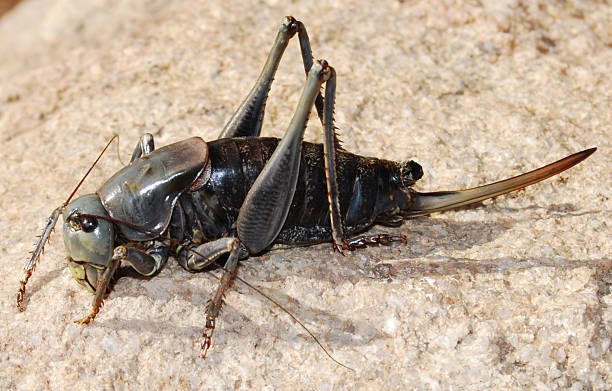
For thousands of years, finding a cricket inside your home has been considered a sign of extreme good fortune rather than a pest problem. This belief was prevalent in ancient China, where crickets were kept in cages to sing, but it also became a staple of Victorian household folklore. Charles Dickens immortalized this in his novella The Cricket on the Hearth, reinforcing the idea that a chirping cricket meant the home was warm, safe, and happy. The superstition holds that the insect acts as a guardian spirit; if the cricket suddenly stops singing or leaves the house, it warns of approaching illness or misfortune. Because of this status as a household protector, killing a cricket is still viewed by many as an act that invites bad luck.
12. The Howling Dog

The image of a dog howling at the moon is a classic horror trope, but the superstition behind it is rooted in ancient mythology. Many cultures believed that dogs possessed a “sixth sense” that allowed them to see spirits that were invisible to human eyes. in Greek mythology, dogs were closely associated with Hecate, the goddess of death and witchcraft, and it was said they would howl to announce her presence before she arrived. This evolved into the widespread folklore that a dog howling for no apparent reason, especially at night or near a sick person’s window, was an omen that death was approaching the house. This belief likely stems from the fact that dogs actually can smell chemical changes in the human body, making them attentive to illness.
13. Toads and Warts
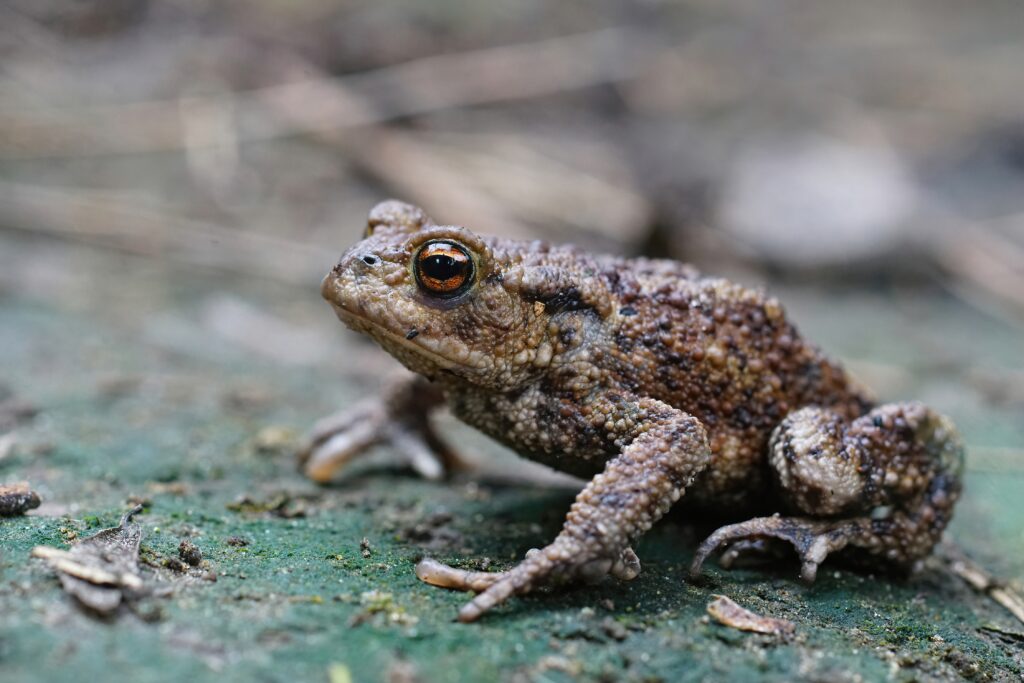
One of the most persistent childhood myths is that touching the bumpy skin of a toad will cause warts to grow on your hands. This superstition arose because the lumps on a toad’s back visually resemble human warts, leading to a sympathetic magic belief that “like causes like.” In reality, human warts are caused by a virus, while the bumps on a toad are glands that secrete a defensive fluid to ward off predators. Despite being biologically impossible, this superstition had a significant impact on how people treated these amphibians. For centuries, people avoided handling toads or chased them out of gardens, unfortunately missing out on the benefits of having a natural predator that keeps insect populations in check.
14. The White Horse Wish
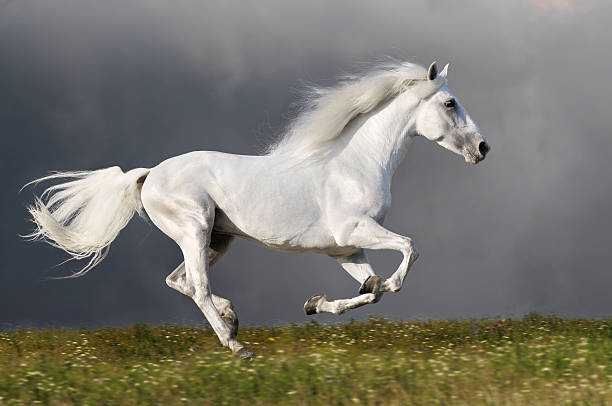
Before automobiles took over the roads, horses were central to daily life, and the appearance of a white horse was a special event steeped in magic. In Celtic tradition, white horses were associated with the sun god and fertility, making them symbols of purity and power. This history birthed a superstition that is still played by children today: if you see a white horse, you can make a wish. However, the rules were often strict to ensure the magic worked. In some versions of the folklore, you had to cross your fingers and keep them crossed until you saw a dog. In others, you had to remain completely silent until you saw a person with red hair.
15. The Call of the Cuckoo
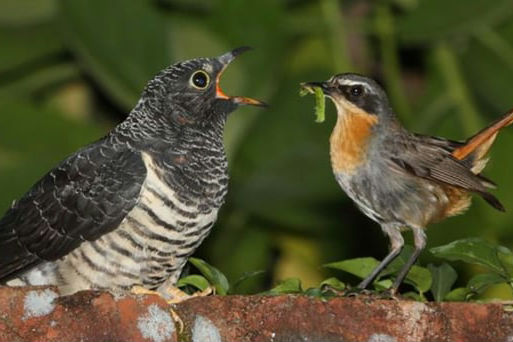
In many parts of Europe, the first call of the cuckoo bird in spring is not just a sign of warmer weather, but a financial forecast. A popular superstition dictates that what you are doing when you hear that first “cuckoo” determines your luck for the rest of the year. The most famous variation involves money; tradition says that if you have coins in your pocket when you hear the bird, you must turn them over or jingle them. Doing so is believed to ensure that your pockets will remain full of money throughout the coming year. Conversely, if your pockets are empty when the bird calls, it was historically seen as an omen of poverty for the months ahead.
16. The Lucky Bat
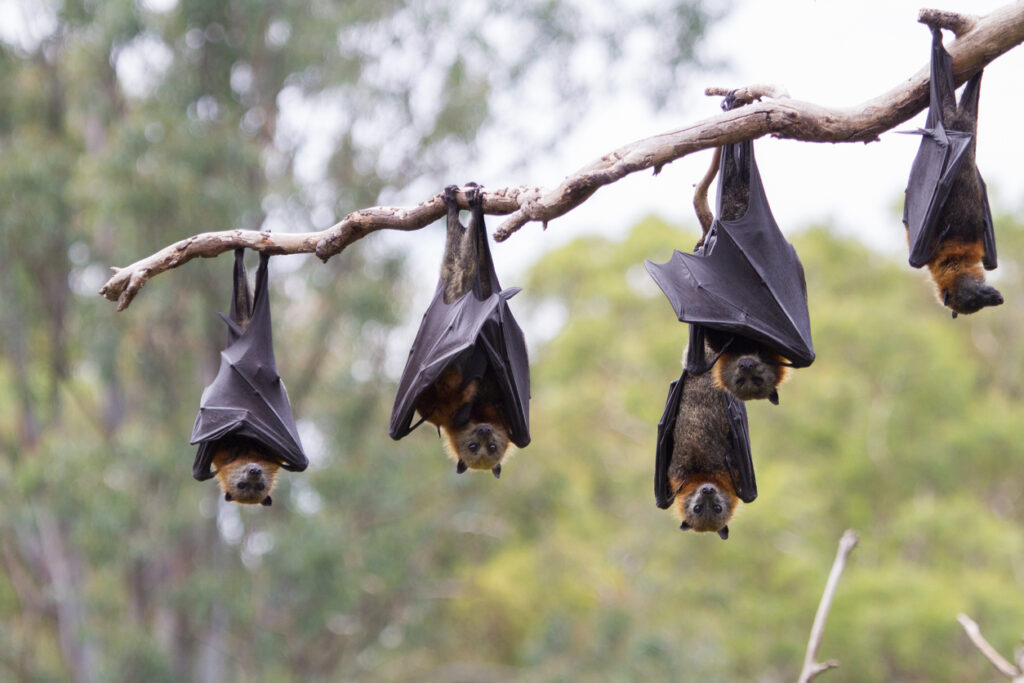
While Western media often portrays the bat as a creature of darkness and evil, thanks largely to vampire folklore, in Asia, particularly China, the bat is a strong symbol of happiness and good luck. This is due to a linguistic coincidence: the Chinese word for bat, fú (蝠), is a homophone for the word for good fortune and blessings, fú (福). Because of this, five bats surrounding the character for longevity became a popular motif in Chinese art, textiles, and architecture, symbolizing the “Five Blessings”: long life, wealth, health, love of virtue, and a peaceful death. This positive superstition greatly influenced home decor and fashion for centuries.
17. The Hooting Owl Omen
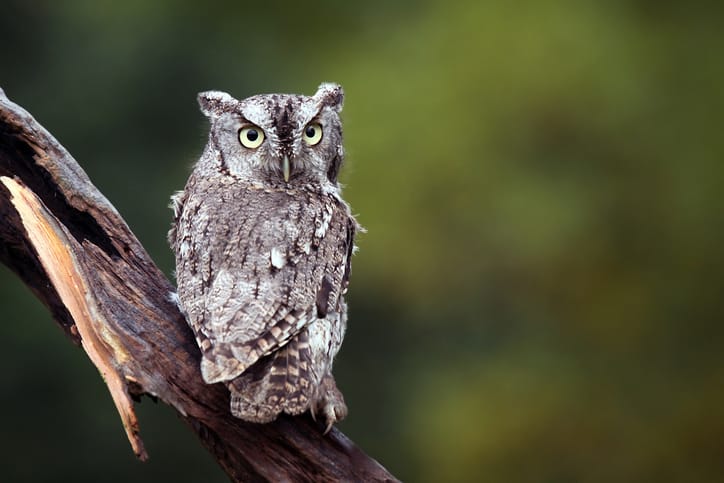
Owls hold dual symbolism across the world, often representing wisdom (thanks to the Greek goddess Athena) but more frequently acting as a powerful omen of misfortune or death. In many parts of Europe and Native American folklore, the owl’s nocturnal nature and eerie, unsettling hoot linked it directly to darkness and the supernatural. Hearing an owl hooting directly over the roof of a house, or seeing one circling a community late at night, was a signal that someone in that household or area would soon die. This ancient belief caused people to take immediate ritualistic precautions, such as burning certain herbs or turning their shoes upside down to protect themselves from the owl’s deadly prophecy.
18. Snakes and the Staff of Healing
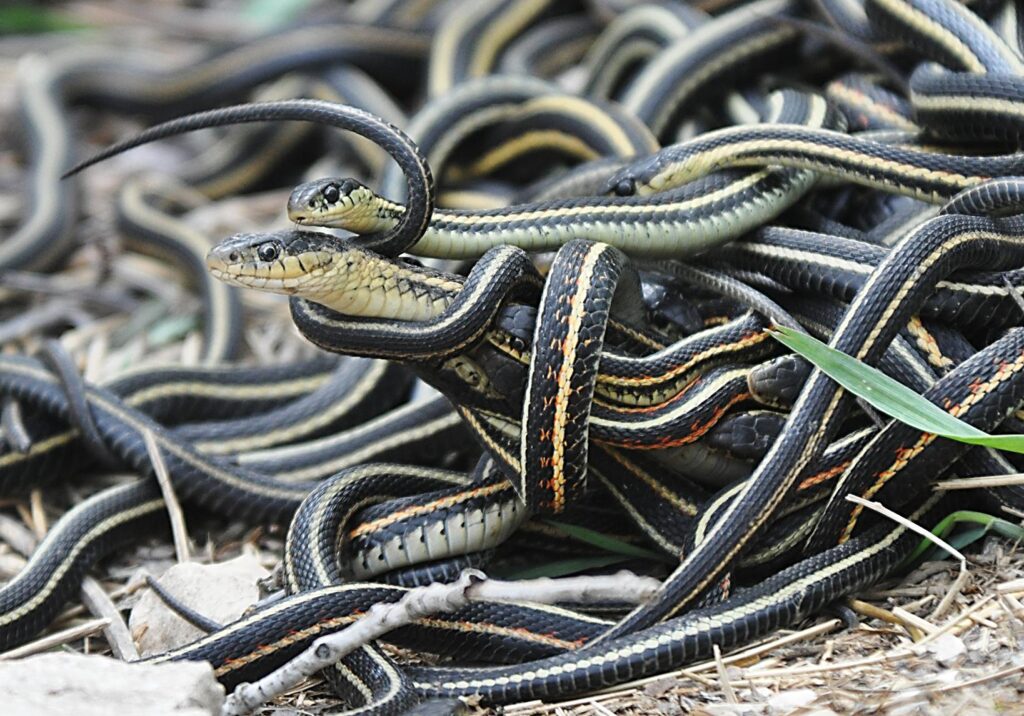
Despite modern fears, the snake has profoundly influenced medicine and healing since antiquity. This positive association stems from the serpent’s ability to shed its skin, a powerful metaphor for rebirth, renewal, and longevity. This belief system was formalized in ancient Greece, where the god of medicine, Asclepius, was always depicted holding a staff entwined with a single snake, a symbol known as the Rod of Asclepius. This icon became the standard emblem for healthcare organizations worldwide. The superstition that snakes possess healing powers also influenced daily remedies, with various parts of the snake historically used in folk medicine to treat ailments ranging from wounds to eye issues.
19. The Prosperity Pig
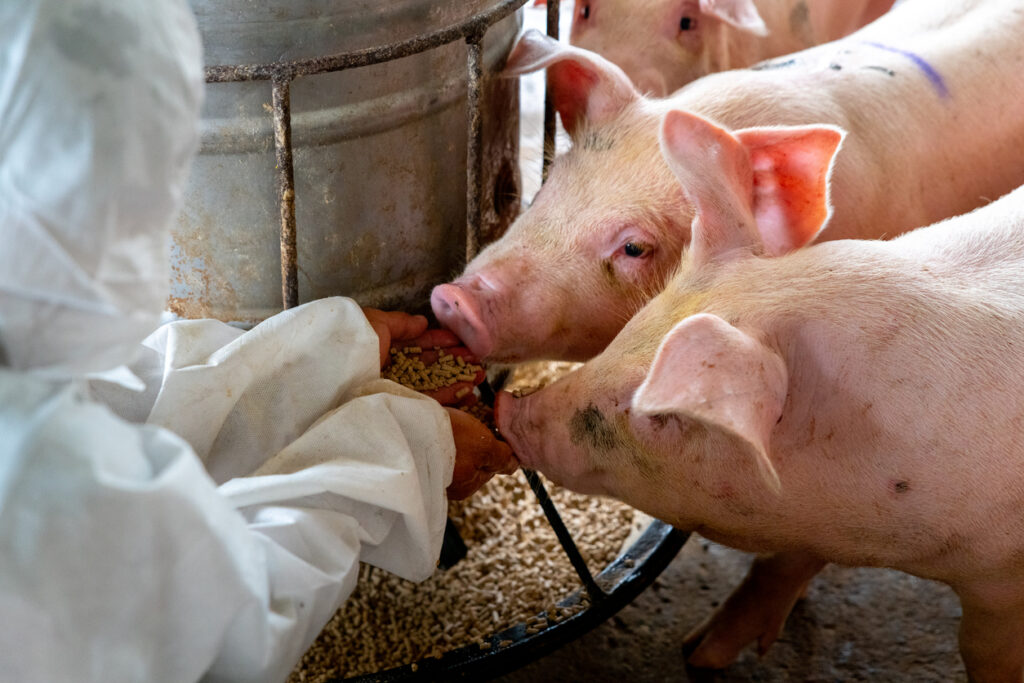
When we use the phrase “piggy bank,” we tap into a very old European superstition: the pig is a potent symbol of prosperity, wealth, and forward motion. In German and Germanic cultures, the Glücksschwein, or “lucky pig,” is a common celebratory motif, especially around New Year’s Day. Pigs were valued on the farm because they were easy to raise and fatten, meaning that a farmer who owned pigs was financially secure and unlikely to “root backward” into poverty. This made pigs an enduring representation of abundance. Even the seemingly silly tradition of pinning a tail on a donkey in a party game is a nod to the fact that the pig’s tail was historically seen as a prized item of luck.
20. The Soulful Butterfly
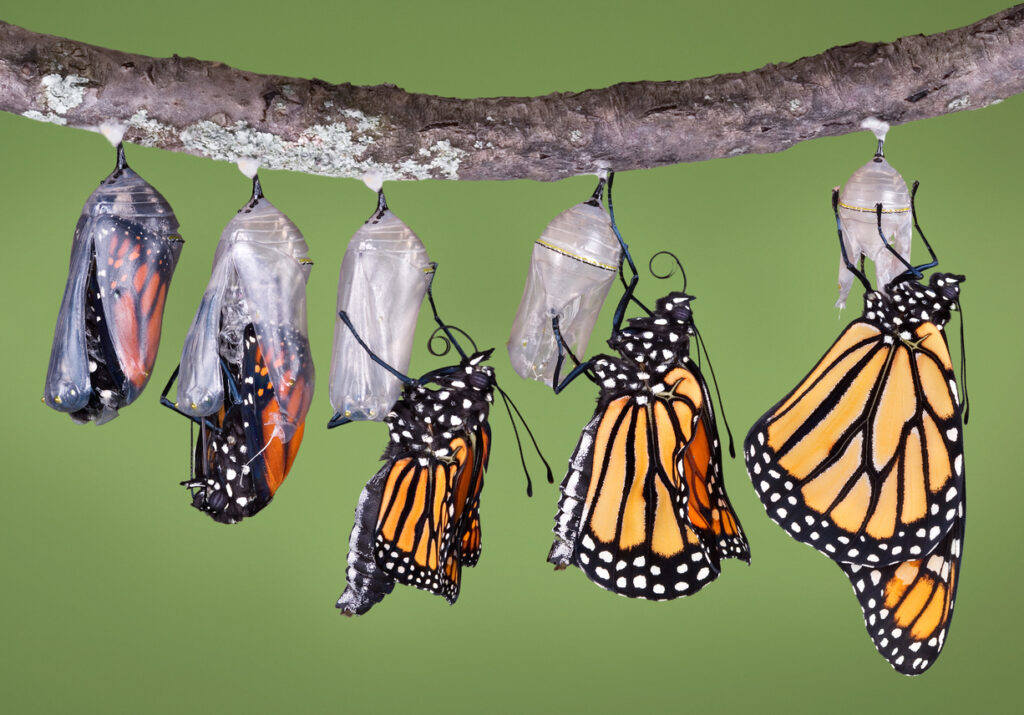
The elegant transformation of the butterfly from a crawling caterpillar into a winged creature made it a natural, universal symbol for the human soul. The ancient Greeks called the butterfly psyche, which is also their word for the soul. In many cultures, particularly in Japan and Ireland, seeing a butterfly flying around the home or garden was not just a pretty sight, but a visit from the soul of a recently departed loved one. This belief influenced mourning traditions and dictated certain behaviors around the insects, ensuring they were never intentionally harmed. If a white butterfly entered a room, it was seen as the purest form of the soul, delivering a blessing or a message of peace.
21. The Cow’s Weather Forecast
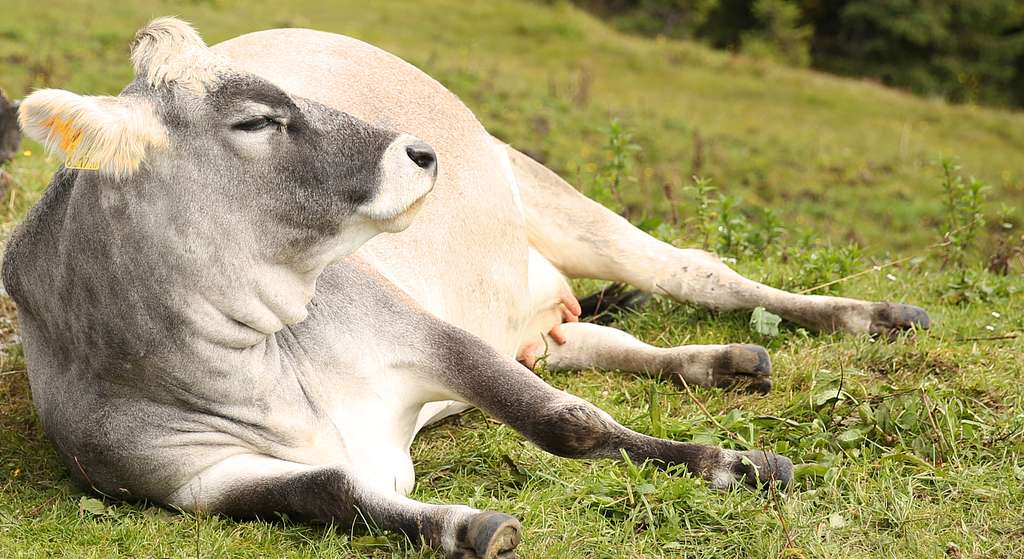
For generations, farmers and rural communities have relied on the belief that if cows in a pasture are lying down, rain is imminent. This enduring superstition stems from an era where people lacked modern meteorological tools and looked directly to their livestock for signs that influenced crucial daily decisions, such as whether to cut hay or postpone planting. While scientists often debunk the notion, pointing out that cows simply lie down when they are finished grazing or to chew their cud, the belief persists because there is a small grain of truth in the observation. Some scientists theorize that cattle may sense the slight drop in atmospheric pressure that precedes a storm, or they simply sit down to avoid feeding in wet grass. Regardless of the scientific explanation, the sight of a reclining herd was, for centuries, the only weather report many needed.
Whether crossing paths with a black cat or listening for the cuckoo’s call, these animal superstitions connect us to the enduring, timeless magic of global folklore.
Like this story? Add your thoughts in the comments, thank you.
This story 21 Animal Superstitions That Quietly Influenced Everyday Decisions for Centuries was first published on Daily FETCH


