
1. Dogs as Protectors

For most of human history, survival was never a solo effort. Archaeological evidence shows that dogs were the first animals domesticated by humans, with remains dating back at least 15,000 years. Early hunter-gatherers benefited from dogs’ heightened senses, which helped alert communities to predators and rival groups. Over time, dogs became reliable nighttime guards for camps and early villages, reducing surprise attacks and livestock losses. Their ability to track scents also made hunting more efficient, improving food security. Burial sites found across Europe and Asia show dogs laid to rest alongside humans, suggesting emotional bonds as well as practical value. This partnership allowed early societies to settle more confidently, knowing they had a living alarm system and loyal companion working beside them.
2. Horses and Transportation
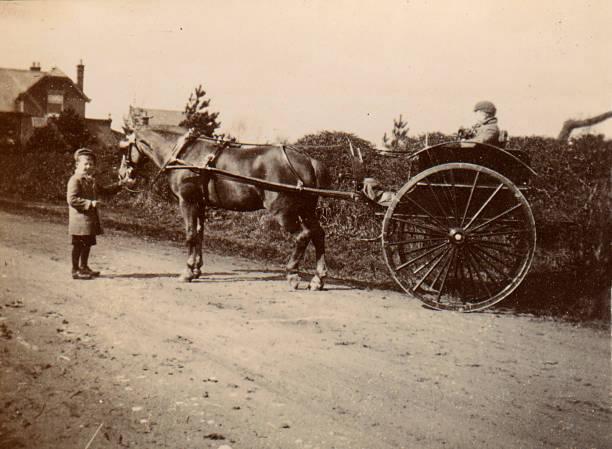
The domestication of horses around 3500 BCE on the Eurasian Steppe transformed human mobility. Before horses, travel and trade were slow and limited by geography. Once humans learned to ride and harness horses, distances shrank dramatically. Horses pulled carts and chariots, carried messengers, and allowed armies to move faster than ever before. Empires such as those of the Hittites, Persians, and later the Mongols relied heavily on horse power to control vast territories. Trade routes expanded, cultures mixed, and ideas traveled farther. Horses didn’t just change transportation; they reshaped warfare, commerce, and the speed at which civilizations could grow and interact.
3. Oxen in Farming
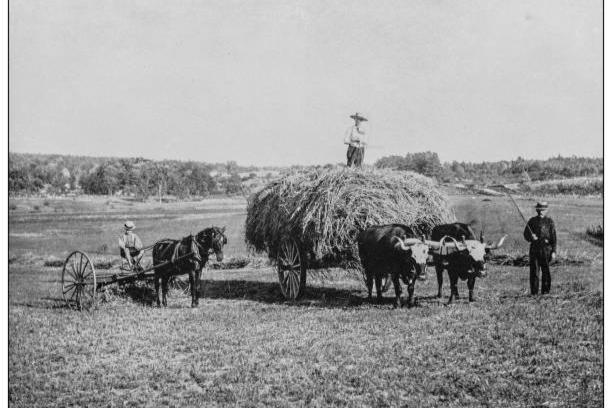
Oxen played a central role in early agriculture by providing the strength needed to work heavy soils. In ancient Mesopotamia, Egypt, and the Indus Valley, oxen pulled wooden plows that allowed farmers to cultivate larger fields than human labor alone could manage. This increase in agricultural output supported population growth and the rise of permanent settlements. Oxen were especially valued for their endurance and calm nature, making them dependable work animals over long farming seasons. Their use helped shift societies away from nomadic lifestyles toward stable, food-producing communities. Without oxen, large-scale farming and the civilizations built upon it would have developed far more slowly.
4. Cats and Grain Storage
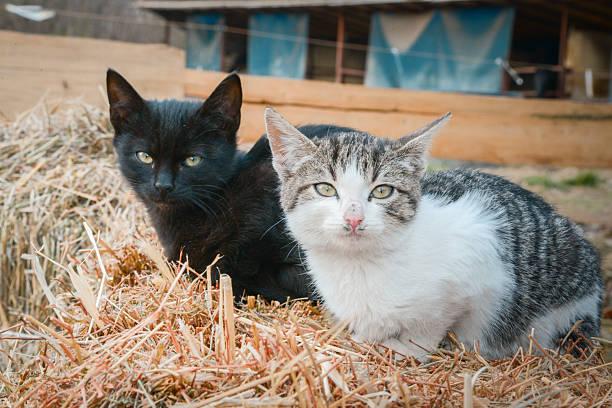
As humans began storing surplus grain, rodents became a serious threat to food supplies. Wildcats naturally drawn to rodent populations found a niche around early farming communities, particularly in the Fertile Crescent. Over time, humans encouraged their presence, leading to the domestication of cats. In ancient Egypt, cats were especially prized for protecting granaries from mice and rats, helping preserve vital food reserves. Their practical role eventually took on spiritual importance, with cats associated with protection and prosperity. By safeguarding stored grain, cats quietly supported food stability, reduced famine risk, and reinforced the agricultural systems that sustained early civilizations.
5. Camels and Trade Routes

Camels made long-distance trade across harsh deserts possible. Domesticated around 3000 BCE, camels could carry heavy loads, go days without water, and withstand extreme temperatures. These traits allowed traders to cross regions like the Sahara and Arabian deserts, connecting distant markets. Camel caravans became the backbone of major trade networks, including routes linked to the Silk Road. Goods such as spices, textiles, metals, and ideas moved between Africa, the Middle East, and Asia. Without camels, many regions would have remained isolated. Their partnership with humans turned once-impassable landscapes into active corridors of commerce and cultural exchange.
6. Bees and Agriculture
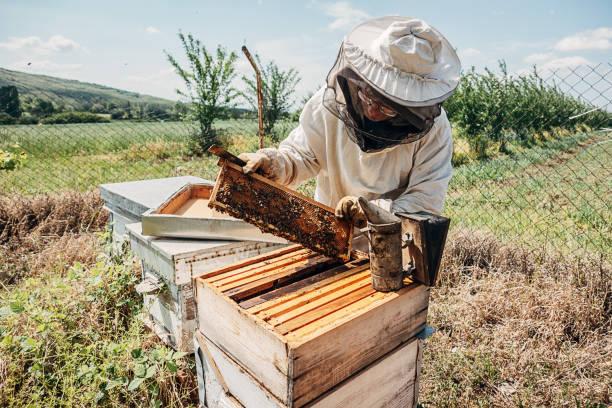
Although not domesticated in the traditional sense, bees formed an essential partnership with early agricultural societies. Their role in pollinating crops increased yields of fruits, vegetables, and nuts across ancient farms. Civilizations such as those in Egypt and Mesopotamia practiced early beekeeping, harvesting honey for food, medicine, and religious offerings. Honey was one of the few natural sweeteners available and also served as a preservative. The quiet work of bees supported food diversity and agricultural reliability. This relationship demonstrates how even small animals played an outsized role in sustaining early human economies and diets.
7. Elephants in Warfare
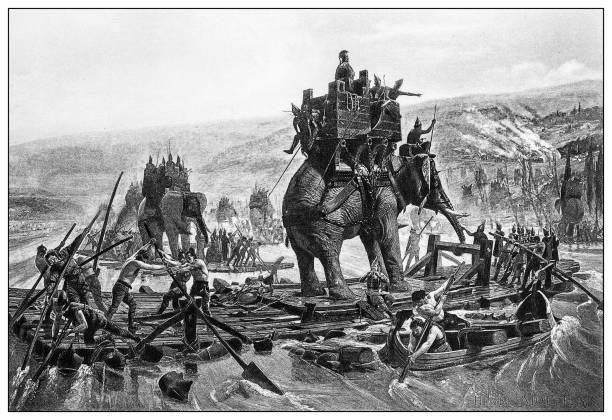
Elephants were used as living weapons in parts of South and Southeast Asia as early as the first millennium BCE. Trained war elephants carried armored riders and created fear on the battlefield due to their size and strength. Kingdoms in India and later Carthage famously deployed elephants against enemy forces, including Hannibal’s march across the Alps. Beyond combat, elephants also symbolized royal power and military prestige. Their presence could intimidate opposing armies before a battle even began. While difficult to control, elephants influenced military tactics and left a lasting impression on ancient warfare strategies.
8. Sheep and Textiles
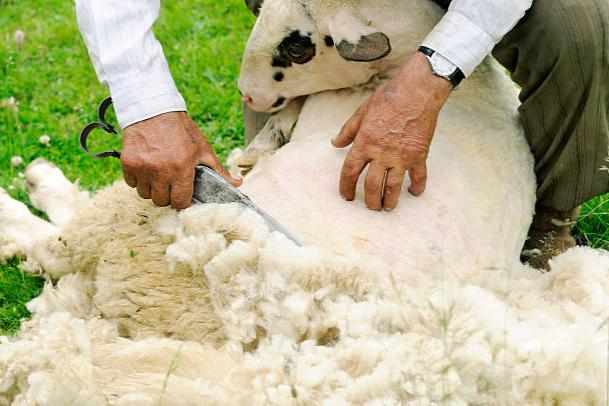
Sheep were vital to early civilizations not just for meat, but for wool. The development of wool textiles marked a major shift in clothing production. Wool was durable, warm, and easier to produce in large quantities than plant-based fibers. Ancient societies in Mesopotamia and the Mediterranean region built entire economies around sheep herding and wool trade. Wool garments improved protection against cold climates and allowed for social distinctions through clothing. The partnership between humans and sheep helped establish early industries, trade networks, and craft specialization that supported growing urban centers.
9. Donkeys and Labor
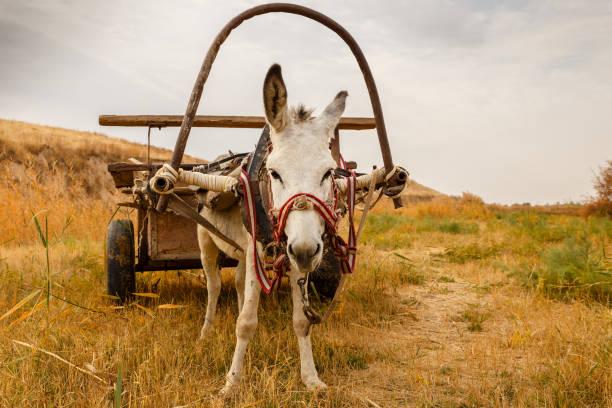
Donkeys were among the earliest pack animals domesticated, valued for their strength, sure-footedness, and low maintenance needs. In ancient Egypt and the Near East, donkeys transported goods such as grain, stone, and water across uneven terrain. They were especially useful in areas where wheeled carts were impractical. Donkeys supported trade, construction, and daily labor, making them indispensable to working-class life. Their reliability helped connect rural farms with urban markets. While less celebrated than horses, donkeys quietly carried the weight of early economies on their backs.
10. Cattle and Wealth
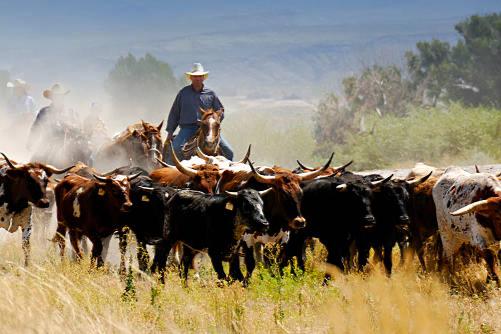
In many ancient societies, cattle represented wealth, status, and security. Beyond providing meat, milk, and hides, cattle served as a living measure of prosperity. In parts of Africa, South Asia, and Europe, cattle ownership determined social standing and marriage arrangements. Herds could be traded, inherited, or used to pay debts. Cattle also played roles in religious rituals and seasonal festivals. This partnership shaped social structures and economic systems, reinforcing the idea that animals were not just tools, but central to cultural identity and community stability.
11. Reindeer and Survival
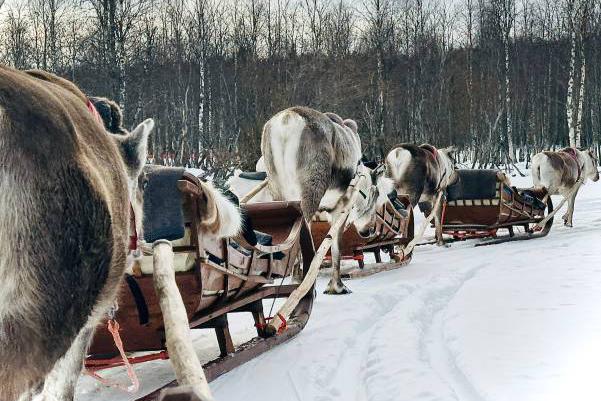
In the Arctic and sub-Arctic regions, reindeer formed the backbone of human survival for thousands of years. Indigenous groups relied on them for meat, milk, hides, bones, and transport. Reindeer pulled sleds across snow-covered landscapes where wheeled vehicles were useless, allowing people to move supplies and follow seasonal routes. Their hides provided warm clothing and shelter in extreme cold, while antlers and bones were shaped into tools. This close relationship allowed human societies to thrive in environments that would otherwise be uninhabitable. Reindeer were not simply livestock; they shaped migration patterns, diets, and cultural traditions that continue in parts of northern Europe and Asia today.
12. Falcons and Hunting
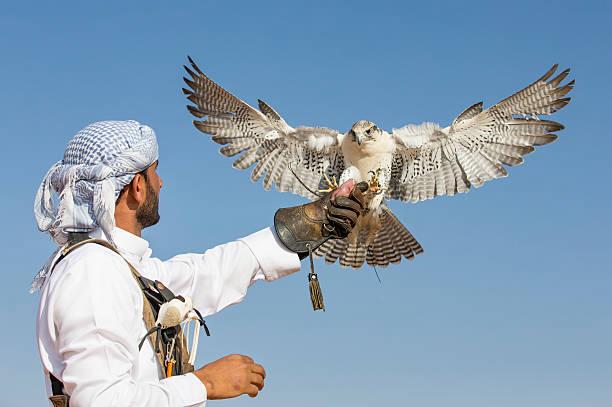
Falconry is one of the oldest documented human–animal hunting partnerships, with evidence tracing back over 4,000 years to Mesopotamia. Trained birds of prey helped hunters capture game more efficiently, especially in open landscapes. The practice spread across Asia, the Middle East, and Europe, becoming both a survival tool and a symbol of social status. Falcons extended human hunting range and skill by spotting and pursuing prey from the air. Over time, falconry developed into a refined tradition with strict training methods and cultural rules. This partnership blended practicality with prestige, influencing hunting techniques and social hierarchies across civilizations.
13. Pigeons as Messengers

Long before electronic communication, pigeons served as reliable messengers across vast distances. Their natural homing ability allowed them to return to specific locations even from unfamiliar territory. Ancient civilizations, including those in Egypt and Persia, used pigeons to carry military updates, political messages, and trade information. This system enabled faster communication than human messengers traveling on foot. Pigeons helped coordinate armies, manage empires, and maintain trade networks. Their role demonstrates how humans learned to work with animal instincts rather than control them entirely, creating one of the earliest long-distance communication systems in history.
14. Goats and Adaptation
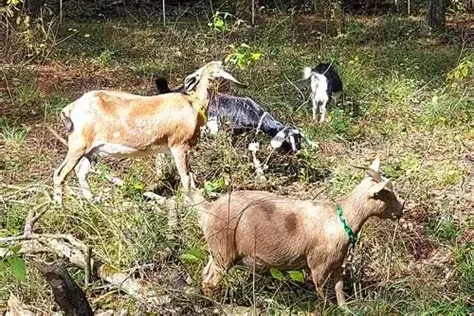
Goats were among the first domesticated livestock and were especially valued for their adaptability. They could survive on sparse vegetation and rugged terrain where other animals struggled. This made them ideal for early communities living in mountainous or dry regions. Goats provided milk, meat, and hides, offering flexible food sources throughout the year. Their ability to thrive in challenging environments helped humans settle in marginal lands and expand agricultural frontiers. Goat herding supported small-scale farming economies and reduced dependence on single crops, strengthening resilience against droughts and food shortages in early societies.
15. Fish and Coastal Life

Fishing partnerships shaped some of the world’s earliest coastal civilizations. Communities along rivers, lakes, and oceans developed tools such as nets, hooks, and traps to harvest fish sustainably. Fish provided a reliable protein source and could be dried or salted for storage and trade. In regions like the Mediterranean and East Asia, fishing supported dense populations and thriving ports. Seasonal fish runs influenced settlement patterns and cultural rituals. This relationship allowed humans to take advantage of aquatic ecosystems, expanding food diversity and enabling long-term habitation near water sources.
16. Llamas in Transport
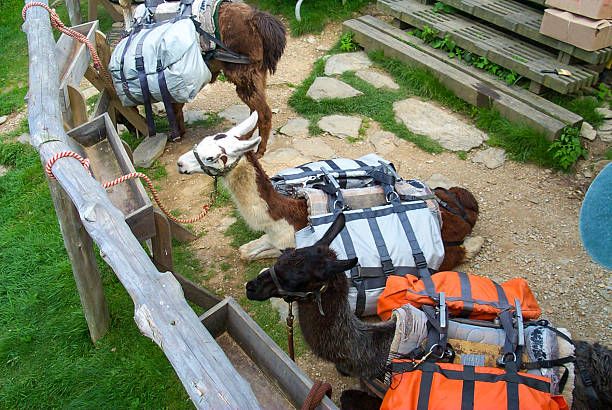
In the Andes, llamas played a role similar to camels in desert regions. Domesticated by Indigenous South American societies, llamas carried goods across steep mountain paths where wheeled vehicles were impractical. They transported food, textiles, and building materials between settlements, supporting regional trade. Llamas were also valued for wool and meat, making them economically versatile. Their use allowed Andean civilizations to connect distant communities and maintain centralized systems despite difficult terrain. This partnership shows how humans adapted animal use to local environments, enabling complex societies to flourish in challenging landscapes.
17. Water Buffalo Farming
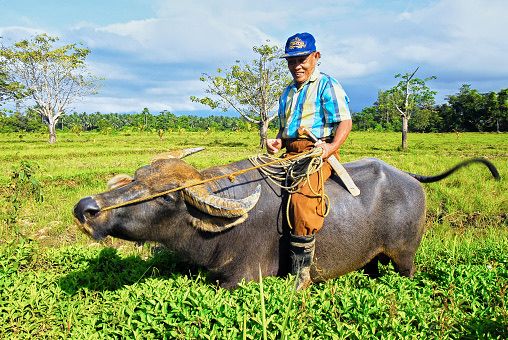
Water buffalo became essential to agriculture in South and Southeast Asia, particularly in wet rice cultivation. Their strength and tolerance for muddy conditions made them ideal for plowing flooded fields. By easing labor demands, water buffalo increased rice production, which supported dense populations and urban growth. They also provided milk, meat, and hides, making them central to rural economies. This partnership helped shape food systems that still sustain billions today. The water buffalo’s role illustrates how animal labor influenced dietary staples and long-term agricultural stability.
18. Chickens and Nutrition
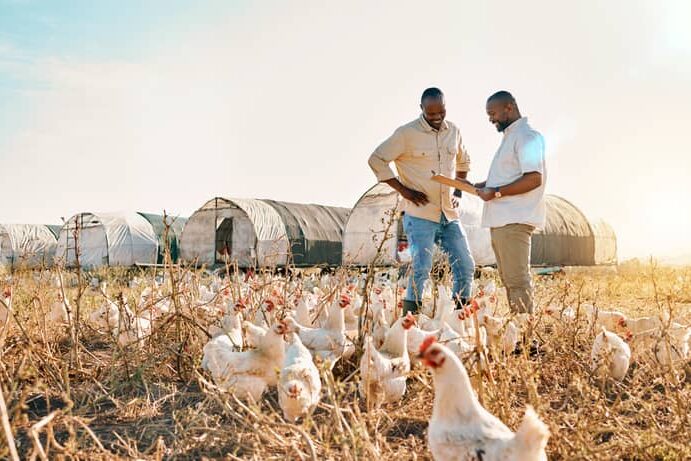
Chickens offered early societies a steady source of protein through eggs and meat. Easy to raise and requiring little space, they fit well into village life. Chickens helped diversify diets and improve nutrition, especially for communities without large livestock. Over time, they spread widely through trade and migration, becoming a global staple. Their predictable breeding cycles made food planning more reliable. This partnership supported everyday household survival rather than elite economies, showing how small animals contributed quietly but significantly to population health and growth.
19. Silkworms and Economy

The domestication of silkworms in ancient China led to one of history’s most influential luxury industries. Silk production required careful cultivation of silkworms and mulberry trees, creating specialized labor systems. Silk became a highly valued trade good, traveling vast distances along what later became known as the Silk Road. This partnership fueled economic growth, diplomatic exchanges, and cultural contact between East and West. Silkworms helped turn textile production into a driver of global trade, shaping economic relationships for centuries.
20. Rats in Research
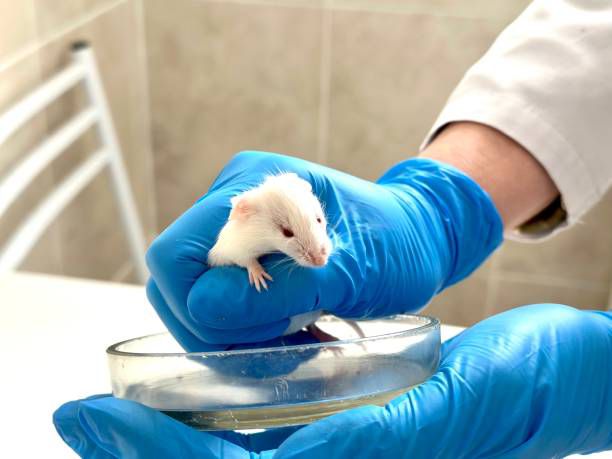
Although often viewed negatively, rats played an early role in human understanding of biology and disease. Observations of rat populations helped ancient societies recognize links between sanitation, food storage, and health. In later historical periods, rats became central to studying the spread of illness, shaping public health awareness. Their close association with human settlements made them an unintentional but influential partner in early scientific observation. This relationship influenced how civilizations approached hygiene, urban planning, and disease prevention.
21. Birds and Symbolism
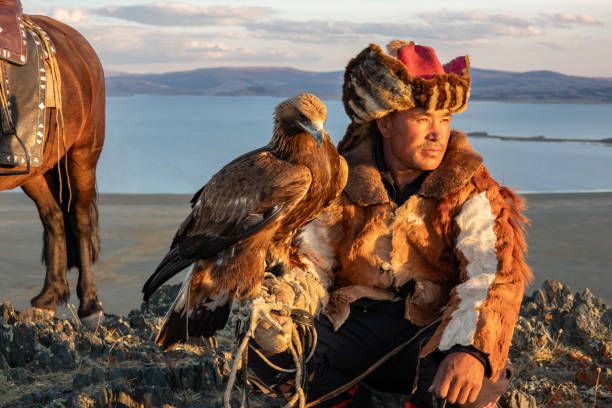
Birds held deep symbolic importance across ancient civilizations. Eagles, hawks, and other birds were associated with power, protection, and divine authority. Their ability to fly linked them to the heavens, making them messengers between humans and gods in many belief systems. This symbolic partnership influenced art, religion, and governance. Birds appeared on banners, coins, and ceremonial objects, reinforcing political legitimacy and shared identity. While not always practical, this relationship shaped how societies understood leadership, spirituality, and the natural world.
These partnerships were shaped by environment and necessity, yet their impact reached far beyond survival.
Like this story? Add your thoughts in the comments, thank you.


