
1. Early Fish and Why Routine Still Grounds Us
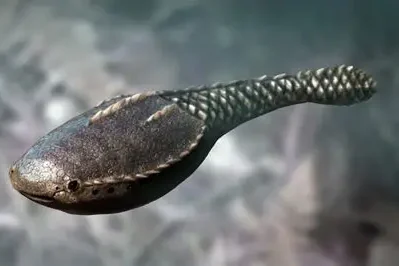
Sometimes it helps to look back at the creatures that shaped the world long before us, and early fish are a simple place to begin because their steady movements remind us of our own quiet routines. These ancient swimmers followed cycles in their environment, creating predictable paths that brought a sense of order to their world. We do the same without thinking much about it. We wake up at familiar hours, return to favorite spots, and settle into habits that help us feel stable. Their gentle rhythm echoes in the way we move through life with a calm sense of pattern.
2. Trilobites and How Groups Still Shape Us
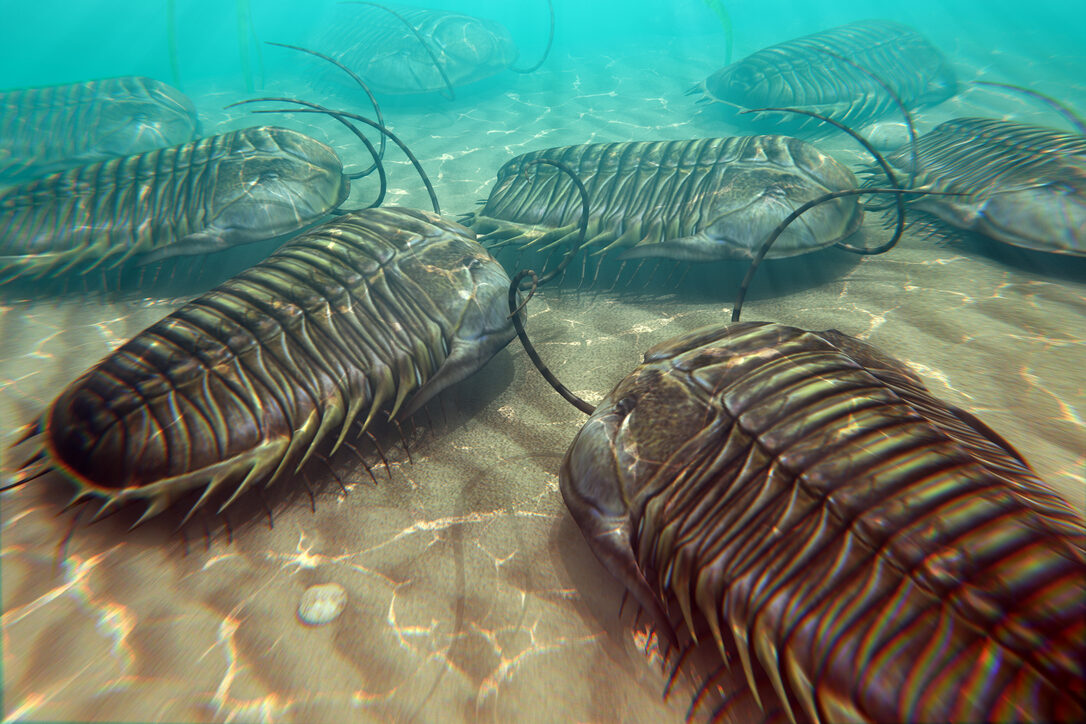
Trilobites traveled together in lines like tiny caravans, proving early on that life felt easier when creatures moved as a group. Their coordinated wandering suggests that connection was valuable even millions of years ago. Today, we still depend on this instinct whether we gather as families, teams, or communities. We find comfort in belonging to something larger, knowing others walk beside us through shifting seasons. This old pattern still lives within us. Just as trilobites found safety and direction in numbers, we continue to lean on the people around us to help steady our steps and soften the world.
3. Giant Ground Sloths and the Power of Slow
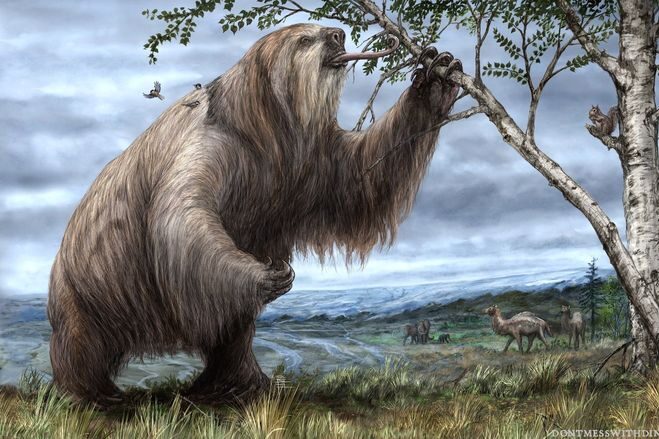
Giant ground sloths moved with a peaceful patience that feels surprisingly familiar today. Their slow steps conserved energy and kept them steady in landscapes that changed often. We are learning again that life does not need to rush to hold meaning. Slow mornings, gentle routines, and time spent catching our breath soothe us more than we admit. These ancient giants remind us that progress can still happen at a calm pace. Their quiet persistence whispers that slowing down is not a weakness but a way of staying grounded. In a world that moves quickly, their lesson feels especially comforting.
4. Saber Toothed Cats and Our Care for One Another
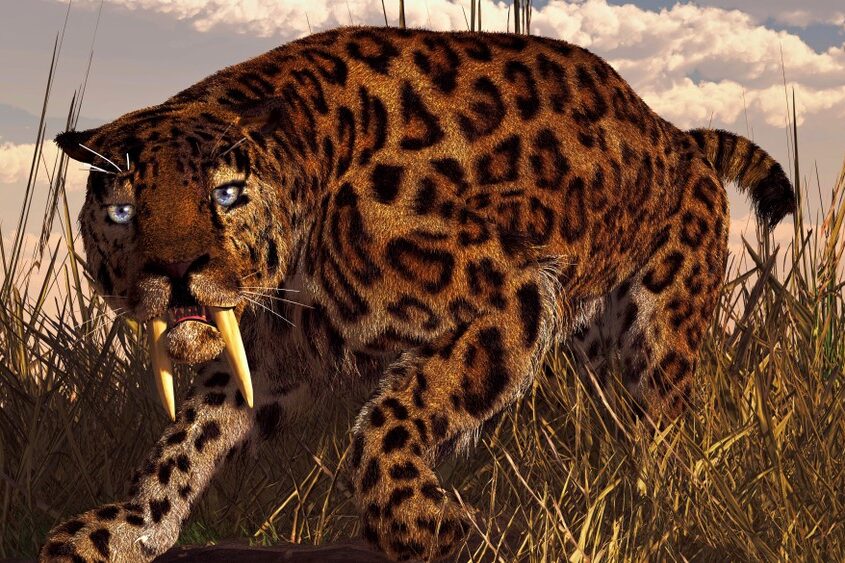
Saber toothed cats may look fierce in pictures, but their behavior tells a softer story. Evidence shows they lived in groups and supported injured members, proving that caring for one another mattered even in ancient times. We still carry this instinct as we check on friends, protect loved ones, and offer help during difficult seasons. Their habits remind us that strength does not always appear loud or wild. Often it shows up in gentle acts of loyalty and patience. These ancient cats teach us that connection is a form of courage and that compassion has always been a path to survival.
5. Mammoths and the Pull of the Seasons
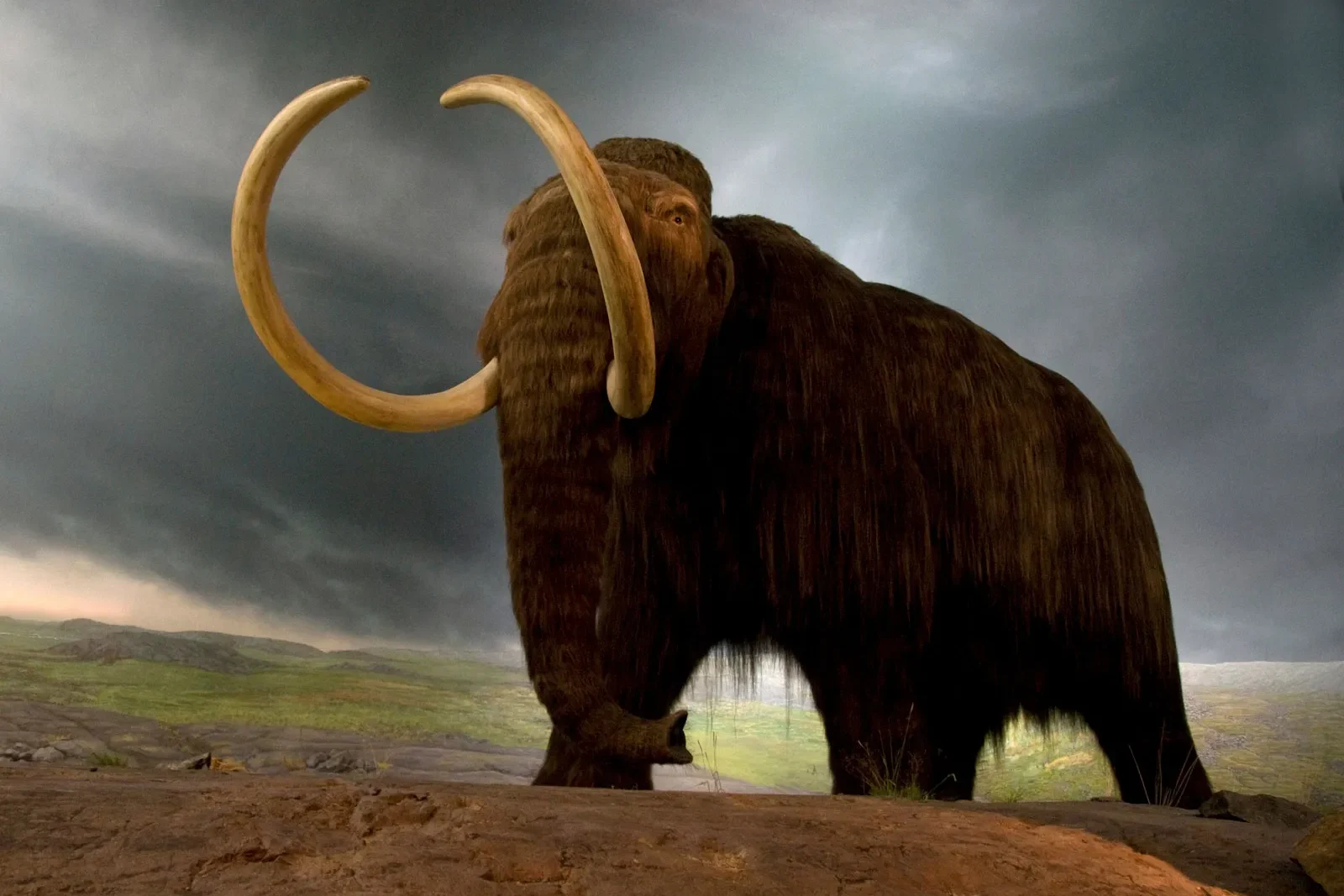
Mammoths moved with the seasons, following warmer paths and better food sources as the world shifted around them. We feel these rhythms too even though our lives are more modern. Winter slows us down, spring lifts our spirits, summer draws us outside, and autumn brings quiet reflection. Something ancient inside us still responds to the changing light and air. Mammoths remind us that we are part of nature, not separate from it. Their long journeys echo our own seasonal patterns, showing that we still dance to the same old rhythms that guided creatures across vast landscapes long before us.
6. Early Reptiles and Our Need for Sunlight
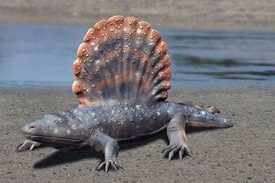
Early reptiles depended on sunlight to warm their bodies and begin their day, waiting patiently until they had enough energy to move. We like to think we have outgrown such needs, yet sunlight still affects us more than we admit. A bright morning lifts our mood, while gray days leave us quieter and slower. Stepping into warm light feels like receiving a gentle invitation back into the world. These ancient reptiles remind us that our connection to the sun runs deep. Even now, a simple moment outside can change the way we feel and help us reset our rhythm.
7. Pterosaurs and the Courage to Adapt
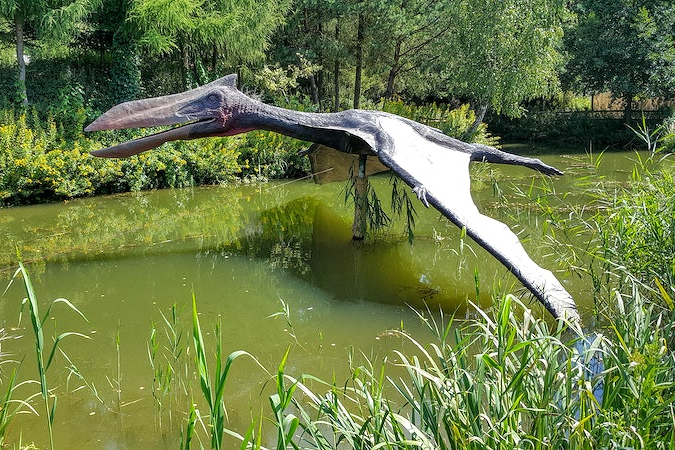
Pterosaurs were early flyers who constantly adjusted their wings and habits to survive the changes around them. Their world was unpredictable, yet they learned to shift rather than break. We do something similar as we grow into new jobs, relationships, or responsibilities. Even when life pulls us in unexpected directions, we learn to rise a little higher each time. These ancient flyers remind us that adaptability is not about perfection but about trying again with what we have. Their story reflects the quiet courage we rely on today as we navigate challenges and discover what we are capable of becoming.
8. Horseshoe Crabs and the Pull of Natural Cycles
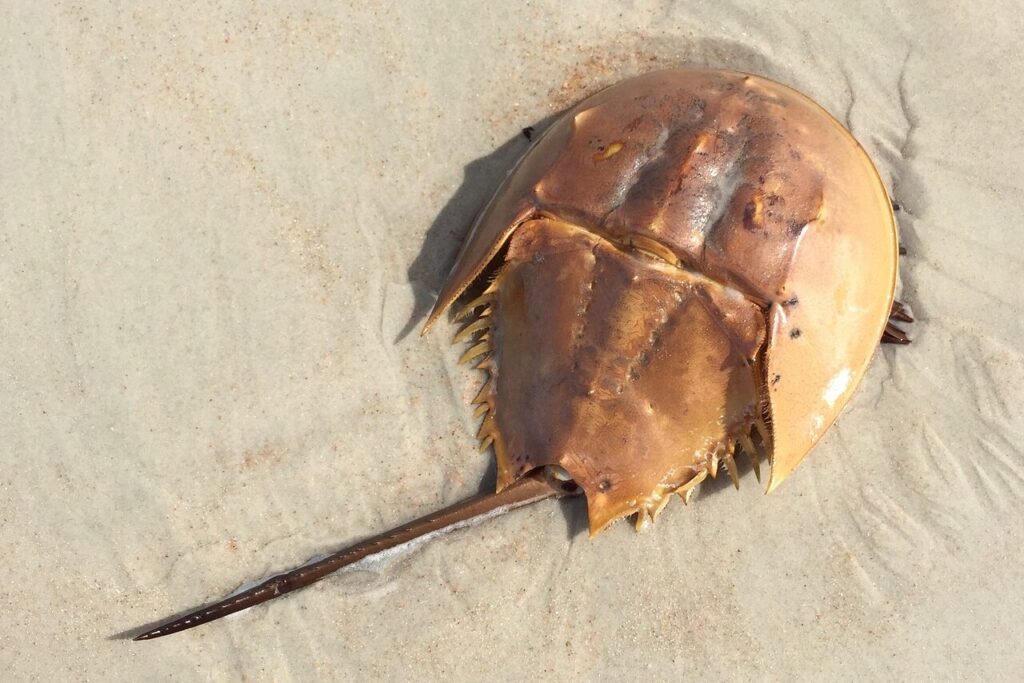
Horseshoe crabs have followed the pull of the tides for millions of years, returning to shorelines in cycles that never truly end. Their lives unfold in patterns shaped by the moon, water, and time. Humans live by cycles too, even if we give them different names like months, seasons, or personal routines. There is comfort in the repetition because it helps us feel anchored. These ancient creatures remind us that life often finds stability in recurring moments. We rise, rest, plan, reflect, and begin again, following our own steady rhythms that make the world feel more familiar.
9. Early Glowing Organisms and Our Love for Light
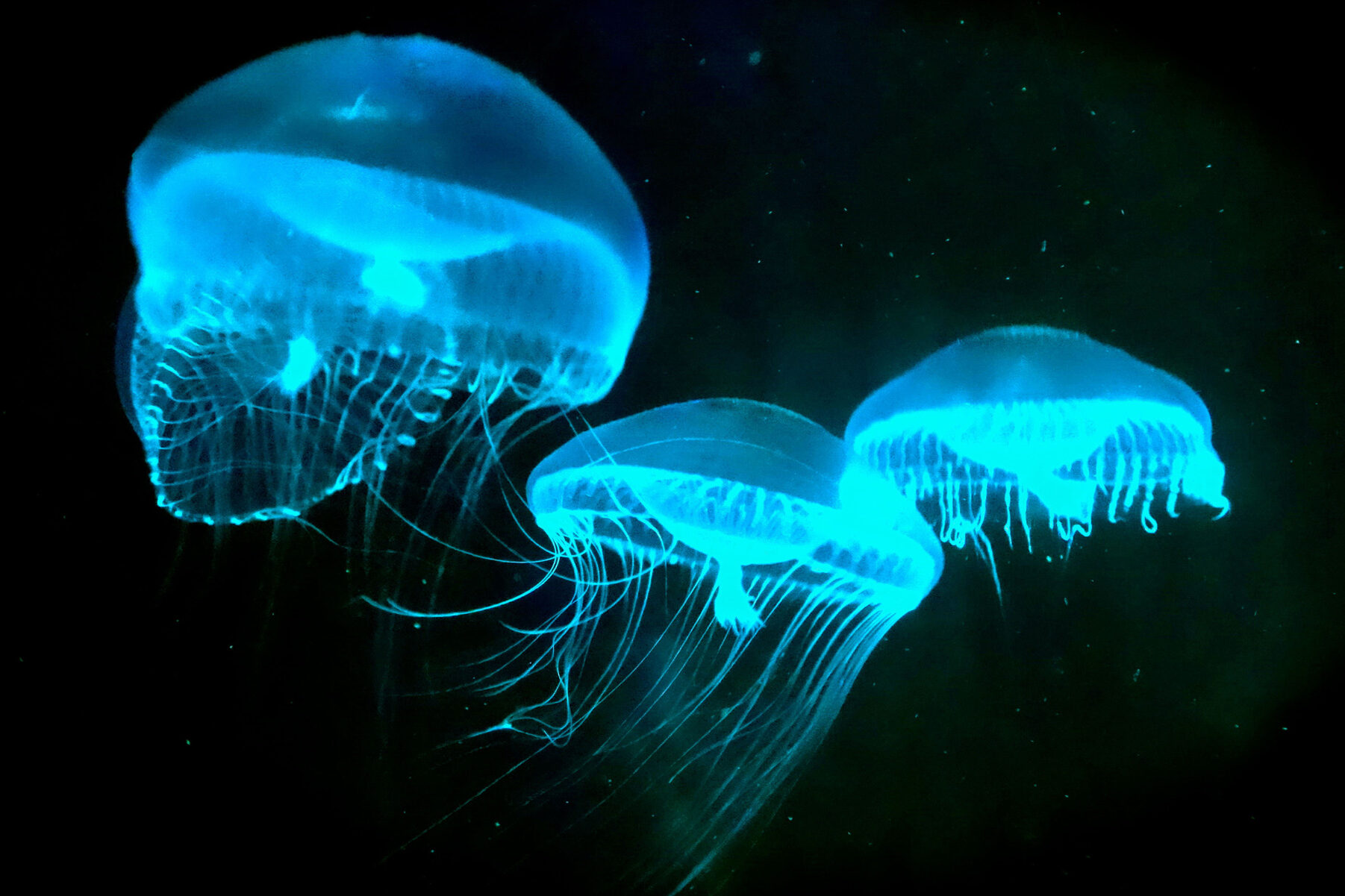
Ancient glowing organisms once lit the oceans with soft blue sparkles, creating a quiet wonder in the darkness. Even today, humans gather around light in moments of joy and meaning. Fireworks, candles, holiday lights, and warm lamps bring people together and create memories. There is something deeply natural about reaching for brightness when we celebrate or reflect. These early glowing beings remind us that light has always held a special place in our hearts. It guides us, comforts us, and brings us closer to others just as it once transformed ancient waters into shimmering scenes of quiet beauty.
10. Ancient Crocodilians and What Patience Teaches Us
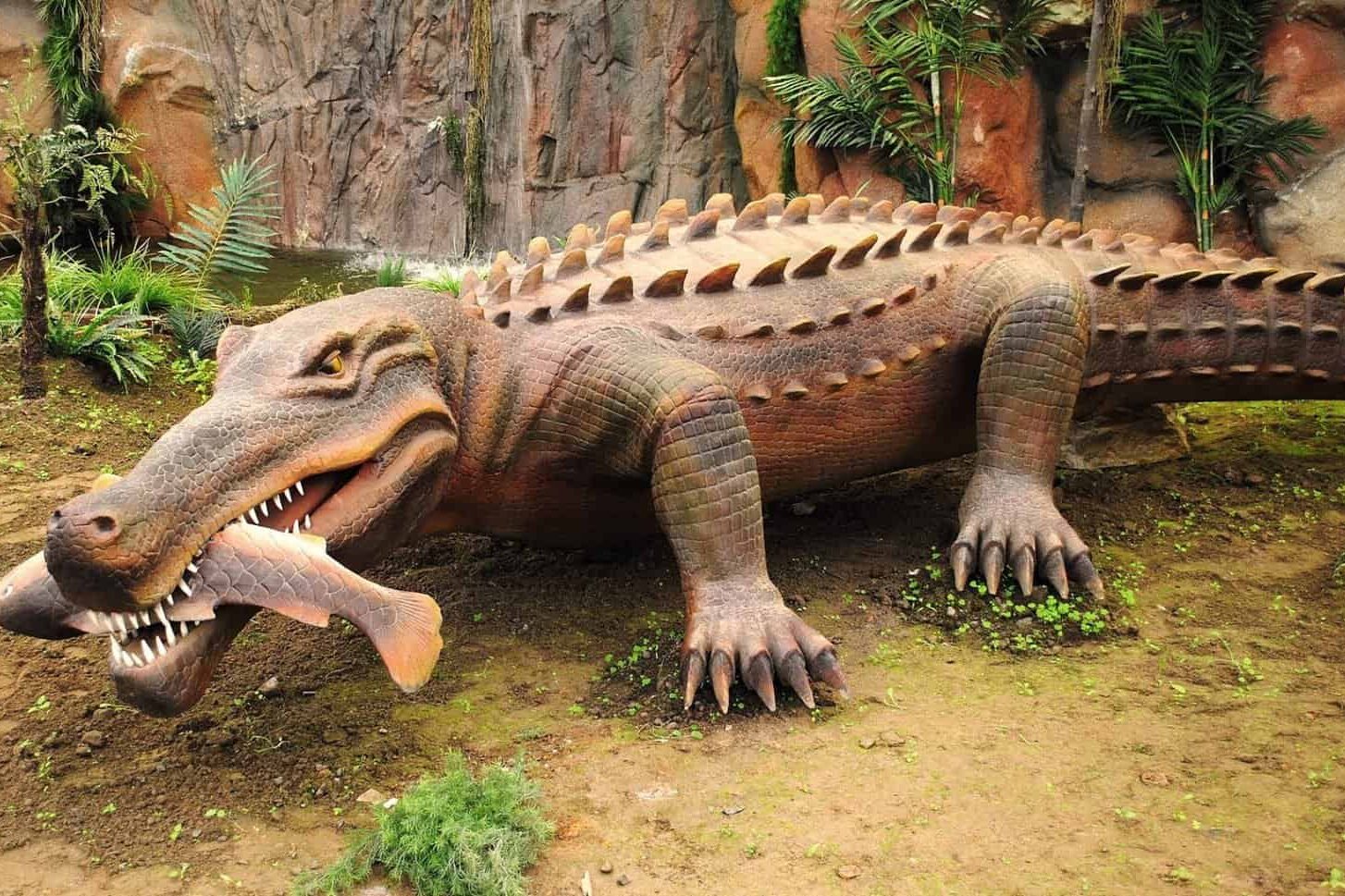
Ancient crocodilians survived because they practiced quiet patience, waiting for the right moment rather than wasting their strength. Their stillness was not laziness but wisdom shaped by experience. We often learn this lesson ourselves in small ways. Not every decision needs to be immediate and not every opportunity must be rushed into. Sometimes the best results come from slowing down, observing, and choosing carefully. These old reptiles show us that patience can be a powerful form of strength. In a world filled with noise and urgency, their calm approach feels like a reminder that steady timing can lead us forward.
11. Ammonites and the Comfort of Spirals
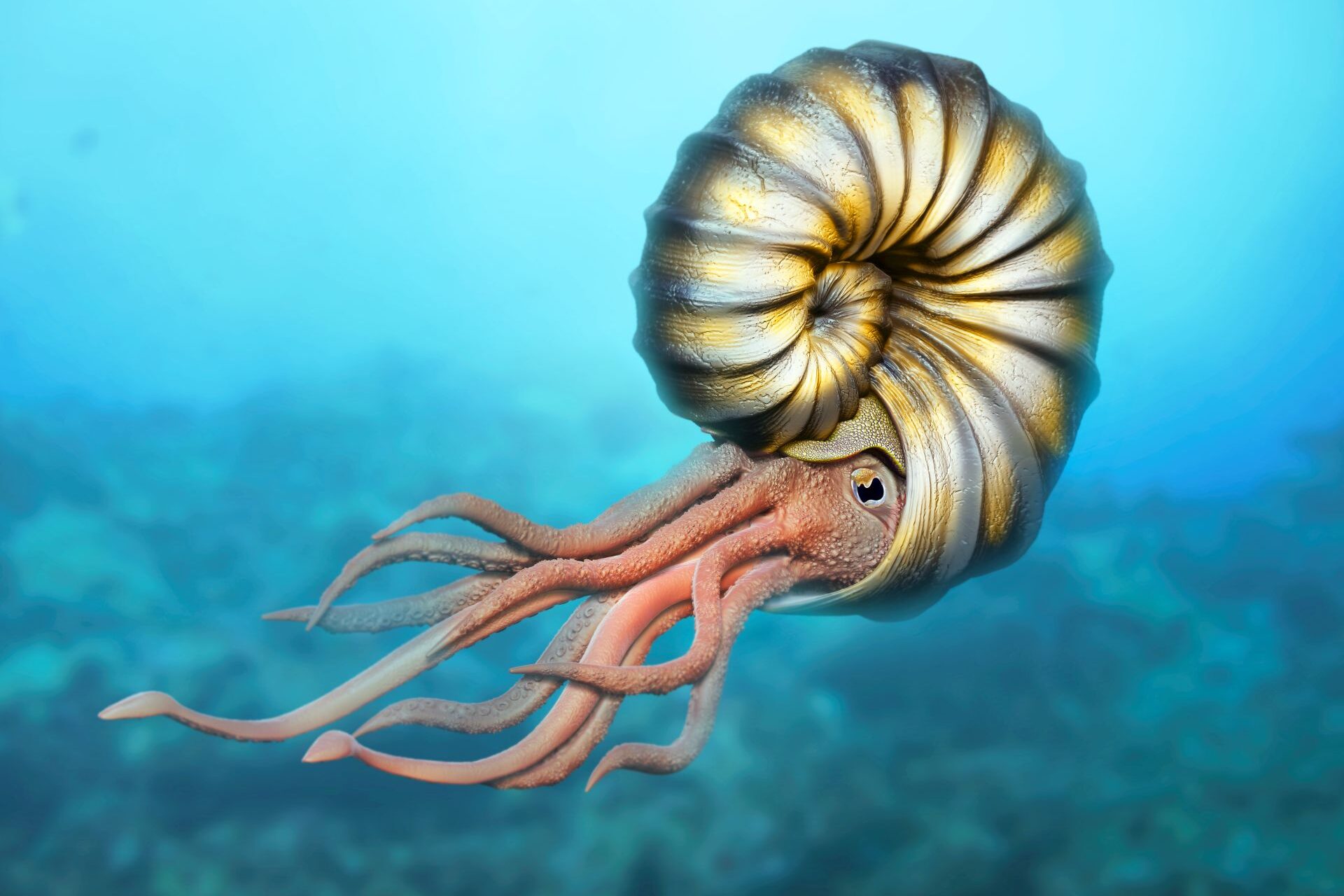
Ammonites carried beautiful spiral shells that mirrored patterns found throughout nature. There is something soothing about spirals, and perhaps that is why they show up in our art, architecture, jewelry, and even the small habits we create. The shape seems to represent growth that moves outward gently, never rushing its path. Ammonites remind us that beauty often follows simple principles and that balance feels naturally calming. Their shells echo in the way we decorate our homes, admire nature, or find comfort in shapes that feel familiar. Their quiet elegance still touches our lives in ways we might not expect.
12. Dire Wolves and the Meaning of Loyalty
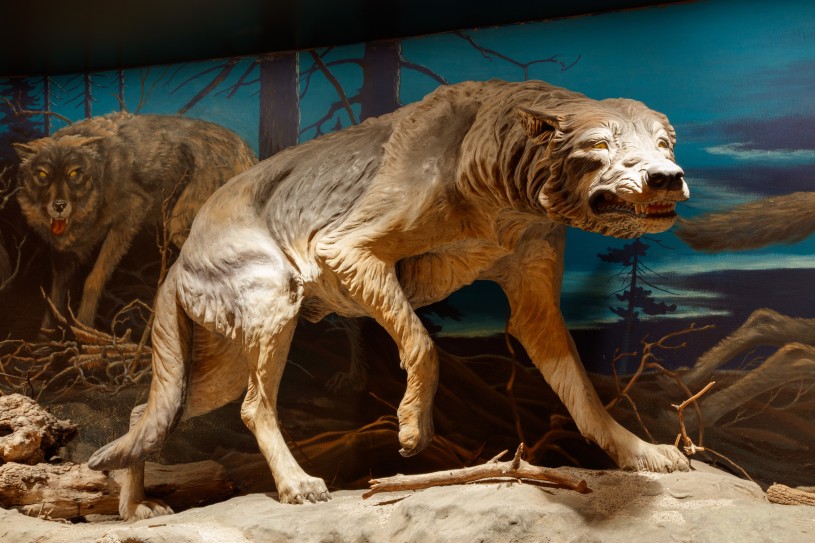
Dire wolves lived in close groups where cooperation and loyalty made survival possible. Their lives were shaped by trust and companionship, something humans still depend on. We build families, friendships, and teams that help us move through challenges with strength and hope. Loyalty is not about perfection but about staying present through the ups and downs. These ancient wolves show us that deep bonds have always been essential. Their instinct to protect one another reflects the same values we cherish today. In many ways, we continue their tradition each time we choose connection over isolation.
13. Giant Tortoises and the Grace of Steady Effort
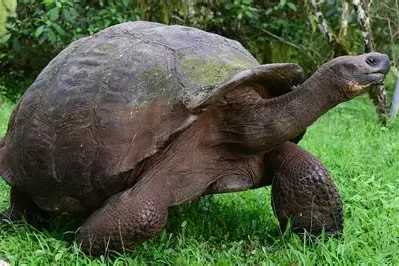
Giant tortoises lived long and peaceful lives because they embraced a measured pace that allowed them to conserve energy and adapt slowly. Their patience helped them endure environments that would have overwhelmed faster creatures. In our own lives, slow and steady effort often brings the most meaningful progress. We do not need to rush to reach important goals. These tortoises remind us that lasting change comes from consistent steps, not frantic movement. Their quiet approach to survival reflects a gentle truth we sometimes forget that moving with purpose, even slowly, can still lead us to exactly where we need to be.
14. Archaeopteryx and Trying Before You Are Ready
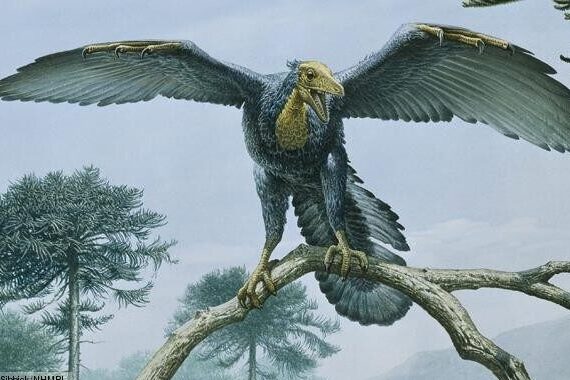
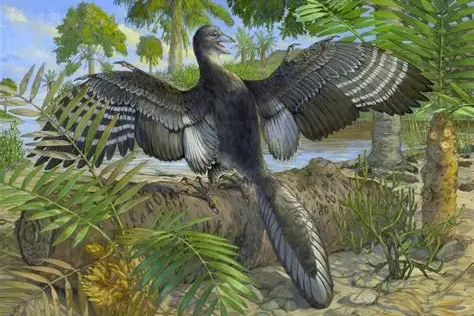
Archaeopteryx was not an expert flyer but it kept attempting new ways to move through the world, blending gliding, leaping, and short flights. Its willingness to try shaped the future of birds. Humans experience similar moments when we step into unfamiliar territory without full confidence. We begin new projects, take risks, and learn as we go. This ancient creature teaches us that beginnings rarely look polished. Growth often starts with imperfect attempts that eventually lead to something greater. Its story reflects our own moments of bravery when we choose curiosity over fear and discover we are capable of more than expected.
15. Archaeopteryx and the Journey into Depth
Ancient whales slowly transitioned from land to water, choosing deeper environments that offered new possibilities. Their journey reminds us that meaningful change often requires stepping away from what feels familiar. We do this too when we pursue new passions, explore new ideas, or allow ourselves to grow emotionally. Their shift into deeper waters mirrors our desire to understand ourselves better and find richer experiences. It shows that transformation happens gradually through thoughtful steps. These early whales reflect the quiet courage it takes to follow an inner pull toward something deeper and more fulfilling than the surface we once knew.
16. Megatherium and Quiet Influence
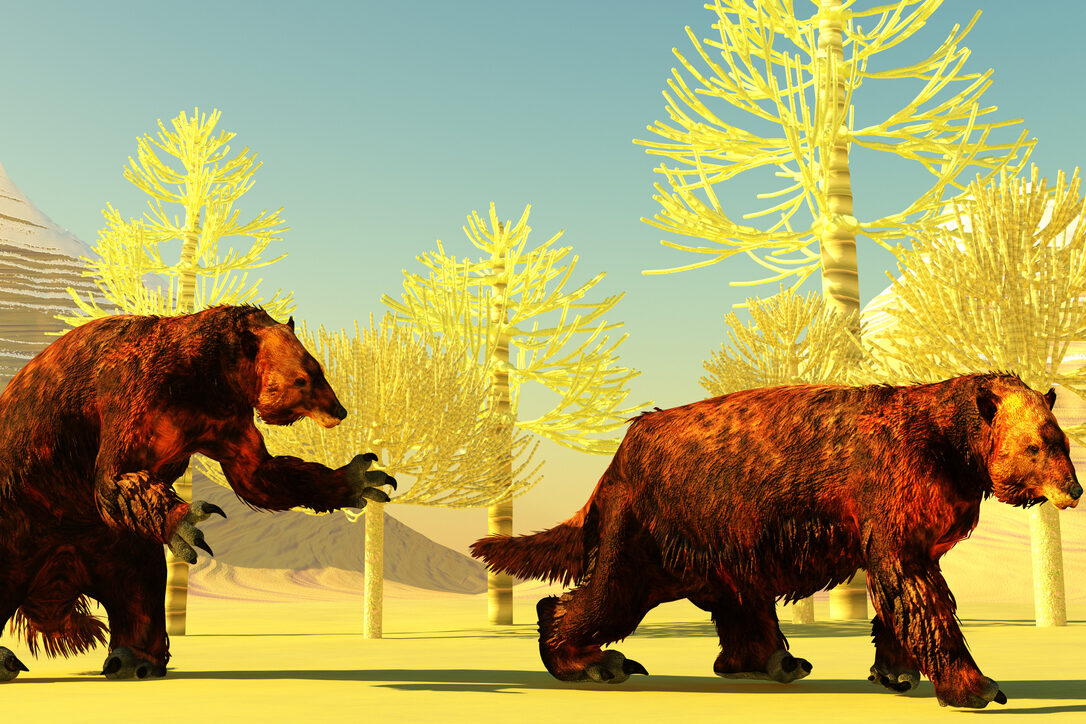
Megatherium was a gentle giant whose movements shaped forests without force or urgency. By simply living, it spread seeds, opened pathways, and influenced ecosystems in subtle ways. Humans also affect the world quietly through small gestures, routines, and choices. We may not always see our impact immediately, but kindness and consistency have a way of reaching far places. This ancient creature reminds us that influence does not always come from grand actions. Sometimes it grows naturally from steady presence and thoughtful living. Its legacy reflects how even gentle beings can leave a meaningful imprint on their surroundings.
17. Ichthyosaurs and Navigating the Unexpected
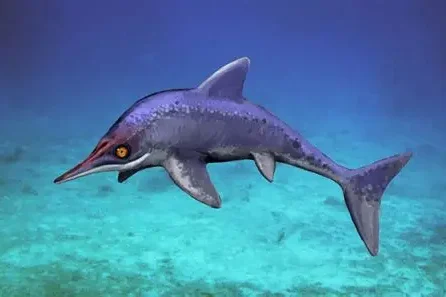
Ichthyosaurs lived in oceans that constantly shifted. They adapted to changing temperatures, predators, and currents with flexibility that helped them thrive. Their world demanded calm navigation rather than control. Our lives often feel similar as we move through unexpected events and changing circumstances. We learn to adjust, stay afloat, and find new paths when old plans no longer fit. These ancient swimmers remind us that resilience is not about resisting change but learning to move within it. Their journey reflects the quiet strength we use each day to face uncertainty with patience and hope for what comes next.
18. Ancient Camels and Endurance Through Difficulty
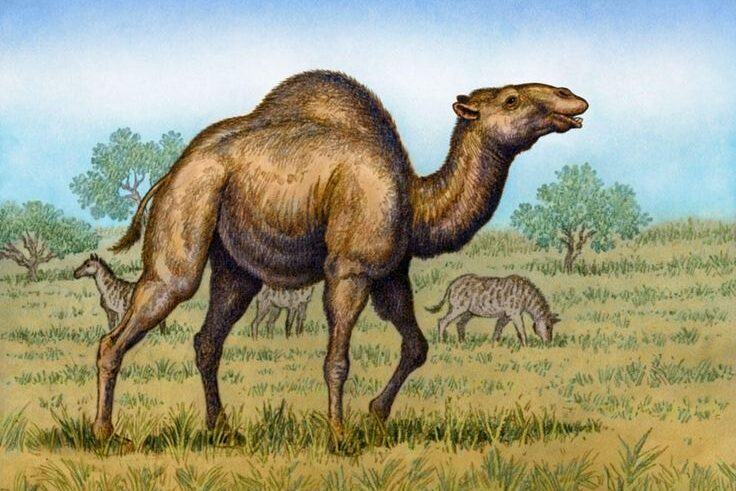
Ancient camels survived harsh environments by conserving energy, storing strength, and adapting to long stretches without comfort. Their endurance was practical and steady, built for survival in challenging conditions. We tap into similar reserves during demanding moments in our own lives. Hard seasons require patience, resourcefulness, and quiet determination. These ancient animals show that resilience is often gentle rather than dramatic. It is the ability to keep moving even when the path feels heavy. Their story echoes the truth that we carry more strength than we realize, especially when life pushes us to dig deeper than expected.
19. Glyptodons and Creating Safe Spaces
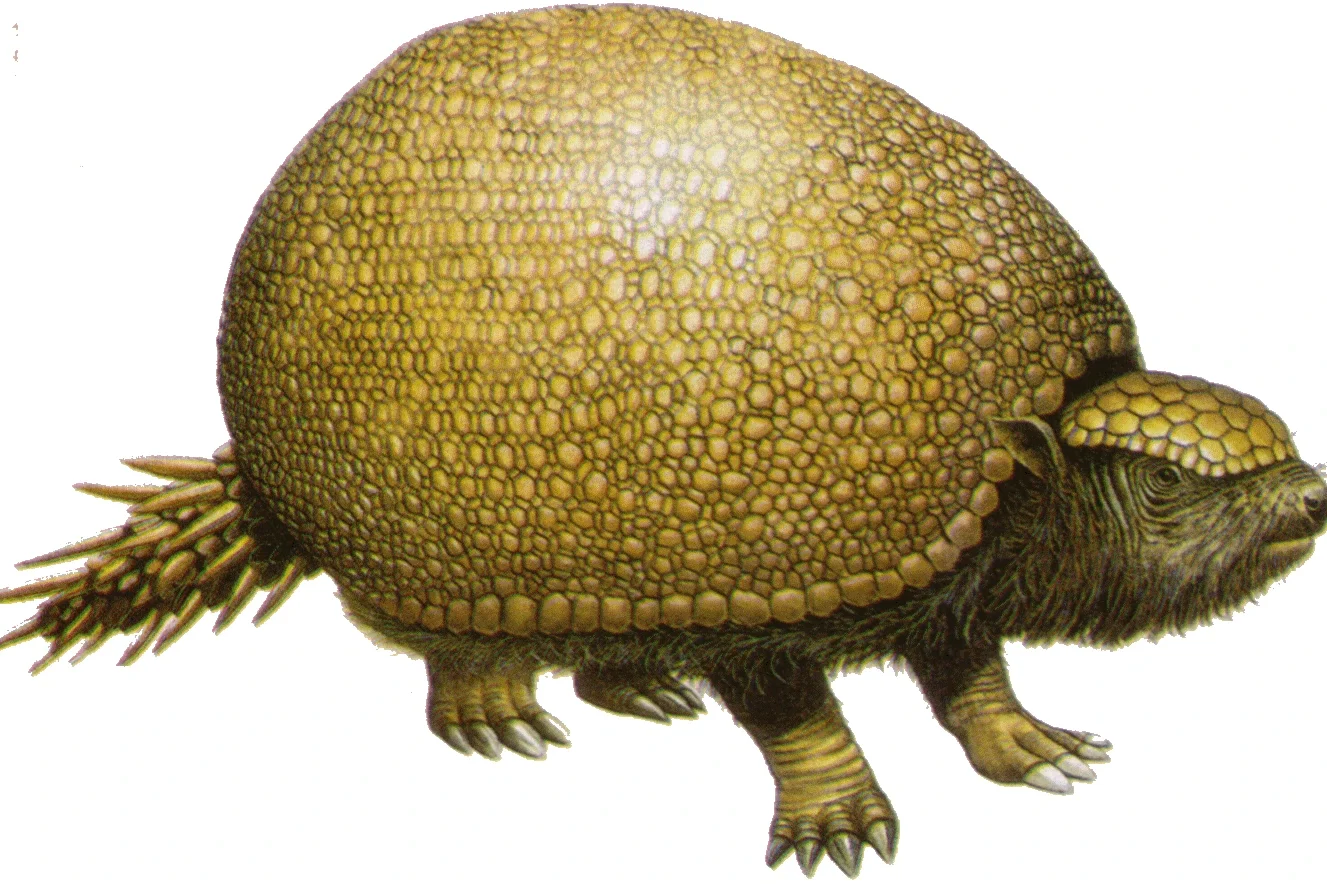
Glyptodons carried protective shells that allowed them to move slowly yet confidently through their environment. Their safety came not from speed but from creating a barrier that kept danger at a distance. Humans build safe spaces too, whether they are emotional, physical, or relational. We choose boundaries, relationships, and environments that help us feel secure. These ancient creatures remind us that seeking protection is natural and wise. Creating comfort in our surroundings helps us grow without fear. Glyptodons show that strength sometimes looks like knowing how to protect your peace and choosing environments that support your well being.
20. Mastodons and the Strength of Family
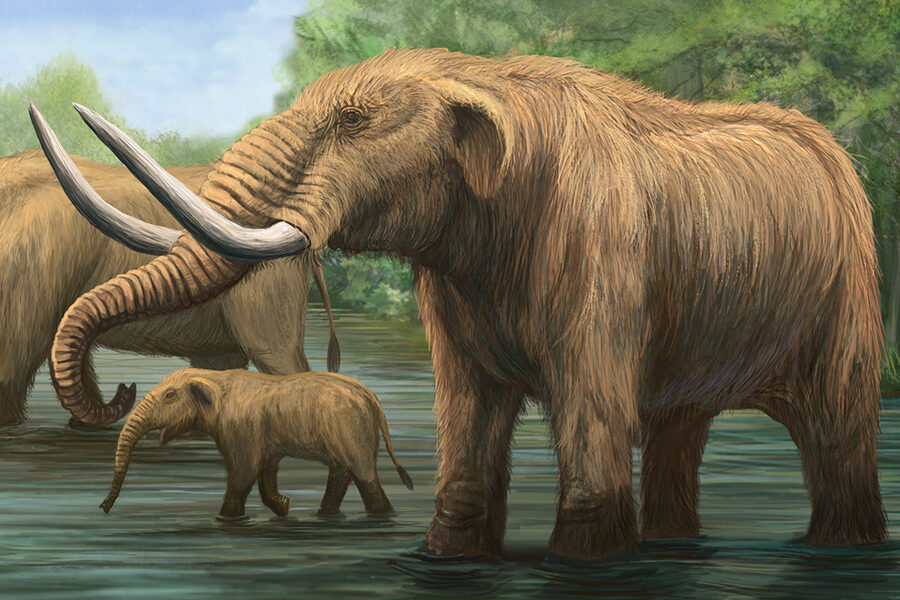
Mastodons traveled in groups that protected and nurtured one another. Their family bonds guided migration, gathered resources, and helped their young survive. We still understand the importance of community today. Whether family is chosen or biological, the presence of supportive people shapes our confidence, decisions, and sense of belonging. These ancient animals remind us that connection has always been a powerful tool for survival. Their instinct to stay close reflects our own desire for companionship. In many ways, their herds mirror the circles we build around ourselves to feel grounded and understood in a world that changes constantly.
21. Early Humans and the Stories We Still Share
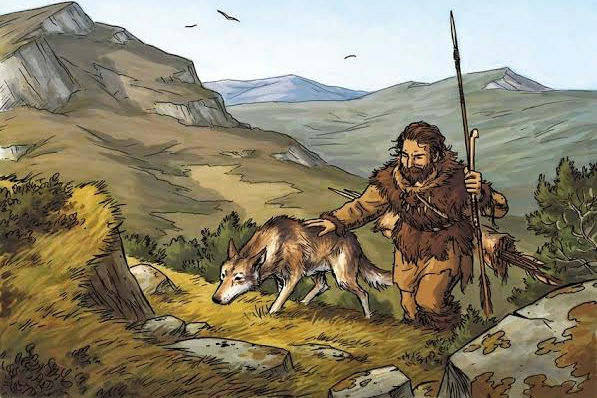
Early humans watched animals closely, learning from their patterns, migrations, and instincts. These observations shaped the stories, customs, and communal habits that carried our ancestors forward. We still share stories today as a way of understanding life, connecting with others, and making sense of the world. The habits of ancient animals helped shape our earliest lessons, and their influence still echoes in our daily rhythms. This gentle connection between past and present reminds us that we are part of a much longer journey. As we continue learning and sharing, we carry forward the wisdom that first guided us long ago.


