
13 Cities with Worst Air Quality, according to EPA Data
1. Bakersfield, California: Where the Smog Settles Low
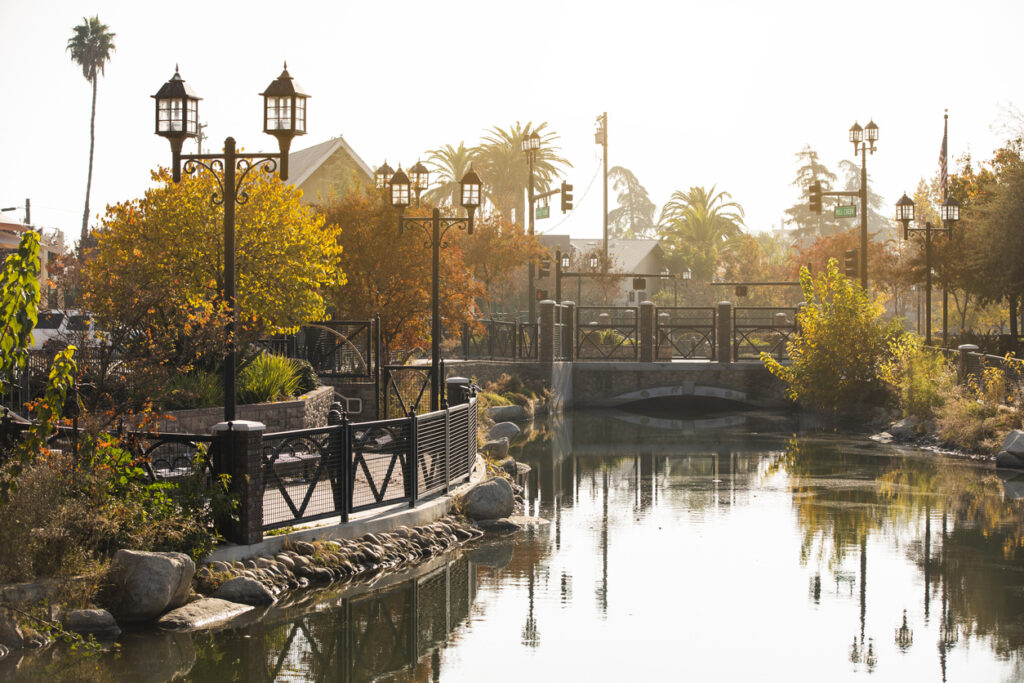
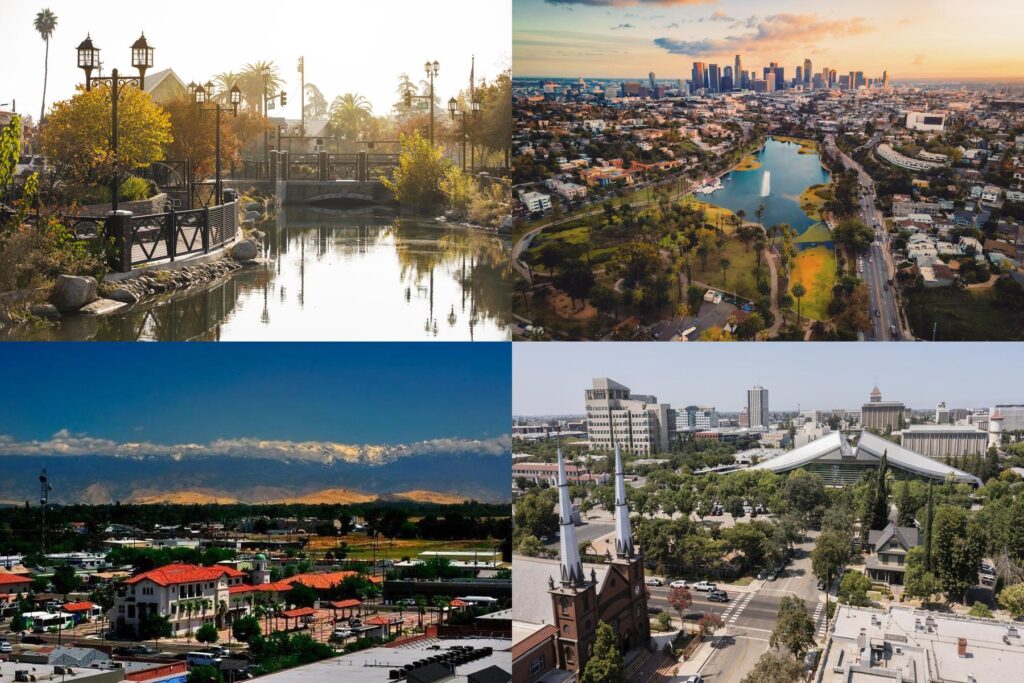
Bakersfield might be known for oil and agriculture, but its air tells another story. Trapped by surrounding mountains, pollution lingers longer here, making it one of the worst cities for particle pollution year after year. The American Lung Association ranks it among the top for ozone and particle pollution. According to the EPA, Bakersfield exceeded federal PM2.5 limits on over 30 days last year. The dry climate, wildfires, and diesel truck routes all add up. If you’re heading here, don’t forget your inhaler, it’s a beautiful place with tough air.
2. Los Angeles, California: City of Stars, Skies of Smog
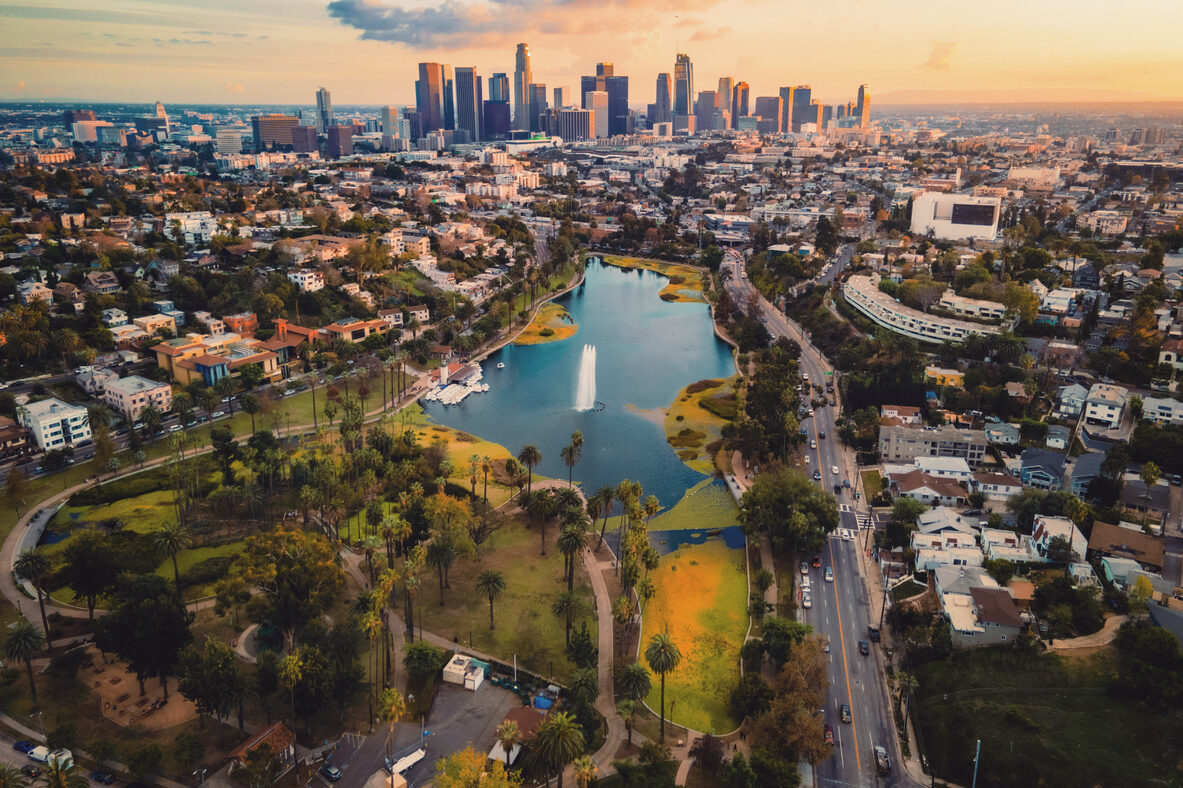
Los Angeles has made progress since the smog-filled days of the ‘70s, but it still battles pollution daily. With millions of cars, busy ports, and a sun-soaked basin that traps ozone, L.A. remains a top contender for poor air quality. “Even with advancements, L.A. is still one of the most ozone-polluted areas in the U.S.,” says the American Lung Association’s 2024 report. Warm weather helps cook pollutants into thick smog, especially in summer. If you’re chasing the Hollywood dream, clean air might not be part of the package.
3. Visalia, California: Valley Life, Hazy Skies
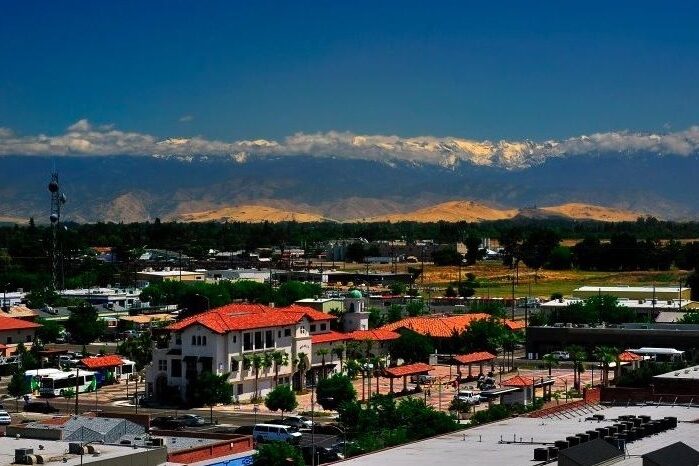
Visalia sits quietly in California’s Central Valley, but it’s far from quiet when it comes to pollution. This farming hub faces both natural and man-made challenges. Dust from agriculture, combined with vehicle emissions and wildfire smoke, creates a hazy mix that hangs over the city. EPA data shows Visalia often breaches safe limits for PM2.5 and ozone levels. Residents here breathe some of the most polluted air in the nation, even though the surrounding mountains offer a lovely view. Sadly, those same mountains also trap the pollution in.
4. Phoenix, Arizona: Sunshine and Soot
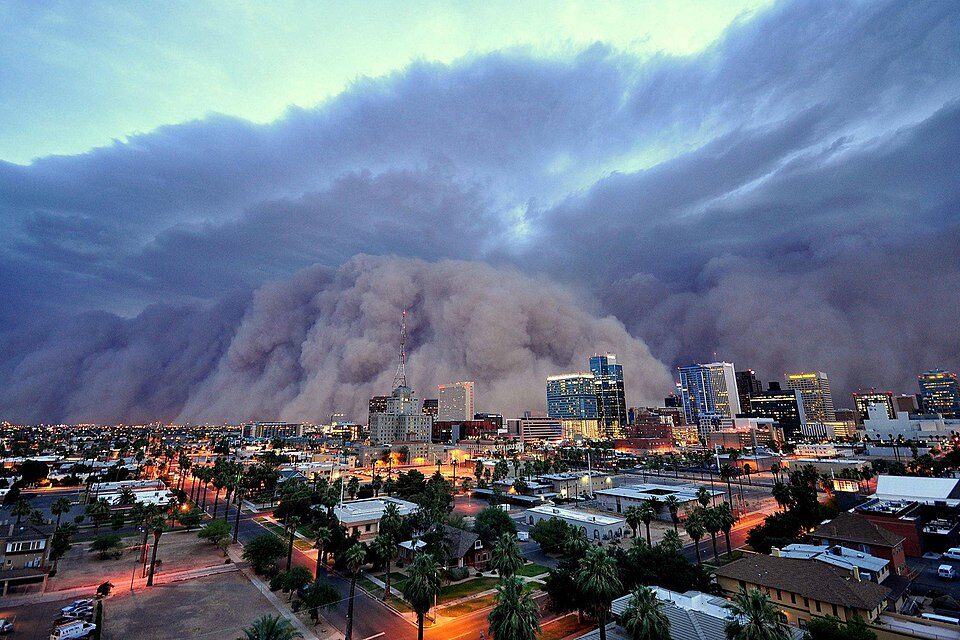
Phoenix shines bright almost year-round, but its beautiful weather comes with a hazy side. This desert city ranks high for ozone pollution, with long hot seasons that intensify the problem. EPA monitoring shows the area repeatedly surpasses healthy ozone levels, especially in summer. Traffic, construction dust, and wildfires contribute to the issue. “Phoenix’s sprawling growth has pushed its air quality into dangerous territory,” says Clean Air Task Force researcher Laura Layton. It’s a city of sunshine and sunsets but you’ll often find a brown layer hovering above the skyline.
5. Denver, Colorado: Mile-High and Polluted
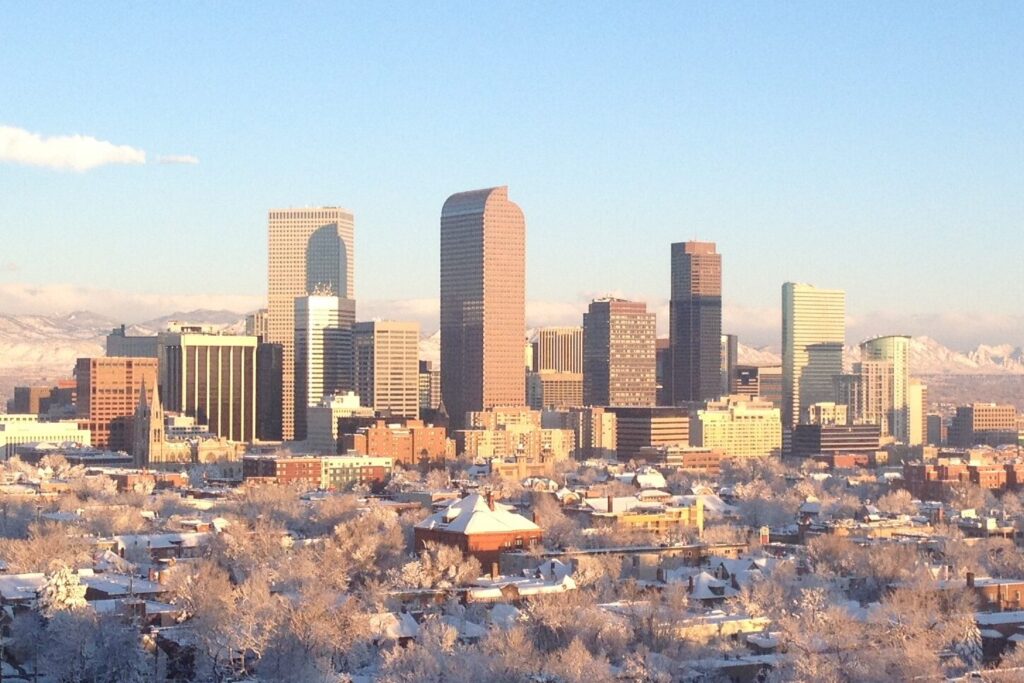
Denver might be known for clean mountain air, but its pollution levels tell a different story. The city struggles with high ozone levels, especially in summer, when heat and vehicle emissions form a chemical cocktail in the sky. Geography plays a part too; mountains can trap dirty air. According to the EPA, Denver failed to meet federal ozone standards on multiple days last year. “It’s surprising for a mountain town, but Denver is consistently ranked among the worst for ozone,” notes a 2023 State of the Air report.
6. Salt Lake City, Utah: Beauty Trapped by Inversion
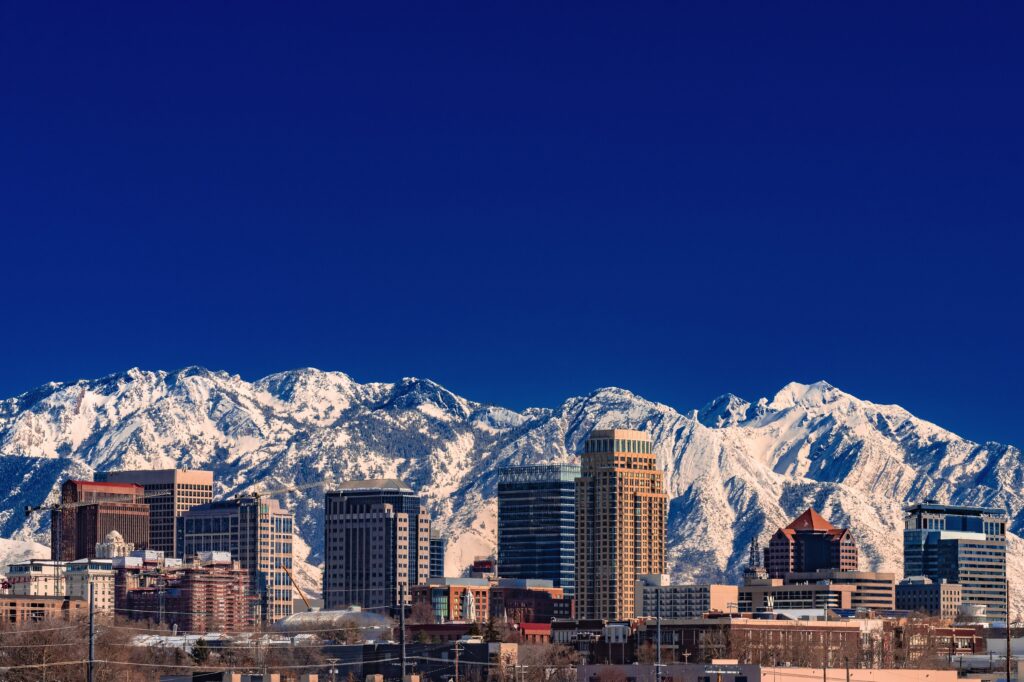
Salt Lake City stuns with its mountain views, but those same peaks contribute to its pollution problem. In the winter, cold air traps smog in a weather phenomenon called an “inversion,” creating a gray dome over the city. Residents often report breathing issues during this time. “Winter inversions trap pollutants close to the ground,” says EPA regional advisor Mark McClellan. The problem is seasonal, but it’s serious enough to impact school closures and health warnings. For a city with ski resorts nearby, its air sometimes needs just as much attention.
7. Houston, Texas: Big City, Big Smog
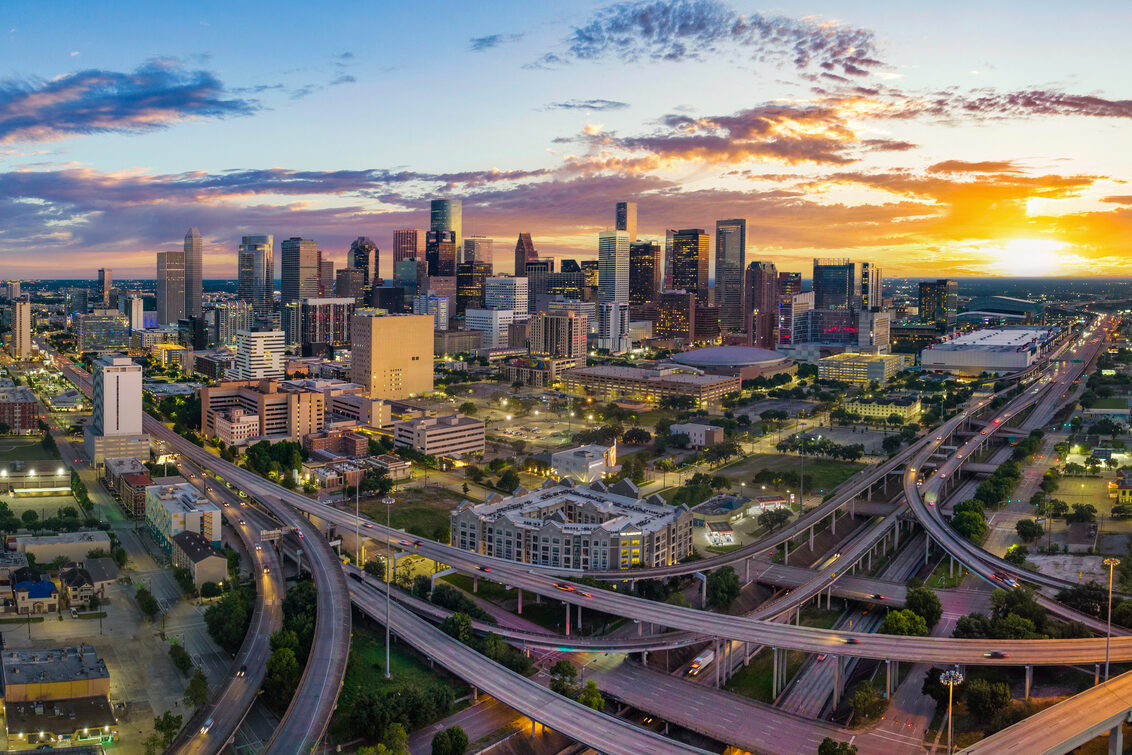
Houston, home to oil refineries and busy highways, has one of the highest levels of ozone pollution in the U.S. The city’s industrial base and hot, humid weather create a perfect storm for smog formation. According to EPA data, parts of Houston often exceed air quality standards during peak summer months. The city has made strides in recent years, but poor air remains a pressing issue. “We’re still fighting the same battle,” says Houston Clean Air Network spokesperson Amanda Brown. With every breath, Houstonians are reminded of the cost of industry.
8. Fresno, California: Farming Hub with Dusty Problems
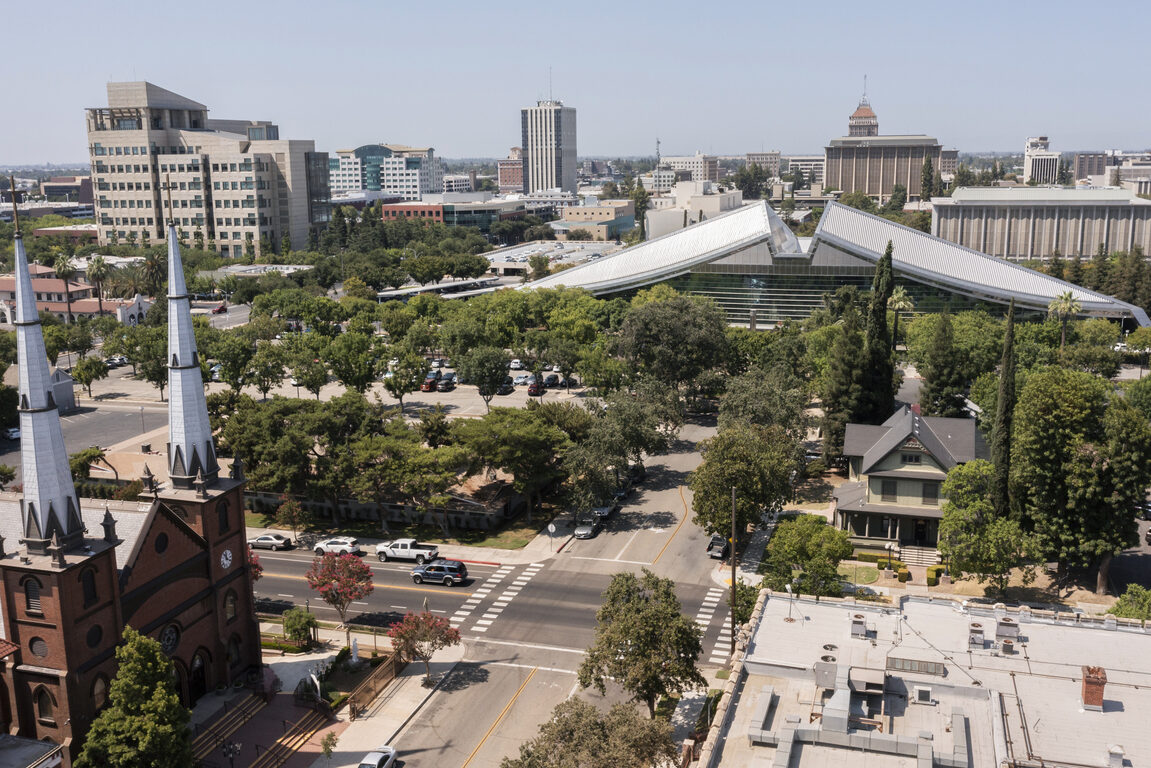
Fresno lies in the heart of California’s agricultural center, and while the produce is fresh, the air isn’t. Pesticide sprays, diesel trucks, and burning fields contribute to persistent pollution. The EPA cites Fresno as a repeat offender when it comes to exceeding PM2.5 limits. In 2023, it recorded over 25 unhealthy air days. “People often don’t realize how much rural pollution affects health,” says local doctor Maria Velasquez. Many residents suffer from asthma and chronic respiratory issues linked to poor air. It’s a growing city, but the air needs cleaning too.
9. Indianapolis, Indiana: Midwestern City, Industrial Air
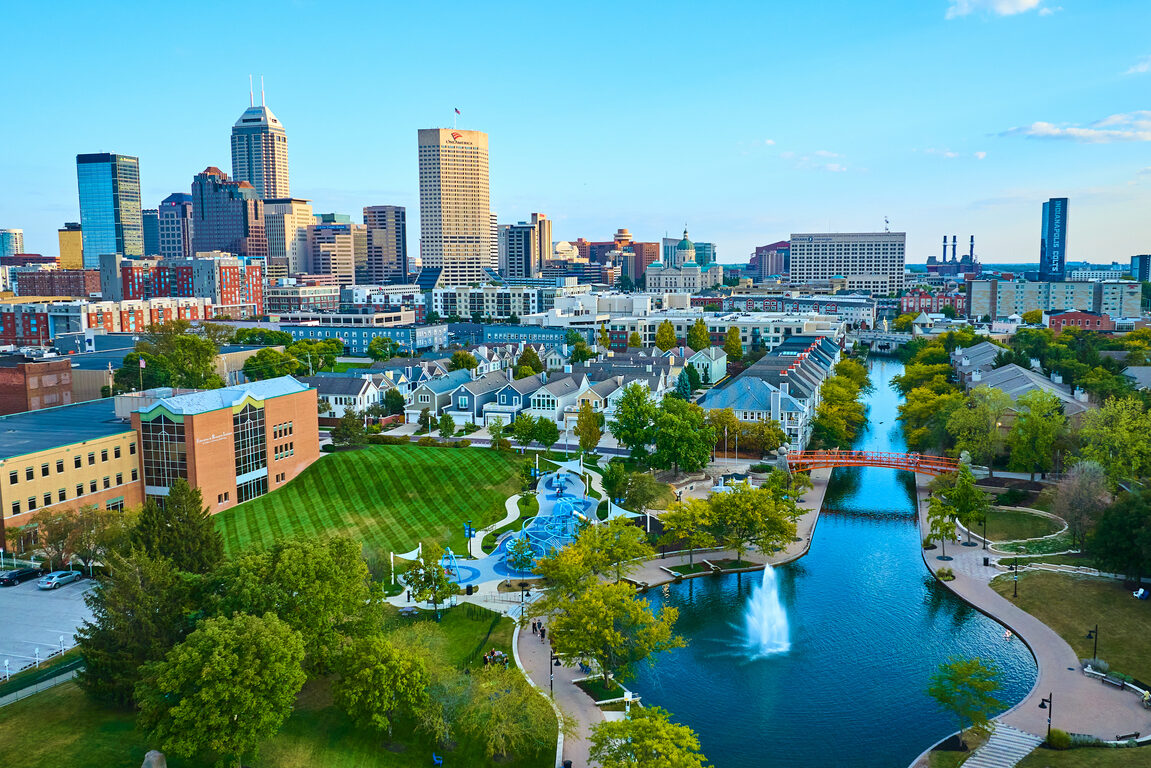
Indianapolis might not be on everyone’s radar when it comes to smog, but it’s long faced air quality challenges. Its industrial roots, heavy truck traffic, and coal-fired plants nearby contribute to elevated particle pollution. The EPA ranks Indianapolis among the worst Midwest cities for year-round PM2.5. “It’s not just summer smog, residents breathe this in year-round,” says Dr. Alan Reiss of the Indiana Environmental Health Center. While efforts are ongoing to improve air standards, the pace is slow. This city may have a racing legacy, but clean air is lagging behind.
10. Fairbanks, Alaska: Cold, Still and Polluted
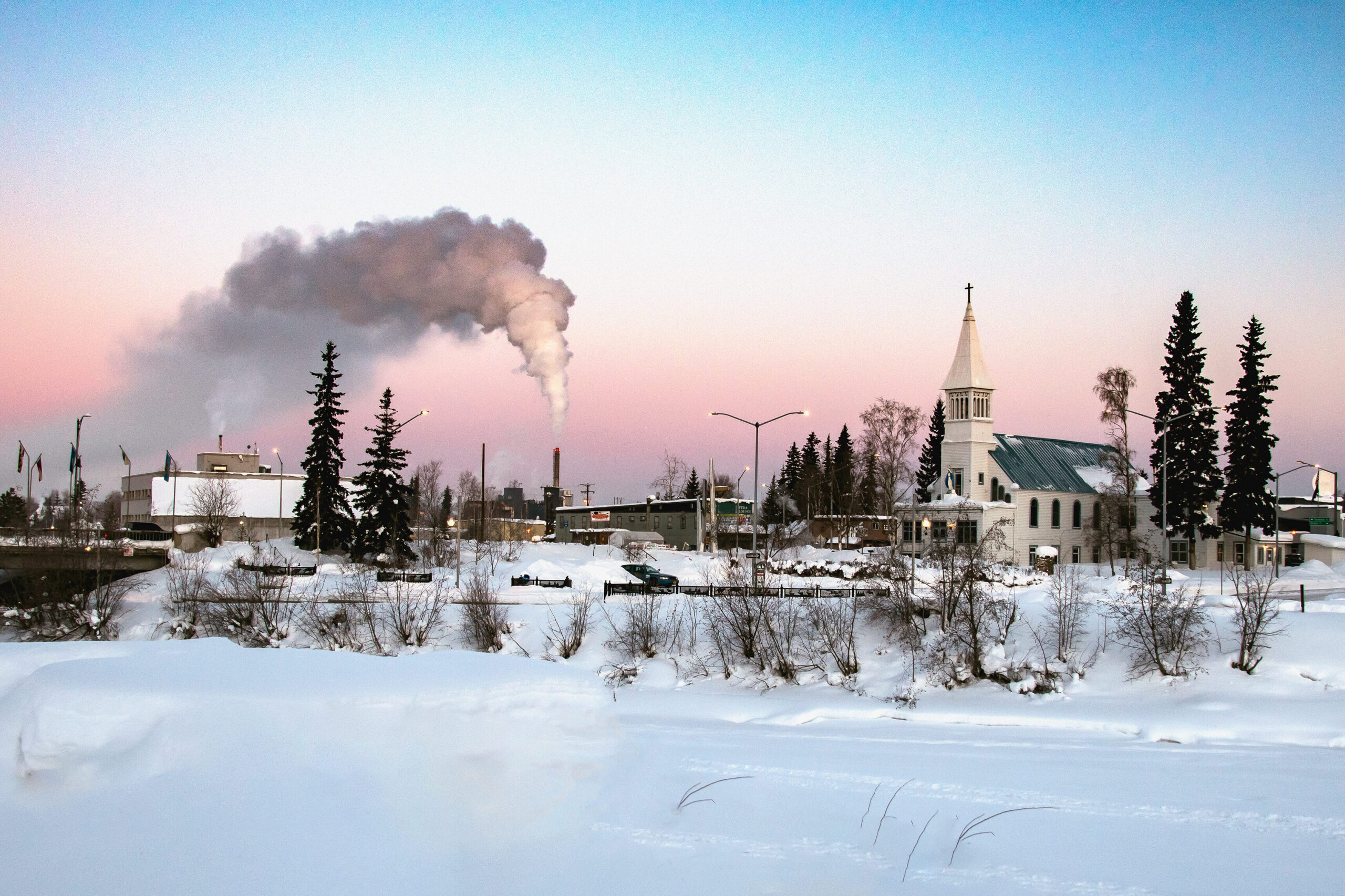
It might be surprising, but Fairbanks has some of the worst winter air in the country. Cold temperatures keep pollution low to the ground, especially from wood-burning stoves and heating systems. The EPA reports frequent winter air quality alerts due to PM2.5 levels. “Air gets stuck here in the winter,” says Fairbanks resident and environmental technician Jason Mueller. “There’s nowhere for it to go.” While the scenery is breathtaking, the air is often not. This Alaskan city shows that even remote places can have pollution problems of their own.
11. Pittsburgh, Pennsylvania: Steel City Still Struggles
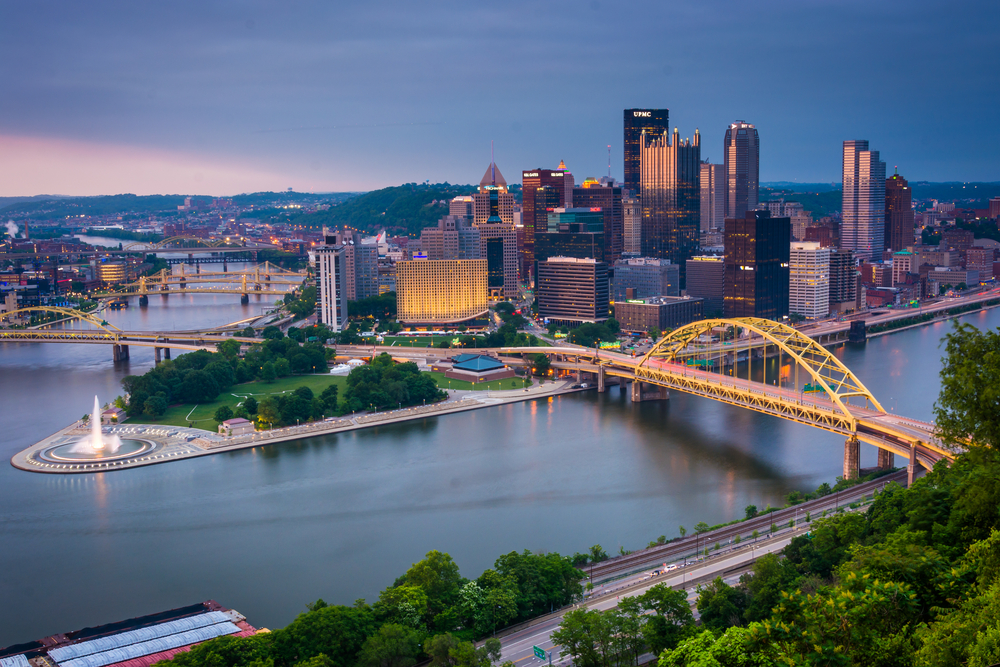
Pittsburgh’s steel past continues to affect its air today. While the smoke-filled skies of the 1950s are gone, the city still ranks poorly for fine particle pollution. The EPA found multiple neighborhoods with unhealthy year-round levels. Local advocates say aging infrastructure and industrial plants are to blame. “We’re not where we used to be, but we’re not where we need to be either,” said local activist Cynthia Holmes. Residents, especially in lower-income areas, face higher risks of asthma and lung disease. The progress is real, but the challenge continues.
12. Chicago, Illinois: Windy, but Not Always Clean
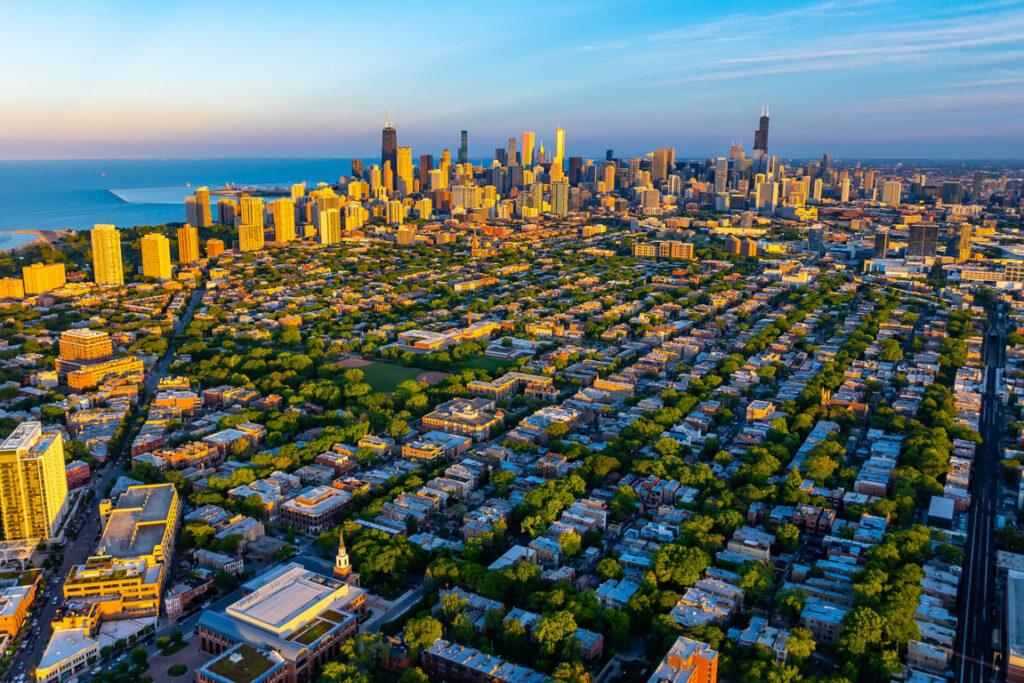
Chicago’s nickname might suggest breezy days, but that wind doesn’t always clear the air. With heavy traffic, industry, and port activity, Chicago ranks among the top U.S. cities for ozone and particle pollution. The EPA’s 2023 data listed over 20 days of unhealthy air. “We have to think long-term about our public transit, factories, and urban design,” says University of Chicago environmental researcher Janelle Kim. It’s a city of neighborhoods, history, and art but clean air still hasn’t fully joined the mix.
13. Las Vegas, Nevada: Desert Dust and Development
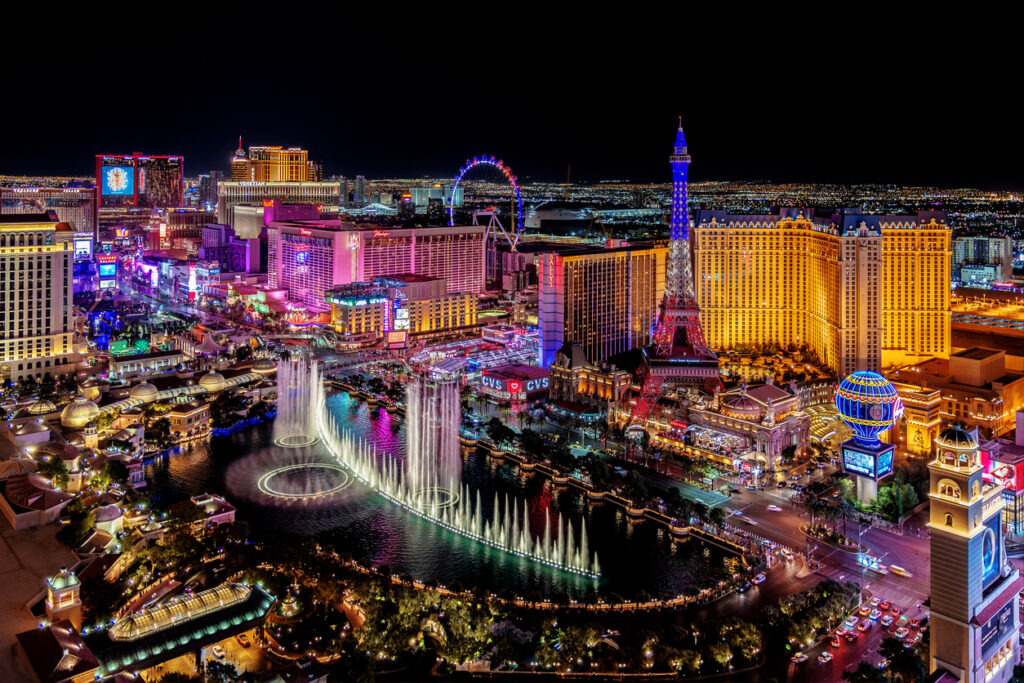
Las Vegas sparkles at night, but the daylight reveals a dustier truth. Air quality here suffers from construction dust, increasing traffic, and summer ozone. The EPA tracks rising PM10 and ozone levels, with summer smog becoming a bigger concern each year. “People think of clean desert air, but development has changed that,” says Clark County air quality officer Henry Le. As the city grows, so does the pollution. Vegas might be known for its neon skyline, but its air is one gamble that’s not always worth taking.
13 Cities That Breathe Easy (Also According to EPA Data)
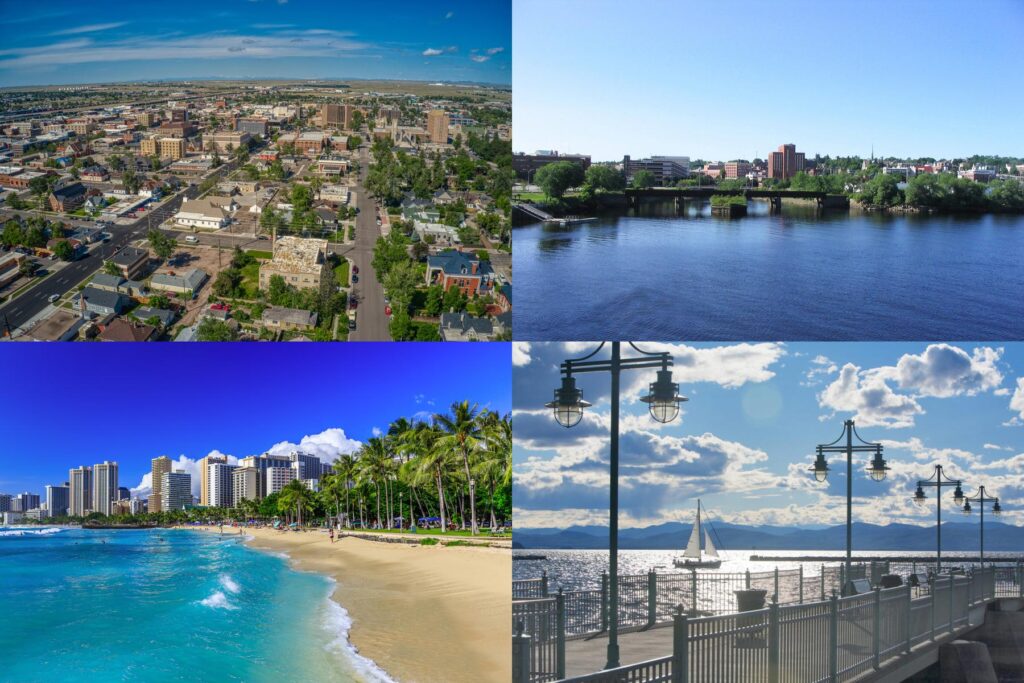
1. Cheyenne, Wyoming: Clean and Wide Open

Cheyenne is known for its blue skies and wide-open spaces, but its air quality also deserves applause. With low industrial activity and little traffic congestion, the EPA ranks it among the best U.S. cities for ozone and particle pollution. “We don’t just breathe easier, we live easier,” says Cheyenne environmental officer Mark Ellis. Windy conditions help disperse pollutants, and the low population density keeps emissions to a minimum. It’s a reminder that sometimes, a smaller city can offer a bigger breath of fresh air.
2. Honolulu, Hawaii: Island Living, Fresh Breathing
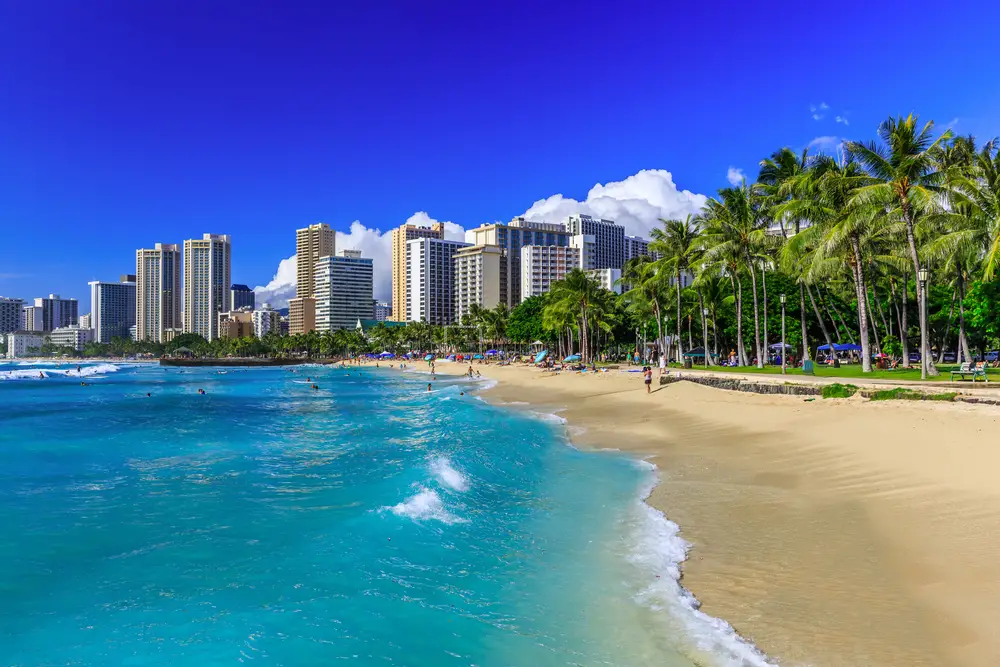
It’s not just the beaches that draw people to Honolulu, it’s the clean, ocean-swept air. EPA data consistently places it among the cities with the fewest days of high ozone or particulate matter. The Pacific trade winds help clear the air naturally, and the city’s strong environmental policies help keep it that way. “The air quality here is a major part of why people feel better physically and mentally,” says Honolulu resident and health coach Ikaika Mahelona. If paradise had a scent, it’d probably be the smell of clean island air.
3. Bangor, Maine: Small City, Big Advantage
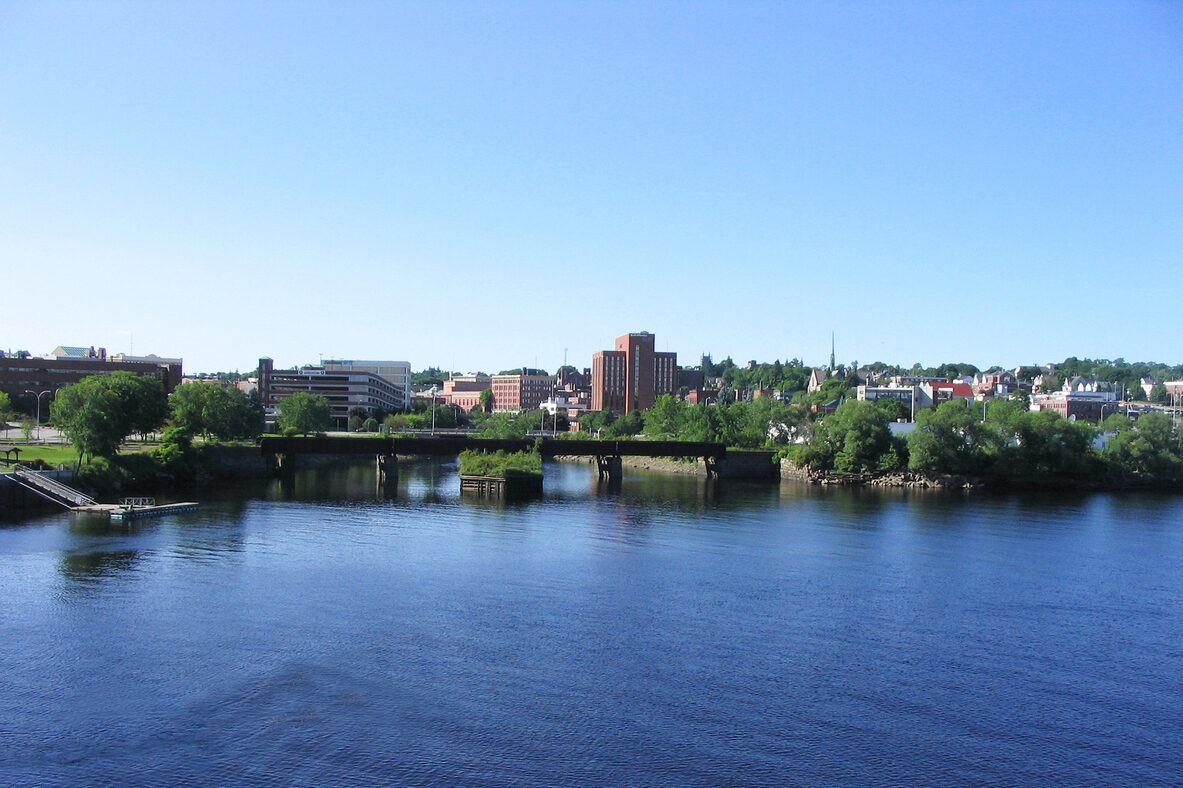
Bangor doesn’t often make national headlines, but when it comes to air quality, it quietly leads the way. Tucked in Northern Maine, this small city has some of the lowest pollution levels in the U.S., thanks to minimal traffic and clean energy sources. The American Lung Association gave Bangor top marks in its 2024 air quality report. “It’s simple, less crowding, less pollution,” says local teacher Heather Martin. Bangor’s surrounding forests and coastal breezes only add to the experience. It’s the kind of place where every breath feels earned.
4. Burlington, Vermont: Naturally Clean
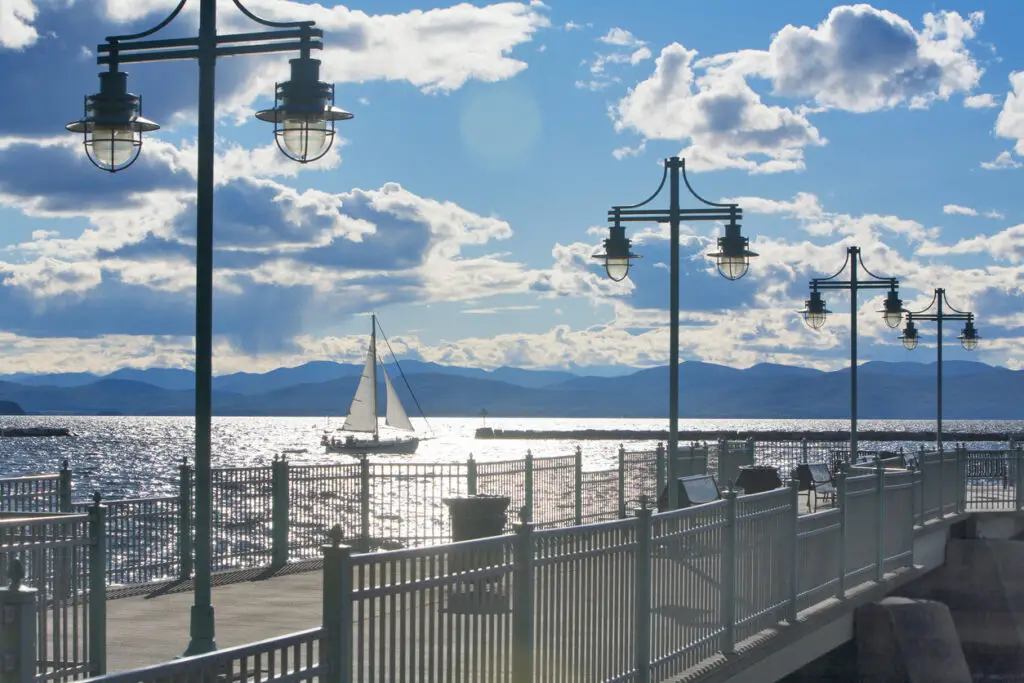
Burlington doesn’t just have mountains and maple syrup; it’s got some of the cleanest air in the country. The city has prioritized renewable energy, green transportation, and conservation efforts, which all show up in the EPA’s air quality scores. “Our policies are designed for the long haul,” says Burlington sustainability director Mike Kanarick. And it’s working. Residents enjoy fresh, breathable air almost year-round. The city’s size and environmental mindset help protect its natural surroundings, making it one of the healthiest places to take a deep breath.
5. Bismarck, North Dakota: Clean by Nature

Bismarck is often overlooked, but its air quality is hard to ignore. With wide-open spaces, low traffic, and clean energy investments, Bismarck boasts some of the cleanest air in America. “It’s one of the quietest environmental success stories,” says EPA regional advisor Laura Perkins. While it does experience harsh winters, the lack of industry-driven pollution helps maintain steady air quality throughout the year. Living here means fewer smog alerts and more clarity in the skies, and for many, that’s a breath of fresh air in more ways than one.
6. Duluth, Minnesota: Lake-Side Breathing
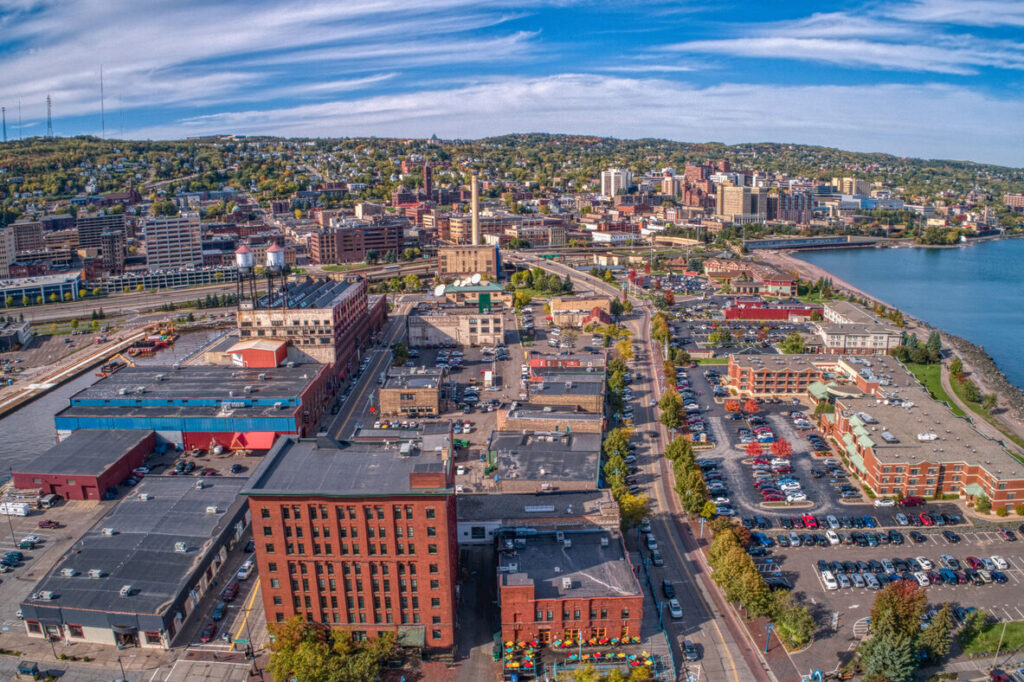
Duluth hugs the shores of Lake Superior, and its air is just as fresh as its views. Thanks to consistent lake breezes and minimal heavy traffic, Duluth ranks highly on the EPA’s list of clean air cities. “The lake acts like a natural air filter,” says longtime Duluth resident Frank Johansen. The city also promotes clean transit options and has limited industrial activity, helping to keep pollution low. For residents and tourists alike, Duluth is where you can smell the pine trees, not the freeway.
7. Wilmington, North Carolina: Sea Breezes, Clear Skies

If you’ve ever visited Wilmington, you know there’s something refreshing about its coastal vibe, and the air quality plays a big part. With ocean winds constantly sweeping inland, pollutants have little time to settle. EPA data ranks Wilmington among the lowest in ozone and PM2.5 levels across the South. “We take pride in how breathable our city is,” says Wilmington council member Tamara Brantley. As the population grows, the city continues to prioritize green space and clean transportation to protect this invisible, essential asset.
8. Rochester, New York: Upstate with Upside
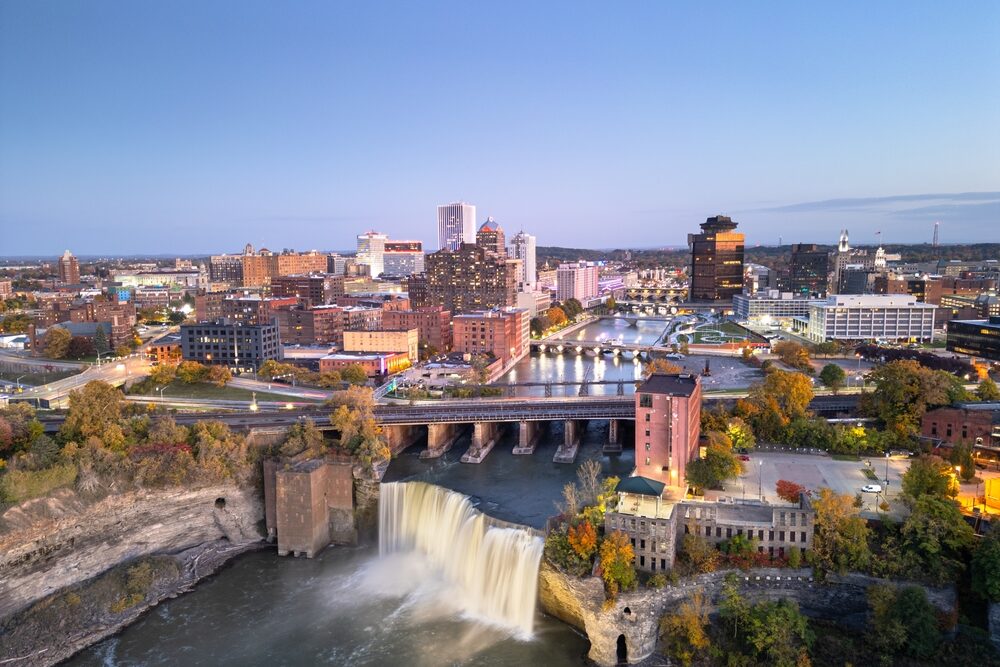
Rochester might not seem like a clean air leader at first glance, but this upstate city is surprisingly fresh. EPA readings show low levels of year-round ozone and fine particles, thanks to reduced industry and cleaner energy sources. “It’s one of the quiet wins of upstate New York,” says air quality analyst Jared Conway. The proximity to the Great Lakes helps too, with winds that help flush away airborne toxins. Residents here enjoy a better-than-average breathing environment in a city rich with history and green neighborhoods.
9. Lincoln, Nebraska: Urban, but Not Polluted
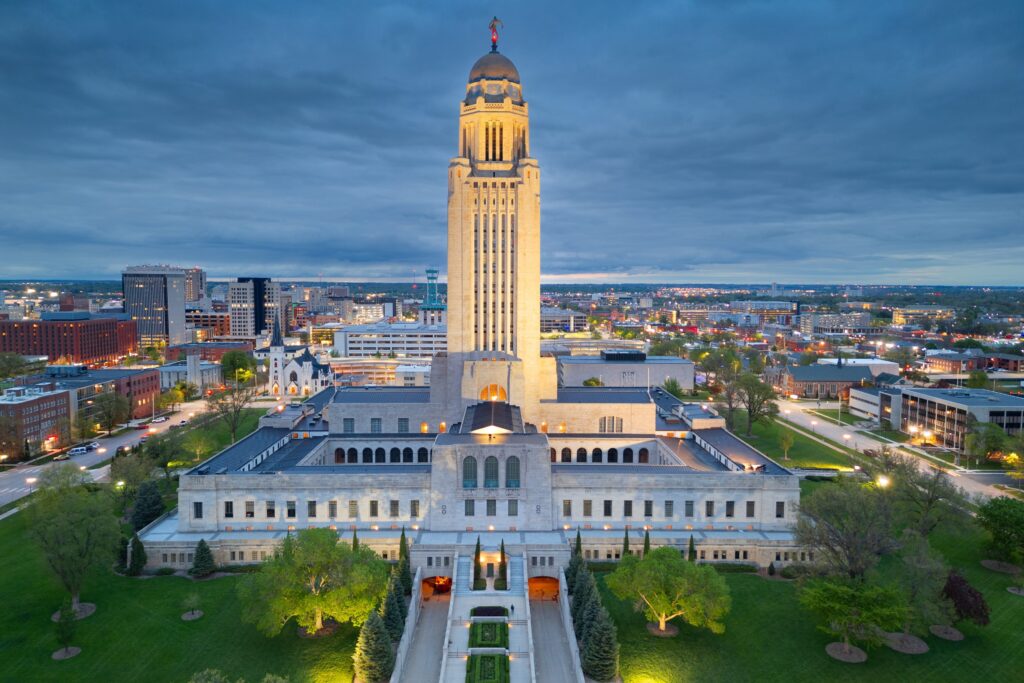
Lincoln is a growing city with a refreshing twist; it’s not growing its pollution. Thanks to strong environmental policies and a commitment to renewable energy, Lincoln’s air remains clean despite expansion. “It’s not perfect, but it’s among the best in its size class,” reports the Clean Air Council. Residents enjoy clean air most of the year, especially compared to other cities of similar size. It’s a good example of how development and sustainability don’t have to be at odds. In Lincoln, you really can have both.
10. Fort Collins, Colorado: Clear Skies in the Rockies
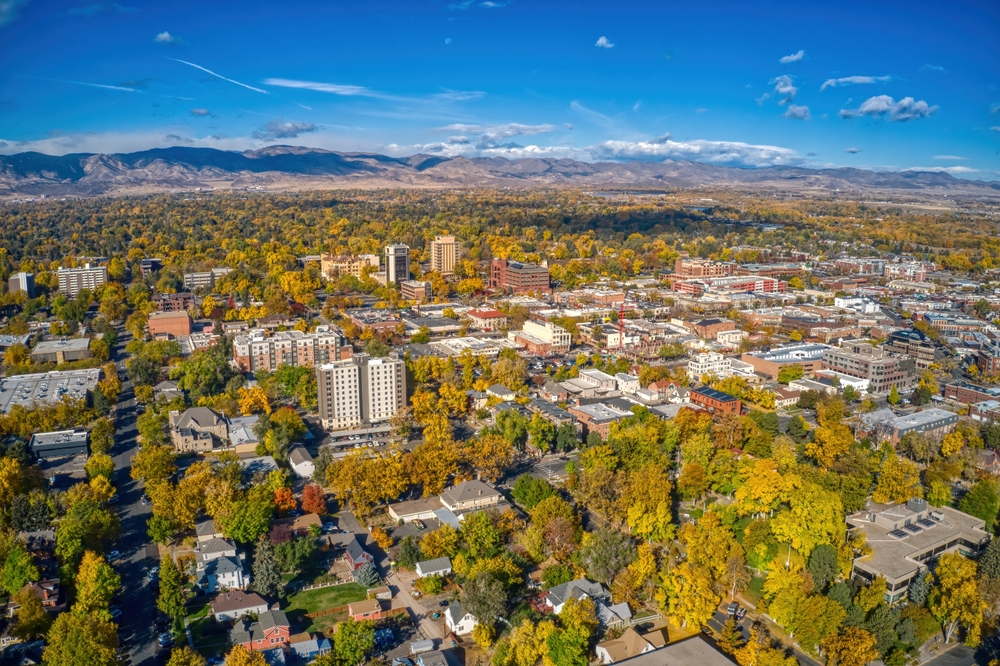
While Denver struggles, Fort Collins stands out as a Colorado city with good air. Located farther from the state’s major highways and industries, Fort Collins enjoys cleaner skies, especially outside wildfire season. “It’s one of Colorado’s clean-air gems,” says local environmental researcher Allison Gates. The city invests in bike lanes, electric buses, and green spaces, all of which help reduce emissions. People here often brag about seeing stars at night, and it’s not just poetic talk, it’s proof of what cleaner air allows.
11. Billings, Montana: Clean and Crisp
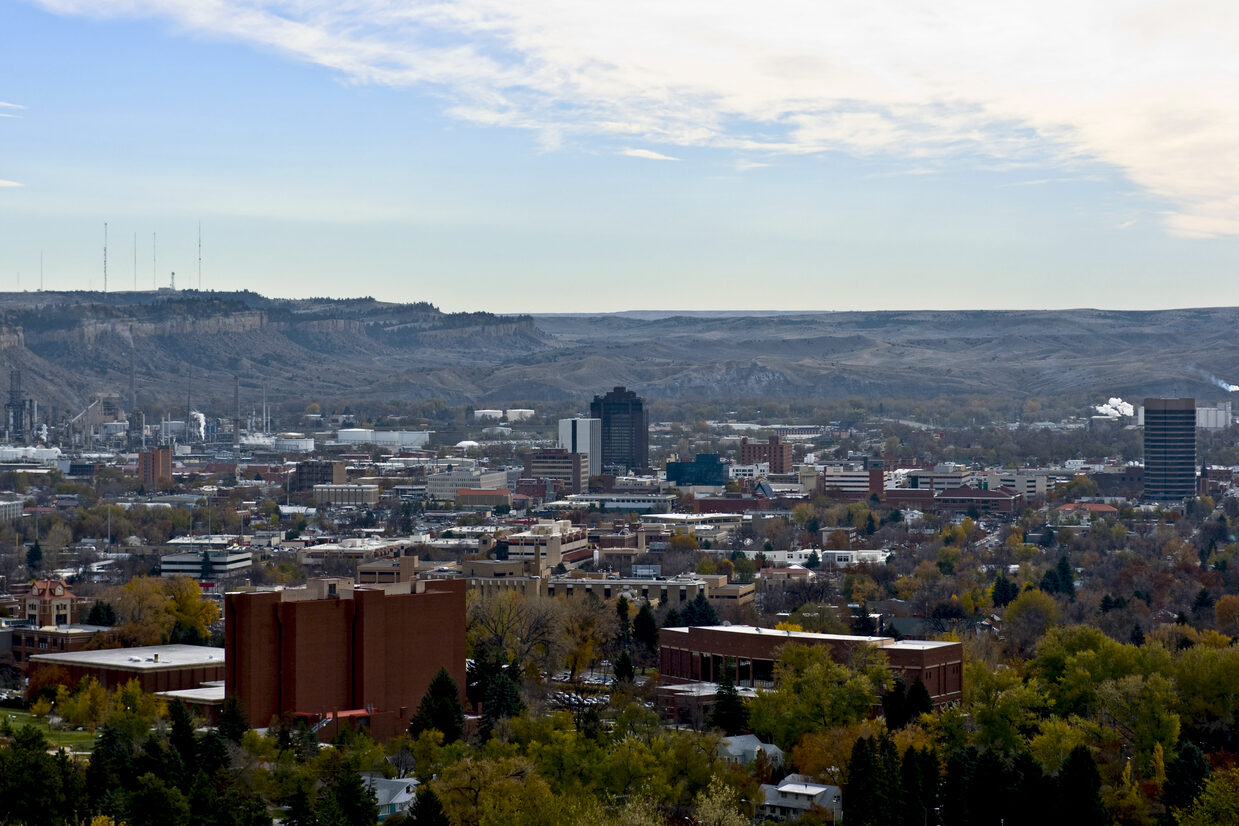
Billings might be Montana’s largest city, but it still benefits from the state’s low pollution levels. With fewer cars, wide-open landscapes, and minimal smog-producing industries, Billings regularly posts healthy EPA air quality scores. “The wind helps, and so does our love for nature,” says Billings resident Katie Ramirez. Winters can bring a bit of woodsmoke haze, but the overall air remains among the cleanest in the West. For those looking for a blend of city life and fresh breathing, Billings holds its own.
12. Anchorage, Alaska: Breathing Easy in the Far North
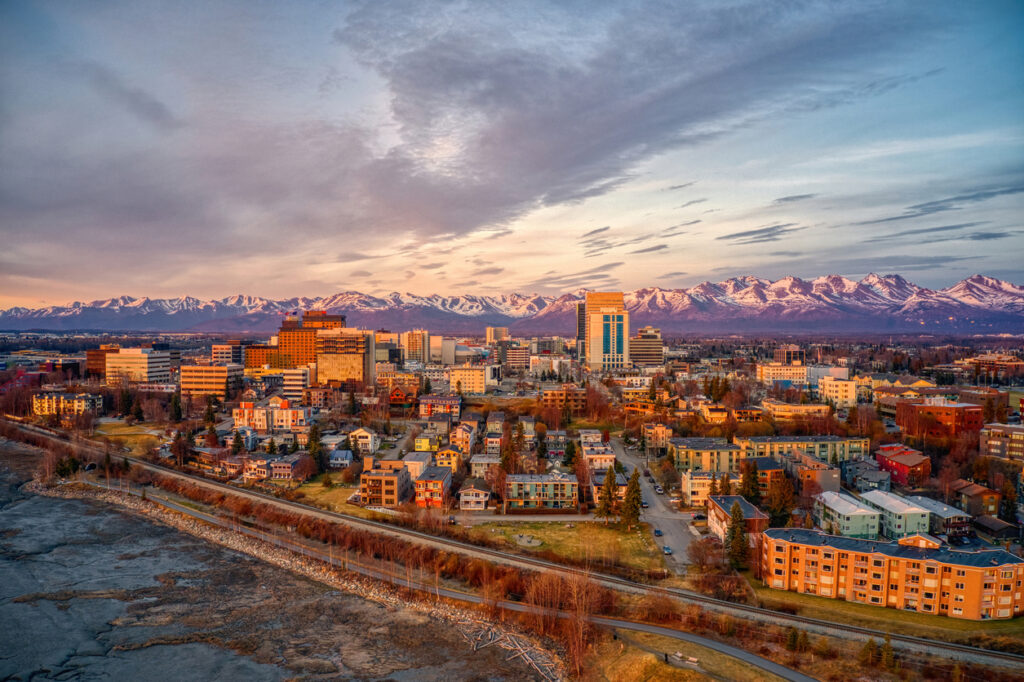
Anchorage deals with snow and isolation, but its air remains remarkably clear. The city’s EPA readings consistently stay below national pollution thresholds. “It’s one of the best metro areas for clean air,” notes Alaska Public Health Advisor Naomi Reed. While other Alaskan cities like Fairbanks struggle in winter, Anchorage’s geography and wind patterns work in its favor. Residents are encouraged to use clean-burning stoves and renewable energy, and it shows. Anchorage proves that even cold climates can offer some of the country’s freshest air.
13. Sarasota, Florida: Sunny Days and Clean Sighs
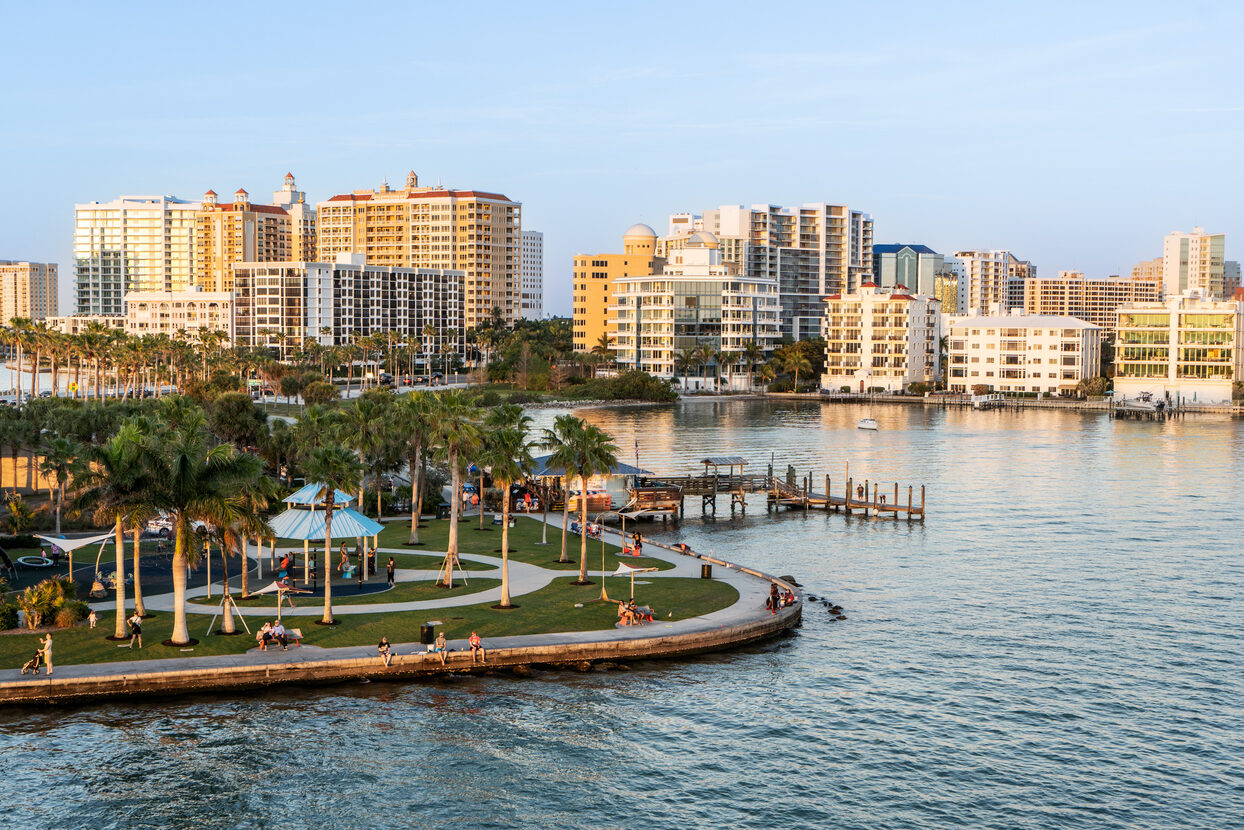
Florida has its share of smoggy spots, but Sarasota is a standout for clean air. Situated on the Gulf Coast, its breezy climate and proactive environmental policies have kept pollution low. The EPA’s 2023 report listed Sarasota as one of the best metros for ozone and fine particle levels. “It’s a lifestyle city, and that includes the air you breathe,” says local advocate Jane Halpern. Residents benefit from strong city planning, and the beautiful weather only helps. When it comes to living well, Sarasota checks all the boxes, including clean lungs.
This story The 13 Cities with the Worst Air Quality and the 13 That Breathe Easy, according to EPA Data was first published on Daily FETCH


