
1. Hummingbird Hovering and Helicopter Flight

Sometimes the cleverest ideas weren’t invented in a lab but discovered in nature millions of years earlier. Hummingbirds are the only birds capable of hovering for long periods, a skill made possible by their rapid wingbeats and unique figure-eight motion. Engineers studying this movement found parallels to how helicopters must generate lift while remaining stable in one place. Early helicopter designers, including those who worked on the Sikorsky models, often referenced bird flight mechanics to improve rotor lift and control. While humans didn’t intentionally copy hummingbirds at first, later aerodynamic research confirmed that these birds were natural blueprints for vertical flight. Their ability to adjust wing angles, counter wind, and maintain balance mirrors the same principles behind rotorcraft stability systems used today.
2. Kingfisher Beak Design and Bullet Trains
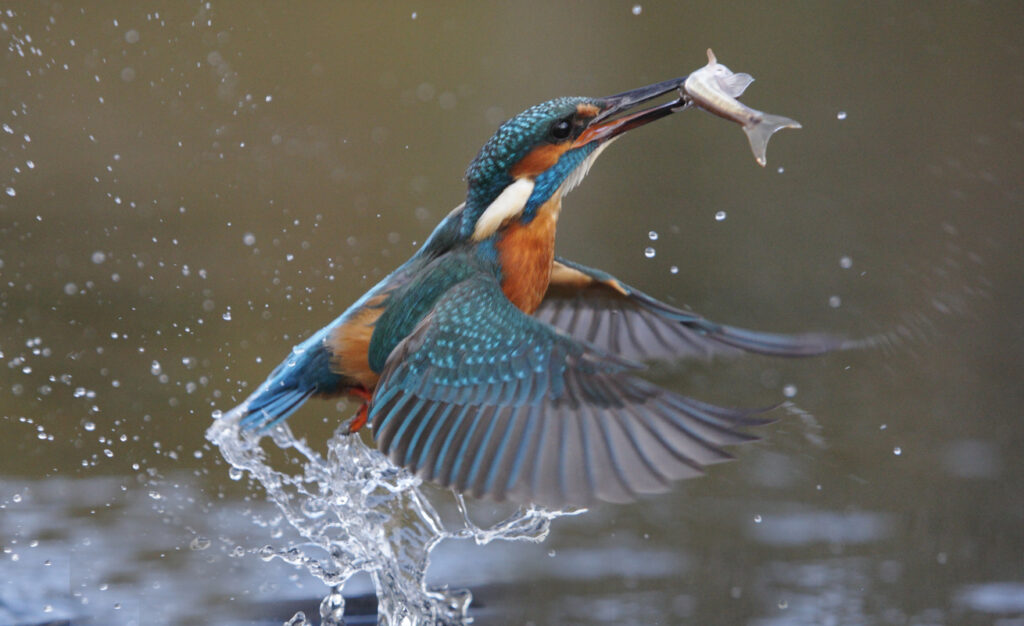
The kingfisher’s long, aerodynamic beak allows it to dive into water with almost no splash, reducing impact resistance. In the 1990s, engineers redesigned Japan’s Shinkansen bullet train nose after observing this natural shape. Before the change, trains created loud pressure booms when exiting tunnels. By modeling the front end after the kingfisher’s beak, engineers reduced noise, improved energy efficiency, and increased speed. The bird’s ability to transition smoothly between air and water helped solve a real engineering challenge. Even though the inspiration came later in the design process, it became one of the most famously documented examples of biomimicry in modern transportation.
3. Gecko Foot Grip and Adhesive Technology
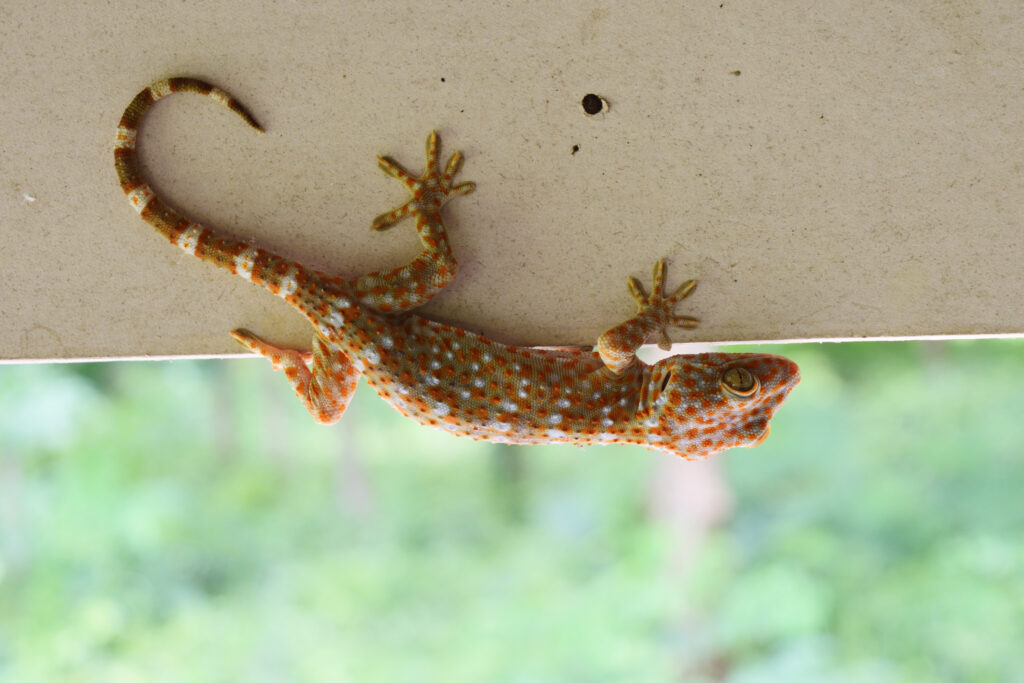
Geckos can climb walls and even hang upside down thanks to microscopic hair-like structures on their feet called setae, which create strong friction through molecular attraction. Scientists studying this natural grip eventually developed reusable adhesives, climbing pads, and robotics surfaces that mimic the gecko’s technique. While humans used sticky materials long before geckos were studied, modern “dry adhesives” were directly inspired by these reptiles. Research showed that the secret wasn’t glue but millions of tiny contact points. This discovery changed how engineers thought about friction, influencing new products such as wall-climbing robots, medical tape prototypes, and even experimental astronaut gear for gripping surfaces in low gravity.
4. Termite Mound Cooling and Eco-Friendly Architecture
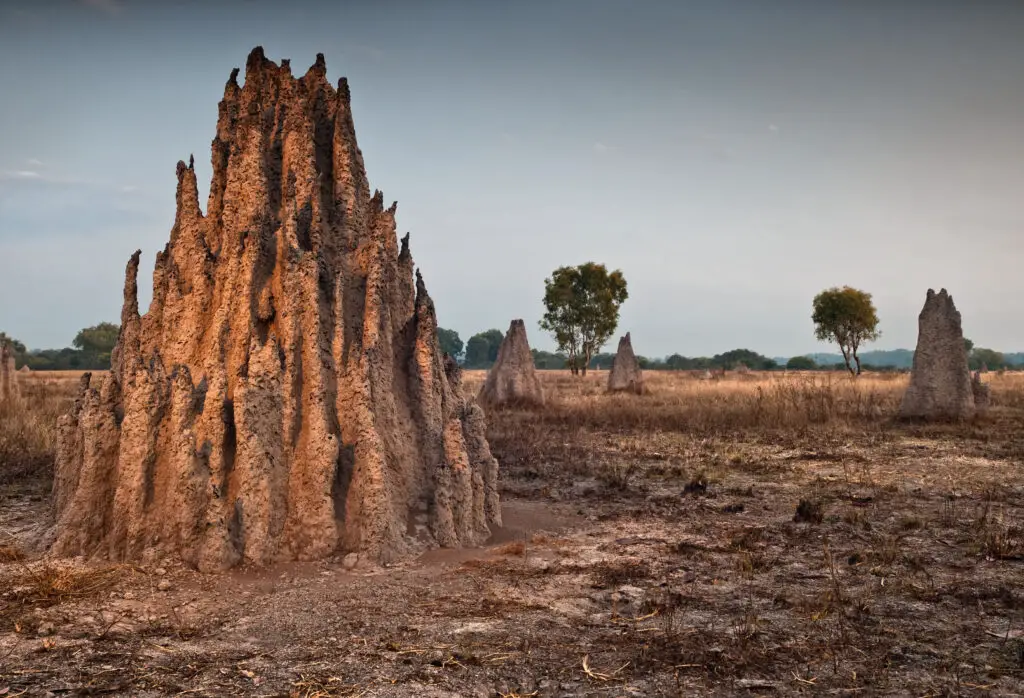
Certain termite species build towering mounds that maintain stable internal temperatures despite extreme heat outside. They accomplish this through a natural ventilation system of tunnels and chambers that circulate air efficiently. When architects examined these structures, they discovered principles that could improve human buildings without relying heavily on air conditioning. The Eastgate Centre in Harare, Zimbabwe, is a well-known example, designed using airflow concepts inspired by termite mounds. Though humans built structures long before studying termites, eco-engineers have since embraced these natural strategies to reduce energy costs. The termites’ passive cooling approach now shapes sustainable architecture around the world.
5. Whale Flipper Edges and Wind Turbine Efficiency
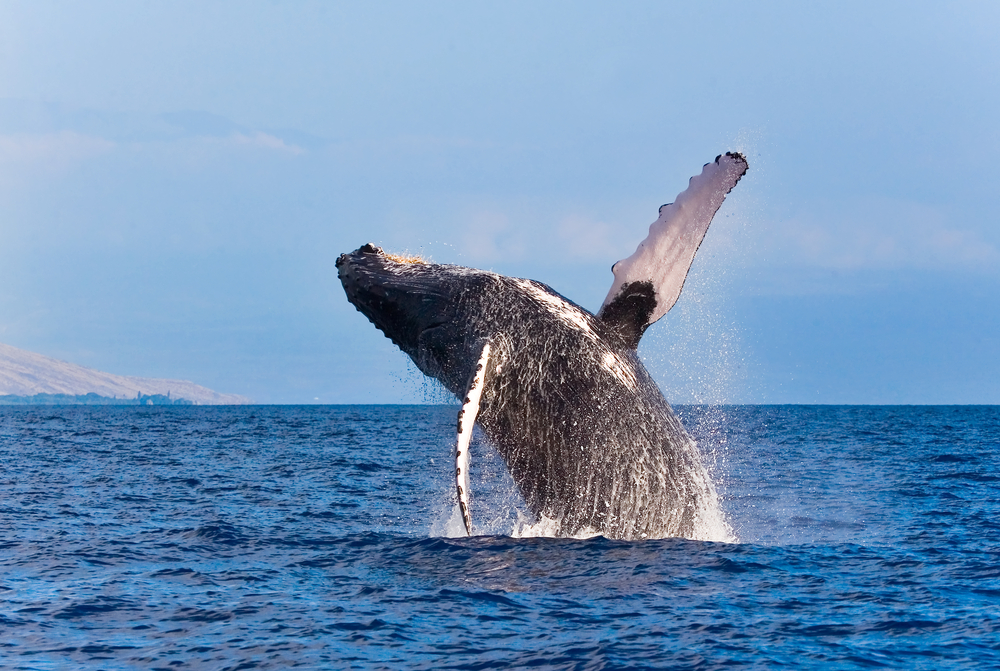
Humpback whales have bumpy flipper edges called tubercles that allow them to maneuver efficiently despite their massive size. These bumps channel water in a way that reduces drag and increases lift. Engineers later applied this principle to wind turbine blades and fan systems, discovering that similar bumps increased energy capture and reduced noise. While early turbines were built without this biological insight, modern designs often integrate tubercle-inspired edges to improve performance. Tests showed that the whale’s flipper shape naturally delays stall and enhances stability, making it one of the most influential marine adaptations adopted into renewable-energy engineering.
6. Bat Echolocation and Early Sonar
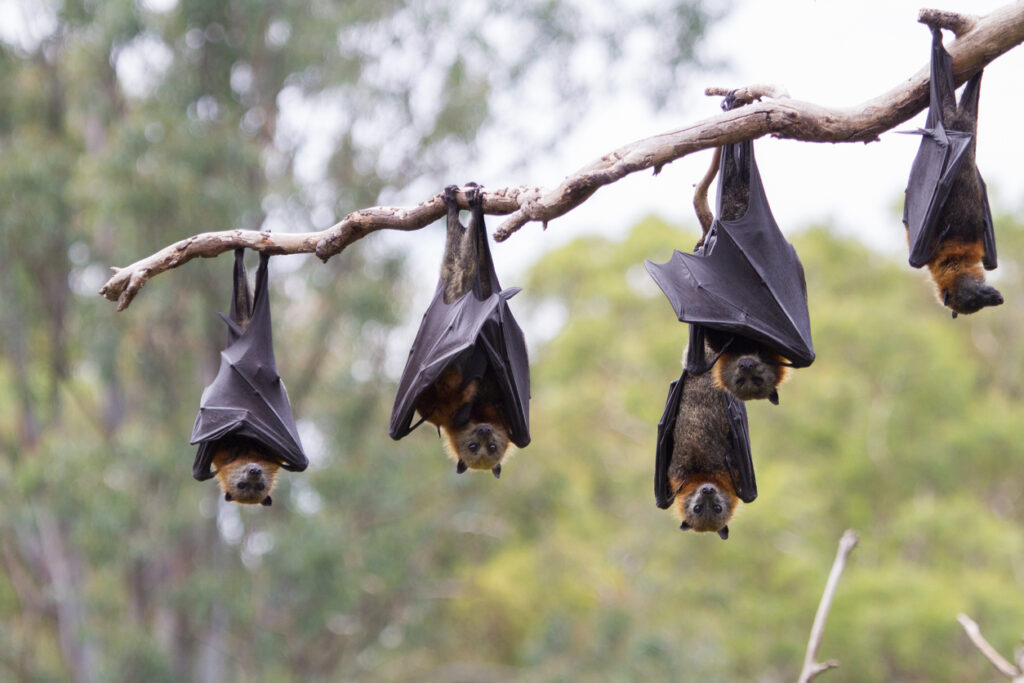
Bats navigate in complete darkness by emitting high-frequency calls and reading the returning echoes to map their surroundings. Humans later developed sonar systems for submarines and aircraft using the same principle of sound-wave reflection. Although sonar wasn’t intentionally modeled after bats at first, scientists studying bat navigation eventually confirmed the striking similarities. By understanding how bats distinguish objects based on echo delay and frequency shifts, engineers improved sonar accuracy and target detection. This natural strategy also influenced medical ultrasound and acoustic mapping technologies. Bats had mastered detailed spatial orientation millions of years before humans transformed the concept into modern detection tools.
7. Shark Skin Texture and Speed-Suit Design
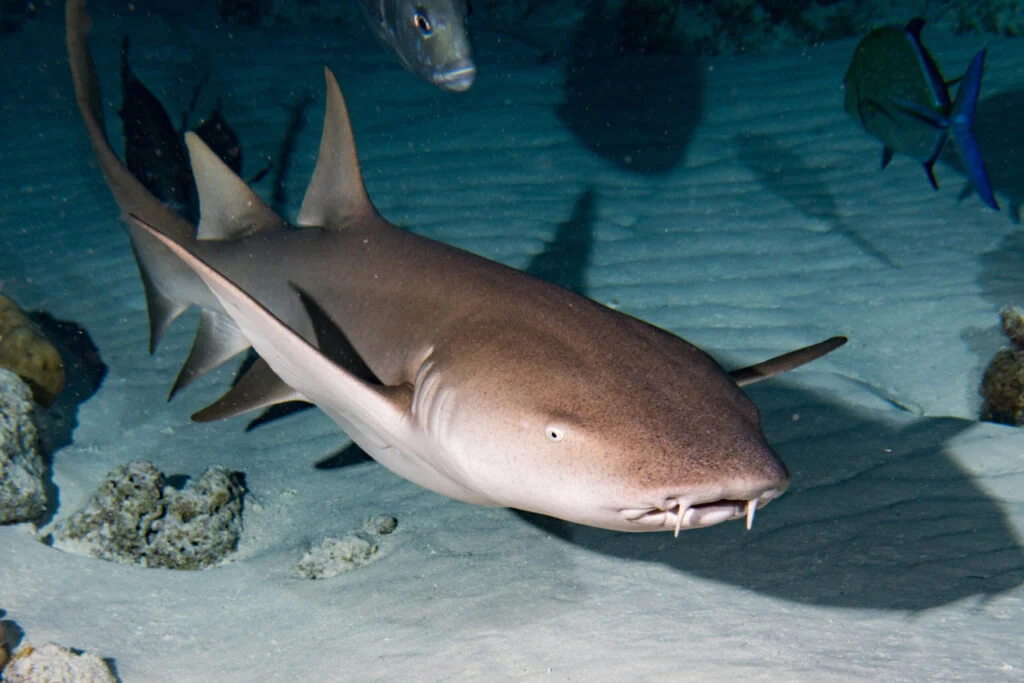
Shark skin is covered with tiny tooth-like structures called dermal denticles, which reduce drag and help sharks move swiftly through water. When researchers studied this pattern, they realized it could enhance human movement and reduce resistance in aquatic environments. This led to the development of sharkskin-inspired swimsuits used by competitive swimmers in the early 2000s. Although these suits were later restricted in some competitions, they demonstrated how nature’s micro-patterning could improve speed and efficiency. The same principle has been applied to boat coatings and aircraft surfaces to reduce fuel consumption. Sharks perfected streamlined movement long before humans discovered how to replicate it.
8. Woodpecker Skull Design and Shock Absorption
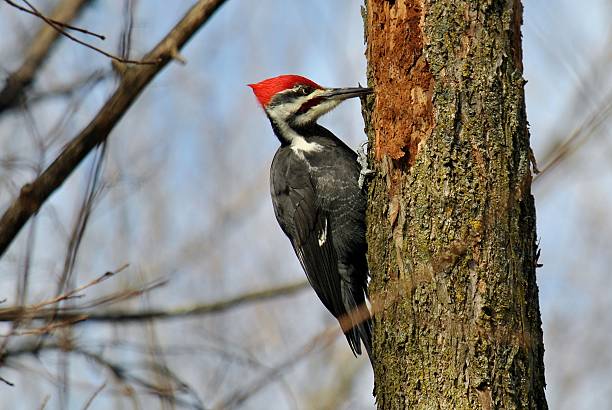
Woodpeckers deliver thousands of powerful pecks daily without injuring their brains, thanks to specialized skull structures, spongy bone layers, and a strong hyoid bone that redistributes impact. Researchers studying this resilience developed improved shock-absorption systems for helmets and protective gear. While humans used padded helmets long before understanding woodpecker biology, modern designs, especially in sports and construction, have since incorporated similar multi-layered impact mitigation strategies. The bird’s natural ability to handle rapid deceleration revealed new ways to reduce concussion risks. Its biomechanics remain a key reference in ongoing helmet safety innovations.
9. Beehive Honeycomb and Structural Engineering
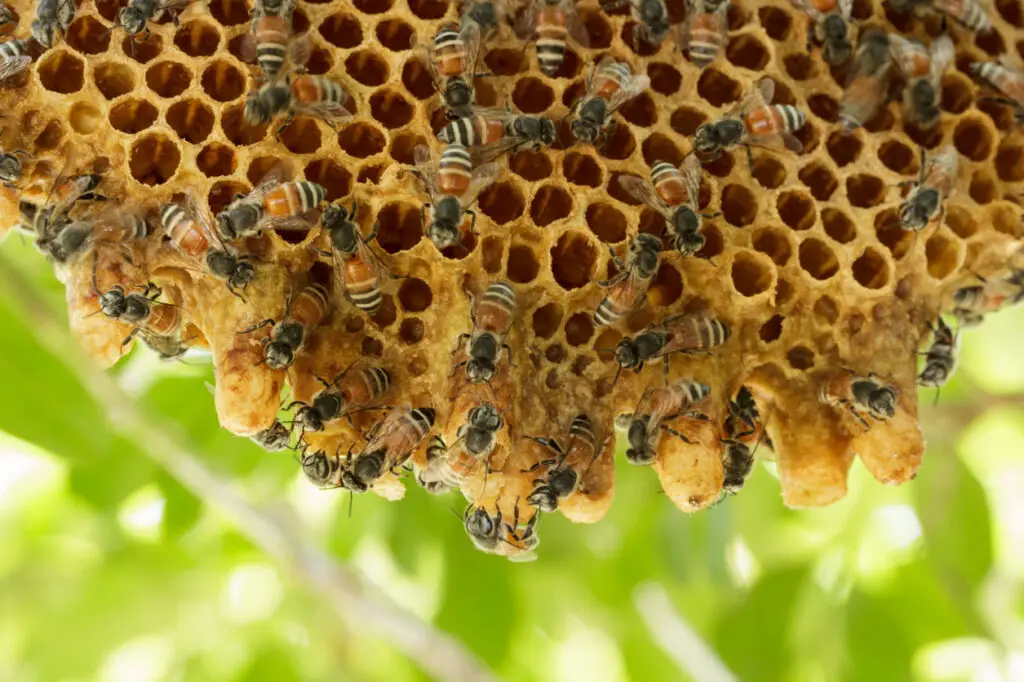
Bees construct honeycombs using hexagonal cells that maximize storage while using minimal wax. The hexagon’s strength and efficiency have influenced human engineering for centuries, appearing in bridges, flooring, aerospace materials, and lightweight panels. While ancient builders didn’t formally study bees, the honeycomb pattern eventually became a recognized model for strong yet light structures. Engineers found that its geometry evenly distributes stress and resists collapse, making it ideal for aircraft cores and packaging materials. The bees’ instinctive mathematical precision continues to guide innovative designs that require both durability and resource efficiency.
10. Owl Silent Flight and Noise-Reducing Fans
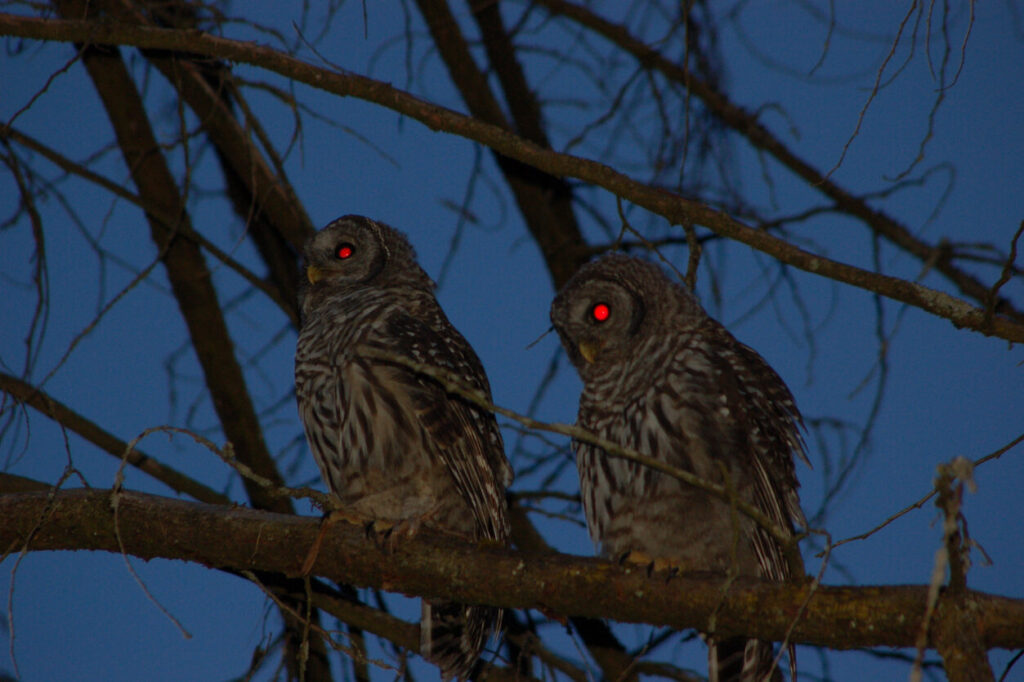
Owls fly almost silently thanks to comb-like serrations on their wing edges and soft feather textures that break up airflow. When scientists studied this adaptation, they realized it could be used to reduce noise in human technologies. Modern wind turbines, computer fans, and aircraft components now use similar saw-tooth or fringed edges to quiet airflow. Although humans didn’t design early fans with owls in mind, later research into owl aerodynamics directly shaped new noise-reduction methods. These birds had already mastered stealthy movement long before engineers translated their wing features into quieter machines.
11. Dolphin Skin Flow Control and Submarine Coatings
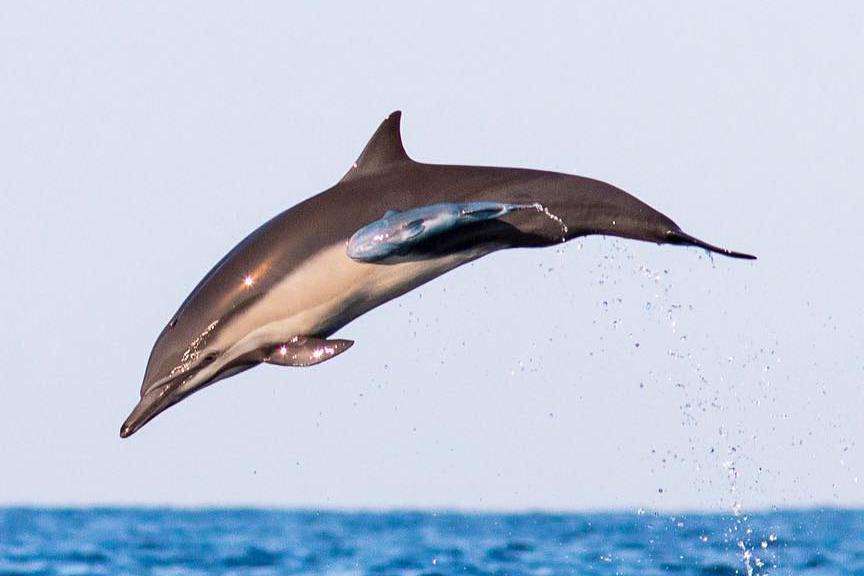
Dolphins glide smoothly through water due to flexible, textured skin that reduces drag and prevents turbulence from building. Researchers discovered that their skin continually adjusts to micro-pressure changes, keeping water flow stable. This inspired drag-reducing coatings and hull technologies for submarines, ships, and underwater drones. Though early naval vessels were built without such biological insight, modern hydrodynamic design often borrows from dolphin physiology to lower energy use and increase speed. The dolphin’s natural ability to manage boundary-layer flow became a powerful reference for aquatic engineering.
12. Ant Trail Networks and Traffic Flow Systems
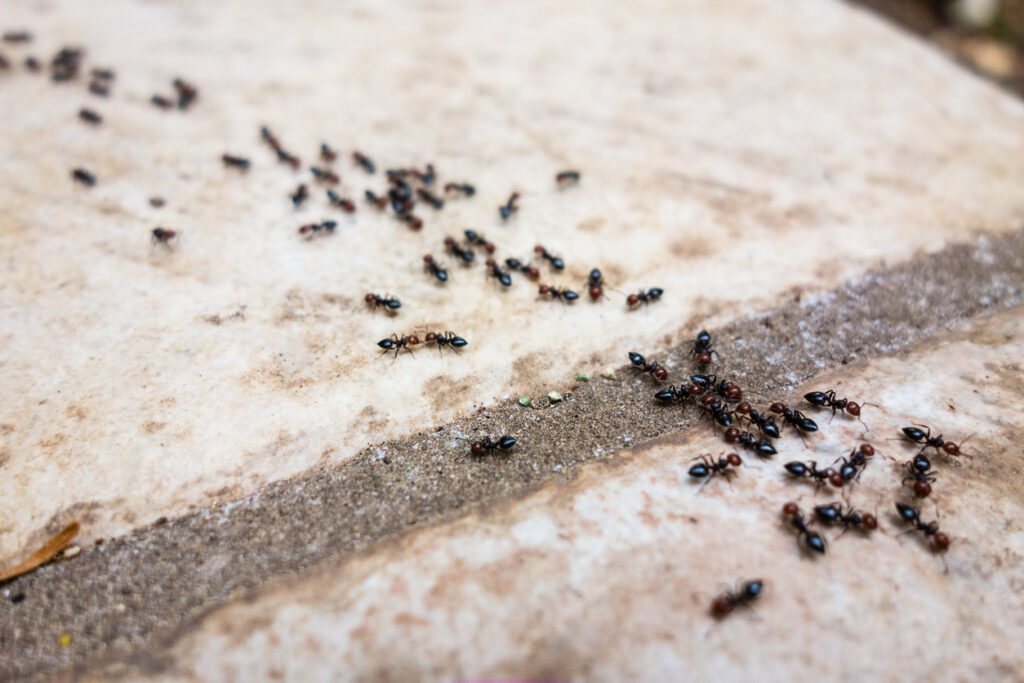
Ants create efficient travel routes using pheromones, reinforcing paths that lead to food and abandoning those that are inefficient. Researchers later applied these behaviors to human traffic modeling and computer routing algorithms. “Ant colony optimization” is now a recognized method for improving traffic lights, delivery routes, and network efficiency. While city planners didn’t consciously imitate ants centuries ago, modern systems deliberately borrow from ant behavior to reduce congestion and improve flow. Their self-organizing trails demonstrate how simple rules in nature can solve complex logistical problems humans face daily.
13. Cat Retraction Mechanism and Quiet Machinery

Cats extend and retract their claws using a smooth tendon-and-pulley system that keeps their steps silent and prevents wear. Engineers studying this mechanism adapted similar designs for retractable tools, quiet latching systems, and robotic grips. While humans had retractable inventions long before this research, the cat’s claw provided a refined natural model that improved durability and noise reduction. Its efficient structure allows claws to stay sheathed until needed, an idea now mirrored in products requiring controlled, low-friction extension. This quiet, ready-when-needed system remains one of nature’s most elegant mechanical solutions.
14. Beaver Dams and Water Management
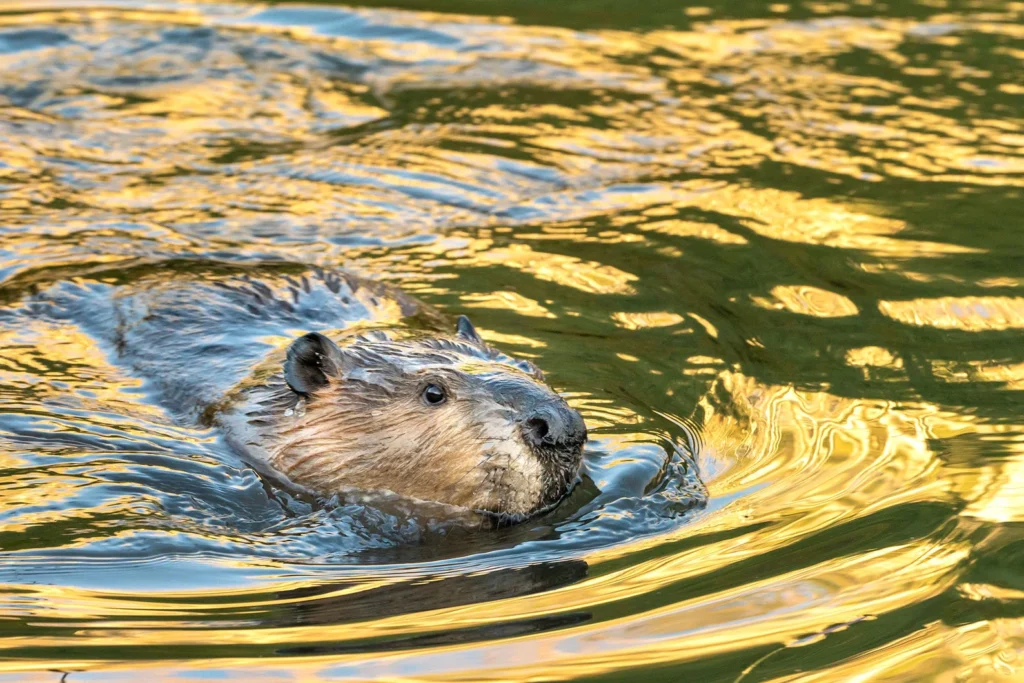
Beavers build dams that slow water flow, prevent erosion, and create wetlands that support diverse wildlife. Their structures naturally manage floods and stabilize ecosystems. Over time, environmental engineers noticed that human-made waterways often succeeded when mimicking these slow-flow designs. Some restoration projects now use “beaver dam analogues,” simple structures modeled on real beaver dams to hold sediment, recharge groundwater, and reduce flood risks. Although early civilizations built dams independently, today’s ecological restoration strategies deliberately borrow from the beaver’s low-tech, high-impact engineering.
15. Octopus Camouflage and Adaptive Materials
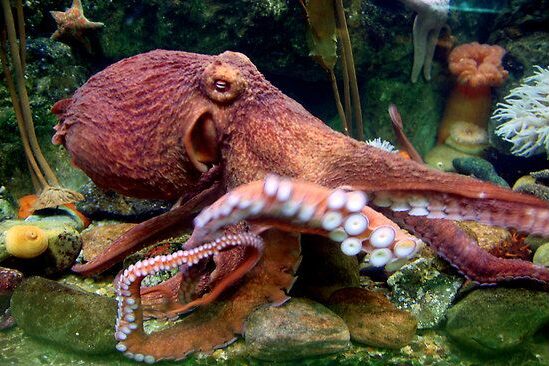
Octopuses change color and texture instantly using specialized skin cells called chromatophores, iridophores, and papillae. Scientists studying these rapid transformations have developed early versions of adaptive materials, color-shifting displays, and military camouflage systems that mimic how octopuses scatter and reflect light. Humans long used camouflage, but modern dynamic versions draw heavily from cephalopod biology. The octopus’s ability to blend into coral, sand, or rock within seconds continues to inspire research in textiles, robotics, and display technologies seeking similar flexibility.
16. Penguin Social Huddling and Energy-Efficient Grouping
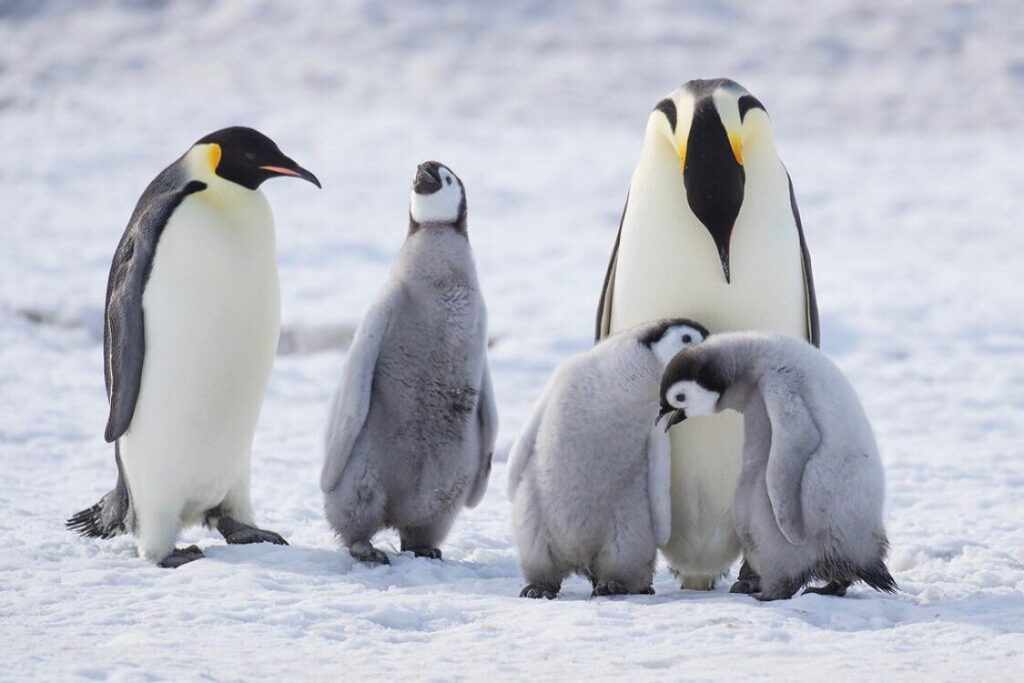
Emperor penguins survive brutal Antarctic winters by forming tightly packed huddles that rotate positions so every bird gets periodic access to warmth. Scientists studying the movement patterns within these groups found principles that later informed human crowd-flow models and energy-efficient group behaviors. Observing how penguins reduced heat loss by minimizing exposed surface area helped researchers design better strategies for managing human gatherings in extreme environments and even optimize insulation patterns in buildings. Although humans didn’t consciously imitate penguins at first, modern thermal research and crowd dynamics now intentionally draw from this natural cooperative system.
17. Spider Web Silk and High-Strength Materials
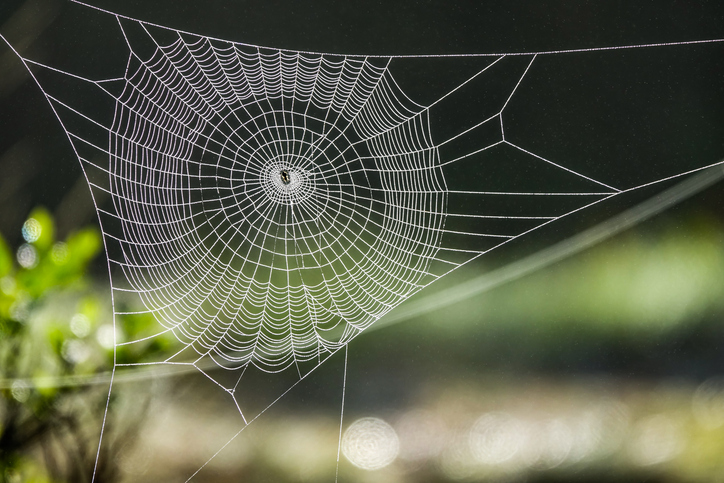
Spider silk is incredibly light yet stronger by weight than steel, making it one of the most remarkable natural fibers ever studied. As scientists analyzed its molecular structure, they found inspiration for advanced textiles, medical sutures, and impact-resistant materials. While humans have used strong fibers throughout history, modern material science deliberately copies spider-silk proteins to create synthetic versions with similar elasticity and strength. Research into web-building patterns also guides architectural tension systems and net designs. Spiders evolved these high-performance threads millions of years before humans learned how to replicate even a fraction of their resilience.
18. Elephant Trunk Mechanics and Soft Robotics
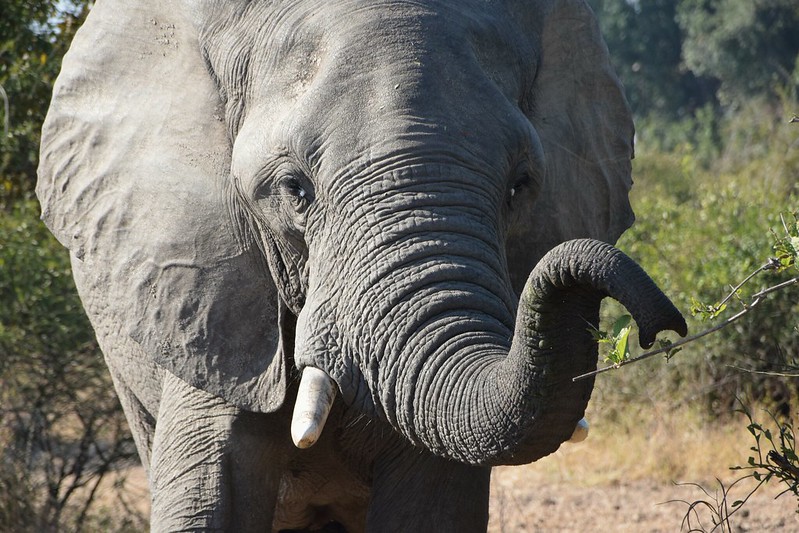
An elephant’s trunk acts as both a powerful tool and a delicate manipulator, capable of lifting heavy branches yet gently picking up fruit. Its structure of thousands of muscles inspired researchers developing soft robotics, machines designed to handle objects safely without rigid joints. Engineers studied how elephants bend, twist, and curl their trunks to develop flexible robotic arms used in manufacturing, surgery, and hazardous environments. While early robots relied on stiff, angular movement, modern designs borrow heavily from the elephant’s adaptable mechanics. This natural model has opened doors to safer, more intuitive robotic systems.
19. Butterfly Wing Colors and Structural Pigments
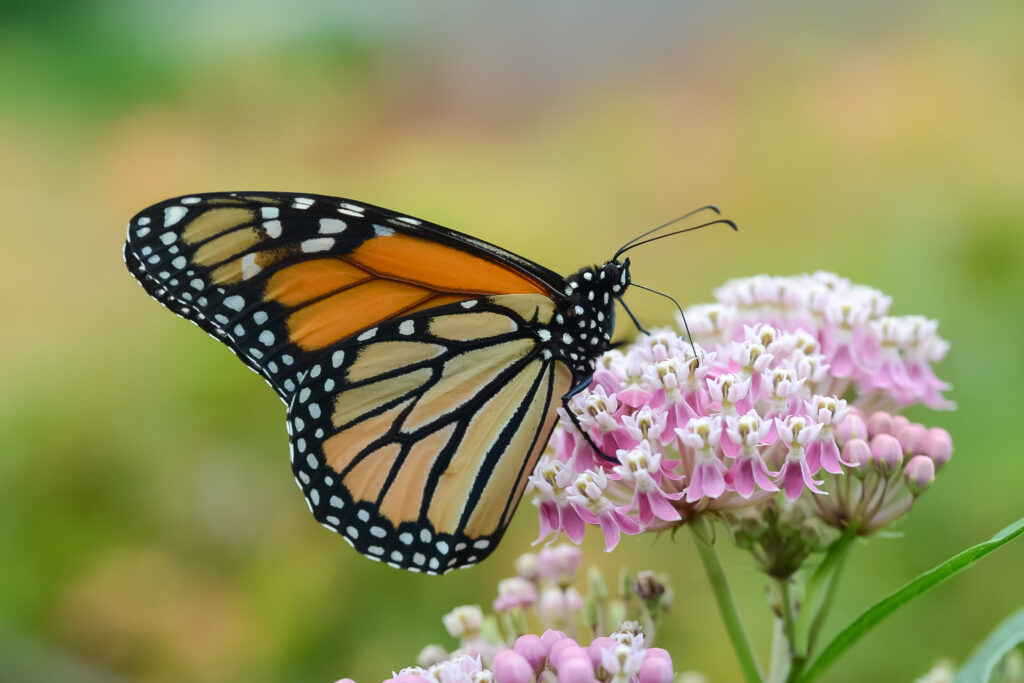
Butterflies like the morpho species display brilliant colors not from pigments but from microscopic structures that manipulate light. Scientists studying these wings discovered how tiny ridges create iridescence by scattering and reflecting wavelengths. This inspired human innovations in color-fast paints, anti-counterfeit technology, and low-energy display screens that use structural coloration instead of chemical dyes. Humans long used dyes for color, but modern research into light-structuring materials directly reflects what butterflies evolved for communication and camouflage. The natural efficiency and longevity of these colors offer a blueprint for sustainable color technology.
20. Mole Nose Sensitivity and High-Resolution Sensors
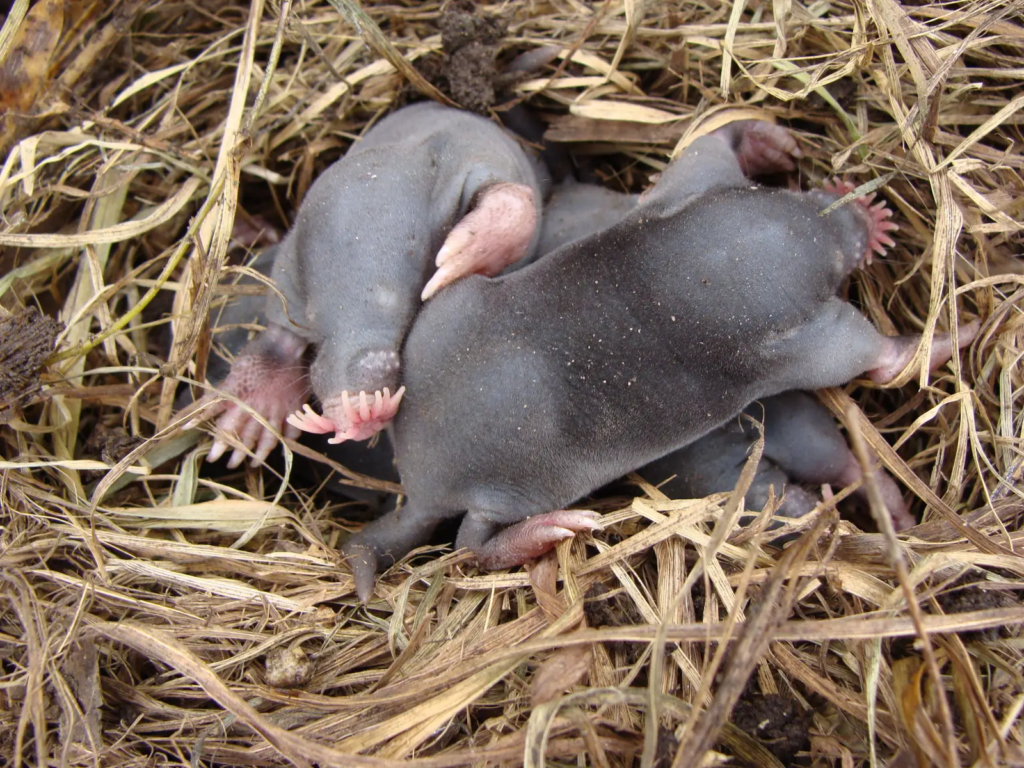
The star-nosed mole has one of the most sensitive touch organs in the animal kingdom, with over 25,000 sensory receptors arranged in 22 fleshy appendages. This allows it to identify objects faster than the human eye can process an image. Engineers later studied this unusual structure to design high-resolution tactile sensors for robotics and medical devices. Although humans developed basic sensors independently, modern touch technology often reflects the mole’s ability to gather precise spatial information almost instantly. Its extraordinary nose remains a benchmark for sensitivity and efficiency in sensor research.
Nature has spent millions of years refining solutions to challenges we still face today. By looking closely at wildlife, humans have uncovered ideas that make our technologies faster, safer, and more efficient.
If this list sparked your curiosity, feel free to share your thoughts or tell us which example fascinated you most.
This story 20 Wildlife Strategies Humans Accidentally Copied was first published on Daily FETCH


