
1. AI assistants will act more like coworkers than tools
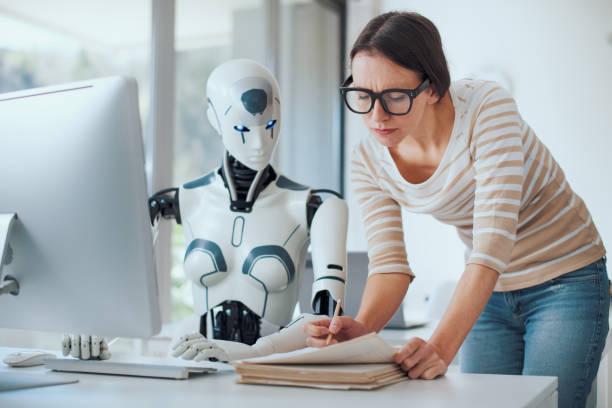
Technology rarely changes all at once. Instead, it quietly shifts how we live, work, and connect until one day things feel unmistakably different. By the end of 2026, AI assistants are expected to function less like reactive software and more like proactive collaborators. Instead of waiting for prompts, they will anticipate tasks, manage schedules, draft documents, and flag issues before humans notice them. In workplaces, AI will increasingly handle meeting summaries, project updates, and routine communication, freeing people to focus on judgment-based decisions. These systems will also become more personalized, learning individual preferences and work styles over time.
2. Phones will rely more on voice than touch
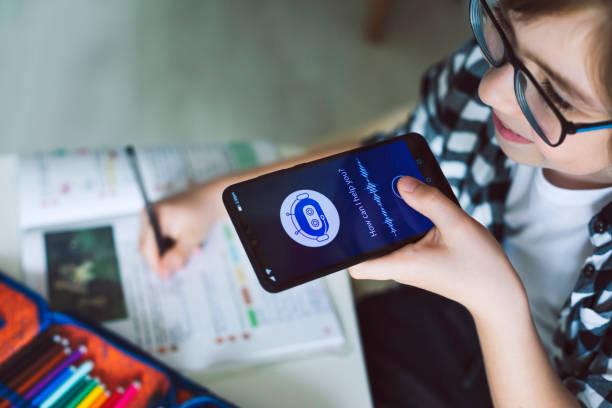
Smartphones are expected to shift further toward voice-first interaction by 2026. Improvements in speech recognition and contextual understanding mean users will speak naturally instead of tapping through menus. Tasks like writing messages, searching the web, or adjusting settings will increasingly happen through conversational commands. This change is driven by both accessibility needs and convenience, especially while driving or multitasking. While screens won’t disappear, they’ll matter less for everyday actions. Over time, people may realize they’re touching their phones far less often, relying instead on spoken instructions that feel faster and more intuitive.
3. Passwords will quietly fade out of daily life
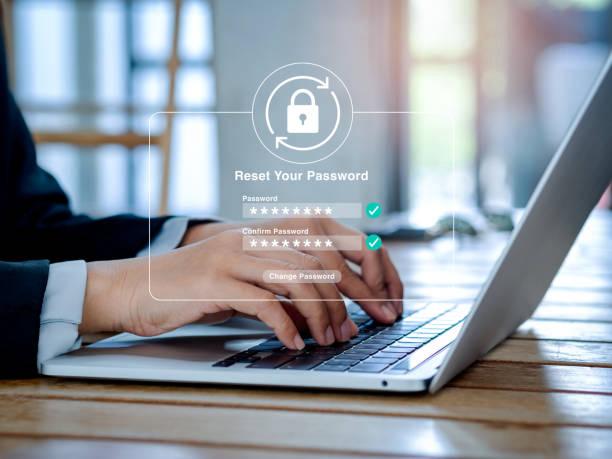
By the end of 2026, traditional passwords are expected to become far less common. Many services are moving toward passwordless systems using biometrics, device-based authentication, or secure passkeys. This shift reduces security risks linked to reused or stolen passwords while making logins faster and simpler. Users will increasingly unlock accounts with fingerprints, facial recognition, or trusted devices instead of memorizing complex strings of characters. While passwords won’t vanish entirely, their role will shrink significantly. The overall experience of signing in will feel smoother and less frustrating than it does today.
4. Cars will update themselves like smartphones
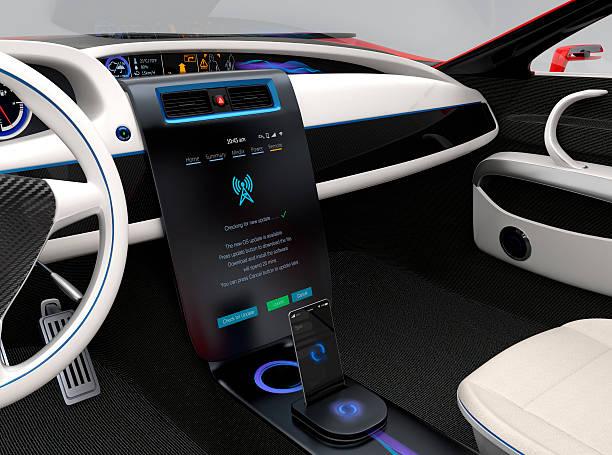
Vehicles are rapidly becoming software-driven machines, and by 2026, regular over-the-air updates will feel normal. These updates won’t just fix bugs but add new features, improve efficiency, and enhance safety systems without a trip to the mechanic. Drivers may wake up to cars that handle slightly better, use energy more efficiently, or offer upgraded infotainment options. This shift changes how people think about ownership, as vehicles will improve over time instead of slowly aging. Cars will feel less like static purchases and more like evolving devices.
5. Shopping will blend physical and digital experiences

By the end of 2026, the line between online and in-store shopping will continue to blur. Physical stores are adopting digital tools like app-based checkout, personalized recommendations, and augmented reality displays. Shoppers may scan items with their phones for instant reviews, sizing help, or product history. At the same time, online shopping will feel more physical through virtual try-ons and immersive previews. This hybrid approach aims to combine convenience with tactile experience. The result is shopping that feels faster, more informed, and less transactional than before.
6. Home devices will communicate with each other more smoothly

Smart homes are expected to feel less fragmented by 2026 as devices become better at working together. Lights, thermostats, security systems, and appliances will increasingly share data across platforms. Instead of juggling multiple apps, users will manage their homes through unified systems that respond to routines and habits. For example, homes may automatically adjust lighting, temperature, and security based on who is present or the time of day. This seamless interaction will make smart homes feel more natural and less like ongoing tech projects.
7. Work meetings will rely less on live attendance
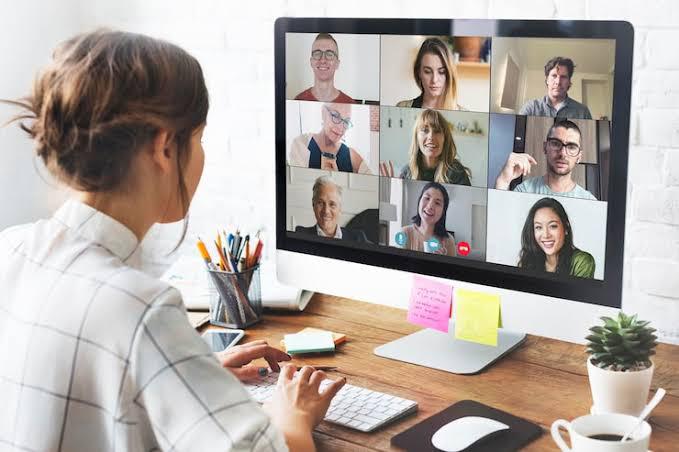
By 2026, work meetings are expected to become more flexible and less dependent on everyone being present at the same time. AI-powered tools already summarize discussions, extract action points, and highlight decisions. As these systems improve, employees may skip live meetings and review concise summaries later. This approach supports global teams across time zones and reduces meeting fatigue. While live collaboration will still matter, the pressure to attend every call will ease. Meetings will feel more like shared resources than mandatory events.
8. Wearable tech will focus more on health insights
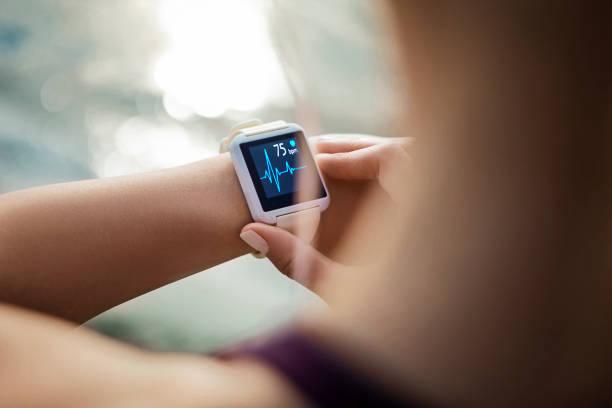
Wearable devices are moving beyond step counts toward deeper health monitoring. By the end of 2026, many wearables will track long-term trends in sleep, stress, heart health, and activity patterns. The focus will shift from raw data to actionable insights, helping users understand changes over time rather than daily numbers. Some devices may flag early warning signs or suggest lifestyle adjustments. While not replacing medical care, wearables will increasingly feel like personal health companions rather than simple fitness accessories.
9. Translation technology will feel nearly instant
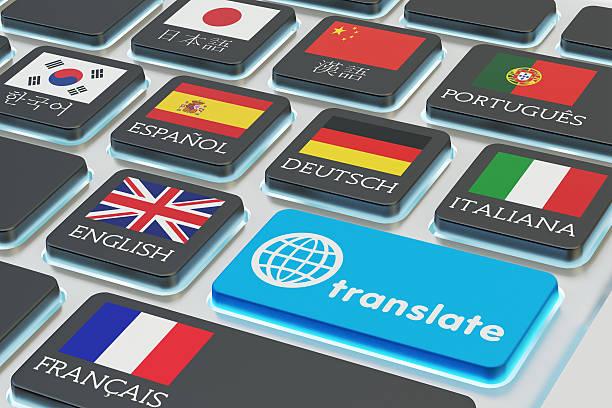
Language barriers are expected to shrink significantly by 2026 thanks to advances in real-time translation. Translation apps, earbuds, and software will offer faster and more natural-sounding results. Conversations between people speaking different languages will feel smoother, with fewer delays or awkward phrasing. This technology will impact travel, education, and international work by reducing friction in communication. While not perfect, translation tools will feel reliable enough for everyday use, making multilingual interactions more accessible than ever before.
10. Entertainment will adapt to individual moods
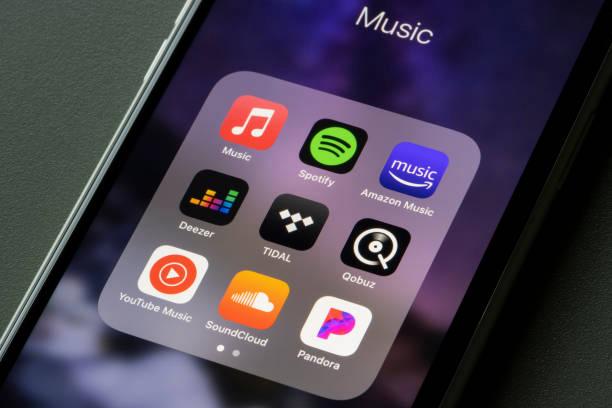
By the end of 2026, entertainment platforms are expected to respond more closely to individual moods and habits. Music, video, and gaming services already personalize recommendations, but future systems will factor in time of day, activity, and past behavior more deeply. A platform might suggest calming content during stressful periods or energetic options during workouts. This personalization aims to feel supportive rather than overwhelming. Over time, entertainment will feel less like browsing libraries and more like being gently guided toward what fits the moment.
11. Processing moves to the edge

As data volumes from devices keep exploding, more computing will happen at the edge rather than in distant cloud centersand by the end of 2026 that shift will feel tangible. Edge processing reduces latency for real-time apps like industrial sensors, autonomous machines, and AR, and lowers bandwidth costs by handling routine decisions locally while sending only summaries to the cloud. Businesses will deploy more compact data centers and edge appliances in factories, retail stores, and cell towers, making applications respond faster and more reliably. For users this means smoother smart-city services, faster on-device AI, and less lag for connected experiences.
12. AR becomes something you reach for, not just try on demos
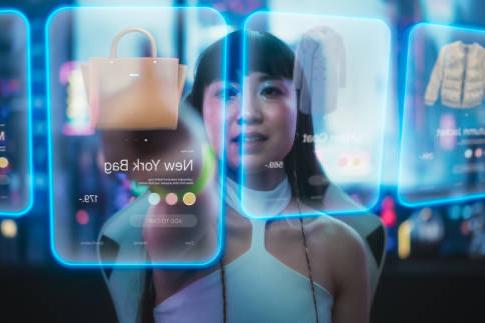
Augmented reality hardware and software are moving past demo-stage novelty into everyday utility; by late 2026 AR overlays will be handy for navigation, shopping, training, and quick contextual help. Improvements in optics, battery life, and software ecosystems are making small, lighter headsets and glasses more acceptable outside early-adopter circles. Developers are building real workflows, from technicians viewing schematics overlaid on a machine to shoppers previewing furniture in place, and enterprise pilots are multiplying. Expect AR experiences to feel less like gimmicks and more like productivity tools, though mass consumer price points and app ecosystems will still determine how fast adoption expands.
13. Building apps will feel more visual than code-heavy

Low-code and no-code platforms will keep rising, so by 2026 many routine business apps will be assembled visually instead of hand-coded. Teams will wire data sources, workflows, and user interfaces through drag-and-drop tools, while prebuilt connectors and templates handle integrations. This won’t eliminate professional developers, but it will let product managers and domain experts prototype and ship features far faster, pushing engineering to focus on custom, high-value tasks. For organizations this means shorter project cycles, more experimentation, and a bigger gap between simple automation (handled by citizen builders) and complex systems that still need experienced engineering.
14. Battery and charging improvements make devices feel less anxious
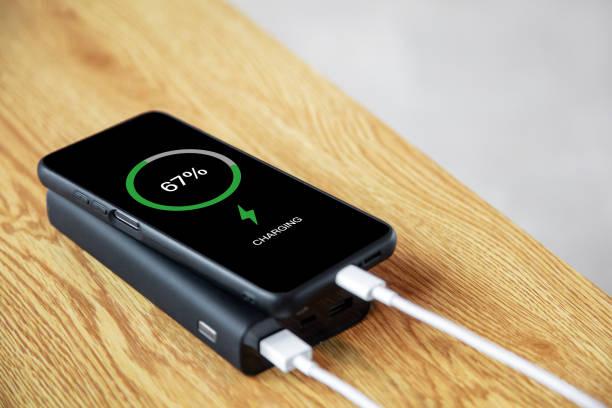
Battery tech is improving steadily, advances in fast-charging, cell chemistry, and manufacturing readiness for solid-state designs mean phones, EVs, and portable devices will feel noticeably better by end of 2026. Expect shorter charge times and longer useful lifespans for many devices as manufacturers roll out higher-density cells and optimized charging algorithms; some companies targeting commercial-scale solid-state cells are reporting tangible milestones that suggest practical launches are approaching. For consumers the day-to-day change is straightforward: less battery anxiety, fewer mid-day top-ups, and a smoother experience for electric vehicles and heavy-use mobile devices.
15. Internet from space gets meaningfully better and broader
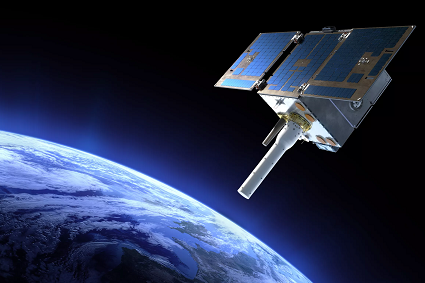
Satellite constellations are scaling rapidly, bringing low-latency, high-speed internet to places that lacked reliable service; by late 2026 many rural and previously underserved areas will see real improvements. Companies launching low-earth-orbit networks are adding satellites and customers at pace, and direct-to-cell and in-flight offerings are expanding the use cases. That won’t replace city fiber for every need, but businesses and communities in remote regions will experience a step-change in access, enabling telehealth, schooling, and commerce where those were previously limited. The result: the web will feel more consistently available in more places.
16. Privacy and AI rules reshape what apps can do
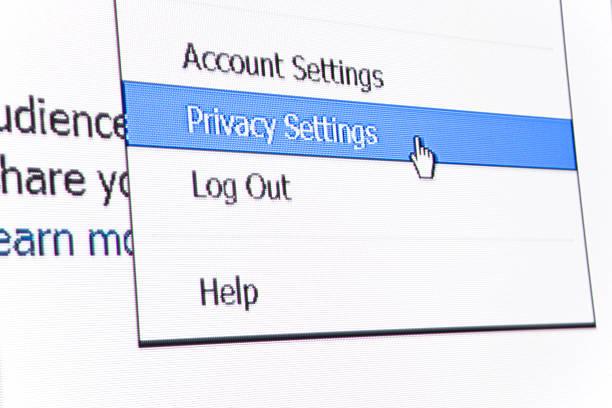
Regulatory moves, especially the staged rollout of the EU AI Act and a wave of state-level privacy and AI rules in places like the U.S., are already nudging platforms to change practices, and by the end of 2026 those changes will be obvious in user experiences. Companies must add transparency, data minimization, and new consent flows; some features that rely on broad data collection may be limited or redesigned. In practical terms, apps will ask for clearer permissions, offer simpler ways to opt out, and document how AI decisions were made. This will feel like a shift toward more explainable, restricted, and user-focused services.
17. Generative content comes with provenance and labels
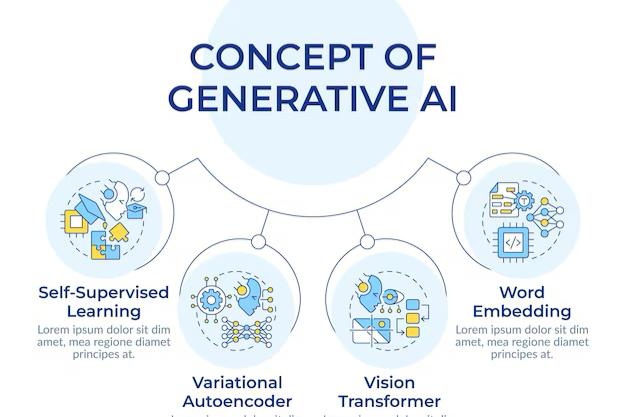
As synthetic media proliferates, platforms and publishers will increasingly add provenance metadata, watermarks, or content labels to AI-generated text, images, and video. By the end of 2026 many mainstream sites and social networks will either require or strongly encourage creators to tag AI-assisted work, and tools that help verify origins will be more common. That doesn’t stop casual misuse, but it makes it easier for readers and moderators to spot synthetic content and for platforms to enforce policies. The net effect will be a digital landscape where generated content is more traceable and context-rich.
18. Cyber risk pricing and insurance affect product choices
Rising cyber incidents and more sophisticated attacks mean insurers are tightening underwriting and pricing risk more granularly; by late 2026 startups and buyers will feel this in higher premiums or requirements for demonstrable security practices. Organizations will be nudged to adopt zero-trust architectures, multi-factor authentication, and regular penetration testing simply to qualify for coverage. For customers that translates into more visible security controls in products and more stringent vendor questionnaires, security posture becomes a buying factor rather than a background checkbox.
19. Digital identity becomes more portable and controlled
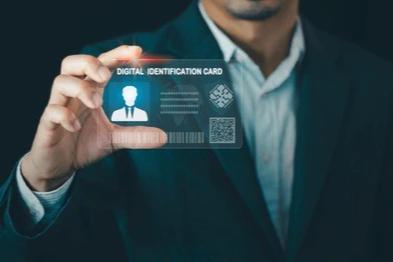
By the end of 2026, digital identity systems are expected to feel more user-controlled and portable across services. Governments, financial institutions, and tech platforms are rolling out digital ID wallets that let people verify who they are without repeatedly sharing full personal details. Instead of uploading documents everywhere, users may confirm age, residency, or credentials with limited, secure disclosures. This shift is driven by privacy regulations and the need to reduce identity fraud. While adoption will vary by region, everyday interactions like banking, travel, and online verification will increasingly rely on reusable digital identities rather than scattered accounts.
20. Digital skills become essential for nearly every job
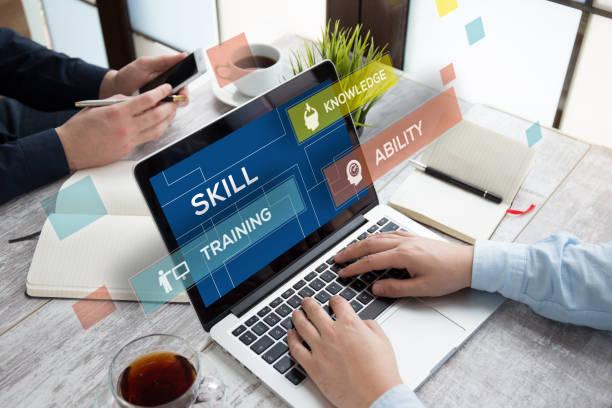
By the end of 2026, basic digital fluency will be expected across almost all professions, not just technical roles. Workers will increasingly need comfort with AI tools, collaboration platforms, data dashboards, and automated systems. This doesn’t mean everyone must code, but understanding how to work alongside technology will be critical. Employers are already investing heavily in upskilling programs to keep pace with change. For many people, the biggest difference will be realizing that staying current with technology is no longer optional, it’s part of remaining employable in a rapidly evolving workplace.
By 2026, technology won’t feel radically unfamiliar, but it will feel undeniably different. Many of the biggest changes will happen quietly, reshaping habits, expectations, and daily routines without dramatic announcements.
Like this story? Add your thoughts in the comments, thank you.


