
1. People Thought the Earth Was Flat

It’s easy to picture people in the distant past believing the Earth was flat, especially since that image shows up so often in cartoons and simple history lessons. The idea usually comes with stories of sailors fearing they might fall off the edge of the world. But when you look a little closer, that version of history doesn’t really hold up the way it’s often told.
In reality, many educated people in ancient civilizations already understood that the Earth was round. Greek scholars studied shadows, stars, and geometry to estimate its size with surprising accuracy. As historians often explain, “The flat Earth myth is a modern invention,” created much later to make earlier generations seem less informed. While not everyone studied science, the general concept of a spherical Earth was not unusual among thinkers. It’s a reminder that sometimes we underestimate the past, not because people lacked knowledge, but because later stories simplified things too much for easy retelling.
2. Medieval People Were Dirty and Never Bathed

A common image of medieval life is one filled with dirt, unpleasant smells, and people who avoided bathing altogether. It’s the kind of picture reinforced by movies and storytelling, where everyone looks worn down and unwashed. While life was certainly harder in many ways, the idea that people never bathed is not entirely accurate.
In fact, bathing was part of daily life for many, especially in towns where public bathhouses existed. People valued cleanliness, even if their methods and beliefs differed from what we know today. Some periods saw a decline in bathing due to fears that water could spread illness, but that didn’t erase the practice entirely. As one account puts it, “Bathing was a regular part of urban life in many medieval towns.” The truth is more balanced than the stereotype. People adapted to their environment and knowledge, doing the best they could with what they had, rather than ignoring hygiene altogether.
3. Columbus Discovered America
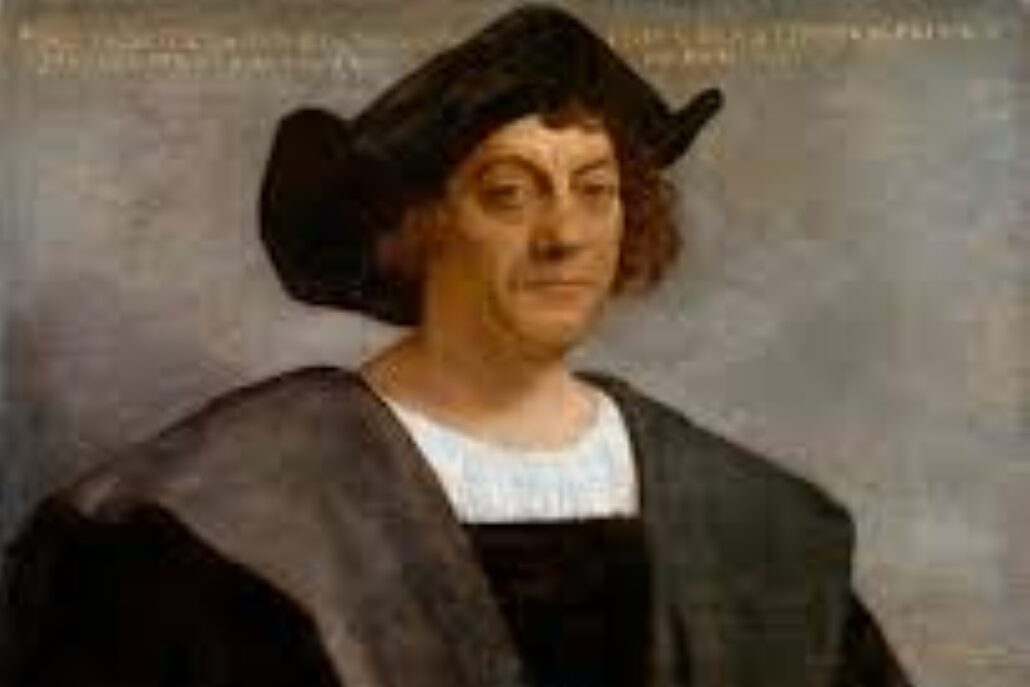
You’ve likely heard it said that Christopher Columbus discovered America, a statement that sounds simple but leaves out a lot of important context. It’s one of those ideas that gets repeated so often that it feels complete, even though it only tells part of the story.
Long before Columbus arrived in 1492, Indigenous peoples had been living across the Americas for thousands of years, building complex societies and cultures. Even among Europeans, there is evidence that Norse explorer Leif Erikson reached parts of North America centuries earlier. As historians often point out, “Columbus did not discover a new world, but connected two worlds that already existed.” His voyages led to lasting contact between Europe and the Americas, which changed history in profound ways. Shifting the language from discovery to encounter helps create a more honest and complete understanding of what really happened.
4. The Pyramids Were Built by Slaves

Many people picture the Egyptian pyramids as being built by enslaved workers under harsh and brutal conditions. It’s an image shaped by films and popular storytelling, where massive labor is often linked with suffering and force. But archaeological discoveries have gradually revealed a more detailed and different reality.
Evidence shows that the workers who built the pyramids were skilled laborers who were fed, housed, and organized by the state. Excavations have uncovered entire worker villages with bakeries, medical care, and structured living spaces. As one expert explains, “The builders were not slaves but a rotating labor force of citizens.” That doesn’t mean the work was easy, it was physically demanding and required coordination, but it reflects a national effort rather than forced labor. Understanding this helps us see ancient Egypt not just as powerful, but also as organized and capable in ways that go beyond the simplified stories we often hear.
5. Vikings Wore Horned Helmets

When most people imagine Vikings, they often picture fierce warriors wearing helmets with large horns sticking out from the sides. It’s a dramatic and memorable image that shows up in costumes, cartoons, and even sports mascots. But when historians and archaeologists look at actual evidence, the story turns out quite differently.
No authentic Viking helmets with horns have been found from the Viking Age. The designs we associate with them were likely created much later, especially during the 19th century in theater and opera to make characters look more striking on stage. As historians often note, “Horned helmets are a myth created long after the Viking Age.” Real Viking gear was practical and designed for protection in battle, not decoration. This is a good example of how a powerful visual can take root and become accepted as truth, even when it has little connection to what people actually wore.
6. People in the Past Died at 30

It often sounds like people in the past rarely lived beyond thirty, which can make earlier times seem especially harsh and short-lived. This idea usually comes from historical averages that appear surprisingly low at first glance. But those numbers can be misleading when taken at face value.
The low averages were largely due to high infant and child mortality rates, which brought the overall life expectancy down significantly. However, people who survived into adulthood often lived much longer than that number suggests. It was not uncommon for individuals to reach their fifties, sixties, or even older. As historians explain, “Life expectancy was low, but lifespan could be long.” This distinction matters because it changes how we think about the past. Life was uncertain, but it was not always as short as a single number might make it seem.
7. The Wild West Was Constantly Lawless
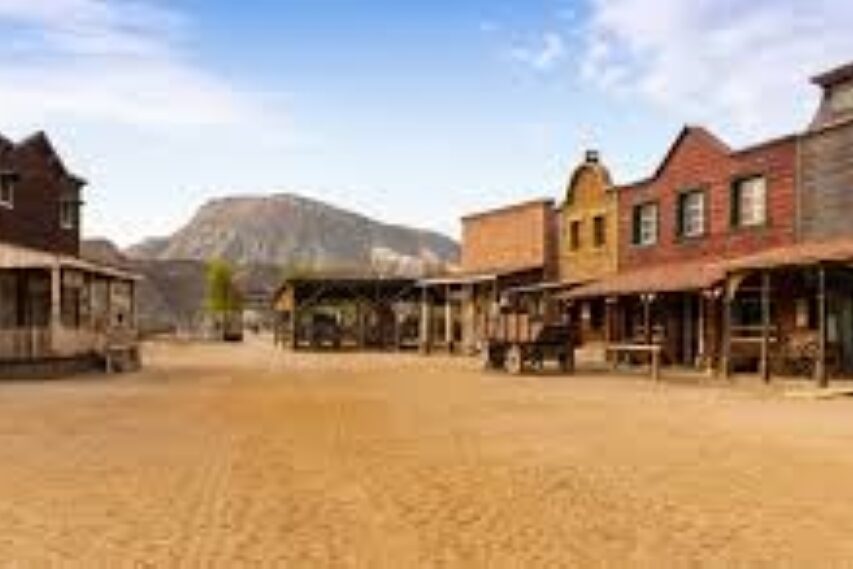
The Wild West is often imagined as a place where chaos ruled and danger was part of everyday life. Movies and television have shown endless gunfights, robberies, and lawless towns where survival depended on quick reflexes. It’s an exciting image, but not entirely accurate.
While there were certainly moments of violence, many Western towns had laws, courts, and efforts to maintain order. Some even had lower crime rates than modern cities. As one historian puts it, “Most Western towns were more orderly than their reputation suggests.” Shootouts did happen, but they were rare enough to become memorable stories rather than daily occurrences. The myth grew because dramatic moments are easier to retell than quiet, structured lives. Looking at the bigger picture shows a region that was more organized and stable than its reputation suggests
8. Witches Were Burned in America
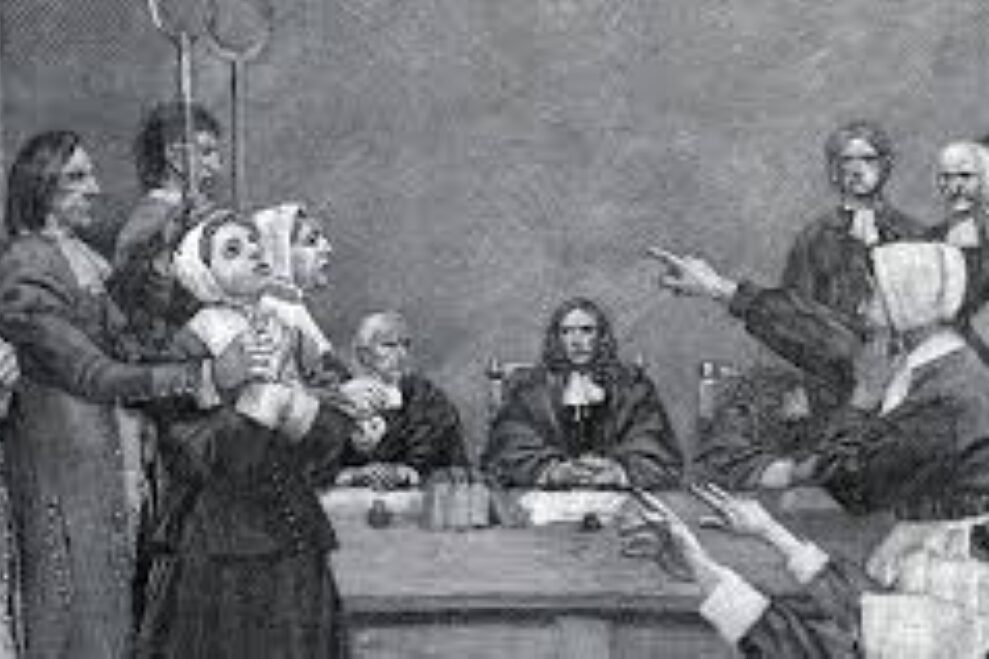
When people think about witch trials, they often imagine dramatic scenes of people being burned at the stake, especially in early America. It’s a powerful image that has been repeated in books and films, but it does not reflect what actually happened in places like colonial New England.
During the Salem witch trials, those convicted were executed by hanging, not burning. Burning was more commonly used in parts of Europe, but even there it was not as widespread as people often believe. As historians clearly state, “No witches were burned in Salem.” The confusion likely comes from blending different events across time and place into one single narrative. Taking a closer look helps separate fact from fiction and gives a clearer understanding of how these events really unfolded, without relying on exaggerated images.
9. Ancient People Were Less Intelligent

There is a quiet assumption that people in the past were less intelligent simply because they did not have modern technology. It’s an easy conclusion to draw when comparing today’s tools with earlier ways of living. But intelligence itself has not changed in the way people sometimes assume.
Ancient civilizations built complex structures, developed systems of mathematics, and made detailed observations about the world around them. Their achievements required creativity, reasoning, and problem solving at a high level. As scholars often explain, “Human brains have not evolved significantly in recorded history.” The difference lies in accumulated knowledge, not ability. Each generation builds on what came before, which can make the past seem simpler than it really was. Looking closer shows that people have always been capable, even if their tools and circumstances were different.
10. Knights Always Fought in Shining Armor
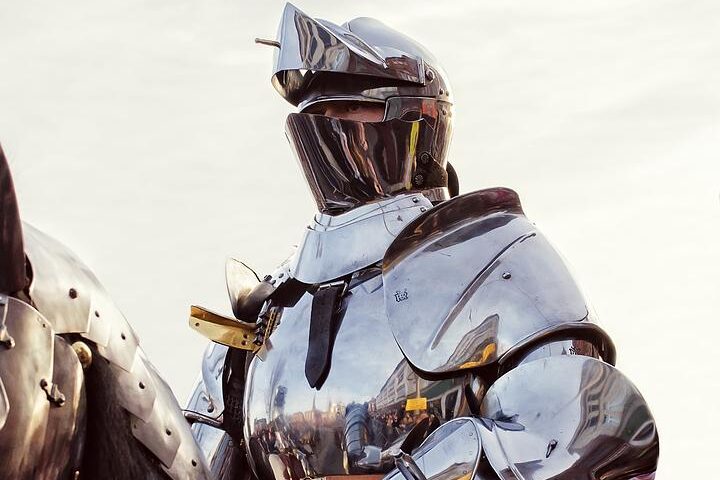
The image of knights dressed in perfectly polished, shining armor is one that feels almost like a storybook scene. It’s often shown as a symbol of status and power, with every piece of metal gleaming in the light. But in reality, things were not always so polished.
Armor was practical equipment designed for protection, not constant display. It could be worn, scratched, and adapted depending on the situation. Not every knight could afford full plate armor, and even those who did would not wear it all the time. As one historian explains, “Armor was functional equipment, not constant display.” It was heavy, required maintenance, and was used when needed. The polished image we often see today reflects later romantic ideas more than everyday reality, where function mattered more than appearance.
11. Napoleon Was Extremely Short
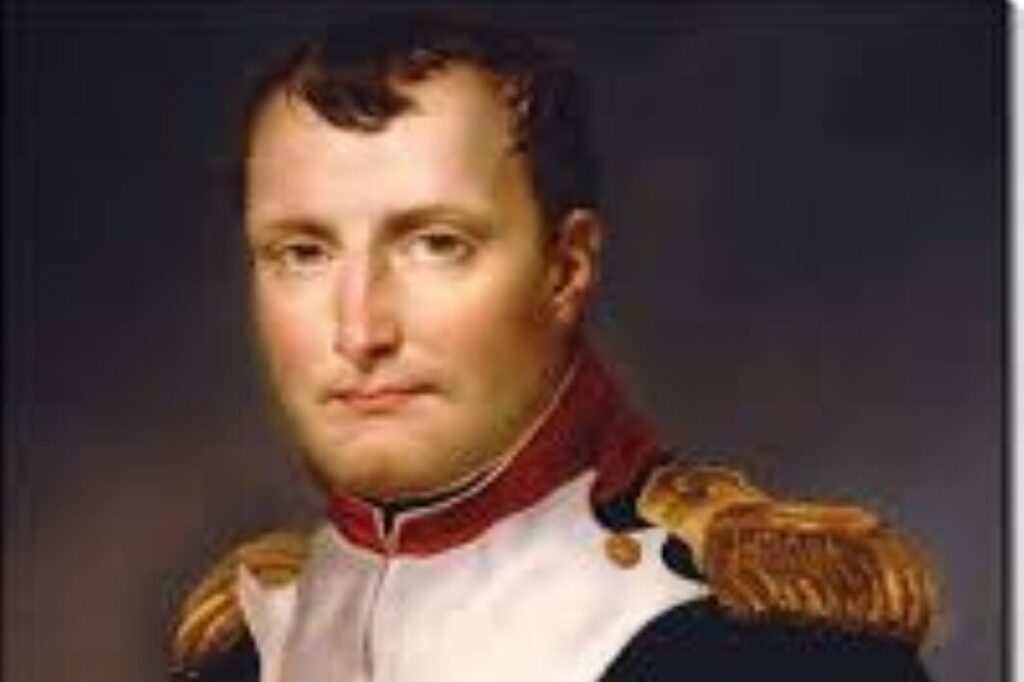
It’s often said that Napoleon Bonaparte was unusually short, a detail that gets repeated so often it feels like fact. The idea is usually tied to personality, suggesting that his ambition came from trying to make up for his height. But the reality is more straightforward than that.
Historical records suggest that Napoleon was around average height for a man of his time. The confusion comes partly from differences in French and British measurement systems, as well as propaganda from his rivals. As historians explain, “Napoleon was of average height for his era.” The story stuck because it was simple and easy to remember. It shows how quickly an idea can take hold, especially when it fits a certain narrative, even if the truth is less dramatic.
12. People Believed Tomatoes Were Poisonous for Centuries

You may have heard that people once avoided tomatoes, believing they were poisonous and dangerous to eat. It’s a story that often comes up when talking about how knowledge has changed over time. While there is some truth to the caution, the full picture is a bit more complex.
Tomatoes are part of the nightshade family, which includes some toxic plants, so early suspicion made sense. However, many cultures had been eating them safely long before Europeans became wary. In some cases, the real issue came from lead in pewter plates, which reacted with acidic foods. As one explanation notes, “It wasn’t the tomato, but the plate that caused the problem.” Over time, as understanding improved, tomatoes became widely accepted and eventually loved. The story reflects how misunderstanding can grow when different factors are not fully recognized.
13. The Great Wall of China Is Visible from Space

It’s often said that the Great Wall of China is visible from space with the naked eye, making it seem like one of the most obvious landmarks on Earth. The idea is repeated so often that it feels like a confirmed fact, but it does not quite match reality.
Astronauts have explained that the wall is difficult to see without aid because it blends into the surrounding landscape. Its color and narrow width make it less visible than people expect from orbit. As many have clarified, “It is not visible to the naked eye from space under normal conditions.” The belief likely grew because the wall is long and historically significant. Even so, its importance does not depend on being visible from space. It remains an incredible human achievement regardless of how it appears from above.
14. Marie Antoinette Said Let Them Eat Cake

The phrase “Let them eat cake” is often linked to Marie Antoinette as a symbol of indifference toward the poor. It’s one of those quotes that feels powerful and memorable, which is likely why it has lasted so long. But the evidence behind it is not as strong as people assume.
The quote appeared in writings before she became queen, which makes it unlikely that she said it. Historians generally agree that “there is no proof Marie Antoinette ever uttered those words.” Over time, the phrase became attached to her image because it captured public frustration during a difficult period. It shows how easily a simple line can shape how someone is remembered, even when the historical record tells a different story.
15. Einstein Failed Math in School

The idea that Albert Einstein struggled with math as a student is often shared as a comforting story. It suggests that even the greatest minds started out failing, making success feel more relatable. But in this case, the story does not match the facts.
Einstein actually performed well in mathematics from a young age and showed strong ability early on. The confusion may come from differences in grading systems or misunderstandings about his education. As records show, “Einstein did not fail math; he excelled at it.” While he did challenge traditional teaching methods, that is not the same as struggling academically. The real lesson is less about failure and more about curiosity, persistence, and thinking independently, which played a major role in his development.
16. People in the Middle Ages Believed in Dragons

It’s easy to imagine people in the Middle Ages fully believing that dragons roamed the earth, especially since stories and artwork from that time are filled with these creatures. They appear in manuscripts, legends, and even maps, which can make it seem like they were accepted as real animals rather than symbolic figures.
In reality, dragons were often used to represent danger, mystery, or moral lessons rather than actual living creatures. Many people understood them as part of storytelling traditions, much like myths we recognize today. As historians often explain, “Dragons were part of symbolic and religious storytelling, not scientific belief.” While some may have taken such tales literally, it was not a universal or unquestioned belief. Looking at it this way helps separate imagination from understanding and reminds us that storytelling has always been a powerful way for people to make sense of the unknown.
17. Castles Were Always Cold and Uncomfortable
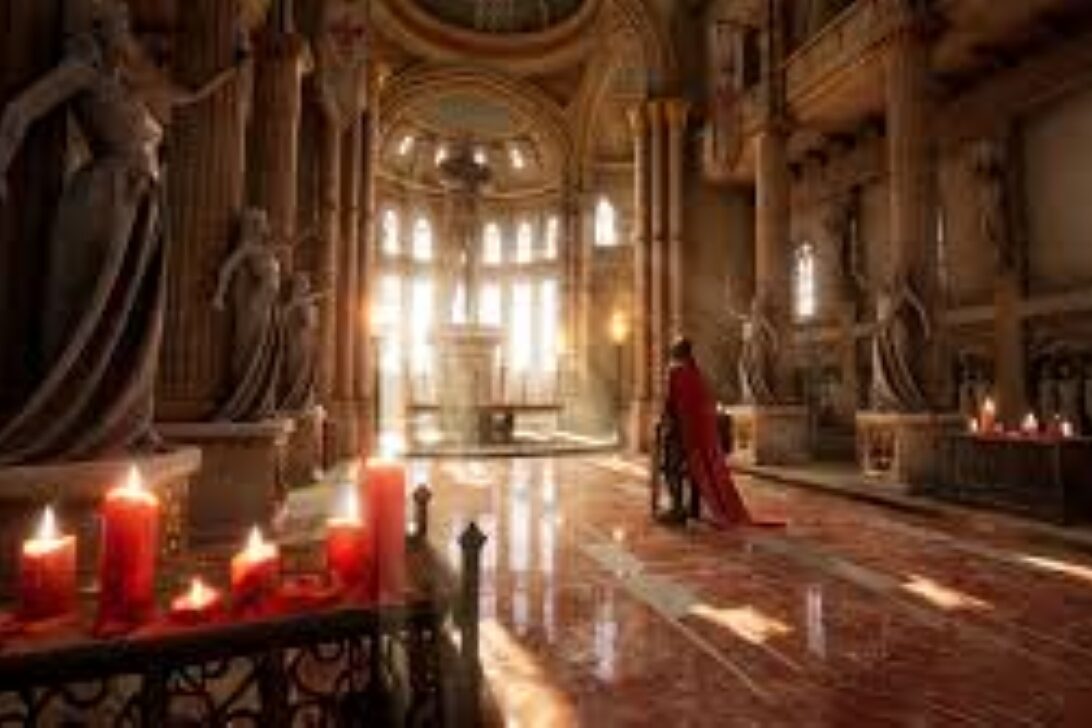
When people think of castles, they often imagine dark, freezing spaces with little comfort, where life was harsh and unpleasant. It’s an image shaped by stone walls and dramatic storytelling, but it doesn’t tell the whole story of how these spaces were actually used.
Castles were designed for defense, but they were also homes, often equipped with fireplaces, tapestries, and furnishings meant to improve comfort. As historians point out, “Castles could be adapted to be surprisingly livable.” Wealthier residents made efforts to stay warm and create a sense of normal life within those walls. While conditions were not like modern homes, they were not as constantly bleak as people imagine. Life inside a castle balanced practicality with comfort in ways that reflected the needs of the time.
18. Piracy Was All Adventure and Treasure

Pirates are often seen as adventurous figures chasing treasure and living freely on the open sea. Stories, films, and books have turned piracy into something almost romantic, full of excitement and bold personalities. But the reality was far more complicated and often much harsher.
Life as a pirate was dangerous, unpredictable, and usually short. Crews faced harsh conditions, conflict, and constant risk from naval forces. As historians explain, “Piracy was a desperate and dangerous way of life, not a carefree adventure.” While there were moments of success, they were not the norm. Many turned to piracy out of limited options rather than a desire for thrill. Seeing it this way shifts the story from fantasy to something more grounded and human.
19. Historical Clothing Was Always Uncomfortable

It’s easy to assume that clothing in the past was stiff, heavy, and uncomfortable, especially when looking at formal outfits in portraits or museums. The layers, structure, and materials can make it seem like people sacrificed comfort for appearance at all times.
In reality, much like today, clothing varied depending on the occasion, social class, and environment. Everyday wear was often practical and suited to daily tasks. As experts note, “Most people dressed for function as much as for form.” While formal attire could be restrictive, it wasn’t worn constantly. People adapted their clothing to their needs, balancing comfort, style, and social expectations. Looking at it this way makes the past feel a little more familiar, reminding us that people have always found ways to live within their circumstances.
20. People Rarely Traveled Far From Home

It’s easy to imagine that most people in the past spent their entire lives in one place, never venturing far beyond their hometown. Without modern transportation, it can feel like travel was nearly impossible for ordinary people. That picture sounds reasonable, but it leaves out a more active and connected reality.
People traveled more than we often assume, just in different ways and for different reasons. Trade routes, pilgrimages, military service, and seasonal work moved people across regions and even continents. As historians note, “Mobility was a normal part of life for many, even without modern transport.” While not everyone journeyed long distances, movement was far from rare. Roads, rivers, and shared paths connected communities in ways that kept ideas and goods flowing steadily over time.


