
1. Groceries Without Checking Sales First

If you have ever stood in a grocery aisle and wondered why the total somehow jumped higher than expected, you are not alone. Many people slowly discover that groceries are one of the easiest places to overspend without noticing. Frugal shoppers usually learn this early, so before they even step into the store they take a quick look at the weekly flyer or the store app. It is a simple habit that takes only a few minutes, yet it quietly shapes the entire shopping trip. Instead of walking through every aisle and grabbing items automatically, they notice what is discounted first and let that guide their list. Over time this small routine becomes second nature and grocery shopping starts to feel more intentional.
Planning around sales does not mean eating strange meals or sacrificing quality. It simply means paying attention to patterns. Many everyday foods rotate through discounts regularly, so patient shoppers wait for the moment when the price drops. Pasta, cereal, canned goods, and frozen items almost always come around again. Once someone notices this rhythm, paying full price begins to feel unnecessary. The pantry stays stocked, meals remain familiar, and the grocery bill quietly becomes easier to manage without feeling like a strict budget is controlling the kitchen.
2. Clothes That Are Clearly Seasonal
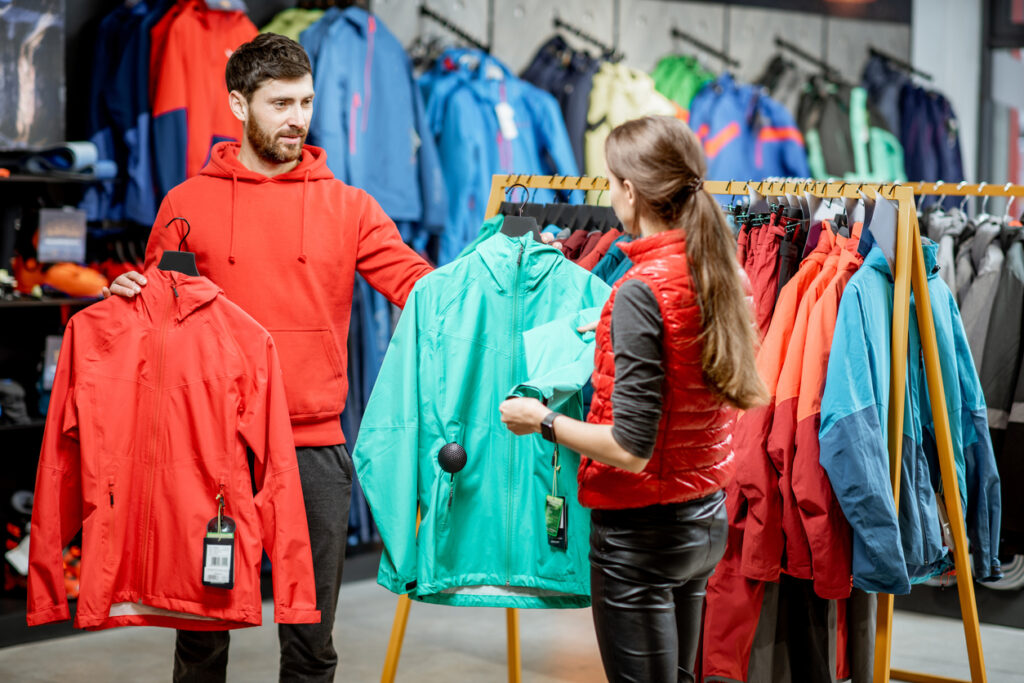
Almost everyone has experienced that moment when you buy a jacket at the start of winter and then see it marked down weeks later. That small frustration is often where frugal habits begin. People who pay attention to clothing prices notice that fashion follows a predictable calendar. When winter is ending, stores need space for spring collections. When summer fades, autumn clothing takes over the racks. Once shoppers notice this cycle, they stop buying clothes exactly when stores want them to. Instead they start waiting for the quieter part of the season when clearance racks appear.
This approach slowly changes how wardrobes grow. Instead of reacting to weather or trends immediately, frugal shoppers plan a little ahead. Buying a coat near the end of winter or sandals as summer wraps up means paying far less for the same item. The clothes still serve their purpose months later. What changes is simply the timing of the purchase. Over the years this habit builds a closet that feels just as complete as anyone else’s, but the overall spending looks very different.
3. Electronics Right After Release

There is always excitement when a new phone, laptop, or television is released. Advertisements build anticipation and many people feel the urge to upgrade immediately. Frugal shoppers tend to watch this moment from the sidelines. They know that technology prices almost never stay high forever. Within a few months the excitement settles and retailers start adjusting prices to attract a wider audience. Waiting quietly during this period often leads to a much better deal.
Patience becomes the secret strategy here. Instead of rushing to buy the newest device the moment it appears, frugal buyers read reviews and give the market time to settle. Holiday sales, seasonal promotions, and refurbished options often appear later. The device is still the same piece of technology that everyone else admired when it launched. The only real difference is that the buyer did not pay the highest possible price. Over time this habit turns technology upgrades into thoughtful purchases instead of rushed ones.
4. Furniture From Big Retail Stores

Furniture is one of those purchases that can feel overwhelming the moment you walk into a large showroom. Sofas, dining tables, and bed frames often carry prices that make people pause. Frugal shoppers usually do something simple at that moment. They walk through the store, find the pieces they like, and then leave without buying anything yet. That short pause often leads to a much better price later.
Furniture retailers frequently run promotions tied to holidays or seasonal changes. Waiting a few weeks can turn a full price item into something far more affordable. Some shoppers also explore secondhand marketplaces where people sell beautiful furniture simply because they are moving or redecorating. Solid pieces built years ago can still look wonderful in a home today. By slowing down the purchase and exploring different options, frugal buyers end up with comfortable and lasting furniture without feeling like they rushed into an expensive decision.
5. Books That Can Be Borrowed

Book lovers know the quiet joy of discovering a new story, but buying every interesting title can become expensive quickly. Many frugal readers eventually rediscover something that has existed for generations. The library. Walking into a library reminds people that thousands of books are available without needing to purchase each one individually. For readers who enjoy finishing several books every month, this simple habit makes a huge difference.
Borrowing books also changes how reading feels. Instead of worrying about collecting shelves full of titles, readers focus on the experience of the story itself. When they do decide to buy a book, they often look for used copies or discounted editions. The words inside remain the same no matter how the book was purchased. Over time the habit becomes natural. Reading stays enjoyable and frequent, but the cost of maintaining that habit quietly fades into the background.
6. Gym Memberships Without Promotions

Joining a gym often begins with good intentions. Someone decides they want to move more, build strength, or simply feel healthier. Many gyms know this motivation appears strongly at certain times of the year, especially after the new year or before summer. Because of that, membership prices and promotions often change throughout the year. Frugal people tend to notice this pattern and take advantage of it.
Instead of signing up the moment they walk into a gym, they ask about discounts, trial periods, or seasonal deals. Some gyms reduce fees during slower months to attract new members. Others offer community promotions or referral discounts. Waiting a little while can make the same membership far more affordable. The workout routine stays exactly the same. The difference is that the monthly payment feels lighter and easier to maintain for the long run.
7. Brand Name Medicines

Many people grow up believing that brand name medicine must be stronger or more effective than generic versions. Then one day they notice something interesting while standing in the pharmacy aisle. The labels on the generic version list the same active ingredients as the brand name product sitting right beside it. That realization often changes the way people shop for medicine permanently.
Frugal buyers simply read the label and choose the option that delivers the same relief without the higher price. Headache tablets, allergy medicine, and cold remedies often come in both forms. Once people understand that the difference is usually packaging and branding, paying more stops making sense. Over time the habit becomes automatic. The medicine cabinet stays stocked with what the family needs, but the cost of maintaining it quietly becomes much smaller.
8. Airline Tickets Booked At The Last Minute

Travel can be exciting, but buying airline tickets without planning often leads to surprisingly high prices. Many travelers learn this the hard way after booking a last minute flight. Frugal travelers eventually approach flights a little differently. They begin watching prices early and giving themselves time to compare options before committing to a ticket.
Airfare often changes depending on demand, timing, and even the day of the week. By checking prices over several days or weeks, travelers begin to see patterns. Some flights become cheaper on certain days, while others drop when airlines adjust schedules. This extra attention does not take much effort, yet it can significantly reduce travel costs. The destination remains the same, the experience of the trip stays just as exciting, and the money saved can often be used for something more memorable once the traveler arrives.
9. Greeting Cards
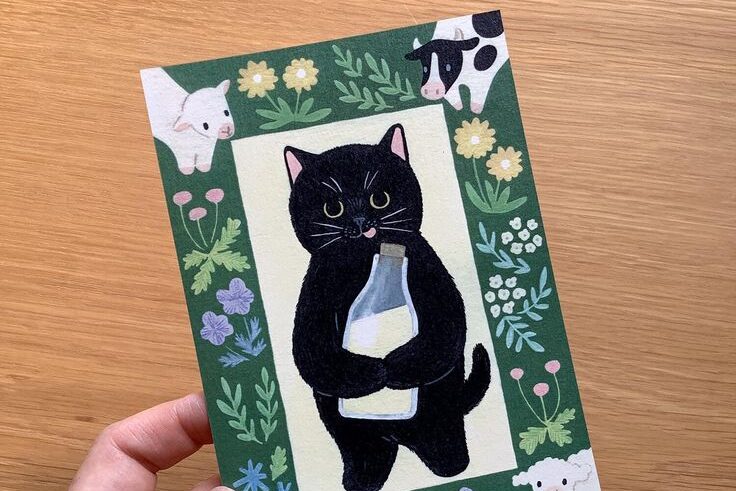
Greeting cards seem like a small purchase, so most people do not think twice before adding one to their basket. The surprise usually comes later when they notice how much a single card costs. Frugal people eventually pause at that moment and begin approaching cards a little differently. Instead of always picking the first card that looks nice, they start looking for simpler and more affordable options. Some choose cards from discount stores where the same thoughtful message can cost far less. Others keep a small stack of blank cards at home for different occasions. When a birthday or celebration comes around, they simply write a personal message inside. That message often feels warmer than a printed paragraph anyway.
Over time this habit changes how people think about greeting cards. The focus shifts from the design of the card to the thought behind it. A few handwritten lines can mean far more than an expensive piece of paper with glitter and ribbons. Frugal people understand that what truly matters is the effort and sincerity behind the message. The tradition of giving cards stays alive, but the cost quietly becomes something much easier to manage.
10. Home Décor That Trends Quickly

Decorating a home can be exciting, especially when new design ideas appear everywhere online. It is easy to feel inspired by pictures of perfectly styled rooms and trendy colors. Frugal homeowners enjoy creating a comfortable space too, but they usually take a slower approach. They have noticed that many décor trends change very quickly. A style that looks fashionable today can suddenly feel outdated next year. Because of this, they avoid paying full price for items that may only feel popular for a short time.
Instead, they look for pieces that feel timeless or meaningful. Thrift stores, flea markets, and resale websites often hold beautiful items that cost far less than new décor from trendy shops. Mixing these finds with a few carefully chosen new pieces can give a room character and warmth. When décor costs less, experimenting becomes easier as well. If tastes change later, it does not feel like a financial mistake. Over time the home slowly becomes a place filled with stories and personality instead of expensive trends.
11. Kitchen Appliances Without Research
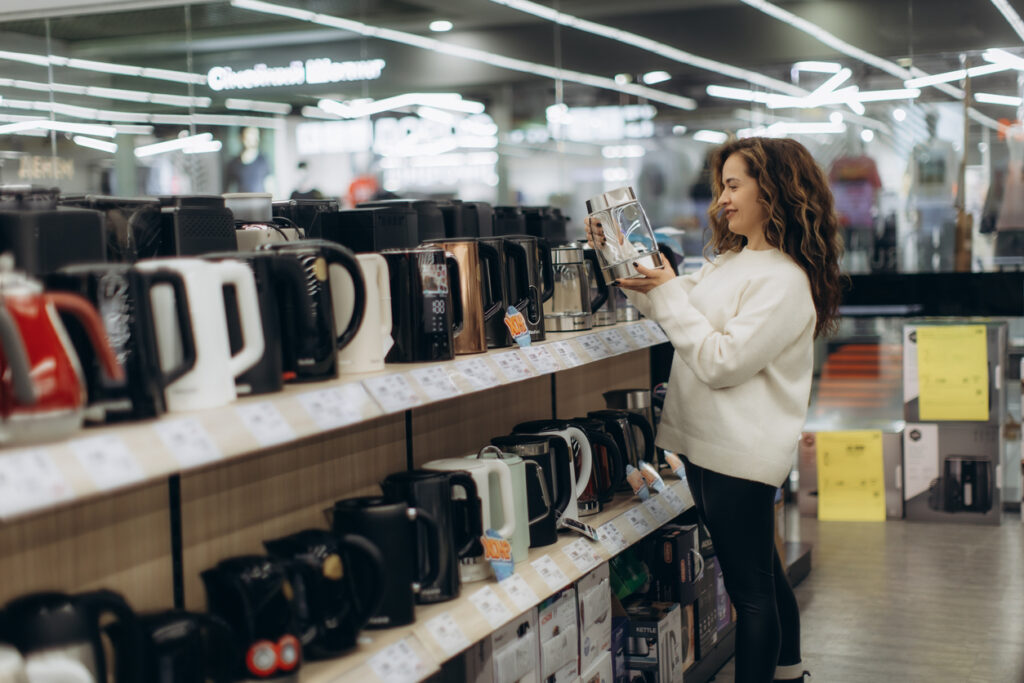
Many people have experienced bringing home a shiny kitchen gadget that looked impressive in the store but slowly became something that sat quietly on a shelf. Frugal shoppers usually remember that moment well, and it changes how they approach the next purchase. Instead of grabbing the first appliance that catches their attention, they pause and spend time learning about it. They read reviews, compare models, and ask whether the appliance will truly become part of their routine. This short pause prevents the kitchen from filling with tools that only seemed exciting in the moment. Over time, careful buyers notice that many appliances appear again and again in advertisements, often during holiday promotions or seasonal store sales events each year.
Waiting also creates an opportunity to watch prices move. Kitchen appliances often cycle through discounts several times throughout the year, especially during large store events. Frugal buyers understand this rhythm and rarely rush the purchase. A blender, air fryer, or coffee machine that looks expensive today might quietly drop in price weeks later. By slowing down and observing the pattern, people begin making decisions with more confidence. The result is a kitchen filled with appliances that are used often and appreciated regularly. Instead of drawers packed with forgotten gadgets, each item earns its place, and spending feels thoughtful rather than impulsive.
12. Streaming Services They Rarely Use

Streaming subscriptions have a quiet way of multiplying without much attention. A person might sign up for one service to watch a popular show, then add another when a new movie appears everyone is talking about. Before long several small monthly charges are quietly appearing on the bank statement. Frugal households often notice this pattern when they finally review their subscriptions carefully. Instead of keeping every platform active throughout the year, they choose a simpler approach. They subscribe to one service when there is something they genuinely want to watch, then cancel it once they finish the series or film that brought them there in the first place.
A few months later they might return when something new catches their interest again. This rotation keeps entertainment enjoyable without turning subscriptions into a constant expense. Many shows and films remain available long after their release, so waiting rarely changes the experience. Over time this habit brings a sense of balance to entertainment spending. People still enjoy relaxing evenings watching their favorite stories, but the monthly costs remain manageable. The enjoyment stays the same while the number of unused subscriptions quietly disappears from the background of everyday finances.
13. Gift Wrapping Supplies
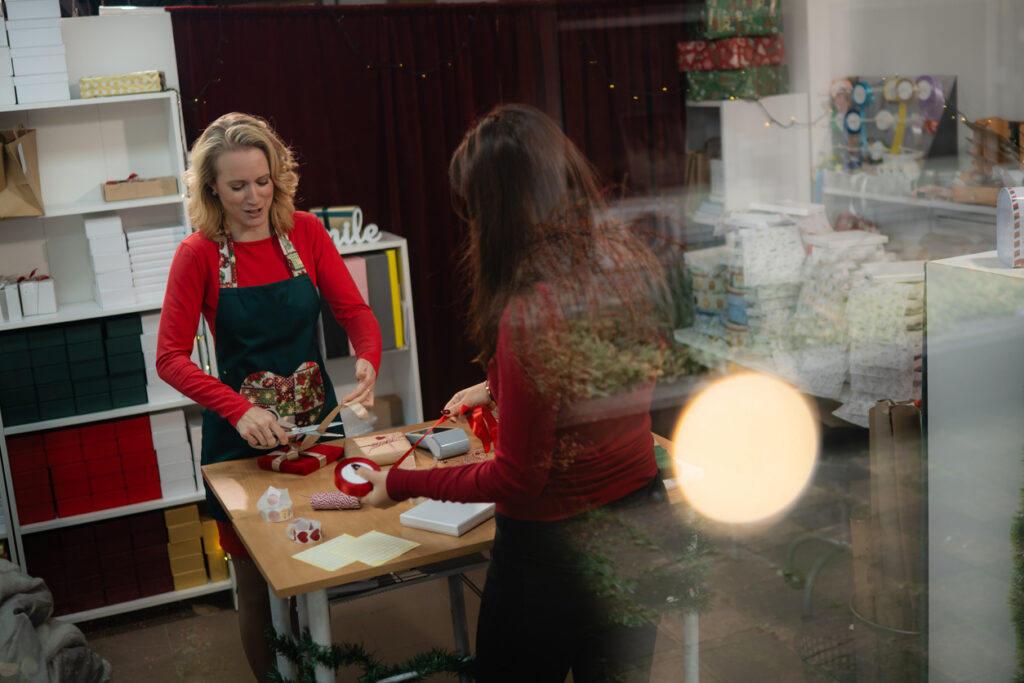
Gift wrapping tends to become an afterthought until the moment it is suddenly needed. A birthday arrives or a holiday gathering approaches, and someone realizes there is no wrapping paper at home. That urgency usually means buying whatever is available on the shelf at the time. Frugal shoppers gradually notice that this habit can be surprisingly expensive. Instead of waiting until the last minute, they watch what happens in stores after major holidays pass. Shelves that once held festive wrapping paper and decorative gift bags often become clearance sections filled with deeply discounted items ready to be moved out.
This moment is when frugal buyers quietly stock up. They purchase rolls of wrapping paper, ribbons, and gift bags that will last through the next year of celebrations. Many families also save gift bags they receive and reuse them later. Over time a small drawer or storage box fills with neatly folded supplies ready for birthdays, graduations, or holidays. When the next celebration appears, the wrapping is already waiting at home. The gift still feels thoughtful and beautifully presented, yet the cost of preparing it has quietly been reduced to almost nothing.
14. Tools They Will Use Once
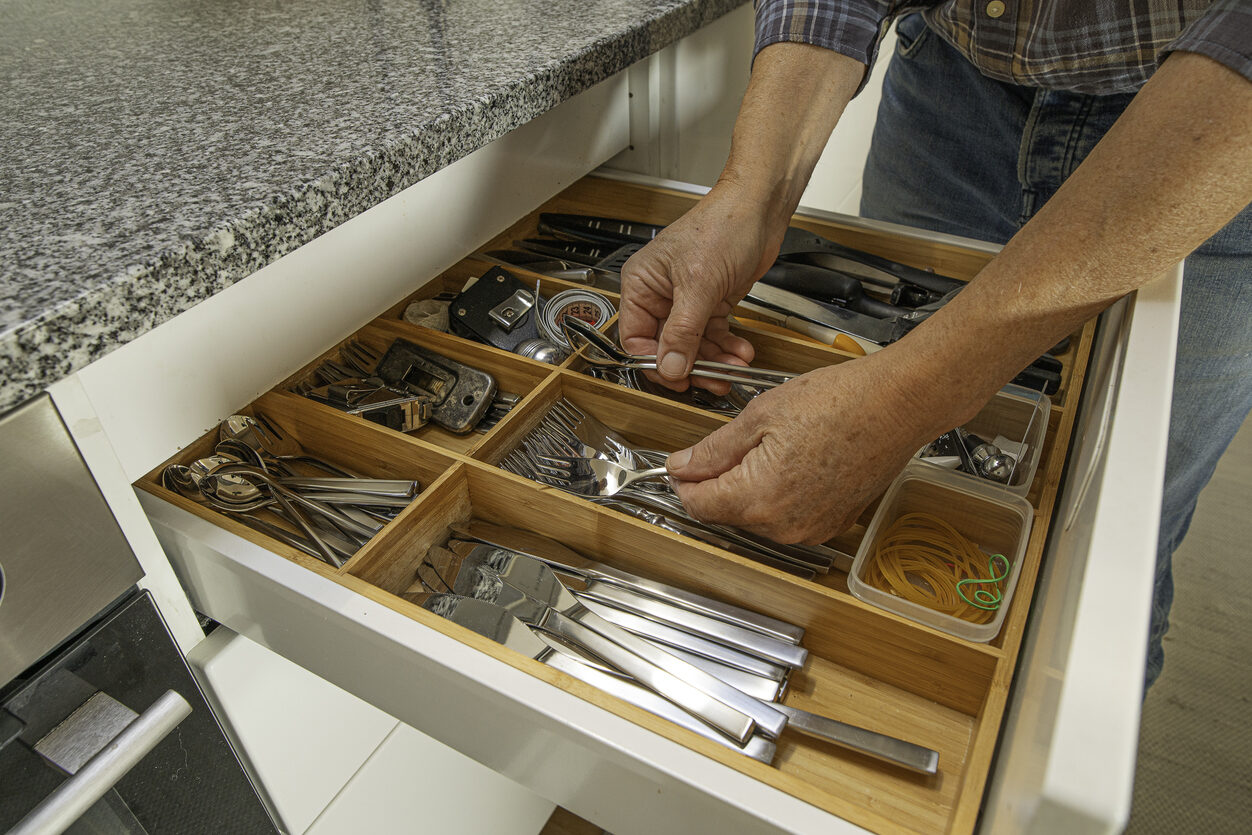
Home projects often introduce tools that most people do not normally own. A special drill bit, a ladder of a certain height, or a power tool for a specific repair can suddenly become necessary for a single afternoon. Frugal people usually pause before buying these items outright. Instead they think about how often the tool will realistically be used once the project is finished. In many cases the answer is clear. The tool may only be needed once, and after that it would likely sit in a garage or storage space gathering dust.
Instead of purchasing immediately, they explore other options. Borrowing from a neighbor or friend often solves the problem quickly and builds a sense of cooperation within the community. Some hardware stores also offer equipment rentals for short periods, allowing people to complete projects without committing to permanent ownership. This approach keeps garages from slowly filling with rarely used items. Over time people notice that sharing and renting tools makes home projects more practical. The work still gets done, yet the cost and clutter that often come with one time purchases quietly disappear.
15. Bottled Water

Bottled water seems harmless at first because each purchase feels small. A bottle picked up during a grocery trip or grabbed on the way out the door rarely feels like a major expense. Over time, however, many people begin noticing how often they buy it. A few bottles each week slowly turn into a steady habit that quietly adds up across months and years. Frugal households often reach a point where they pause and think about whether the convenience is truly worth the ongoing cost. That moment usually leads to a simple change in routine.
Reusable water bottles and home water filters quickly become the practical alternative. Carrying a bottle throughout the day makes it easy to stay hydrated without needing to purchase water repeatedly. Many people also find that having their own bottle nearby encourages them to drink more water during busy days. Over time the financial difference becomes very clear. What once felt like a small purchase repeated many times becomes a habit that costs very little. The routine stays simple while both spending and unnecessary waste quietly decline.
16. Extended Warranties

Extended warranties often appear at the exact moment someone is about to complete a purchase. The offer can sound reassuring because it promises additional protection if the product stops working in the future. Frugal shoppers usually pause for a moment before agreeing. They consider what the product already includes and whether the extra cost truly provides meaningful value. Many items already come with a manufacturer warranty that covers problems during the first months or years of ownership. Understanding this helps buyers feel less pressure to accept additional coverage immediately.
Some people also remember that certain payment methods provide extra protection automatically. Instead of saying yes without thinking, they take time to read the details of what the warranty actually covers. In many cases they decide the extra expense may never be necessary. Occasionally they choose a different approach by saving a small amount of money for possible repairs later. This keeps their options flexible. Over time the habit of pausing and reviewing warranty offers helps prevent spending money on coverage that might never be used.
17. Hotel Rooms Without Comparing Prices

Booking a hotel room often seems like one of the simplest parts of planning a trip. Many travelers search once, find a comfortable looking option, and reserve it immediately. Frugal travelers usually take a slightly different path. Instead of stopping at the first price they see, they spend a few minutes exploring several booking platforms. Hotel rates can vary depending on the website, the timing of the reservation, or special promotions offered directly by the property. This small comparison often reveals surprising differences between options that appear almost identical.
Some travelers also check loyalty discounts or contact the hotel directly to confirm whether better rates exist. These extra steps take very little time but can reduce the final cost noticeably. The room itself remains exactly the same regardless of where it is booked. The same bed, view, and amenities are waiting when the traveler arrives. Over time this habit becomes second nature for careful planners. Trips remain just as enjoyable, yet the savings from each reservation quietly leave more room in the travel budget for experiences at the destination.
18. Household Cleaning Products

Walking through the cleaning aisle of a store can feel overwhelming because there seems to be a different product for every possible surface. One bottle promises spotless windows, another advertises perfect floors, and another claims to tackle bathroom stains. Frugal households often take a step back and notice that many of these products perform similar tasks. Instead of filling cabinets with numerous specialty cleaners, they simplify their approach. Basic ingredients that have been used for generations often handle many cleaning jobs surprisingly well.
Items like vinegar, baking soda, and mild soap can clean counters, sinks, and other surfaces effectively. Using fewer products also makes storage easier and reduces the number of bottles cluttering shelves. Over time the cleaning routine becomes simpler and easier to maintain. The home remains just as fresh and tidy as before, but the shopping list becomes shorter and more predictable. What began as a way to save money often becomes a practical routine that keeps cleaning supplies manageable and affordable.
19. New Cars

Buying a brand new car can be exciting because everything feels untouched and modern. The interior smells fresh, the paint shines, and the vehicle looks perfect sitting in the showroom. Frugal buyers usually step back from that excitement for a moment and consider how vehicles change in value over time. Cars tend to lose a noticeable portion of their value during the first few years after they are purchased. This means the original buyer absorbs the largest drop in price while simply driving the vehicle during its early life.
Because of this pattern, careful shoppers often look for vehicles that are a few years old rather than completely new. These cars frequently still look modern, drive well, and include many of the same features as the latest models. The main difference is the price. By allowing someone else to take the initial depreciation, frugal buyers can enjoy reliable transportation at a far lower cost. Over time this decision can save thousands while still providing a comfortable and dependable vehicle for everyday travel.
20. Everyday Convenience Purchases

Small purchases often slip quietly into everyday routines. A coffee during the morning commute, a snack at the checkout line, or a quick convenience stop during a busy day rarely feels significant in the moment. Frugal people do not usually eliminate these small pleasures entirely. Instead they begin noticing how frequently these purchases appear throughout the week. When the same small expense repeats day after day, it gradually turns into a steady cost that quietly affects the monthly budget.
Rather than removing the treat completely, many people adjust the habit. Coffee might be brewed at home most mornings and enjoyed at a café occasionally. Snacks may be packed before leaving the house instead of purchased impulsively. These small changes allow everyday life to remain comfortable while making spending more intentional. Over time this awareness becomes the quiet principle behind many frugal habits. People realize that saving money does not always require dramatic sacrifices. Sometimes it simply begins with paying attention to the small choices that appear again and again in daily life.


