
1. Somebody That I Used to Know
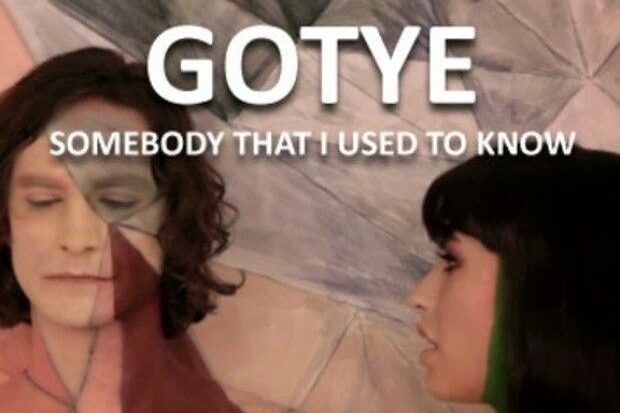
Sometimes a song does more than climb charts. It quietly becomes part of everyday life for a few years, playing in coffee shops, car rides, and late night radio until it feels woven into the decade itself. Somebody That I Used to Know by Gotye landed exactly like that in the early 2010s. The soft guitar loop, the fragile delivery, and Kimbra’s sharp response verse made the song feel like a conversation listeners had heard before in their own lives. It spread quickly through radio, playlists, and word of mouth, turning a relatively unknown artist into a global name almost overnight. What made it stick was how simple and honest it sounded compared to louder pop hits around it. Even people who rarely followed indie music found themselves humming the chorus without realizing it.
As the song kept climbing, it eventually reached the top of the Billboard Hot 100 and stayed there for weeks, becoming one of the most recognizable singles of its era. Friends shared the video online, acoustic covers popped up everywhere, and suddenly the song belonged to everyone. Gotye had released thoughtful music before and after this moment, but this track became the one people always returned to first. Years later, the opening notes still pull listeners right back to the early 2010s, when the song seemed to echo from every radio station and apartment wall at the same time.
2. Take On Me
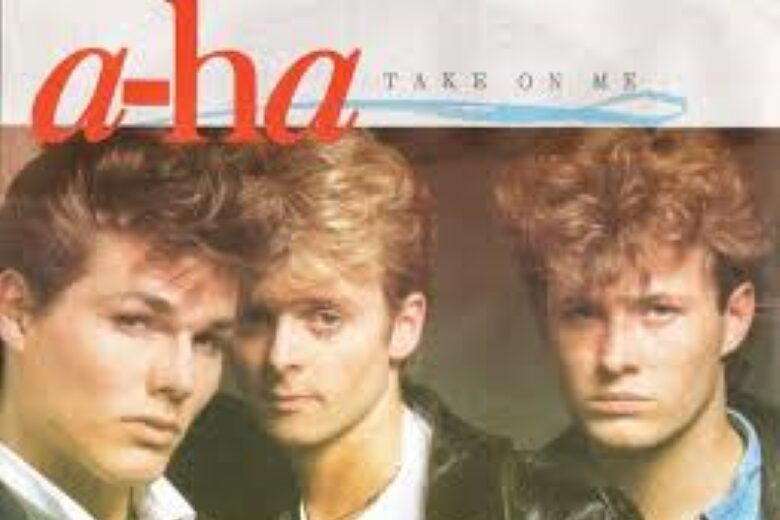
Some songs become time machines the moment they begin. Take On Me by A-ha is one of those songs. The second that bright synthesizer melody starts, it feels like stepping straight into the colorful, neon glow of the 1980s. When the Norwegian band released the track in 1985, it did not immediately look like it would become a defining pop moment. But once the single caught momentum, everything changed. The soaring chorus, the playful rhythm, and the famously high vocal note made the song stand out on radio playlists that were already crowded with synth pop. Then came the music video with its hand drawn animation blending into live action scenes, which made the song even harder to forget.
Soon the track climbed to the top of the Billboard Hot 100 and turned A-ha into international stars. People who had never heard the band before suddenly knew every word of the chorus. The group continued to record music and built a loyal fan base, especially across Europe. Still, Take On Me remained the song that carried their name around the world. Even decades later, the moment that chorus rises again, listeners instinctively sing along, as if the song had been waiting quietly for them all this time.
3. Macarena
There are hit songs, and then there are songs that turn into worldwide rituals. Macarena by Los Del Rio became exactly that in the mid 1990s. At first it was simply a lively dance track from the Spanish duo, but once the remix reached international radio the song began spreading quickly. Soon people everywhere knew the dance that went with it. Weddings, school events, birthday parties, and sports arenas all seemed to share the same routine. The song carried a cheerful rhythm that made it easy to join in even if you had never heard it before. The steps were simple enough that entire crowds could move together within seconds.
As the song grew bigger, it climbed to the top of the Billboard Hot 100 and stayed there for weeks. Suddenly the Macarena dance became a shared cultural moment that people across different countries recognized instantly. Los Del Rio had spent decades building their music career in Spain, but outside that region this single track became their global calling card. Years later, the moment the opening beat plays, many people still remember exactly where they first learned the dance, usually surrounded by friends who were laughing and trying to keep up with the rhythm.
4. Who Let The Dogs Out

Sometimes the simplest songs end up traveling the farthest. Who Let The Dogs Out by the Baha Men arrived around the year 2000 with a chant so catchy that it almost felt designed for crowds. The track did not rely on complicated lyrics or deep storytelling. Instead, it leaned on energy and a call and response hook that listeners could shout together without thinking. Sports arenas quickly adopted it, and suddenly thousands of fans were barking the famous line in unison. Children loved it, DJs loved it, and radio stations kept it spinning because people reacted the same way every time it played.
As the months passed, the song moved beyond stadiums and into everyday pop culture. It appeared in movies, commercials, and school dances until the chorus felt almost impossible to escape. The Baha Men had been performing Caribbean music long before the song arrived, but this moment lifted them onto the global stage. Even now, hearing that chorus can still spark the same reaction it did years ago. People laugh, shout the line back, and remember the time when one playful chant suddenly became the soundtrack of a generation of parties.
5. Ice Ice Baby
In the early 1990s, pop radio was slowly opening its doors to hip hop. Ice Ice Baby by Vanilla Ice arrived right in the middle of that shift and quickly turned into a cultural moment. The song built its rhythm around a bass line borrowed from Queen and David Bowie’s Under Pressure, which gave it an instantly recognizable groove. Listeners who were still getting used to rap on mainstream stations suddenly found themselves drawn to the track’s confident delivery and easy rhythm. It felt different from many pop hits of the time but also familiar enough to fit comfortably on the radio.
Once the song began climbing charts, it moved quickly to the top of the Billboard Hot 100 and became the first rap single ever to reach that position. For many listeners, it was their introduction to hip hop as a mainstream sound. Vanilla Ice continued recording music afterward, though nothing quite matched the cultural scale of that first breakthrough. Today, the moment the beat begins, it still brings back memories of a time when rap was just beginning to reshape the sound of popular music across the world.
6. Mambo No 5
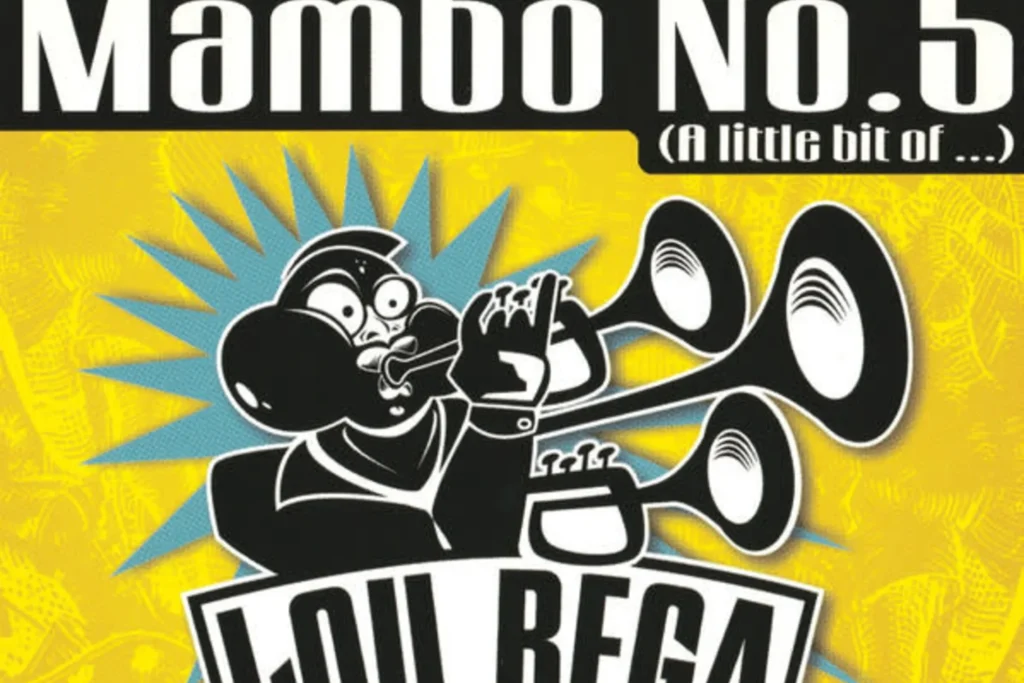
The late 1990s had a habit of reviving older musical styles and giving them a fresh pop twist. Mambo No 5 by Lou Bega landed perfectly in that moment. The song borrowed its lively brass sound from classic mambo recordings and wrapped it in playful lyrics that name checked a series of women. The rhythm felt lighthearted and danceable, which made it easy for radio stations and party playlists to embrace. Listeners who had never explored Latin music before suddenly found themselves moving along to the beat without needing any explanation.
When the track began spreading internationally in 1999, it climbed charts across Europe and eventually reached the upper ranks of the Billboard Hot 100. The cheerful energy of the song helped it become one of the most recognizable hits of the era. Lou Bega continued performing and releasing music afterward, but this single remained the moment most listeners associated with his name. Even years later, the opening horns still carry the same playful charm, reminding people of a time when one lively rhythm could easily brighten an entire room.
7. Tubthumping
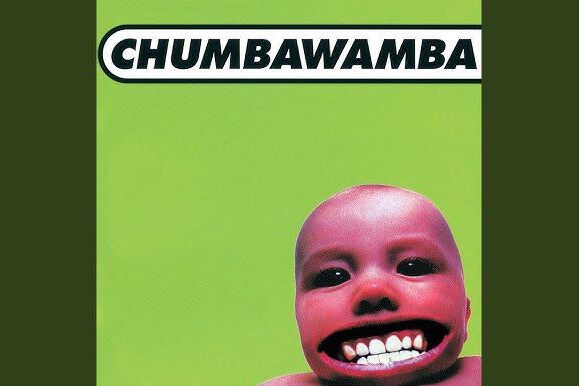
Some songs stick around because they carry a message people need to hear again and again. Tubthumping by Chumbawamba arrived in 1997 with a chorus that felt like encouragement shouted across a crowded room. The line about getting knocked down and getting back up again quickly became something listeners repeated during difficult moments as much as celebrations. The band had spent years making politically minded punk music before this sudden mainstream breakthrough. Yet when the track reached radio, its upbeat rhythm and simple chorus allowed it to travel far beyond the underground scene where the group began.
Soon the song climbed into the charts in several countries and turned up everywhere from sports broadcasts to movie soundtracks. People who had never heard of the band before found themselves singing along within seconds of the chorus arriving. Chumbawamba continued creating music after the success of Tubthumping, but this one track remained their most widely recognized moment. Even today, when the chorus returns on a playlist or radio station, it still feels like a friendly reminder that resilience can sound surprisingly joyful.
8. Spirit In The Sky
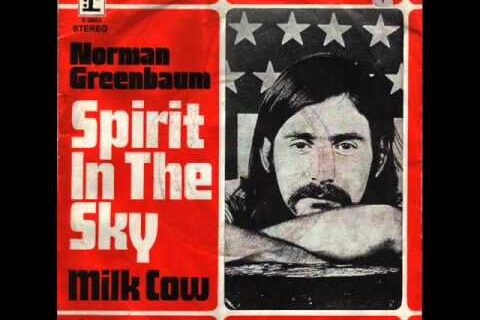
Every now and then a song appears that seems to float outside its own era. Spirit In The Sky by Norman Greenbaum is one of those rare recordings. Released in 1969, the track blended a fuzzy electric guitar riff with lyrics that reflected spiritual curiosity and hope. The sound felt unusual at the time, mixing rock energy with gospel inspired themes. Listeners responded quickly to that distinctive combination, and the song climbed the Billboard Hot 100 until it reached the upper ranks of the chart.
Over the years the track continued resurfacing in movies, television shows, and advertisements, which kept introducing it to new generations. Greenbaum recorded other songs afterward, but this particular recording carried a life of its own that stretched far beyond his original release. The opening guitar line remains instantly recognizable to many listeners even if they cannot immediately name the artist. Each time it appears again, the song feels like an old friend quietly dropping by to remind people how powerful a single inspired moment in music can be.
9. You Get What You Give
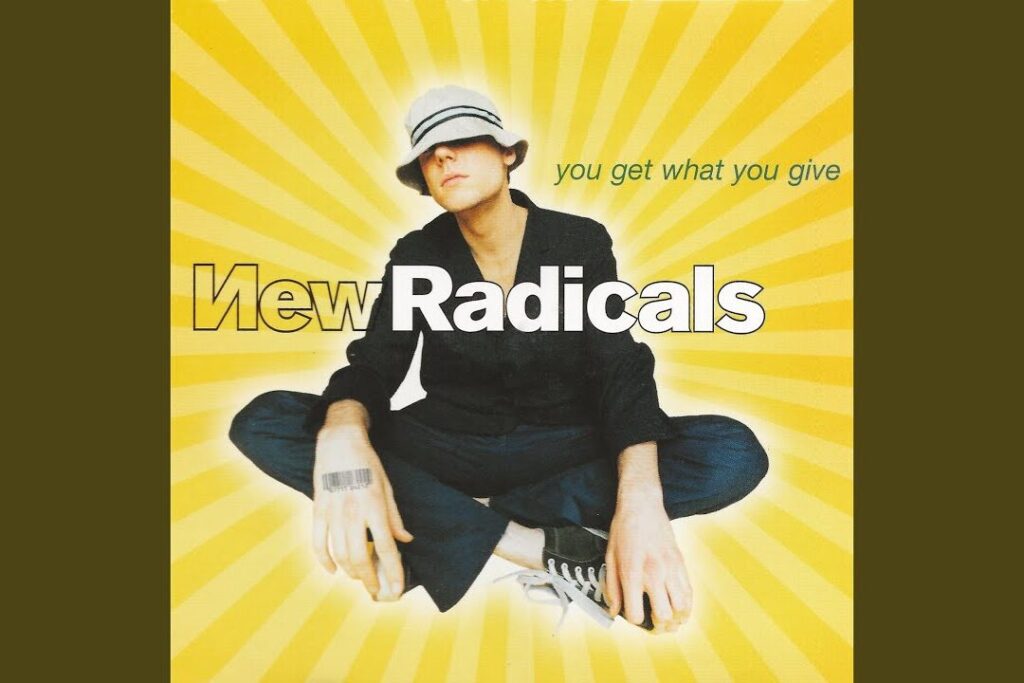
In the late 1990s, pop radio often leaned toward polished production and predictable formulas. You Get What You Give by New Radicals arrived with a slightly different spirit. The song carried a bright piano driven rhythm, yet the lyrics spoke about ambition, frustration, and the struggle to stay hopeful in a complicated world. When listeners first heard it in 1998, it felt both uplifting and thoughtful at the same time. The chorus rose with an energy that invited people to sing along, while the verses quietly reflected the pressures many young adults were feeling during that period.
Although the track did not dominate the top of the charts, it steadily grew into one of the most memorable songs of its era. Radio stations kept it in rotation because the song connected emotionally with audiences. Soon after releasing their debut album, the band stepped away from the spotlight, leaving the track as their most lasting contribution to pop culture. Even today, hearing the chorus again still carries that same hopeful tone that made the song stand out when it first appeared.
10. Closing Time
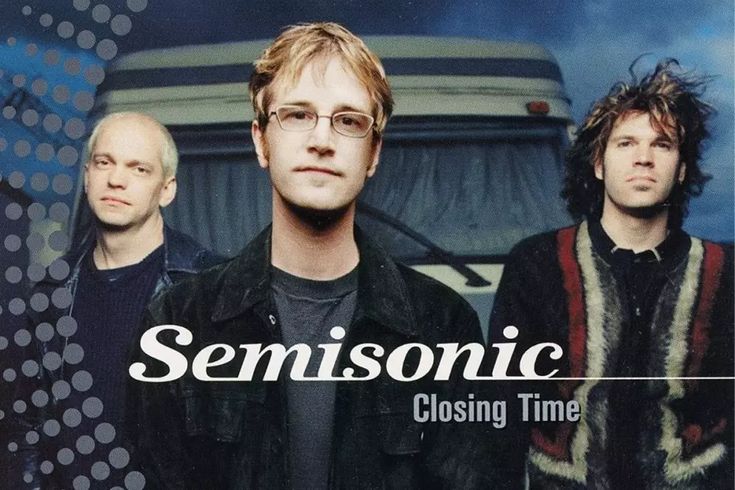
There are songs that become traditions without anyone planning it. Closing Time by Semisonic gradually earned that role in the late 1990s. When the track first appeared in 1998, listeners heard it as a reflective rock song with a memorable chorus. But before long, bars and venues began playing it near the end of the night because the lyrics fit the moment so perfectly. As the lights came on and people gathered their coats, the song quietly signaled that the evening was coming to an end. Over time the association became so strong that many people assumed the song had been written specifically for that purpose.
In reality, the songwriter later explained that the lyrics were inspired by becoming a father and thinking about new beginnings rather than endings. That deeper meaning added another layer to the song’s popularity. Semisonic continued recording music afterward, but Closing Time remained the piece listeners connected with most strongly. Even today, when the familiar chorus begins, it often brings a quiet sense that something meaningful has just finished and something new may be about to start.
11. Walking On Sunshine
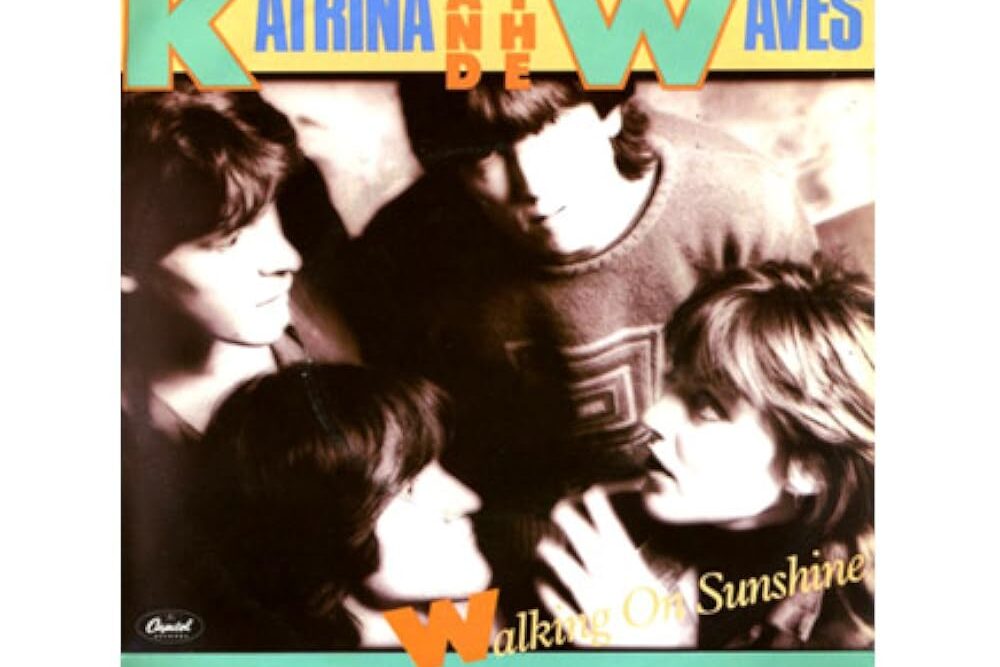
There are songs that quietly brighten a room the moment they begin, and Walking On Sunshine has done that for decades. When Katrina and the Waves released the track in 1983, it sounded like pure celebration wrapped inside three minutes of pop music. The guitars bounce forward with cheerful energy, and the vocals carry a feeling of excitement that listeners immediately recognize. Radio stations quickly embraced the song because it felt impossible to play it without lifting the mood of whoever happened to be listening. Whether it appeared during a morning commute, a summer road trip, or a scene in a movie, the track always carried the same sense of optimism.
As time passed, the song found new life through film soundtracks, television moments, and commercials that wanted to capture that joyful tone. Katrina and the Waves continued performing and even earned international attention years later through other achievements, but Walking On Sunshine remained the song people instinctively associate with their name. Even today, when the first guitar chords arrive, listeners often smile before the chorus even begins, because the track still carries the same bright spark it did when audiences first heard it.
12. Come On Eileen
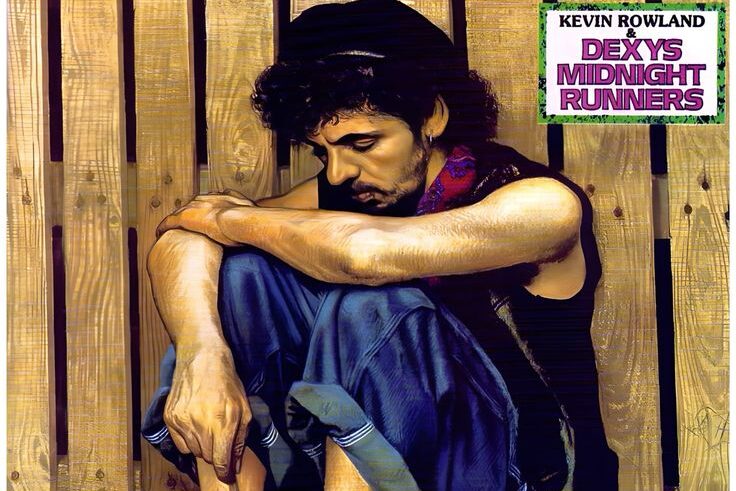
Some songs feel like they unfold like a story, slowly building until everyone around you is singing the same line together. Come On Eileen by Dexys Midnight Runners arrived in 1982 with that kind of energy. The track begins gently, blending folk instruments with pop rhythms before gradually rising toward its unforgettable chorus. At the time, much of the music scene leaned heavily on synthesizers and electronic production, so the sound of fiddles and acoustic elements helped the song stand apart. Listeners responded quickly to its warmth and emotional pull.
Soon the song climbed to the top of charts on both sides of the Atlantic and became one of the most recognizable hits of the decade. The band continued recording and touring, especially within the United Kingdom, but internationally this track became their signature moment. Even decades later, when the rhythm shifts midway through the song and the chorus arrives again with renewed energy, crowds still react the same way they did years ago. The song has a way of turning strangers into a group of people singing together without hesitation.
13. Breakfast At Tiffany’s
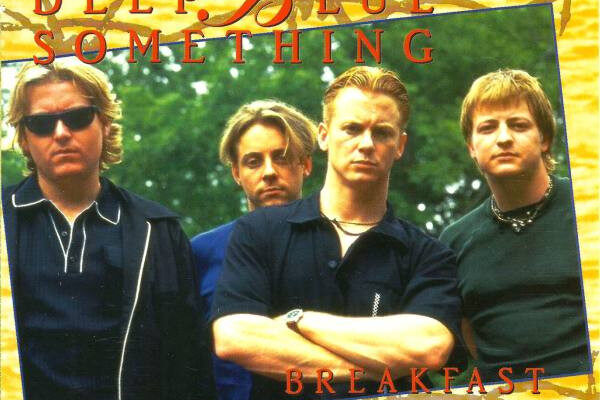
Every so often a hit song sounds less like a performance and more like someone telling a familiar story over coffee. Breakfast At Tiffany’s by Deep Blue Something captured that relaxed feeling when it arrived in 1995. The lyrics revolve around a couple struggling to find common ground during an argument, until the narrator suddenly remembers that both of them liked the film Breakfast at Tiffany’s. That small shared memory becomes the thread that might keep the relationship together. The conversational tone made the song easy for listeners to picture in their own lives.
As the single gained momentum, it climbed the Billboard Hot 100 and became a regular presence on mid 1990s radio. The band released other music afterward, but this song remained the one that audiences remembered first. Part of its charm came from how ordinary the story felt. Instead of dramatic declarations, the song leaned on the quiet idea that sometimes relationships hold together through the smallest connections. Even today, hearing the chorus again often feels like revisiting a simple moment that listeners once shared with someone important.
14. Tainted Love
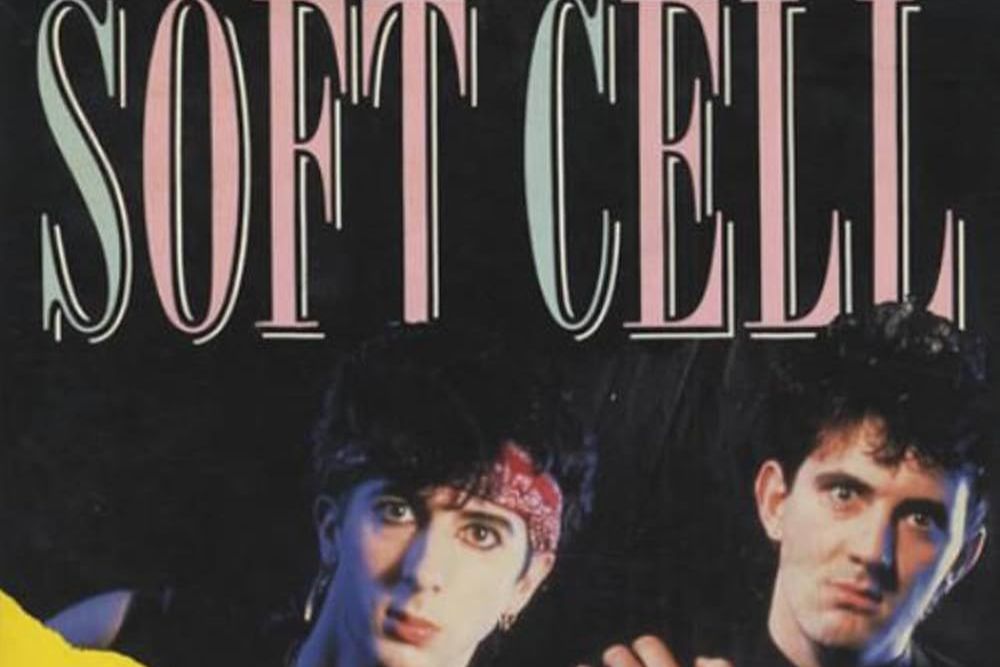
Some songs travel through time in unexpected ways, and Tainted Love is a perfect example of that journey. The song had originally been recorded in the 1960s, but when Soft Cell reimagined it in 1981 they gave it a darker electronic sound that immediately caught attention. The steady synthesizer rhythm and dramatic vocal delivery created a mood that felt different from many other pop recordings of the time. It carried both emotional tension and a strangely hypnotic energy that listeners could not easily shake.
As the track climbed charts in the United States and across Europe, it introduced many listeners to a new wave sound that blended electronic production with emotional storytelling. Soft Cell continued recording music afterward and remained active performers, but this version of Tainted Love became their most widely recognized contribution to pop culture. Decades later, the song still appears in films, television, and playlists that celebrate the atmosphere of early 1980s music. The moment that familiar rhythm begins again, it instantly reconnects listeners with that distinctive era.
15. I’m Too Sexy
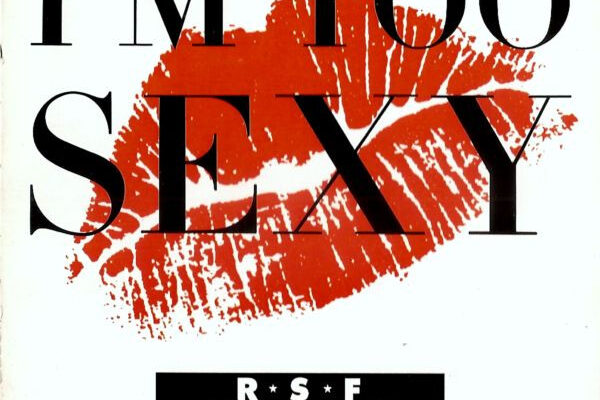
Pop music occasionally enjoys a playful moment where humor becomes the main attraction, and I’m Too Sexy by Right Said Fred captured that spirit perfectly in 1991. The song revolves around exaggerated confidence, with the narrator joking about being too attractive for various situations. The lyrics were intentionally over the top, and that sense of self aware humor helped listeners understand the joke immediately. Instead of taking itself seriously, the track leaned into its playful tone with a simple beat and a chorus that people could remember after one listen.
When the song climbed the Billboard Hot 100 and eventually reached the top spot, it surprised many listeners who had first heard it as a novelty. Yet the charm of the song was difficult to ignore. Right Said Fred continued releasing music afterward, but this lighthearted single became the track that followed them through the years. Even now, when the opening line begins again on a playlist or radio station, it often sparks laughter and nostalgia, reminding listeners of a time when pop music happily embraced a sense of fun.
16. The Final Countdown
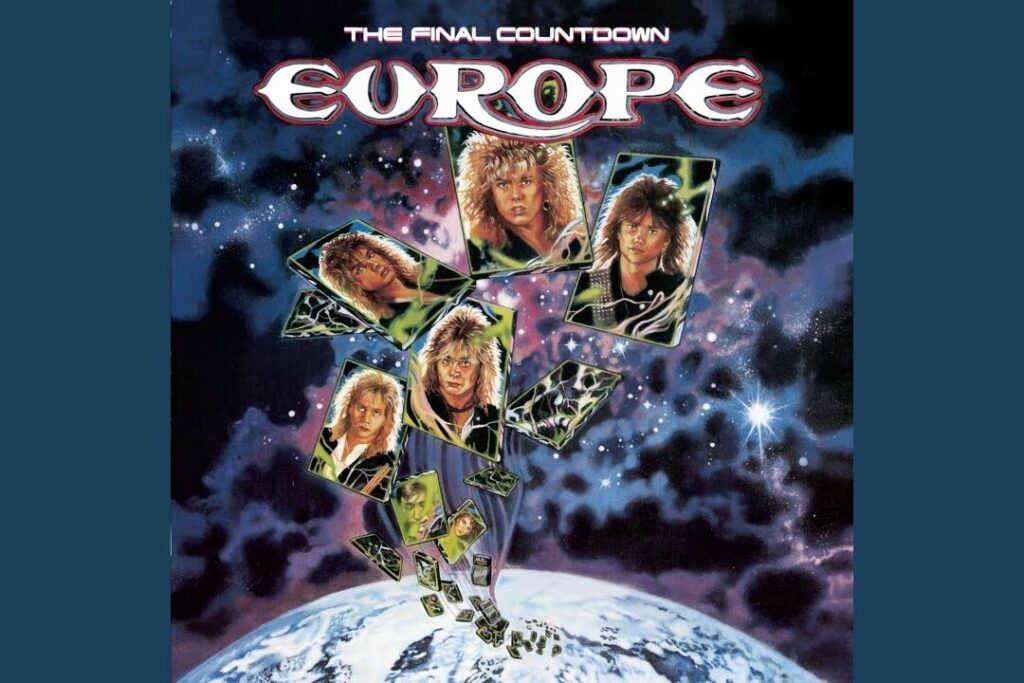
Some songs seem built for dramatic entrances, and The Final Countdown by Europe fits that description perfectly. When the Swedish rock band released the track in 1986, the opening synthesizer melody immediately stood out as something grand and cinematic. The sound felt large enough to fill arenas, which is exactly where the song soon found its home. Fans embraced the powerful chorus and space themed lyrics, turning the track into a favorite for concerts and sporting events alike.
As the song climbed international charts, it became one of the most recognizable rock singles of the decade. Europe continued performing and recording music after the success of the track, maintaining a strong fan following within rock circles. Still, The Final Countdown remained the song that audiences everywhere instantly connected with their name. Even years later, hearing that famous keyboard melody often creates a sense that something big is about to happen, which is why the track continues to appear whenever a moment calls for excitement or anticipation.
17. Kung Fu Fighting
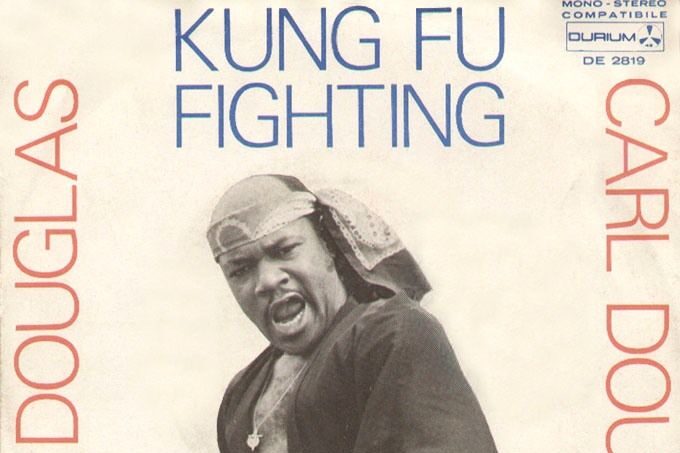
When Kung Fu Fighting appeared in 1974, it arrived during a period when martial arts films were becoming popular around the world. Carl Douglas leaned into that trend with a song that celebrated the excitement and imagery of those movies. The rhythm felt playful and energetic, while the lyrics painted quick scenes of fighters moving with impressive skill. Listeners responded almost immediately because the track sounded both humorous and catchy at the same time. It was the kind of song people could sing along with even after hearing it only once.
The single quickly climbed to the top of the Billboard Hot 100 and eventually sold millions of copies across different countries. Carl Douglas recorded additional music afterward, but this lively hit remained the song that followed his name through pop culture history. Even decades later, the chorus still carries the same playful charm that made audiences smile when they first heard it. Whenever the rhythm appears again, it often brings back memories of a moment when music happily joined the martial arts craze sweeping through cinemas and television screens.
18. Relax
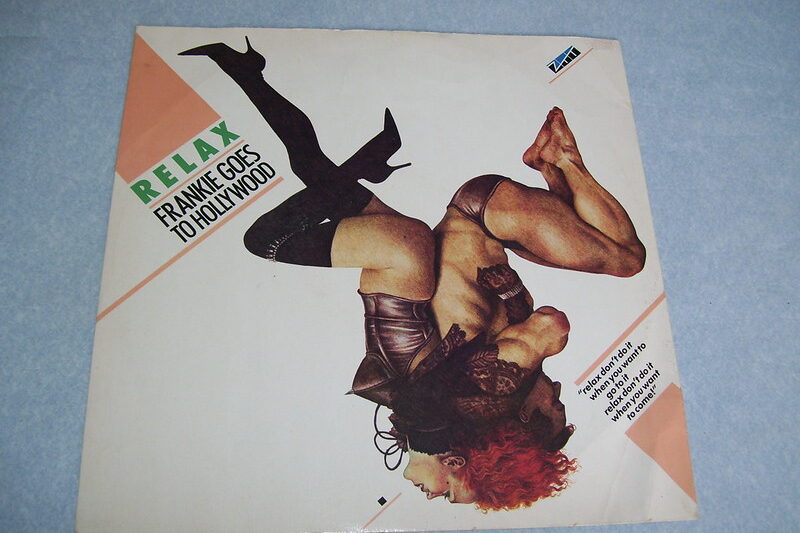
Relax by Frankie Goes to Hollywood arrived in 1983 with a sound that felt bold and slightly rebellious. The song blended electronic dance rhythms with provocative lyrics that quickly sparked attention from broadcasters and listeners alike. At one point the track was even restricted from certain radio play, which only increased curiosity around it. Clubs and dance floors embraced the song enthusiastically, turning it into a defining anthem of the nightlife scene during that period.
As the single climbed to the top of the charts in the United Kingdom, it became clear that the controversy had only strengthened its popularity. Frankie Goes to Hollywood continued to release music and maintain a dedicated fan following, but Relax remained the song most listeners connected with their name. Even now, hearing the steady beat again often brings to mind the adventurous energy of the 1980s club culture, when electronic pop music was pushing boundaries and inviting listeners to explore something a little different.
19. I Melt With You
Not every influential song arrives with immediate chart dominance. I Melt With You by Modern English slowly grew into its reputation after being released in 1982. At first the track gained attention through college radio stations that were eager to explore alternative sounds. Its dreamy guitars and reflective lyrics created a mood that felt both romantic and thoughtful. Listeners discovered the song gradually, passing it along through playlists and film soundtracks until it quietly became one of the most beloved alternative tracks of the decade.
As years passed, the song appeared in several movies and television programs, which introduced it to new audiences who had not been around during its original release. Modern English continued recording music and touring, but this track remained the piece listeners returned to most often. Even today, the gentle rhythm and hopeful chorus still carry a sense of quiet nostalgia. When the song plays again, it often reminds people of the emotional sincerity that defined much of the early alternative music movement.
20. Video Killed The Radio Star
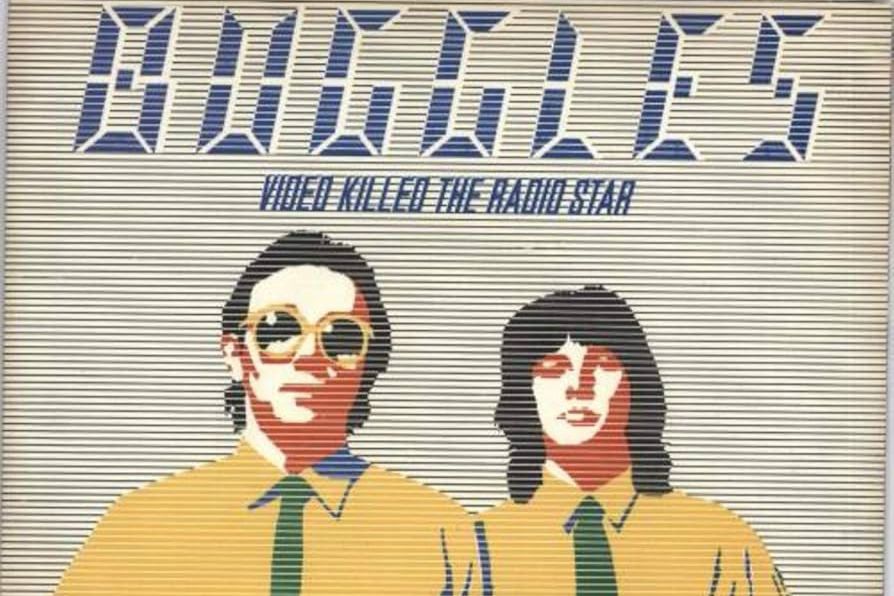
Sometimes a song becomes memorable not only because of how it sounds but because of where it appears in history. Video Killed The Radio Star by The Buggles holds that unique place. Released in 1979, the track reflected the growing influence of visual media in the music world. The lyrics imagined a future where music videos might reshape how audiences discovered their favorite songs. Not long afterward, when MTV launched in 1981, this very song became the first music video the network aired.
That moment connected the track permanently with a major turning point in pop culture. The Buggles released additional music and remained part of the evolving music scene, but this single became the piece listeners most strongly associated with their name. Over time the song turned into a symbol of how quickly technology can reshape creative industries. Hearing it today feels like opening a small window into the moment when music and television began working together in ways that would change the entertainment landscape for decades to come.


