
1. The Case Begins With a Missing Escort, Not a Body

For more than a decade, the Long Island Serial Killer case lingered as one of America’s most haunting unsolved mysteries. The Long Island Serial Killer investigation did not begin as a serial murder case at all. In May 2010, police were searching for Shannan Gilbert, a 24-year-old escort who vanished after making a frantic 911 call from Oak Beach. During the search along Ocean Parkway near Gilgo Beach, officers unexpectedly discovered human remains instead. This discovery shifted the focus from a missing-person case to something far darker. Investigators soon realised the area had likely been used repeatedly as a dumping ground, suggesting a serial offender rather than a single crime. What made this twist especially shocking was that Gilbert’s disappearance was not directly linked to the remains initially found, yet her case opened the door to uncovering one of the most disturbing crime scenes in New York history.
2. Four Victims Found Within Days Along the Same Highway
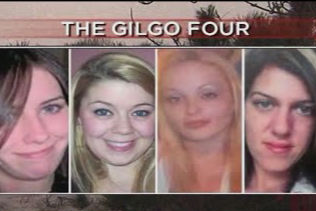
In December 2010, police searching for Shannan Gilbert uncovered the remains of four women within a short stretch of Ocean Parkway. All four were escorts who had advertised online, and all had disappeared years earlier. The proximity of the bodies stunned investigators and confirmed they were dealing with a serial killer. This group would later become known as the “Gilgo Four.” Each victim had been carefully wrapped in burlap, a detail that suggested planning, patience, and familiarity with the area. The discovery instantly changed the scale of the investigation and drew national attention. What shocked many observers was how these disappearances, spread across several years, had gone largely unnoticed until chance brought them together in one grim location.
3. More Bodies Appear, And The Pattern Grows Stranger

In early 2011, investigators expanded their search and uncovered six additional sets of remains along Ocean Parkway and nearby areas. These victims did not match the same profile as the Gilgo Four. Some were men, some were believed to be Asian, and several remains were dismembered, with body parts found miles apart in places like Manorville. This discovery complicated the case dramatically. It raised the possibility of more than one killer or a single offender whose methods changed over time. The sudden expansion from four victims to at least ten shocked the public and made the investigation far more complex, forcing police to reconsider earlier assumptions about motive, victim selection, and timeline.
4. Police Corruption Allegations Stall the Investigation
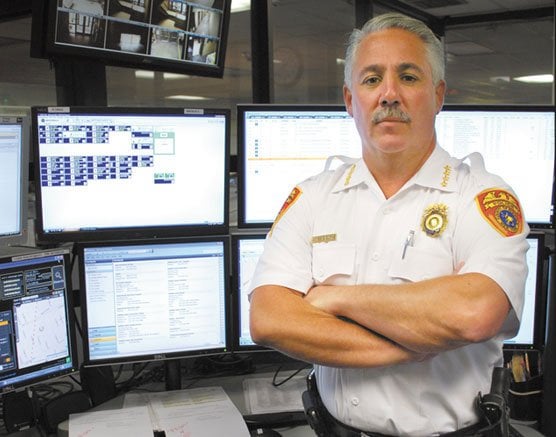
One of the most troubling twists came not from the killer, but from within law enforcement itself. Suffolk County Police Chief James Burke was later convicted on federal charges unrelated to the murders, but his leadership raised serious concerns. Burke reportedly restricted cooperation with outside agencies, including the FBI, during critical years of the investigation. This lack of transparency and inter-agency conflict slowed progress and damaged public trust. Many believe valuable time and evidence were lost during this period. The idea that internal issues may have delayed justice for the victims added a deeply unsettling layer to the case and became a turning point in how the investigation was eventually restructured.
5. The Case Goes Cold For Over a Decade

After the discoveries in 2011, the investigation stalled, and for years there were no arrests. Leads dried up, public updates were rare, and families of the victims were left in painful uncertainty. Despite advances in forensic technology elsewhere, the Long Island Serial Killer case seemed frozen in time. This long silence became one of the most shocking aspects of the timeline. Many feared the case would never be solved, joining the ranks of America’s most infamous cold cases. Yet behind the scenes, evidence was being preserved, waiting for the right moment, new leadership, and modern investigative tools to breathe life back into the hunt.
6. A New Task Force Quietly Reopens the Case

A major but largely unseen twist occurred when Suffolk County authorities quietly formed a new task force in the early 2020s. This group brought together local police, state investigators, and federal agencies, including the FBI, restoring cooperation that had previously been limited. Rather than chasing publicity, the team focused on re-examining old evidence with modern forensic tools and fresh perspectives. Cell phone data, witness statements, and vehicle records were revisited line by line. This restart marked a shift from stagnation to strategy. For families who had waited more than a decade, the renewed effort offered cautious hope. The most surprising part was how much overlooked information still existed, waiting for technology and collaboration to finally connect the dots.
7. Burner Phone Records Become a Critical Breakthrough

Investigators uncovered a crucial pattern involving burner phones used to contact several victims. These phones had also been used to taunt victims’ families after disappearances, a chilling detail that underscored the killer’s confidence. With updated data analysis, police traced the phones’ movements through cell tower pings, revealing links to specific geographic areas and routines. This technological leap turned what once seemed like useless fragments into actionable intelligence. The phone records helped narrow suspect profiles and timelines in ways that were impossible a decade earlier. This twist highlighted how advances in digital forensics can revive cold cases and transform small clues into major investigative breakthroughs.
8. A Distinct Vehicle Description Emerges Years Later

One of the most unexpected developments came from a witness statement that gained new importance years after it was first recorded. Investigators began focusing on a first-generation Chevrolet Avalanche reportedly seen around the time of at least one disappearance. The vehicle’s distinctive design made it easier to track once databases were re-examined. At the time, the tip seemed minor, but revisiting it with updated registration records revealed promising leads. This twist demonstrated how seemingly insignificant details can become vital when viewed through a modern investigative lens. It also showed how patience and persistence can turn old information into new momentum.
9. DNA Technology Rewrites the Investigation

Advancements in DNA testing provided one of the most powerful shifts in the case. Investigators re-tested hair and fibre evidence found on victims using methods unavailable in 2011. This allowed for more precise genetic comparisons and familial DNA analysis. What once produced partial or inconclusive results now offered clear investigative direction. These findings did not just confirm suspicions, they strengthened them with scientific backing. The ability to link evidence across multiple victims reshaped timelines and reinforced the theory of a single primary suspect. This breakthrough proved that time does not always weaken evidence; sometimes, it strengthens it.
10. A Suspect Is Identified After Years of Silence

After more than a decade of uncertainty, investigators finally identified a prime suspect, stunning both the public and the victims’ families. The suspect was a local resident with professional credentials and no criminal history that initially raised alarms. His proximity to key locations and alignment with phone and vehicle evidence brought years of work into sharp focus. The arrest marked a dramatic turning point, transforming the case from an unsolved mystery into an active prosecution. For many, the shock came from how ordinary the suspect appeared, reinforcing the unsettling reality that major crimes can hide in plain sight for years.
11. The Arrest Reveals a Suspect Living Near the Investigation

When authorities arrested Rex Heuermann in July 2023, one of the most startling twists was where he lived. His home in Massapequa Park sat within the same Long Island region where the victims vanished and where evidence had been searched for years. Investigators confirmed that the location aligned with cell phone data, travel patterns, and witness timelines tied to several victims. The idea that the suspect resided openly in the community for decades without detection deeply unsettled residents. This revelation reinforced how the case had been hiding in plain sight and underscored the importance of revisiting geographic assumptions that once seemed too obvious to question.
12. Pizza Crust DNA Becomes a Key Piece of Evidence

One of the most widely discussed breakthroughs involved DNA recovered from discarded pizza crust. Investigators legally collected the item and matched the DNA profile to genetic material found on victims. This comparison provided powerful corroboration when combined with hair evidence previously recovered. The use of everyday items to establish forensic links demonstrated how modern investigative techniques have evolved. What once might have been dismissed as impossible evidence became a cornerstone of the case. This moment marked a turning point, transforming circumstantial links into scientifically supported connections that prosecutors could confidently present in court.
13. His Wife Is Publicly Cleared of Involvement
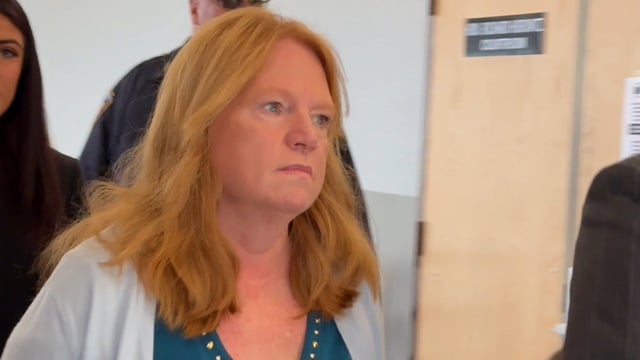
Another significant twist came when authorities publicly stated that Heuermann’s wife was not involved in the crimes. Investigators confirmed she was often out of state during the relevant time periods, a fact supported by travel and employment records. This clarification was important in separating speculation from evidence and preventing unfounded accusations. It also highlighted how investigators carefully examined everyone close to the suspect before ruling them out. The announcement helped keep the focus on verified facts rather than assumptions, reinforcing the case’s commitment to accuracy and fairness even amid intense public scrutiny.
14. Prosecutors Link the Gilgo and Manorville Evidence

Investigators confirmed connections between remains found at Gilgo Beach and earlier discoveries in Manorville, miles away. Some victims’ remains had been deliberately separated, with body parts placed in different locations. This linkage demonstrated a consistent pattern of behaviour and disposal methods across years. The confirmation strengthened the argument that the same offender was responsible for crimes once thought possibly unrelated. This development reshaped the overall timeline, extending the suspected activity further back and revealing a level of planning that shocked even seasoned investigators.
15. Charges Expand Beyond the Original Gilgo Four

Initially charged in connection with the deaths of the Gilgo Four, prosecutors later expanded the case to include additional victims. These new charges were based on reinforced forensic links, phone records, and behavioural similarities. The expansion confirmed long-held suspicions that the original four were only part of a larger pattern. For families of other victims, this step represented long-overdue recognition and accountability. The widening scope of charges transformed the case from a partial resolution into a broader pursuit of justice, reshaping public understanding of how extensive the crimes may have been.
16. Investigators Suggest the Timeline May Stretch Back Decades

As prosecutors laid out evidence in court, investigators revealed that the suspected timeline of the murders may extend much further back than originally believed. Some disappearances under renewed review date to the late 1990s, suggesting a far longer period of activity. This possibility shocked many observers who once assumed the crimes were limited to the mid-2000s. By re-evaluating older cold cases, authorities acknowledged that earlier victims may have been overlooked due to limited technology and fragmented record-keeping. This twist reframed the investigation from a single era of crimes into a potential multi-decade pattern, significantly increasing the scope and historical weight of the case.
17. Digital Searches Reveal Disturbing Patterns
Court documents revealed that investigators examined extensive digital search histories linked to the suspect. These searches reportedly included details about victims, their families, and law enforcement activity. The pattern suggested an unusual level of monitoring and awareness, reinforcing theories of careful planning. This development was particularly unsettling because it showed how modern offenders can use the internet to stay informed and possibly avoid detection. The discovery added depth to the psychological profile prosecutors were building and highlighted how digital footprints now play a central role in solving complex crimes.
18. The Bail Denial Signals the Strength of the Case
When a judge denied bail, it marked a pivotal moment in the legal process. Prosecutors argued that the evidence was overwhelming and that the suspect posed a significant risk. The decision underscored the seriousness of the charges and the confidence authorities had in their case. For families of the victims, the ruling offered reassurance that the process was moving forward carefully and deliberately. This moment also signalled to the public that the investigation had reached a level of evidentiary strength unseen in earlier years.
19. Victims’ Families Finally Receive Long-Awaited Answers
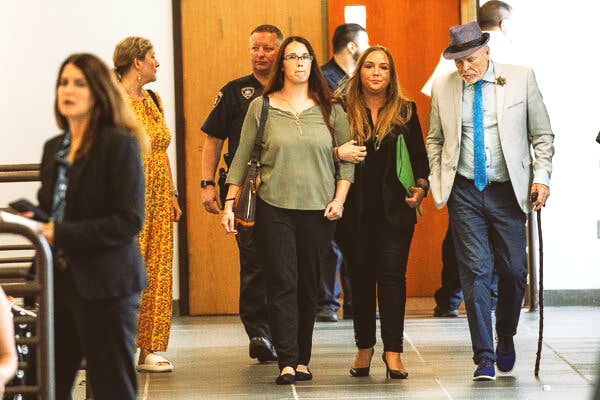
After years of uncertainty, families of the victims began receiving concrete updates about what happened to their loved ones. While the information was painful, many expressed relief at no longer living with unanswered questions. Investigators held private briefings to share findings, emphasising compassion and transparency. This development marked a human turning point in the case, reminding the public that beyond headlines and timelines are families who waited more than a decade for clarity. The shift toward communication and accountability stood in stark contrast to the long silence that once defined the investigation.
20. A Cold Case Becomes a Modern Blueprint for Justice

Perhaps the most powerful twist of all is how the Long Island Serial Killer case transformed from a stalled investigation into a modern example of persistence and innovation. The use of DNA advancements, inter-agency cooperation, and patient re-examination of old evidence demonstrated how cold cases can still be solved. What once symbolised failure now stands as a reminder that time, technology, and determination can converge to bring answers. This final chapter reframes the entire timeline, turning years of frustration into a lesson in why unresolved cases should never be abandoned.
While the legal process continues, the twists in this timeline reveal not just how the case unfolded, but why hope for justice should never fade.
Like this story? Add your thoughts in the comments, thank you.
This story 20 Shocking Twists in the Long Island Serial Killer Timeline was first published on Daily FETCH


