
Mother Teresa Of Calcutta
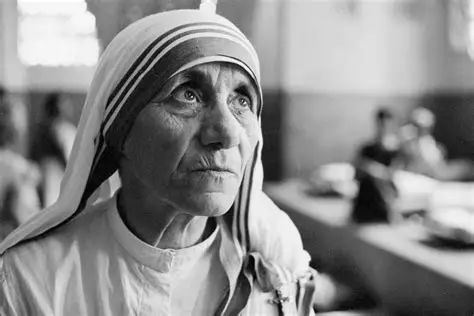
Before we continue, it is worth noting that this collection is strictly a historical retrospective focused on figures who have long since passed away and whose legacies are now cemented in the archives of time. We have intentionally avoided including living individuals to ensure this remain a factual look at historical record rather than a foray into modern political commentary or demeaning personal attacks. Mother Teresa is perhaps the most famous symbol of modern holiness because she spent her life serving the poor in India and eventually received a Nobel Peace Prize for her humanitarian efforts. However, many critics and medical professionals who visited her missions were horrified to find that she viewed suffering as a gift from God rather than something to be cured. Instead of providing actual medical care or modern painkillers, her clinics often forced patients to endure agony in unsanitary conditions while she herself flew to expensive American hospitals for her own heart treatments.
Financial records from her organisation revealed that while millions of pounds were donated by well-meaning people across the globe, very little of that money actually went toward improving the facilities or feeding the hungry. She frequently associated with brutal dictators such as Jean-Claude Duvalier of Haiti and accepted large sums of stolen money from fraudulent businessmen like Charles Keating without ever offering an apology. Her firm opposition to contraception and divorce even in cases of extreme domestic abuse further complicated her image as a saintly figure. While the world remembers her as a tireless servant of the destitute, the reality of her clinics suggests a preference for the glorification of pain over the practical application of modern medicine and basic human dignity. We are really sorry to be the bearer of this bad news, since we all have fond thoughts of this woman.
Christopher Columbus The Explorer
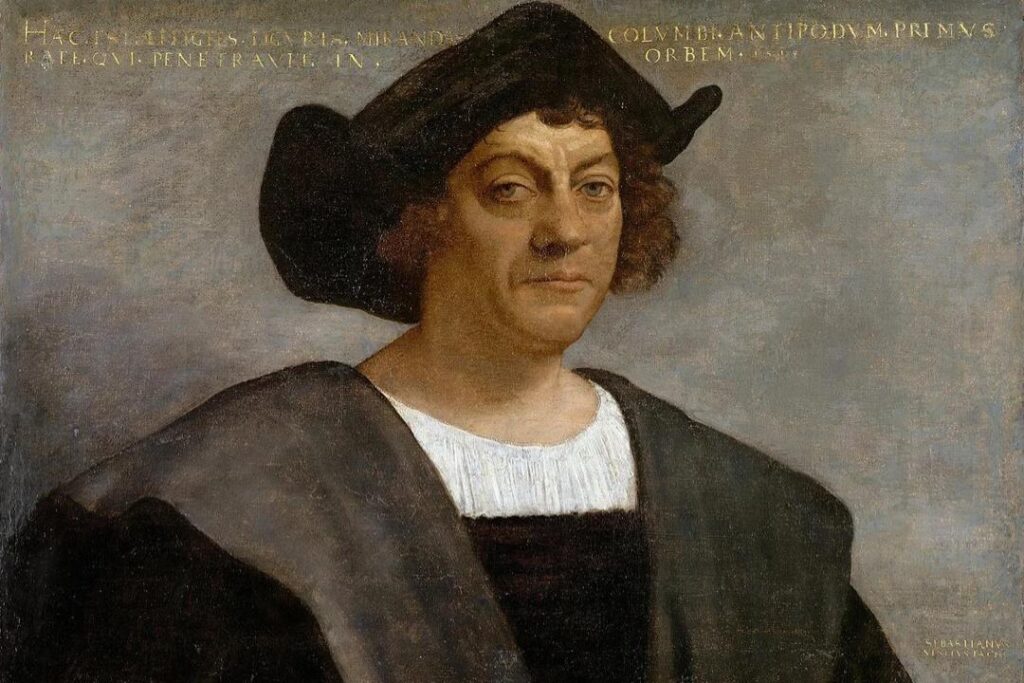
While many schools once taught that Christopher Columbus was a brave visionary who discovered the Americas in 1492, his actual journals and the reports from his contemporaries tell a much darker story of greed and brutality. Upon his arrival in the Caribbean, he immediately looked for ways to exploit the indigenous Taino people for gold and manual labour. When the local population could not provide enough riches to satisfy the Spanish Crown, Columbus initiated a system of slavery and systemic violence that decimated the native population. He was known to use horrific punishments for minor offences and his administration of the new colonies was so tyrannical that he was eventually arrested by his own government and brought back to Spain in chains.
The legacy of Columbus is not merely one of navigation but also one of mass displacement and the beginning of a centuries-long era of colonial oppression. His arrival triggered a demographic catastrophe as he introduced foreign diseases and oversaw the massacre of thousands of innocent people who had initially welcomed him with kindness. Historians note that he frequently ordered the dismemberment of natives to intimidate others and he even sold young girls into sexual slavery to please his crew members. Although he remains a symbol of the Age of Discovery for some, his personal actions reflect a man driven by a ruthless desire for wealth and power at any cost to human life.
Mahatma Gandhi Civil Rights Leader
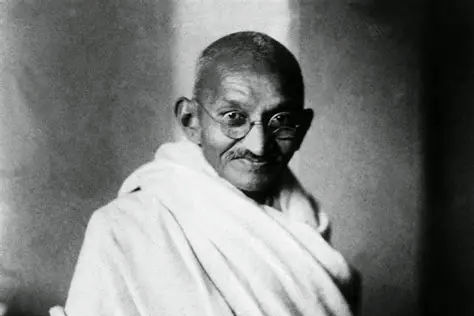
Mahatma Gandhi is globally revered as the father of non-violent protest and a man of peace, yet his early years in South Africa and his private life were marked by deeply problematic views and actions. During his time as a young lawyer in Africa, he wrote numerous letters and articles expressing a clear sense of racial superiority over the black population. He frequently complained that Indians were being treated on the same level as the native Africans whom he referred to using derogatory slurs while arguing that his own people should be afforded higher status under the British Empire. This side of his history is often omitted from textbooks but it highlights a period where his fight for equality was strictly limited to his own ethnic group.
As he aged and became a spiritual leader, his personal behaviour within his inner circle raised further ethical concerns that are difficult for many modern admirers to reconcile. He reportedly forced his grandnieces to sleep in his bed while naked as a way to test his own spiritual resolve and vow of celibacy, a practice that many view today as a disturbing abuse of power. Furthermore, while he advocated for simple living and peace, his refusal to allow his wife to receive life-saving penicillin for pneumonia while he himself accepted medical treatment for his own ailments has been cited as a sign of hypocrisy. These aspects of his character suggest that even the most iconic figures of peace can have deeply troubling personal lives.
Thomas Jefferson American President
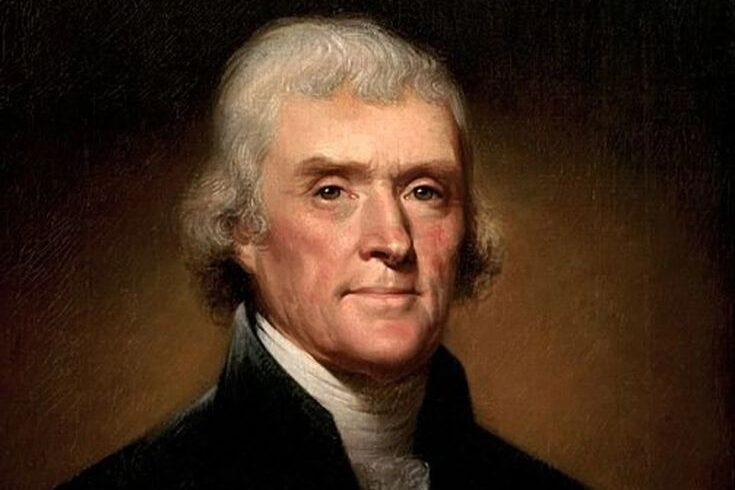
Thomas Jefferson is celebrated as the primary author of the Declaration of Independence and a champion of individual liberty, yet he lived a life that was fundamentally at odds with the phrase “all men are created equal.” Throughout his life at Monticello, he owned over six hundred enslaved people and relied entirely on their forced labour to maintain his lifestyle and his grand architectural projects. Unlike some of his contemporaries who eventually freed their slaves out of conscience, Jefferson only freed a handful of people and most of those were members of the Hemings family. His writings often reflected a pseudo-scientific belief in the biological inferiority of black people which he used to justify the continuation of the institution of slavery.
The most enduring controversy regarding Jefferson involves his long-term relationship with Sally Hemings who was an enslaved woman at his estate and also his late wife’s half-sister. DNA evidence and historical records suggest that Jefferson fathered at least six children with Hemings starting when she was likely still a teenager and he was in his forties. Because she was his legal property, she could not truly consent to a relationship with him and this power imbalance casts a long shadow over his reputation as a moral philosopher. While his political contributions were undoubtedly significant to the formation of the United States, his personal reliance on the brutal system of human chattel slavery reveals a profound and tragic hypocrisy.
Winston Churchill British Icon
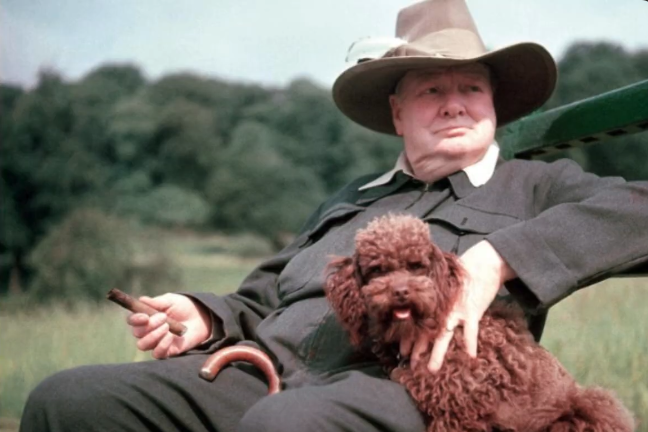
Winston Churchill is often remembered as the indomitable lion who led the United Kingdom through the darkest days of the Second World War with his stirring speeches and unwavering resolve. However, his long political career was also marked by views on race and empire that were considered extreme even by the standards of his own time. He was a staunch imperialist who believed firmly in the superiority of the white race and he often spoke disparagingly about the people of India and Africa. His handling of the 1943 Bengal Famine is perhaps the most devastating part of his legacy because his policies contributed to the deaths of millions of people who were left to starve while food was exported elsewhere.
When officials in India pleaded for emergency grain supplies to save the dying population, Churchill reportedly responded by asking why Mahatma Gandhi had not died yet if the famine was truly so bad. His record during the Gallipoli campaign in the First World War and his advocacy for the use of chemical weapons against “uncivilised tribes” further complicate his image as a straightforward hero of democracy. While his leadership during the fight against Nazi Germany was essential for global freedom, his domestic and colonial policies often displayed a callous disregard for non-European lives. He was a complex man whose brilliance in war was often matched by a stubborn and harmful adherence to outdated and discriminatory imperialist ideologies.
Coco Chanel Fashion Designer
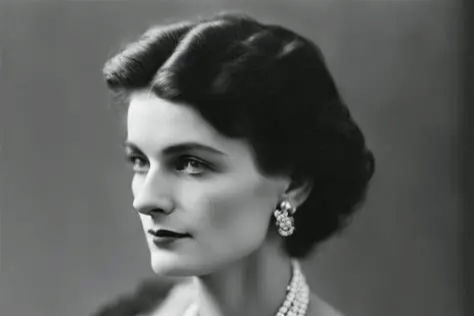
Coco Chanel remains a legendary figure in the world of fashion for her revolutionary designs that freed women from the constraints of corsets and defined modern elegance. Yet behind the chic exterior of her brand lay a history of wartime collaboration and deep-seated anti-Semitism that she took to her grave. During the Nazi occupation of Paris in the Second World War, Chanel lived in luxury at the Hotel Ritz which served as the German headquarters. She engaged in a romantic affair with a high-ranking Nazi officer named Hans Günther von Dincklage and she reportedly used her connections with the occupying forces to attempt to seize control of her perfume business from her Jewish partners.
Recent historical research has uncovered documents suggesting that Chanel was more than just a casual collaborator and actually served as a formal intelligence operative for the Abwehr with the codename Westminster. She was involved in a mission to use her past acquaintance with Winston Churchill to negotiate a separate peace between the Third Reich and the United Kingdom. After the war ended, she fled to Switzerland to avoid prosecution for her activities while many of her fellow French citizens were being punished for much smaller acts of collaboration. While the fashion world continues to celebrate her aesthetic contributions, her willingness to profit from the Nazi regime and betray her country remains a permanent stain on her personal history.
Steve Jobs Tech Visionary

Steve Jobs is frequently worshipped as a creative genius who transformed the world through his innovations at Apple and changed the way we interact with technology forever. However, those who worked closely with him often described a man who was frequently cruel, manipulative, and prone to public outbursts of rage. He was known for berating employees in front of their peers and taking credit for the ideas of others while demanding absolute perfection from everyone but himself. His leadership style was built on a “reality distortion field” where he used his charisma to push people to the brink of exhaustion and he often showed little empathy for those who could not meet his demands.
His personal life was equally tumultuous especially regarding his daughter Lisa whom he denied fathering for many years despite a positive DNA test. While he was becoming a multi-millionaire, his daughter and her mother were living on welfare and he famously stated in legal documents that he was sterile and could not be her father. Although he eventually reconciled with her later in life, his initial abandonment and his cold treatment of his closest friends were hallmarks of his character. He was a visionary who saw the future of computing but he often failed to see the value in treating the people around him with basic kindness and respect during his rise to the top.
Franklin D Roosevelt American President
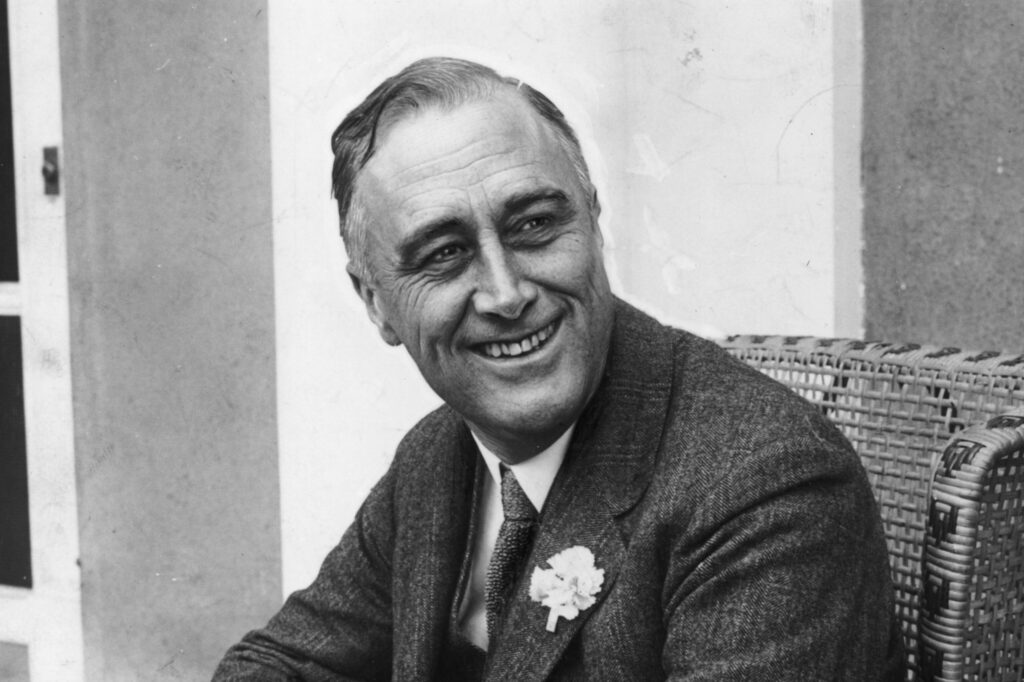
Franklin D. Roosevelt is often ranked among the greatest American presidents for his New Deal policies and his leadership during the Second World War which helped pull the nation out of the Great Depression. Despite these massive achievements, his legacy is heavily marred by the signing of Executive Order 9066 which led to the forced relocation and incarceration of over 120,000 Japanese Americans. These citizens were stripped of their property and their rights simply because of their ancestry and they were held in desolate camps for years without any evidence of wrongdoing. This mass violation of civil liberties remains one of the most shameful chapters in American history and it was a direct result of Roosevelt’s executive action.
Beyond the internment camps, Roosevelt’s record on civil rights for African Americans was often criticised for being politically cautious and ultimately insufficient. He famously refused to support anti-lynching legislation because he feared alienating the powerful Southern Democrats whose votes he needed for his economic programmes. Additionally, his administration turned away the MS St. Louis which was a ship carrying Jewish refugees fleeing Nazi Germany and forced them to return to Europe where many eventually perished in the Holocaust. While he was a master of political strategy and a beacon of hope for many during the war, his willingness to sacrifice the rights of minority groups for political expediency reveals a darker side of his presidency.
John Lennon Music Legend
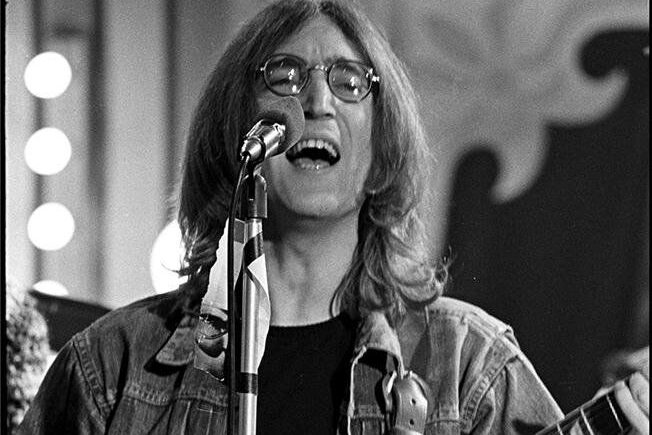
John Lennon is remembered globally as a prophet of peace and the voice of a generation that dreamed of a world without borders or conflict. His anthem “Imagine” continues to inspire millions but his private life was often a stark contrast to the peaceful messages he broadcasted to the public. In his early years with The Beatles and during his first marriage to Cynthia Powell, Lennon was known to be physically and emotionally abusive toward his wife and negligent toward his first son Julian. He later admitted in interviews that he was a “hitter” who struggled with his temper and had used violence against women in the past before adopting his persona of peace.
His relationship with Julian was particularly strained as he essentially abandoned his first family to start a new life with Yoko Ono and he later described Julian as an unplanned child who came “out of a bottle of whiskey.” This emotional coldness stood in direct opposition to the public image he cultivated as a sensitive and enlightened soul who cared for the humanity of all people. While he did eventually try to make amends and spoke openly about his past failings, the reality of his domestic life was often chaotic and filled with the very aggression he campaigned against. He was a man of immense talent who struggled deeply with his own demons and often hurt those closest to him.
Aristotle Ancient Philosopher
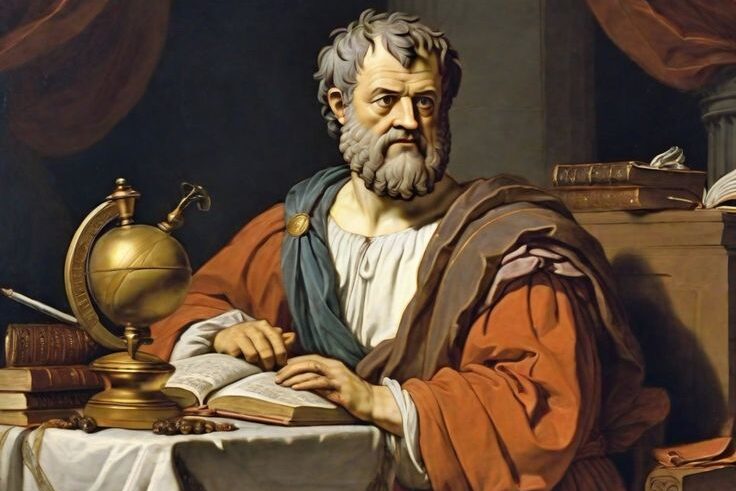
Aristotle is often considered the father of Western philosophy and his works on logic, ethics, and biology have shaped the intellectual foundations of the modern world for over two millennia. However, many of his philosophical theories included deeply prejudiced views that were used to justify systemic inequality and oppression for centuries. He famously argued for the existence of “natural slavery” suggesting that some people were born to be ruled and lacked the capacity for self-governance which provided a moral framework for the exploitation of human beings. He believed that the soul of a slave was inherently inferior to that of a free man and that their condition was both necessary and just.
His views on women were equally regressive and served to reinforce patriarchal structures throughout history as he described women as “mutilated males” who lacked the ability to reason fully. He argued that the male should always be in a position of authority over the female because of a supposed biological hierarchy that placed men at the pinnacle of human development. These ideas were not just casual observations but were integrated into his formal philosophy and were used by later thinkers to deny women and minority groups their basic rights and autonomy. While we owe much of our scientific and logical methodology to Aristotle, it is important to acknowledge that his intellectual legacy also includes the justification of some of history’s most persistent social injustices.
Henry Ford Industrial Giant

Henry Ford is often hailed as the man who put the world on wheels by revolutionising the assembly line and making the automobile accessible to the average working-class family. While his industrial genius transformed modern manufacturing and helped create the middle class, his personal ideologies were deeply rooted in a virulent and public form of anti-Semitism. He used his immense wealth to purchase a local newspaper called the Dearborn Independent which he transformed into a platform for spreading hateful propaganda against Jewish people. For years, he published a series of articles titled “The International Jew” that promoted dangerous conspiracy theories and blamed Jewish communities for everything from the decline of American culture to the outbreak of global conflicts.
His influence was so significant that his writings were eventually translated into German and became a major source of inspiration for the Nazi Party during its rise to power in Europe. Adolf Hitler actually kept a framed photograph of Ford on his desk and praised the American industrialist in his own manifesto as a lone hero standing against Jewish influence. Even after the horrific realities of the Holocaust began to emerge, Ford’s history of promoting racial hatred remained a permanent shadow over his technical achievements and his reputation as a pioneer of progress. He was a man who built a future of mobility for millions but he also helped fuel the fires of some of the most destructive and hateful ideologies of the twentieth century.
Woodrow Wilson American President
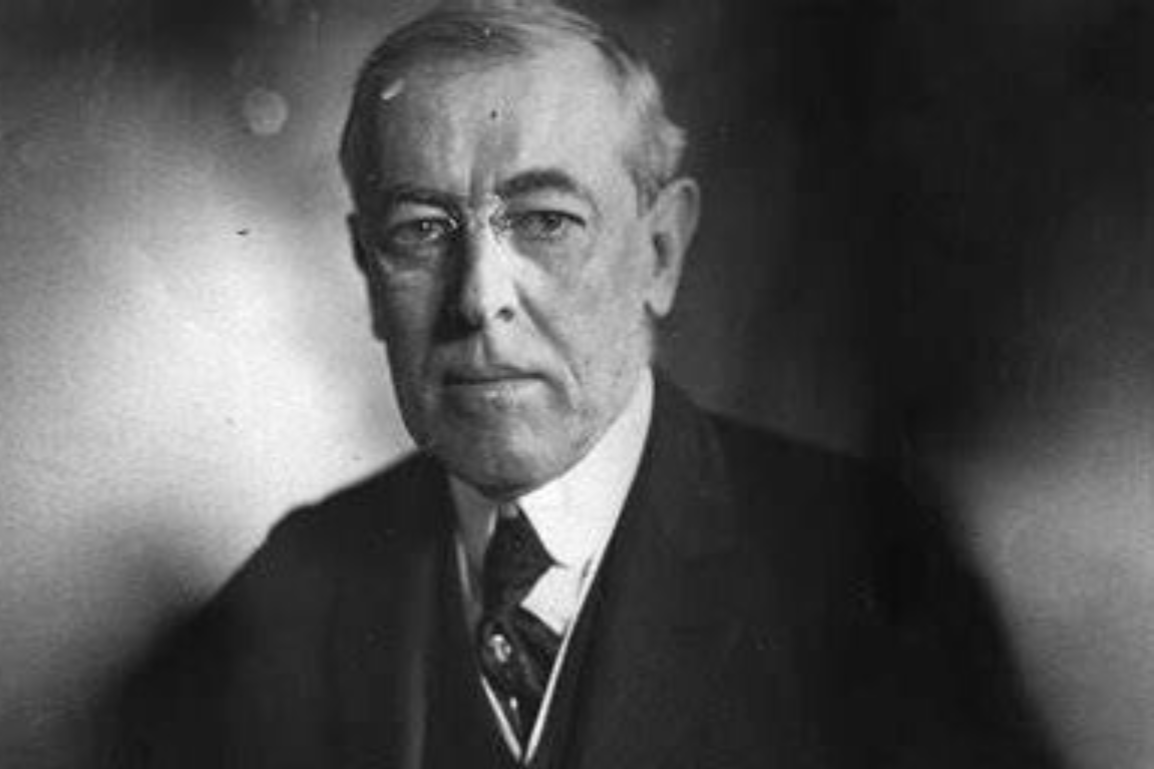
Woodrow Wilson is frequently remembered in history books as the idealistic statesman who led the United States through the First World War and championed the creation of the League of Nations. However, his domestic legacy is deeply stained by his staunch support for racial segregation and his active role in dismantling the progress made by African Americans in the federal government. Upon taking office, Wilson oversaw the re-segregation of several federal agencies that had been integrated for decades which forced black workers into screened-off areas and restricted their opportunities for advancement. He famously screened the racist film “The Birth of a Nation” at the White House and allegedly praised it as history written with lightning.
His academic background as a historian was also used to promote a romanticised view of the Confederacy and the “Lost Cause” narrative which served to justify the disenfranchisement of black voters across the South. While he spoke eloquently about making the world safe for democracy, he seemed perfectly comfortable denying those very democratic rights to millions of his own citizens based on the colour of their skin. His foreign policy was often interventionist and paternalistic especially toward Latin American nations where he believed he had a duty to teach them how to elect good men. This disconnect between his global rhetoric and his domestic actions reveals a leader whose vision of justice was strictly limited by his own deeply ingrained prejudices and racial biases.
Charles Lindbergh Aviation Hero
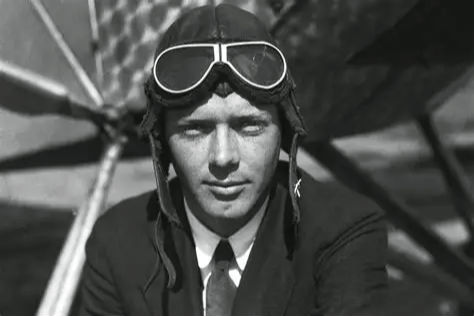
Charles Lindbergh became an international sensation and a symbol of American courage after he completed the first solo non-stop transatlantic flight in his plane the Spirit of St. Louis. He was the golden boy of the 1920s but his reputation took a dark turn in the years leading up to the Second World War due to his vocal support for isolationism and his admiration for Nazi Germany. Lindbergh made several trips to Germany where he was impressed by the efficiency of the Luftwaffe and he even accepted a high-ranking medal from the Nazi government. He became the leading voice of the America First Committee and used his platform to argue that the United States should stay out of the conflict while making coded anti-Semitic remarks.
In his public speeches, he suggested that Jewish influence in the media and government was pushing America toward a war that would only benefit their interests rather than the nation’s welfare. These views alienated him from much of the American public and led President Roosevelt to question his loyalty to the country he had once represented so brilliantly. Furthermore, after his death, it was revealed that the man who had been a symbol of wholesome American values had actually fathered seven children with three different women in secret European families while still married to his wife Anne Morrow Lindbergh. His life was a complex web of public heroism and private betrayal which proved that even the most celebrated idols can harbour deeply unsettling secrets and beliefs.
Henry Morton Stanley African Explorer
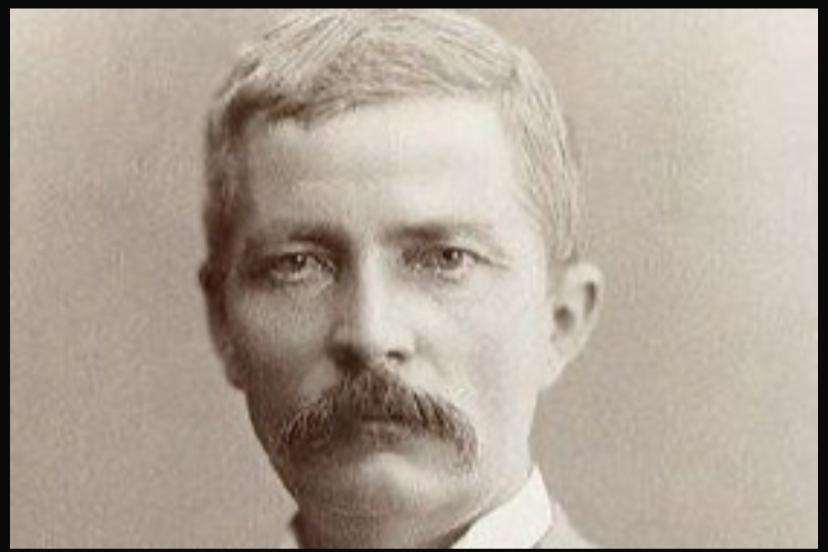
While Victorian society celebrated Sir Henry Morton Stanley as the heroic adventurer who famously found Dr Livingstone in the depths of the African wilderness, his expeditions were often more akin to military invasions than scientific journeys. Behind the romanticised tales of exploration lay a man of extreme violence who frequently used Maxim machine guns to clear paths through indigenous villages that stood in his way. His journals reveal a chillingly casual attitude toward the loss of life, as he often ordered his men to burn settlements and shoot locals for the smallest perceived slights. Unlike many other explorers of his era who at least attempted diplomacy, Stanley relied on sheer colonial firepower to achieve his goals.
His most devastating contribution to history was his role as the primary agent for King Leopold II of Belgium in the Congo. Stanley used his knowledge of the terrain to trick local chiefs into signing away their land and sovereignty, effectively laying the groundwork for one of the most brutal genocidal regimes in human history. Under his administration and the subsequent Belgian rule, millions of Congolese people died from forced labour, mutilation, and systematic starvation in the pursuit of rubber and ivory. While he was knighted in Britain and hailed as a pioneer of the “Dark Continent,” his legacy is inextricably linked to the horrific exploitation and suffering of the African people.
John Harvey Kellogg Health Pioneer
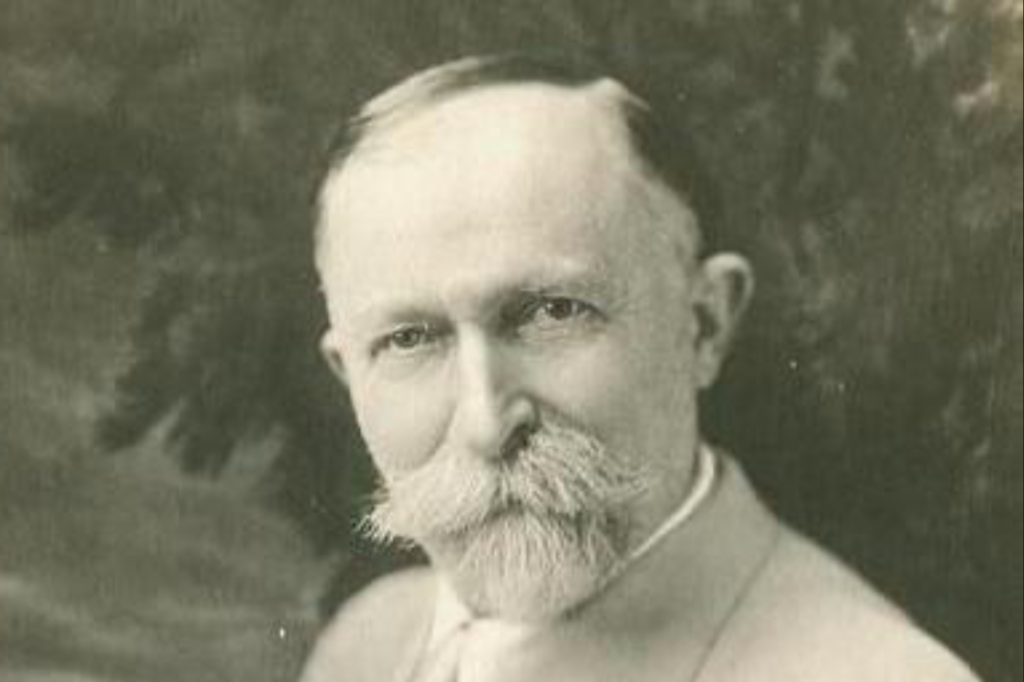
Dr. John Harvey Kellogg is a name that most people associate with breakfast cereal and healthy living but his actual medical practices at the Battle Creek Sanitarium were far more bizarre and controlling than a simple bowl of cornflakes. He was an obsessed health reformer who believed that almost all physical and mental illnesses were caused by improper diet and sexual urges. To combat these perceived evils, he subjected his patients to extreme and often painful treatments including near-boiling water baths and frequent enemas using several gallons of water or even yoghurt. He was a fanatical advocate for celibacy even within marriage and he reportedly never consummated his own marriage while sleeping in a separate room from his wife.
Beyond his strange medical views, Kellogg was a prominent figure in the eugenics movement and he used his influence to promote the idea of “race betterment.” He founded the Race Betterment Foundation and organised conferences where he argued that the human race was decaying and needed to be purged of “defective” traits through selective breeding and sterilisation. He believed that certain ethnicities were biologically inferior and that their presence threatened the purity of the American population. While he is remembered today as a pioneer of wellness and nutrition, his legacy is deeply intertwined with a dark obsession with bodily purity and a dangerous belief in the scientific superiority of certain groups of people over others.
Margaret Sanger Planned Parenthood Founder
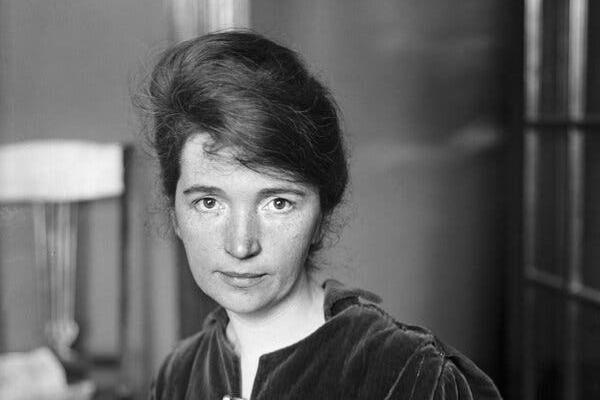
Margaret Sanger is celebrated as a pioneer of the birth control movement and a champion for women’s reproductive rights who founded the organisation that would eventually become Planned Parenthood. While her work undoubtedly helped millions of women gain agency over their own bodies, her motivations were often tied to the troubling pseudoscience of eugenics. She believed that birth control should be used as a tool to limit the reproduction of those she deemed “unfit” for society including people with disabilities and those living in extreme poverty. Her writings frequently mentioned the need to create a “race of thoroughbreds” and she often used language that suggested certain groups were a burden on the collective human gene pool.
This aspect of her legacy is particularly controversial because she reached out to groups that held deeply racist views and she even spoke at a women’s auxiliary meeting of the Ku Klux Klan to promote her cause. While she argued that she was simply trying to spread the word about contraception to all women, her association with eugenicists and her focus on “eliminating the weeds” of humanity cast a long and uncomfortable shadow over her humanitarian achievements. For many, it is difficult to separate her genuine desire to help women from her belief that reproductive health should be used to engineer a specific type of society. She remains a divisive figure whose contributions to modern medicine are forever linked to some of the most discriminatory theories of the early twentieth century.
Alexander Graham Bell Telephone Inventor
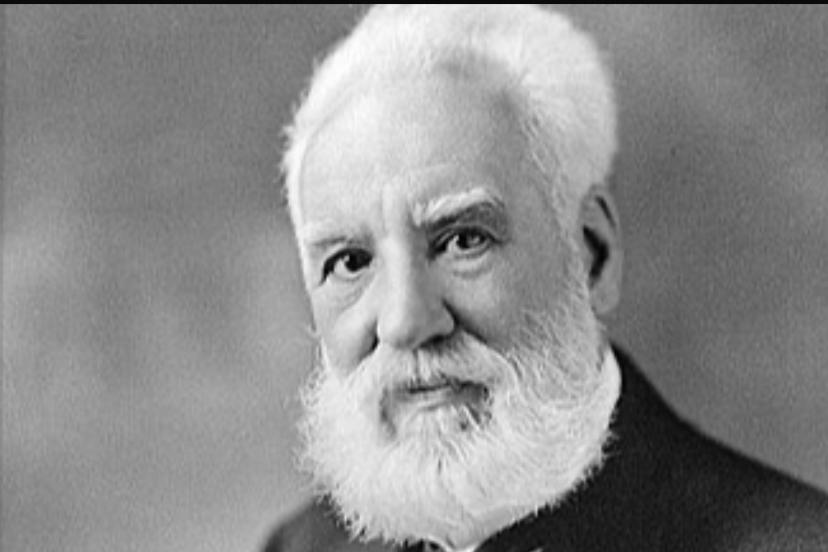
Alexander Graham Bell is a household name because of his invention of the telephone but his work within the deaf community is remembered far less fondly by those who were actually affected by his policies. Although his mother and his wife were both deaf, Bell was a staunch advocate of “oralism” which was a philosophy that sought to ban the use of sign language in schools. He believed that deaf people should be forced to speak and lip-read so that they could integrate into hearing society and he viewed sign language as a primitive form of communication that hindered progress. His influence led to the widespread suppression of American Sign Language which isolated generations of deaf children from their own culture and community.
Furthermore, Bell was a high-ranking member of the American eugenics movement and served as the honorary president of the Second International Congress of Eugenics. He was deeply concerned about the “formation of a deaf variety of the human race” and he proposed laws that would prevent deaf people from marrying one another. He believed that deafness was a defect that should be eradicated through selective breeding and his efforts to control the reproductive lives of others were based on a fundamental lack of respect for the autonomy of disabled individuals. While he is praised for connecting the world through communication technology, his efforts to silence and control the deaf community reveal a man who was more interested in biological perfection than in true human connection.
Thomas Edison Prolific Inventor
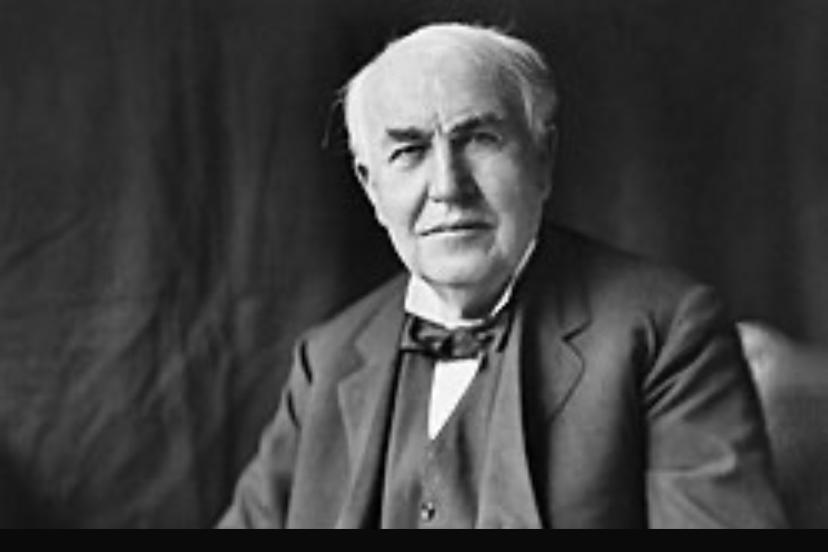
Thomas Edison is often called “The Wizard of Menlo Park” and is credited with inventing the light bulb, the phonograph, and the motion picture camera during his long and productive career. However, his business tactics were often ruthless and he was known for being a litigious bully who would go to any lengths to crush his competitors. One of the most infamous examples of his cruelty was during the “War of Currents” against Nikola Tesla and George Westinghouse. To prove that alternating current was dangerous, Edison organised public demonstrations where he electrocuted stray dogs, cats, and even a circus elephant named Topsy. He wanted to scare the public into staying with his own direct current system despite it being less efficient.
His treatment of Nikola Tesla was particularly egregious as he reportedly promised Tesla a large sum of money to improve his generators but later laughed it off as a joke once the work was completed. Edison was more of a savvy businessman and patent gatherer than a lone inventor and he often relied on the uncredited work of a large team of assistants whom he managed with an iron fist. He was also known for hiring “enforcers” to intimidate independent filmmakers who tried to work outside of his Motion Picture Patents Company. While his inventions undoubtedly shaped the modern world, his path to success was littered with the broken careers of his rivals and the unnecessary suffering of animals used for his corporate propaganda.
Walt Disney Animation Pioneer
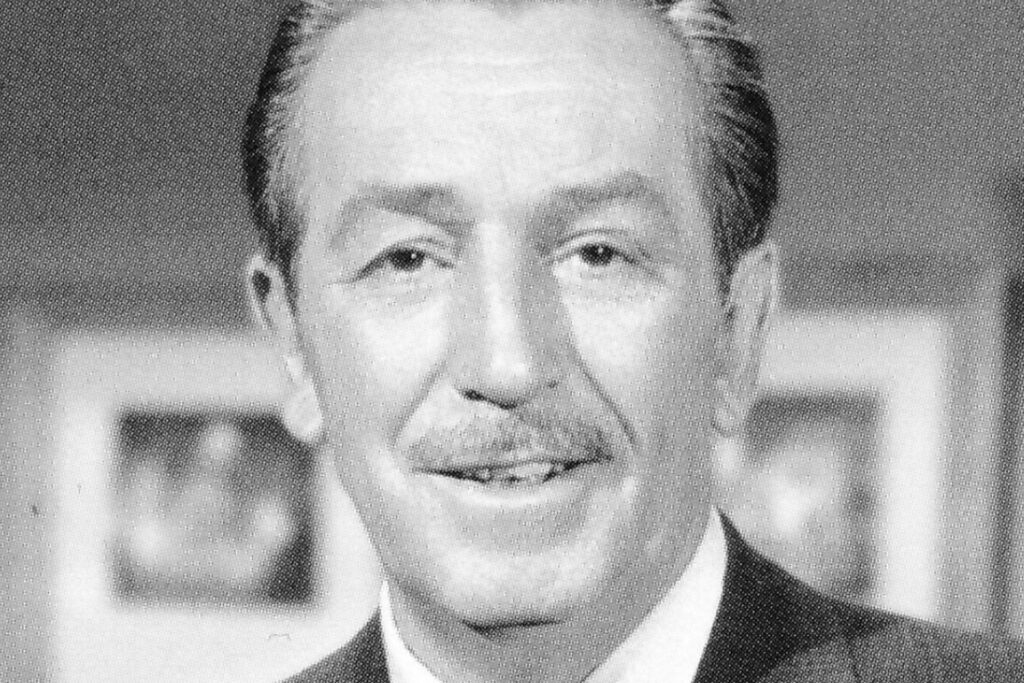
Walt Disney is a name that is synonymous with childhood magic, family values, and the creation of some of the most beloved characters in cinematic history. Yet the man behind the mouse was often described by his staff as a cold and demanding boss who fostered a culture of fear and absolute obedience at his studio. During the 1941 animators’ strike, Disney was shocked and offended that his “family” of workers would demand better pay and conditions and he reacted by firing leaders and accusing them of being communist agitators. He was known to have a very difficult relationship with his employees and he rarely gave credit to the individual artists whose creativity actually built his empire.
There are also long-standing allegations regarding his personal views on race and religion that have complicated his legacy in the modern era. While some biographers defend him, others point to the insensitive racial stereotypes present in his early films and his membership in the Motion Picture Alliance for the Preservation of American Ideals which was an anti-Semitic and anti-communist group. He famously hosted the Nazi filmmaker Leni Riefenstahl at his studio shortly after the horrors of Kristallnacht when much of Hollywood was boycotting her. While he created a world of fantasy and joy for millions of children, his real-world persona was often that of a stern and prejudiced businessman who struggled to adapt to the changing social values of his time.
Lord Byron Romantic Poet
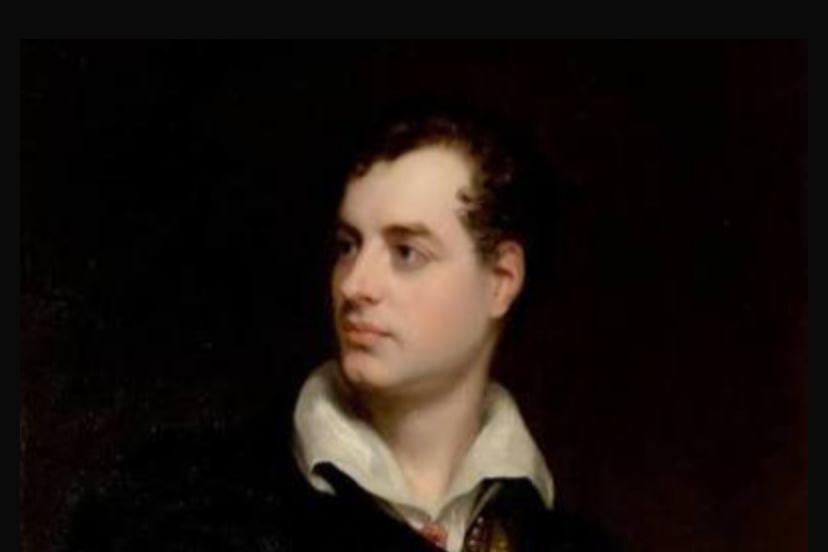
Lord Byron was the quintessential “mad, bad, and dangerous to know” figure of the Romantic era whose poetry captivated the literary world and whose scandalous personal life made him the first modern celebrity. While his verses were filled with passion and beauty, his actual treatment of the women in his life was often abysmal and bordered on the predatory. He was known for his numerous affairs and his habit of discarding lovers once he grew bored which frequently left them in states of emotional and financial ruin. Most shockingly, it was widely believed by his contemporaries that he engaged in an incestuous relationship with his half-sister Augusta Leigh which led to his eventual exile from English society.
His marriage to Annabella Milbanke was a disaster marked by his volatile temper and his alleged physical and mental abuse of her throughout their brief time together. He was a man who seemed to thrive on chaos and the suffering of others while using his poetic genius to justify his self-indulgent and often destructive behaviour. Even his involvement in the Greek War of Independence which is often cited as a heroic final act was largely a result of his search for new thrills and a desire to escape his mounting debts and scandals at home. While his literary contributions remain vital to the English canon, his personal life reveals a man who was deeply selfish and often treated the people around him as mere footnotes in his own grand and tragic narrative.
Charles Dickens Literary Genius
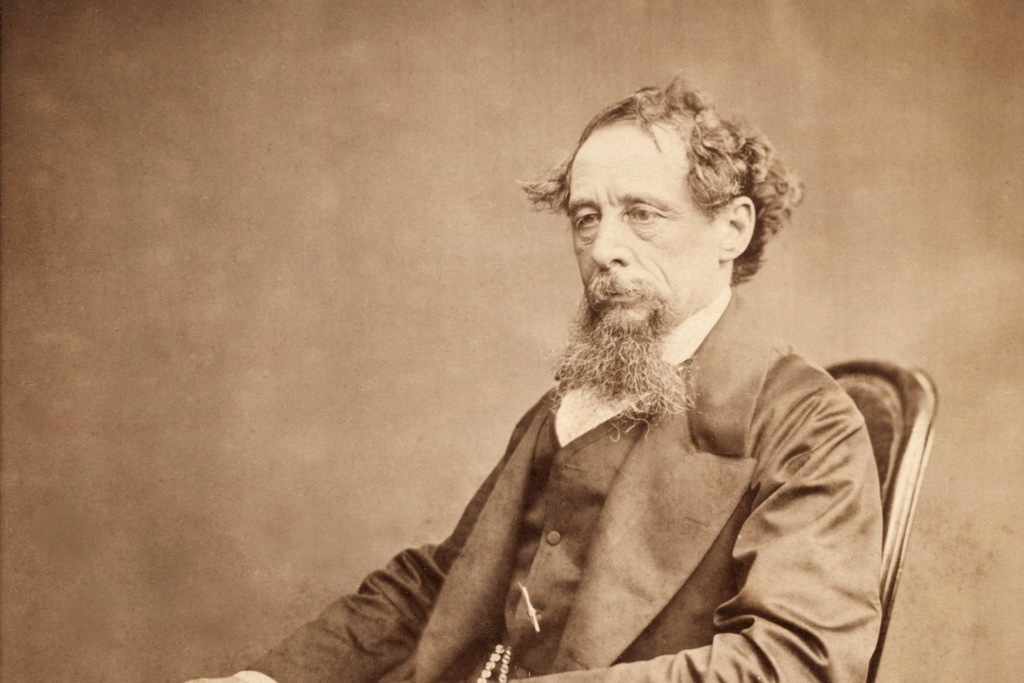
Charles Dickens is arguably the most beloved novelist in the English language and he is credited with inventing the modern idea of Christmas through his timeless tale of Ebenezer Scrooge. However, the man who wrote so movingly about the importance of family and the plight of the poor was shockingly cruel to his own wife Catherine in their private life. After she had borne him ten children over twenty years of marriage, Dickens became infatuated with a much younger actress and decided that Catherine was no longer a suitable companion for his social standing. Instead of a dignified separation, he attempted to have her committed to a mental asylum under false pretences simply to remove her from his home and clear the way for his new romantic interest.
When his plot to institutionalise her failed, he forced her out of the house and cut her off from their children while launching a public campaign to ruin her reputation in the national press. He went so far as to publish a letter in various newspapers claiming that Catherine had never been a good mother and that she was mentally unstable despite there being no evidence for his claims. This cold-hearted abandonment of the woman who had supported him during his rise to fame stands in stark contrast to the sentimental morality found in his books. While he championed the rights of the downtrodden in Victorian society, he proved to be a domestic tyrant who was willing to destroy his own family for his personal whims and vanity.
Pablo Picasso Artistic Revolutionary
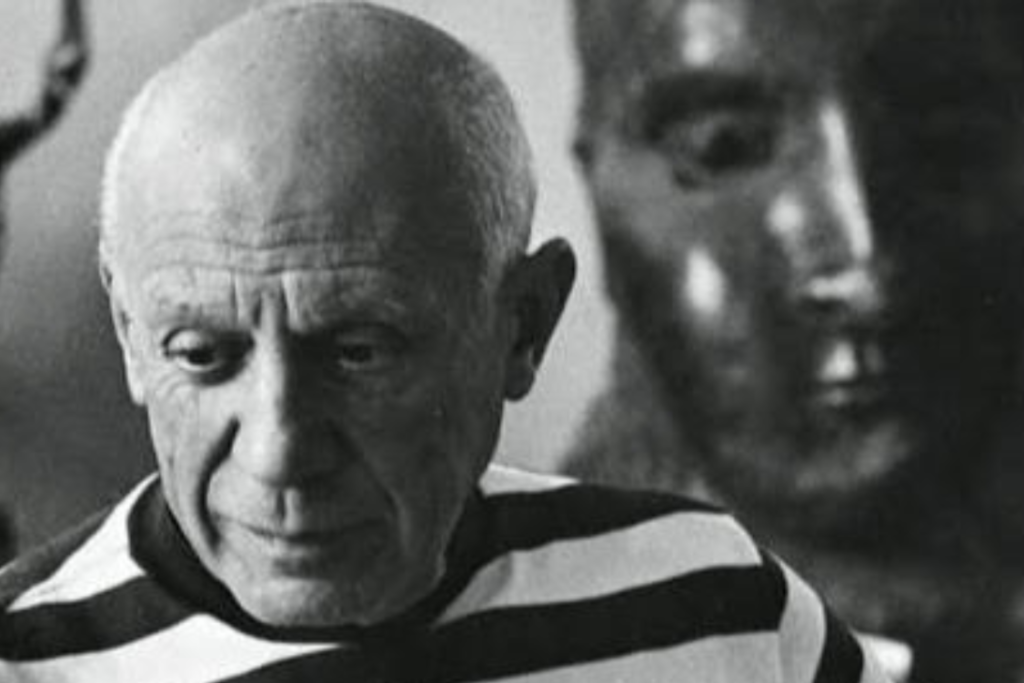
Pablo Picasso is celebrated as the most influential artist of the twentieth century and he is the man who broke all the rules of painting to create the groundbreaking movement known as Cubism. Yet behind the vibrant canvases and revolutionary techniques lay a man whose personal life was defined by a deep-seated misogyny and a pattern of psychological abuse toward the women he claimed to love. He famously remarked that women were either “goddesses or doormats” and he spent much of his life ensuring they became the latter through manipulation and emotional cruelty. Many of his muses ended their lives in tragedy or mental collapse after being discarded by him once he had finished using them for artistic inspiration.
His granddaughter later described him as a man who needed the blood of his victims to fuel his creativity and he often took pleasure in playing his lovers against one another to satisfy his own ego. He was known to be physically aggressive and he often isolated his partners from their friends and family to maintain absolute control over their every move. While the art world continues to pay hundreds of millions of pounds for his work, it is impossible to ignore the trail of broken lives he left in his wake. He was a creative titan whose genius was matched only by a callous disregard for the humanity of those closest to him and his legacy remains a difficult subject for those who value ethical conduct as much as aesthetic innovation.
Queen Victoria Empress Of India
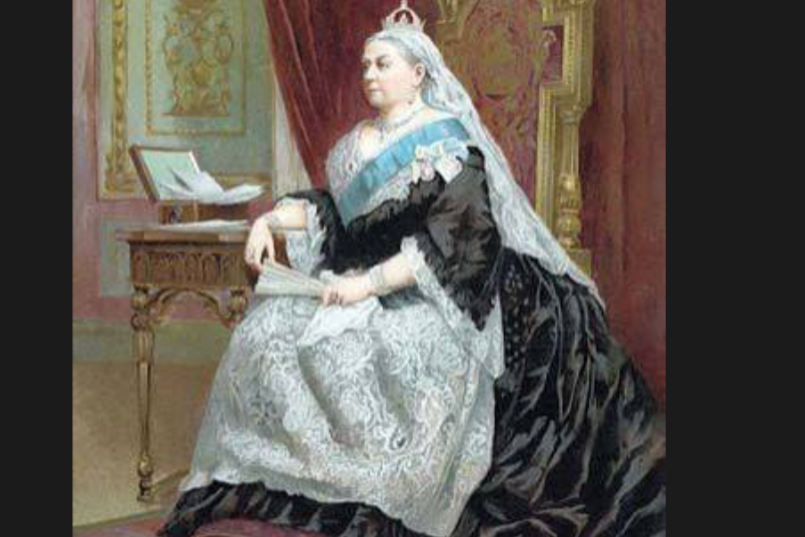
Queen Victoria is remembered as the grandmother of Europe and the stern matriarch who oversaw a period of immense industrial and cultural growth for the British Empire during the nineteenth century. However, her reign was also the peak of a colonial system that relied on the systematic exploitation and suppression of millions of people across the globe. Although she is often portrayed as a figure of moral rectitude, she was a fierce supporter of the British presence in India and she showed little concern for the devastating famines that occurred under her watch. The policies of her government often prioritised British economic interests over the survival of her subjects in the colonies which resulted in massive loss of life.
Her personal views were also deeply problematic and she was known to be a staunch opponent of women’s rights and the growing movement for female suffrage in her own country. She described the campaign for women to have the vote as a “mad, wicked folly” and she believed that women were naturally inferior to men despite being the most powerful woman on the planet herself. Furthermore, her support for the Opium Wars against China revealed a willingness to use military force to protect illegal drug trades that were profitable for the British Crown. While she remains an icon of British identity, the darker realities of the Victorian era include a global legacy of displacement, racial hierarchy, and imperial greed that many of her modern admirers often choose to overlook.
Che Guevara Revolutionary Icon

Che Guevara is a name that has become synonymous with rebellion and youthful idealism and his face adorns millions of t-shirts as a symbol of the fight against oppression and inequality. However, the real man behind the icon was a bloodthirsty executioner who took personal delight in the summary trials and killings of those he considered enemies of the Cuban Revolution. After the success of the revolution, he was placed in charge of the La Cabaña fortress where he oversaw the executions of hundreds of people without due process or fair representation. He was known to deliver the final coup de grâce himself and he once famously wrote that a revolutionary must become a “cold killing machine motivated by pure hate.”
Beyond his penchant for violence, Guevara held views on race and sexuality that would be considered abhorrent by many of the modern activists who wear his image today. In his early diaries, he wrote disparagingly about black people and he played a key role in the establishment of “re-education” camps where homosexuals and religious minorities were imprisoned and forced into hard labour. He viewed individual liberty as a bourgeois luxury that had to be sacrificed for the collective good of the state and his economic policies eventually led to widespread shortages and suffering for the Cuban people. While he is remembered as a romantic martyr for the cause of socialism, his actual record is one of ruthless authoritarianism and a total disregard for the sanctity of human life.
Albert Einstein Scientific Legend
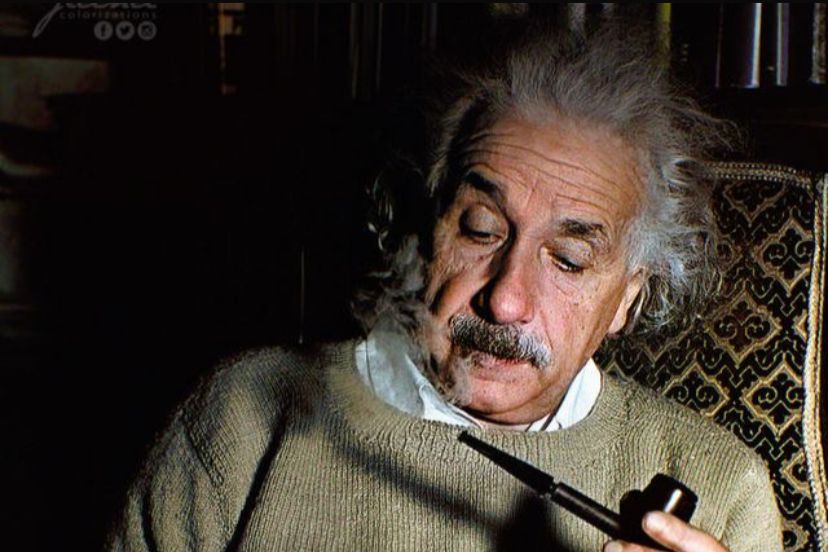
Albert Einstein is globally recognised as the personification of genius and a man whose theories on relativity completely changed our understanding of the universe and the nature of time. Despite his reputation as a gentle and eccentric professor who advocated for peace and human rights, his personal journals revealed a much more prejudiced side of his character that came to light long after his death. During his travels through Asia and the Middle East in the 1920s, he wrote several entries that contained xenophobic and derogatory comments about the people he encountered. He described certain ethnic groups in terms that were shockingly dehumanising and he suggested that they were biologically and culturally inferior to Europeans.
His domestic life was also fraught with tension and he treated his first wife Mileva Marić with a level of coldness that many find difficult to reconcile with his public persona. He reportedly presented her with a list of harsh conditions she had to follow if they were to remain married including a demand that she serve him three meals a day and stop talking to him whenever he requested it. He eventually left her for his cousin Elsa and he was known to have multiple affairs while showing very little emotional support for his children during their formative years. While his intellectual contributions to physics are unparalleled in history, his private writings and his treatment of his family suggest a man who struggled to apply his high-minded ideals to his own personal interactions.
Alfred Hitchcock Cinema Master
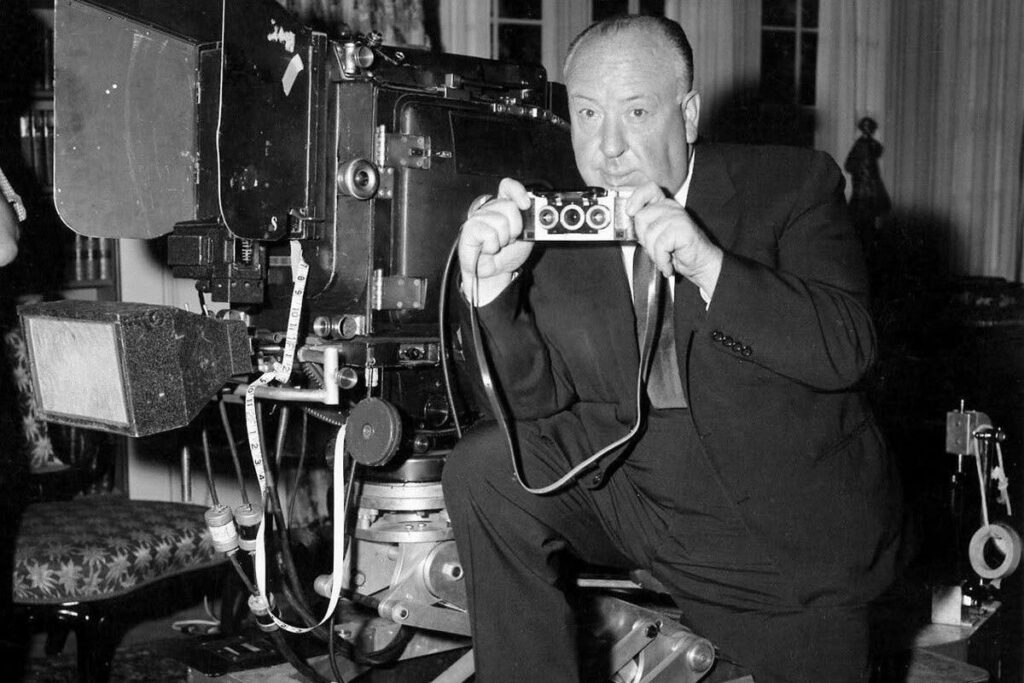
Alfred Hitchcock is widely regarded as the master of suspense and a director who revolutionised the language of film through his technical brilliance and his ability to manipulate the fears of his audience. However, his obsession with his “blonde leading ladies” often crossed the line from professional interest into extreme psychological harassment and sexual obsession. During the filming of “The Birds,” he became infatuated with actress Tippi Hedren and subjected her to a terrifying ordeal by forcing her to film scenes with real, aggressive birds for days on end. When she refused his romantic advances, he allegedly threatened to destroy her career and he used his contractual power to prevent her from working with other directors for years.
His behavior on set was often described as sadistic as he enjoyed making his actors feel uncomfortable and vulnerable to get the performances he wanted from them. He was known to play cruel practical jokes and he frequently made inappropriate comments to female staff members while creating an environment of intense pressure and surveillance. Hitchcock’s dark obsessions were not just themes in his movies but were actively lived out in the way he controlled and intimidated the people who worked for him. While he created some of the most iconic images in the history of cinema, the human cost of his perfectionism was a trail of traumatised actors and a reputation for being a manipulative and predatory figure behind the camera.
Dr. Seuss Children’s Author
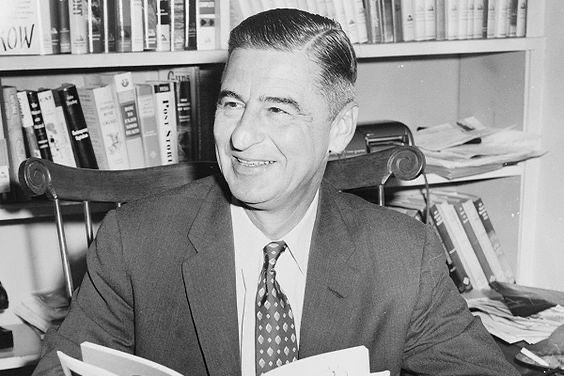
Theodor Geisel who is better known to millions of children as Dr. Seuss created a whimsical world of talking cats and environmentalist loraxes that has defined childhood for generations. Yet his early career as a political cartoonist was filled with racist and xenophobic illustrations that targeted Japanese Americans and other minority groups with cruel stereotypes. During the Second World War, he used his artistic talents to promote the very same climate of fear and prejudice that led to the internment of thousands of innocent citizens. While he later expressed regret for some of his earlier work, many of his children’s books continued to feature imagery that reflected a deep-seated racial bias that was common in his era.
His personal life was also marked by a devastating act of betrayal that many of his fans find impossible to ignore once they learn the details. While his first wife Helen Palmer was suffering from a long and painful battle with cancer and other illnesses, Geisel was engaged in a long-term affair with a woman named Audrey Stone Dimond. The emotional pain of her illness combined with the knowledge of her husband’s infidelity led Helen to take her own life and she left a heartbreaking note explaining that she could no longer endure the suffering. Geisel married his mistress shortly after his wife’s death and he continued to build his empire of whimsy while the tragic reality of his private life was kept hidden from the public eye for many decades.
Napoleon Bonaparte French Emperor
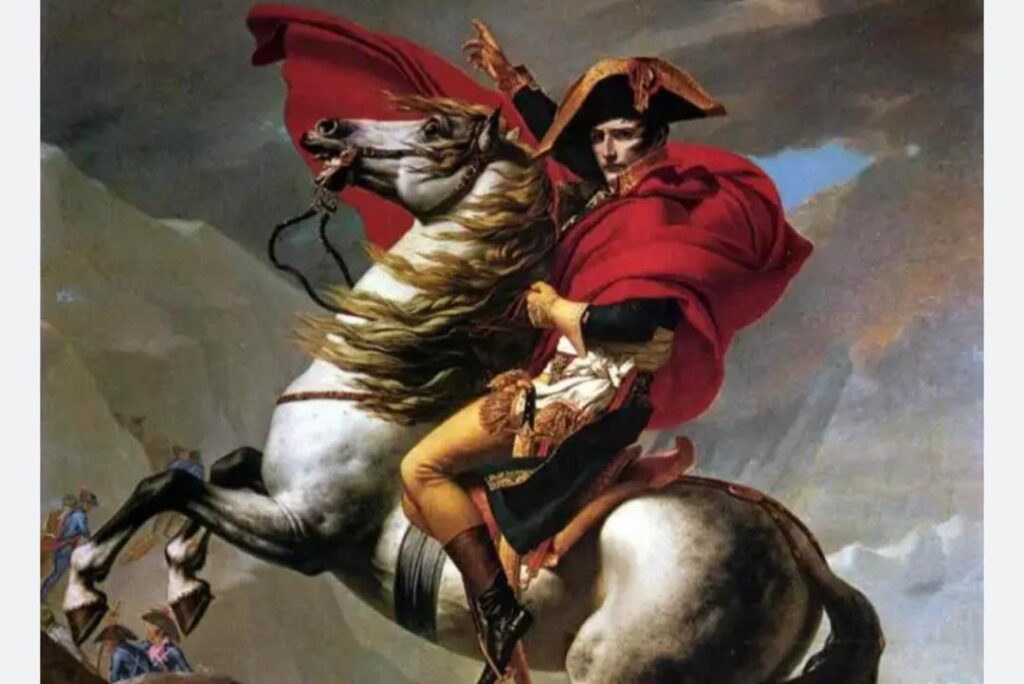
Napoleon Bonaparte is often admired as a brilliant military strategist and a moderniser who brought order to a chaotic post-revolutionary France and spread the ideals of the Enlightenment across Europe. However, his rise to power was built on a foundation of endless warfare and a staggering loss of human life that decimated an entire generation of young men. He was a man of insatiable ambition who crowned himself Emperor and turned the French Republic back into a monarchy while placing his own family members on the thrones of conquered nations. His pursuit of glory was a personal obsession that frequently outweighed the needs and the safety of the French people he claimed to represent.
One of the most troubling aspects of his legacy was his decision to reinstate slavery in the French colonies in 1802 after it had been abolished during the initial years of the revolution. He sent massive military expeditions to the Caribbean to crush the uprisings of enslaved people who were fighting for their freedom and his actions led to horrific violence and the re-enslavement of thousands. He viewed human beings as mere assets to be moved on a map and he had little regard for the cultural or political autonomy of the nations he invaded. While he left behind the Napoleonic Code and a lasting influence on European law, he was also a tyrant who sacrificed millions for his own ego and who actively worked to reverse the progress of human rights when it suited his political goals.
John F. Kennedy American President
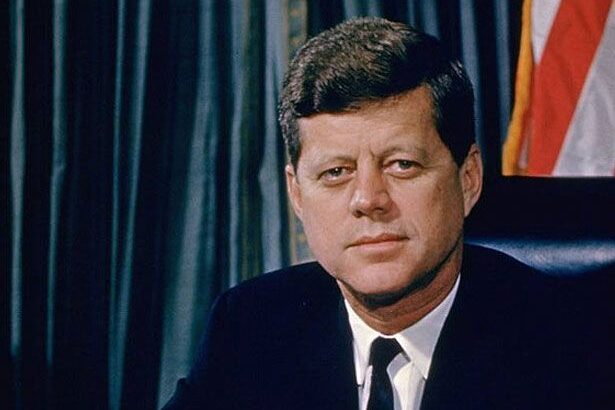
John F. Kennedy is remembered as the young and charismatic leader of “Camelot” whose presidency represented a time of hope and modern idealism for the United States during the Cold War. However, the image of the perfect family man and the noble statesman was a carefully constructed myth that hid a life of reckless infidelity and deep-seated personal flaws. He engaged in numerous affairs with a wide range of women including Hollywood stars and individuals with connections to organised crime which created significant national security risks. His private life was a constant stream of risky behavior that often distracted him from his official duties and forced his staff to spend significant time and resources covering up his various scandals.
Beyond his personal transgressions, Kennedy’s early political career was marked by a cautious and often indifferent approach to the civil rights movement that was gaining momentum across the country. He was slow to support federal legislation for racial equality because he was afraid of losing the support of Southern white voters and he only took decisive action when he was forced to by escalating violence and public pressure. Additionally, his administration’s involvement in the Bay of Pigs invasion and the escalation of American involvement in Vietnam laid the groundwork for decades of conflict and political instability. While he remains a beloved figure for his rhetoric and his tragic end, the reality of his time in office was often defined by political expediency and a personal life that was far from the virtuous image projected to the world.
Pablo Escobar Criminal Kingpin
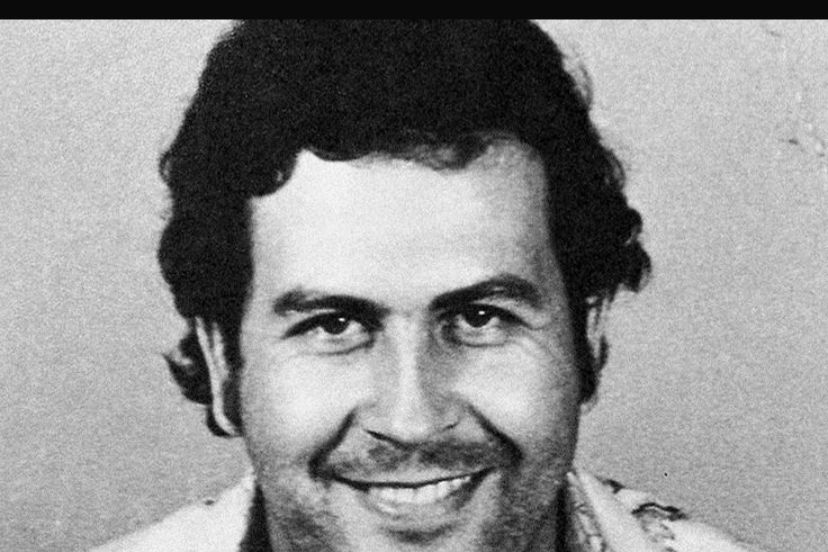
While Pablo Escobar is obviously known as a criminal, he is included here because he was, and still is, respected as a “Robin Hood” figure by many who view his charitable works as a sign of true heroism. He built schools, hospitals, and housing for the poor in Medellin and many in his community looked up to him as a benefactor who cared for the people when the government did not. However, this benevolence was a calculated strategy to buy loyalty and create a human shield against the authorities while he ran a global empire of violence. He was responsible for the deaths of thousands of people including police officers, judges, politicians, and innocent bystanders who were caught in the crossfire of his narco-terrorism.
His ruthlessness knew no bounds and he famously ordered the bombing of Avianca Flight 203 in an attempt to kill a single presidential candidate which resulted in the deaths of over one hundred innocent civilians. He turned his country into a war zone and corrupted every level of society with his “plata o plomo” philosophy which translates to “silver or lead”—meaning he would either bribe you or kill you. The wealth he used to build parks and football fields was soaked in the blood of those who suffered from the drug addiction and violence his cartel promoted across the globe. He was not a hero of the poor but a narcissistic monster who used the misery of others to build a throne of gold and terror.
The history of these figures serves as a powerful reminder that human progress is often a messy and contradictory process that involves individuals who are capable of both greatness and significant harm.
Like this story? Add your thoughts in the comments, thank you.


