
1. Writing Real Letters
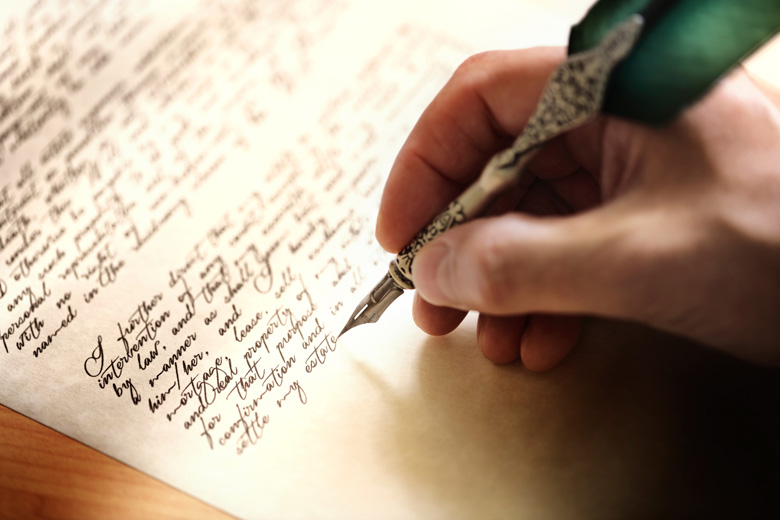
For a while, it seemed like convenience replaced competence. Lately, though, many of those old-school skills are resurfacing, not out of nostalgia, but practicality. Handwritten letters were once the backbone of personal communication, long before emails and instant messaging. Today, they’re quietly returning as people crave deeper, more thoughtful connections. Writing a letter forces intentionality: choosing words carefully, slowing down, and giving someone undivided attention. Schools, therapy programs, and even long-distance families have rediscovered the emotional value of handwritten notes. Studies on memory and communication show people retain handwritten messages longer and feel more emotionally connected to them. Letter-writing clubs, pen-pal programs, and stationery sales have steadily grown, especially among younger adults. In a world flooded with quick messages, a handwritten letter now feels meaningful rather than outdated, turning an old habit into a powerful personal gesture.
2. Sewing and Mending
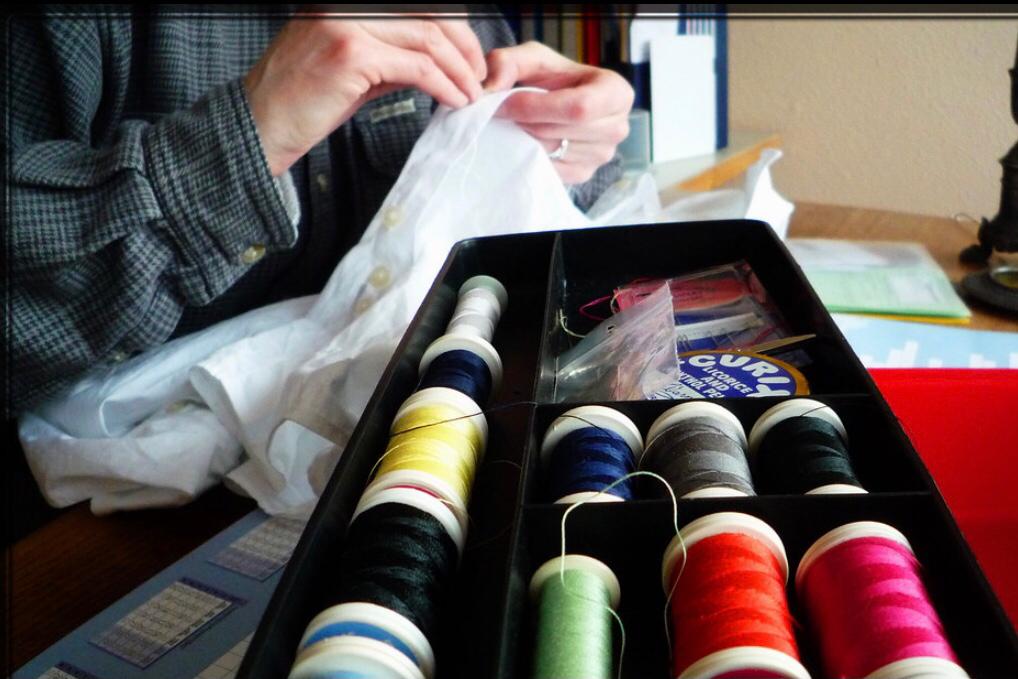
Basic sewing used to be a household essential, not a hobby. As clothing costs rise and fast fashion’s environmental impact becomes clearer, mending clothes is making a practical comeback. Simple skills like stitching a tear, replacing buttons, or hemming pants help people extend the life of garments they already own. Repair cafés and community workshops have emerged worldwide, teaching these techniques in social settings. Many people now see sewing as a form of self-reliance and sustainability rather than thrift alone. The renewed interest is also tied to quality, with consumers realizing repairs often preserve better fabrics than cheap replacements. What once felt old-fashioned is now viewed as responsible and empowering.
3. Growing Food at Home
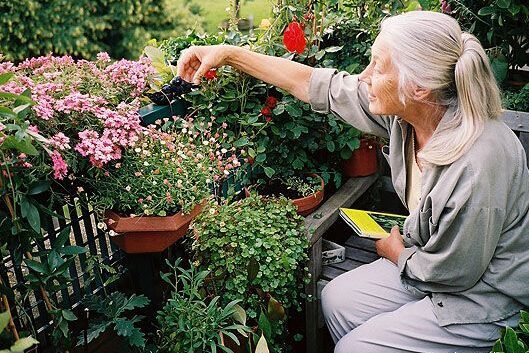
Home gardening was once driven by necessity, especially during economic hardship. Today, it’s returning as a response to rising food prices, supply chain disruptions, and health awareness. Growing herbs, vegetables, or fruit at home gives people control over what they eat and how it’s produced. Even small balcony gardens or window planters offer fresh ingredients and reduce grocery costs. Gardening also provides mental health benefits, including stress reduction and physical activity. During recent global disruptions, seed sales surged and waiting lists for community gardens expanded. What used to be routine household knowledge is now valued as a smart, resilient way to supplement modern living.
4. Reading Paper Maps
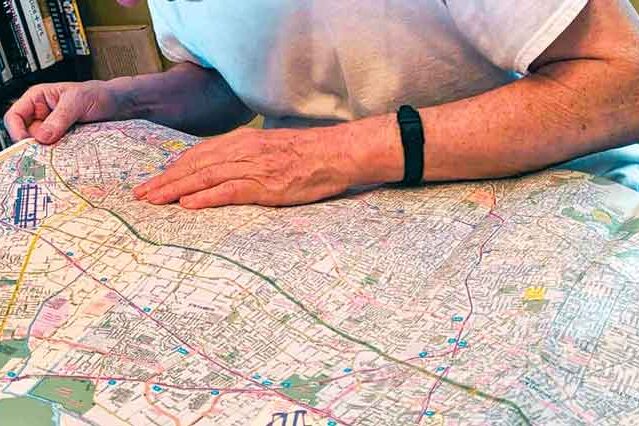
Before GPS, navigating with paper maps was a basic travel skill. While digital maps dominate today, paper maps are quietly regaining relevance in outdoor recreation, emergency preparedness, and travel planning. Hikers, drivers, and disaster-response agencies emphasize map-reading as a reliable backup when technology fails. Learning to understand scale, symbols, and landmarks improves spatial awareness in ways turn-by-turn directions cannot. Some schools and youth programs have reintroduced map skills to encourage critical thinking. Travelers also use physical maps to better understand regions instead of following automated routes blindly. What once seemed obsolete now represents independence and preparedness when batteries die or signals disappear.
5. Cooking From Scratch
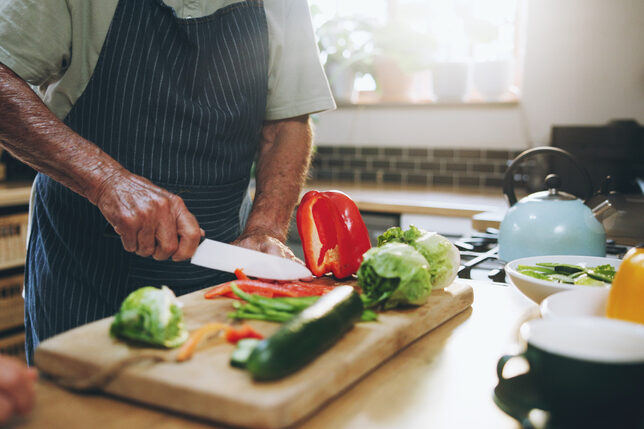
Cooking meals from basic ingredients used to be standard household knowledge. As ultra-processed foods became common, that skill faded, but it’s making a steady return. Rising food costs and health concerns have pushed many people back into their kitchens. Cooking from scratch allows control over ingredients, portions, and nutrition, while often costing less per meal. Online cooking tutorials and recipe communities now focus on fundamentals like stocks, sauces, and bread-making. Families also see home cooking as a way to reconnect and pass down traditions. What once felt time-consuming is increasingly viewed as a practical investment in health, budget, and everyday satisfaction.
6. Budgeting by Hand

Before budgeting apps, people tracked expenses with notebooks and envelopes. This method is resurfacing because it creates stronger awareness of spending habits. Writing expenses by hand slows decision-making and makes financial patterns harder to ignore. Some financial counselors now recommend manual budgeting for people trying to break debt cycles. The envelope system, where cash is divided by purpose, has regained popularity for managing discretionary spending. Research in behavioral finance shows physical interaction with money can reduce impulsive purchases. In a digital world where numbers feel abstract, old-fashioned budgeting offers clarity and accountability many people find surprisingly effective.
7. Basic Woodworking
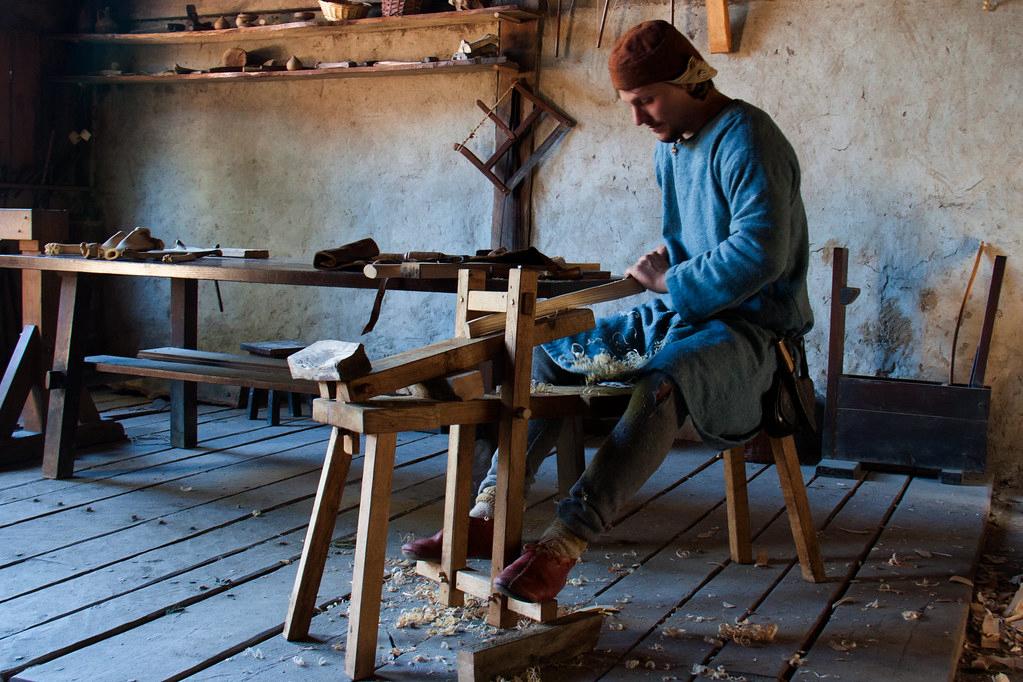
Simple woodworking was once essential for home repairs and furniture maintenance. Today, it’s returning as people seek self-sufficiency and quality craftsmanship. Learning to measure, saw, and assemble basic structures allows homeowners to fix or build items rather than replace them. The rise of maker spaces and DIY workshops has made these skills more accessible. Woodworking also appeals as a stress-relieving, hands-on activity in contrast to screen-heavy jobs. Even small projects like shelves or stools help people understand materials and durability. What used to be everyday knowledge is now appreciated as both a cost-saving skill and a creative outlet.
8. Shoe and Item Repair
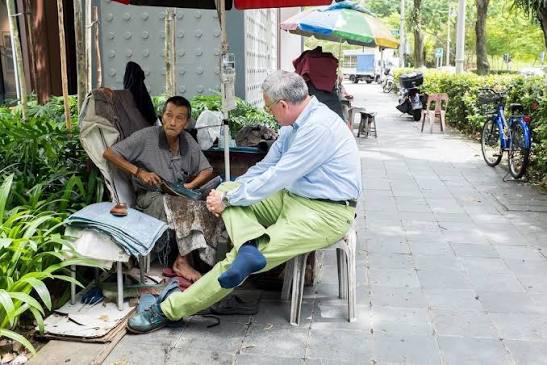
Repairing everyday items was once cheaper than replacing them. With inflation and sustainability concerns, repair skills are making a practical comeback. Cobblers, tailors, and electronics repair shops are seeing renewed interest, especially for quality goods. Learning simple fixes, like replacing soles, tightening screws, or patching leather, helps extend the life of possessions. Repair culture also challenges disposable habits encouraged by mass production. Many cities now support repair initiatives to reduce waste. Instead of throwing things away, people are rediscovering the value of maintenance, realizing older items are often better built than modern replacements.
9. Preserving Food at Home

Canning, drying, and fermenting food were once common household practices. These preservation methods are reappearing as people aim to reduce waste and save money. Home canning allows families to store seasonal produce for months without relying on additives. Fermentation skills like pickling and yogurt-making have also regained popularity due to health benefits. During times of supply uncertainty, preserved foods offer security and independence. Online communities now share safety-tested methods to modernize these traditions. What was once routine knowledge is now embraced as a smart way to stretch resources and reconnect with food origins.
10. Basic First Aid
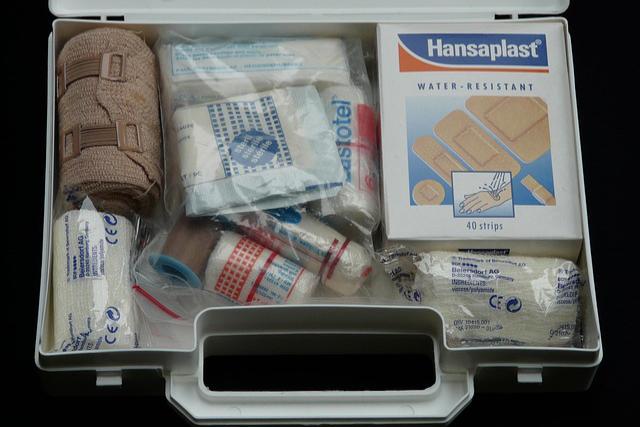
Basic first aid skills were once taught routinely in schools and communities. While emergency services are more advanced today, personal first aid knowledge is quietly regaining importance. Knowing how to clean wounds, stop bleeding, or recognize warning signs can make a critical difference before help arrives. Outdoor enthusiasts, parents, and caregivers are increasingly seeking this training. Many organizations now offer refresher courses after realizing skills fade without practice. In emergencies where response times vary, basic first aid restores confidence and preparedness. This old-school knowledge remains timeless because it empowers individuals to act calmly and effectively when seconds matter.
11. Knitting and Handcrafts
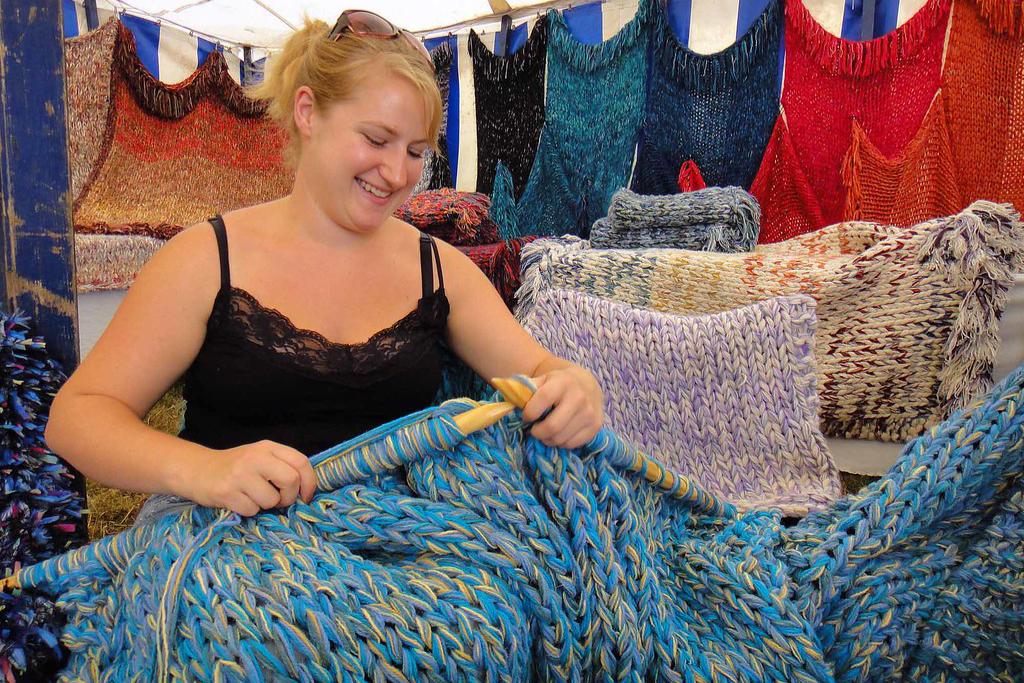
Knitting and other handcrafts were once practical skills for making and repairing clothing. Today, they are quietly returning as people seek stress relief, sustainability, and tangible results from their time. Studies have linked repetitive handcrafts to reduced anxiety and improved focus, which helps explain their renewed popularity. Community centers, online tutorials, and social crafting groups have made these skills accessible again. Beyond relaxation, knitting teaches patience and planning, with each finished item reflecting time and care. Many people also appreciate the durability of handmade items compared to mass-produced alternatives. What was once a necessity is now valued as a calming, purposeful skill with practical rewards.
12. Bicycle Maintenance Basics
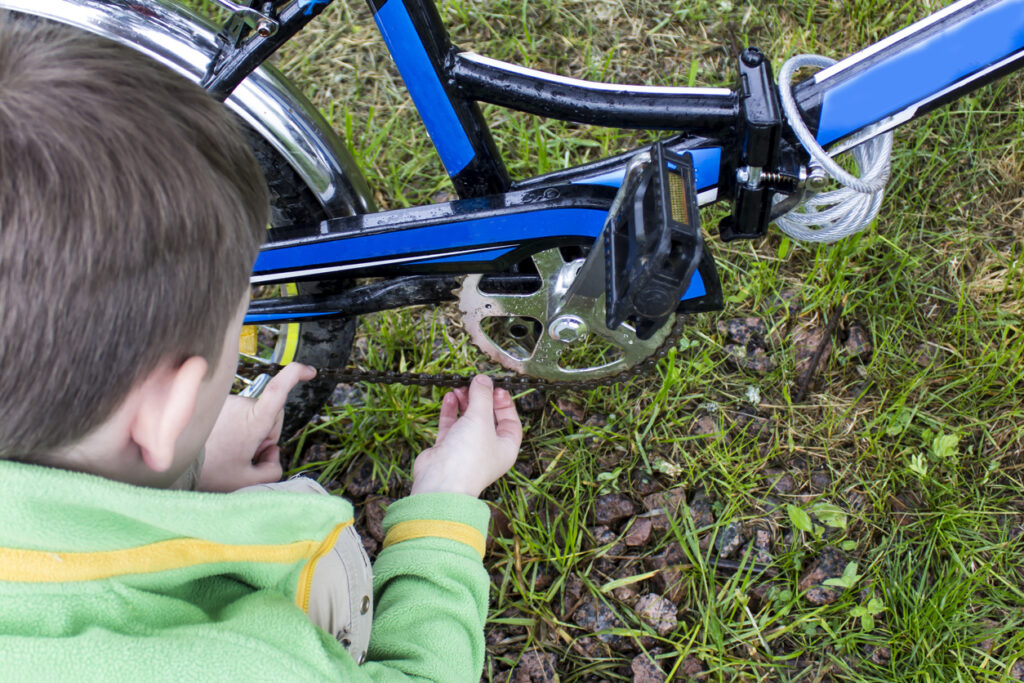
Knowing how to maintain a bicycle used to be common among regular riders. As cycling grows for commuting, fitness, and environmental reasons, basic bike repair skills are returning. Tasks like fixing a flat tire, adjusting brakes, or lubricating a chain help riders stay independent and safe. Bike shops and community repair programs often teach these fundamentals to reduce reliance on frequent professional repairs. These skills also lower long-term costs and encourage consistent cycling habits. In cities promoting alternative transport, bicycle maintenance is increasingly seen as essential knowledge. What once came naturally to riders is again recognized as a practical life skill.
13. Washing Clothes by Hand
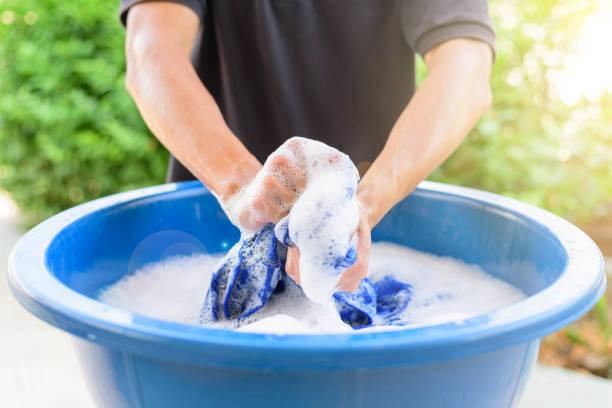
Before washing machines became standard, handwashing clothes was routine. While machines remain dominant, handwashing skills are resurfacing for delicate garments, travel, and energy-conscious households. Knowing how to properly soak, scrub, and rinse fabrics helps preserve clothing quality and prevent damage. Many people rediscovered this skill during water shortages, power outages, or while living in smaller spaces. It also encourages mindfulness about fabric care and reduces wear from harsh machine cycles. What once felt labor-intensive is now appreciated as a useful backup skill that extends clothing life and reduces dependence on appliances.
14. Using Libraries Effectively
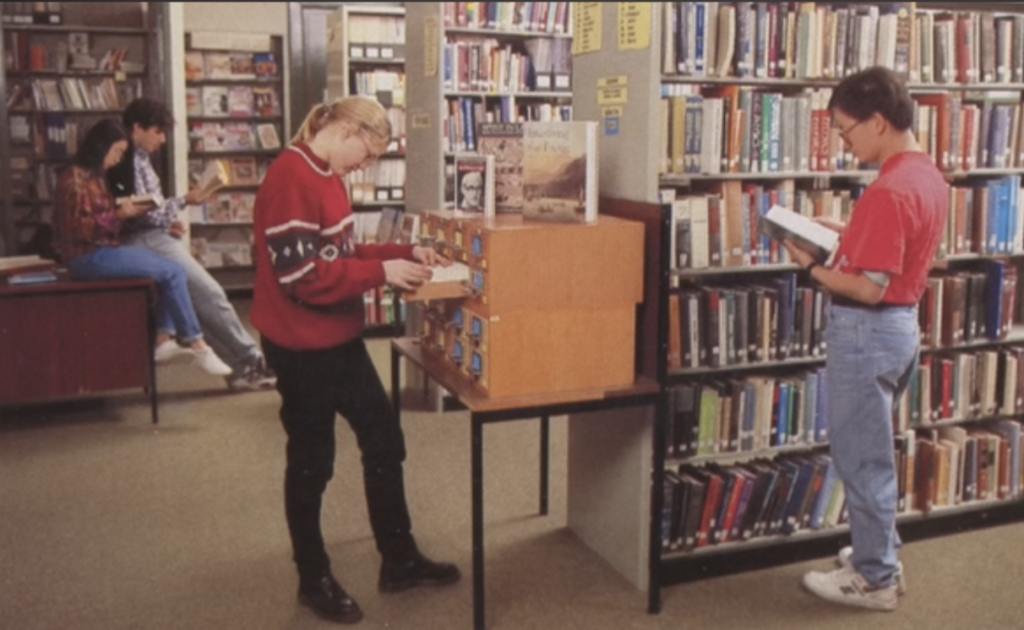
Libraries were once primary research hubs, teaching people how to find reliable information. With online overload and misinformation concerns, effective library use is making a comeback. Libraries offer curated resources, archives, and trained librarians who help guide research. Students, writers, and lifelong learners increasingly value these spaces for quiet study and credible information. Many libraries now blend traditional research skills with digital access, making them more relevant than ever. Knowing how to navigate catalogs, reference sections, and historical records remains a powerful skill. What seemed outdated is now trusted again for depth, accuracy, and learning discipline.
15. Bartering and Trading

Bartering goods and services was common before cash-based economies dominated daily life. Today, it’s quietly returning through local exchanges, online groups, and community networks. People trade skills like tutoring, repairs, or produce to save money and build relationships. This system encourages fairness and cooperation rather than profit. During economic uncertainty, bartering offers flexibility when cash is limited. It also promotes appreciation for individual talents and local resources. What once formed the backbone of early economies is now reappearing as a practical, community-focused alternative to constant spending.
16. Memorizing Key Numbers

Before smartphones stored everything, people memorized important phone numbers. While digital contacts are convenient, reliance on devices has shown its limits. In emergencies, dead batteries or lost phones make memorized numbers invaluable. Safety experts often recommend knowing at least a few essential contacts by heart. This skill also strengthens memory and focus, which many people feel has declined with constant device use. Parents now teach children to memorize family numbers again for safety reasons. What once felt automatic is being relearned as a simple but crucial form of preparedness.
17. Natural Household Cleaning Agents

Cleaning with basic ingredients like vinegar, baking soda, and soap was once standard practice. As concerns grow about chemical cleaners, natural methods are making a return. These traditional solutions are effective for many everyday tasks and reduce exposure to harsh substances. They are also cheaper and widely available. Many households now combine modern tools with old cleaning knowledge for safer routines. Environmental awareness has further fueled this shift, as natural cleaners reduce packaging waste. What once came from necessity is now embraced for health, cost savings, and simplicity.
18. Basic Car Care
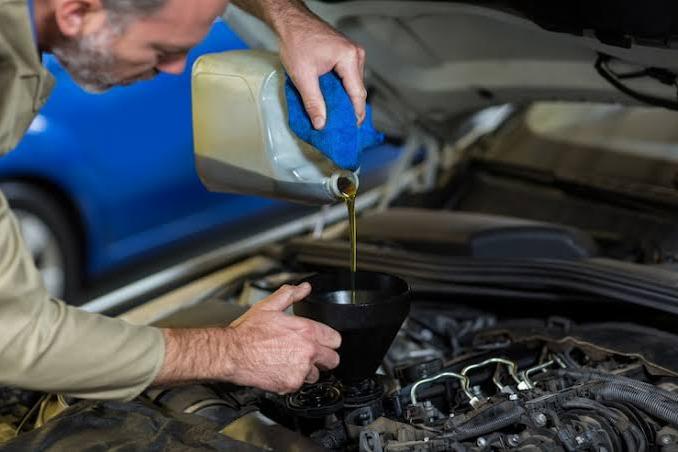
Basic car maintenance was once expected knowledge for drivers. As vehicles became more complex, many people stopped learning these skills. Rising repair costs have renewed interest in simple tasks like checking oil, tire pressure, and fluids. Knowing these basics improves safety and extends vehicle life. Driving schools and online tutorials now emphasize preventive care again. This knowledge also helps drivers communicate better with mechanics. What used to be routine is once again seen as essential for responsible car ownership.
19. Reading Analog Clocks
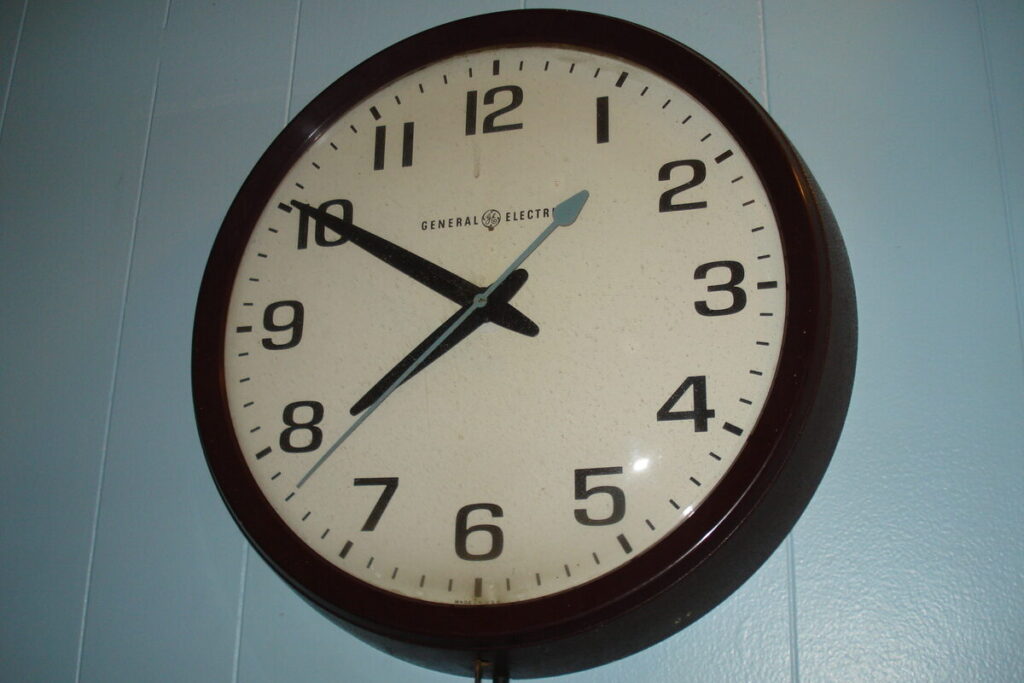
Reading analog clocks was once taught early in school. With digital displays everywhere, the skill faded, but it’s quietly returning in education and design. Learning analog time reinforces understanding of intervals, fractions, and time awareness. Teachers report it helps children grasp time concepts more deeply. Analog clocks are also common in workplaces and public spaces. Being comfortable reading them builds confidence and reduces dependence on digital cues. What once seemed basic is again recognized as an important foundation skill.
20. Writing Lists by Hand

Handwritten lists were once central to planning daily life. While apps dominate today, writing lists by hand is returning for its cognitive benefits. Research shows handwriting improves memory and task completion. Grocery lists, to-do lists, and schedules feel more tangible when written. Many people find crossing off tasks satisfying and motivating. This simple habit also reduces screen time and distractions. What once guided daily routines is again valued for clarity, focus, and follow-through.
As people seek resilience, connection, and control in everyday life, these practical abilities offer balance alongside modern convenience. Rediscovering them isn’t about rejecting technology, but about complementing it with timeless know-how that still works.
Like this story? Add your thoughts in the comments, thank you.


