
1. Standing Up When Someone Enters
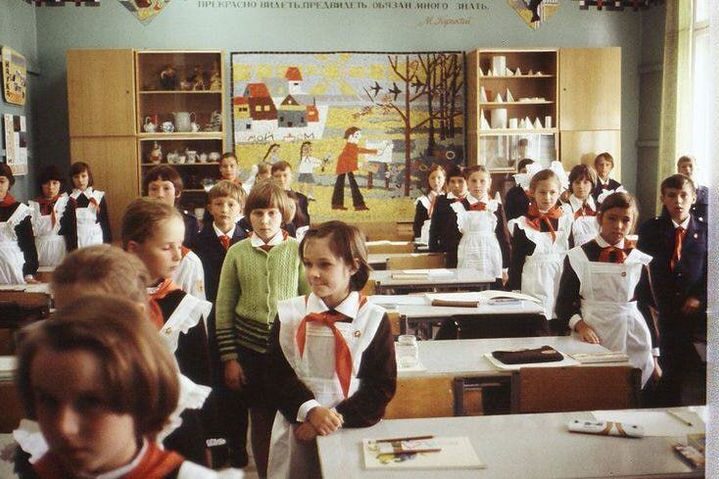
For a long time, standing up when someone entered a room was treated as a quiet rule everyone understood. It showed respect without words and signaled awareness of hierarchy, age, or authority. Many people learned it early in school or at home, where chairs scraped back almost automatically when an adult walked in. The gesture was less about greeting and more about knowing your place. It carried a sense of order that felt serious even in casual settings. Over time, though, that seriousness began to feel out of place. As daily life grew more relaxed, the act of standing started to feel stiff rather than warm. What was once polite began to feel performative, especially when the intention behind it faded.
That shift did not mean respect disappeared. It simply changed how it shows up. Today, acknowledging someone with a greeting, eye contact, or a pause in conversation often feels more genuine than standing abruptly. In offices, homes, and shared spaces, people value ease and connection over formal gestures. Standing every time someone enters can even create discomfort, drawing attention where none is needed. Modern manners lean toward presence rather than posture. Respect now lives in how people listen, respond, and make others feel noticed. The rule quietly loosened as relationships became less rigid. Courtesy adjusted to fit real life, allowing interactions to feel natural instead of rehearsed.
2. Men Always Paying The Bill
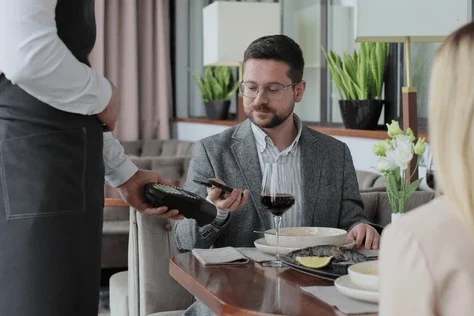
For many years, paying the bill was treated as an unspoken duty rather than a choice. Men were expected to reach for it quickly, while women were expected to pause politely, even if they had their own money. This moment played out in restaurants, family gatherings, and early dates, carrying more meaning than the meal itself. It was tied to ideas about provision, respectability, and what a good impression looked like. No one needed to explain it because everyone had seen it modeled before. Over time, though, that expectation started to feel narrow. As women gained financial independence and relationships became more balanced, the ritual felt less like generosity and more like pressure, especially when it ignored personal circumstances.
Today, the bill no longer carries the same social weight. Many people talk about it openly, split it, or take turns without reading deeper meaning into the choice. What matters more now is clarity and comfort, not following a script. Paying can still be generous, but it is no longer tied to identity or worth. Modern etiquette allows space for conversation and flexibility, recognizing that respect comes from mutual understanding. The old rule faded quietly as people realized fairness and honesty made shared moments feel lighter. Courtesy shifted from obligation to intention, making room for relationships that feel equal and relaxed.
3. Children Staying Quiet Around Adults
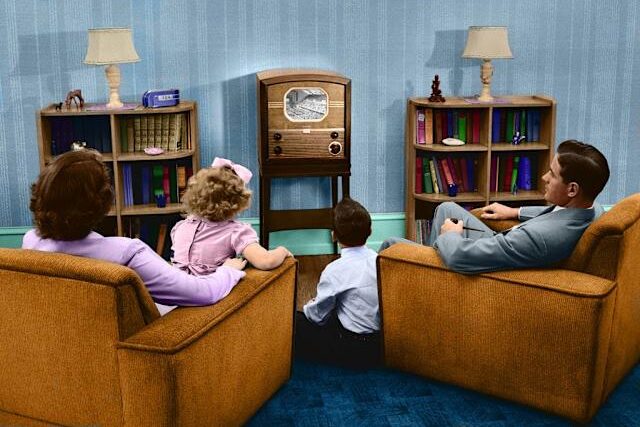
Many people remember being told to stay quiet when adults were talking, even if they had something to say. It was framed as good manners and proper upbringing, a way to show respect without drawing attention to yourself. Children learned early to sit still, listen closely, and wait their turn, sometimes indefinitely. The rule was meant to keep order, especially in busy households or formal gatherings. Silence was praised, and speaking up could be seen as rude or disruptive. Over time, this expectation shaped how children viewed their own voices. It taught restraint, but it also taught hesitation. Conversations happened around them, not with them, and that distance often felt normal.
Today, that idea feels outdated. Children are encouraged to speak, ask questions, and share opinions respectfully. Good manners now focus on timing and tone rather than silence. Parents and educators understand that conversation builds confidence and connection. Letting children participate helps them learn how to listen and respond thoughtfully. Respect is no longer measured by how quiet someone is. It is shown through engagement and awareness of others. The rule softened as people recognized that being heard does not mean being disrespectful. Modern courtesy allows room for growing voices, making conversations feel fuller and more human.
4. Dressing Up For Every Outing
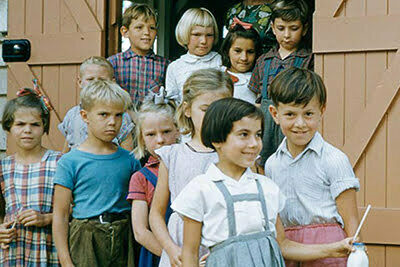
There was a time when stepping outside meant being fully put together, no matter where you were going. Errands required pressed clothes, neat hair, and shoes chosen carefully. Appearance was seen as a reflection of character and respect for the world around you. Showing up casually could be read as careless, even if the task was small. Many people remember being told to change before leaving the house, just in case someone important might see them. The rule created a shared standard, but it also added pressure to everyday life, turning simple outings into quiet performances.
Today, comfort and practicality lead the way. People dress for context, not tradition. Casual clothes are widely accepted, and effort is measured less by polish and more by presence. Looking clean and comfortable now feels just as respectful as looking formal. The shift reflects busier lives and changing priorities. While dressing up still matters for certain moments, it no longer defines basic courtesy. The rule faded as people realized respect is not stitched into clothing. It lives in behavior, kindness, and how we treat each other in ordinary spaces.
5. Writing Formal Thank You Notes
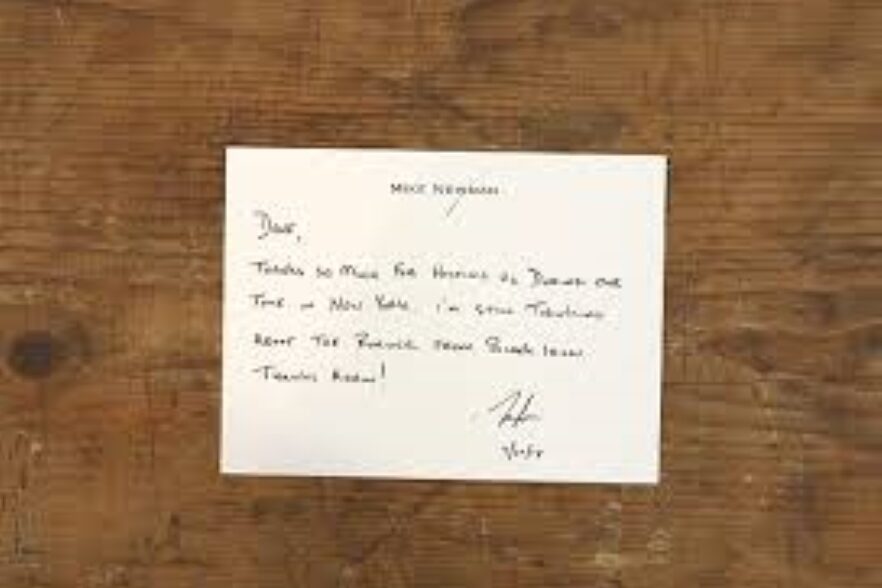
Thank you notes were once treated as a social obligation rather than a choice. After gifts, visits, or favors, people were expected to sit down and write carefully, choosing words that sounded just right. The timing mattered, the stationery mattered, and forgetting could be taken personally. Gratitude had a formal shape, and following it showed good upbringing. Many people grew up watching adults stress over getting notes out on time, even when the feeling behind them was sincere. The process sometimes felt heavier than the gratitude itself.
Today, appreciation moves more freely. Messages, emails, and quick notes carry warmth without the formality. What matters most is that gratitude is expressed, not how it looks. People value sincerity over tradition, especially in a fast moving world. A timely message often feels more thoughtful than a delayed card. The rule did not disappear completely, but it loosened. Modern manners allow gratitude to sound like the person giving it. Courtesy shifted toward honesty, making appreciation feel lighter and more natural.
6. Never Calling Without Permission
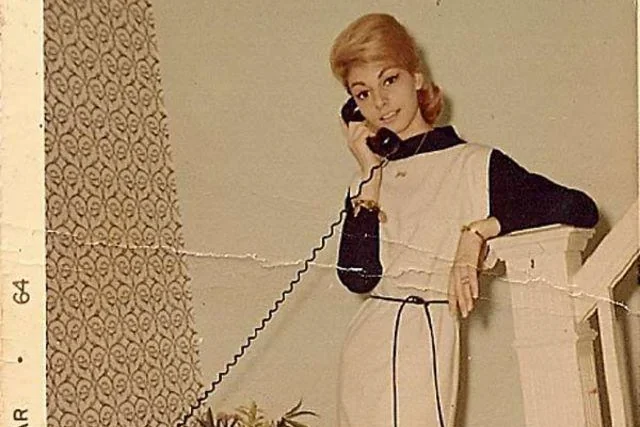
Calling someone used to feel polite and expected. Phones rang in shared spaces, and answering was part of daily life. Calling without warning was not seen as intrusive but as friendly and direct. People expected interruptions, and availability felt normal. Over time, as personal devices became constant companions, that expectation changed. Calls began to feel demanding, especially when everyone became reachable all the time. What once felt casual started to feel overwhelming.
Today, many people prefer a message before a call. Asking first feels considerate, not distant. Communication styles shifted as people learned to protect their time and focus. Courtesy now includes checking availability rather than assuming it. Calling is still welcome, but it is guided by preference. The rule reversed quietly, shaped by changing habits. Modern etiquette reflects awareness and respect for boundaries. It is less about access and more about consent, making interactions feel thoughtful rather than disruptive.
7. Guests Always Staying Out Of The Way
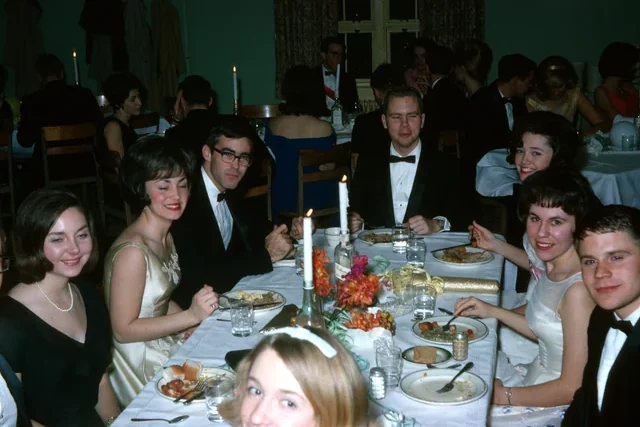
There was a time when being a good guest meant staying firmly seated and letting the host handle everything. Helping in the kitchen, clearing plates, or even offering assistance could be seen as intrusive. Hosting was considered a role with boundaries, and crossing them felt impolite. Many people remember being told to relax and not touch anything, even when the host looked overwhelmed. The rule was rooted in respect, but it also created distance. Guests showed appreciation by not interfering, while hosts carried the full weight of preparation and cleanup. It kept gatherings orderly, but it often made them feel formal and one sided, especially in close-knit settings where everyone knew each other well.
Today, that expectation has softened. Offering help is often welcomed and appreciated. Guests now read the room, stepping in where it feels natural and stepping back when needed. Shared effort has become part of the experience, making gatherings feel warmer and more collaborative. Courtesy shows up in awareness rather than restraint. Helping no longer signals disrespect. It signals care. The shift reflects how social spaces have changed, valuing connection over formality. Being a good guest now often means being present, attentive, and willing to contribute in small, thoughtful ways.
8. Using Formal Titles At All Times
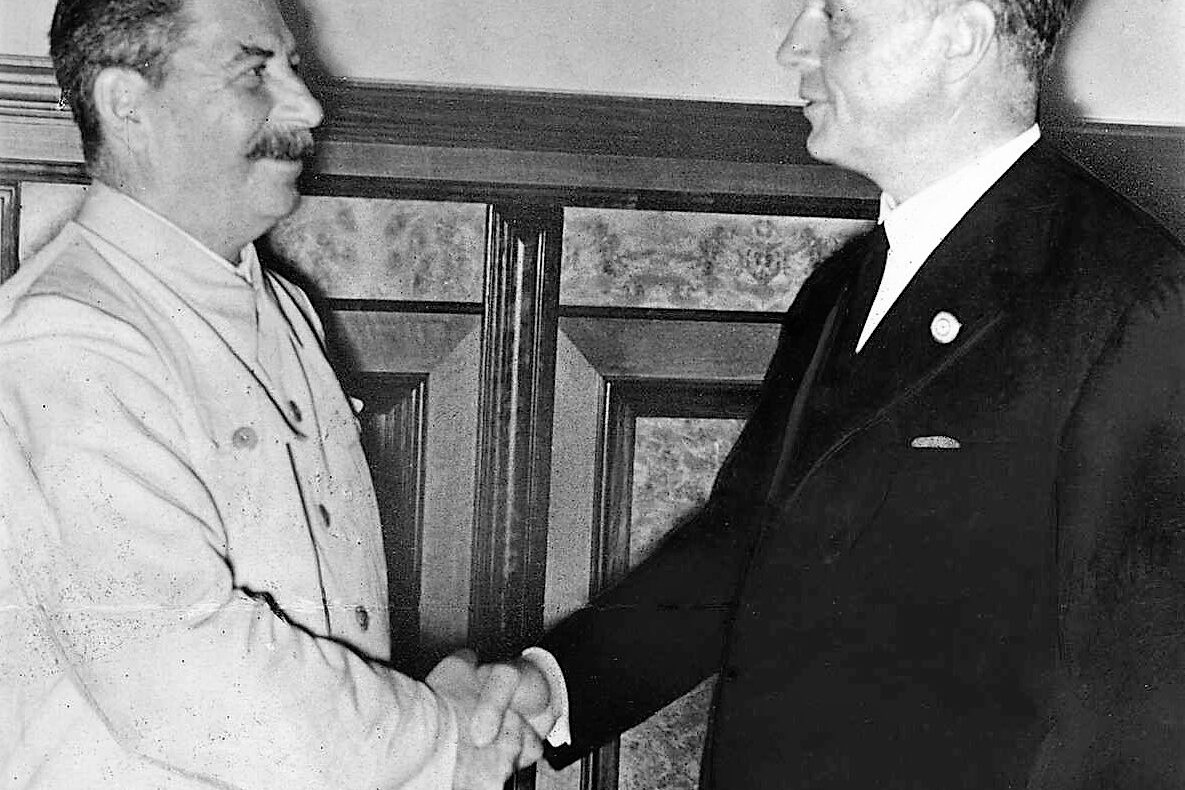
Formal titles once played a central role in showing respect. Addressing elders or authority figures by their last names, paired with sir or ma’am, was expected and rarely questioned. First names were often reserved for close relationships, and crossing that line could feel improper. These rules created clear boundaries and reinforced hierarchy. Many people grew up learning exactly who required formal address and who did not. While it provided structure, it also created emotional distance. Conversations could feel stiff, even in settings meant to be relaxed, simply because language carried so much weight.
Today, many people prefer a more personal approach. Asking how someone would like to be addressed is now considered polite and thoughtful. Respect is communicated through tone, listening, and behavior rather than titles alone. Formal address still has its place, especially in professional or cultural contexts, but it is no longer automatic. The change reflects a shift toward connection and mutual comfort. Modern etiquette allows flexibility, letting relationships guide language. Courtesy has become less about rigid labels and more about making people feel at ease.
9. Never Talking About Money
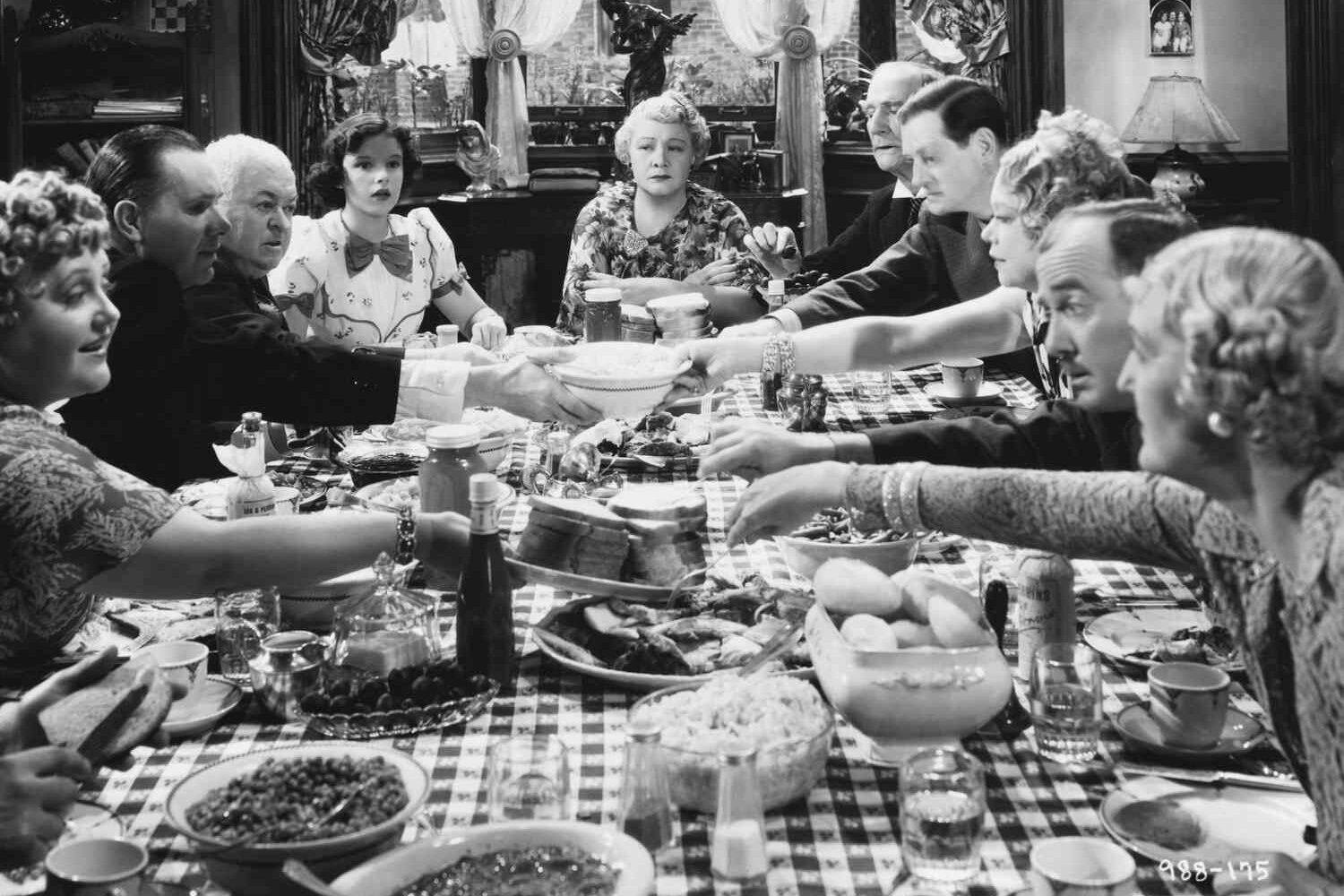
For a long time, money was treated as a forbidden topic in polite conversation. Discussing income, expenses, or financial struggles was seen as intrusive or inappropriate. Silence was meant to protect privacy and prevent discomfort. Many households avoided these conversations entirely, even when confusion or stress lingered beneath the surface. Children grew up sensing tension around money without understanding it. The rule kept things outwardly polite but often left people uninformed and unprepared. Financial matters were handled quietly, sometimes at the cost of clarity and shared understanding.
Today, conversations about money are becoming more open. People talk about pay, budgeting, and financial goals with greater ease. While sensitivity still matters, transparency is often viewed as empowering rather than rude. Sharing experiences helps others learn and feel less alone. Modern manners recognize that honesty can coexist with respect. The rule shifted as financial literacy became more important in everyday life. Courtesy now includes knowing when and how to talk about money thoughtfully, rather than avoiding it altogether.
10. Always Putting Others Before Yourself

Putting others first was once praised as the ultimate sign of good manners. Saying yes, even when exhausted, was seen as kind and selfless. Many people learned to prioritize harmony over honesty, pushing their own needs aside to avoid conflict. While this approach kept things smooth on the surface, it often came at a personal cost. Over time, constant self sacrifice led to quiet burnout and resentment. The rule taught people to equate politeness with discomfort, making it hard to say no without guilt.
Today, the idea of courtesy has expanded. Setting boundaries is seen as healthy, not selfish. Respect now includes respecting yourself. People are encouraged to communicate limits clearly and kindly. The shift reflects a better understanding of balance and well-being. Modern etiquette allows room for rest, honesty, and mutual consideration. Being polite no longer means disappearing. It means showing up fully, without losing yourself in the process.
11. Always Waiting To Be Introduced
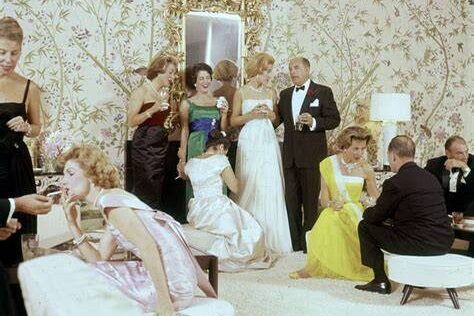
There was a time when introducing yourself was considered improper unless someone else did it for you. Walking up and saying your own name could feel forward, even rude, especially in formal or mixed company. People waited patiently for a host, mutual friend, or elder to make the connection. It was meant to preserve order and prevent awkwardness. Many grew up believing that speaking first showed a lack of manners. This rule shaped social gatherings, leaving some people standing quietly on the sidelines, hoping to be noticed. It worked when rooms were small and roles were clear, but it often left shy people invisible and confident ones frustrated.
Today, introducing yourself is widely accepted and often encouraged. Saying your name is seen as confident and respectful, not pushy. Modern etiquette values clarity and ease over rigid order. People move through larger spaces, faster conversations, and more casual settings. Waiting to be introduced can now feel unnecessary or even isolating. Courtesy has shifted toward initiative paired with warmth. Introducing yourself helps conversations flow and removes pressure from others. The rule faded as social spaces opened up, making room for interaction that feels natural and inclusive rather than dependent on permission.
12. Always Finishing Everything On Your Plate
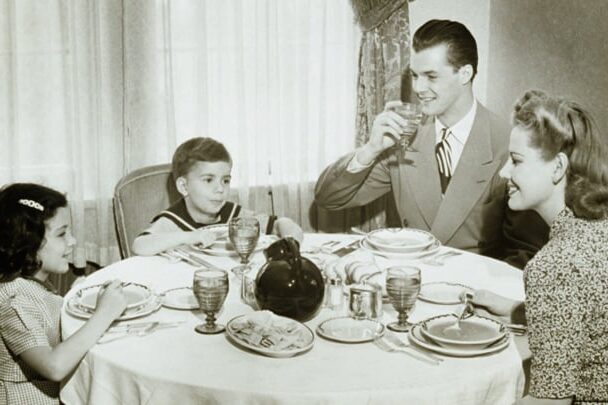
Finishing every bite was once a sign of good manners and gratitude. Leaving food behind could be taken as wasteful or insulting, especially in homes where resources were limited. Many people were raised to clear their plates regardless of appetite. It was about respect for the cook and appreciation for what was provided. This rule shaped eating habits for years, teaching discipline and restraint. But it also taught people to ignore hunger cues and comfort levels. Meals became about obligation rather than enjoyment, especially when portions were large or preferences were ignored.
Today, attitudes around food have shifted. Listening to your body is encouraged, and leaving food is no longer seen as rude by default. Many hosts would rather guests feel comfortable than overly full. Courtesy now includes honesty and moderation. The rule softened as conversations around health, waste, and choice evolved. People still value appreciation, but it is shown through words and presence rather than empty plates. Modern manners allow flexibility, making meals feel shared and relaxed instead of forced.
13. Never Interrupting, Even Politely
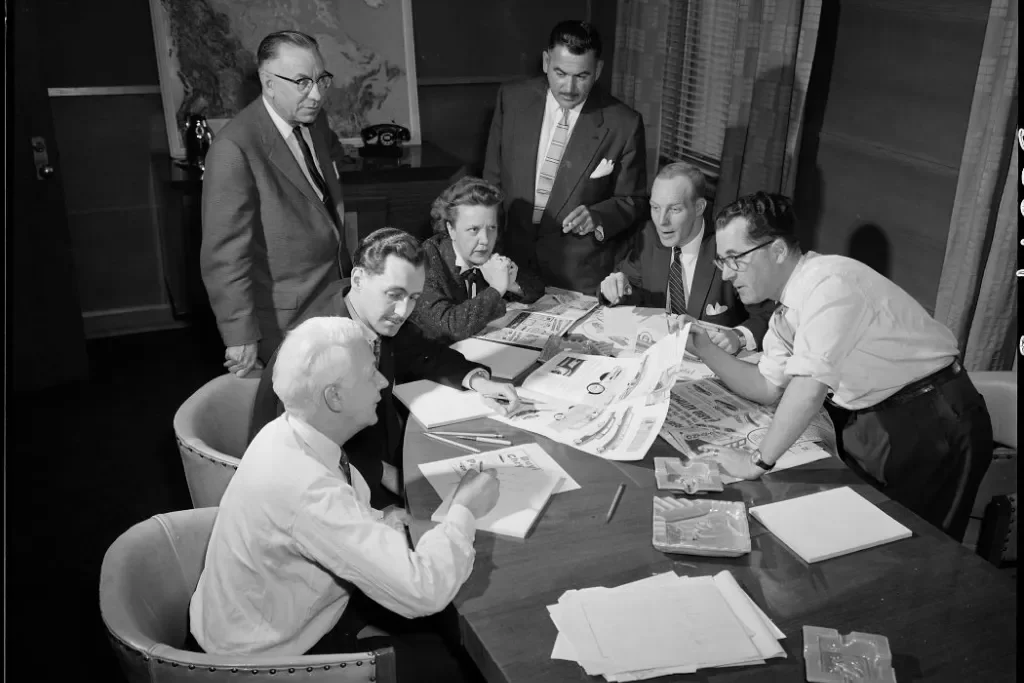
Interrupting was once considered one of the clearest signs of bad manners. Waiting your turn mattered more than contributing in the moment. People were taught to hold thoughts until the speaker finished completely, even if the moment passed. The rule was meant to show respect and patience. In structured conversations, it worked well. But in lively discussions, it often left people silent or disengaged. Ideas went unsaid, and conversations became one sided. The line between politeness and passivity blurred, especially for those who struggled to speak up.
Today, conversation is more fluid. Polite interruptions, like asking for clarification or building on a point, are often welcomed. Respect now includes engagement, not just restraint. Tone and timing matter more than strict silence. The rule relaxed as people recognized conversation as shared space. Modern etiquette allows gentle interruptions when they serve understanding. Courtesy now balances listening with participation, creating exchanges that feel active and connected rather than rigid.
14. Writing Letters Instead Of Speaking Directly

Letters once carried emotional weight and social importance. Important news, apologies, and even disagreements were expected to be written carefully rather than spoken. Writing gave people time to choose words and maintain distance. It was seen as thoughtful and proper. Many situations demanded ink and paper, even when conversation might have resolved things faster. While this encouraged reflection, it also delayed clarity. Feelings lingered while letters traveled, and misunderstandings could grow in silence.
Today, direct communication is often preferred. Speaking openly or sending a message feels more honest and timely. People value clarity over ceremony. While written words still matter in certain moments, they no longer replace conversation entirely. The rule shifted as communication became faster and more personal. Modern manners favor addressing issues with care and immediacy. Courtesy now includes being clear and present, allowing understanding to happen in real time rather than on paper alone.
15. Never Saying No To Invitations
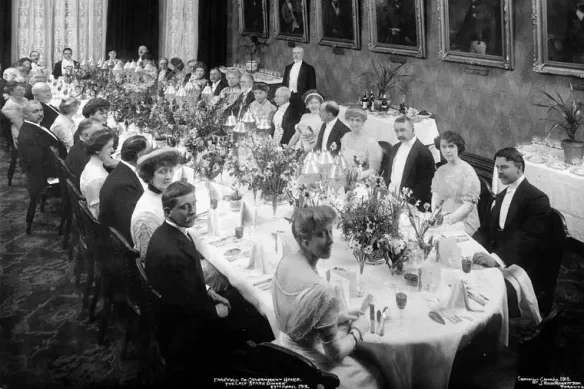
There was a time when declining an invitation felt almost rude, no matter the reason. Saying yes was treated as the polite response, even when energy was low or schedules were full. Many people grew up believing that showing up mattered more than how they felt about it. Attendance was seen as loyalty, and absence often required explanation. Social circles were smaller then, so missing one event could feel noticeable. This rule kept communities connected, but it also taught people to override their own limits. Quiet exhaustion often followed polite agreement. People smiled through events they did not have the capacity for, believing manners meant endurance rather than choice.
Today, saying no is no longer automatically taken personally. People understand that time, energy, and mental space are limited. Courtesy now includes honesty and balance. Declining kindly is seen as respectful, not dismissive. The shift reflects a growing awareness of burnout and emotional health. Modern etiquette allows people to protect their wellbeing without guilt. Being polite no longer means being constantly available. It means communicating clearly and thoughtfully. Invitations are now offers, not obligations, and relationships are often healthier because of it.
16. Always Dressing Modestly To Be Polite
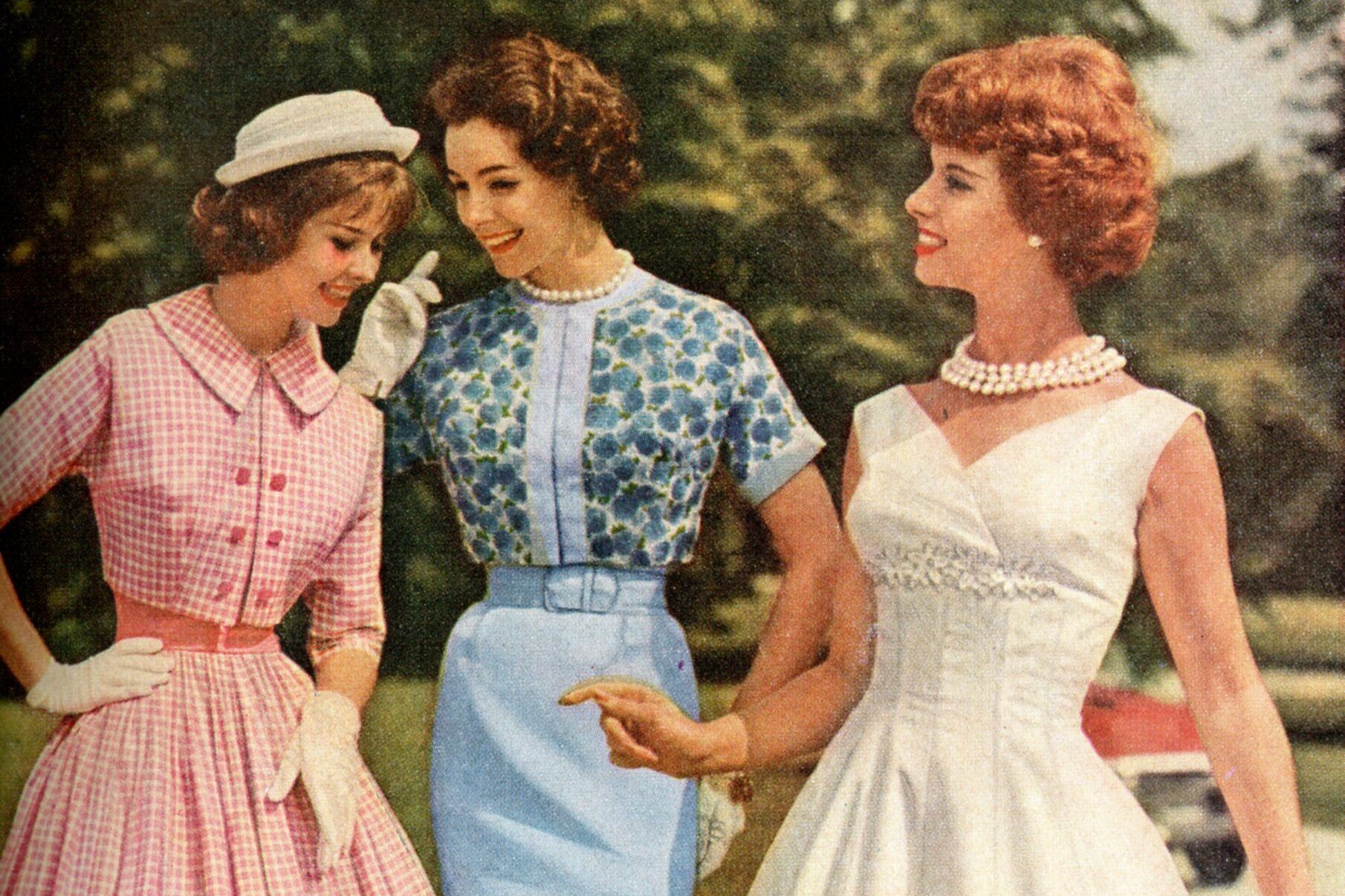
For many years, modesty was closely tied to good manners. Dressing conservatively was seen as a sign of respect, especially in public spaces. Clothing choices were guided by strict expectations that left little room for comfort or individuality. People learned early what was acceptable and what would draw judgment. Politeness was measured by how well you blended in. While this rule aimed to maintain decorum, it often placed unfair pressure on appearance. Self expression was limited, and assumptions were made based on fabric and coverage rather than behavior or intent.
Today, clothing is understood as personal and contextual. People dress for comfort, identity, culture, and occasion rather than fixed rules. Respect is no longer measured by modesty alone. Courtesy now considers how someone shows up, not how much they cover. While certain environments still call for thoughtful attire, everyday life allows far more freedom. The rule faded as society recognized that clothing does not determine character. Modern manners focus on treating people well, regardless of what they are wearing.
17. Never Questioning Authority
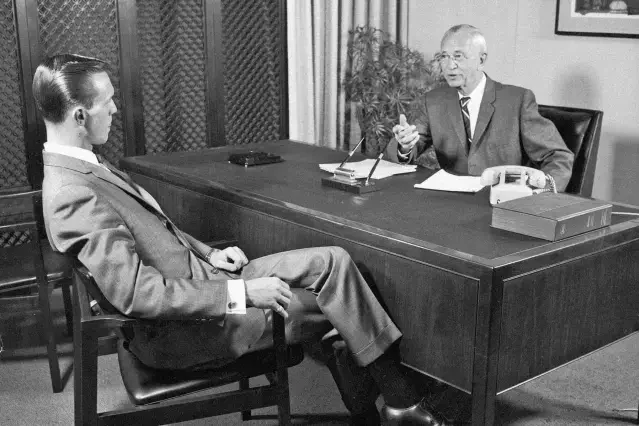
Questioning authority was once seen as disrespectful, even when done calmly. Obedience was equated with good manners, especially toward elders, teachers, and leaders. People were expected to listen quietly and follow instructions without challenge. This rule maintained order and structure, particularly in formal environments. However, it also discouraged dialogue. Curiosity and concern were often mistaken for defiance. Many people learned to suppress questions, even when clarity was needed. Silence became a form of politeness, but it often came at the cost of understanding.
Today, respectful questioning is encouraged. Asking for explanation or offering feedback is seen as engagement rather than rebellion. Courtesy now includes thoughtful dialogue and accountability. The rule softened as workplaces and communities became more collaborative. People value transparency and shared understanding. Modern etiquette recognizes that respect and curiosity can exist together. Speaking up politely is now part of healthy interaction. Authority is no longer placed beyond conversation. It is strengthened by it.
18. Always Keeping Appearances
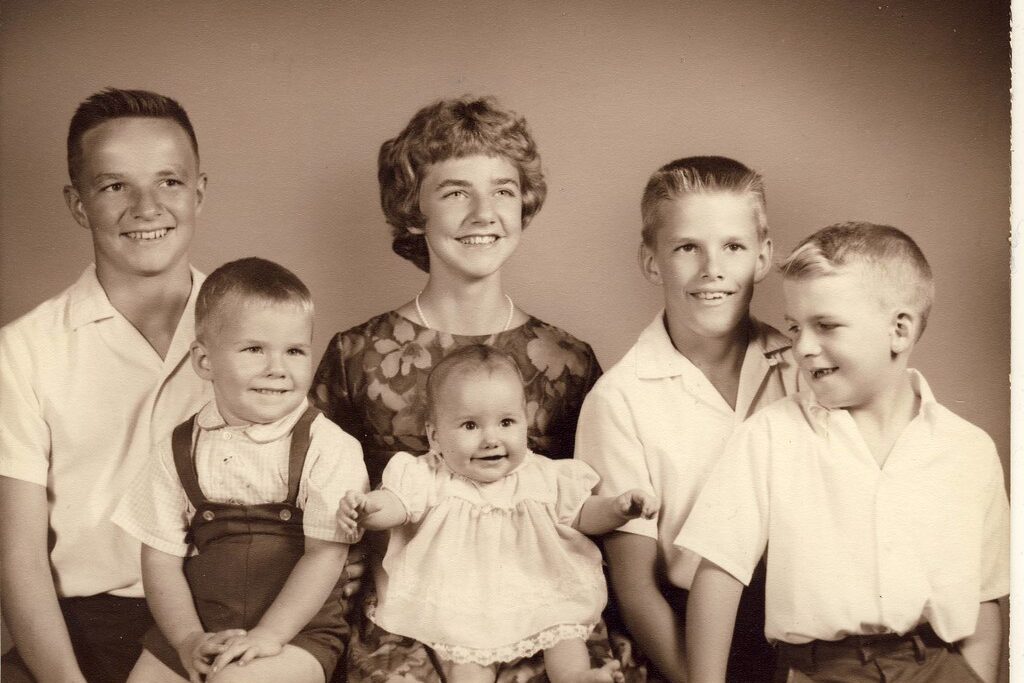
Keeping up appearances once played a major role in social behavior. Families and individuals were expected to present a polished image, regardless of private struggles. Difficulties stayed hidden, and vulnerability was avoided. Politeness meant composure at all times. Many people learned to smile through stress, believing that revealing hardship was improper. This rule protected privacy, but it also created distance. Support was limited because problems were rarely acknowledged. Maintaining appearances became exhausting, especially when reality did not match the image being presented.
Today, authenticity is valued more openly. While privacy still matters, sharing struggles is often met with understanding rather than judgment. Courtesy now allows room for honesty within respectful boundaries. The shift reflects growing awareness around mental health and emotional well being. Modern manners recognize that pretending everything is fine is not always kind. Being polite now includes being real. Appearances no longer carry the same weight they once did, making space for connection that feels genuine rather than performative.
19. Always Following Tradition Without Question
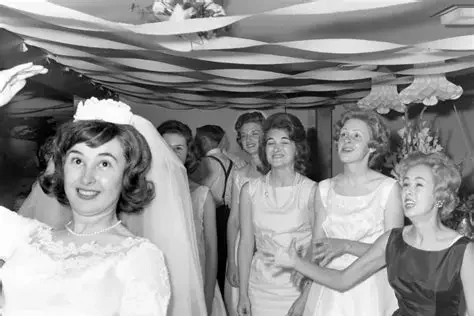
Tradition once guided behavior without challenge. Customs were followed because they always had been, and questioning them felt disrespectful. Many etiquette rules survived simply through repetition, passed down without explanation. They offered familiarity and structure, especially in families and communities. However, they also resisted change. People followed along even when the reasons no longer applied. Tradition became obligation, not choice, and politeness meant compliance rather than reflection.
Today, traditions are often examined instead of automatically accepted. People choose which customs still serve them and gently release others. Respect no longer requires blind adherence. Courtesy now includes thoughtfulness and adaptation. The final lesson in these shifting rules is simple. Good manners evolve as people do. What matters is not preserving every old habit, but treating others with care and awareness. If this list feels familiar, it may be an invitation to keep what still feels meaningful and let the rest go.
20. Always Waiting For Elders To Speak First

There was a time when younger people were expected to stay silent until elders spoke. Speaking first could be seen as disrespectful, even if the intention was polite or helpful. This rule shaped family gatherings, meetings, and community spaces, where age determined who led the conversation. Many people learned to wait quietly, even when they had something meaningful to add. Respect was shown through patience and restraint, not participation. While this created order, it also limited exchange. Valuable ideas stayed unspoken simply because of who held them. Younger voices often learned to observe rather than engage, shaping habits that carried into adulthood and reinforced hierarchy without question.
Today, conversations are more inclusive. While respect for elders still matters, participation is no longer restricted by age alone. Younger people are encouraged to speak thoughtfully and engage with awareness. Courtesy now includes listening in both directions. The rule softened as people recognized that insight is not defined by years alone. Modern etiquette values contribution alongside respect. Speaking up is no longer seen as overstepping when done with care. This shift allows conversations to feel fuller and more balanced, making room for shared understanding instead of silent obedience.


