
1. Elvis Presley
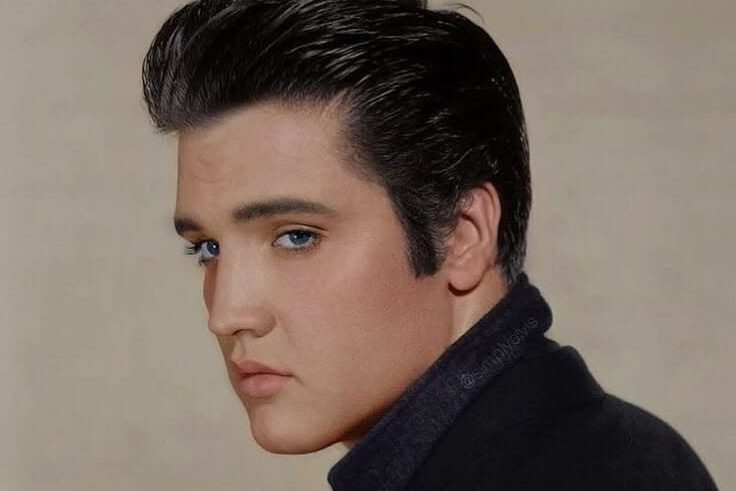
Music has a quiet way of staying with us, and sometimes it begins with a voice that feels both new and familiar. That was the feeling many Americans had when Elvis Presley first appeared. His sound blended gospel, blues, and country in a way that felt effortless, yet it changed the direction of popular music. Families gathered around televisions, teenagers leaned closer to radios, and suddenly rock and roll did not feel distant anymore. Elvis made music feel personal, like it belonged in everyday life. His early recordings carried energy, but they also carried warmth that made listeners stay. That balance helped him connect across generations and backgrounds, making his rise feel natural rather than forced.
As his popularity grew, Elvis also changed how performers approached the stage. His movements felt relaxed, and his voice carried emotion without sounding overly polished. Songs like Love Me Tender and Jailhouse Rock became part of everyday conversation, not just entertainment. Younger musicians began to experiment more freely, inspired by his confidence and style. Over time, Elvis became more than a singer. He became a cultural reference point, someone people returned to when thinking about where modern American music began. Even today, his influence still feels present in pop, rock, and country, quietly reminding listeners that one voice can shift everything without trying too hard.
2. Bob Dylan

Sometimes a song feels less like performance and more like someone sharing their thoughts out loud. That was the space Bob Dylan stepped into when his music began gaining attention. His voice sounded conversational, and his lyrics felt reflective, often touching on social change, uncertainty, and personal identity. During the 1960s, listeners found themselves drawn to songs that sounded thoughtful rather than polished. Dylan did not try to impress with vocal range. Instead, he focused on storytelling, and that approach resonated with people searching for meaning in changing times. His songs felt like quiet observations rather than grand statements, which made them easier to relate to.
As his career evolved, Dylan continued exploring new sounds, moving from folk to electric rock and beyond. Some fans were surprised by the changes, but that willingness to grow kept his music fresh. Songs like Blowin’ in the Wind and Like a Rolling Stone became cultural touchpoints, often quoted in conversations beyond music. Dylan’s influence extended to countless artists who began prioritizing lyrics and storytelling. Over time, his work became less about chart success and more about lasting impact. His songs felt lived in, thoughtful, and enduring, making Bob Dylan one of those musicians whose voice continues to echo quietly across generations.
3. Aretha Franklin
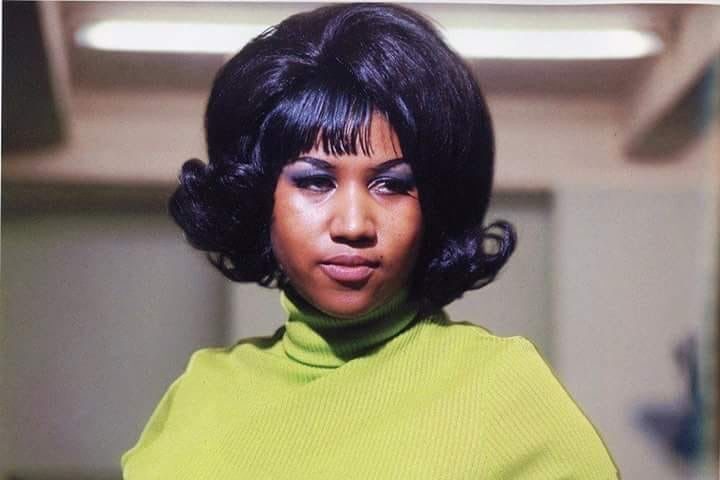
There are voices that feel powerful, and then there are voices that feel deeply personal. Aretha Franklin’s voice carried both qualities at once. Growing up in church, she developed a sound rooted in gospel, and that emotional depth followed her into soul and rhythm and blues. When she sang, listeners often felt like she understood something about their lives. Songs like Respect and Natural Woman did not just play on the radio. They became expressions of confidence, resilience, and everyday strength. Her delivery felt natural, never forced, which helped audiences connect with her instantly. That connection turned her music into something people returned to again and again.
Aretha’s influence extended beyond her voice. She played piano with ease, guided her sound, and brought authenticity into every performance. Her presence felt calm yet commanding, and she carried herself with quiet confidence. Over time, she became someone audiences trusted, not just admired. Her songs played at celebrations, quiet evenings, and meaningful moments alike. Younger artists looked to her as an example of emotional honesty in music. Aretha Franklin did not rely on trends. She relied on feeling, and that sincerity helped her music remain timeless, warm, and deeply connected to the American musical story.
4. Louis Armstrong
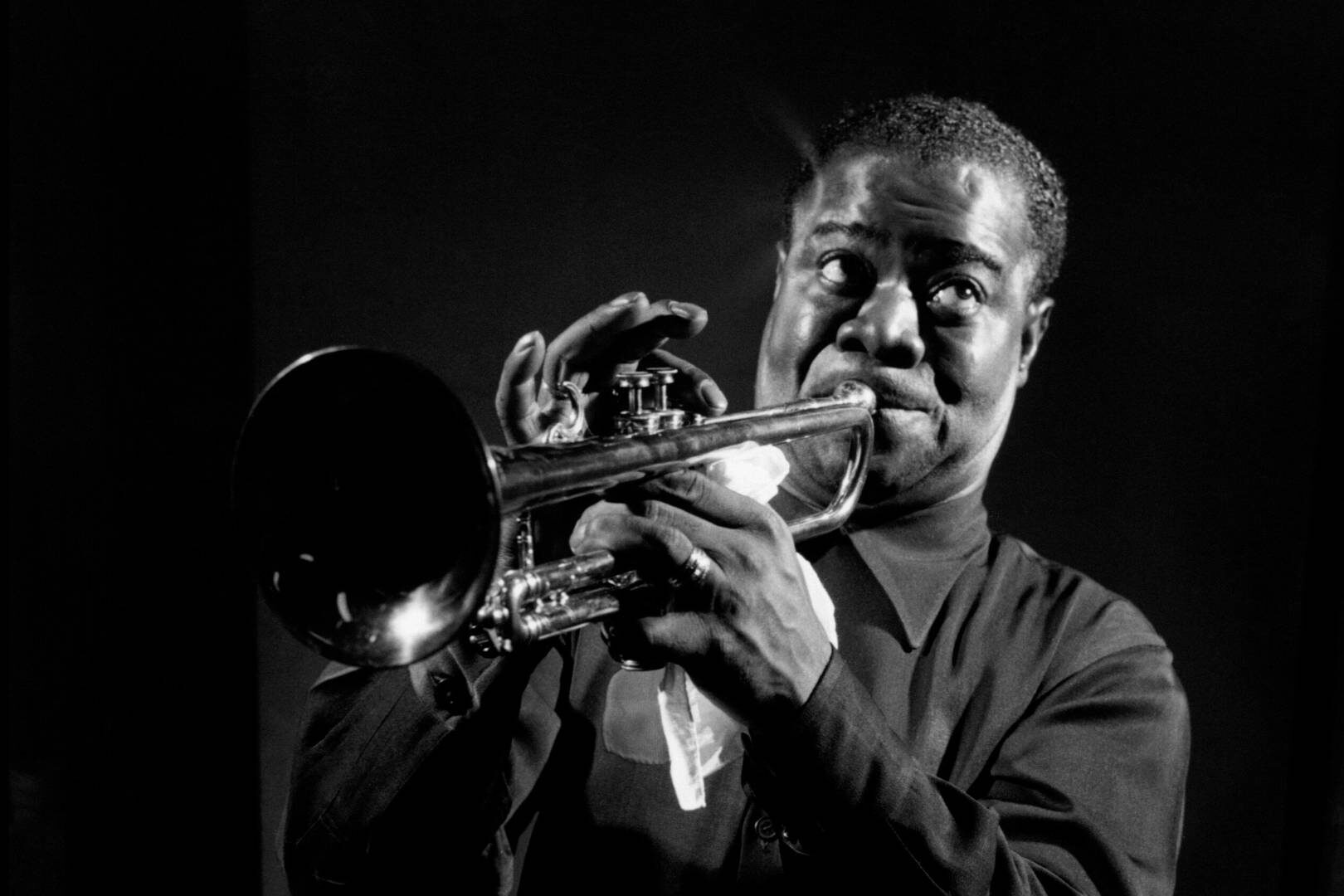
Some musicians feel like they bring light into the room before they even finish the first note, and Louis Armstrong had that rare presence. His trumpet playing sounded joyful, relaxed, and deeply expressive, helping shape what jazz would eventually become. In the early days, jazz often focused on group sound, but Armstrong shifted attention toward individual creativity. That change felt subtle at first, yet it influenced generations of musicians who followed. His gravelly voice and warm personality made listeners feel comfortable, like they were sharing a moment rather than watching a performance. Songs such as What A Wonderful World carried optimism that resonated across different eras, helping his music remain familiar even decades later.
Armstrong also brought personality into performance in a way that felt natural. He smiled often, joked with audiences, and created an atmosphere that felt welcoming. His recordings traveled beyond jazz clubs into homes and radio stations, introducing new audiences to the genre. Younger musicians listened closely, inspired by his confidence and emotional delivery. Over time, Armstrong became more than a jazz performer. He became a symbol of warmth, creativity, and musical freedom. His sound continues to feel approachable today, quietly reminding listeners that music does not need to be complicated to be meaningful and lasting.
5. Michael Jackson
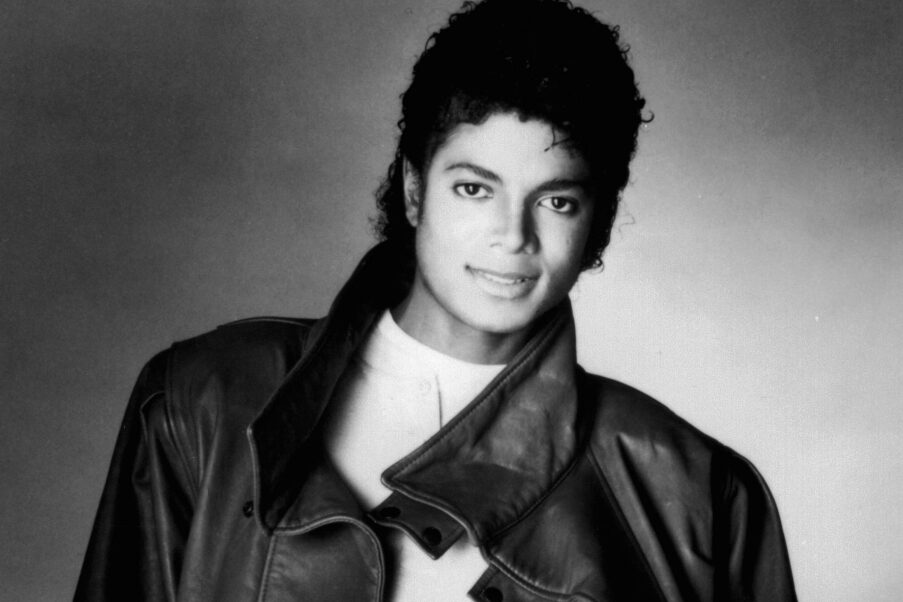
There was always something memorable about Michael Jackson, even before the music fully began. Whether it was his voice, rhythm, or movement, his performances felt carefully crafted yet emotionally sincere. As a child with The Jackson 5, he already showed remarkable control and confidence. As he grew older, albums like Thriller and Bad helped redefine pop music. His songs blended pop, rock, and soul in a way that felt accessible to wide audiences. Music videos became more cinematic, turning songs into visual experiences people talked about long after they aired. That shift helped reshape how audiences experienced music during the television era.
Jackson also transformed live performances. His choreography, stage design, and attention to detail influenced countless artists who followed. Songs like Billie Jean and Man In The Mirror became part of everyday listening, often tied to personal memories. Despite global fame, his music often carried vulnerability, which made listeners feel connected to him. Over time, his influence stretched across genres and generations. Michael Jackson did not just create popular songs. He created moments people remembered, shaping pop music into something more visual, emotional, and deeply connected to everyday life.
6. Ray Charles
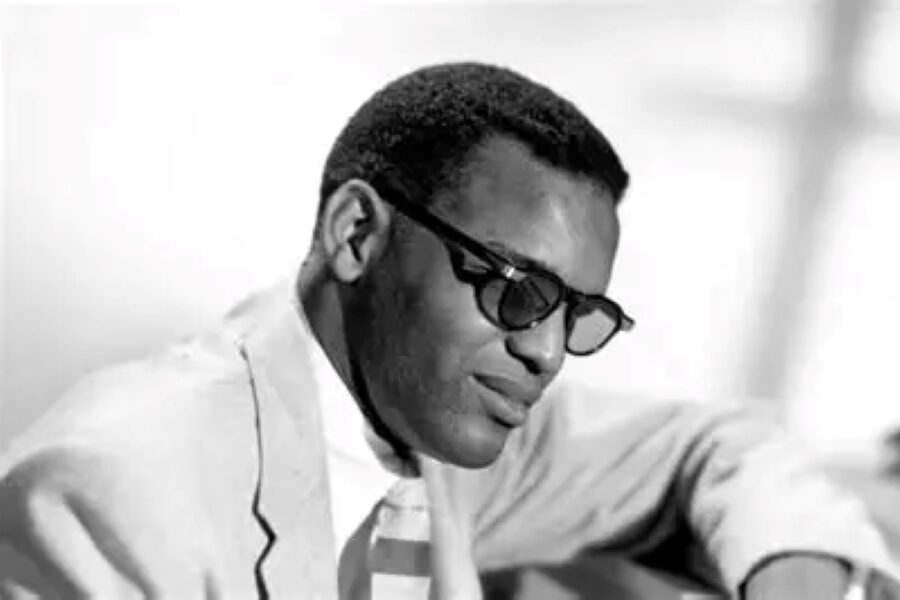
Ray Charles had a way of making different musical styles feel like they belonged together. Growing up surrounded by gospel, blues, and jazz, he naturally blended those influences into something fresh. His voice carried emotion that felt honest and grounded, drawing listeners into every note. When songs like Georgia On My Mind played, they felt reflective and comforting at the same time. Charles also experimented with rhythm and blues, helping shape early soul music. His willingness to cross musical boundaries helped audiences hear familiar sounds in new ways, making his music feel both innovative and approachable.
Beyond his recordings, Ray Charles influenced how musicians approached creativity. He trusted instinct rather than strict genre rules, allowing his sound to evolve naturally. That flexibility helped him remain relevant across decades. His piano playing added depth to his performances, making each song feel layered and personal. Younger artists often looked to him as an example of musical freedom. Over time, Ray Charles became known for his authenticity and emotional delivery. His music continues to feel warm, reflective, and quietly powerful, reminding listeners that blending influences can create something lasting and deeply meaningful.
7. Stevie Wonder
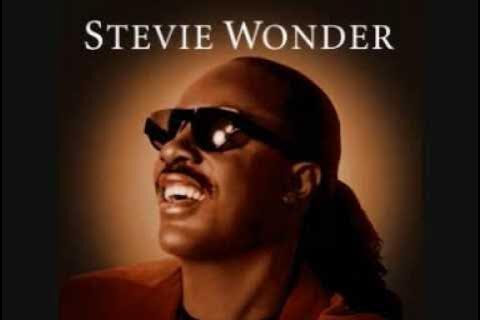
Some music feels like sunlight, and Stevie Wonder’s songs often carried that feeling. Beginning his career as a child, he quickly developed a sound filled with warmth, curiosity, and creativity. His voice sounded gentle yet confident, drawing listeners into melodies that felt uplifting without being overwhelming. Songs like Isn’t She Lovely and Superstition showed his range, moving between joyful celebration and thoughtful reflection. Wonder also experimented with synthesizers and new technology, helping shape the sound of modern pop and soul. His creativity felt natural, like he was simply following where the music wanted to go.
Stevie Wonder’s songwriting often focused on everyday experiences and human connection. His music played during celebrations, quiet evenings, and meaningful moments alike. That versatility helped his songs become part of people’s personal memories. He also remained consistent in tone, keeping warmth and sincerity at the center of his work. Over time, his influence reached artists across genres, from pop to R and B. Stevie Wonder’s music continues to feel hopeful, thoughtful, and genuine. His sound reminds listeners that optimism, when expressed honestly, can travel across generations and still feel fresh.
8. Johnny Cash
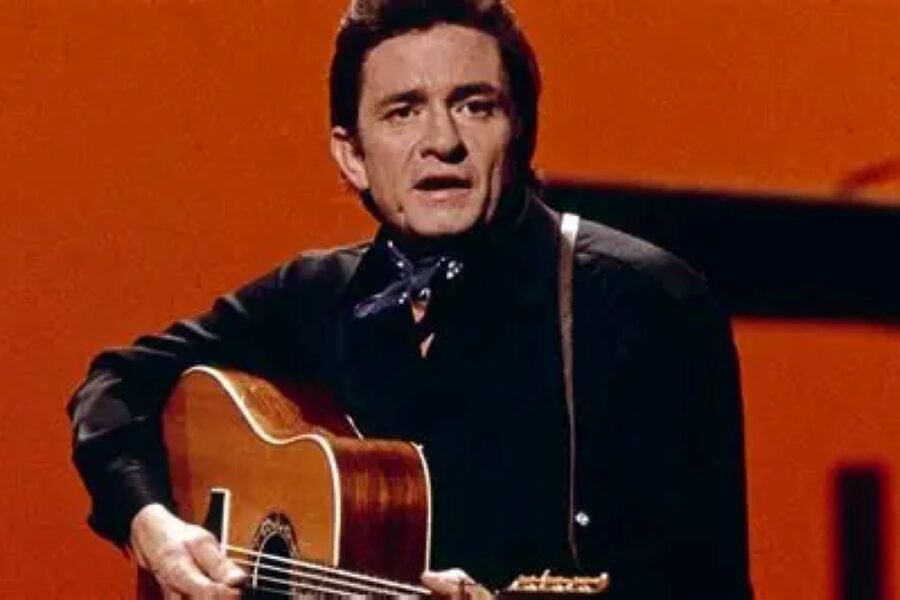
Johnny Cash’s voice felt steady, calm, and deeply grounded. When he sang, it sounded like someone sharing a story rather than performing. His music often explored themes of hardship, redemption, and everyday struggles, which helped listeners relate to his songs. Tracks like Ring Of Fire and I Walk The Line became familiar across country and folk audiences. Cash’s delivery remained simple and direct, making his storytelling feel authentic. That sincerity helped his music reach people who might not normally listen to country music. His presence felt approachable, like someone speaking honestly about life’s ups and downs.
As his career progressed, Cash continued recording music that reflected personal growth and reflection. His later recordings carried a quiet intensity that resonated with new listeners. Younger audiences discovered his music and found it just as meaningful. Cash’s influence stretched across genres, inspiring artists who valued storytelling and authenticity. Over time, Johnny Cash became more than a country musician. He became a symbol of honesty in music. His songs still feel thoughtful and grounded, reminding listeners that simple storytelling can leave a lasting impact.
9. Prince
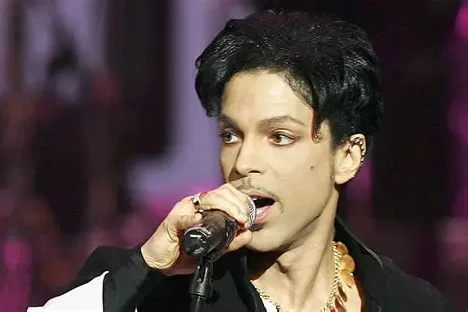
Prince brought a sense of mystery and creativity into American music that felt refreshing. His sound blended funk, pop, rock, and soul in ways that felt effortless. Songs like Purple Rain and When Doves Cry showcased his range, both musically and emotionally. Prince also played multiple instruments, shaping his music from beginning to end. His performances felt energetic yet controlled, drawing audiences into his unique world. That creativity helped him stand apart while still connecting with listeners. His music felt expressive, confident, and deeply personal.
Prince also encouraged artistic independence. He explored different styles, visuals, and themes without losing his identity. That freedom inspired many artists to take creative risks. His stage presence combined energy and elegance, making performances memorable. Over time, Prince became known for his originality and versatility. His influence stretched across pop, funk, and R and B. Even today, his music still feels fresh and inventive. Prince’s legacy continues to remind listeners that creativity thrives when artists follow their instincts and trust their vision.
10. Bruce Springsteen
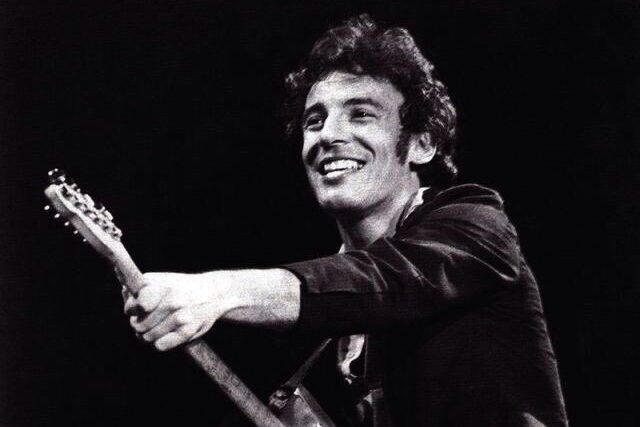
Bruce Springsteen’s music often feels like driving down a familiar road with the radio playing softly. His songs focused on everyday people, small towns, and personal dreams, creating stories listeners could relate to. Tracks like Born To Run and Dancing In The Dark captured both hope and reflection. Springsteen’s voice carried sincerity, and his performances felt energetic yet grounded. His storytelling approach helped audiences see themselves in his music, making each song feel personal and relatable.
Springsteen also built a strong connection with audiences through live performances. His concerts became known for warmth, energy, and emotional depth. Listeners often described feeling understood through his songs. Over time, Springsteen’s music remained consistent in tone, reflecting everyday experiences. His influence extended across rock and folk artists who valued storytelling. Bruce Springsteen’s music continues to feel approachable and thoughtful. His songs remind listeners that ordinary experiences often create the most meaningful stories in American music.
11. Whitney Houston
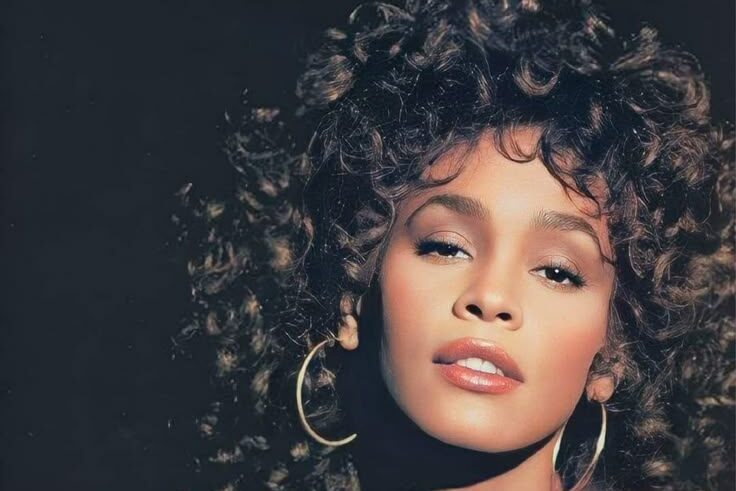
Some voices feel powerful, while others feel comforting, and Whitney Houston managed to be both at the same time. When she began her career, listeners quickly noticed how naturally she moved through songs. Her tone sounded clear and warm, making ballads feel personal rather than distant. Tracks like I Will Always Love You and Greatest Love Of All became familiar across homes, celebrations, and quiet moments. Houston’s delivery felt calm and controlled, which allowed emotion to shine without feeling forced. That balance helped her connect with listeners from different generations and musical tastes.
Whitney Houston also influenced how vocal performance was approached in pop and R and B music. Younger singers studied her phrasing, control, and emotional delivery. Her presence felt graceful, yet her voice carried strength that filled any space. Over time, her songs became part of everyday listening, often tied to personal memories. Whitney Houston did not rely on elaborate production. Her voice carried the message. Even today, her music continues to feel sincere, timeless, and quietly powerful.
12. James Brown
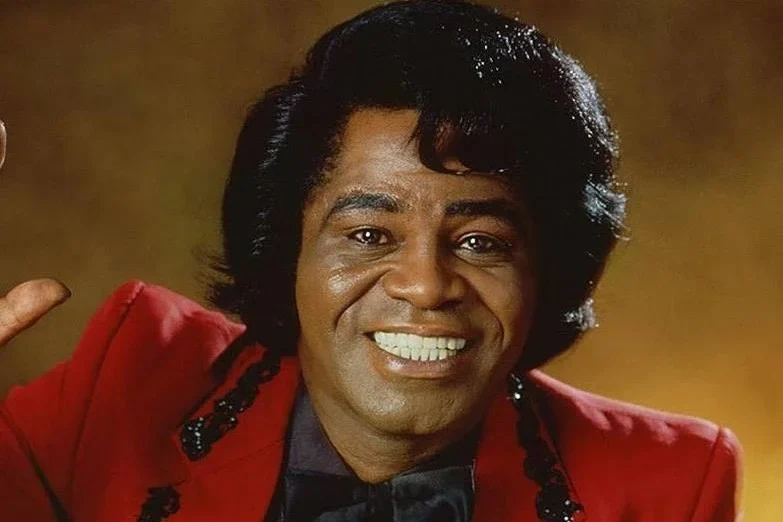
James Brown brought energy into music that felt impossible to ignore. From the moment he stepped on stage, his performances felt alive and spontaneous. His sound helped shape funk music, emphasizing rhythm and groove in a way that influenced countless artists. Songs like I Got You and Papa’s Got A Brand New Bag carried movement that made listeners respond instantly. Brown’s voice sounded urgent and expressive, adding to the excitement of each performance. That energy helped him stand apart while still connecting with wide audiences.
Beyond performance, James Brown influenced how musicians approached rhythm and instrumentation. His band arrangements focused on tight grooves and layered sounds. That style later shaped funk, soul, and even hip hop music. Brown’s stage presence also became a reference point for performers seeking to engage audiences more actively. Over time, his influence reached across genres and generations. James Brown’s music continues to feel energetic and alive, reminding listeners that rhythm can shape how music is felt as much as how it is heard.
13. Madonna

Madonna entered music with confidence and curiosity, quickly becoming one of pop’s most recognizable voices. Her songs blended dance, pop, and storytelling in ways that felt fresh and approachable. Tracks like Like A Virgin and Vogue became cultural touchstones, often tied to fashion and visual identity. Madonna also embraced reinvention, exploring new sounds and themes as her career evolved. That willingness to change helped her remain relevant across decades. Her music often reflected personal expression, which allowed listeners to connect with her evolving journey.
Madonna also influenced how pop artists approached creativity and identity. She explored visuals, performance, and storytelling with intention. That approach inspired artists to think beyond sound alone. Her stage presence felt confident, yet her delivery remained relatable. Over time, Madonna became known for adaptability and creativity. Her songs continued appearing in everyday listening and cultural conversations. Madonna’s influence remains visible in modern pop music, reminding listeners that growth and reinvention can keep creativity alive and meaningful.
14. Marvin Gaye
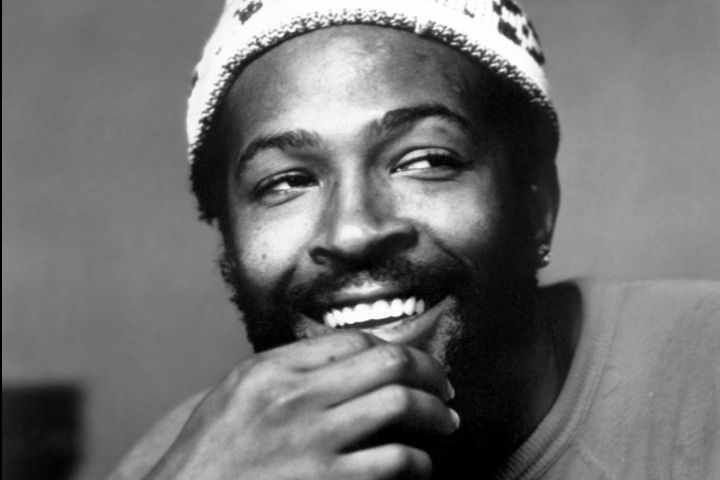
Marvin Gaye’s music often felt thoughtful and intimate. His voice carried warmth, making songs feel personal and reflective. Tracks like What’s Going On and Let’s Get It On showcased his ability to balance emotional depth with smooth delivery. Gaye’s songwriting explored relationships, social issues, and everyday experiences. That honesty helped listeners feel connected to his music. His sound felt calm and expressive, creating space for reflection rather than intensity.
As his career progressed, Marvin Gaye continued exploring meaningful themes. His recordings carried a gentle tone that resonated with listeners seeking thoughtful music. Younger artists admired his emotional honesty and vocal style. Over time, his songs became part of quiet moments and meaningful conversations. Marvin Gaye’s influence stretched across soul and R and B music. His voice continues to feel warm and reflective, reminding listeners that sincerity often creates the most lasting musical connections.
15. Jimi Hendrix
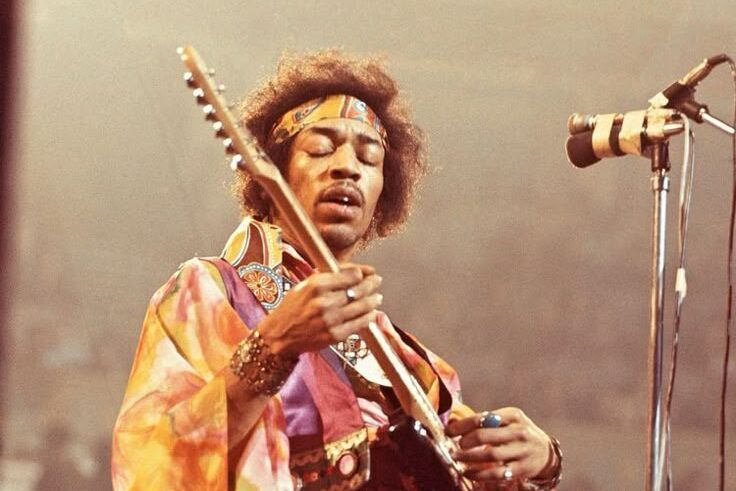
Jimi Hendrix approached guitar playing with creativity and curiosity. His sound felt experimental yet natural, drawing listeners into new musical territory. Songs like Purple Haze and All Along The Watchtower showcased his ability to blend rock, blues, and improvisation. Hendrix’s performances felt spontaneous, making each recording sound alive. That creativity helped redefine what electric guitar could do in popular music.
Hendrix also influenced how musicians approached sound and experimentation. His use of effects and improvisation inspired future artists to explore new ideas. Despite his innovative style, his music still felt approachable and emotional. Over time, Hendrix became a reference point for creativity in rock music. His influence continues across genres and generations. Jimi Hendrix’s guitar work still feels expressive and bold, reminding listeners that experimentation can shape music in lasting ways.
16. Beyoncé
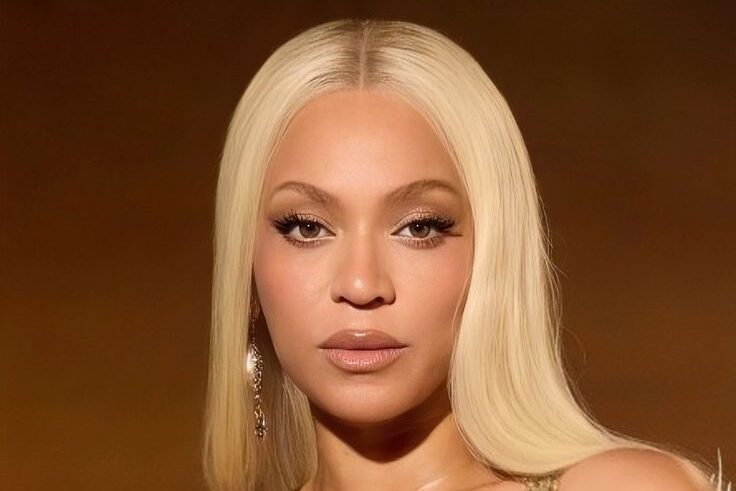
Beyoncé’s music feels confident, polished, and thoughtful. Beginning with Destiny’s Child, she quickly established herself as a strong performer and vocalist. Her solo work explored themes of identity, empowerment, and personal growth. Songs like Halo and Crazy In Love became widely recognized and frequently played. Beyoncé’s performances balanced vocal strength with visual storytelling, creating memorable moments.
Over time, Beyoncé expanded her artistic direction, experimenting with sound and concept driven albums. Her influence reached across pop, R and B, and visual storytelling. Younger artists often looked to her as a model of consistency and growth. Her music remained relatable while evolving creatively. Beyoncé’s work continues to feel modern and impactful. Her presence in music reflects confidence and thoughtful creativity that resonates with audiences today.
17. Frank Sinatra
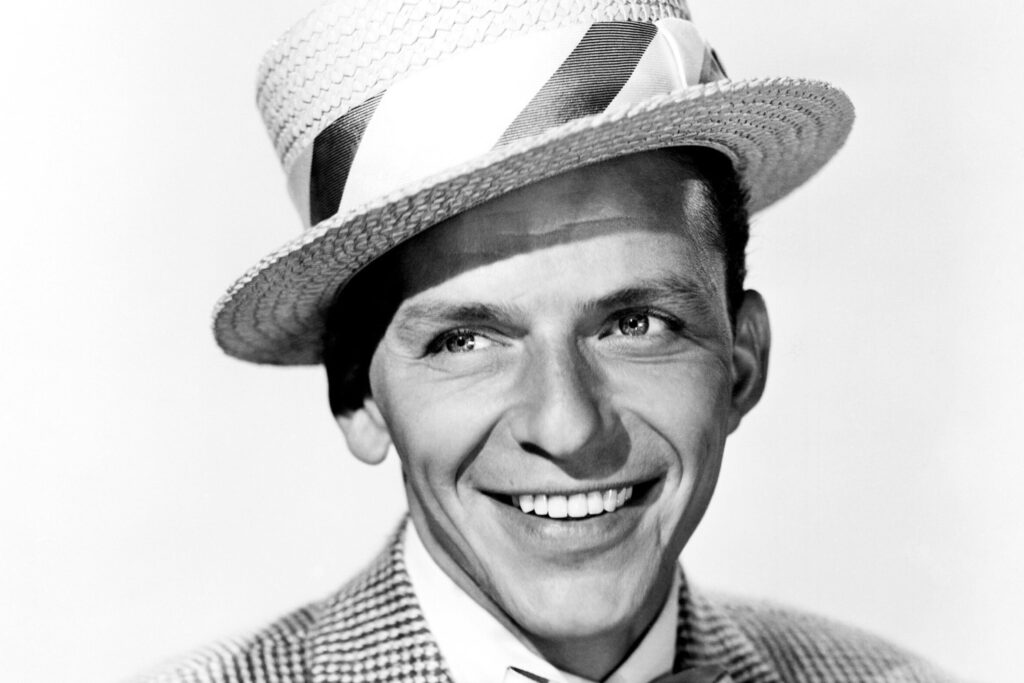
Some voices feel like they belong to a certain moment, while others seem to travel easily across decades. Frank Sinatra had that kind of voice. When he sang, it often felt relaxed and conversational, as though he were sharing a quiet thought rather than performing on a stage. Songs like Fly Me To The Moon and My Way became familiar companions during celebrations, reflective evenings, and everyday listening. His phrasing felt natural, and the warmth in his delivery helped listeners connect without effort. Sinatra’s style showed that subtlety could be just as powerful as volume, and that approach shaped how many singers approached interpretation.
As his career developed, Sinatra continued refining his storytelling style, choosing songs that reflected emotion and experience. His recordings carried a sense of calm confidence that resonated with wide audiences. Musicians admired how he balanced control with feeling, allowing each lyric to settle gently. Over time, his music became part of shared cultural memory, played across generations without losing its appeal. Frank Sinatra’s voice still feels steady and familiar, reminding listeners that simplicity, sincerity, and thoughtful delivery often create the most enduring musical moments.
18. Tina Turner
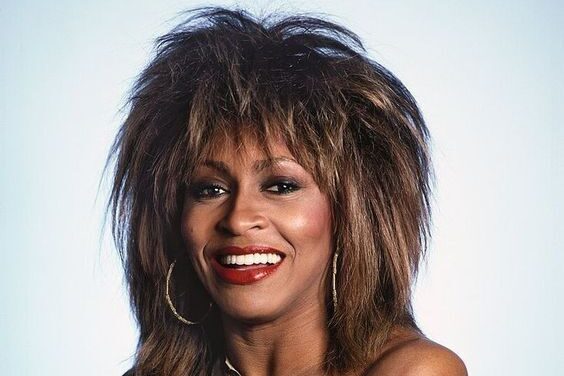
Some performers bring energy to the stage, and Tina Turner brought something even deeper, a sense of determination that listeners could feel. Her voice sounded powerful and textured, while her stage presence carried movement and confidence. Songs like What’s Love Got To Do With It and Proud Mary became widely recognized, often remembered for their intensity and emotional delivery. Turner’s performances felt alive, and her connection with audiences made each moment memorable. Her journey through music reflected growth and perseverance, which added meaning to her work beyond the sound itself.
As Tina Turner’s career progressed, her music reached new audiences who appreciated both her strength and vulnerability. Younger performers admired her ability to command a stage while remaining authentic. Her recordings carried a sense of motion, and her voice felt grounded yet expressive. Over time, Turner became a symbol of resilience and creative reinvention. Her influence extended across rock and pop, inspiring artists to perform with confidence and honesty. Tina Turner’s music continues to feel vibrant, reminding listeners that perseverance and passion often shape the most lasting legacies.
19. Kurt Cobain
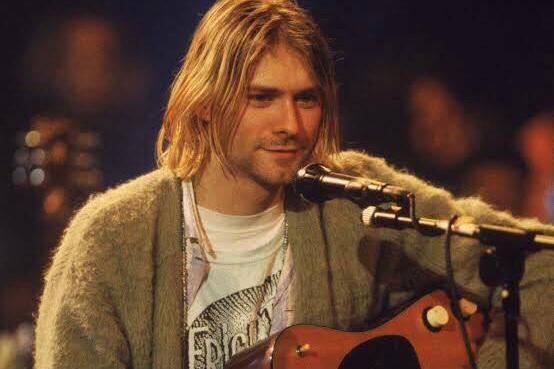
Kurt Cobain’s music arrived at a time when many listeners were searching for something honest and unpolished. As the lead singer of Nirvana, his sound helped define the grunge movement of the early nineteen nineties. Songs like Smells Like Teen Spirit carried raw emotion, and his voice sounded reflective rather than polished. That authenticity resonated with audiences who connected with the quiet intensity in his songwriting. Cobain’s music often explored identity, uncertainty, and personal struggles, themes that felt relatable to many listeners. His approach showed that vulnerability could become a strength in music.
As Nirvana’s popularity grew, Cobain remained focused on expression rather than perfection. His guitar playing and songwriting felt spontaneous, adding to the sincerity of his work. Younger musicians began embracing authenticity, inspired by his style and perspective. Over time, his influence reached beyond rock music into broader cultural conversations. Kurt Cobain’s songs continue to resonate with listeners discovering them for the first time. His voice still feels reflective and genuine, reminding audiences that honesty and emotion often leave the deepest impression.
20. Carole King
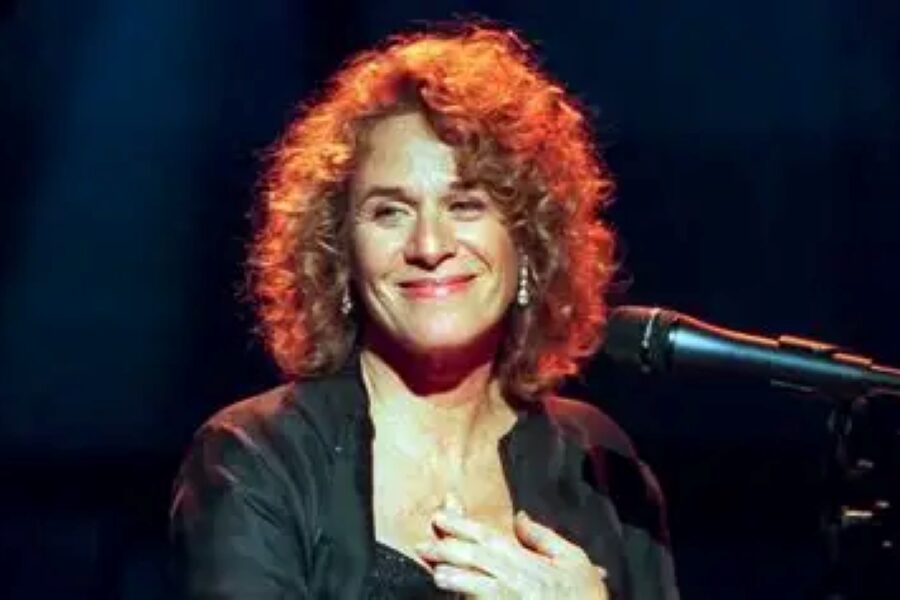
Some musicians create memorable performances, while others quietly shape the sound behind the scenes. Carole King did both, and her songwriting became part of everyday listening for generations. Songs like You’ve Got A Friend and It’s Too Late carried warmth and simplicity that felt personal. Her voice sounded gentle, and her piano driven arrangements created a calm, reflective atmosphere. King’s songwriting focused on everyday emotions, which helped listeners connect naturally. Her music often felt familiar, even when hearing it for the first time, and that accessibility helped her songs travel across decades.
As her career continued, Carole King remained grounded in storytelling and sincerity. Many artists recorded her songs, extending her influence even further. Her recordings played during quiet mornings, thoughtful evenings, and shared memories. Over time, her work became part of the fabric of American music, subtle yet enduring. Carole King’s songs still feel warm and approachable today. As this list comes to a close, her presence reflects how lasting music often feels simple and sincere. If these artists sparked memories, consider revisiting their songs and sharing them with someone who appreciates timeless sound.


